What did the jailer do in Acts 16:27 when he woke up and saw the prison doors open? Why?
What did Paul cry out in Acts 16:28?
What did the jailer do in the following verses?
Acts 16:29
Acts 16:30
Acts 16:33
Acts 16:34
5.What did Paul and Silas say in response to the jailer’s question in Acts 16:31-32?
6. What did the jailer tell Paul and Silas the magistrates ordered in Acts 16:35-36?
7. How did Paul respond in Acts 16:37?
8. What was the reaction of the magistrates in Acts 16:38-39?
9. What did Paul and Silas do after being released in Acts 16:40?
We desire to help you grow in your knowledge of God and His Word. If you are looking for additional information and/or materials, please visit our website at RootedinHisWord.org and our Facebook page.
What is Paul’s response to the vision in Acts 16:10?
Where does Paul head from Troas in Acts 16:11? How does he travel there?
Where does Paul head in Acts 16:12? What do you learn of that city? How long does Paul stay?
Where does Paul go on the Sabbath in Acts 16:13?
Why do Paul and Silas meet at the river in Acts 16:14?
How is Lydia described in Acts 16:14?
What happened according to Acts 16:15?
Who do Paul and Silas meet in Acts 16:16? How is she described?
What was the slave girl doing in Acts 16:17-18?
What did Paul do in Acts 16:18? Why?
What was the reaction of the owners when Paul cast out the demon from the slave girl in Acts 16:19-21?
What was the reaction of the crowd in Acts 16:22-23?
What did the jailer do in Acts 16:24?
What were Paul and Silas doing around midnight? What were the other prisoners doing?
Going deeper: Why would a group of women be gathered for prayer by the river on Shabbat?
Going deeper: Review Acts 16:16-18. What do you observe about the behavior of the demon? Note all that you see. How can you use this information when dealing with demonic activity? Consider spending some time in prayer about this information, asking God to reveal to you how it might be applicable to situations you have faced, are facing or will face.
Going deeper: Consider Paul and Silas singing hymns and praying. What types of prayers and hymns would they be saying/singing? Why? Why is it important to sing songs and hymns that are doctrinally correct? What might have been their intention in singing and praying aloud in this situation?
We desire to help you grow in your knowledge of God and His Word. If you are looking for additional information and/or materials, please visit our website at RootedinHisWord.org and our Facebook page.
Who does Paul meet up with in Lystra in Acts 16:1?
How is he described in Acts 16:1-2?
What do you learn of Paul and Timothy in Acts 16:3?
What do they deliver according to Acts 16:4? What was the result? Why do you think that occurred?
Where do they go in Acts 16:6? Why?
Going deeper: Where was Phyrygia? Galatia? Mysia? Bithynia? In what modern country are these ancient cities located?
What happened in Acts 16:7 when they tried to go into Bithynia?
What do you learn about the leading of the Holy Spirit (Spirit of Jesus) from this passage? How might you apply it to situations in your own life?
When they are prevented from going to Bithynia, where do they go instead according to Acts 16:8?
Going deeper: Where was Troas located? What kind of city was it in the first century?
It is our desire to help you grow in your knowledge of Adonai and His Word. If you are looking for additional information and/or materials, please visit our website at RootedinHisWord.org and our Facebook page.
It is our desire to help you grow in your knowledge of Adonai and His Word. If you are looking for additional information and/or materials, please visit our website at RootedinHisWord.org and our Facebook page.
Read Acts Chapter 15 – Review your notes from the first part of the chapter. 1. What happened in Acts 15:30?
2. What was the reaction according to Acts 15:31?
3. What did Judas and Silas do in Acts 15:32-33?
Note: Some manuscripts insert verse 34: “But it seemed good to Silas to remain there.” The verse is missing from other manuscripts so translations omit it.
4. What did Paul and Barnabas do according to Acts 15:35?
5. What does Paul tell Barnabas according to Acts 15:36?
6. How did Barnabas respond in Acts 15:37?
7. What was Paul’s response in Acts 15:38?
8. What happened according to Acts 15:39-41?
Prayer Prompt: Sit with the LORD for a time. Review this last section of chapter 15 regarding the dispute between Paul and Barnabas. Consider that God allowed this to occur for the good of them and for all who would learn of it. Consider that God can move through difficult and potentially ungodly behaviors. How might God have used this disagreement for His glory? To strengthen the greater body of believers? To strengthen those involved and witness to the dispute? Allow God access to your heart on this matter. How do you feel about strong disagreement between believing adults? Does this bring fear and anxiety because of your past or personal experiences? Are you comfortable with confrontation which can be left unresolved for a time? Ask God to reveal your heart in this. Ask Him to show you where He might want to heal or restore relationship interrupted by a disagreement.
It is our desire to help you grow in your knowledge of Adonai and His Word. If you are looking for additional information and/or materials, please visit our website at RootedinHisWord.org and our Facebook page.
Read Acts Chapter 15 1. What were those who came from Judea teaching according to Acts 15:1?
2. How did Paul and Barnabas respond in Acts 15:2?
3. What did they do on their way to Jerusalem in Acts 15:3?
4. What happened when they arrived in Jerusalem in Acts 15:4?
5. What was the response from some of the Pharisees in Acts 15:5?
6. Copy Acts 15:6 here. Meditate on this. Record your thoughts and impressions.
7. What did Peter say after much debate in the following verses? Acts 15:7
Acts 15:8
Acts 15:9
Acts 15:10
Acts 15:11
8. What was the reaction of the assembly to Paul and Barnabas in Acts 15:12?
9. What does James say in the following verses? Acts 15:14
Acts 15:16
Acts 15:17
Acts 15:19-20
Acts 15:21-22
10. Review Amos 9:11-12. How does it relate to James’ speech?
11. Copy the following verses and make note of how they relate to James’ comments and/or are used by James. Isaiah 43:5-7.
Jeremiah 14:8-9
Isaiah 45:21
12. Who is this “James?” (See Matthew 13:55, Galatians 2:9)
13. What do the apostles and elders decide in Acts 15:22?
14. What did the letter the council sent with them say according to the following verses? Acts 15:23
Acts 15:24-26
Acts 15:27
Acts 1528-29
It is our desire to help you grow in your knowledge of Adonai and His Word. If you are looking for additional information and/or materials, please visit our website at RootedinHisWord.org and our Facebook page.
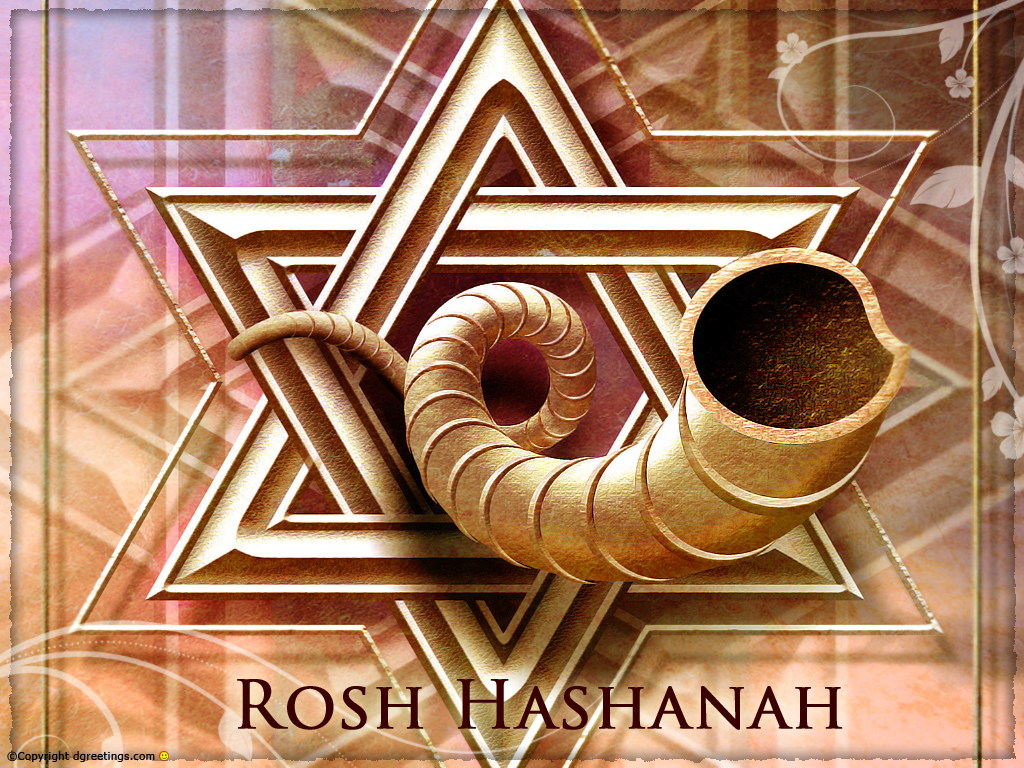
Rosh HaShanah (Feast of Trumpets) is one of the 7 holidays instituted by God which were intended to be times to meet with God. It was NOT one of the feasts during which Jewish males were required to go to Jerusalem. Rosh HaShanah marks the beginning of the Civil New Year on the Jewish calendar. The 10 days of repentance that follow and Yom Kippur (Day of Atonement) make up the High Holy Days for Jewish people.
Prior to Rosh HaShanah, the shofar (ram’s horn) is blown to call people to repentance and to remind them that it is time for the holy days.
In Leviticus chapter 23, the LORD spoke to Moses regarding this feast day saying, “Speak to the children of Israel, saying: ‘In the seventh month, on the first day of the month, you shall have a sabbath-rest, a memorial of blowing of trumpets, a holy convocation. You shall do no customary work on it; and you shall offer an offering made by fire to the LORD.’
The Jewish tradition teaches that God writes every person’s words, deeds and thoughts in the Book of Life, and He opens it and examines it on Rosh HaShanah. Jewish tradition further holds that if an individual’s good deeds outnumber sinful ones for the year, that person’s name will be inscribed in the book for another year on Yom Kippur. As a result, during Rosh HaShanah and the 10 days of repentance following it, people can repent and do good deeds to increase the likelihood that their names will be written in the Book of Life the following year.
Many Christians believe that Rosh HaShanah along with the other 2 fall holidays (Day of Atonement and Feast of Booths) will be fulfilled at the second coming of Christ.
Read Acts Chapter 14 1. Where were Paul and Barnabas in Acts 14:1? What happened?
Going deeper: Where was Iconium?
2. What did the unbelieving Jews do in Acts 14:2?
3. How did Paul and Barnabas respond according to Acts 14:3?
4. What do you learn from Acts 14:4?
5. What happened in Acts 14:5-7?
Going deeper: Where was Lystra? Derbe? Lycaonia? What country is that in the modern world?
6. Who did Paul see while he was speaking according to Acts 14:8-9? What did he observe about him?
7. What did Paul say to him in Acts 14:10? What happened?
8. What was the response of the crowd in Acts 14:11-13?
9. How did Paul and Barnabas respond in the following verses? Acts 14:14
Acts 14:15
Acts 14:16
Acts 14:17
10. What was the reaction of the crowd in Acts 14:18?
11. Who came from Antioch and Iconium? Why?
12. What happened in Acts 14:19-20?
13. Where did he go the next day with Barnabas?
Going deeper: Where was Derbe? What modern country is that in?
14. What did they do in Derbe according to Acts 14:21?
15. What did they do when they left Derbe in Acts 14:21-23?
16. Where did they go next according to the following verses? How did they travel to get there? Acts 14:24
Acts 14:25
Acts 14:26
16. What happened in Antioch according to Acts 14:26-28?
It is our desire to help you grow in your knowledge of Adonai and His Word. If you are looking for additional information and/or materials, please visit our website at RootedinHisWord.org and our Facebook page.
Read Acts Chapter 13 1. What does Paul say happened in Jerusalem in Acts 13:27-31?
2. Copy Acts 13:32 here. What is this “good news” promised to the fathers? Where is it found in the Hebrew Bible (Old Testament)?
3. What does Paul say about Psalm 2 in Acts 13:33?
4. What does Paul say about Isaiah 55:3 in Acts 13:34?
5. What does Paul say about Psalm 16:10 in Acts 13:35?
6. What does Paul say about David in Acts 13:36?
7. What meaning or understanding (midrash) does Paul give for Psalm 16:10 in Acts 13:37?
8. What is the significance of this one who did not see corruption according to Acts 13:38-39?
9. What warning does Paul give in Acts 13:40-41?
10. What happens in the following verses? Acts 13:42
Acts 13:43
Acts 13:44
Acts 13:45
11. What do Paul and Barnabas tell the Jews in Acts 13:46?
12. Copy Isaiah 49:6 here.
13. Copy Isaiah 45:22 here.
14. Copy Acts 13:48-49. How does your heart react to this “good news” (the scriptures your copied from Isaiah 49:6, 45:22 as spoken by Paul in Acts 13:47) that God seeks to reach the ends of the earth. Consider those you see as most detestable because of their crimes, their sins, their lifestyle, their values (or lack of them). How does your heart react to the thought of them with your in church, in heaven? Ask God to show you where your heart is not aligned with His in this message Paul and Barnabas are preaching. Where does this not resonate as rejoicing in your soul?
15. What did the non-believing Jews do in Acts 13:50?
16. What was the response of the disciples in Acts 13:51-52?
It is our desire to help you grow in your knowledge of Adonai and His Word. If you are looking for additional information and/or materials, please visit our website at RootedinHisWord.org and our Facebook page.
Read Acts Chapter 13 (Paul’s First Missionary Journey)
1. Who was in the church in Antioch according two Acts 13:1?
2. What were they doing when the Holy Spirit spoke to them in Acts 13:2?
3. What did the Holy Spirit say in Acts 13:2?
4. What did they do after the Holy Spirit spoke in Acts 13:3?
5. Where did they go according to Acts 13:4? Why?
Going deeper: Where was Selucia in the first century? Where was Salamis?
6. What did they do when they arrived at Salamis? Where? Why?
7. Who was with them?
8. Who was Bar-Jesus? Where did they find him?
9. Who was with Bar-Jesus?
10. Who does Luke describe Sergius Paulus?
Going deeper: What is the meaning of “magos” in Greek? What is the implication about Greek culture?
11. What was the response of the magician to Barnabas to Saul? Why?
12. What do you learn of Saul’s name from Acts 13:9?
13. What does Paul say to the magician in Acts 13:10-11?
14. What happened to the man in Acts 13:11?
15. What was the reaction of the proconsul?
16. Where did Paul and his companion sail to according to Acts 13:13?
17. Who left and returned to Jerusalem?
18. To where did Paul and friends continue?
Going deeper: Where were the following locations in the first century: Paphos, Perga, Pamphilia, Pisidia? In what modern countries were these ancient cities located?
19. What did they do on the Sabbath day in Acts 13:14? Why?
20. What happened after the readings according to Acts 13:15?
21. What did Paul do in response in Acts 13:16?
22. What does Paul say to them in the following verses? Reflect as you answer on how this history speaks of God’s “chesed” (loving kindness) and long-suffering with His people.
Acts 13:17
Acts 13:18
Acts 13:19
Acts 13:20
Acts 13:21
Acts 13:22
Acts 13:23
Acts 13:24
Acts 13:25
23. Copy Acts 13:26 here. How does your heart respond to this? Do you count yourself among the family of Abraham? Why or whynot? Ask God to speak the truth of His salvation message to you.
24. Which of the following books of the Hebrew Bible (Old Testament) does Paul refer to in his sermon? (Circle all that are referenced) Genesis Exodus Leviticus Numbers
Deuteronomy Joshua Judges 1 & 2 Samuel 1 & 2 Kings Psalms
It is our desire to help you grow in your knowledge of Adonai and His Word. If you are looking for additional information and/or materials, please visit our website at RootedinHisWord.org and our Facebook page.

 Rooted and Grounded