Feeds:
Posts
Comments

Read Chapter 8
1.What was Saul’s reaction to the stoning of Stephen? Why?

2. What happened right after the stoning of Stephen according to Acts 8:1?

3. What do you learn from Acts 8:2?

4. What was Saul doing according to Acts 8:3?

5. Copy Acts 8:4. How does this impact you? Can you picture them, fleeing persecution, but still being zealous to share the gospel? How does your soul react to this? Would you be afraid and silent? Would you also be preaching the gospel in the midst of your persecution?

6. What does Philip do according to Acts 8:5?

7. What is the reaction of the crowds in Acts 8:6-8?

8. To whom is the reader introduced in Acts 8:9? What is told of him?

9. What was the reaction to Simon the Magician according to Acts 8:10-11?

10. What happens when Philip comes to town according to Acts 8:12-13?

11. Why do Peter and John come to Samaria according to Acts 8:14? What do they do while they are there in Acts 8:15-17?

Going deeper: What is the significance of Samaria and the move of the Holy Spirit there?

12. How does Simon respond in Acts 8:18-19?

13. What is the response of Peter in Acts 8:20-23?

14. What do you learn from the following scriptures? How do they relate to Simon the magician?
Deuteronomy 29:18

Hebrews 12:15

Romans 6:16

Romans 8:8

14. How does Simon respond in Acts 8:24?

15. Copy Acts 8:25. Meditate on this. How does your soul respond to this life the disciples are living? What does it mean to go and preach the good news of God in places that you have historically been an enemy or hated or treated poorly? What would it do to your soul to see God turns the hearts of your enemies before your eyes?

16. Who speaks to Philip in Acts 8:26? What does he say?

Going deeper: Where is Gaza located in Israel? What historical enemy of Israel lived in this area of the land? What is the significance of Gaza to modern Israel?

17. What is Philip’s response in Acts 8:27?

18. Who does Philip meet in Acts 8:27-28? What is he doing?

Going deeper: What is a “eunuch?” What was the function of eunuchs in the ancient near east and other ancient societies?

19. What does the Spirit tell Philip to do in Acts 8:29?

20. When Philip goes over, what does he hear according to Acts 8:30?

21. What does Philip ask the man? What is his response?

22. What passage of scripture was the eunuch reading?

23. What question does he ask Philip about the passage? How does Philip respond according to Acts 8:35?

24. What occurs in Acts 8:36-38?

25. What happens when they came up out of the water according to Acts 8:39-40?

Going deeper: Where was Ashdod located? What was the historical significance of this city? Area of the country?

It is our desire to help you grow in your knowledge of Adonai and His Word. If you are looking for additional information and/or materials, please visit our website at RootedinHisWord.org and our Facebook page. 
34857624_201435477340473_855160484356161536_n

Read Acts Chapter 7
1. What does the high priest ask Stephen in Acts 7:1?

2. Whose story does Stephen begin with in Acts 7:2-8? What is his point in re-telling this story?

3. Whose story does Stephen turn to in Acts 7:9-16? What point is he making in telling this story?

4. Whose story does Stephen turn to in Acts 7:17-29? What is the point of this part of the story?

5. Whose story is being continued in Acts 7:30-34? What is the point of this part of the story?

6. What commentary does Stephen provide about the life and ministry of Moses in Acts 7:35-41? What is the point he is making here?

7. What does Stephen say that God did in Acts 7:42-43?

8. What does Stephen go on to say about the “tent of witness” or Tabernacle in Acts 7:44-47?

9. What does Stephen say about the dwelling place of the Most High in Acts 7:48-50? What passage is he quoting here?

10. How does Stephen address the people in Acts 7:51?

Isaiah 66:1-2

11. What do you learn from the following verses?
Exodus 32:9

Exodus 33:3, 5

Deuteronomy 9:6

Deuteronomy 10:16

Deuteronomy 30:6

Jeremiah 4:4

12. What does he say of their fathers (ancestors) in Acts 7:51-52?

13. Copy Acts 7:53. Meditate on this. Record your thoughts and impressions.

14. What was the reaction of the crowd listening to Stephen according to Acts 7:54?

15. What did Stephen do according to Acts 7:55-56?

16. What happened in Acts 7:57-58?

17. What does Stephen do according to Acts 7:59-60 as he was being stoned?

18. Copy Acts 7:58. What is your heart’s reaction to this scene? Are you sad? Angry? Rejoicing? How might the onlookers who loved Stephen be feeling? What about those who stoned him? How might the scene have impacted Saul?

It is our desire to help you grow in your knowledge of Adonai and His Word. If you are looking for additional information and/or materials, please visit our website at RootedinHisWord.org and our Facebook page. 
34857624_201435477340473_855160484356161536_n

Bible Study Acts Chapter 6

Read Chapter 6
1. According to Acts 6:1, what was going on in Jerusalem in the community of believers?

Going deeper: What do you learn about widows from the following passages? Exodus 22:22; Deuteronomy 10:17-18, 24:17-21, 27:19; Psalm 9:18, 68:5. How might this teaching throughout scripture have impacted these Messianic Jews in the first century?

2. What is the response of the twelve in their statements to the whole community of disciples in the following verses?
Acts 6:2

Acts 6:3

Acts 6:4

3. What was the reaction of the community to these statements according to Acts 6:5?

4. Who did they choose according to Acts 6:5? How is Stephen described in Acts 6:5 and 6:8?

5. What was done with these men according to Acts 6:6?

6. Copy Acts 6:7. Meditate on this, especially how amazing it must have been to see the priests – those whose lives were dedicated to serving God, coming to faith in Yeshua, the Messiah.

7. Who disputed with Stephen according to Acts 6:9?

8. What happened in these disputes according to Acts 6:10?

9. What did these men do as a result according to the following verses?
Acts 6:11

Acts 6:12

Acts 6:13-14

10. What did they observe about Stephen as he sat in the council according to Acts 6:15?

It is our desire to help you grow in your knowledge of Adonai and His Word. If you are looking for additional information and/or materials, please visit our website at RootedinHisWord.org and our Facebook page. 
34857624_201435477340473_855160484356161536_n

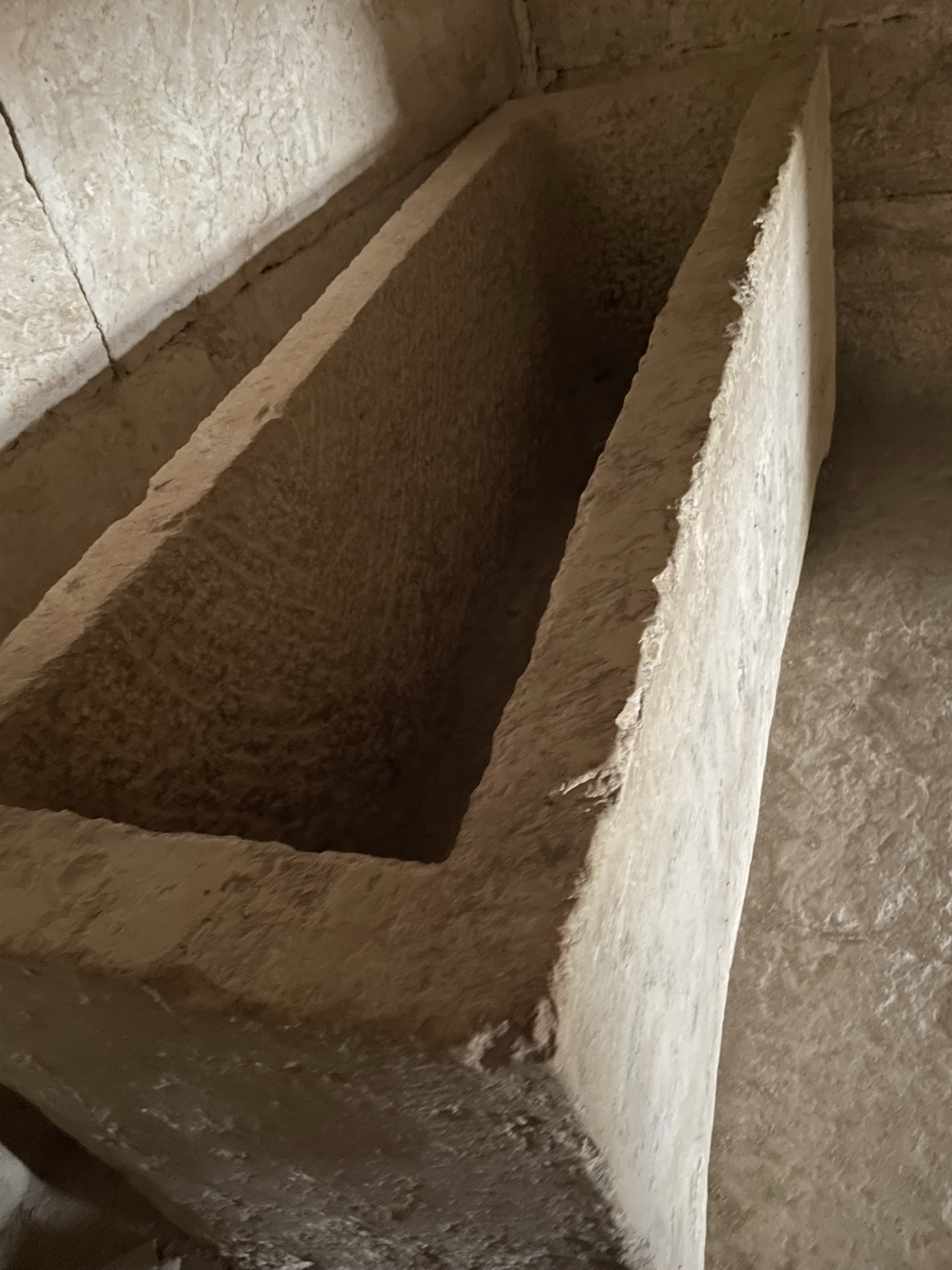
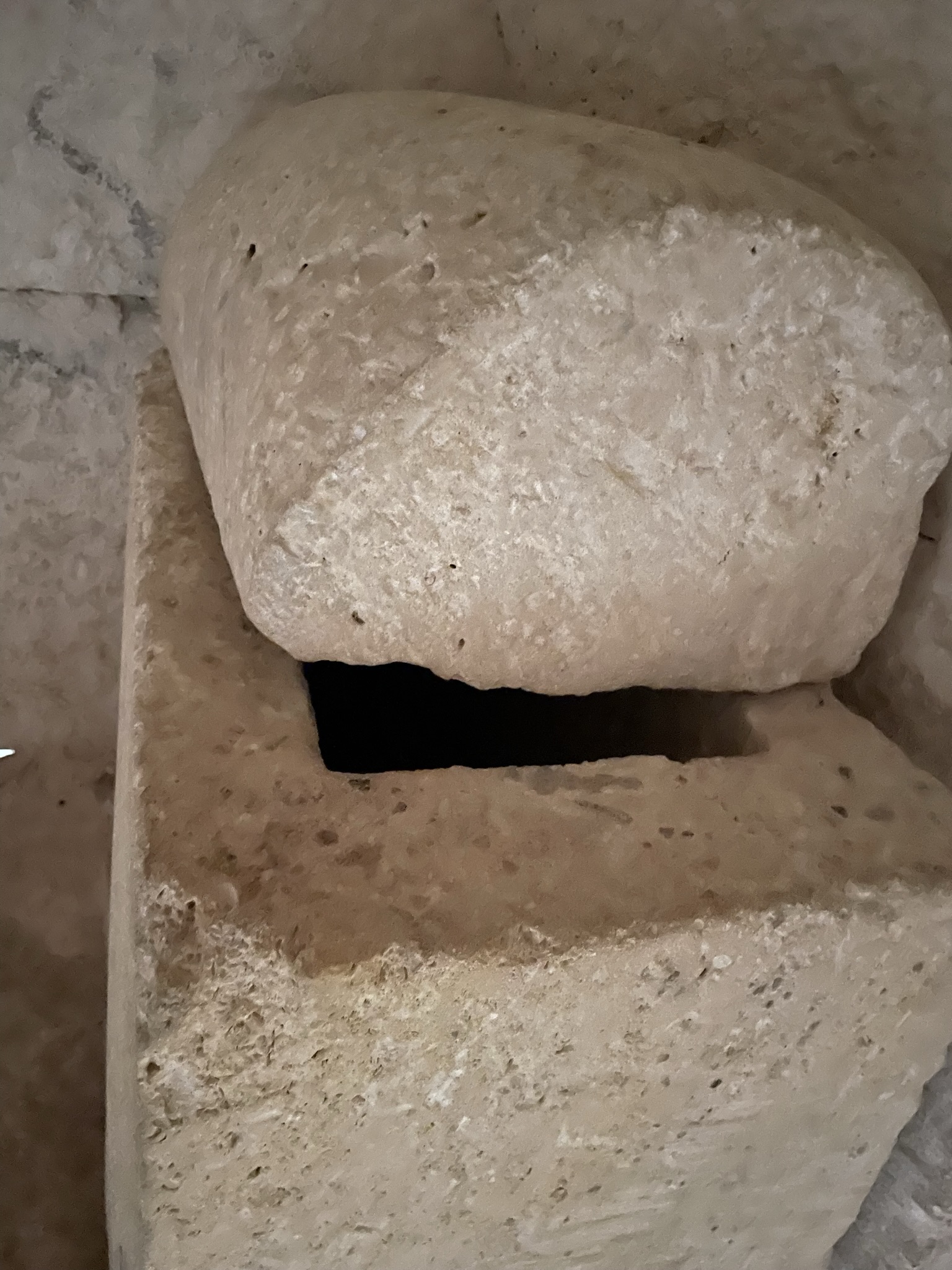
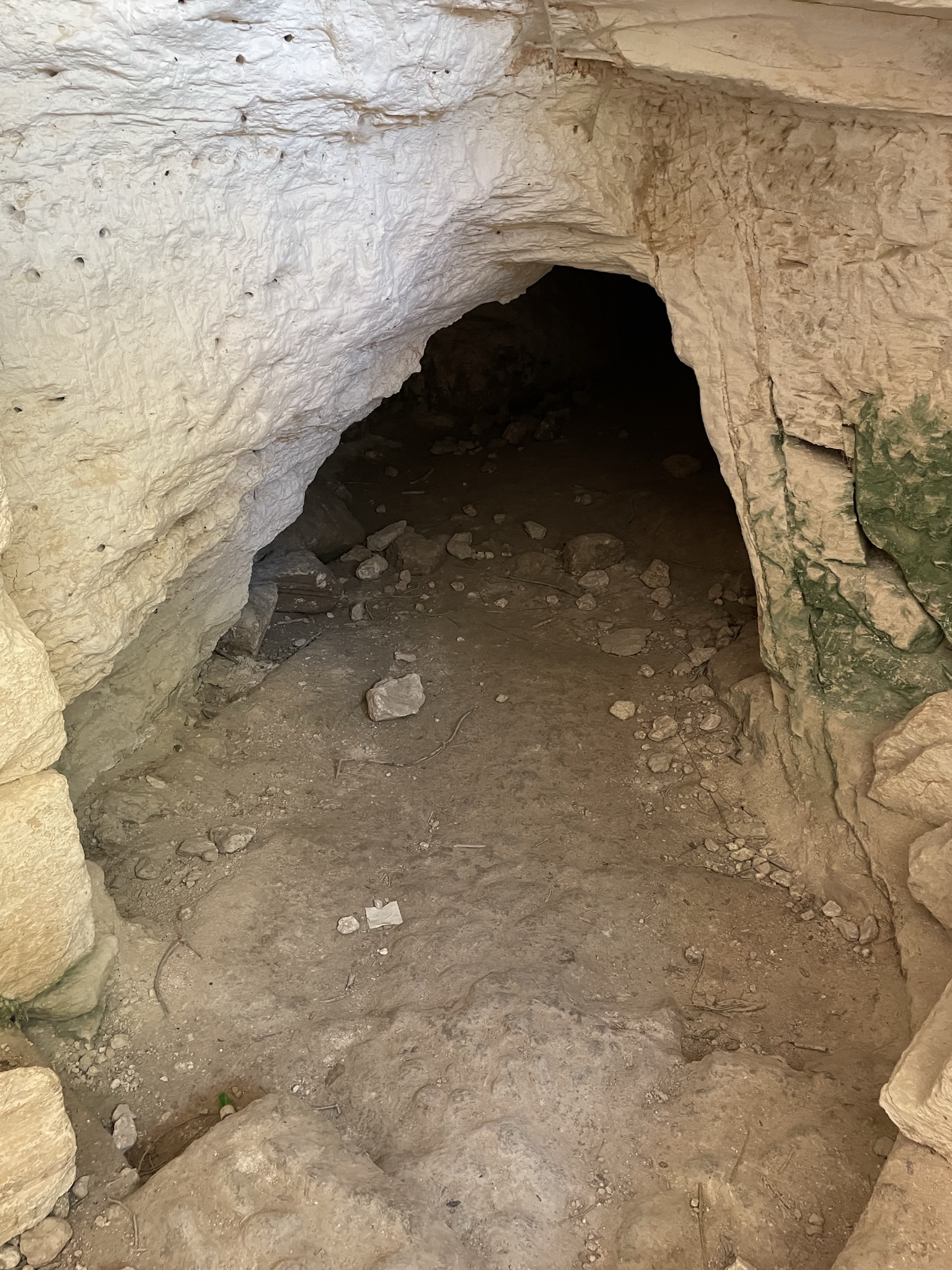
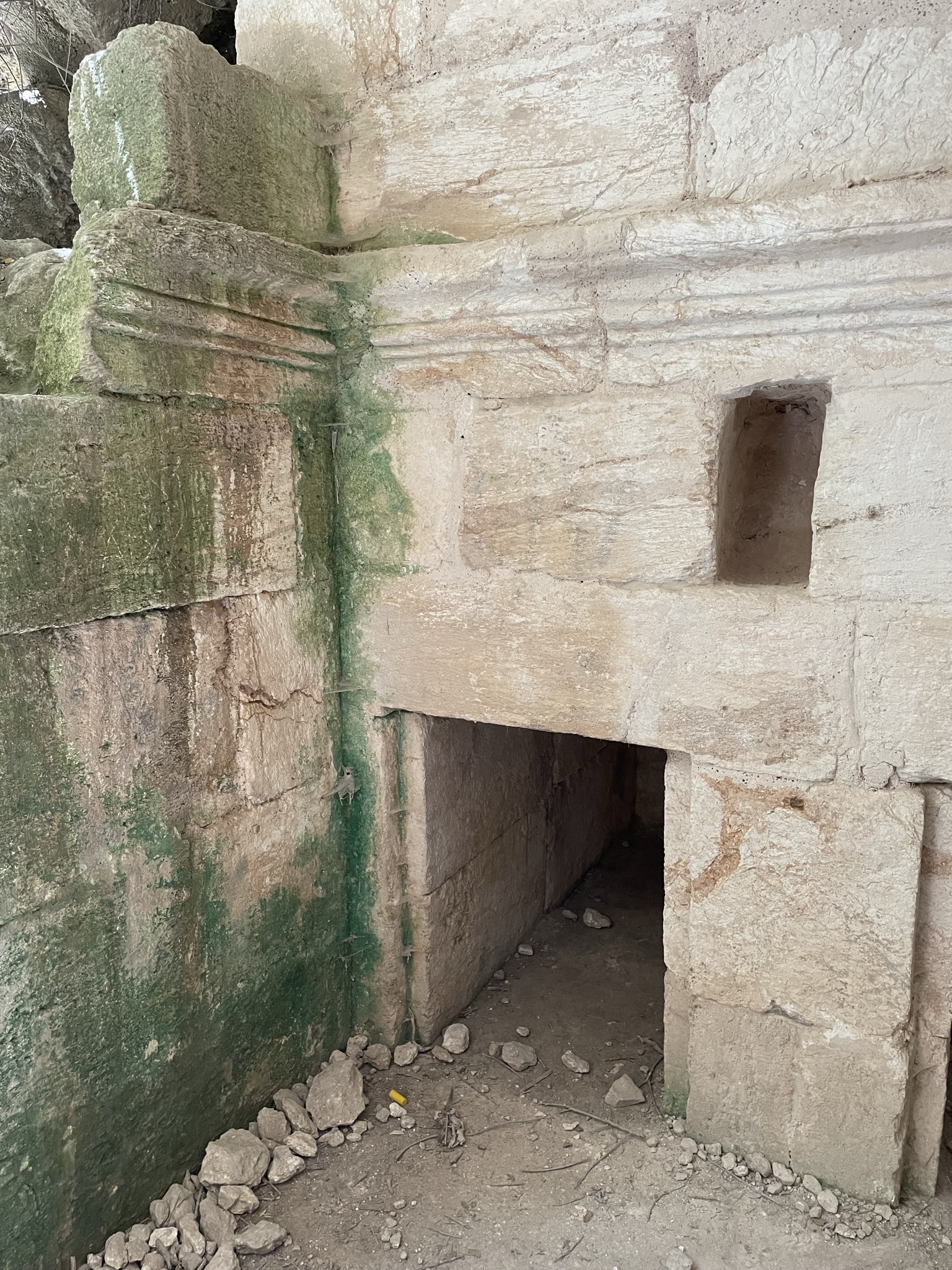
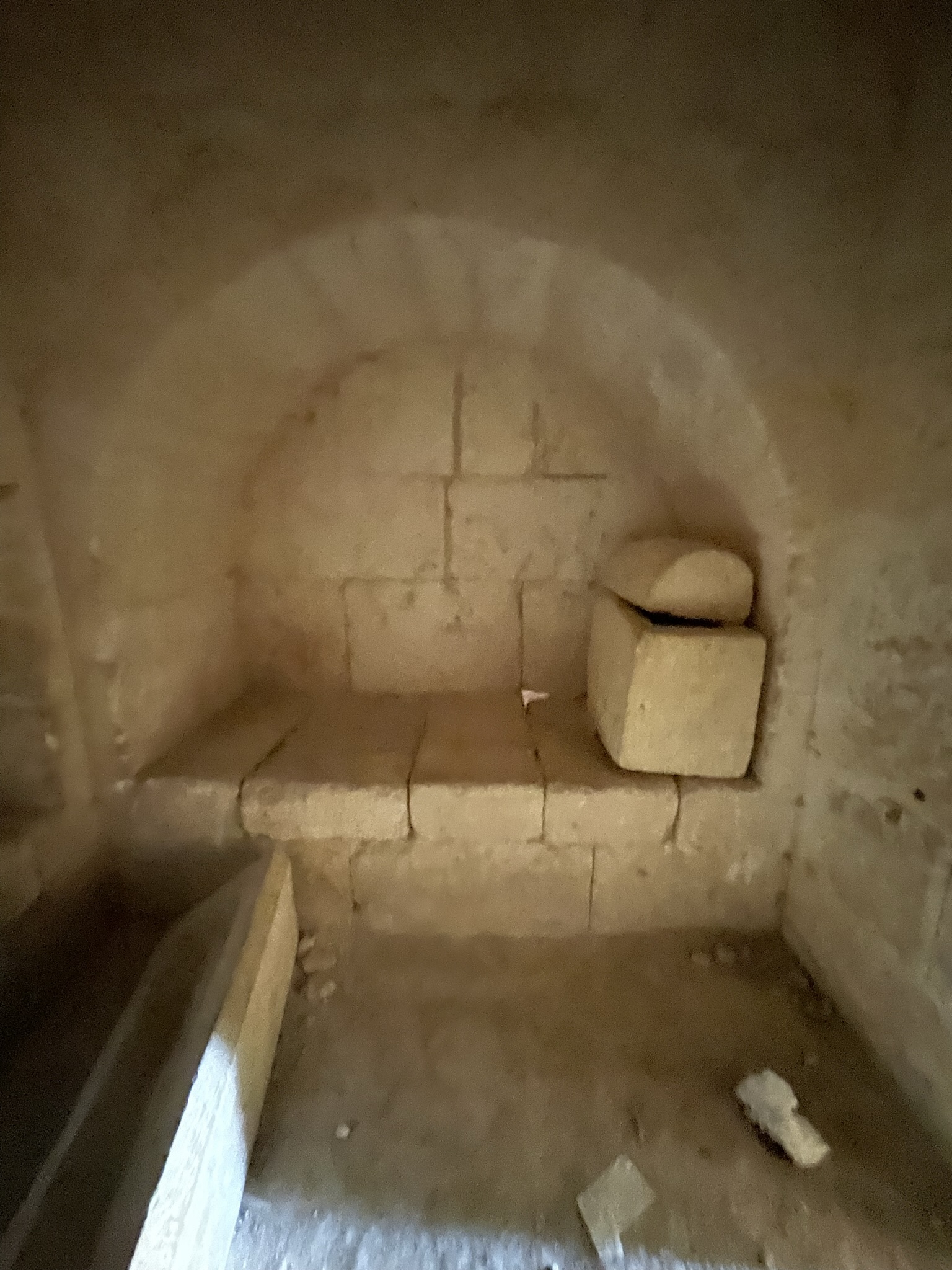
First Century Burial

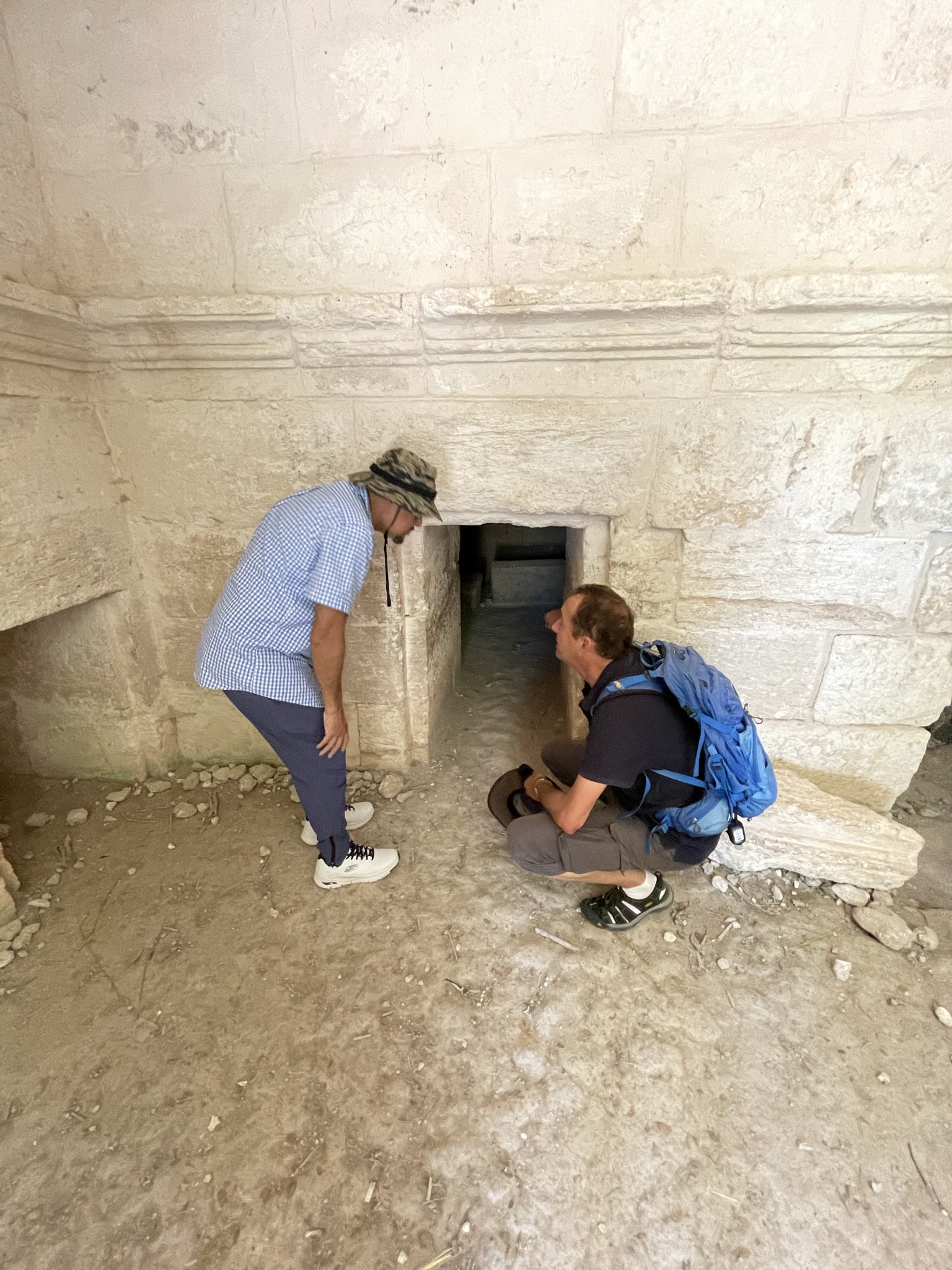
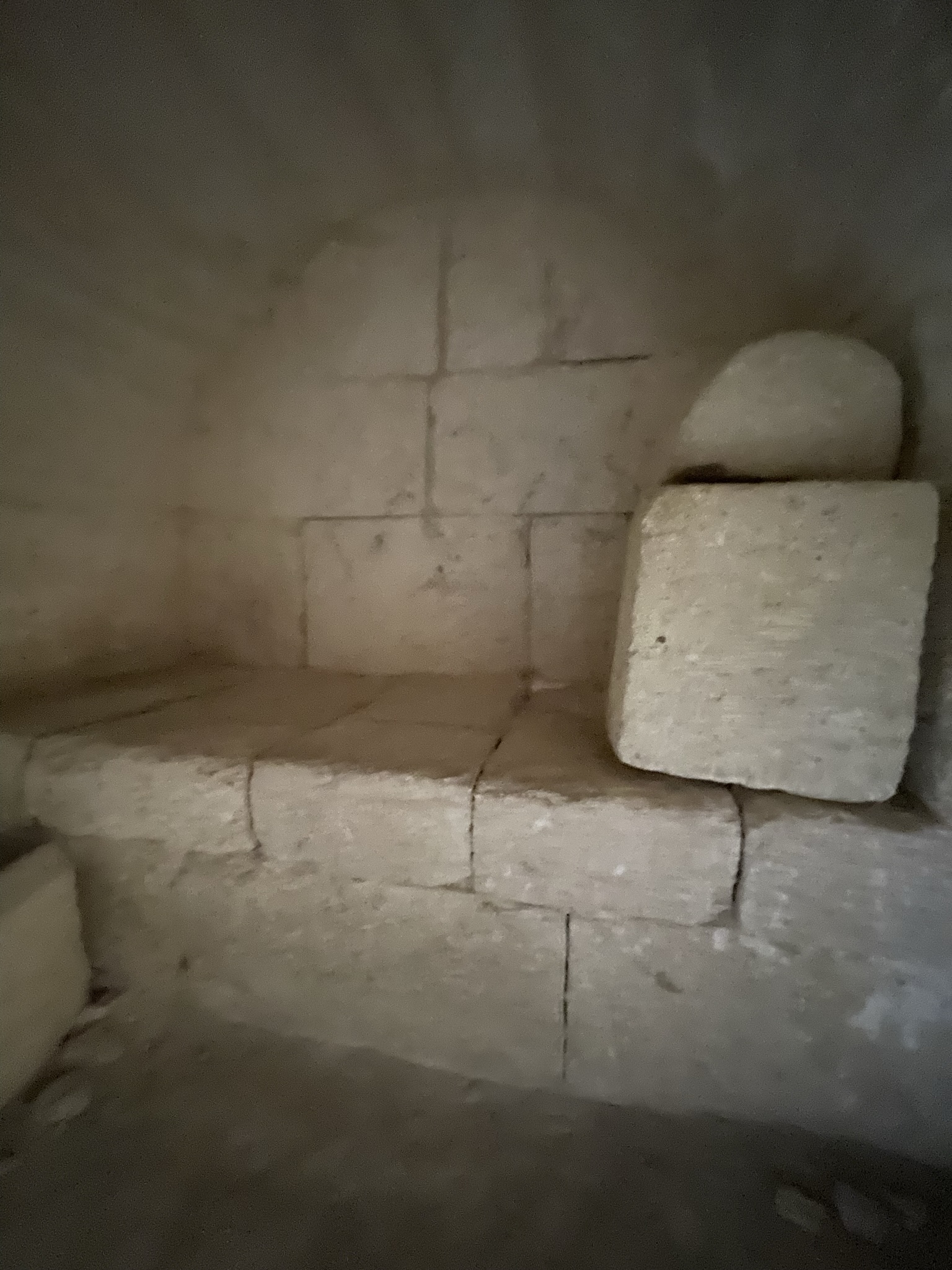
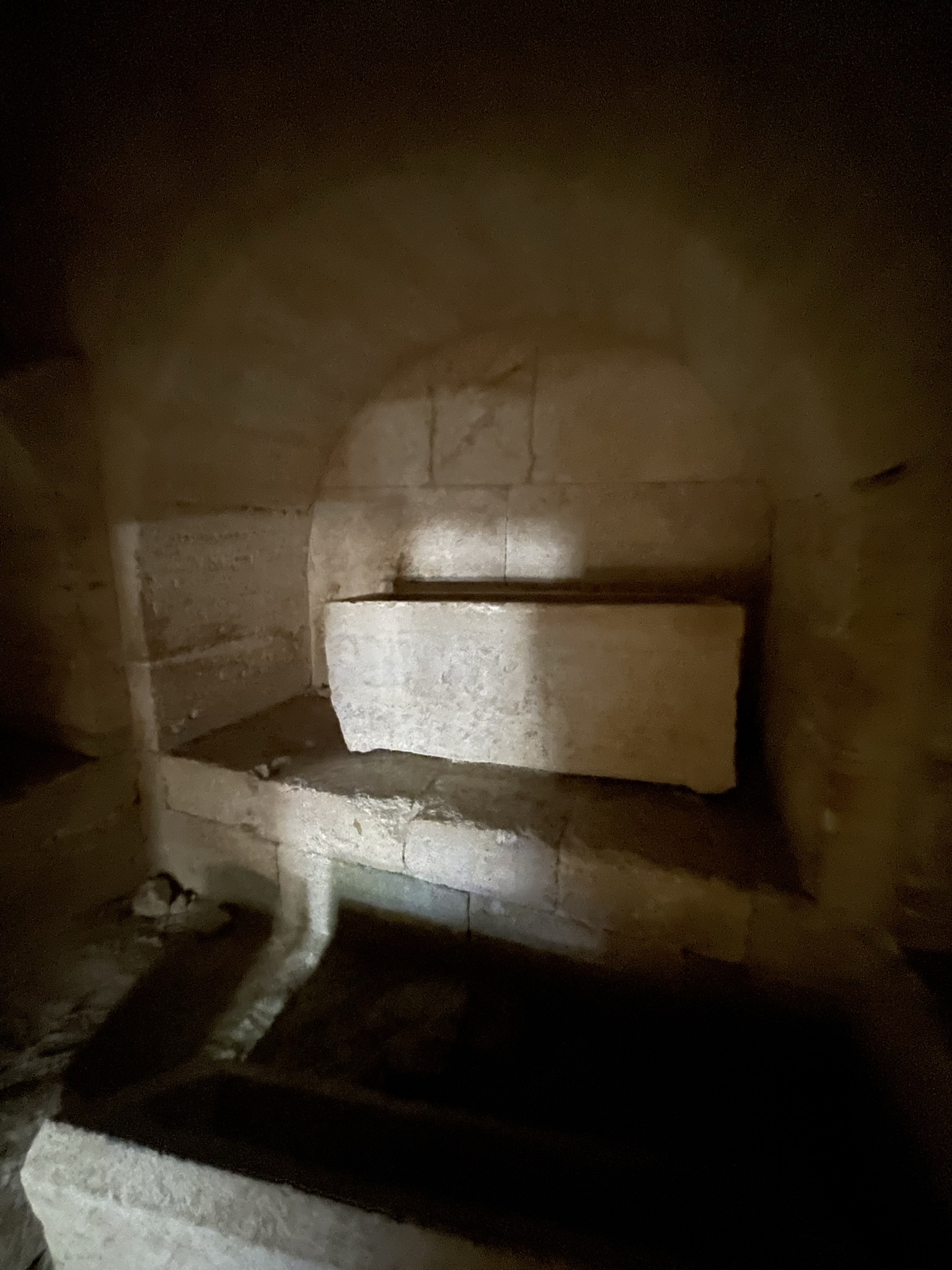
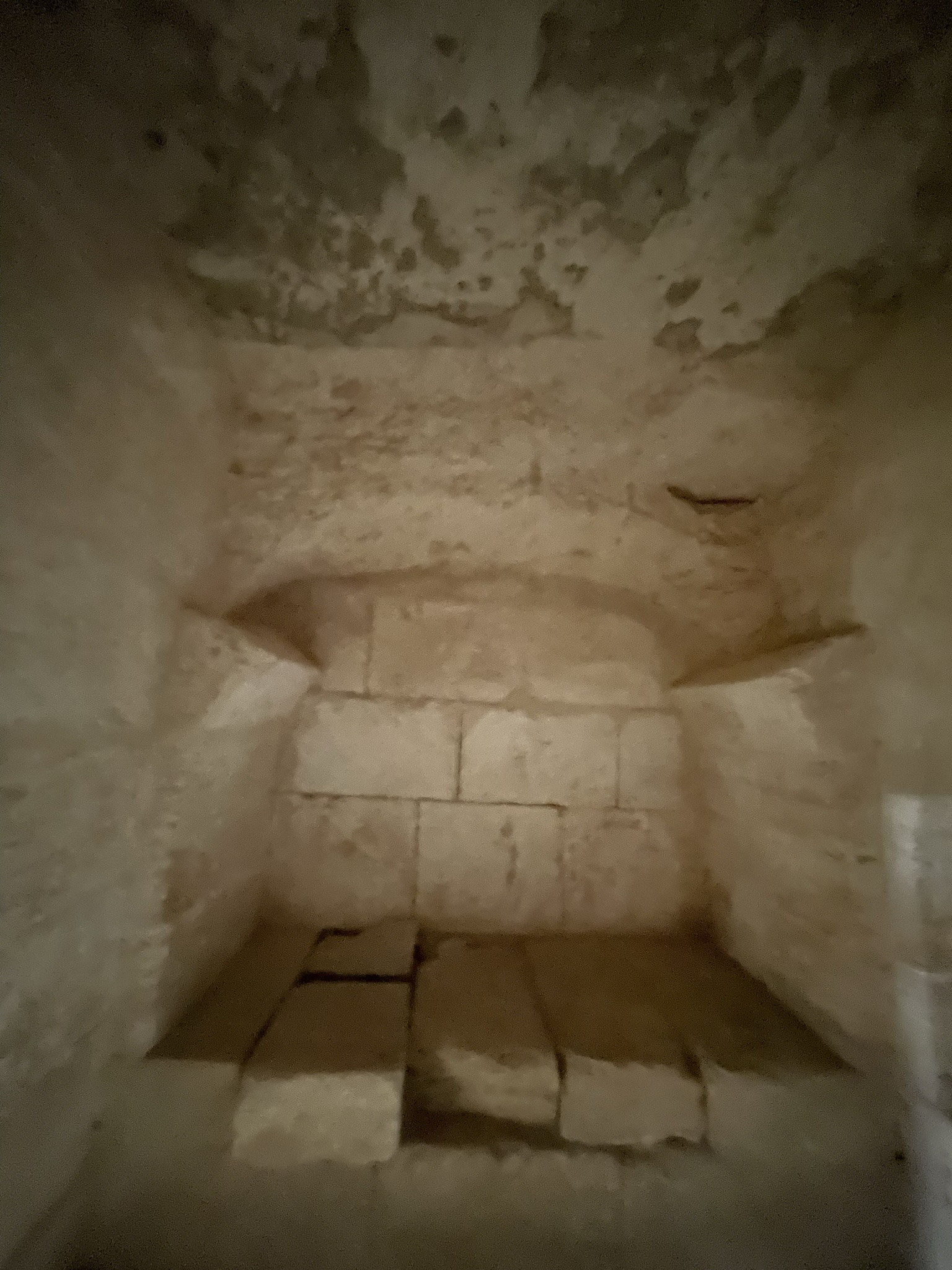
It is always helpful to find places and things intact in a way that allows a better understanding of scripture. First century burial sites can provide helpful insight into how Yeshua (Jesus) would have been buried, i.e. the type of tomb into which his body would have been laid and how those visiting the tomb after the resurrection would have viewed the tomb area.

Not far from Jerusalem is an example of the first century burial tomb of a wealthy person. It was carved into the rock which was common, it had slot tombs, which was also common, and it had an entrance area with bench seating for those visiting the graves.

It is our desire to help you grow in your knowledge of Adonai and His Word. If you are looking for additional information and/or materials, please visit our website at RootedinHisWord.org and our Facebook page. 
34857624_201435477340473_855160484356161536_n

1. What happens according to Acts 5:17-18? What was the motivation according to the verses?

2. What happens during the night according to Acts 5:19-20? What is the message the apostles were given?

3. What do they do the next morning according to Acts 5:21? Why? Why at that location?

4. What happens when the temple police go to the prison, at the request of the council and the body of elders under the direction of the high priest, according to Acts 5:21-23?

5. What is the reaction of the captain of the temple guard and the chief priests when they heard according to Acts 5:24?

6. What happens according to Acts 5:25?

7. What do the temple police do? What were they afraid of?

8. What does the high priest say to them according to Acts 5:28?

9. Copy Acts 5:29. Meditate on this. How does this impact your heart? Are you excited? Afraid? Uncertain? Ask God to reveal what is in your heart concerning these things.

10. What are the teachings in spoken in the following verses?
Acts 5:30

Acts 5:31

Acts 5:32

11. What is the reaction of the high priest and those gathered with him according to Acts 5:33?

12. Who is Gamaliel? What does he advise according to Acts 5:35-39?

13. Copy Acts 5:39. Meditate on this. Who else does scripture tell us was fighting against God? What was the result? Open your heart to God. Ask Him to reveal times and situations when you were or are fighting against God. Ask God to re-align your heart and soul to be on God’s side. Confess and turn from your rebellion against God.

14. What was the reaction of the high priest and those gathered to the words of Gamaliel in Acts 5:39?

15. What did they do with the apostles according to Acts 5:40?

16. What was the response of the apostles as they left the council according to Acts 5:41?

Going deeper: “The name” is a reference to the tetragrammaton (Y-H-W-H). This is often substituted for using “HaShem” which literally means “the name” in Hebrew. Other substitutes include “Adonai” and “Yahweh.”

17. Copy Acts 5:42 here. Meditate on this. What do you think this looked like in the first century in Jerusalem? Take some time to describe the scene(s) or draw some images from your mind’s eye. These events were most likely happening in the heat of the summer that year since Pentecost is at the end of the spring (more or less).

Going deeper: This “teach and proclaim Jesus as Messiah” necessarily refers to teaching the Hebrew Scriptures, showing those which point to Messiah and which are fulfilled in the life, ministry and death of Yeshua. What might be some of the scriptures which they were focused on or bringing to light?

It is our desire to help you grow in your knowledge of Adonai and His Word. If you are looking for additional information and/or materials, please visit our website at RootedinHisWord.org and our Facebook page. 
34857624_201435477340473_855160484356161536_n

Read Acts Chapter 5
1. What happens in Acts 5:1-2?

2. What does Peter say to Ananias in Acts 5:3-4? To whom did Ananias lie?

3. What is the response of Ananias in Acts 5:5? Those watching?

4. What do the young men do according to Acts 5:6?

5. What happens three hours later according to Acts 5:7?

6. What does Peter say to her in Acts 5:8? How does she respond?

7. How does Peter respond in Acts 5:9?

8. What happens to Sapphira according to Acts 5:10? What was done with her body?

9. What was the reaction of those who heard about these things according to Acts 5:11?

10. What do you learn from the following verses?
Acts 5:12

Acts 5:13

Acts 5:14

Acts 5:15

Acts 5:16

Going deeper: Where was Solomon’s Portico located within the Temple complex?

It is our desire to help you grow in your knowledge of Adonai and His Word. If you are looking for additional information and/or materials, please visit our website at RootedinHisWord.org and our Facebook page. 
34857624_201435477340473_855160484356161536_n

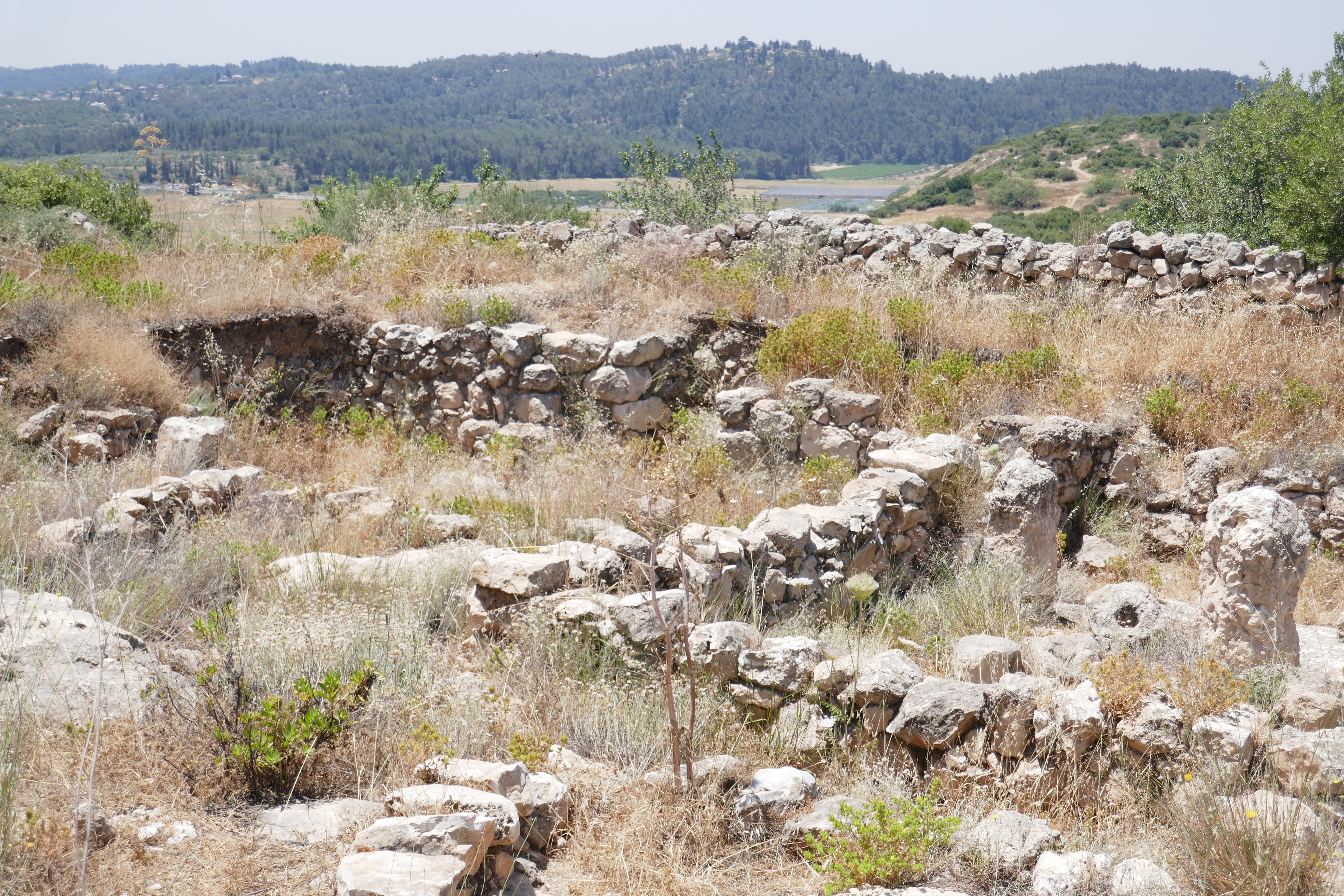
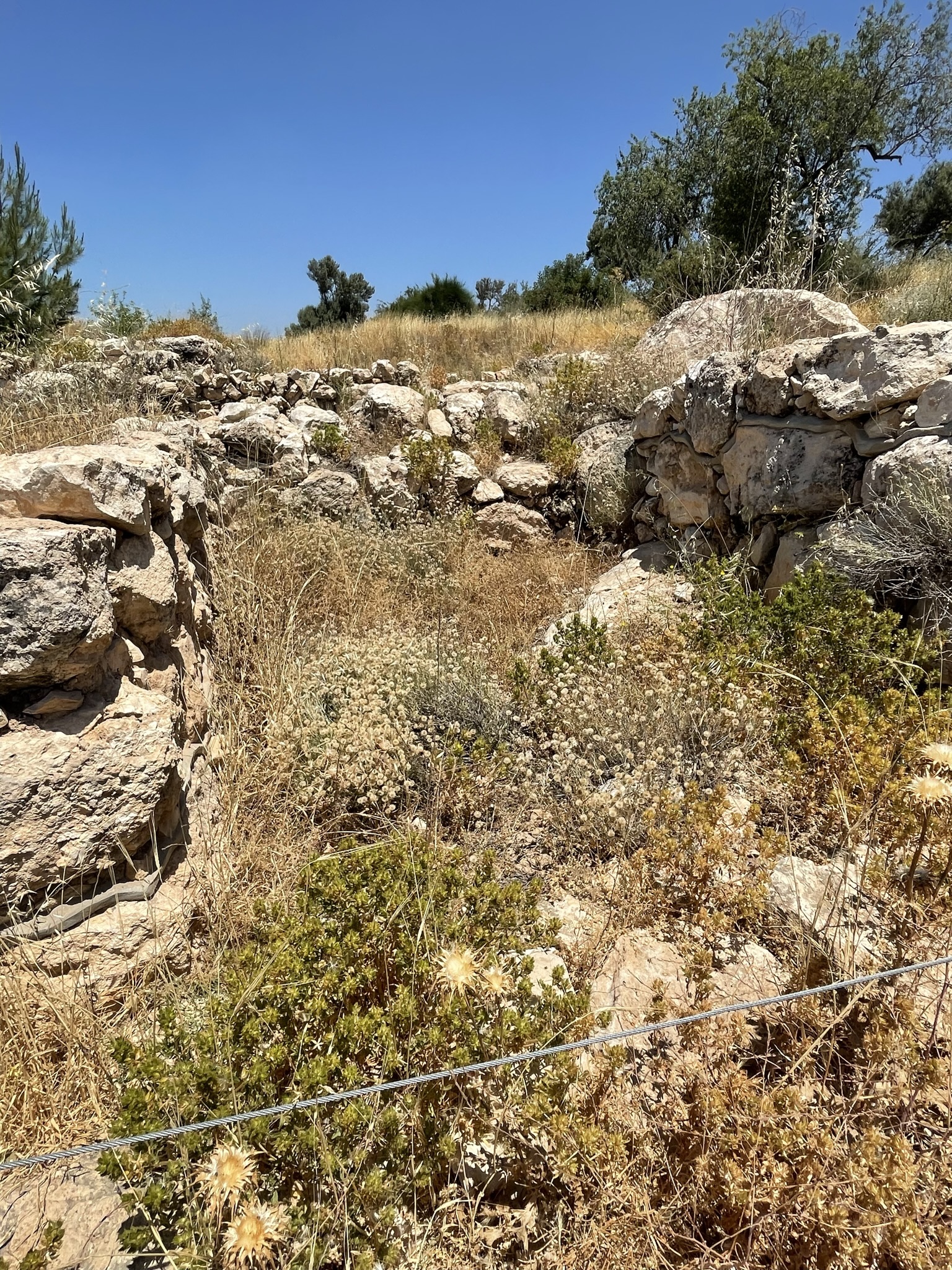
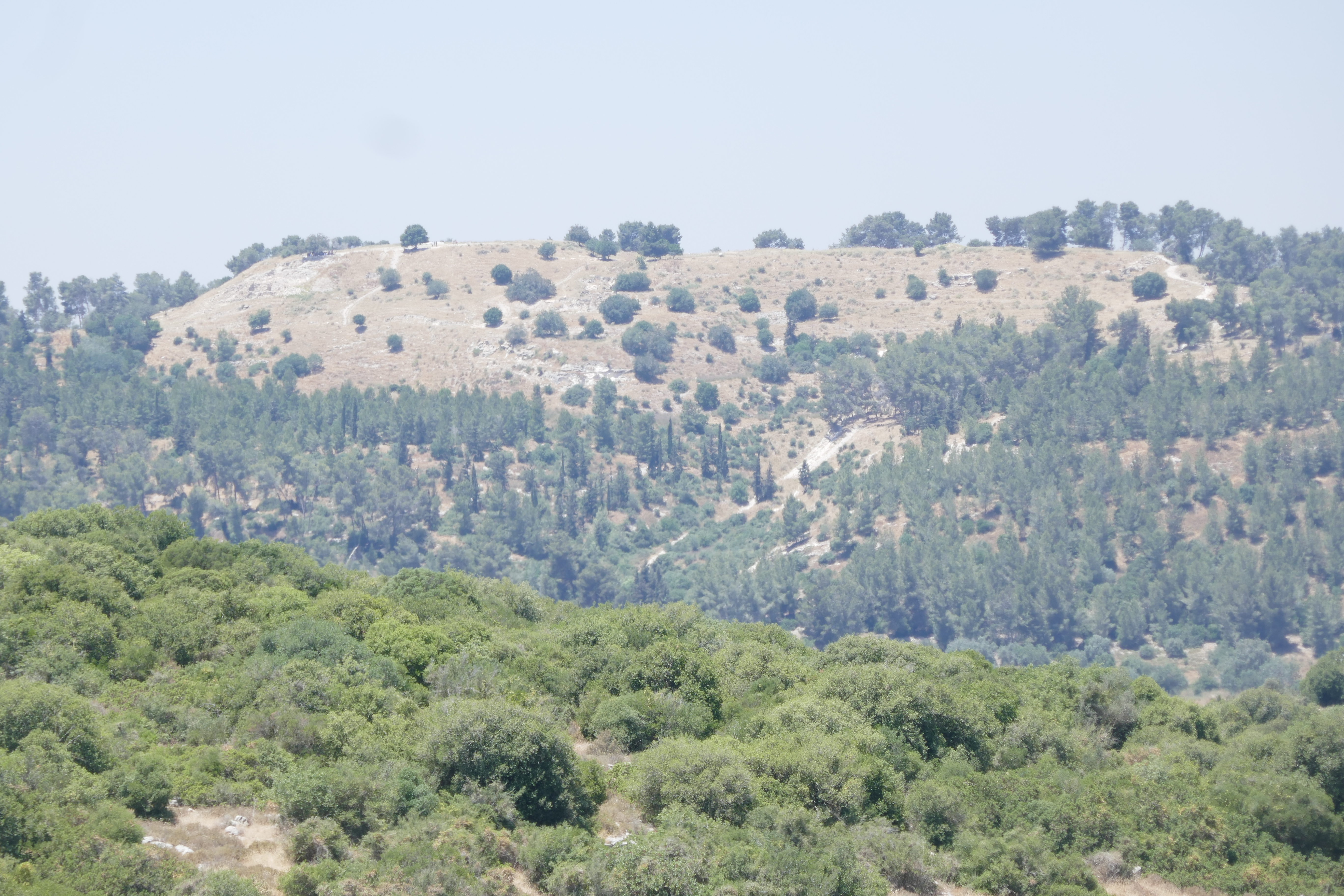
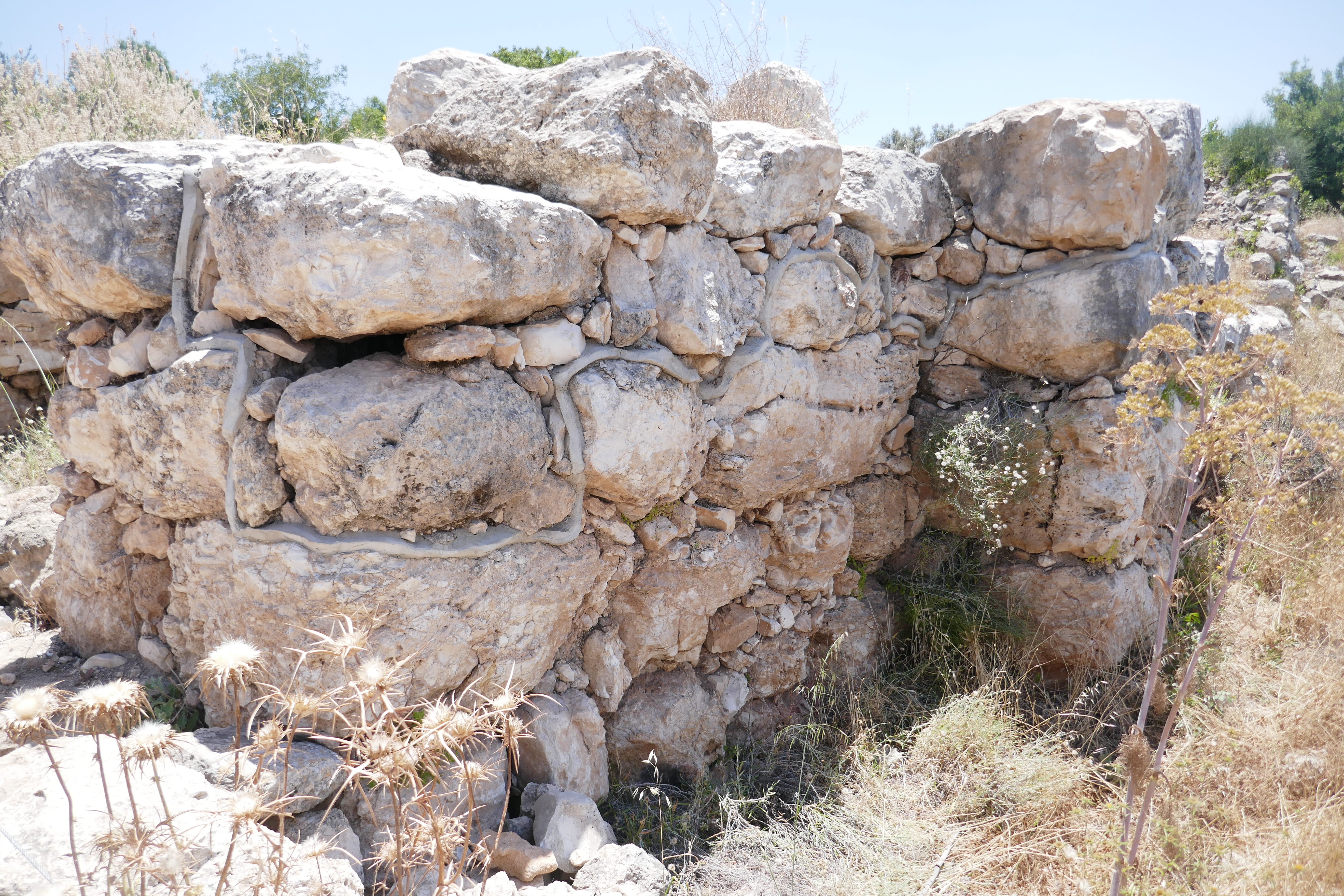
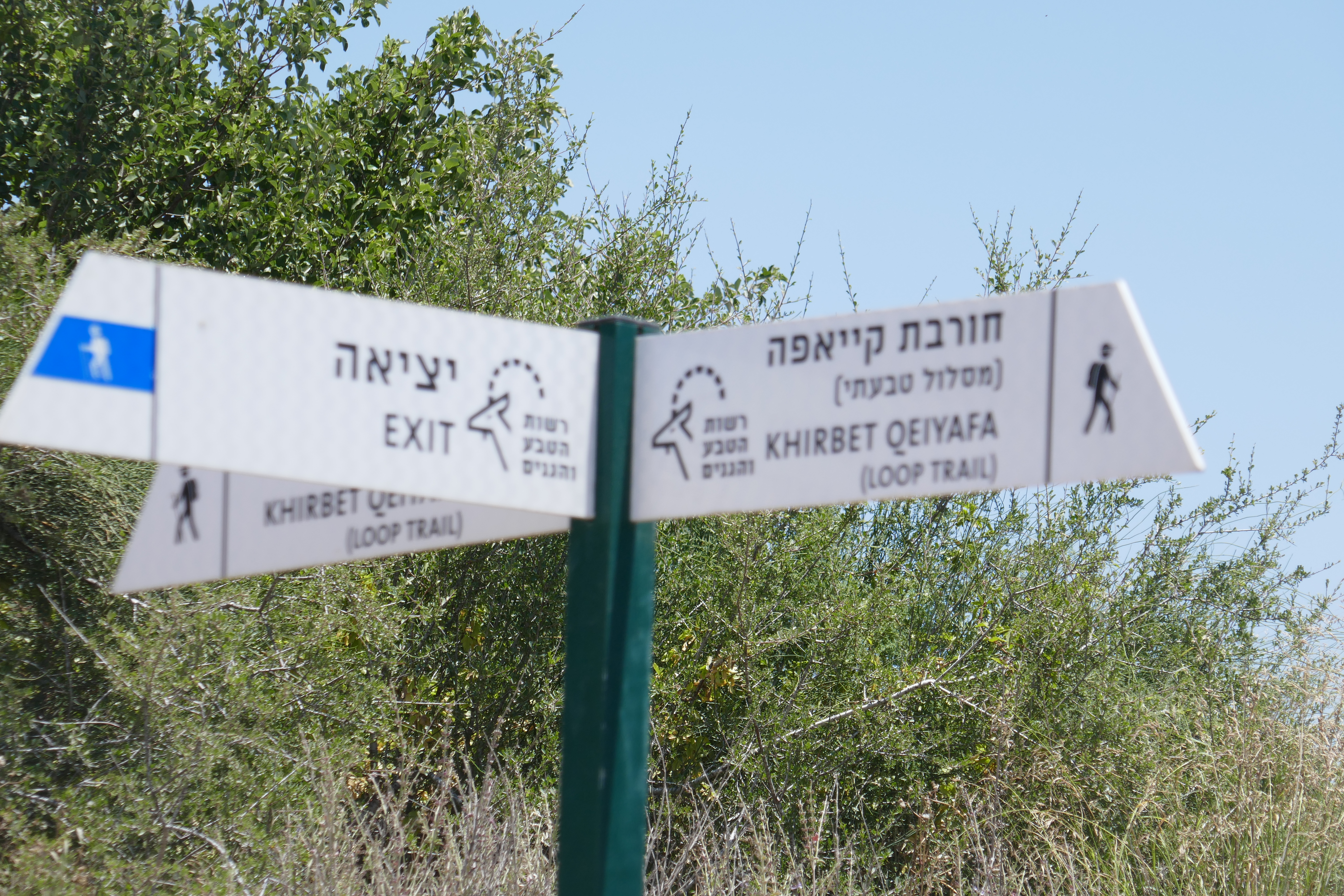
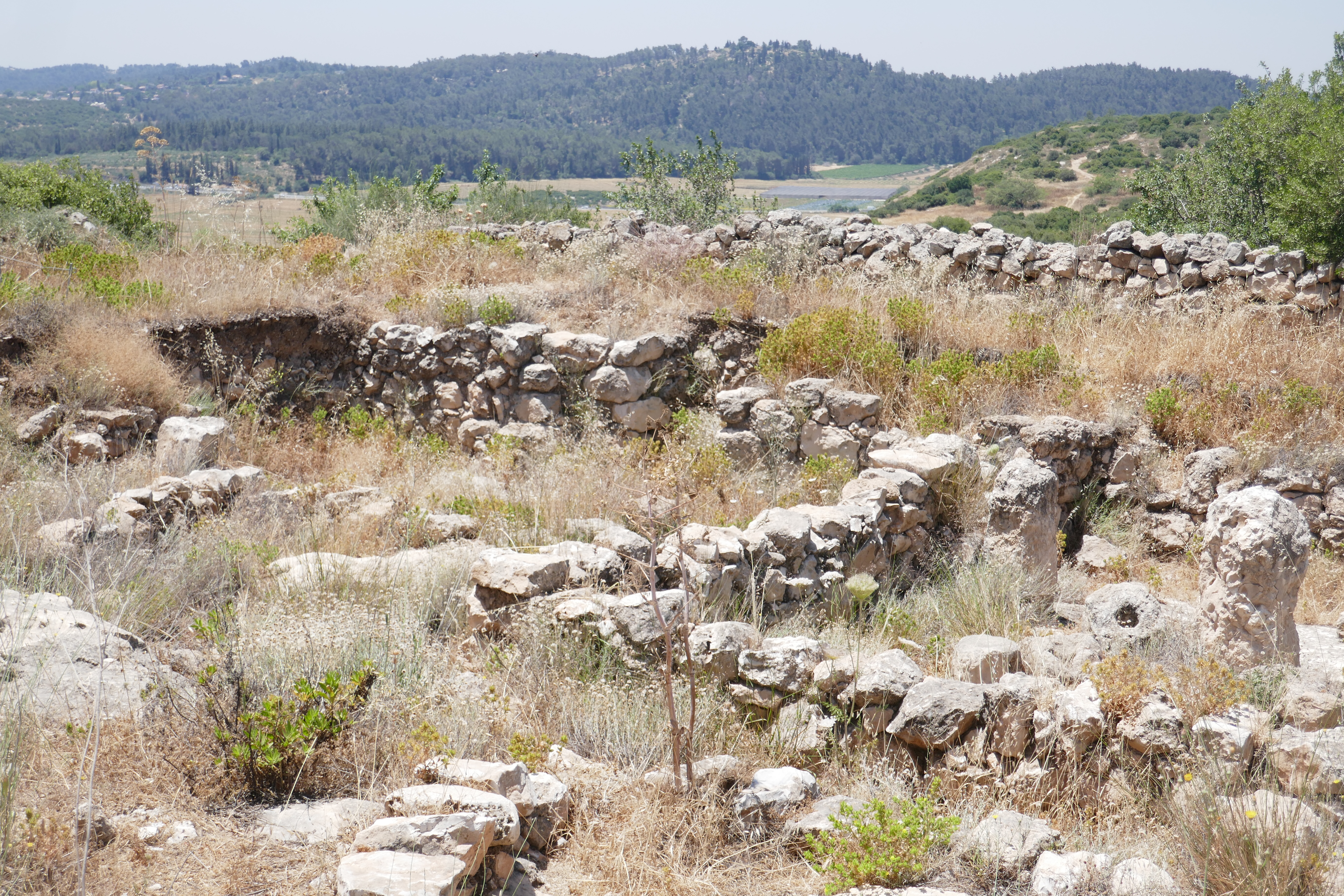
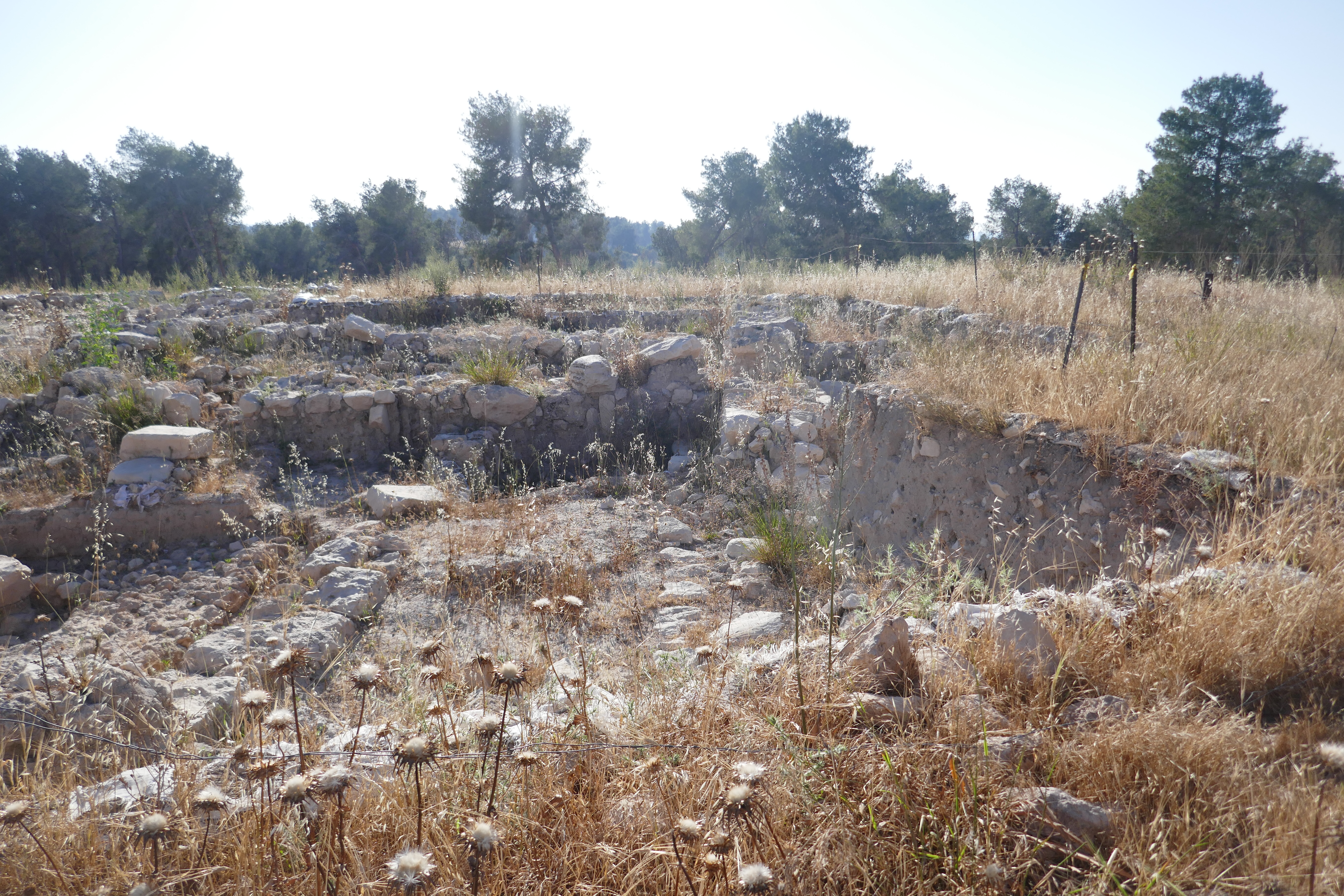
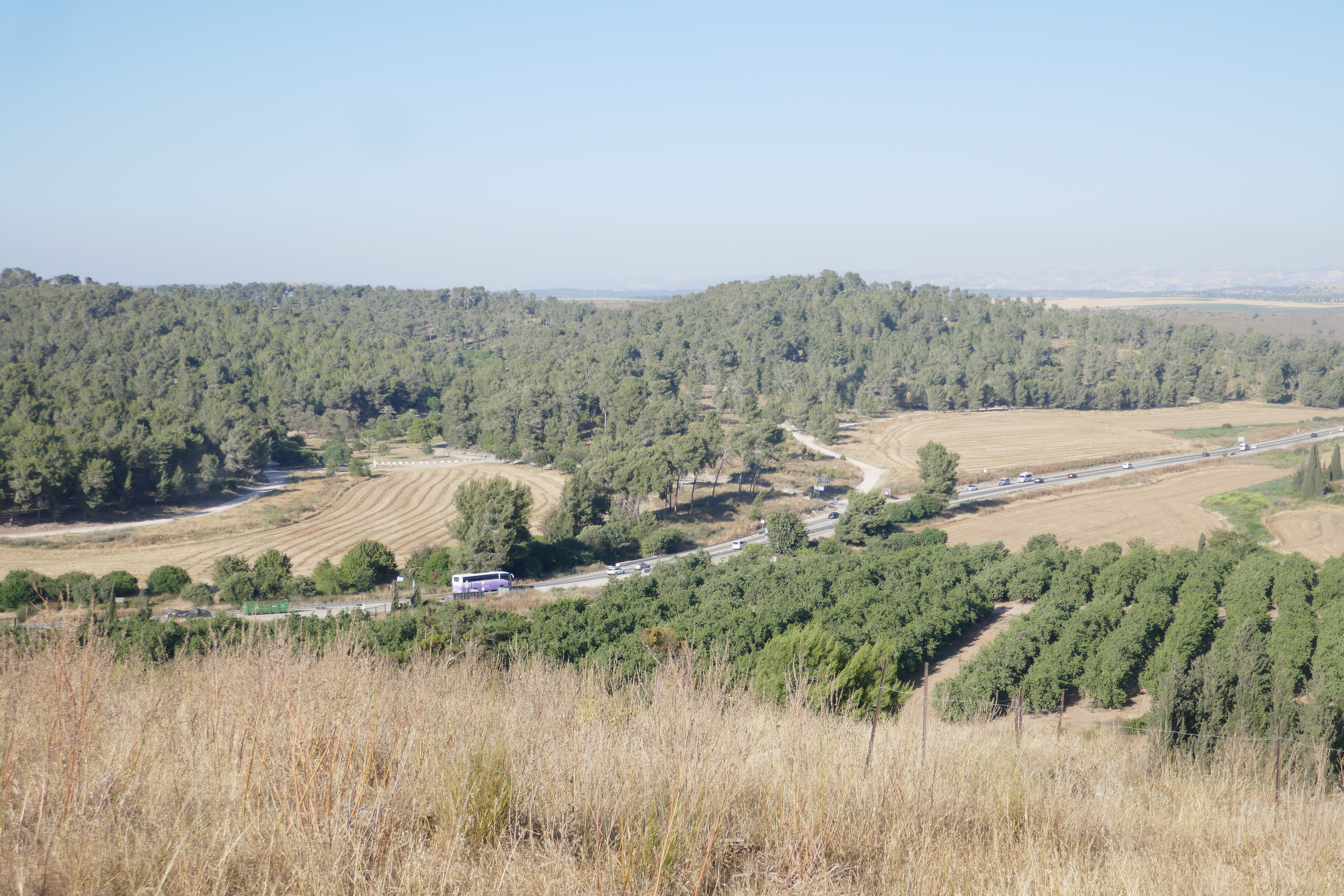
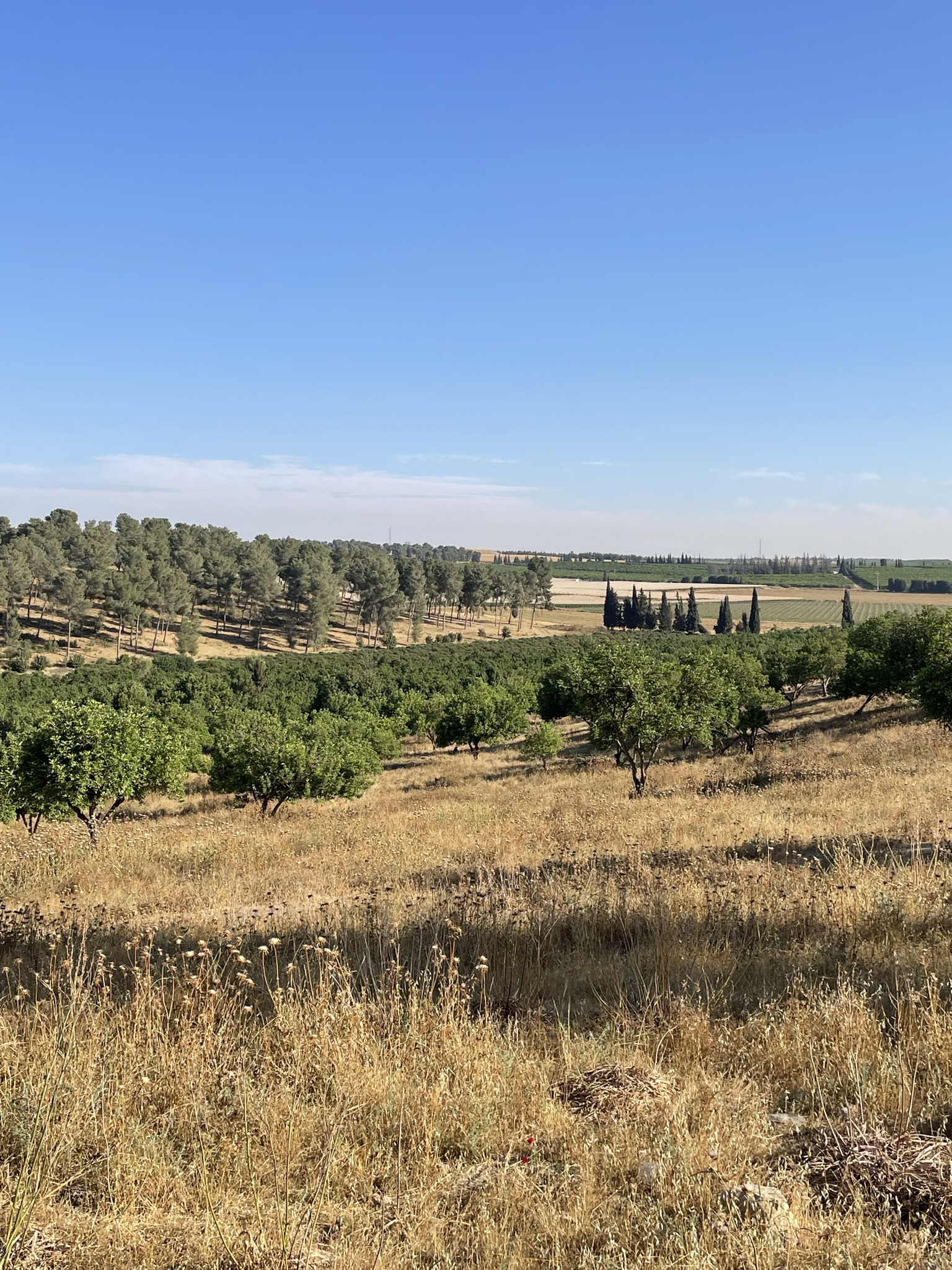
We are still on day one of the tour. After leaving Beit Shemesh, we travel to the Elah Valley to remember the battle between the Israelites and the Philistines, between David and Goliath. Last time we came, we remembered this battle from the top of tel Azeka. This time, we are actually across the valley to the east of tel Azeka, on tel She’arayim, an Israelite city known for having two gates. That is what the word she’arayim means in Hebrew – “two gates.” This is significant because at the time of David, most Israelite cities had one gate. The city would be easier to defend if it only had one gate. This city, which overlooked the valley of Ela had two. It is also identified as Khirbet Qeiyafa. This city was a likely place for staging and supplying the Israelite army when it was facing off with the Philistines as recounted in 1 Samuel 17. It sits just north of where the Israelites were probably encamped. 

ruins tel She’ayarim

tel She’ayarim ruins
Flat stones cover water channel

Looking west toward tel Azeka

Looking westward to tel Azeka
ruins tel She’ayarim
view looking south west from tel She’ayarim into the plain where the battle would have likely been
thick line denotes where reconstruction starts
ruins tel She’ayarim
carved out rock to hold post for wooden gate door
ruins tel She’ayarim

It is our desire to help you grow in your knowledge of Adonai and His Word. If you are looking for additional information and/or materials, please visit our website at RootedinHisWord.org and our Facebook page. 
34857624_201435477340473_855160484356161536_n

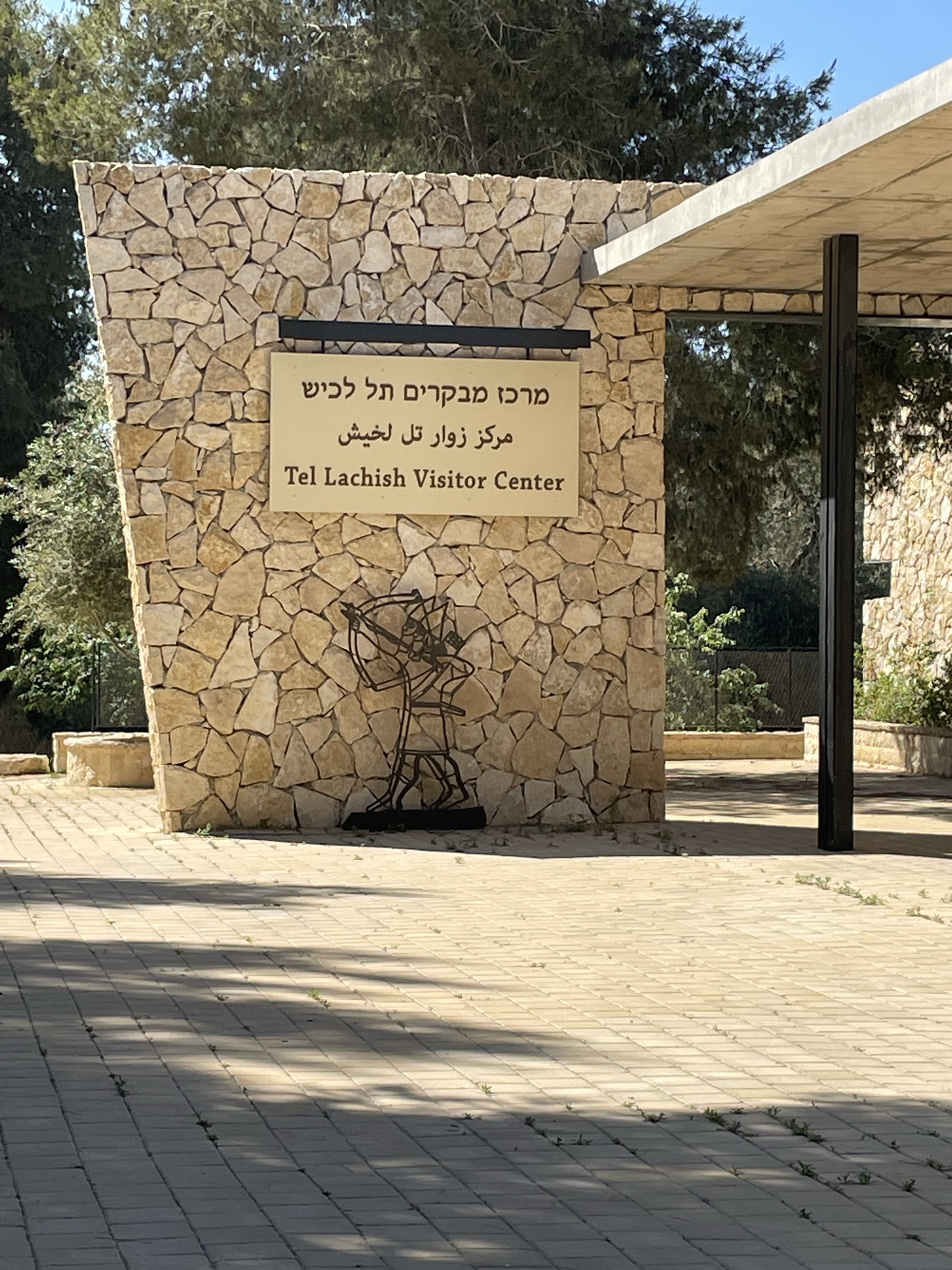
Lachish

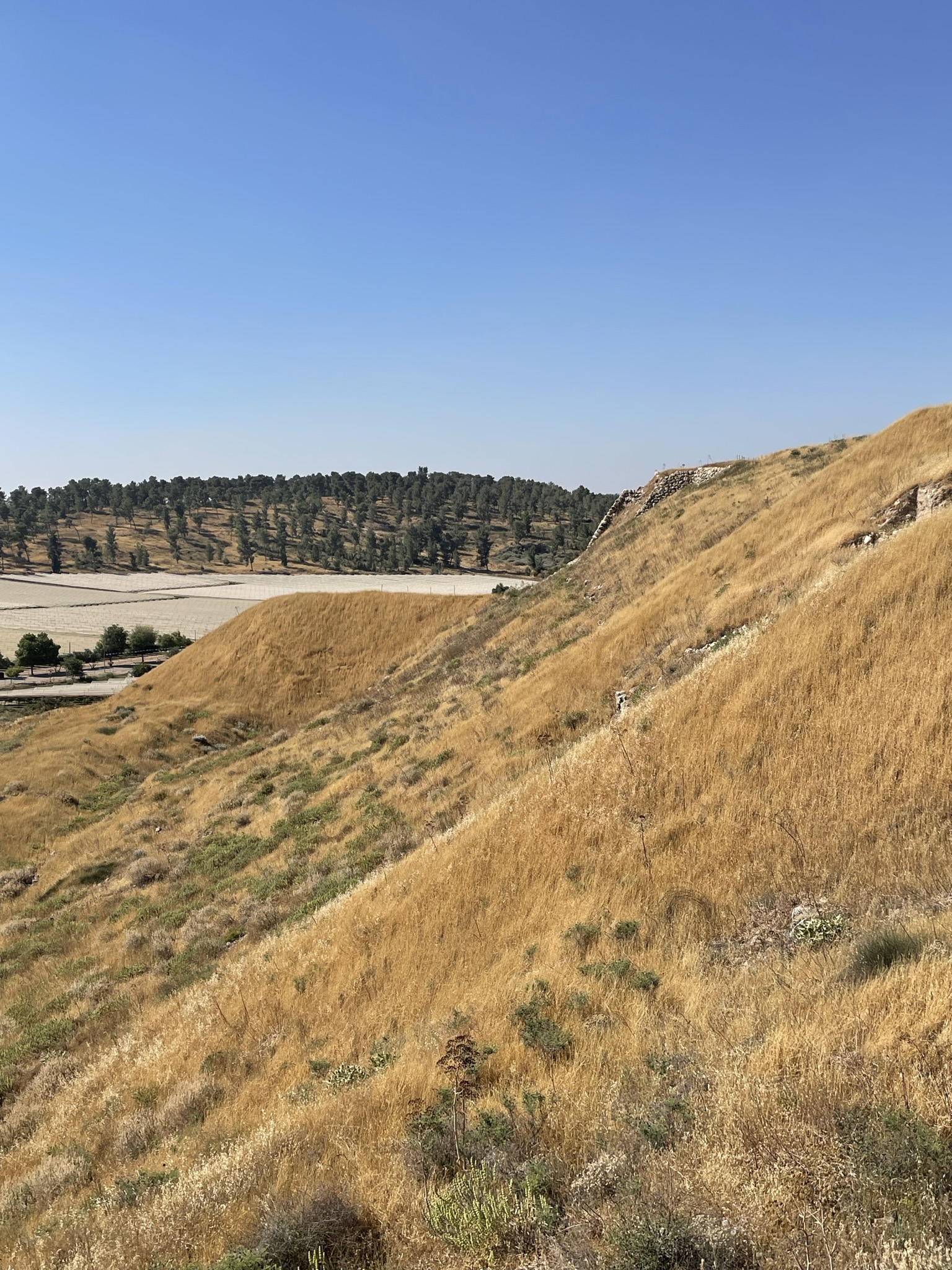
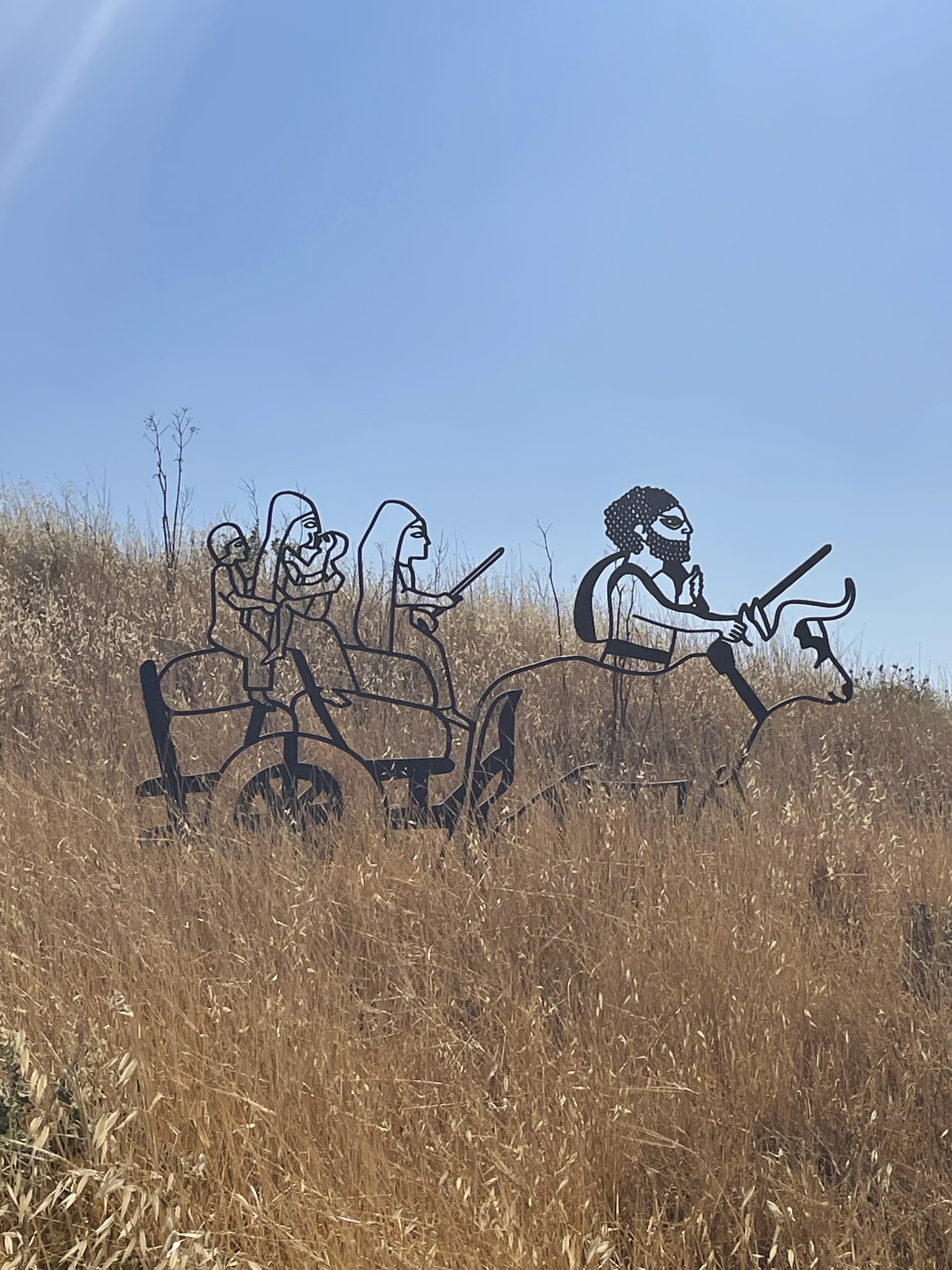
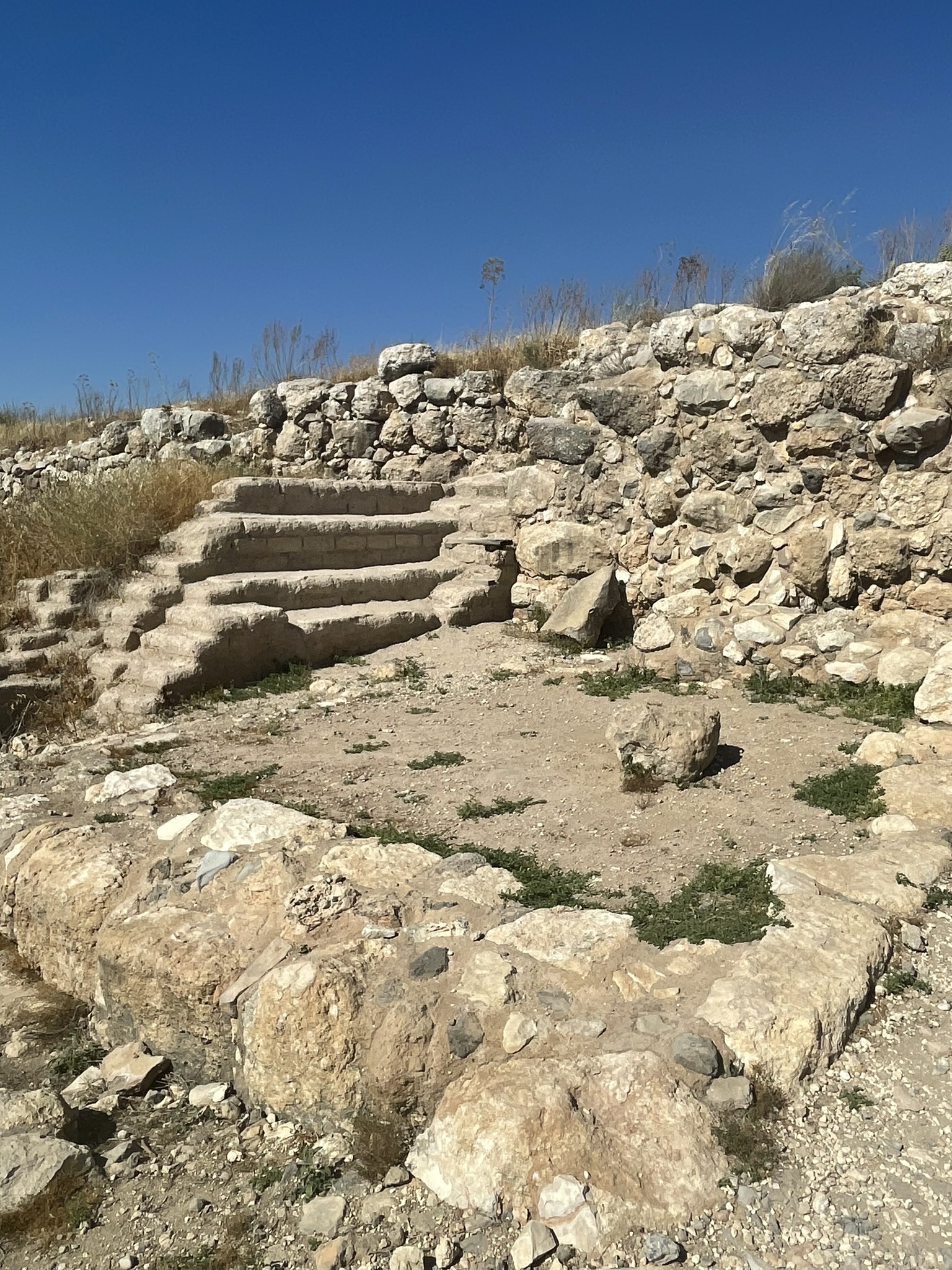
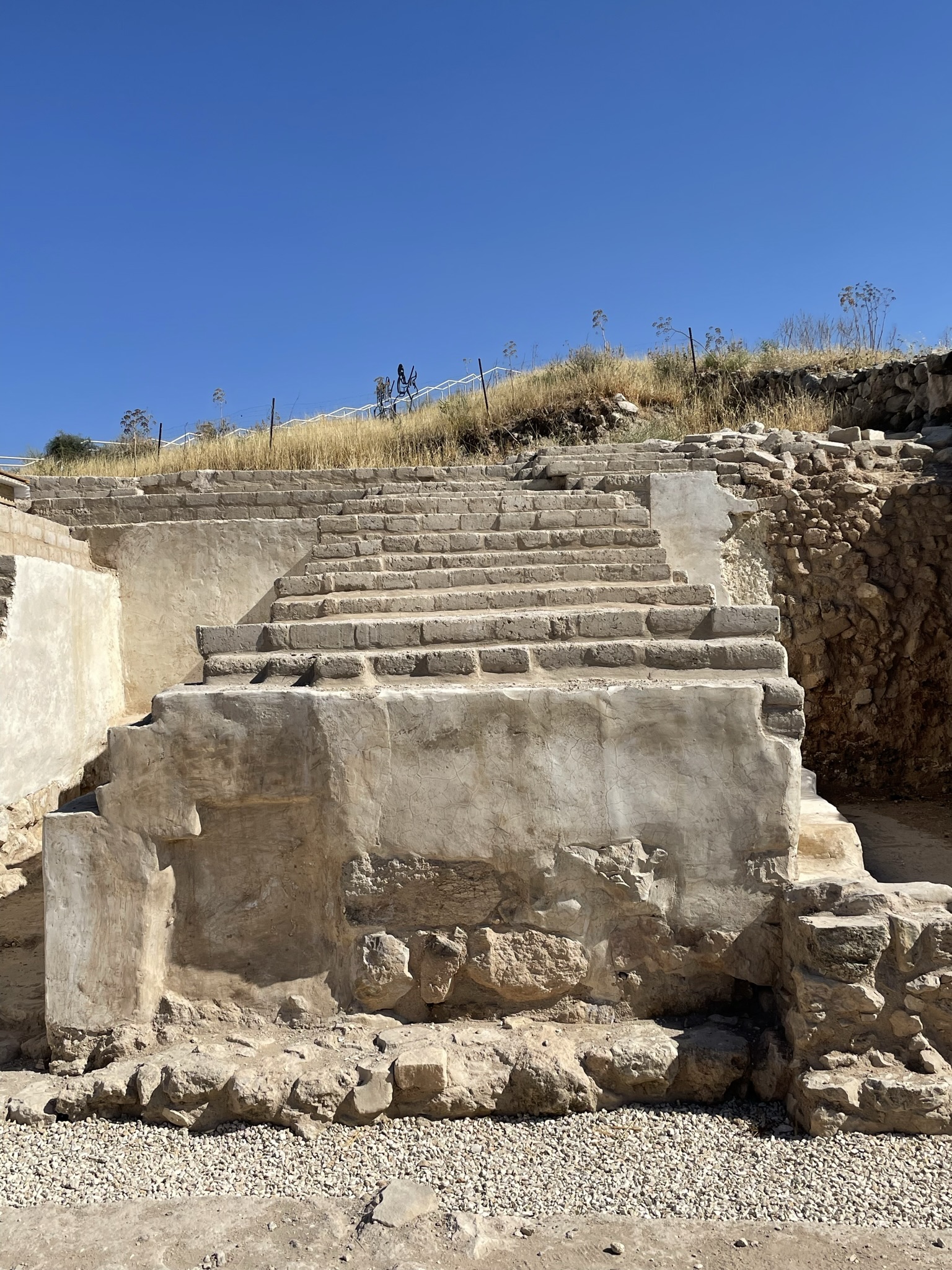
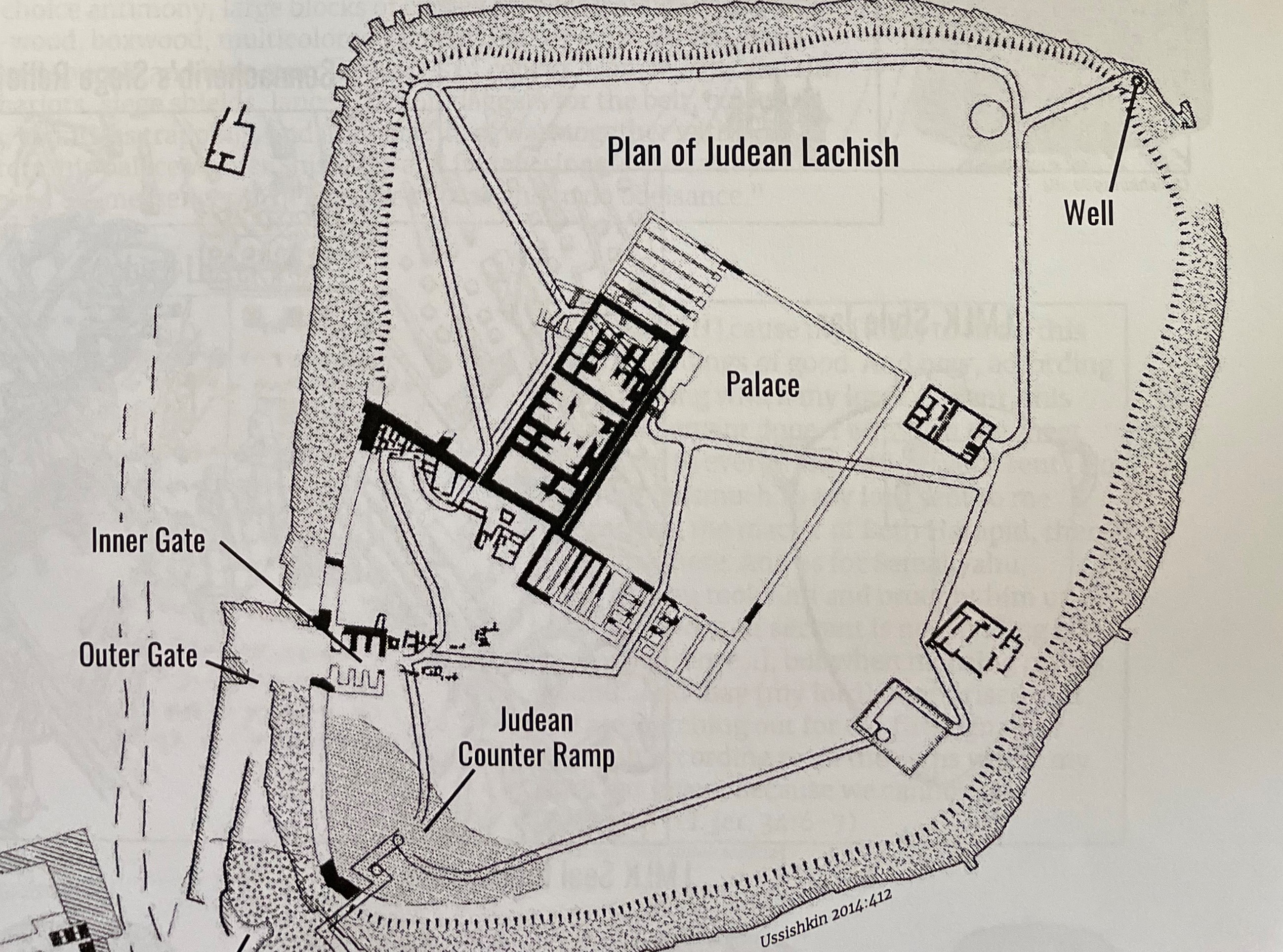
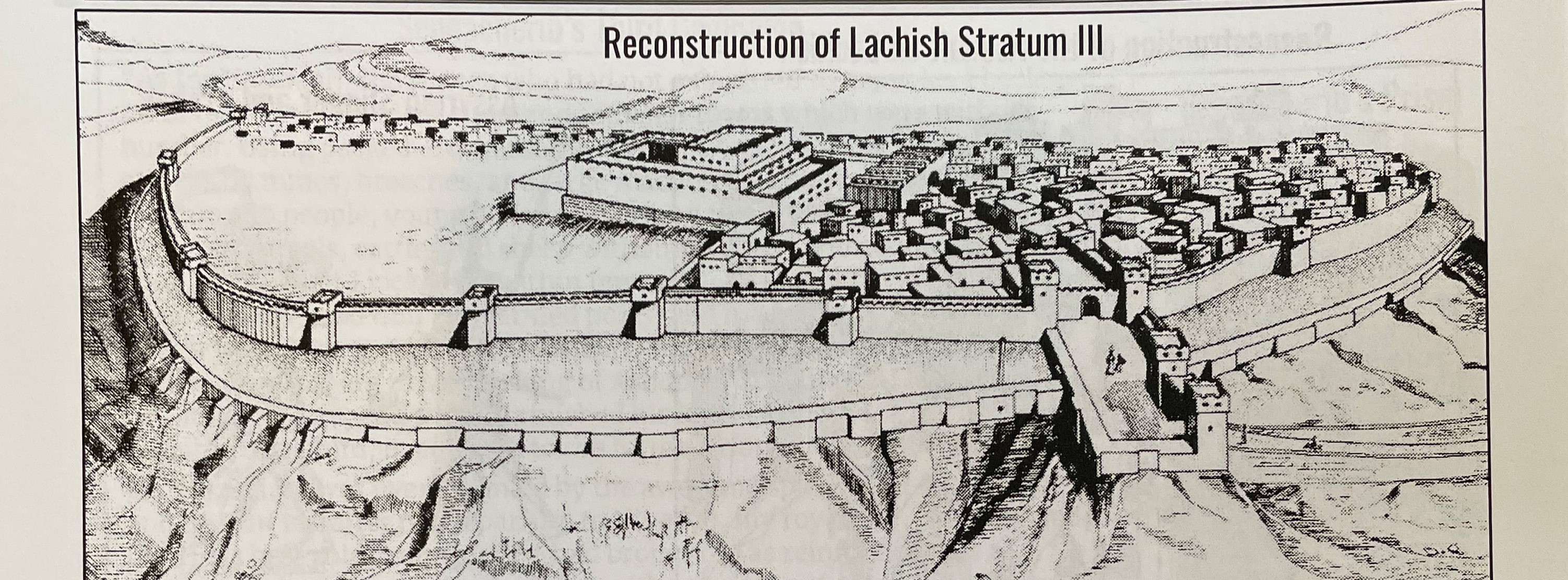
Only recently has the site at Lachish become fully open with all its facilities. The parks service has done a wonderful job at this site. Lachish, you may recall from Bible history, was a great city of the Canaanites even before it was occupied by the Israelites. It is known as one of the fortified cities of Hezekiah, a city that was under siege by Sennacherib, king of Assyria, in 701 BC during the reign of Hezekiah, King of Judah. Lachish was, at the time, a highly fortified city, virtually impenetrable–or so it seemed. It had thick, tall walls, steep ramparts, and a well-fortified gate complex. The Assyrians were formidable foes, building a siege ramp against the ramparts of the city. Their custom was to use locals from surrounding towns and villages that they had already captured to build the ramp to discourage attacks on the builders. The residents of Lachish built their own counter-siege ramp, the remains of which can still be seen. To look up the siege ramp is to take in the amazing defenses of the city and to also know that they could see their end coming–closer and closer, day by day. The Assyrians were known to be such brutal enemies that some surrendered without opposition. This was not the way of the Israelites. They fought courageously until the end. 

The tel at Lachish is quite extensive. The remains of the royal palace can be seen with a large open area believed to have been used for horses and chariots. 

This site is a must-see.

Assyrian siege ramp at Lachish

Walls of city of ancient Lachish

Rampart of city

Judeans fleeing Assyrians
outer gate at Lachish

Gate structure – with niche
Gate structure – Lachish
View of the expanse of the city of Lachish (much remains to be excavated)
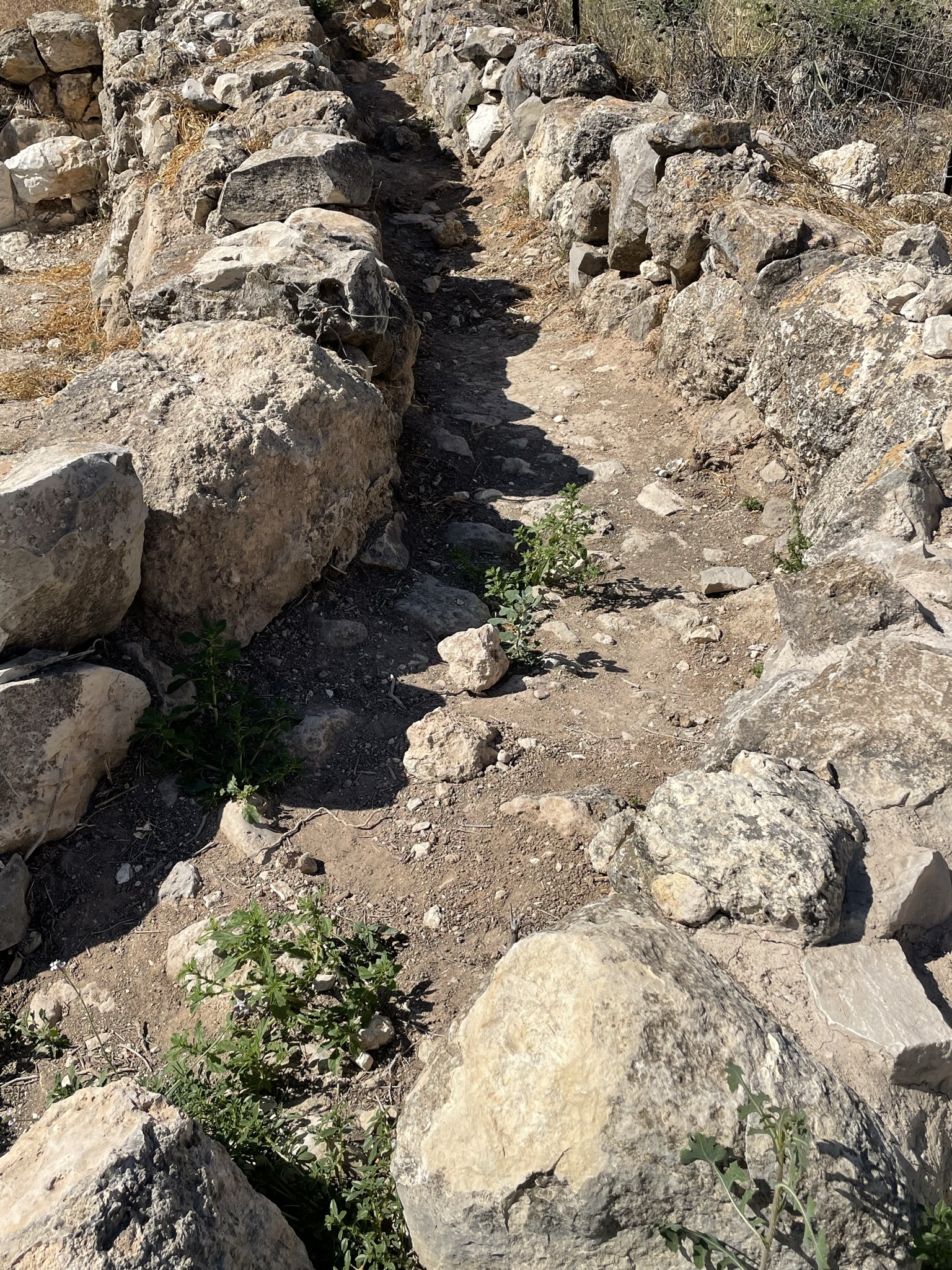
Part of water system at Lachish

It is our desire to help you grow in your knowledge of Adonai and His Word. If you are looking for additional information and/or materials, please visit our website at RootedinHisWord.org and our Facebook page. 
34857624_201435477340473_855160484356161536_n

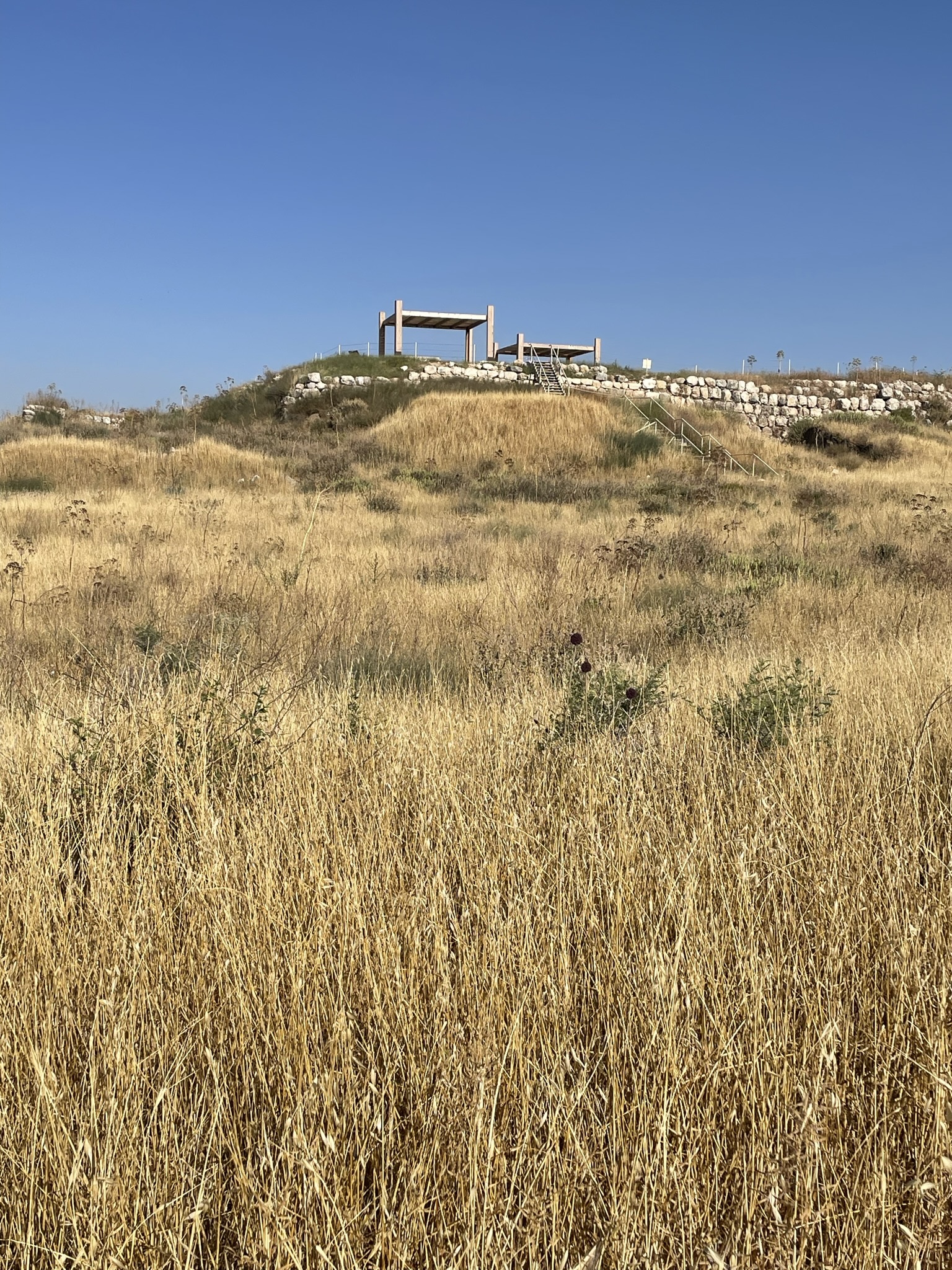
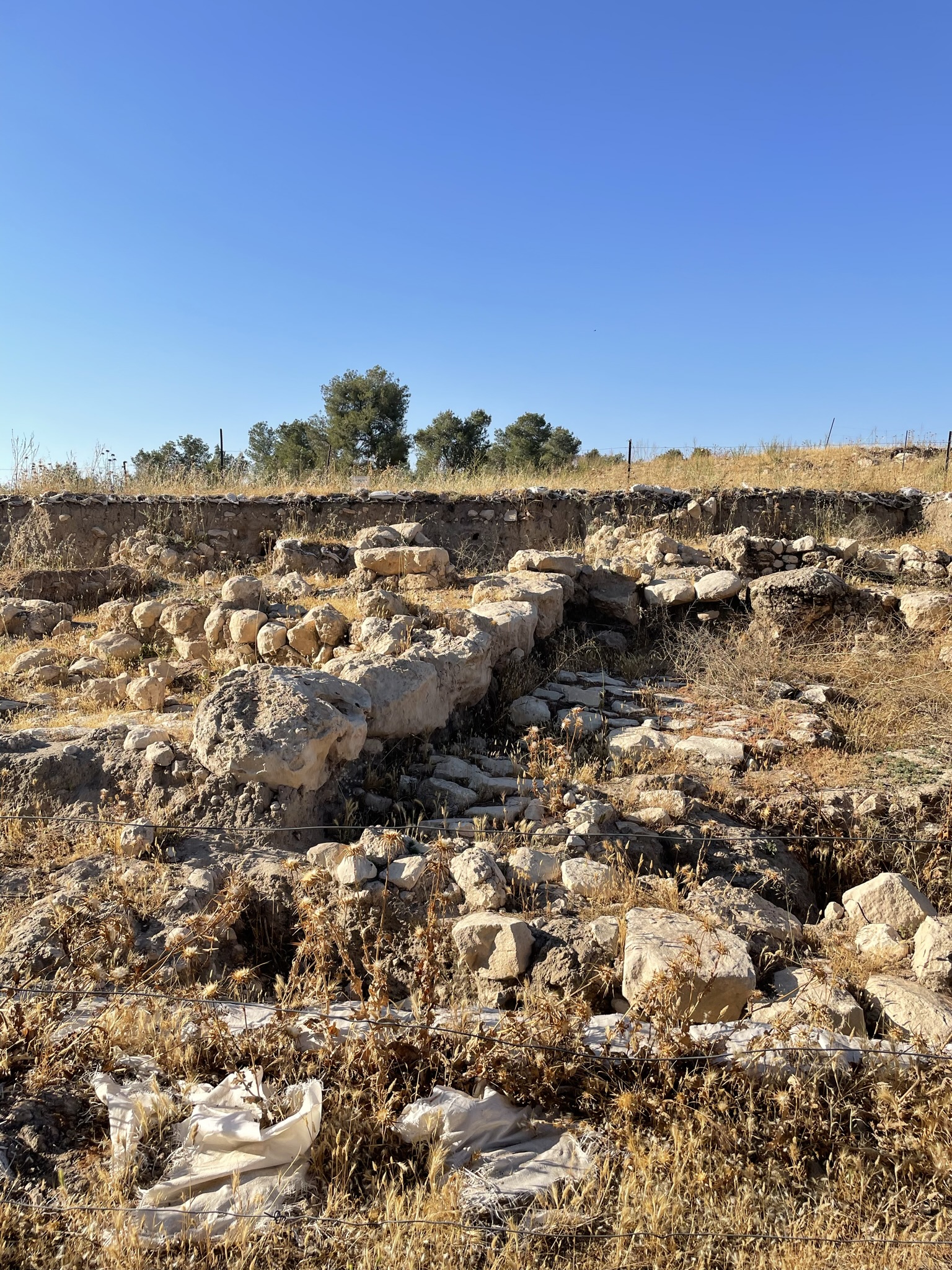
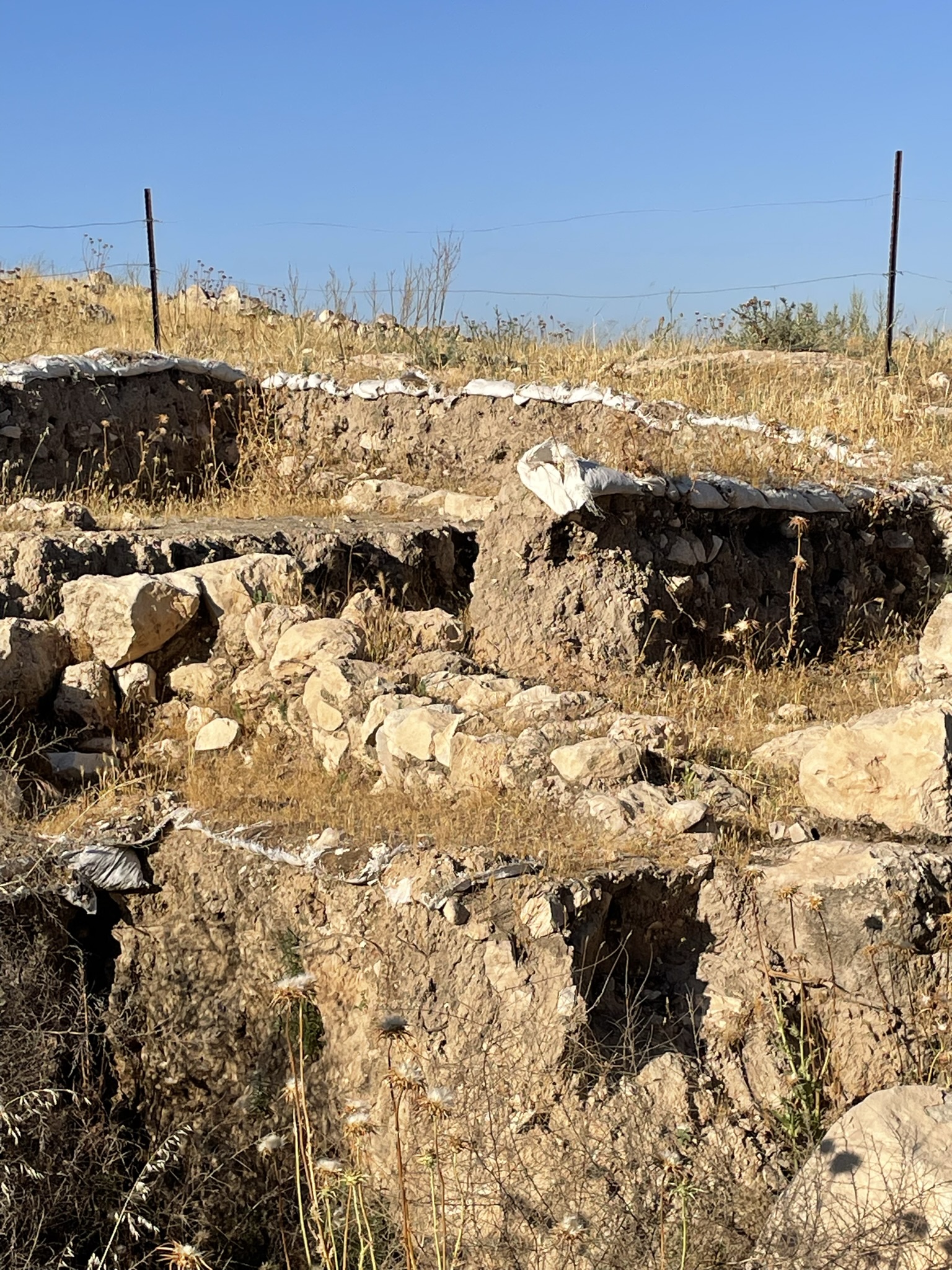
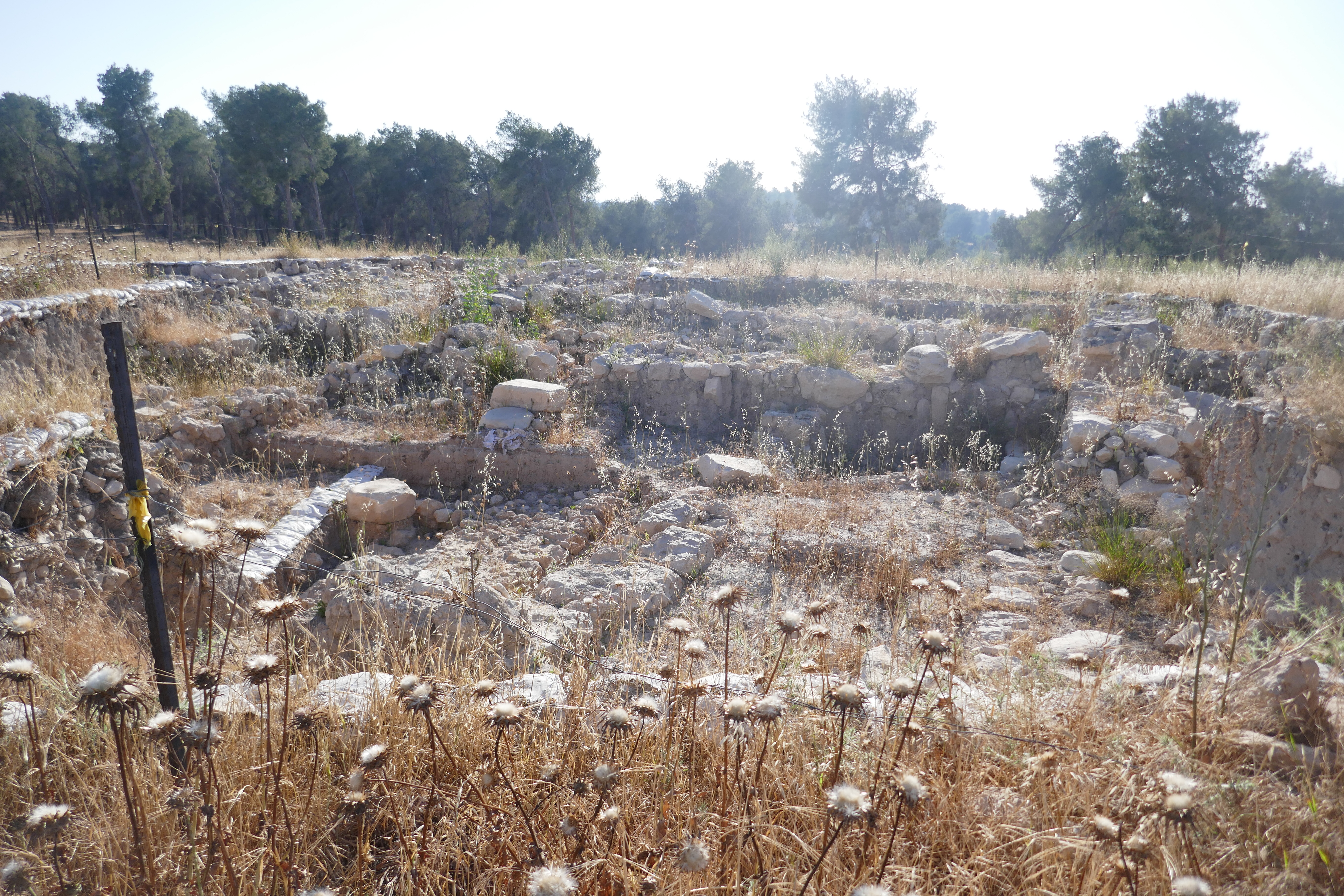
Ziklag

Visiting Ziklag, we found it to be a little off the beaten path. Literally, we had to wait for the herd of goats to pass before we could proceed. We reached a point where the road was impassible, and from there we climbed the tel. Ziklag,  you may recall, was where David was at one point hiding out from Saul  in the region of the Philistines. Ziklag was a town given to David by Achish, a Philistine king. (See 1 Samuel 27:6) While David was out with his men on a “mission,” his wives and the wives of his men were kidnapped by the Amalekites and the city was burned. (See 1 Samuel 30)

The ruins at this site have not been fully excavated yet, but it is very helpful to put a place to a name in a Bible story. 

Tel Ziklag ruins

tel Ziklag Iron Age ruins
view from tel Ziklag

It is our desire to help you grow in your knowledge of Adonai and His Word. If you are looking for additional information and/or materials, please visit our website at RootedinHisWord.org and our Facebook page. 
34857624_201435477340473_855160484356161536_n

Read Acts Chapter 4
1. Who comes to speak to Peter and John in Acts 4:1-2?

2. What happened in Acts 4:3?

3. Copy Acts 4:4. Mediate on this. How does your heart respond to the news that more people heard the word, believed and joined the body of believers. Do you believe this is still possible today? Ask God to reveal to you your part.

4. Who gathered together the next day according to Acts 4:5-6?

5. What do they ask Peter and John in Acts 4:7?

6. How does Peter respond in Acts 4:8-12?

7. Copy Psalm 118:22. Meditate on this. What is the significance of rejecting the Messiah? What does it mean that Christ (Messiah) is the chief cornerstone? Of what building is He the cornerstone?

8. Copy Acts 4:12. Meditate on this. How does your heart respond when it reads that there is only one way to be saved? Why would the Father be so limiting in His salvation plan?

9. What do you learn from the following verses?
Isaiah 53:11

Matthew 1:21

Acts 10:43

Acts 26:16-18

Romans 10:13

10. What do you notice about Peter and John according to Acts 4:13?

11. Who do they see in Acts 4:14? What is their reaction?

12. What is the discussion they have after putting Peter and John outside according to Acts 4:15-17?

13. What do they command Peter and John in Acts 4:18?

14. How does Peter respond in Acts 4:19-20?

15. What do the rulers and council members do in Acts 4:21?

16. What were the people doing Acts 4:21-22? Why?

17. What do John and Peter do when they are released in Acts 4:23?

18. What is the response in the following verses?
Acts 4:24?

Acts 4:25-26

Acts 4:27-28

Going deeper: From what scriptures is Acts 4:25-26 quoted?

19. What do they ask of God in Acts 4:29-30?

20. What happened when they prayed according to Acts 4:31?

21. How is the body of believers described in Acts 4:32?

22. What do you learn from the following verses?
Acts 4:33

Acts 4:34-35

Acts 4:36-37

It is our desire to help you grow in your knowledge of Adonai and His Word. If you are looking for additional information and/or materials, please visit our website at RootedinHisWord.org and our Facebook page. 
34857624_201435477340473_855160484356161536_n