Feeds:
Posts
Comments

Posts Tagged ‘Mikveh’

In the south of the Holy Land, on the barren and other-worldly banks of the Salt Sea (Dead Sea), we can find the remains of a community of pious Jews many believe were the Essenes. It is this community of ultra devout Jews, seeking purity and piety for God that is believed to be the source of the Dead Sea Scrolls.

The Dead Sea scrolls are ancient “books” which were written on parchment and stored in clay jars in the caves surrounding and located near the Dead Sea. These scrolls were discovered initially by shepherds who tended flocks in the area between the Dead Sea and Bethlehem. The story of the discovery and sale of the scrolls is interesting and you should explore it, but for the purposes of this post, suffice it to say that the discovery of the scrolls gives further convincing evidence for the reliability of the Bible.

The scrolls included information beyond the actual scriptures, including information regarding the daily life and conduct of those living in the community. They also reflect a focus among the authors on the coming Messiah. This is all very helpful to understanding the time period into which Messiah Yeshua was born and ministered in the late 2nd-Temple era.

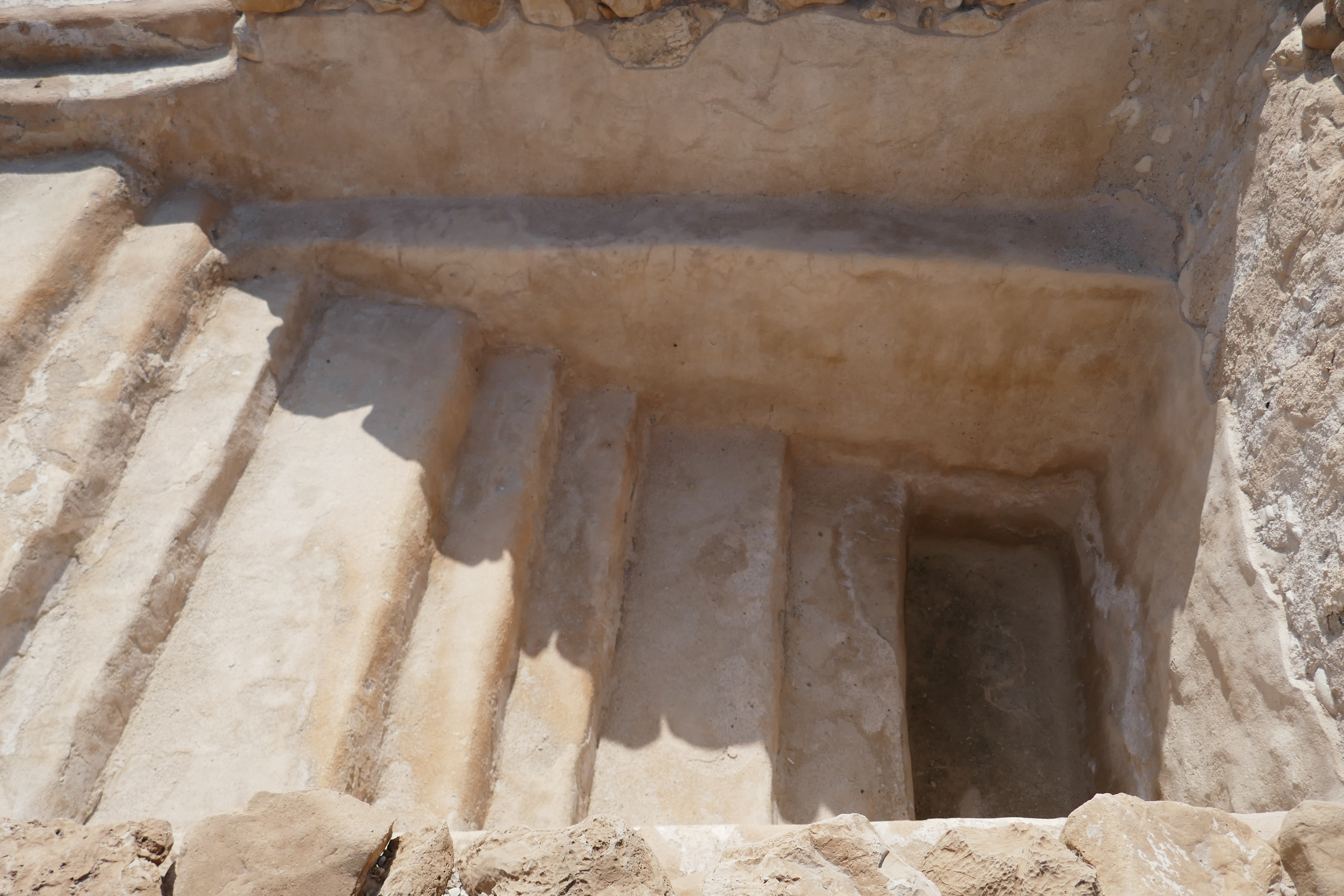
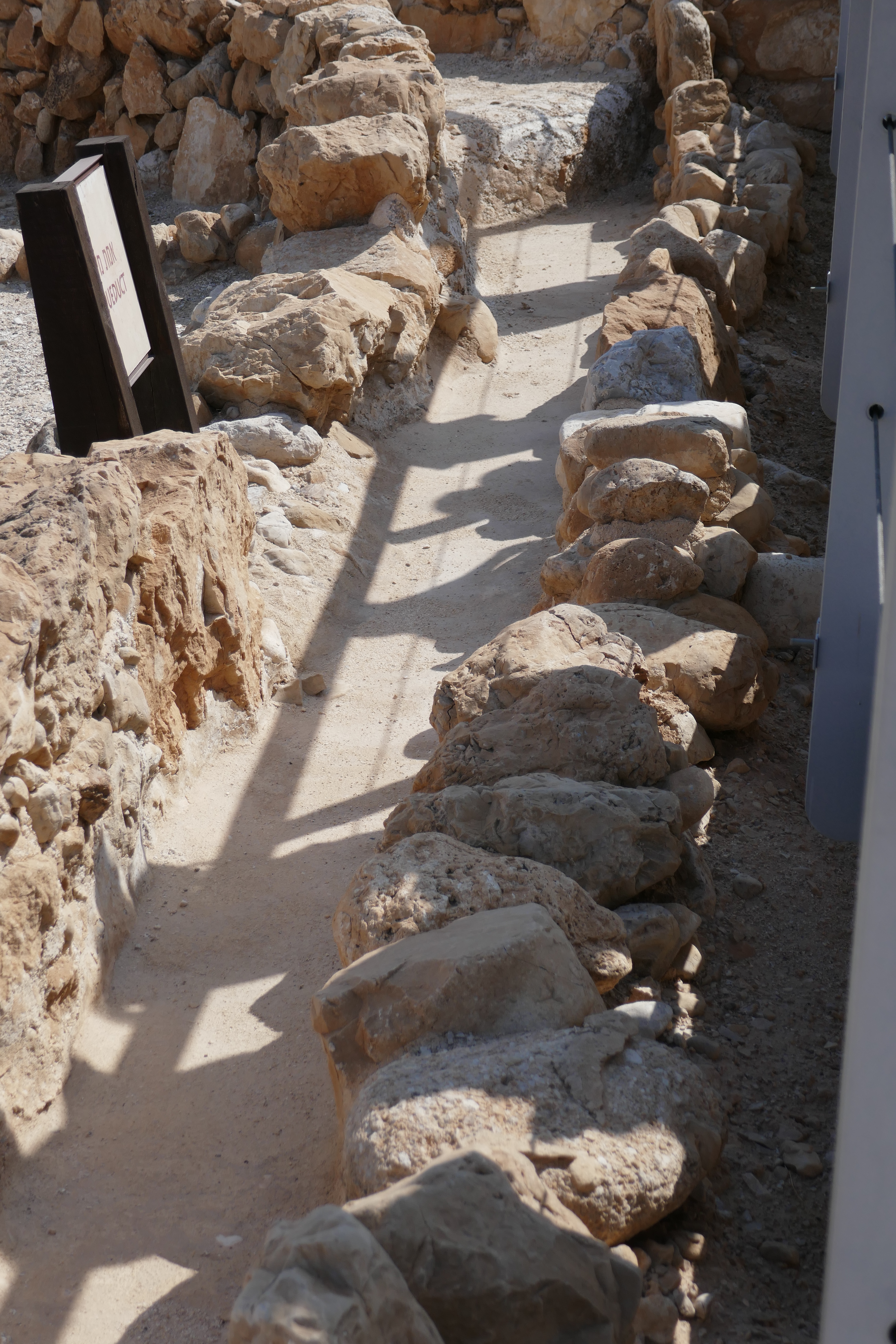
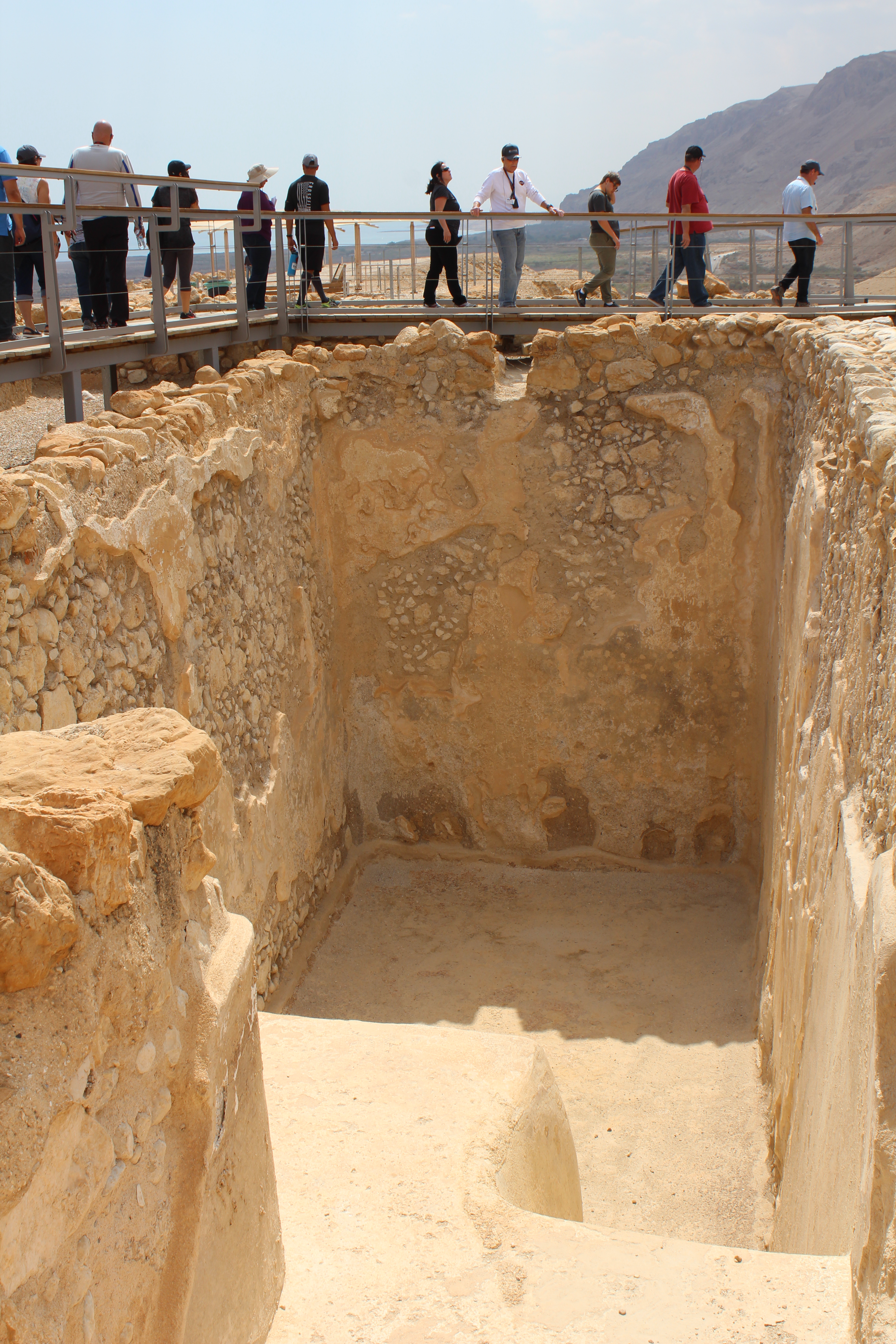
Qumran, as an archaeological site, is notably a place to observe the collection and use of water in antiquity in what is a very dry region with few natural potable water sources. The site has several cisterns for water collection, a water canal which carried water to various parts of the site and from the mountains above the site. It is also marked by a several mikvaot (Jewish immersion pools), evidencing the focus on piety and purity of those living there.

See also Qumran (The Dead Sea Scrolls)
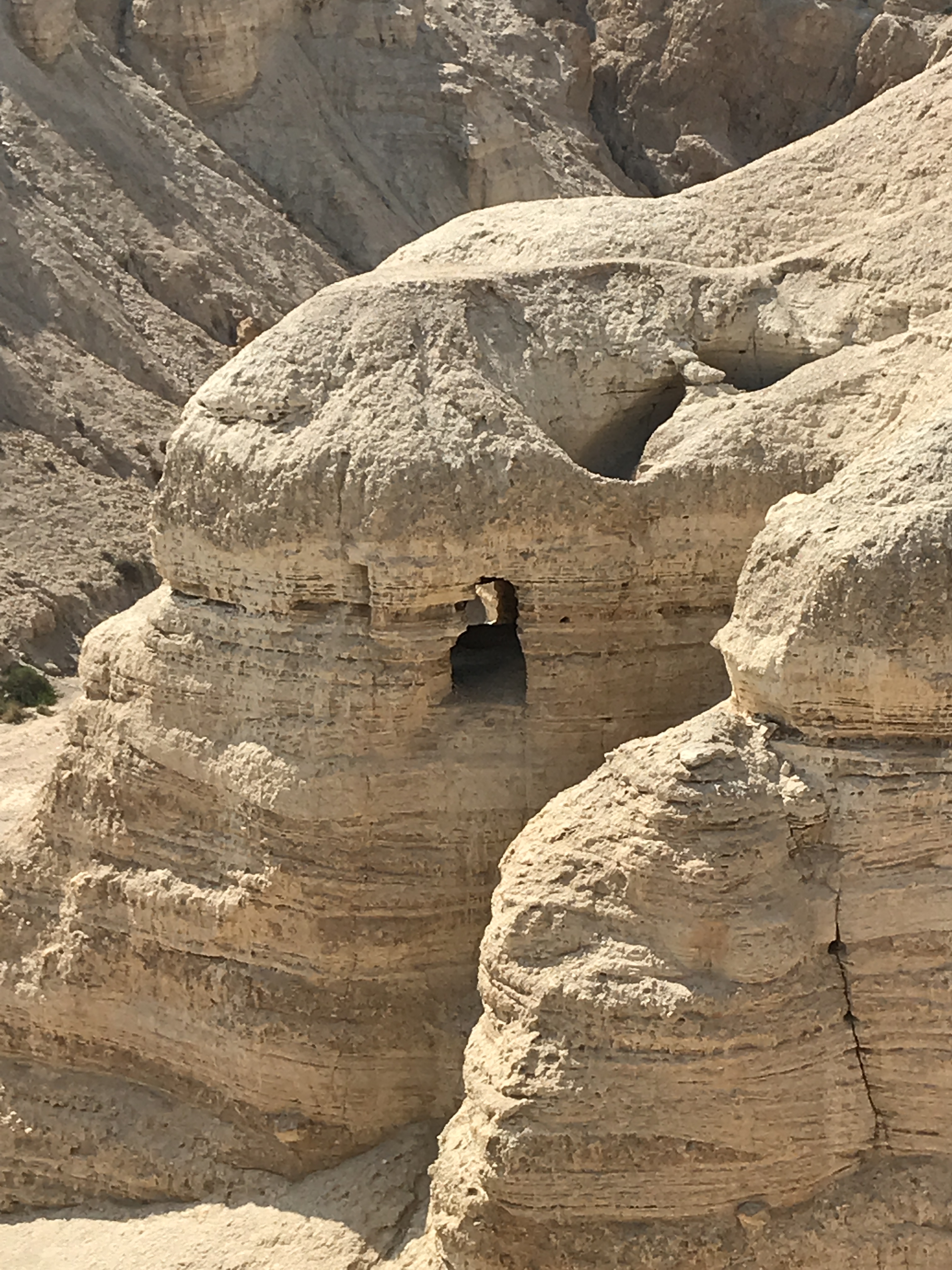
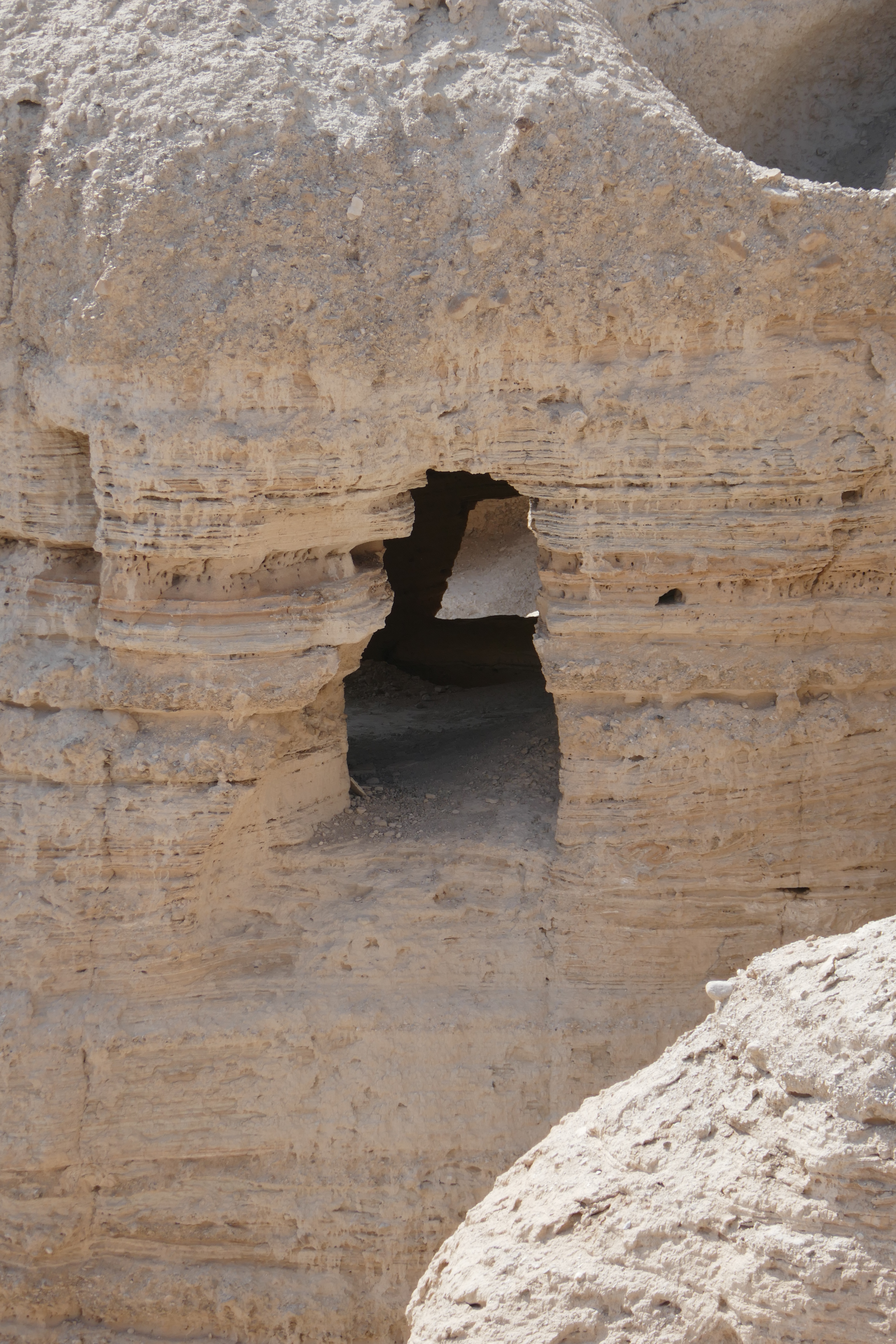
Cave near Qumran
Mikveh – Ritual immersion pool at Qumran
Water canal at Qumran
Huge cistern at Qumran
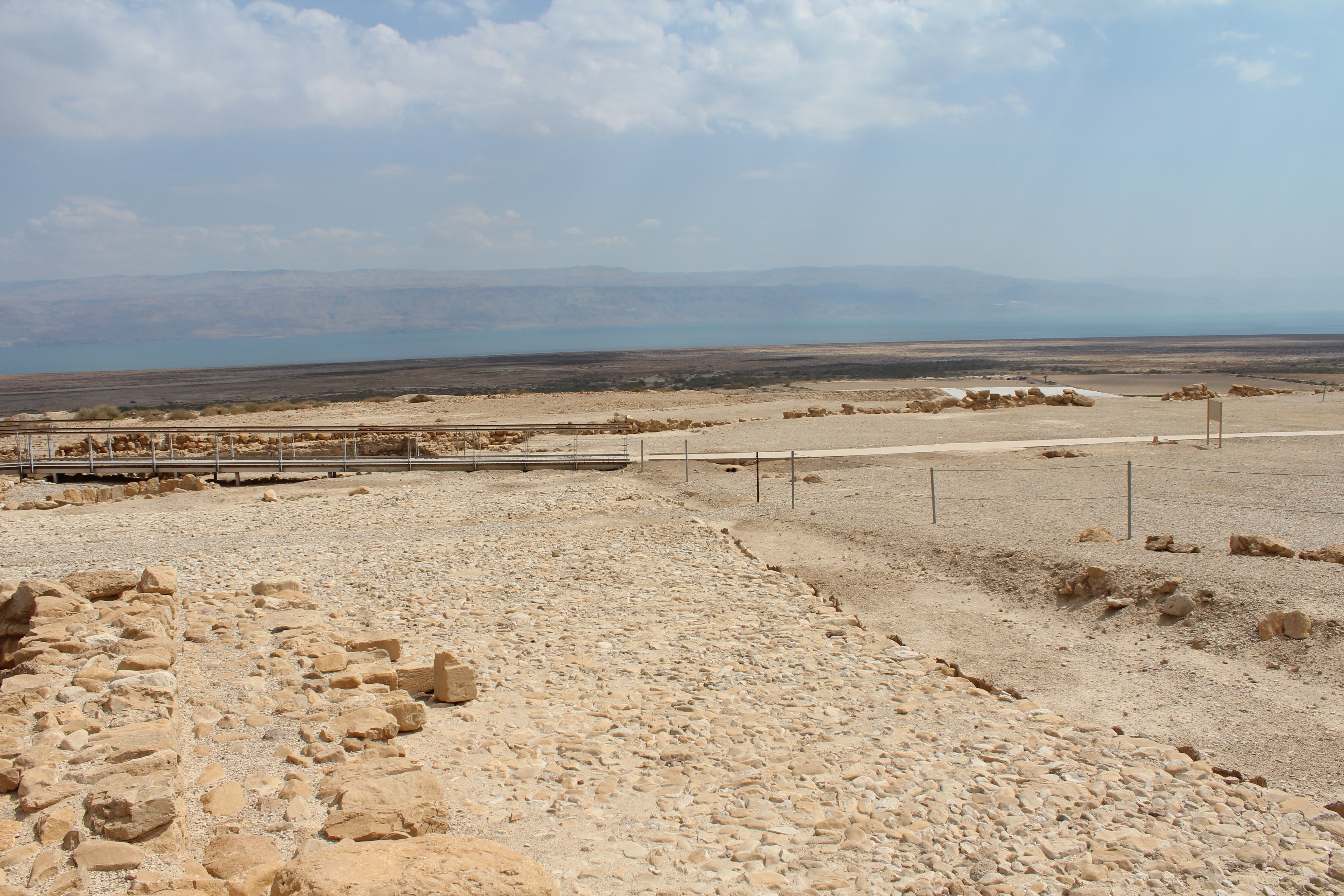
View looking east toward the Dead Sea and Transjordan from Qumran

It is our desire to help you grow in your knowledge of Adonai and His Word. If you are looking for additional information and/or materials, please visit our website at RootedinHisWord.org and our Facebook page. 

34857624_201435477340473_855160484356161536_n

Read Full Post »

Synagogue

Box found with images found in the Temple

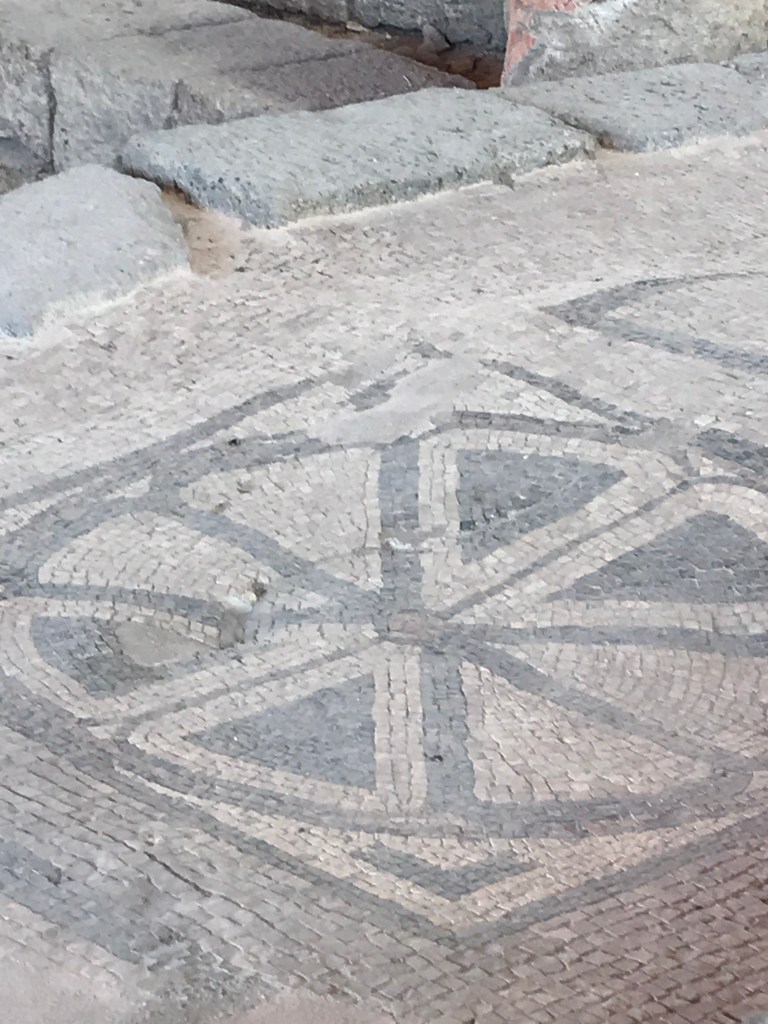
Magdala is a place that the student of the Apostolic writings (Newer Testament) must visit. This location offers what few places in Israel offer, namely a sight that wasn’t build over several times in the 2000 years since the ministry of Messiah Yeshua (Jesus). It offers archeological remains which were not disturbed or robbed in order to build other structures in the area. 

The most significant finds at Magdala are the two synagogues. The one pictured in this post is the first one discovered. A second synagogue was found recently and excavations have begun in that location. 

The synagogue in Magdala offers us a glimpse into the life of the Messiah Yeshua. We know from scripture that Yeshua (Jesus) taught in the synagogues around the Kinneret (Sea of Galilee). (Matthew 4:23) Thus, given that this synagogue is believed to have been in existence in the first century, it can reasonably be assumed that Yeshua taught in this synagogue. He read the scriptures from the scroll. He sat on the bench where the teacher sat. Few other places in Israel today offer such direct connection to Messiah. 

Magdala was a thriving city during the first century. It was a port city on the west coast of the Kinneret (Sea of Galilee). The city is believed, based on the archeological finds, to have been a wealthy city and Torah-observant city.

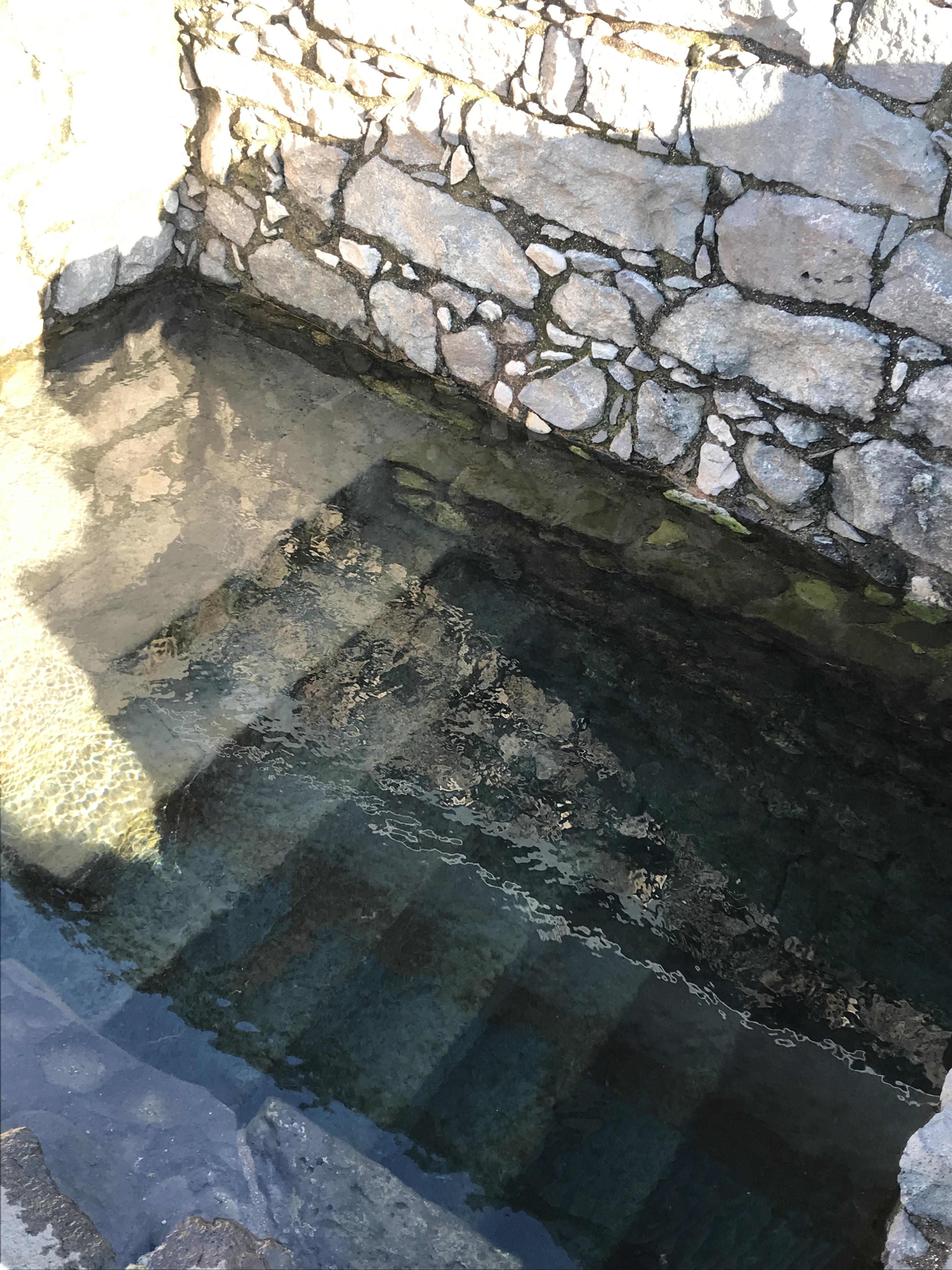
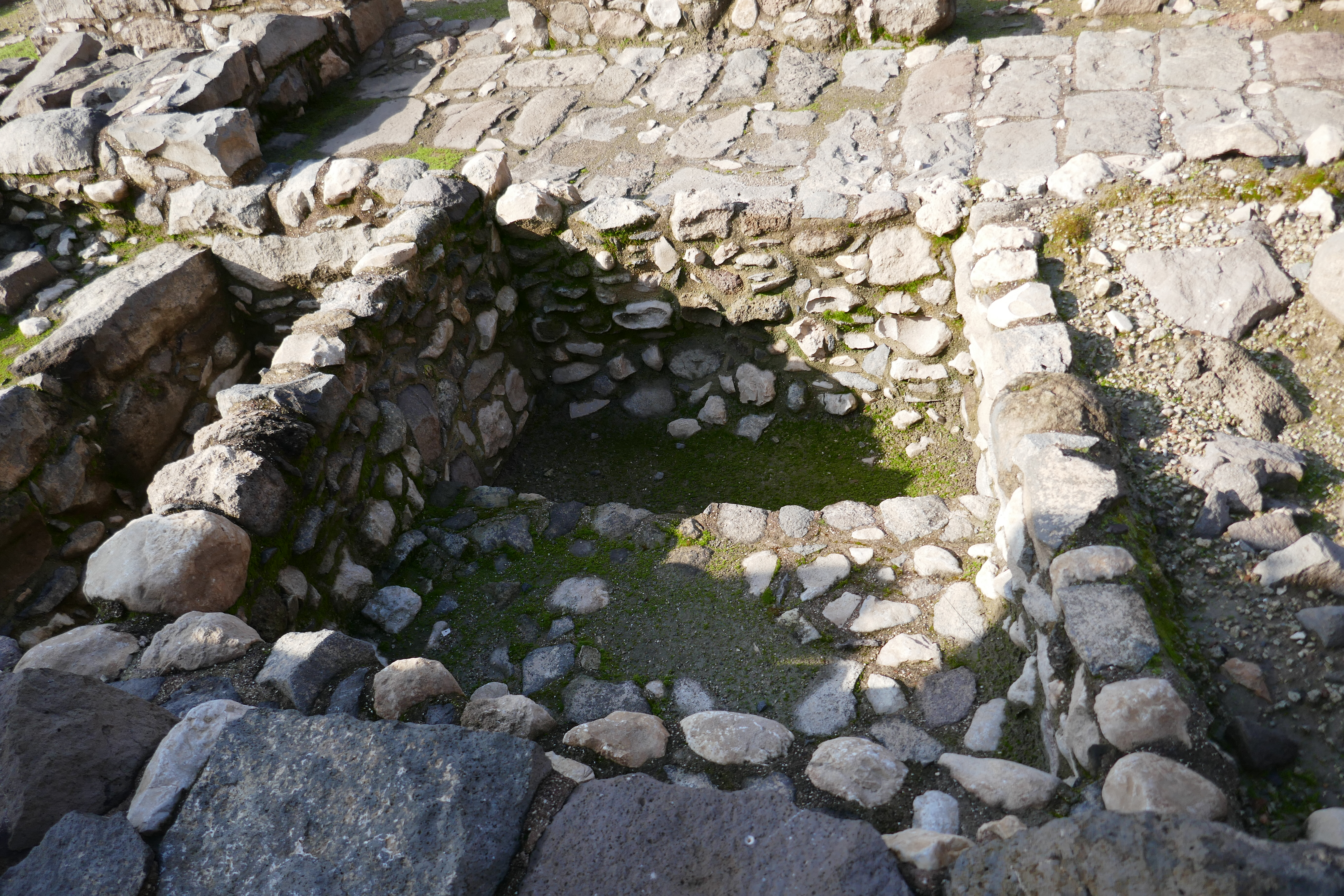
With regard to Torah observance, we find in Magdala evidence of many mikveh (ritual purity baths). These were used and continue to be used today by Torah-observant Jews as a means to ritual purity. Use of the mikveh involved immersing oneself into the mikveh and reciting certain scriptures and blessings. The land of Israel has many, many mikvaot. These testify of the strong faith culture of this city as well as the Galilee region.

The main industry in Magdala appears to have been fish processing. It is believed that fish were brought to Magdala and held in shallow pools until being salted and dried for transport and sale to locations throughout Israel and the Roman Empire.

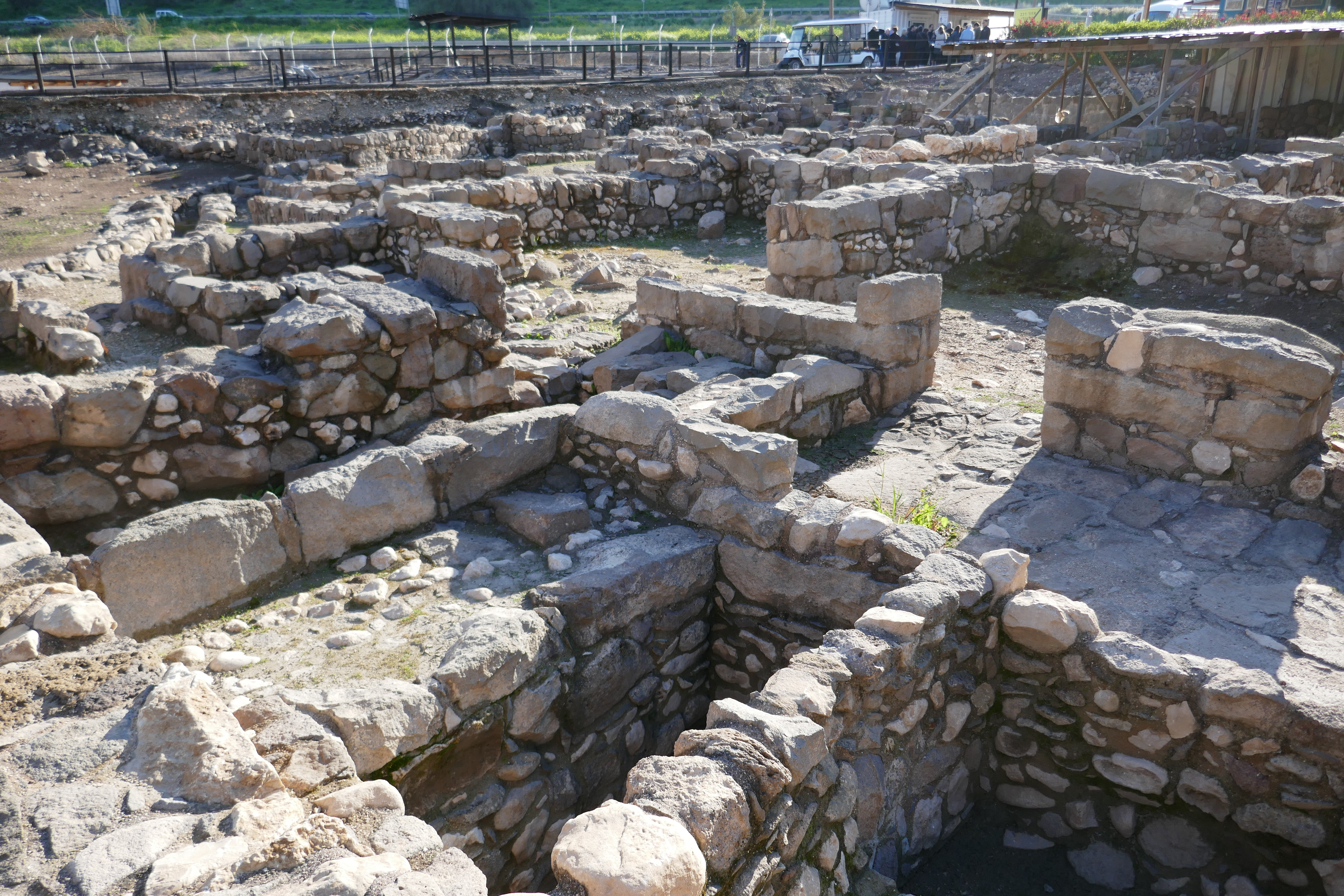
When you visit the site, you are able to see the synagogue, the mikvaot, the pools and other remains of the industry and housing in Magdala. There is also a beautiful hotel and guest center.


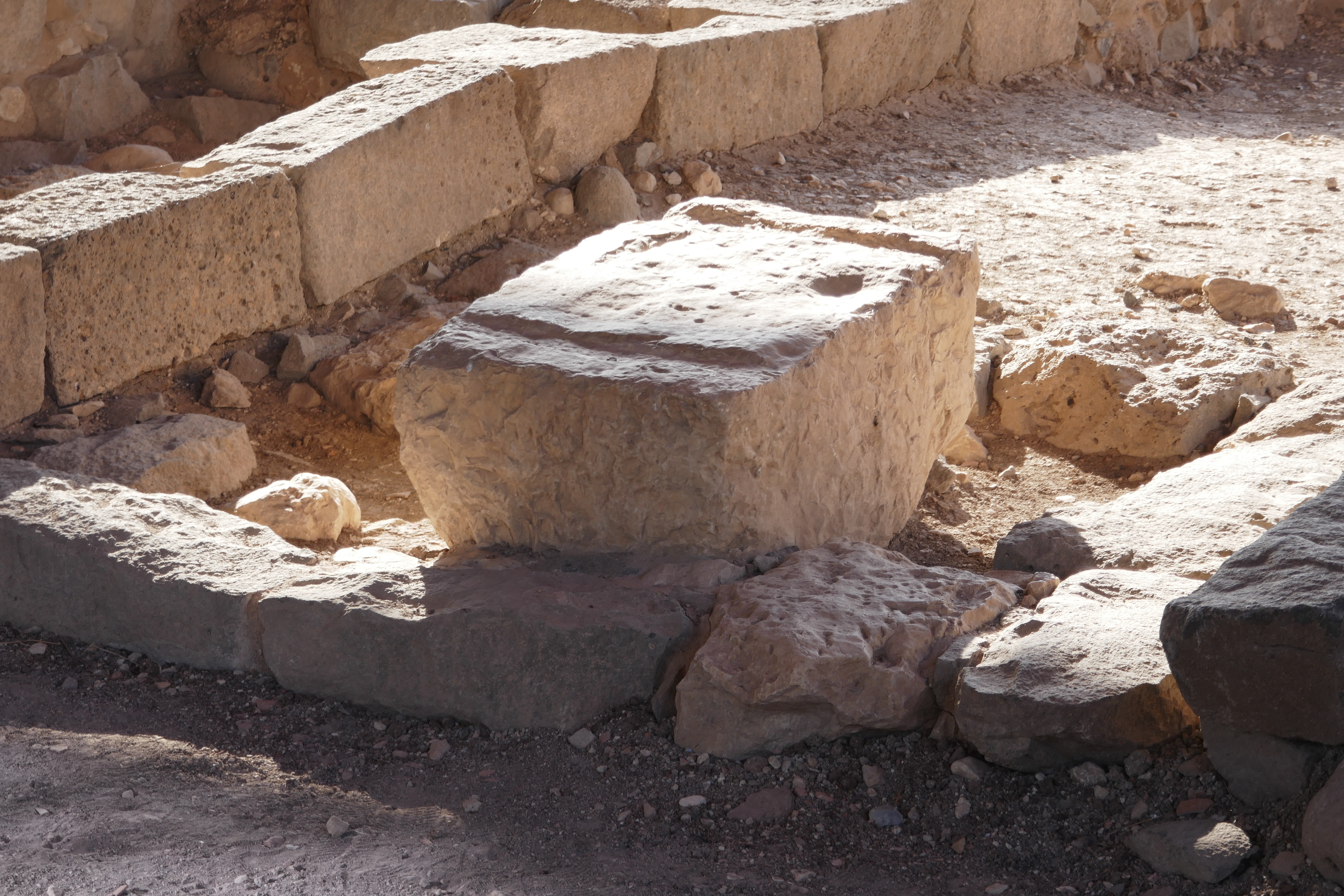
Pedestal for holding Torah scroll

Ritual bath (Mikveh)

Pools for holding fish

Water channel for moving water from one location to another
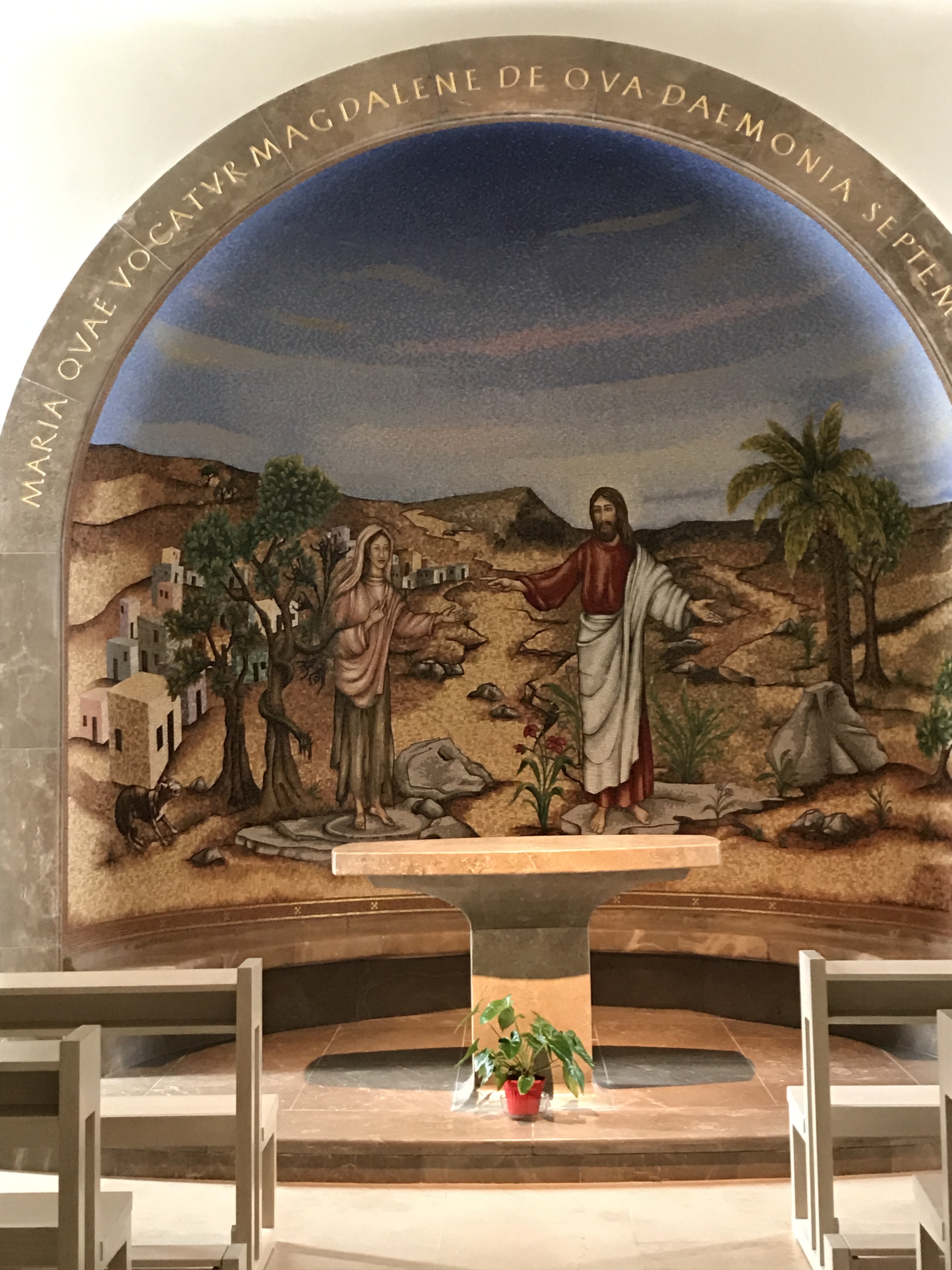
Murals inside the chapel at Magdala

Chapel at Magdala

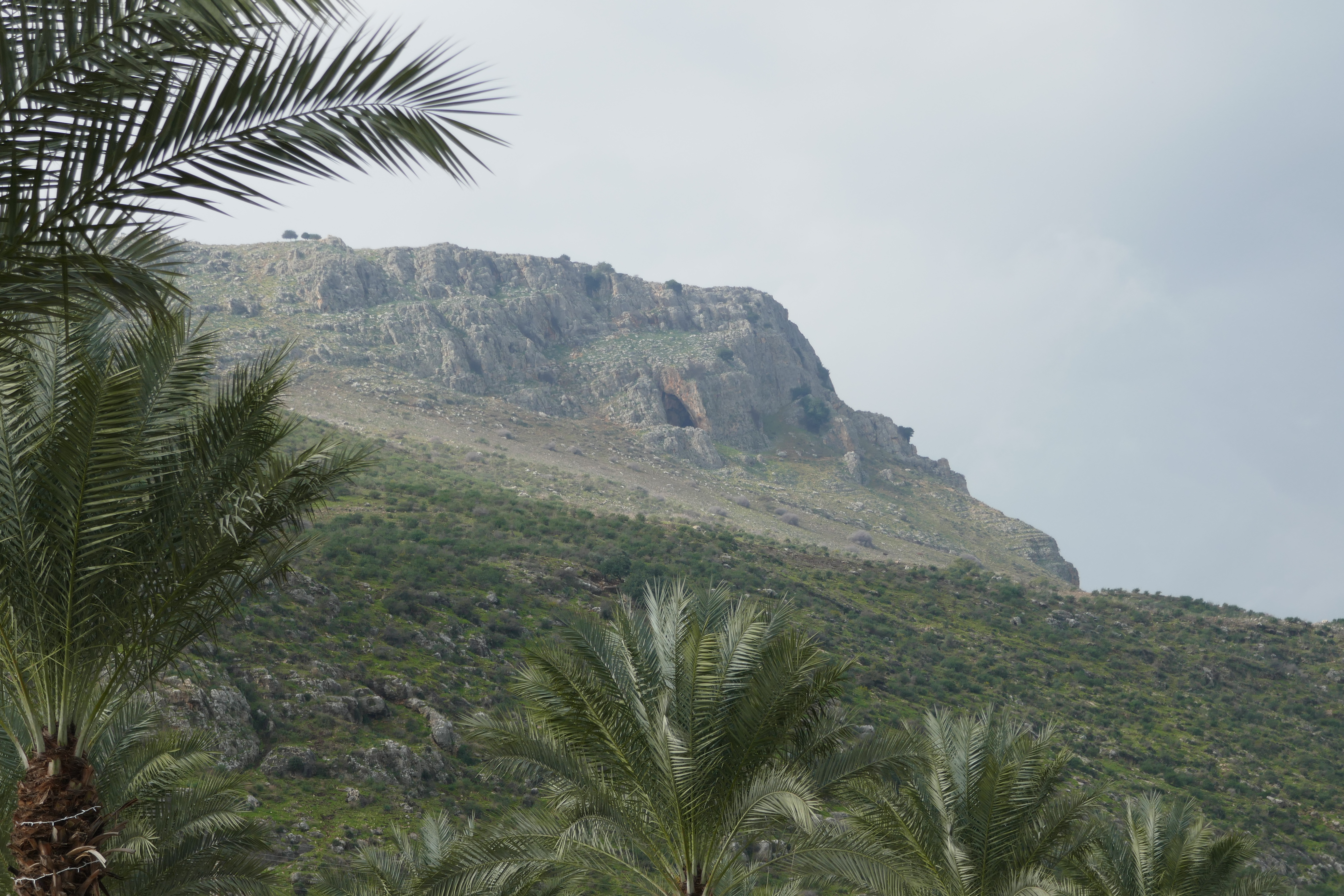
View of Mt Arbel from Magdala

It is our desire to help you grow in your knowledge of Adonai and His Word. If you are looking for additional information and/or materials, please visit our website at RootedinHisWord.org and our Facebook page. 

34857624_201435477340473_855160484356161536_n

Read Full Post »