Feeds:
Posts
Comments

Posts Tagged ‘Travel in Israel’

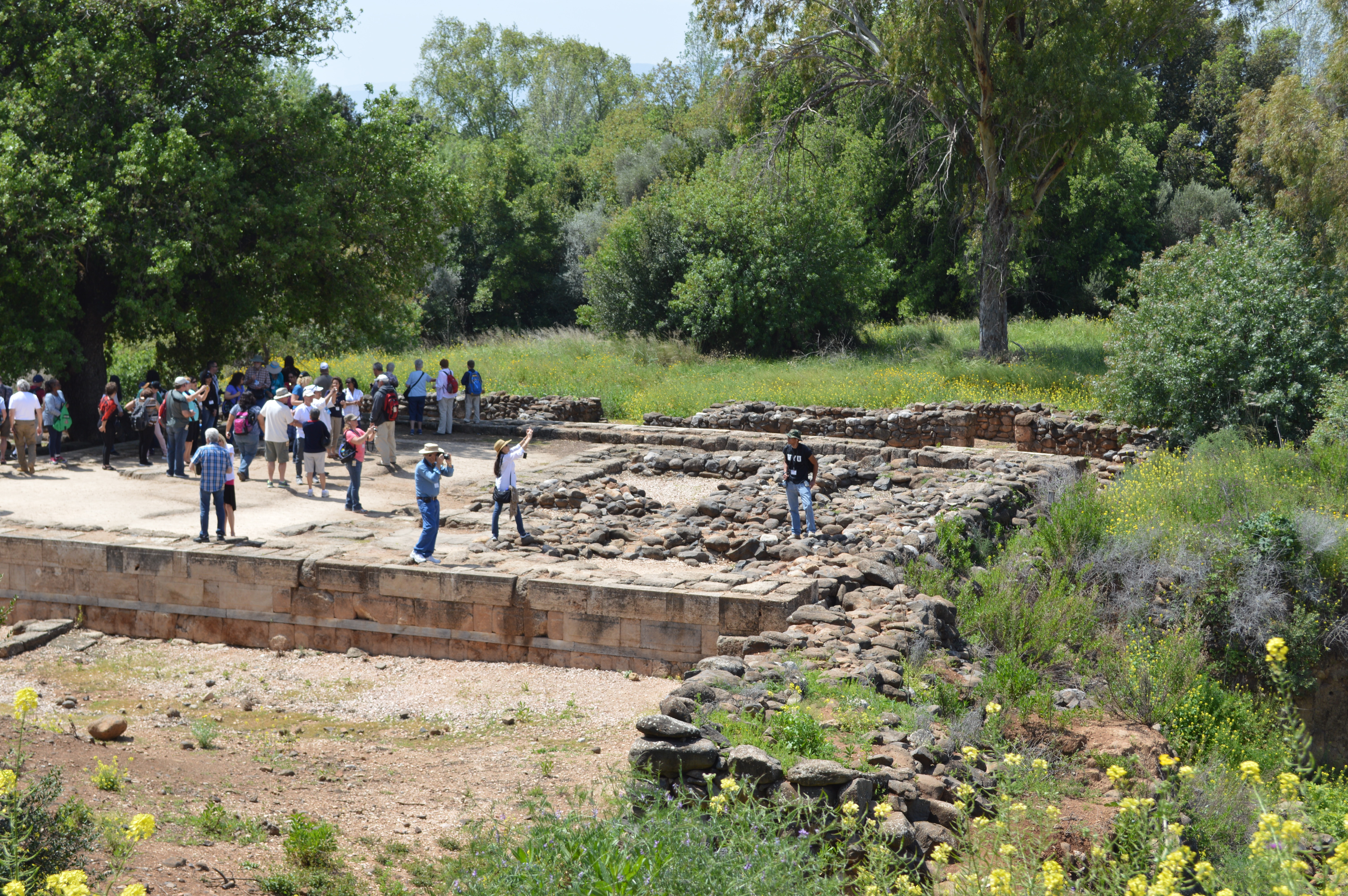
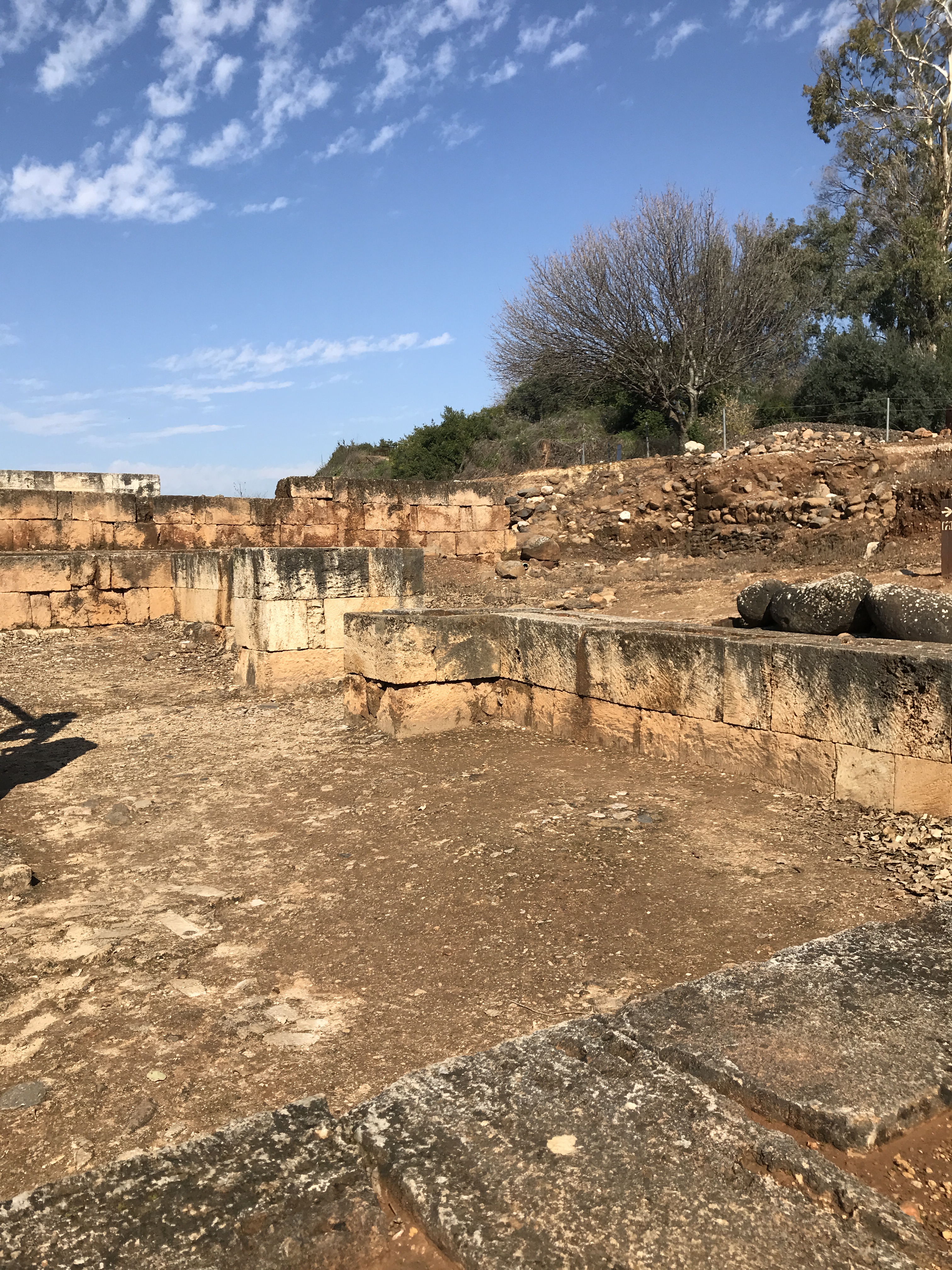
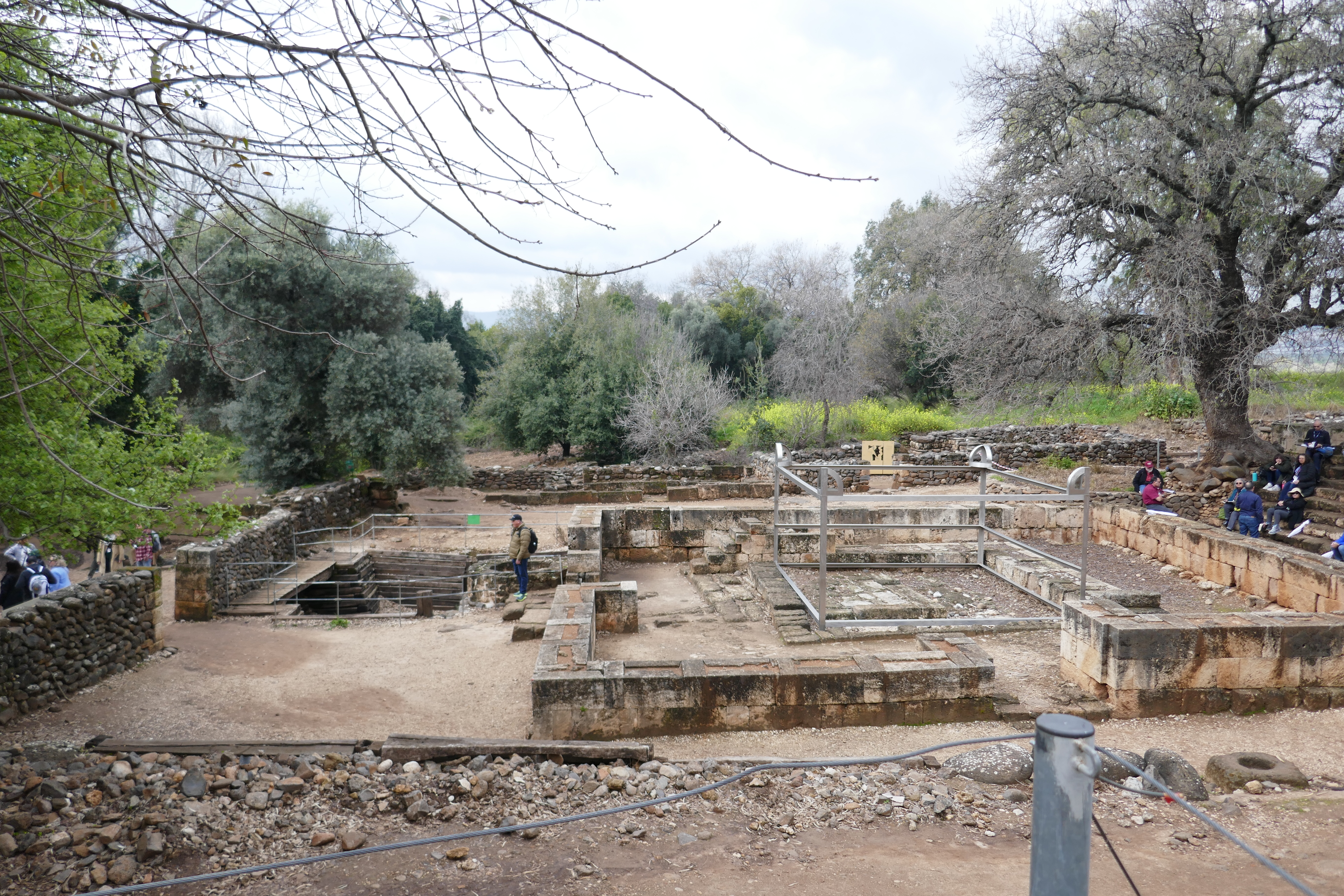
Dan – Cultic site – Altar area

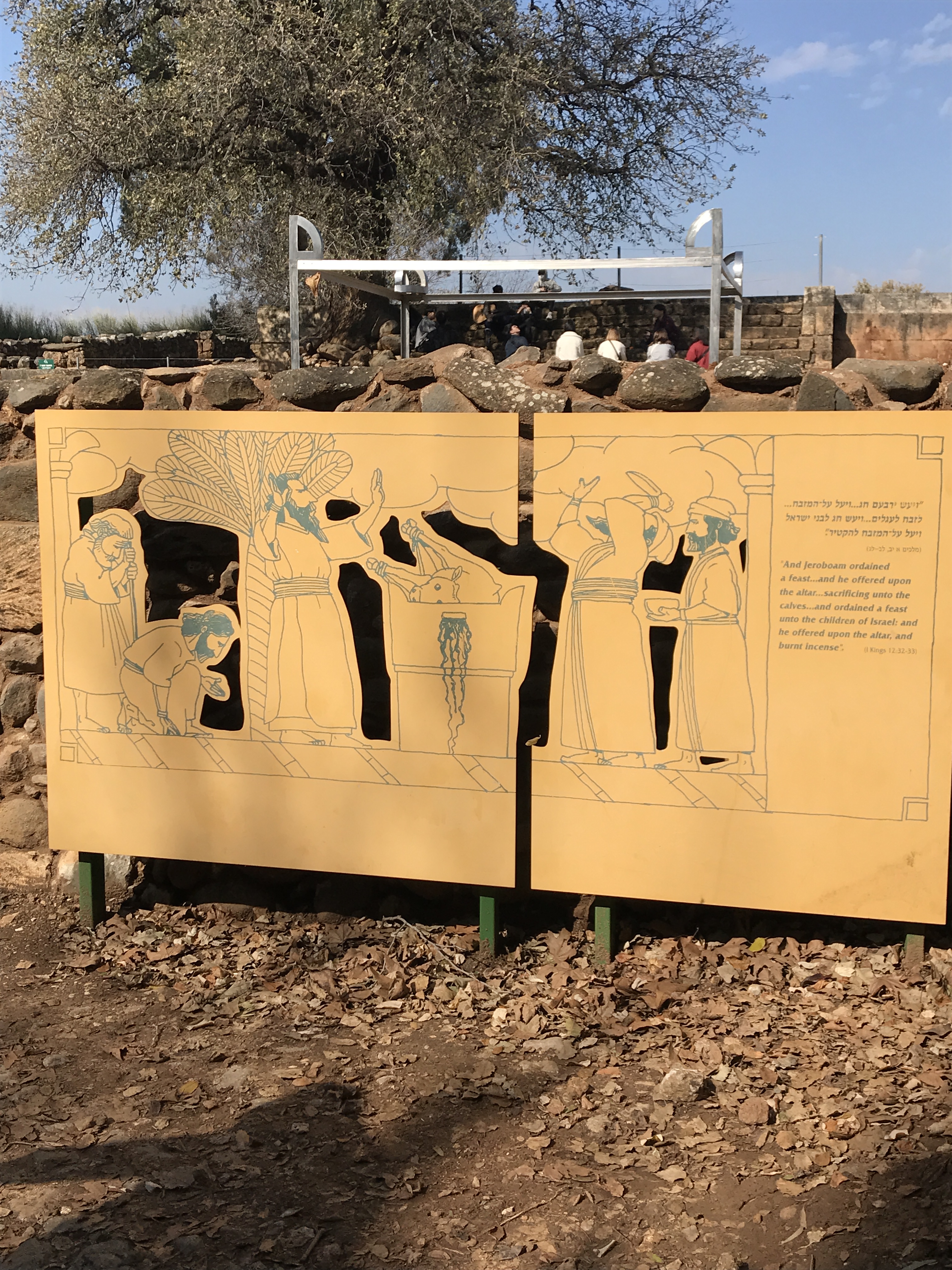
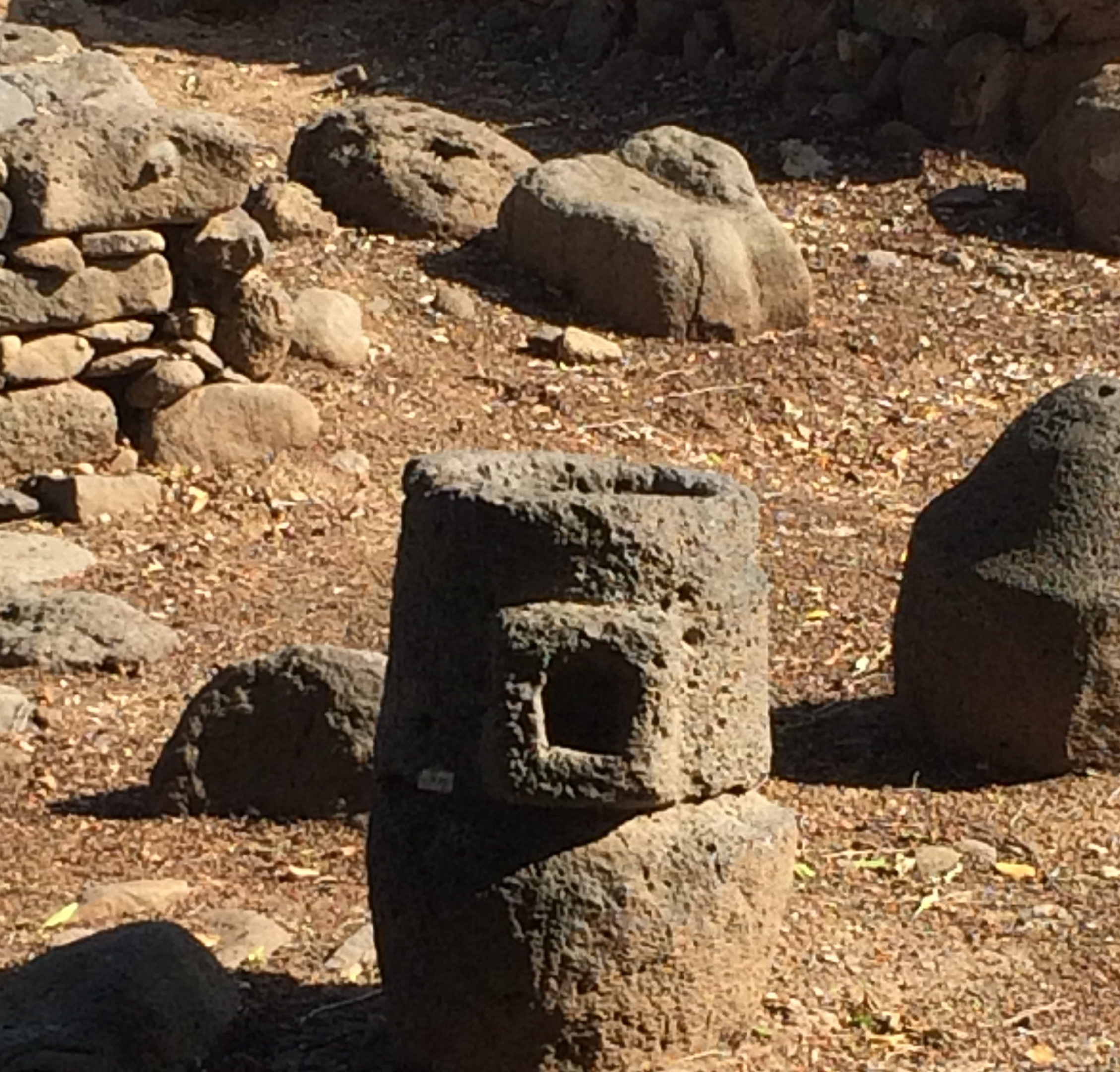
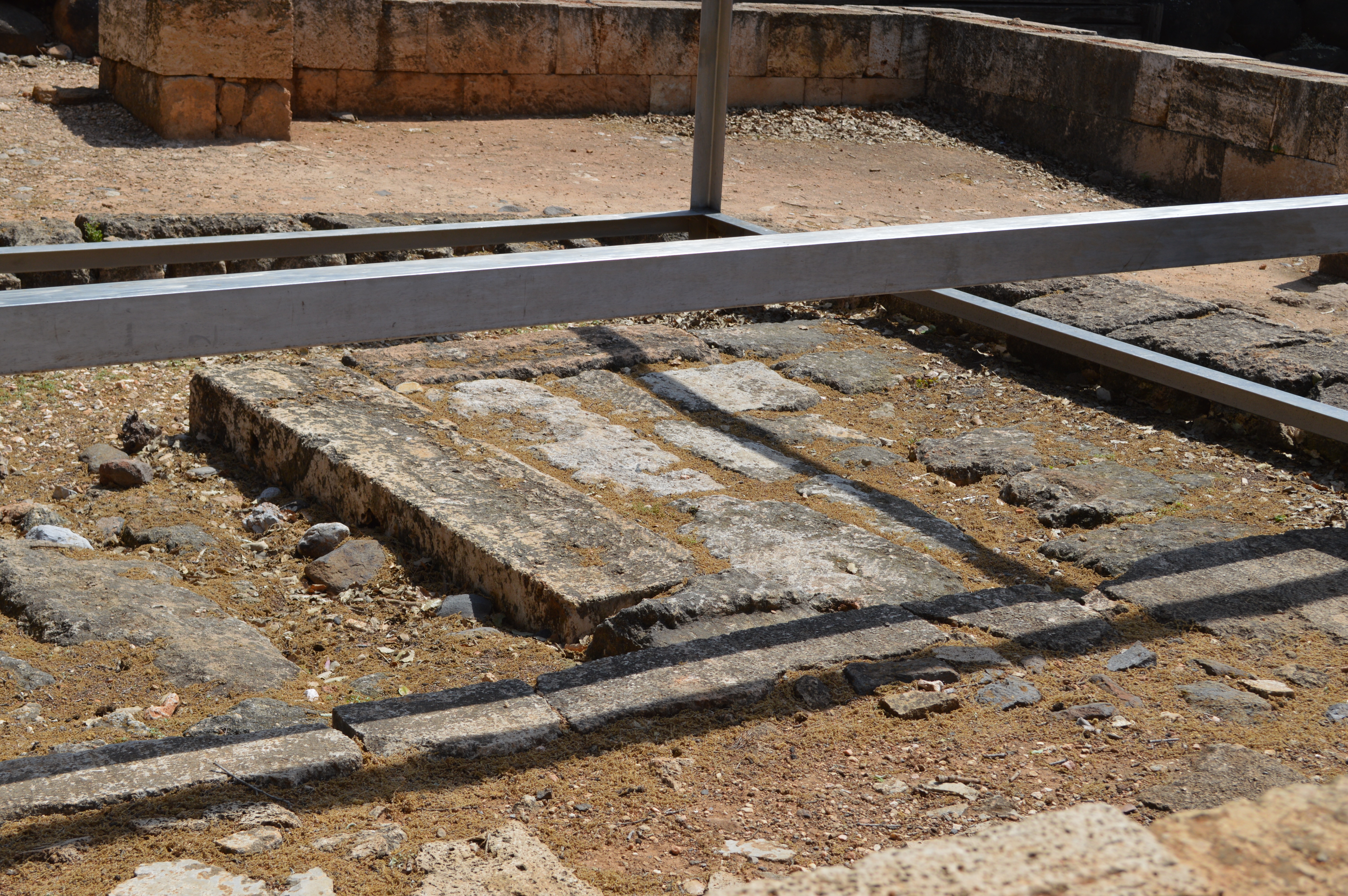
So much can be learned from the cultic site at Tel Dan. The site was not one that the YHWH authorized, but it still offers us insight into the worship practices of the Israelites (in the Northern Kingdom of Israel) during the period of the two kingdoms. This site has been excavated and the park service has done some useful curating of the site to help visitors visualize things. According to recent information, the upper raised platform is slated for excavation in the coming season. This should yield even more useful information which confirms the Biblical text. 

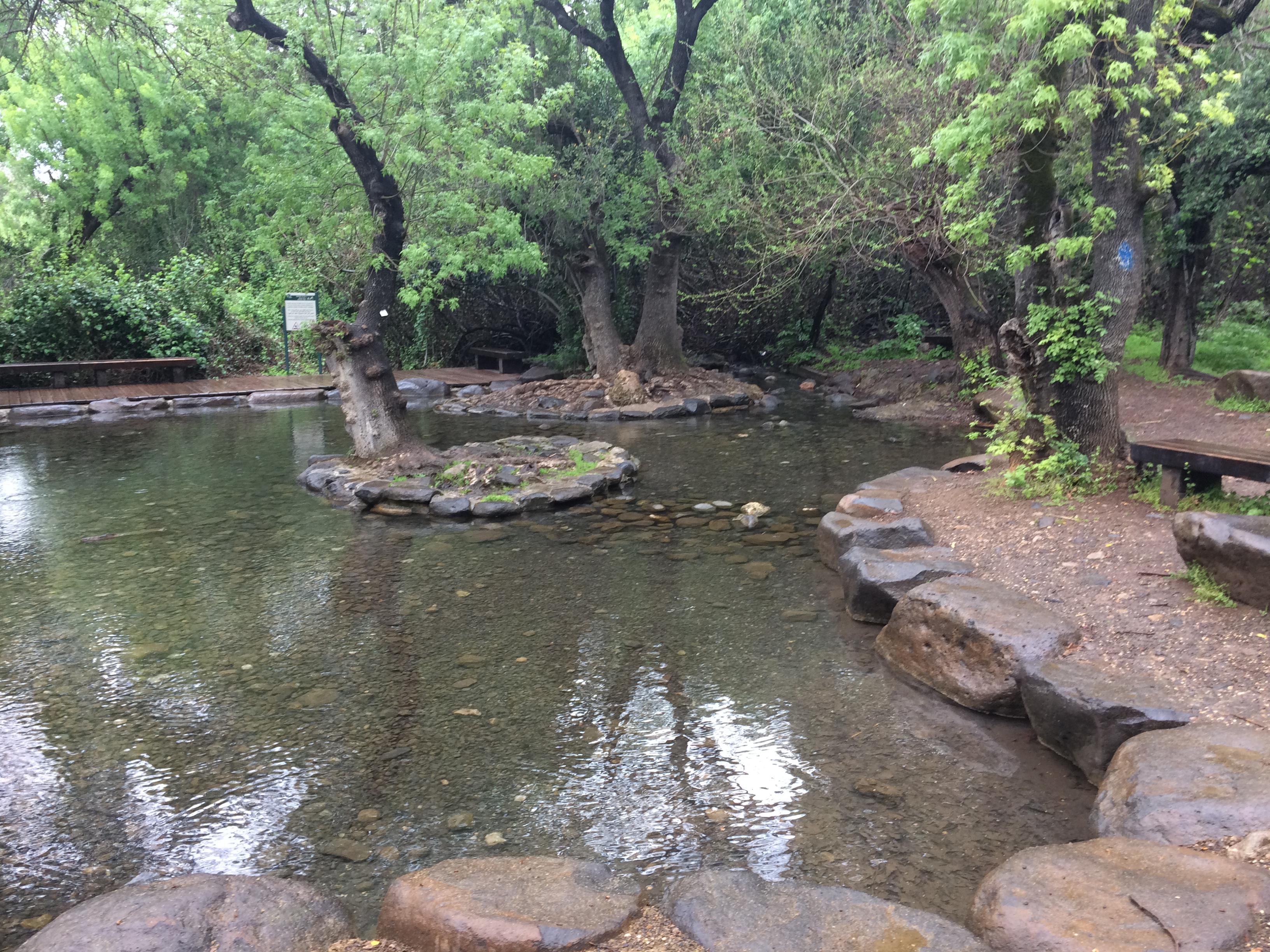
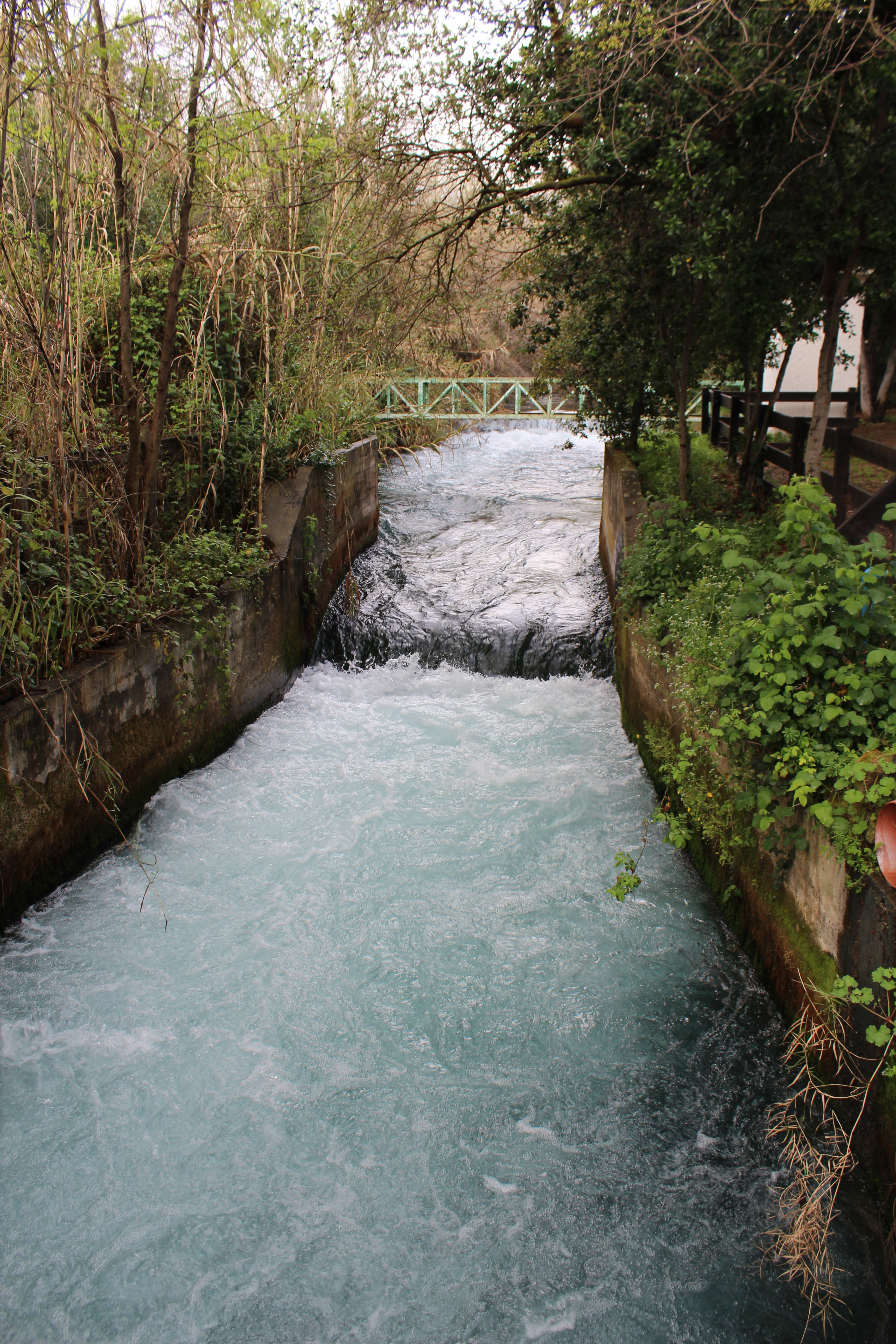
The site at Dan is also wonderful because of all the greenery and flowing water. It is a beautiful place to hike and take in the beauty of the northern Israel, the headwaters of the Jordan and the snow melt from the stately Mount Hermon. It is no mystery why the tribe of Dan sought out this land, killing the former residents to take it. It is also no mystery why the northern kingdom was established in this fertile and verdant region. 
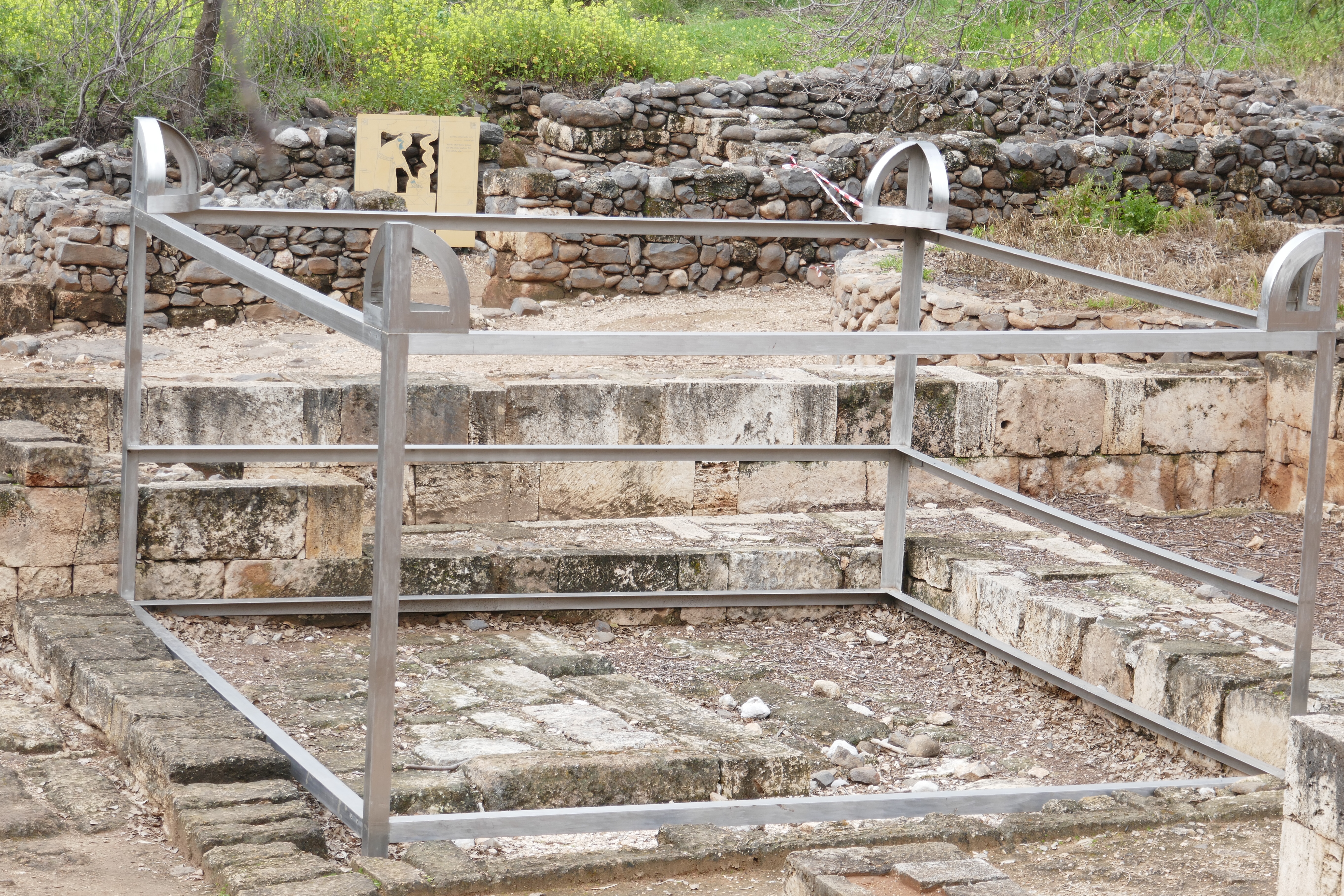
Indicator of the location of the altar

Going Deeper: Dan and the Golden Calf

Read 1 Kings 12:25-33
1. What did Jeroboam fear would happen if the people returned to Jerusalem to worship God according to 1 Kings 12:27?

2. What did he do to avoid what he feared according to 1 Kings 12:28-29?

3. What was the result according to 1 Kings 12:30?
It is our desire to help you grow in your knowledge of Adonai and His Word. If you are looking for additional information and/or materials, please visit our website at RootedinHisWord.org and our Facebook page. 

34857624_201435477340473_855160484356161536_n

Read Full Post »

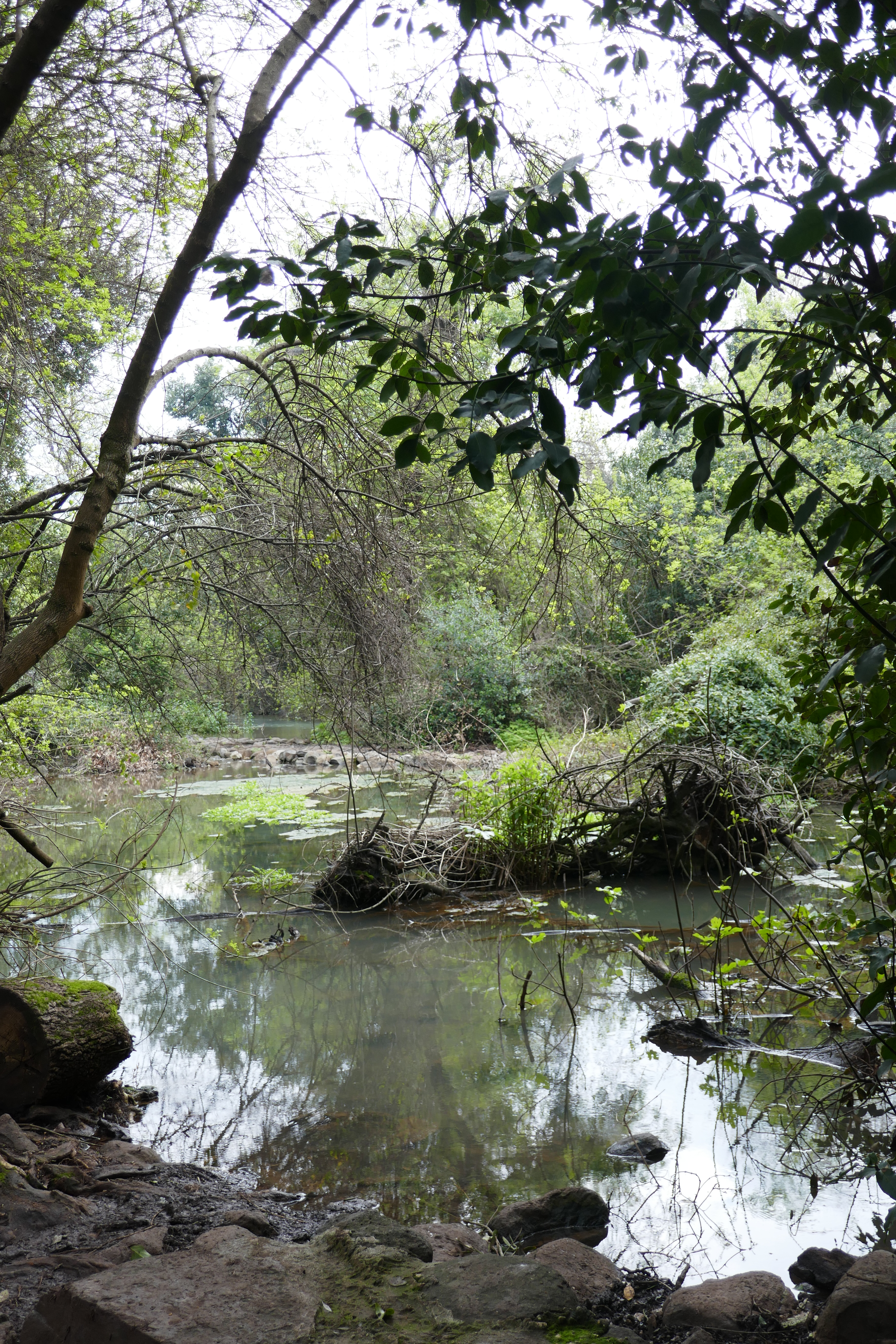
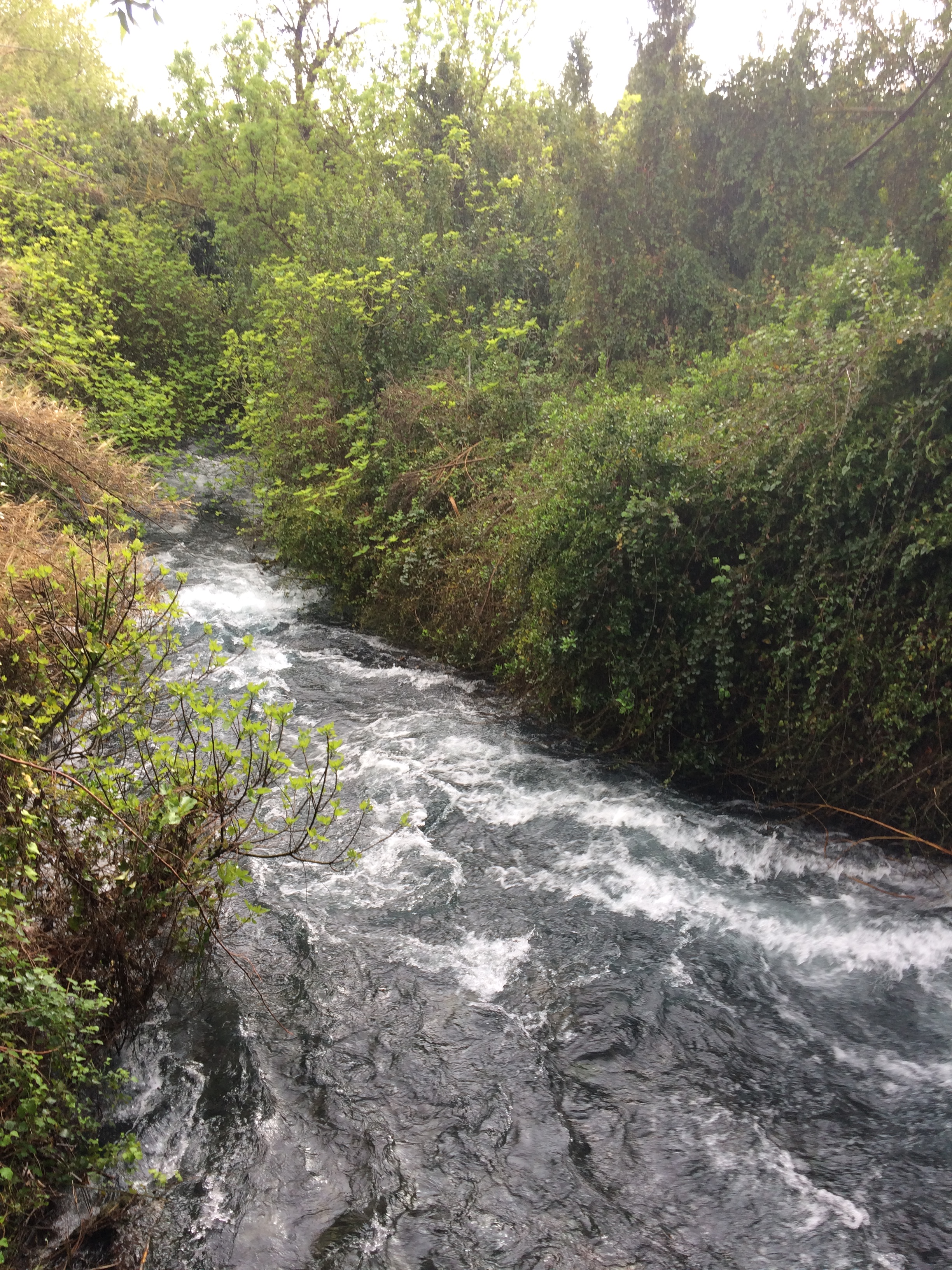
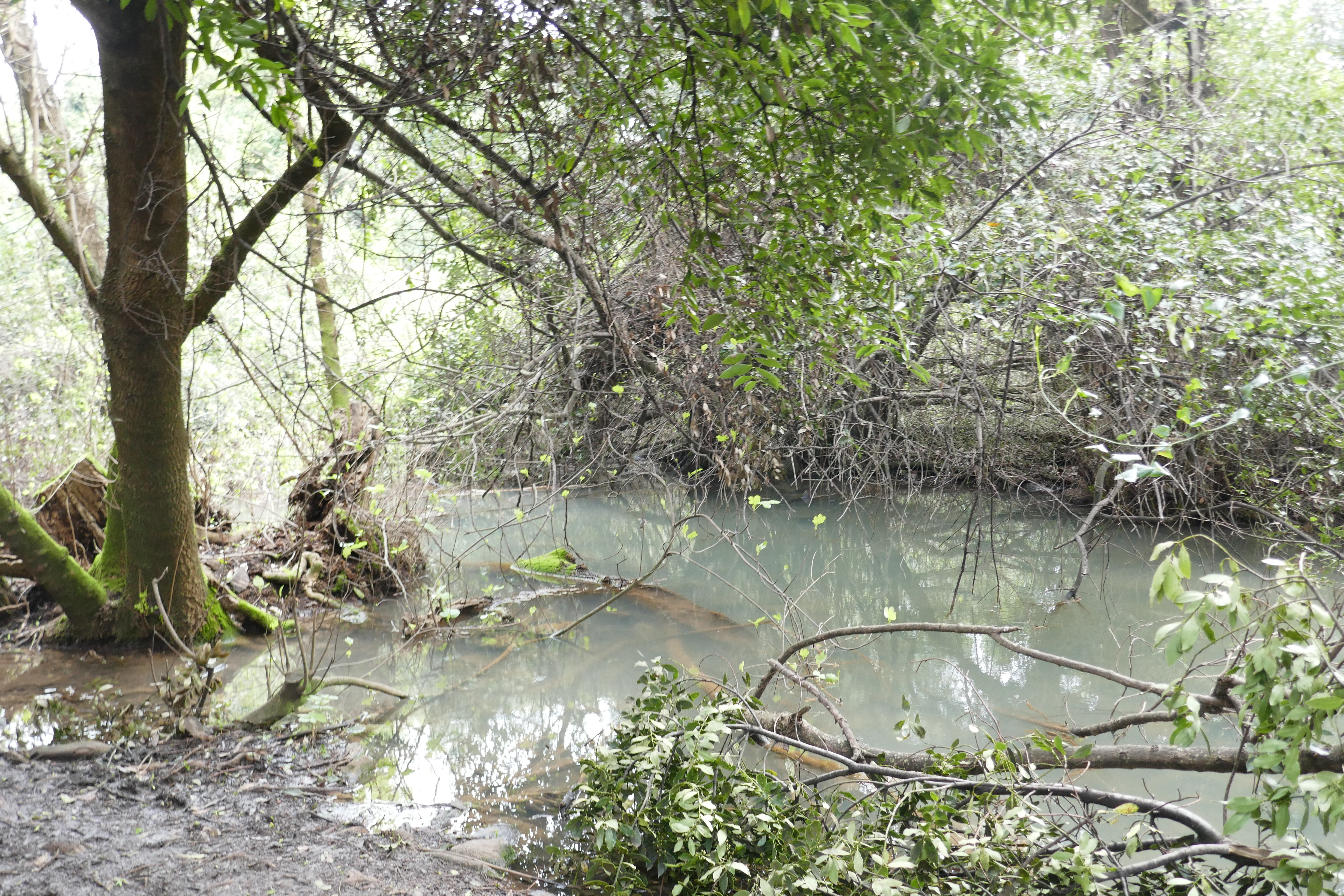
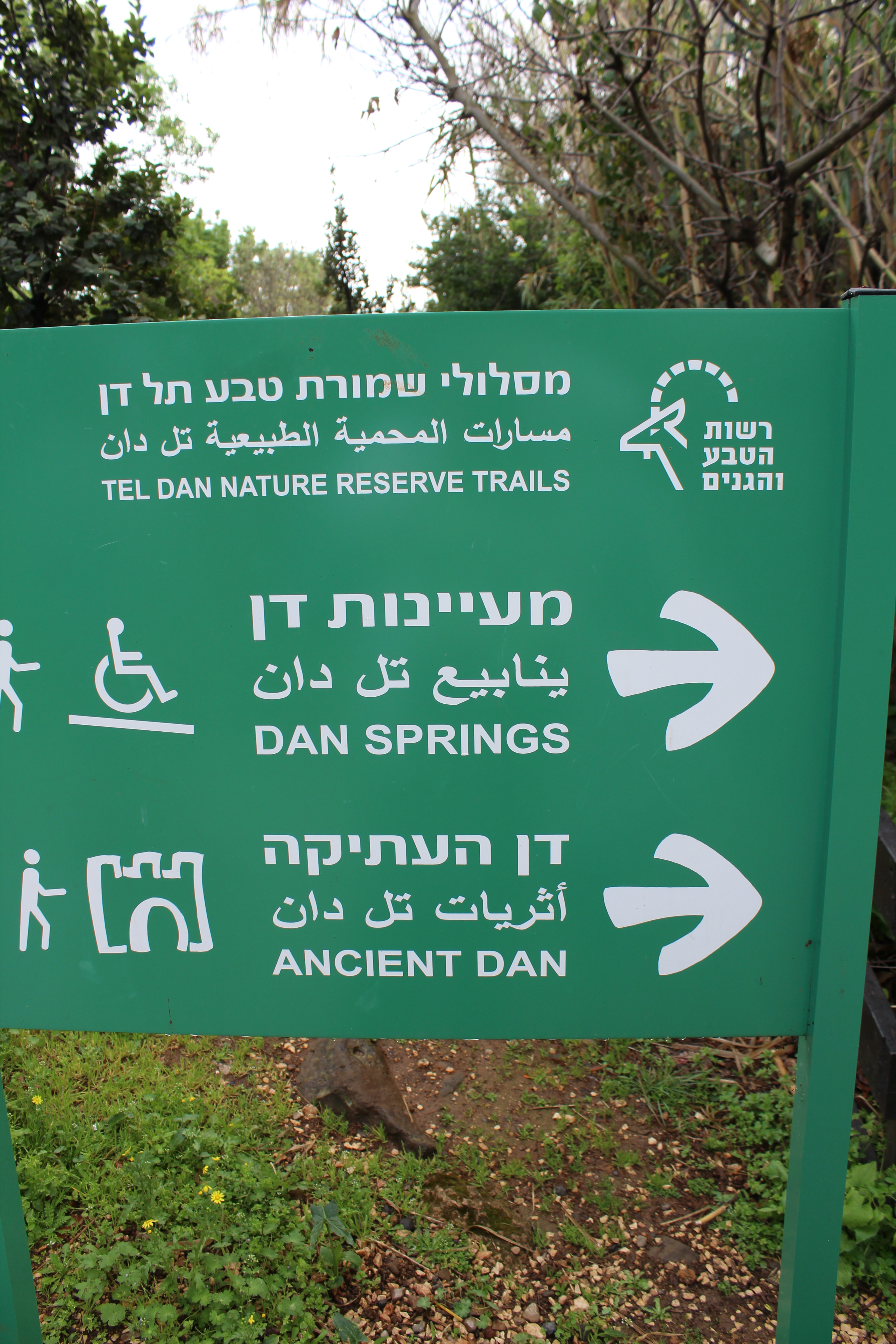
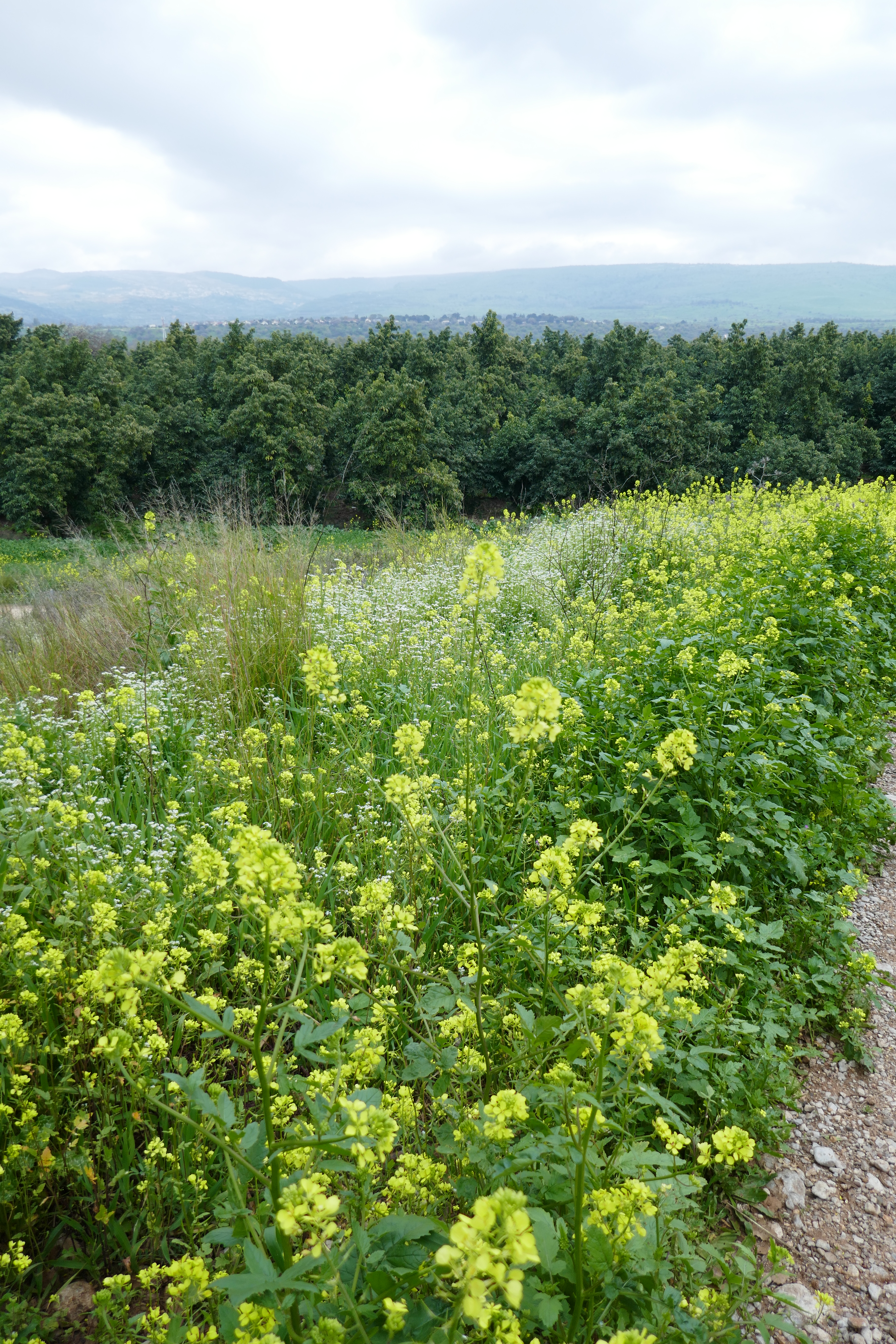
In yesterday’s post, we discussed the history of Dan which is not, I’ll admit, one of the more noble stories in the Bible. However, today, I would like to just sit with the beauty of Dan. It is a place of lush plant life and rushing water. The area surrounding the city of Dan sits on several underground springs. In many places the water seems to just bubble out of the rocks. In Israel, this area is a designated national park and nature reserve. Israelis and tourists alike love to come to parks like this and hike, taking in the verdant beauty of the location. 

Head waters of Jordan
Winter rain runoff from Mt Hermon

Lush growth in Dan

It is our desire to help you grow in your knowledge of Adonai and His Word. If you are looking for additional information and/or materials, please visit our website at RootedinHisWord.org and our Facebook page. 
34857624_201435477340473_855160484356161536_n

Read Full Post »

Herodian

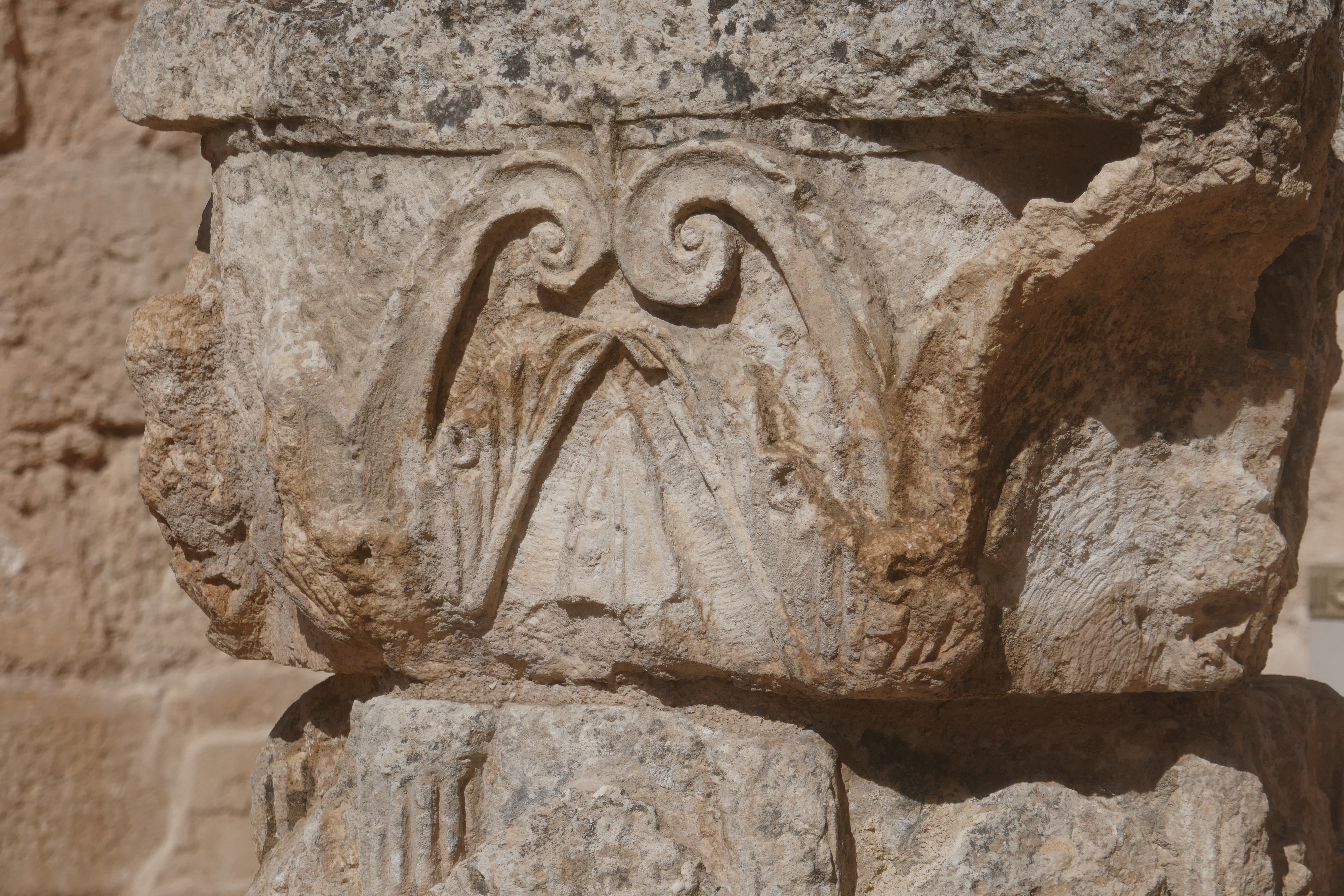
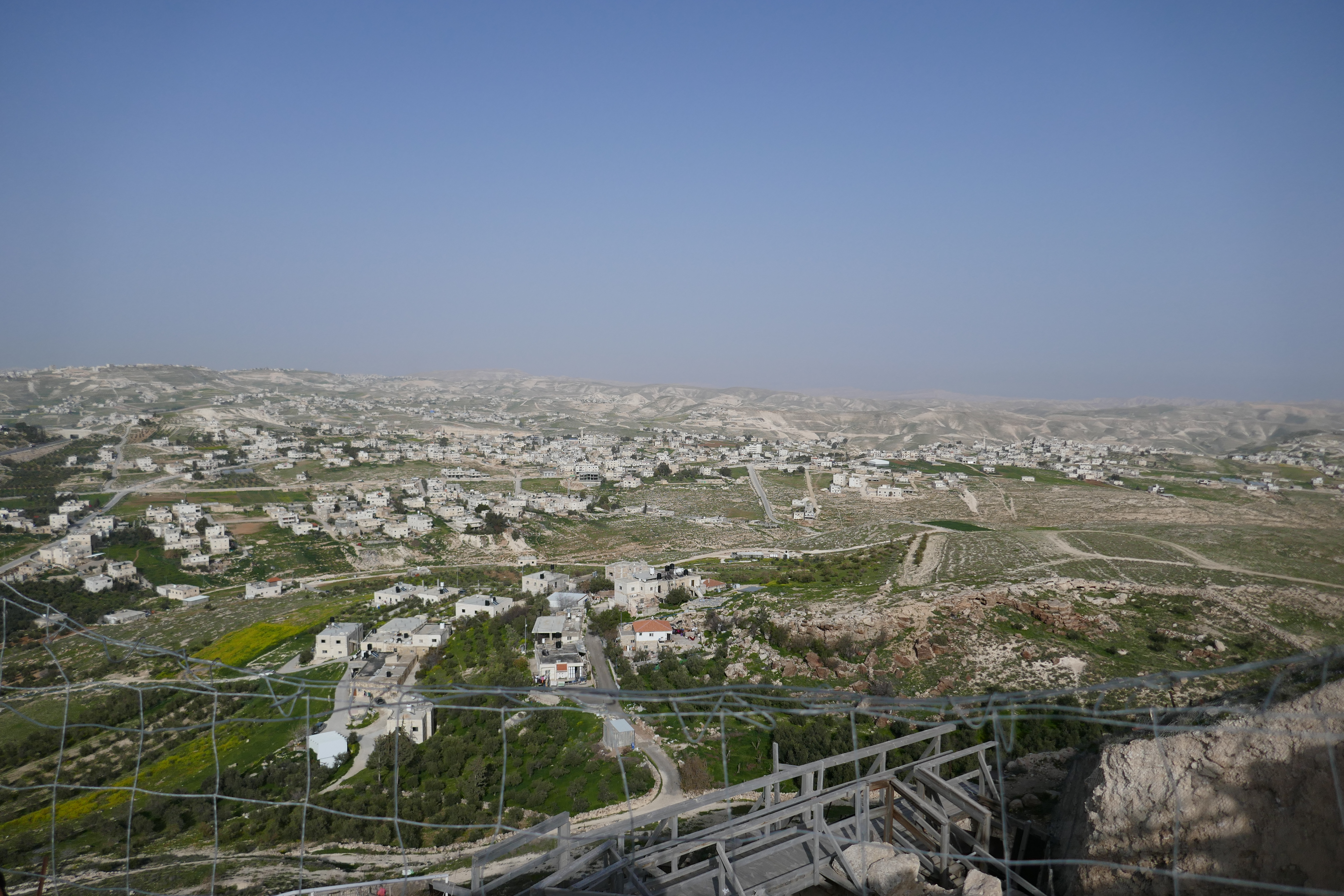
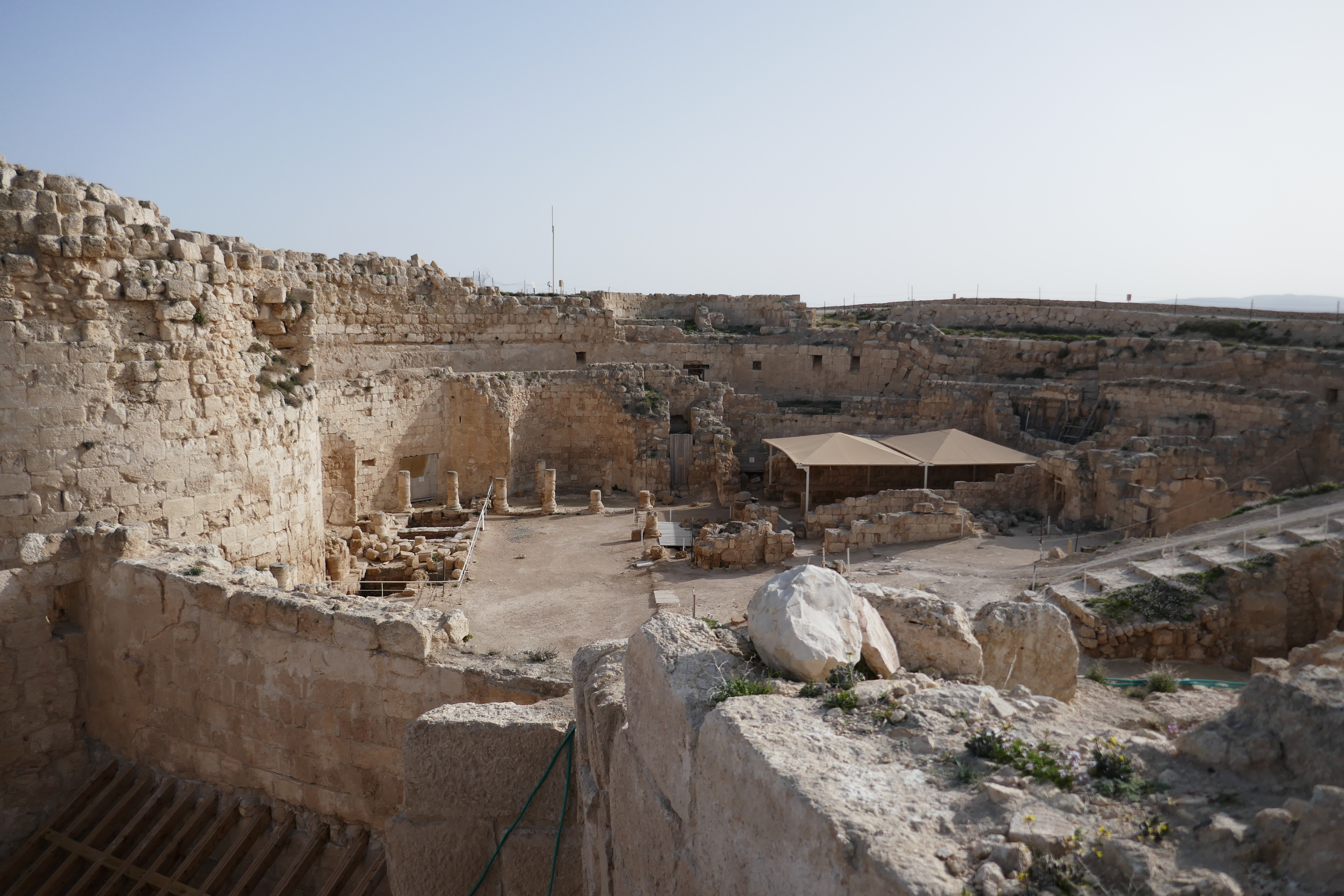
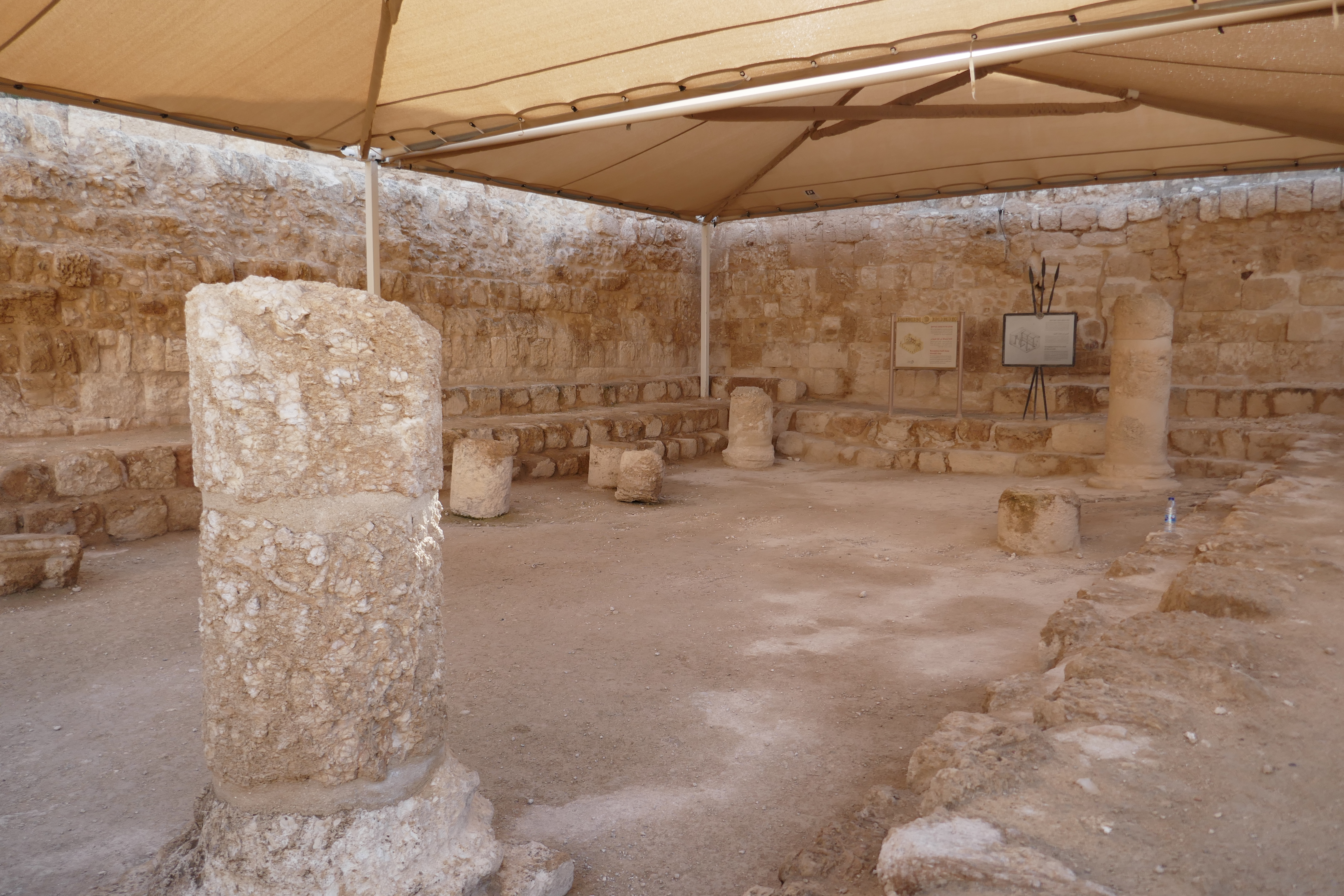
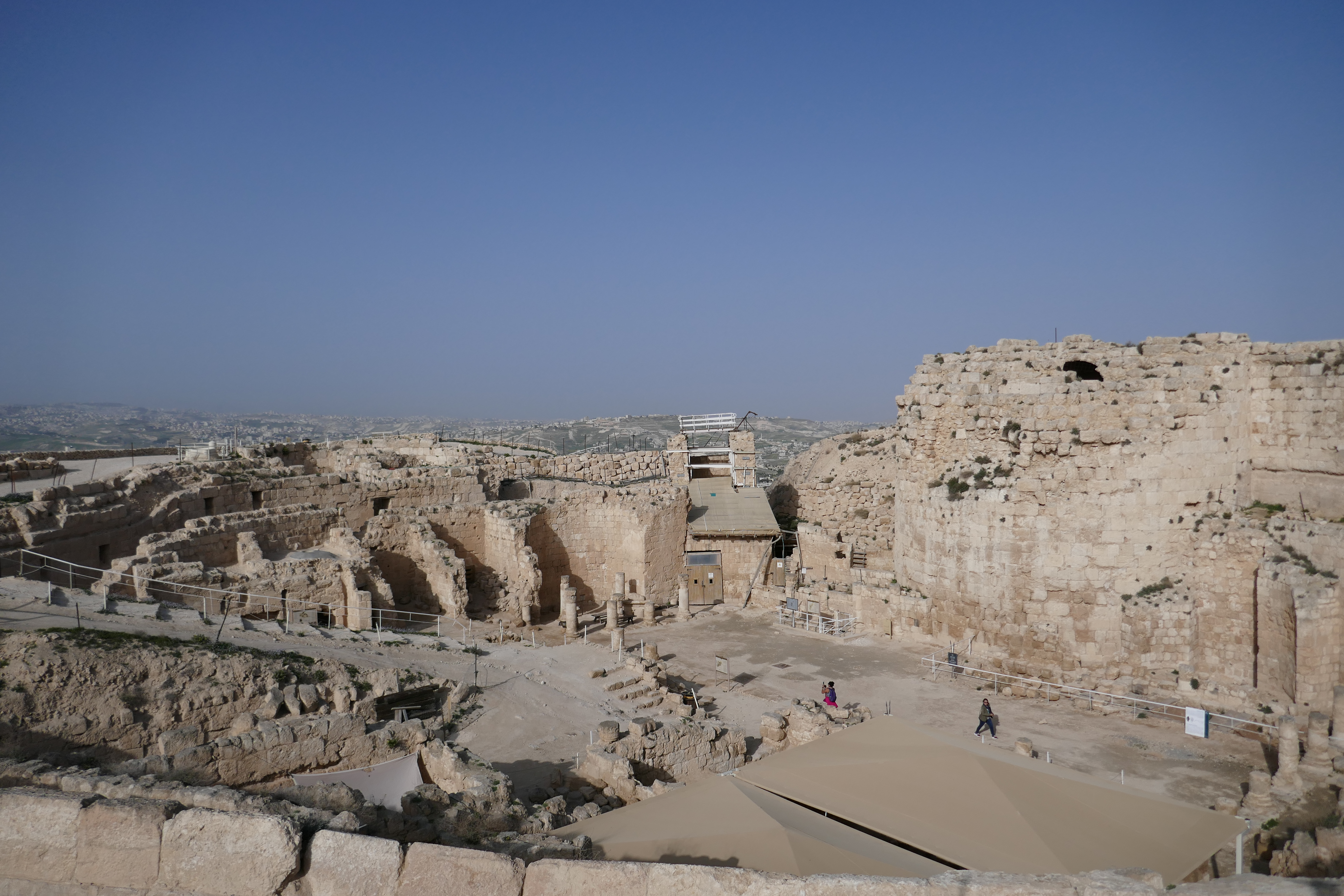
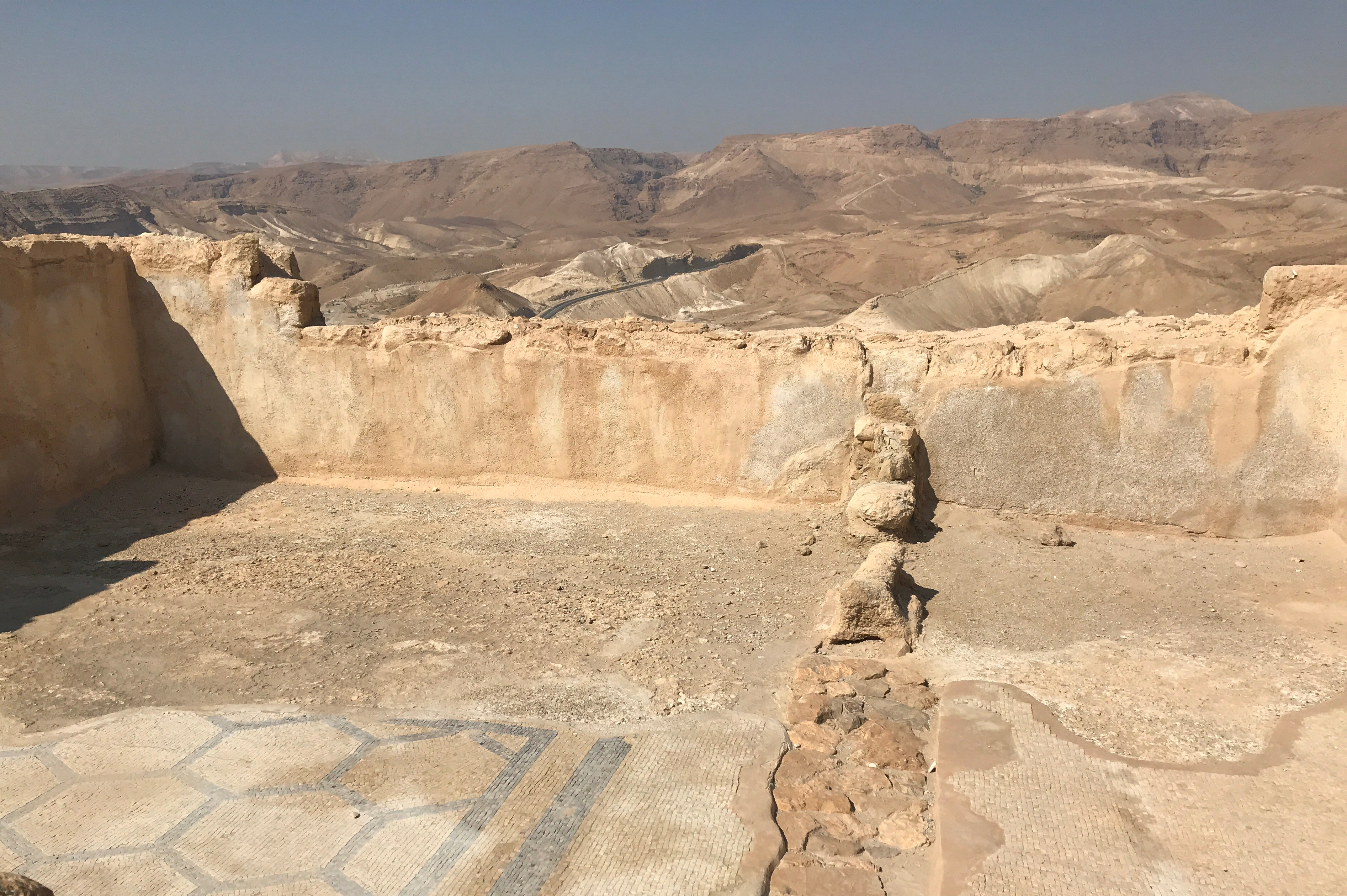
     Herodian was a palace built by Herod the Great. Herodian, built between 23 to 20 BC, is arguably the greatest of his palaces and the location of his mausoleum. Herodian was built on a high vantage point which Herod was well-known for choosing for the location of his palaces. The height of the location in comparison to the hills around it, allowed for a view as far as Masada, Jerusalem and Trans-Jordan. Herod was able to communicate with his other palaces by sending signals between his palaces all of which were strategically located on a high hill. This was important, in part, because of his position as a military leader entrusted with preserving the Roman territory. 
     The palace grounds covered approximately twelve and a half acres. A fortress was located in the upper city. In the lower city, were gardens, a lake and a palace. The water for the lake and gardens was supplied by the aqueduct from the pools in Bethlehem (Solomon’s Pools). The water for the upper city was supplied by a system of cisterns. The lower two floors of the upper city were underground and supported by arches. The upper floors had wood ceilings.

     Although little is left of the tremendous palace complex, the foundations alone speak of its grandeur. Herod did nothing in small measure. One might imagine the palace standing during the time of Jesus, towering over the Bethlehem region, a reminder of the oppression of “Jewish” leaders under the thumb of the Roman Empire.

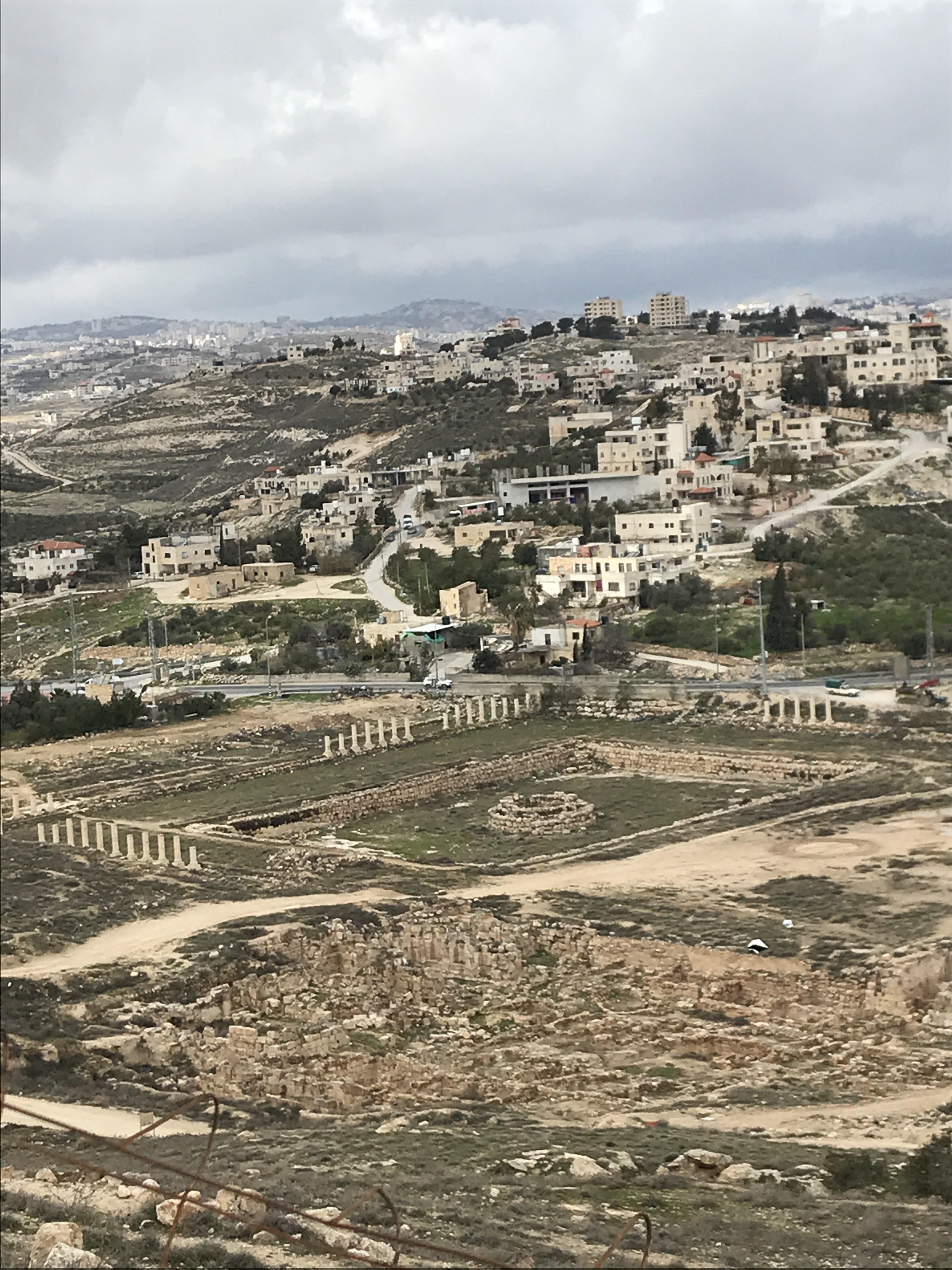
View of the Lower City where you can see remains of the pool and gardens.
View from Herodian

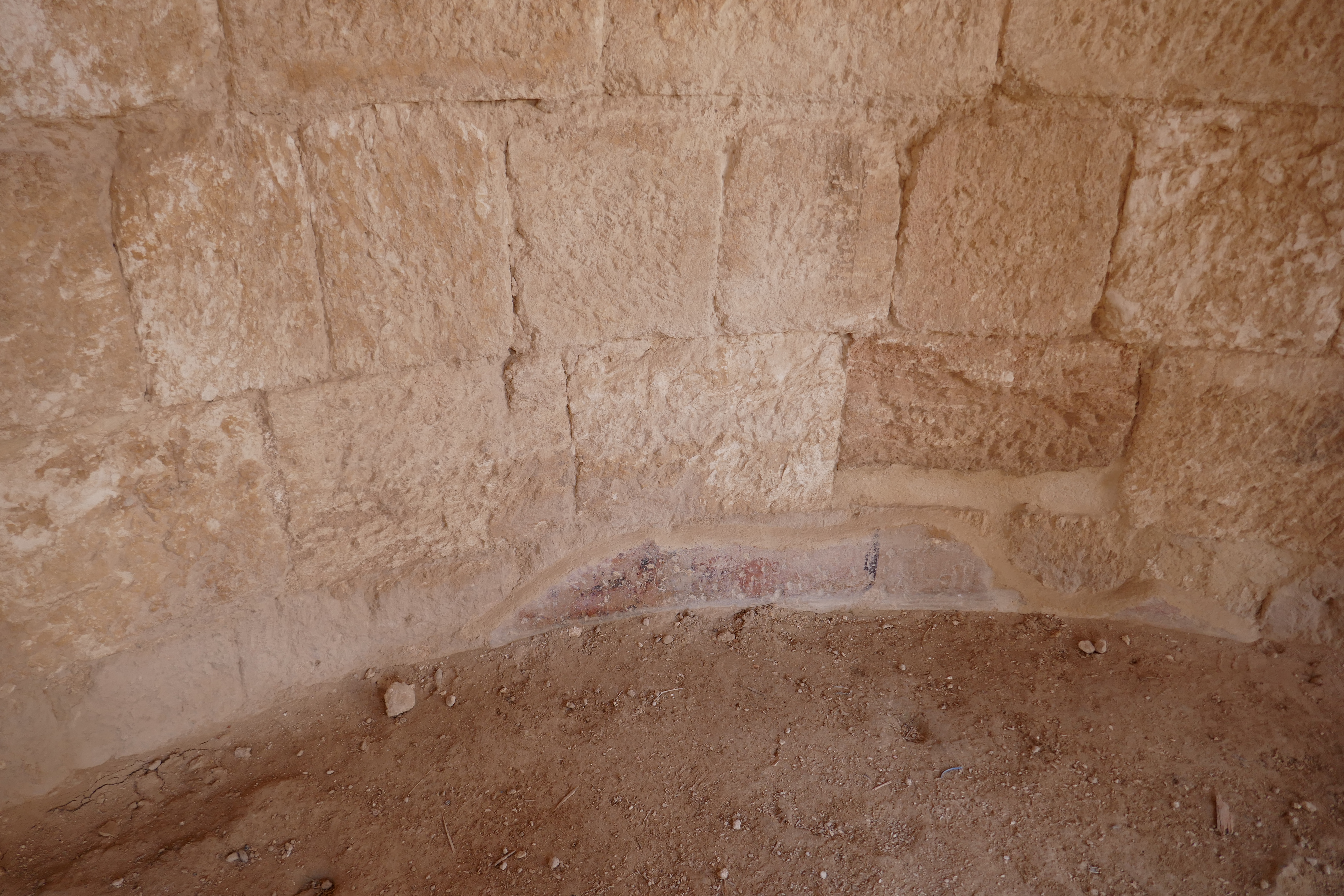
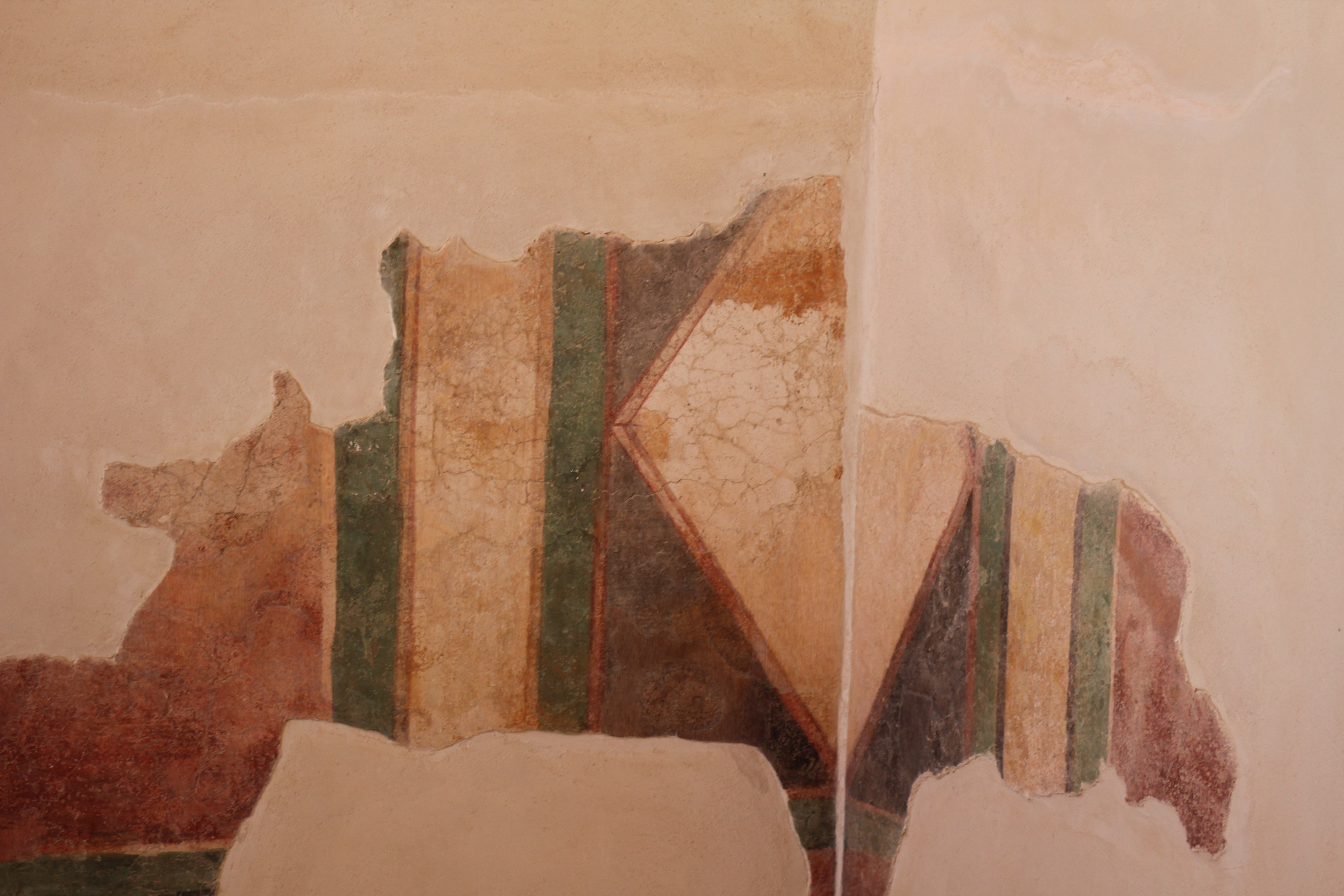
Remains of decorative plastering visible at the bottom of the wall

It is our desire to help you grow in your knowledge of Adonai and His Word. If you are looking for additional information and/or materials, please visit our website at RootedinHisWord.org and our Facebook page. 
34857624_201435477340473_855160484356161536_n

Read Full Post »

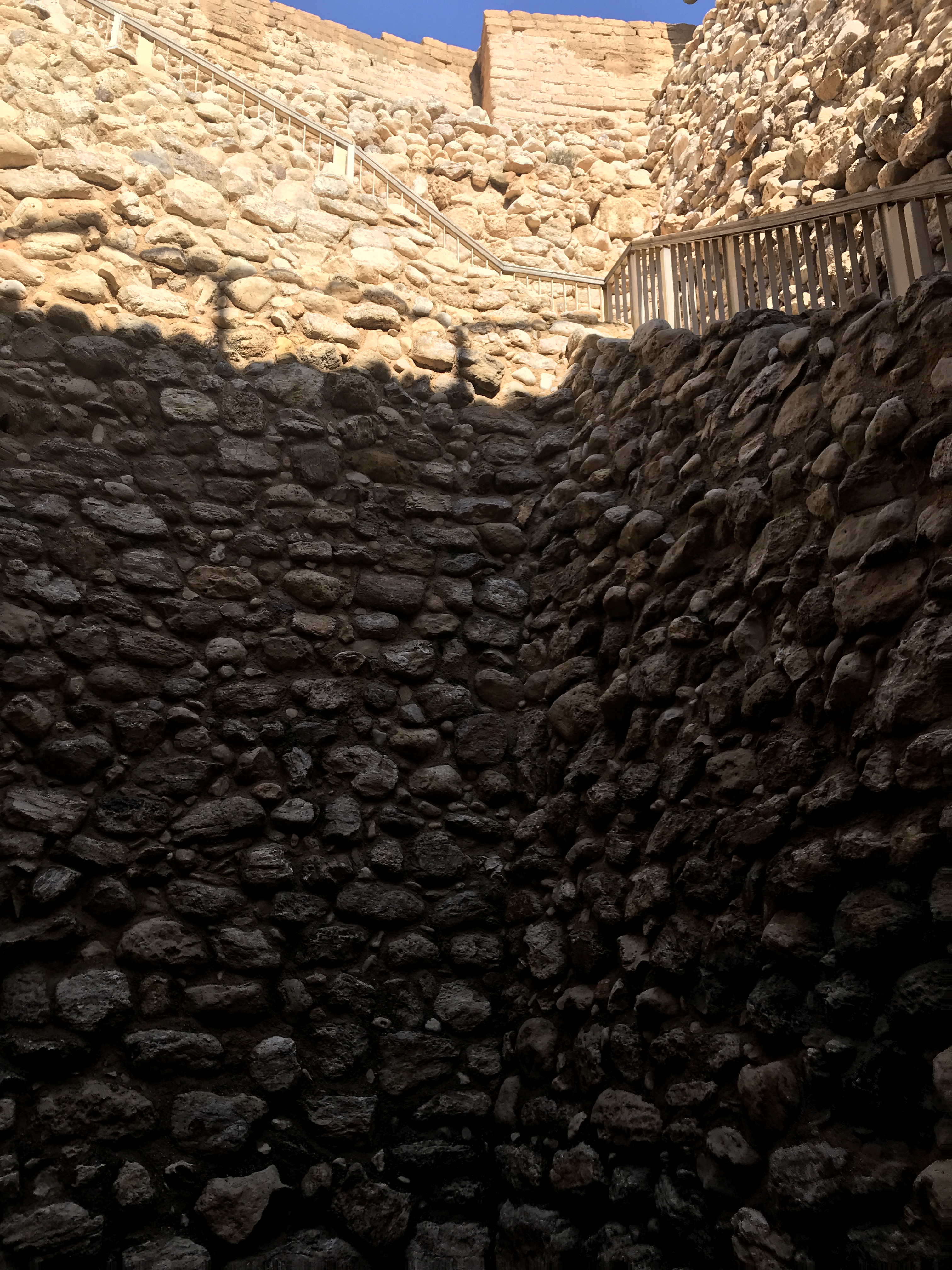
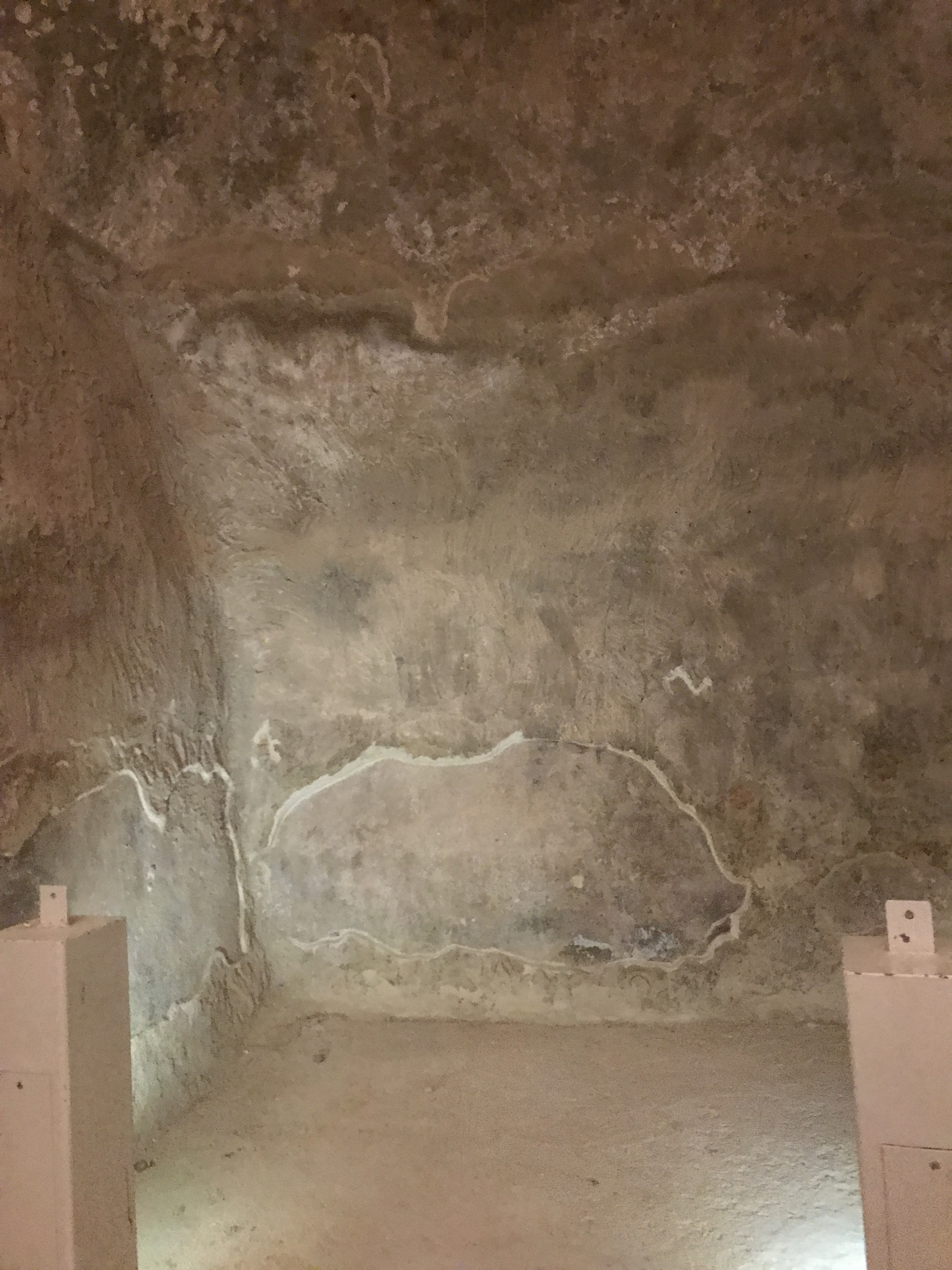
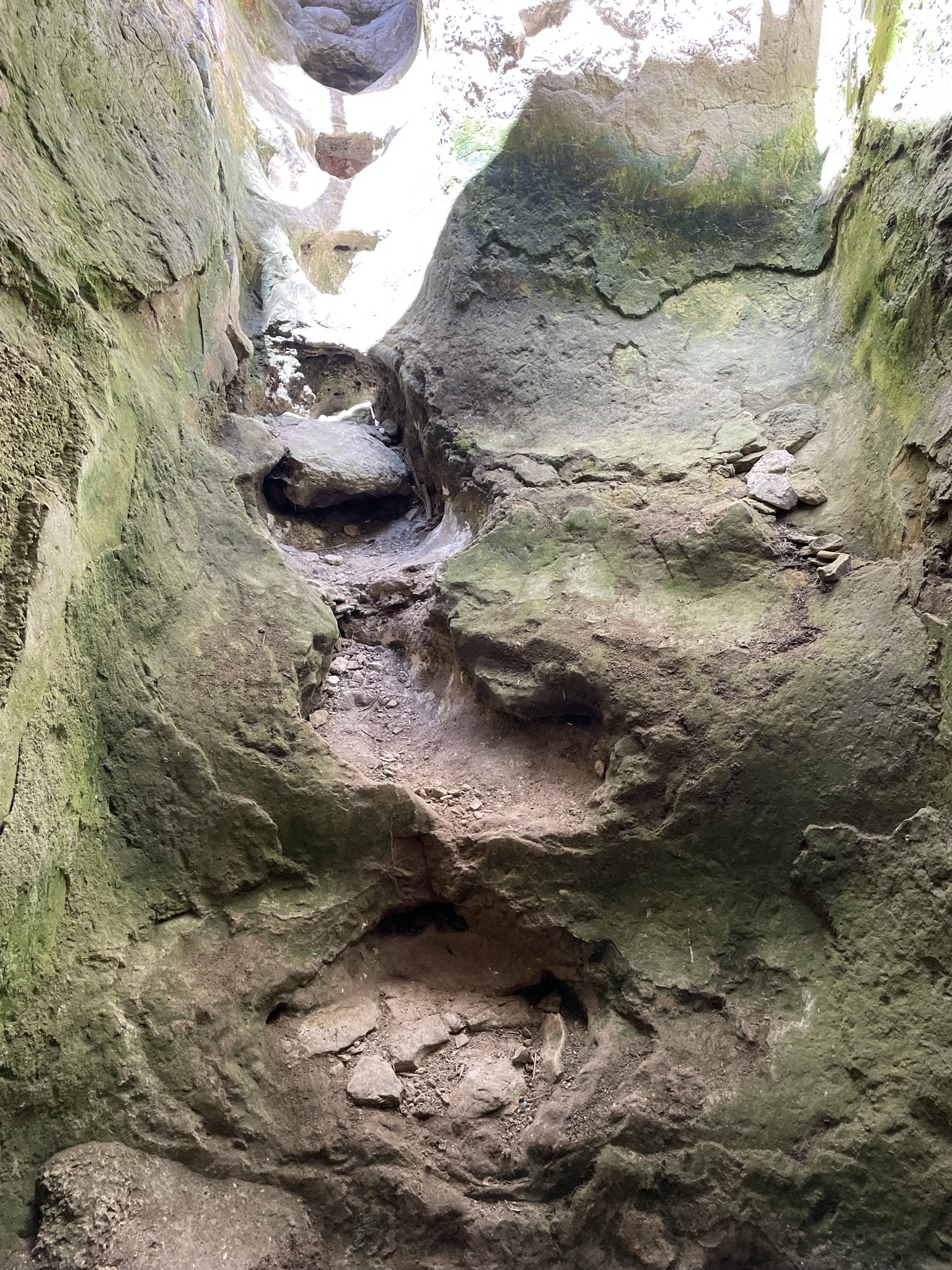
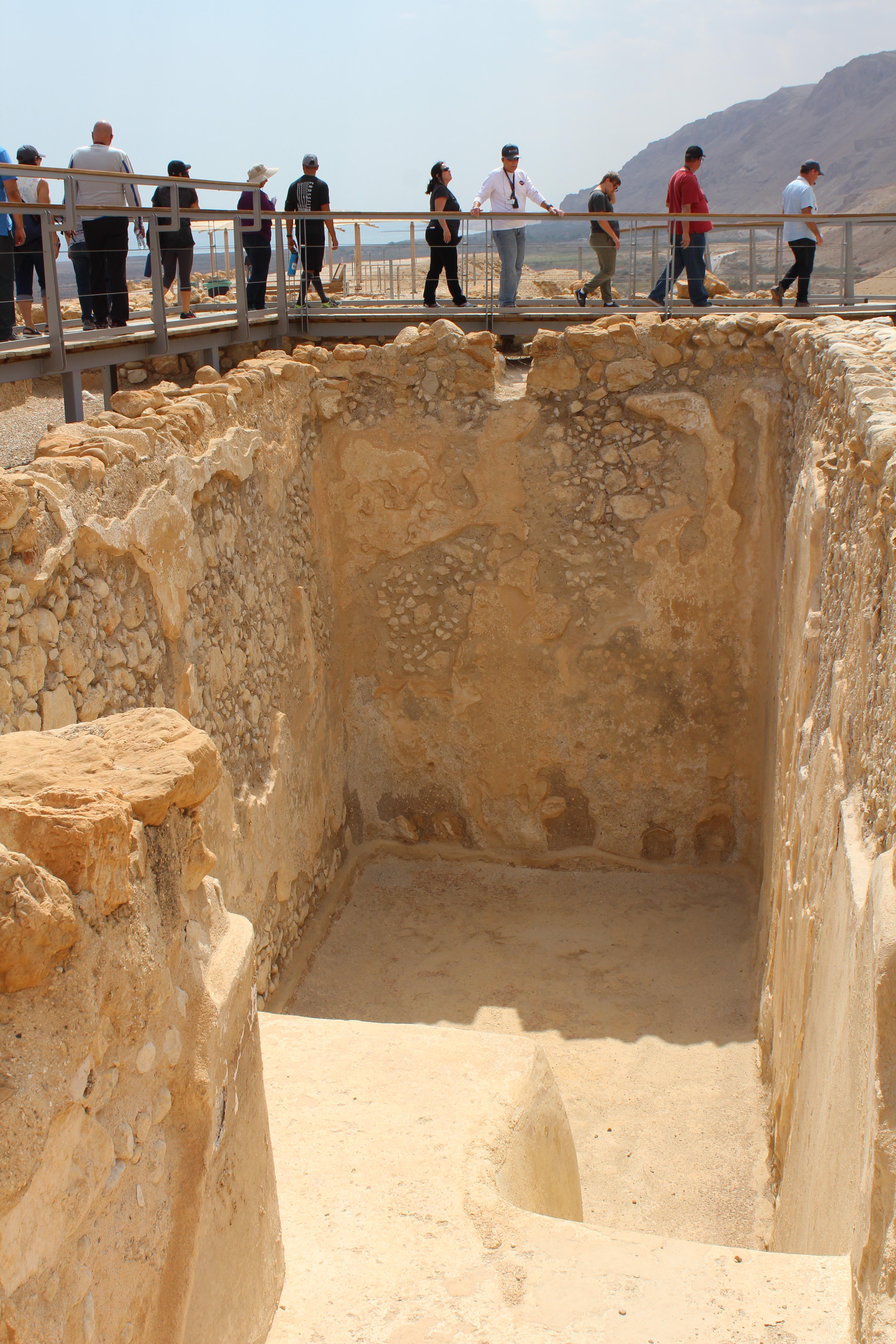
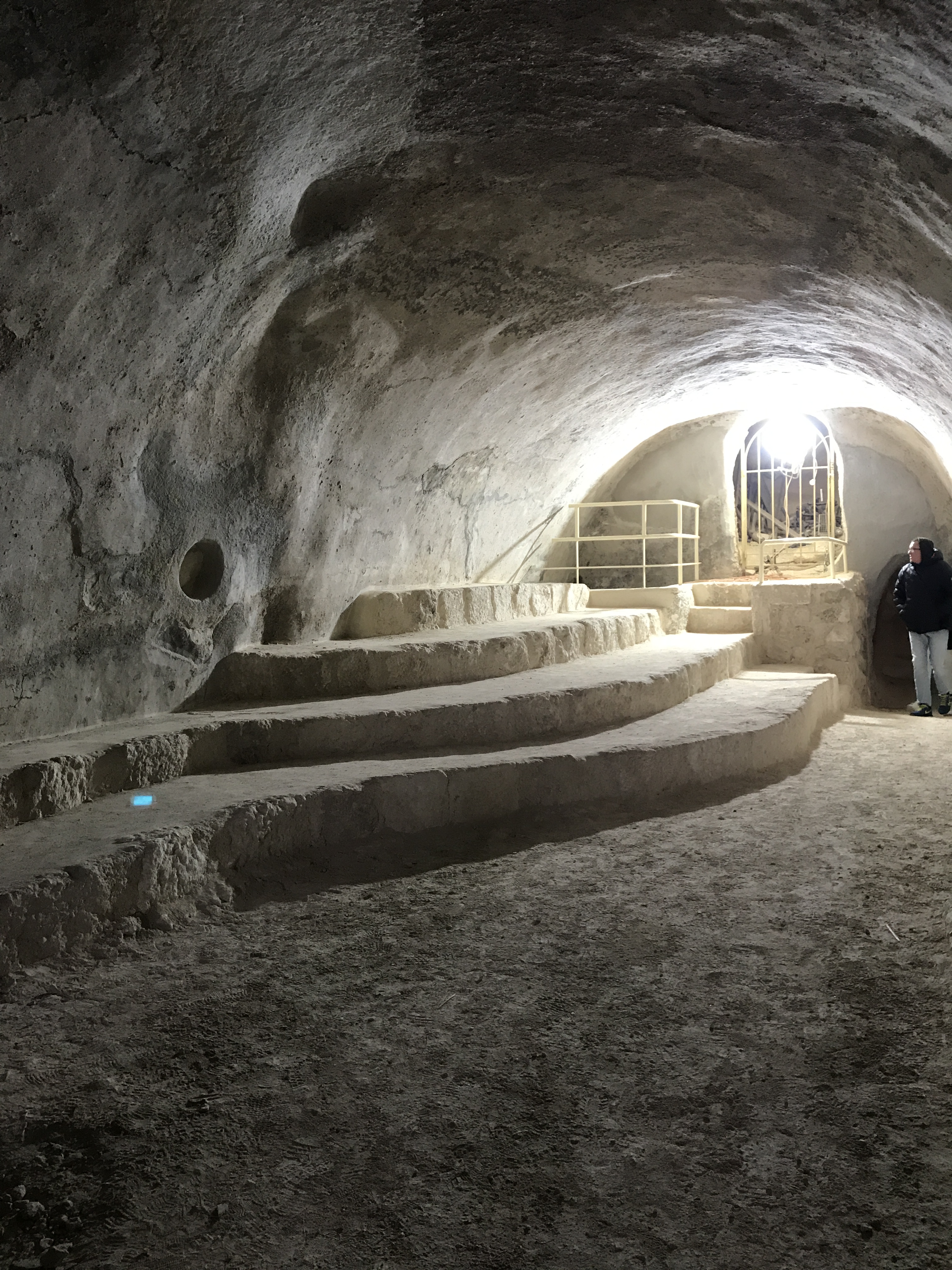
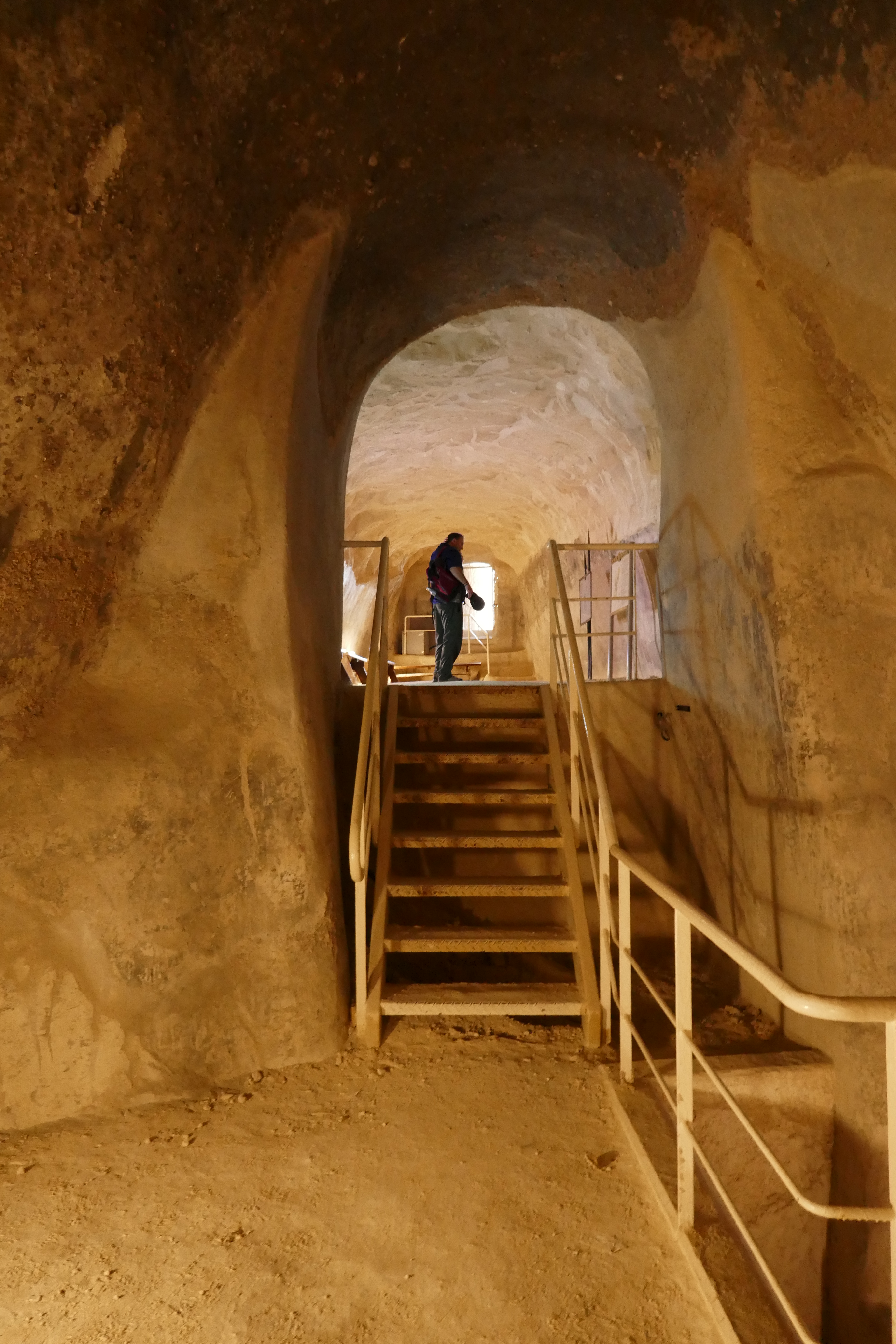
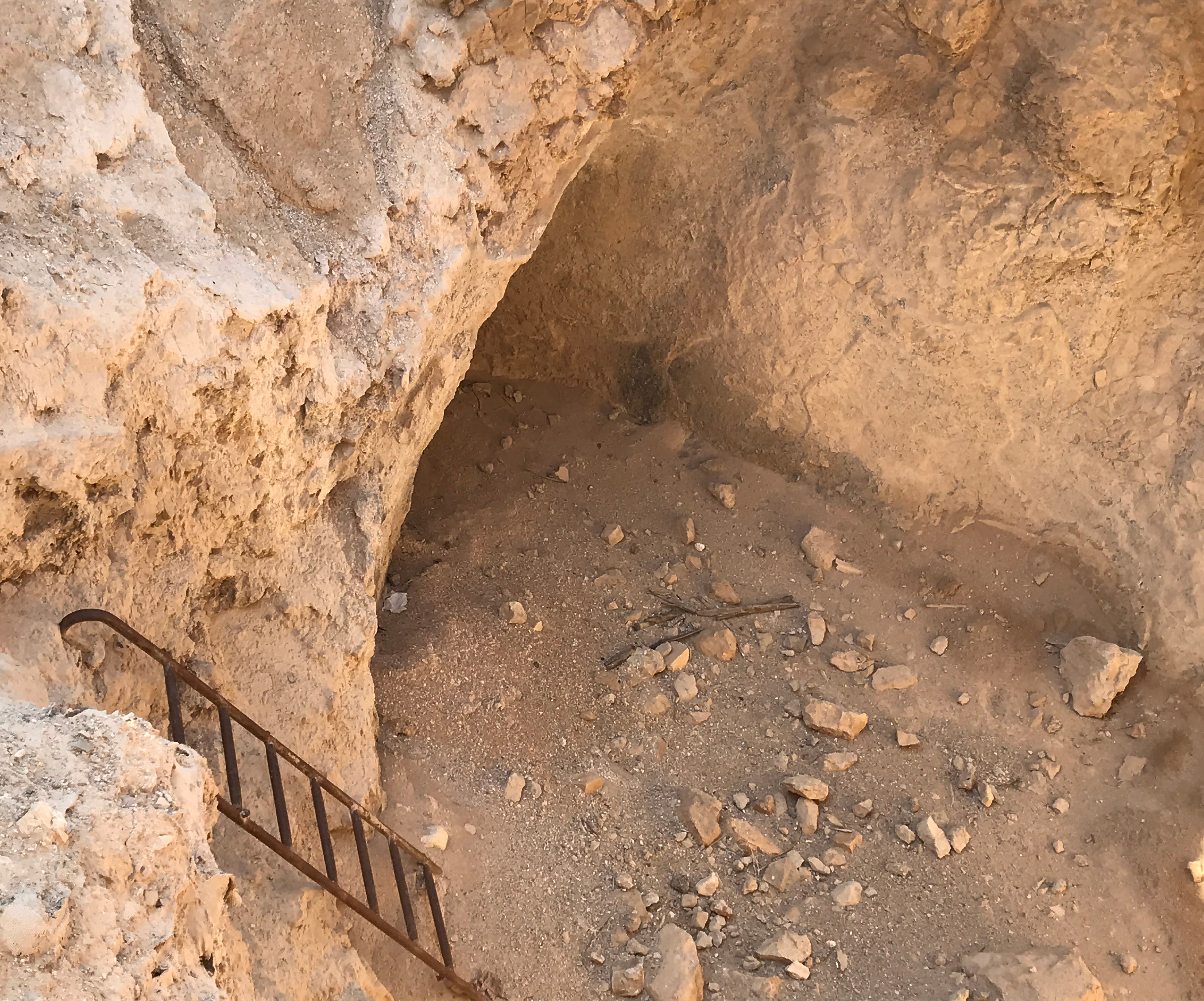
When you travel in Israel, you can’t help but notice that water is not plentiful. It is, after all, mostly desert. As a result, few rivers or lakes or other bodies of fresh water are available. How did those living in antiquity survive without water being readily available? The answer in many parts of the country was–cisterns. A cistern is not the same as a well. A cistern is a device for rain water collection, and it is typically carved out of rock. This is possible because in many parts of Israel, the rock is limestone which is relatively soft and easily carved. The problem; however, with limestone is that it is very porous, and so to keep the water in the cisterns, the walls were plastered over. The following are some of the cisterns I have visited in Israel. 

Looking up out of the cistern in Beersheva
The evidence of plastering of walls of cistern in Beersheva
Cistern at Beit Shemesh
Entrance into the cistern at Beit Shemesh (notice how water has carved the stone)
Cistern Qumran (by the Dead Sea)
One of several cisterns at Herodian
Different cistern at Herodian

It is our desire to help you grow in your knowledge of Adonai and His Word. If you are looking for additional information and/or materials, please visit our website at RootedinHisWord.org and our Facebook page. 

34857624_201435477340473_855160484356161536_n

Read Full Post »

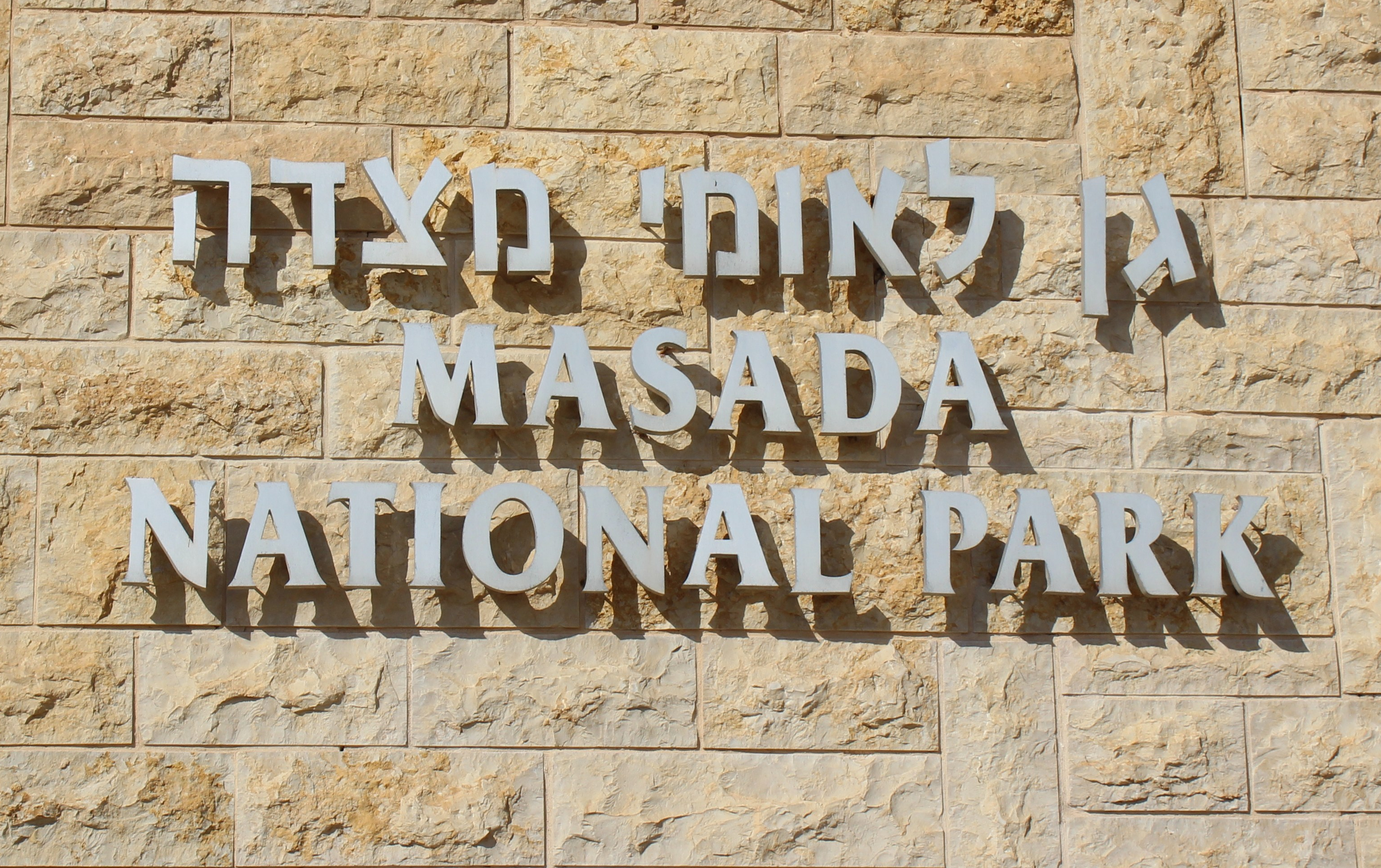
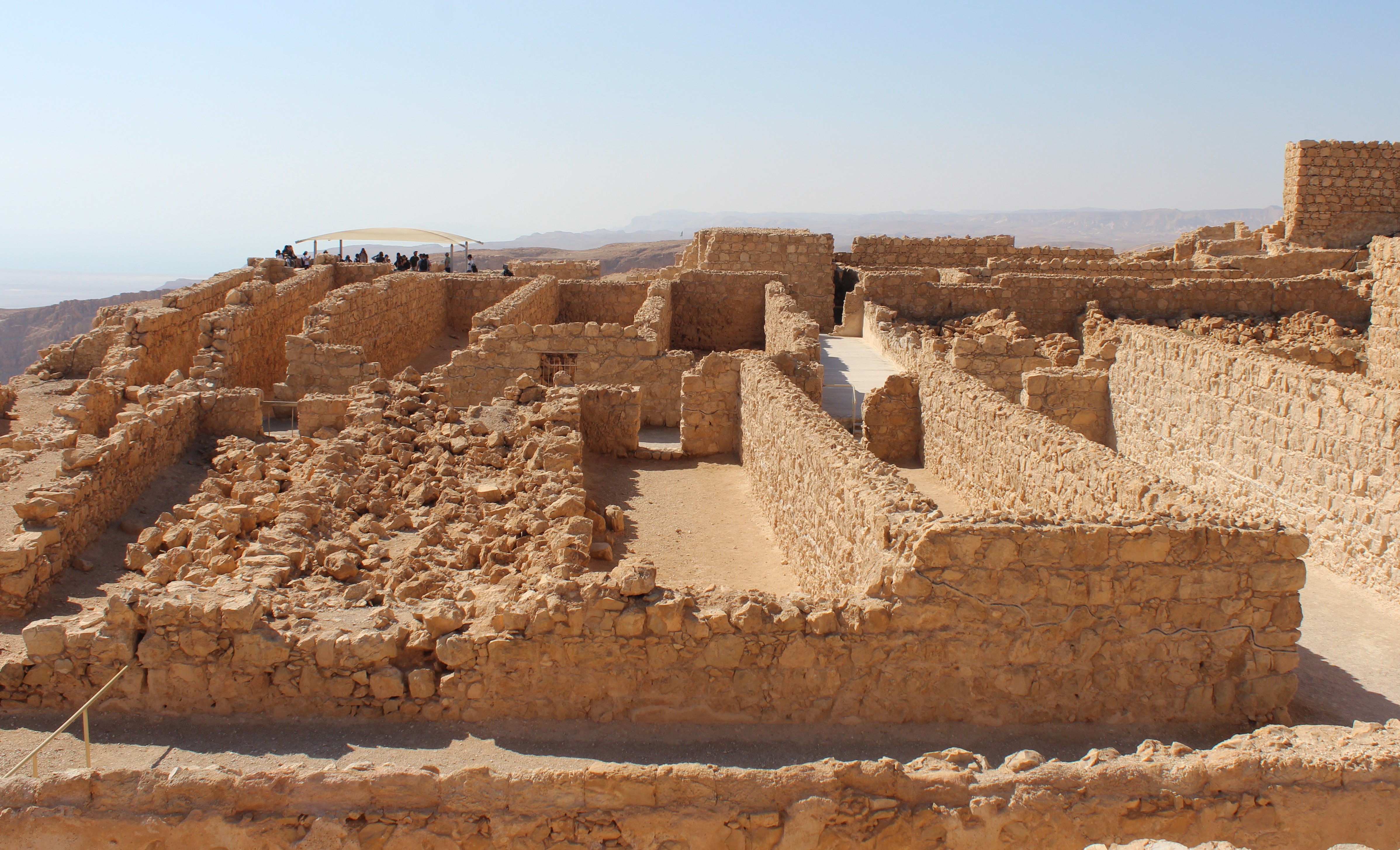
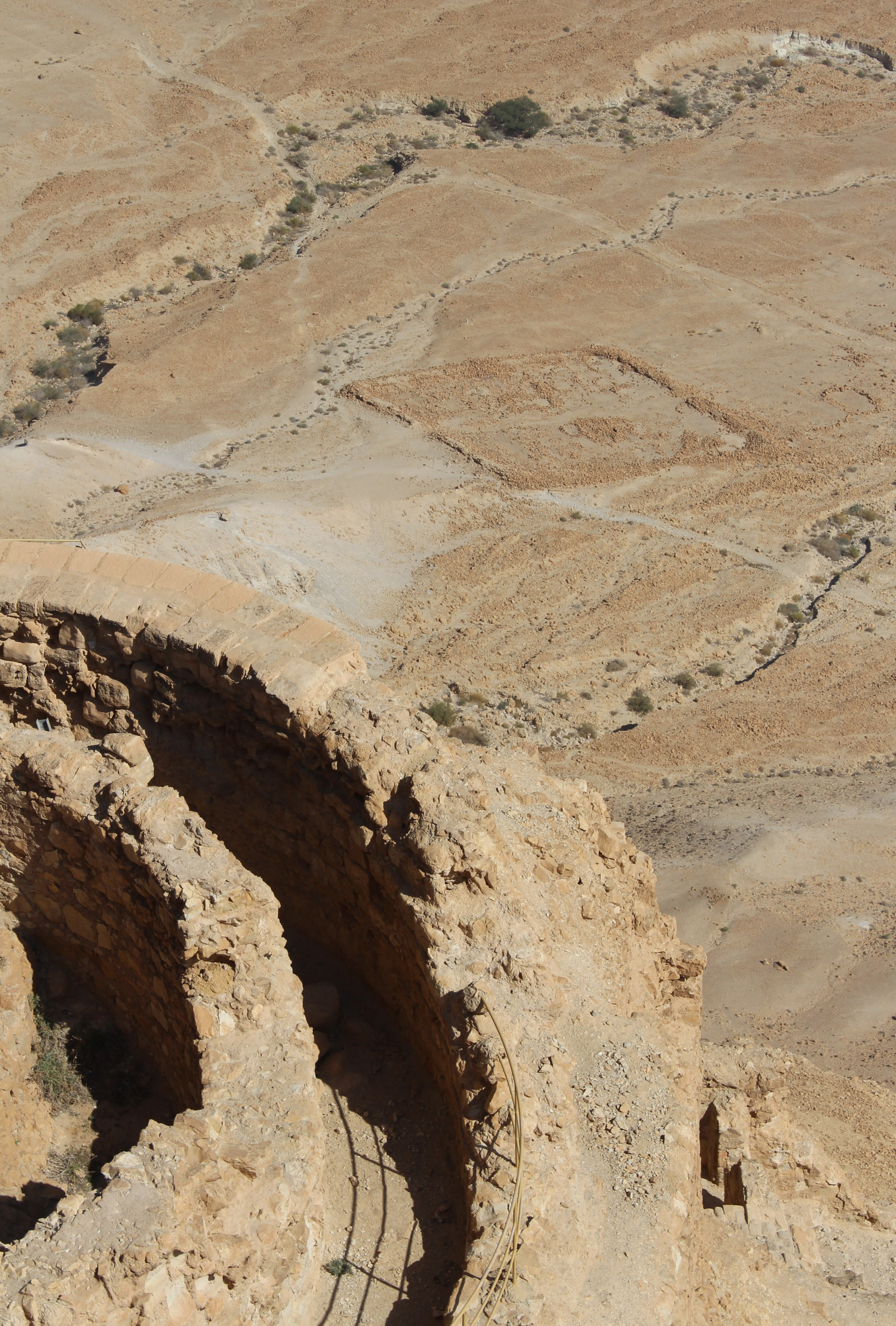
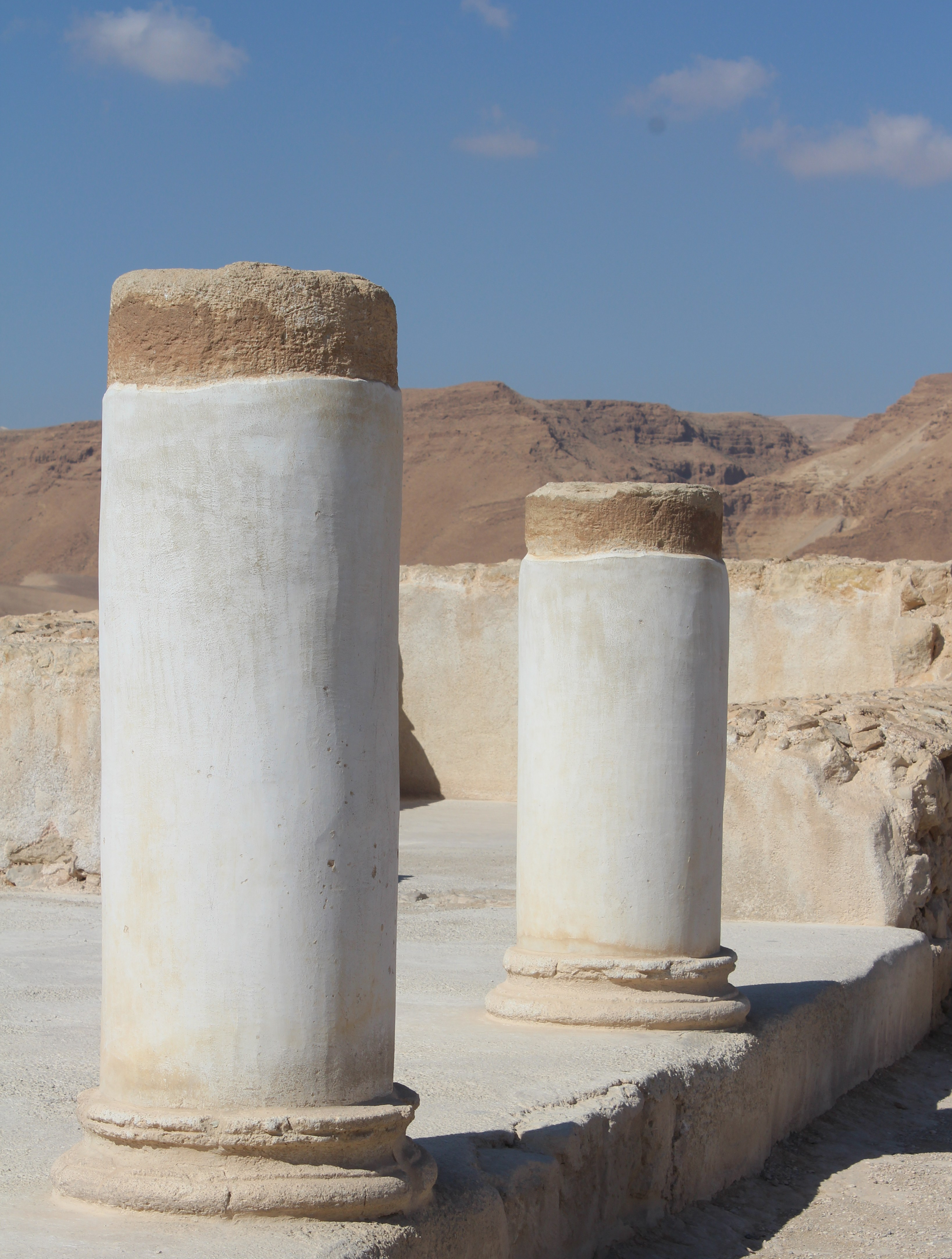
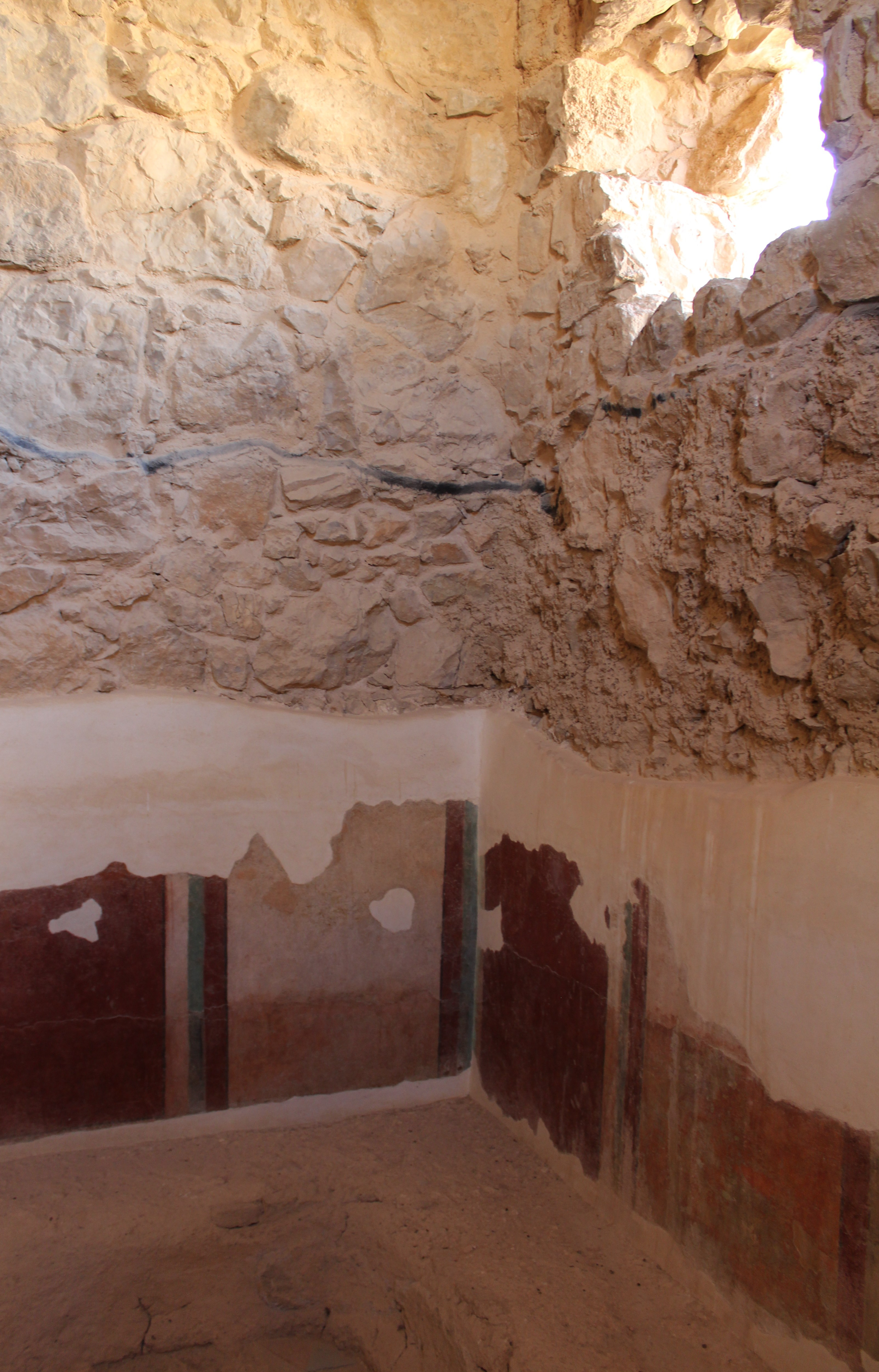
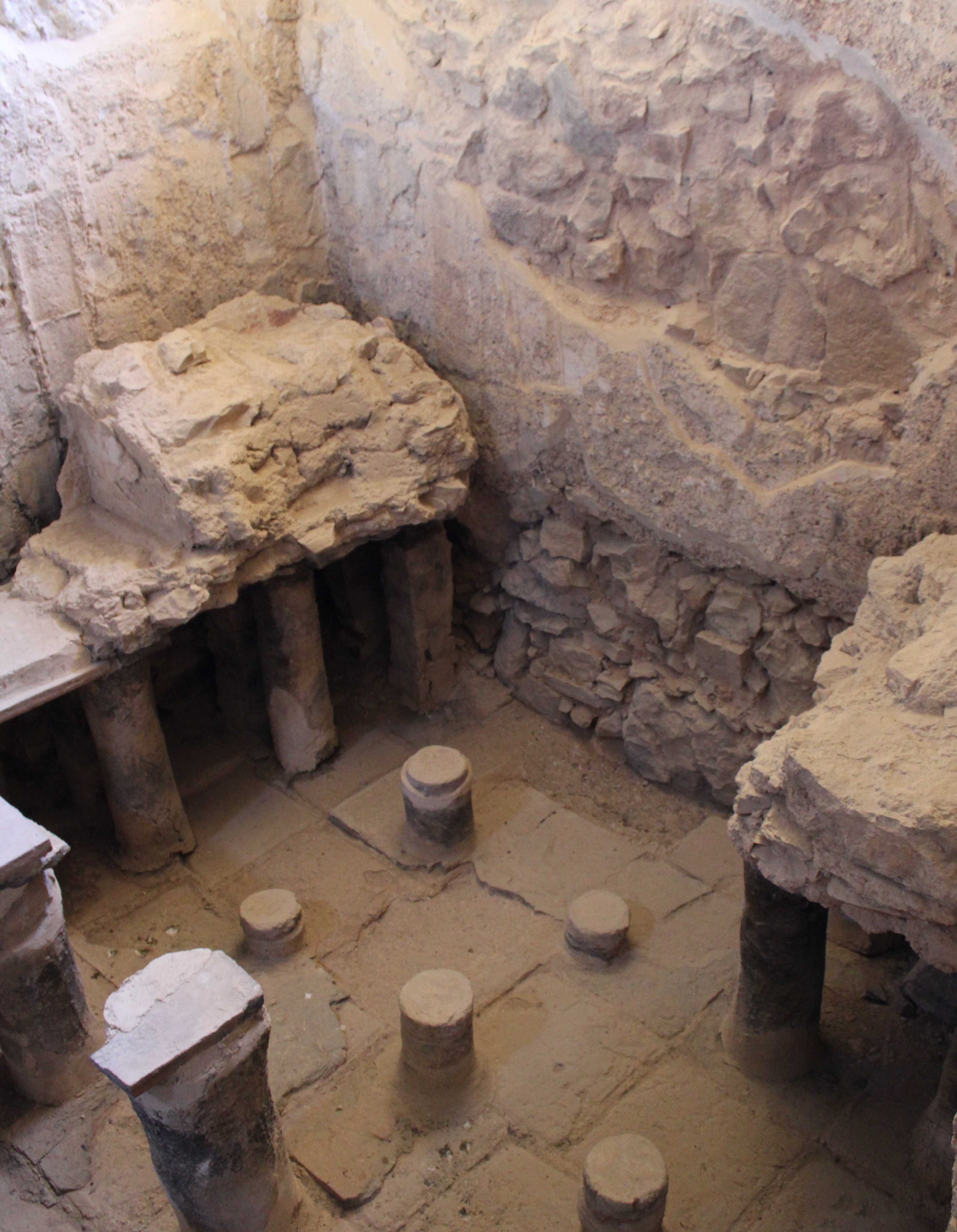
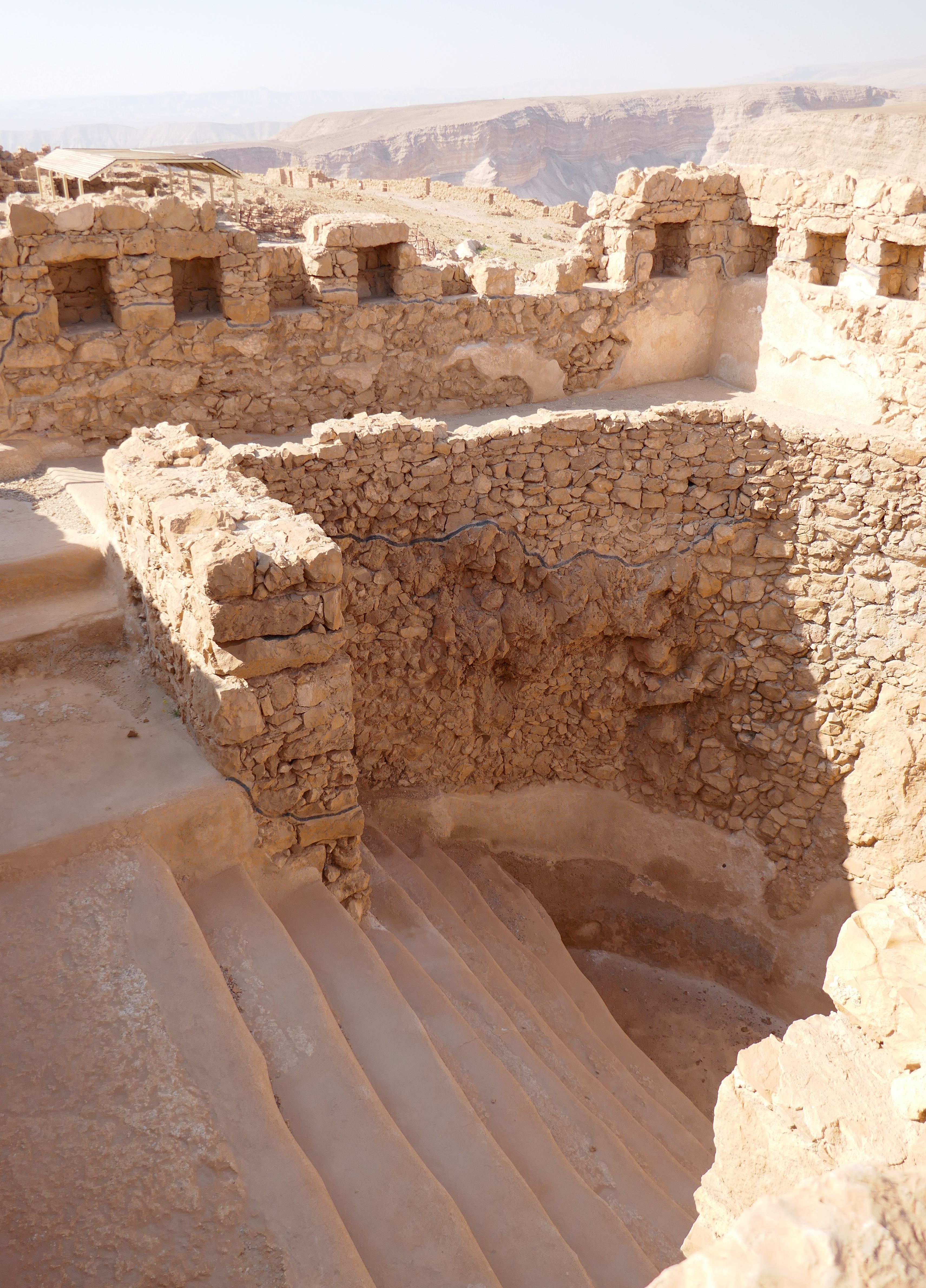
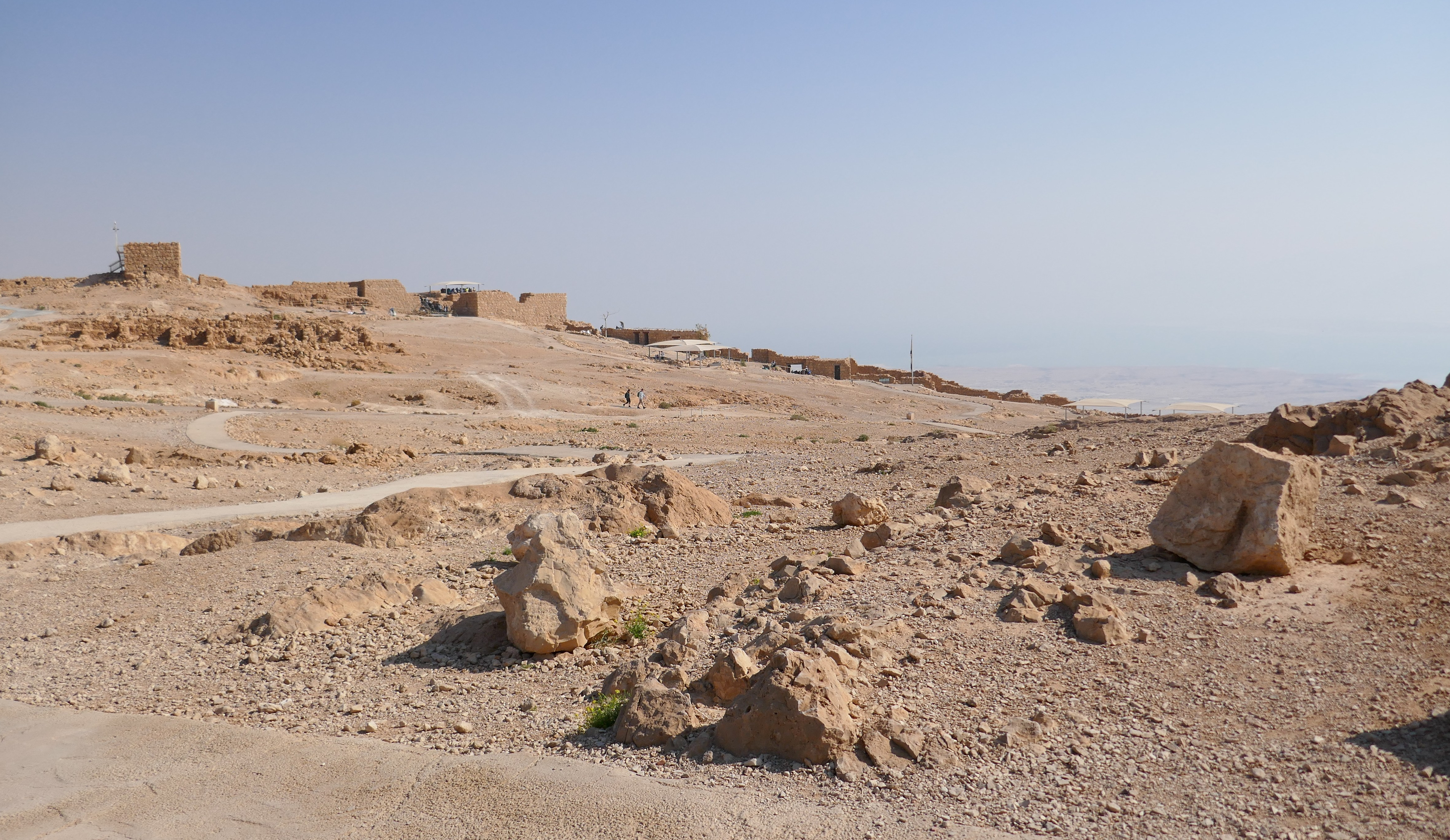
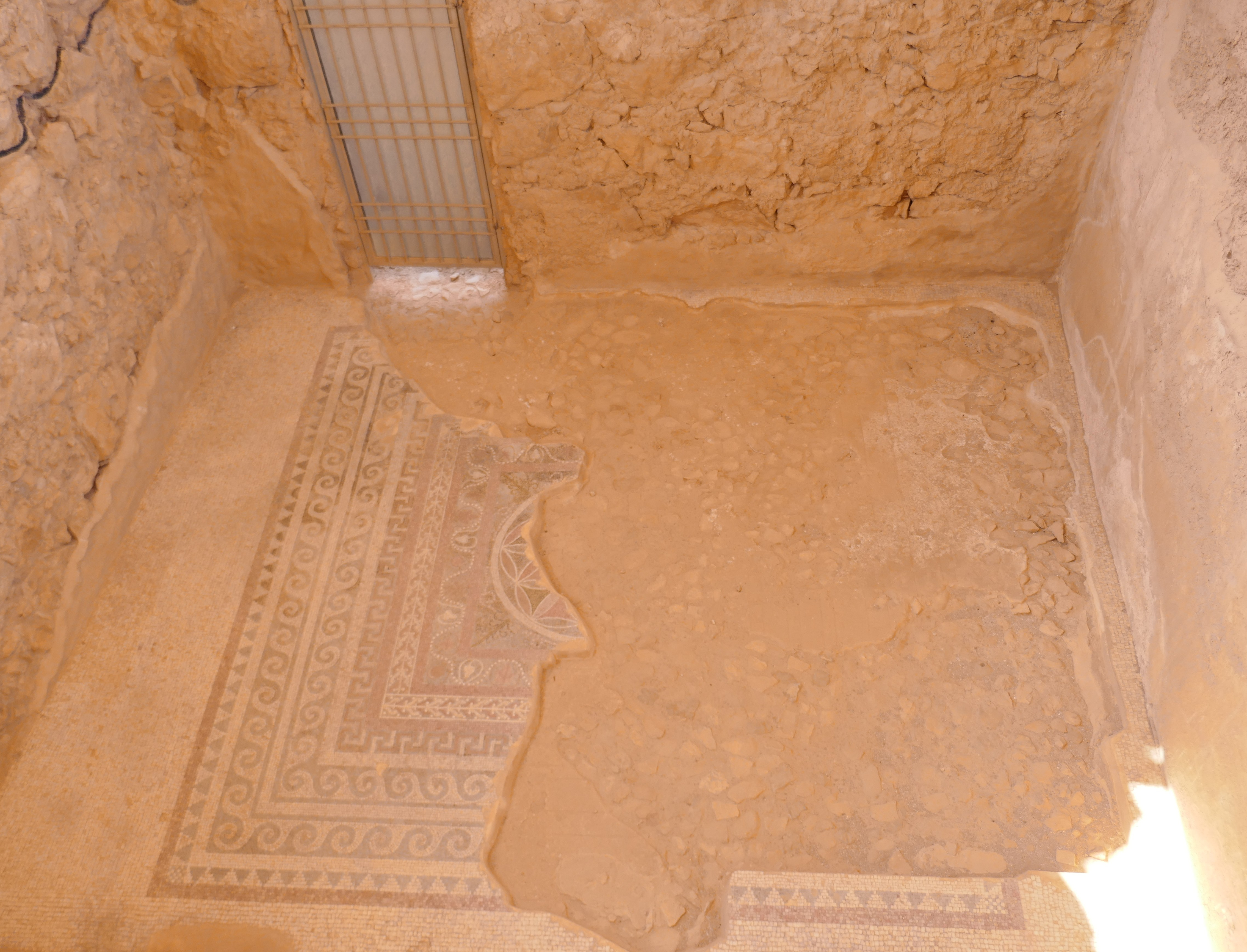
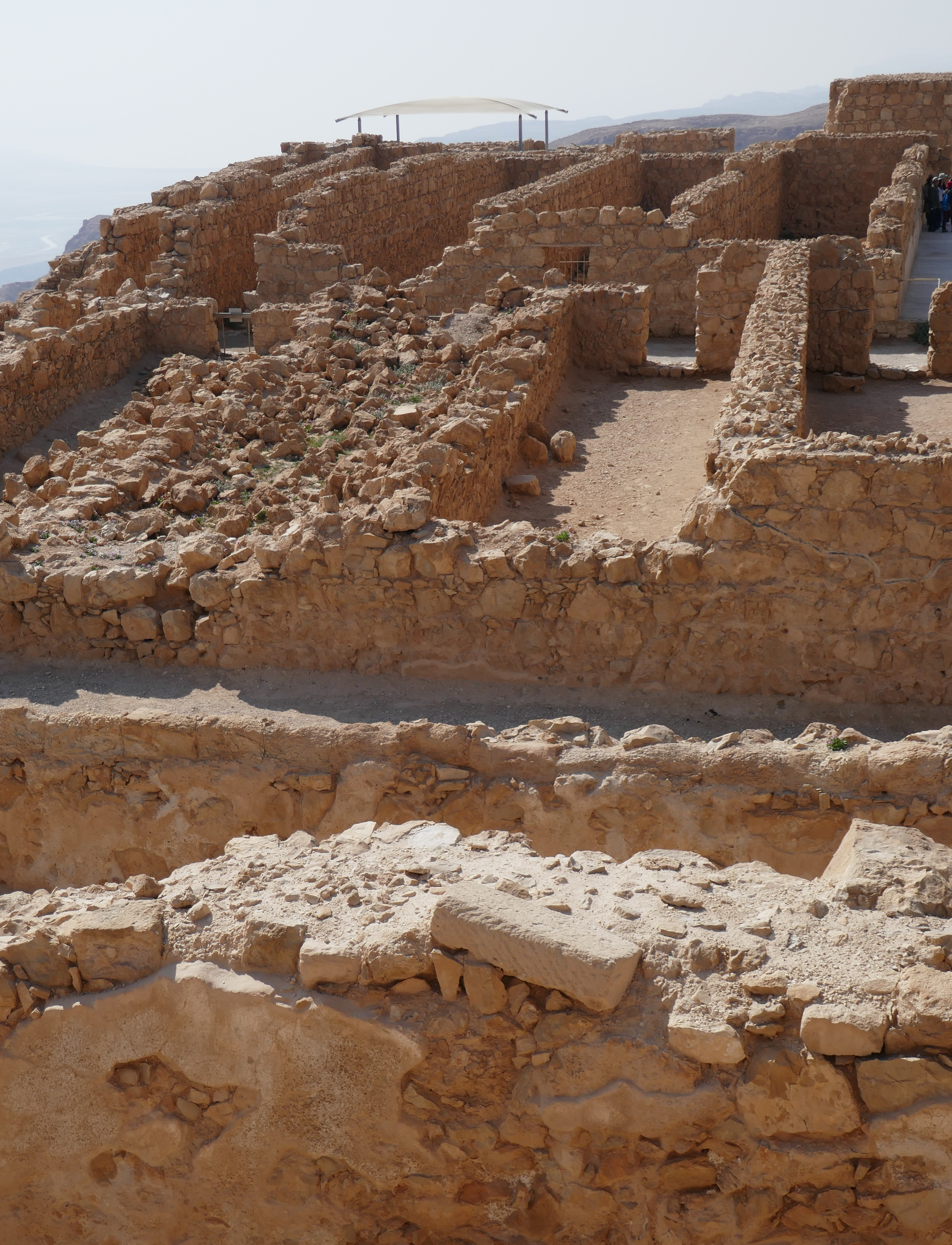
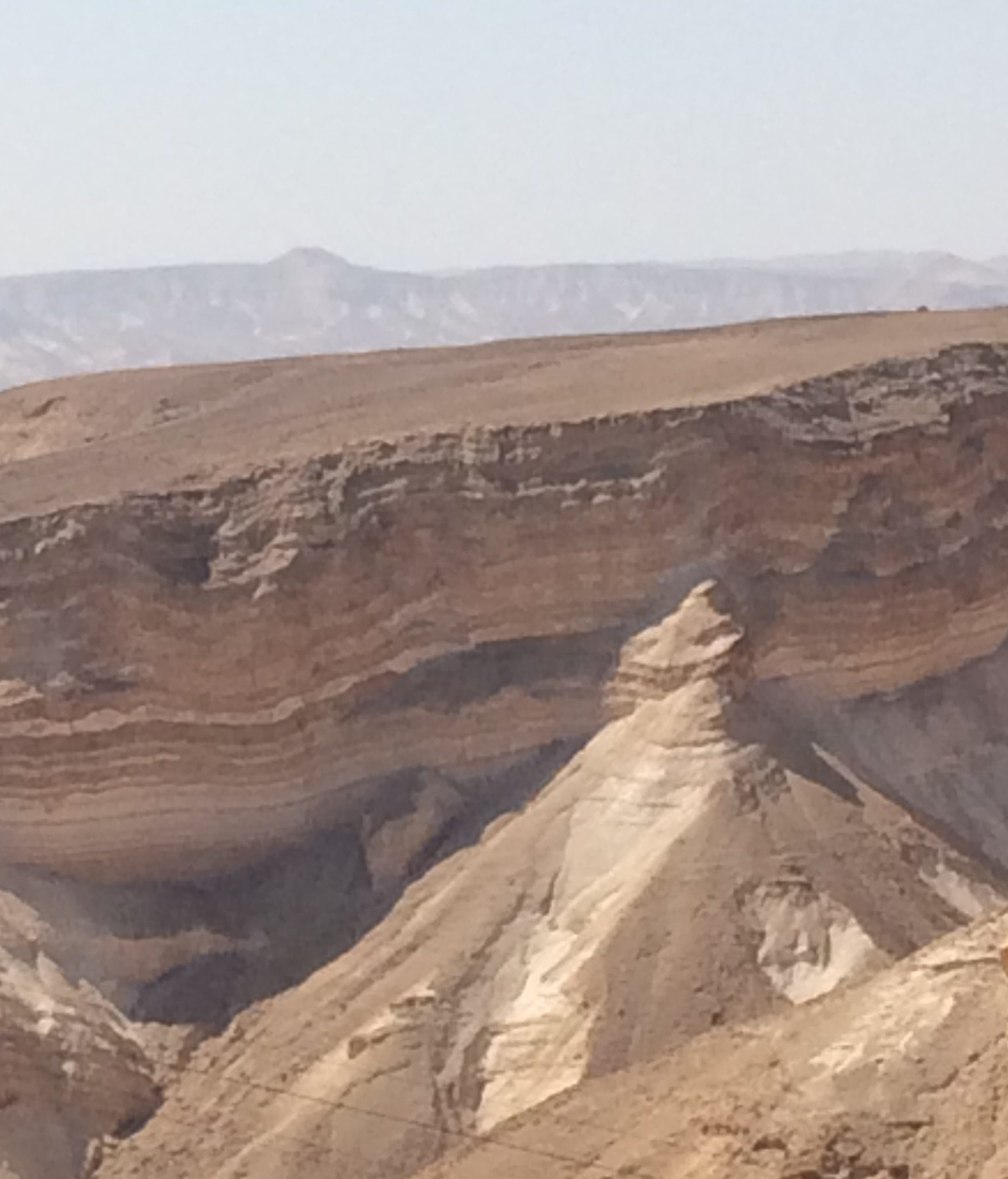
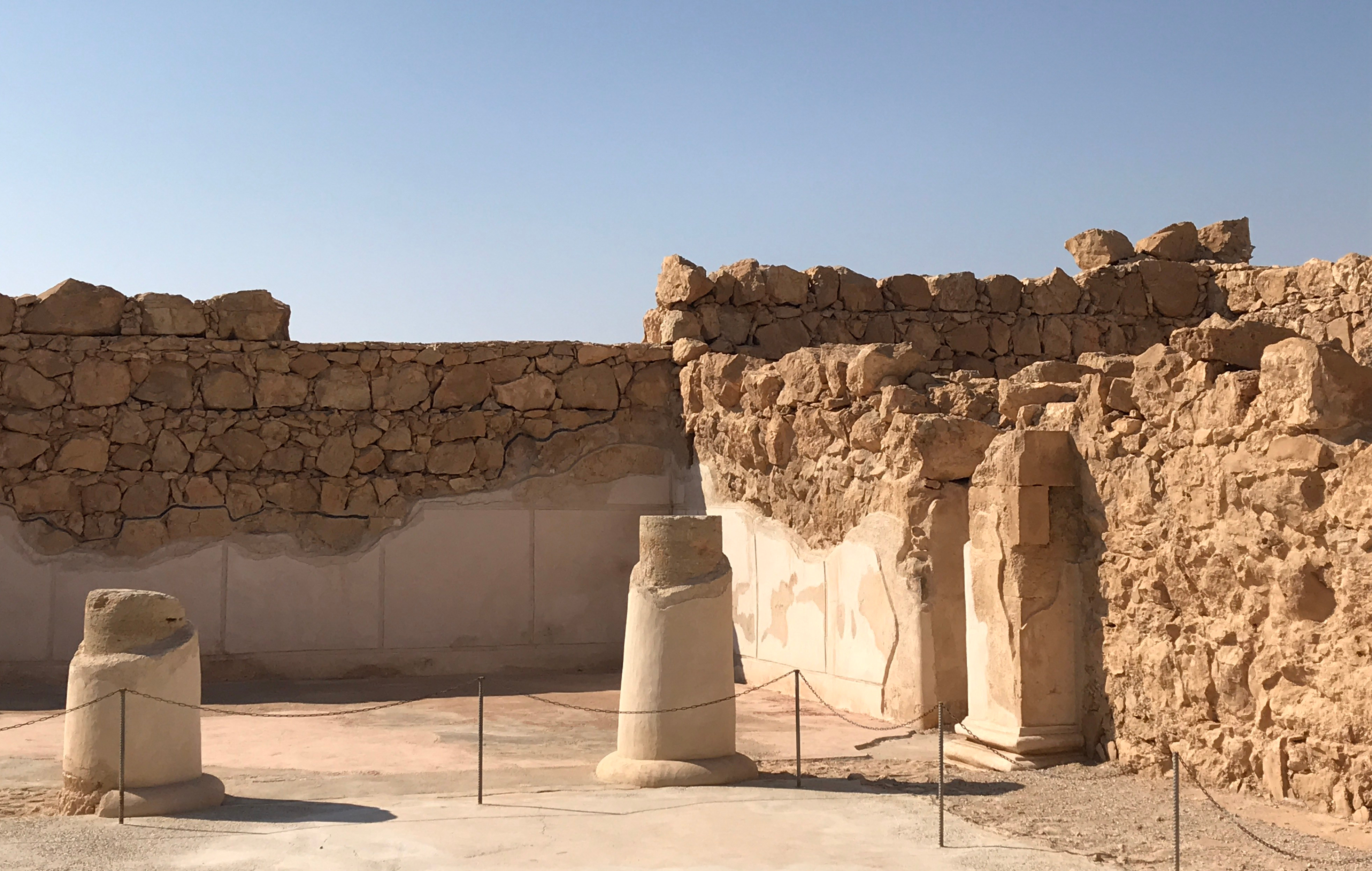
On a hill overlooking the Dead Sea, Herod the Great built a palace. It is not really a site of any religious significance for Christians, but it is an important site to Jews, especially Israeli Jews. The story of Masada as the final stand for a band of zealots became a focal point for later generations.

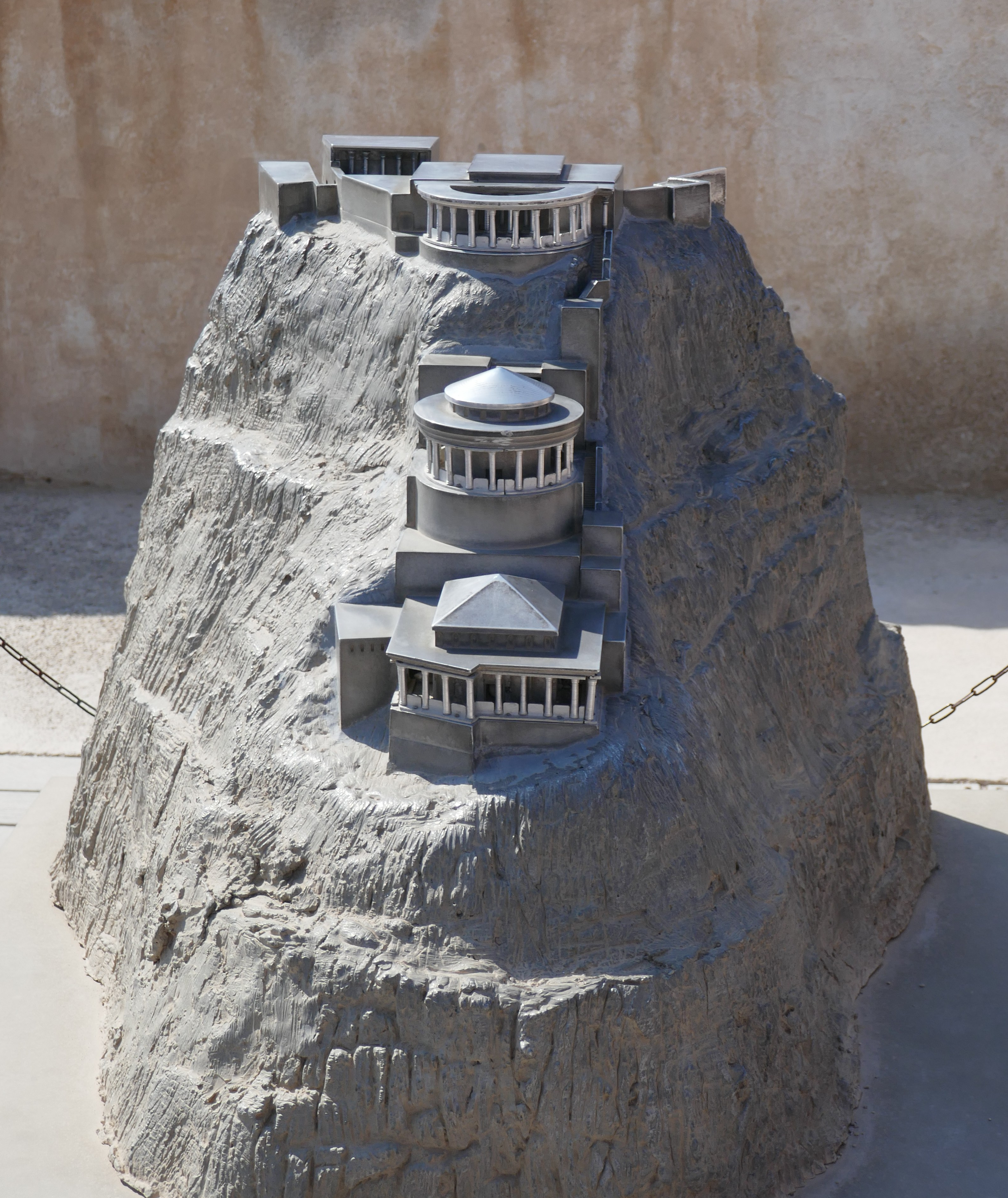
For the student of history and culture, the ruins of Masada are a wellspring of information about Herod the Great, both his engineering genius and his paranoia. He built several palaces across the Holy Land, but Masada offers some very special things such as the extensive system for catching and keeping water, as well as the 3 tiered palace structure. Masada is also a site of interest to those fascinated by battle strategies and/or the Roman war machine.

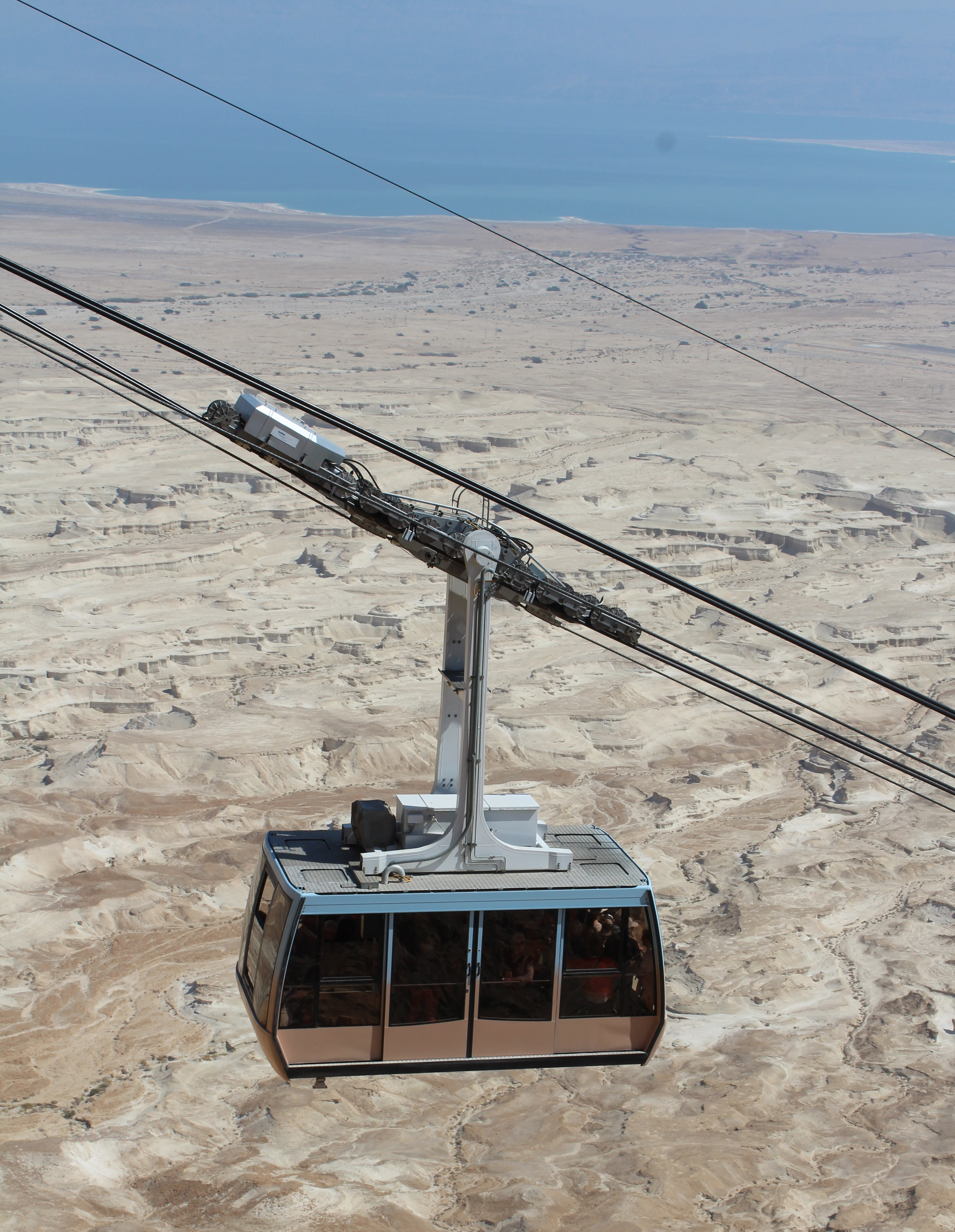
The stories of Masada make for great drama. It is definitely worth visiting the site if you are in the south of Israel. Luckily, it is no longer necessary to hike to get to the top. A tram will take you in a matter of minutes from the bottom to the summit.

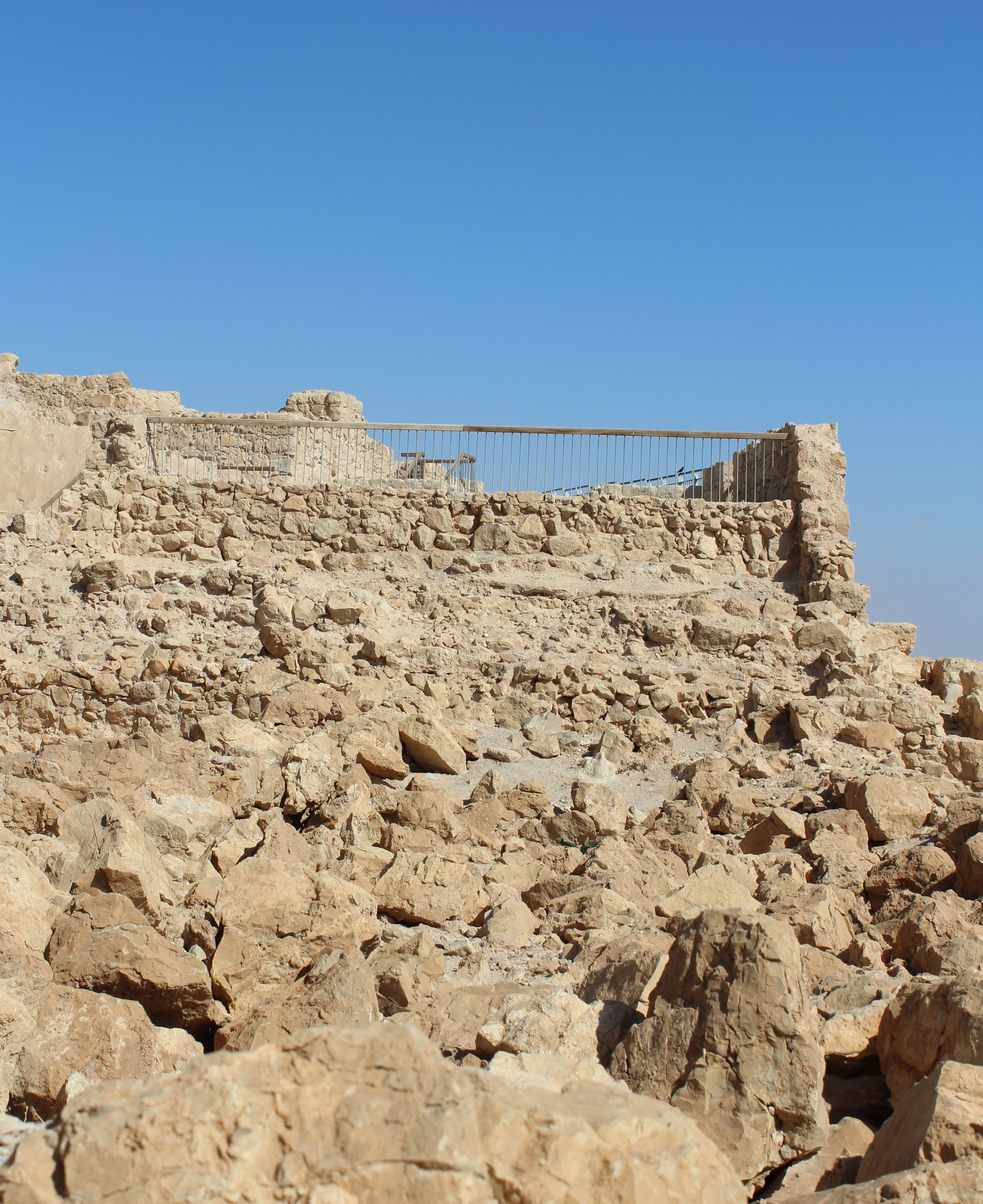
The following is a slide show from Masada:

Read Full Post »

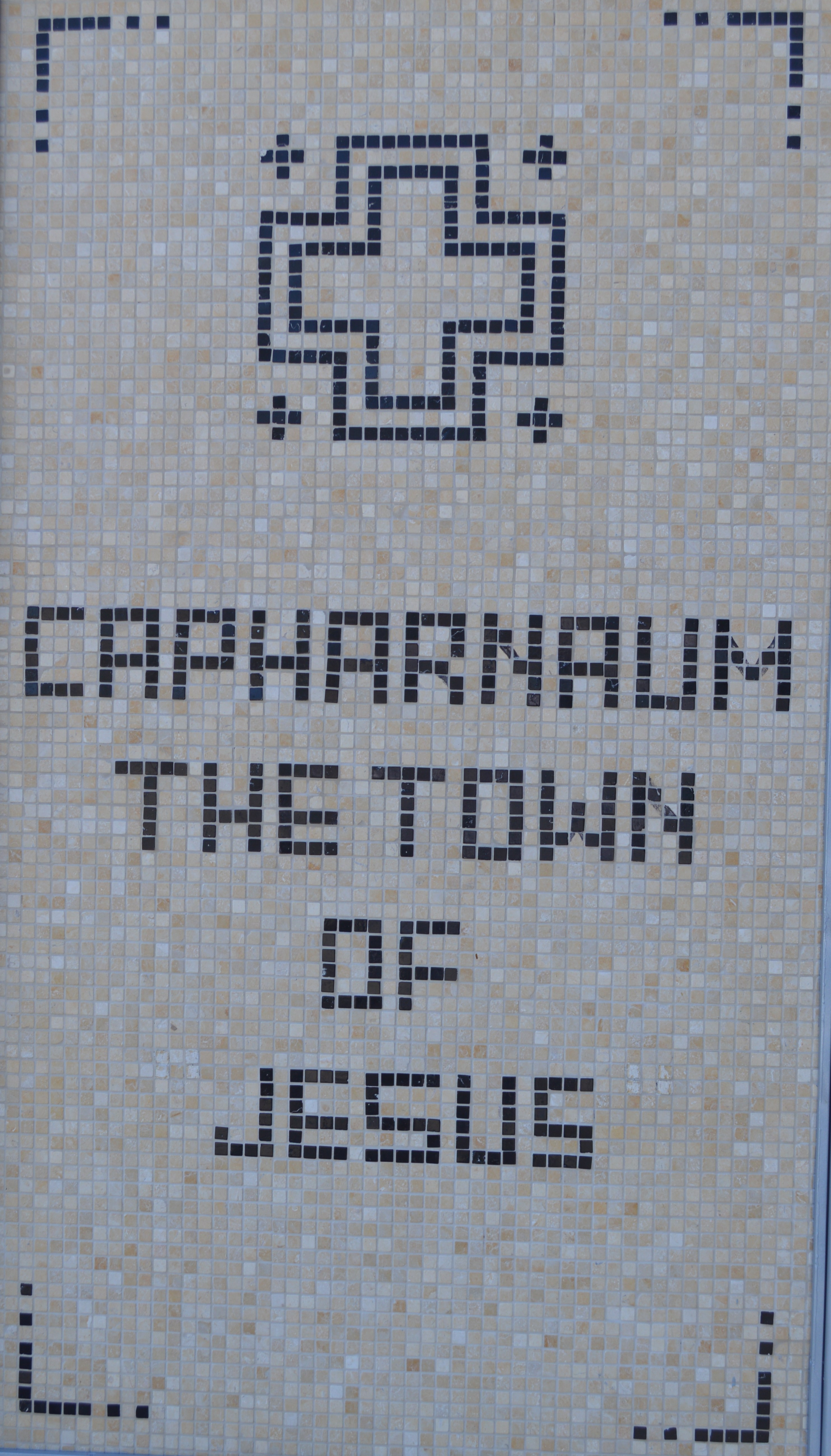
Capernaum

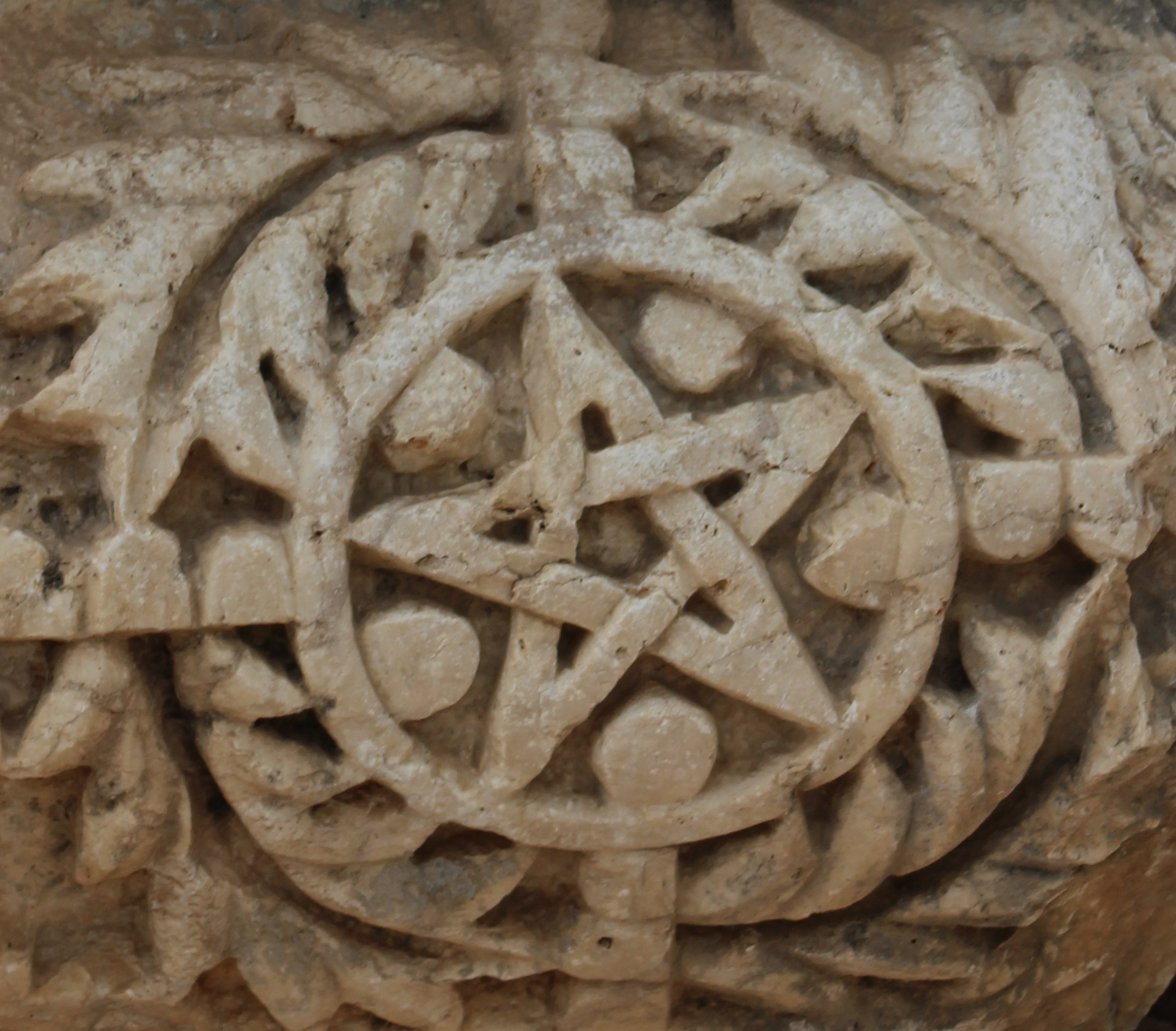
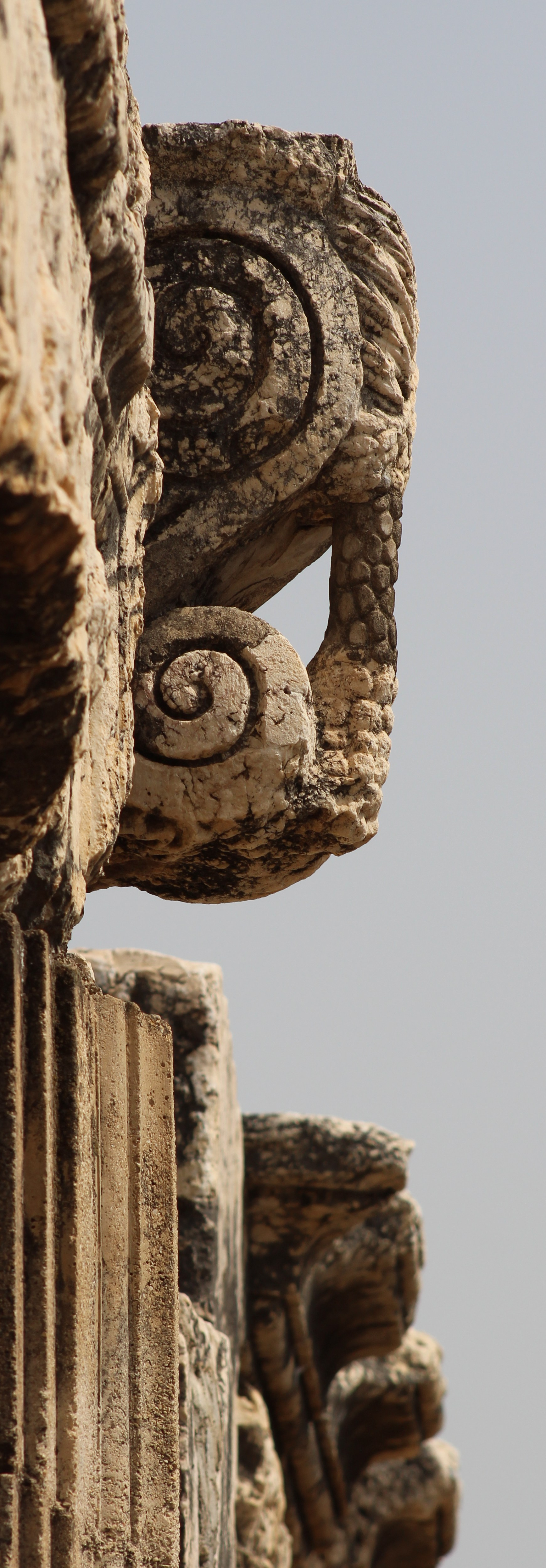
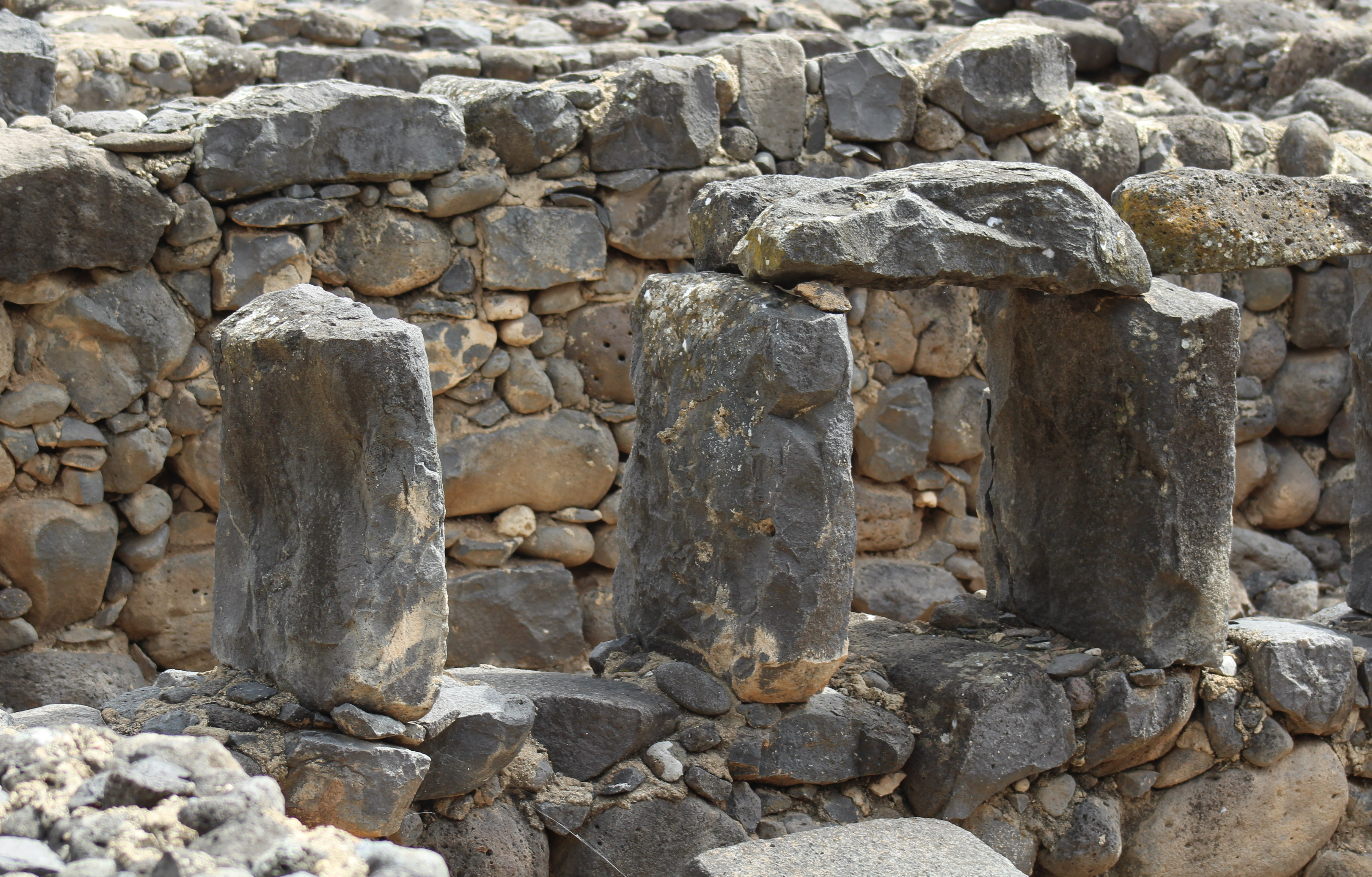
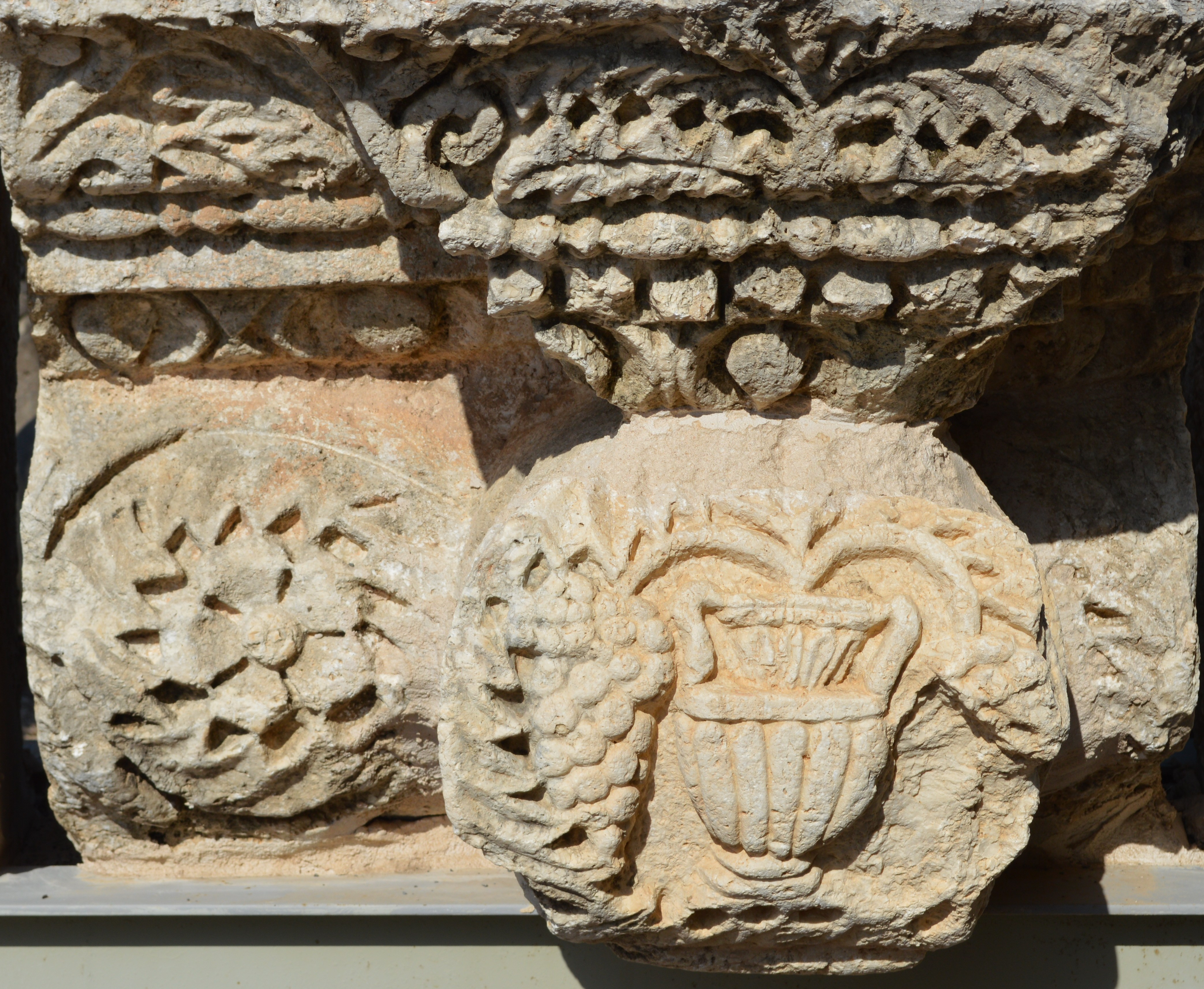
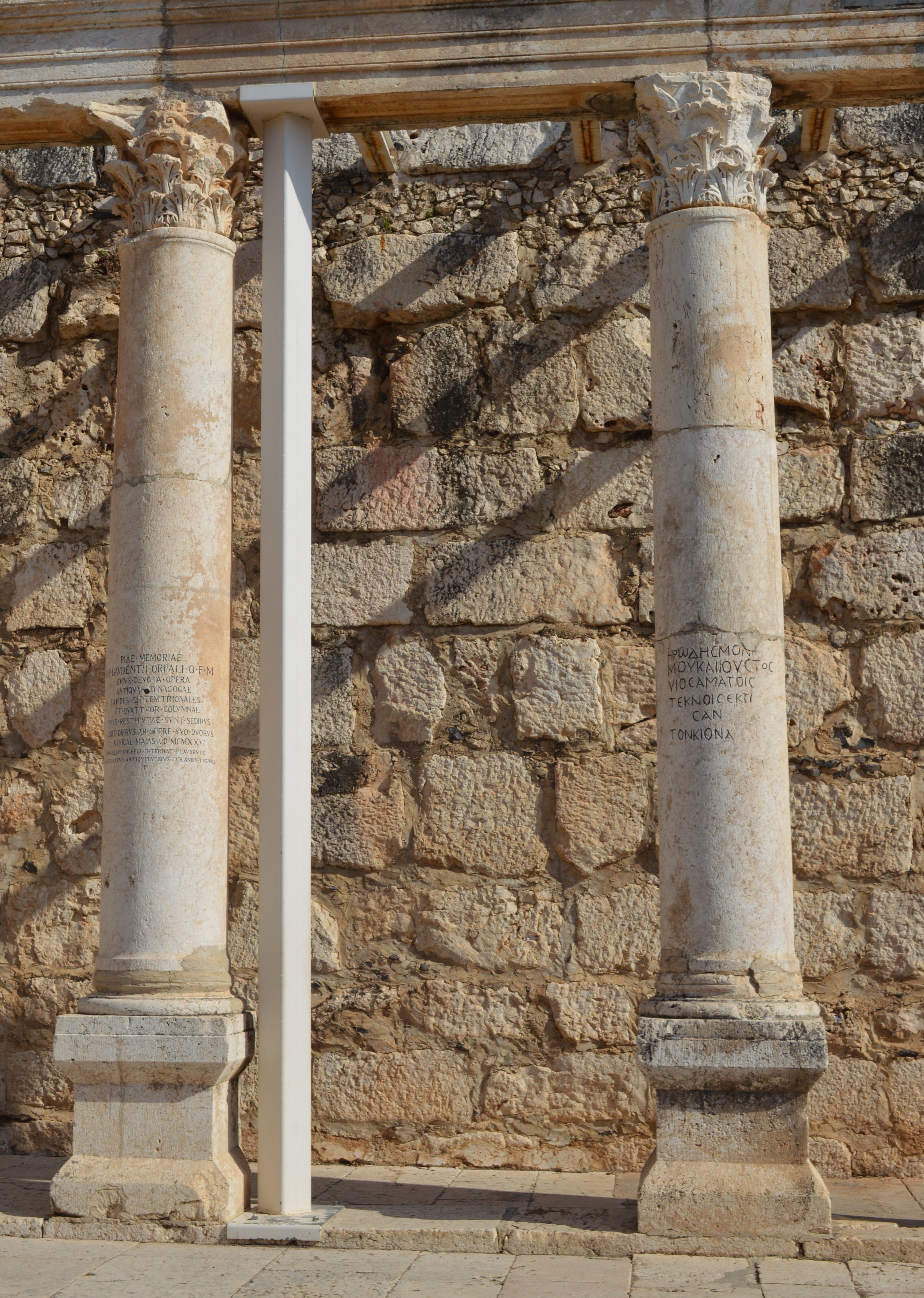
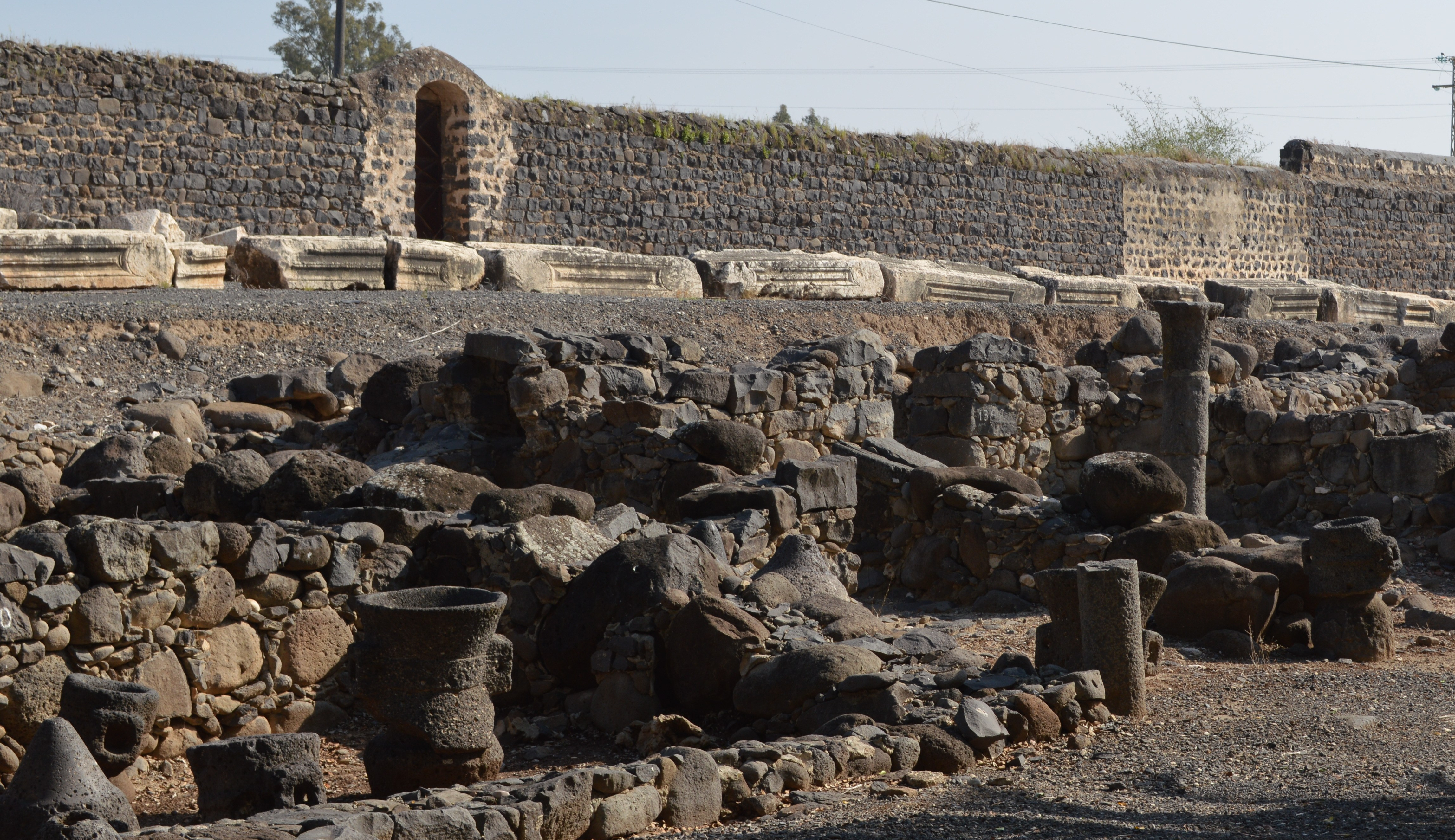
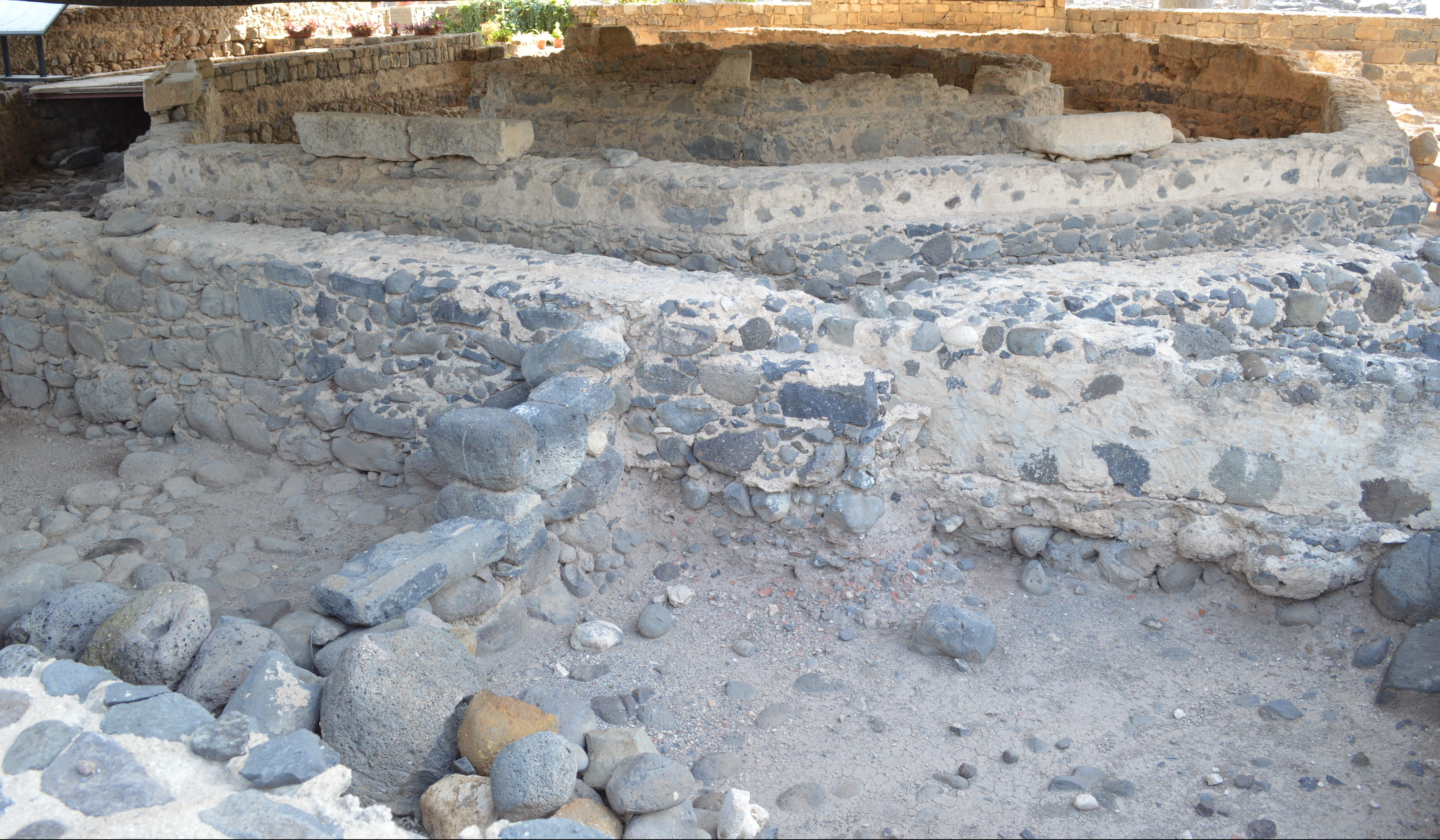
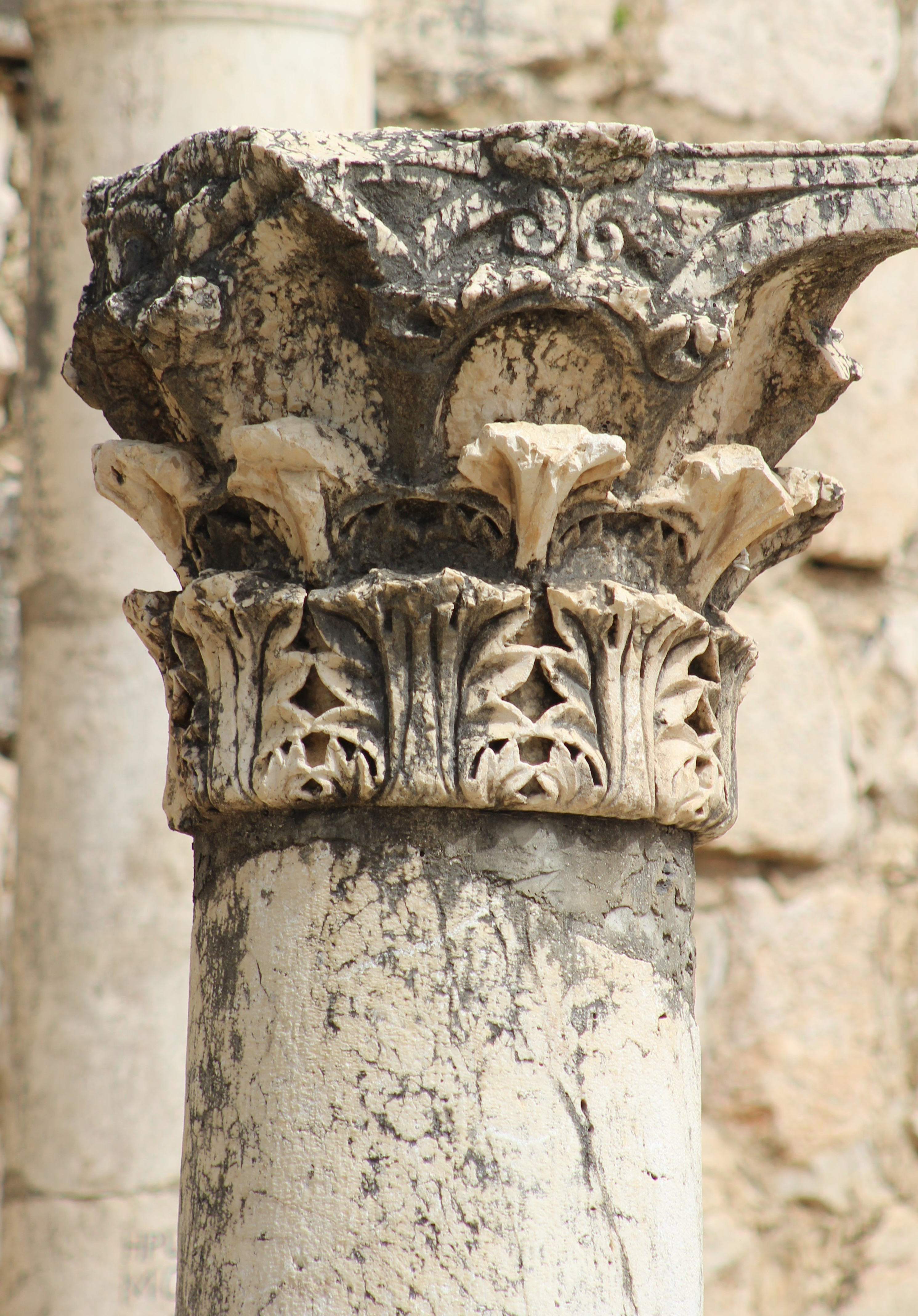
The ministry of Jesus was centered in the Galilee – the region in the north of Israel surrounding the Sea of Galilee. The town of Capernaum is thought to have been the hub of His ministry. It is believed that in the 1st Century, a synagogue was located in the town. On the sight believed to have been the site of the 1st Century synagogue, today sits a synagogue from the 4th Century.

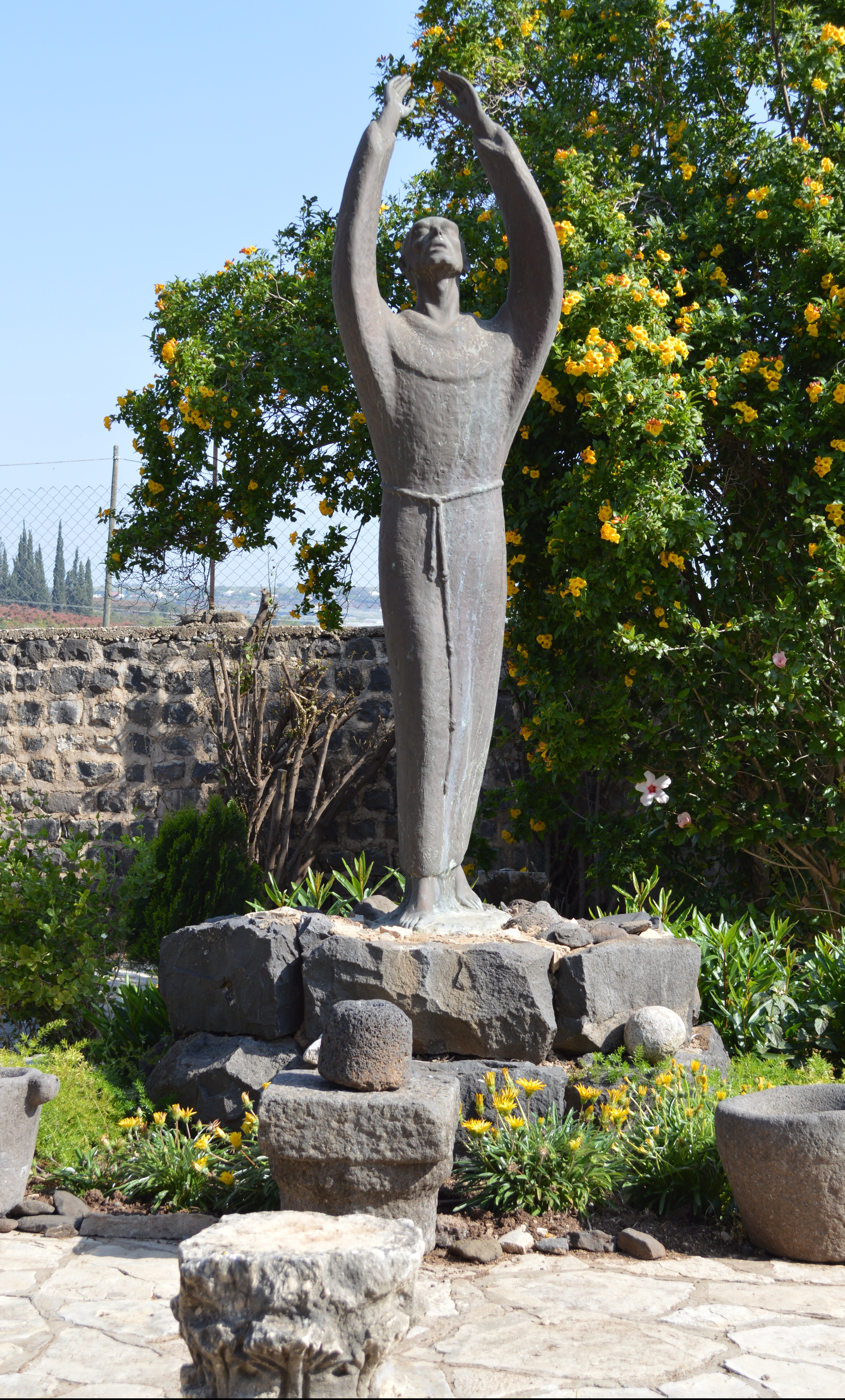
Much of what can be seen in Capernaum today is not necessarily from the time of Jesus. Visiting Capernaum; however, one can imagine how fresh it would have been given its location close to the lake (Sea of Galilee). One can almost smell the fish cooking on the fires. Jesus most certainly walked the streets of Capernaum and the roads and paths leading to it. Below are some photos from the site.

It is our desire to help you grow in your knowledge of Adonai and His Word. If you are looking for additional information and/or materials, please visit our website at RootedinHisWord.org and our Facebook page. 
34857624_201435477340473_855160484356161536_n

Read Full Post »

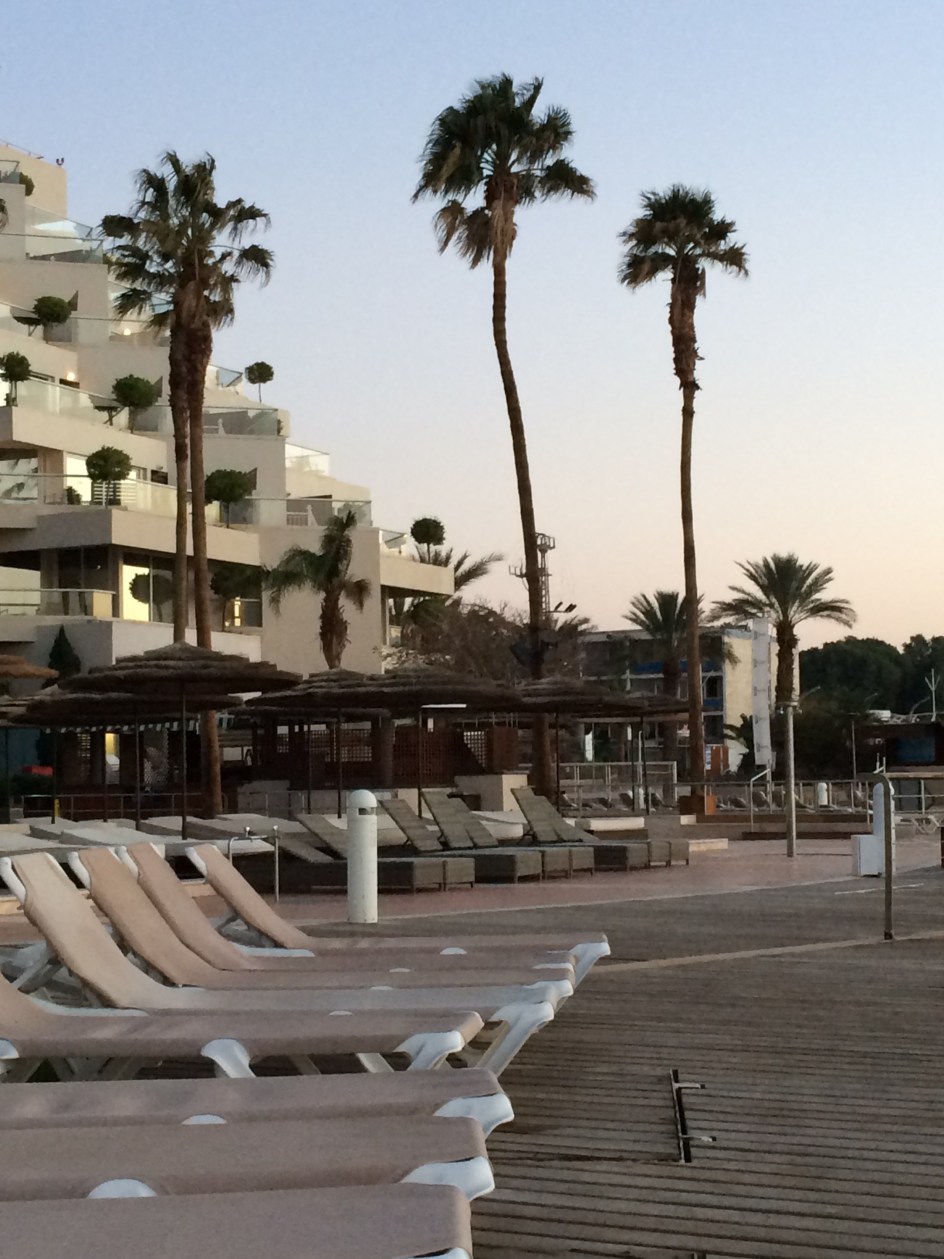
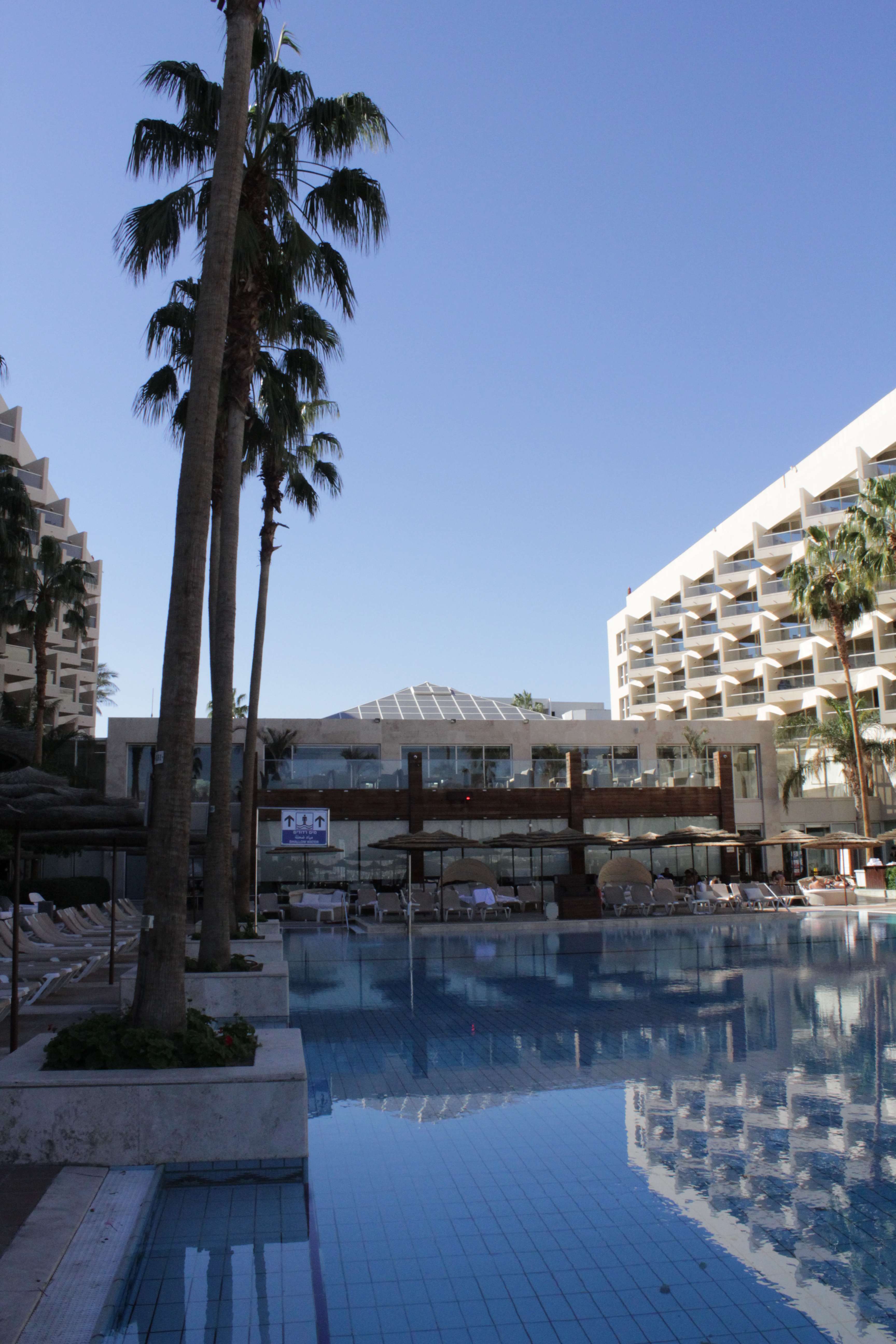
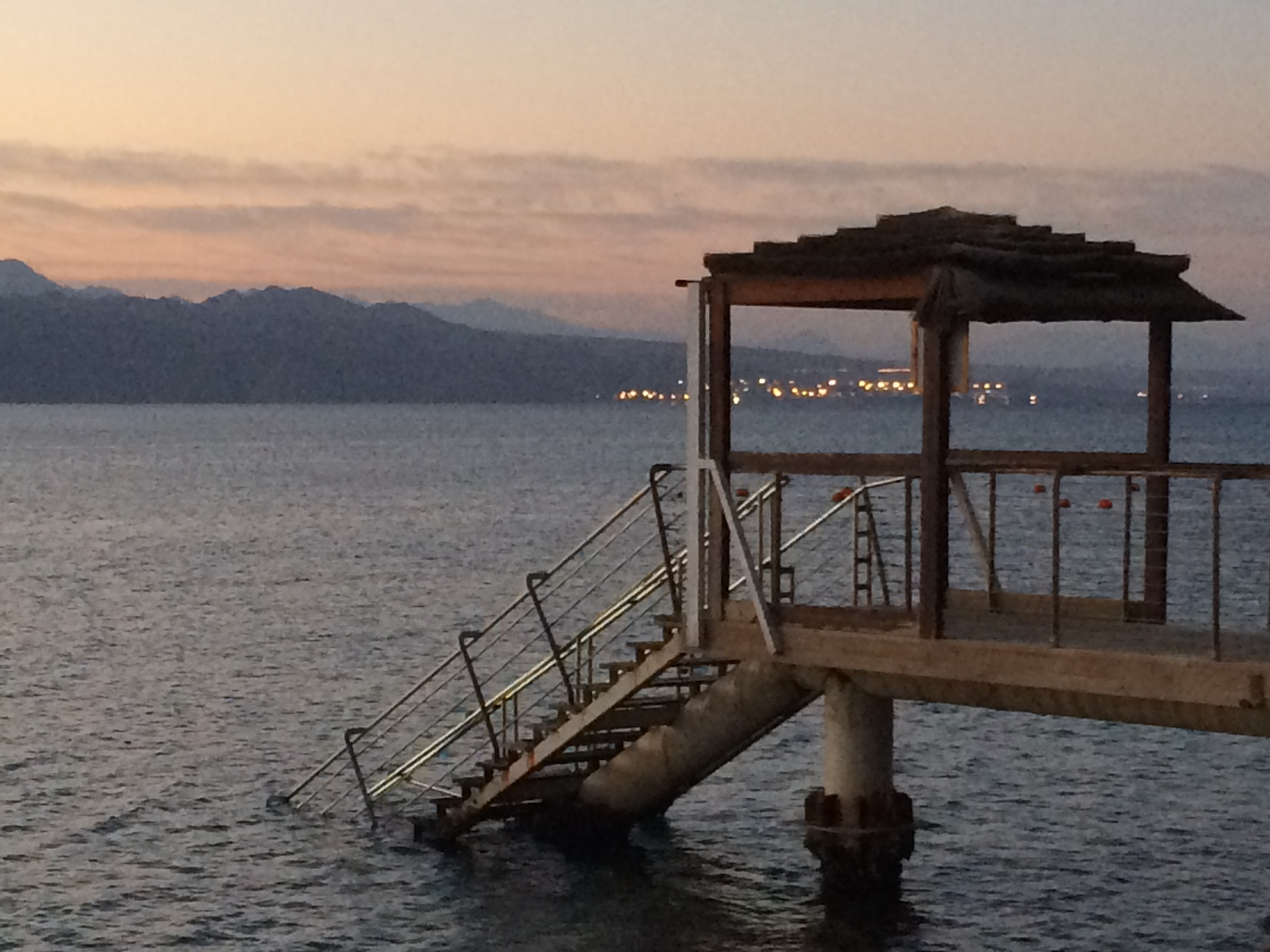
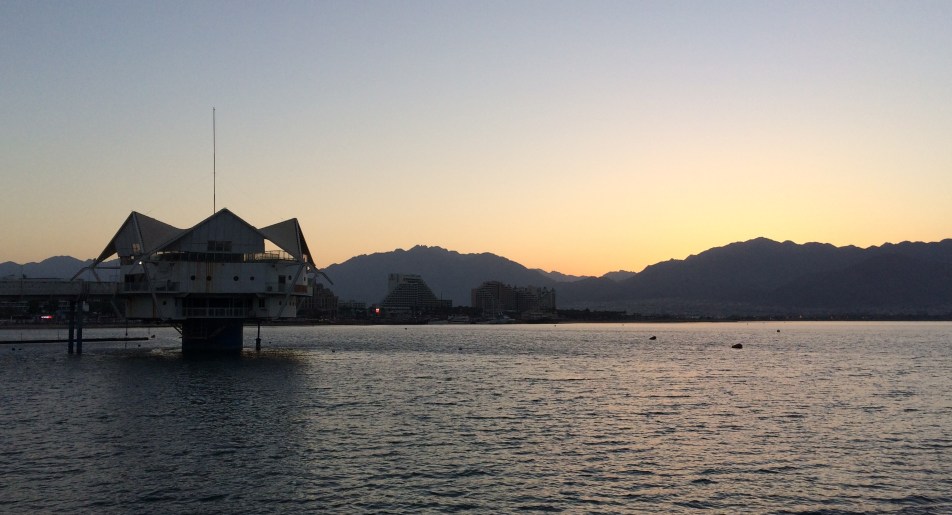
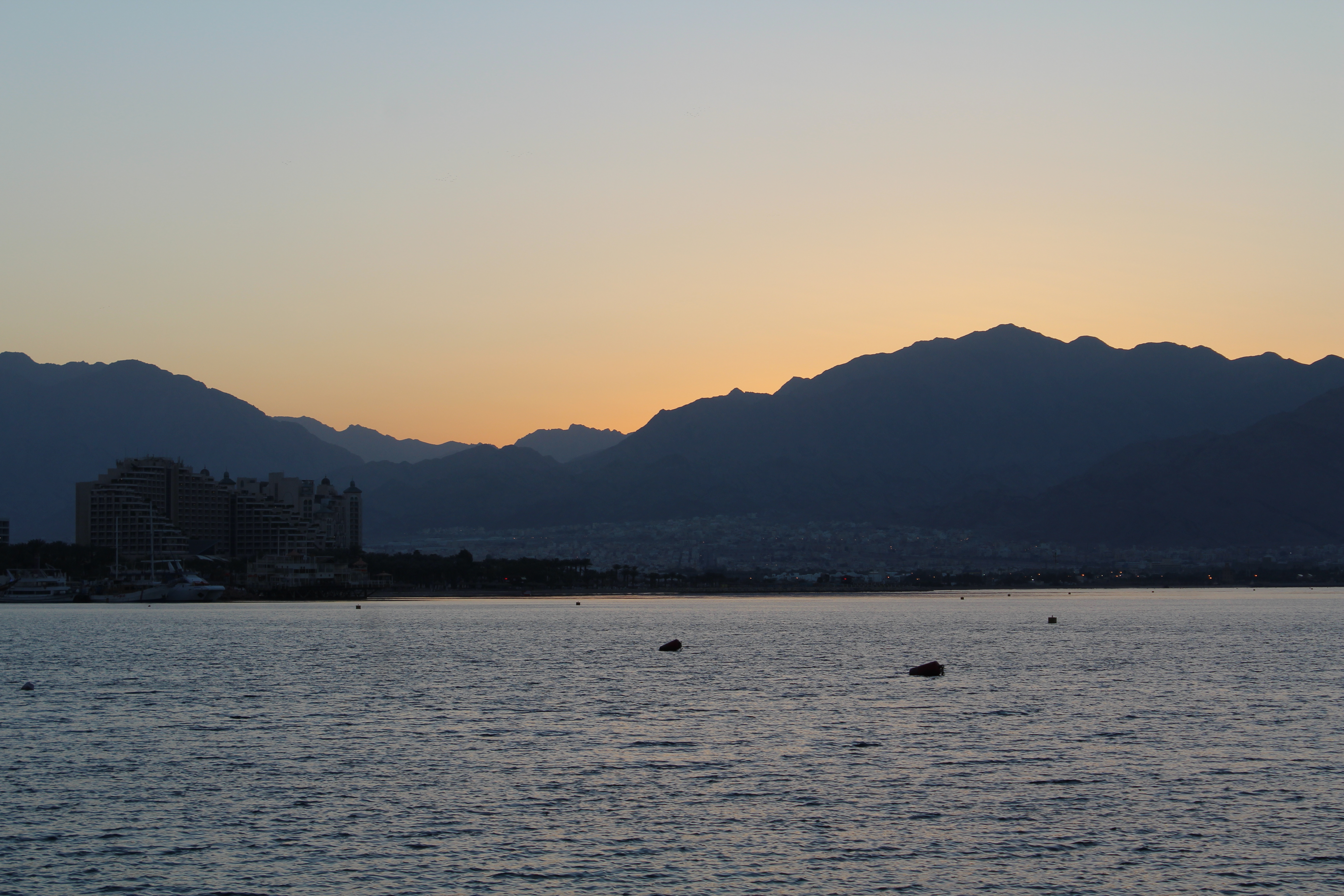
The following images will probably not be your typical idea of the Holy Land, but Eilat is in Israel, and it does offer special treasures to the traveler.
In Eilat, one can relax and enjoy the warm sun, the clear sky and the blue water. Eilat is a very short drive or boat ride to either Jordan or Egypt, and it is but a few hours drive to the Dead Sea, the Negev or even back to Jerusalem.

Eilat is a resort town at the most southern tip of Israel complete with snorkeling and other water sports, but for the student of the Bible, Eilat is the jumping off point for a journey to the rock city of Petra in Jordan. The importance of Petra to Bible prophecy will be outlined in an upcoming post.

IMG_5250
Usuites, Eilat
IMG_3002
Usuites, Eilat
IMG_5246
Sunrise over Gulf of Aqaba
img_5270.jpg
Sunrise over Gulf of Aqaba
IMG_3090
Sunrise over Gulf of Aqaba
IMG_5256
Sunrise over Gulf of Aqaba
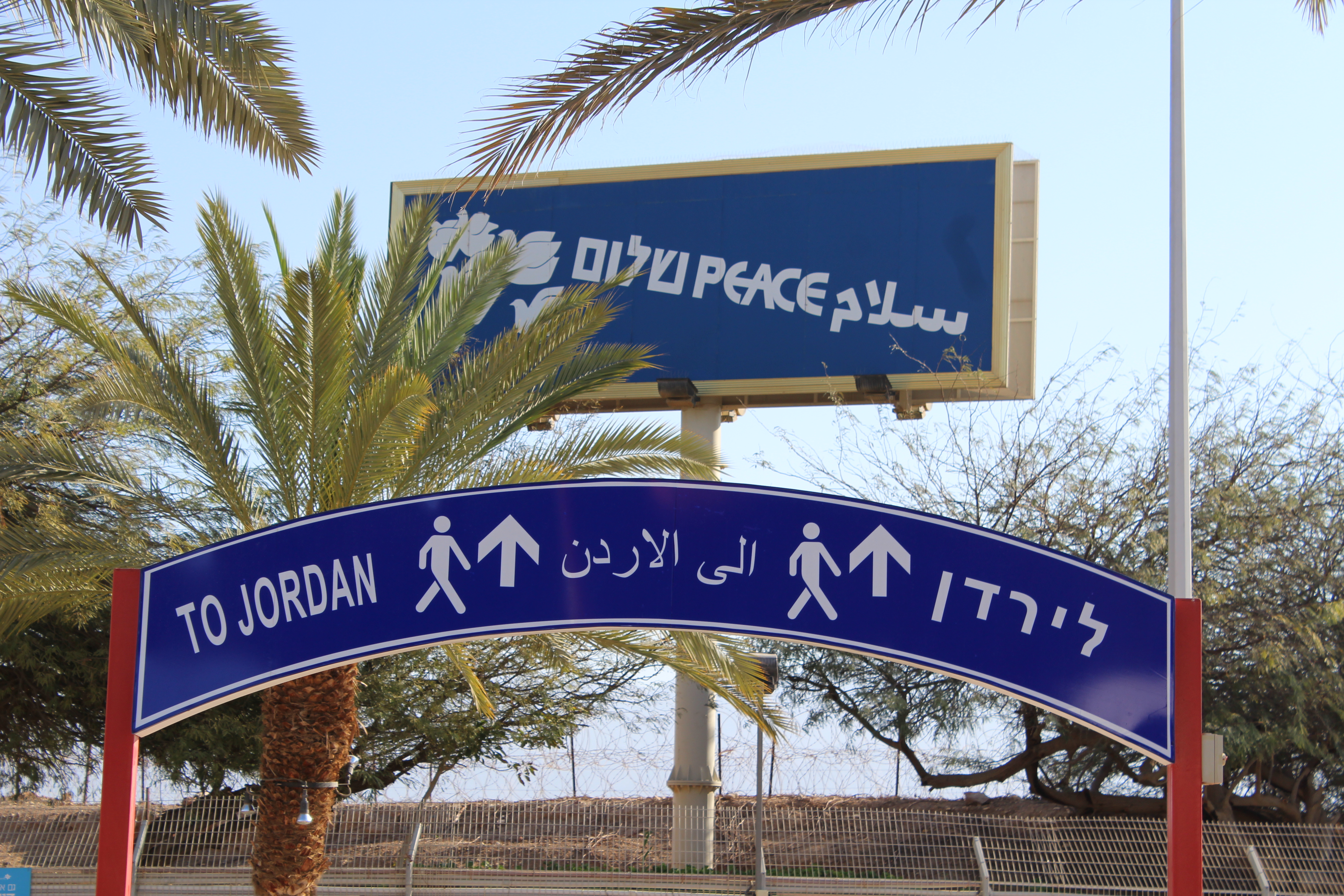
Border Crossing to Jordan from Eilat Israel

Read Full Post »