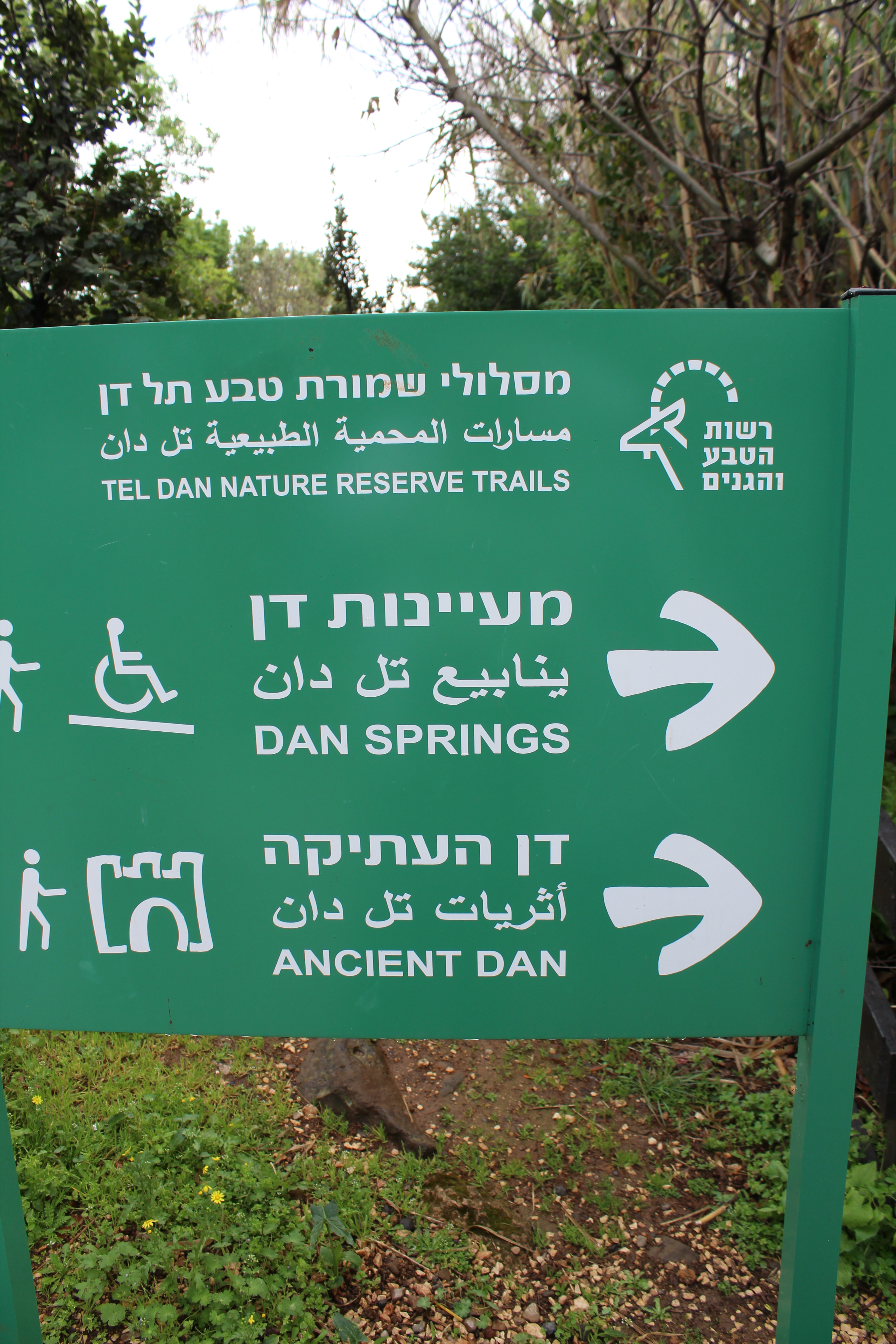
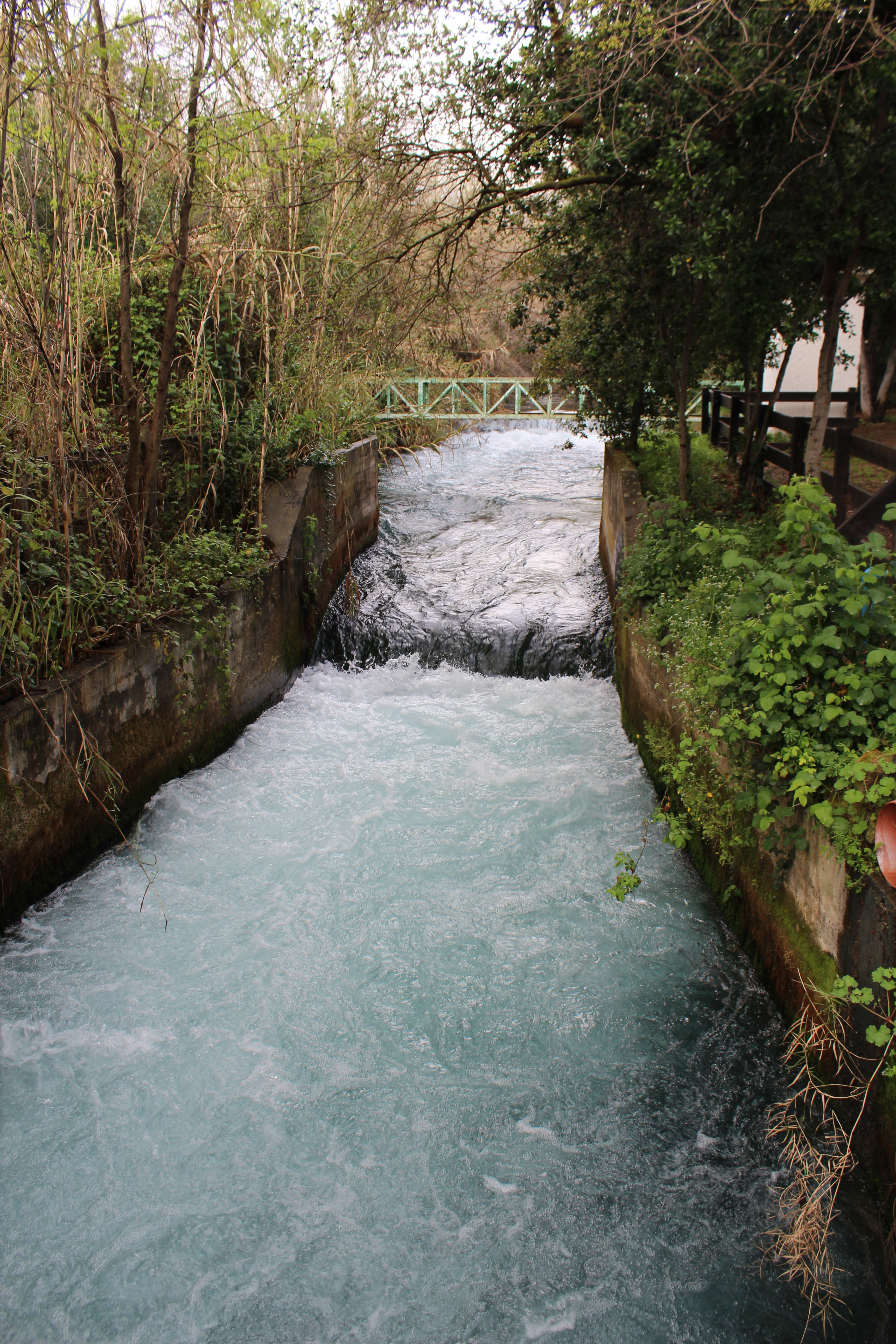
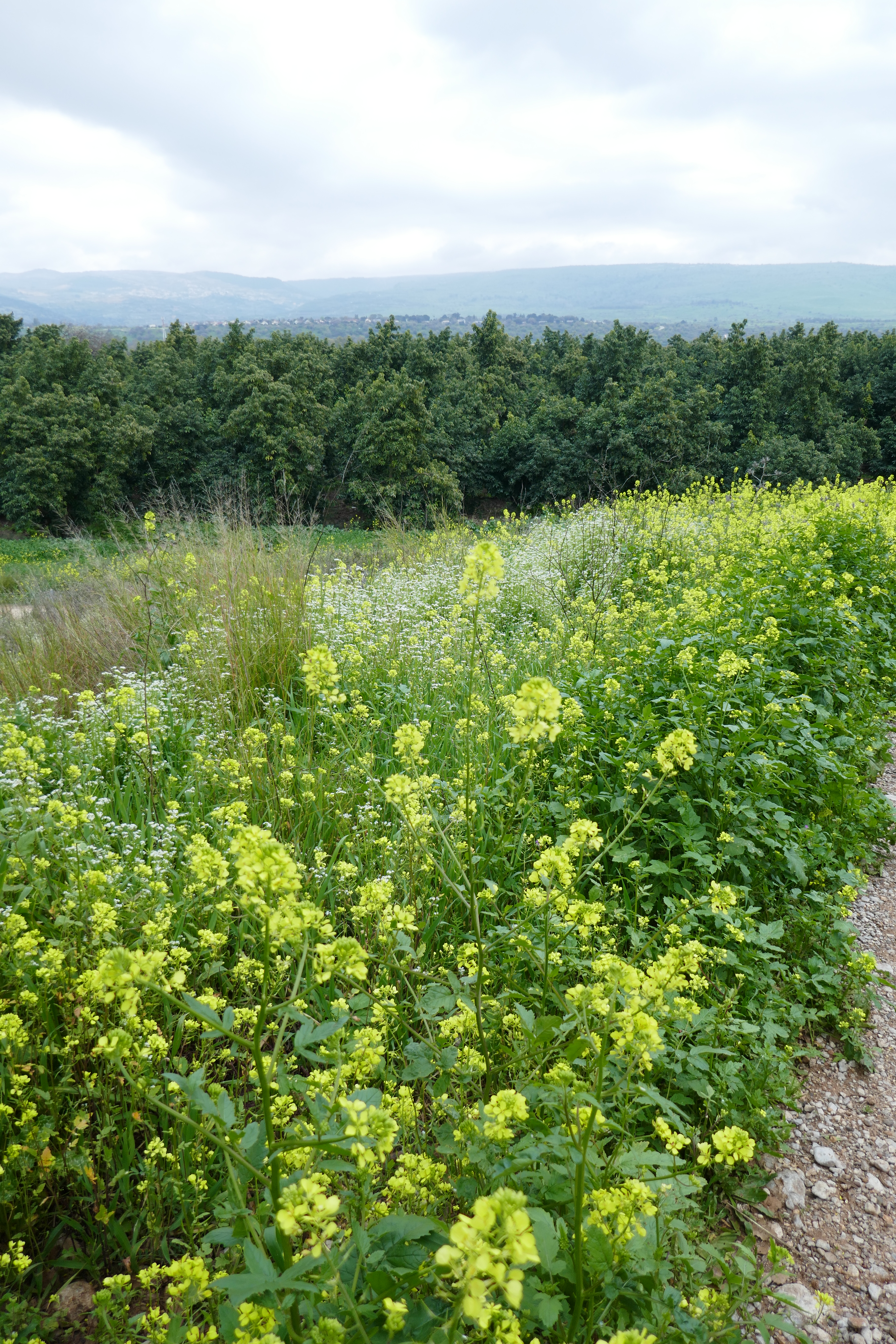
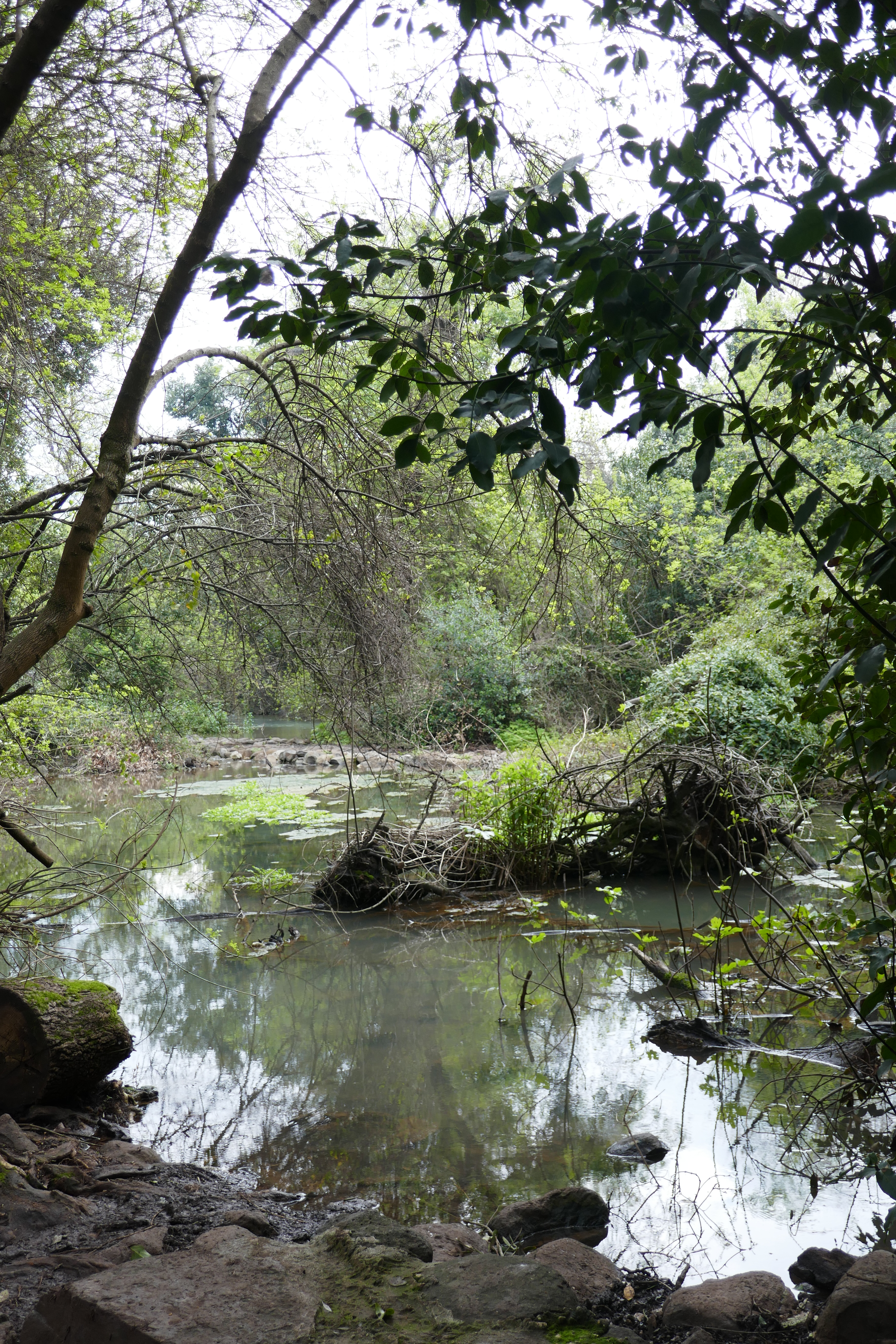
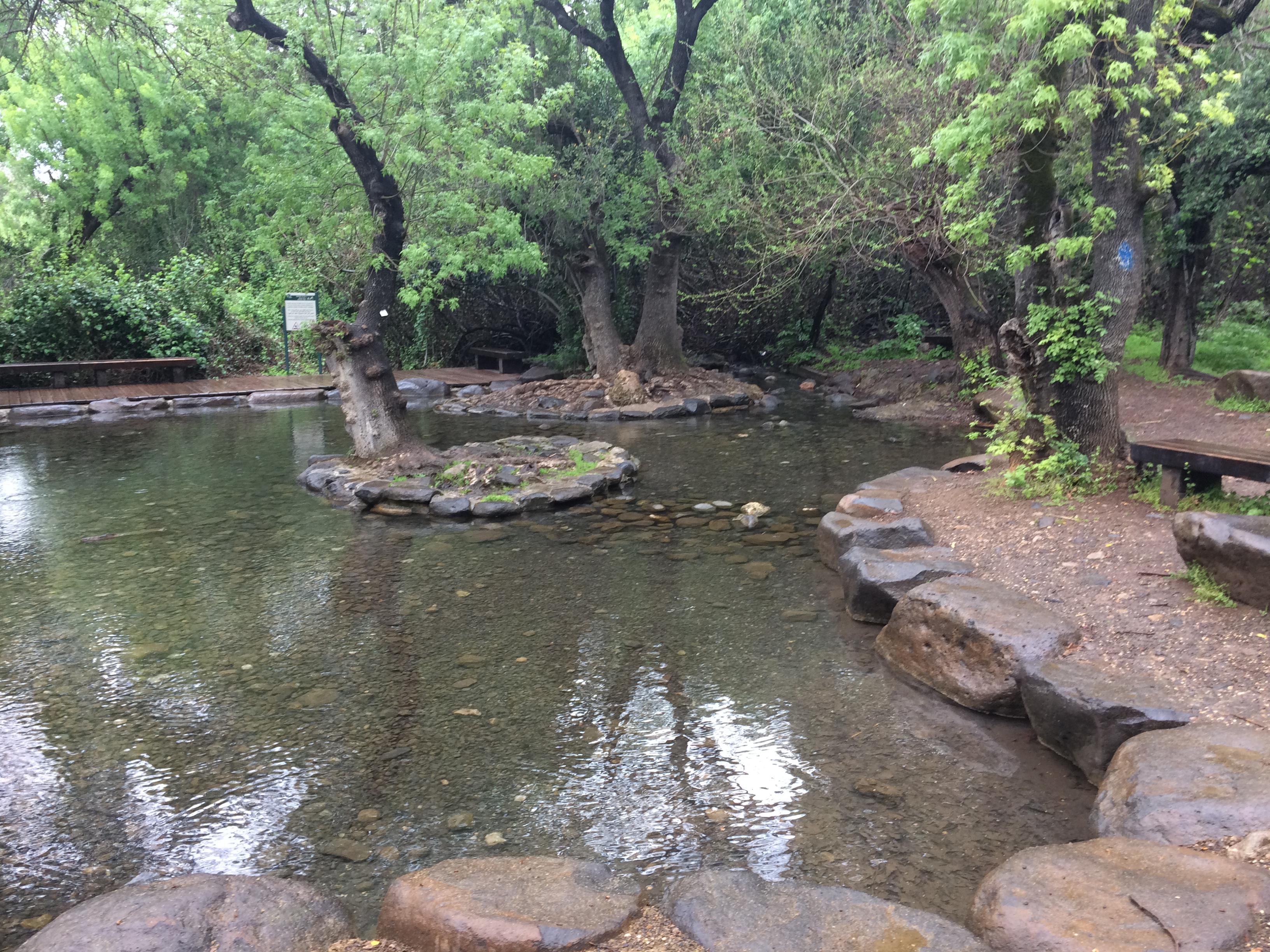
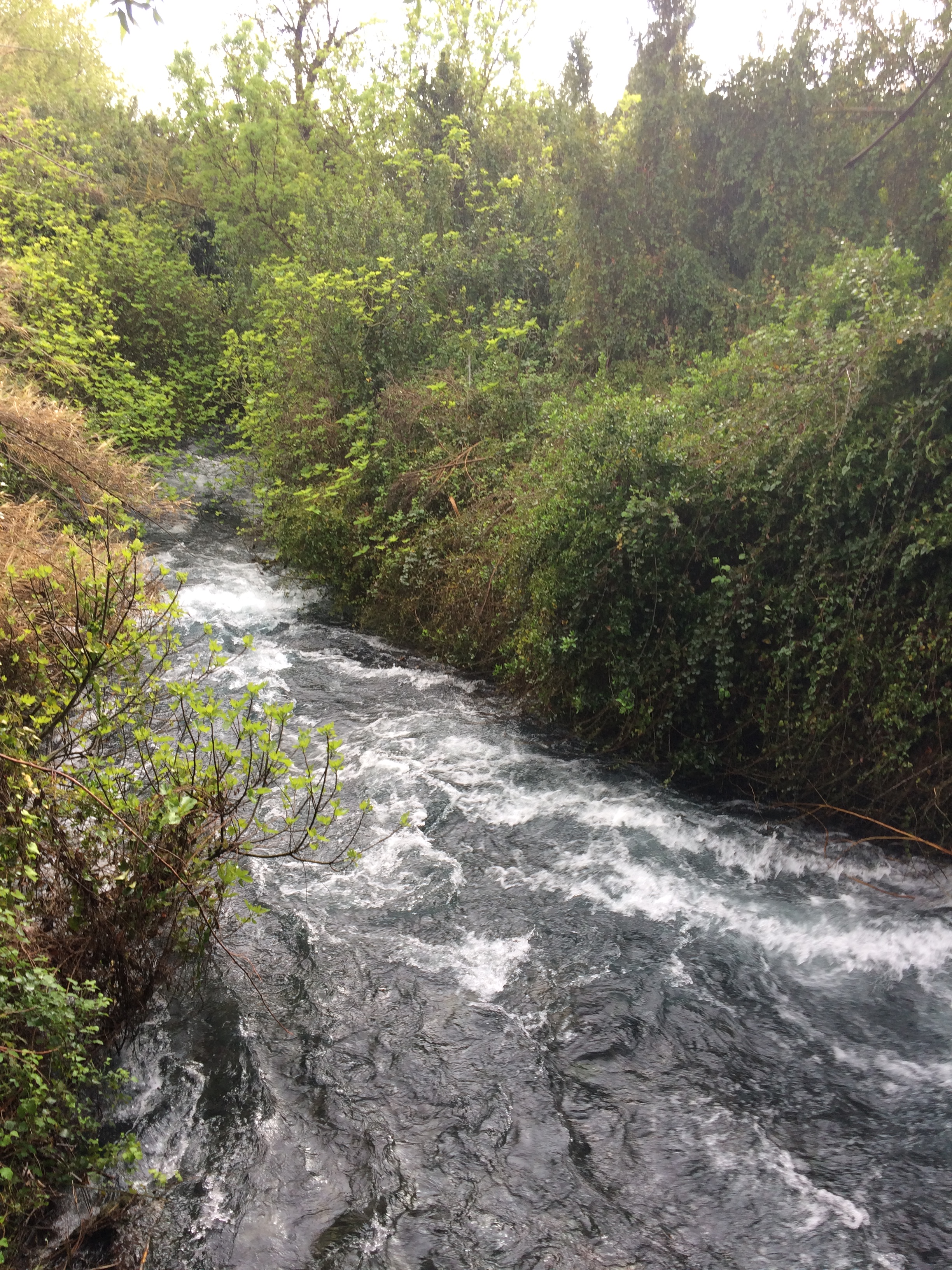
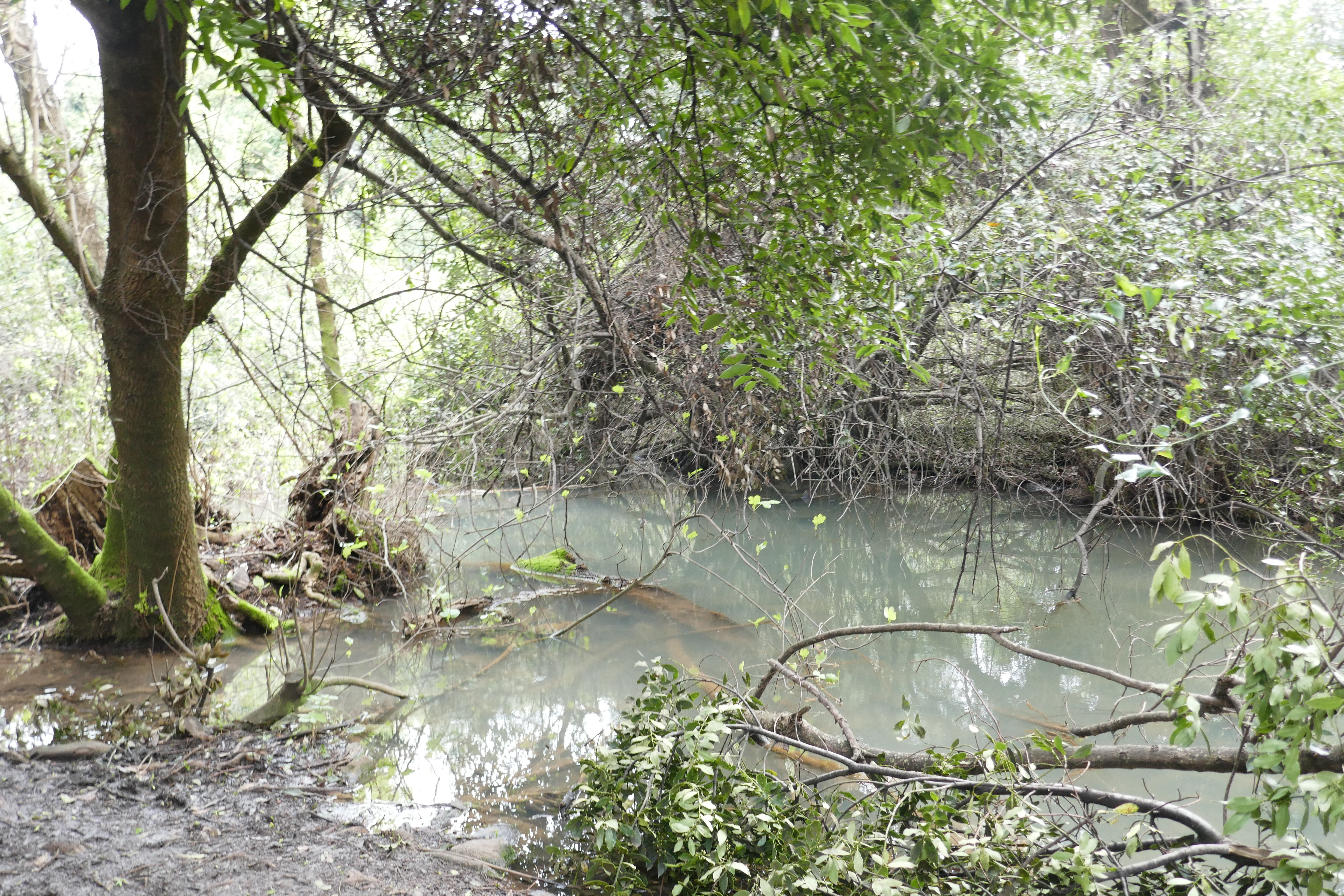
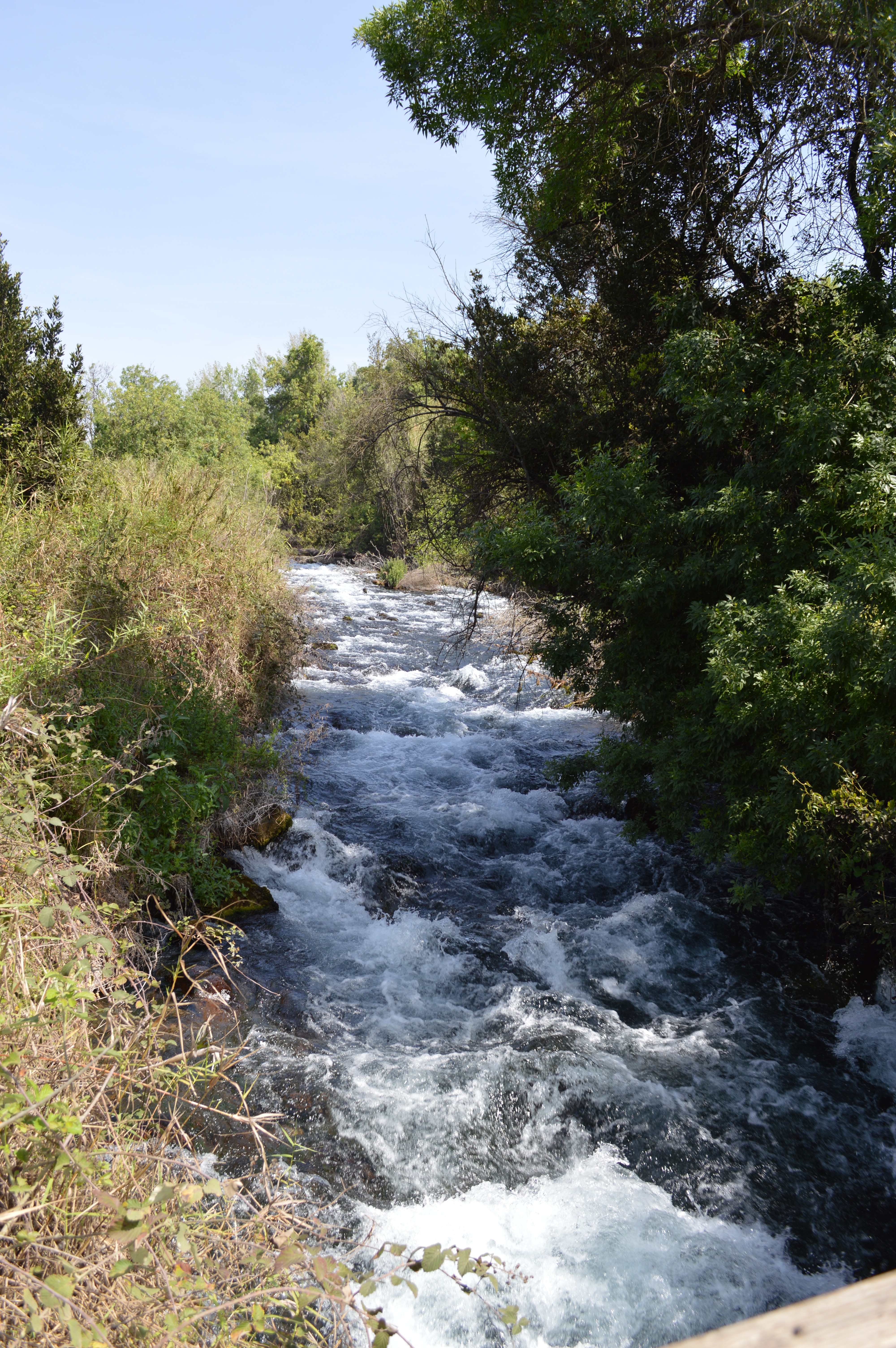
In yesterday’s post, we discussed the history of Dan which is not, I’ll admit, one of the more noble stories in the Bible. However, today, I would like to just sit with the beauty of Dan. It is a place of lush plant life and rushing water. The area surrounding the city of Dan sits on several underground springs. In many places the water seems to just bubble out of the rocks. In Israel, this area is a designated national park and nature reserve. Israelis and tourists alike love to come to parks like this and hike, taking in the verdant beauty of the location.
Head waters of JordanWinter rain runoff from Mt HermonLush growth in Dan
It is our desire to help you grow in your knowledge of Adonai and His Word. If you are looking for additional information and/or materials, please visit our website at RootedinHisWord.org and our Facebook page.
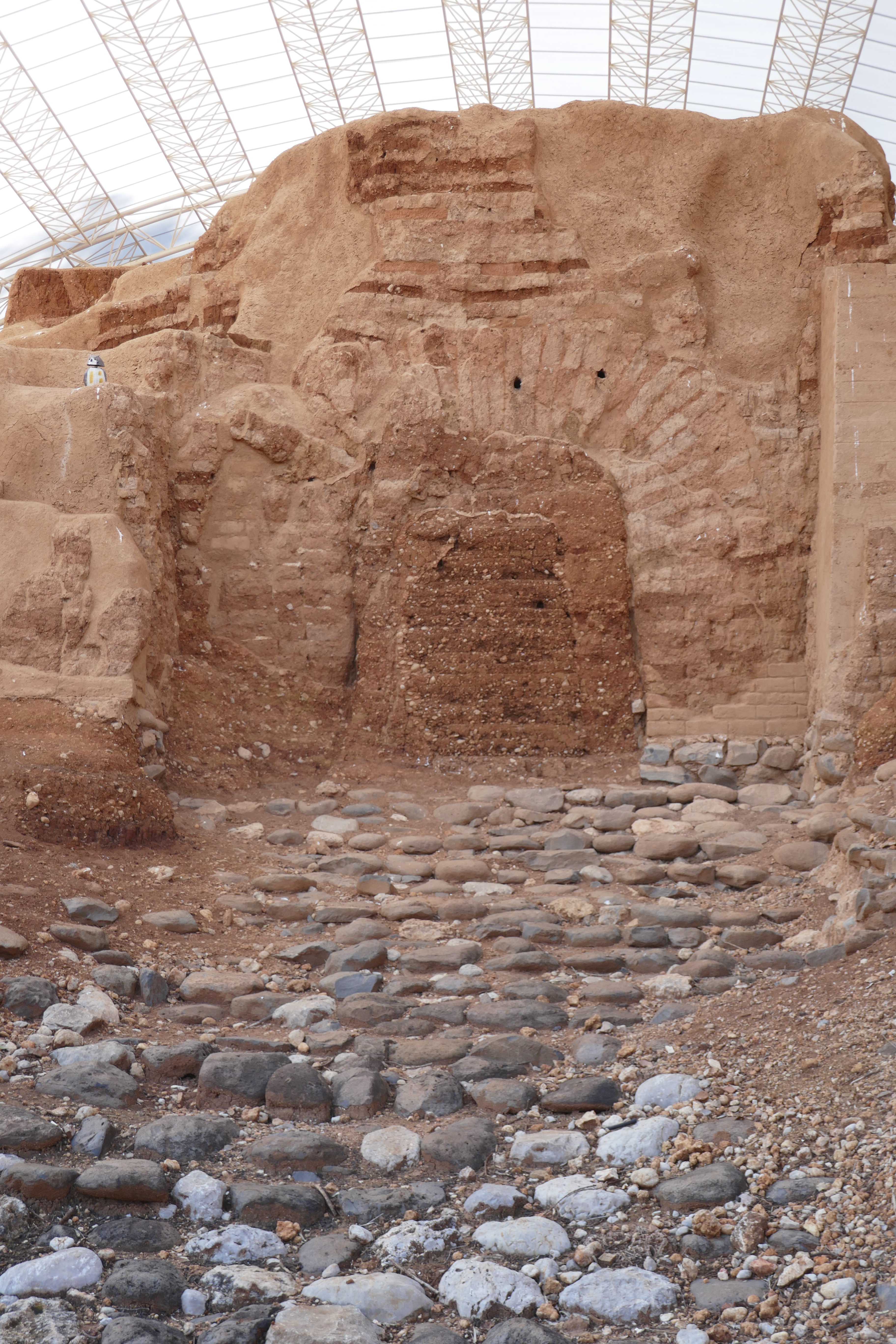
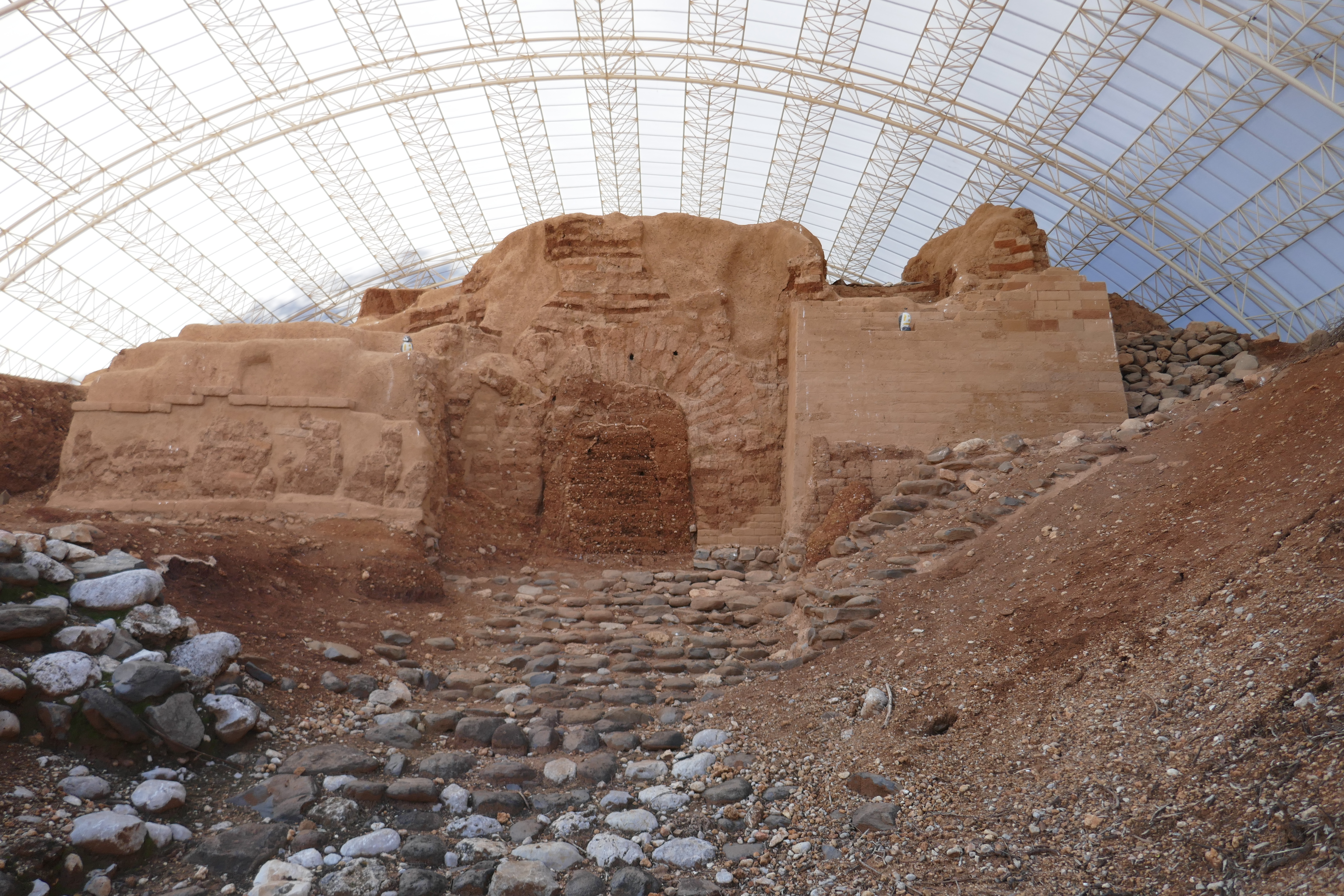
The name of Dan before the tribe of Dan took over the town was Laish (La’ish). The Bible describes the people of Dan brutally defeating the people of Laish and burning the town to the ground and then building their own town on the same spot. See Judges 18:7.
As it says in Joshua 19:40-48, the tribe of Dan was originally assigned lands adjacent to the Philistines, along the southern coast of Israel. The Philistines were a constant source of battles and oppression. In Judges chapter 18, we find the tribe of Dan searching for anew home. If you have studied through the book of Judges, you may remember the things that Samson did to his enemies the Philistines, namely burning their fields, killing them in battle, and destroying their temple with them in it. As one might expect, this did not make the Philistines big fans of the Israelites, leaving the tribe of Dan in a very precarious position. This likely influenced their decision to relocate to the north of Israel. The abundance of water and fertility of the area was probably not bad either.
Going Deeper: Tel Dan 1. Who was Dan? (Hint: Genesis 30:1-6)
2. What do you learn about the City called Dan from Genesis 14:14?
3. What land was originally given to Dan in the conquest according to Joshua 19:40-48?
Read Judges 18 relating to the relocation of the Tribe of Dan to the North
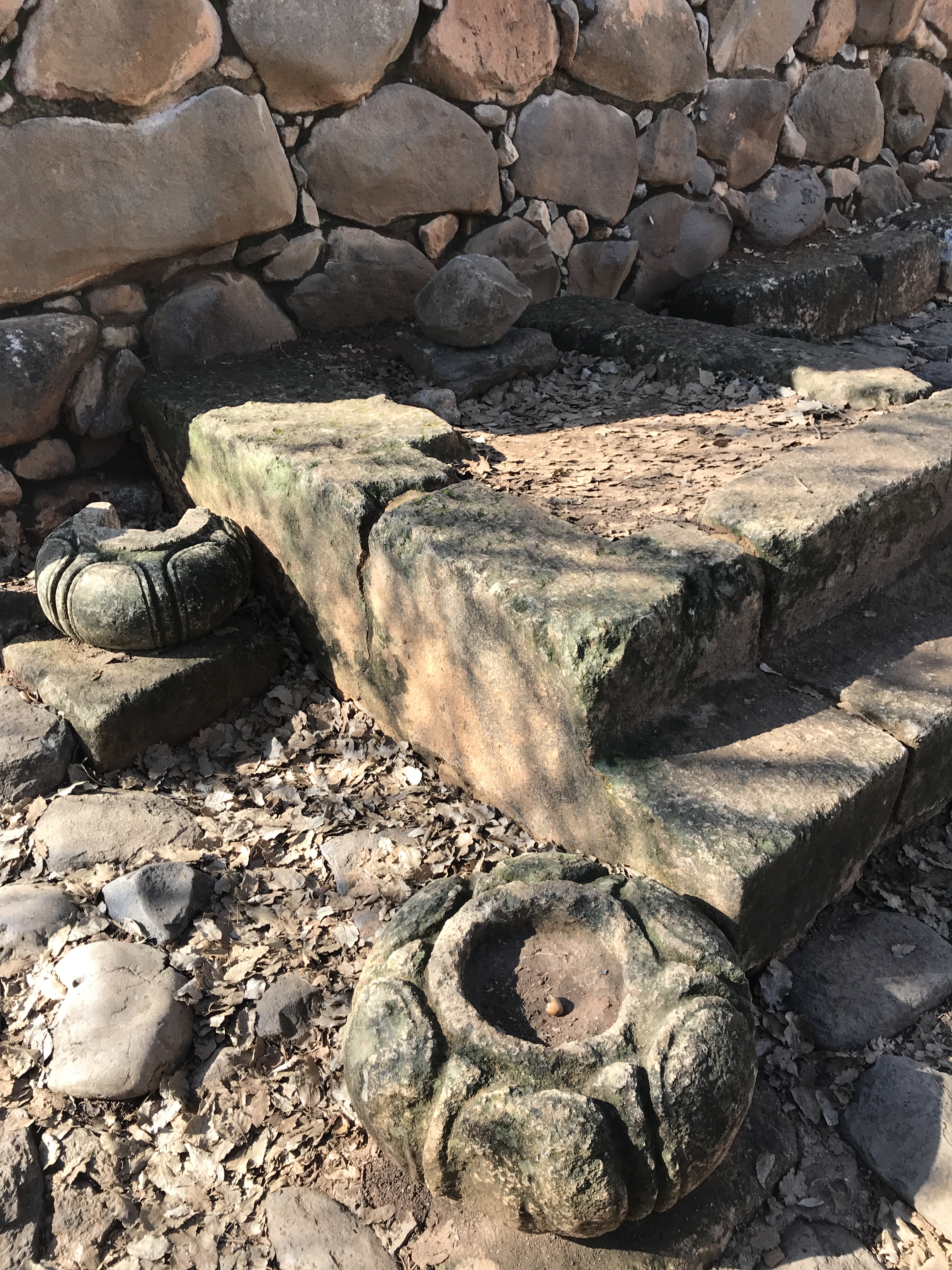
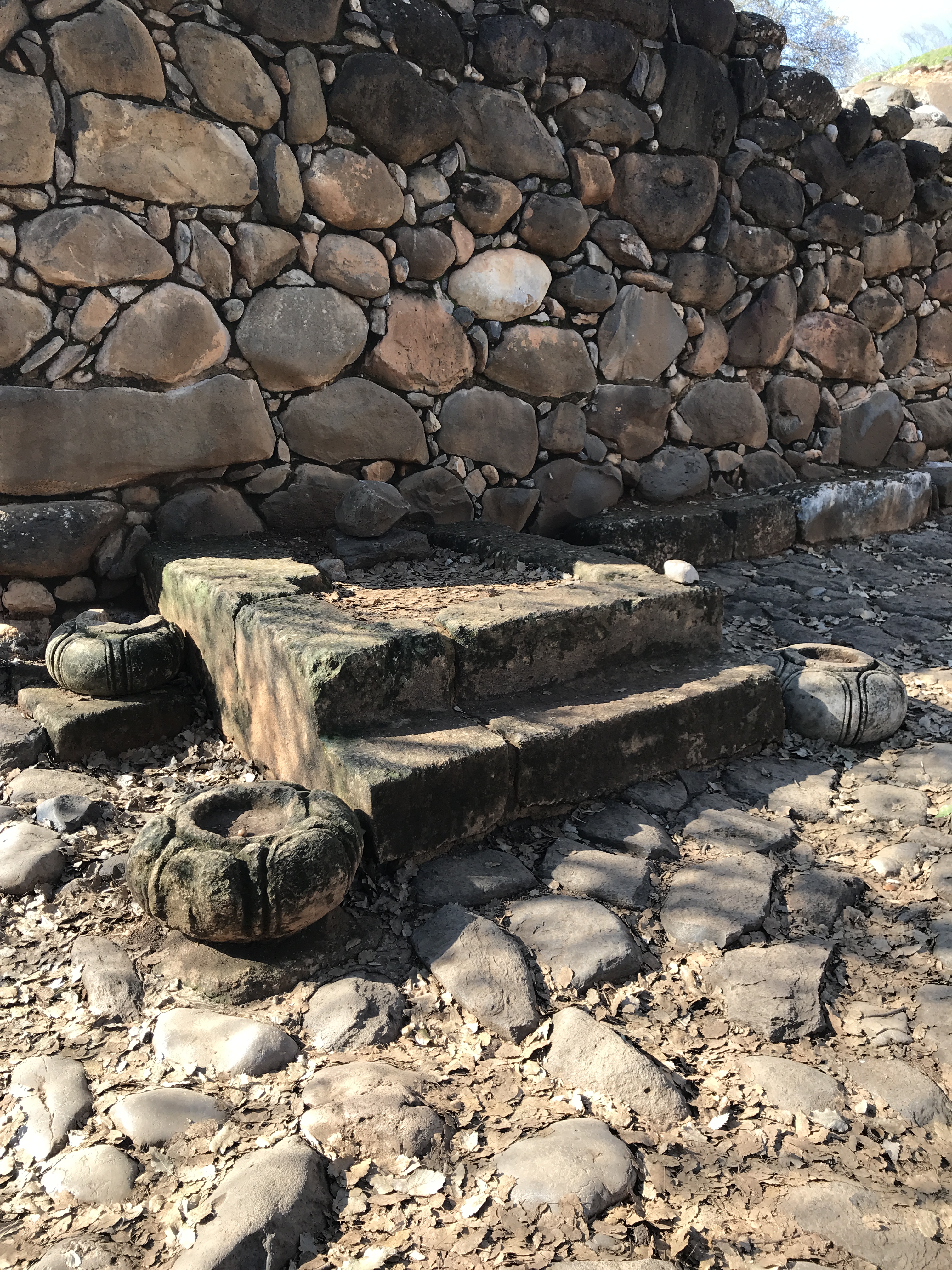
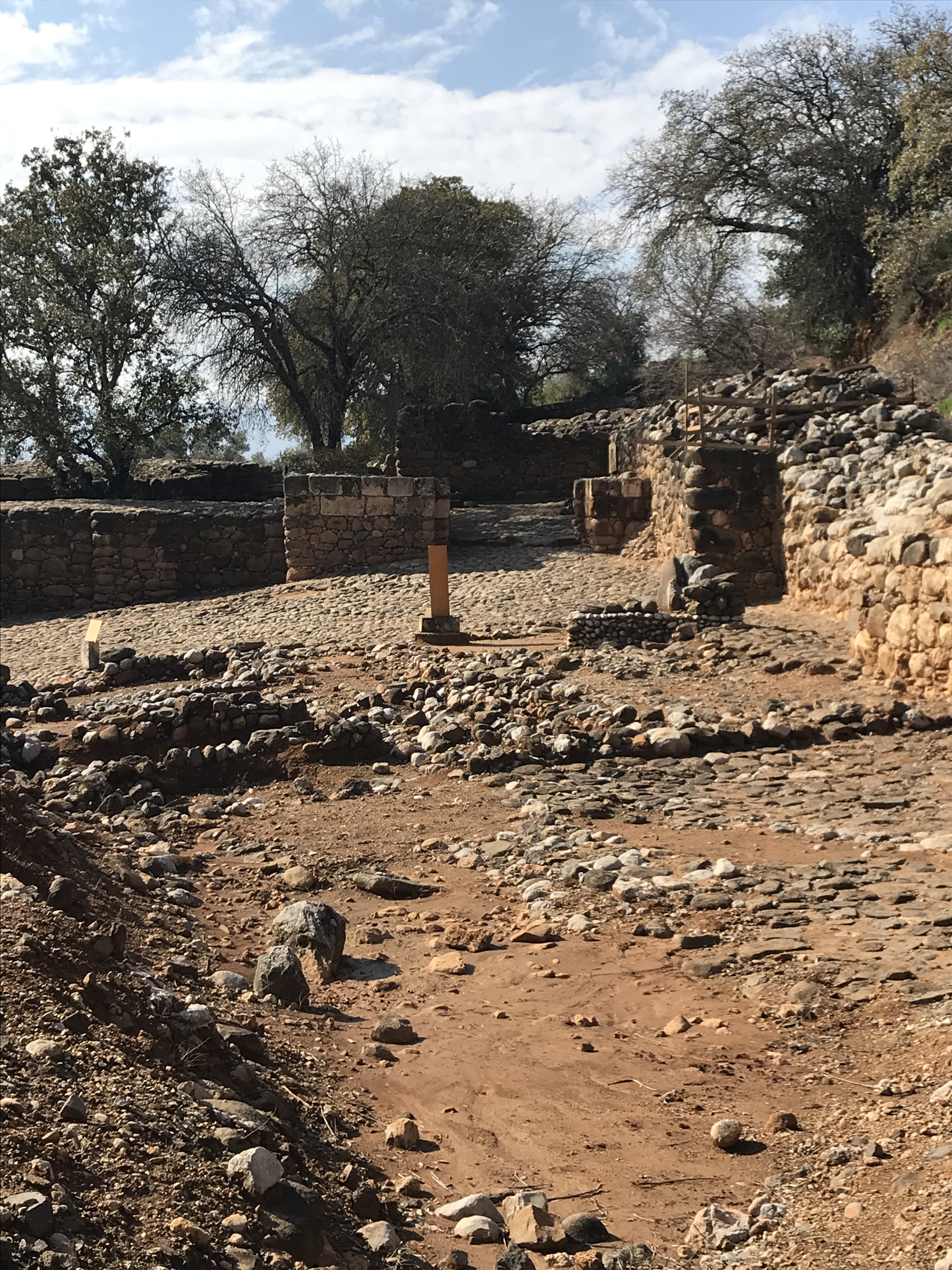
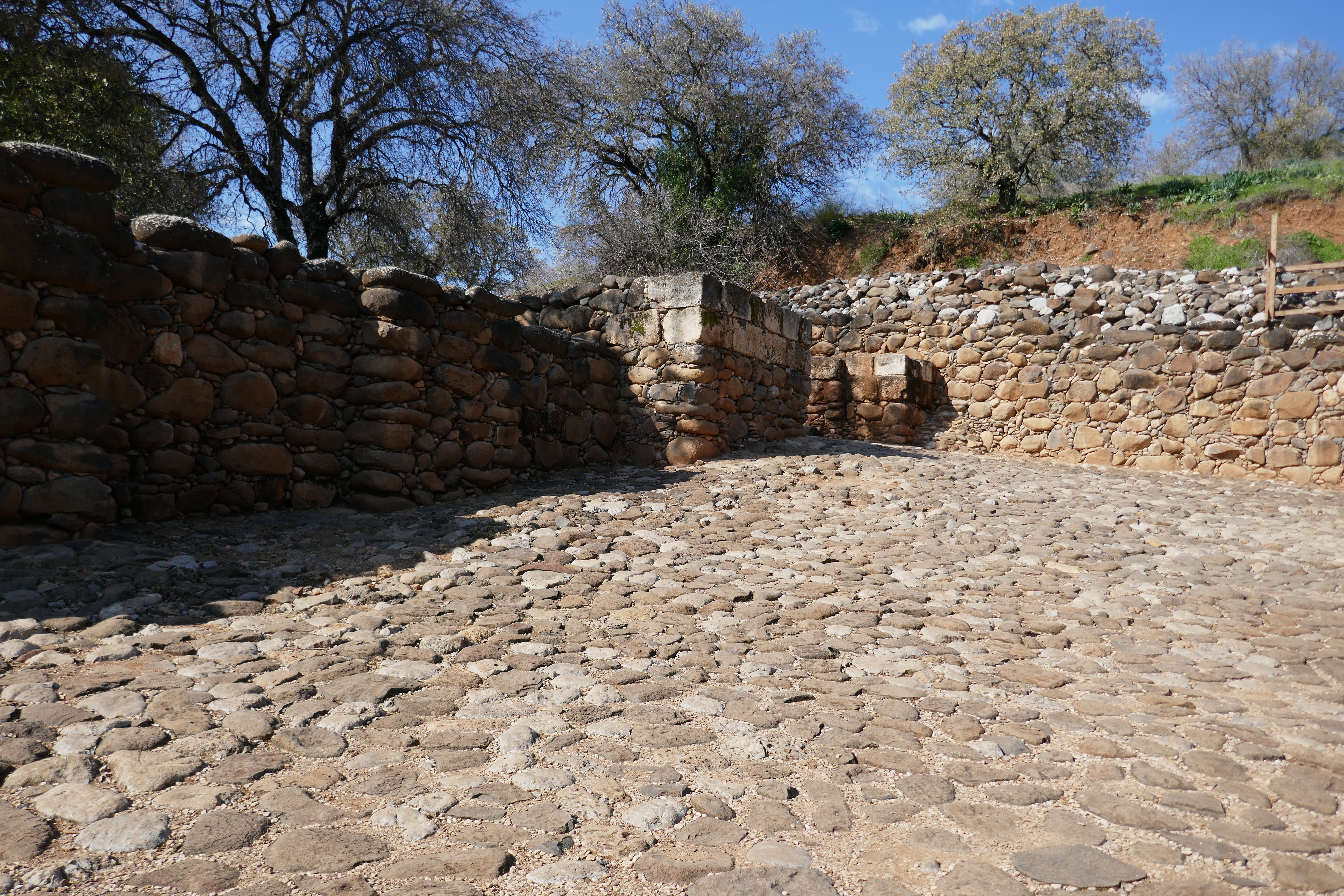
Head waters of the Jordan (from Mt Hermon and several springs in the area)Dan in the Spring.Judges and Elders of the City would often sit in the city gate and conduct business or city affairs.Gate preserved to the ancient town of La’ish. It is possible that through such a gate the patriarch Abraham may have passed as he searched for Lot.City gateCity Gate of La’ish (Tel Dan)
It is our desire to help you grow in your knowledge of Adonai and His Word. If you are looking for additional information and/or materials, please visit our website at RootedinHisWord.org and our Facebook page.
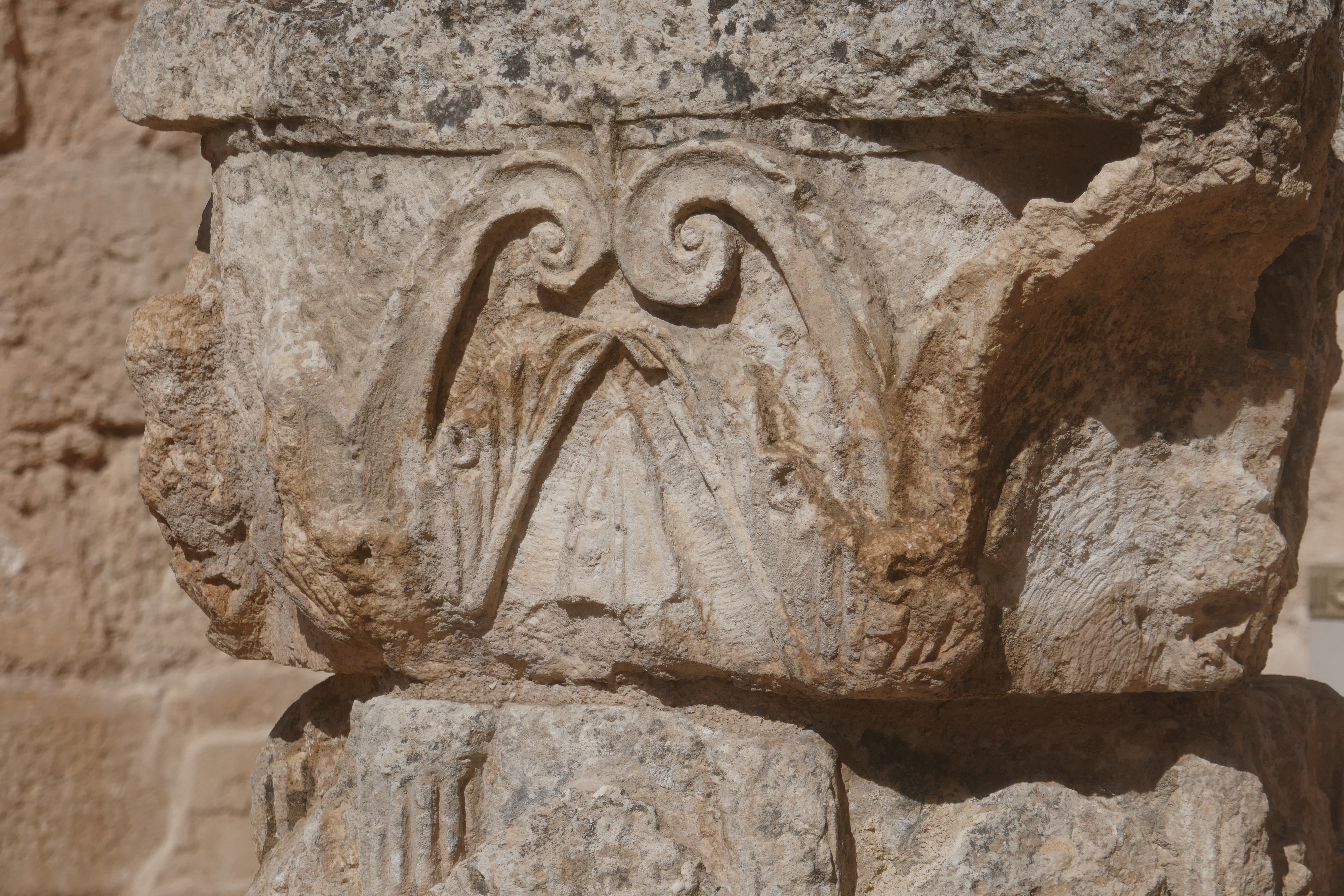
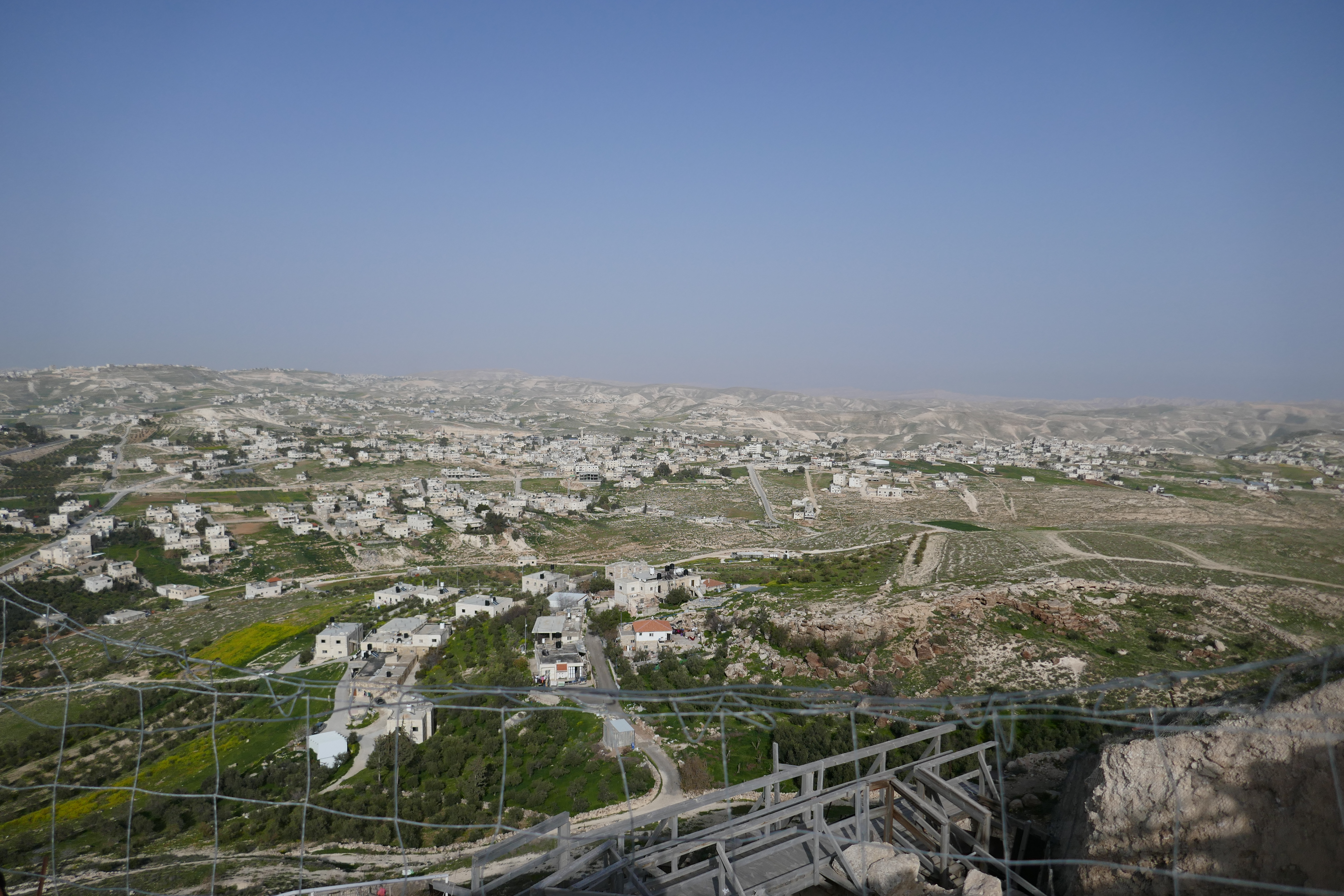
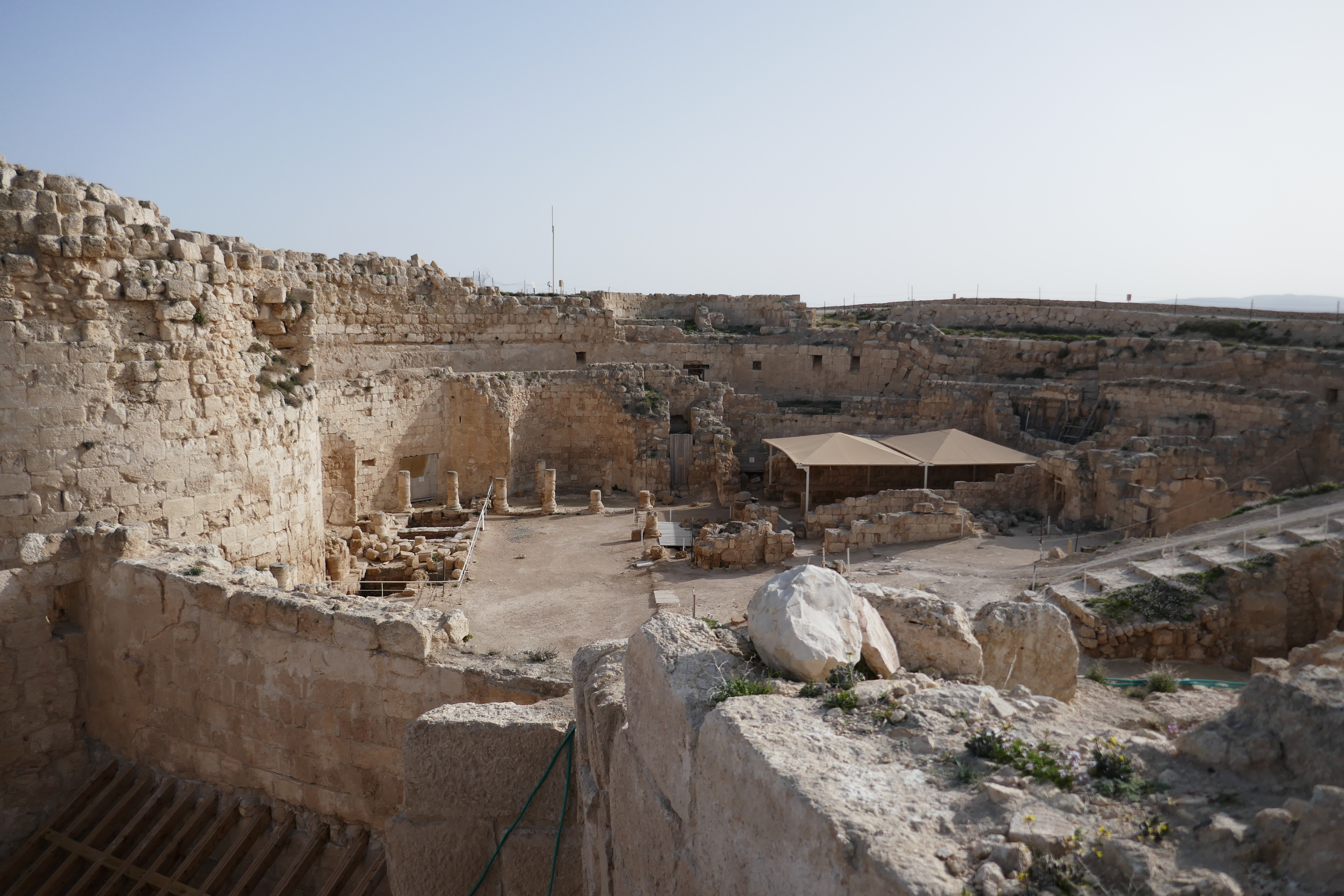
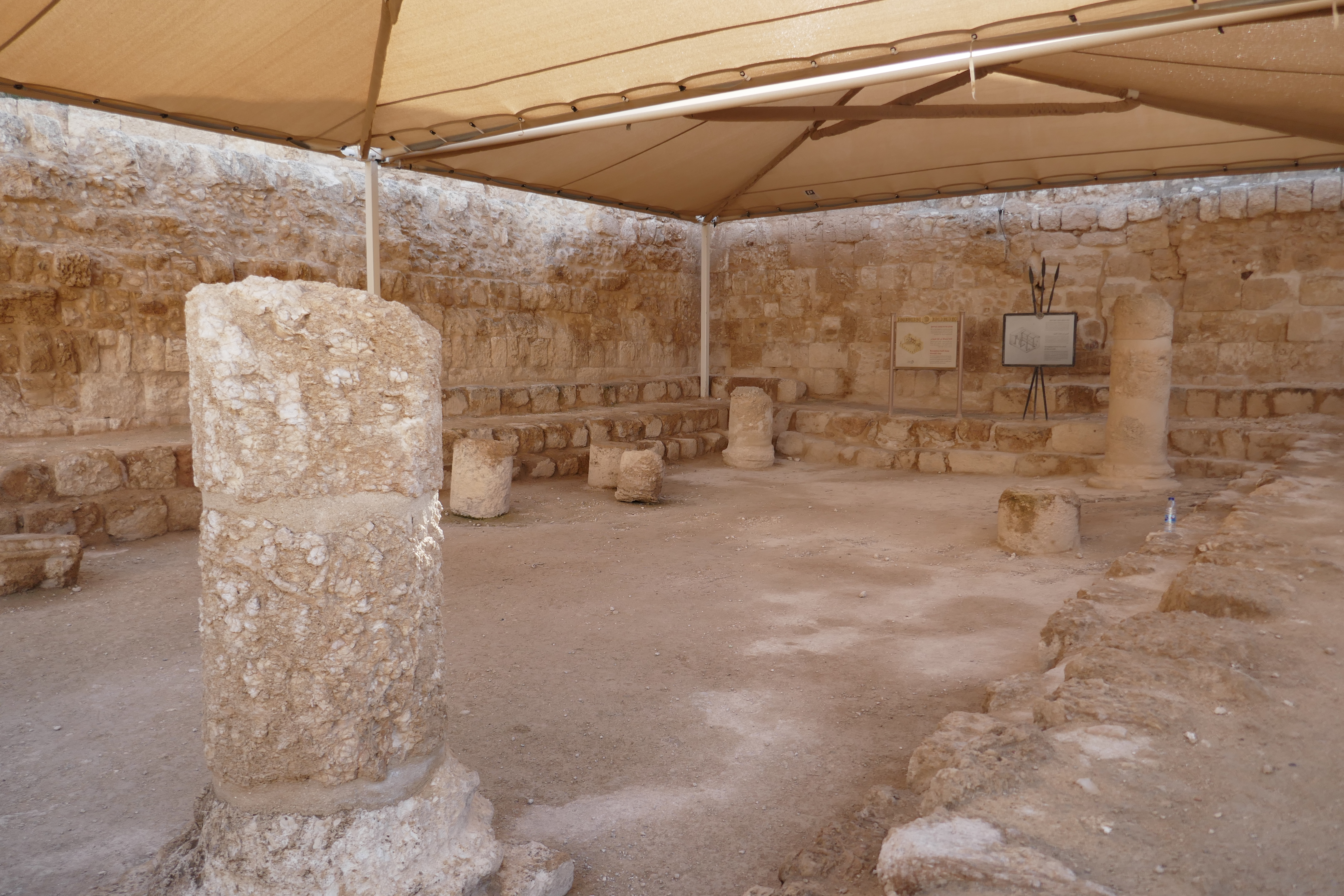
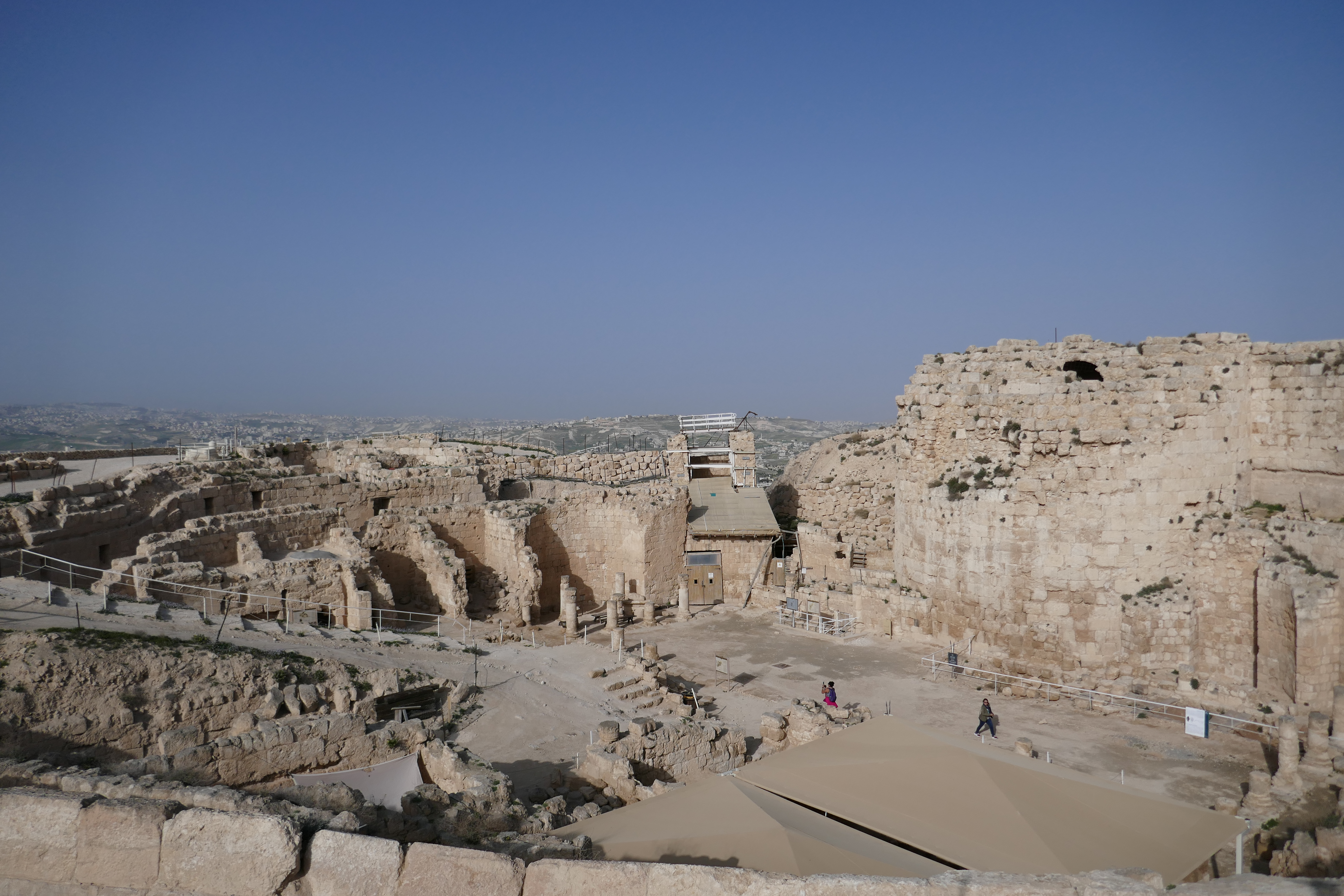
Herodian was a palace built by Herod the Great. Herodian, built between 23 to 20 BC, is arguably the greatest of his palaces and the location of his mausoleum. Herodian was built on a high vantage point which Herod was well-known for choosing for the location of his palaces. The height of the location in comparison to the hills around it, allowed for a view as far as Masada, Jerusalem and Trans-Jordan. Herod was able to communicate with his other palaces by sending signals between his palaces all of which were strategically located on a high hill. This was important, in part, because of his position as a military leader entrusted with preserving the Roman territory. The palace grounds covered approximately twelve and a half acres. A fortress was located in the upper city. In the lower city, were gardens, a lake and a palace. The water for the lake and gardens was supplied by the aqueduct from the pools in Bethlehem (Solomon’s Pools). The water for the upper city was supplied by a system of cisterns. The lower two floors of the upper city were underground and supported by arches. The upper floors had wood ceilings.
Although little is left of the tremendous palace complex, the foundations alone speak of its grandeur. Herod did nothing in small measure. One might imagine the palace standing during the time of Jesus, towering over the Bethlehem region, a reminder of the oppression of “Jewish” leaders under the thumb of the Roman Empire.
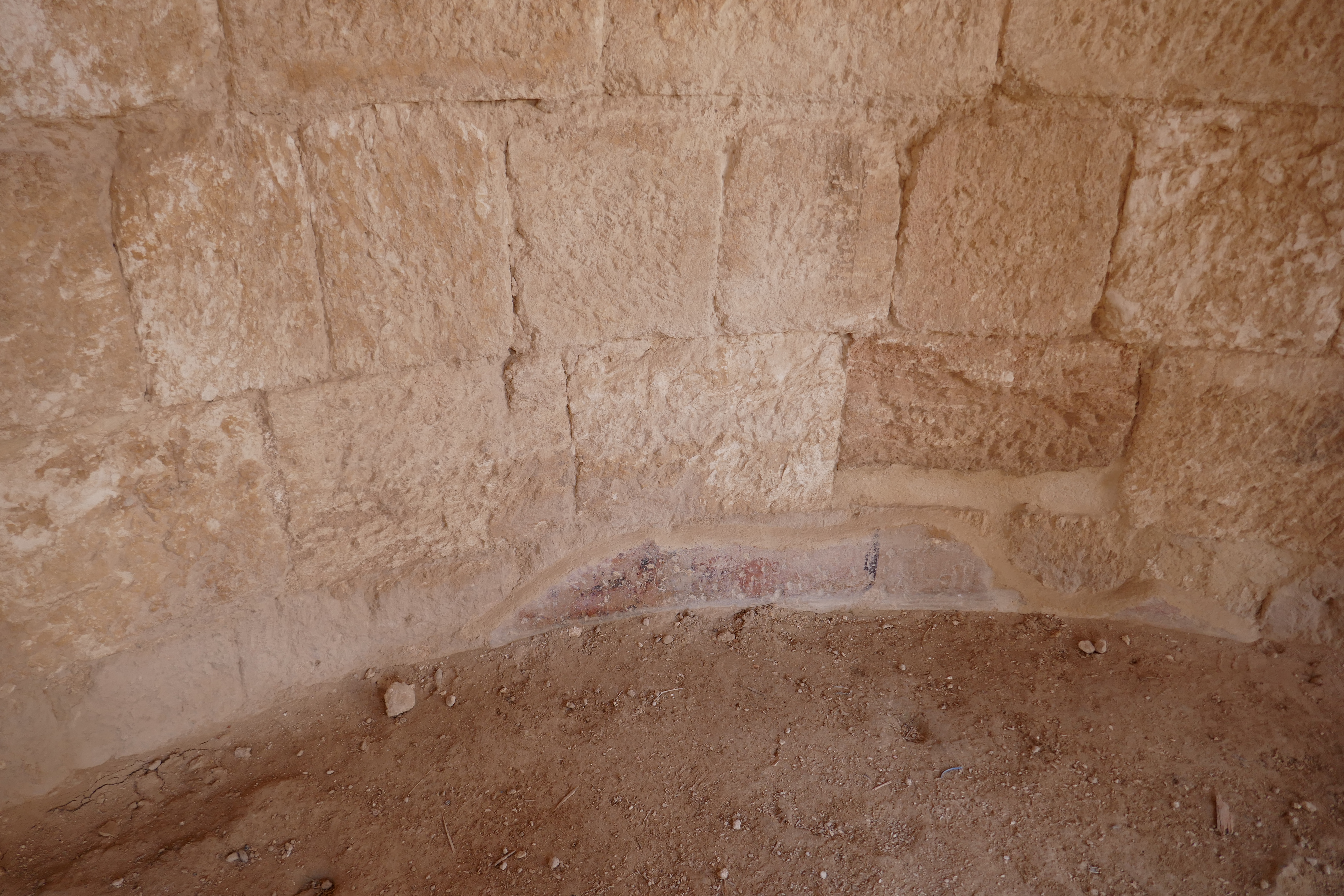
View of the Lower City where you can see remains of the pool and gardens.View from HerodianRemains of decorative plastering visible at the bottom of the wall
It is our desire to help you grow in your knowledge of Adonai and His Word. If you are looking for additional information and/or materials, please visit our website at RootedinHisWord.org and our Facebook page.
Even the novice student of the New Testament will know about the town of Capernaum, often referred to as the headquarters for Yeshua’s ministry in the Galilee. Capernaum is located on the north-western shore of the Sea of Galilee (Kinneret). In antiquity, Capernaum was an important town–large enough to have a Synagogue and a Roman cohort because it was located along ancient trade route which was still being used in the first century A.D.
Capernaum was the eastern-most city in the Galilee region. As such, it was a place where taxes were collected which explained why there was a Roman presence. In fact Capernaum was home to a Roman garrison with at least 100 soldiers indicated by the presence of a Centurion there. (See Luke 2)
In the time of Yeshua, there were more docks in Capernaum than any other town on the Sea of Galilee speaking again to its size and the nature of trade and industry there.
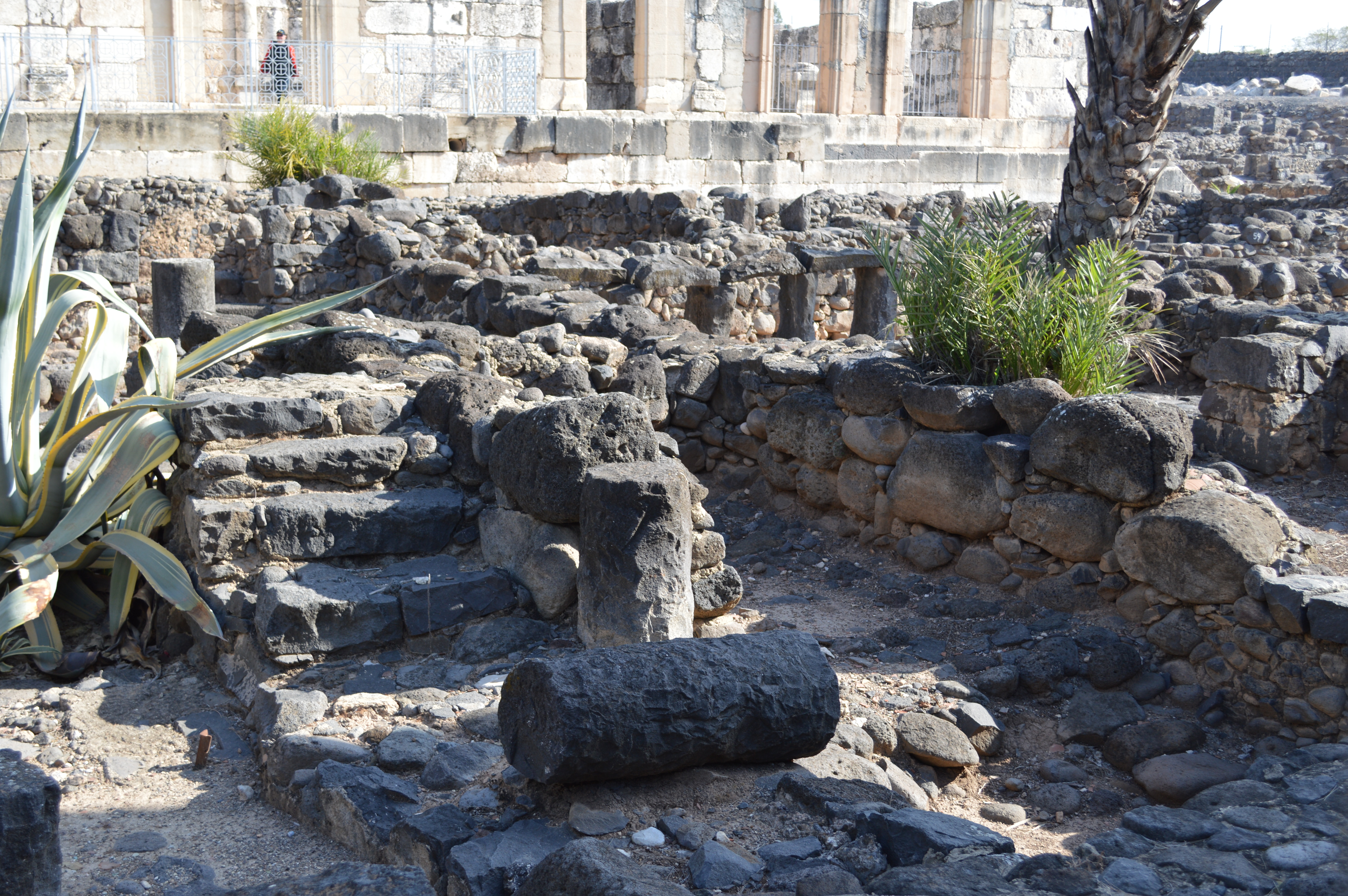
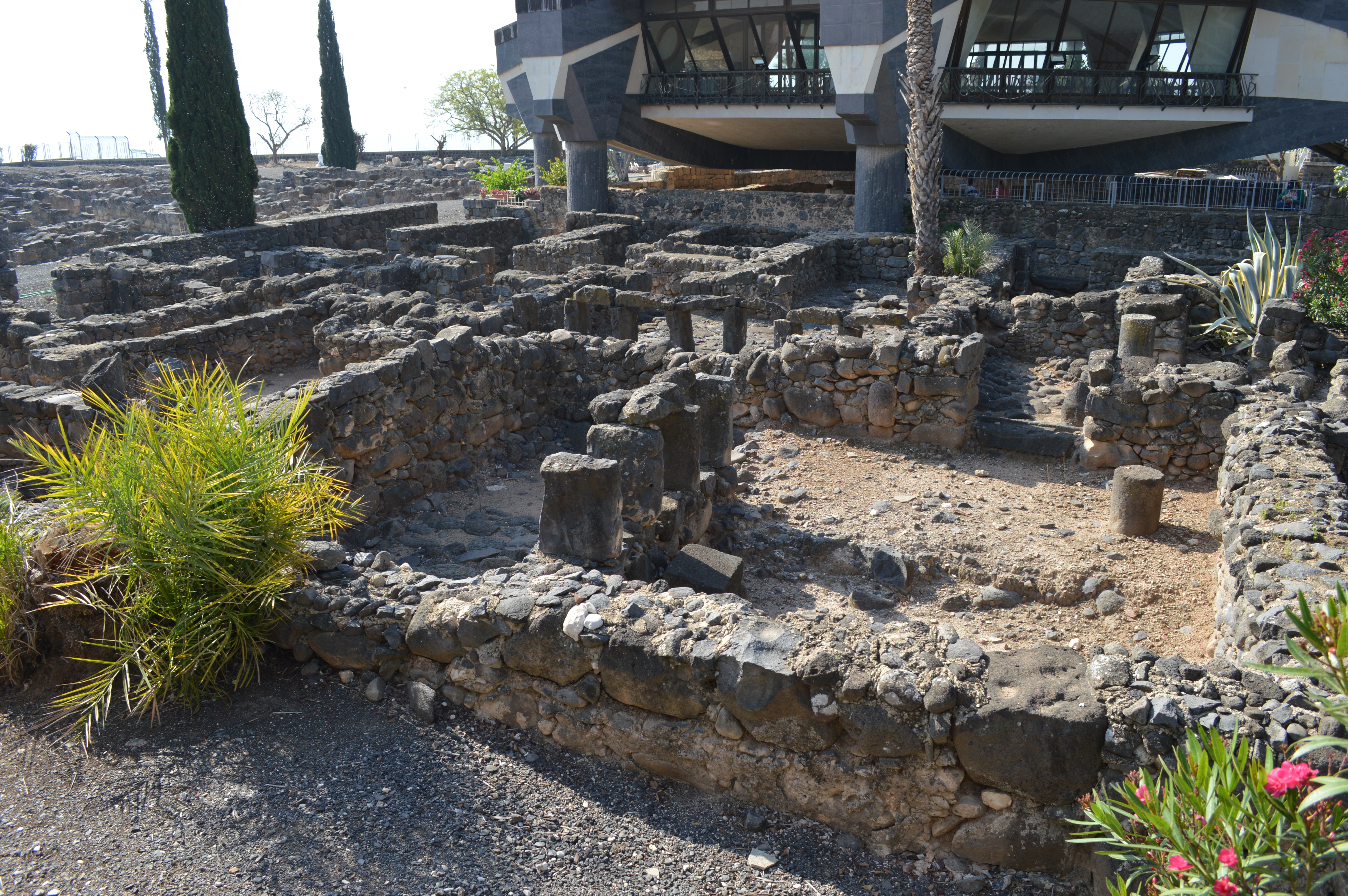
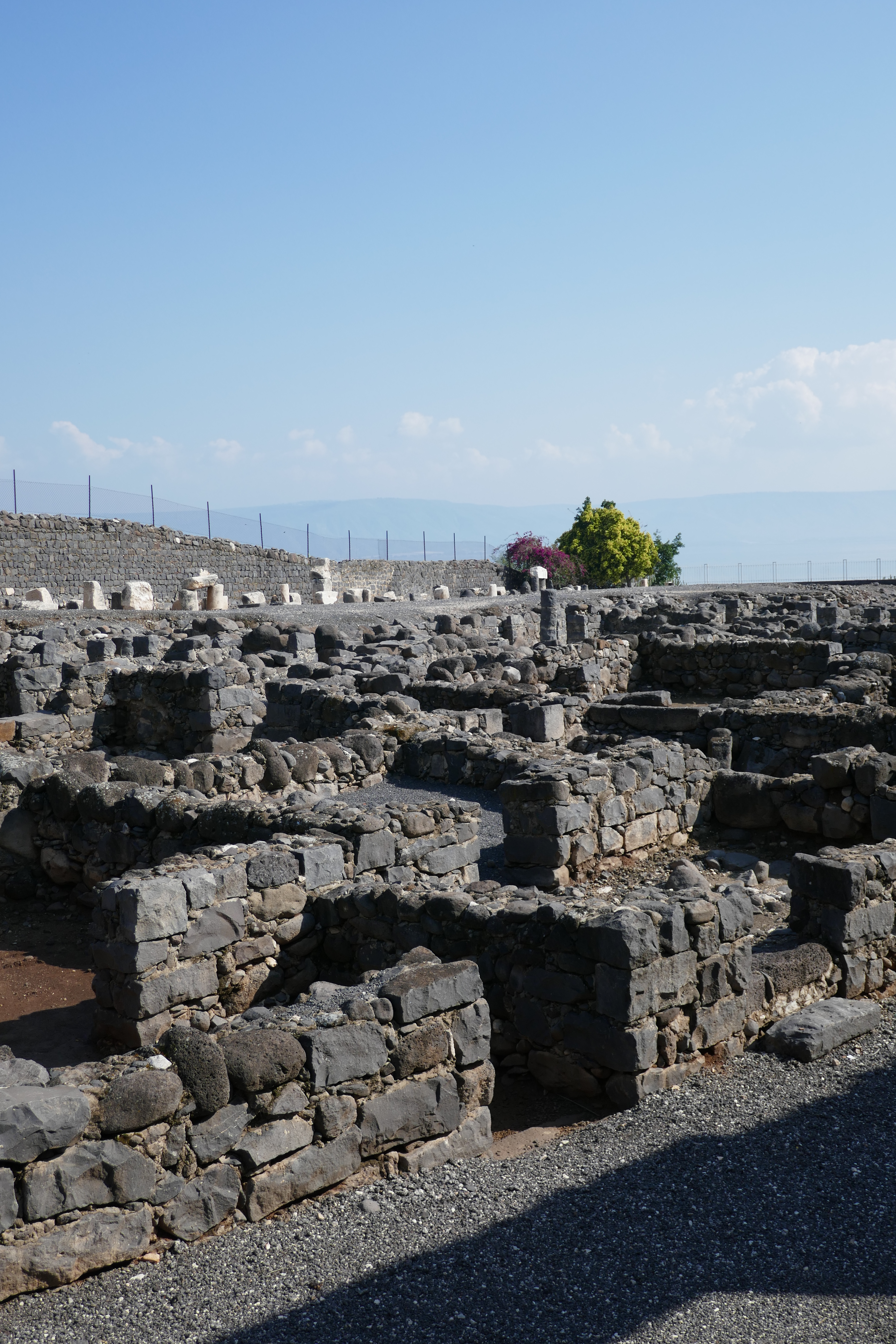
In the photos below, you will notice that much was built from the local rock–Basalt (volcanic rock). The area nearby was covered with a layer of volcanic rock, so that was the common rock used for building.
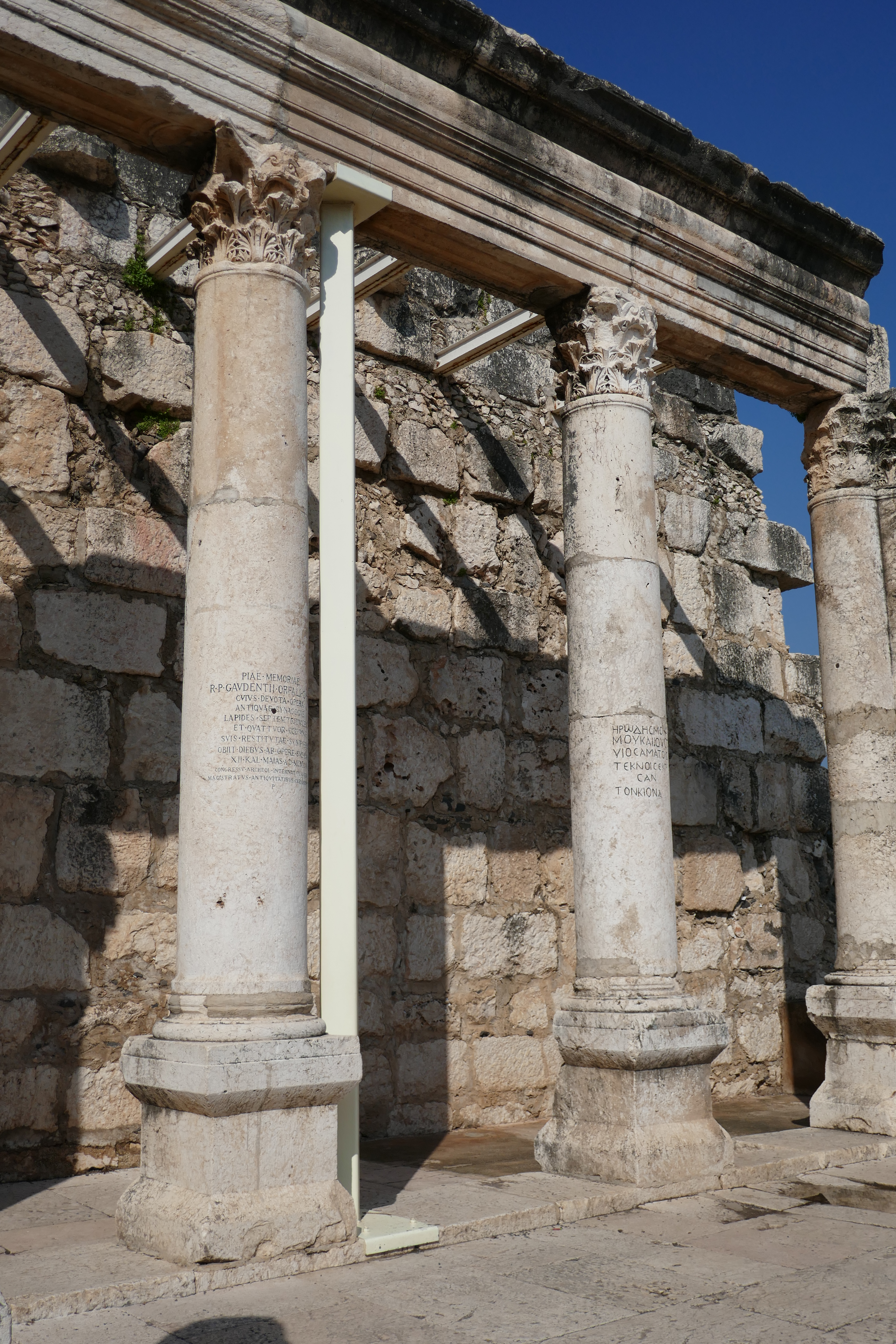
Capernaum – Basalt CapernaumCapernaum – Pillared housesCapernaumCapernaumSynagogue at Capernaum (on the site of 1st Century Synagogue)Synagogue – Capernaum
It is our desire to help you grow in your knowledge of Adonai and His Word. If you are looking for additional information and/or materials, please visit our website at RootedinHisWord.org and our Facebook page.
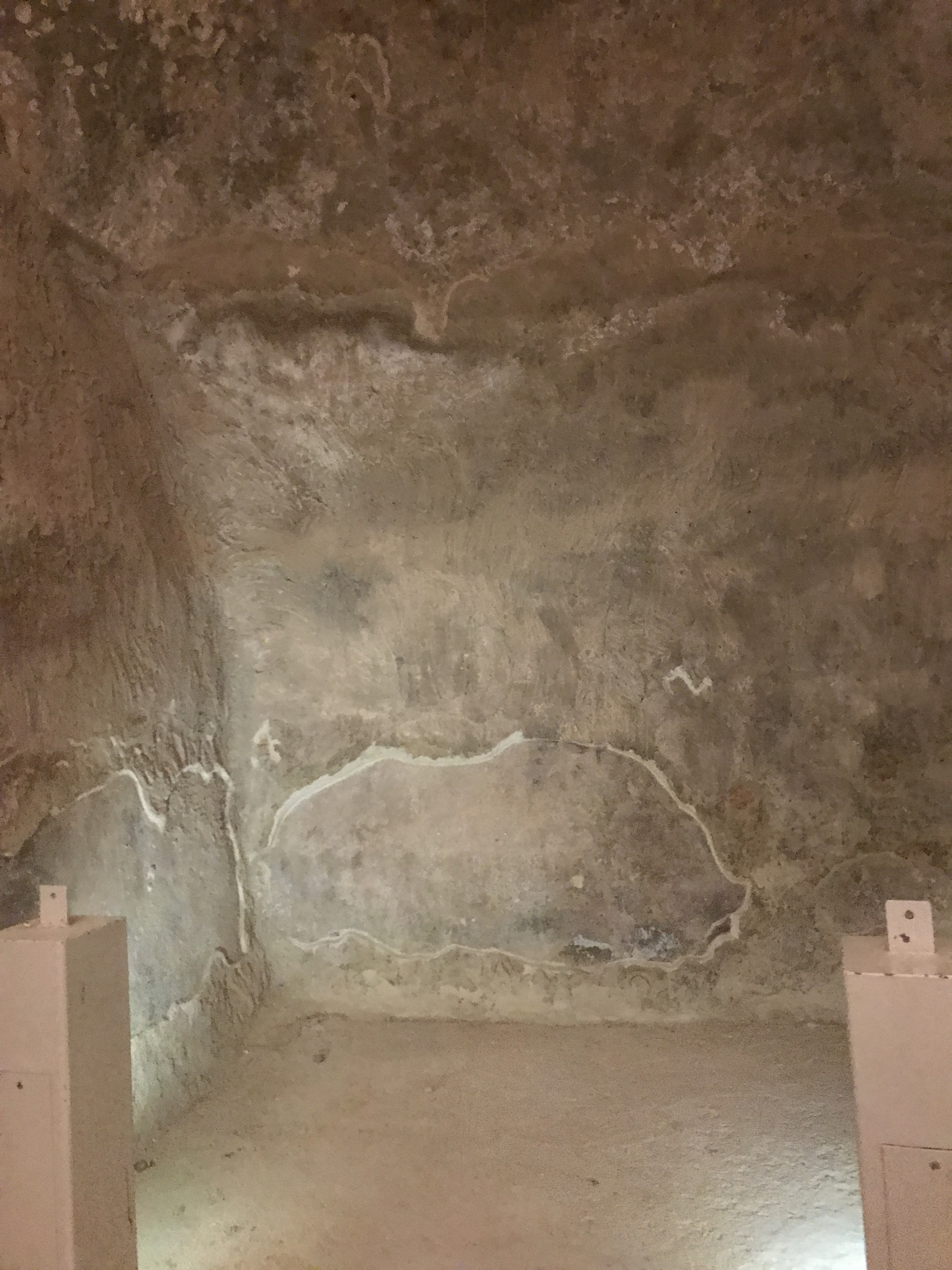
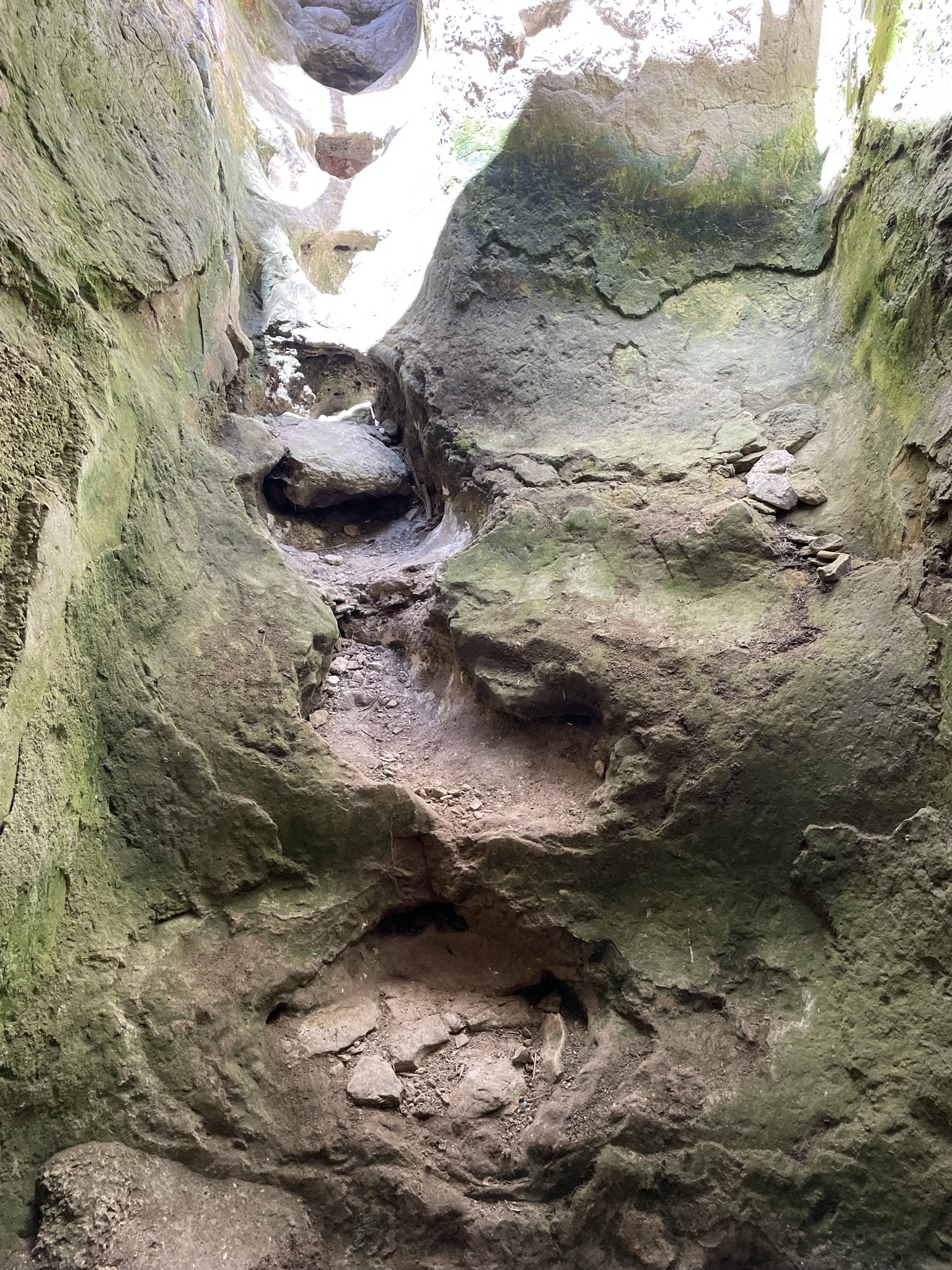
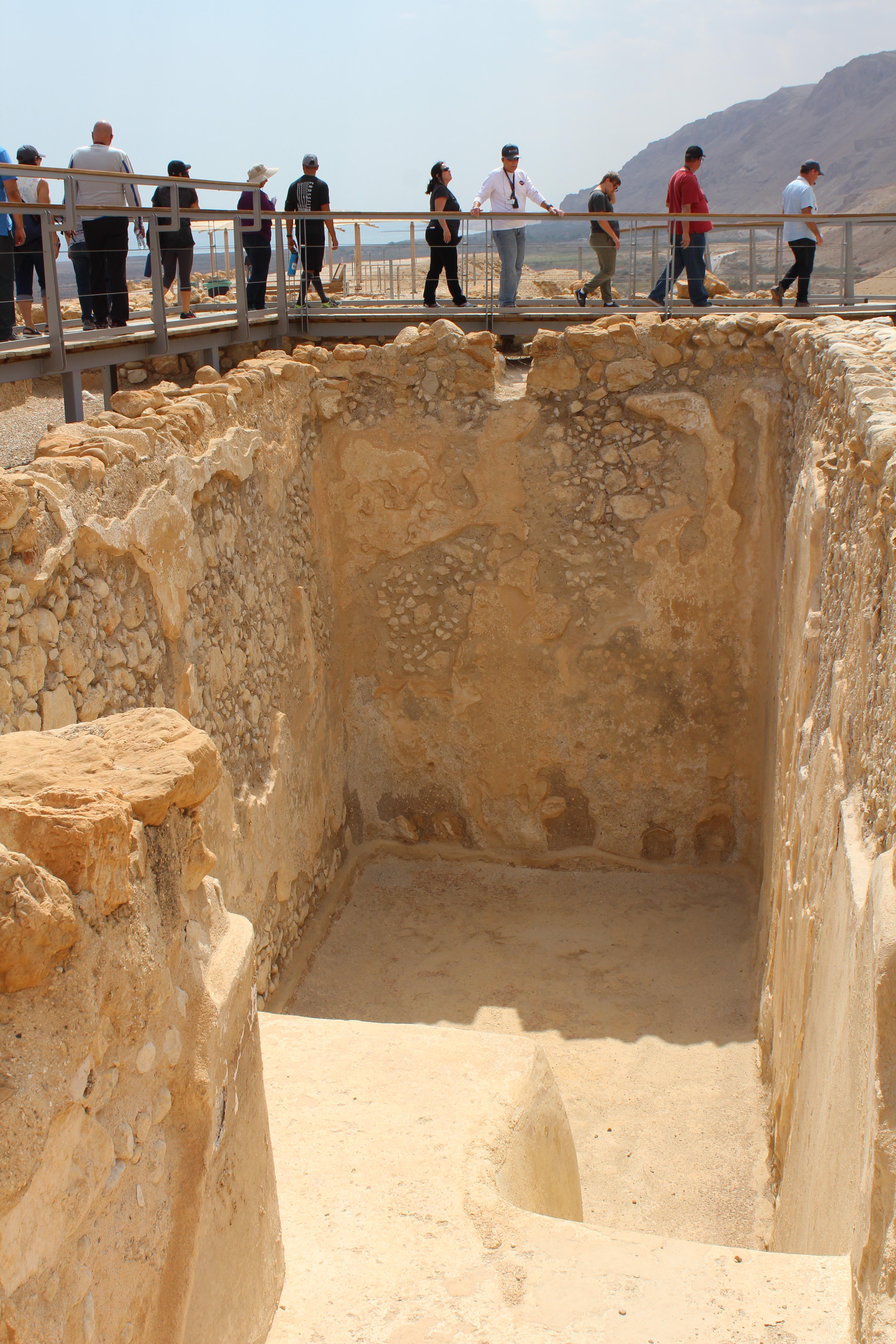
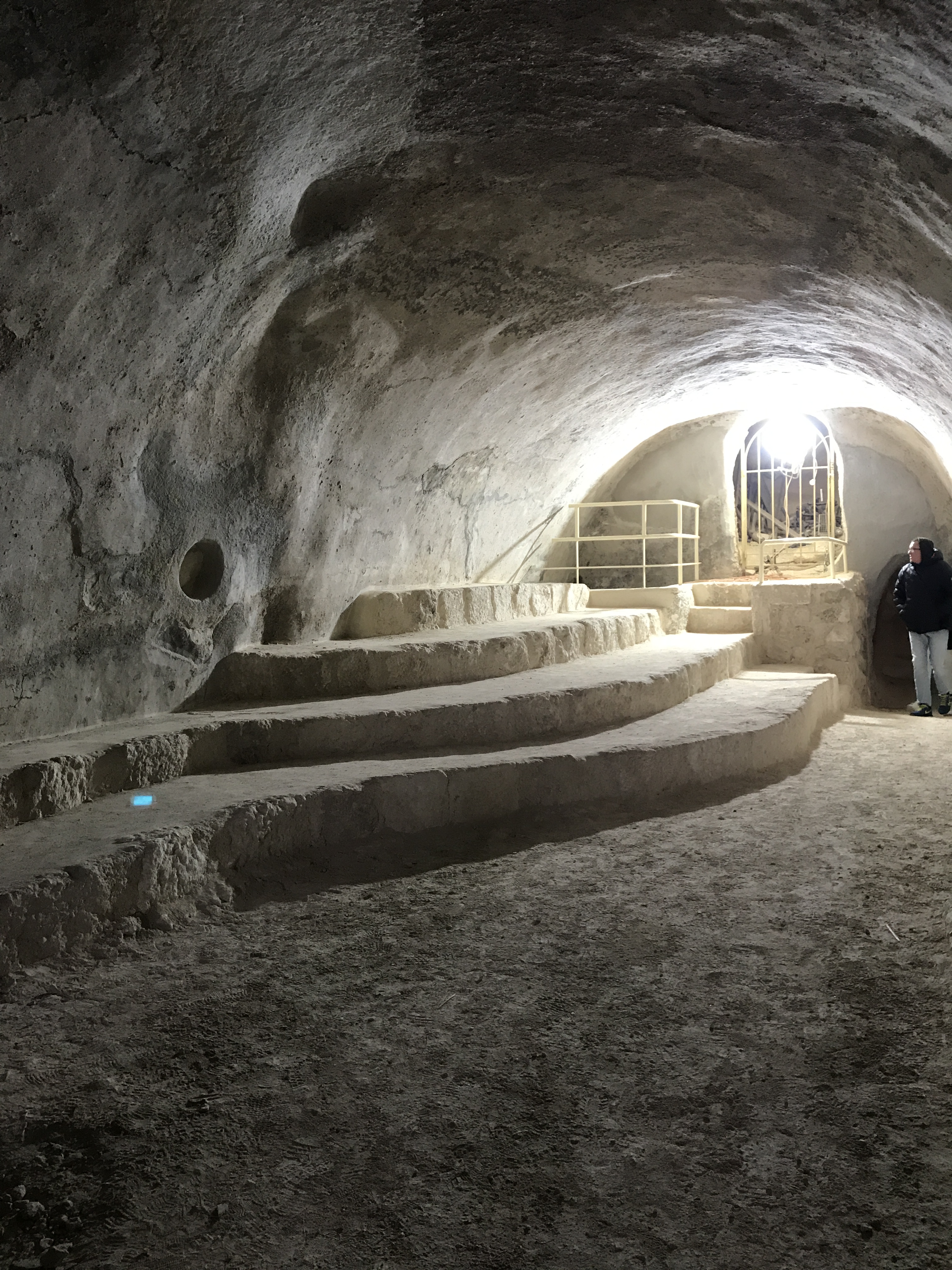
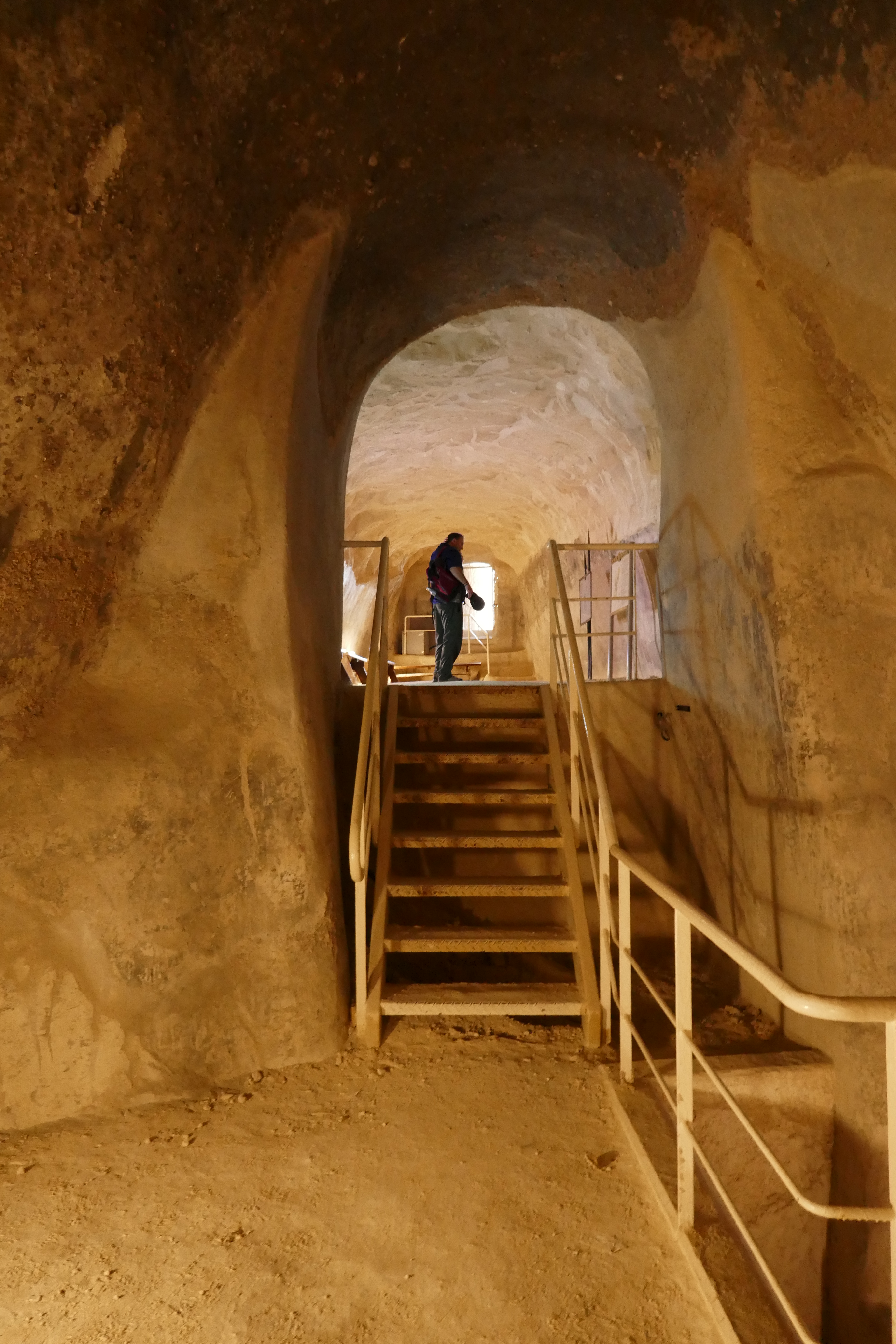
When you travel in Israel, you can’t help but notice that water is not plentiful. It is, after all, mostly desert. As a result, few rivers or lakes or other bodies of fresh water are available. How did those living in antiquity survive without water being readily available? The answer in many parts of the country was–cisterns. A cistern is not the same as a well. A cistern is a device for rain water collection, and it is typically carved out of rock. This is possible because in many parts of Israel, the rock is limestone which is relatively soft and easily carved. The problem; however, with limestone is that it is very porous, and so to keep the water in the cisterns, the walls were plastered over. The following are some of the cisterns I have visited in Israel.
Looking up out of the cistern in BeershevaThe evidence of plastering of walls of cistern in BeershevaCistern at Beit ShemeshEntrance into the cistern at Beit Shemesh (notice how water has carved the stone)Cistern Qumran (by the Dead Sea)One of several cisterns at HerodianDifferent cistern at Herodian
It is our desire to help you grow in your knowledge of Adonai and His Word. If you are looking for additional information and/or materials, please visit our website at RootedinHisWord.org and our Facebook page.
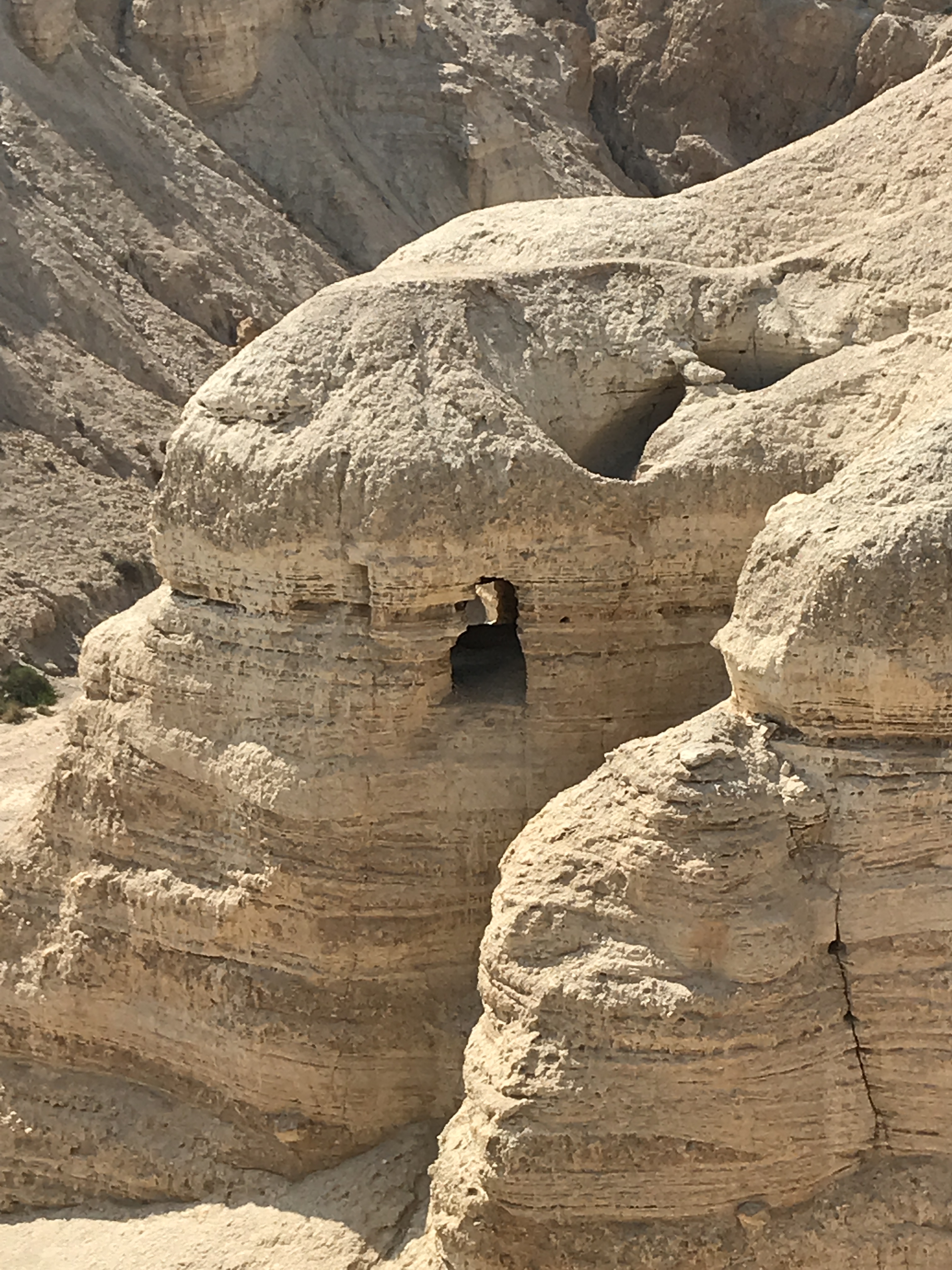
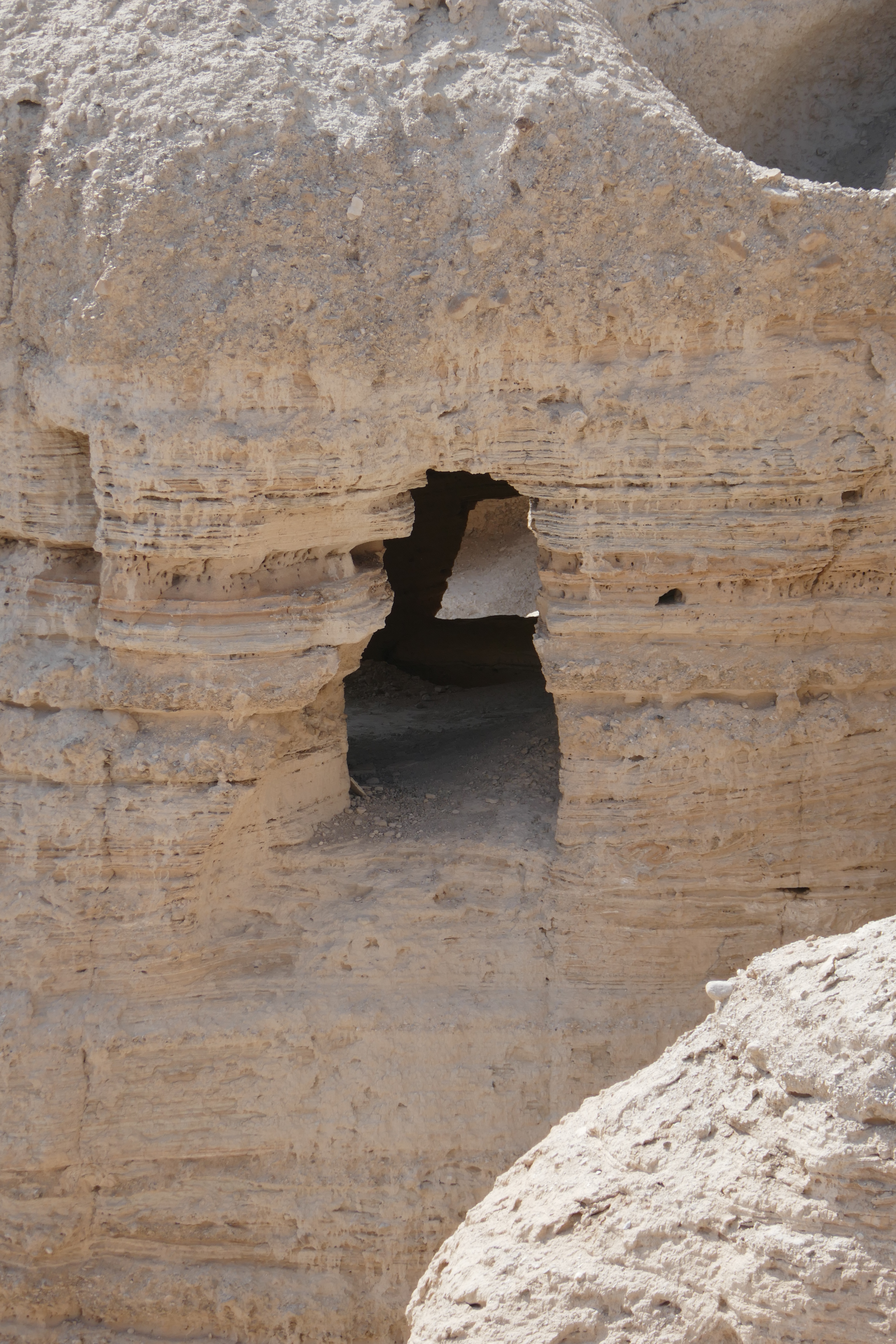
In the south of the Holy Land, on the barren and other-worldly banks of the Salt Sea (Dead Sea), we can find the remains of a community of pious Jews many believe were the Essenes. It is this community of ultra devout Jews, seeking purity and piety for God that is believed to be the source of the Dead Sea Scrolls.
The Dead Sea scrolls are ancient “books” which were written on parchment and stored in clay jars in the caves surrounding and located near the Dead Sea. These scrolls were discovered initially by shepherds who tended flocks in the area between the Dead Sea and Bethlehem. The story of the discovery and sale of the scrolls is interesting and you should explore it, but for the purposes of this post, suffice it to say that the discovery of the scrolls gives further convincing evidence for the reliability of the Bible.
The scrolls included information beyond the actual scriptures, including information regarding the daily life and conduct of those living in the community. They also reflect a focus among the authors on the coming Messiah. This is all very helpful to understanding the time period into which Messiah Yeshua was born and ministered in the late 2nd-Temple era.
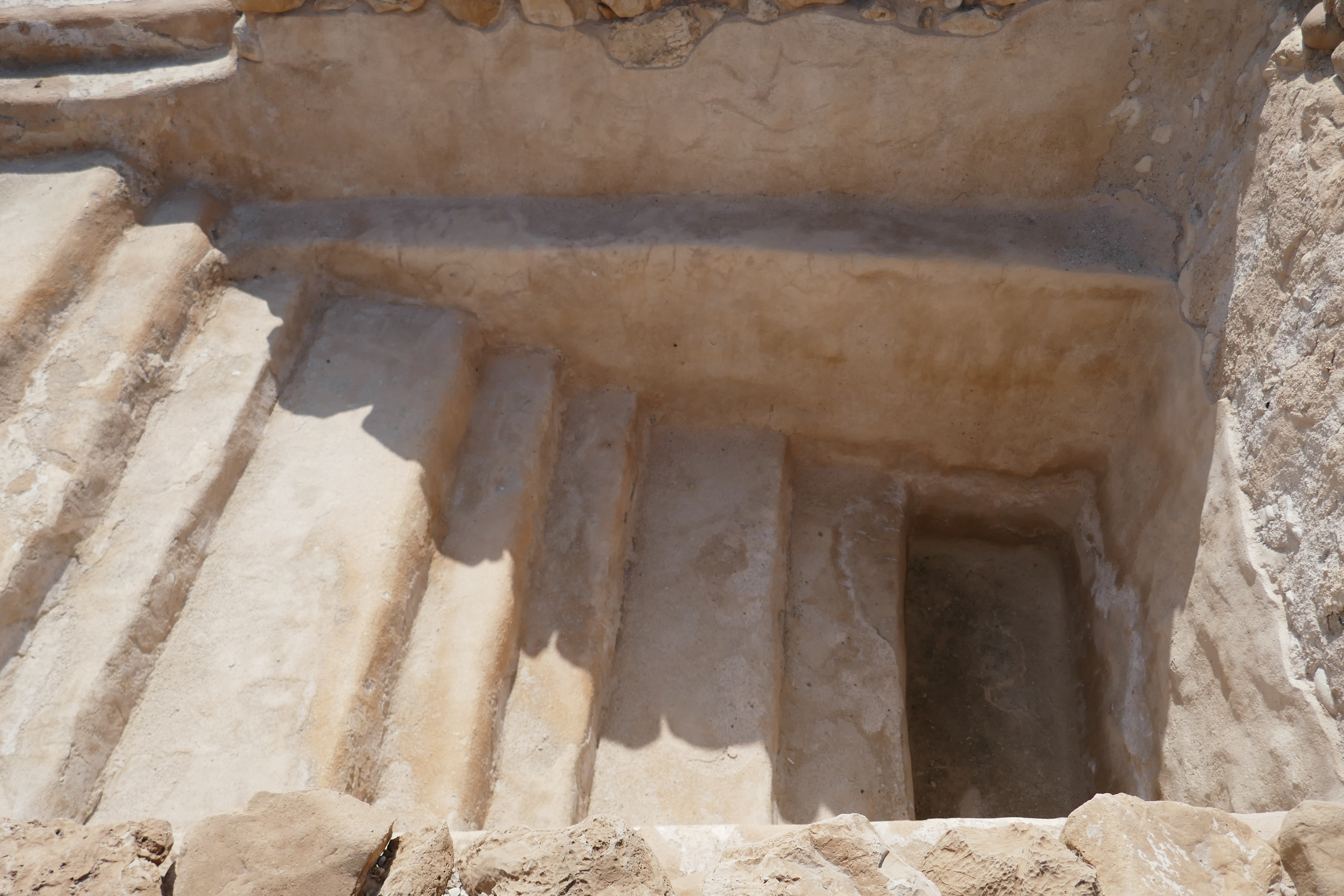
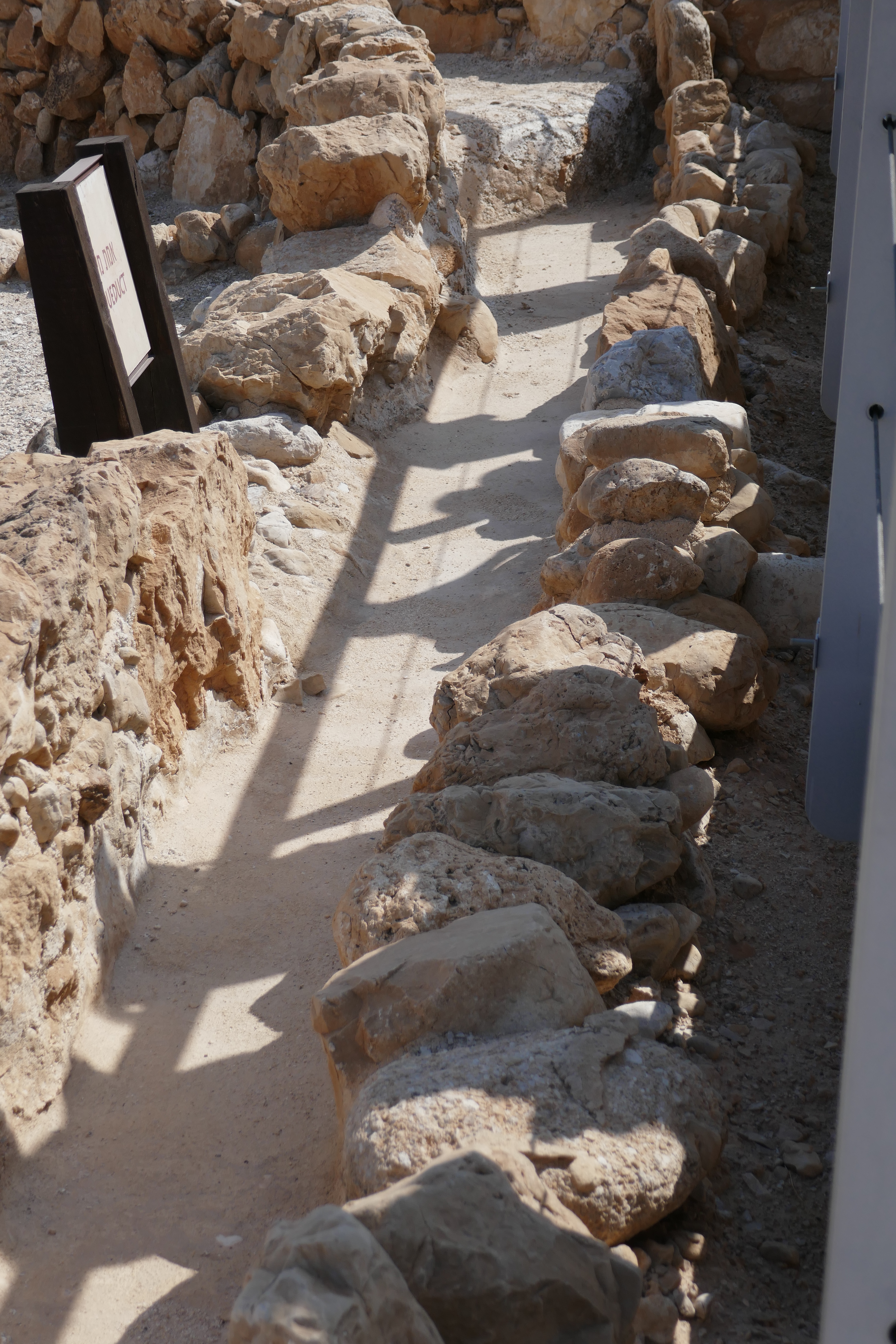
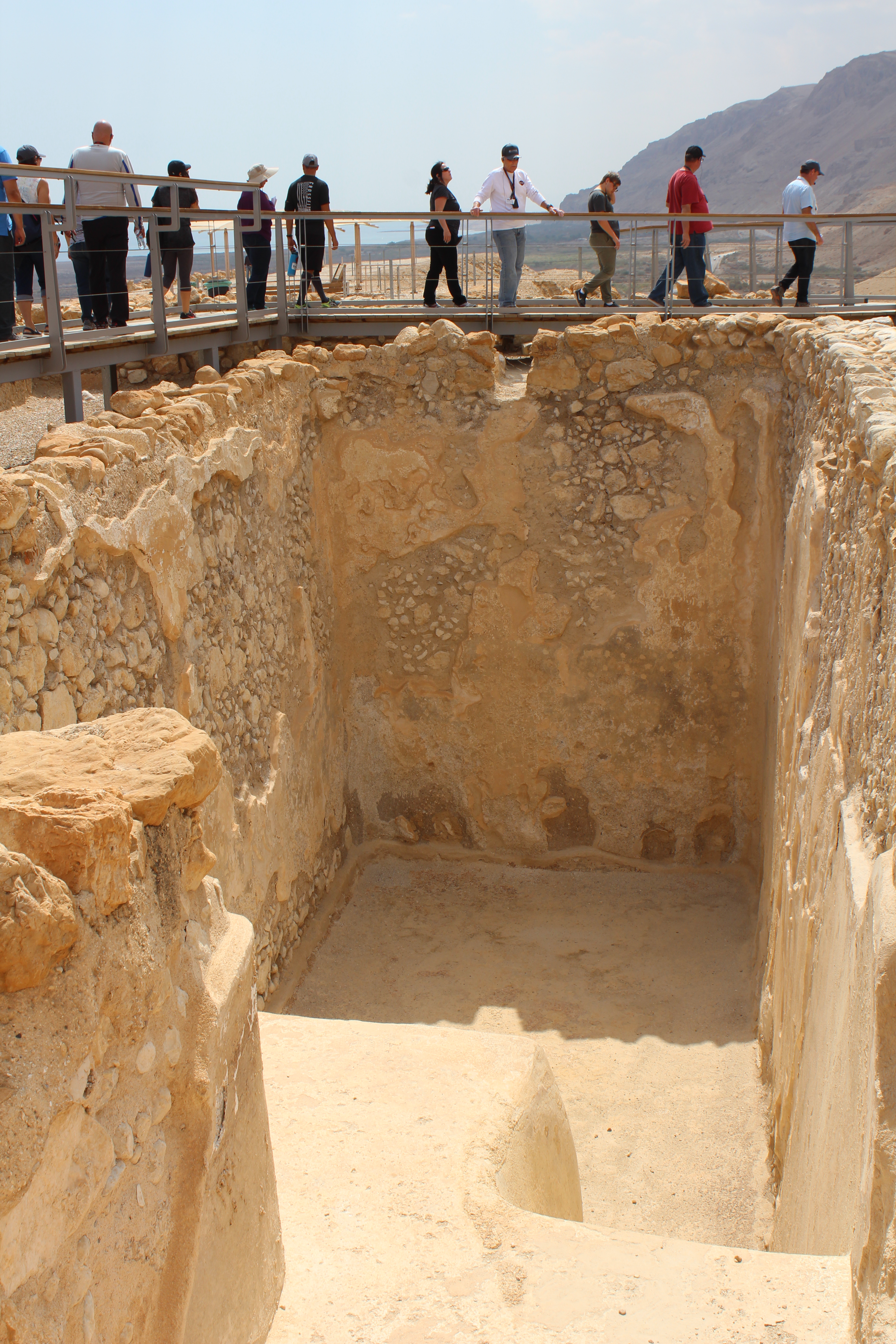
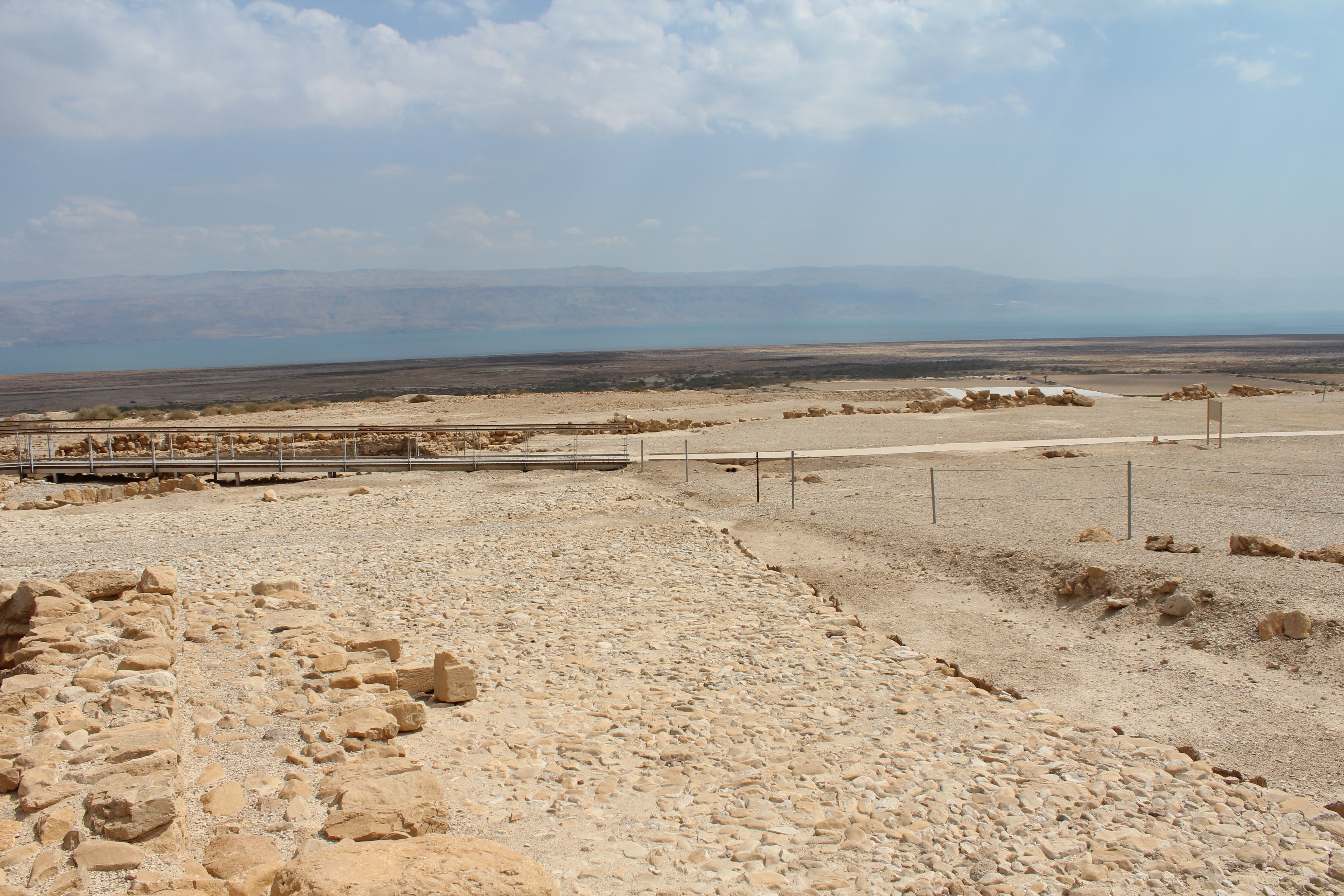
Qumran, as an archaeological site, is notably a place to observe the collection and use of water in antiquity in what is a very dry region with few natural potable water sources. The site has several cisterns for water collection, a water canal which carried water to various parts of the site and from the mountains above the site. It is also marked by a several mikvaot (Jewish immersion pools), evidencing the focus on piety and purity of those living there.
Caves near QumranCave near QumranMikveh – Ritual immersion pool at QumranWater canal at QumranHuge cistern at QumranView looking east toward the Dead Sea and Transjordan from Qumran
It is our desire to help you grow in your knowledge of Adonai and His Word. If you are looking for additional information and/or materials, please visit our website at RootedinHisWord.org and our Facebook page.
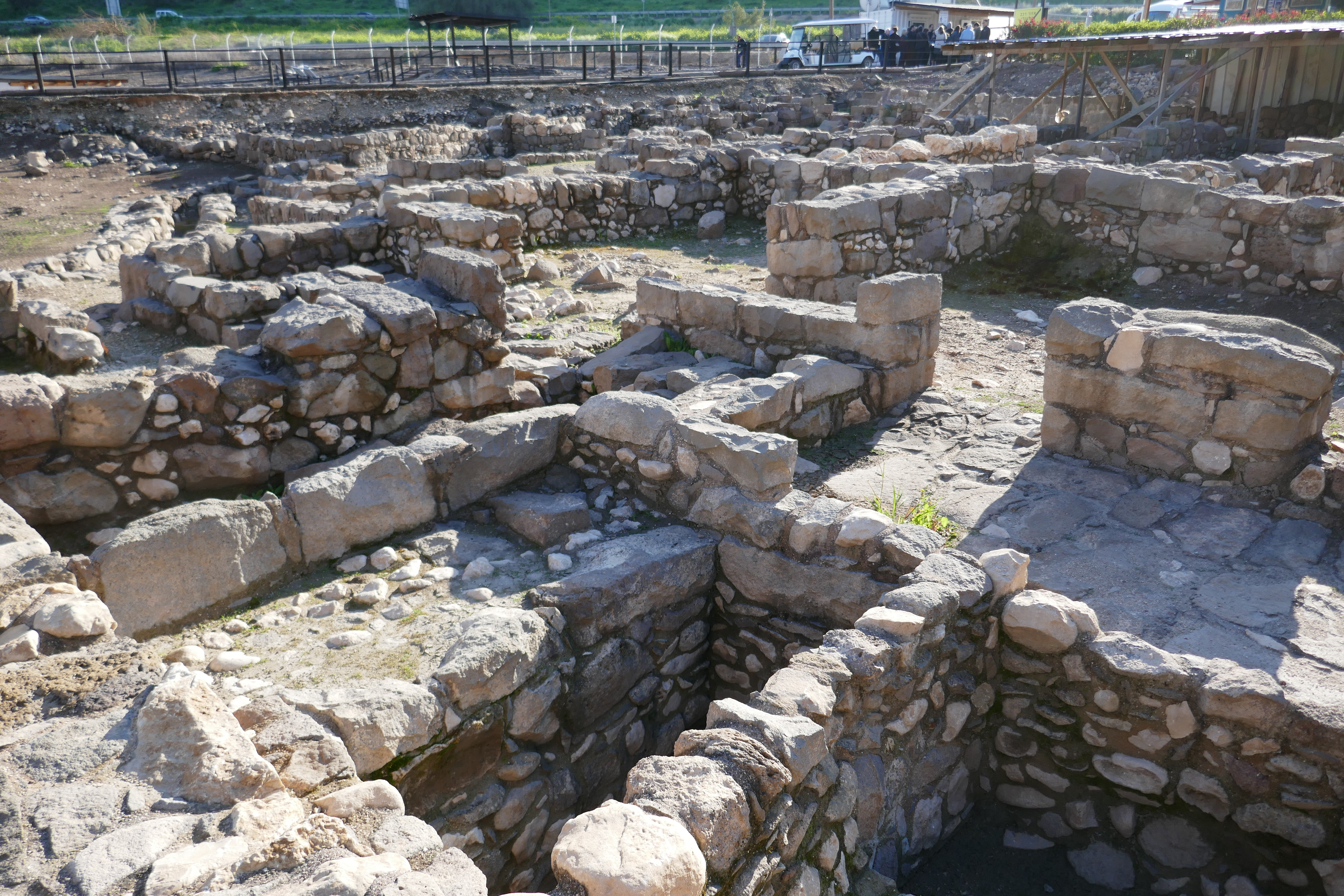
Magdala is a place that the student of the Apostolic writings (Newer Testament) must visit. This location offers what few places in Israel offer, namely a sight that wasn’t build over several times in the 2000 years since the ministry of Messiah Yeshua (Jesus). It offers archeological remains which were not disturbed or robbed in order to build other structures in the area.
The most significant finds at Magdala are the two synagogues. The one pictured in this post is the first one discovered. A second synagogue was found recently and excavations have begun in that location.
The synagogue in Magdala offers us a glimpse into the life of the Messiah Yeshua. We know from scripture that Yeshua (Jesus) taught in the synagogues around the Kinneret (Sea of Galilee). (Matthew 4:23) Thus, given that this synagogue is believed to have been in existence in the first century, it can reasonably be assumed that Yeshua taught in this synagogue. He read the scriptures from the scroll. He sat on the bench where the teacher sat. Few other places in Israel today offer such direct connection to Messiah.
Magdala was a thriving city during the first century. It was a port city on the west coast of the Kinneret (Sea of Galilee). The city is believed, based on the archeological finds, to have been a wealthy city and Torah-observant city.
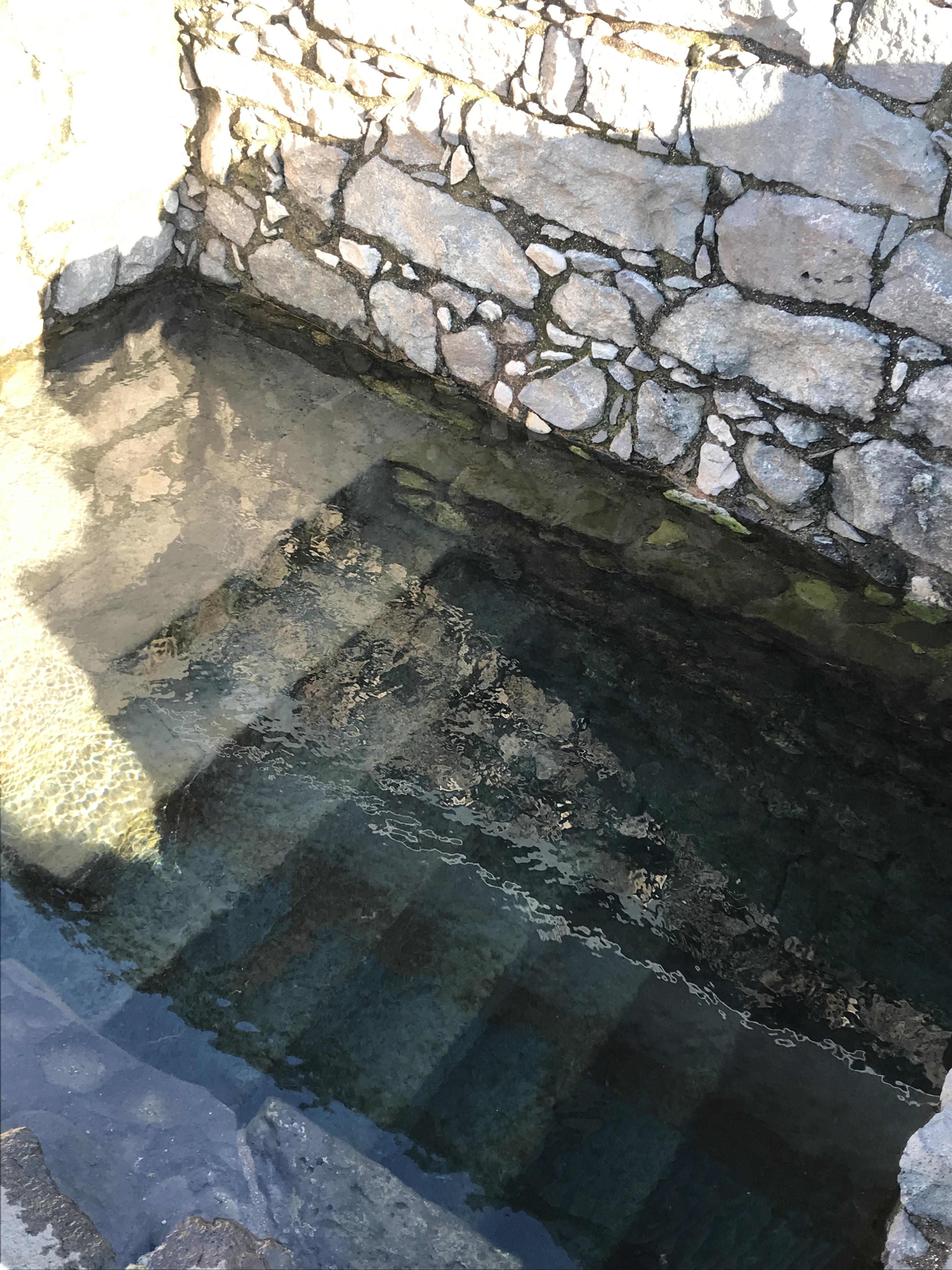
With regard to Torah observance, we find in Magdala evidence of many mikveh (ritual purity baths). These were used and continue to be used today by Torah-observant Jews as a means to ritual purity. Use of the mikveh involved immersing oneself into the mikveh and reciting certain scriptures and blessings. The land of Israel has many, many mikvaot. These testify of the strong faith culture of this city as well as the Galilee region.
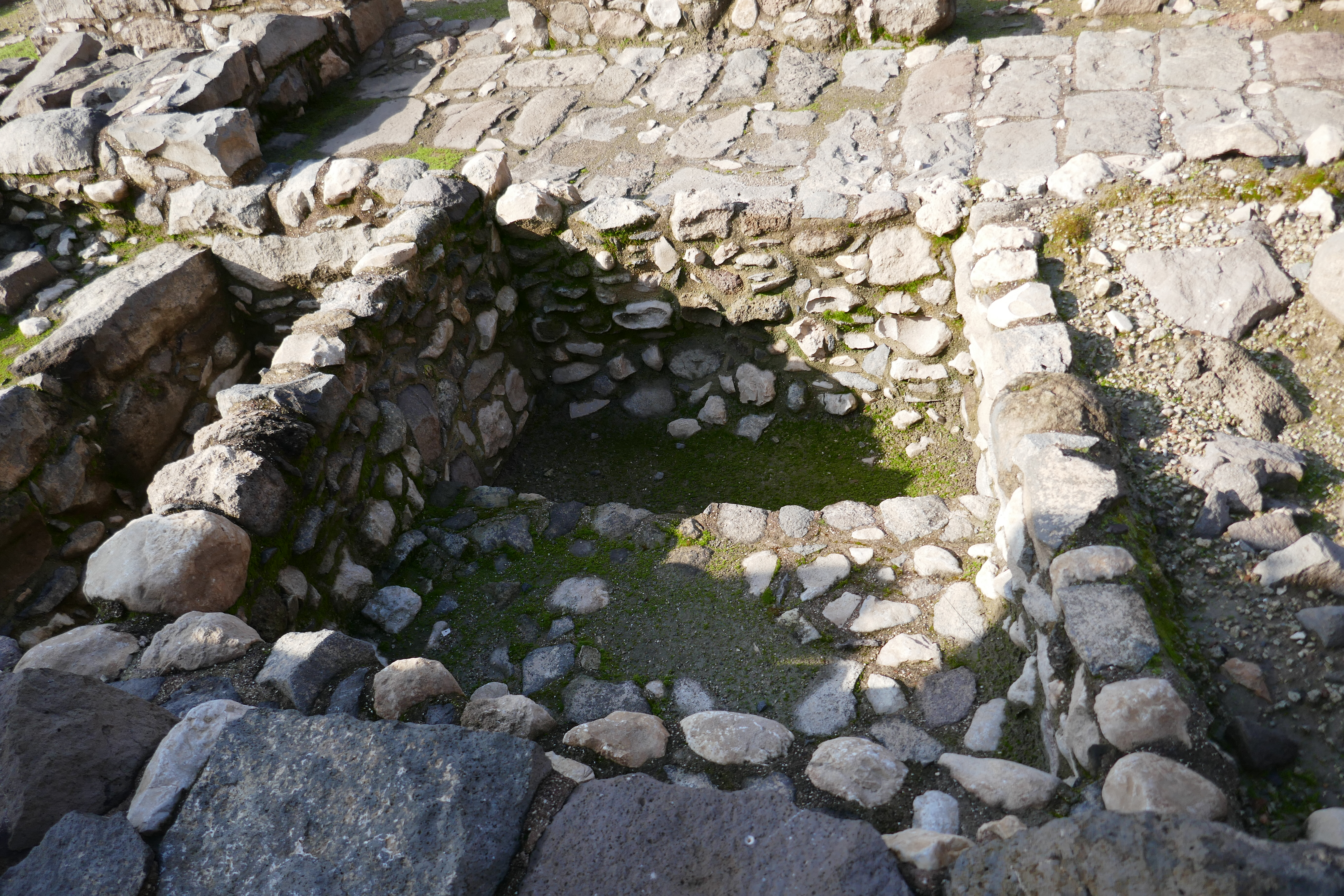
The main industry in Magdala appears to have been fish processing. It is believed that fish were brought to Magdala and held in shallow pools until being salted and dried for transport and sale to locations throughout Israel and the Roman Empire.
When you visit the site, you are able to see the synagogue, the mikvaot, the pools and other remains of the industry and housing in Magdala. There is also a beautiful hotel and guest center.
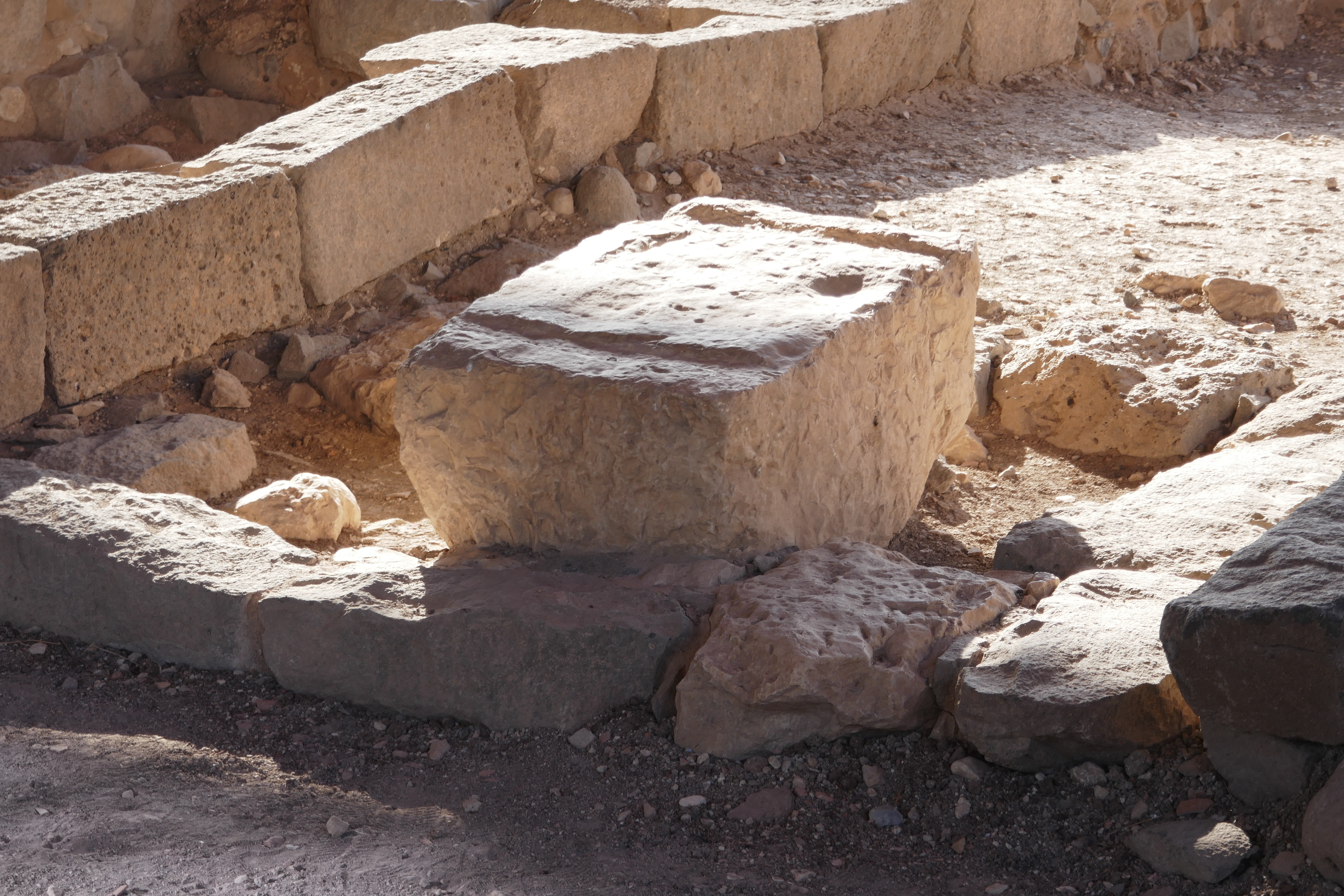
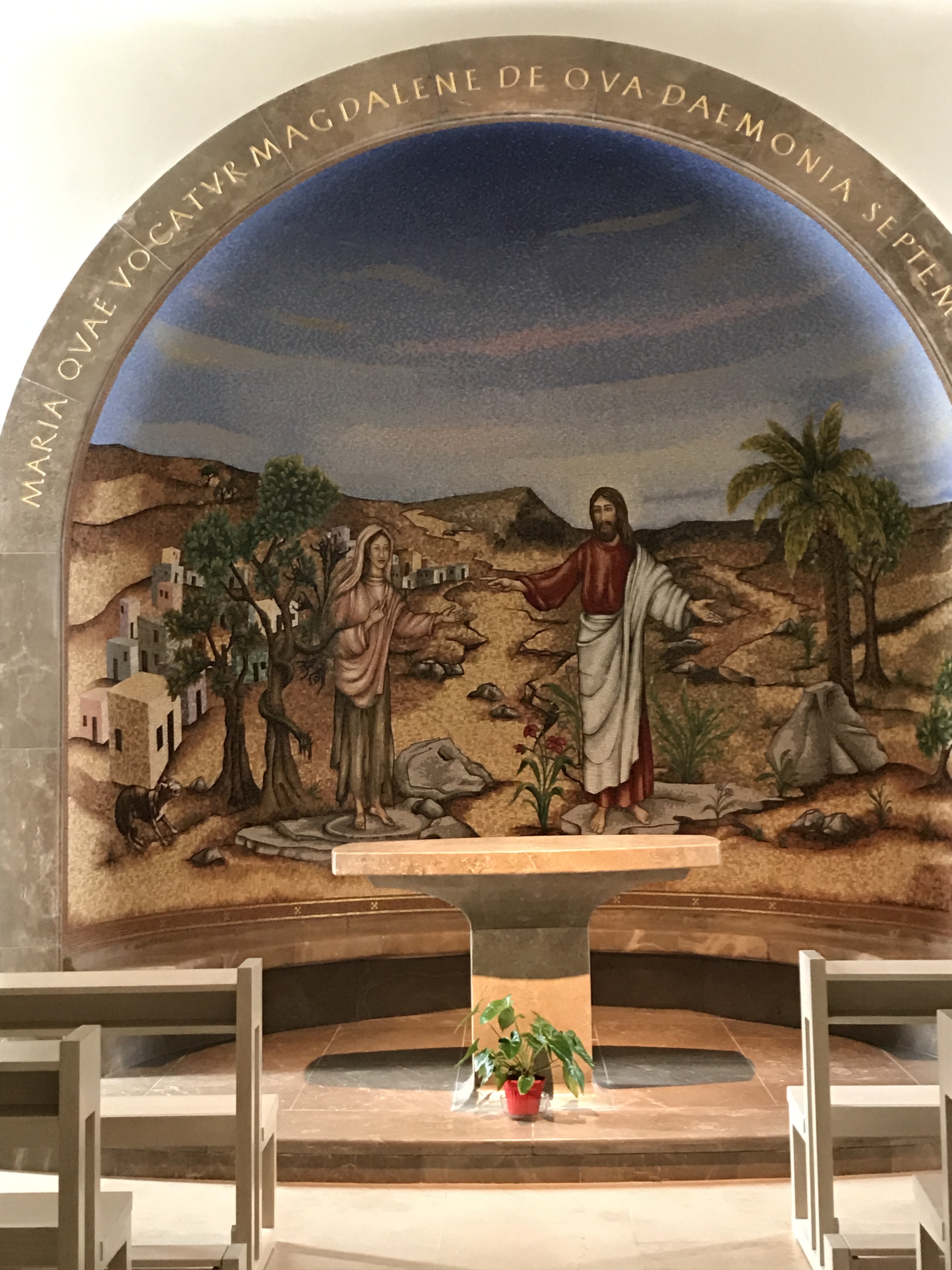
Pedestal for holding Torah scrollRitual bath (Mikveh)Pools for holding fishWater channel for moving water from one location to anotherMurals inside the chapel at MagdalaChapel at MagdalaView of Mt Arbel from Magdala
It is our desire to help you grow in your knowledge of Adonai and His Word. If you are looking for additional information and/or materials, please visit our website at RootedinHisWord.org and our Facebook page.
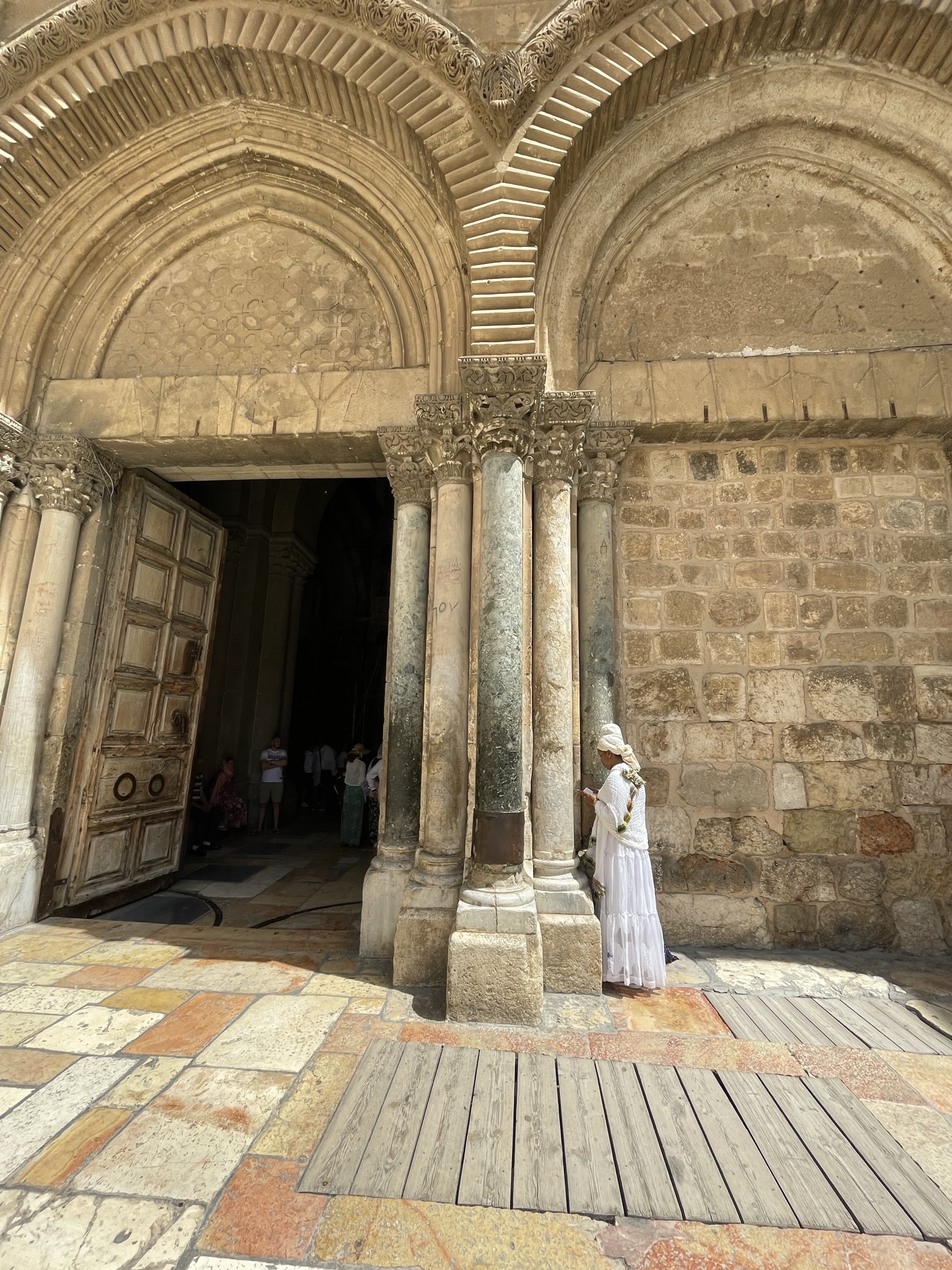
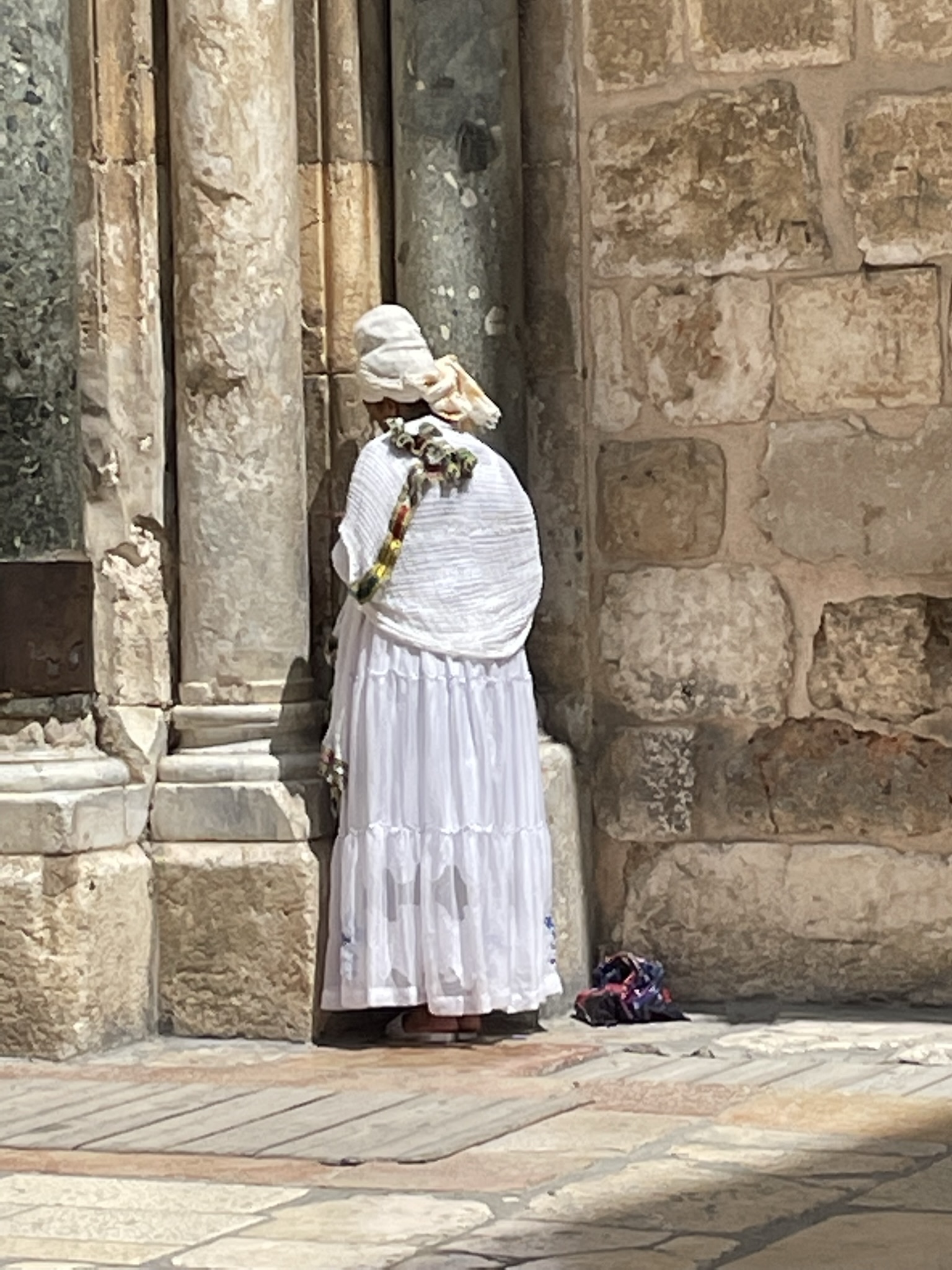
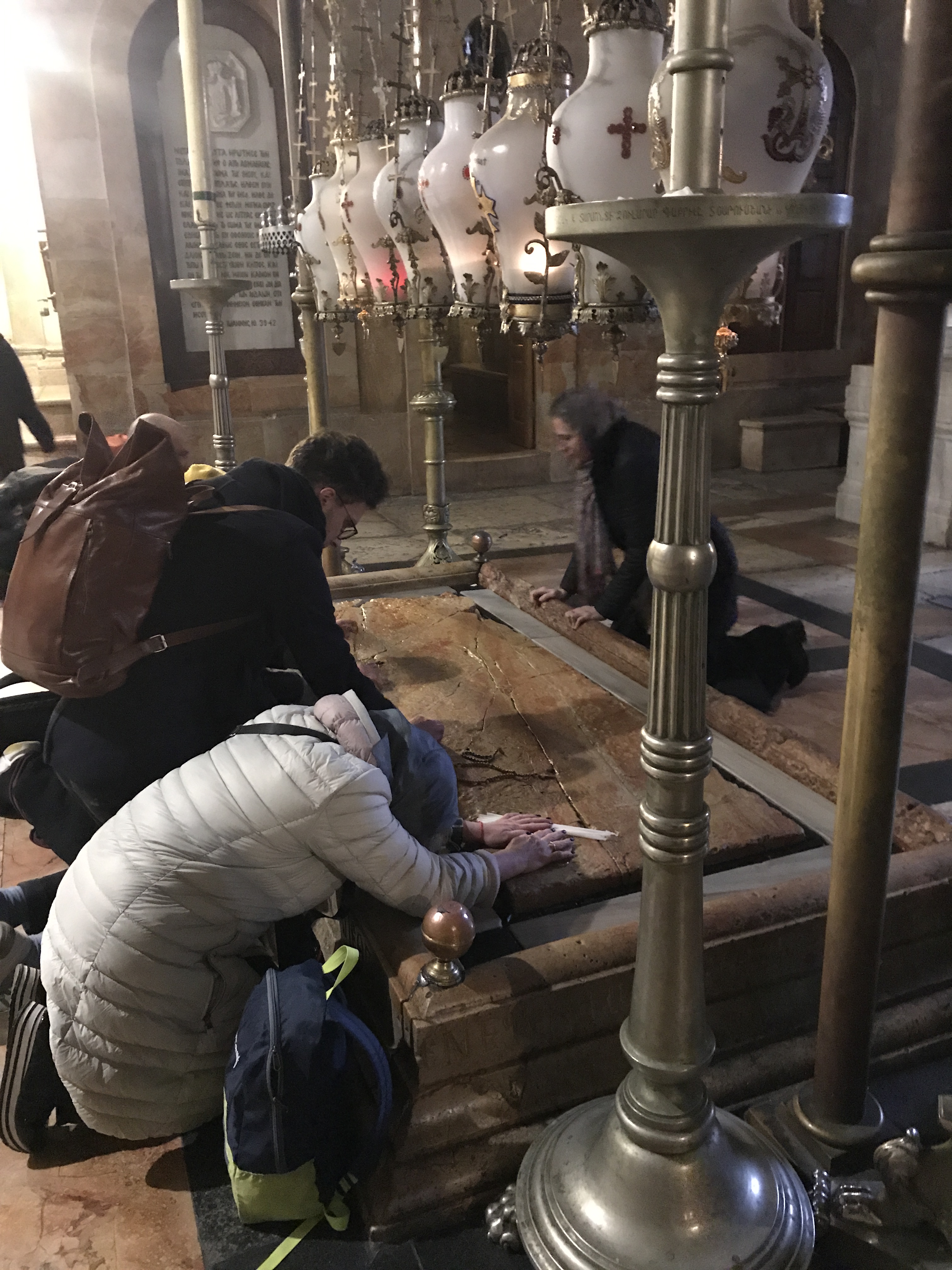
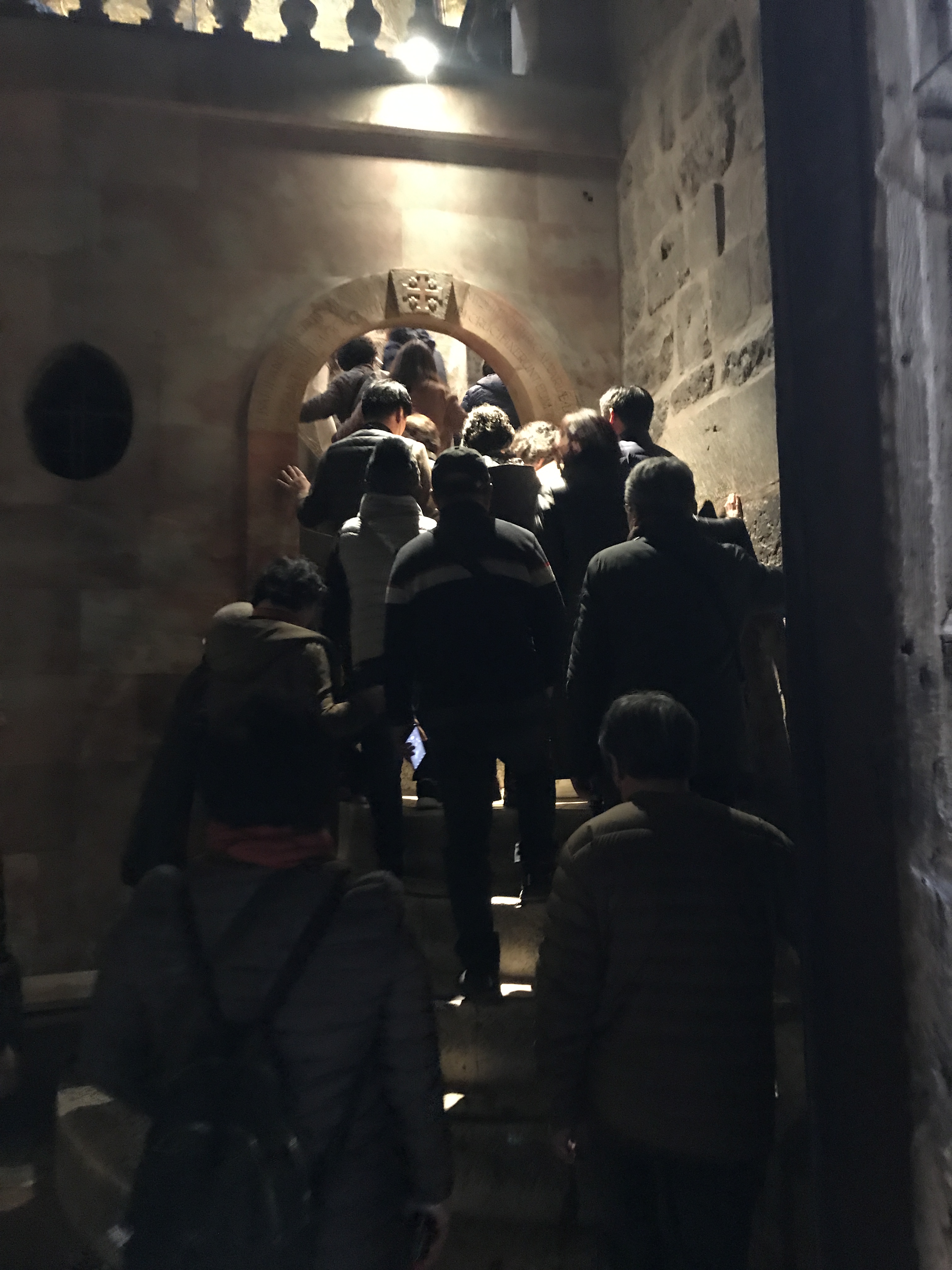
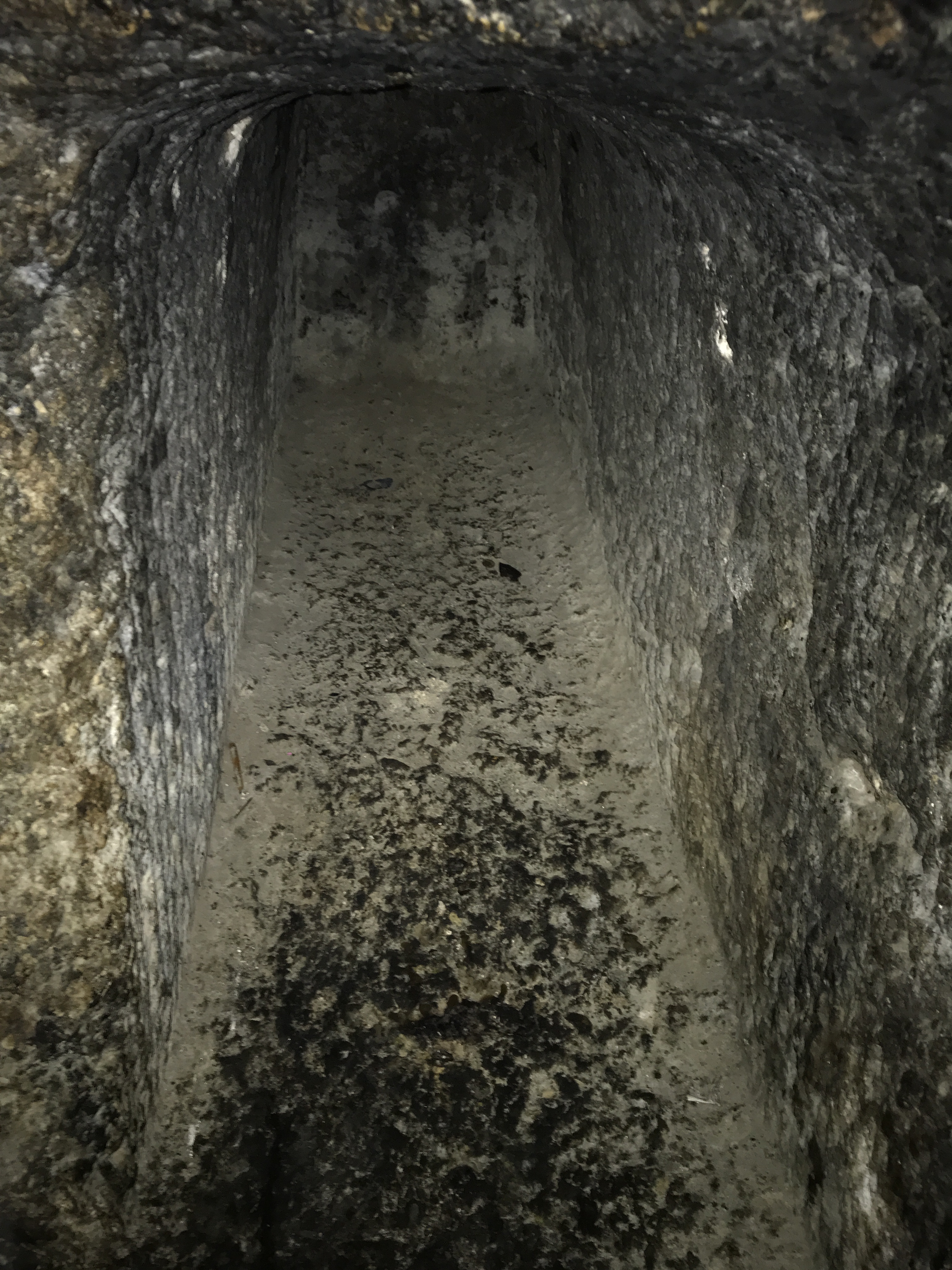
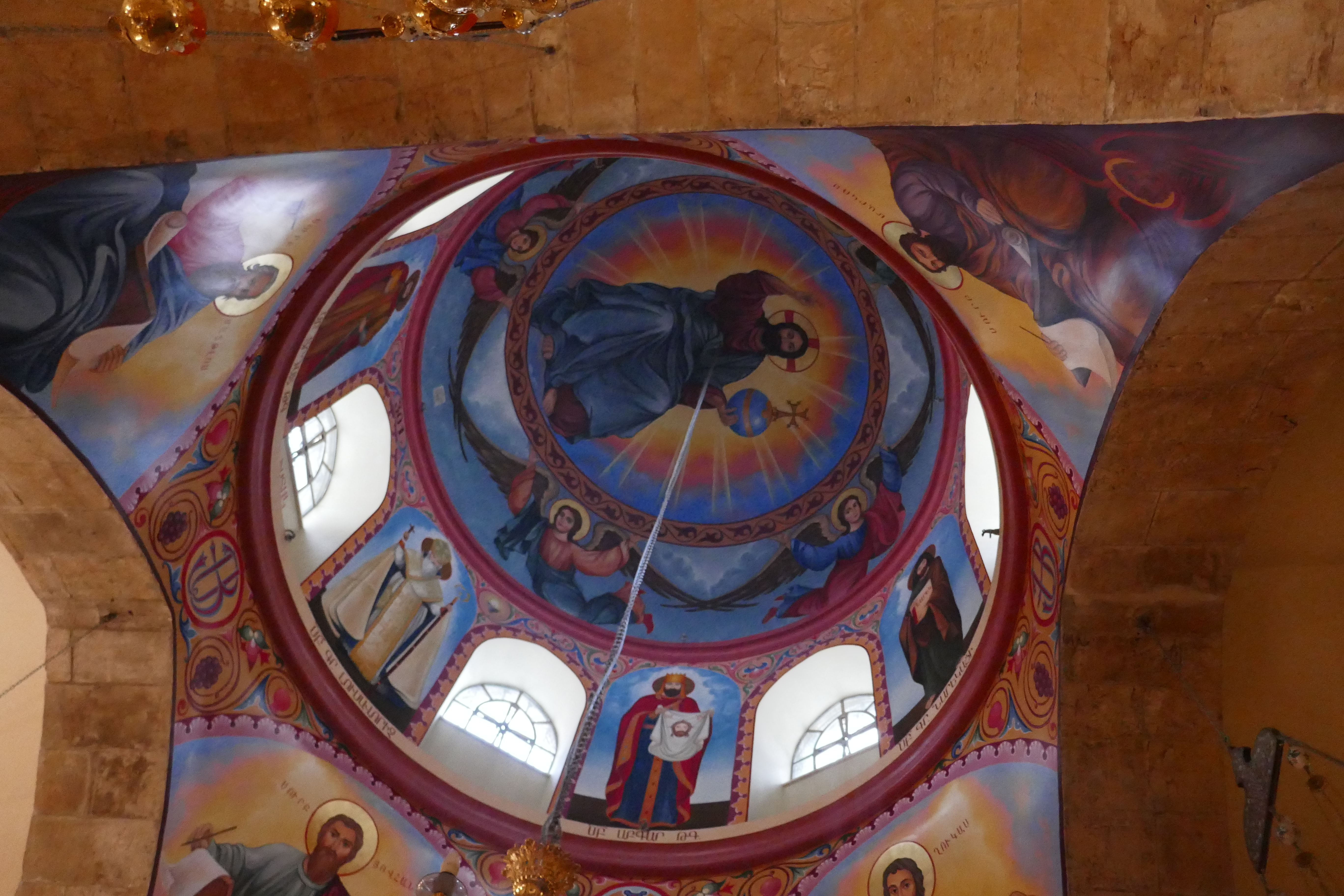
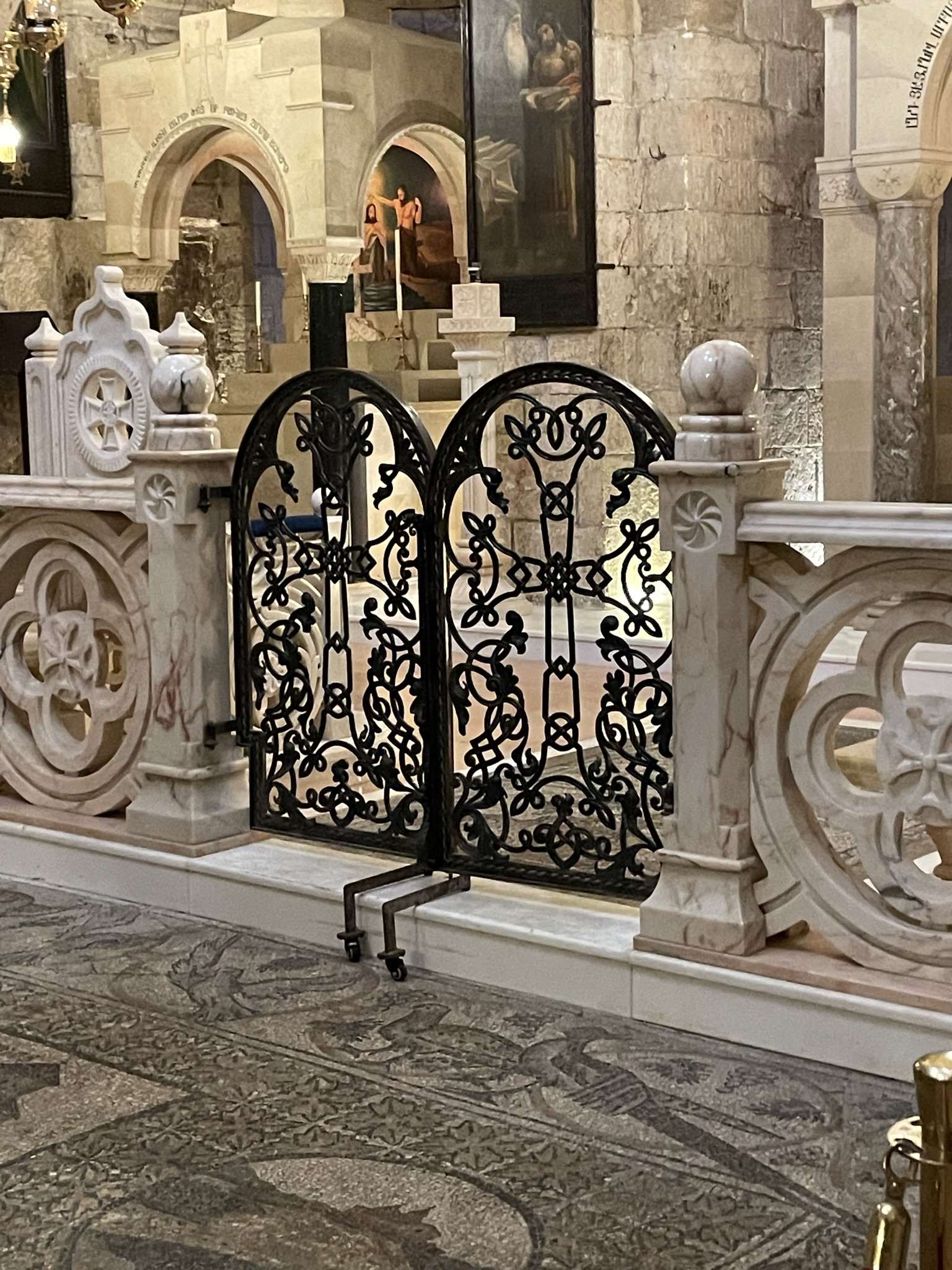
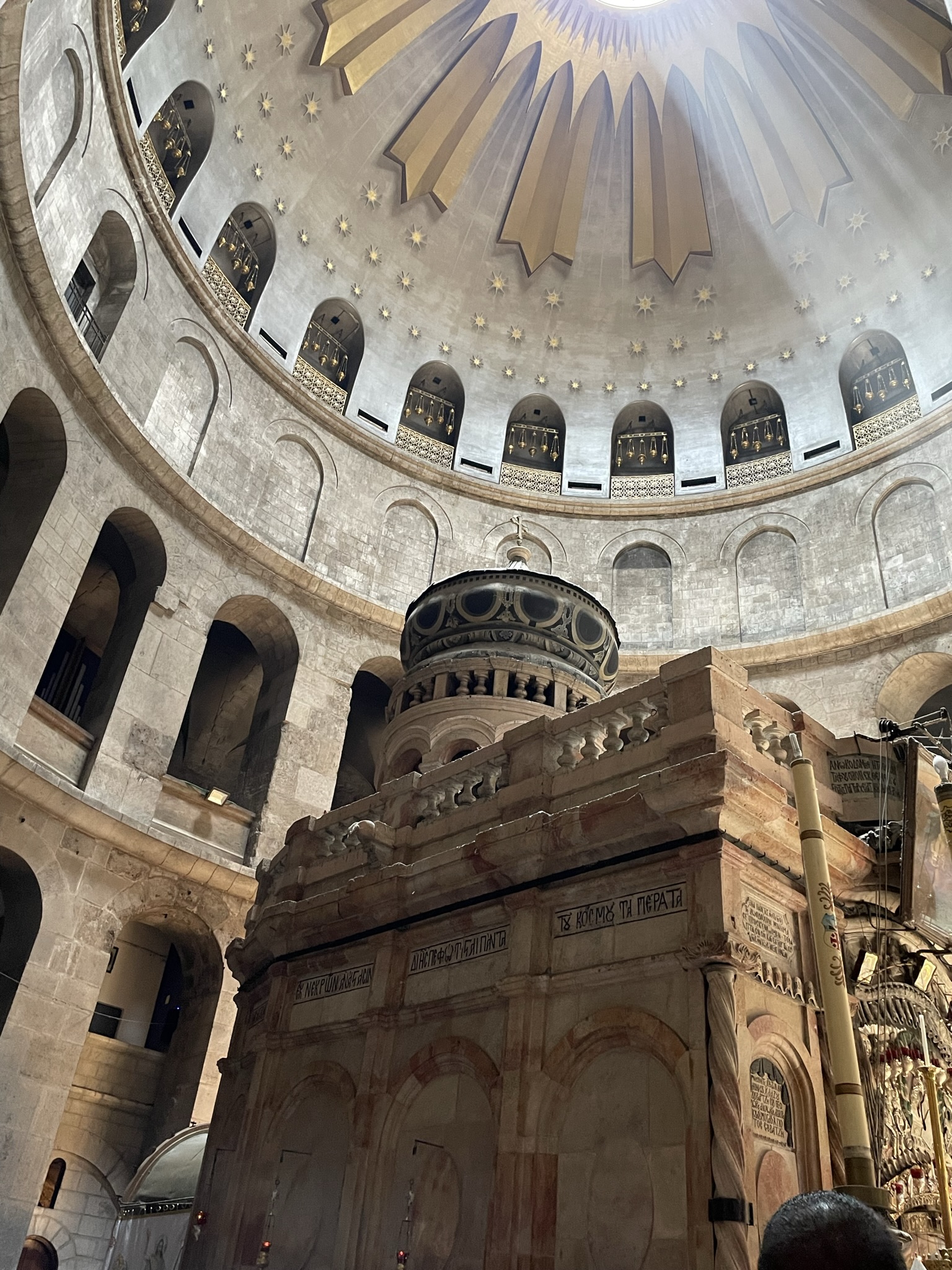
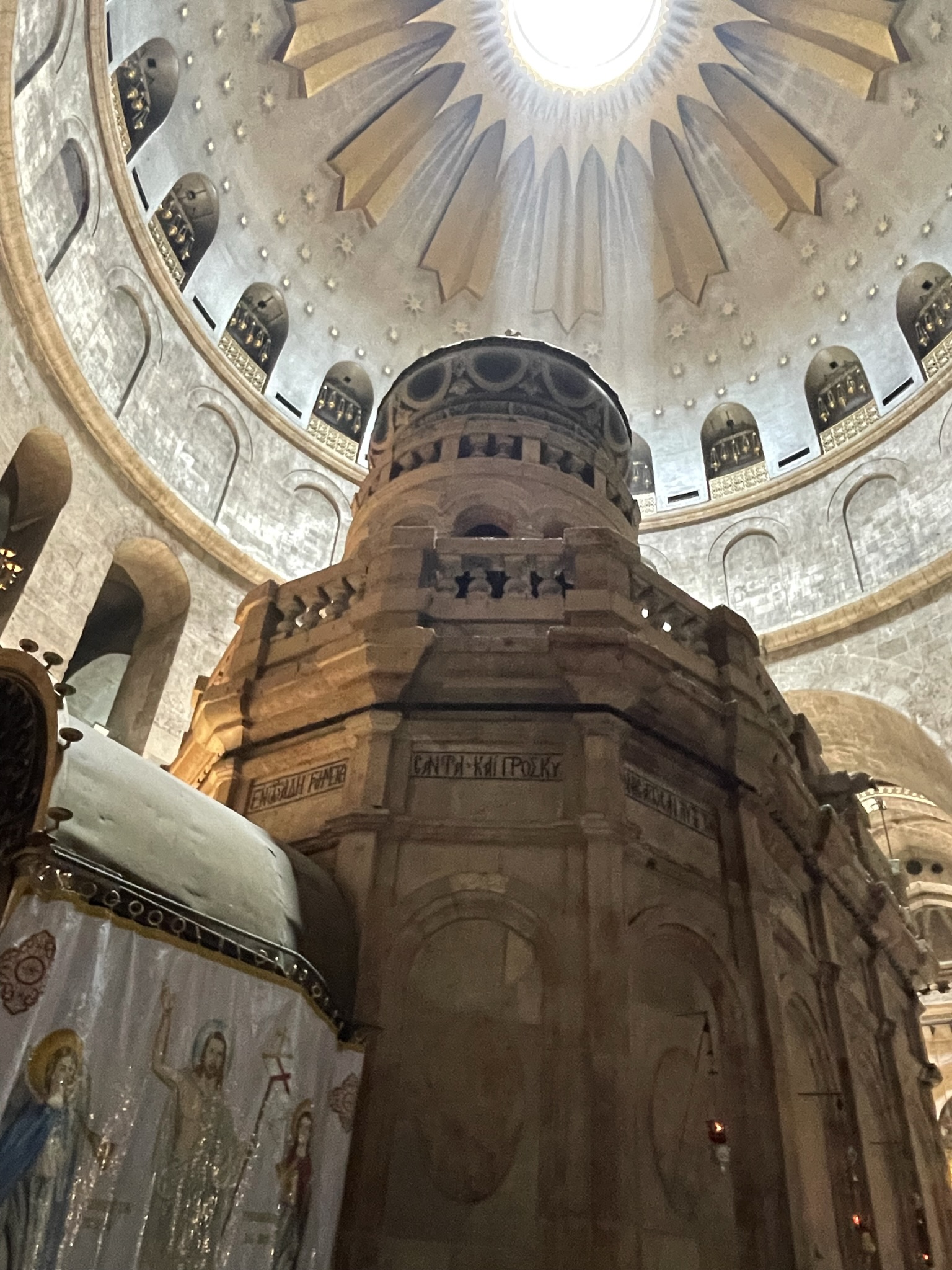
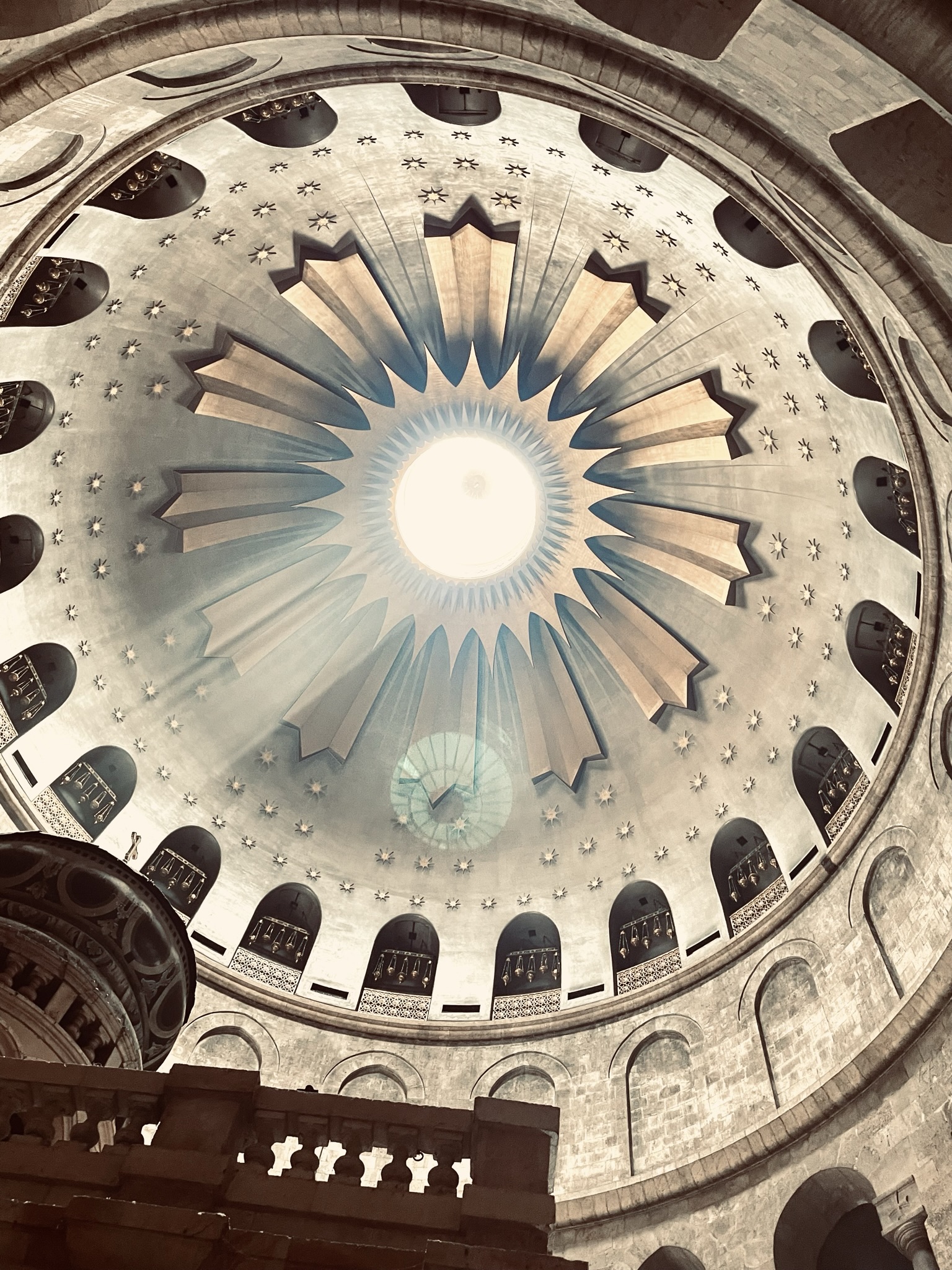
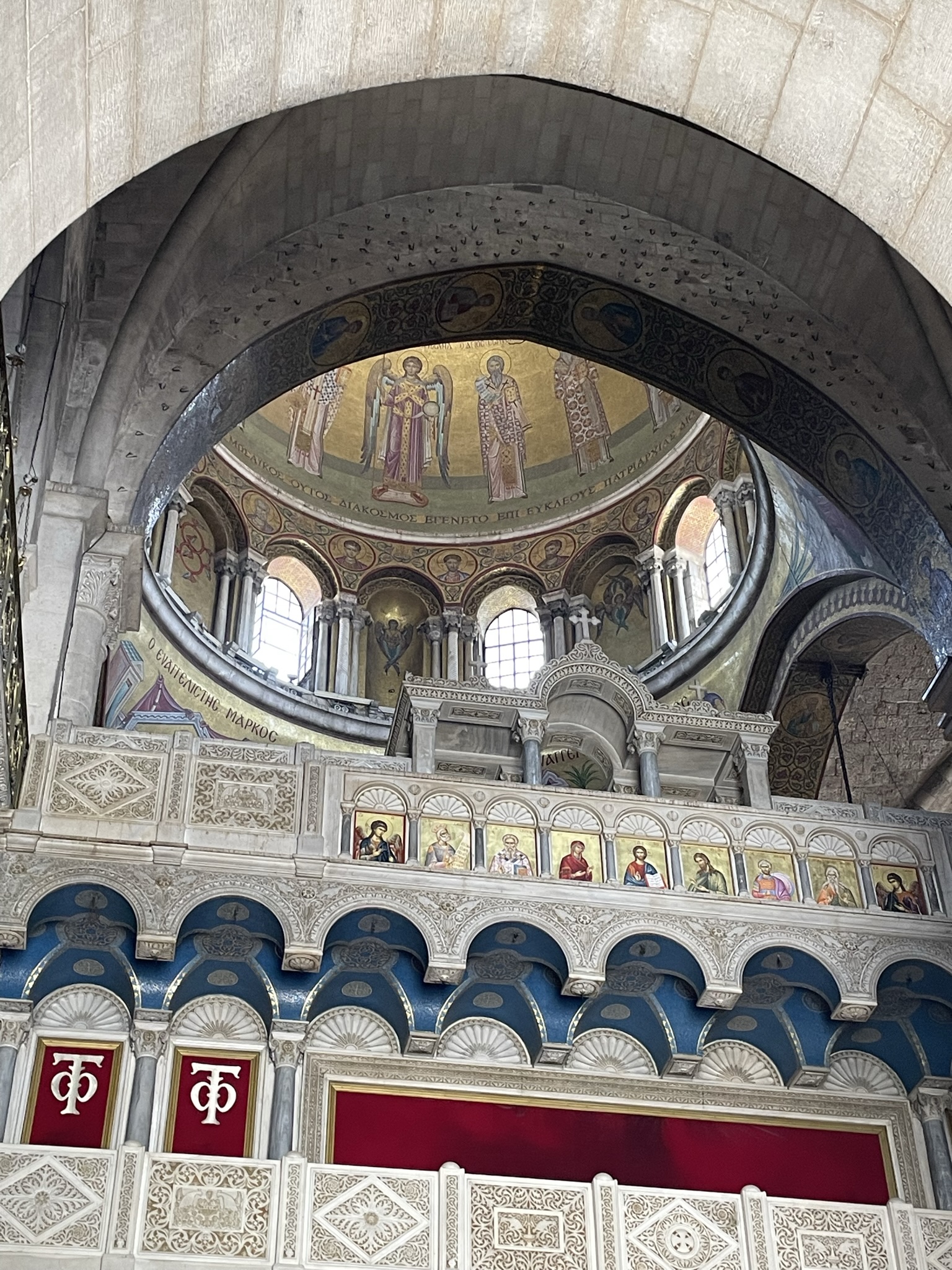
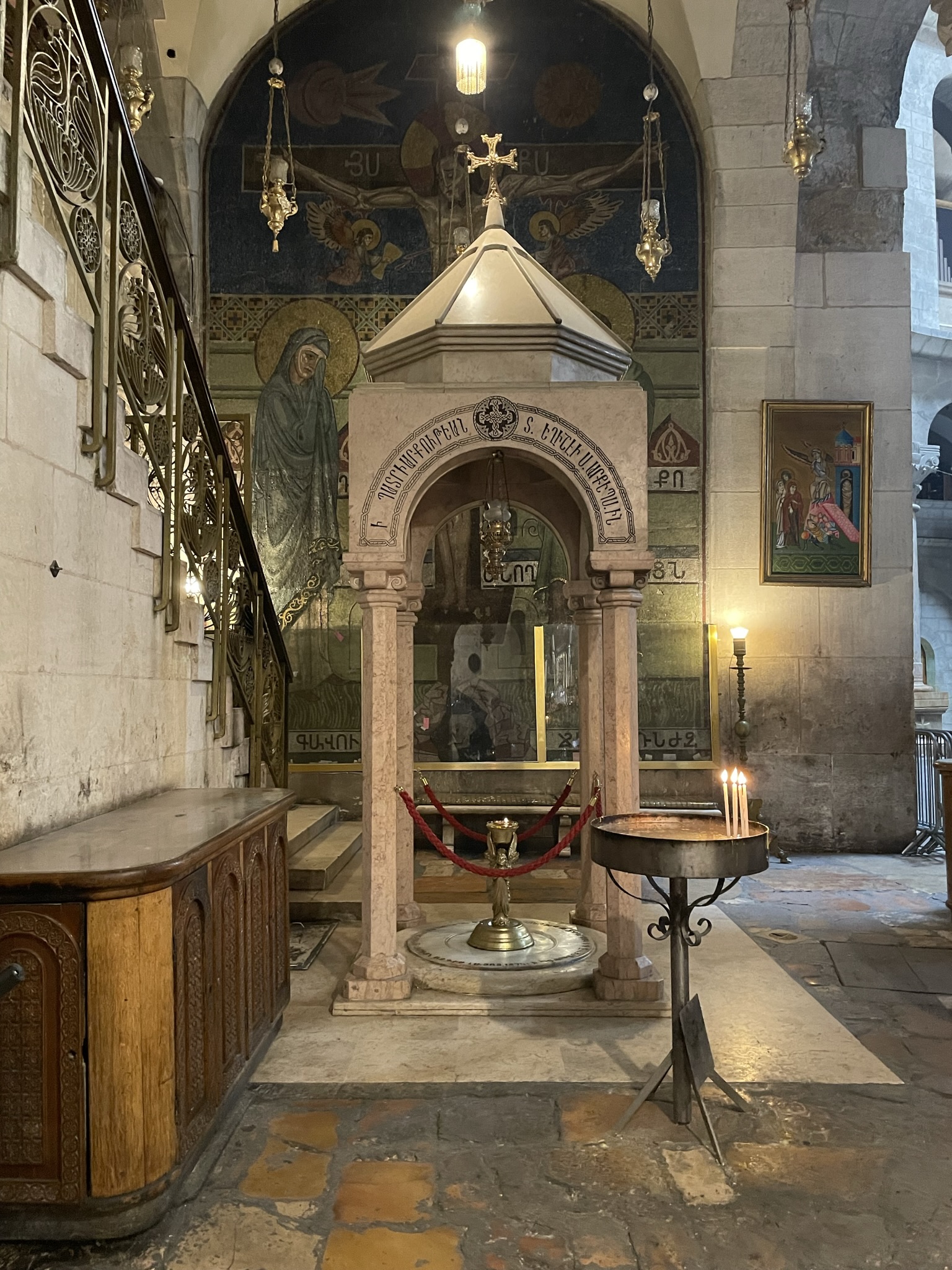
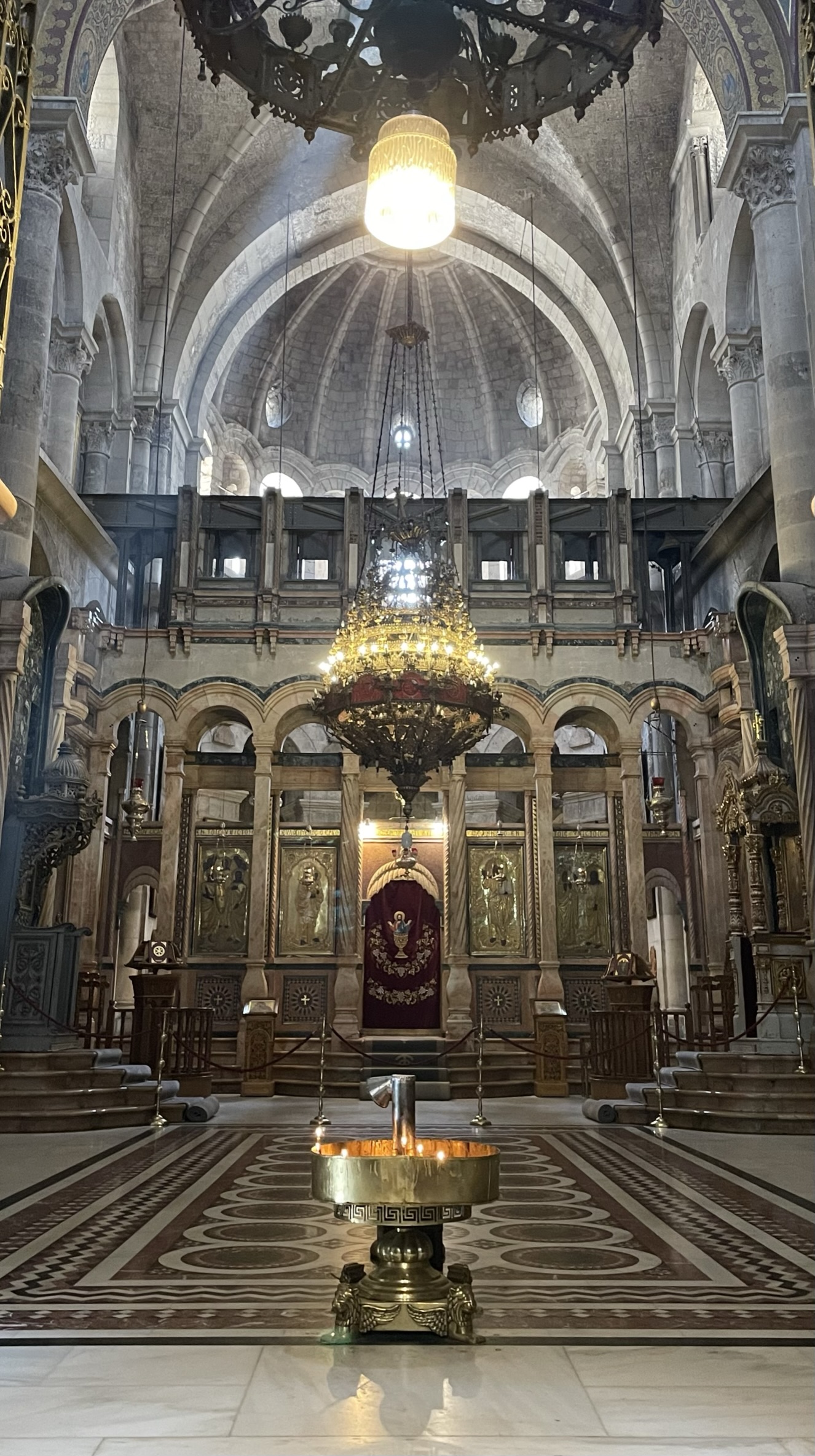
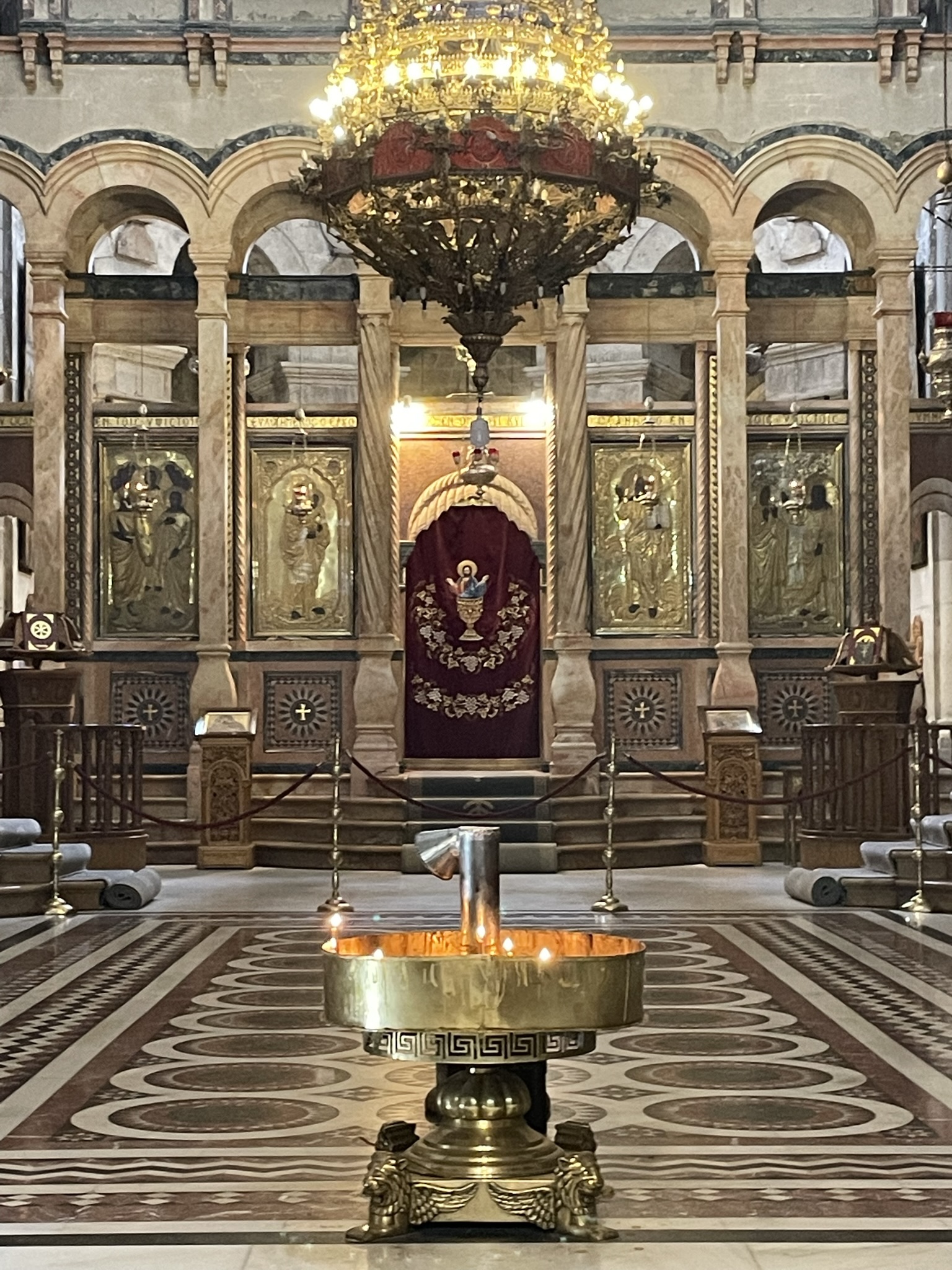
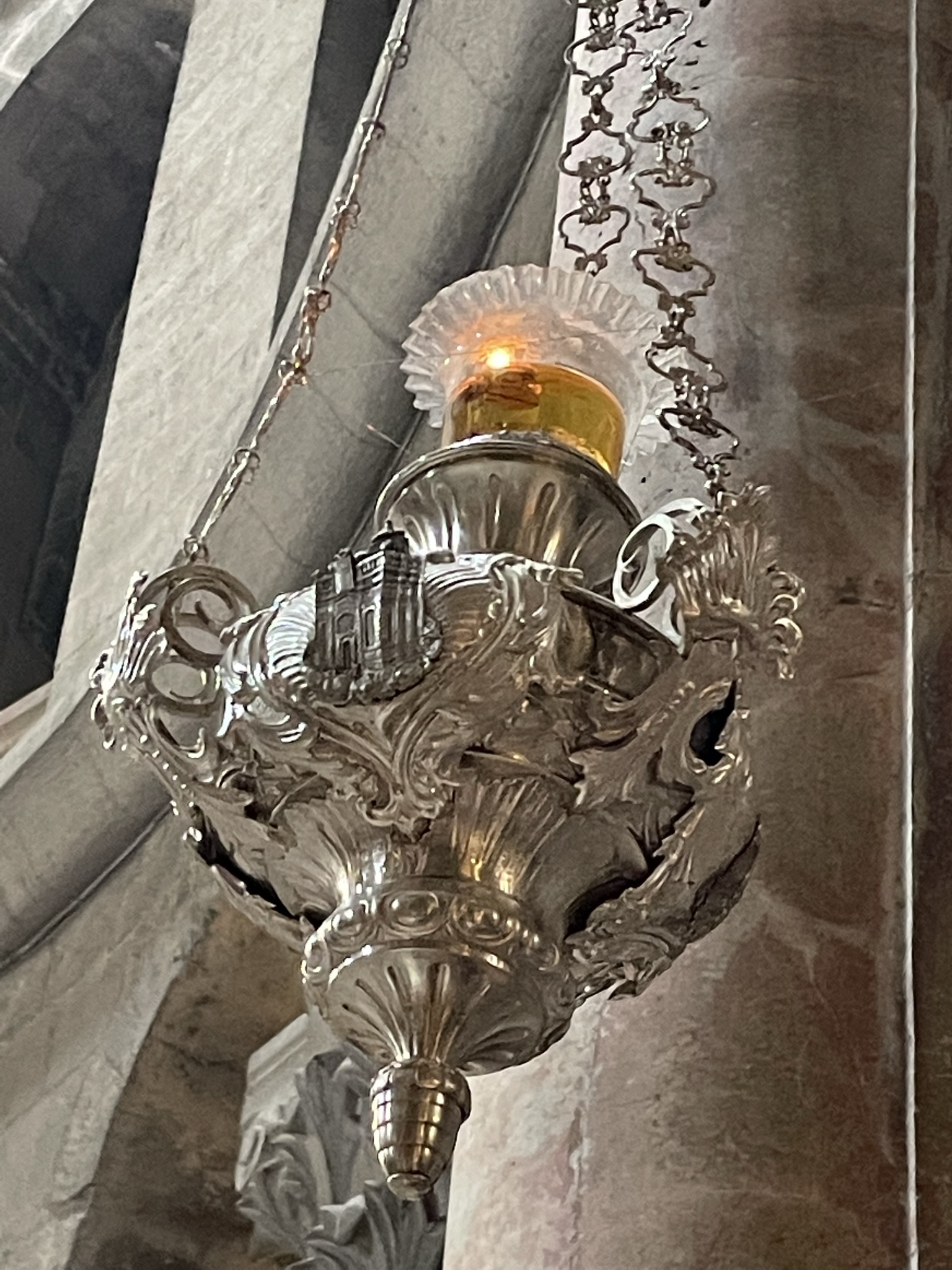
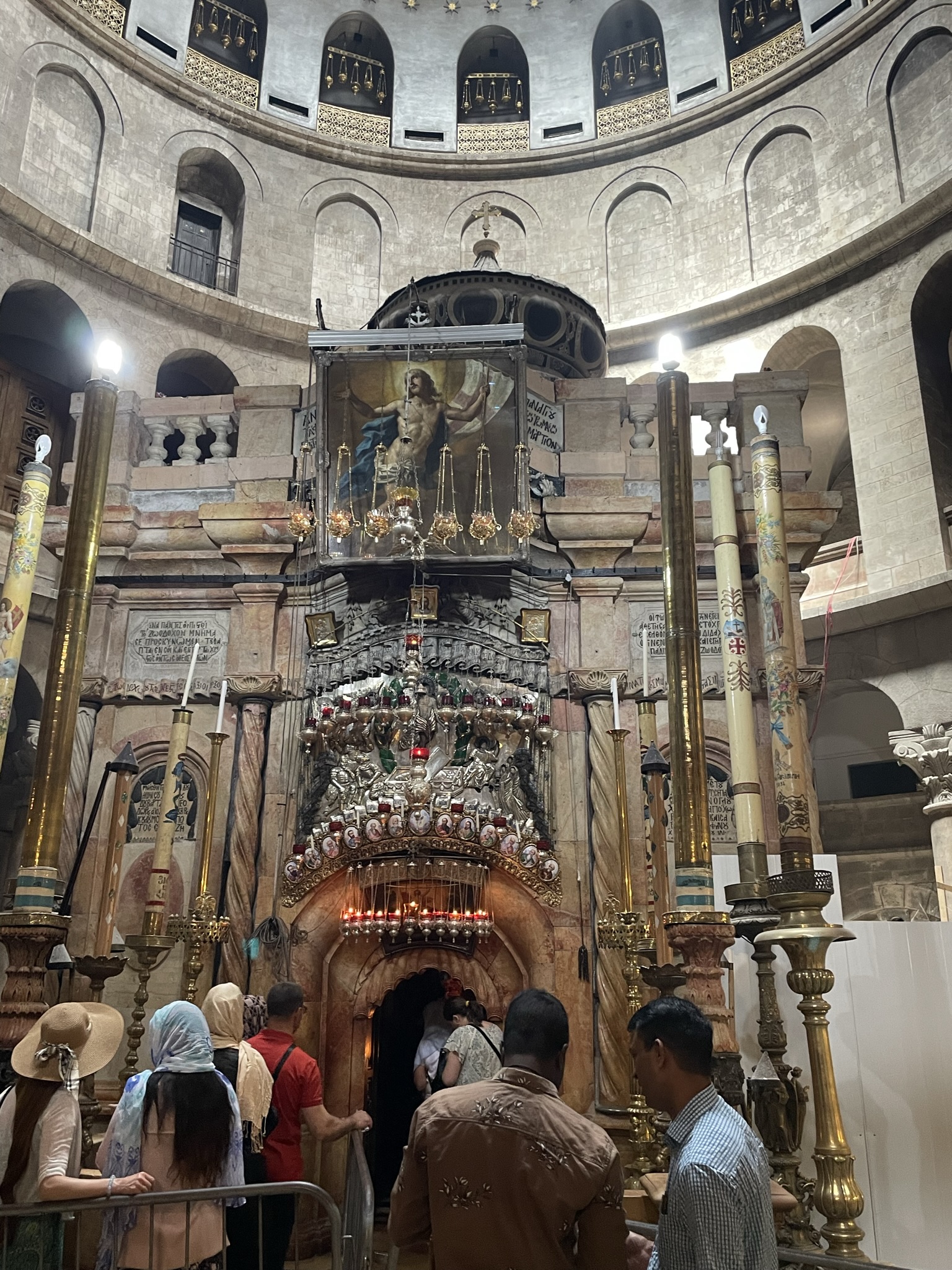
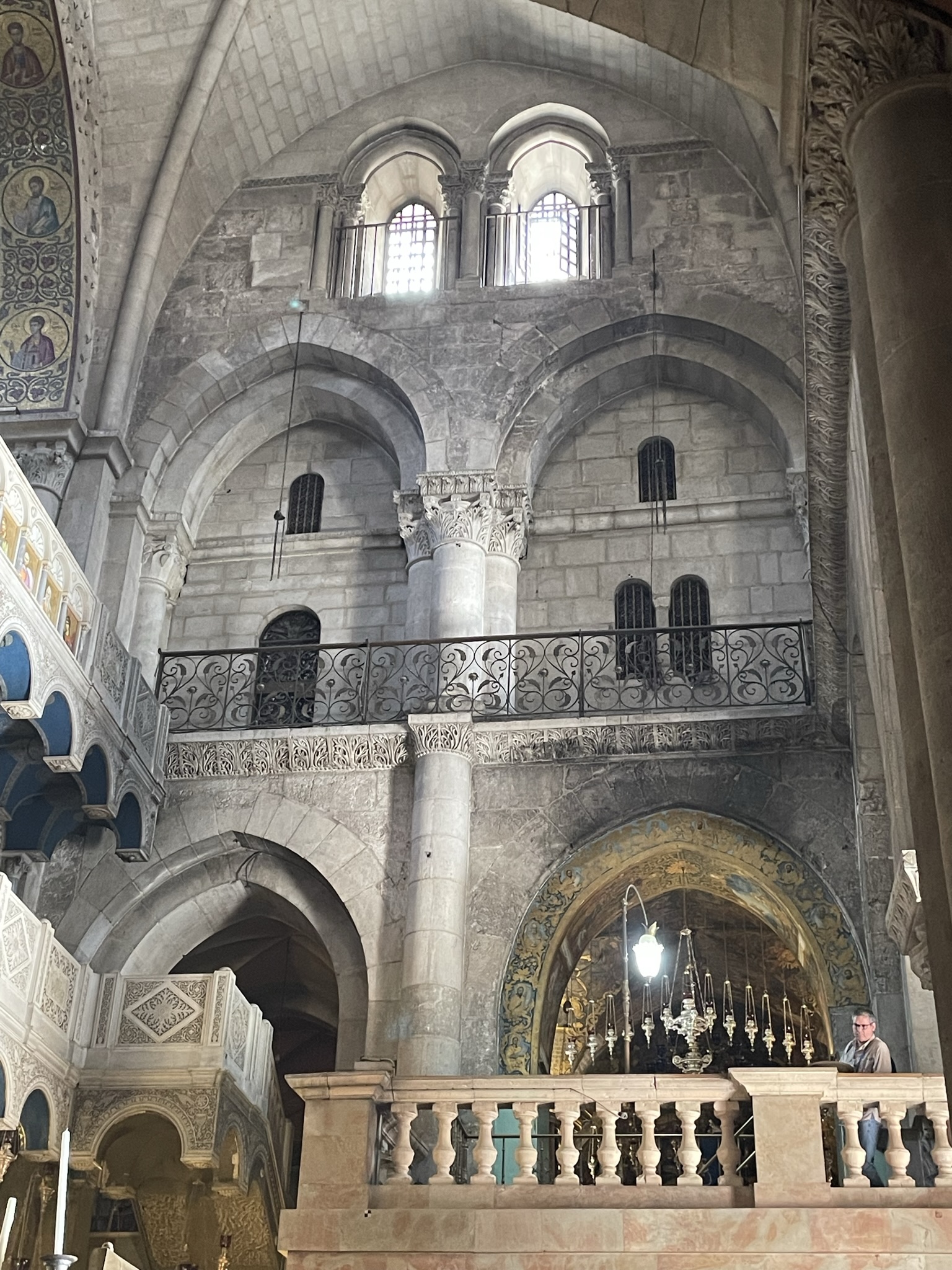
The last day I was in Israel was a Sunday, and I was staying in Jerusalem. As a final way to close the trip, my friends and I visited the Old City one last time. It was a beautiful day. In this post, I will share with you some of the splendor of the Church of the Holy Sepulchre. It is a place that can be difficult to navigate for all the apparent organized chaos and the different manifestations of faith and ritual that are all around. This time, perhaps because it was a Sunday, I was able to genuinely enjoy the beauty and serenity of the church. Whatever you may believe about where Yeshua, the Messiah (Jesus Christ) was buried, this church is a place where generations of believers have come and remembered the crucifixion and burial of Yeshua. God said that He would be found by those who seek Him with all their heart. See Jeremiah 29:13.
Church of Holy SepulchreChurch of the Holy SepulchreWorshiper at the Holy Sepulchreworshipers at Holy SepulchreHoly Sepulchre First Century burial tomb – Holy Sepulchrestructure covering the tomb (according to Helena) of Christ
I apologize for taking a few days to get back to the tour highlights. I left off in my last post about our recent tour of Israel with our visit to Tel Arad. That is definitely a place to visit. From Tel Arad, we headed north and made our way out of the Negev basin. As we climbed, we noted places along the way such as Maon, Carmel (not the Mt Carmel on the coast), and Ziph. (See Joshua 15:55 for the reference to these cities as being part of the allotment to the Tribe of Judah).
We were not able to visit all the tels, but from a vantage point in the wilderness of Ziph, we were able to remember David’s time in the wilderness of Ziph as described in 1 Samuel 23. We were able to see the route by which David would have easily traveled to En Gedi from Ziph. These connection in the land bring the scriptures to life.
In this area, we were also able to remember the story of Abraham and the three visitors. We could look out and see the Salt Sea, and the traditional location of Zoar at the south end and remember that Lot had asked to be able to go to Zoar after leaving Sodom when it was slated for destruction. Recent excavations and other findings at Tall el-Hamman to the north east of the Salt Sea suggest that the location for Sodom may be in that area, but I leave that for another day. (See article in Nature Journal A Tunguska sized airburst destroyed Tall el-Hammam a Middle Bronze Age city in the Jordan Valley near the Dead Sea)
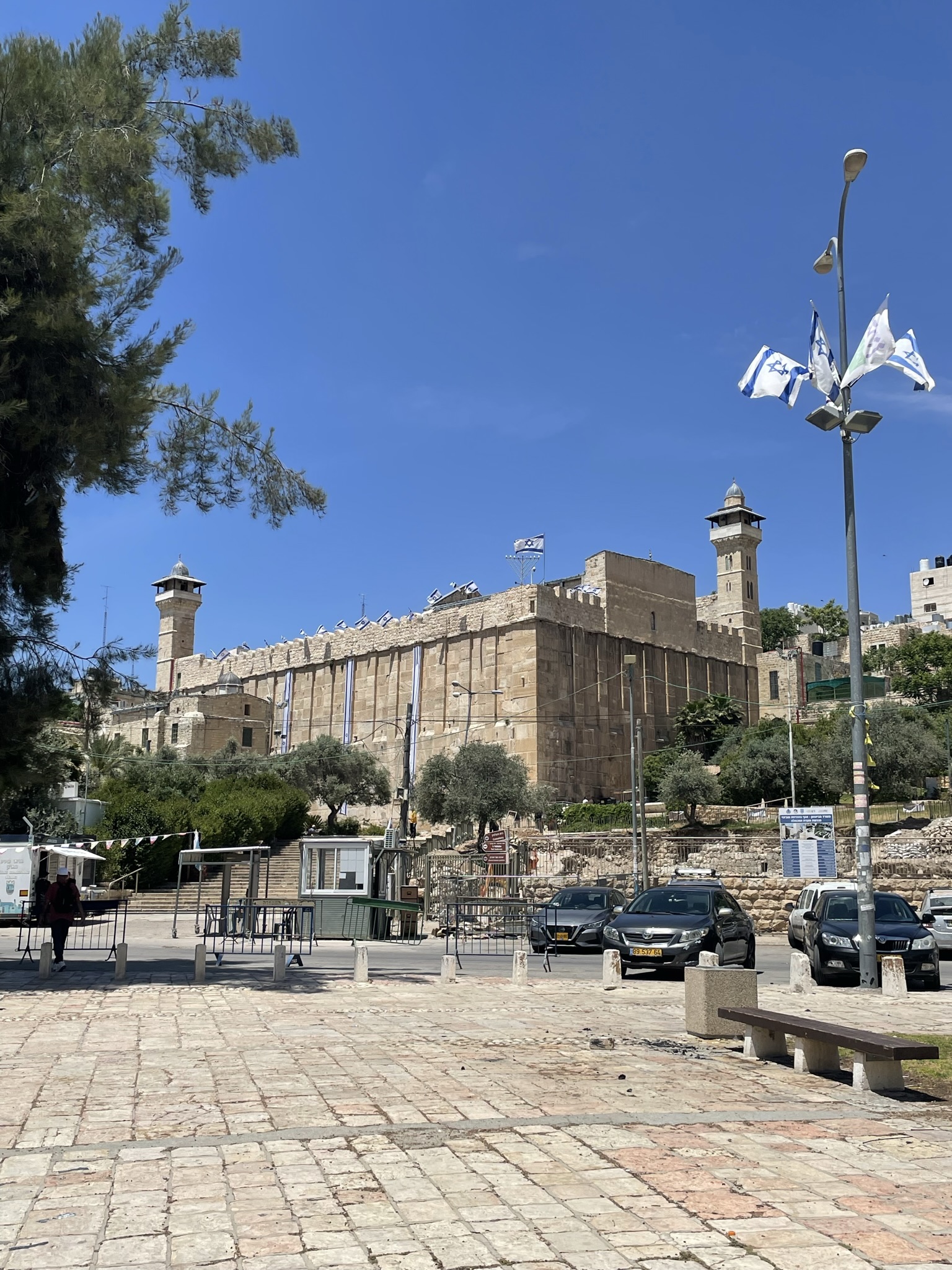
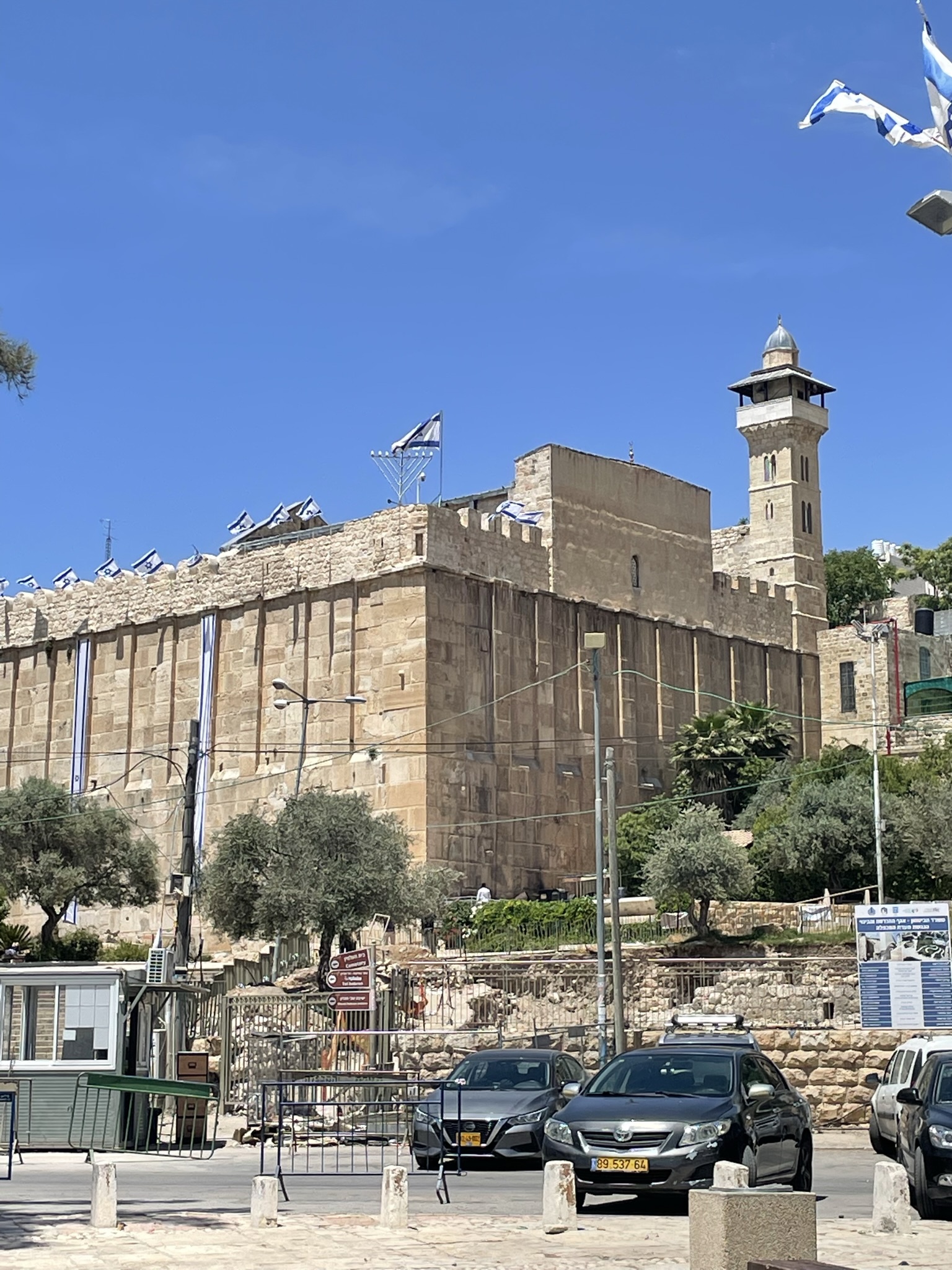
We reached our final destination, Hebron, with time to visit both the tel and the cave of the Patriarchs. This was not the first time I visited tel Hebron or the Cave of Machpelah. You can see my earlier post here.
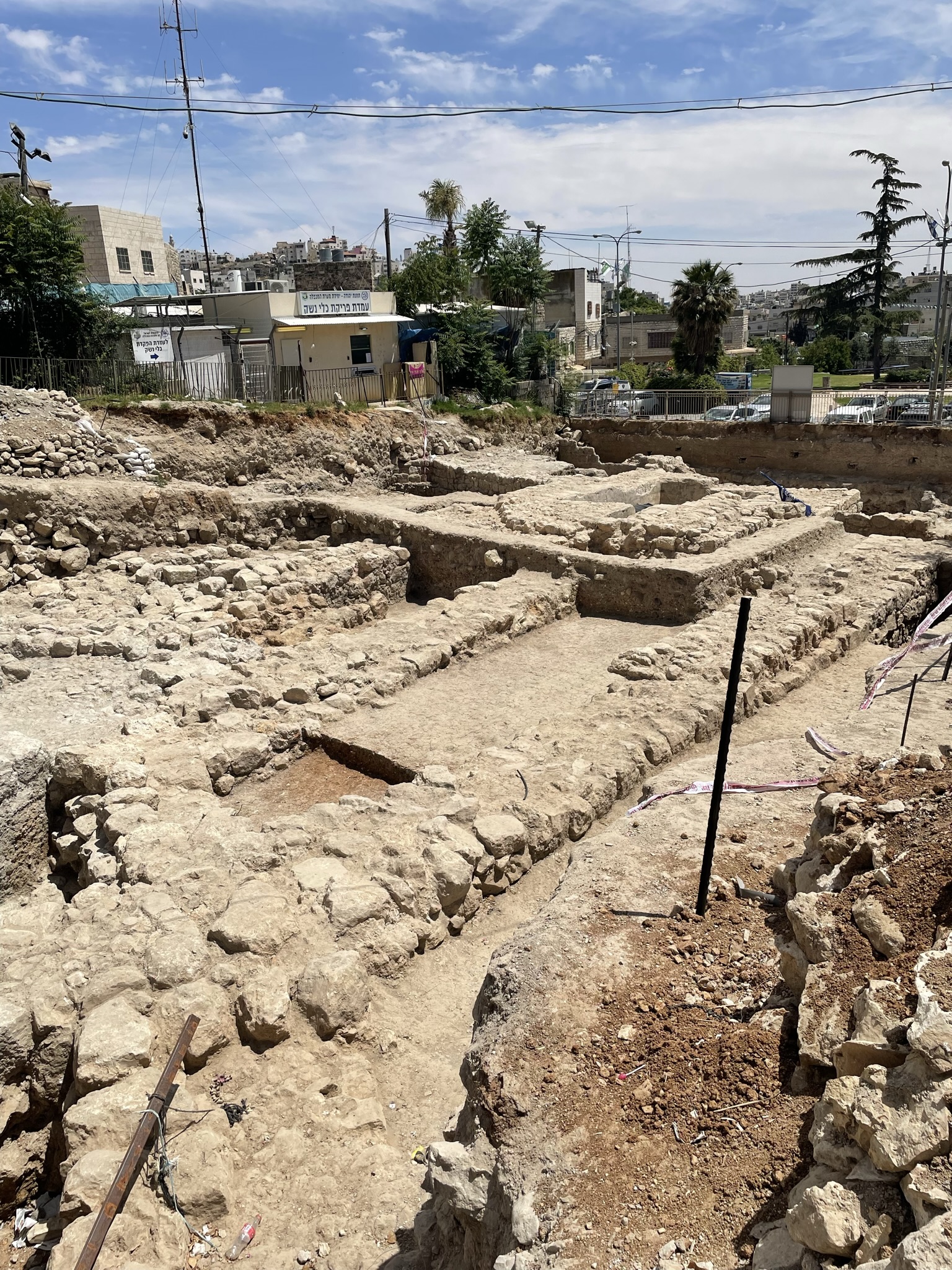
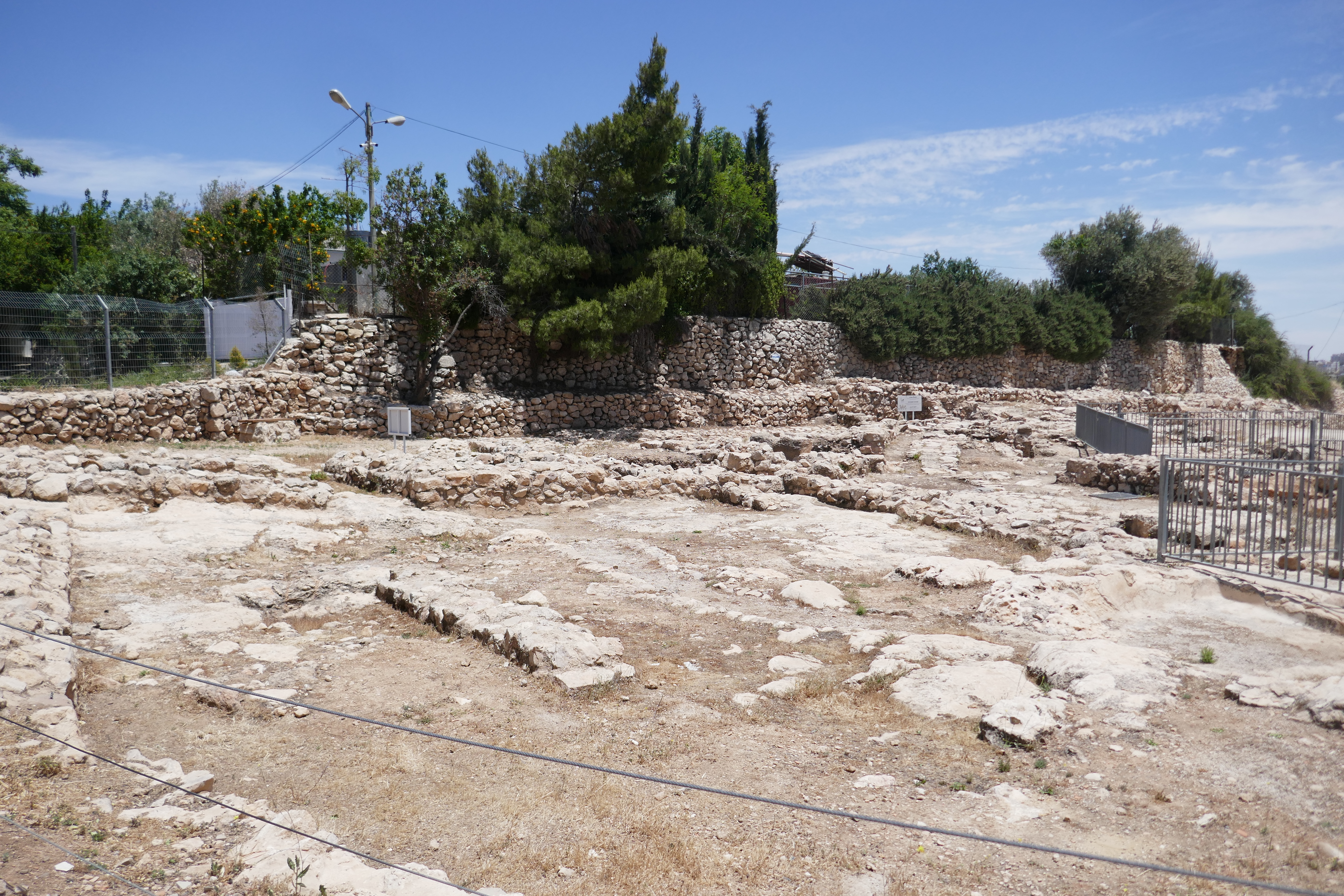
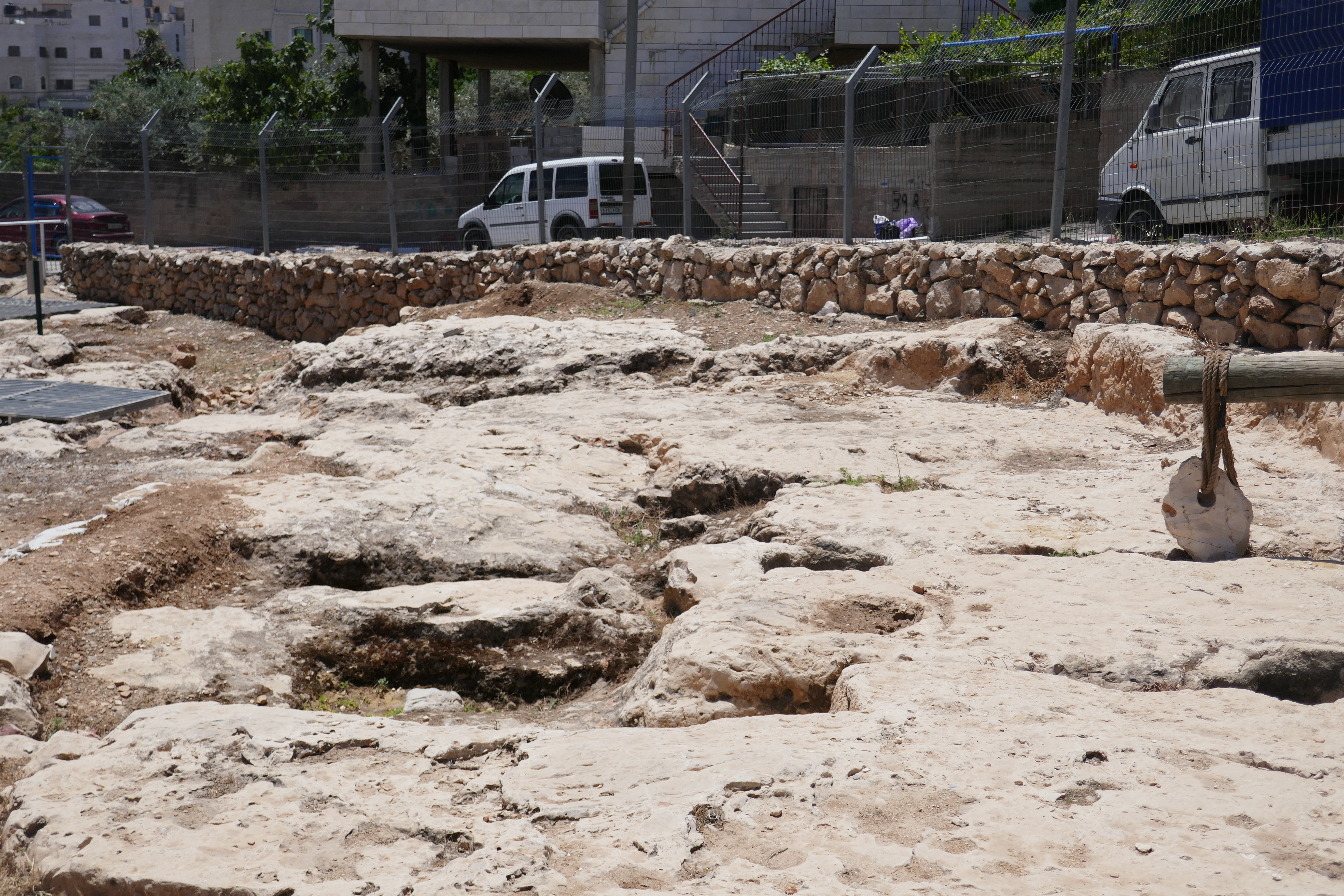
We visited the tel first. This is definitely worth the climb. The tel has been partially excavated.
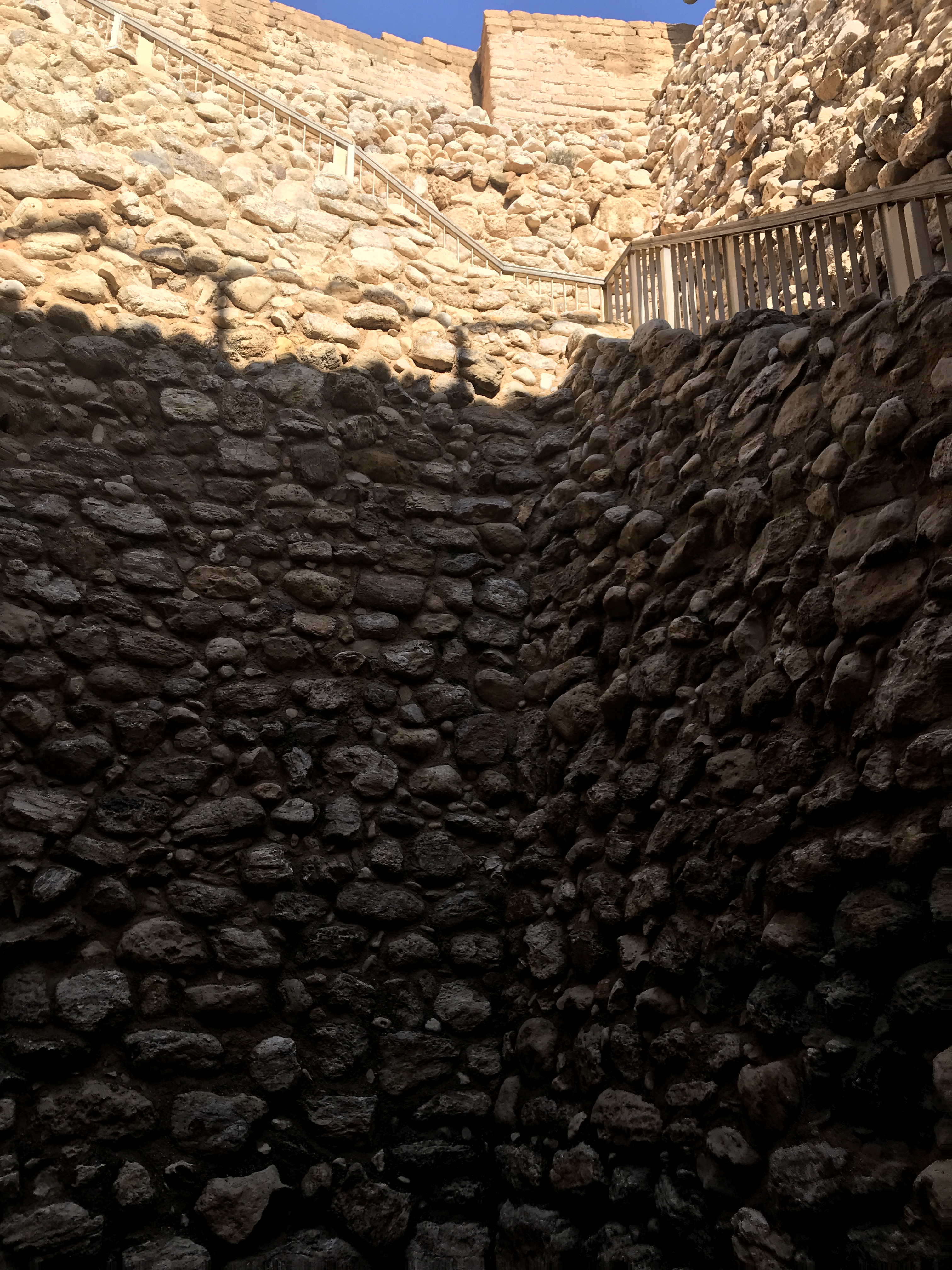
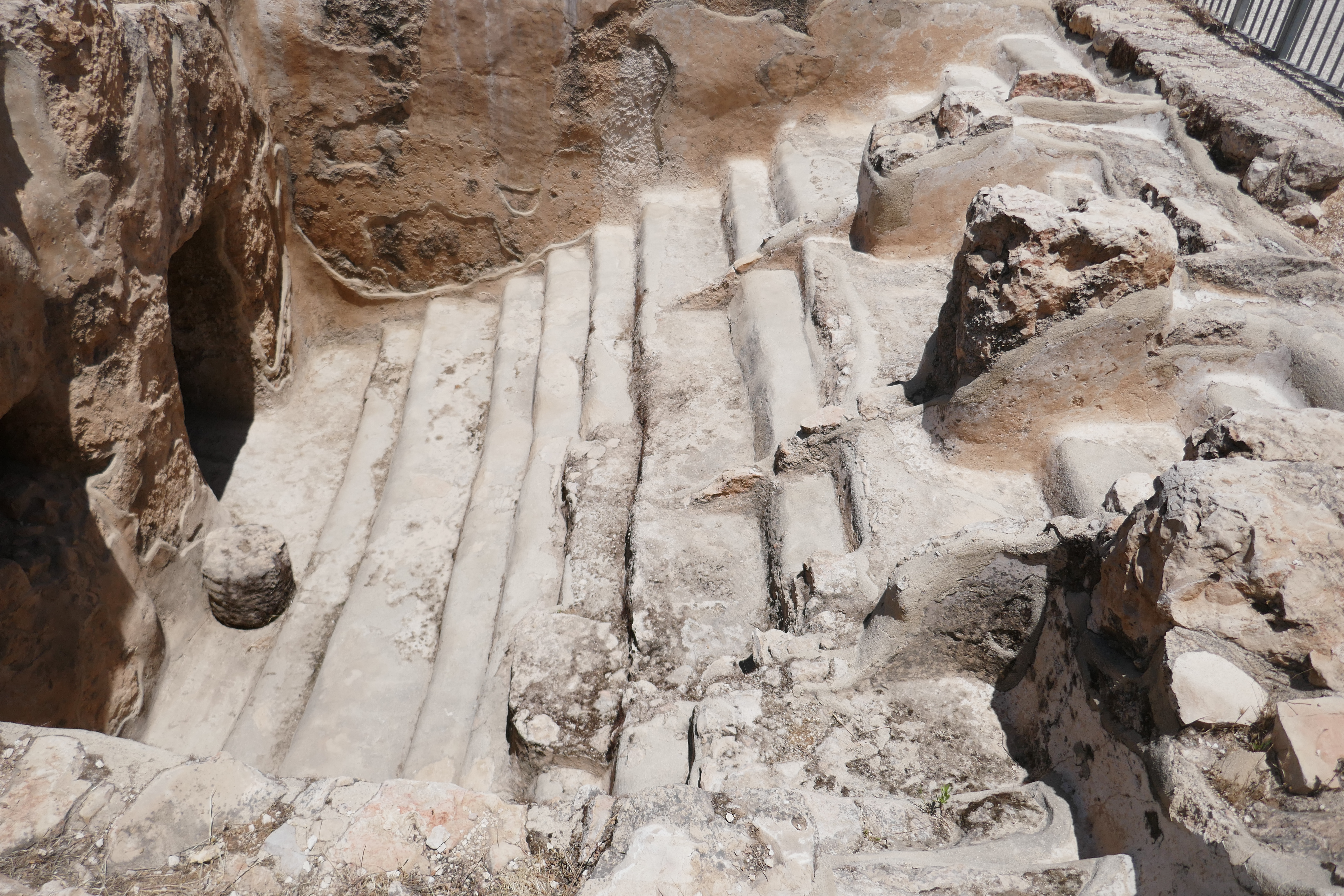
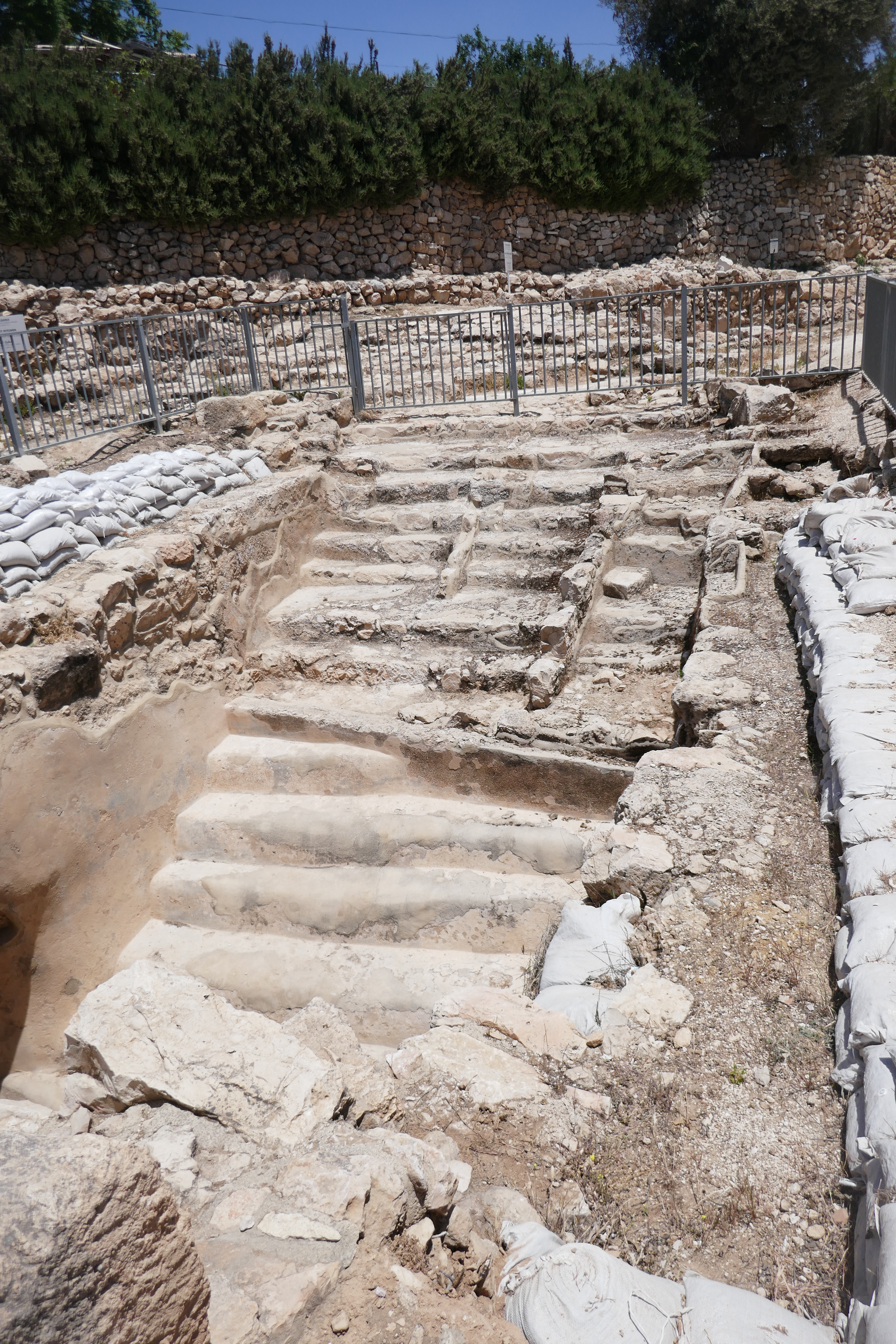
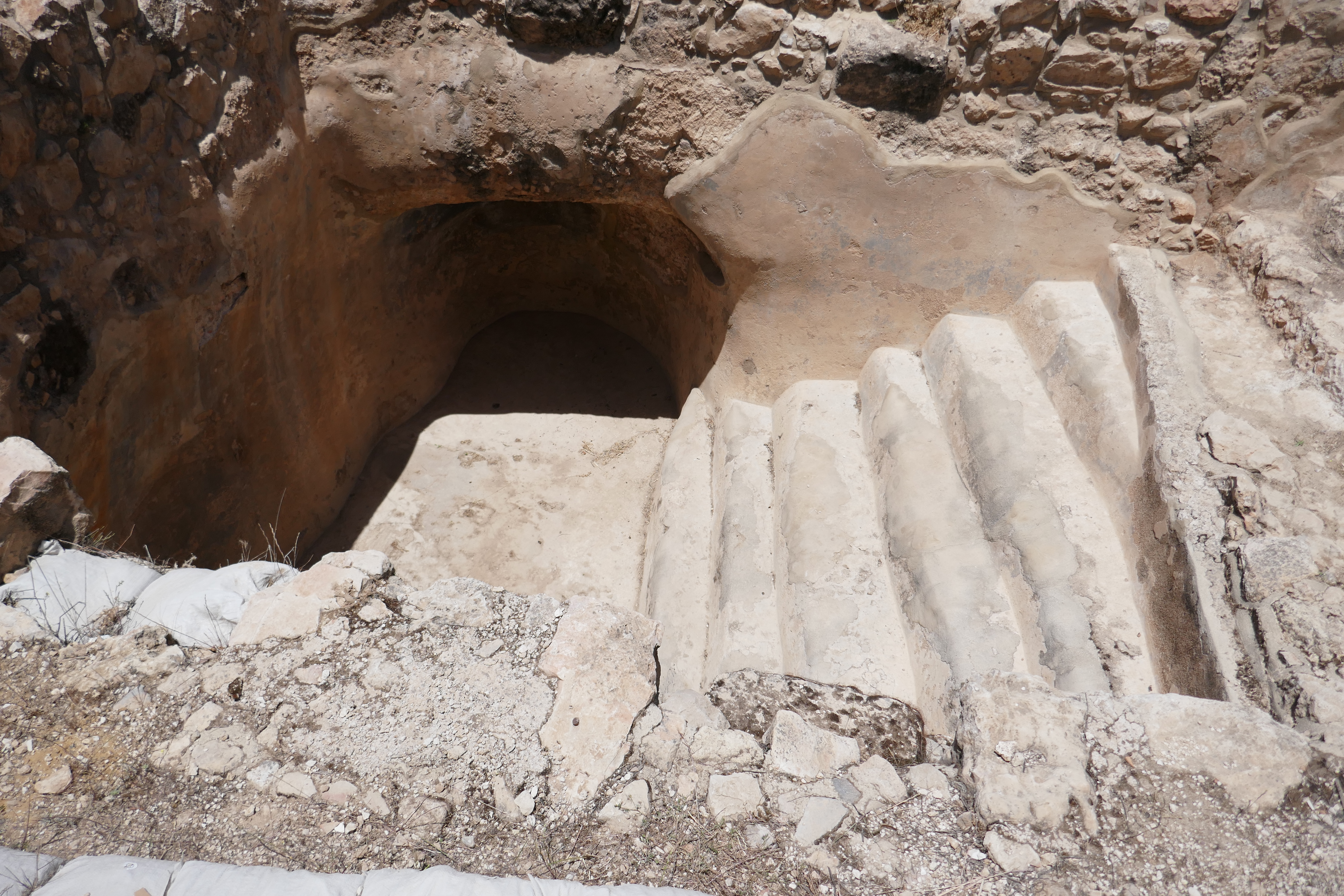
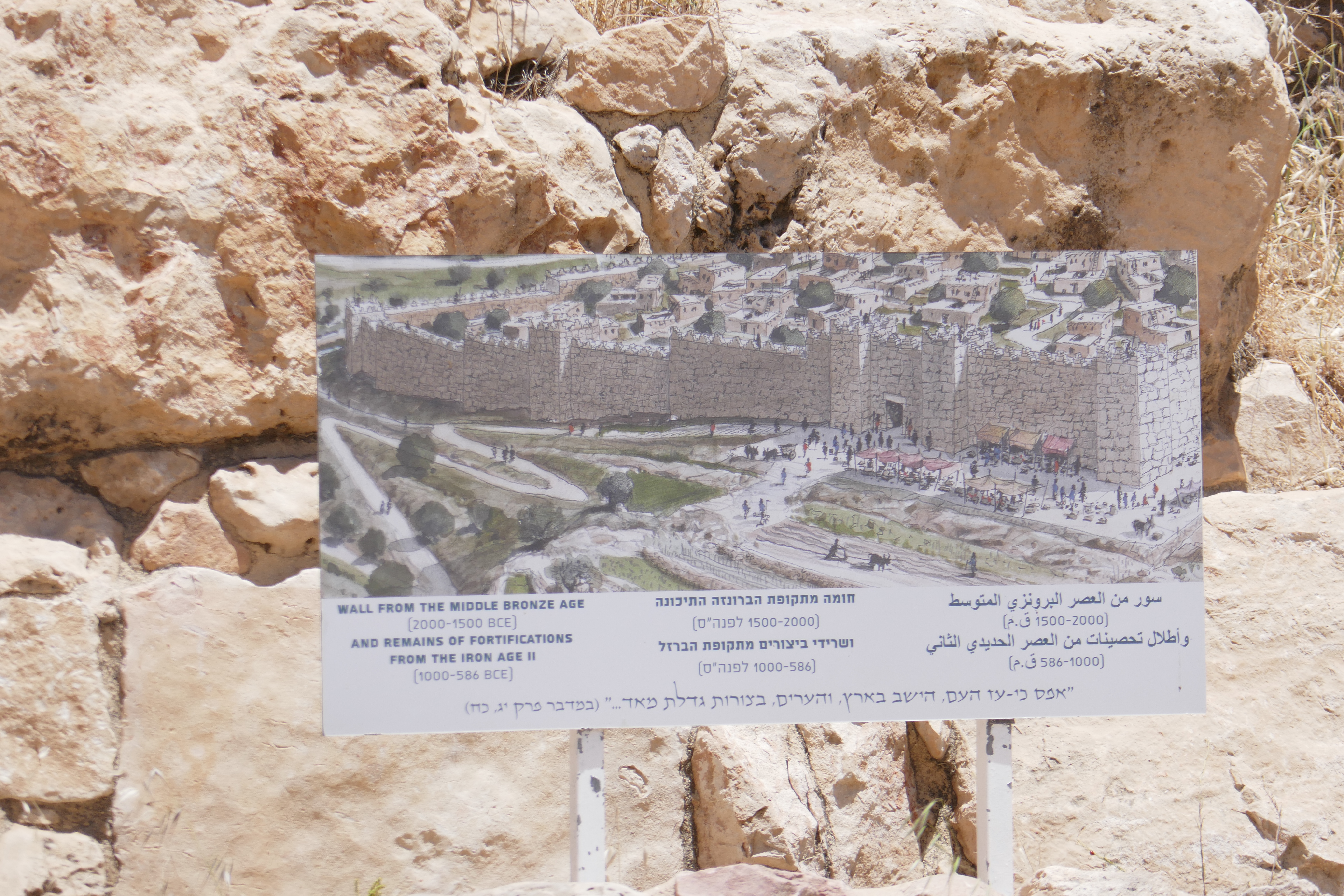
tel Hebron excavationstel Hebron excavationsexcavated area on tel HebronOlive press found at tel Hebron excavationsOlive press at tel HebronMikveh (ritual bathing pool) at tel Hebron (notice the three sets of stairs which is unusual)stepped streets found in the excavations at tel Hebronwall from the Middle Bronze Age (age of the Patriarchs)closer look at Middle Bronze Age wallcity wall – tel Hebronancient city wall – likely from the time of King David
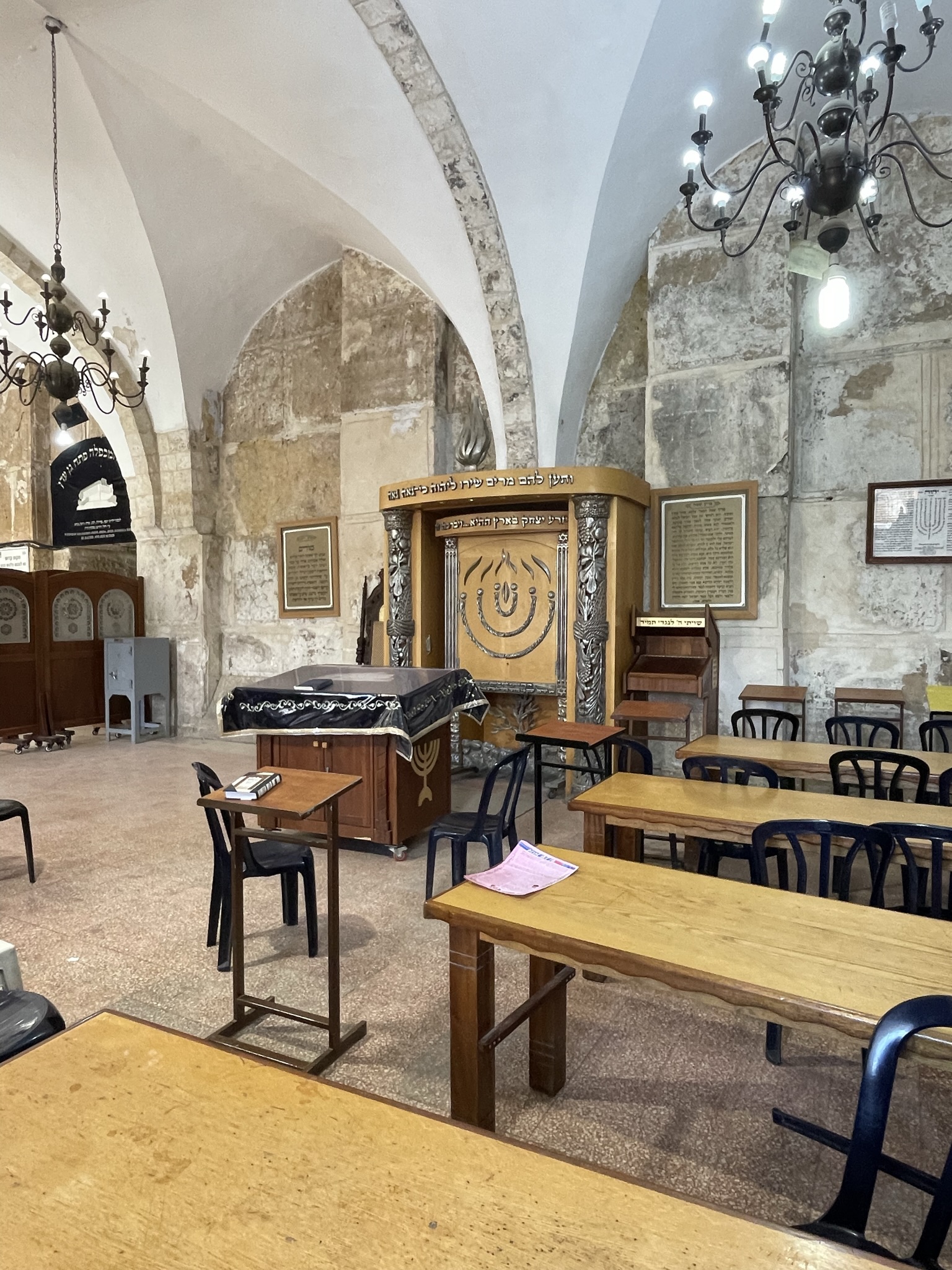
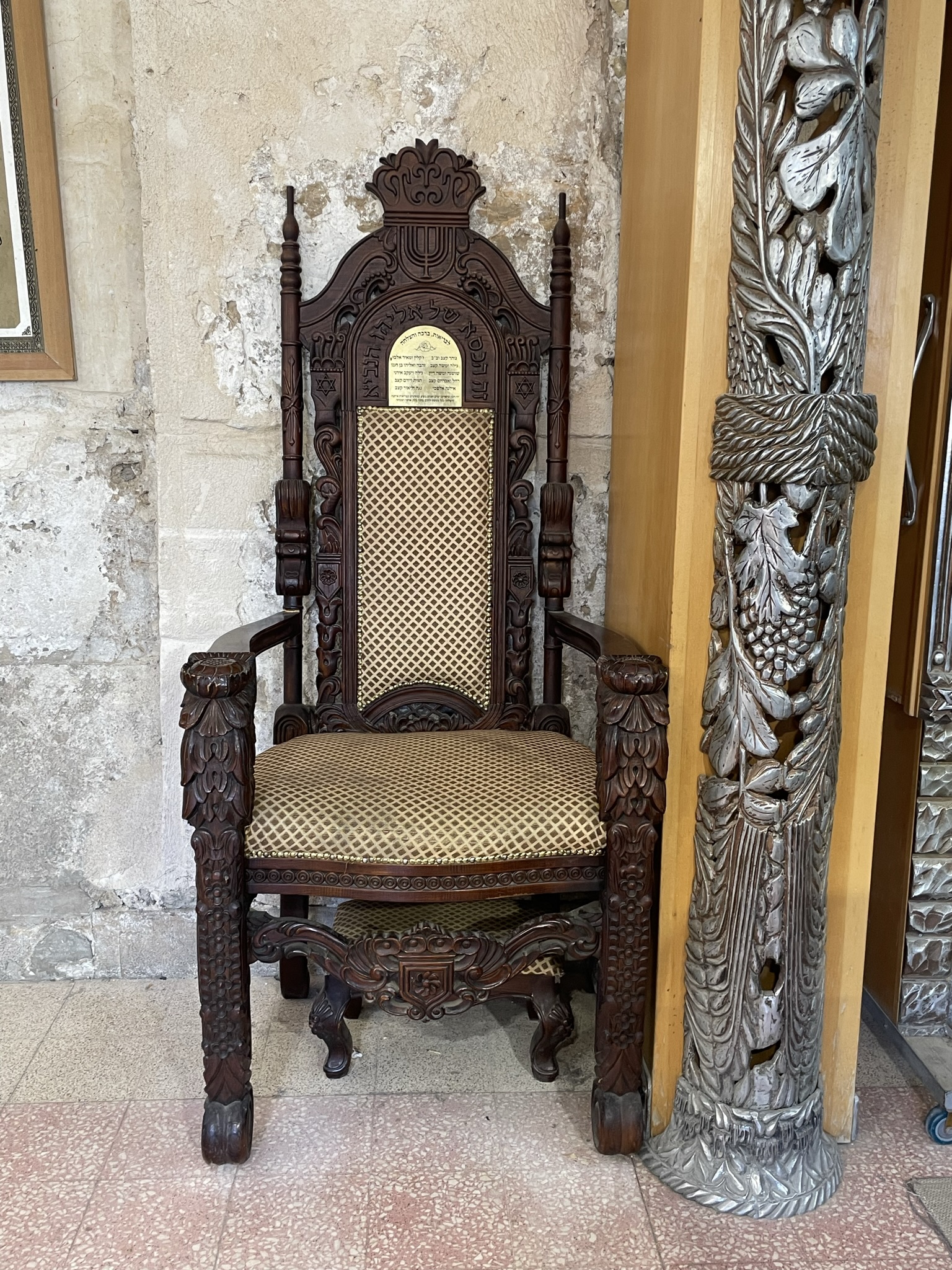
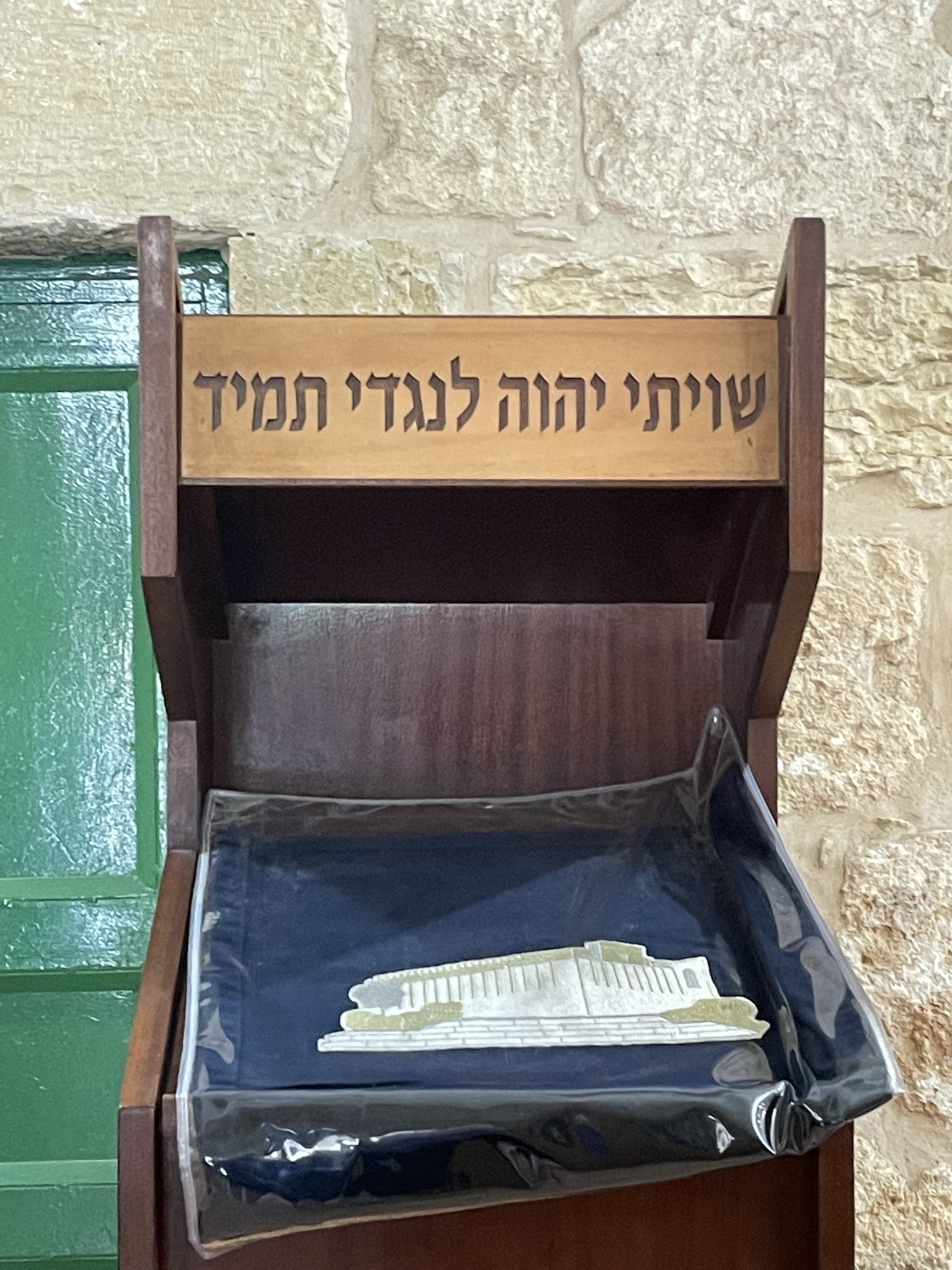
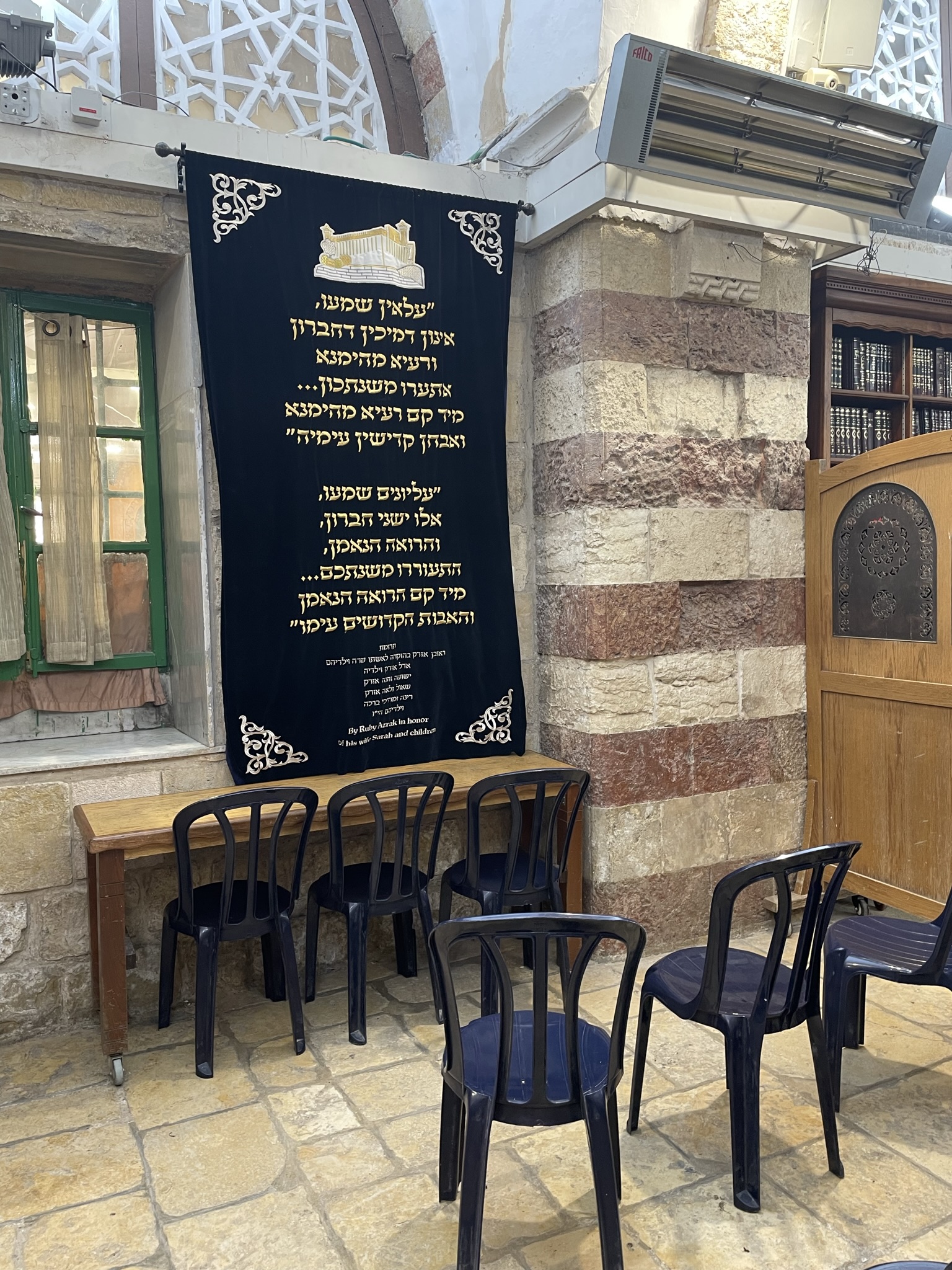
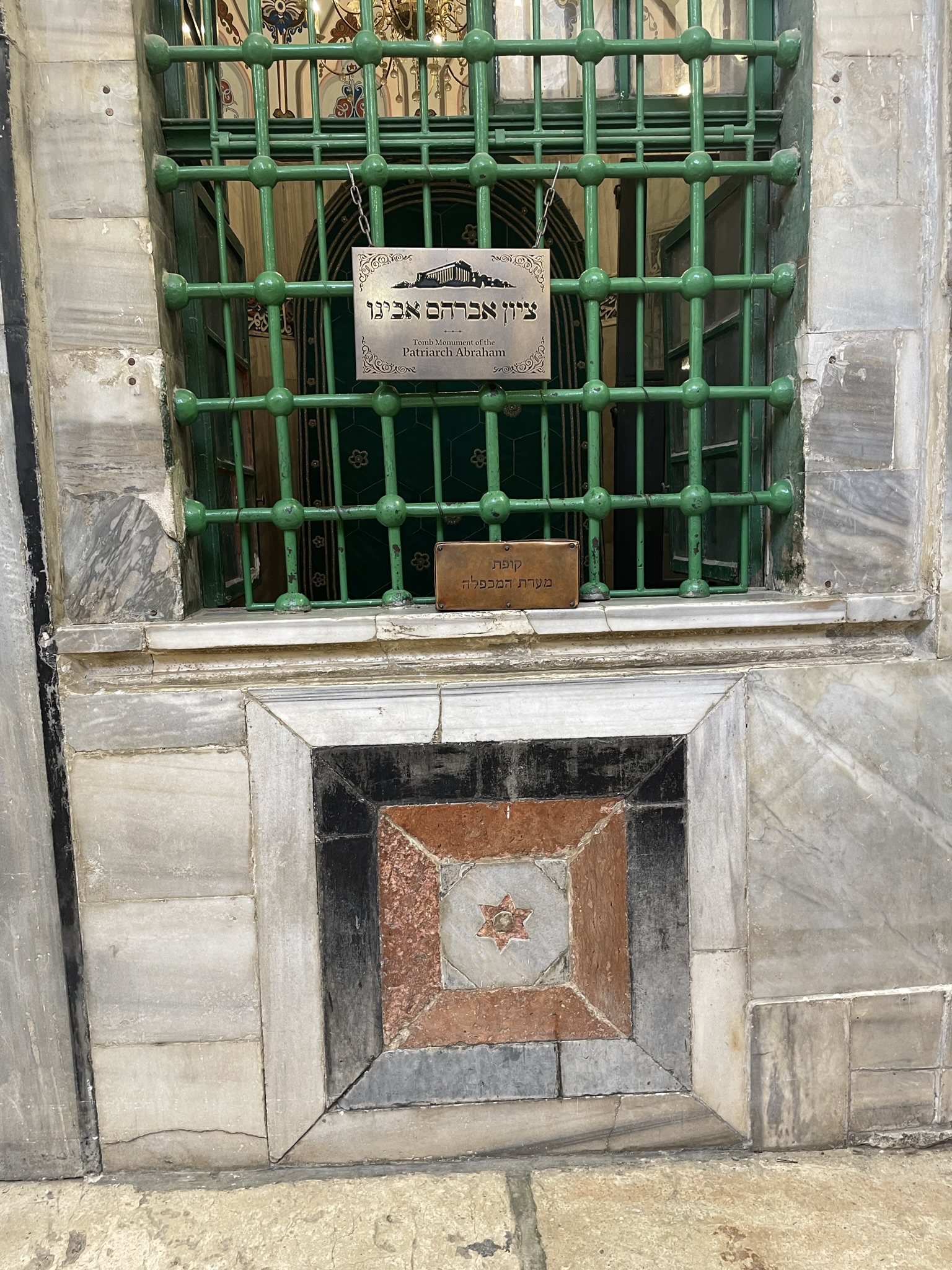
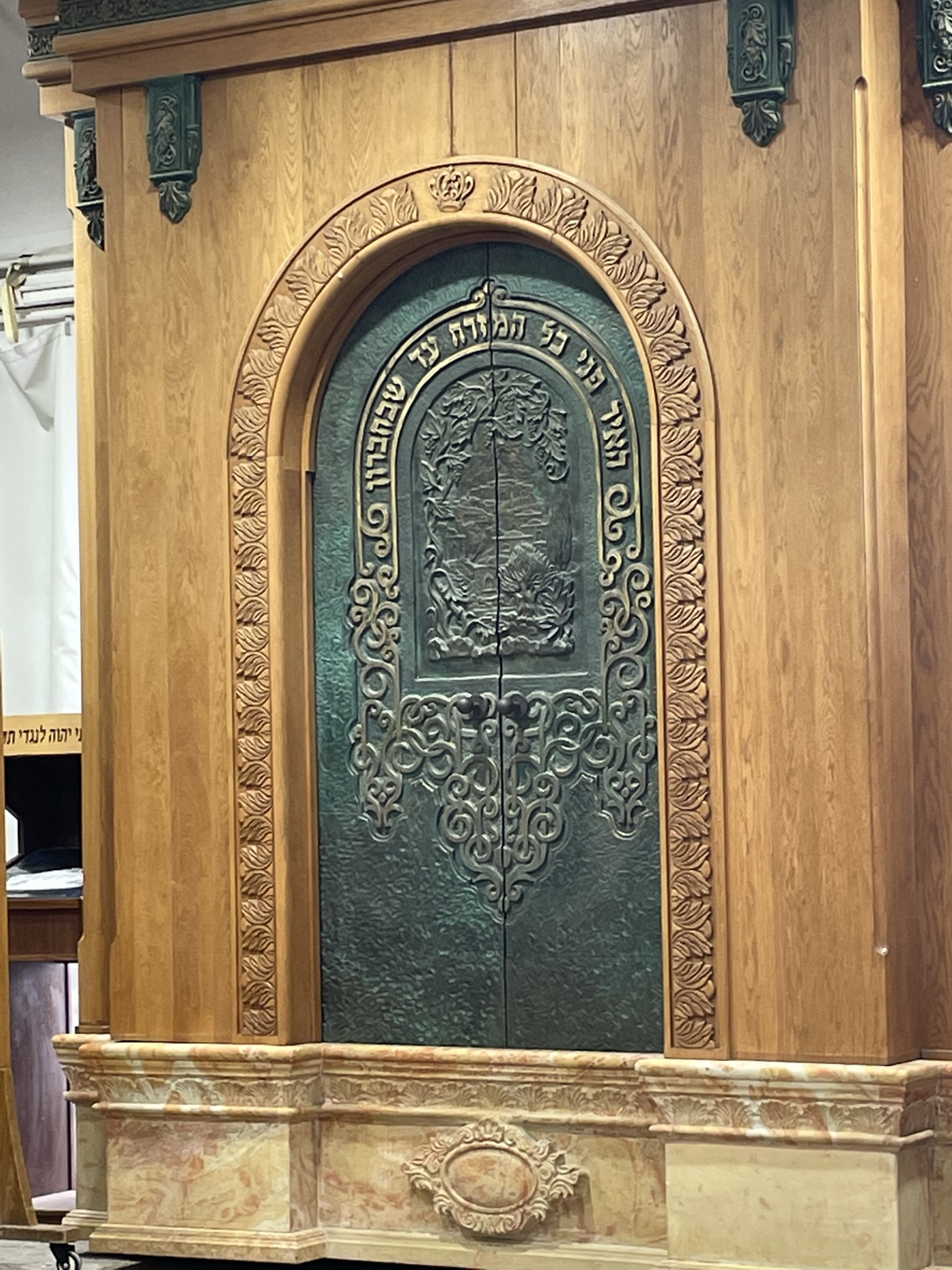
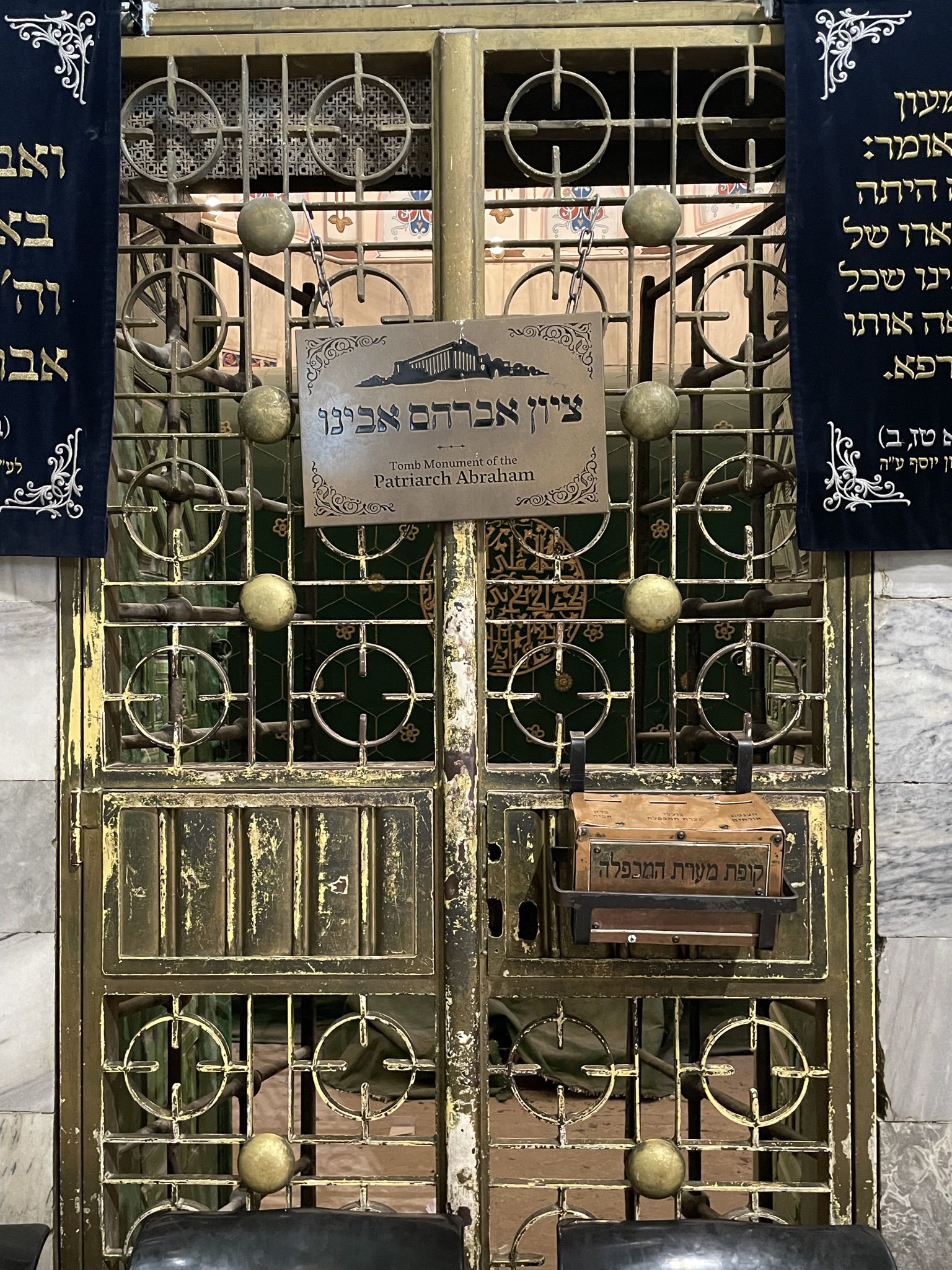
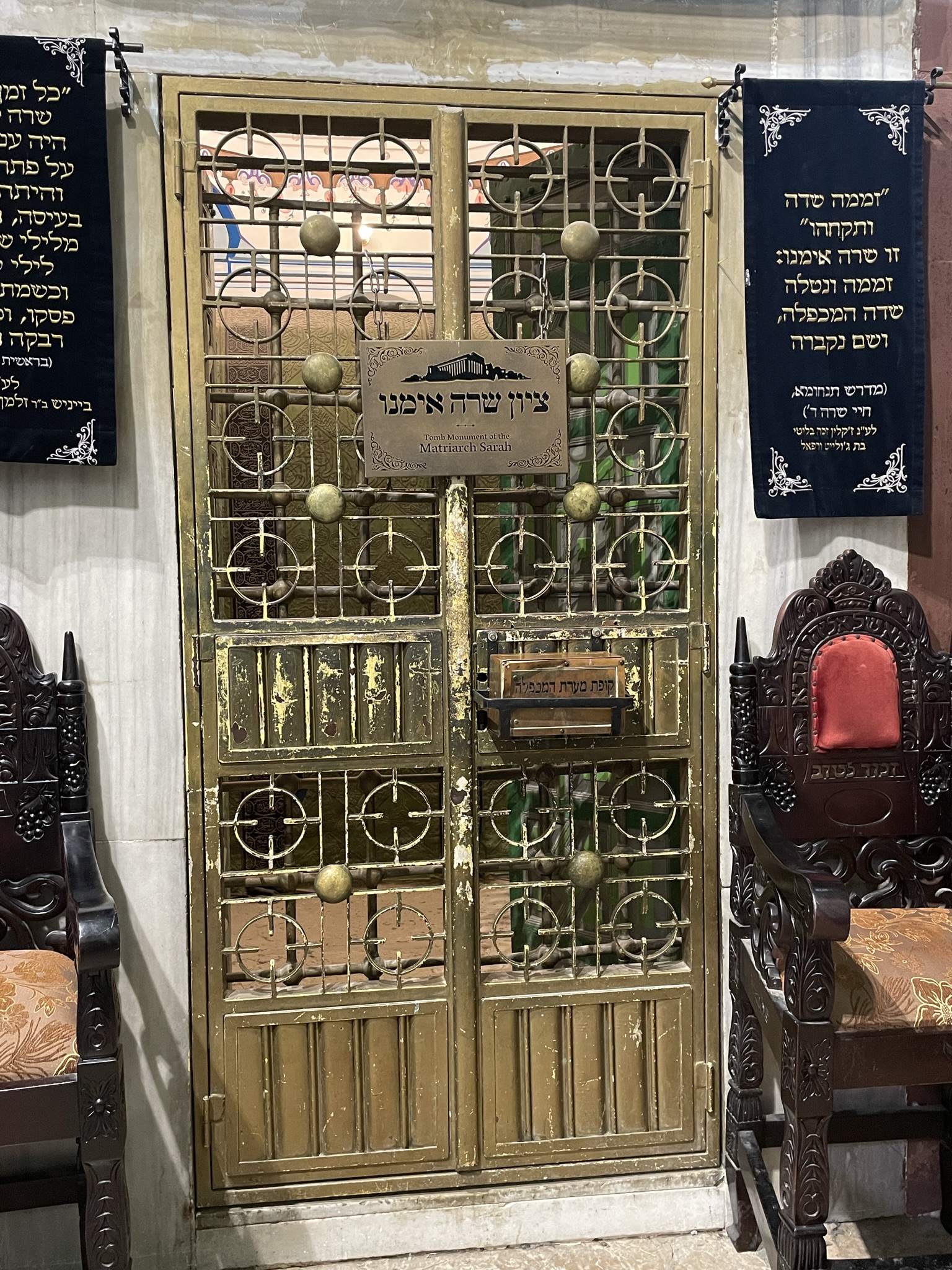
After visiting the tel, we visited the cave of Machpelah – the burial place of the patriarchs. Here are some images from our visit.
Cave of Machpelahinside the building on the Jewish sideArk for the Torah scrolls.

























 Rooted and Grounded