As I head home from Yerushalayim (Jerusalem), I amazed that once again, it could speak to me and tell me so much of my God and my heritage as a God-lover. It seems I can never exhaust the secrets this city holds for those who will come and open their hearts to the God who set His name on this hill.
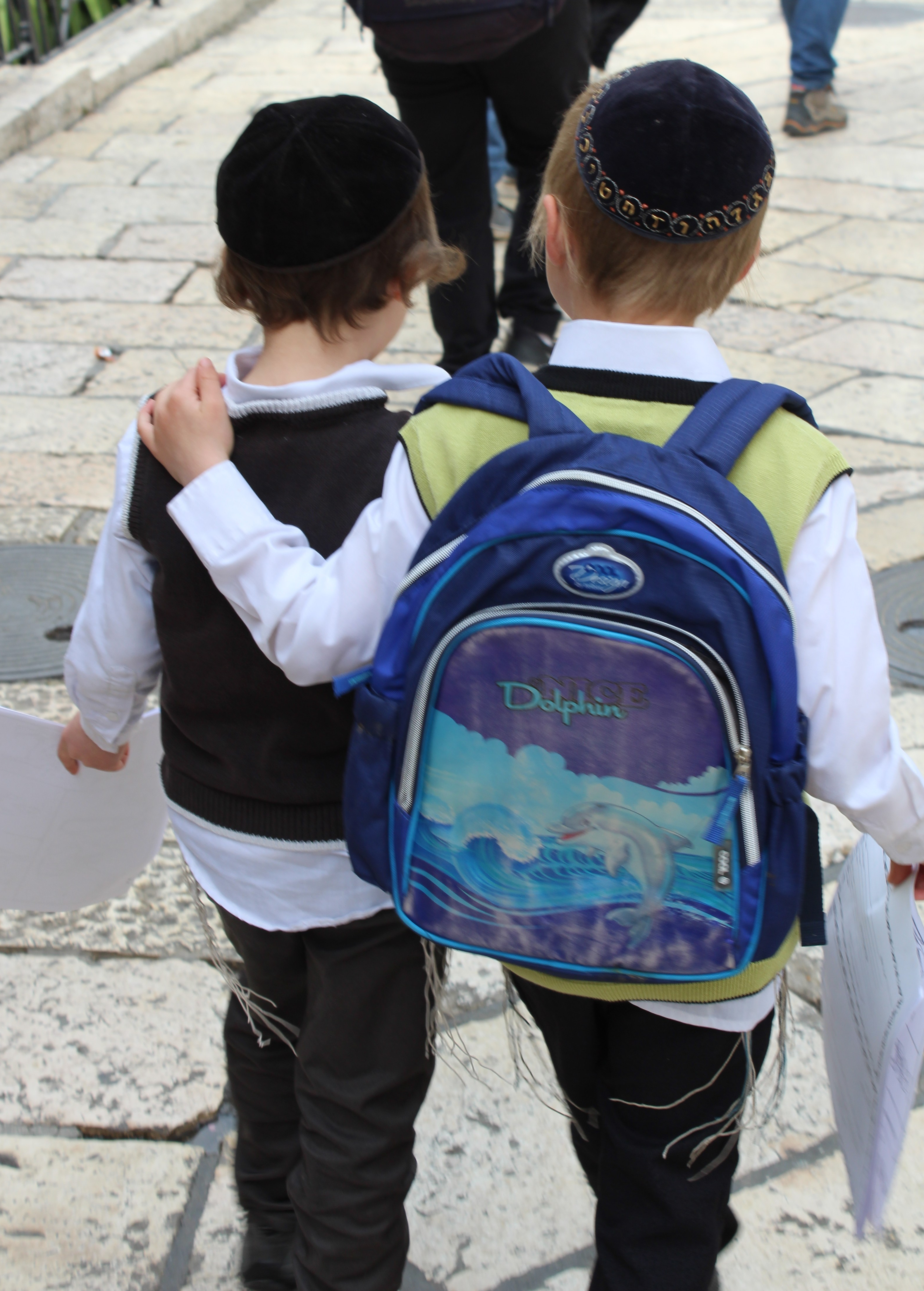
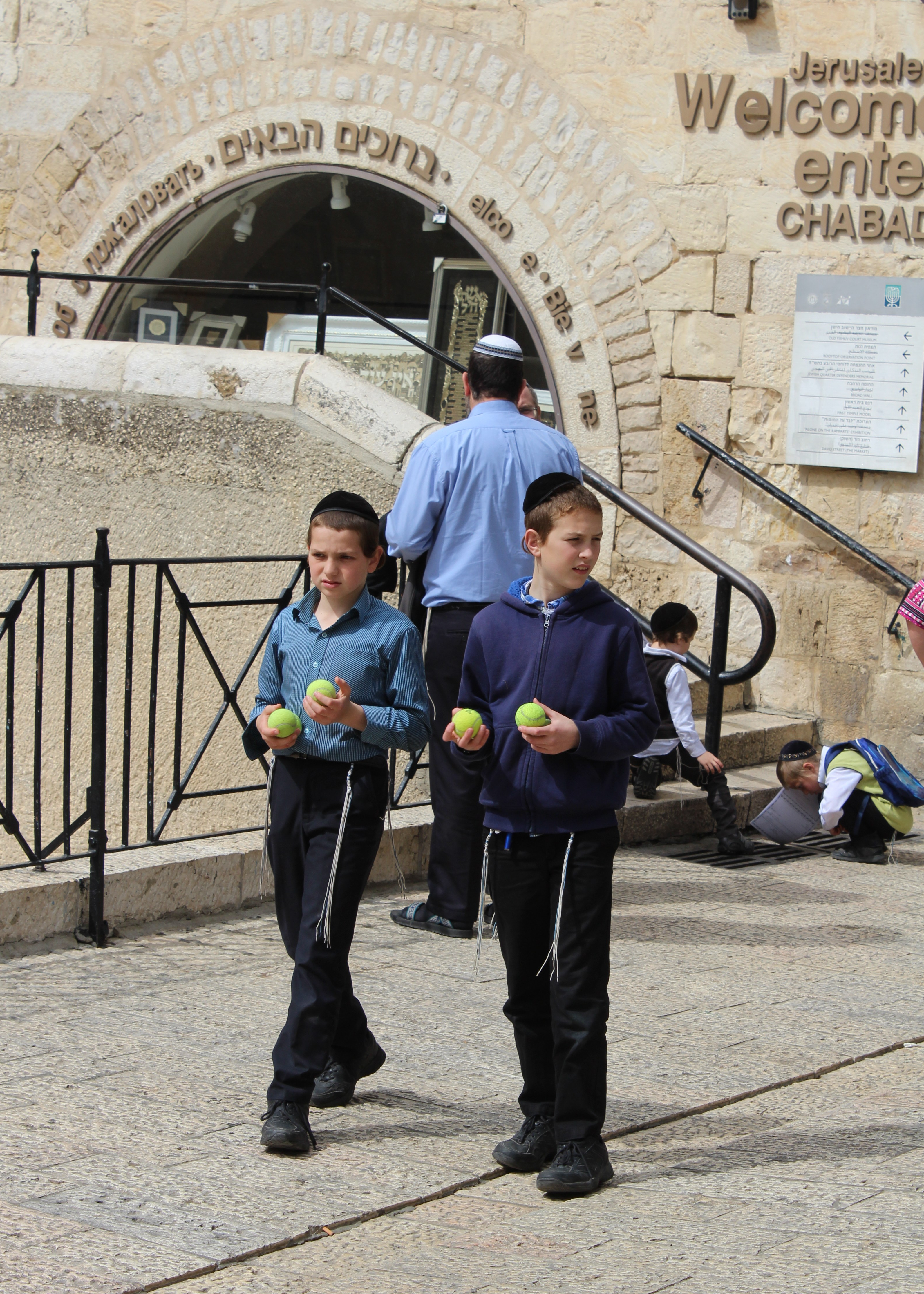
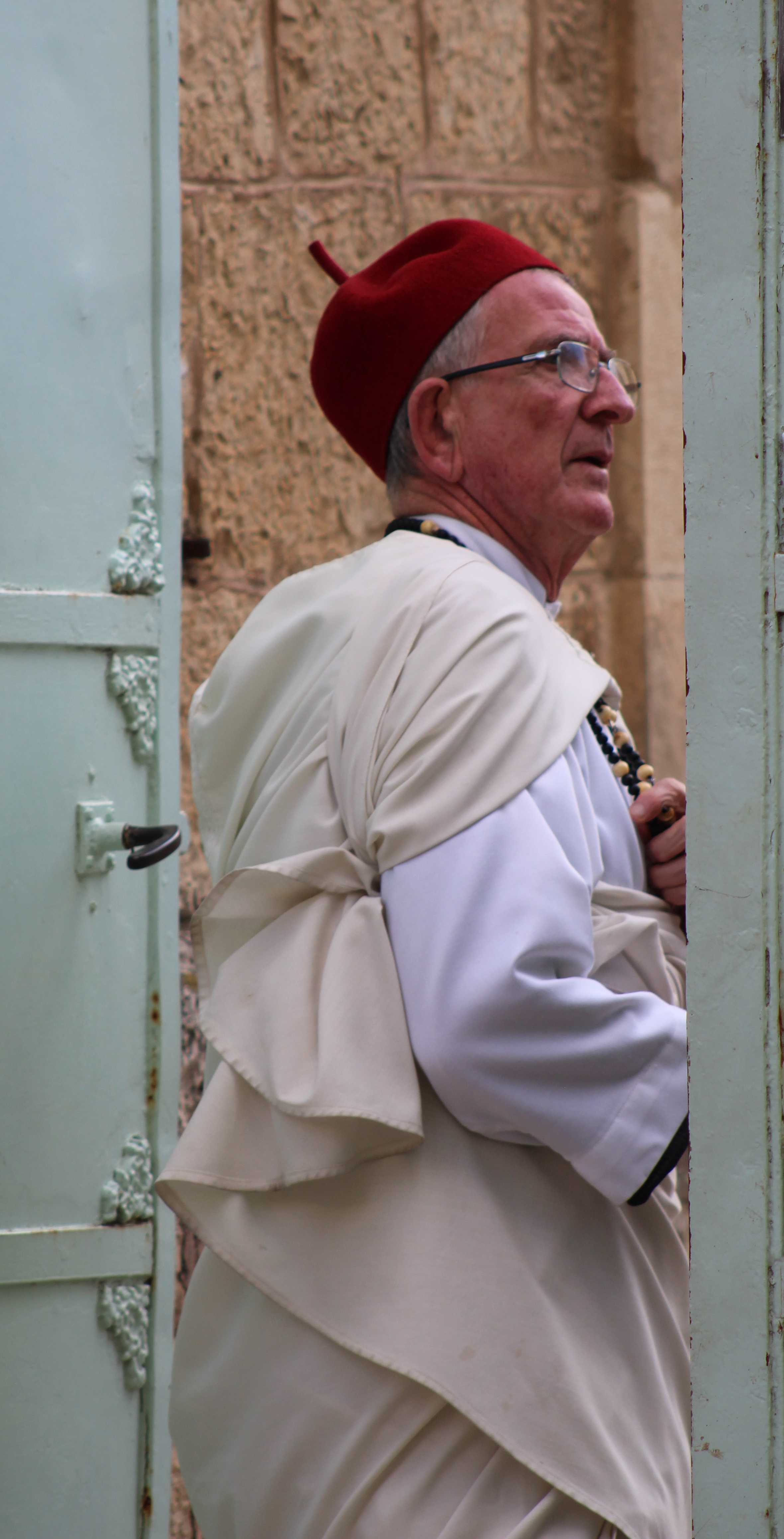
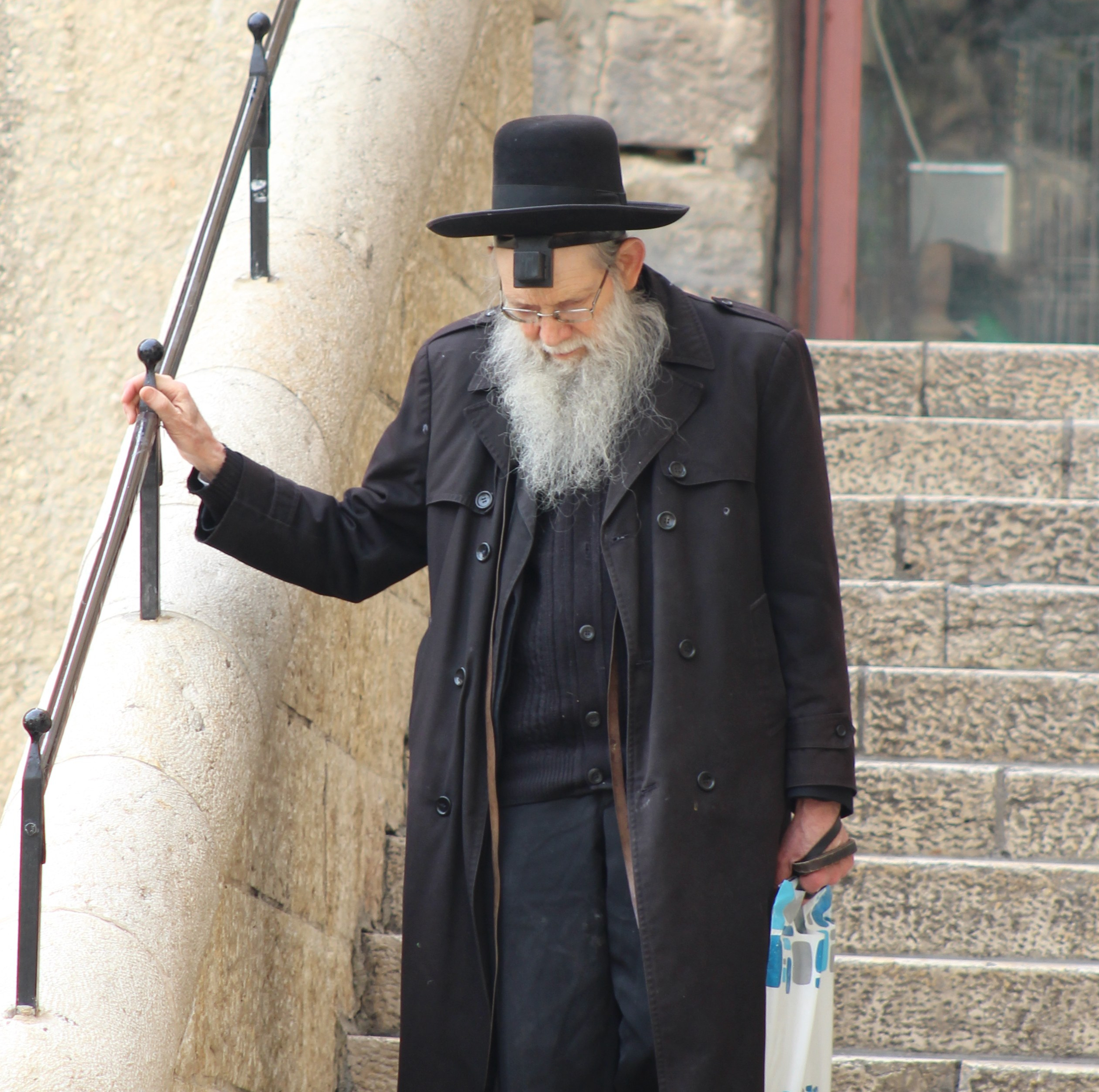
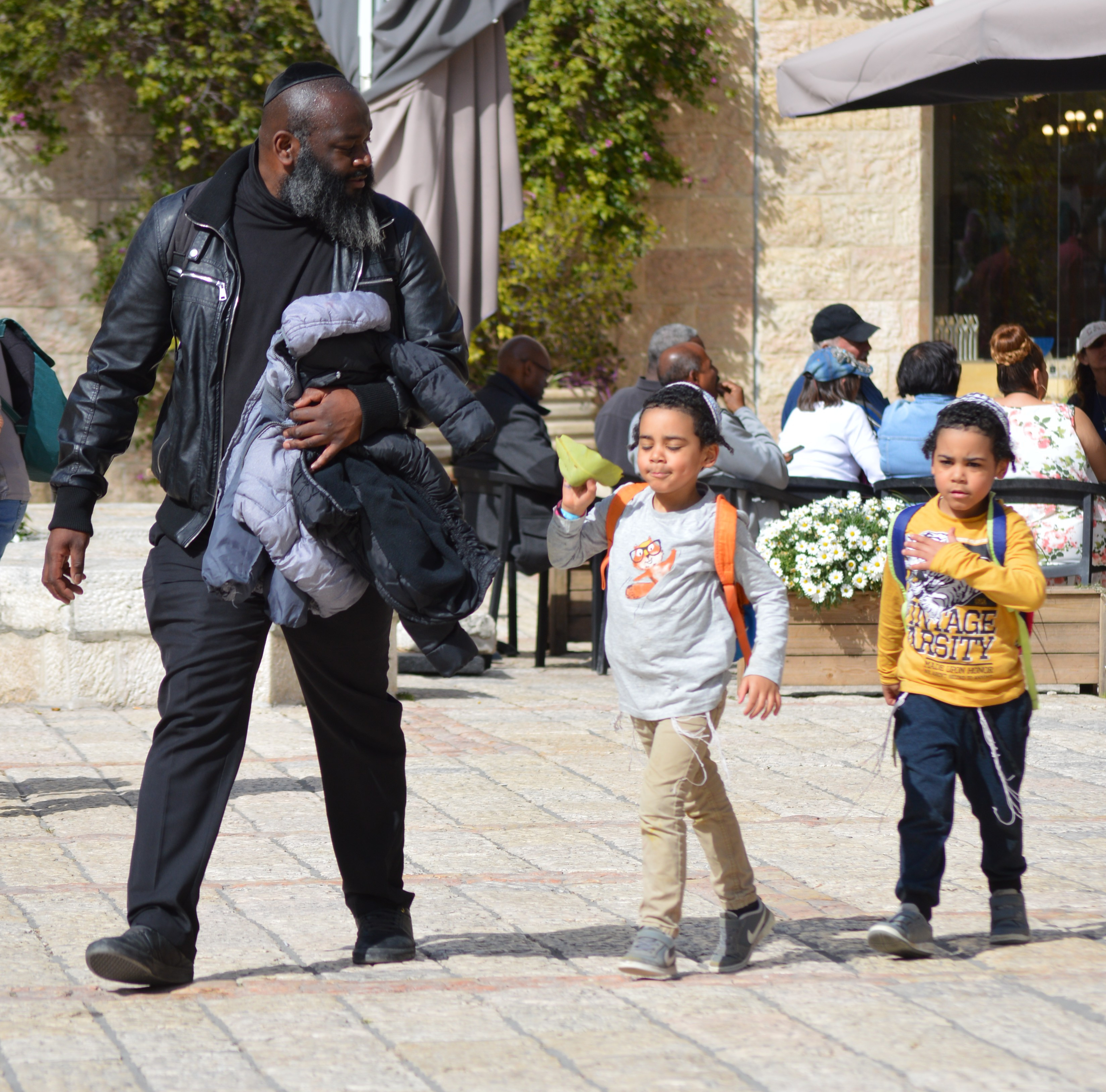
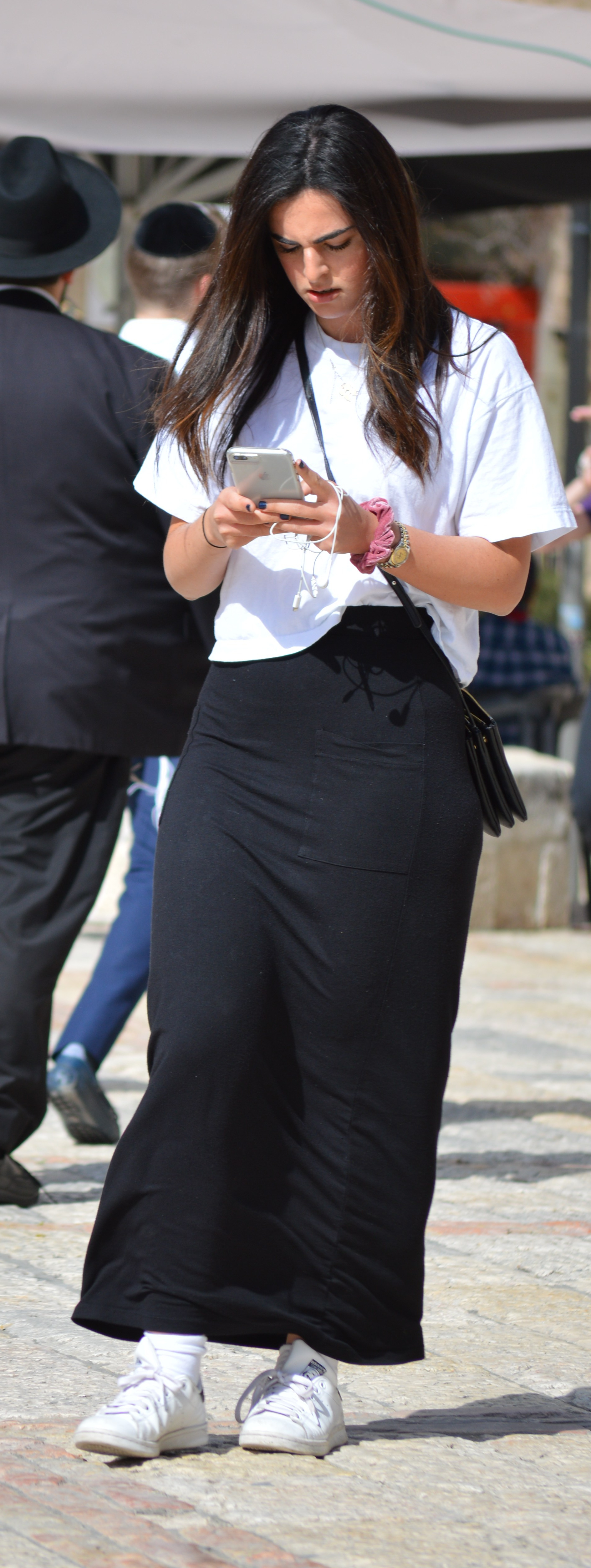
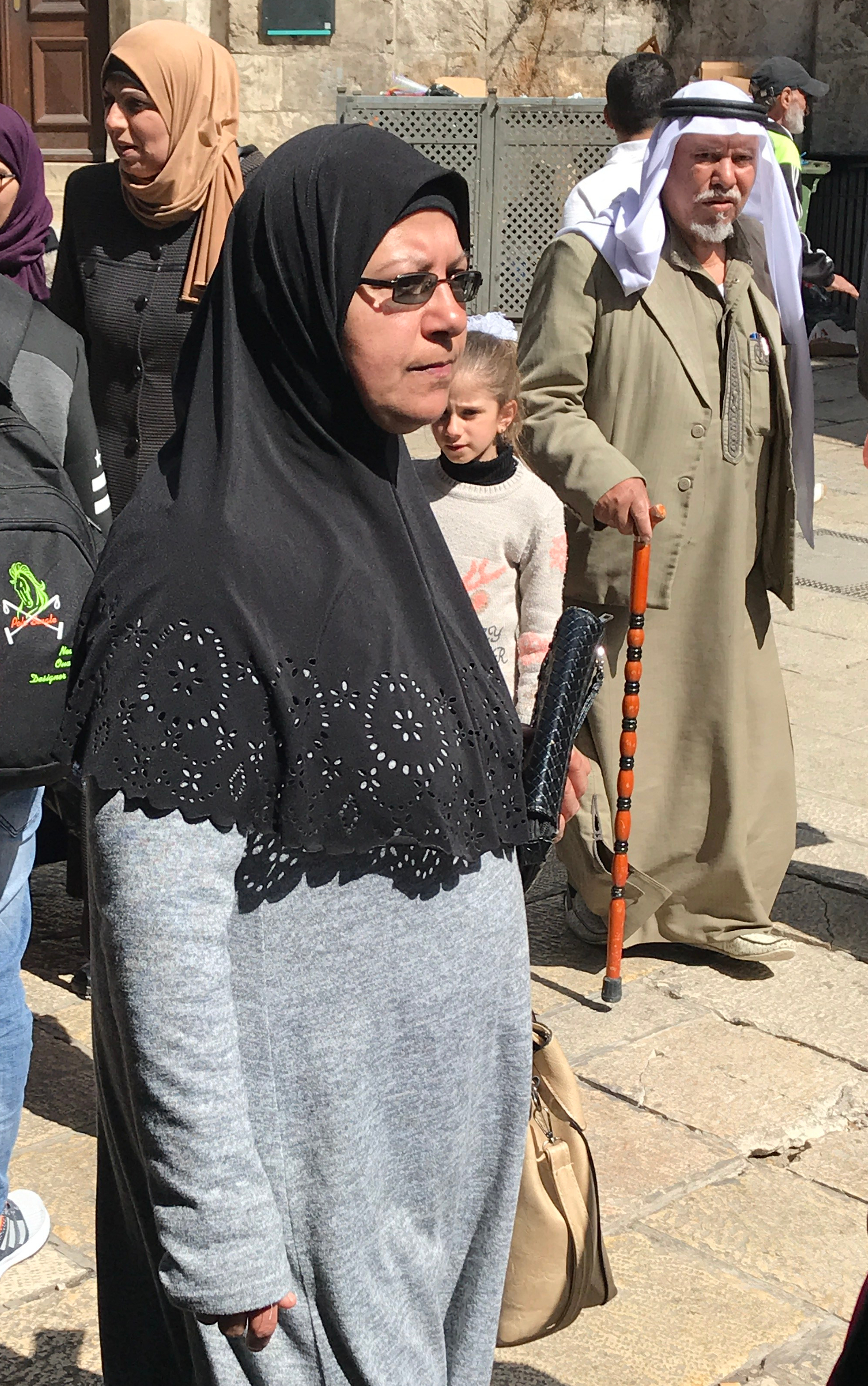
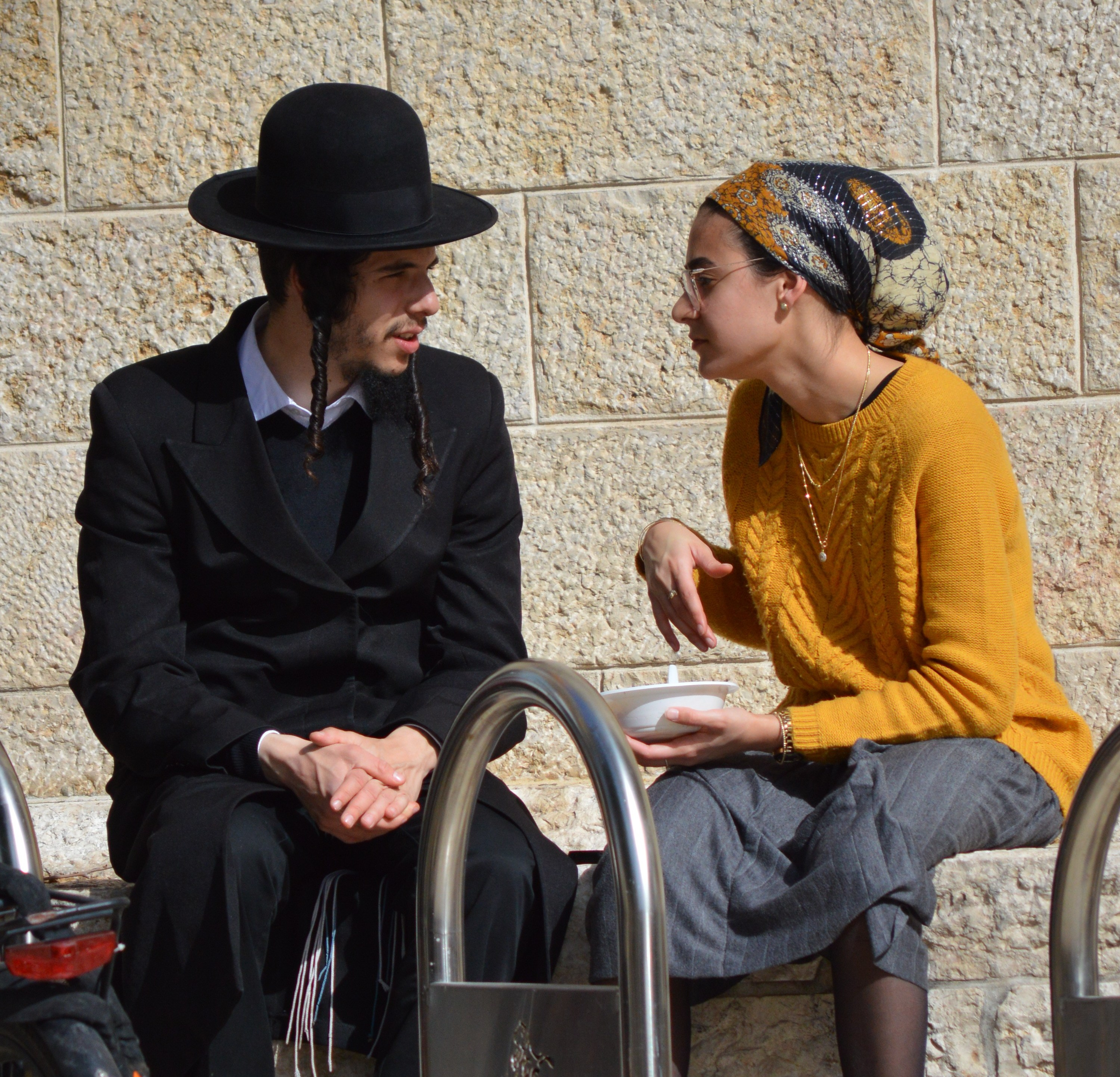
Here are a few random moments from this year’s trip. Look for future posts discussing sites visited on our trip.
Every time I go back to Israel, I get comments and questions, e.g. Is it safe? Aren’t you afraid? Why would you want to go to Israel? The questions are legitimate. Israel is situated in an area of the world in which there always seems to be a conflict occurring or at least one brewing. It has been that way since the Israelites came into the land more than 3,000 years ago. But I digress.
Going to Israel is essential, in my opinion, to knowing God better and more experientially. It is not a substitute for daily study of the scriptures, but rather it enhances and enriches the devotional life of the student of the Word. This is true whether you are a Jew or a Christian–Evangelical or Catholic. Coming to the land where most of the events in your Bible took place changes how you see God, how you experience Him. For the Christian it is also important in coming to a better understanding of the Jews, their customs, their culture and their faith.
In Israel, it is possible to stand where Jesus stood–on the Southern Steps of the Temple mount or perhaps in the synagogue in Magdala. One can see where Elijah challenged the prophets of Baal on Mt. Carmel or over look the valley where David took on Goliath or visit the Pool of Bethesda where Jesus healed the lame man. So much of the history of God’s people can be anchored to physical geography of the land of Israel, i.e. the feasts, the worship, the battles, the births, and even the deaths.
But the most significant thing about the land of Israel of me is the close presence of God. God hovers over Jerusalem. Despite the religious diversity, the tension, the rituals, the shrines, and all manner of religiosity, God set His name upon and made promises about Jerusalem. He cannot lie, and so the land emanates the fragrance of God. That is what draws me back–and the chance to learn even more about Him and His people, and the chance to draw ever closer to Him.
For future tours to Israel, check out the Rooted in His Word at RootedinHisWord.org.
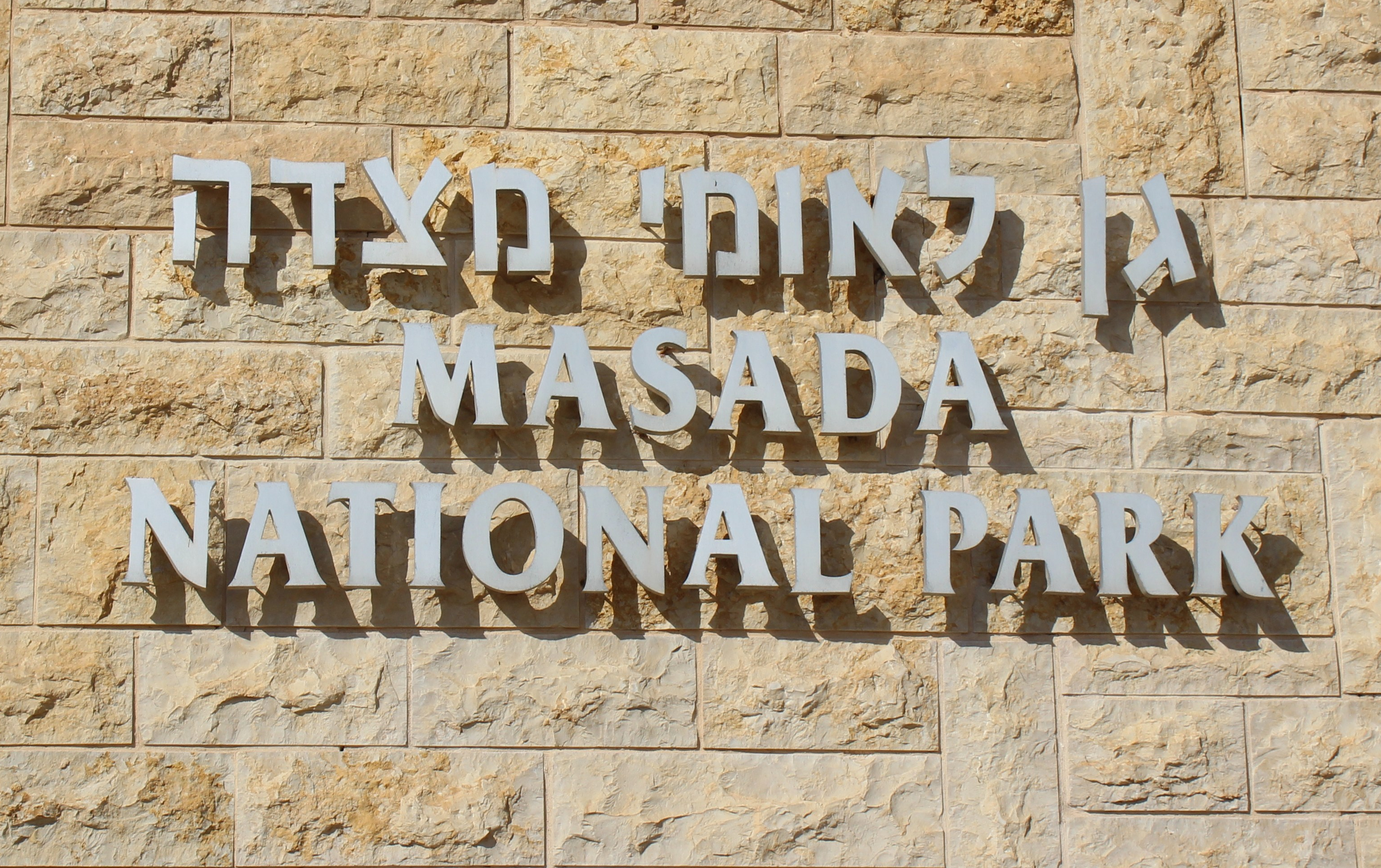
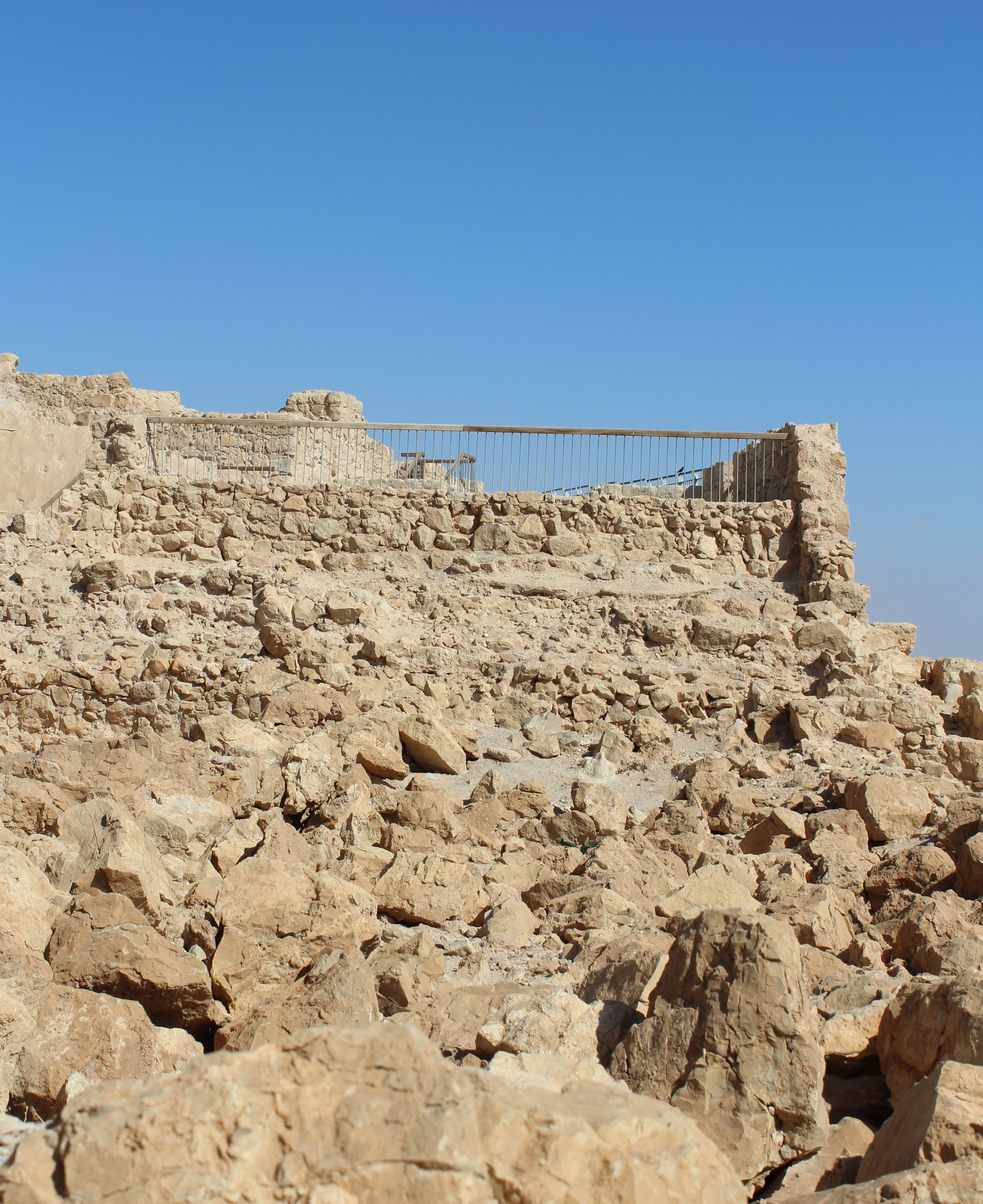
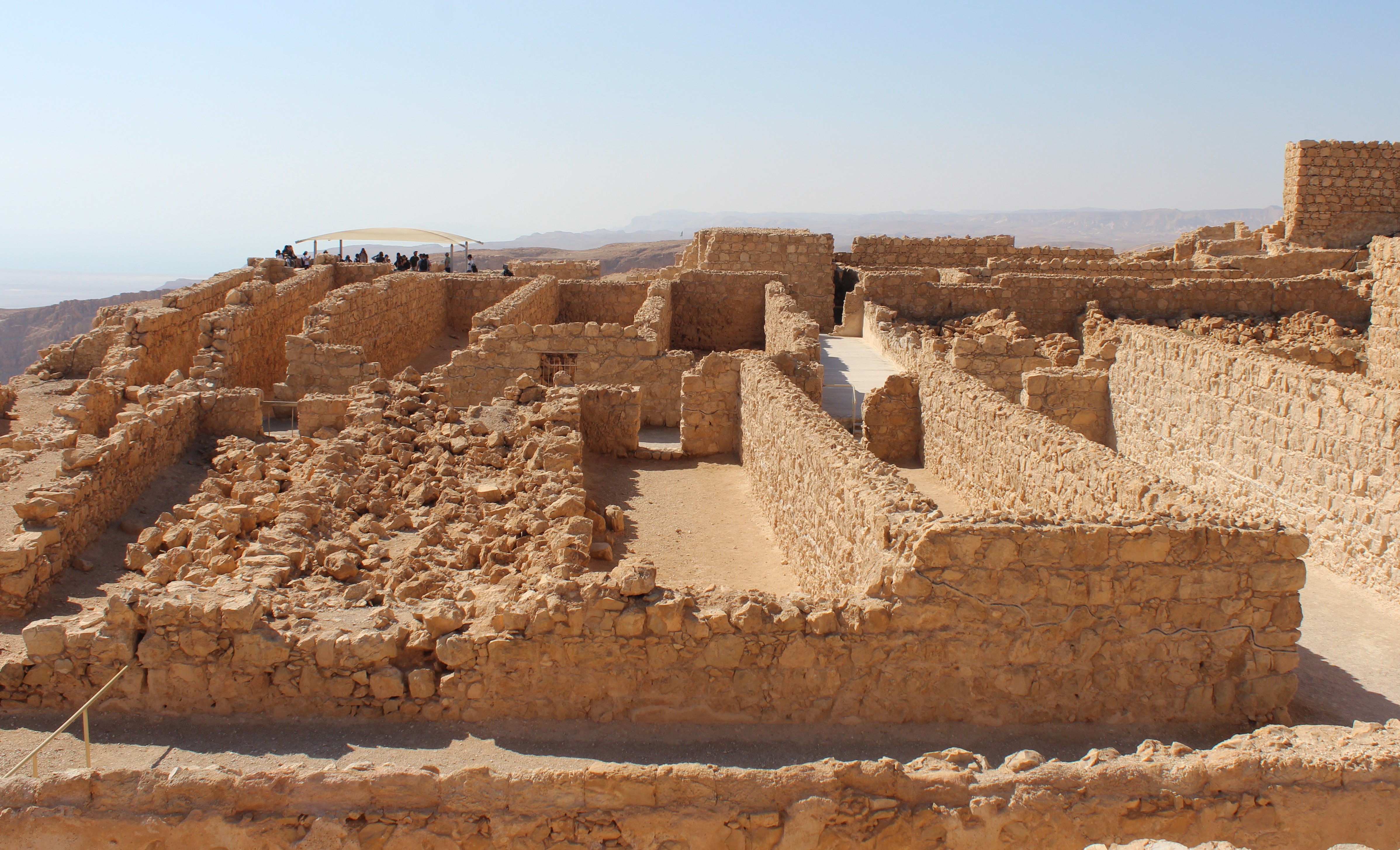
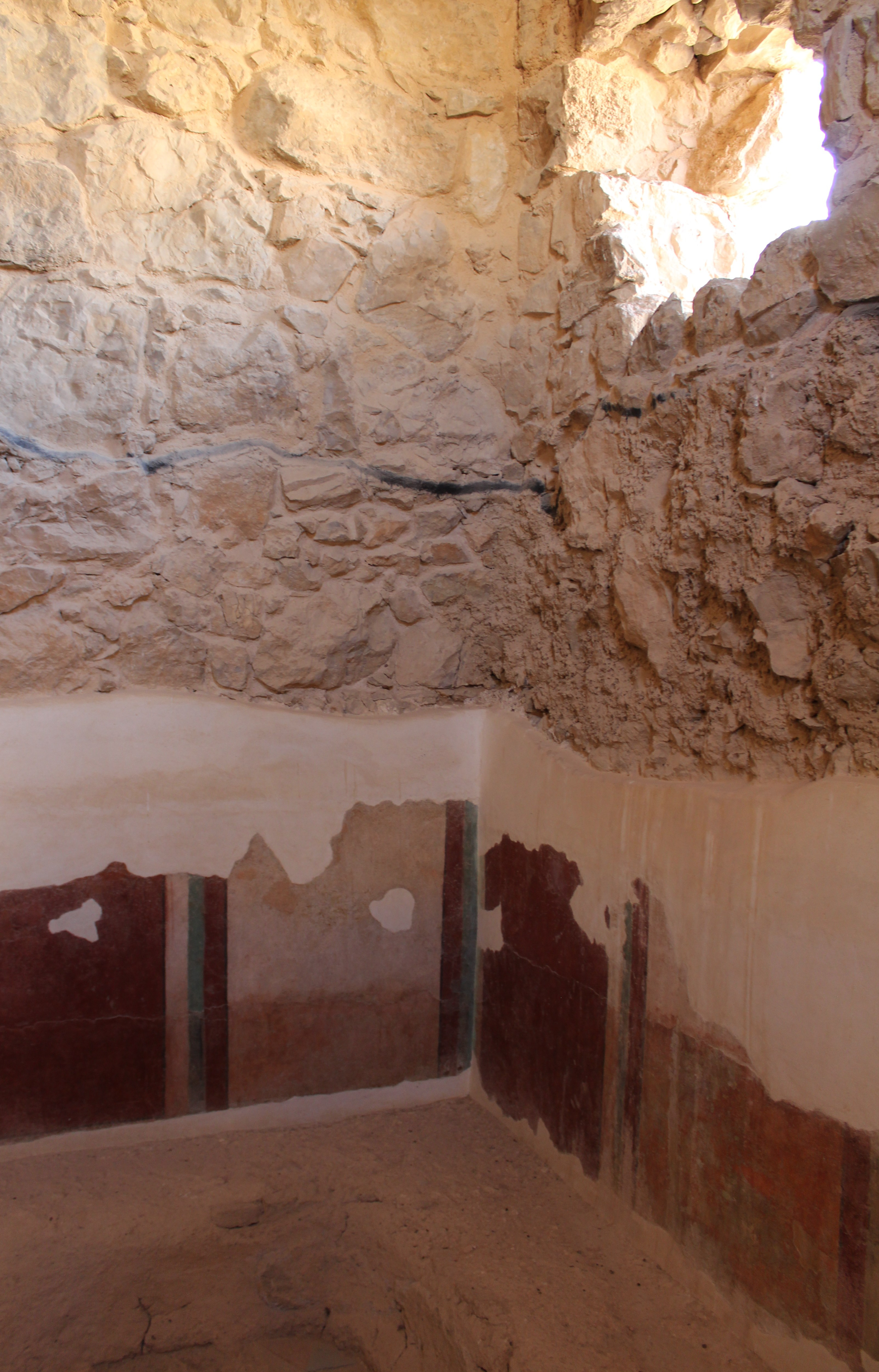
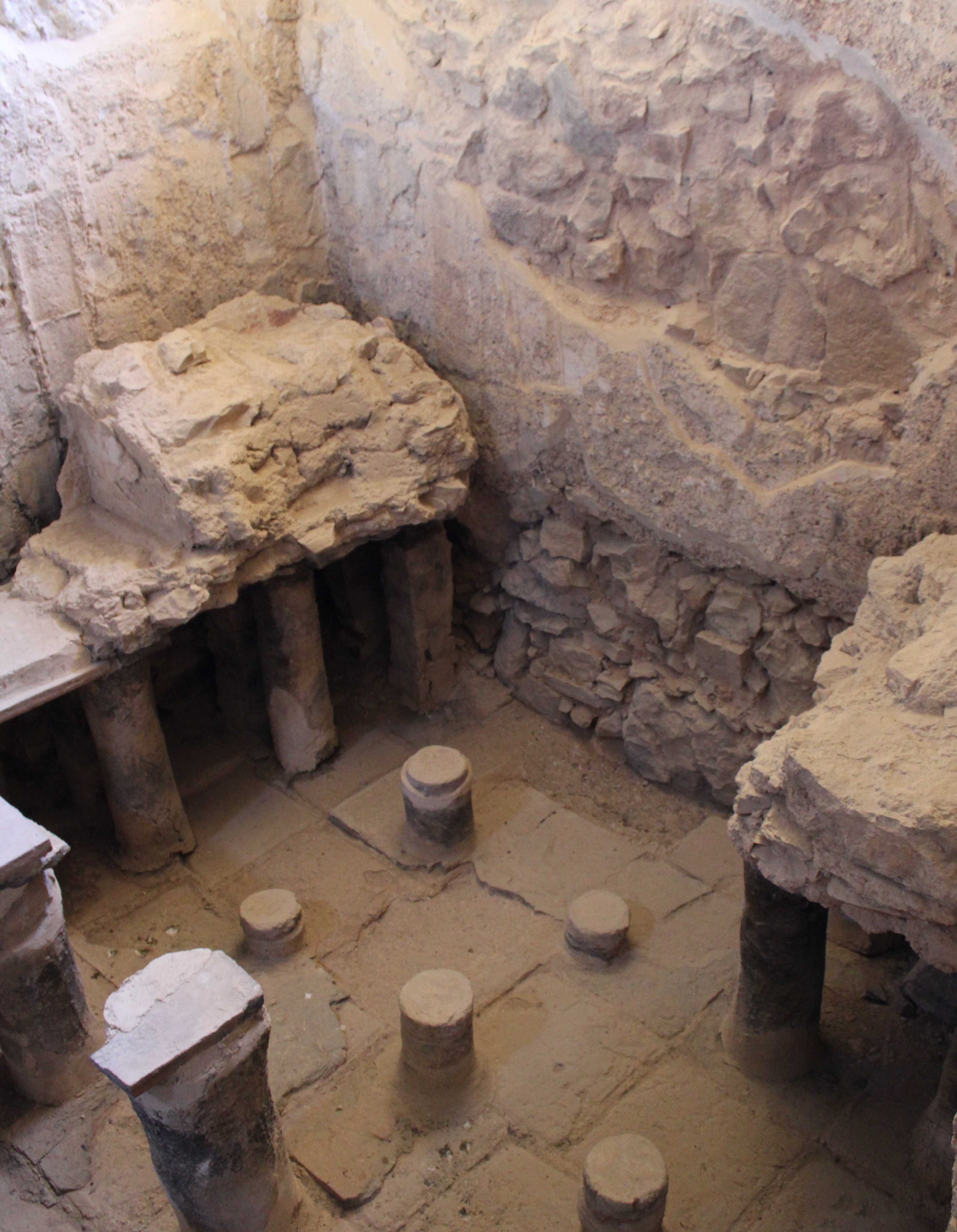
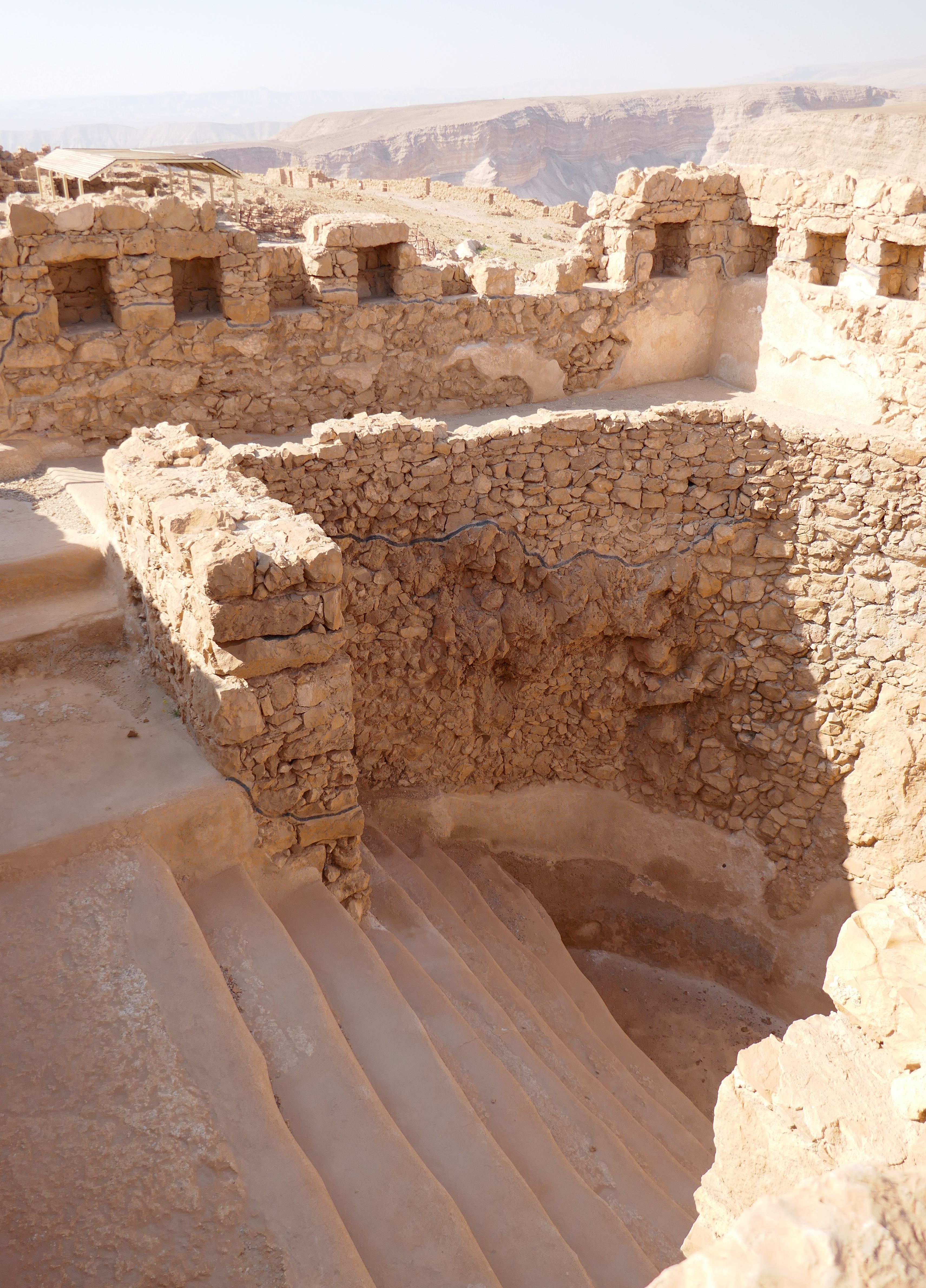
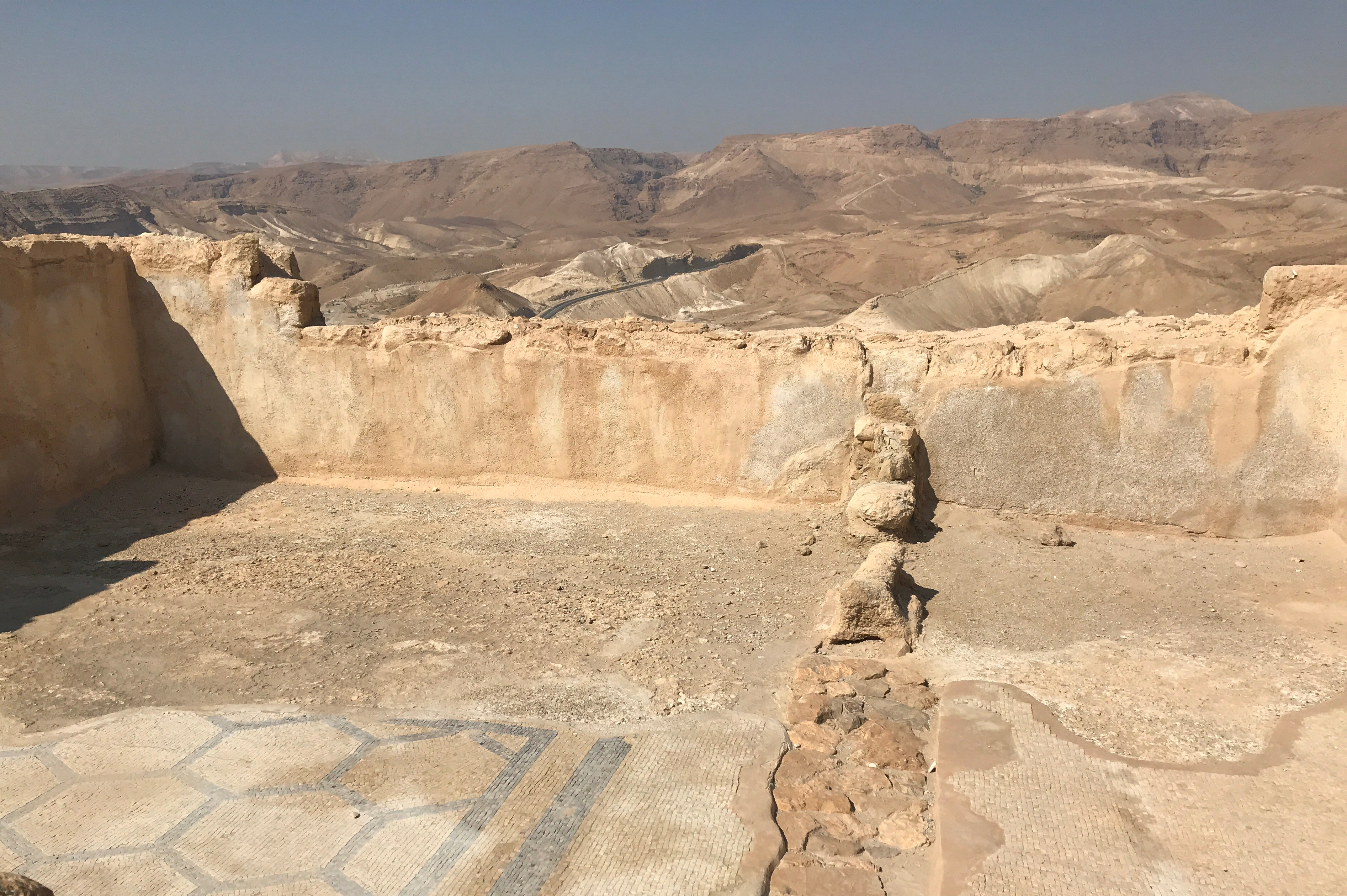
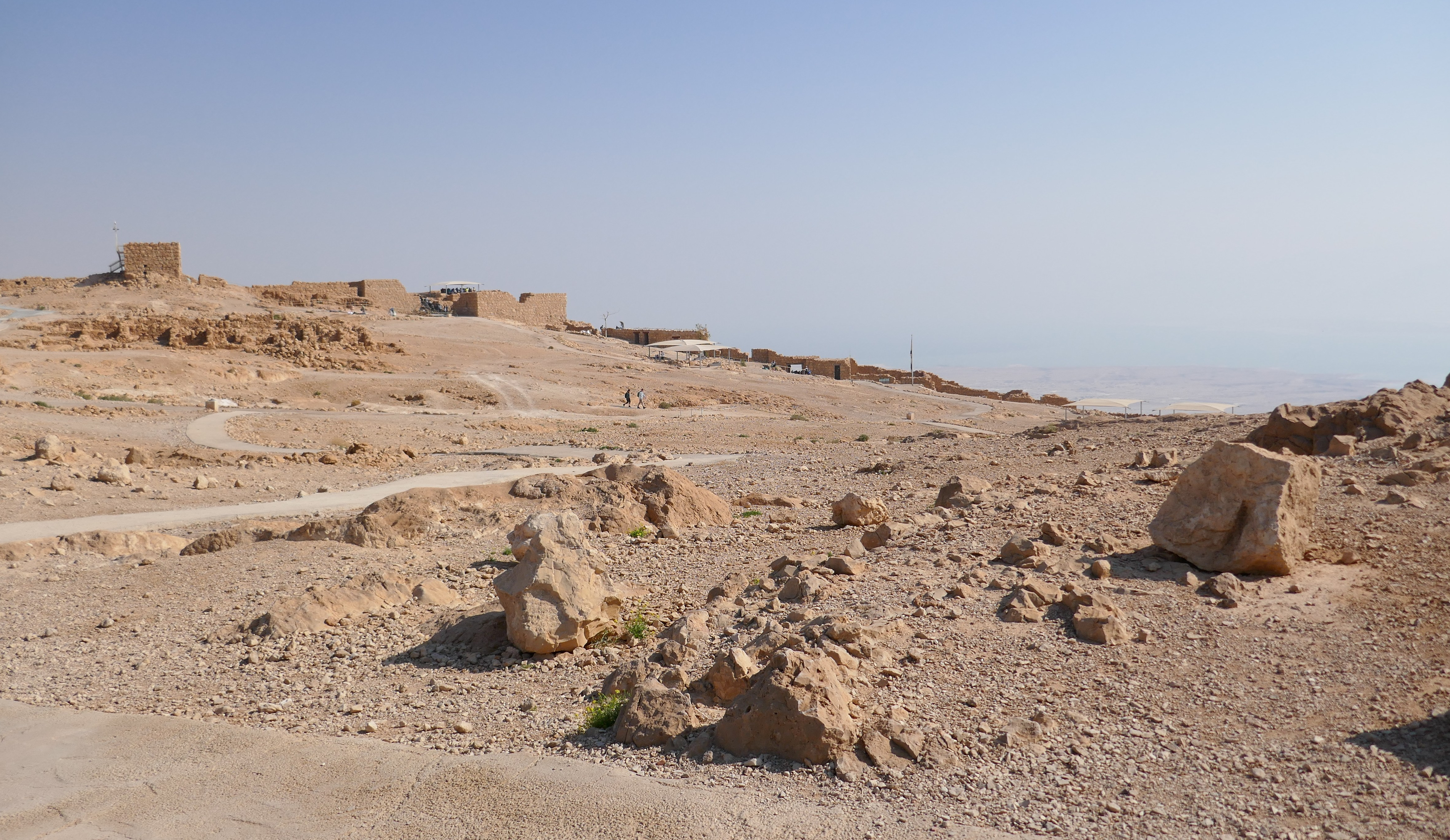
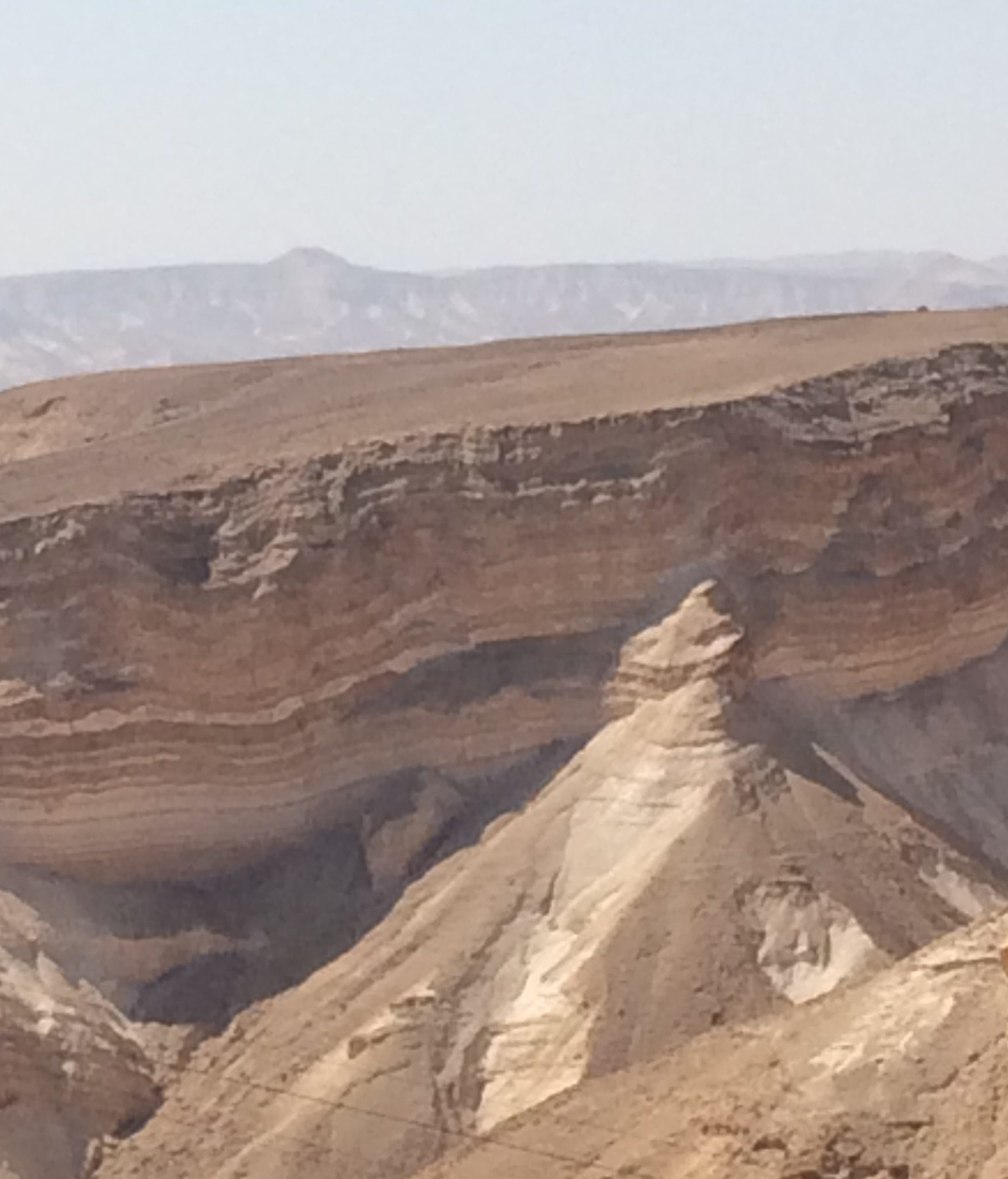
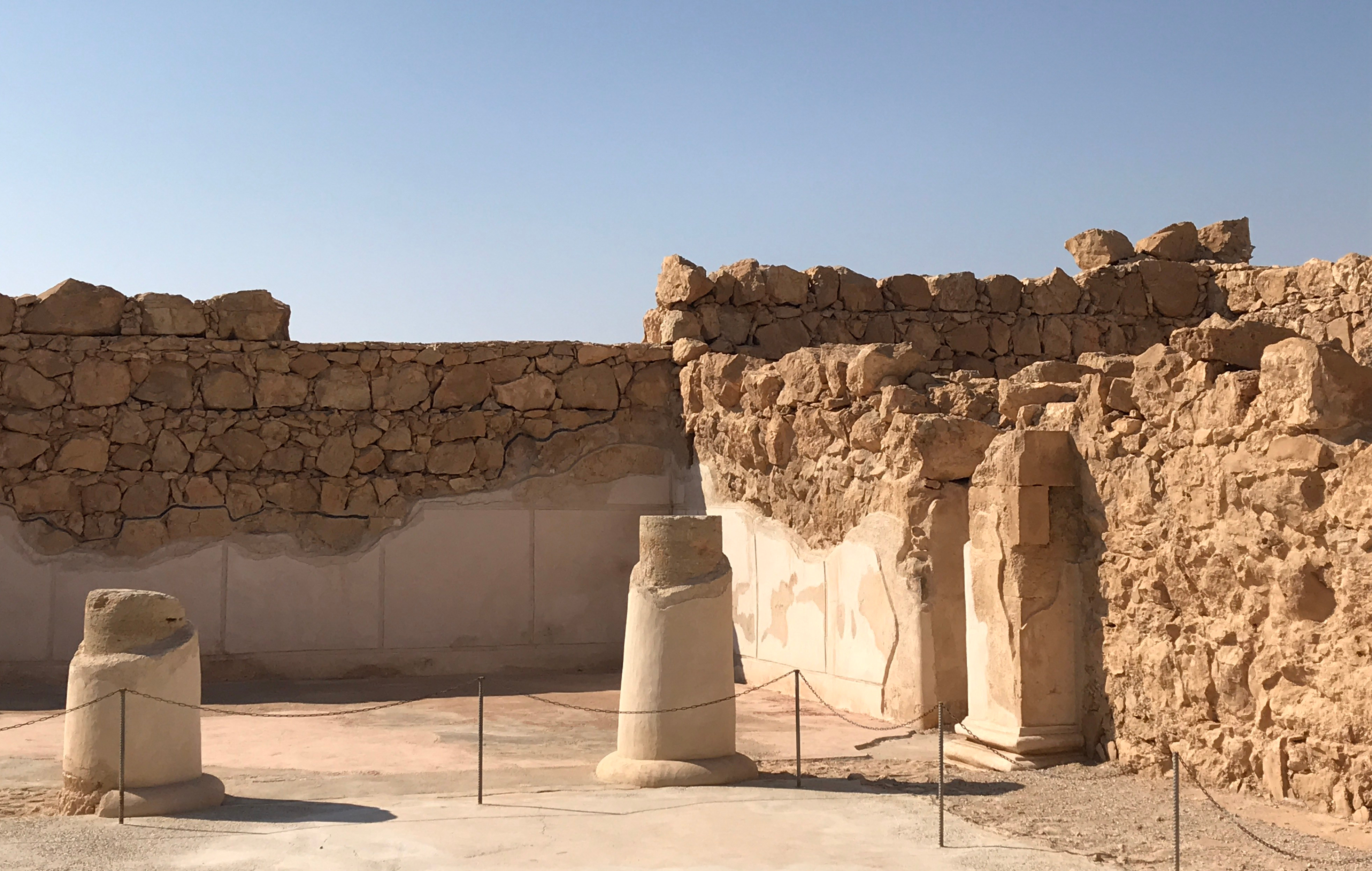
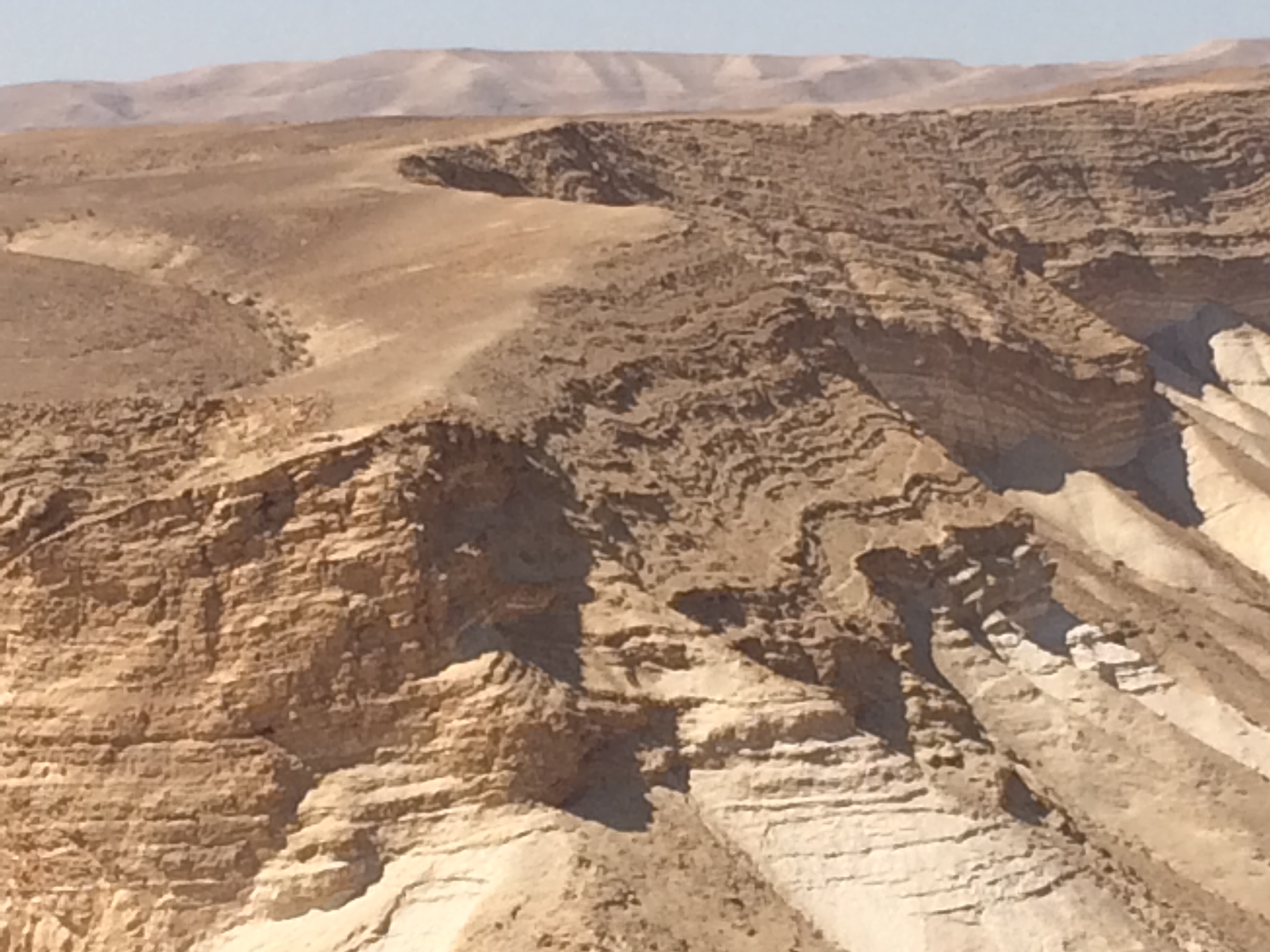
On a hill overlooking the Dead Sea, Herod the Great built a palace. It is not really a site of any religious significance for Christians, but it is an important site to Jews, especially Israeli Jews. The story of Masada as the final stand for a band of zealots became a focal point for later generations.
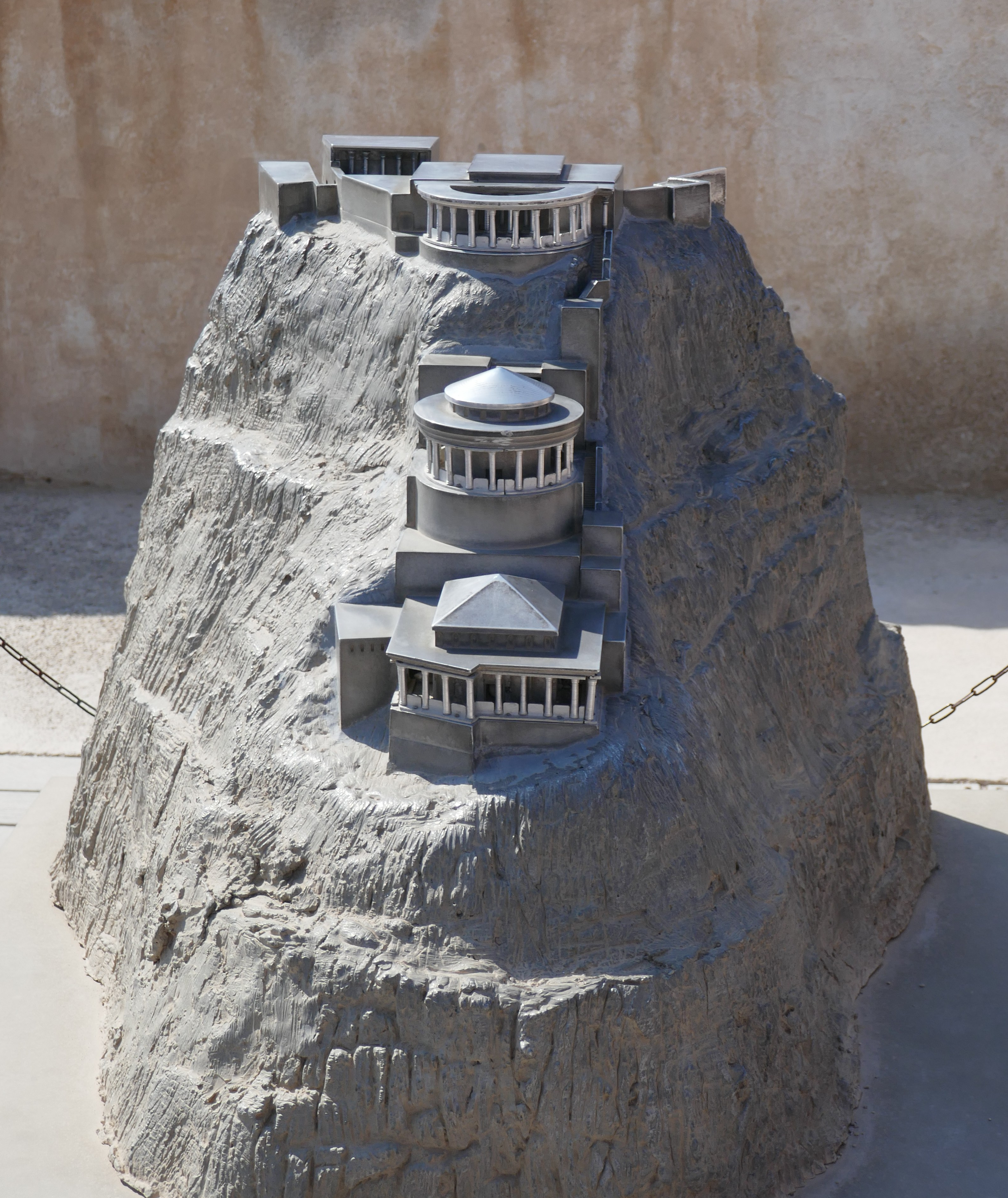
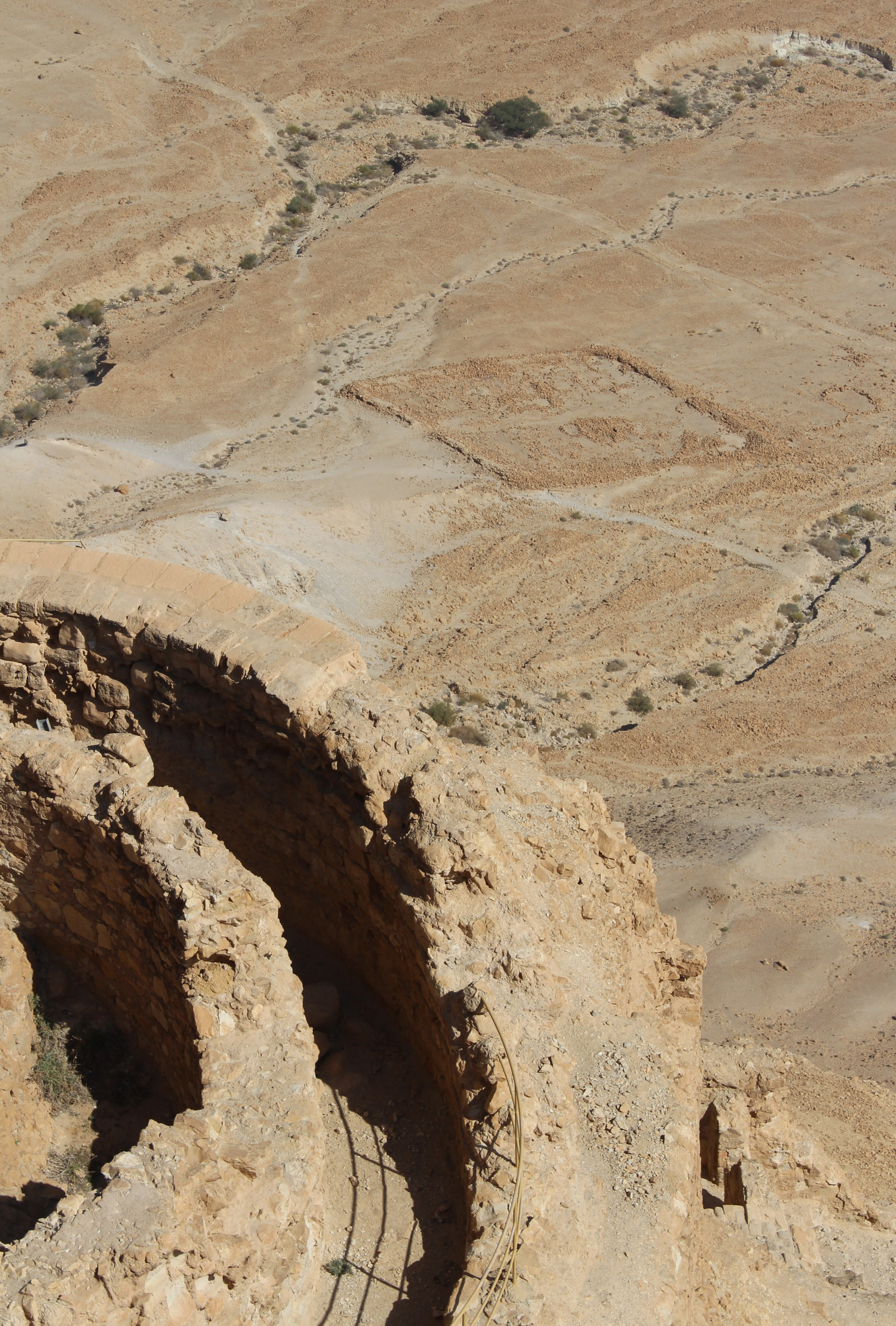
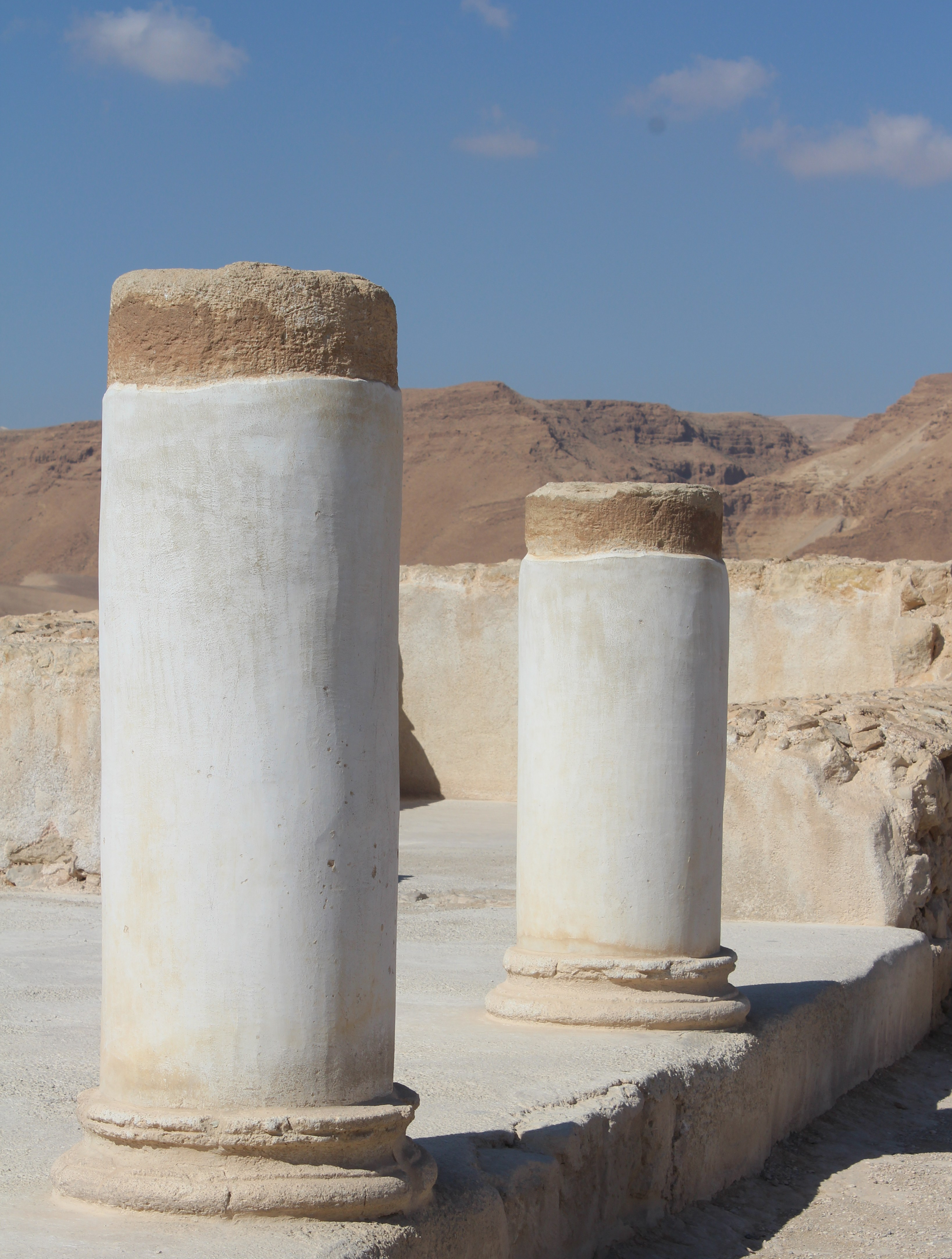
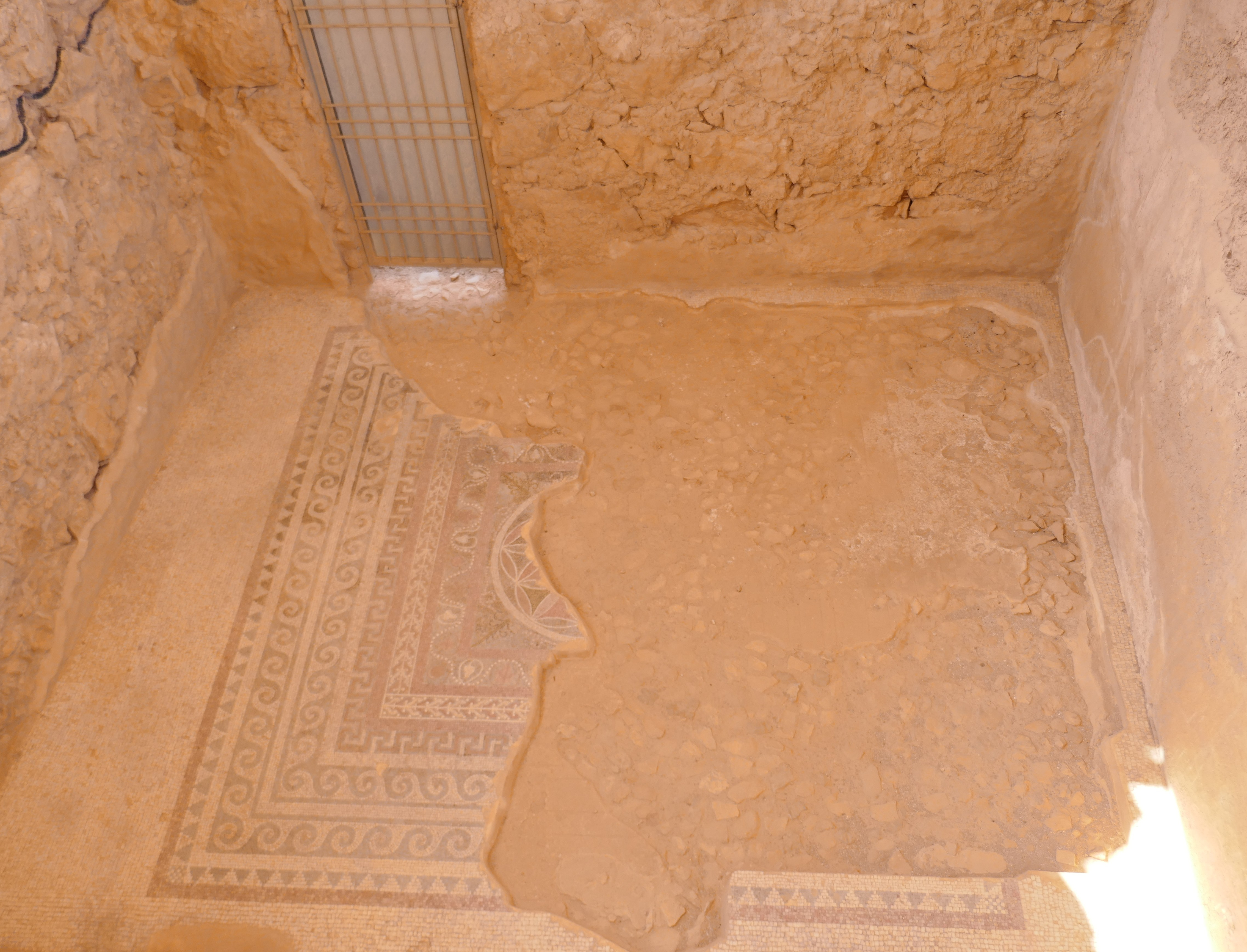
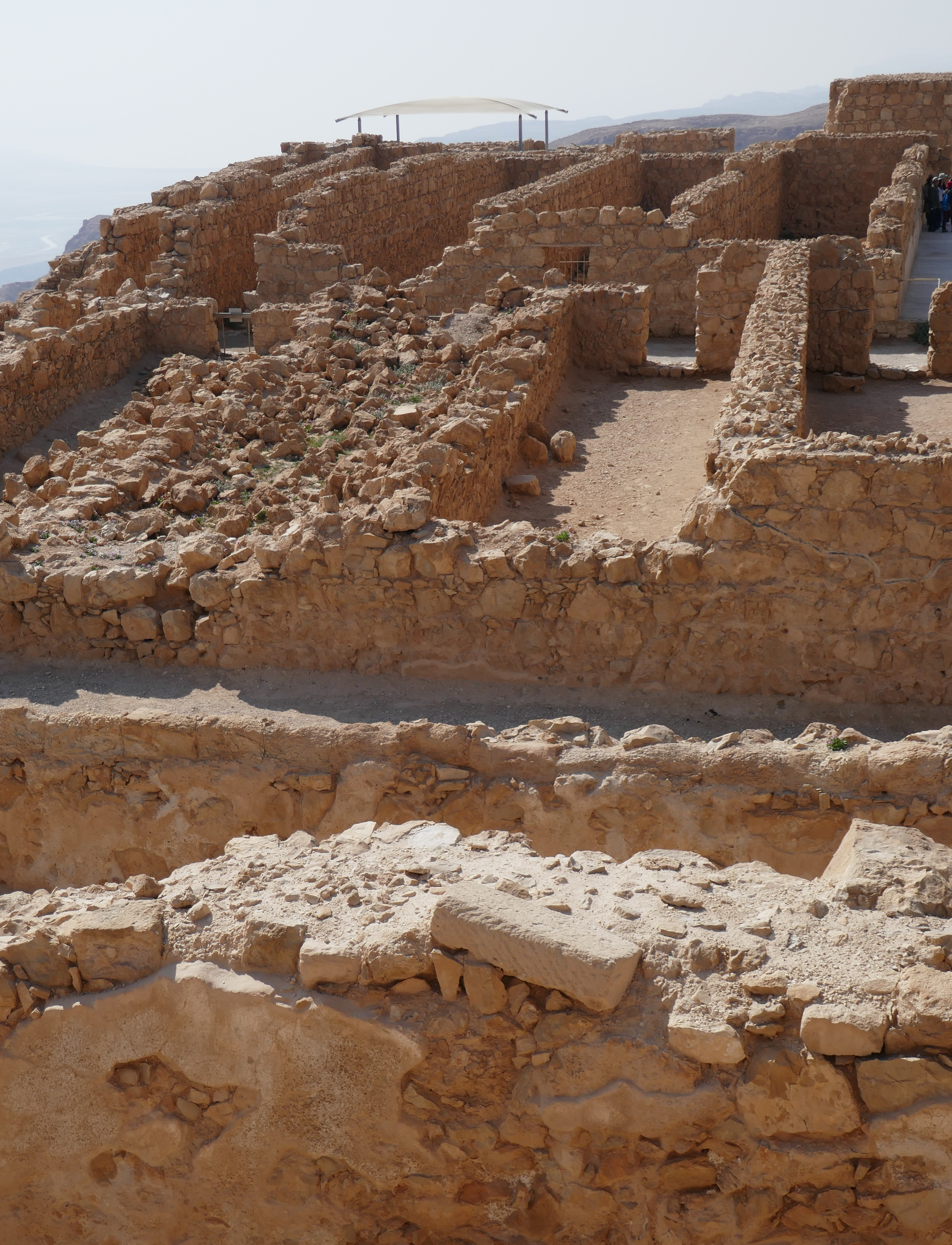
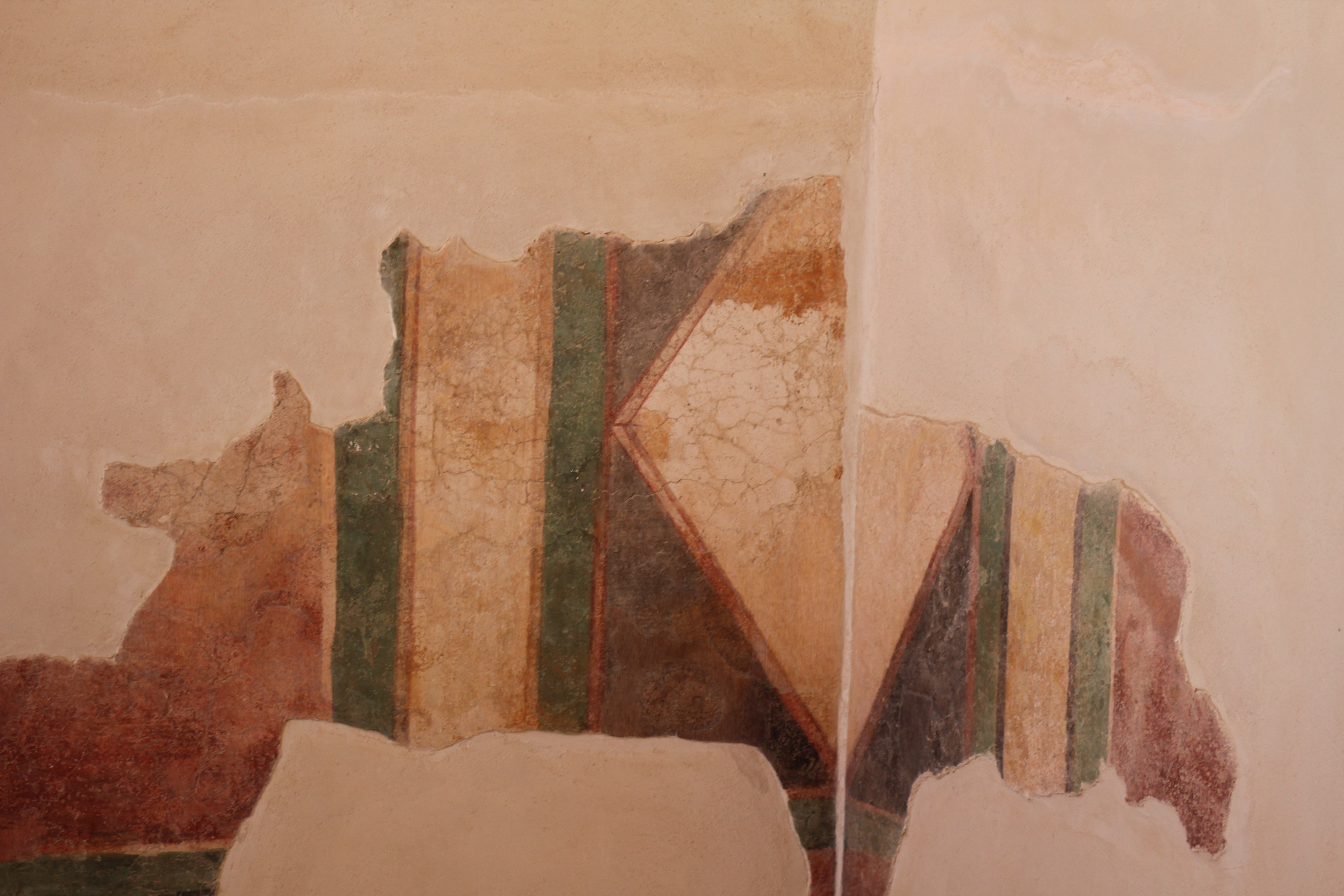
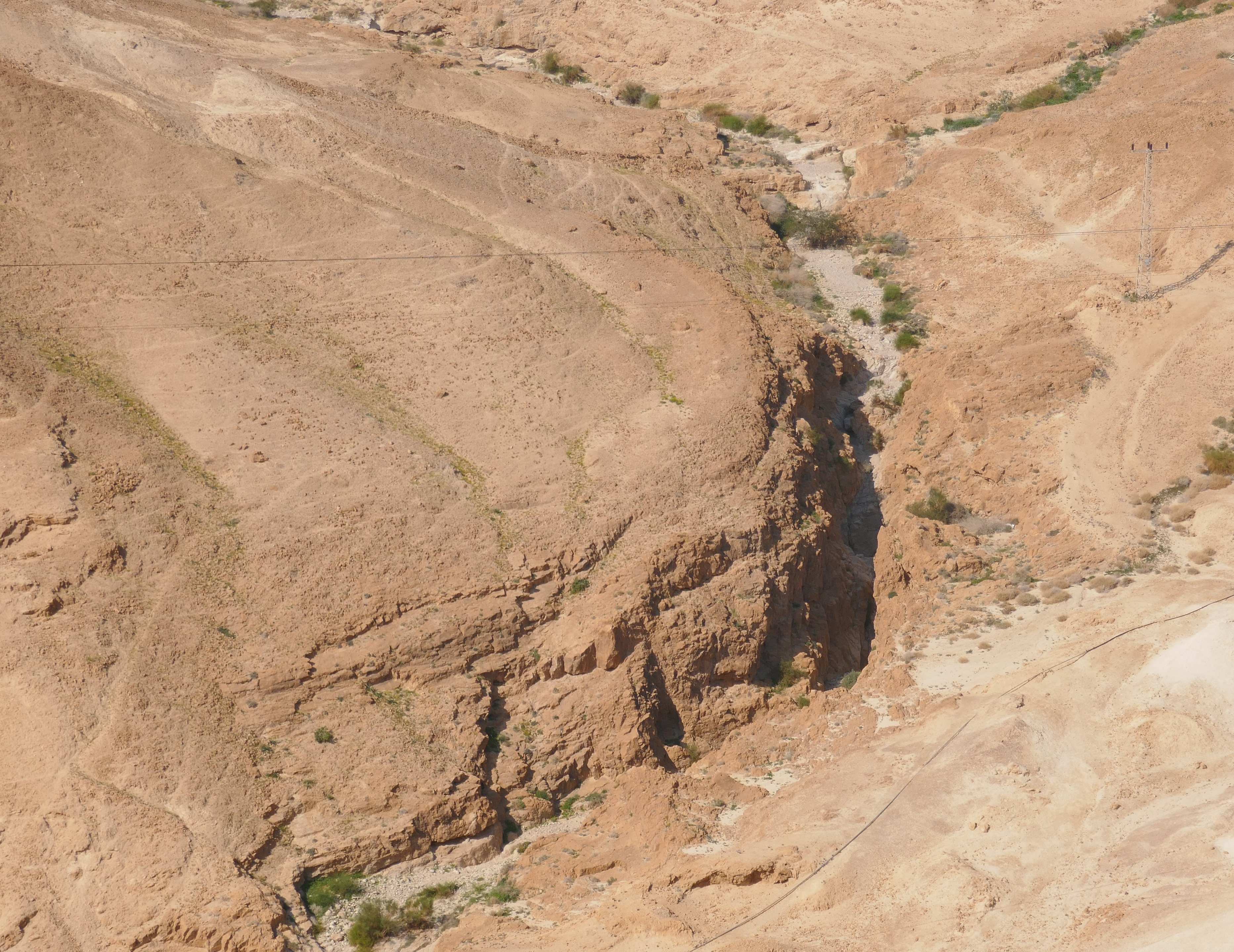
For the student of history and culture, the ruins of Masada are a wellspring of information about Herod the Great, both his engineering genius and his paranoia. He built several palaces across the Holy Land, but Masada offers some very special things such as the extensive system for catching and keeping water, as well as the 3 tiered palace structure. Masada is also a site of interest to those fascinated by battle strategies and/or the Roman war machine.
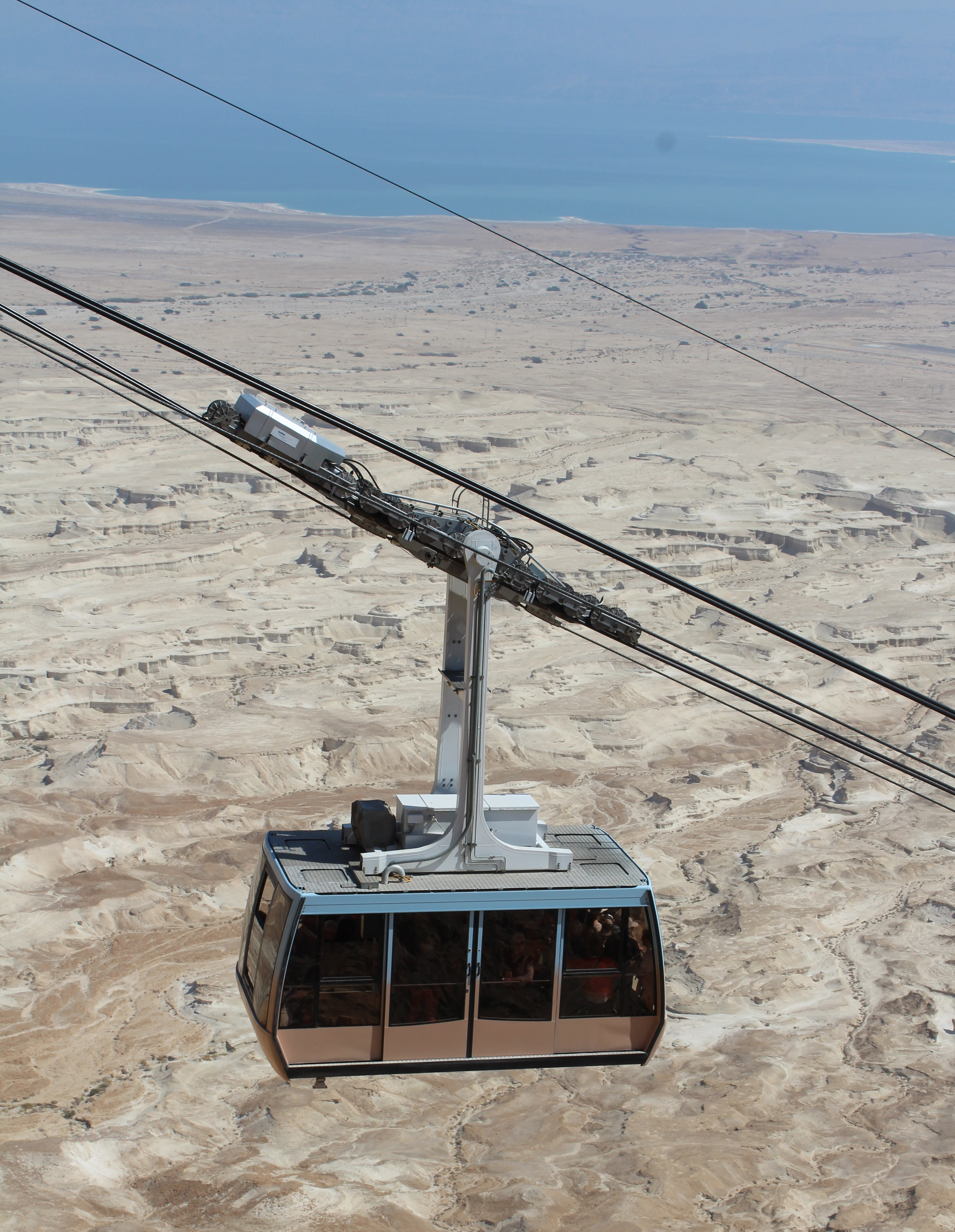
The stories of Masada make for great drama. It is definitely worth visiting the site if you are in the south of Israel. Luckily, it is no longer necessary to hike to get to the top. A tram will take you in a matter of minutes from the bottom to the summit.
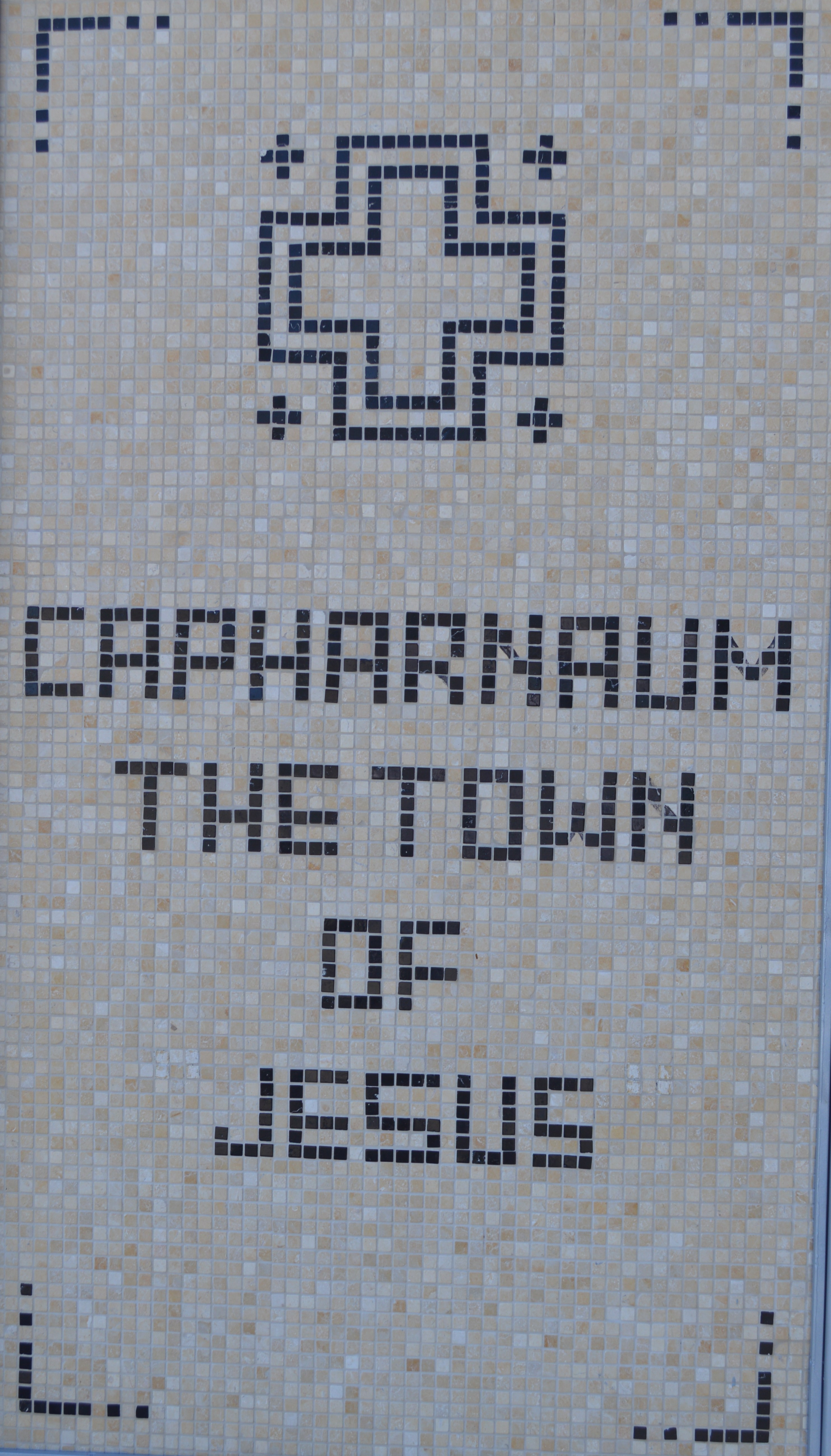
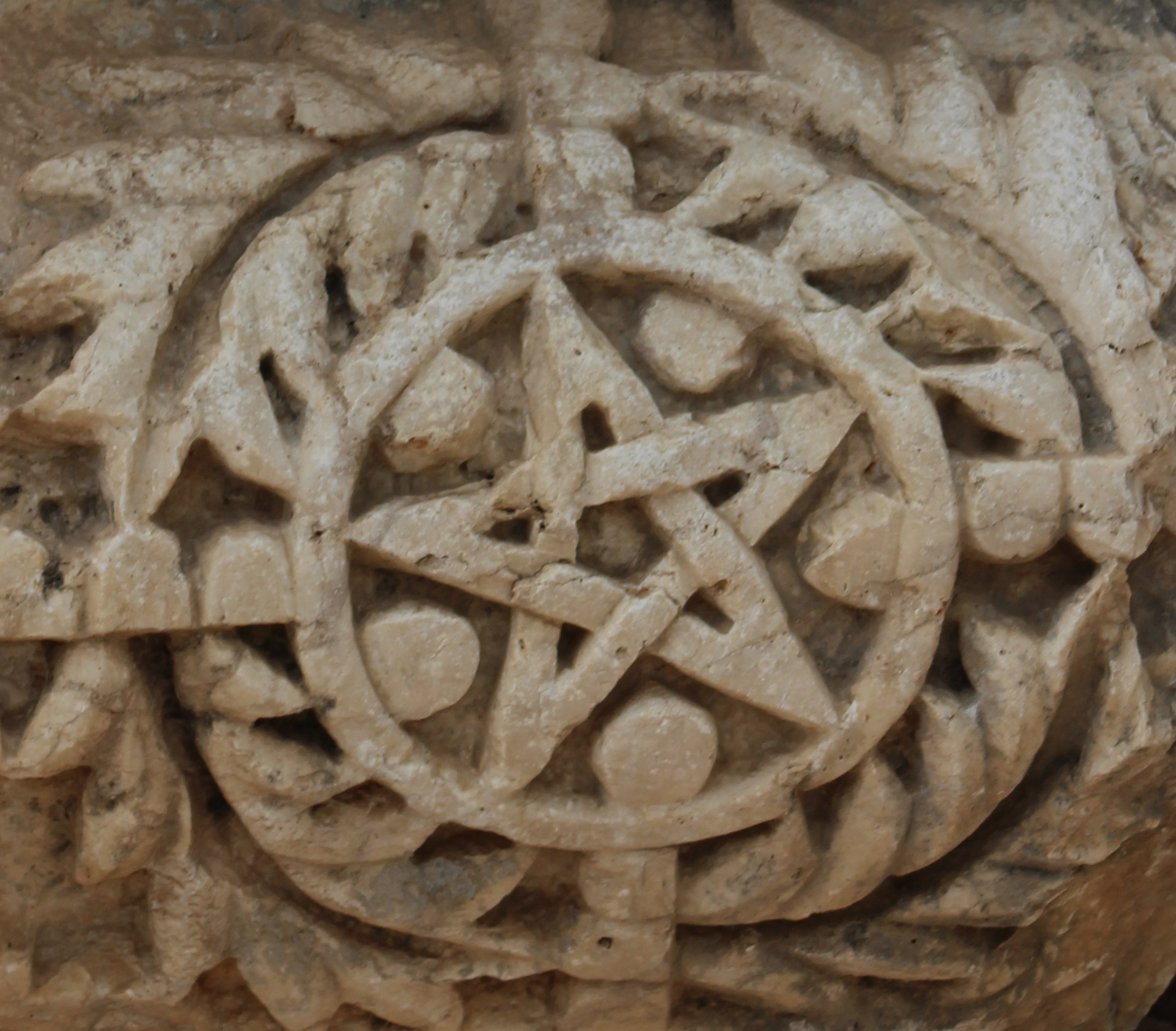
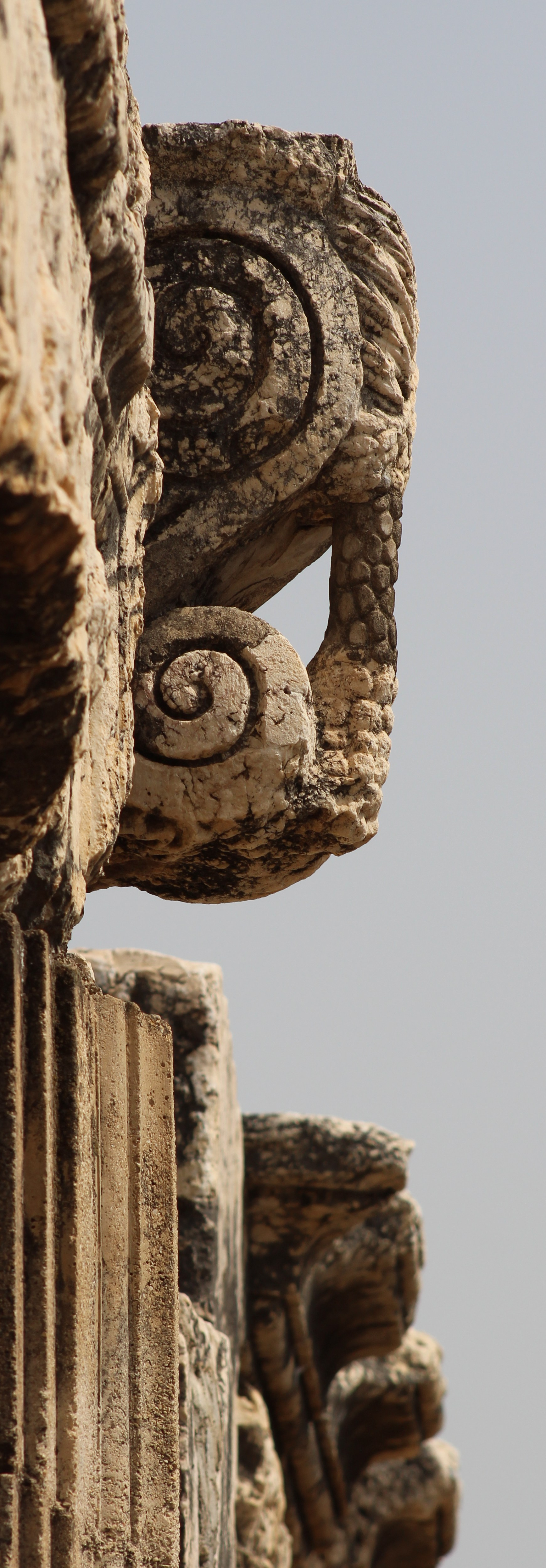
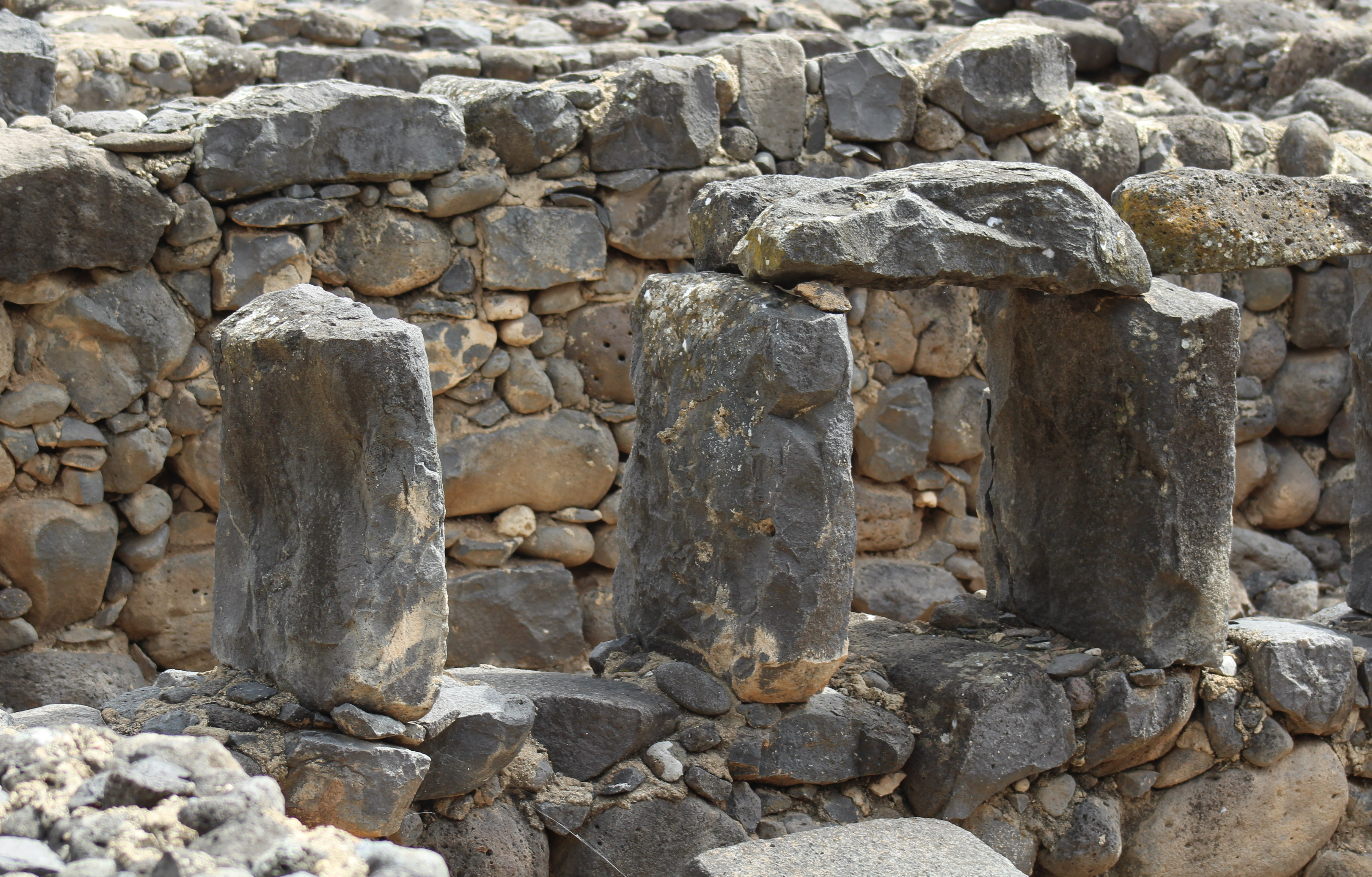
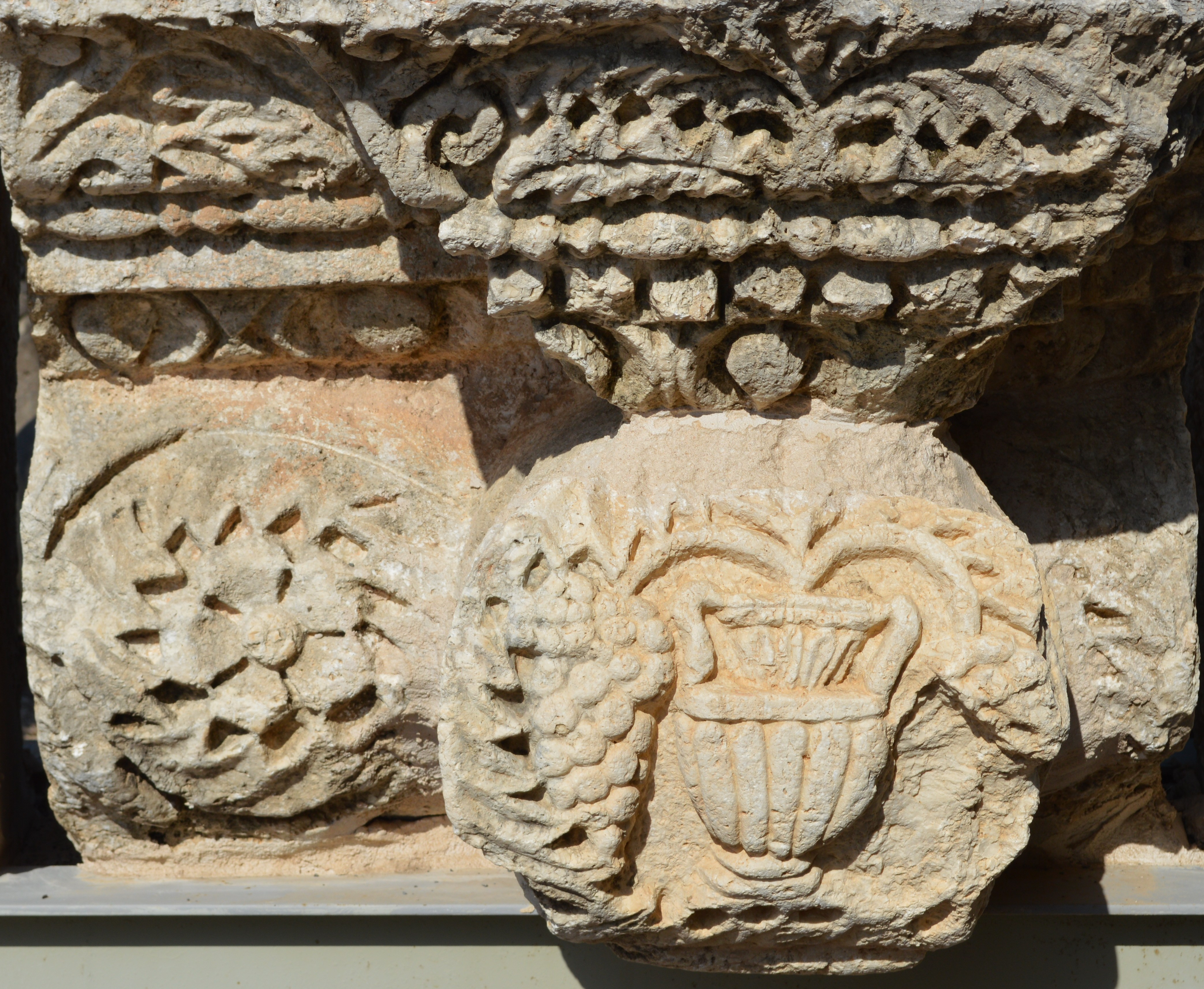
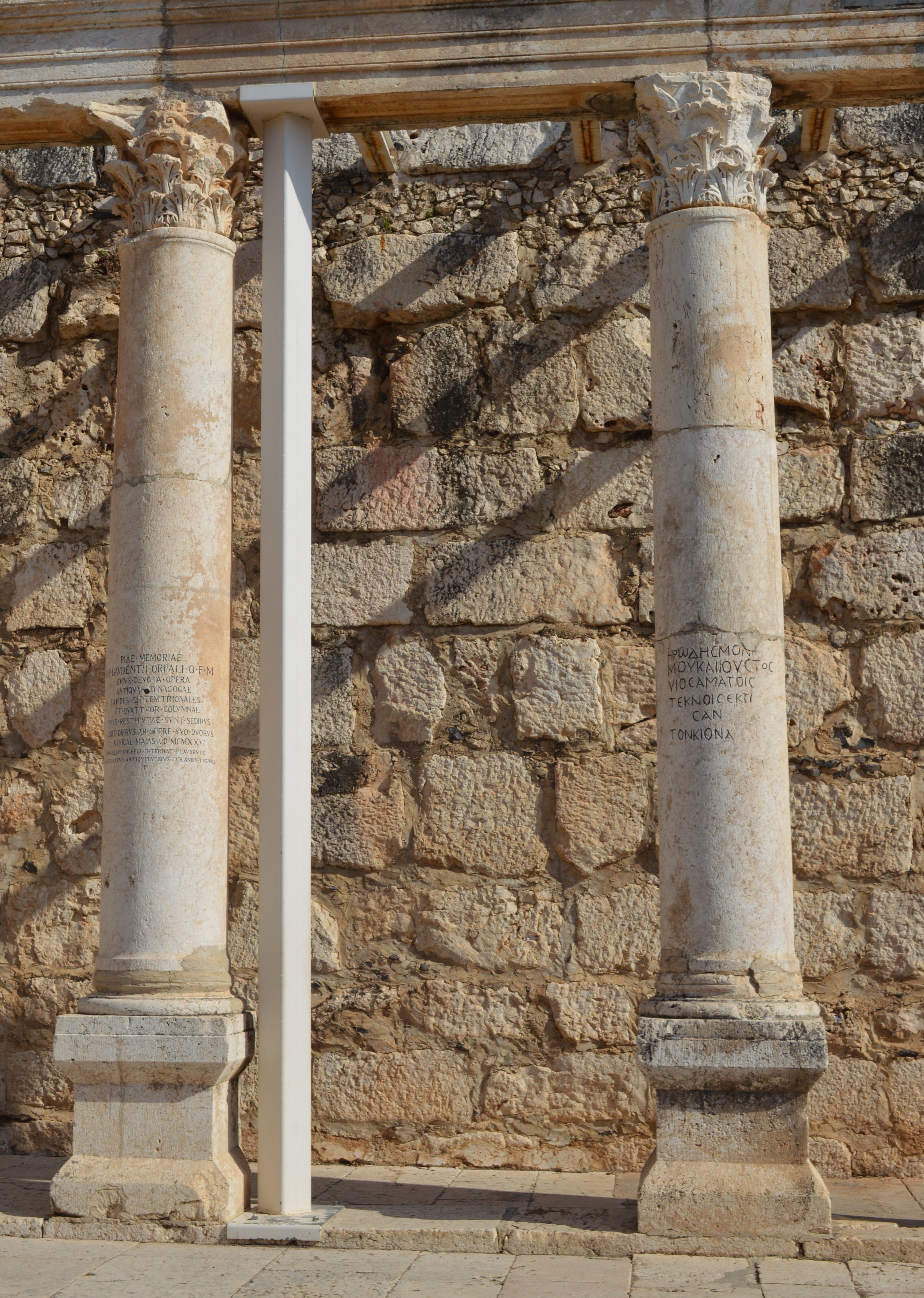
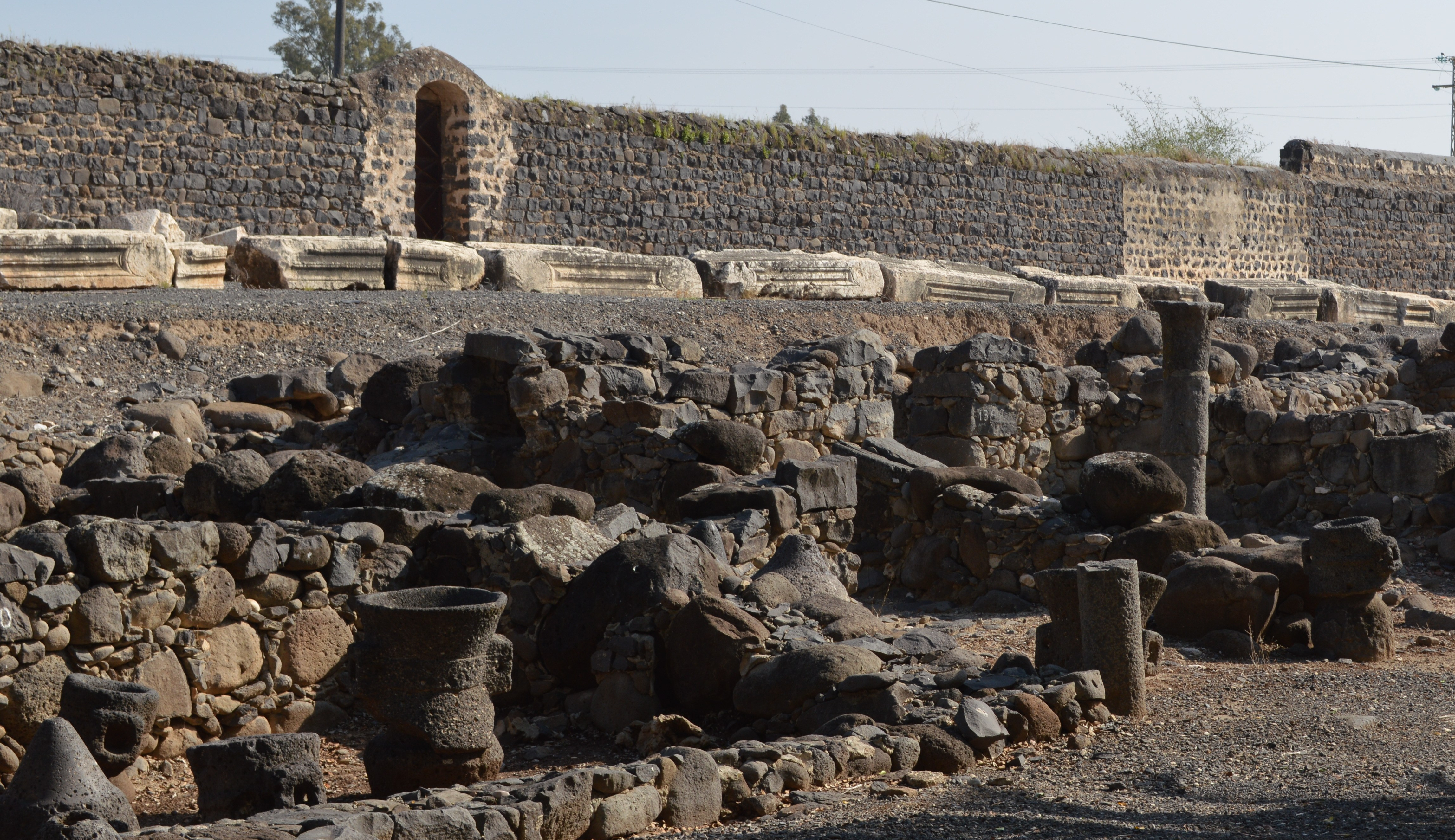
The ministry of Jesus was centered in the Galilee – the region in the north of Israel surrounding the Sea of Galilee. The town of Capernaum is thought to have been the hub of His ministry. It is believed that in the 1st Century, a synagogue was located in the town. On the sight believed to have been the site of the 1st Century synagogue, today sits a synagogue from the 4th Century.
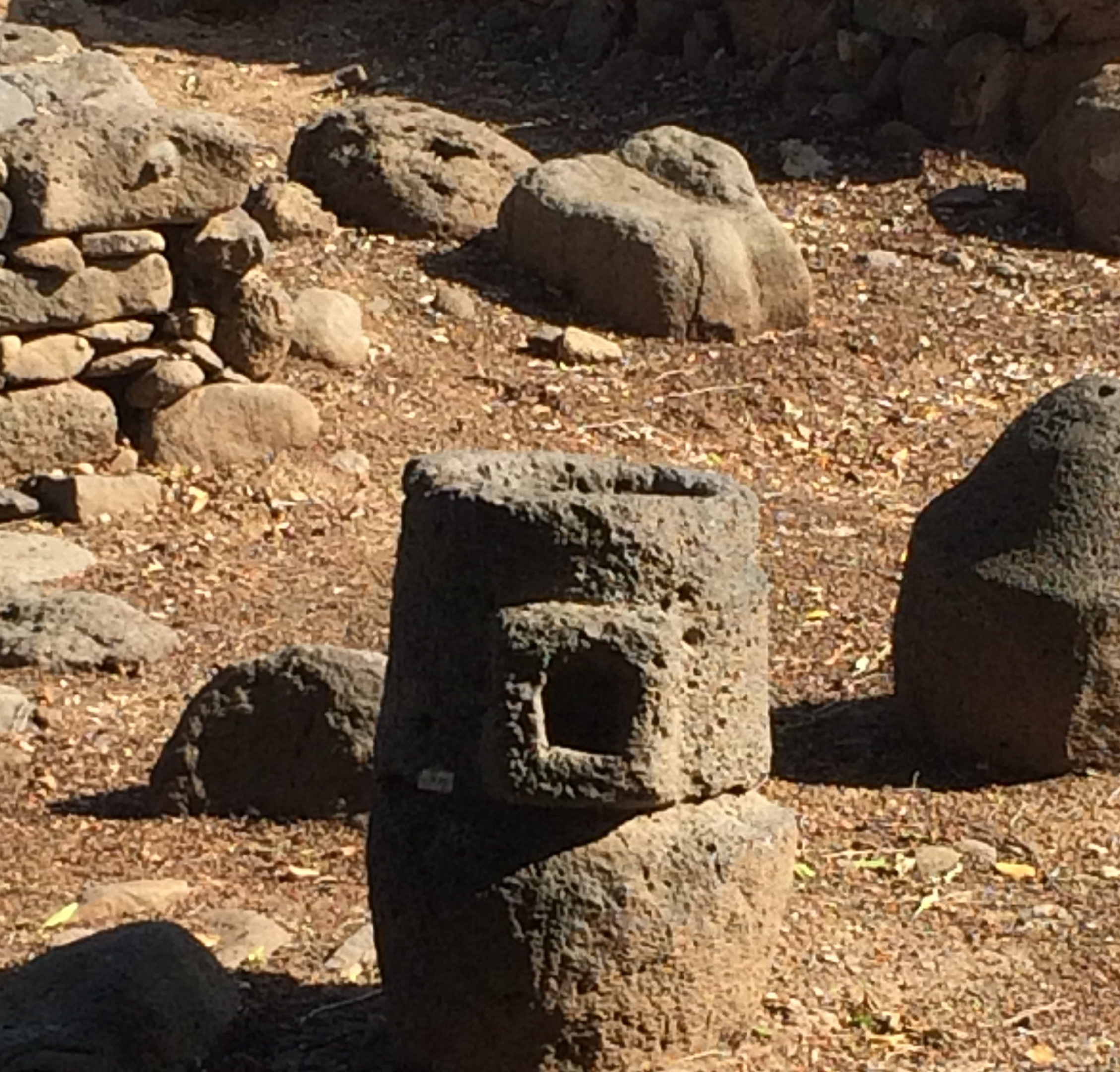
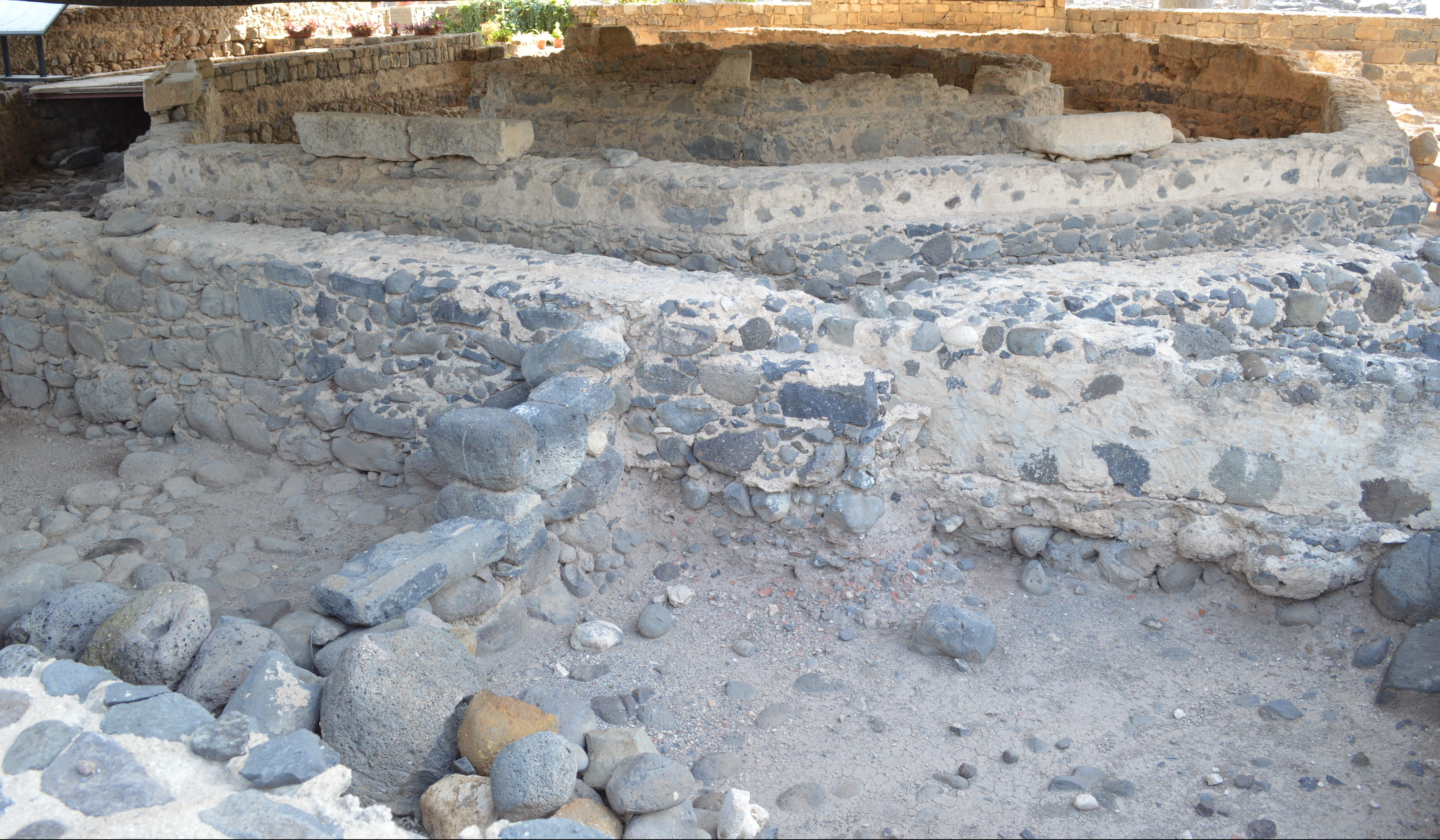
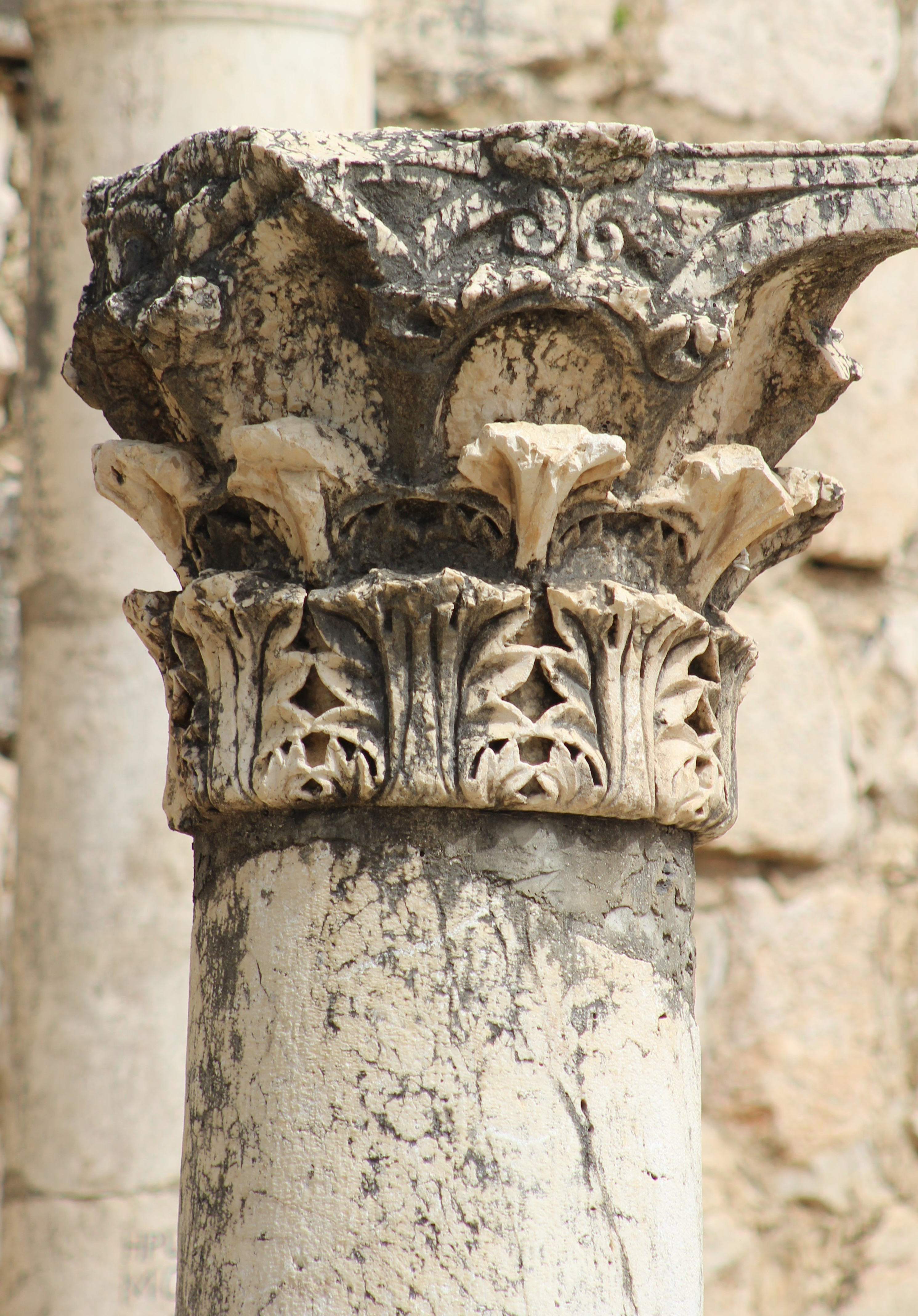
Much of what can be seen in Capernaum today is not necessarily from the time of Jesus. Visiting Capernaum; however, one can imagine how fresh it would have been given its location close to the lake (Sea of Galilee). One can almost smell the fish cooking on the fires. Jesus most certainly walked the streets of Capernaum and the roads and paths leading to it. Below are some photos from the site.
It is our desire to help you grow in your knowledge of Adonai and His Word. If you are looking for additional information and/or materials, please visit our website at RootedinHisWord.org and our Facebook page.
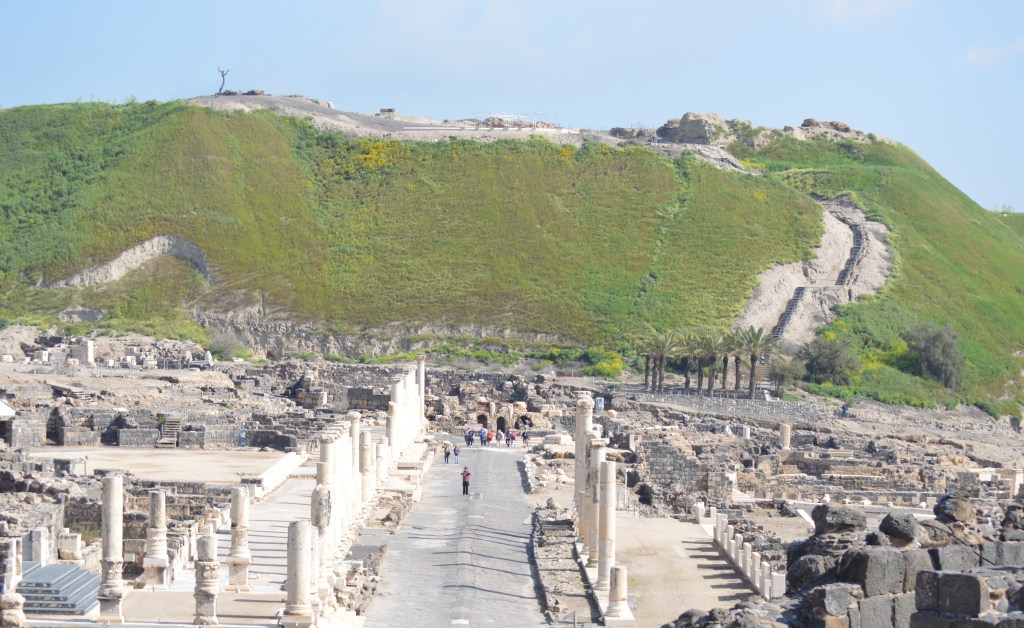
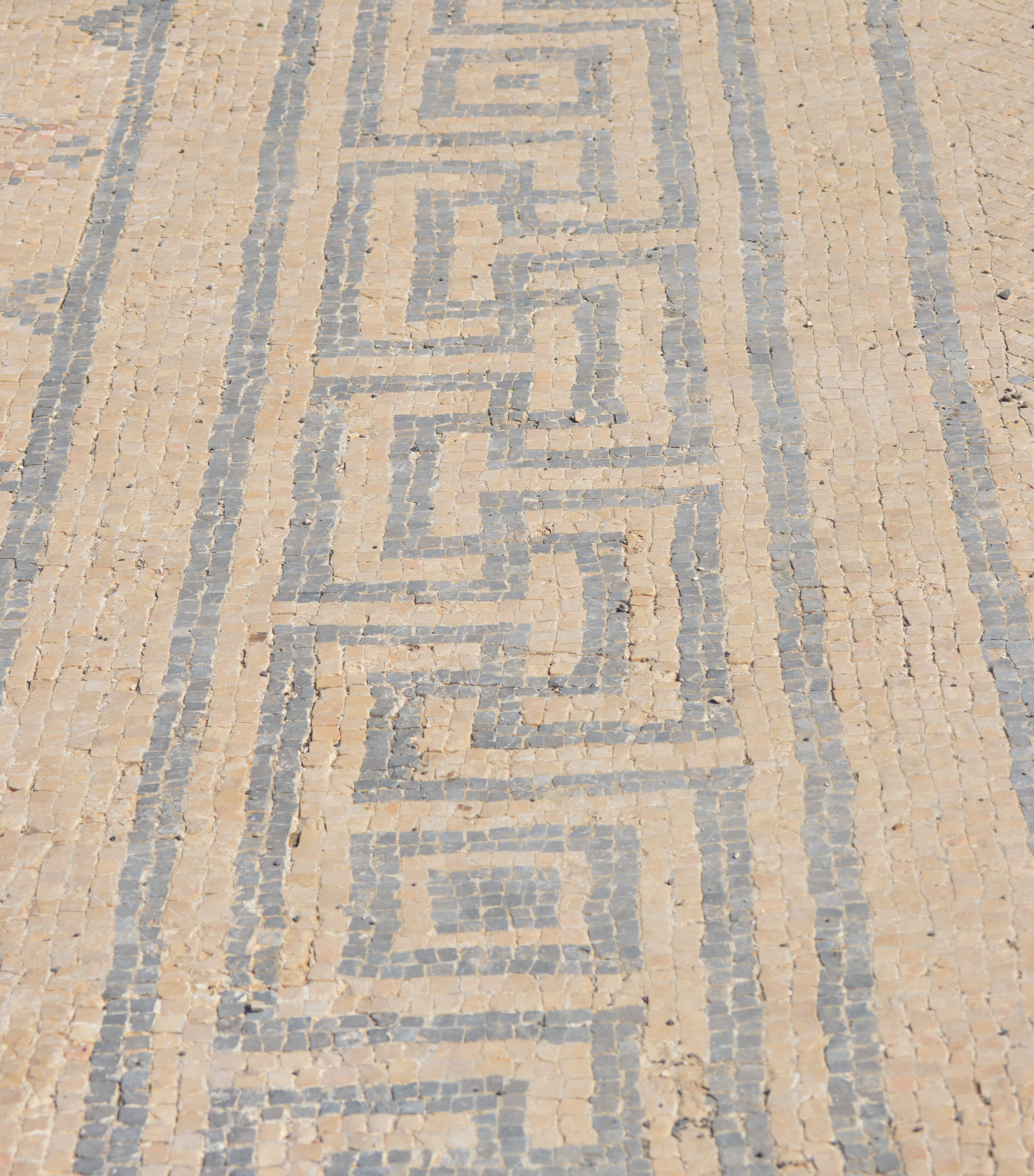
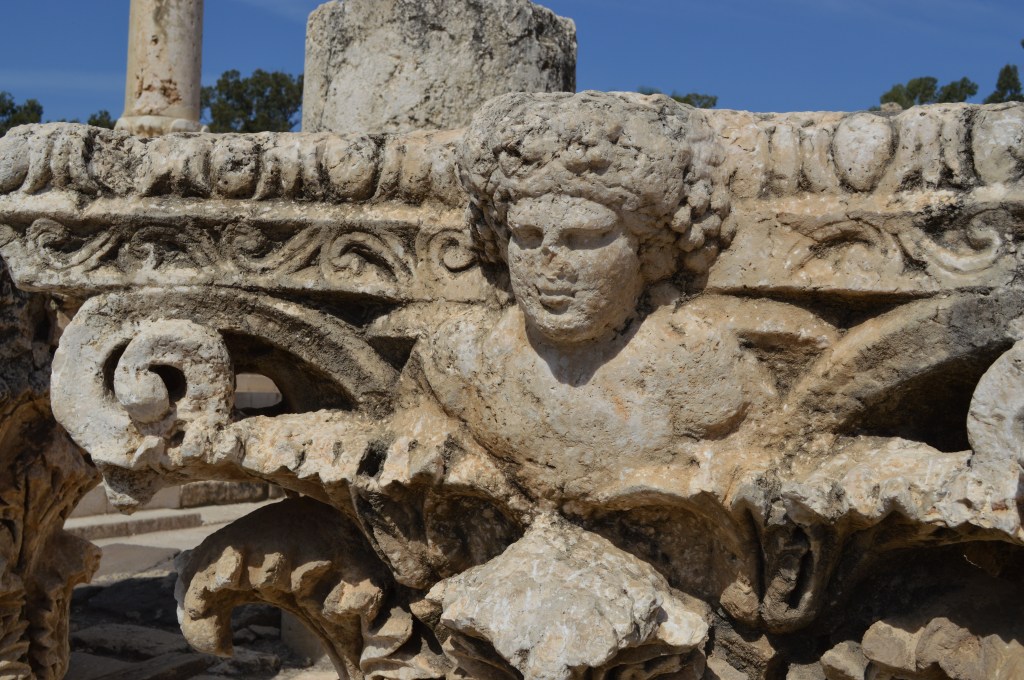
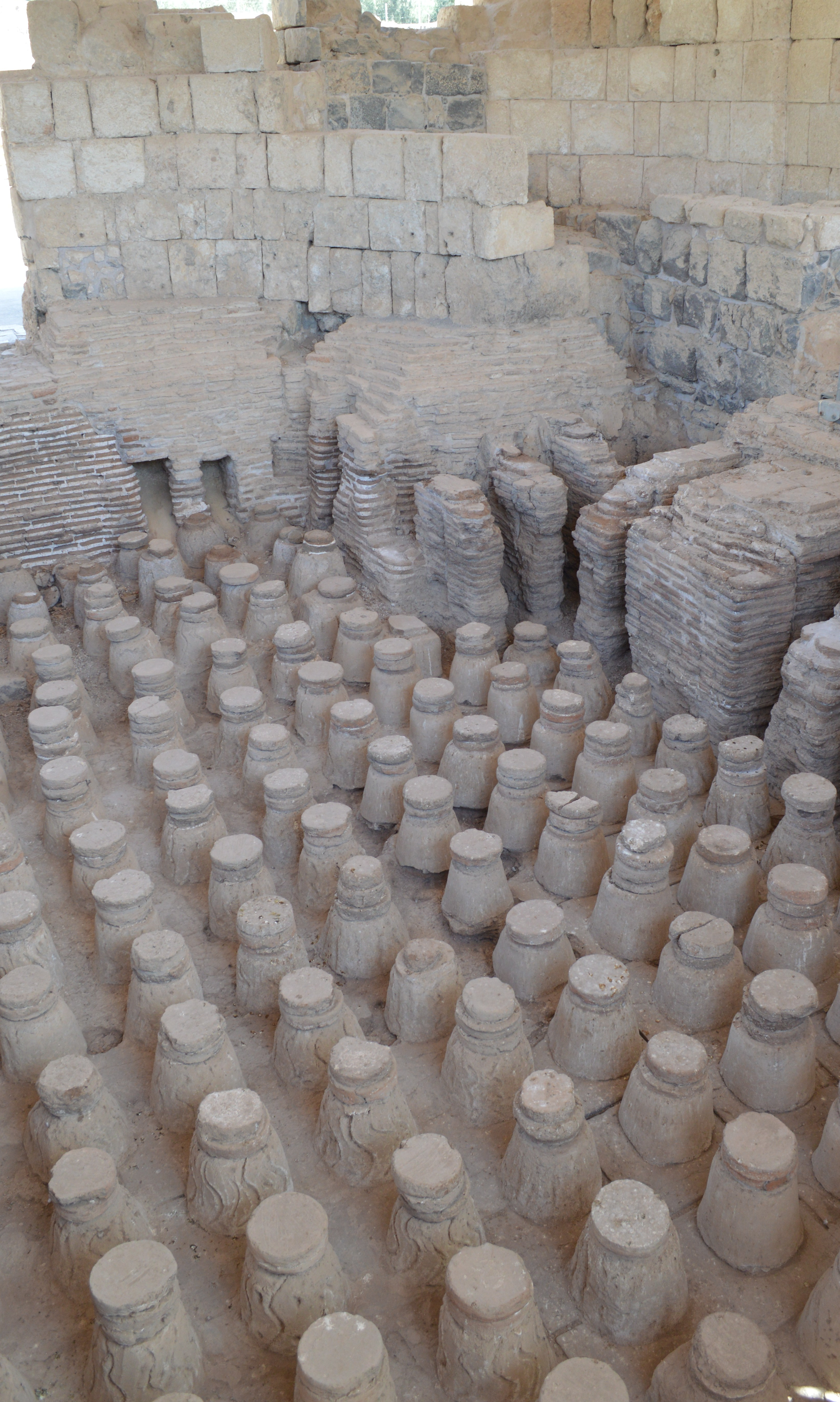
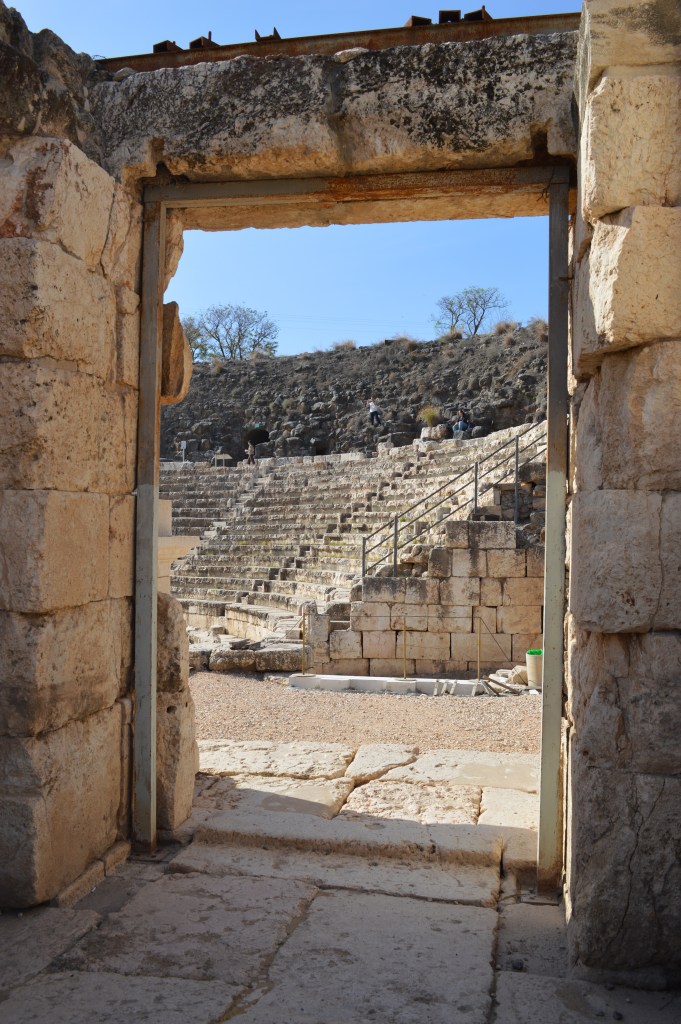
Bet She’an is a must see when you visit Israel, not so much for the Jewish history it represents but rather for the Roman architecture and history that can be found among the ruins which have been excavated. The Tel at Bet She’an is famous for being the place where Saul’s body was hung. It was done by the Philistines to humiliate the Jews.
According to 1 Samuel 31:10, “they put Saul’s weapons and armor in the temple of the Ashtaroth (female goddesses), and they fastened his body to the wall of Beth-shan.”
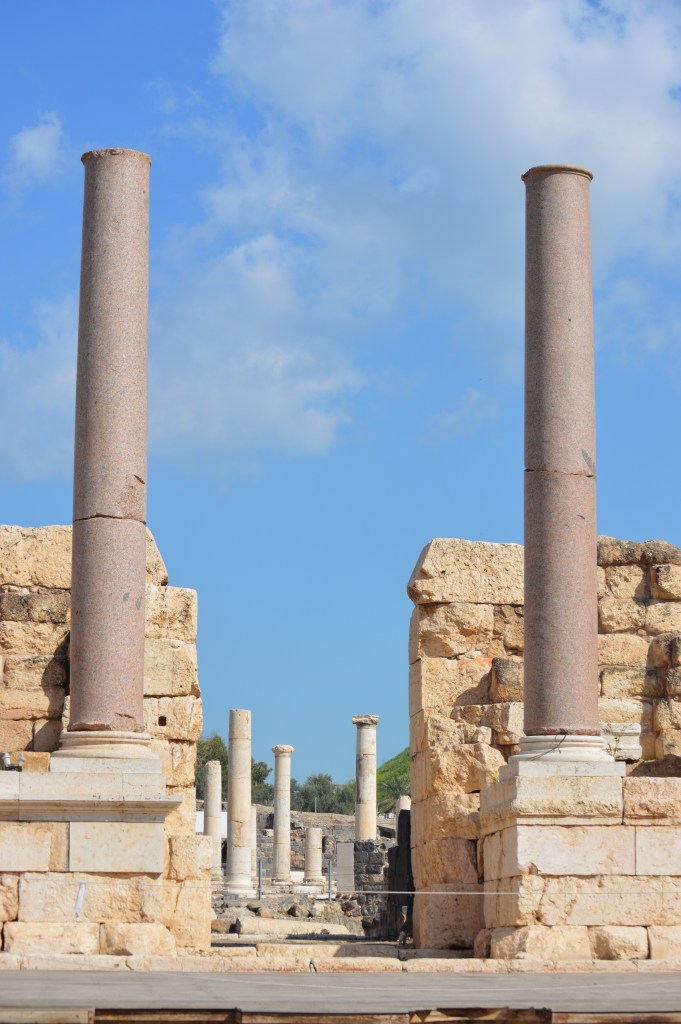
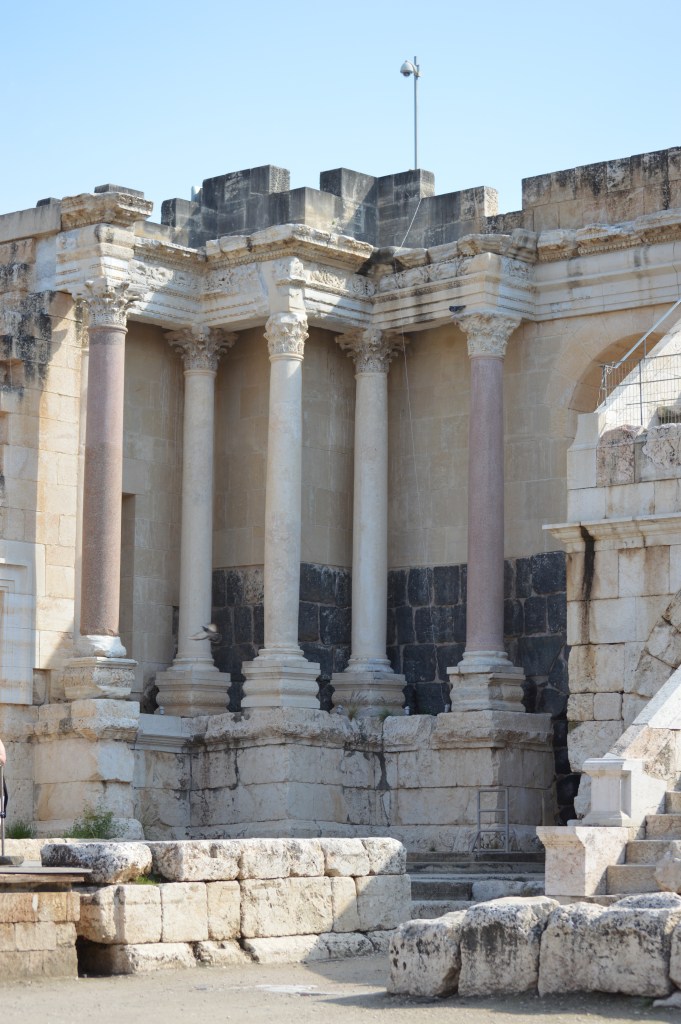
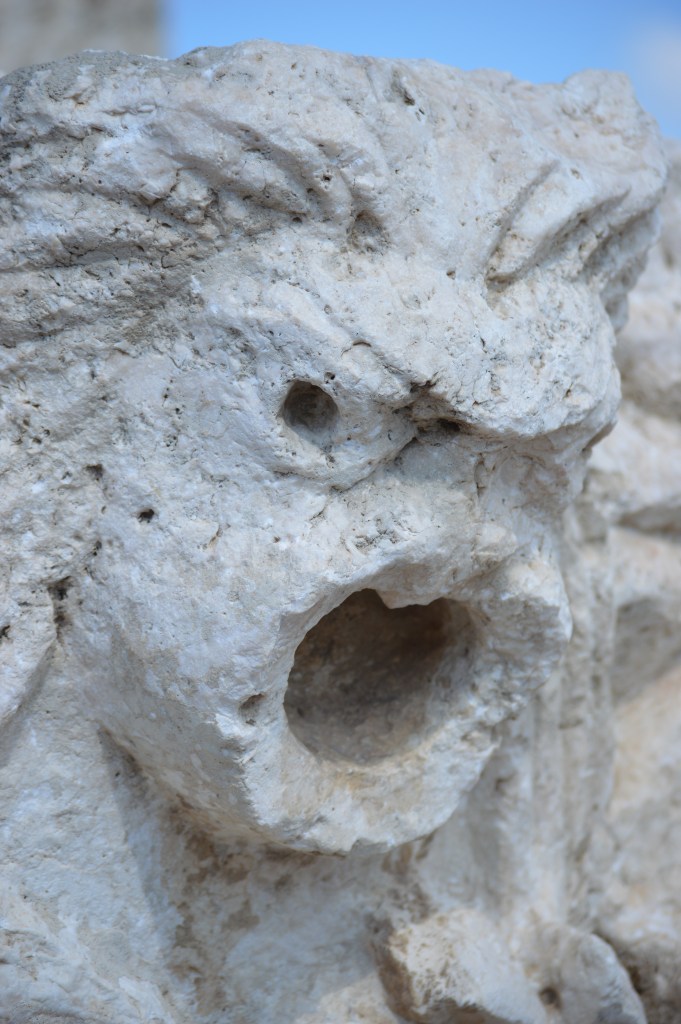
Bet She’an, one of the cities of the Decapolis, does preserve some interesting aspects of Roman culture and architecture.
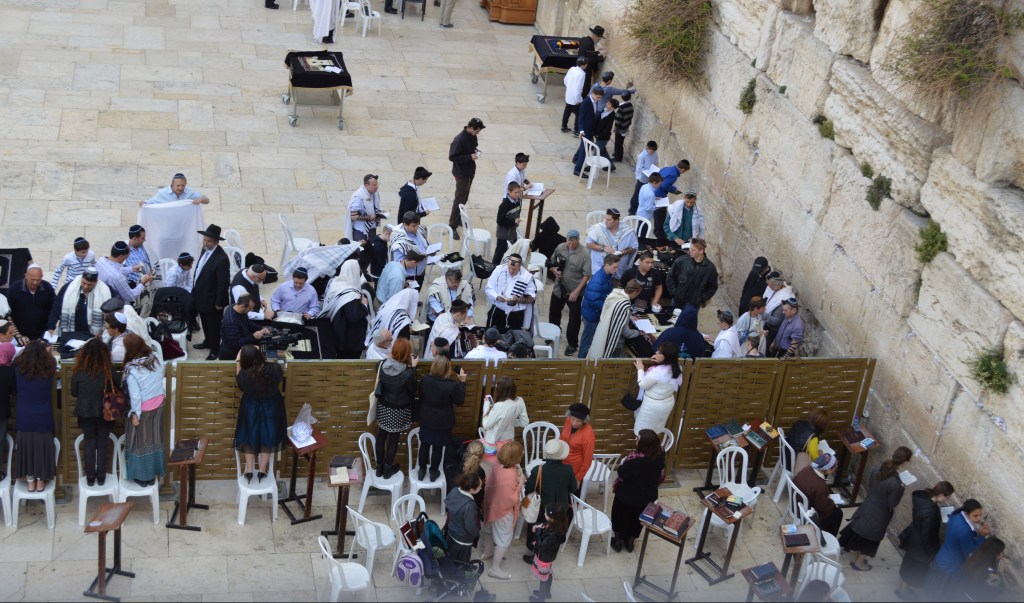
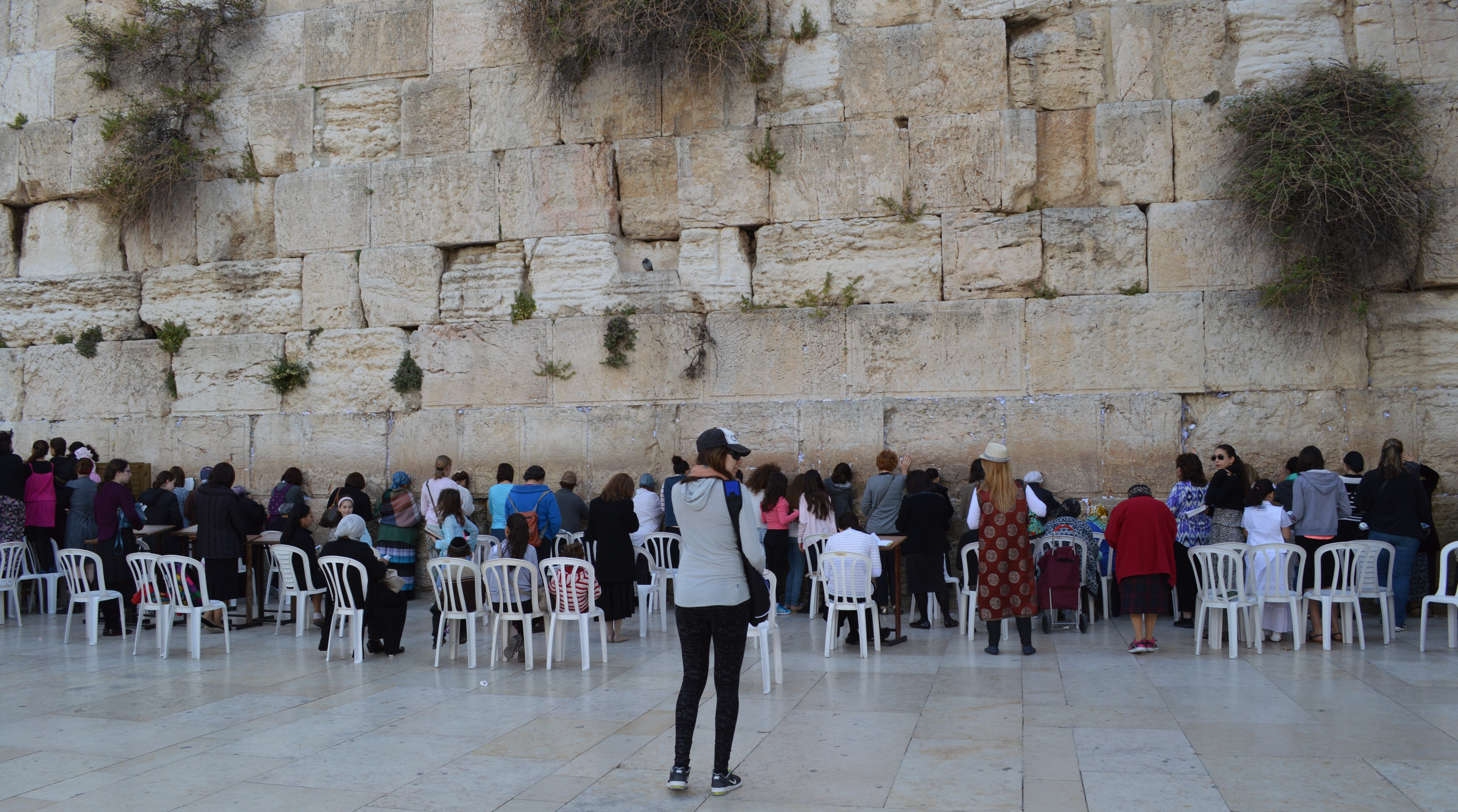
Since 70 A.D. when the Romans destroyed the 2nd Temple, the Jews have not had a sanctuary, a place where God has said they could sacrifice. The holiest place for Jews today is the Western Wall (Kotel), sometimes called the Wailing Wall by those who would mock the Jews for their zeal in worship of God.
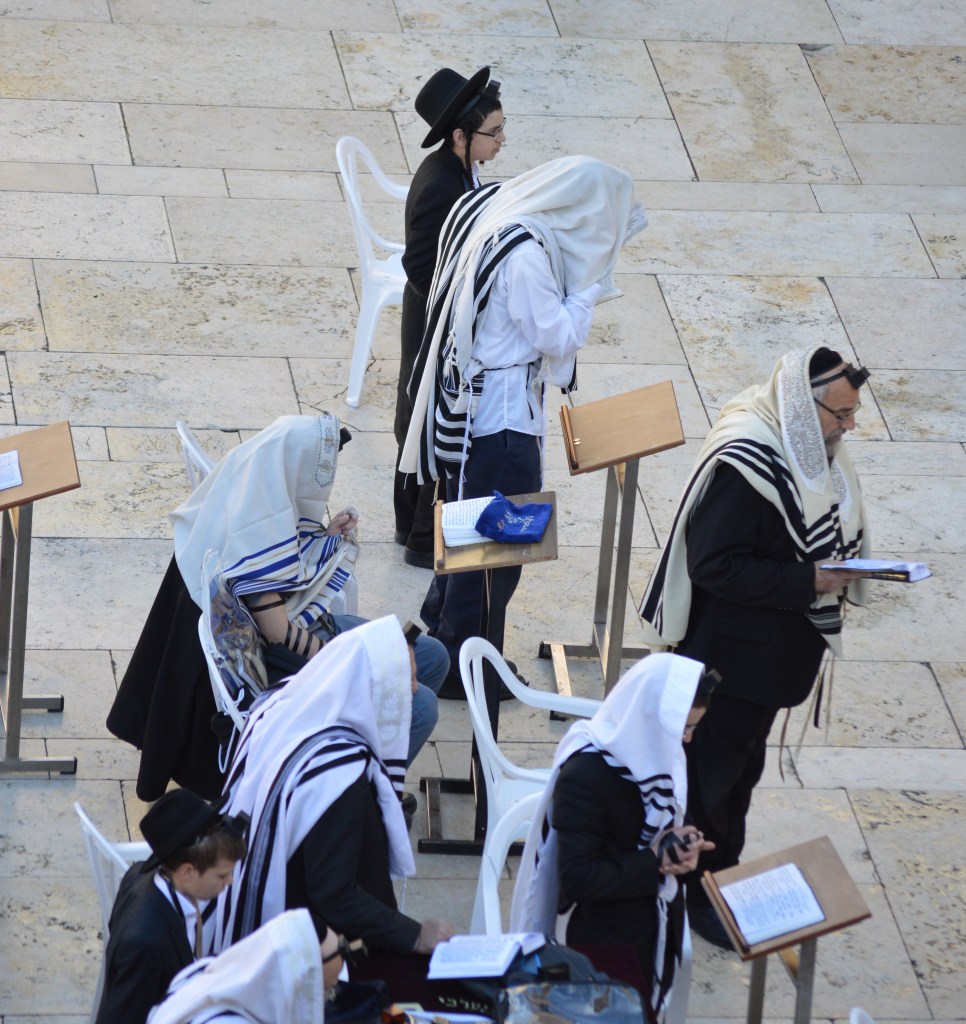
Jews and other worshipers come to the wall to pray. Many important Jewish events are held at the wall. Many Bar Mitzvahs are held at the wall. Religious holidays are celebrated there. Recently, with Passover and the Feast of Unleavened Bread, the priestly blessing was given at the Western Wall. Sometimes national holidays can bring Jews to the Western Wall in celebration as well.
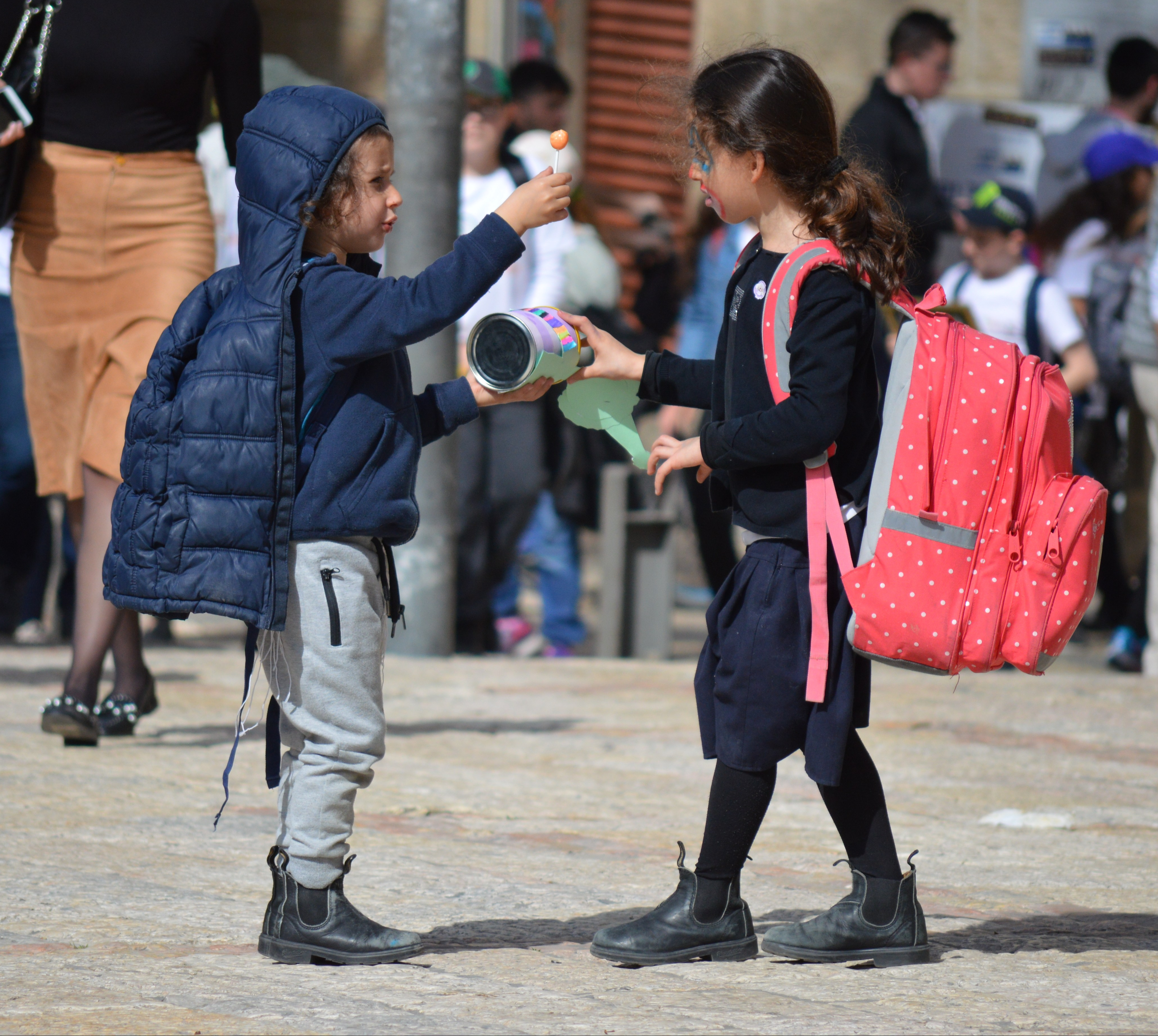
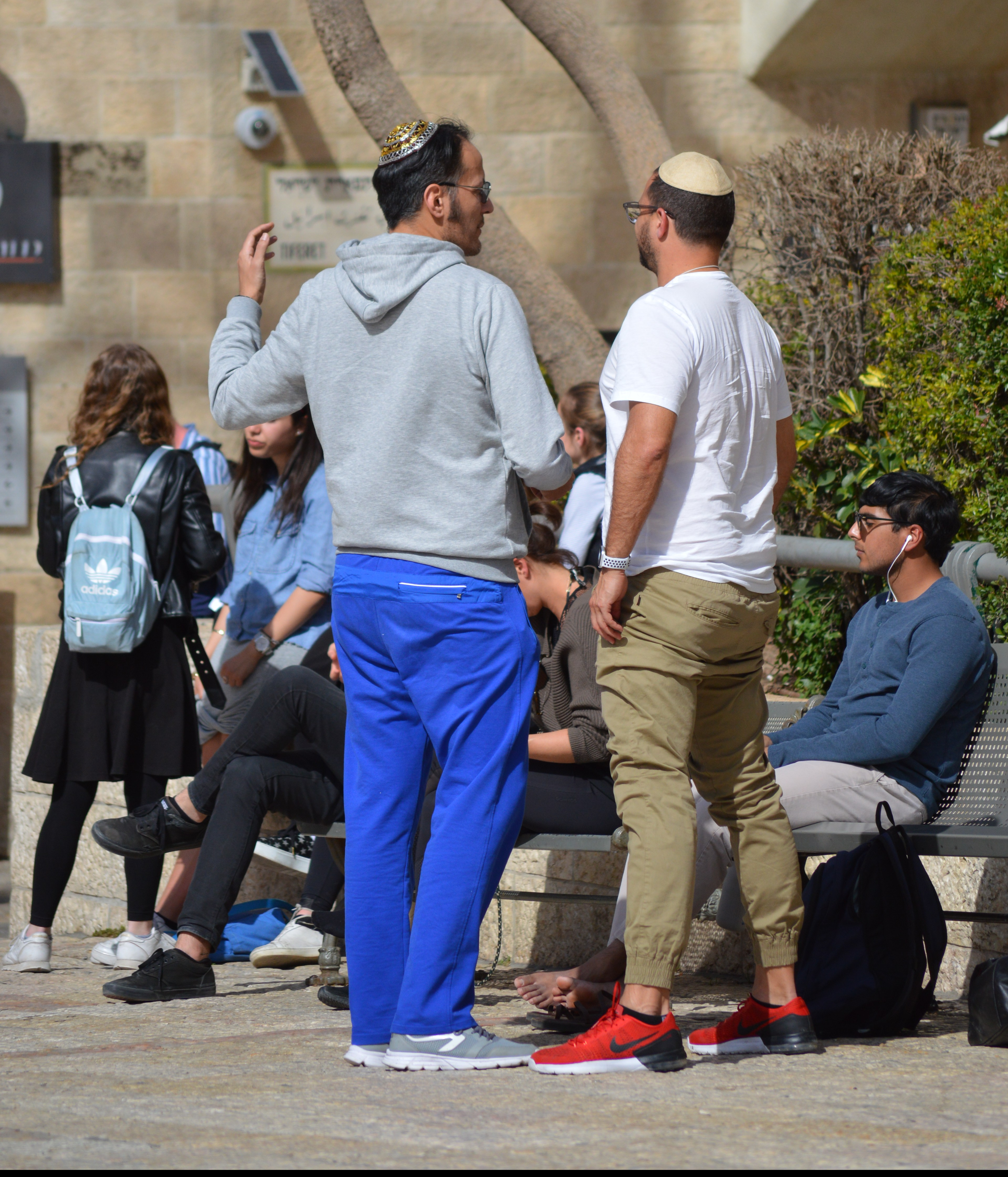
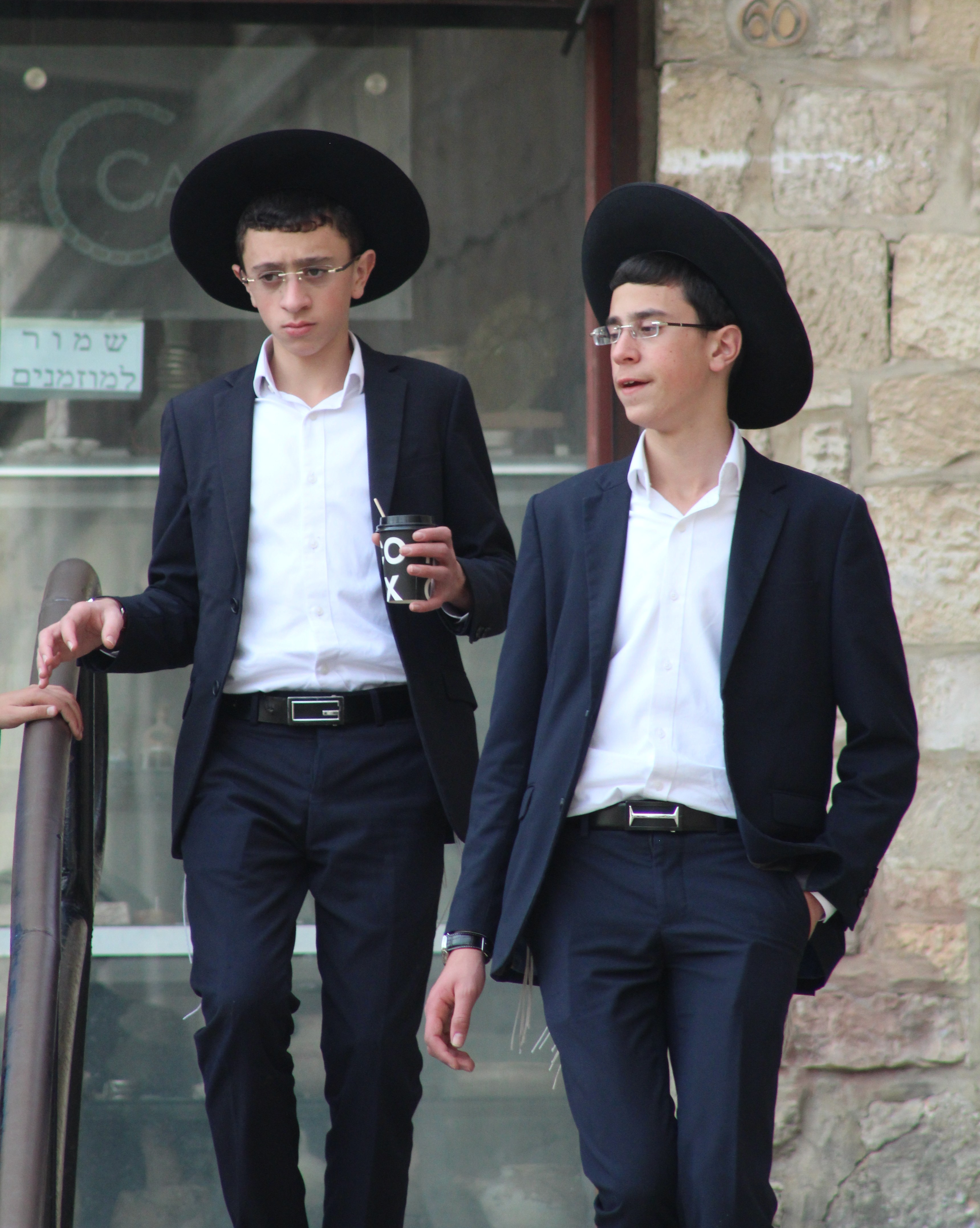
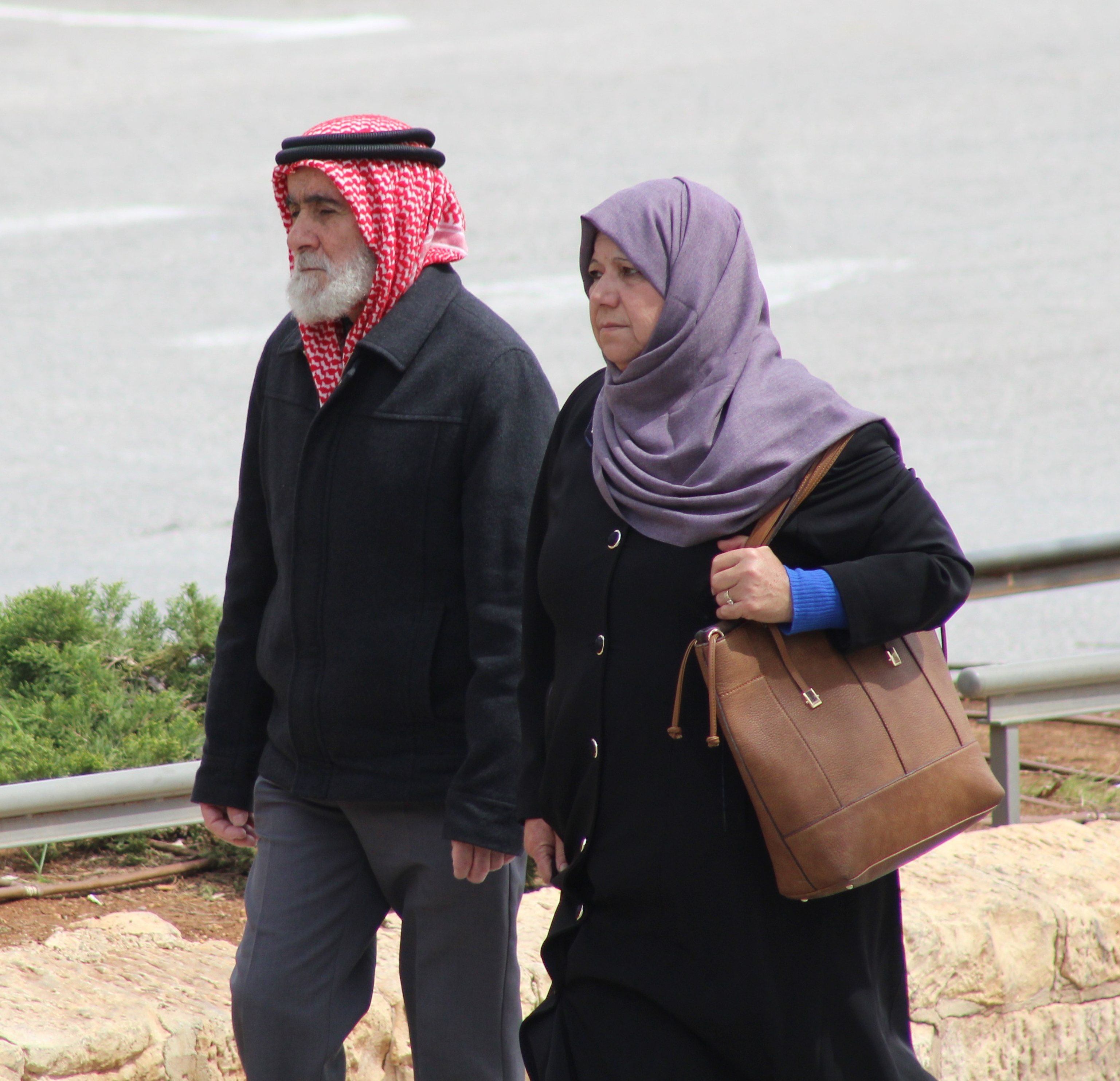
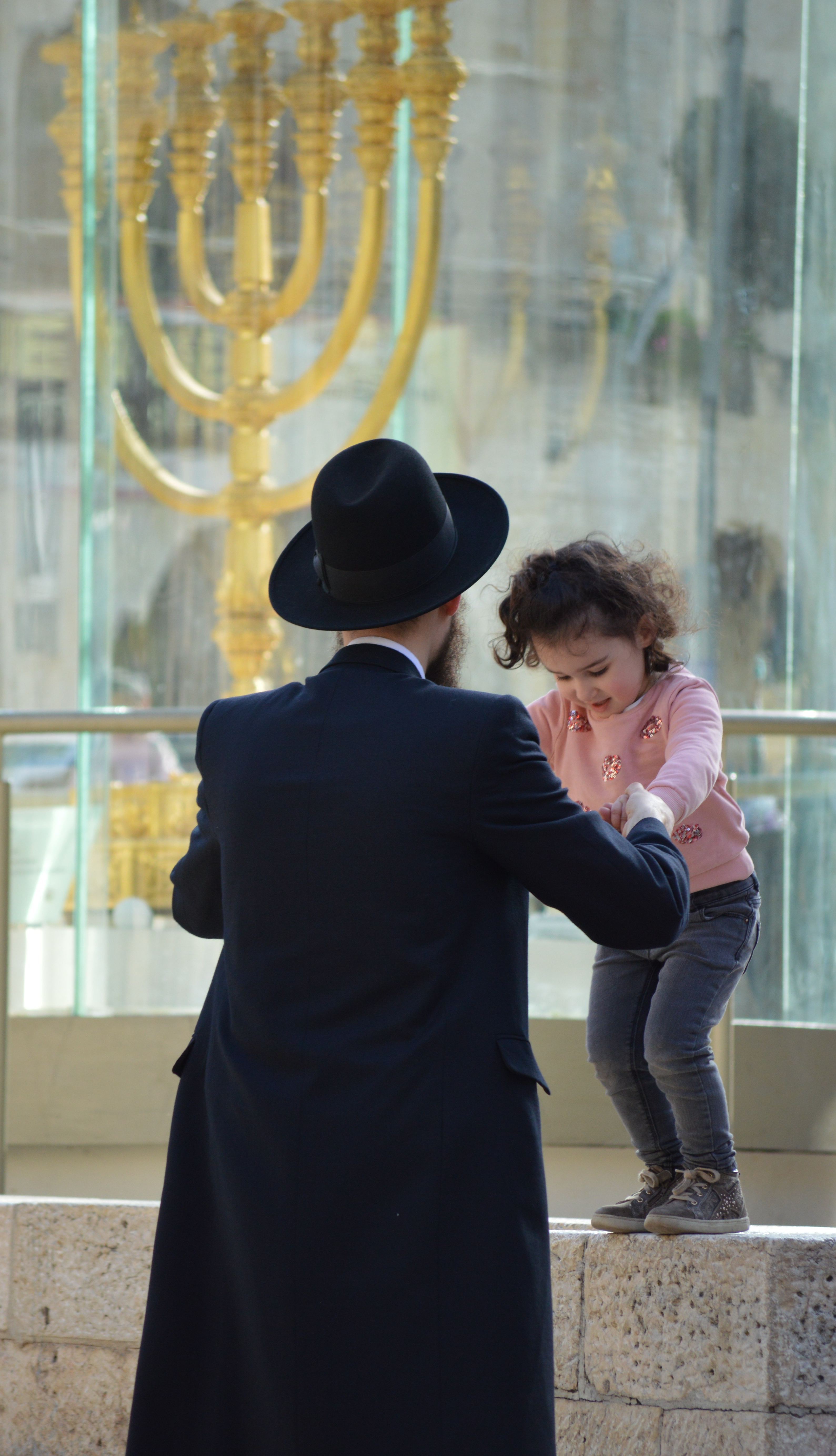
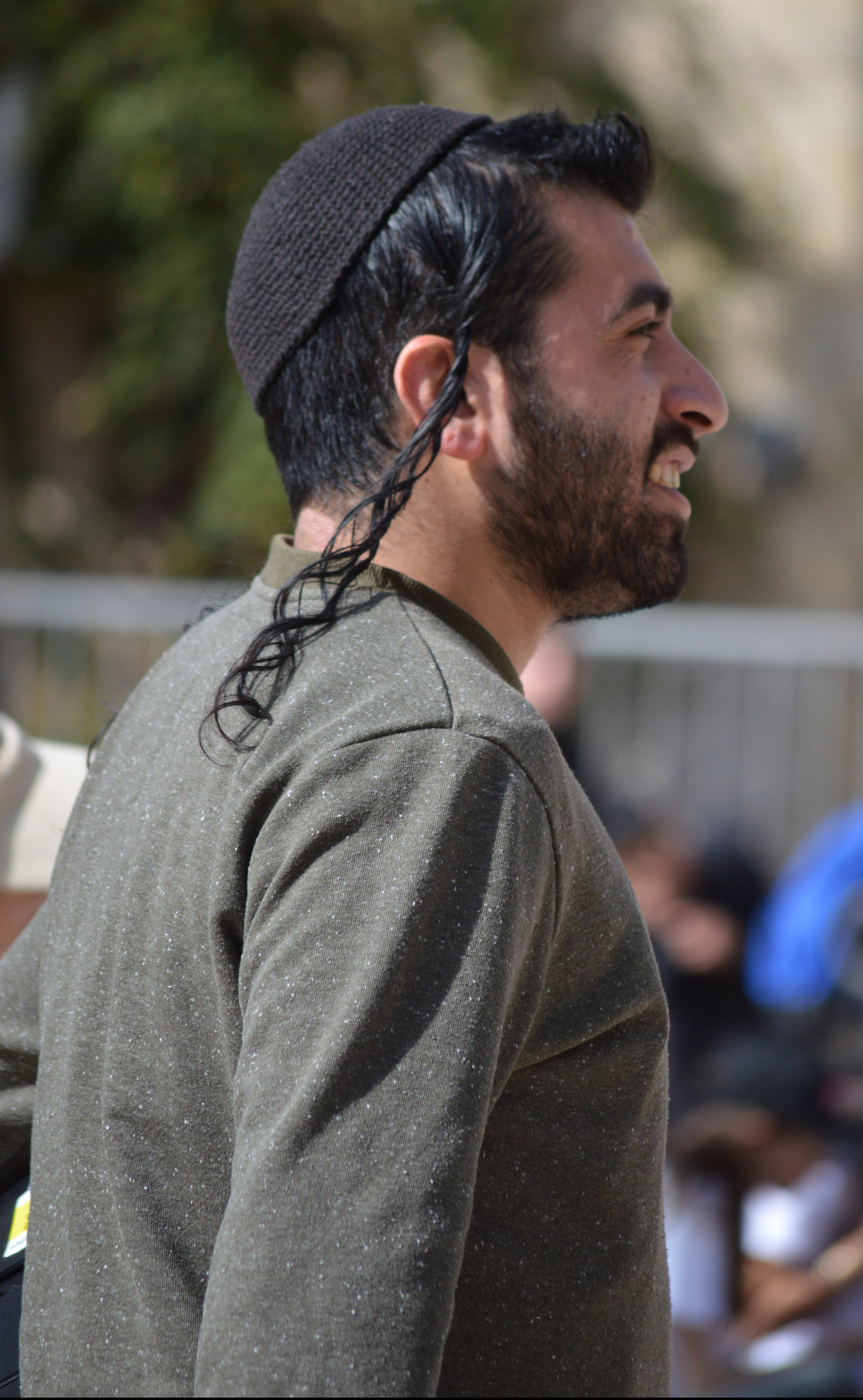
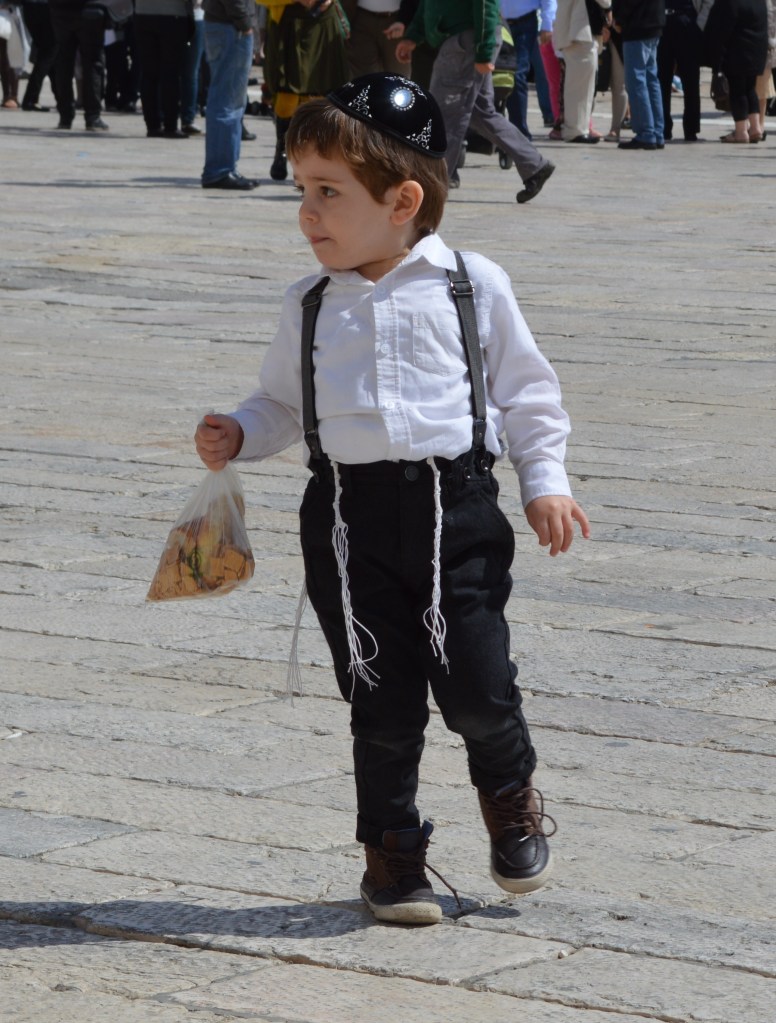
A visit to the Western Wall will not only allow you to see the zeal of the serious Jews for God, but also it will allow you to observe the variety of ways Jews express their zeal for God through their dress.
Kotel, JerusalemWomen’s side of Kotel, JerusalemKotel, divider between men and womenKotelthe future
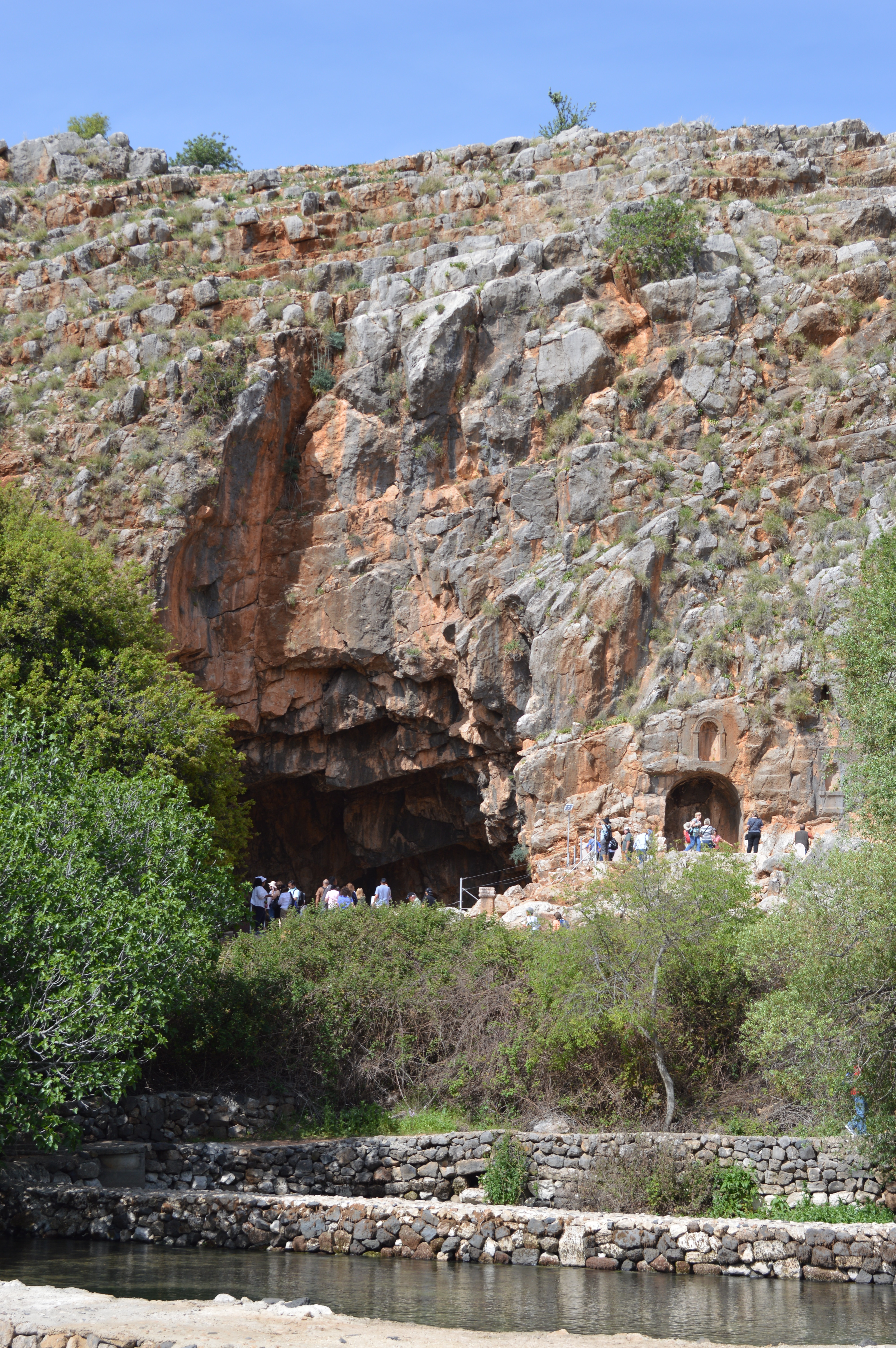
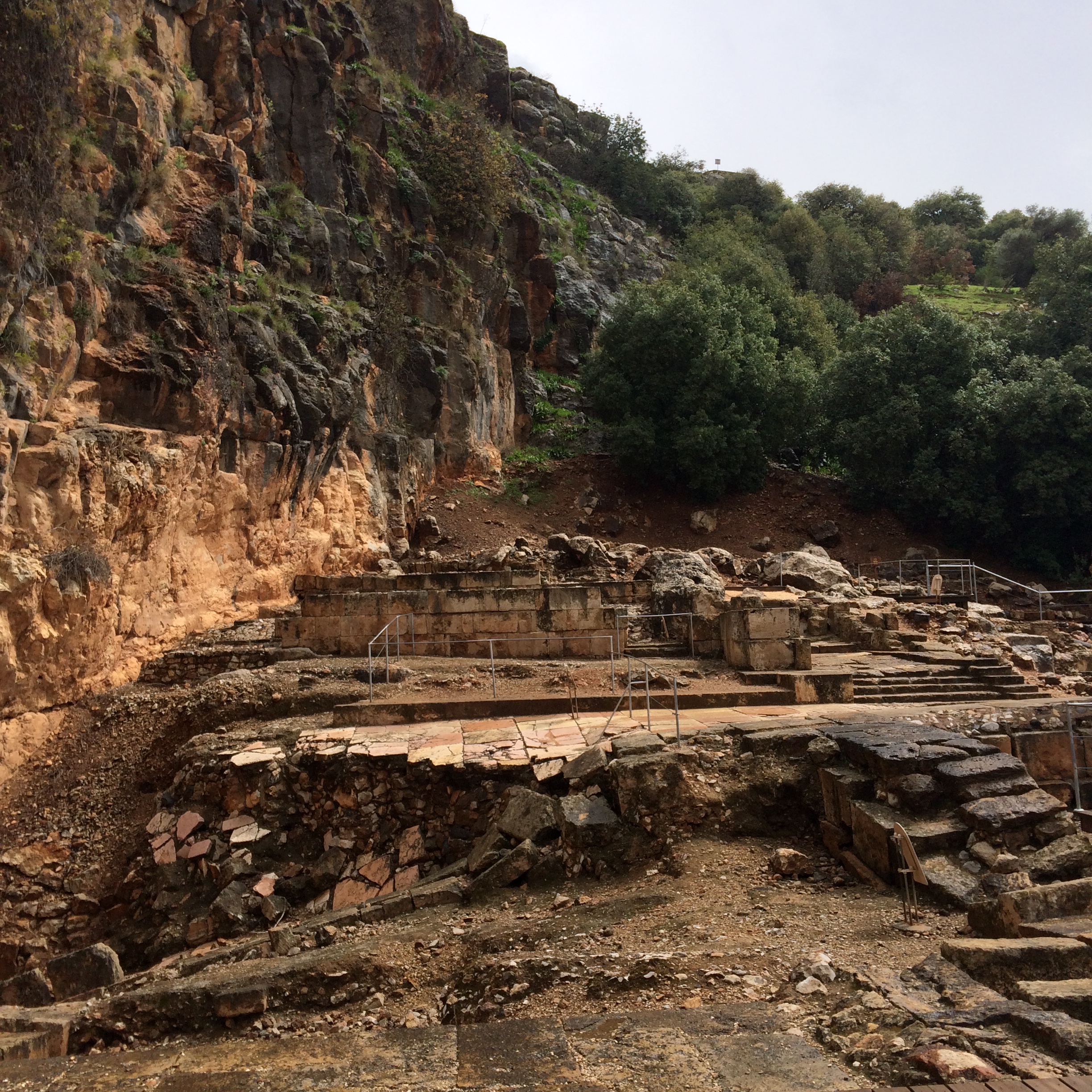
Visiting Caesarea Philippi, at the foot of Mt Hermon in the north of Israel, it is easy to see why it was a place believed to be imbued with supernatural powers and why it was said to be the home of the powerful Greek God, Pan.
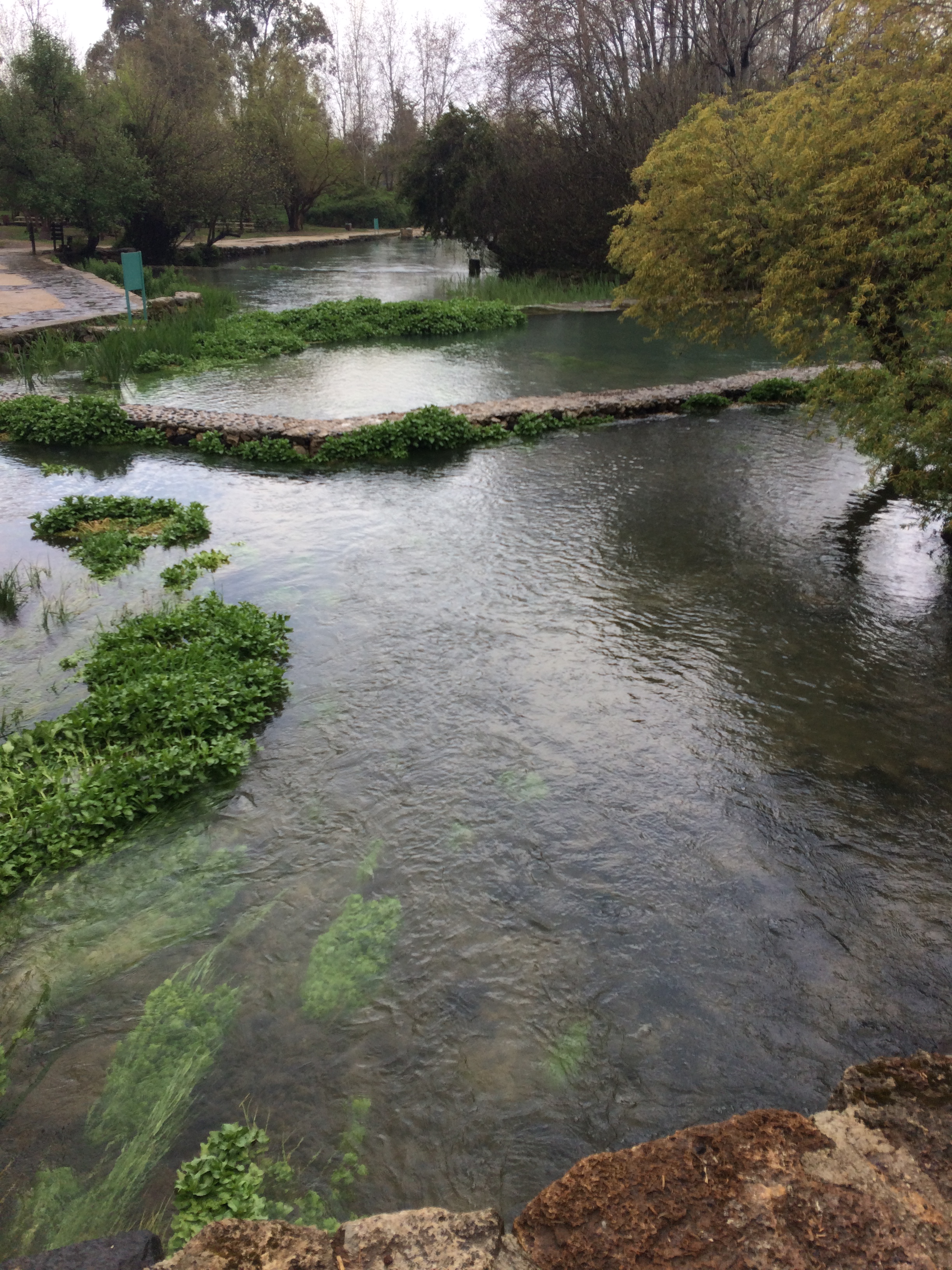
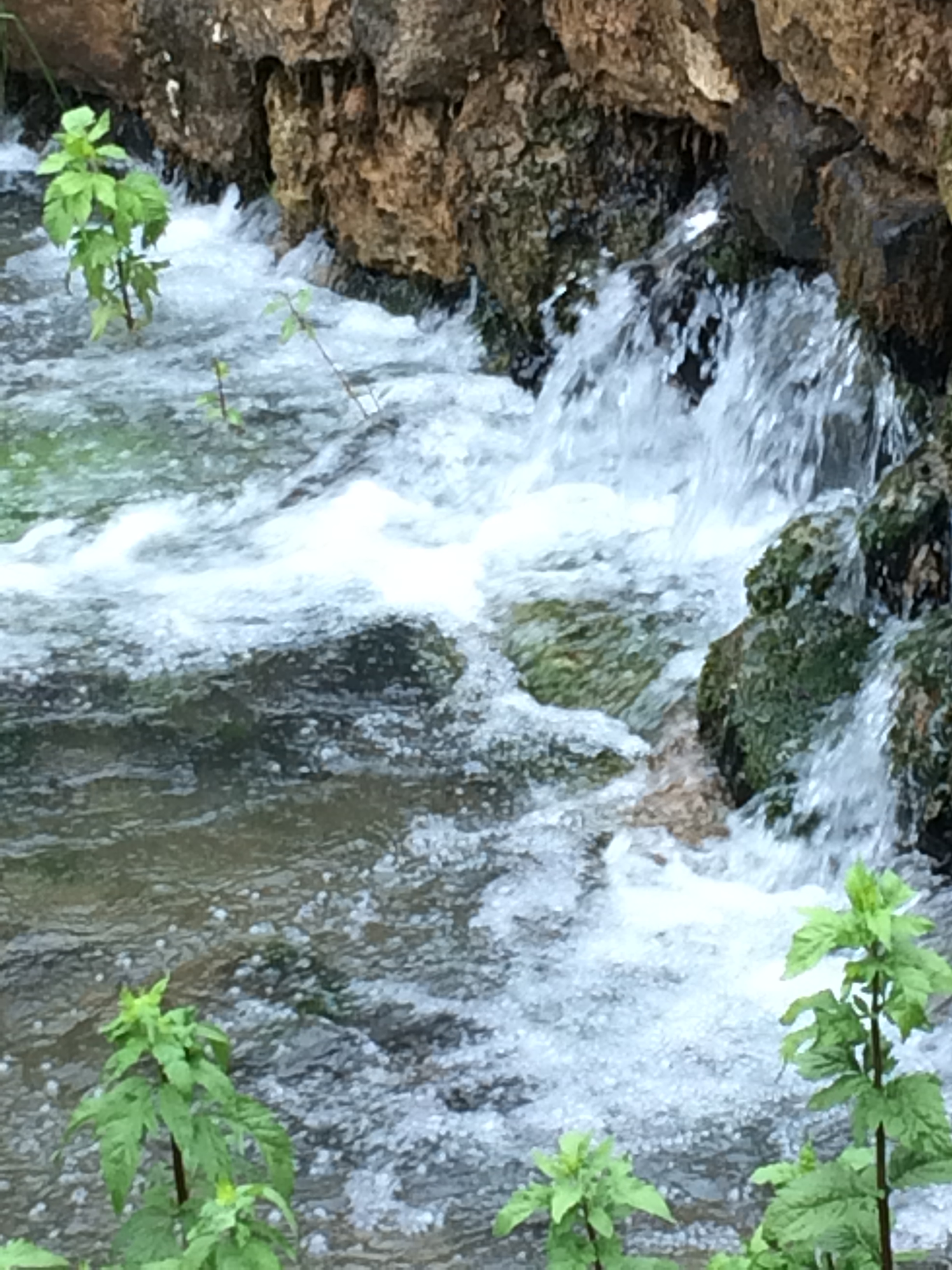
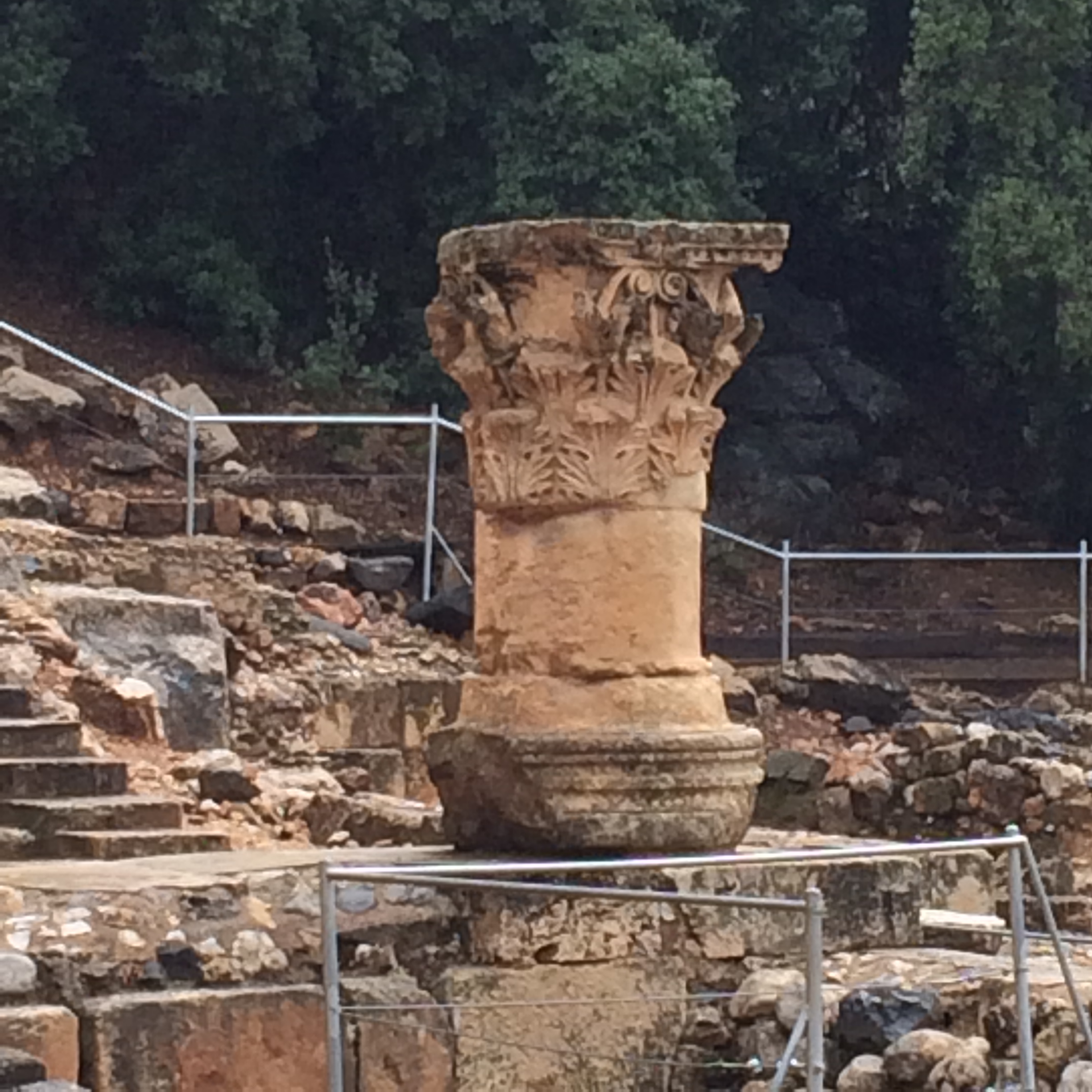
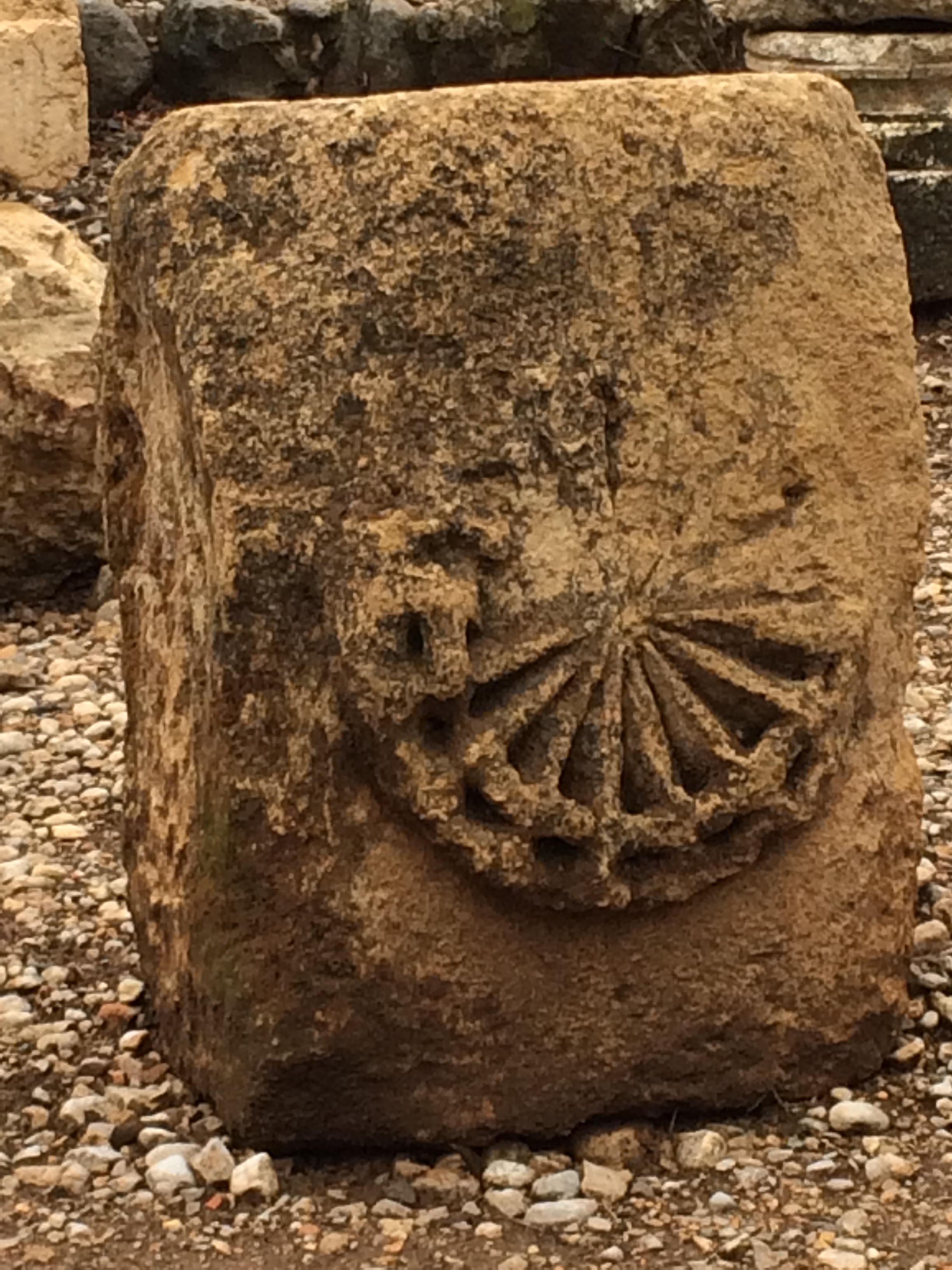
The water flows out of the rocks in Caesarea Philippi, more specifically from the Banias Springs. It must have impressed those in the ancient world. At the time of Jesus, there was a thriving Greco-Roman city on the site. There were temples to several different gods as well as the cave dedicated to the worship of Pan.
The story of Jesus’ visit there is found in Matthew 16:13-20.
When Jesus came into the region of Caesarea Philippi, He asked His disciples, saying, (“Who do men say that I, the Son of Man, am?”
So they said, “Some say John the Baptist, some Elijah, and others Jeremiah or (Lone of the prophets.”
He said to them, “But who do (you say that I am?”
Simon Peter answered and said, You are the Christ, the Son of the living God.”
Jesus answered and said to him, “Blessed are you, Simon Bar-Jonah,for flesh and blood has not revealed this to you, but My Father who is in heaven. . . Then He commanded His disciples that they should tell no one that He was Jesus the Christ.
It is interesting that Jesus took His disciples to this spot–a Gentile city, a place of pagan worship of a variety of gods. Was He trying to help them to understand the difference between Adonai and all the false gods of the pagan world and how they were worshiped by the Gentiles?
Whatever the reason for bringing them to Caesarea Philippi, Peter saw Jesus for who He was–at least for a moment.
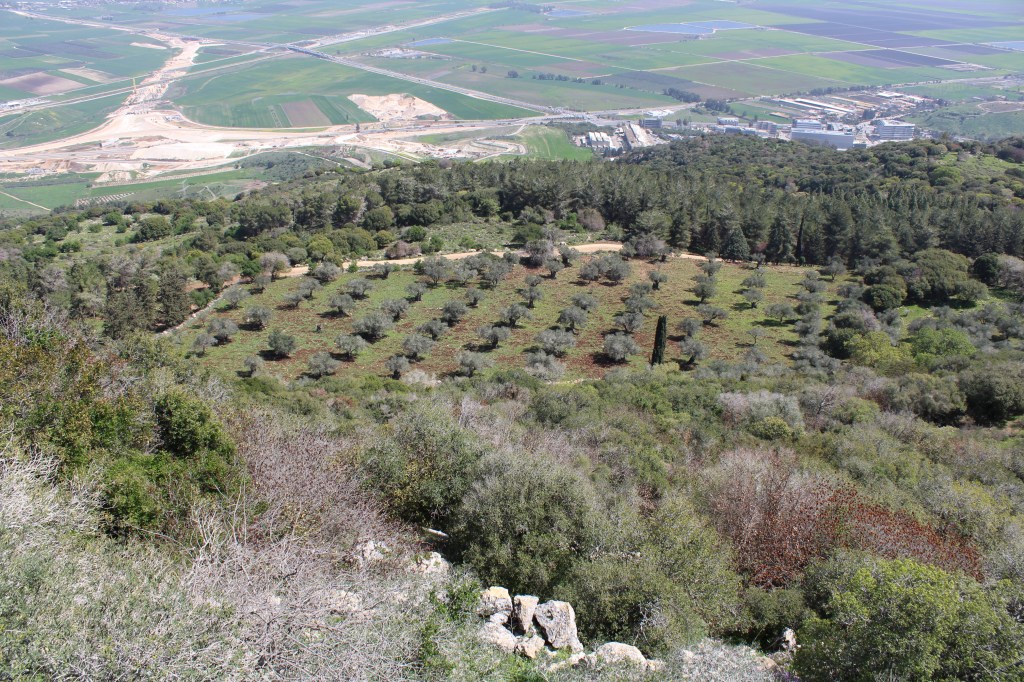
Ahab sent word to all the Israelites and assembled the [pagan] prophets together at Mount Carmel. Elijah approached all the people and said, “How long will you [c]hesitate between two opinions? If the Lord is God, follow Him; but if Baal, follow him.” But the people [of Israel] did not answer him [so much as] a word. Then Elijah said to the people, “I alone remain a prophet of the Lord, while Baal’s prophets are 450 men. Now let them give us two oxen, and let them choose one ox for themselves and cut it in pieces, and lay it on the wood, but put no fire under it. I will prepare the other ox and lay it on the wood, and I will not put a fire under it. Then you call on the name of your god, and I will call on the name of the Lord; and the god who answers by fire, He is God.” And all the people answered, “It is well spoken.”
Elijah approached all the people and said, “How long will you hesitate between two opinions? If the Lord is God, follow Him; but if Baal, follow him.” But the people [of Israel] did not answer him [so much as] a word. Then Elijah said to the people, “I alone remain a prophet of the Lord, while Baal’s prophets are 450 men. Now let them give us two oxen, and let them choose one ox for themselves and cut it in pieces, and lay it on the wood, but put no fire under it. I will prepare the other ox and lay it on the wood, and I will not put a fire under it. Then you call on the name of your god, and I will call on the name of the Lord; and the god who answers by fire, He is God.” And all the people answered, “It is well spoken.”Elijah said to the prophets of Baal, “Choose one bull for yourselves and prepare it first, since there are many of you; and call on the name of your god, but put no fire under it.” So they took the bull that was given to them and prepared it, and called on the name of Baal from morning until noon, saying, “O Baal, hear and answer us.” But there was no voice and no one answered. And they leaped about the altar which they had made. At noon Elijah mocked them, saying, “Cry out with a loud voice, for he is a god; either he is occupied, or he is out [at the moment], or he is on a journey. Perhaps he is asleep and must be awakened!” So they cried out with a loud voice [to get Baal’s attention] and cut themselves with swords and lances in accordance with their custom, until the blood flowed out on them. As midday passed, they played the part of prophets and raved dramatically until the time for offering the evening sacrifice; but there was no voice, no one answered, and no one paid attention.
Then Elijah said to all the people, “Come near to me.” So all the people approached him. And he repaired and rebuilt the [old] altar of the Lordthat had been torn down [by Jezebel].Then Elijah took twelve stones in accordance with the number of the tribes of the sons of Jacob, to whom the word of the Lord had come, saying, “Israel shall be your name.”So with the stones Elijah built an altar in the name of the Lord. He made a trench around the altar large enough to hold two measures of seed. Then he laid out the wood and cut the ox in pieces and laid it on the wood. And he said, “Fill four pitchers with water and pour it on the burnt offering and the wood.” And he said, “Do it the second time.” And they did it the second time. And he said, “Do it the third time.” And they did it a third time. 3The water flowed around the altar, and he also filled the trench with water.
Elijah’s Prayer
At the time of the offering of the evening sacrifice, Elijah the prophet approached [the altar] and said, “O Lord, the God of Abraham, Isaac, and Israel (Jacob), let it be known today that You are God in Israel and that I am Your servant and that I have done all these things at Your word. Answer me, O Lord, answer me, so that this people may know that You, O Lord, are God, and that You have turned their hearts back [to You].” Then the fire of the Lord fell and consumed the burnt offering and the wood, and even the stones and the dust; it also licked up the water in the trench. When all the people saw it, they fell face downward; and they said, “The Lord, He is God! The Lord, He is God!” Then Elijah said to them, “Seize the prophets of Baal; do not let one of them escape.” They seized them; and Elijah brought them down to the brook Kishon, and [as God’s law required] killed them there. 1 Kings 18:20-40
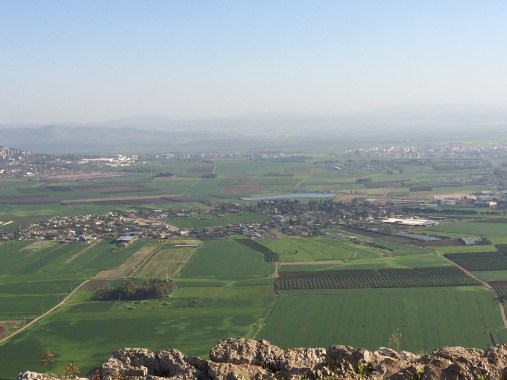
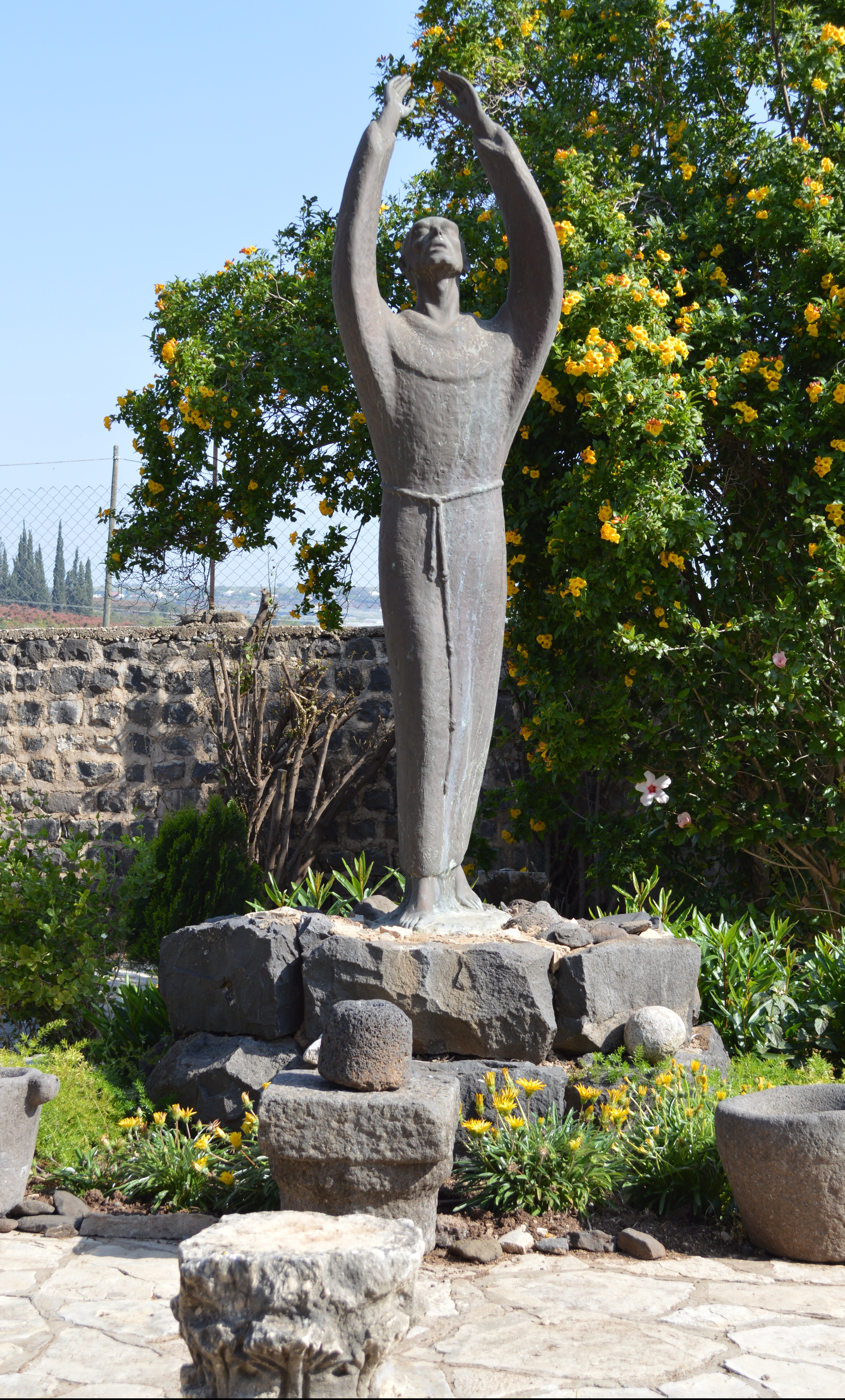
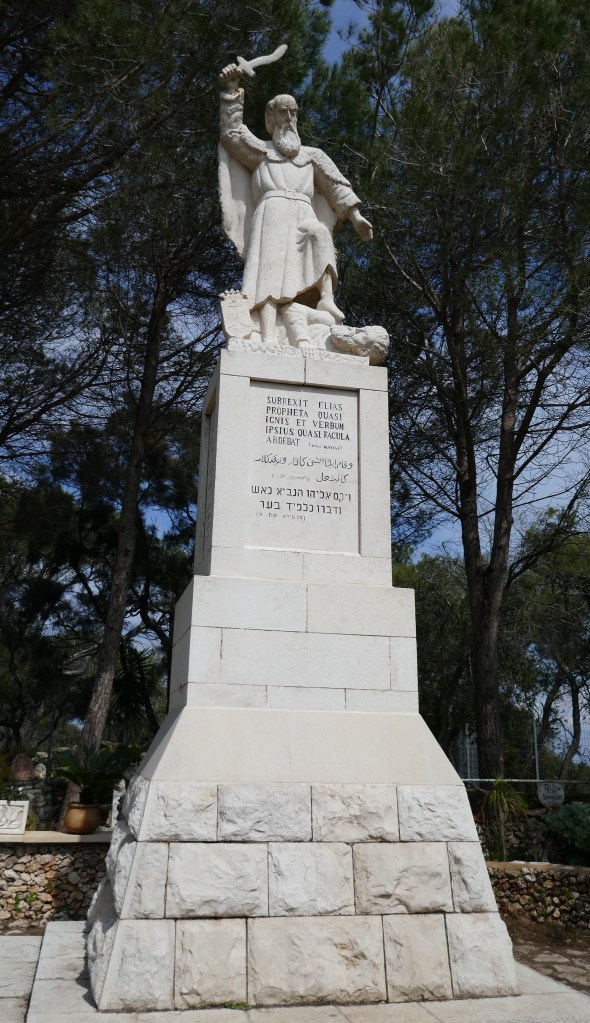
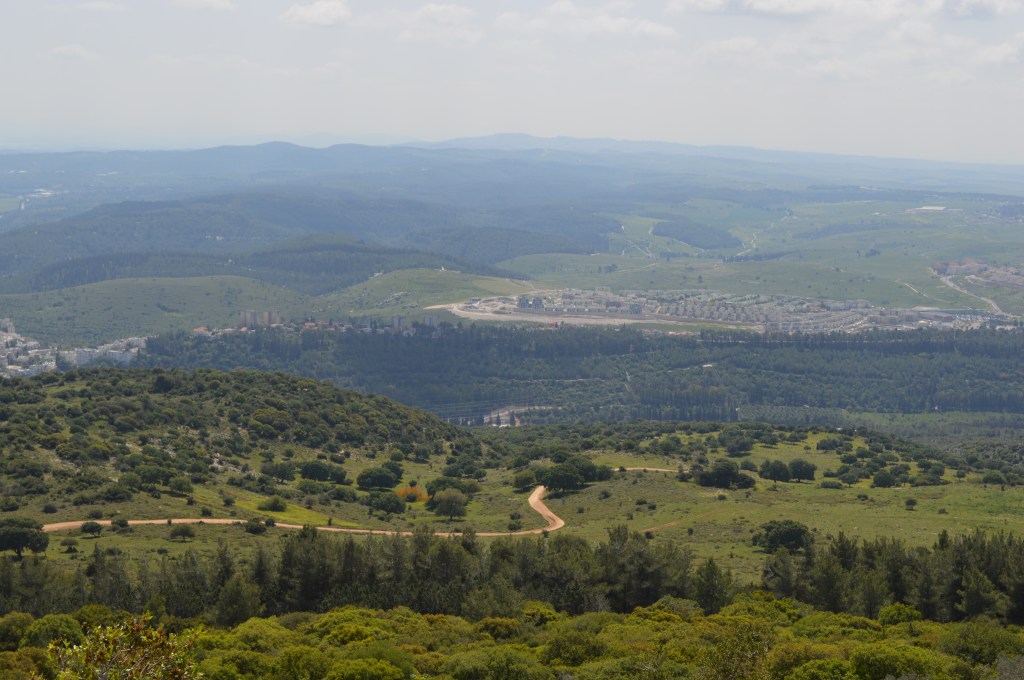
Nothing can really be added to this phenomenal story. The pictures below are from Mt Carmel, Israel.
View from Mt Carmel, IsraelMt CarmelStatue of Elijah, the Prophet, Mt Carmel, IsraelView from Mt Carmel, Israel
You may recognize the name of En Gedi from 1 Samuel 24, the story of yet another attempt by King Saul to hunt down and kill David, God’s anointed King.
When Saul returned from following the Philistines, he was told, “Behold, David is in the [a]Wilderness of Engedi.” Then Saul took three thousand chosen men out of all Israel and went to search for David and his men in front of the Rocks of the Wild Goats.
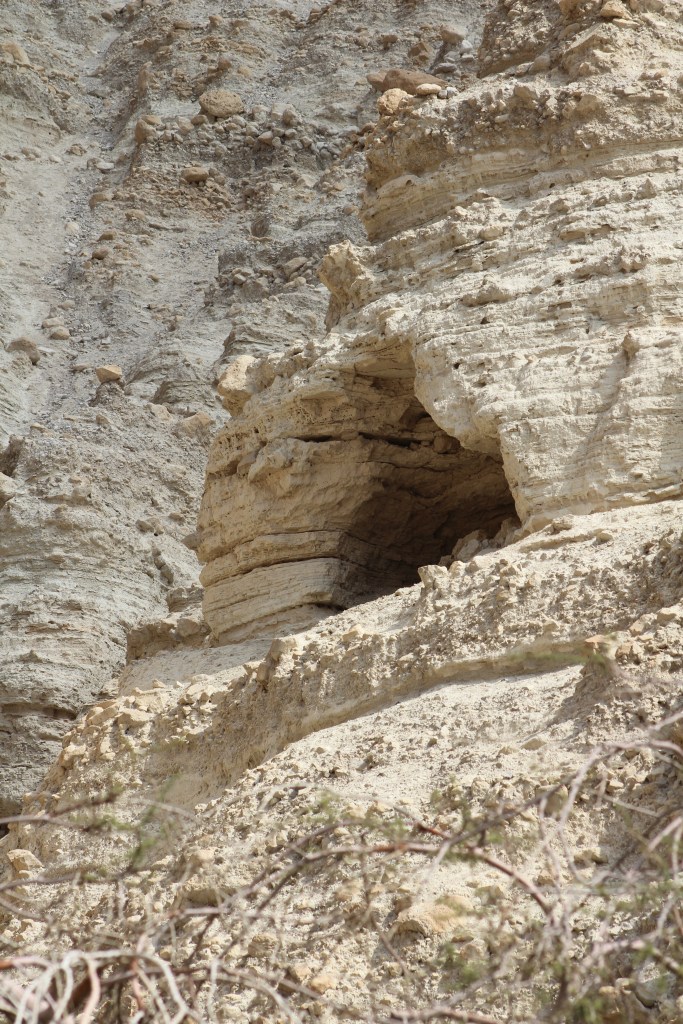
On the way he came to the sheepfolds where there was a cave; and Saul went in to relieve himself. Now David and his men were sitting in the cave’s innermost recesses. David’s men said to him, “Behold, this is the day of which the Lord said to you, ‘Behold, I will hand over your enemy to you, and you shall do to him as seems good to you.’” Then David arose [in the darkness] and stealthily cut off the hem (edge) of Saul’s robe.
Afterward, David’s conscience bothered him because he had cut off the hem of Saul’s robe. He said to his men, “The Lord forbid that I should do this thing to my master, the Lord’s anointed, to put out my hand against him, since he is the anointed of the Lord.” So David strongly rebuked his men with these words and did not let them rise up against Saul. Saul got up, left the cave and went on his way. 1 Samuel 24:1-7.
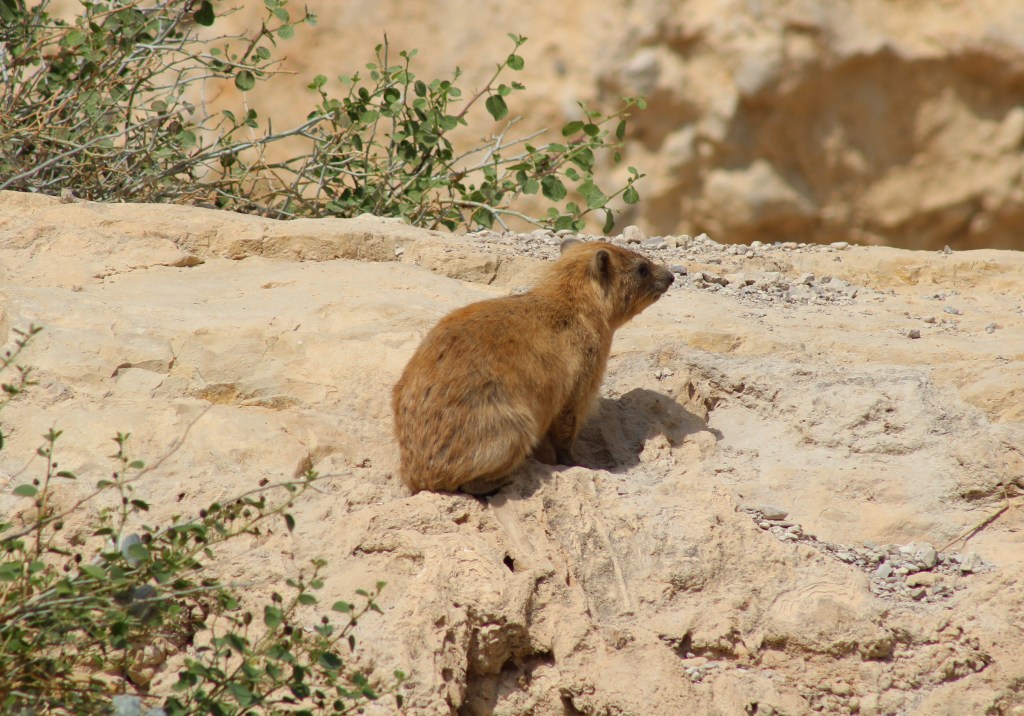
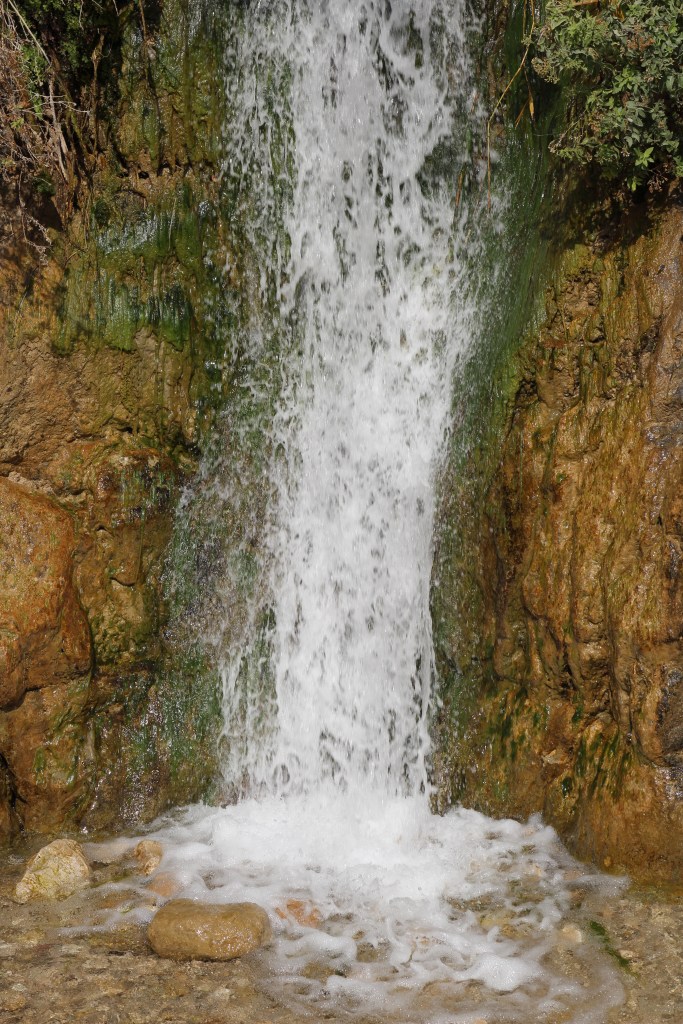
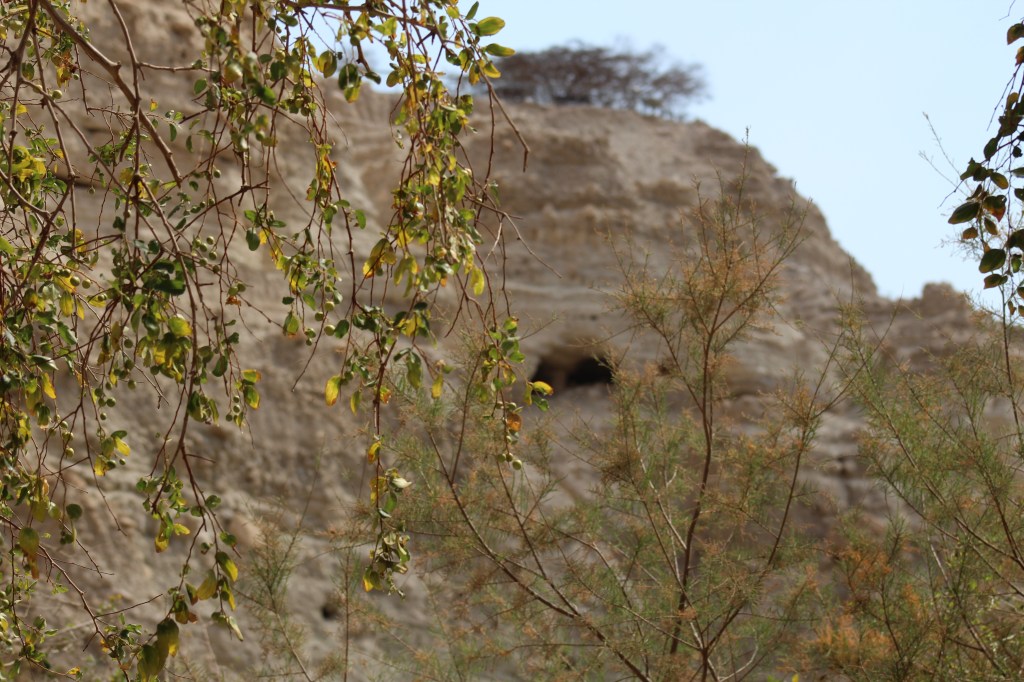
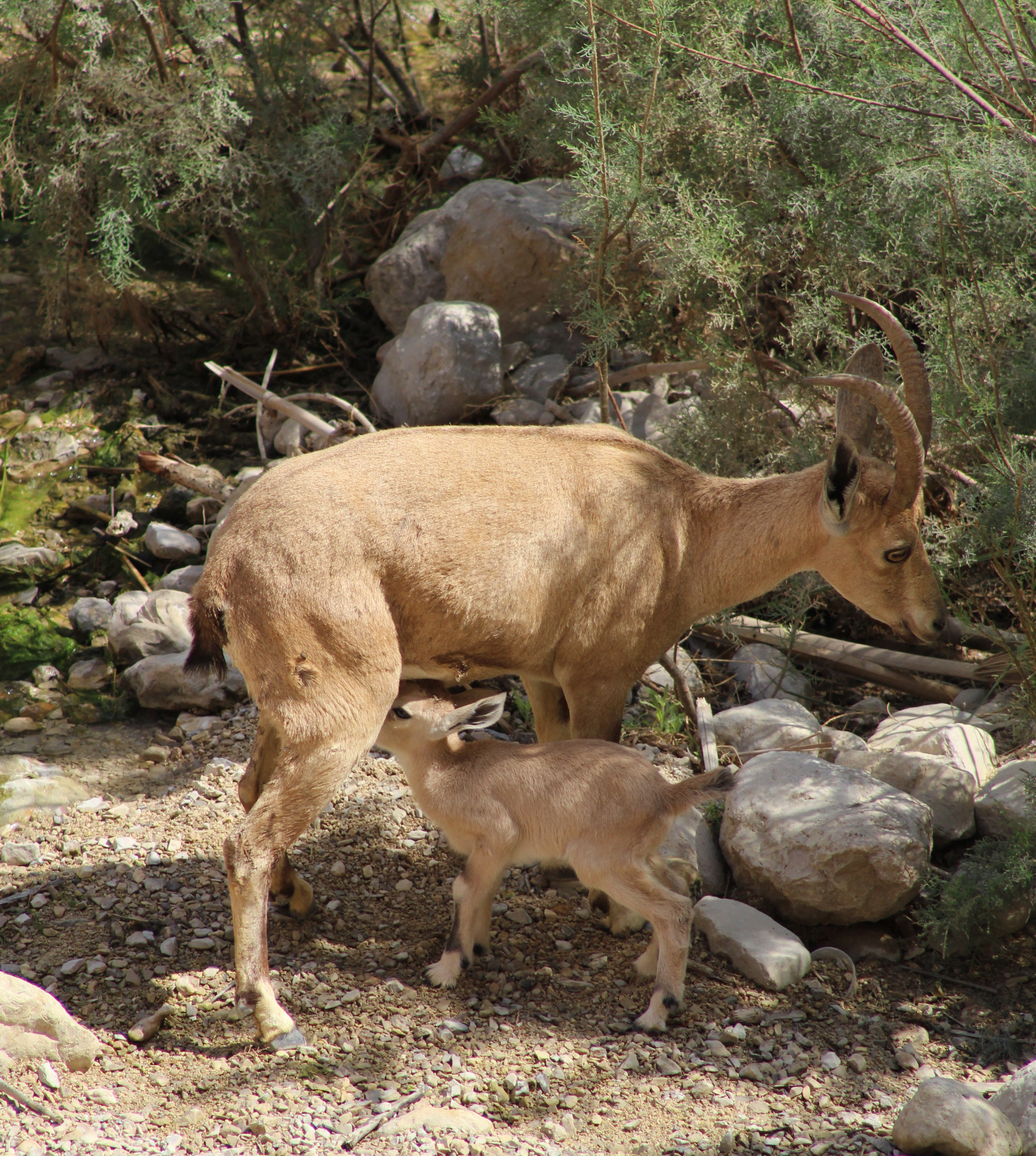
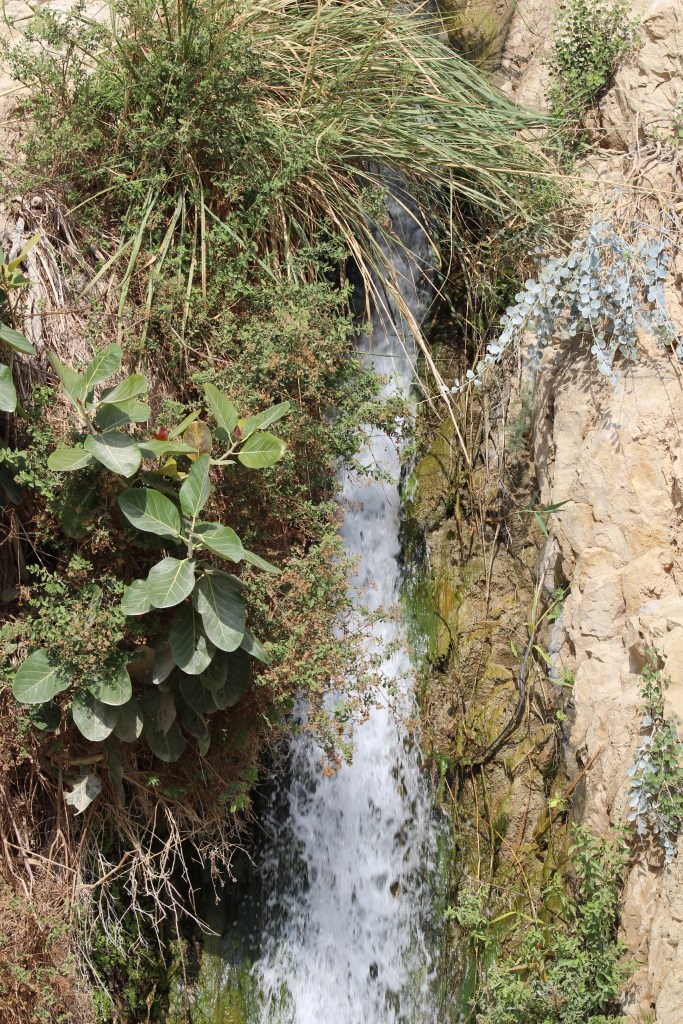
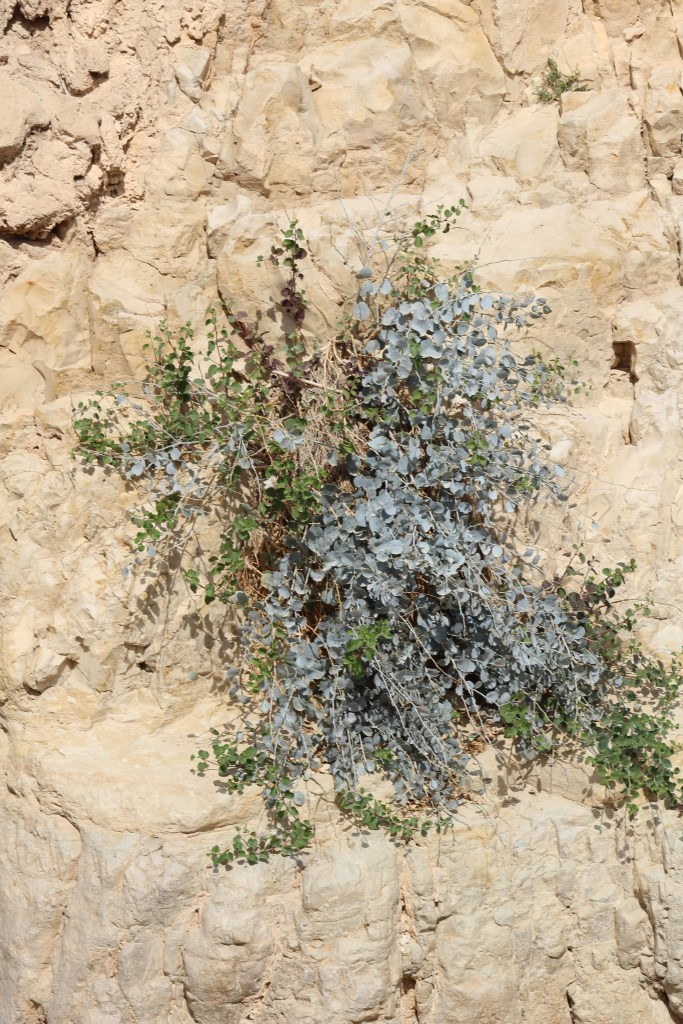
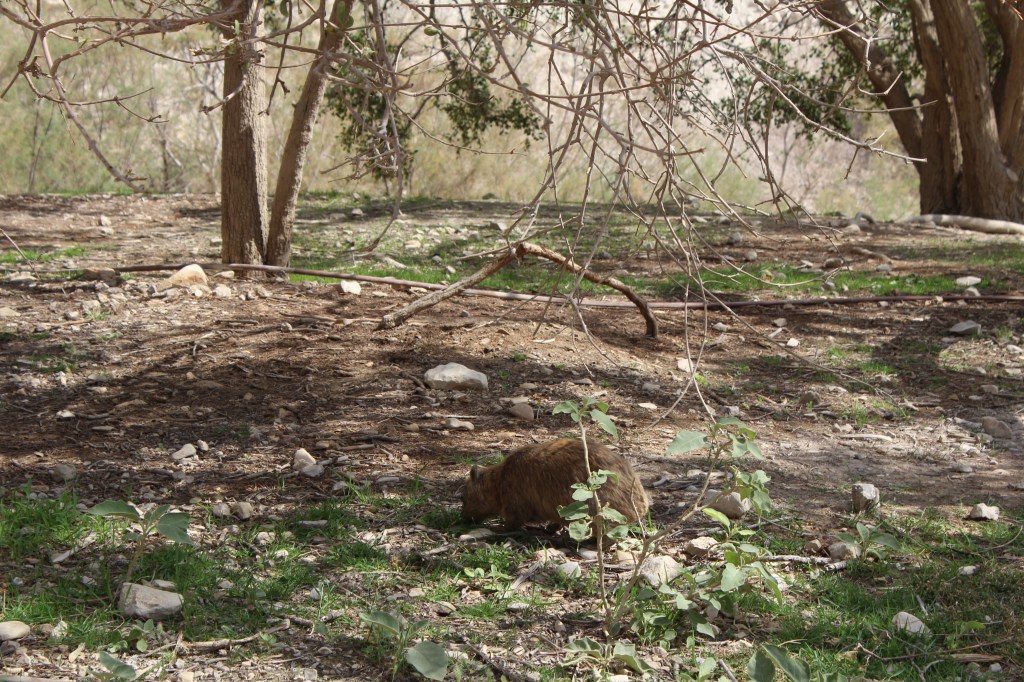
The beauty of En Gedi is in the unexpected–it is an oasis. By definition that means it appears out of nowhere in a place without water. It is an area where the wildlife is abundant as evidenced in the photos below taken on my recent trip to En Gedi.
Hyrax – En Gedi, IsraelIbex and baby – En Gedi, Israel En Gedi, IsraelEn Gedi, IsraelCaves at En Gedi, IsraelHyrax – En Gedi, Israel









 Rooted and Grounded