Feeds:
Posts
Comments

Read Joel Chapter 3
1. What does God promise in Joel 3:1-2?

2. What does God say was done to the land in Joel 3:3? His people?

3. To whom is God speaking to in Joel 3:4-6?

4. What does He say they have done in Joel 3:4-6?

5. What does God promise to do for His people in Joel 3:7-8?

6. What does God tell His people to do in Joel 3:9-13?

7. Where is the Valley of Jehoshaphat?

8. What is being prophesied in Joel 3:14-16?

9. What is meant by “valley of decision” in Joel 3:14?

10. What promise is given to the people of God in Joel 3:16b?

11. What reason does God give in Joel 3:17?

12. What prophecy is given in Joel 3:18?

13. What prophecy is given for Egypt and Edom in Joel 3:19?

14. Copy Joel 3:20-21. Record your thoughts and impressions.

15. What do you learn about Jerusalem from the following verses?
Joel 3:20-21

Psalm 48:1-2

Psalm 69:35

Psalm 87:2

16. What application can you make from the Book of Joel to your life, your relationship with God?

If you are looking for additional information and/or materials, please visit our website at RootedinHisWord.org and our Facebook page. 
34857624_201435477340473_855160484356161536_n

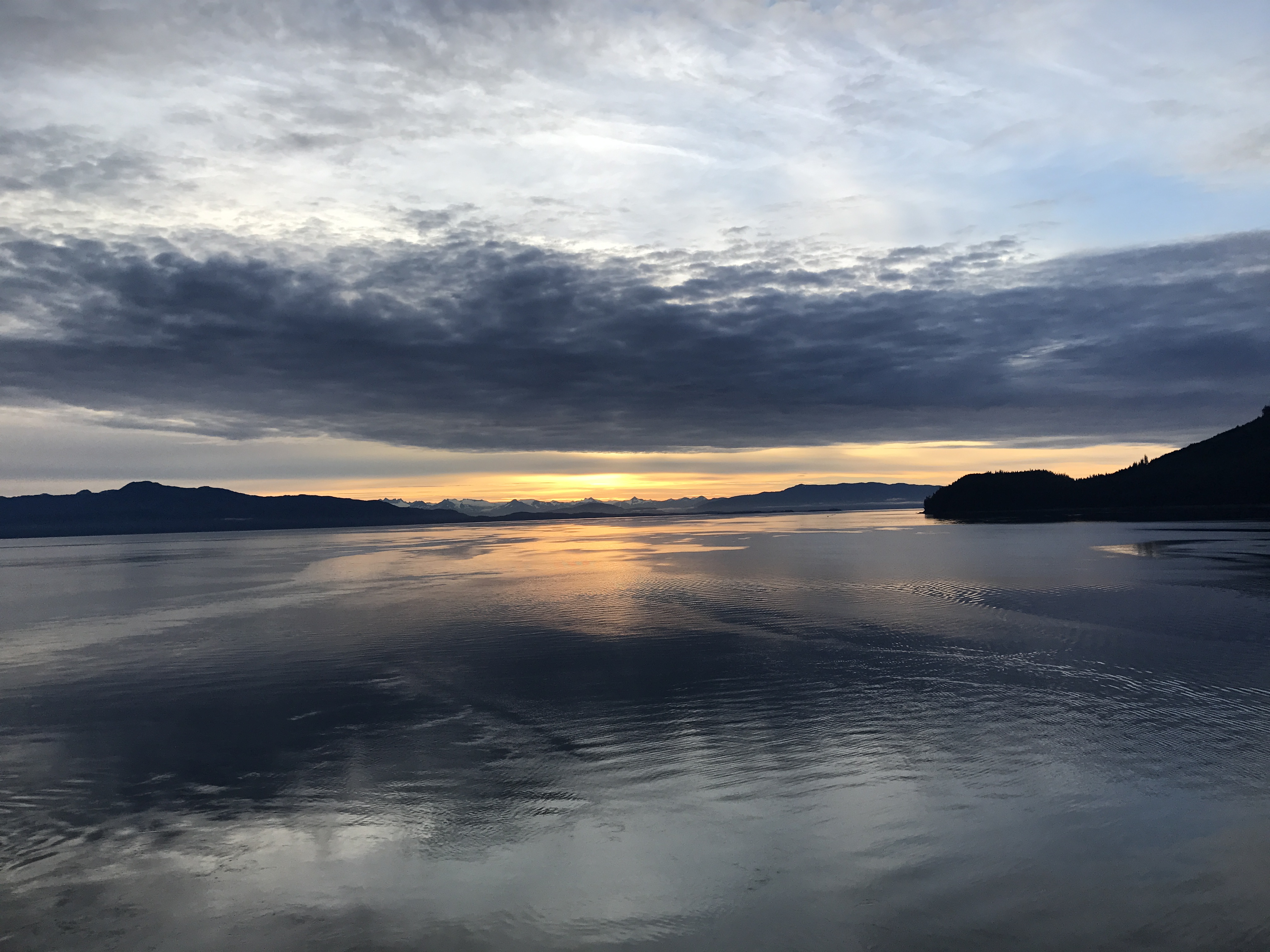
The LORD, my Light

The Lord is my light and my salvation; Whom shall I fear?
The Lord is the strength of my life; Of whom shall I be afraid? Psalm 27:1.

Even the psalmist acknowledges the presence of darkness in his life. To expect that in our life with God we will never encounter darkness is naive and foolish. Darkness is the human condition made worse by pride and self-righteousness. (See Romans 1) The psalmist also acknowledges that fear accompanies darkness like a one-two punch.

But God . . . God is light. It is the very essence of who He is. He has control over light–and consequently, darkness. After all, He spoke light into existence. (See Genesis 1:3)

The beauty of light is that it doesn’t compete with darkness rather light banishes darkness. Darkness must flee when light comes. Although often considered opposites, light is so much more powerful than darkness.

That being said, it is important to remember that God is the original source of light. He brings light into me, His vessel, and fills me with it. His light in me represents the work of salvation in me and everyone who is born again. (See John 3:16-21) God entered the dark abyss of my God-less soul and banished the darkness that had been there by bringing the light of His presence. His light–His very essence–dwells within me.

For You cause my lamp to be lighted and to shine; The Lord my God illumines my darkness. Psalm 18:28.

Fear not, Beloved, God is your light and your salvation. He will not allow the darkness to overtake you. Stand fast.

When the hymn-writer wrote those words, ‘When peace like a river attendeth my soul, when sorrows like sea billows roll, whatever my lot, Thou hast taught me to say, “It is well, it is well with my soul,’  he described the reality of the alternating of peace and turbulence in the life of a believer.   More peace and less turbulence is my goal.  But how does one “get” peace?

The Bible gives some important answers to this question.  First of all, Jesus said in John 14:27, “Peace I leave with you, My peace I give to you; not as the world gives do I give to you.”  So on the one hand, peace has been given to us by Jesus through the Holy Spirit.

Although we have been given peace, we need to live in the place of peace.  To that end, the Bible also teaches us to pursue peace.  The Psalmist in Psalm 34:14 says to “depart from evil and do good; Seek peace and pursue it.”  Romans 12:18 tells us, “if it is possible, as much as depends on you, live peaceably with all men.”   Romans 14:19 tells us to “pursue the things which make for peace and the things by which one may edify another.”   Hebrews 12:14 says, “pursue peace with all people.” (emphasis added)   These verses speak of a lifestyle that we, as believers, need to seek after.  We need to put some effort into peace-making and peace-keeping.  We need to not be the ones engaging in peace-taking.

The better news is found in the book of Isaiah where the prophet says of God in Isaiah 26:3, “You will keep him in perfect peace, Whose mind is stayed on You, Because he trusts in You.”  The reality is that when our minds are focused on God, God keeps us in the peace He promised us.

May the peace of God descend upon your heart today.  May you pursue peace as much as you are able.

If you are looking for additional information and/or materials, please visit our website at RootedinHisWord.org and our Facebook page. 
34857624_201435477340473_855160484356161536_n

Read Joel Chapter 2 (verse 18-end)
1. What is the prophecy that Joel is delivering in Joel 2:18-20?

2. Who is the northern army mentioned in Joel 2:20?

3. Copy Joel 2:21. Record your thoughts and impressions.

4. What does God tell the people not to do in Joel 2:21? Joel 2:22?

5. What does God tell them to do in Joel 2:23? Why?

6. What are the former rains? The latter rains?

7. What is the meaning of Joel 2:24?

8. What does God promise to do in Joel 2:25-27?

9. What does God promise in Joel 2:28-32?

10. Copy Joel 2:28.  Record your thoughts and impressions.

11. Read Acts chapter 2. How do the events of that chapter related to Joel 2:28-290?

12. What do you learn from the following verses?
Isaiah 13:9-10

Ezekiel 32:7-10

Matthew 24:29-31

Revelation 6:12-14

13. Who will be saved according to Joel 2:32?

Read Psalm 126
14. What similarities to Joel 2:21-32 do you see in this Psalm? Use verse references where possible to support your observations.


If you are looking for additional information and/or materials, please visit our website at RootedinHisWord.org and our Facebook page. 
34857624_201435477340473_855160484356161536_n

Read Joel Chapter 2
1. What does Joel call for the people to do in Joel 2:1?

2. What do you learn about the blowing of the trumpet in Numbers 10:1-10?

3. What is the response the people were to have to the coming of the day of the Lord according to Joel 2:1?

4. How is the day of the LORD described by Joel in Joel 2:2-11?

5. What does the LORD call on the people to do in Joel 2:12-13?

6. Copy Joel 2:13. Record your thoughts and impressions.

7. What is the fast that the LORD requires according to Isaiah 58?

8. What does God tell the people to do through the prophet Joel in Joel 2:15-16?

9. What is the suggested prayer in Joel 2:17?

10. What do you learn from the following verses about the character of God that might lead His people to repent?
Nehemiah 9:17

Psalm 103:2-5

Psalm 145:8-9

Ephesians 1:3-14

Ephesians 2:4-7

If you are looking for additional information and/or materials, please visit our website at RootedinHisWord.org and our Facebook page. 
34857624_201435477340473_855160484356161536_n

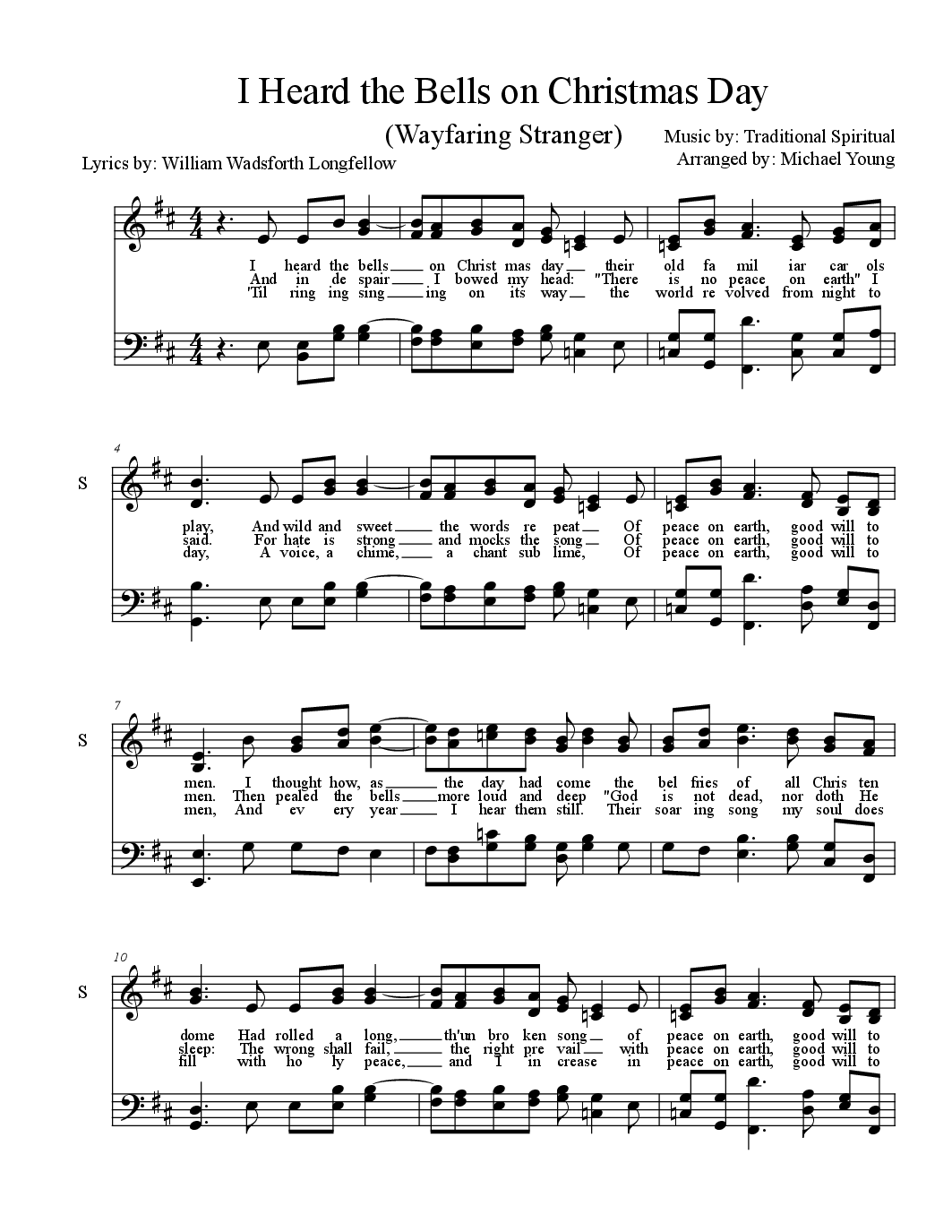
I love the second verse!

heard the bells

Read Joel Chapter 1
1. What do you learn of Joel from Joel 1:1?

2. What act of nature has happened in the land according to Joel 1:2-4?

3. What does Joel call the elders to do in Joel 1:2?

4. What act of men has occurred according to Joel 1:5-7?

5. What does Joel call the drunkards to do in Joel 1:5?

6. What natural disaster has occurred according to Joel 1:8-12?

7. What does Joel tell the farmers to do in Joel 1:11?

8. What does Joel tell the priests to do in Joel1 1:13-14?

9. What do you learn from the following verses about fasting?
Judges 20:26-28

2 Chronicles 20:1-4

Ezra 8:21-23

Nehemiah 9:1-3

Esther 4:16

Psalm 35:13

10. What does Joel say is happening in Joel 1:15?

11. What evidences does Joel mention for his conclusion in Joel 1:16-20?

If you are looking for additional information and/or materials, please visit our website at RootedinHisWord.org and our Facebook page. 

34857624_201435477340473_855160484356161536_n

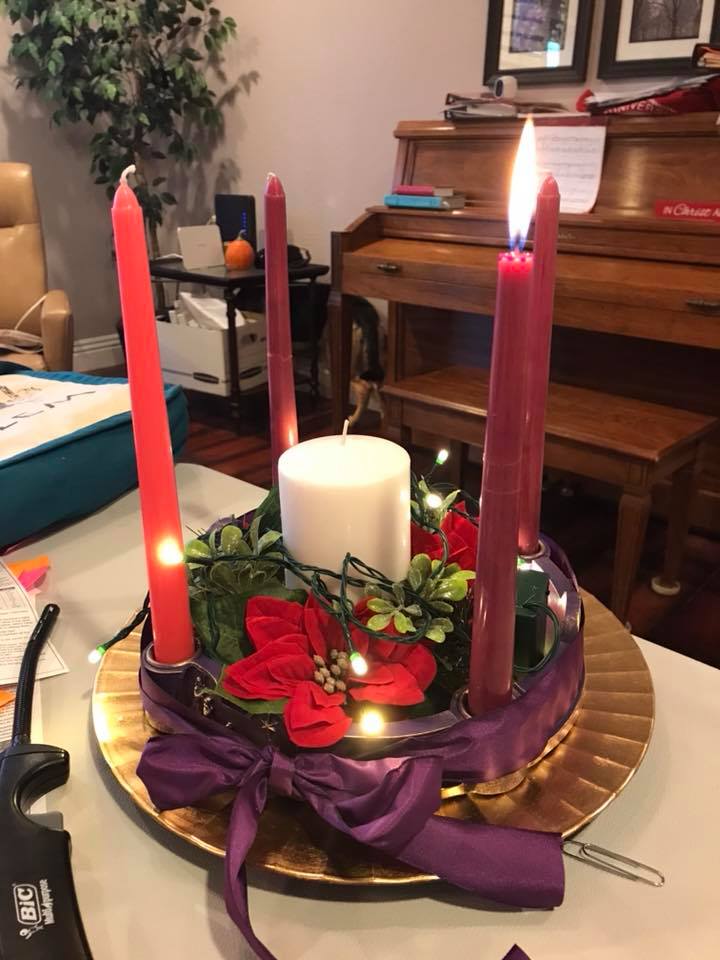
The First Sunday of Advent

      I am reminded today–the first Sunday of Advent–of those advent wreaths of childhood. We would light them and say the prayers in lieu of our regular pre-meal prayer. The wreath, made of evergreens had four candles, and we were four children. Each week of Advent, we would take turns lighting the candle(s) for the week. The first week would be our youngest brother. He would have only one candle to light.
     It was a special time. The candle was allowed to burn during the entirety of the meal, and with each bite of dinner, we looked forward, anticipating. Christmas was the time of year when the difficulties we faced would dissipate for awhile, and we would embrace the glory and magic of Christmas. The baby was coming, and He would be the Savior of the whole world. Glory to God!


Advent Wreath

Introduction/background
1. Who is the author of the book of Joel?

2. When was the book of Joel written?

3. To whom was Joel prophesying?

4. During which King(s)’ reign(s) did Joel prophesy?

5. What do you learn of Joel from Acts 2:14-20?

6. What does the name “Joel” mean?

If you are looking for additional information and/or materials, please visit our website at RootedinHisWord.org and our Facebook page. 

34857624_201435477340473_855160484356161536_n

It’s Worth Repeating

Wait for and confidently expect the Lord;
Be strong and let your heart take courage;
Yes, wait for and confidently expect the Lord.
Psalm 27:14 (Amplified)

The Amplified version brings out some interesting nuances of this text. First of all, we see that it is not merely waiting that is required. Rather it is waiting for someone in particular, namely the Lord. Moreover, the waiting is not passive as one might wait for a bus or a train, but this is waiting with accompanying expectation–confident expectation in the Lord and what He will do. We can have this confident expectation because of the promises that God has made to us in His Word. Promises like . . . “I will never leave or forsake you,” “I provide a way of escape from temptation,” “I will deliver you,” “I’ll come back for you,” and many others. We are instructed by the psalmist to expect the Lord to do what He has promised to do as we wait for Him to do so.

We are told to “be strong.” The strength the psalmist has in mind is mental strength. This strength speaks of choice. We are to choose to believe God and His Word. We are to choose to allow the Spirit of God to reign in our hearts and minds. As the Spirit fills us, we will experience the resulting fruit of the Spirit, namely patience, long-suffering and self-control.

Once we choose to go God’s way, He will flood our hearts with courage–courage we know could never be our own. Once we are strengthened by this courage, we are able to wait. God is still and always in charge.

In this verse, the first phrase and the last phrase are the same; bookends that reinforce the beginning and the end of the matter–wait on the Lord. It’s worth repeating.

If you are looking for additional information and/or materials, please visit our website at RootedinHisWord.org and our Facebook page. 

34857624_201435477340473_855160484356161536_n