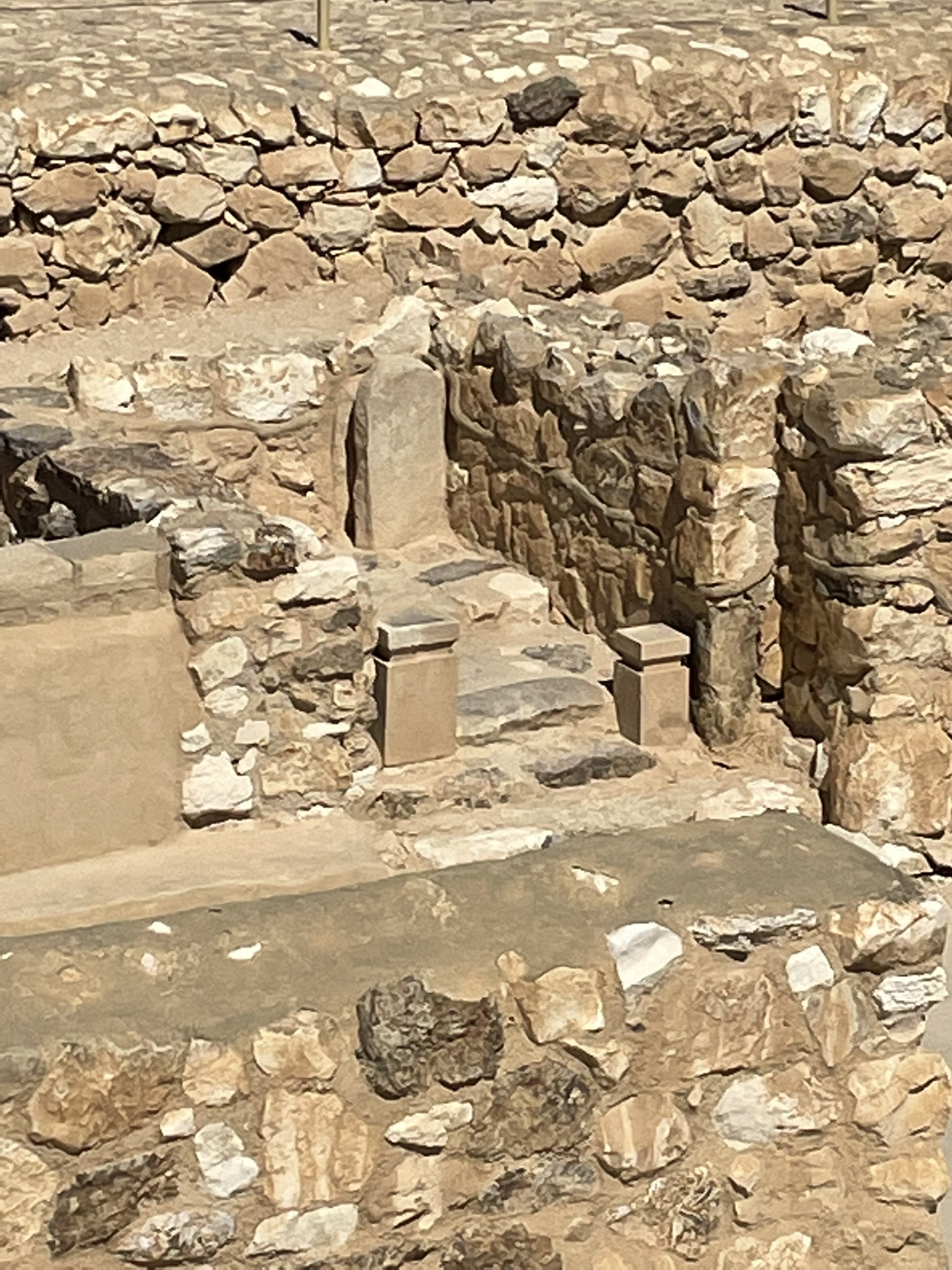
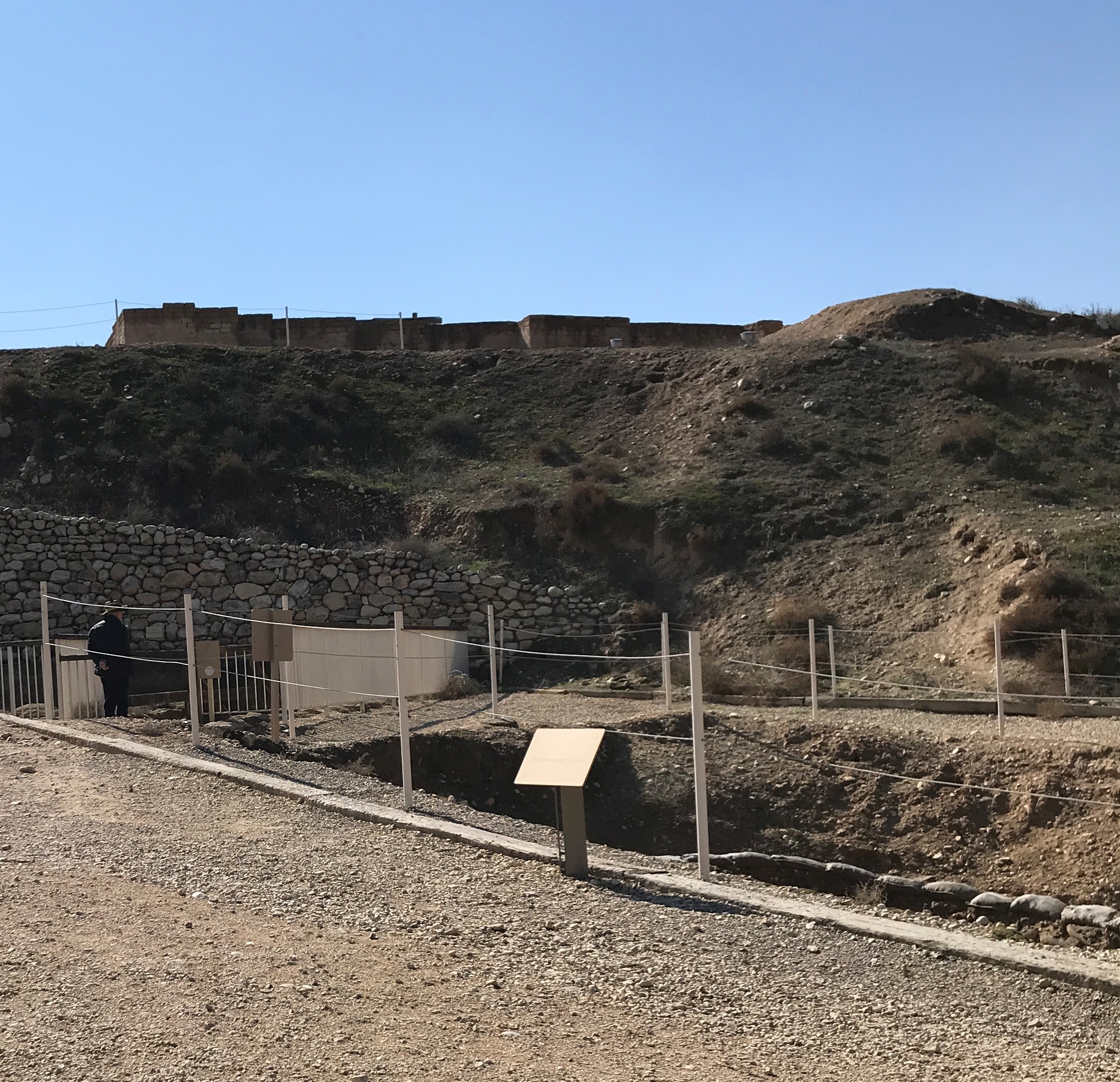
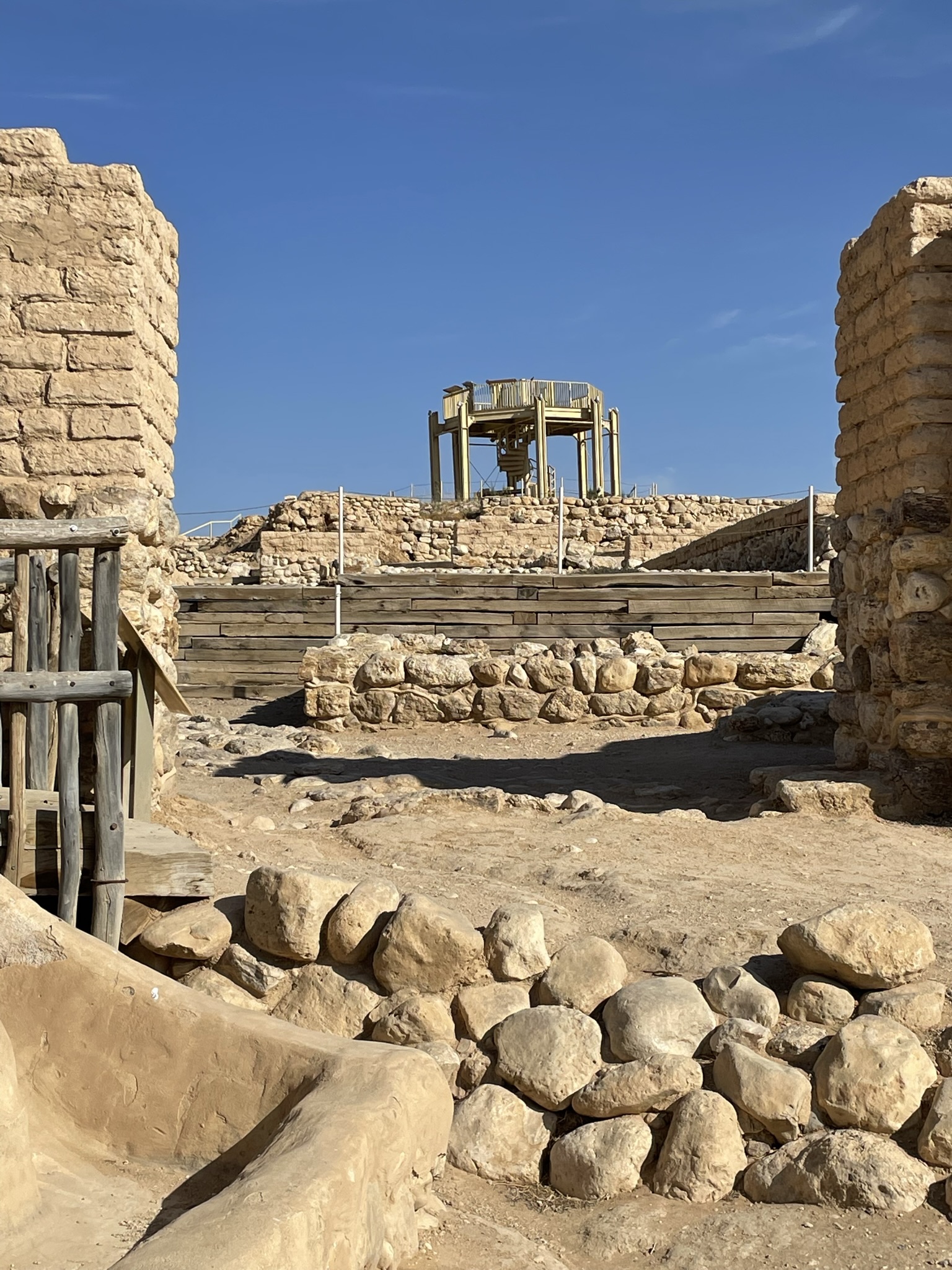
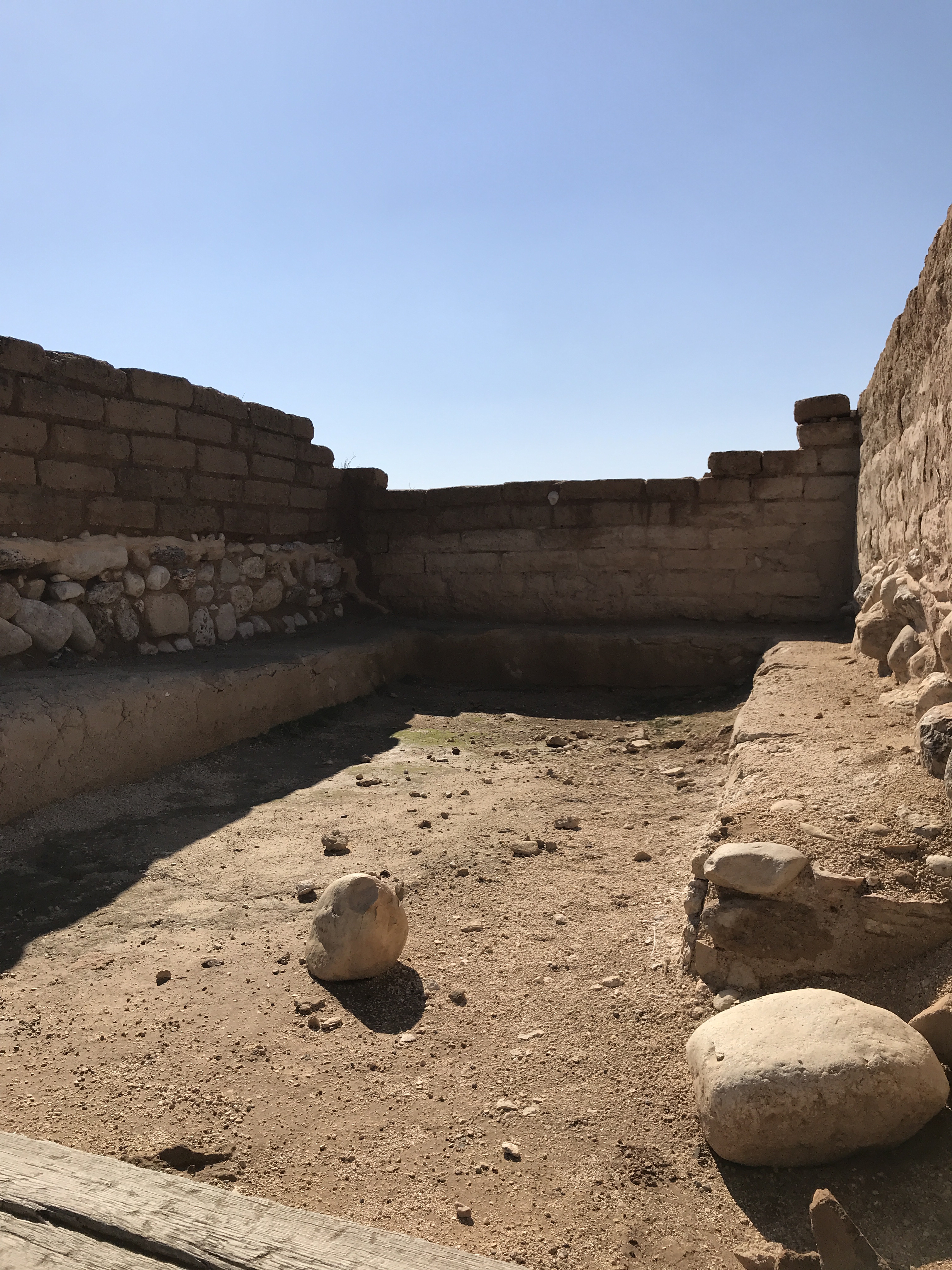
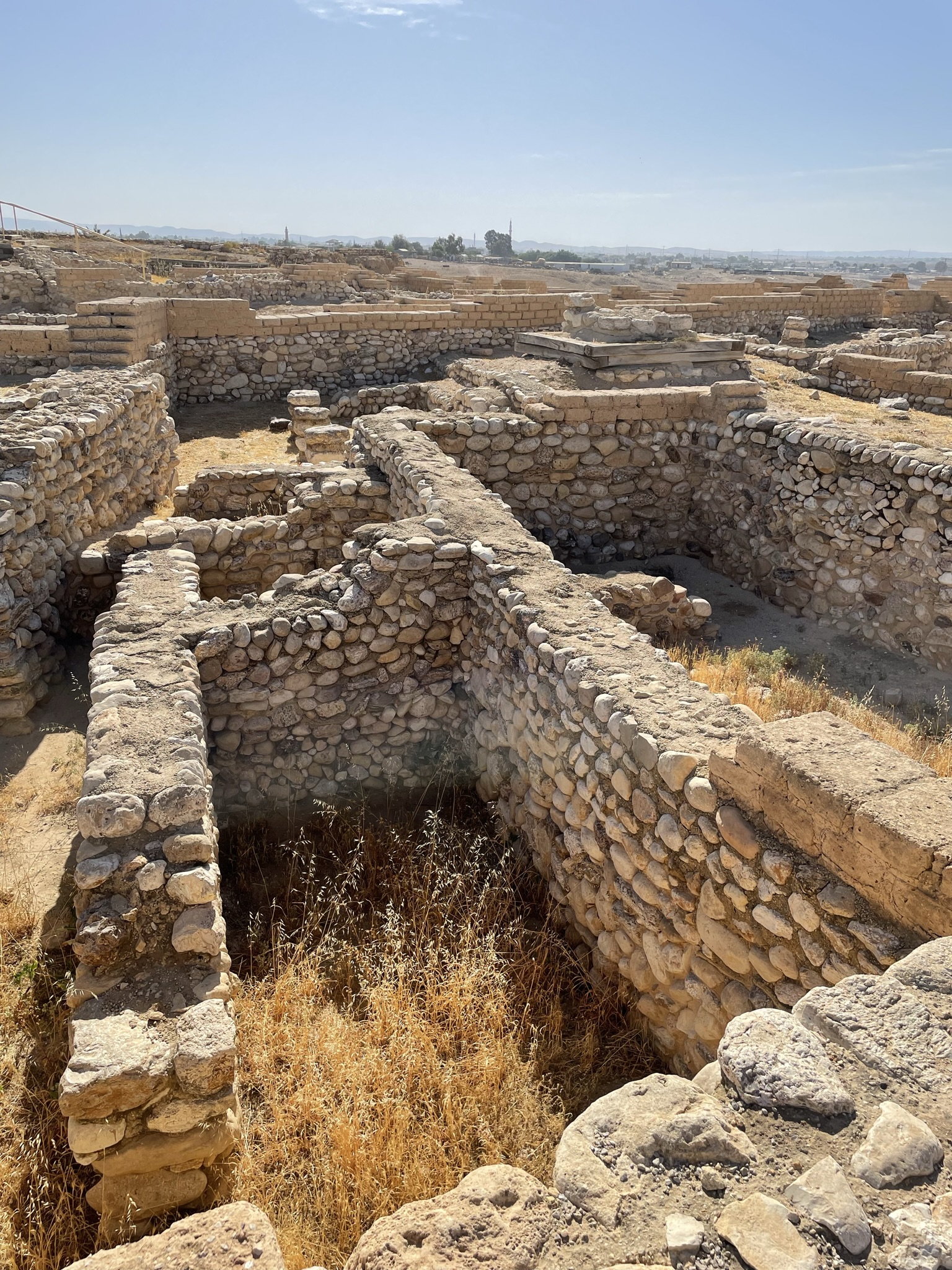
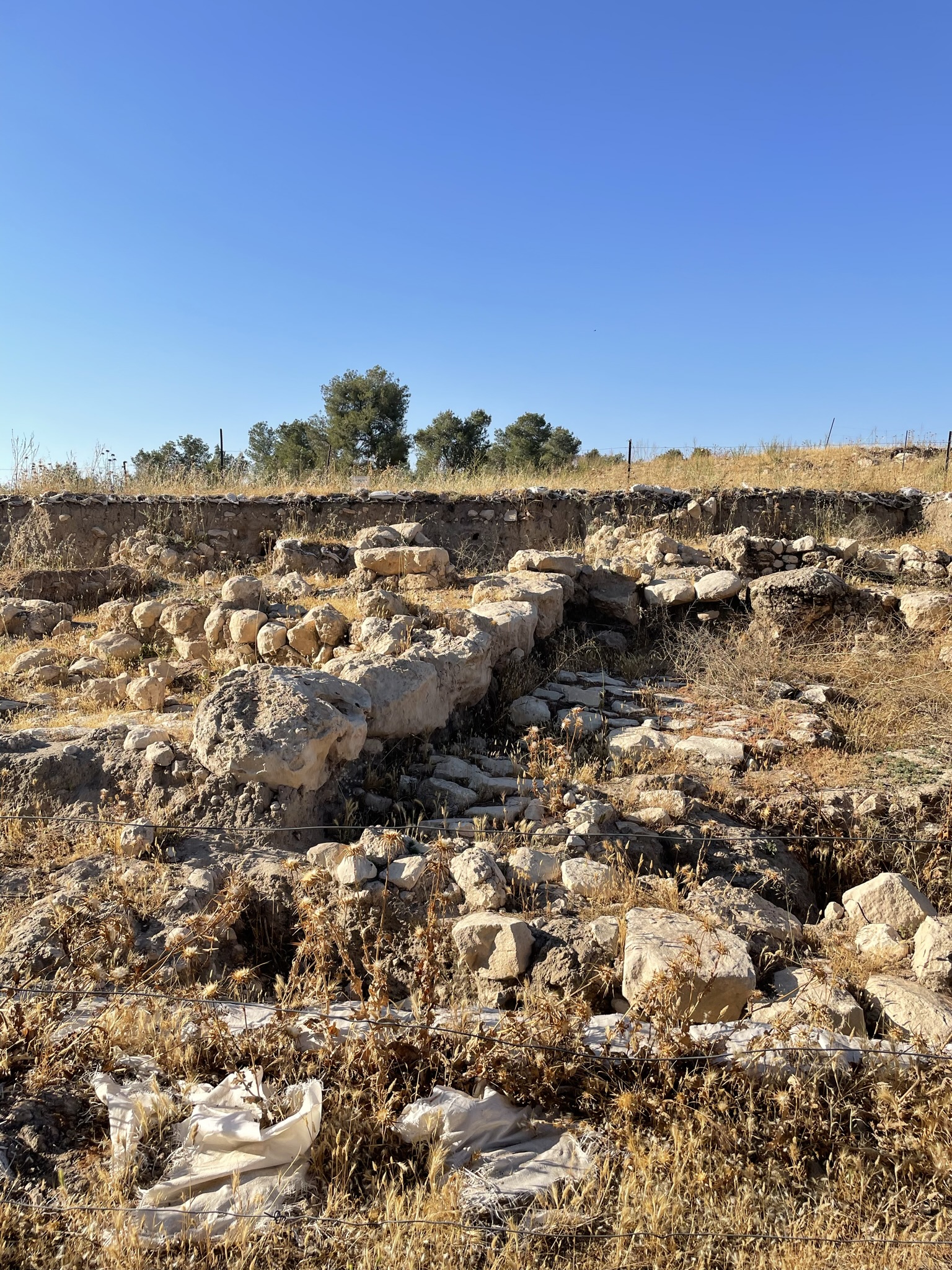
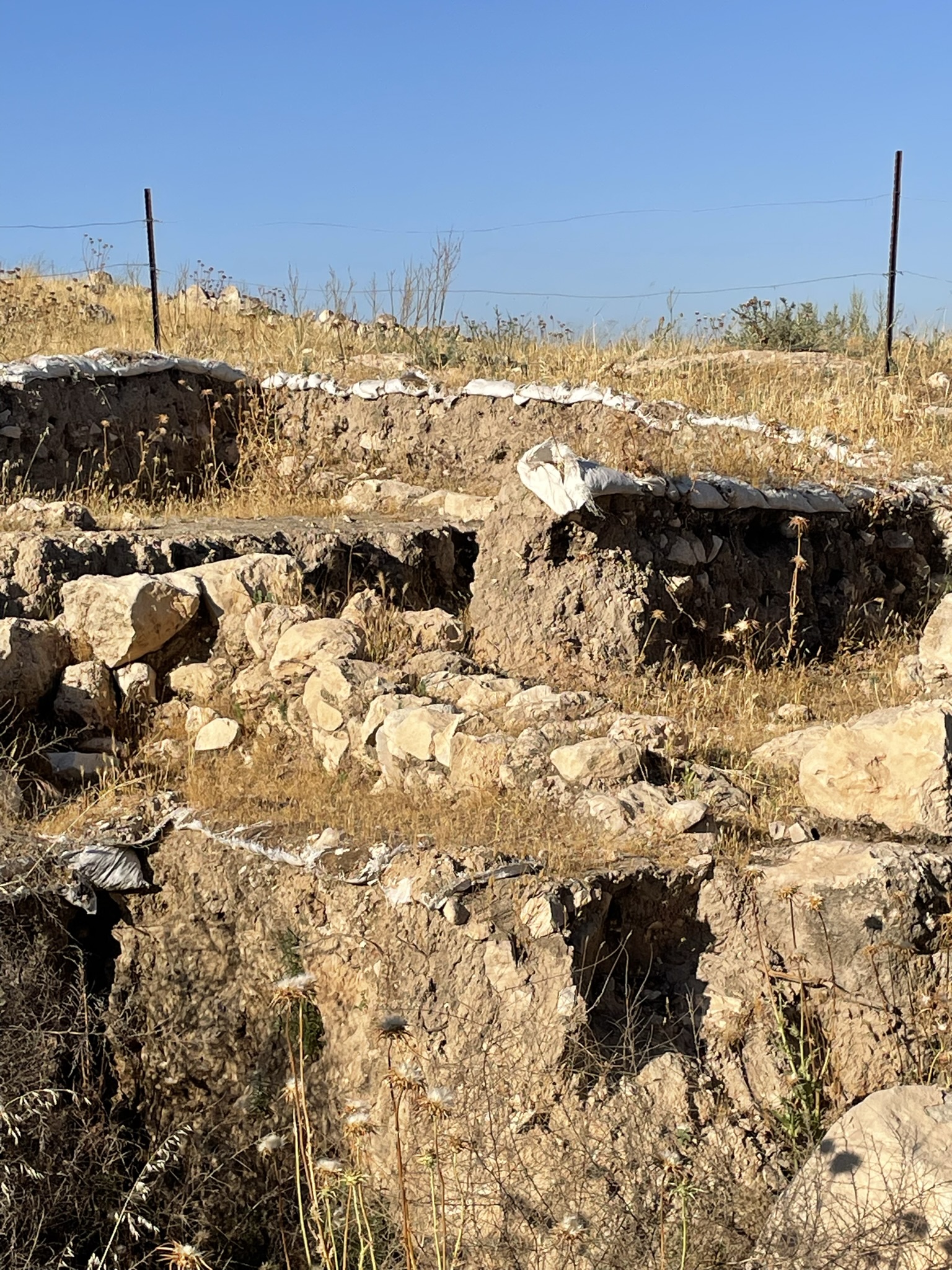
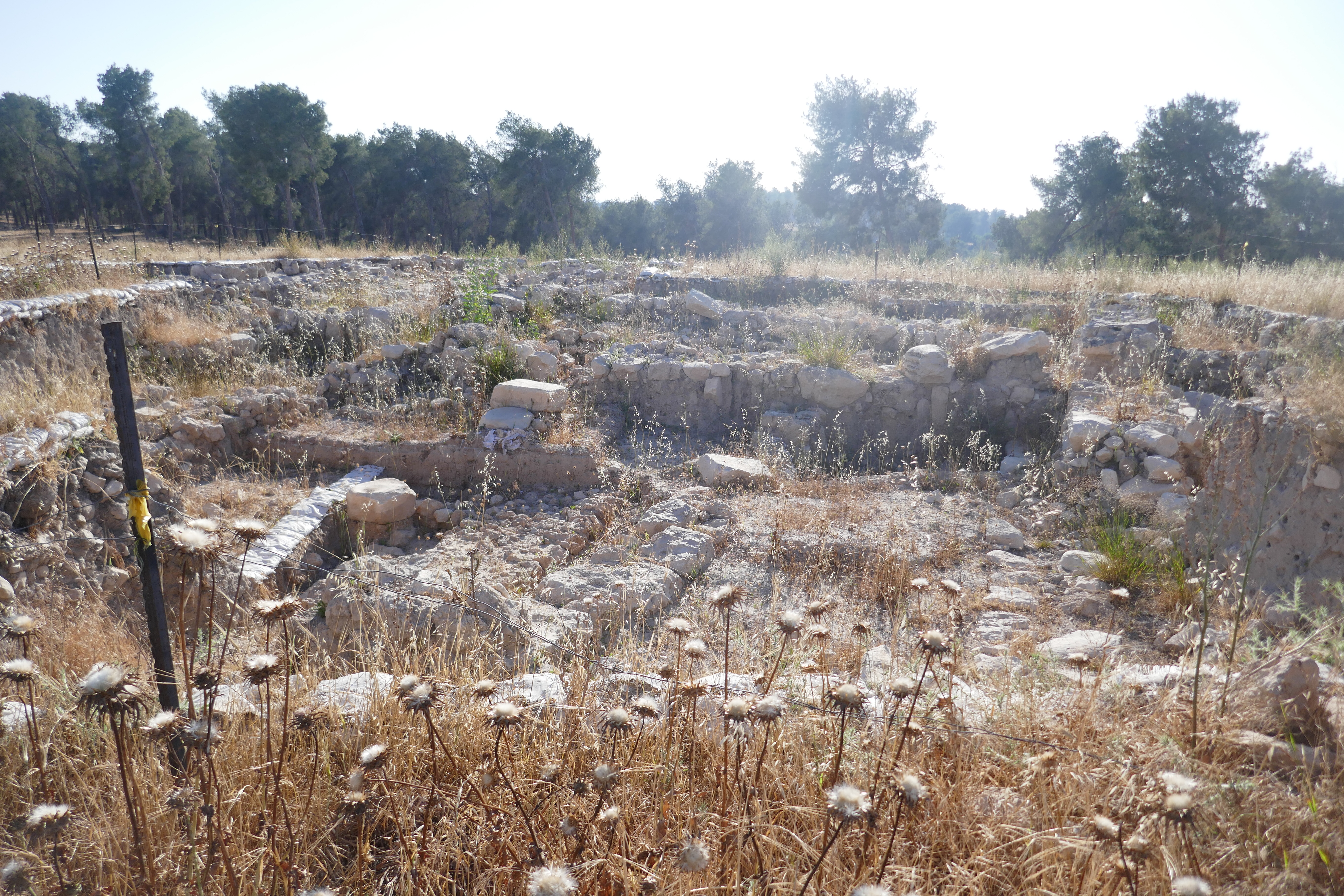
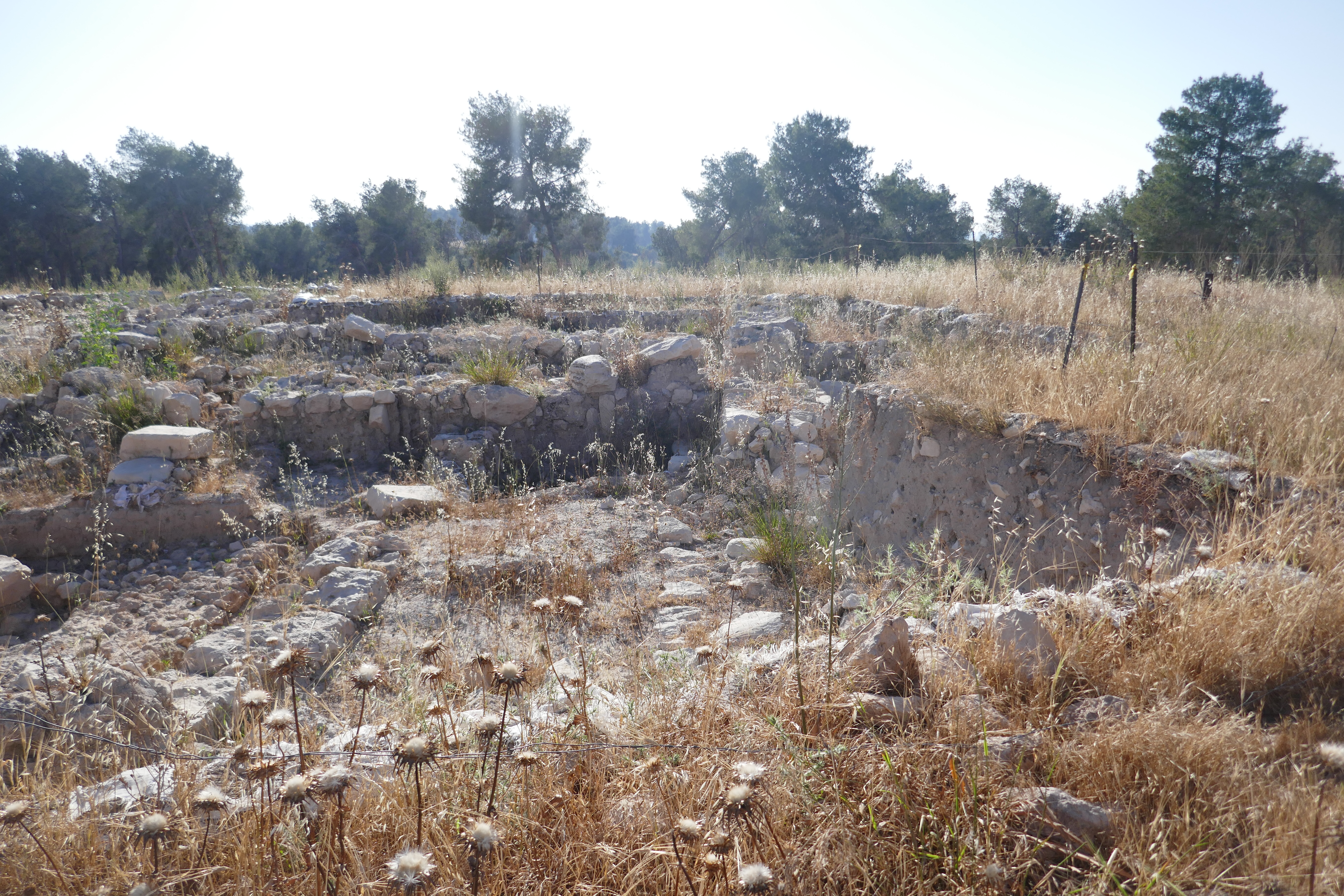
On day two we started in Beersheva and then made our way to the east to tel Arad. Tel Arad is located in the eastern Negev. Its location is strategic as being on the route which led to both Sinai and Transjordan. Tel Arad was the site of a Canaanite city from the early Bronze Age. The city was a as large as 10 hectares at its peak. The Israelites occupied the site during the Iron Age, building a fortress on the northern portion of the city. Within the fortress, the excavators found a Judahite temple (a cultic site) with two standing stones and two incense altars. The fortress and the lower city both have water systems to collect rain water run off.
tel Arad – the Israelite fortresstel Arad – the rampart and glacisWall structurecasemate walls of tel Arad fortressJudahite temple – standing stones/incense altartsJudahite temple – evidence of cultic worshipFortress – tel Aradruins tel Aradview of the lower city from fortress at tel Aradview of lower city and surrounding area from tel Aradtel Arad
Our second day of touring on the recent Rooted in His Word Israel tour began in Beersheva. We were starting our “Dan to Beersheva” in earnest.
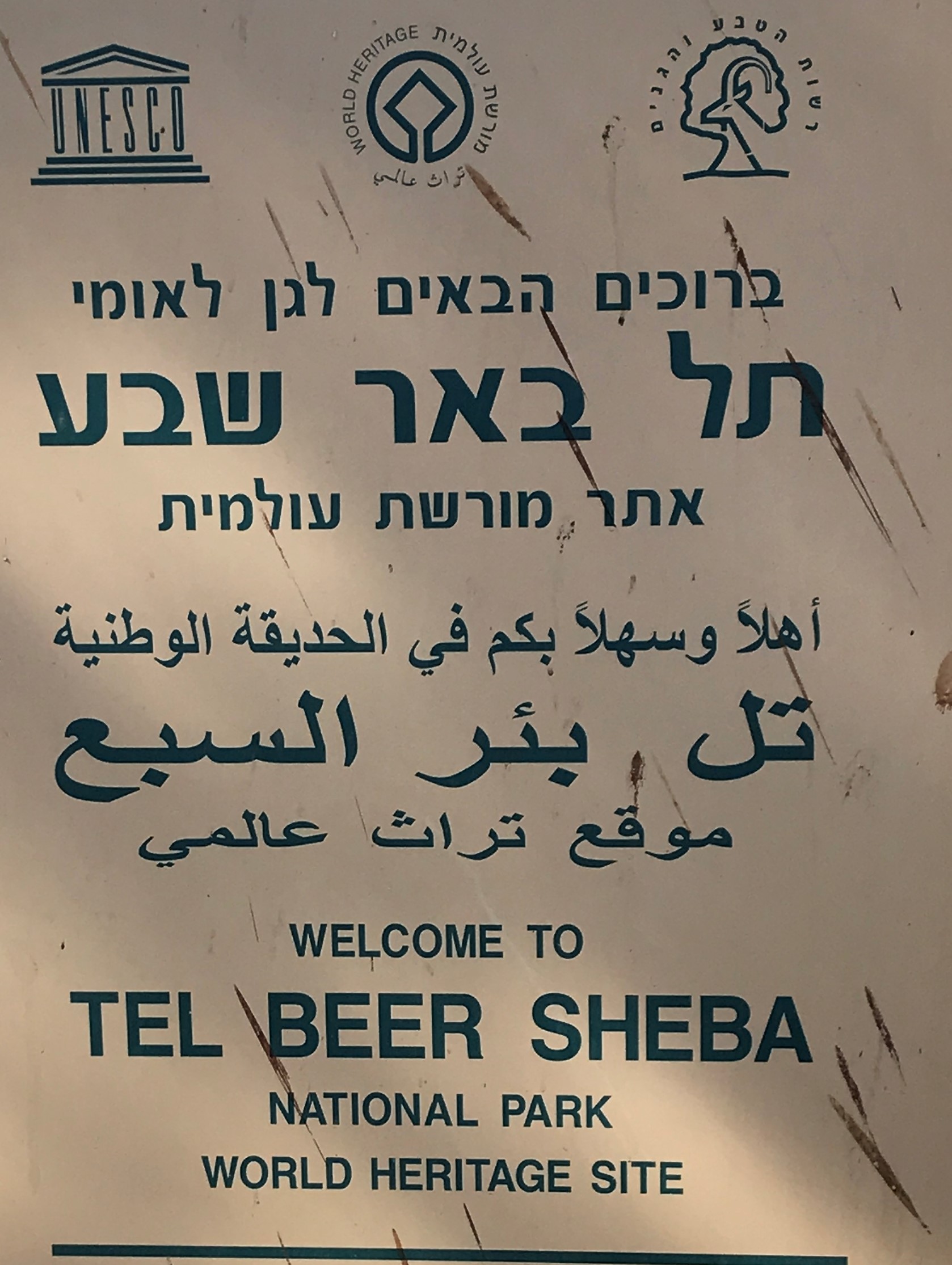
Some things to know about Beersheva:
the ancient tel is located in the south of Israel and 25 miles north of the Wilderness of Zin where Israelites wandered for 40 years after leaving Egypt
Tel Beersheba is one of the oldest Biblical sites in Israel dating back to the time of the patriarchs. See
Excavations at Beersheba have identified many strata (different civilizations/occupations of the site) When the land was divided under the leadership of Joshua, Beersheba was part of the allotment of Simeon
The original water system for the town in ancient times was centered around the well. Later, rain water was collected from roofs and courtyards and diverted by a channel beneath the street into the cistern.
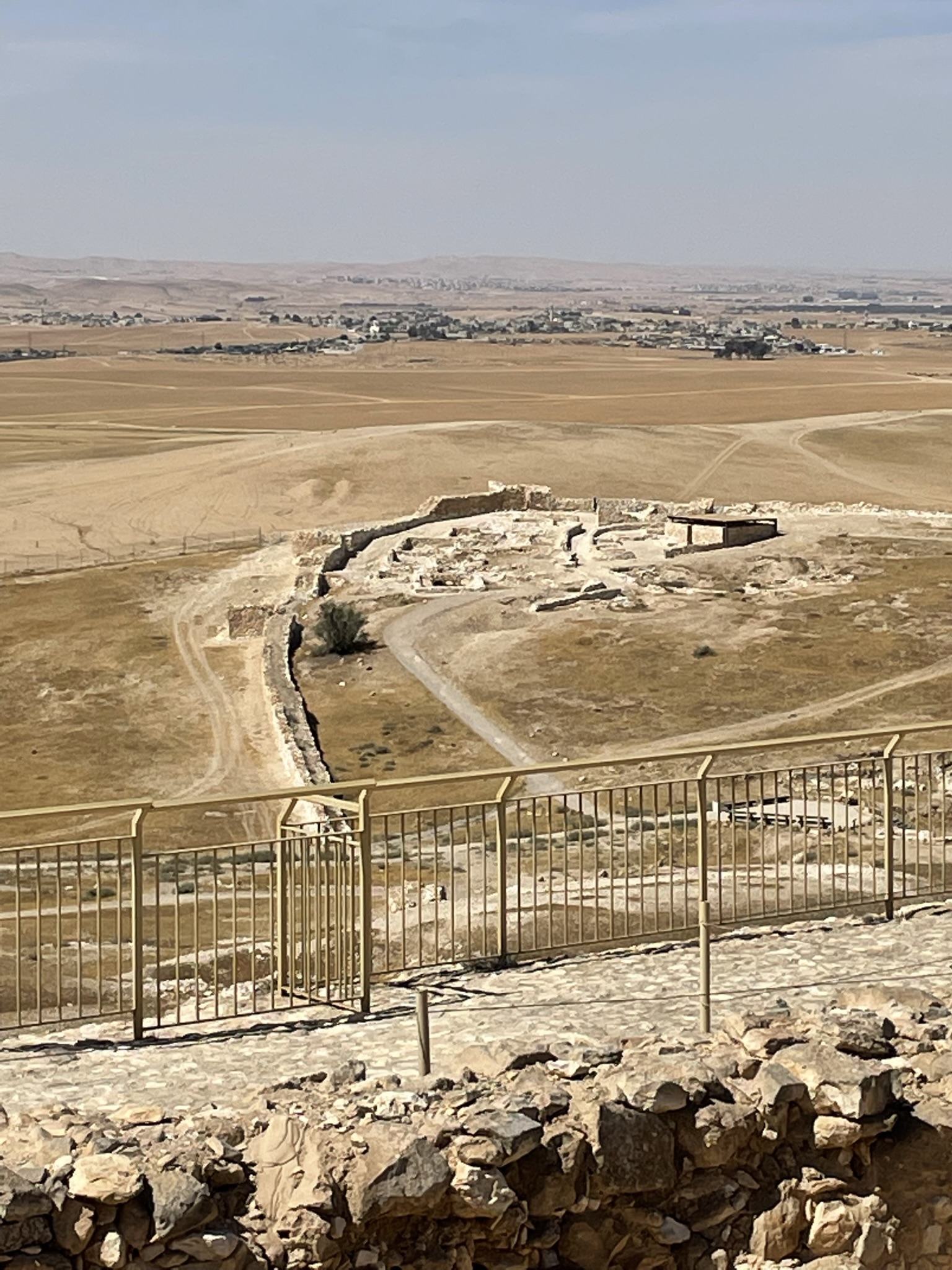
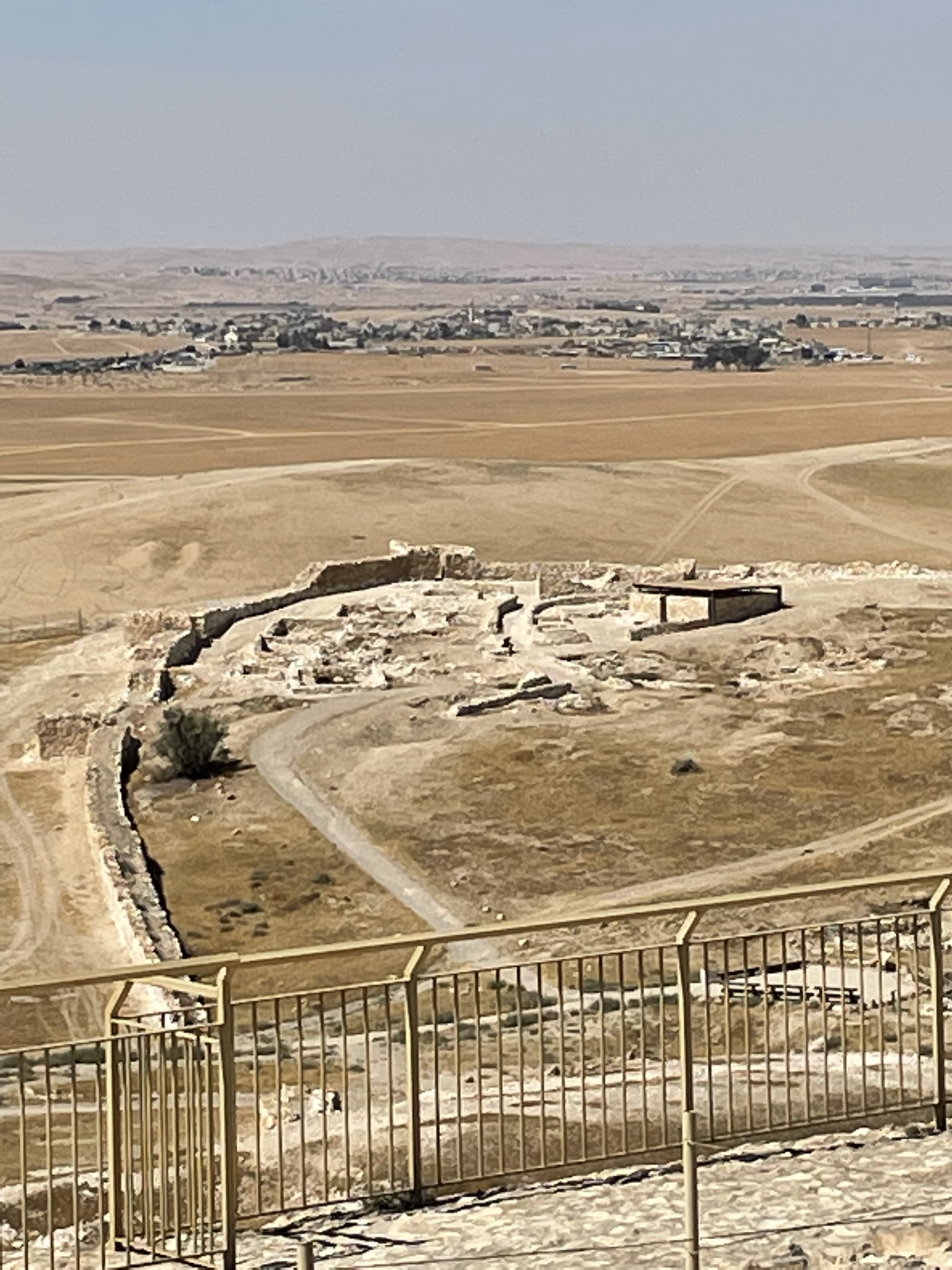
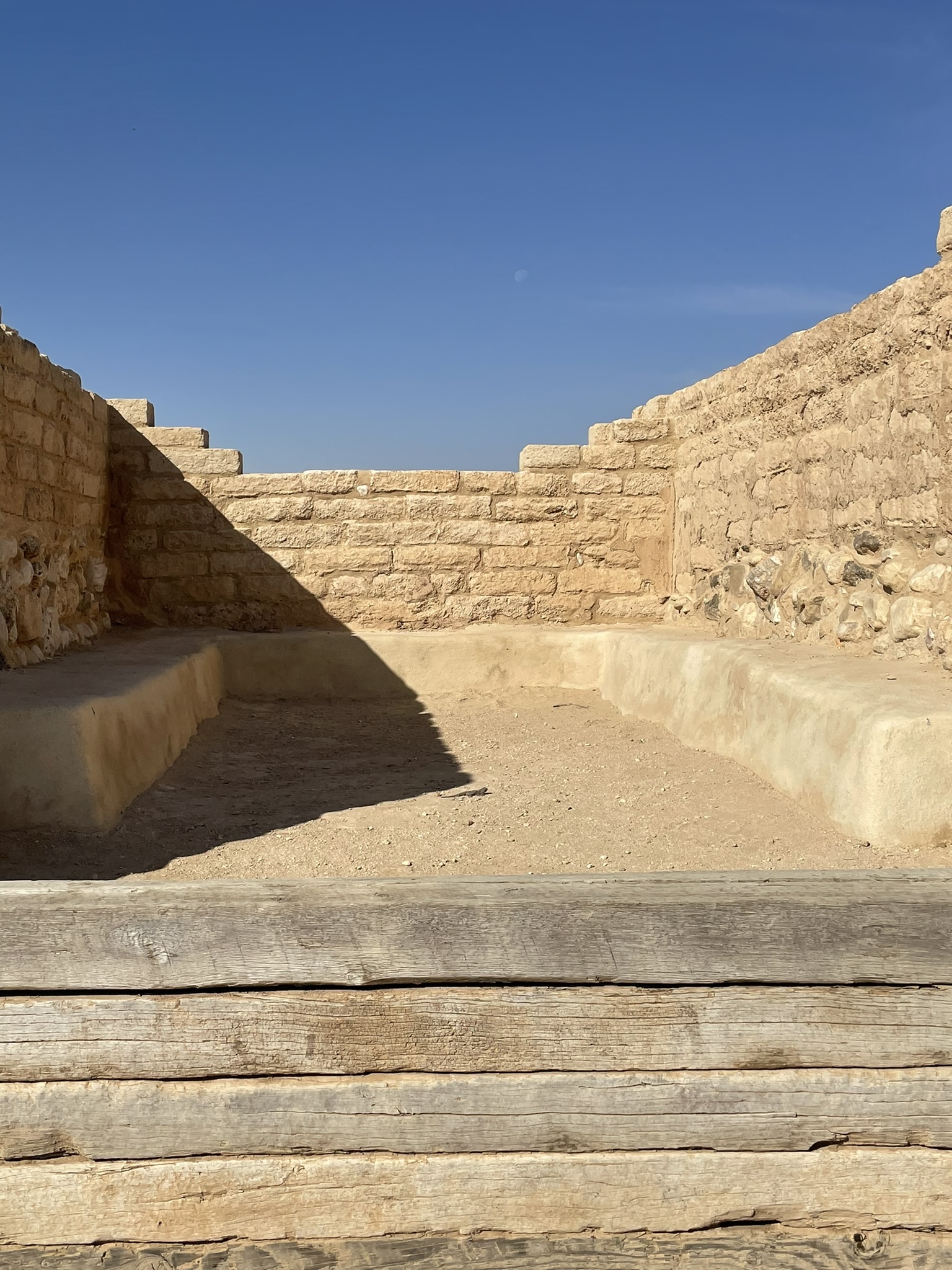
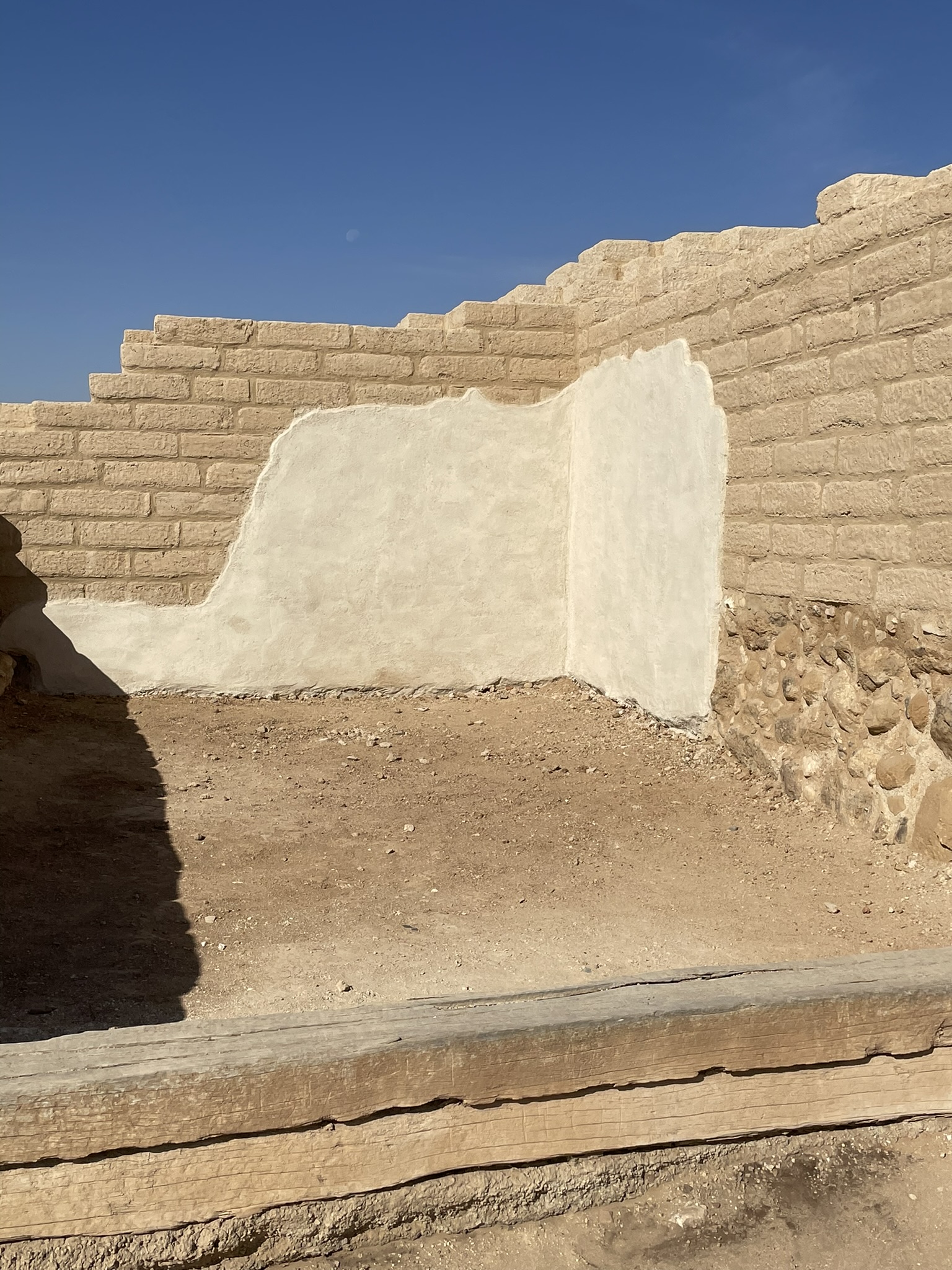
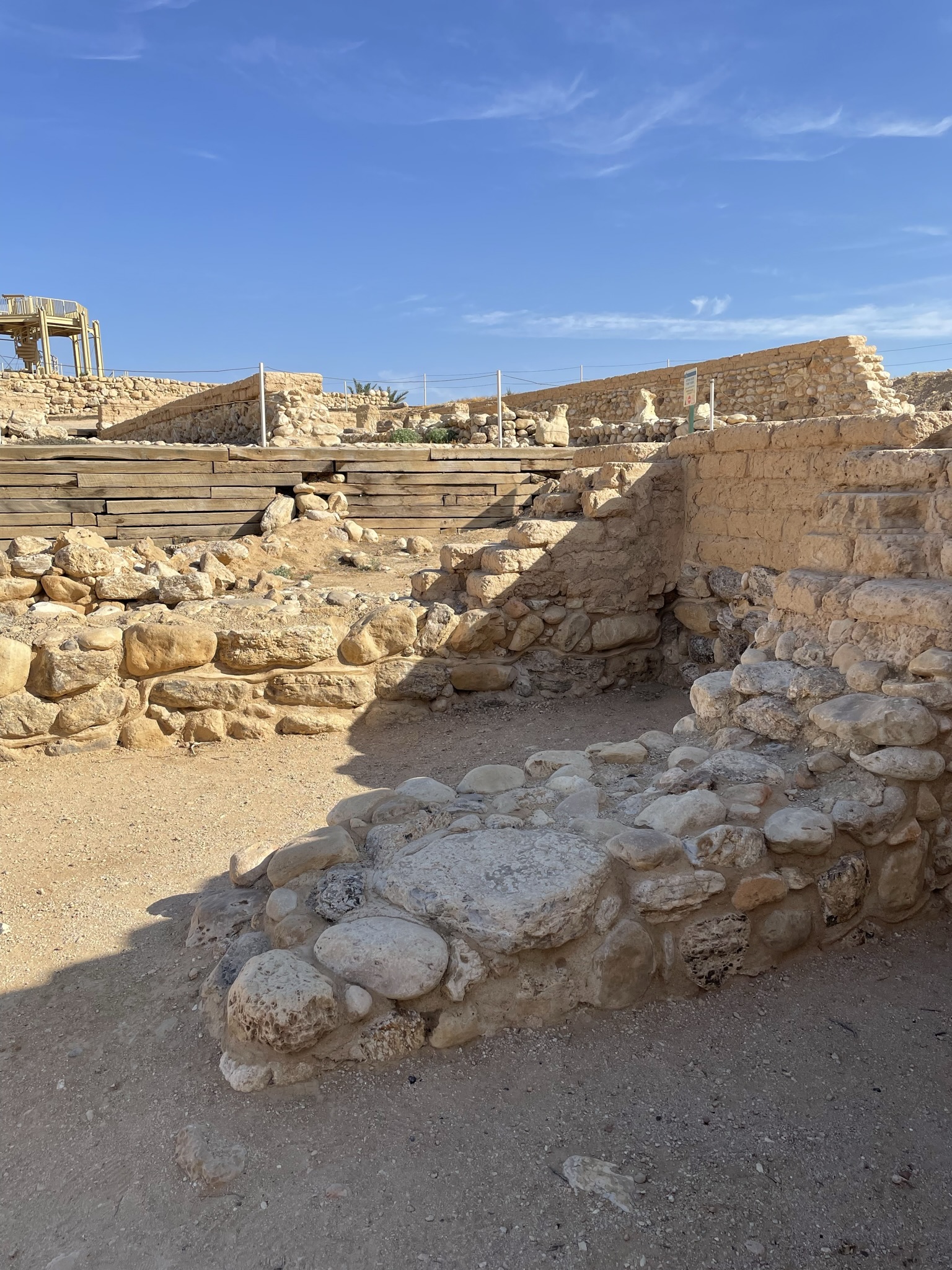
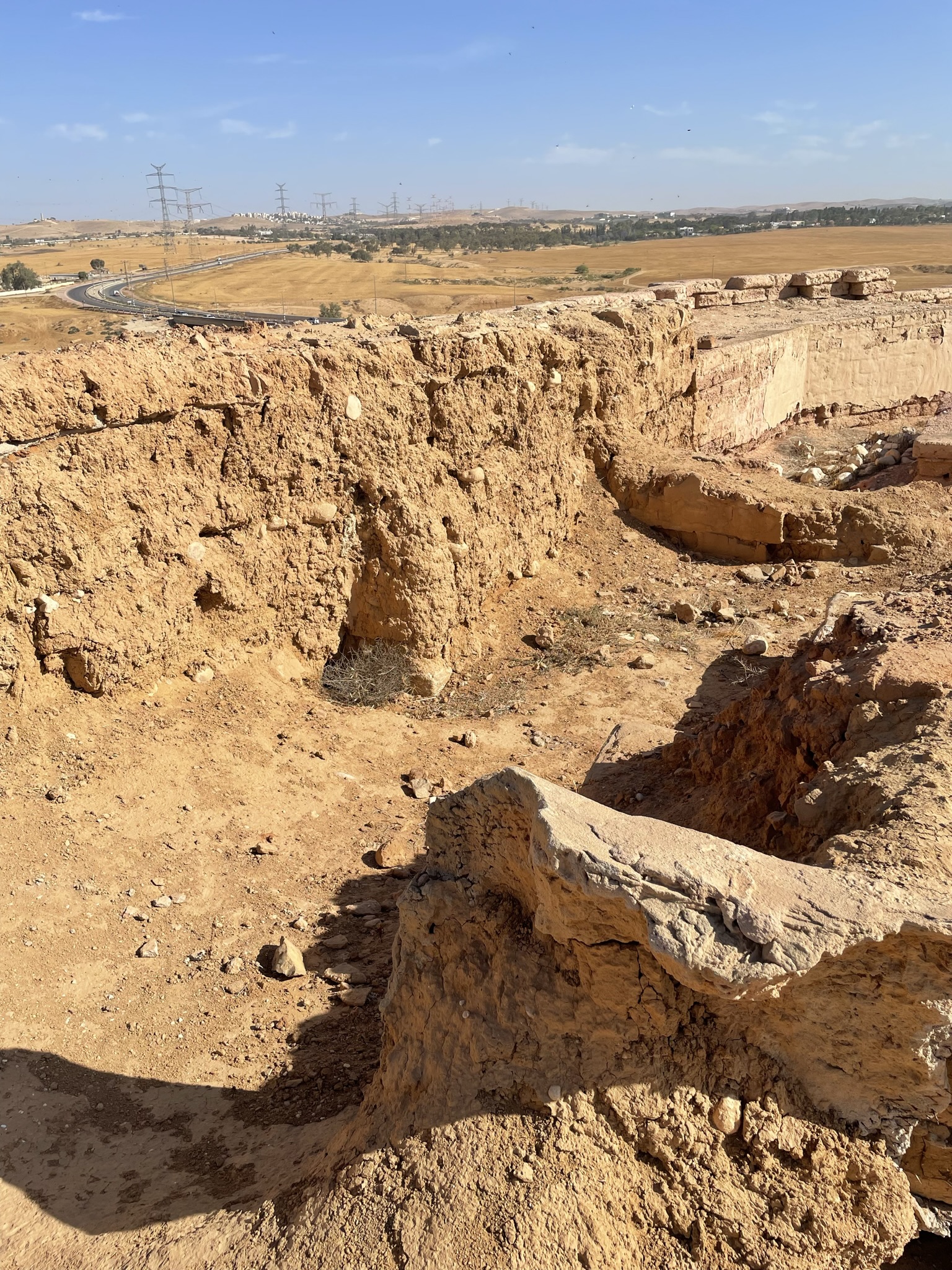
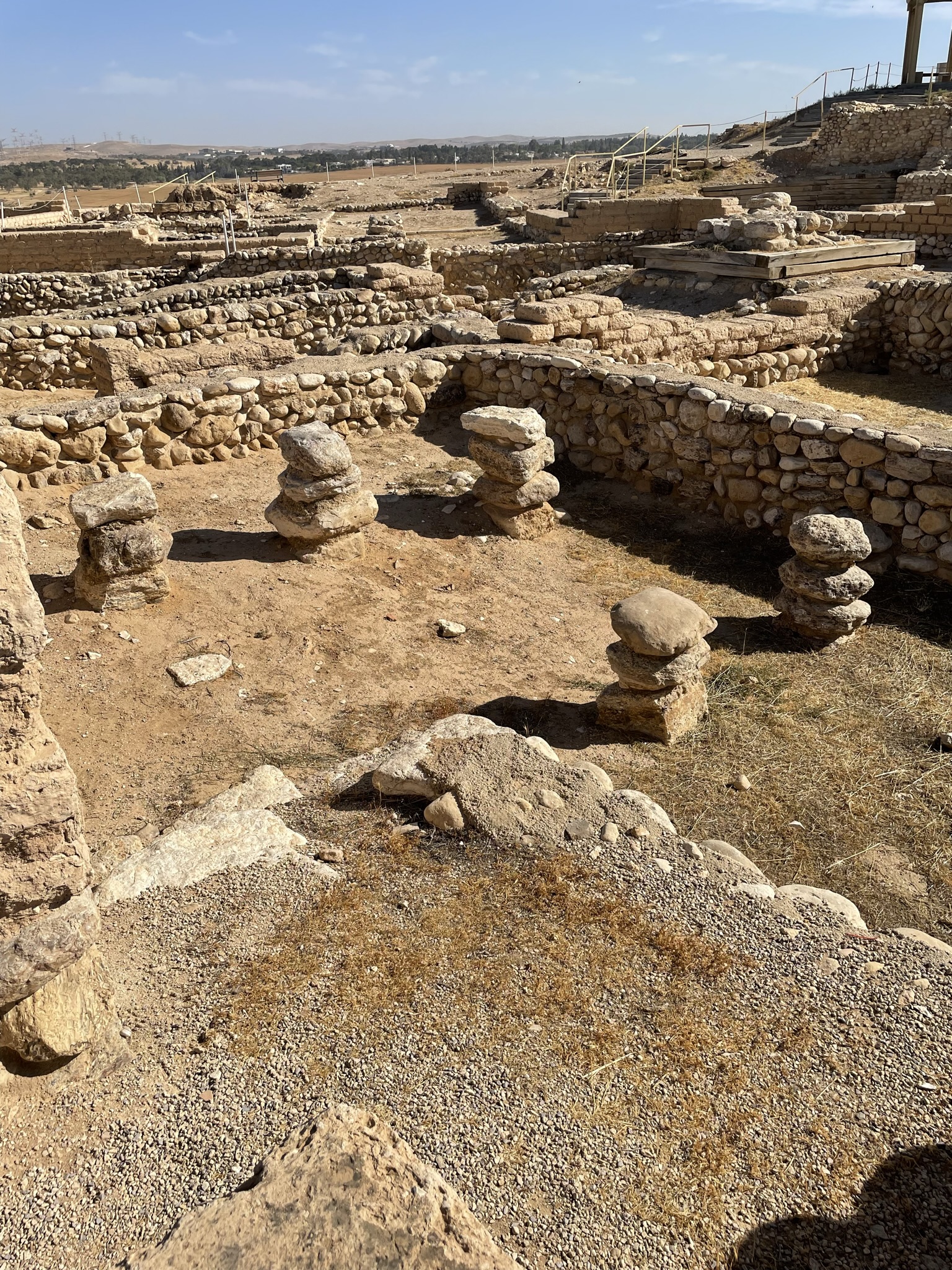
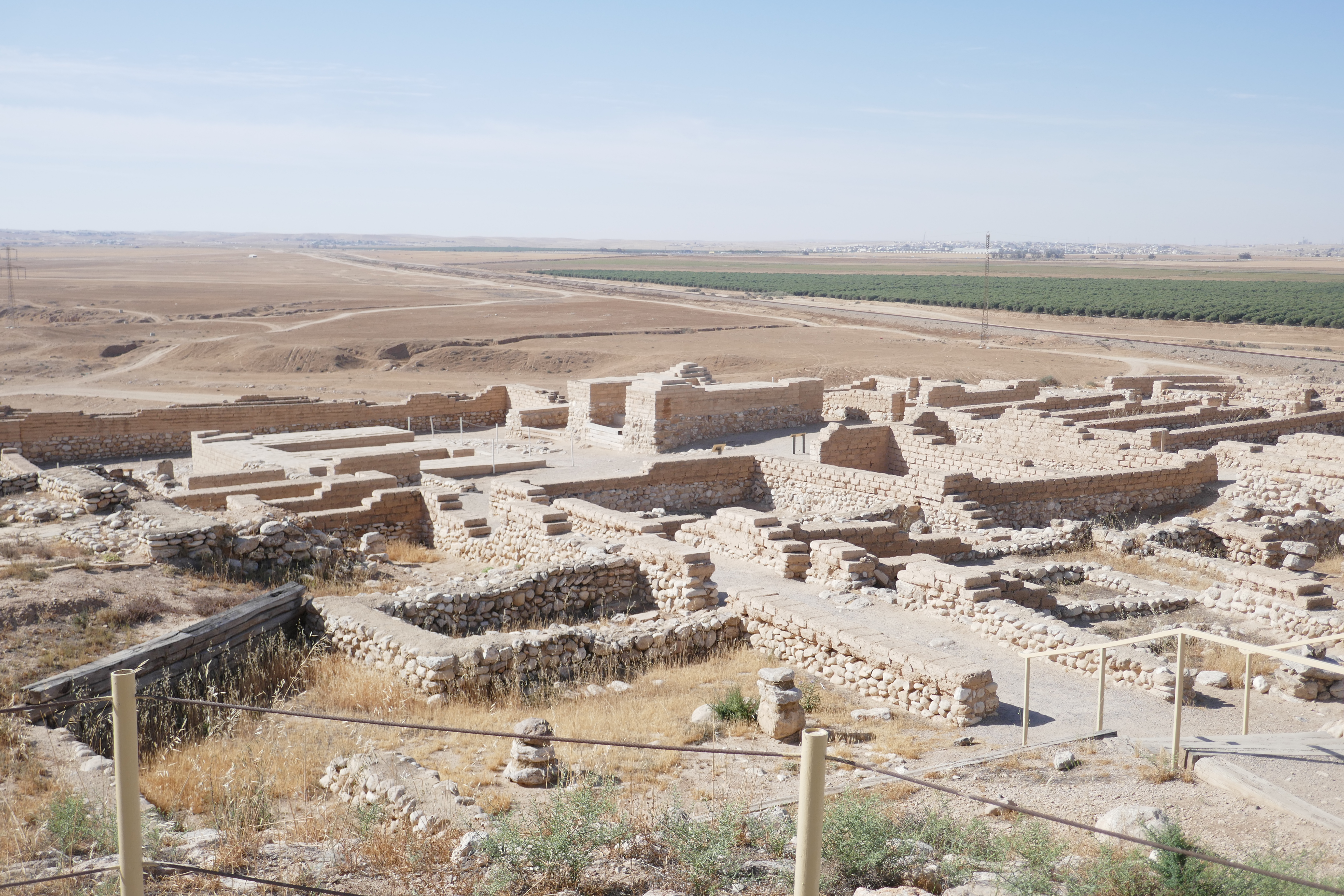
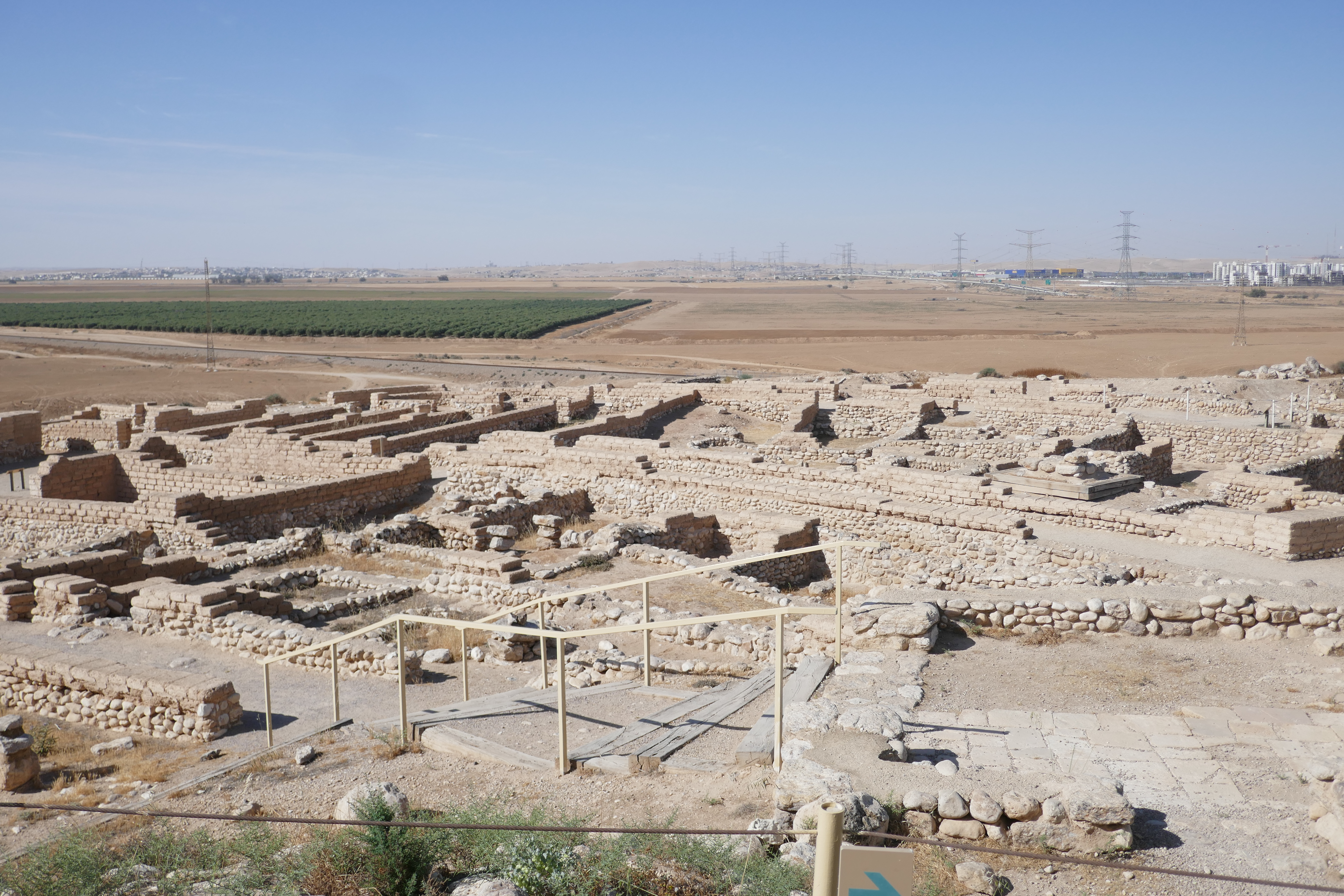
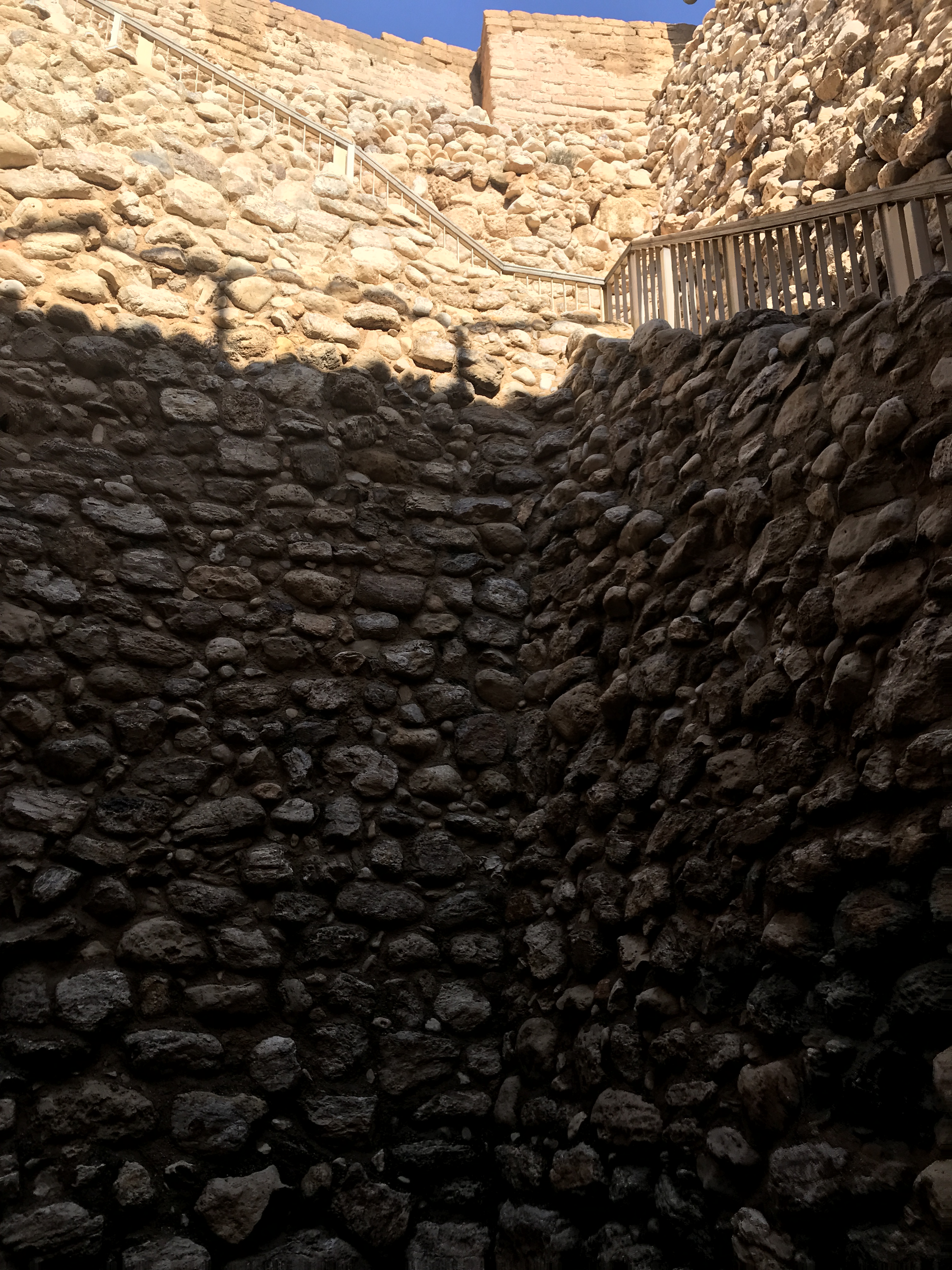
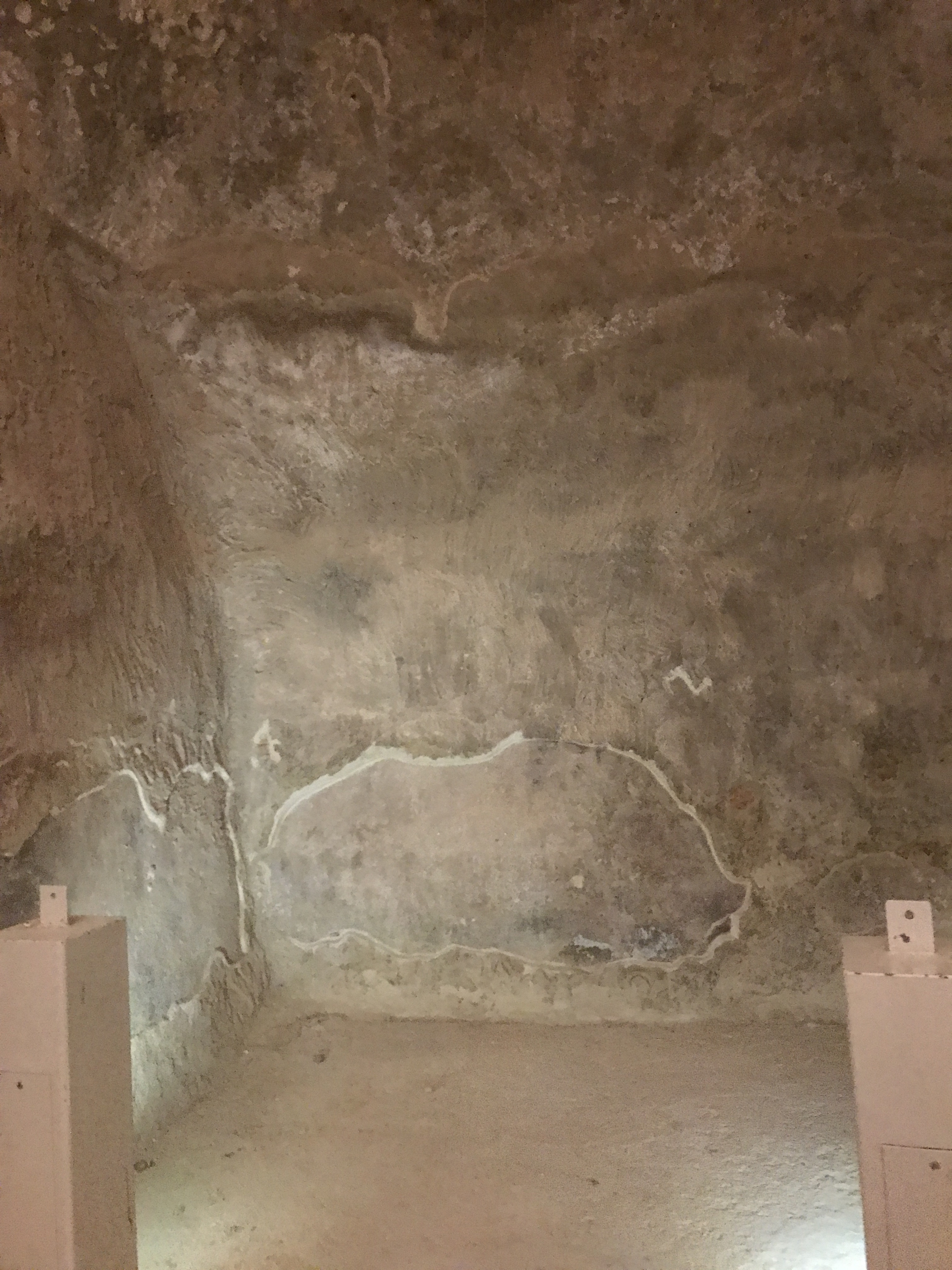
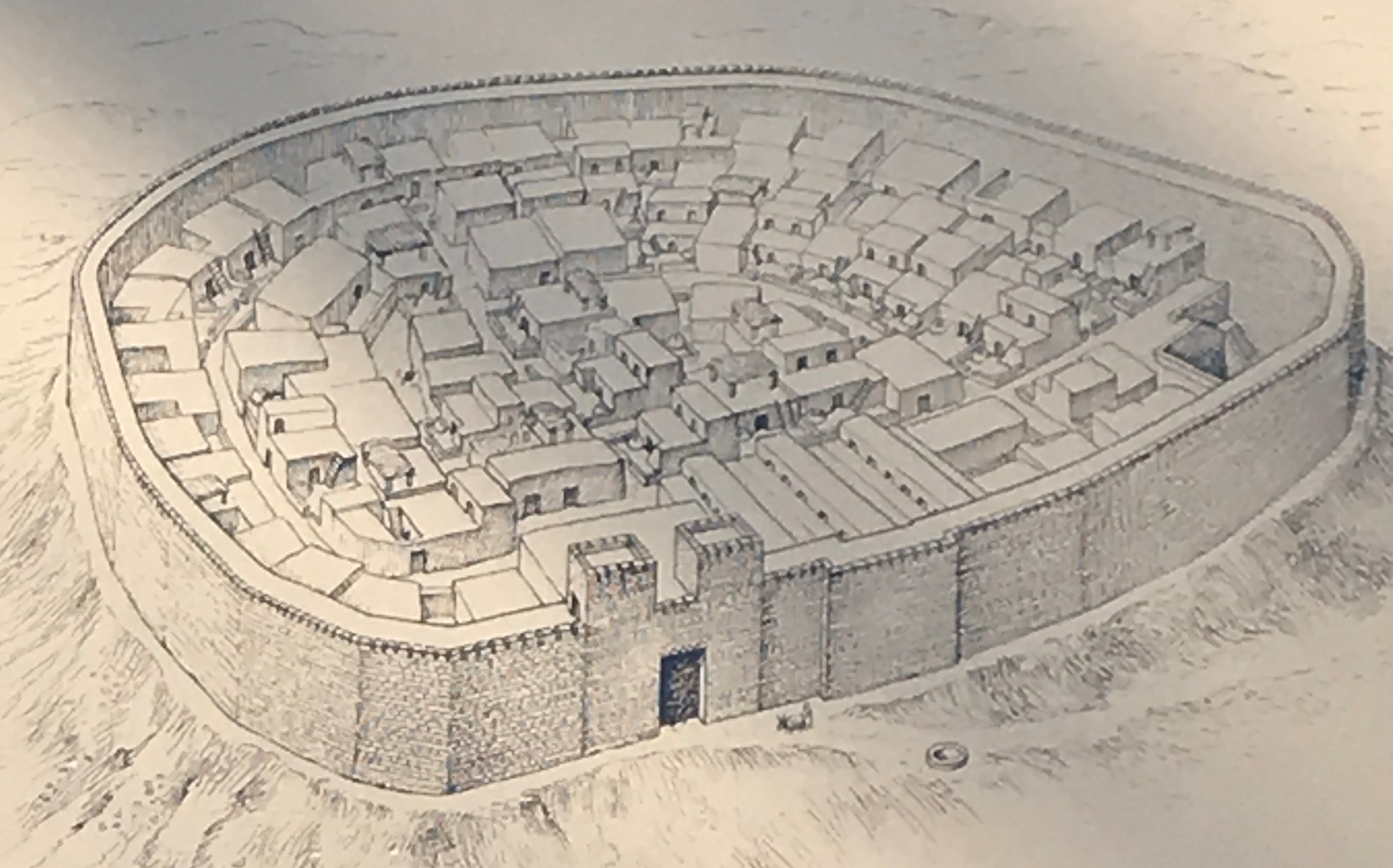
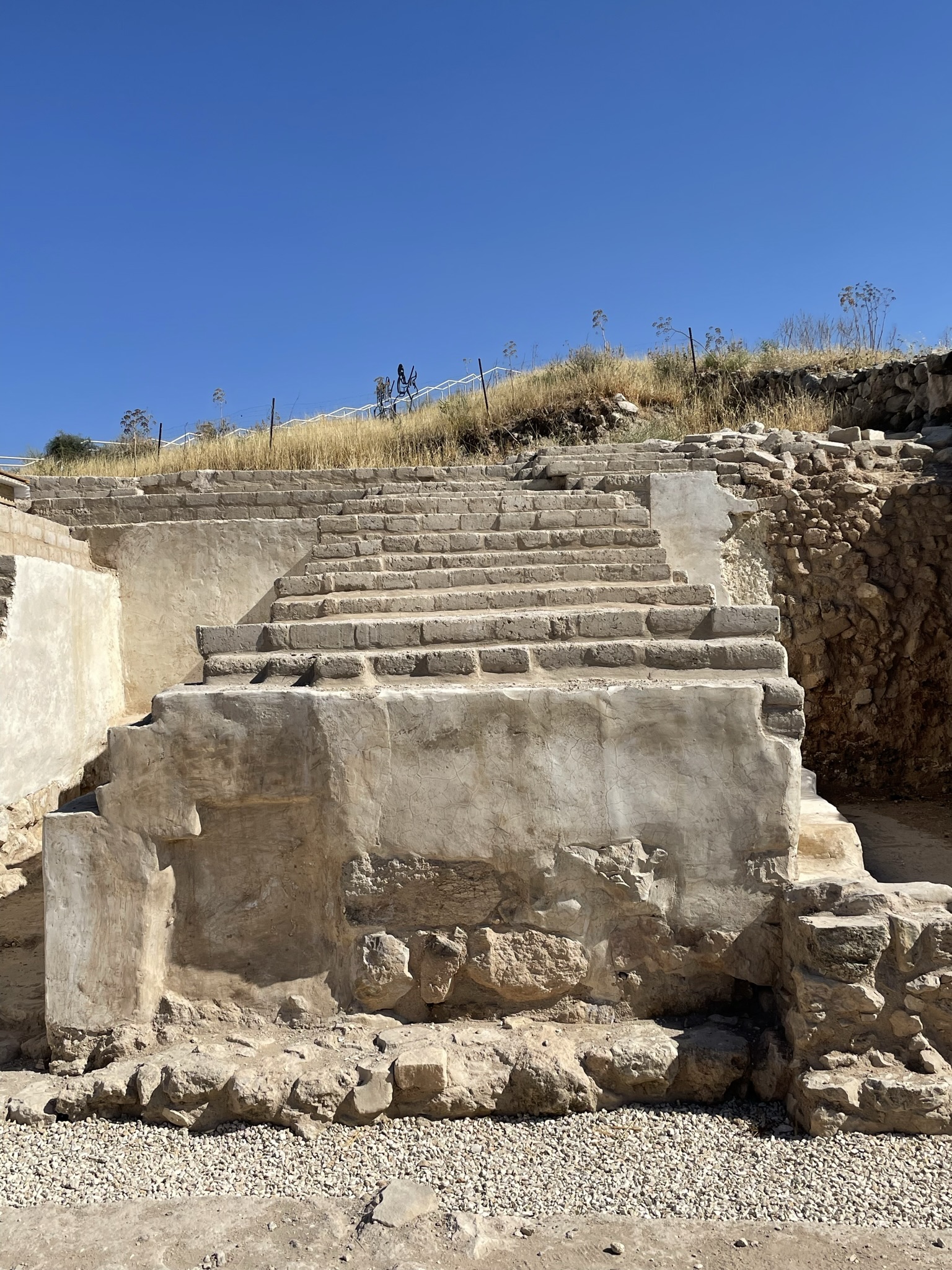
This gives us a good view of the ramparts of the city wall.This provides a view of the rampart (glaci) outside of the city provided added protection for the city.entering the city gateChamber inside of the gate. These areas would be used for conducting civil matters as well as business matters. Note the benches along the walls.Benches inside the city gate where legal matters were handled by the elders of the cityReconstruction in the gate niche showing it was plasteredanother view of the gate niche which would hold soldiers in time of siegeevidence of the casemate wall that existed around the cityBeersheva – ruins of ancient televidence of Israelite occupation – pillared housesview from the observation tower – showing the extent of the ancient telentrance into the cistern (modern)View looking up out of the cisternEvidence of plastering of the cistern wallsThe land/terrain surrounding Tel Beersheva Artist’s rendering of the city in ancient times
Finally, we come to the last two places we visited on day one of our recent Rooted in His Word Israel tour.
The first of the two was Ziklag. This was a little off the beaten path. Literally, we had to wait for the herd of goats to pass before we could proceed. We reached a point where the road was impassible, and from there we climbed the tel. Ziklag, you may recall, was where David was at one point hiding out from Saul in the region of the Philistines. Ziklag was a town given to David by Achish, a Philistine king. (See 1 Samuel 27:6) While David was out with his men on a “mission,” his wives and the wives of his men were kidnapped by the Amalekites and the city was burned. (See 1 Samuel 30)
The ruins at this site have not been fully excavated yet, but it is very helpful to put a place to a name in a Bible story.
Tel Ziklag ruinstel Ziklag Iron Age ruinstel Ziklag Iron Age ruinsview from tel Ziklagview from tel Ziklag
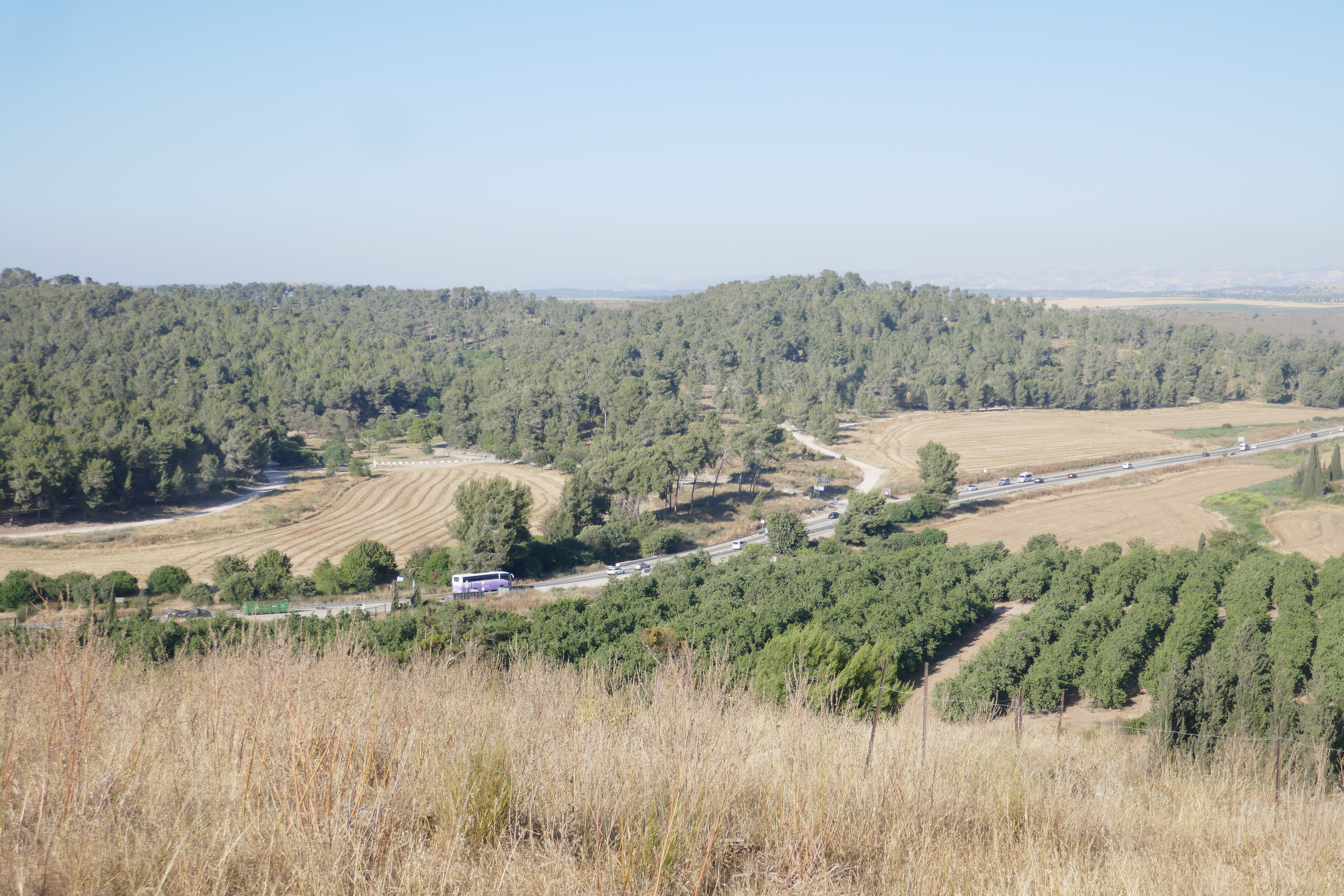
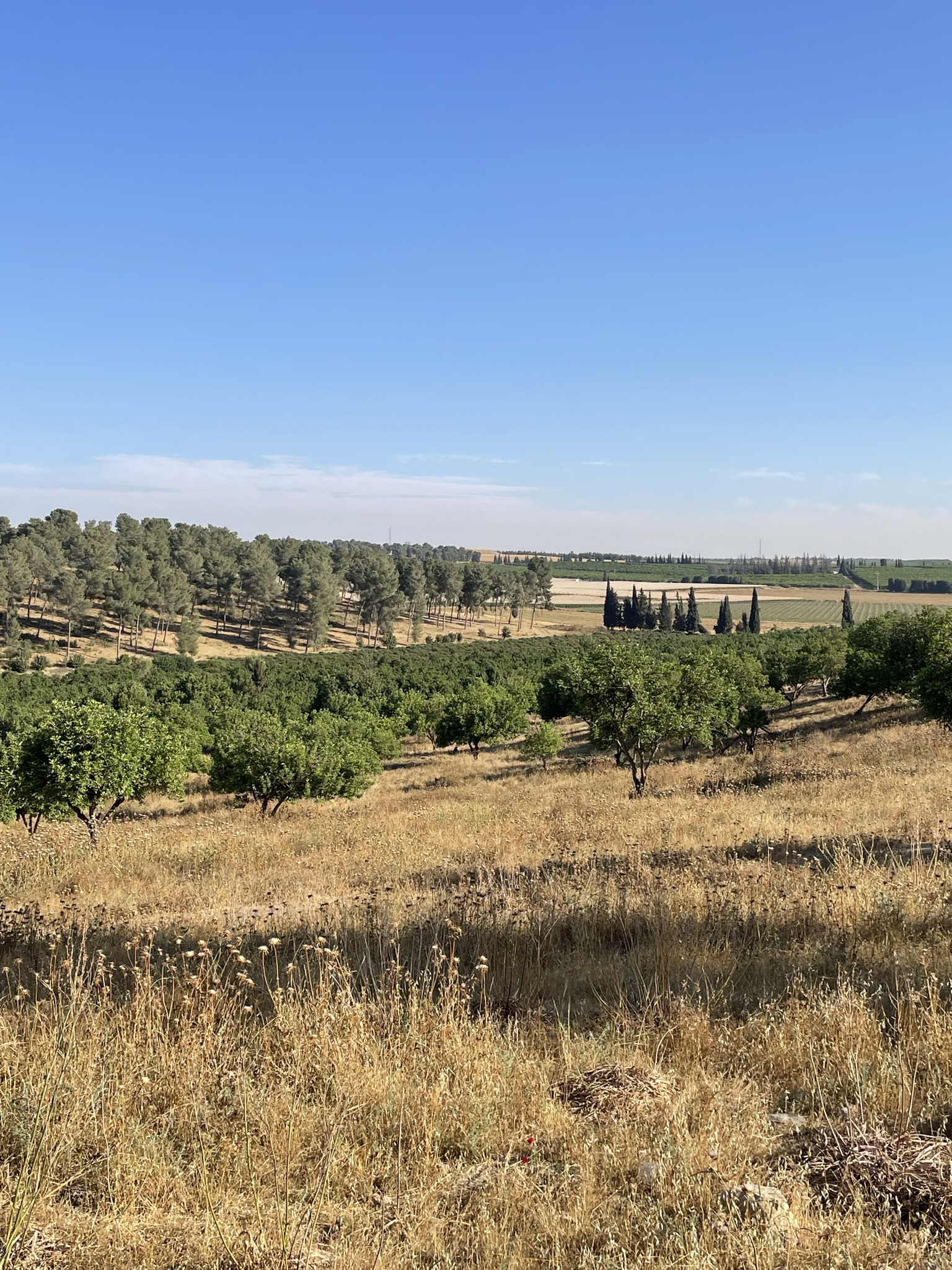
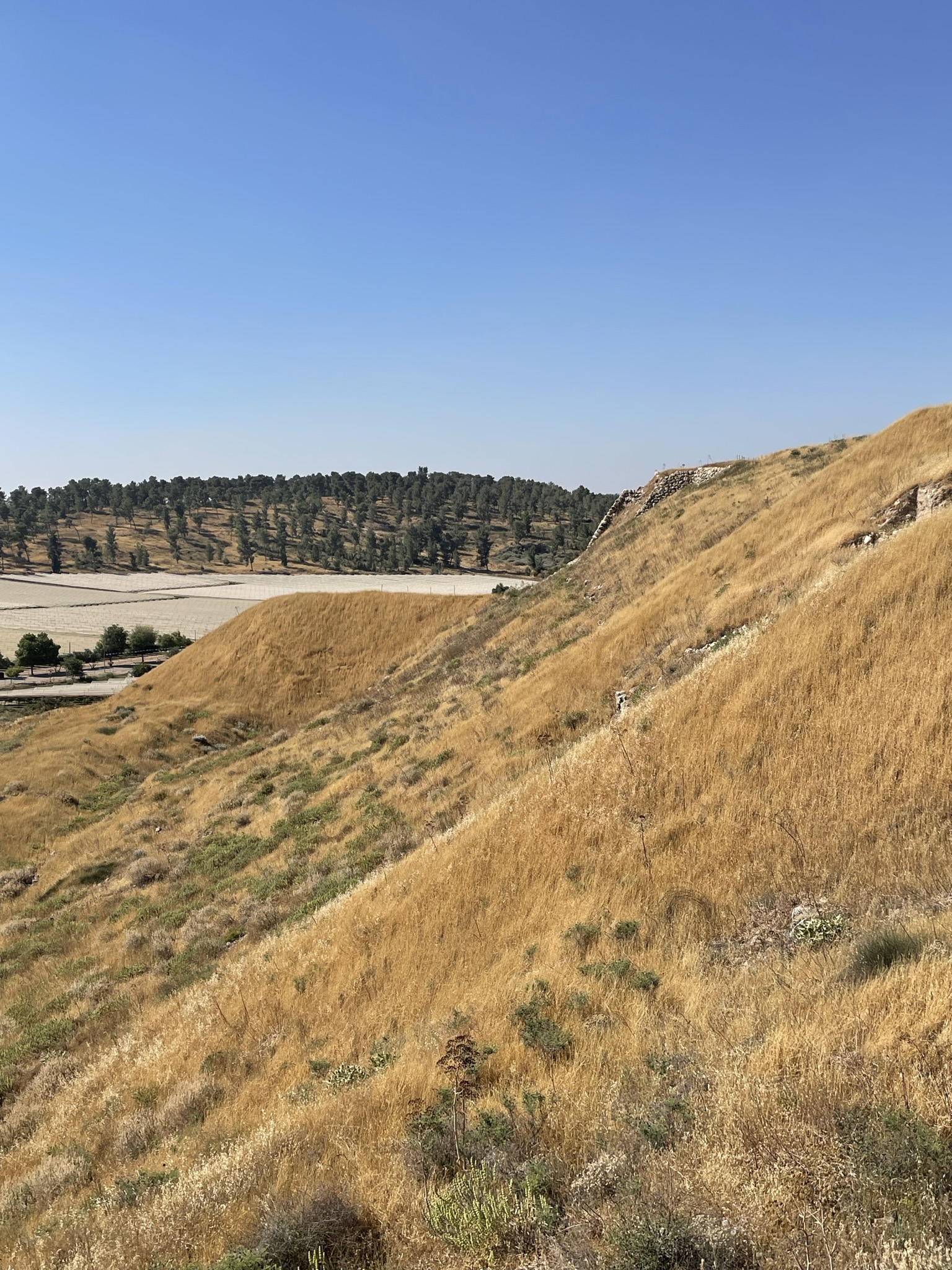
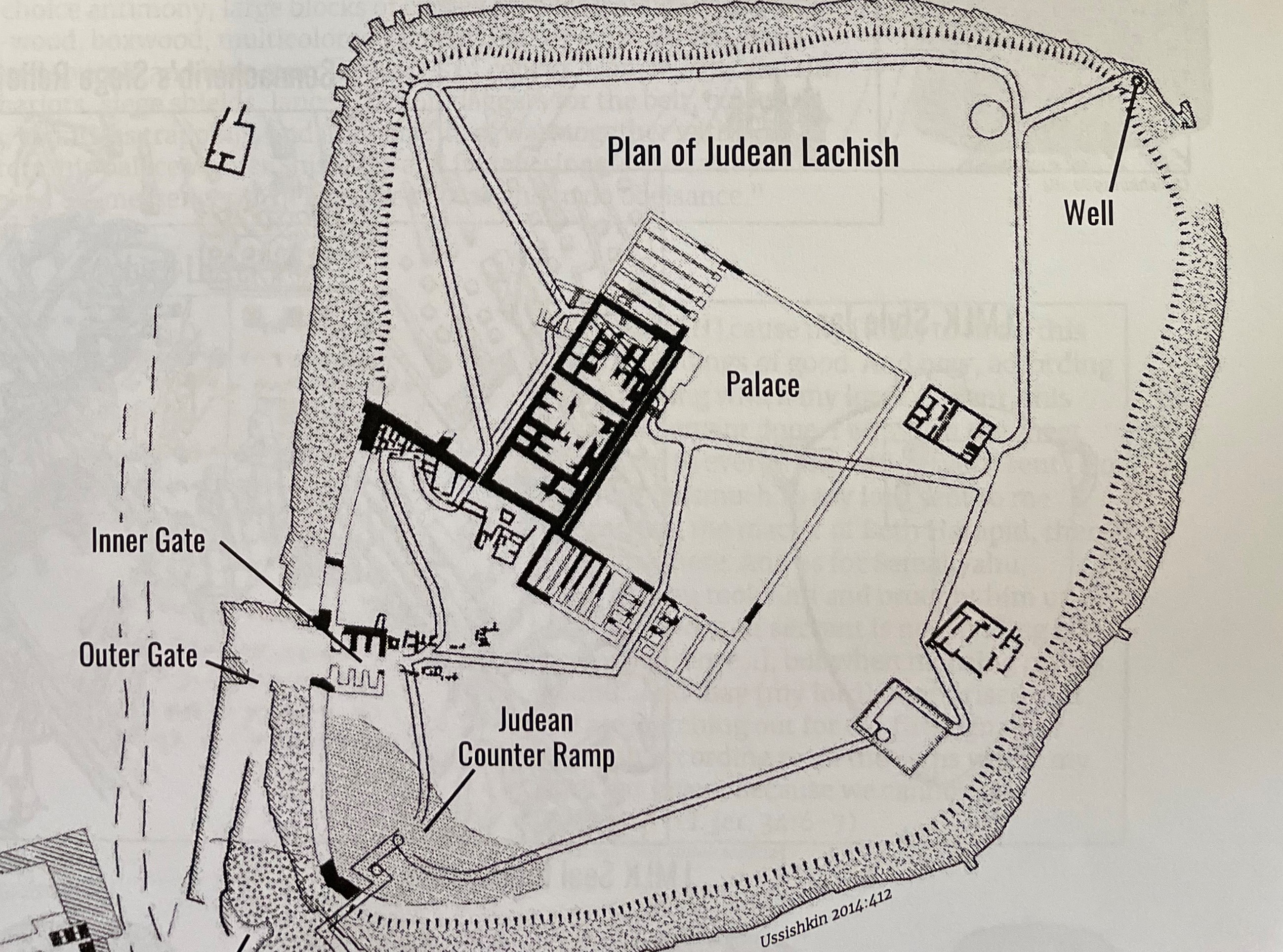
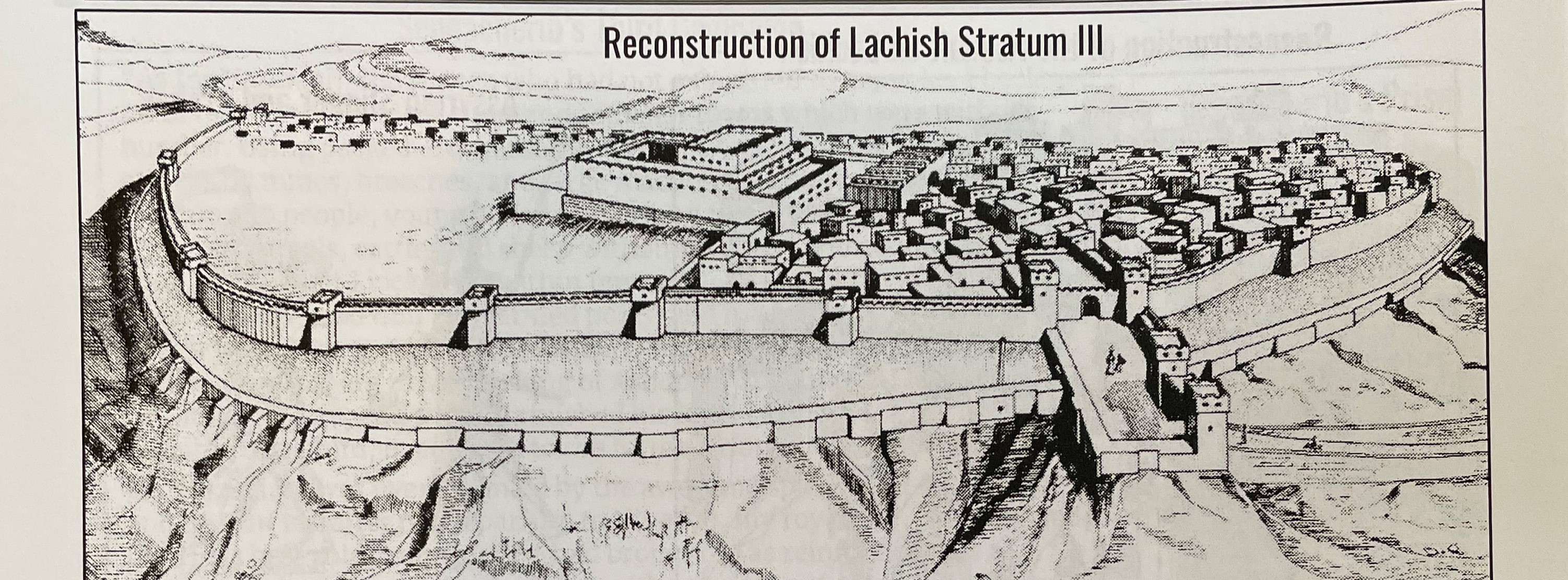
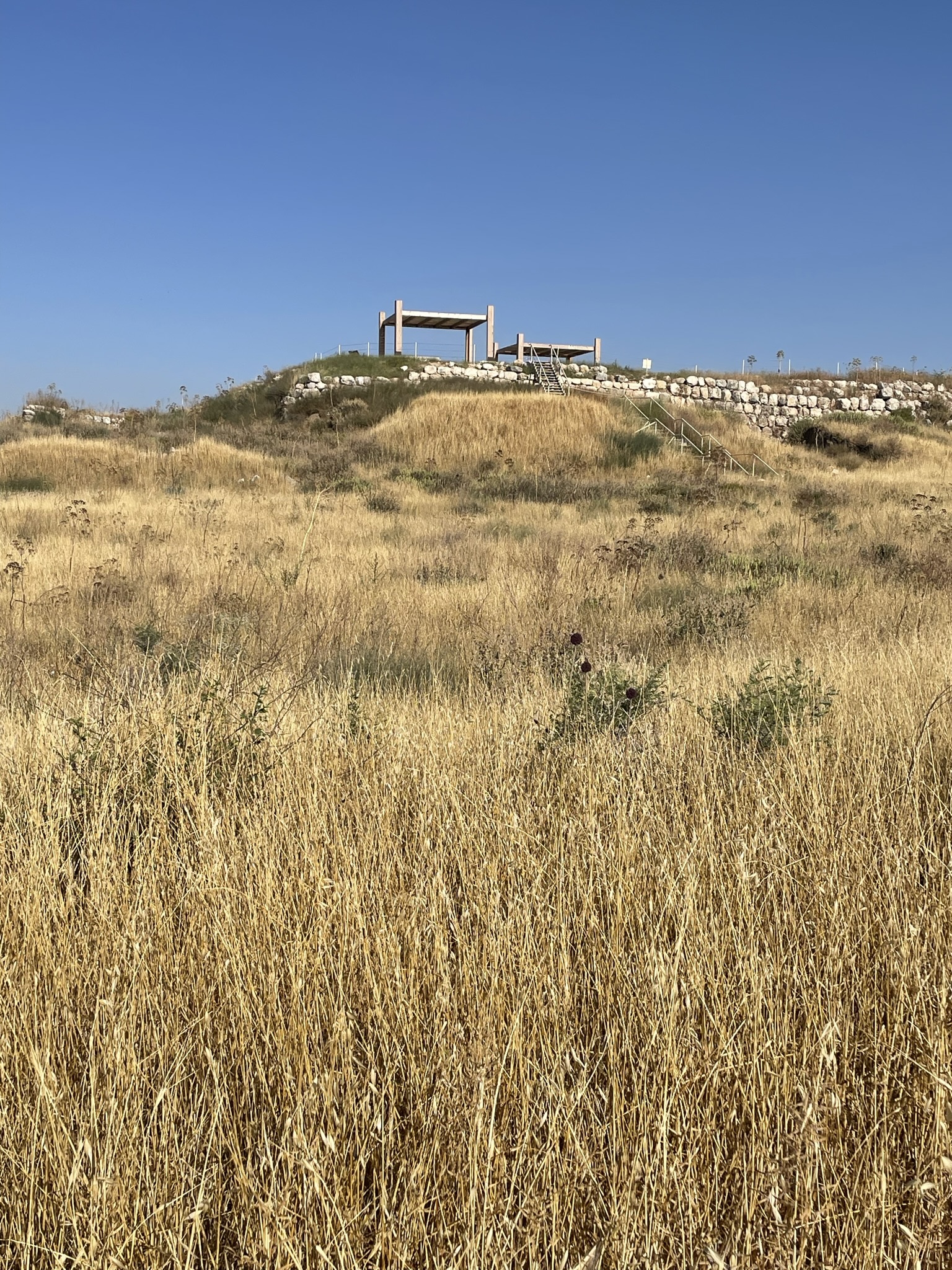
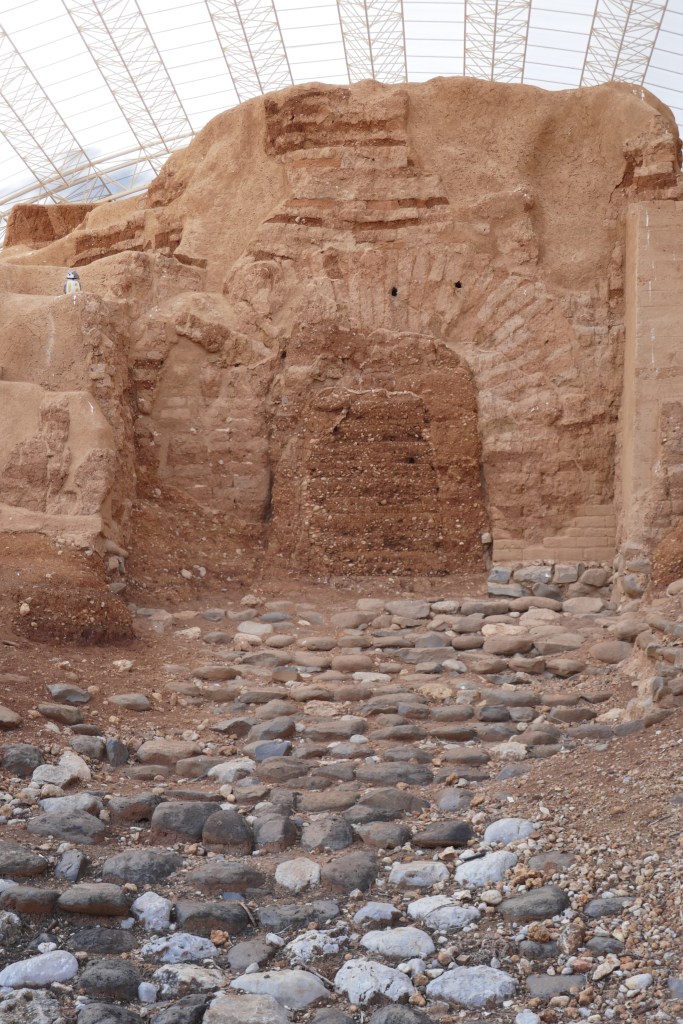
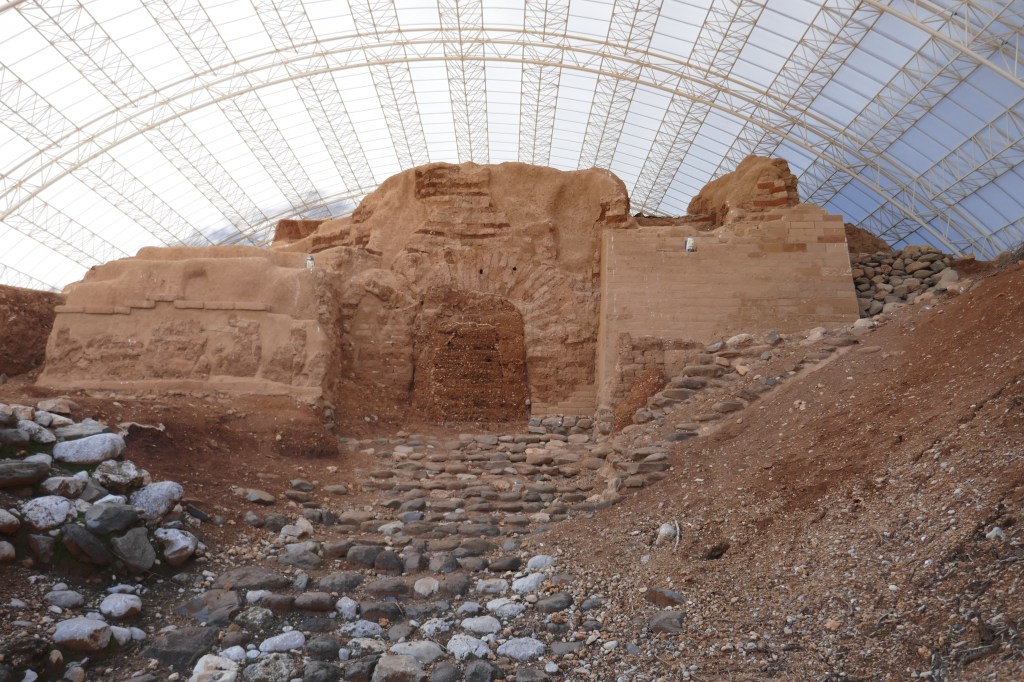
The final site of the day was another new stop on the tour. The parks service has done a wonderful job at this site. Lachish, you may recall from Bible history, was a great city of the Canaanites even before it was occupied by the Israelites. It is known as one of the fortified cities of Hezekiah, a city that was under siege by Sennacherib, king of Assyria, in 701 BC during the reign of Hezekiah, King of Judah. Lachish was, at the time, a highly fortified city, virtually impenetrable–or so it seemed. It had thick, tall walls, steep ramparts, and a well-fortified gate complex. The Assyrians were formidable foes, building a siege ramp against the ramparts of the city. Their custom was to use locals from surrounding towns and villages that they had already captured to build the ramp to discourage attacks on the builders. The residents of Lachish built their own counter-siege ramp, the remains of which can still be seen. To look up the siege ramp is to take in the amazing defenses of the city and to also know that they could see their end coming–closer and closer, day by day. The Assyrians were known to be such brutal enemies that some surrendered without opposition. This was not the way of the Israelites. They fought courageously until the end.
The tel at Lachish is quite extensive. The remains of the royal palace can be seen with a large open area believed to have been used for horses and chariots.
This site is a must-see and hopefully, we can add it to our future tours.
Assyrian siege ramp at LachishWalls of city of ancient LachishRampart of cityJudeans fleeing Assyriansouter gate at LachishGate structure – with nicheGate structure – LachishView of the expanse of the city of Lachish (much remains to be excavated)Part of water system at Lachish
Believe it or not, we are still on day one of the tour. We had action-packed days for most of the tour. Day one offered some really interesting new treats.
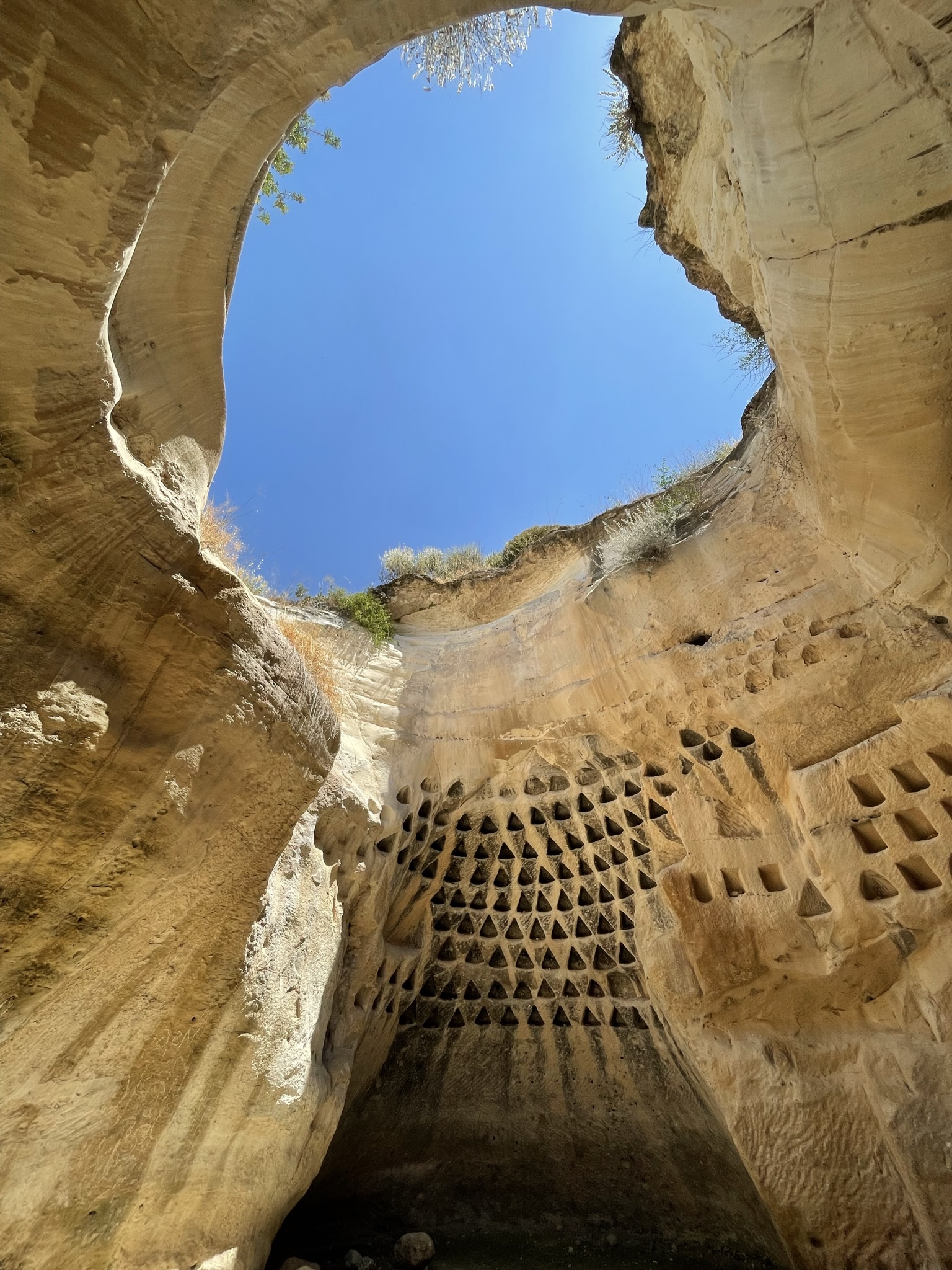
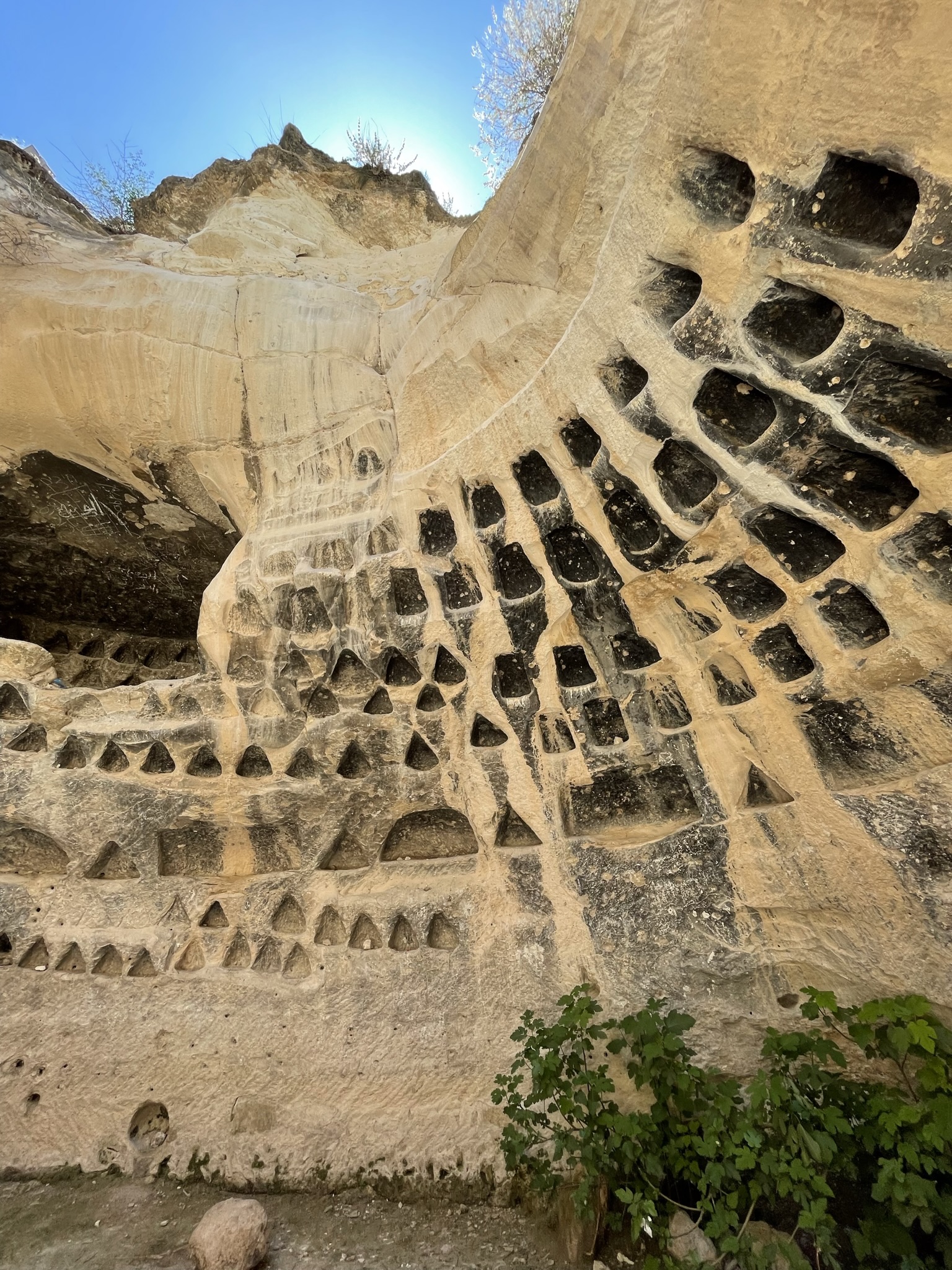
Dovecotes
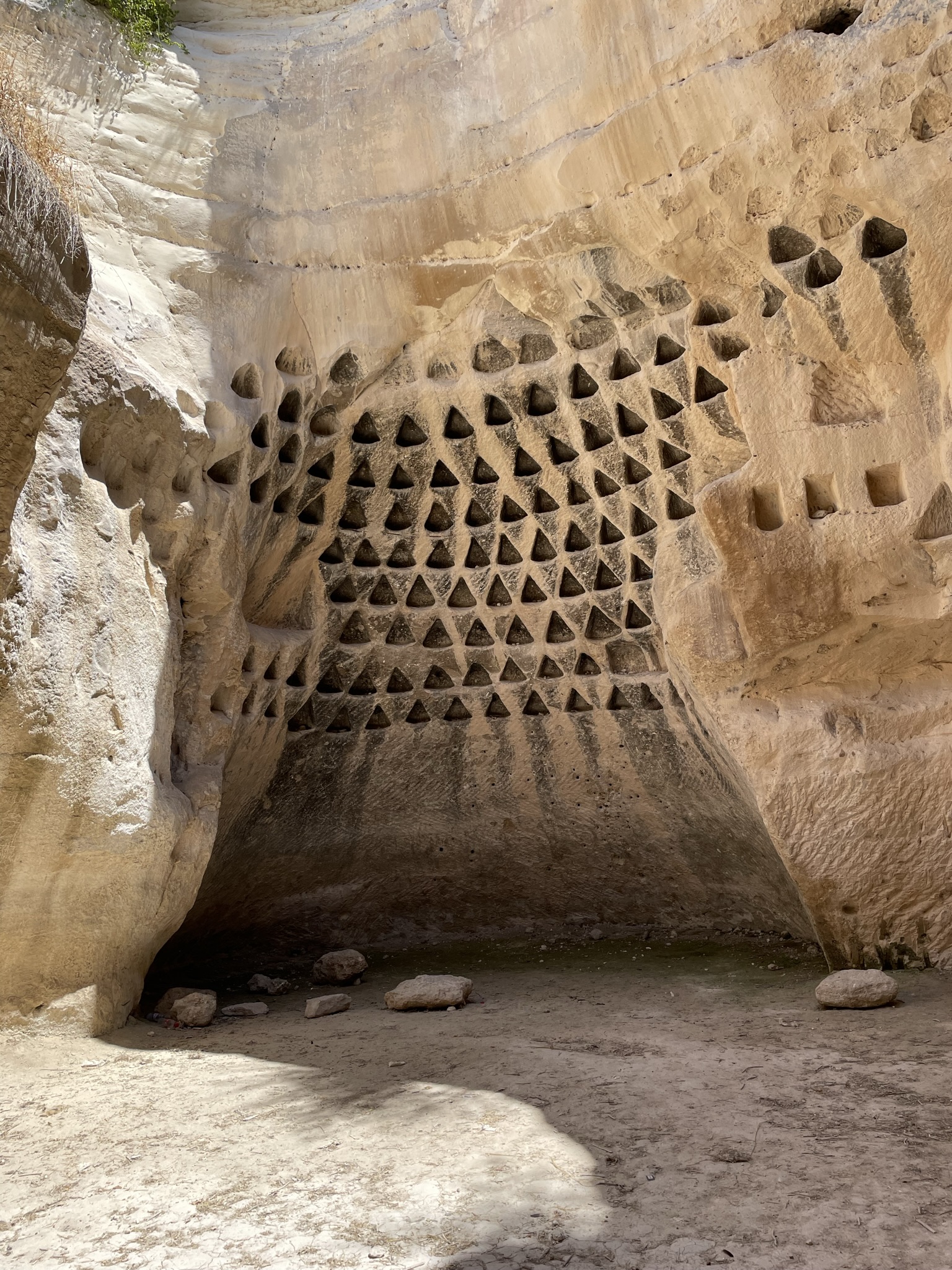
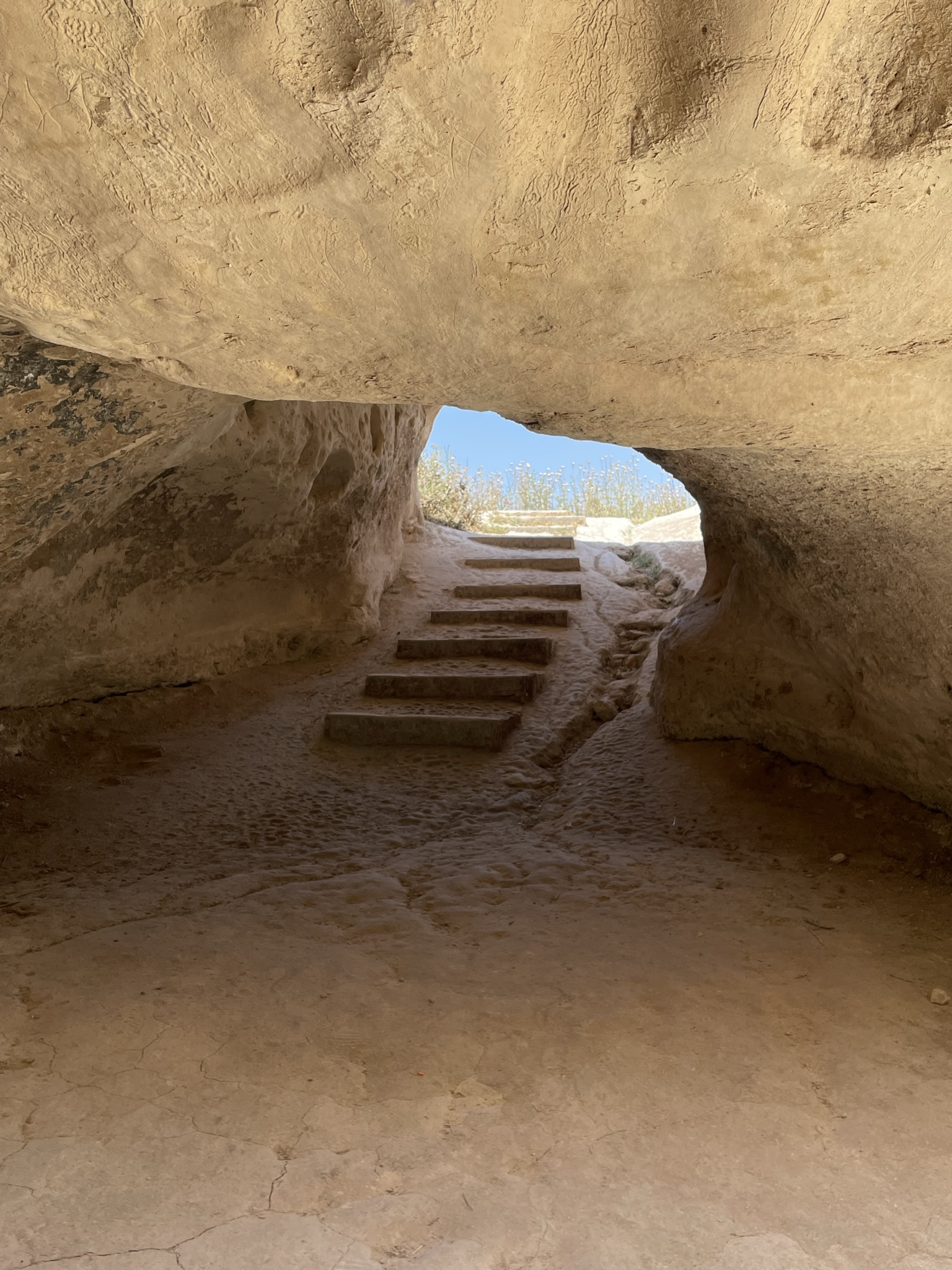
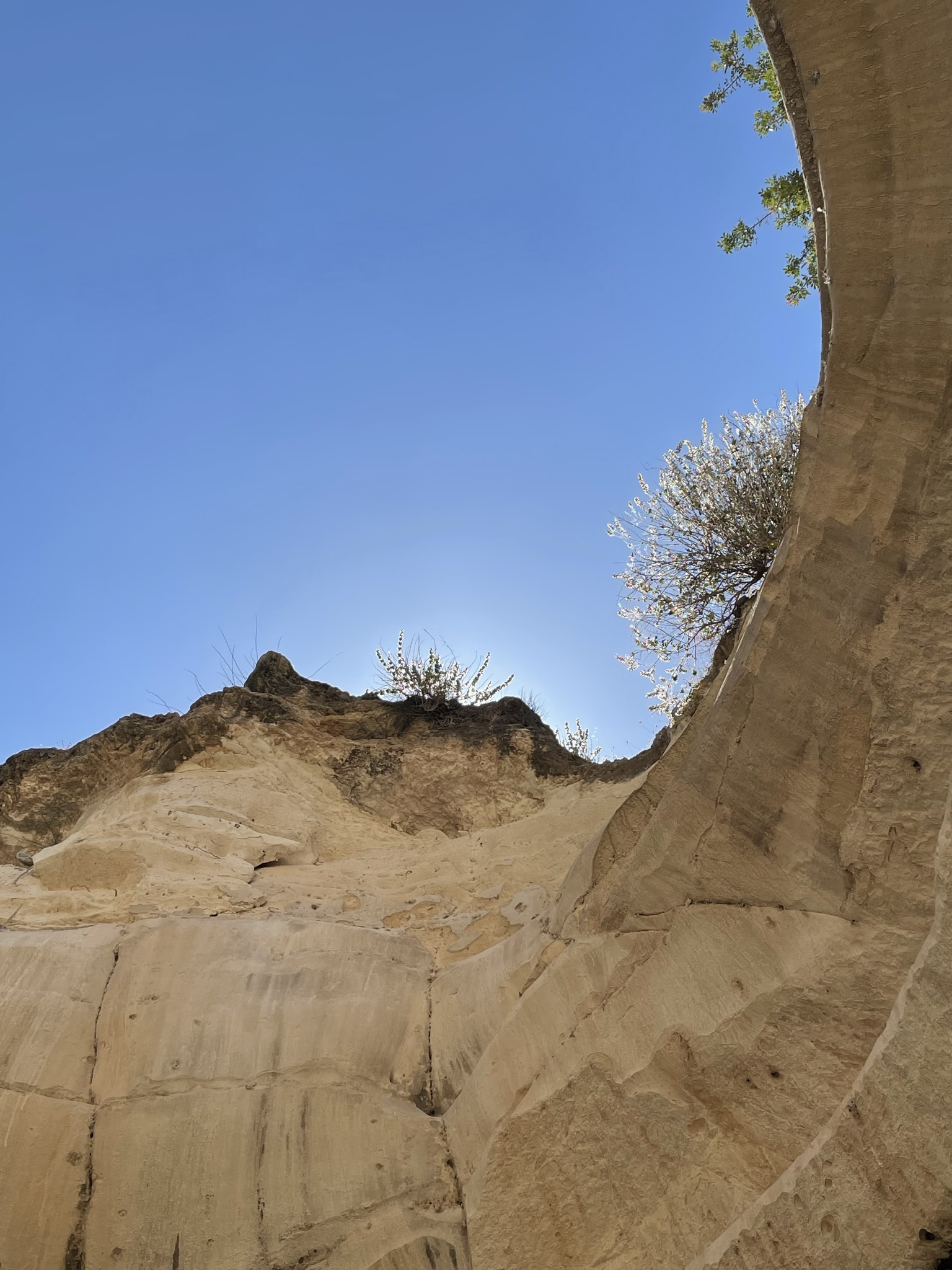
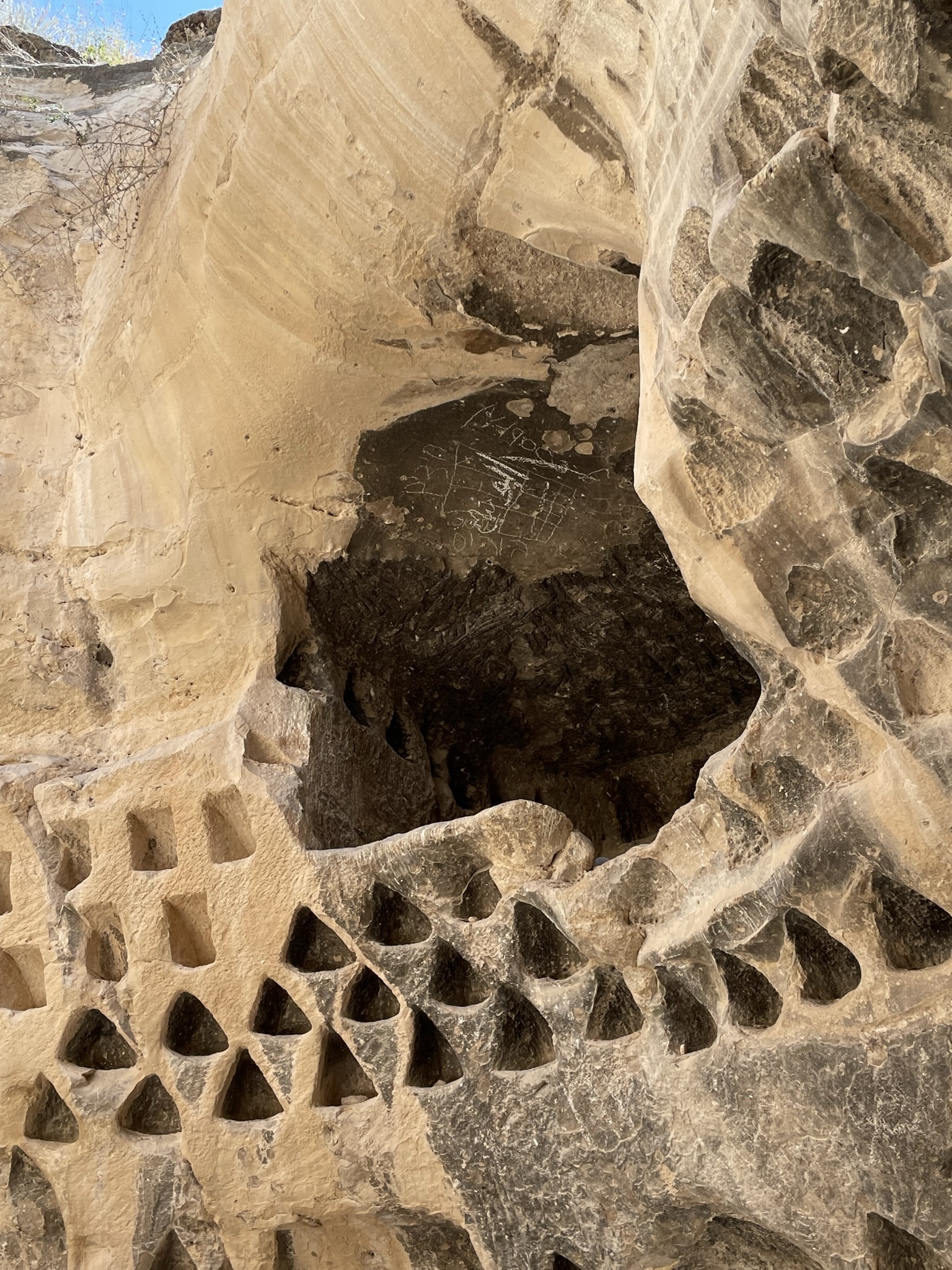
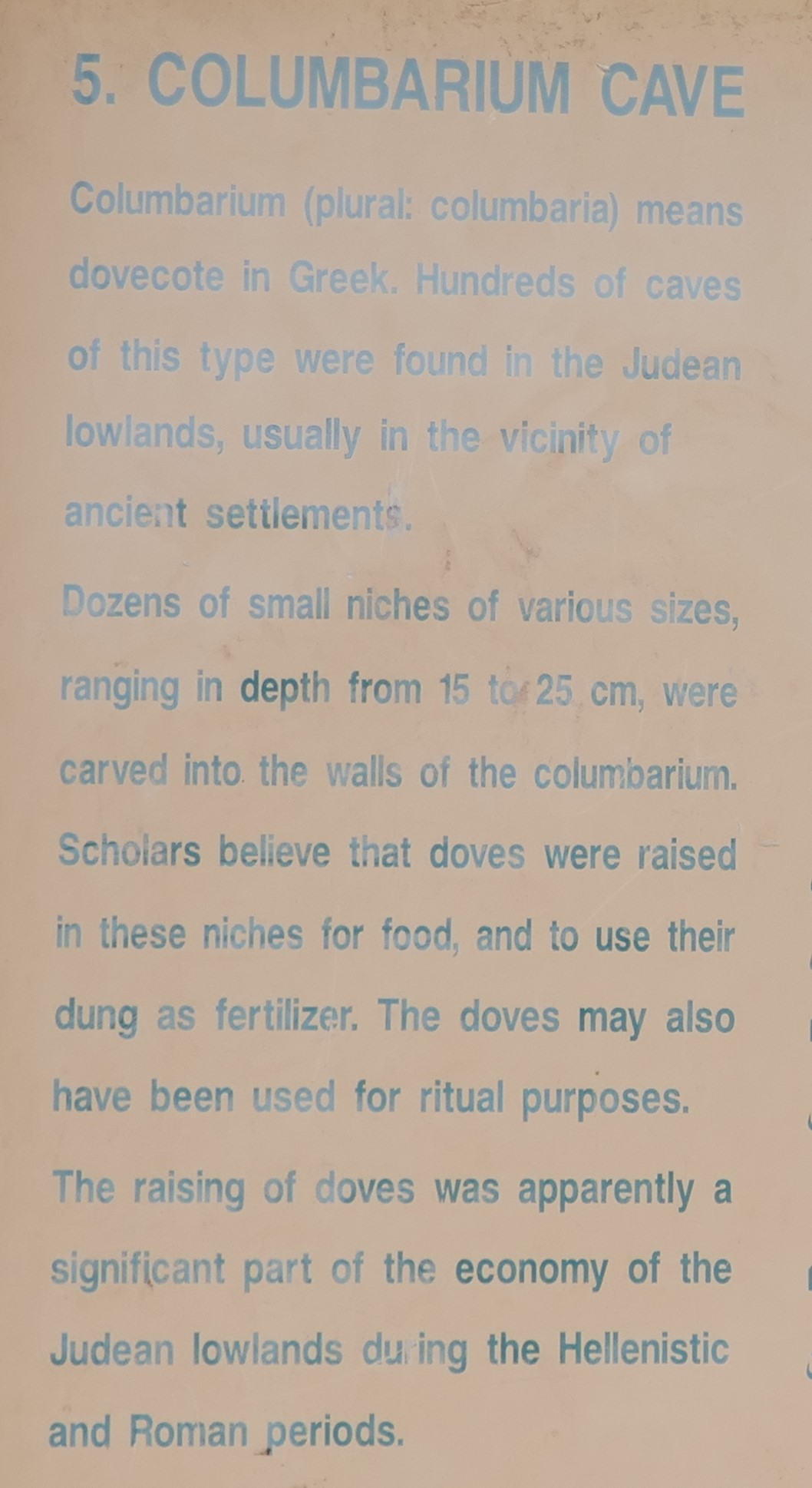
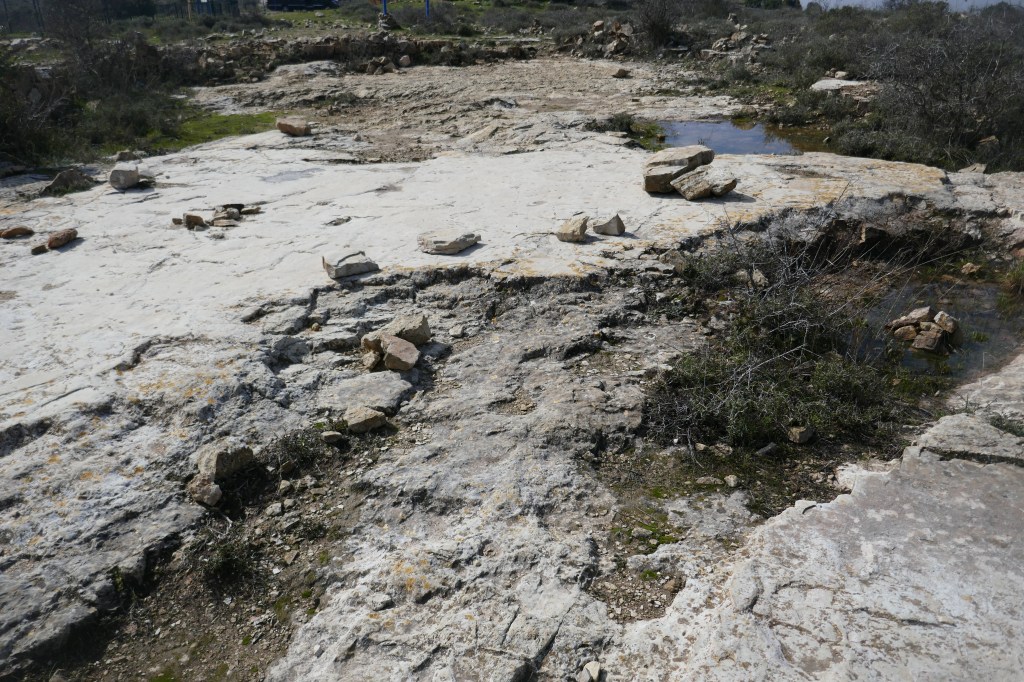
As you may be aware, at the temple in Jerusalem, if one could not afford to offer a lamb or goat, one could often offer a bird such as a turtledove or pigeon instead. The birds had to be raised in a way that would make them acceptable for offering in the temple. The place for doing so would naturally need to be within a reasonable distance from Jerusalem to allow travel there without risk of birds dying. Not far from tel Beit Shemesh and tel She’ayarim, there is a dovecote that dates to the first temple period. It was carved out of the soft limestone found in the area. It is visually quite a lovely place. Quite off the beaten path for big buses I would think, but worth a visit if you can.
Dovecote
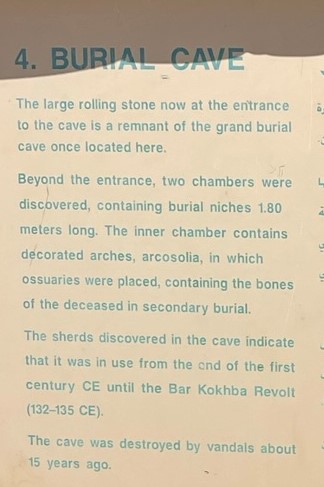
First CenturyBurial
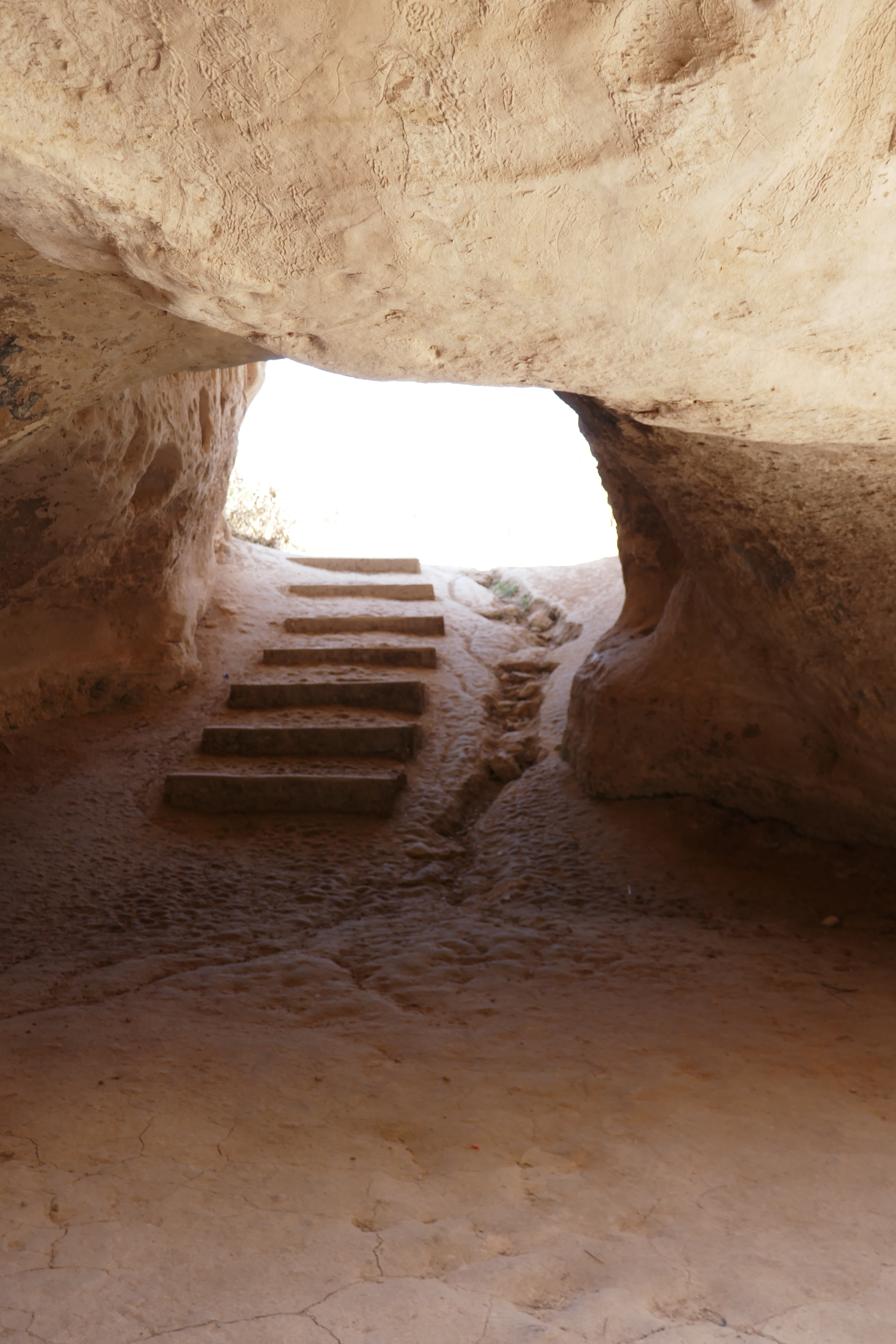
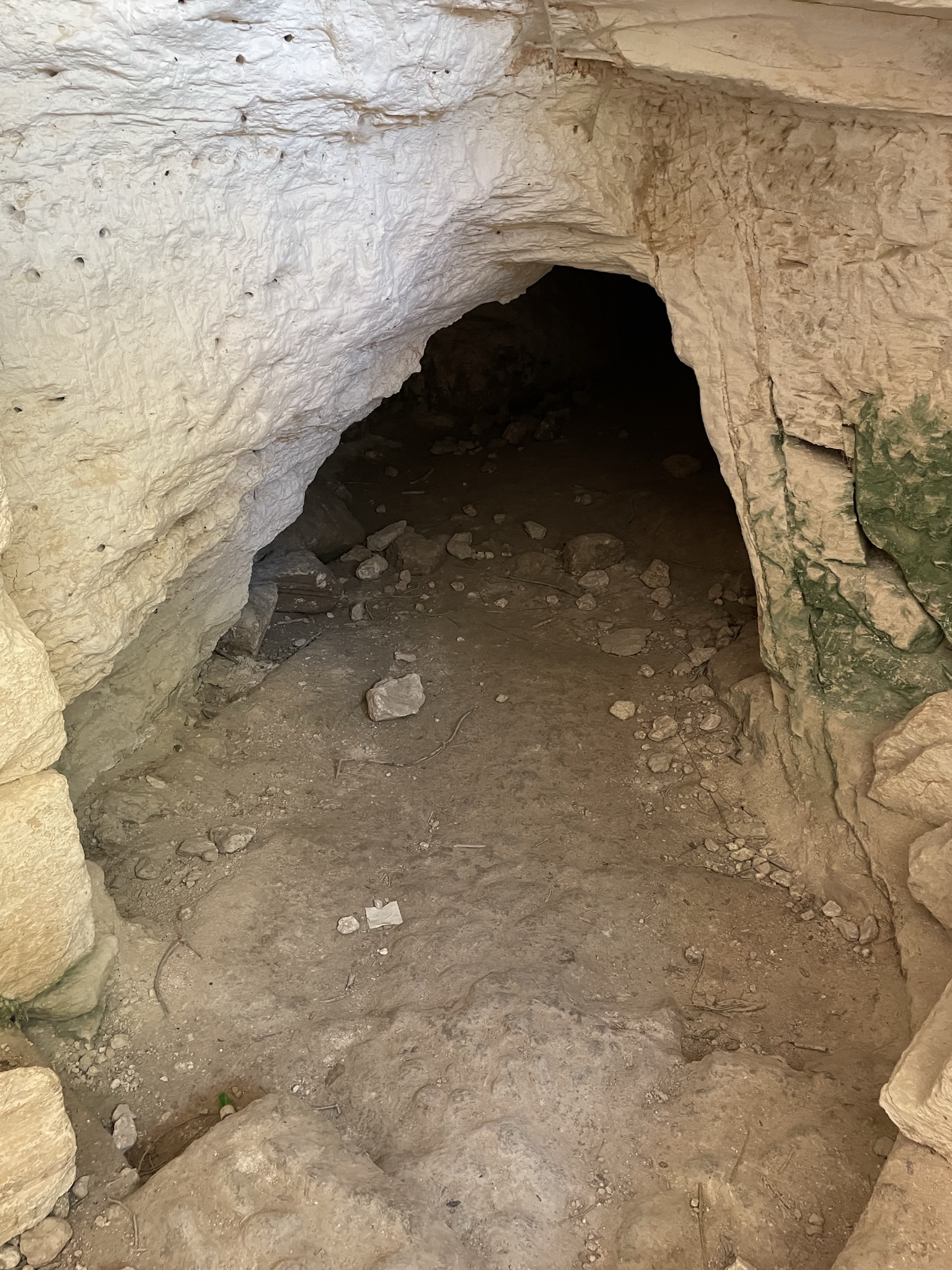
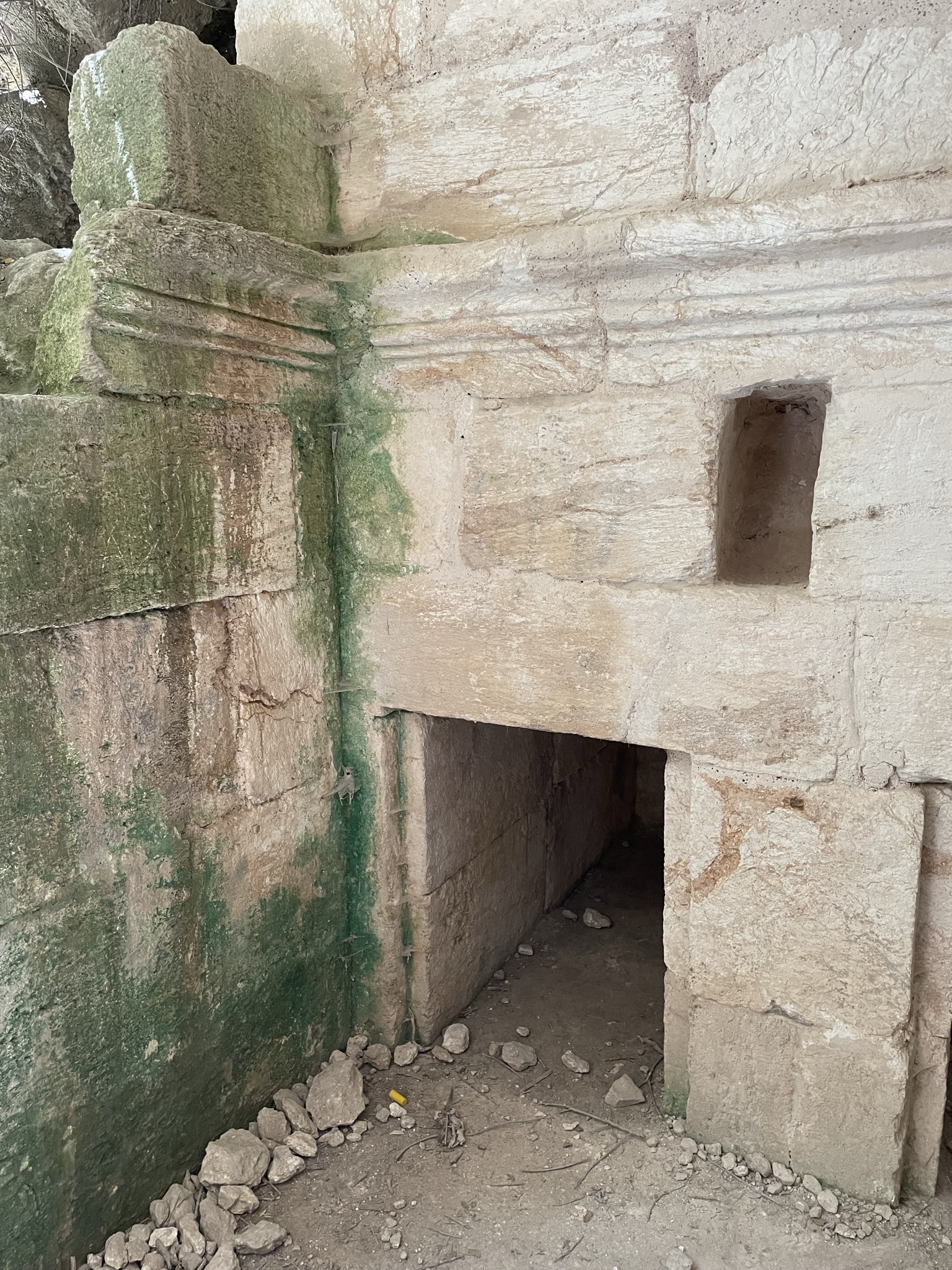
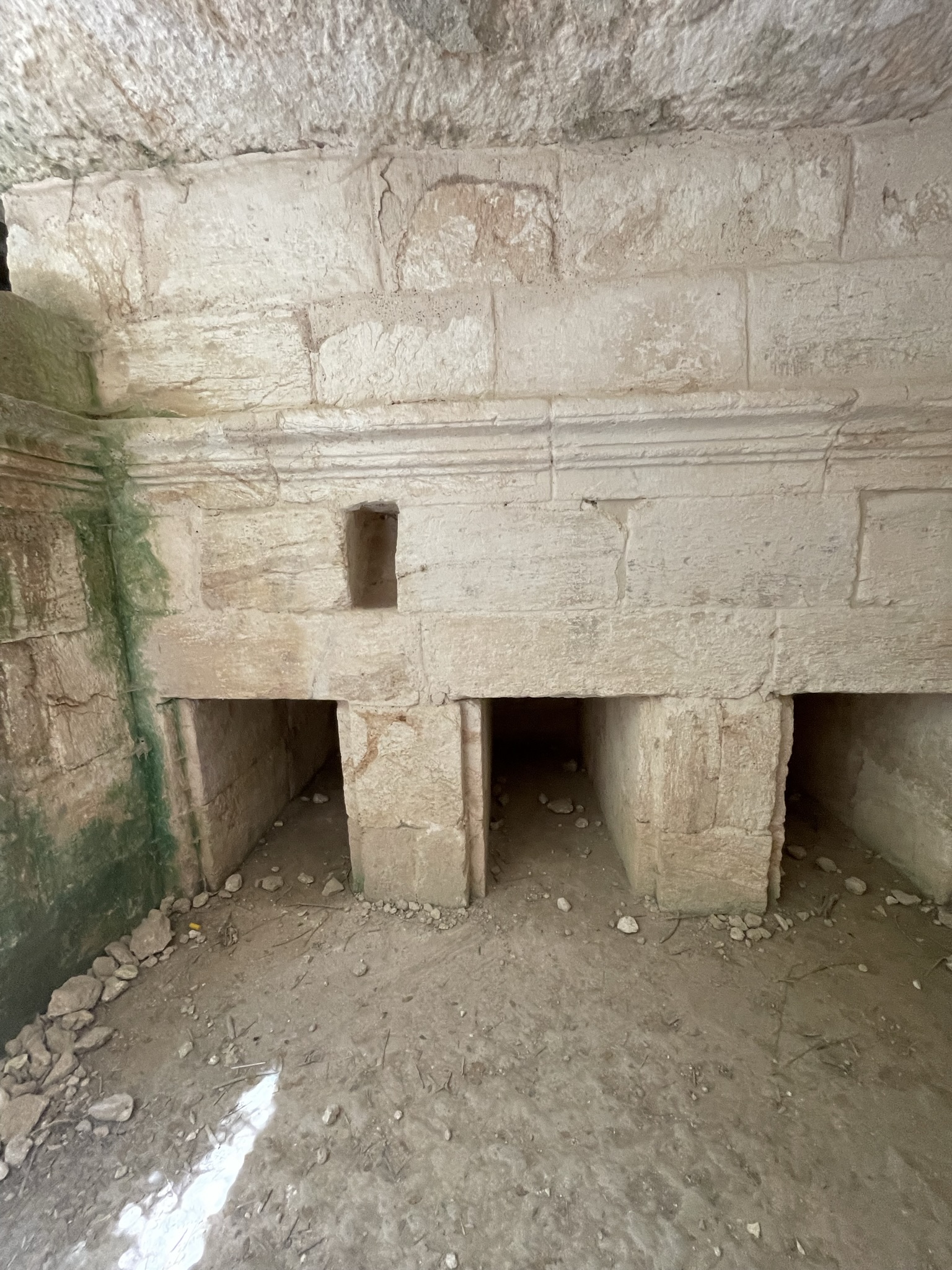
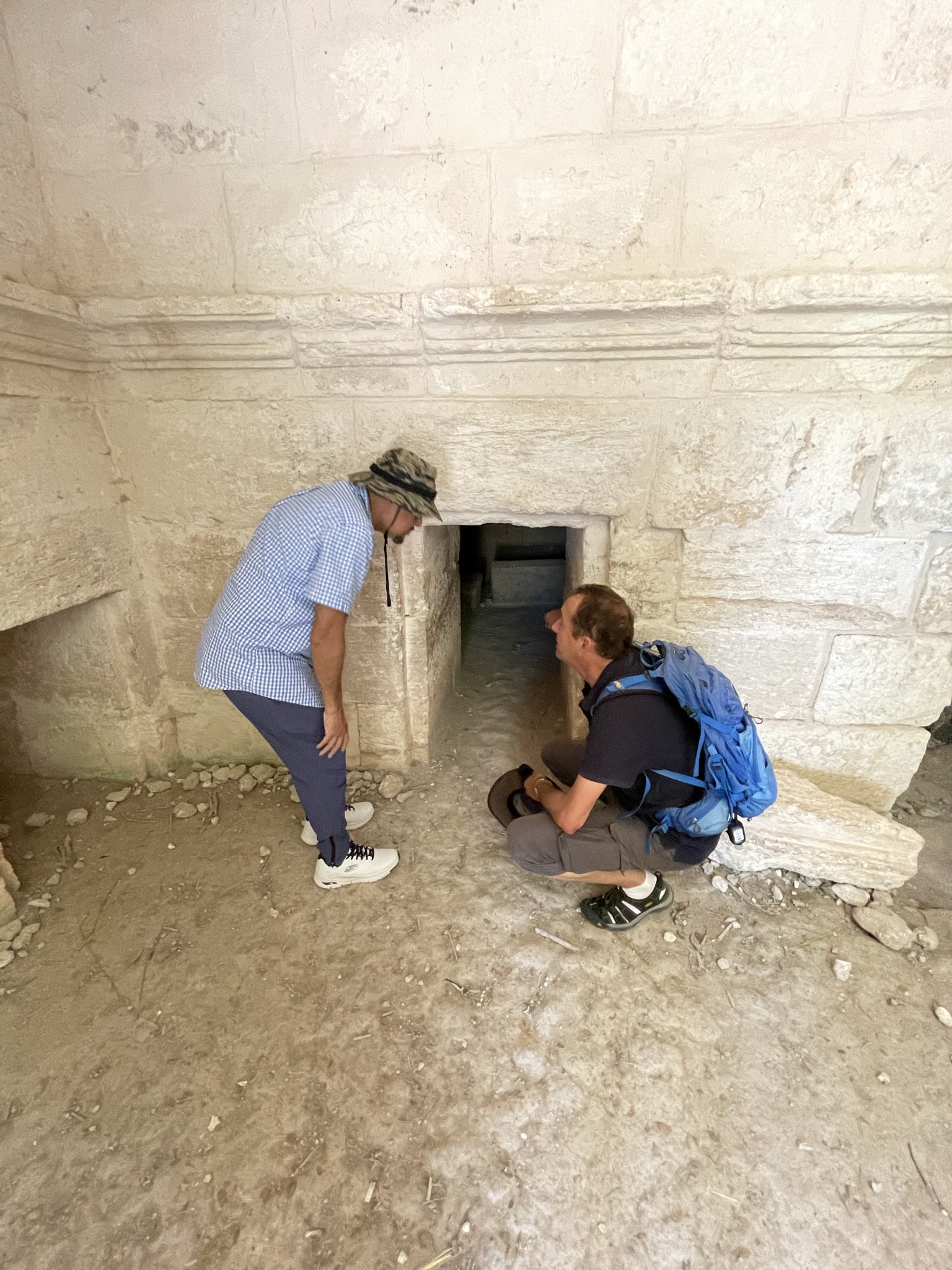
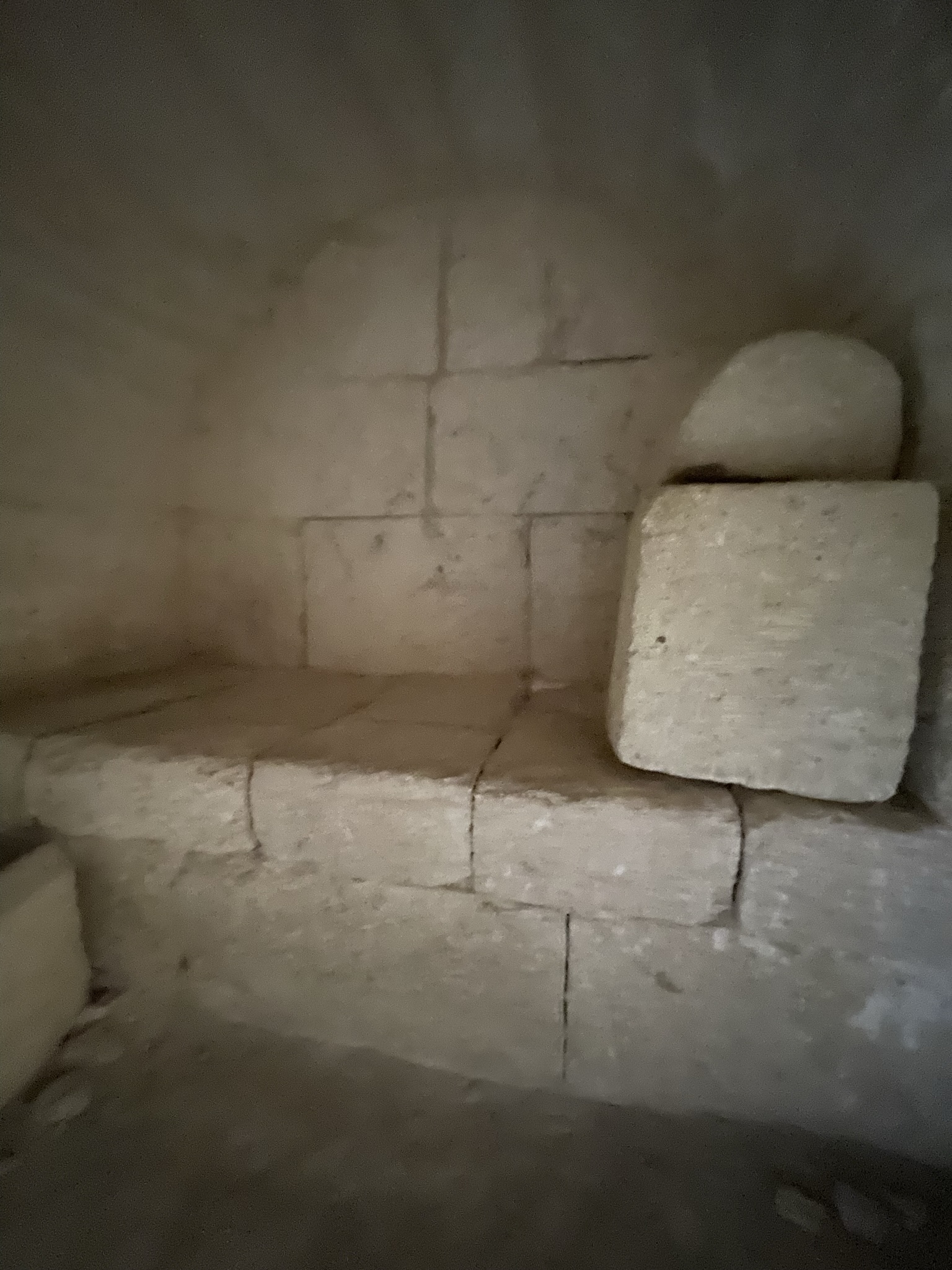
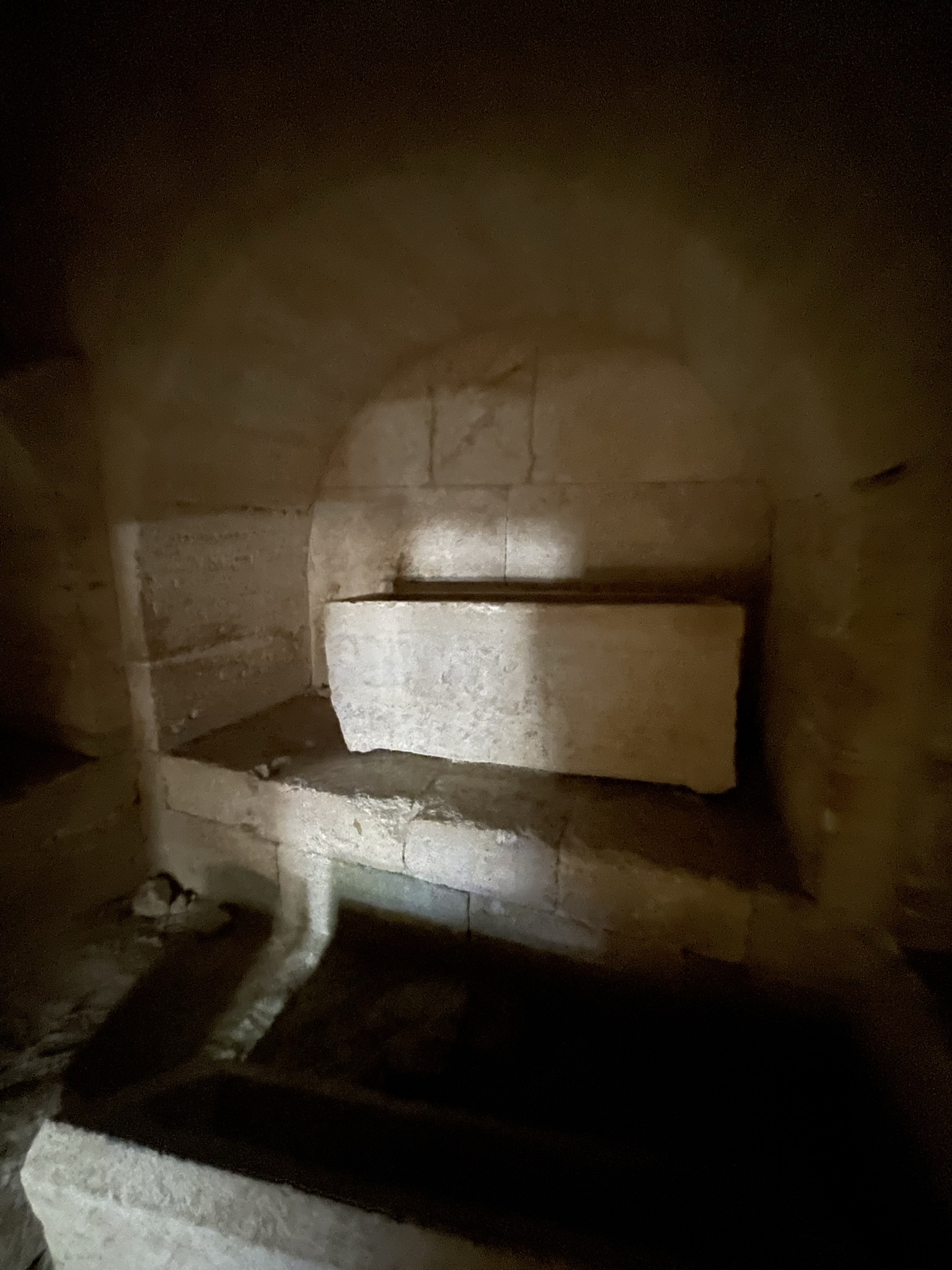
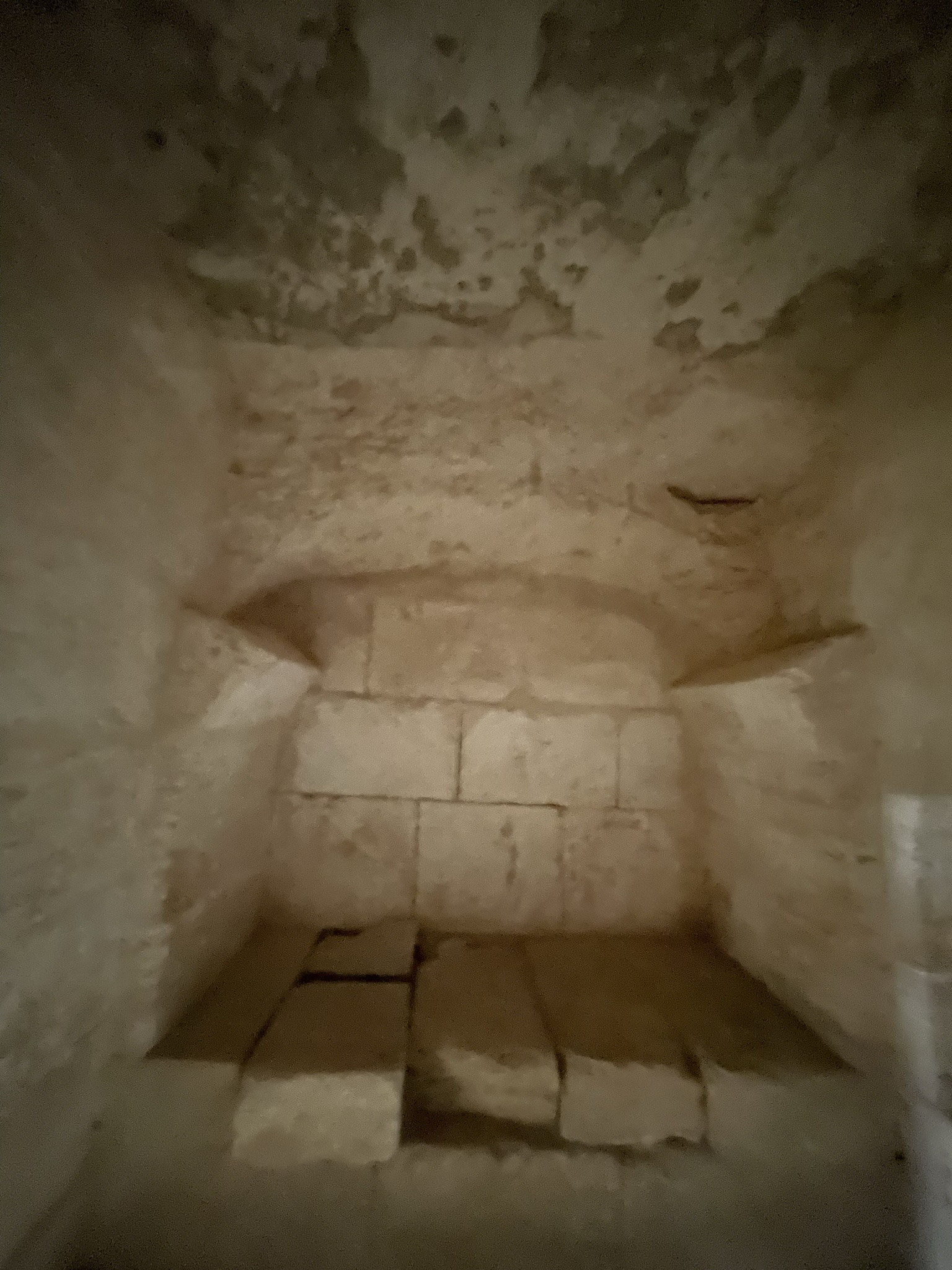
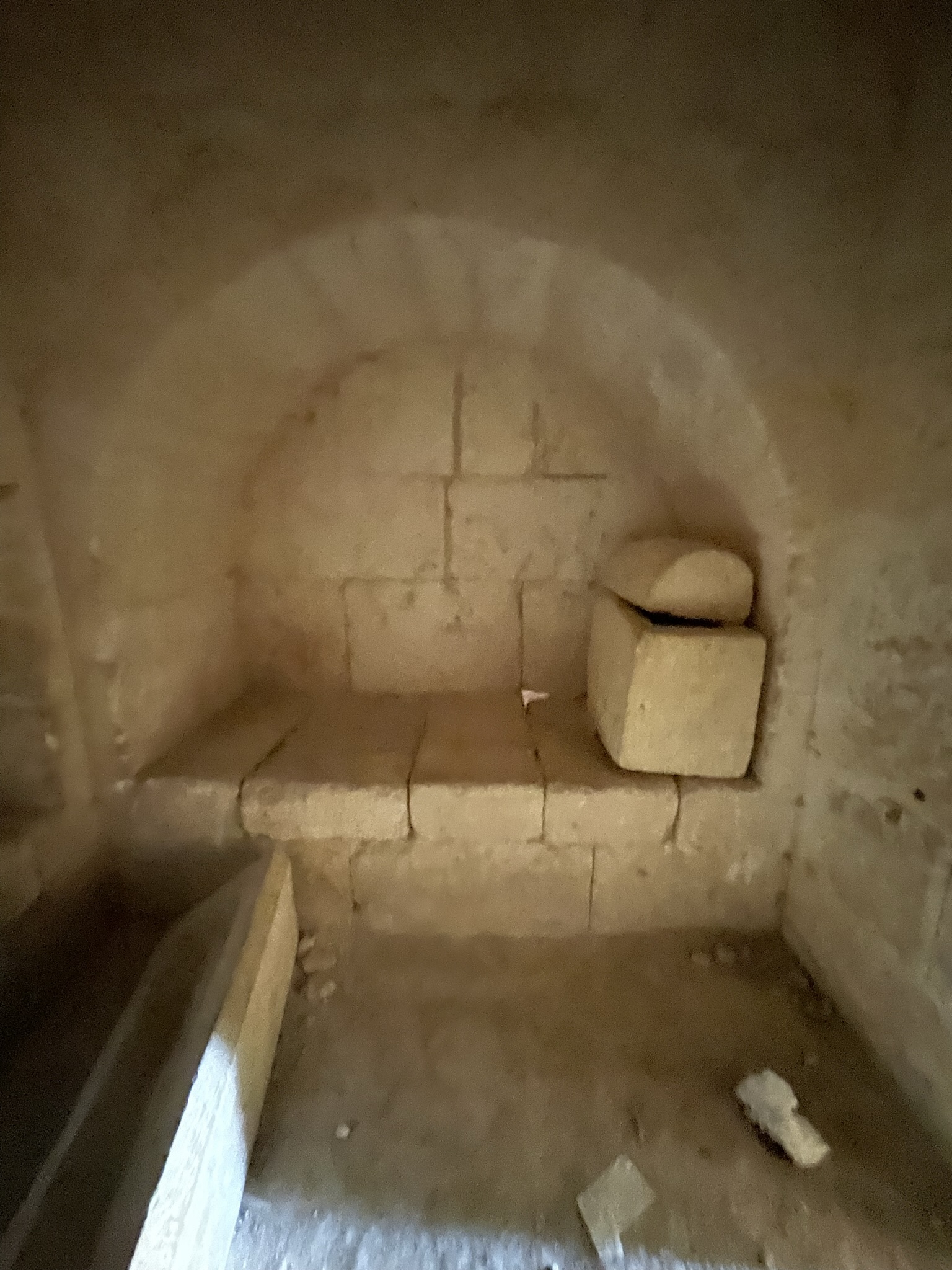
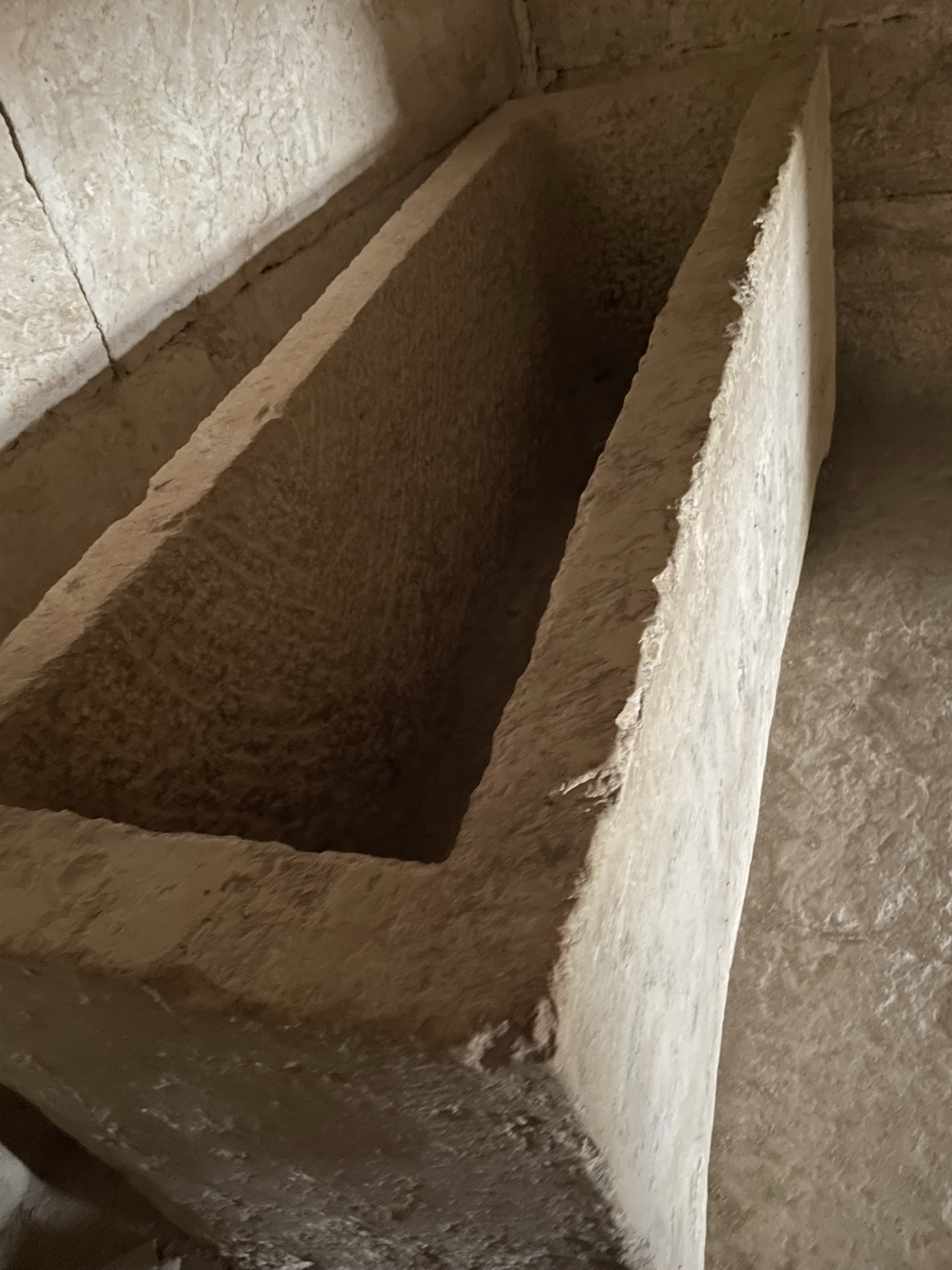
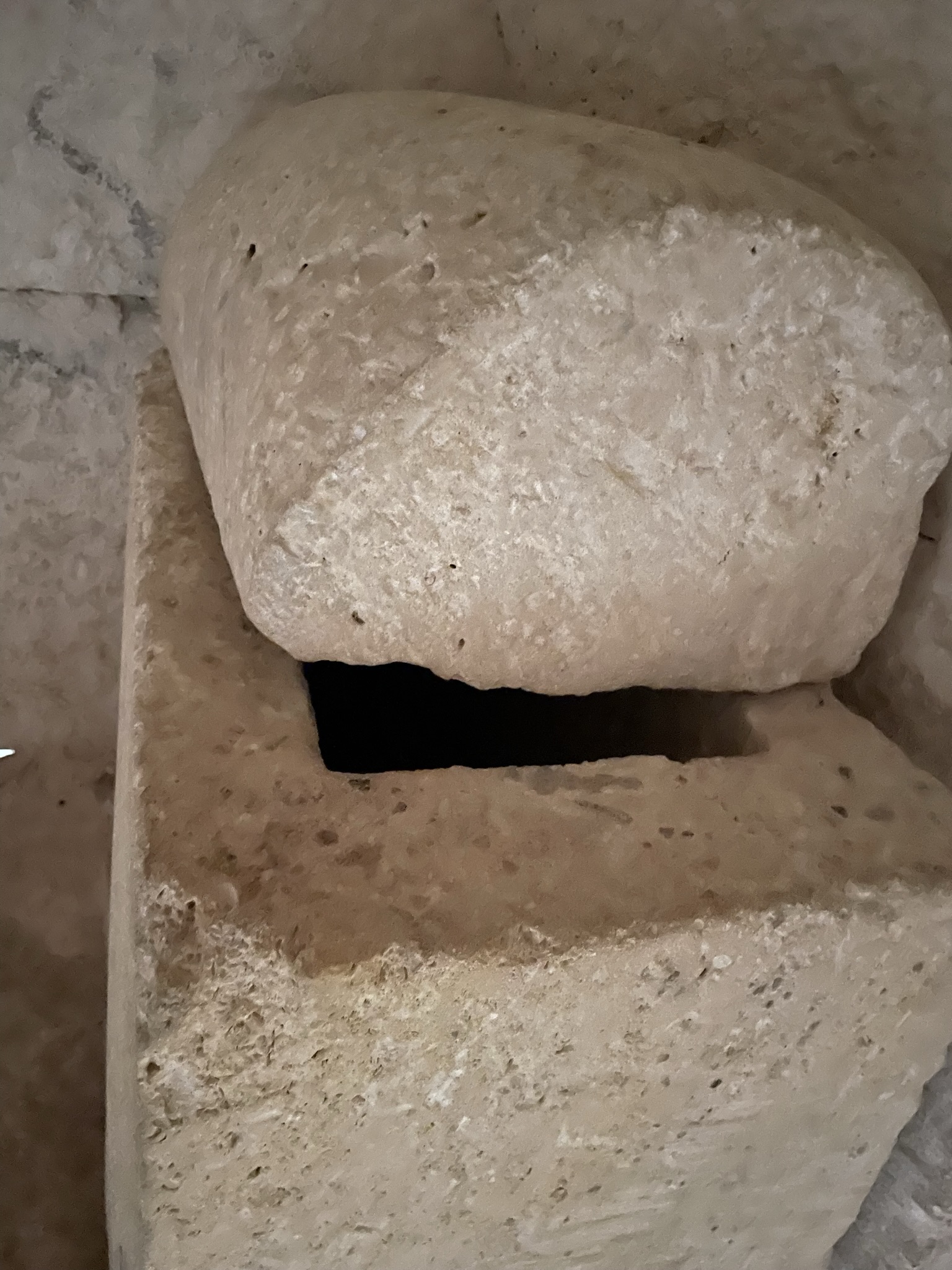
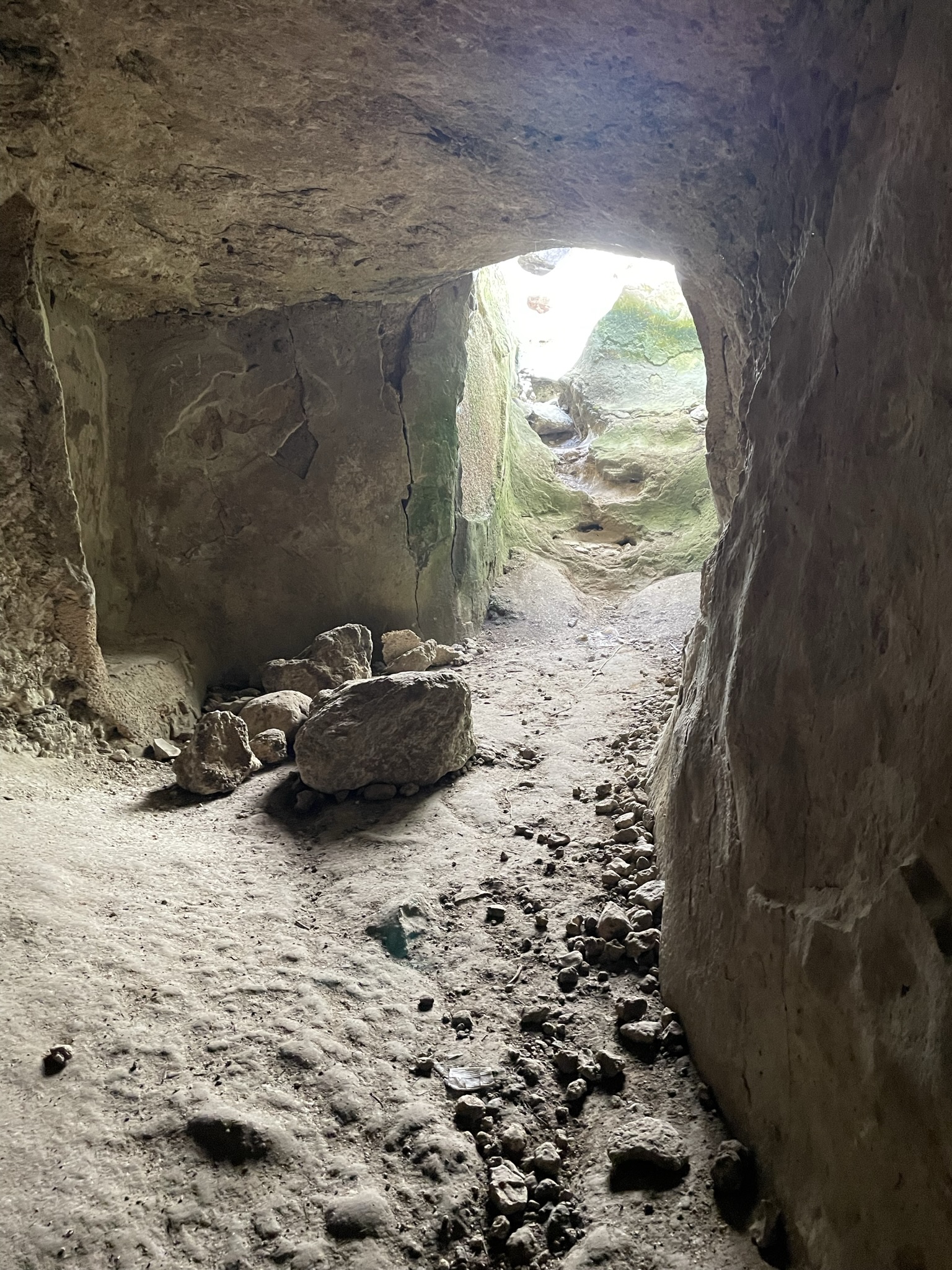
It is always helpful to find places and things intact in a way that allows a better understanding of scripture. First century burial sites can give good insight into how Yeshua (Jesus) would have been buried, i.e. the type of tomb into which his body would have been laid and how those visiting the tomb after the resurrection would have viewed the tomb area. Not far from the dovecote described above, is an example of the first century burial tomb of a wealthy person. It was carved into the rock which was common, it had slot tombs, which was also common, and it had an entrance area with bench seating for those visiting the graves.
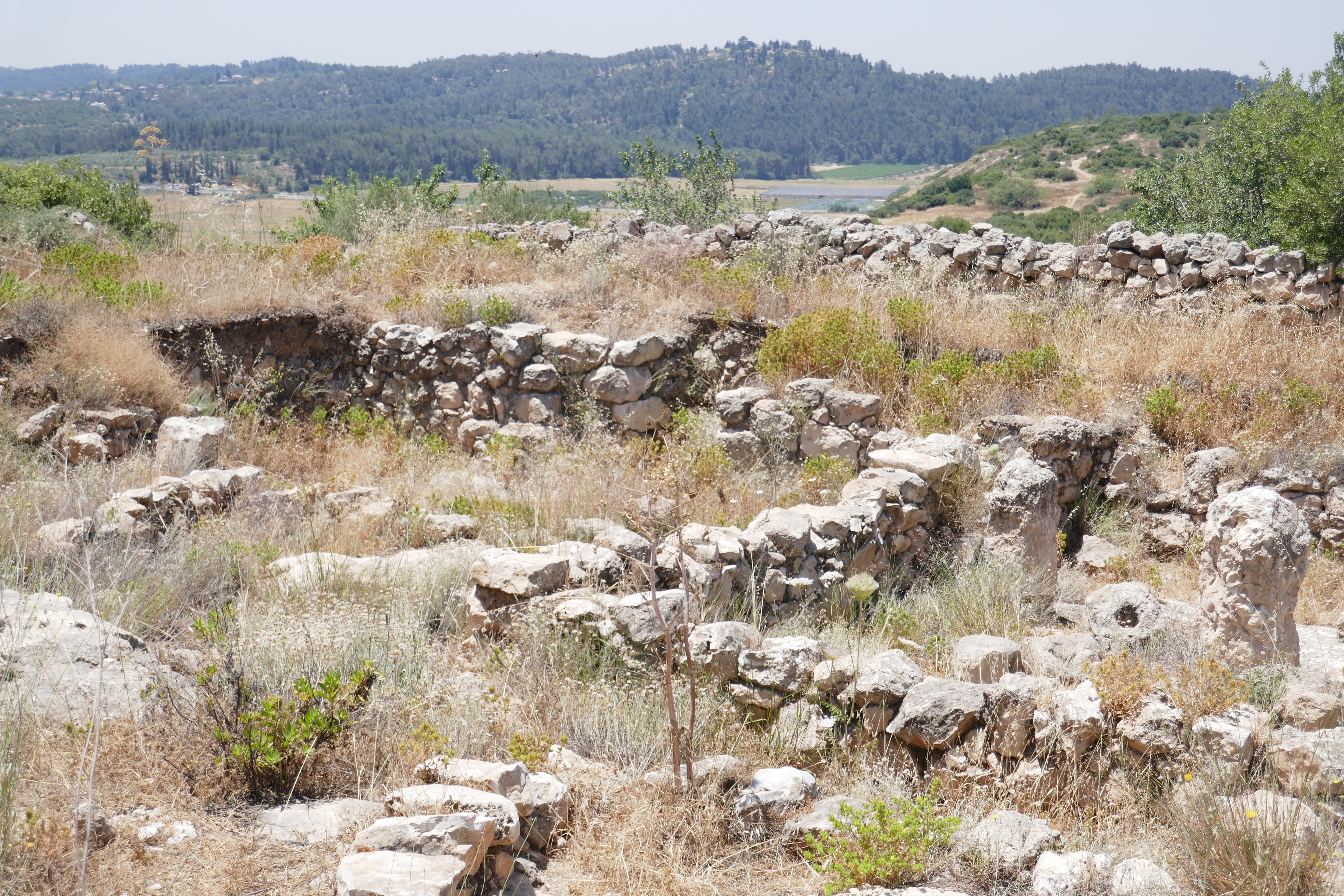
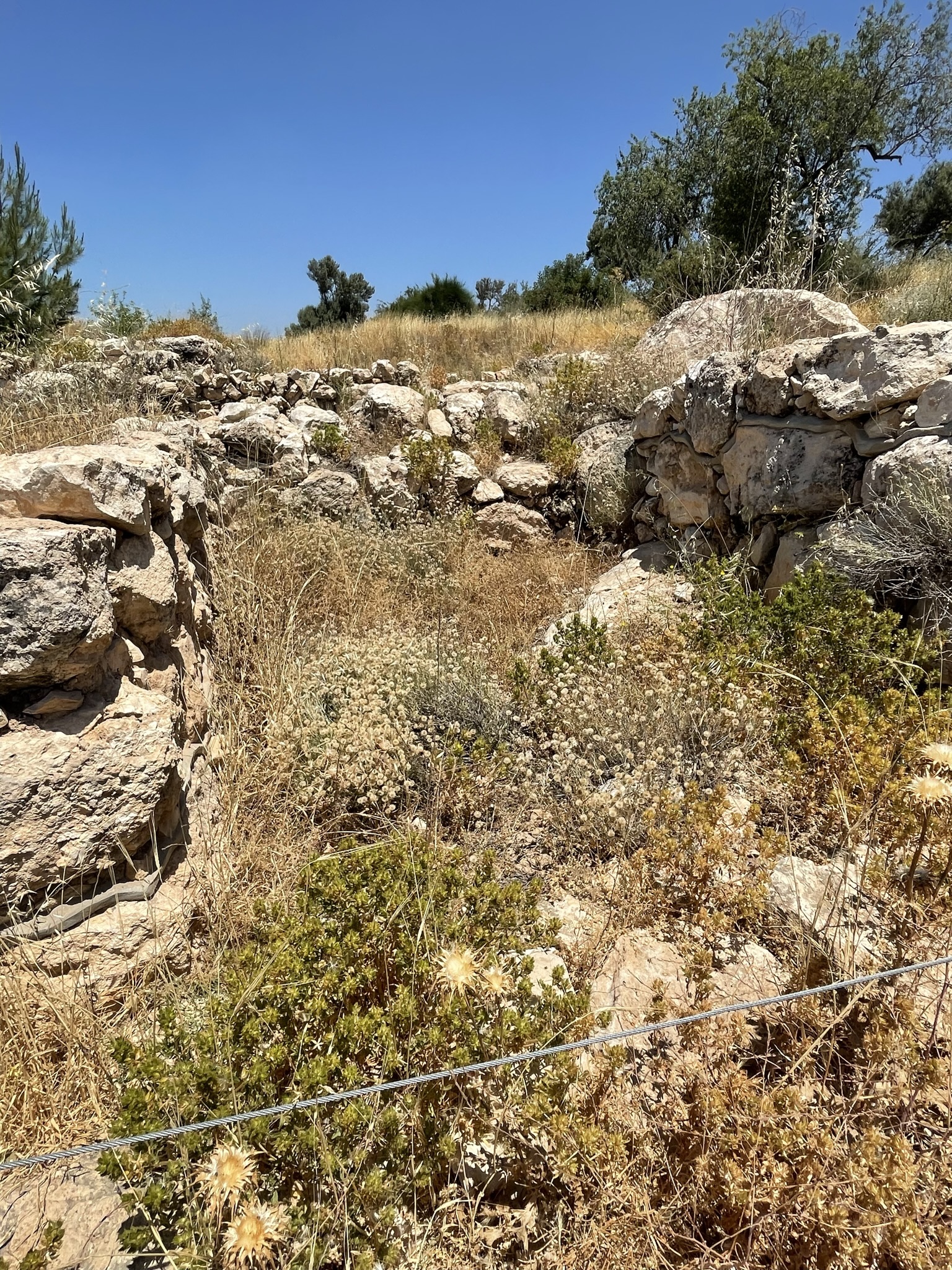
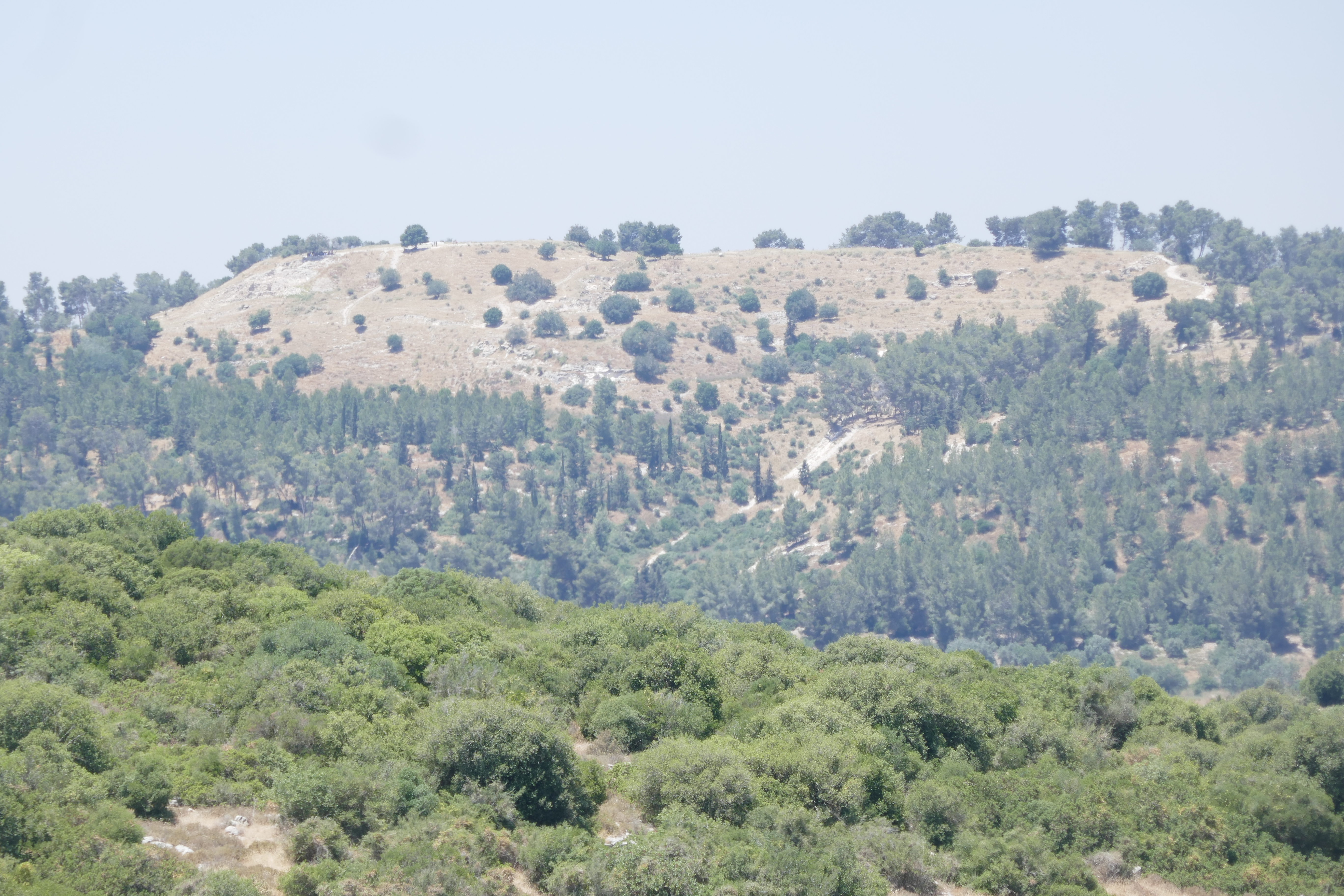
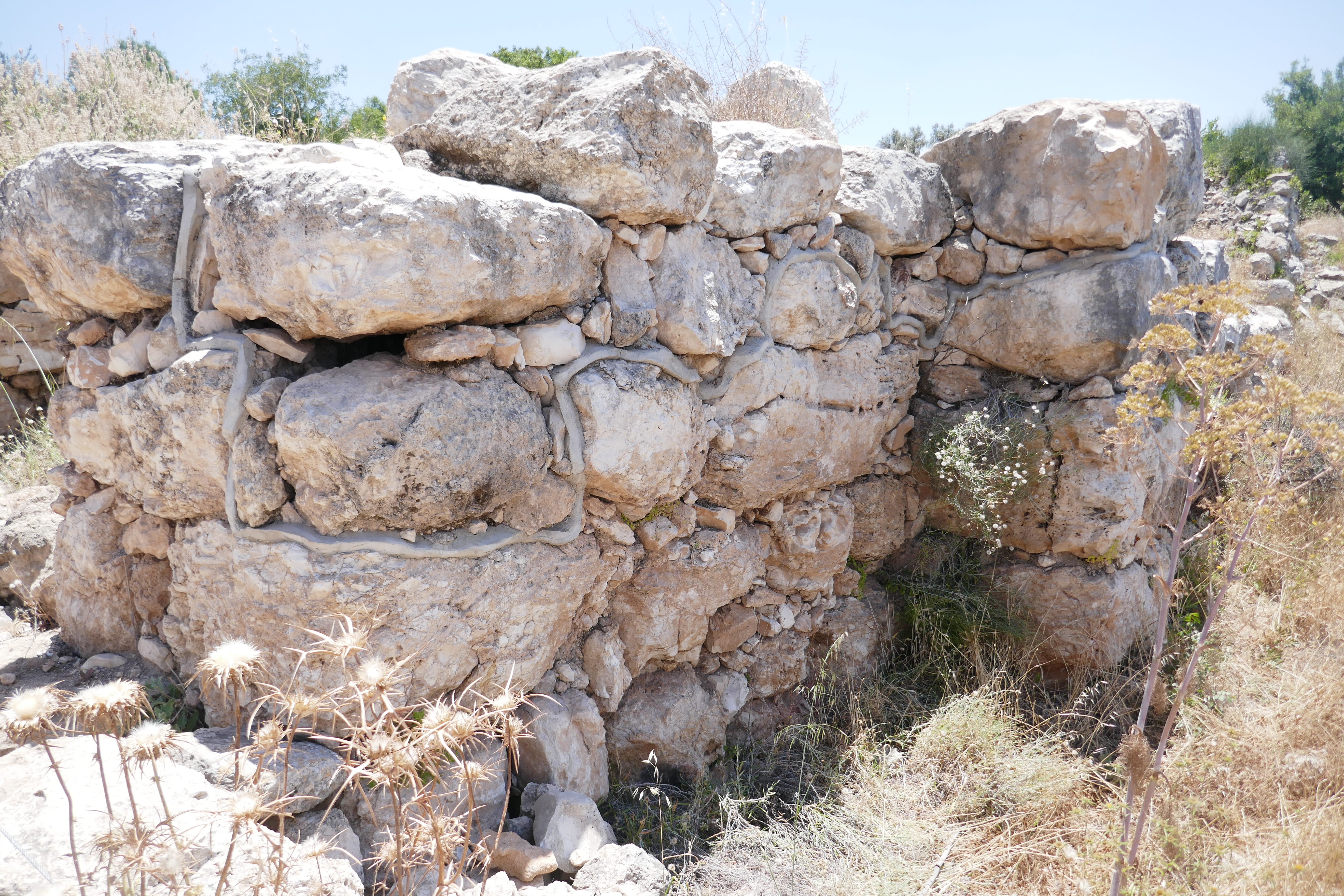
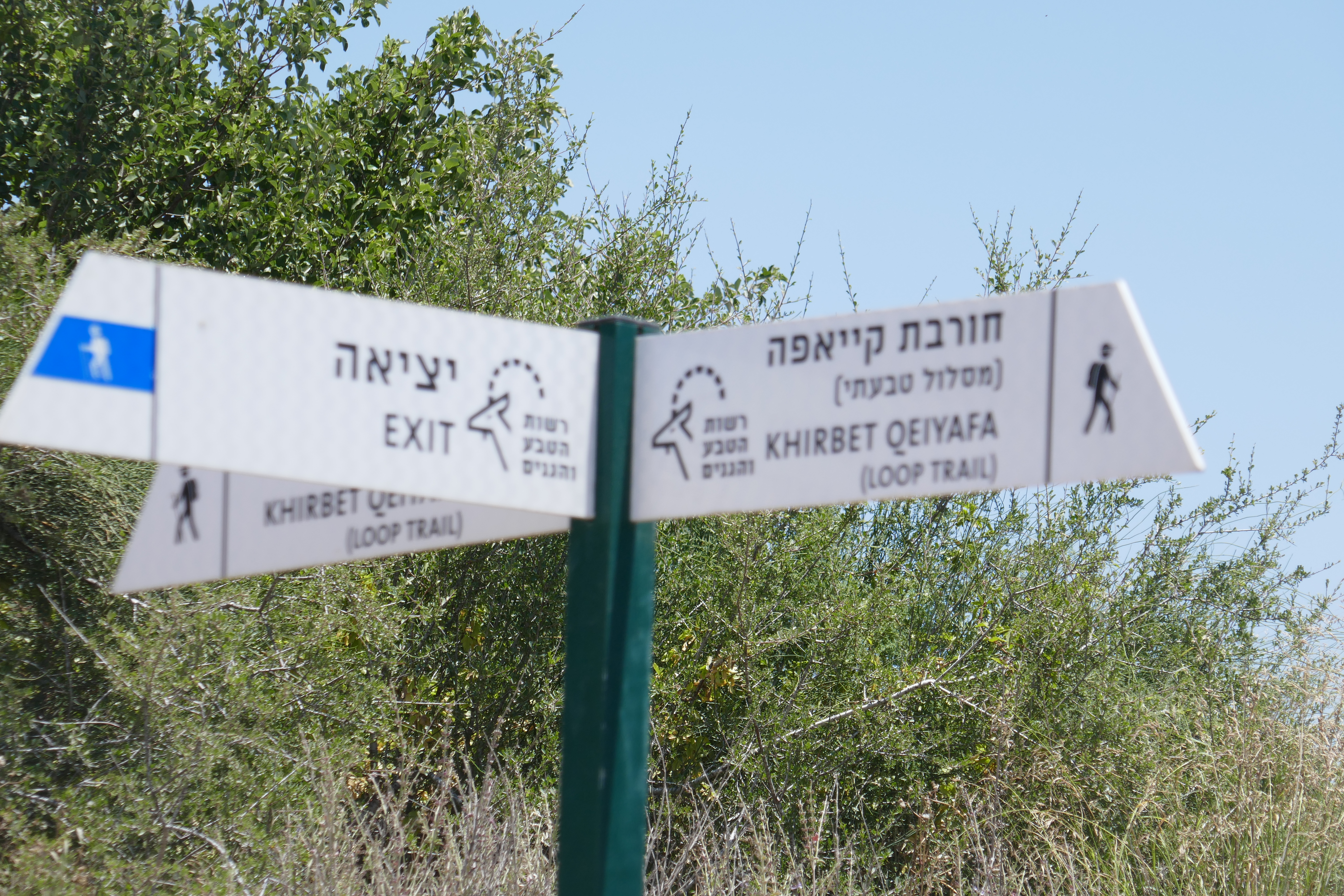
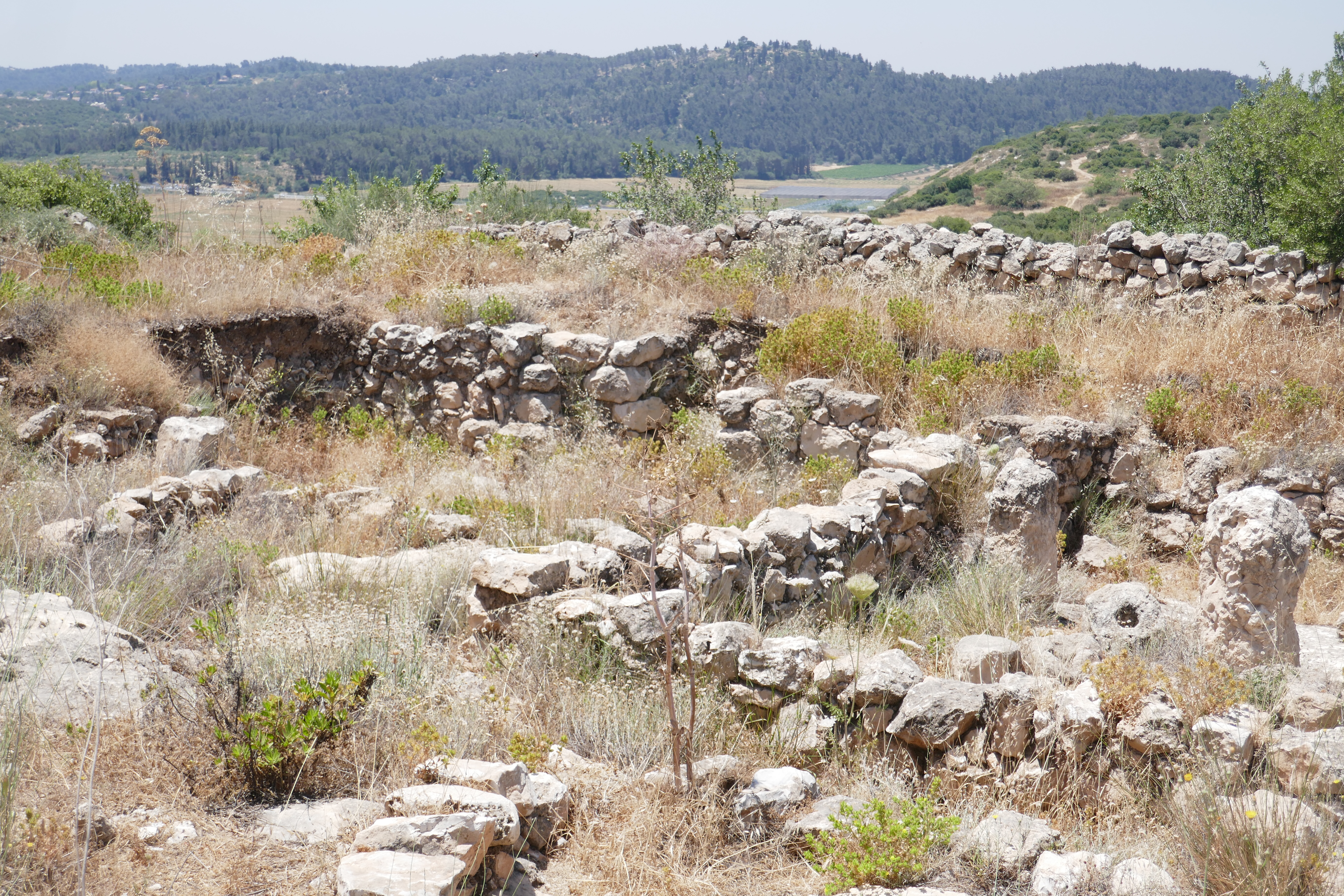
We are still on day one of the tour. After leaving Beit Shemesh, we travel to the Elah Valley to remember the battle between the Israelites and the Philistines, between David and Goliath. Last time we came, we remembered this battle from the top of tel Azeka. This time, we are actually across the valley to the east of tel Azeka, on tel She’arayim, an Israelite city known for having two gates. That is what the word she’arayim means in Hebrew – “two gates.” This is significant because at the time of David, most Israelite cities had one gate. The city would be easier to defend if it only had one gate. This city, which overlooked the valley of Ela had two. It is also identified as Khirbet Qeiyafa. This city was a likely place for staging and supplying the Israelite army when it was facing off with the Philistines as recounted in 1 Samuel 17. It sits just north of where the Israelites were probably encamped.
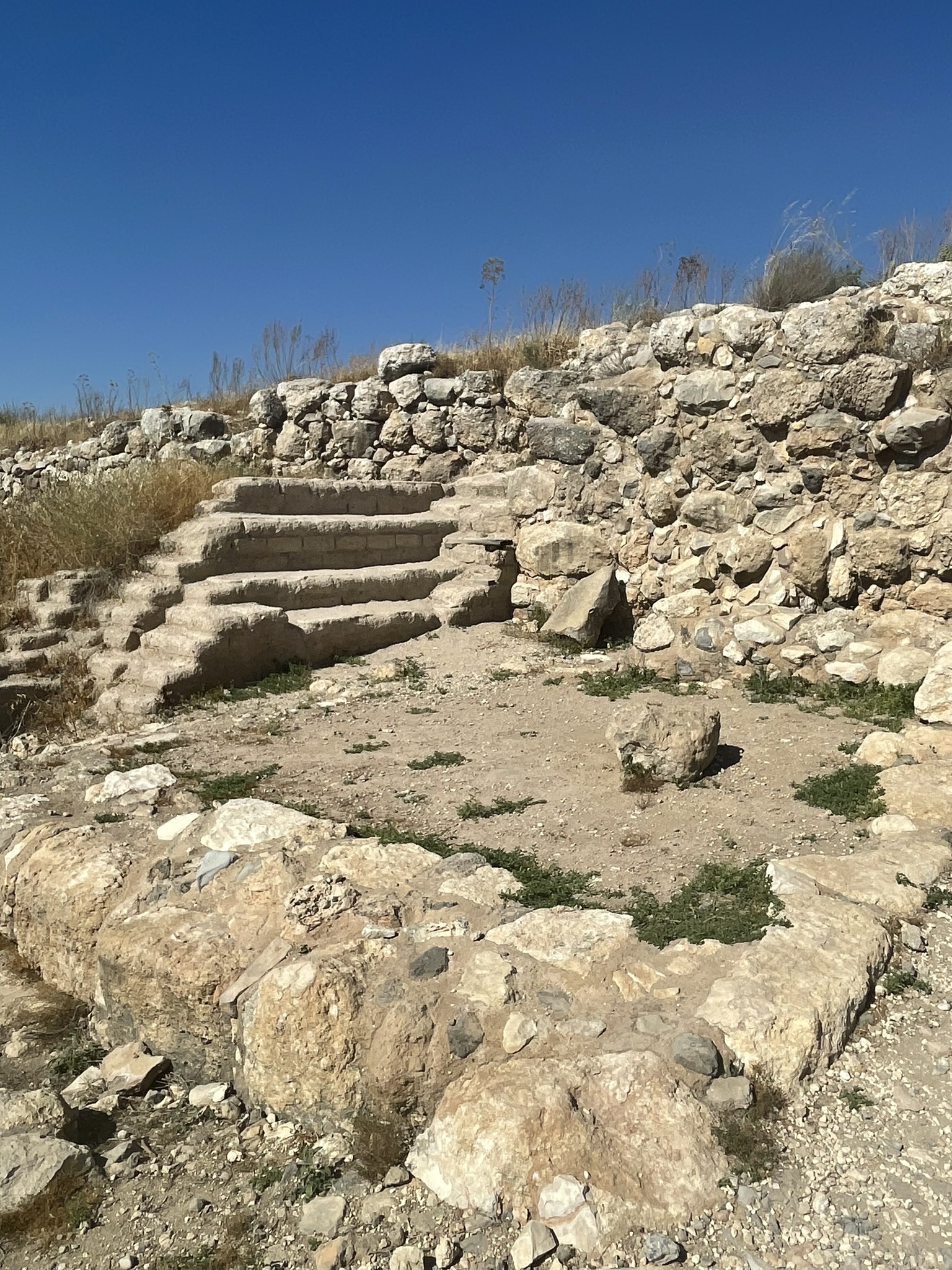
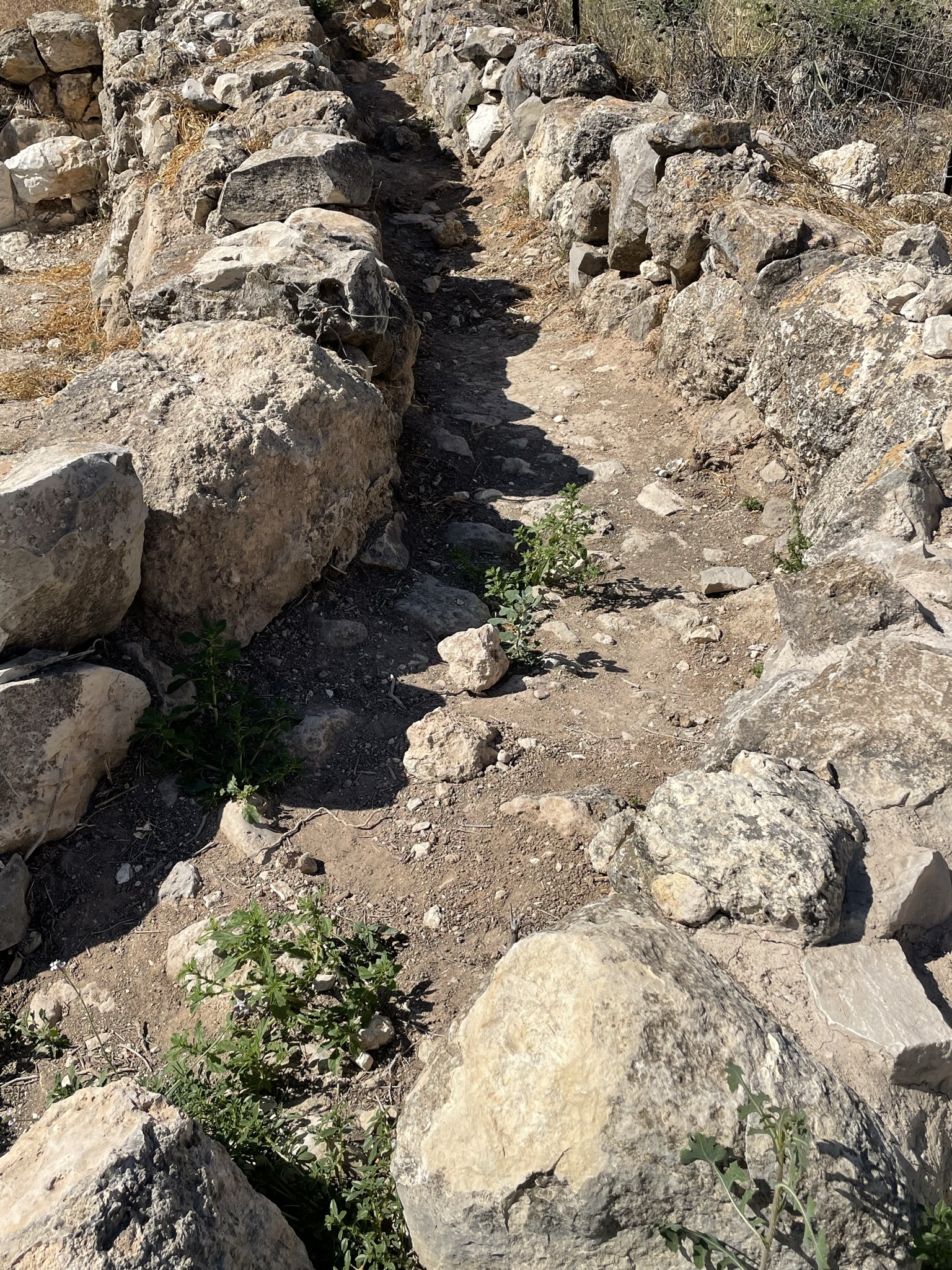
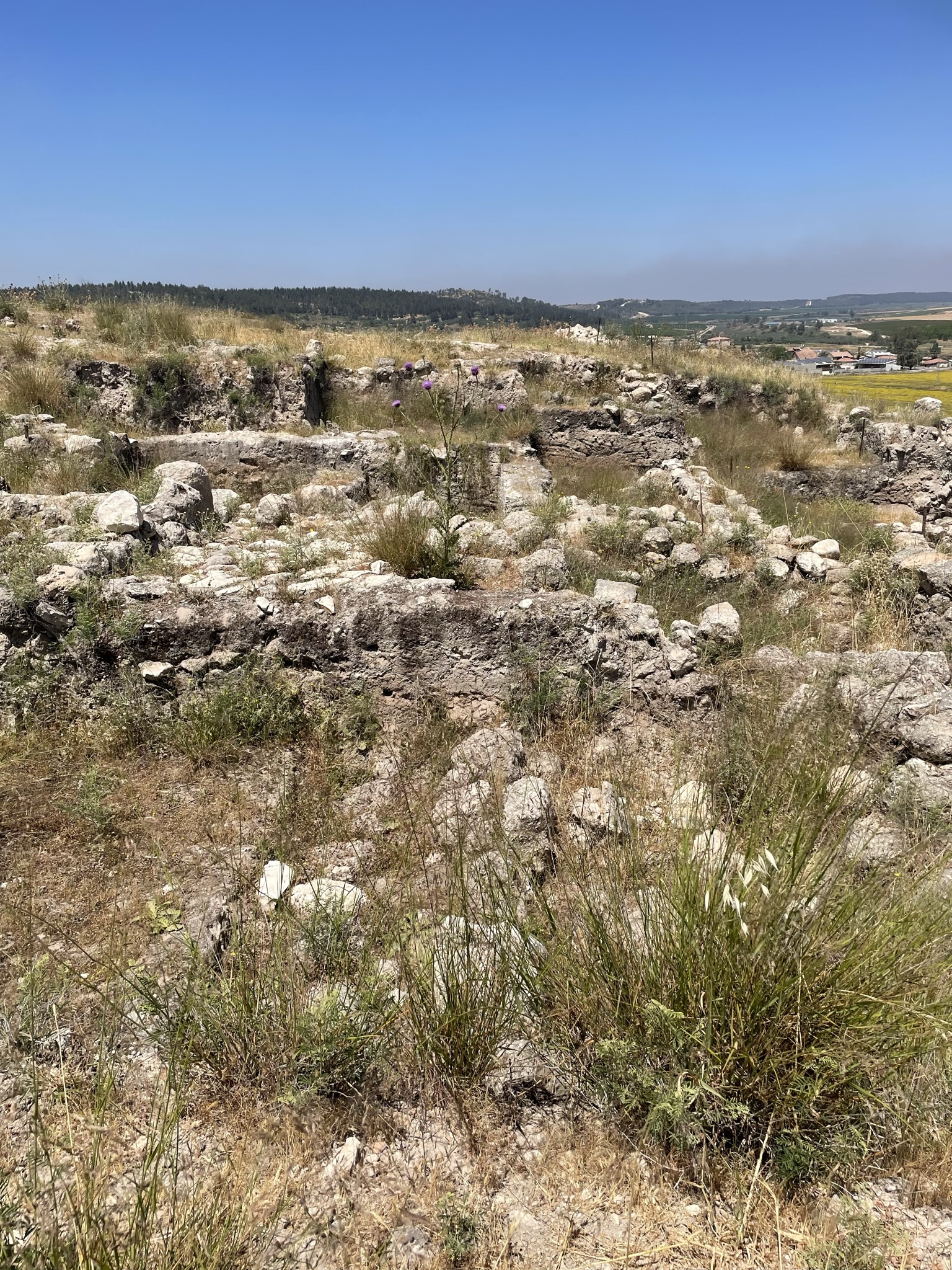
ruins tel She’ayarimtel She’ayarim ruinsFlat stones cover water channelLooking west toward tel AzekaLooking westward to tel Azekaruins tel She’ayarimview looking south west from tel She’ayarim into the plain where the battle would have likely beenthick line denotes where reconstruction startsruins tel She’ayarimcarved out rock to hold post for wooden gate doorruins tel She’ayarim
Day one of the tour, we head south from Tel Aviv, to reach the south of Israel. On the way, we visit a couple of very interesting sites. These are new to the tour, so the excitement starts immediately.
Beit Shemesh
You may recall the story of the how the Israelites have the bright idea of bringing the Ark of the Covenant to battle with them against the Philistines. Other armies bring their gods with them, so Israel thought it might give them a boost over their relentless enemy to bring the ark with them. Their idea turns into a nightmare when the ark is stolen by the Philistines.
This ends up being one of the most comical stories in the Bible to my way of thinking. The Philistines take the ark to Ashdod and put it in the temple with their god, Dagon. The next morning, they find Dagon face down before the ark of the covenant. They set Dagon back in his place, but the next day when they came to check, Dagon’s arms and head were missing and he was face down again before the ark of the Lord. This just led to more problems and the ark was sent from one Philistine town to another and at each stop, the people in the city suffered because of the ark or so they believed. Finally, they are so tired of people dying, being tormented by hemorrhoids and rats eating their crops that they decide to send the ark back to the Israelites. You can read the story in 1 Samuel chapters 5 and 6.
When they send the ark back to the Israelites, the Philistines send it from Ekron, a Philistine city at the west end of the Sorek Valley, to Beit Shemesh, an Israelite city further east in the Israel-dominated end of the Sorek.
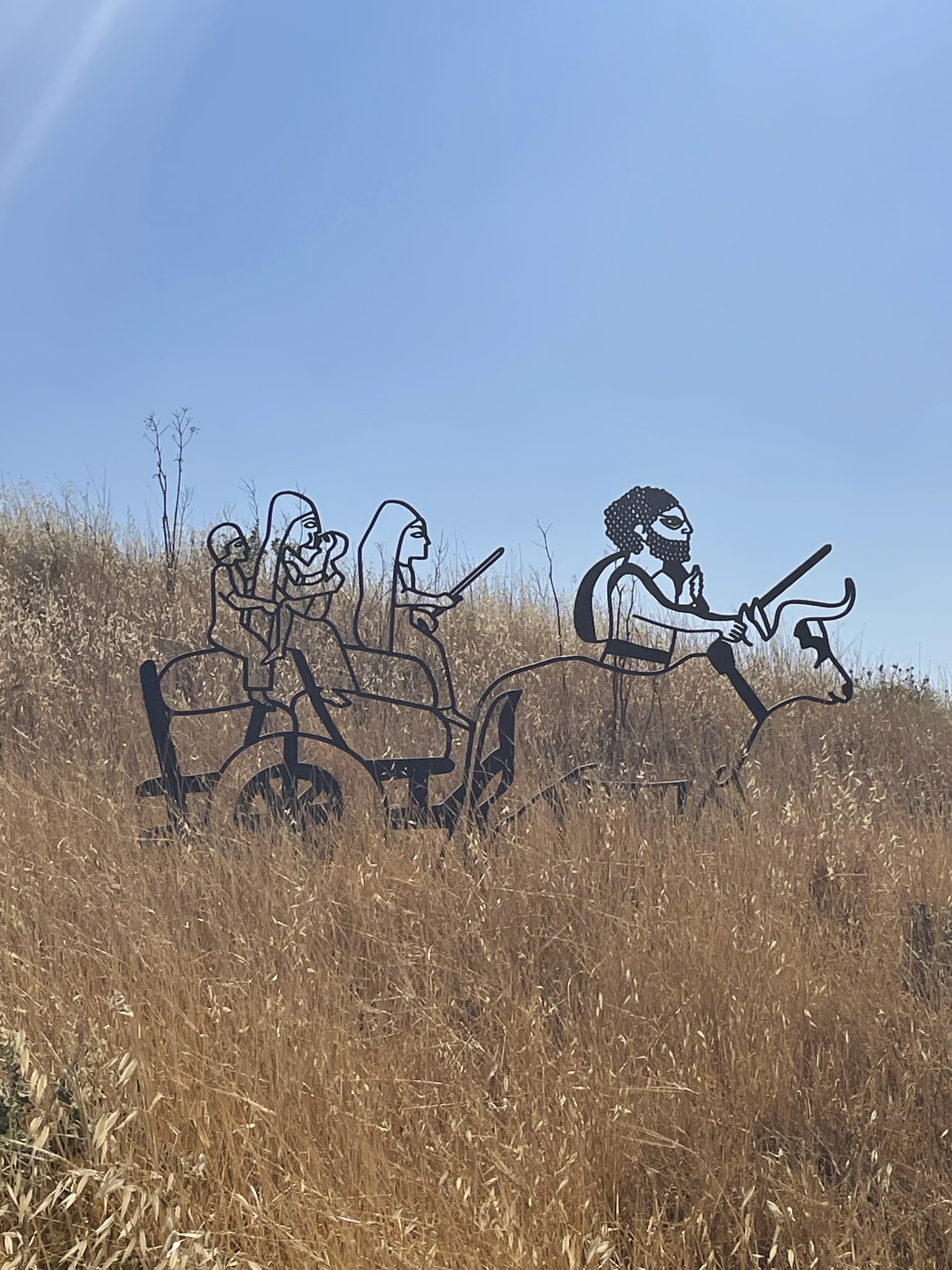
The Tel of Beit Shemesh sits as it did in antiquity, overlooking the Sorek Valley, a complex system of ravines that protects Jerusalem on the west side from attack because of the difficulty of traveling through it. We stood on the tel and looked into the valley, rich with agriculture today and could almost hear the mooing of the milk cows drawing the wagon with the ark from Ekron.
Tel Beit ShemeshTel Beit Shemesh (ruins)Looking east toward JerusalemLooking west toward Philistine territory
Cisterns
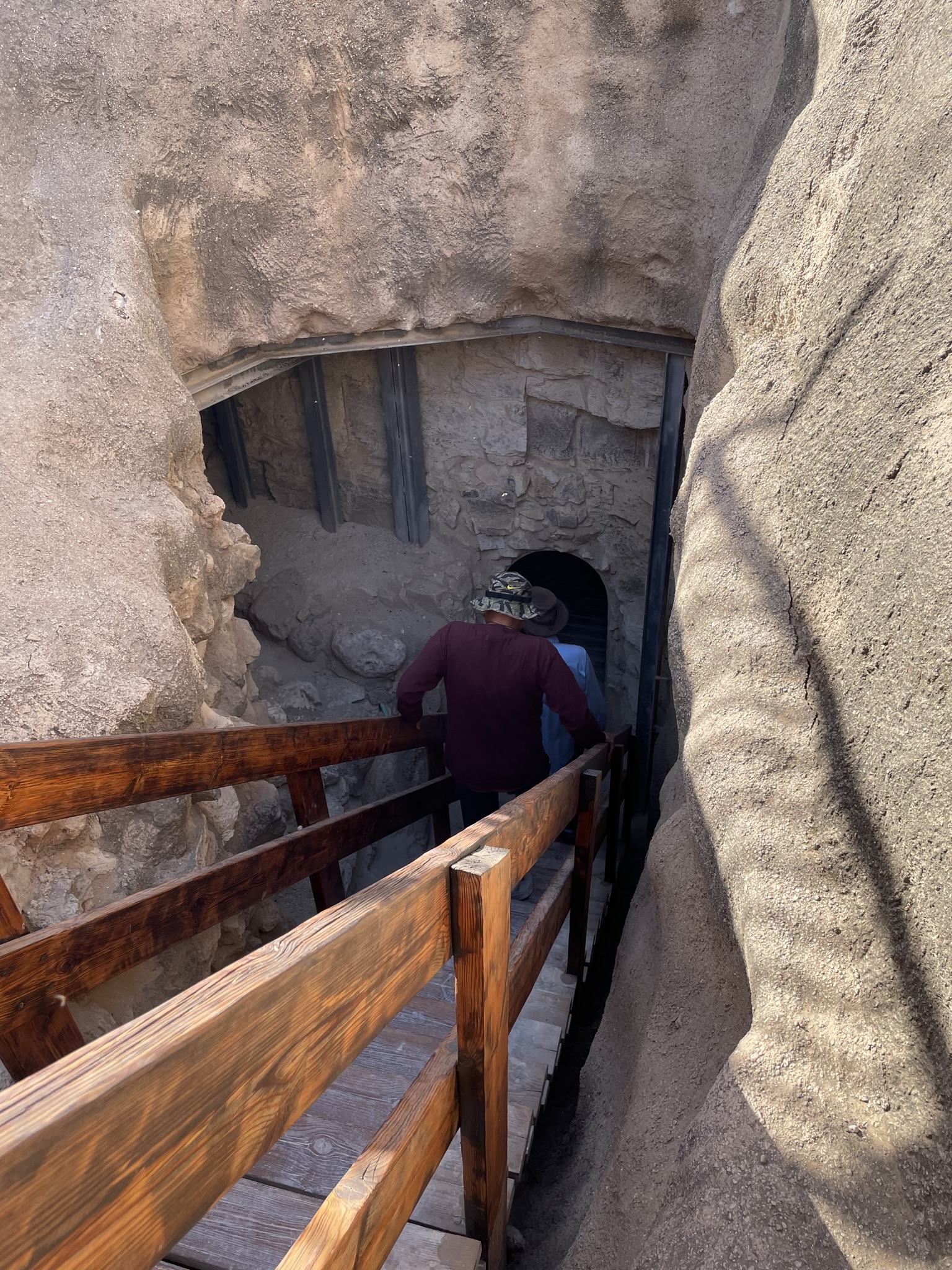
One of the things you come to look for at ancient sites in Israel are the cisterns. Because of the lack of water in the land, in order to survive the hot, dry spring and summers, occupants of the land carved cisterns out of the rock. The water would be captured and routed to these underground storage places. This is our first cistern of the trip, but it will certainly not be our last.
Steps into the cistern – Beit ShemeshCistern – Beit ShemeshCisternPlaster on walls of cistern to help keep water from leaching into the LimestoneInside the cistern
We just returned from our second tour to Israel with Rooted in His Word. The tour, Dan to Beersheva, was a success despite the hurdles that we had to overcome to get to Israel. First of all, there was the two-year wait. The immediate hurdles included insurance for Covid, the entry form and then the PCR test before leaving the United States and then the PCR test upon entry into Israel. I can say that I had more Covid tests in the two weeks surrounding my trip to Israel than I ever had before. But looking past all of that, I can tell you that it was worth it. It will always be worth whatever the cost to get to the Holy Land and be inspired in your walk of faith with the one true God, the God of Abraham, Isaac and Jacob.
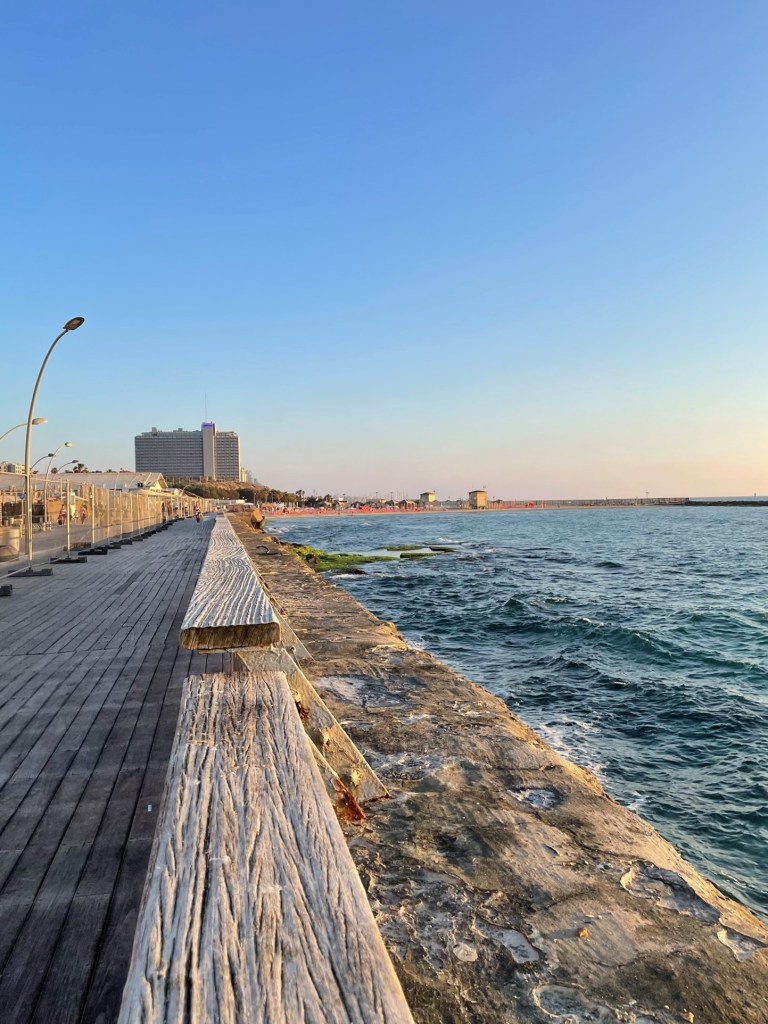
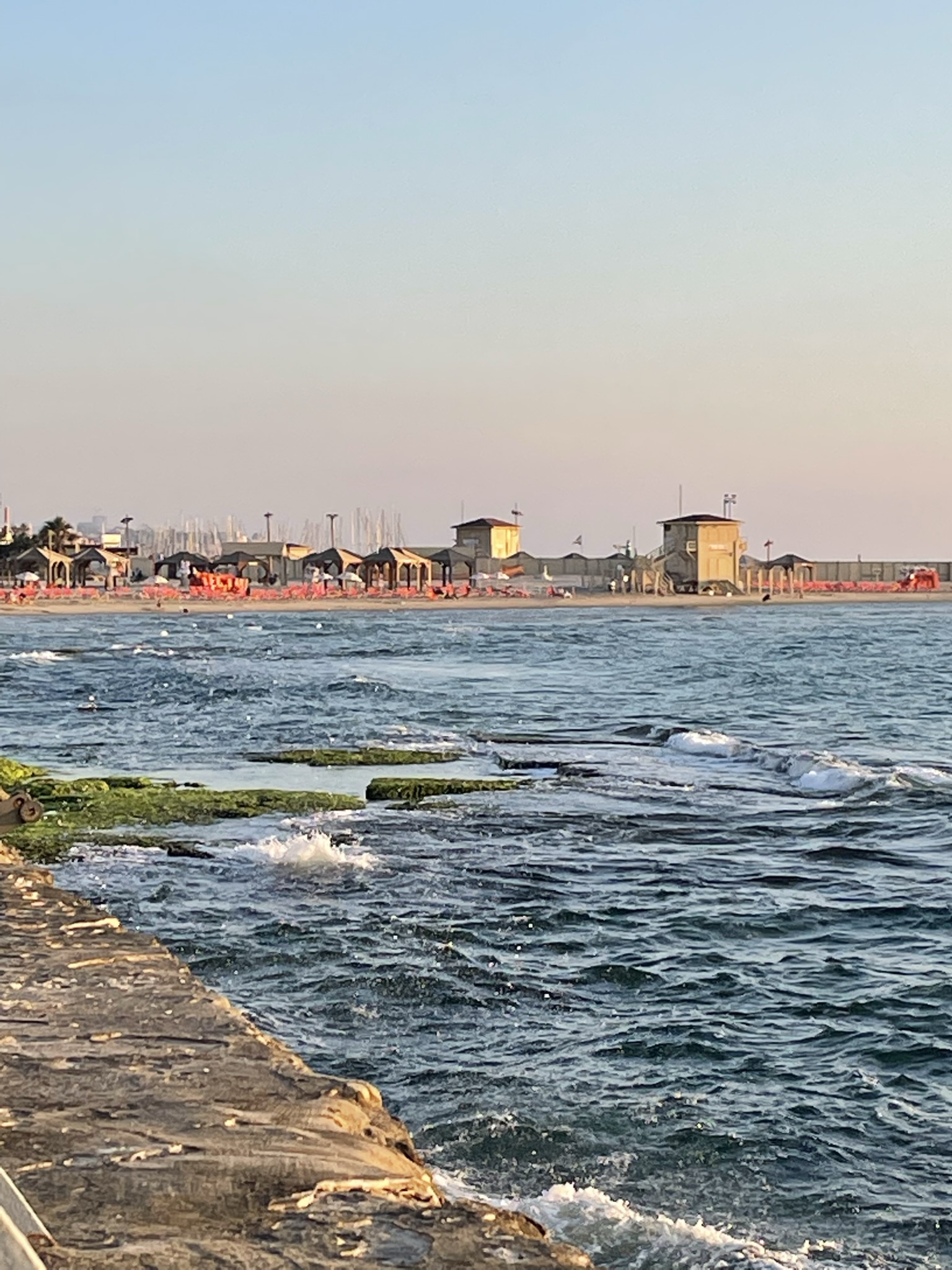
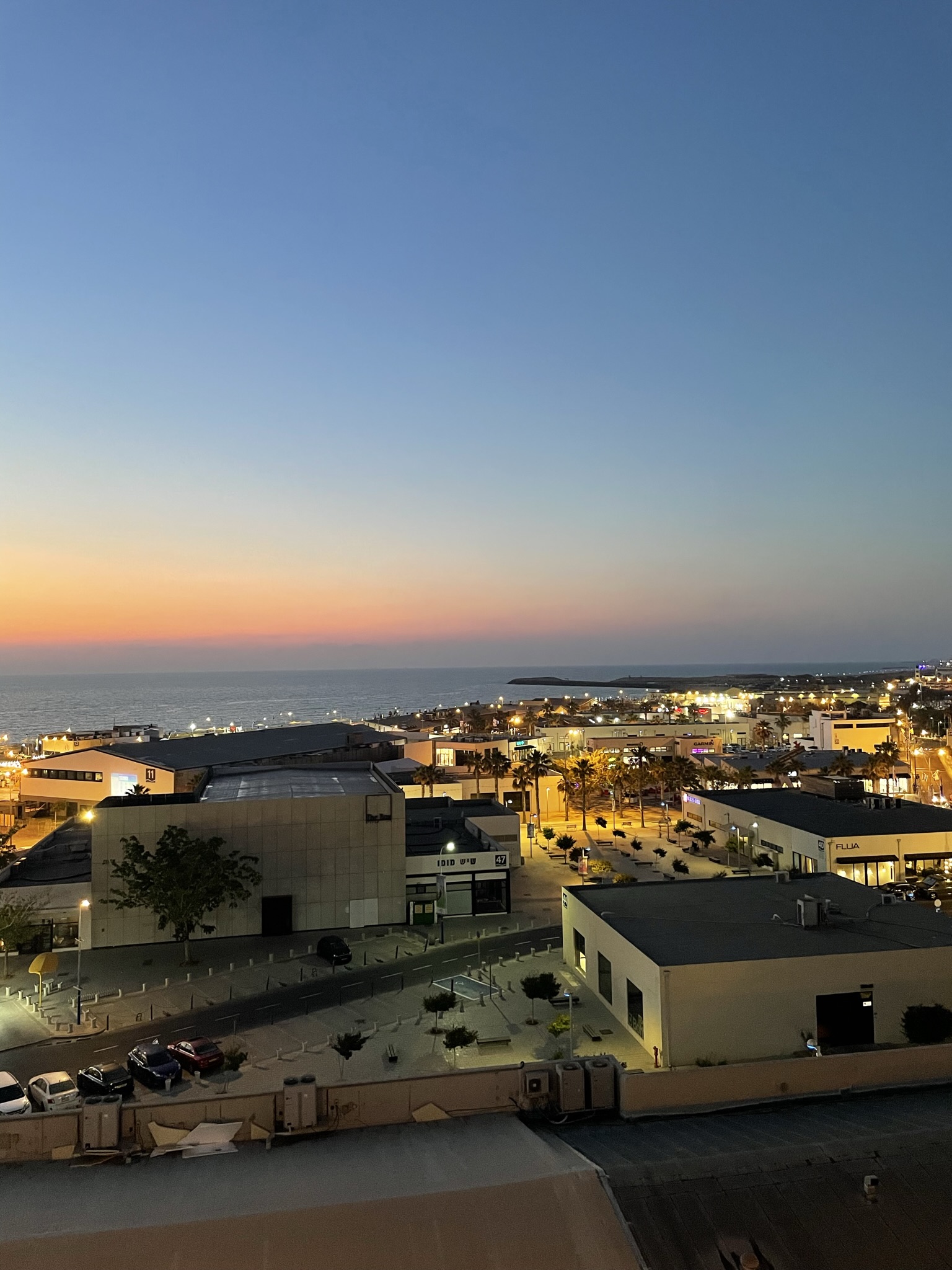
Before getting started on our journey across, through and over the land of the Bible, we spent our first night in Tel Aviv. After a fourteen-plus hour direct flight (which is the only way to fly there), the Mediterranean offers just the balm for the soul that you need. We had dinner at one of many restaurants along the water front. It happened to be a kosher restaurant, but there were other options. Overnight we stayed a cute little boutique hotel a couple blocks from the port of Tel Aviv.
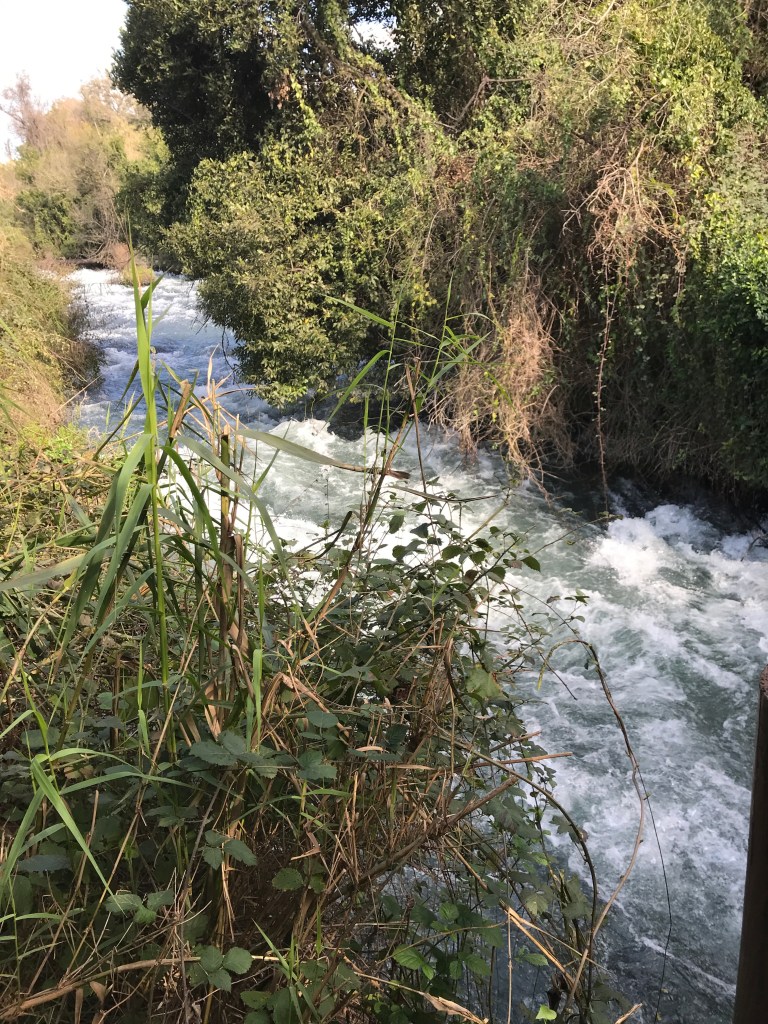
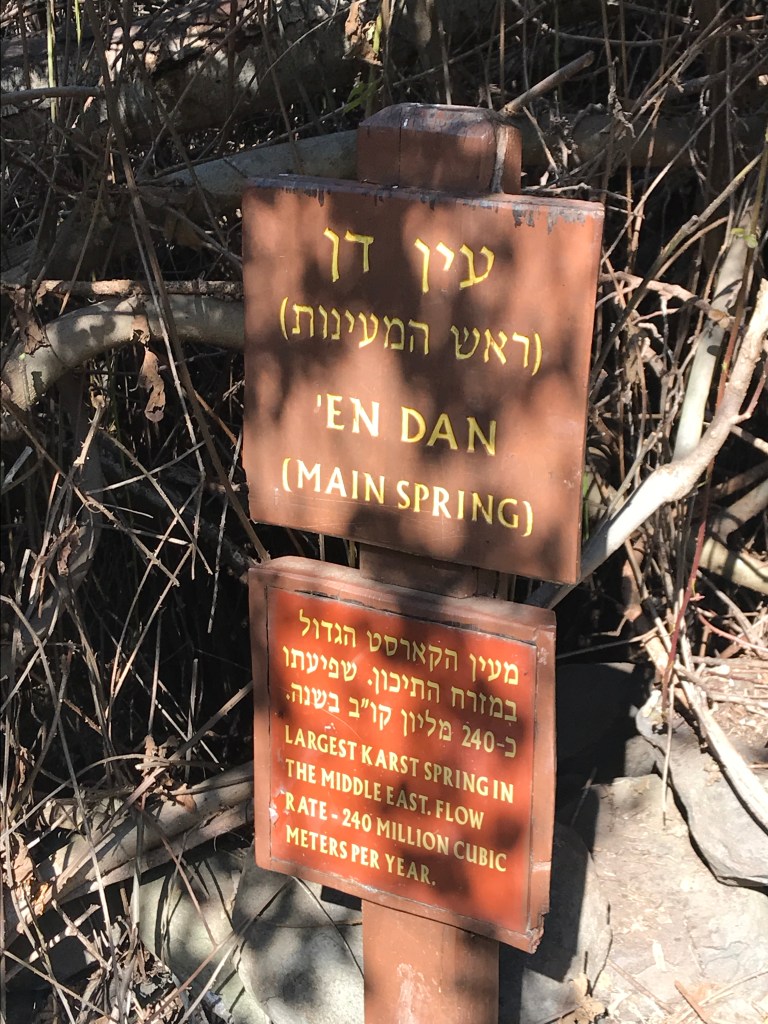
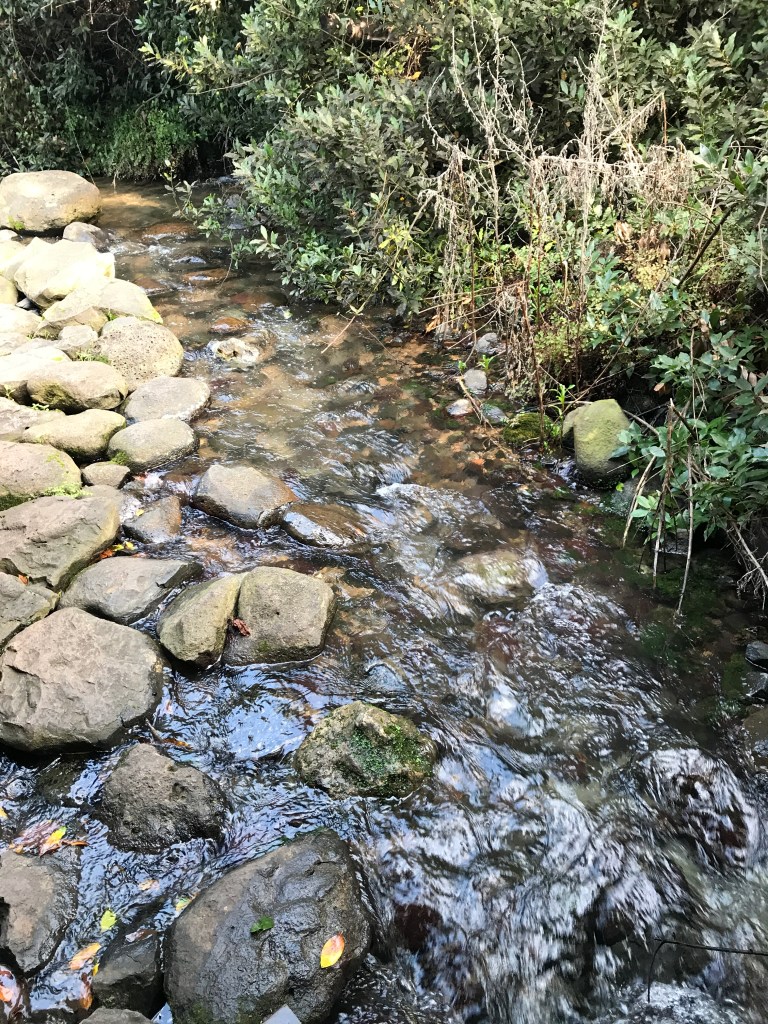
One of the farthest points you can travel in modern Israel is Dan. As you make your way north from Jerusalem or the Sea of Galilee to Tel Dan, the border with Lebanon is within sight. Conflict along this border has continued for many years. Hezbollah, which was designated a Foreign Terror Organization by the U.S. State Department, is a terrorist organization backed by money and resources from Iran which does not believe in the legitimacy of Israel, and seeks its total destruction. When you visit the area, you will see that Israel’s enemies are very close to her, and it is only through diligence that Israel is able to keep the enemies at bay. Dan and the surrounding area has many natural springs. One of three springs that feeds the Jordan is located near the ancient city of Dan (Tel Dan). It is a beautiful area all year round with lush greenery, trees, and rushing water. The city of Dan was formerly called Laish or Leshem. The Bible describes the people of Dan brutally defeating the people of Laish and burning the town to the ground and then building their own town on the same spot (Judges 18:7) The city is mentioned approximately twenty-four times in the Hebrew Bible (Old Testament) and it was typically the first city to be lost to invaders from the north because of its location very close to the northern border.
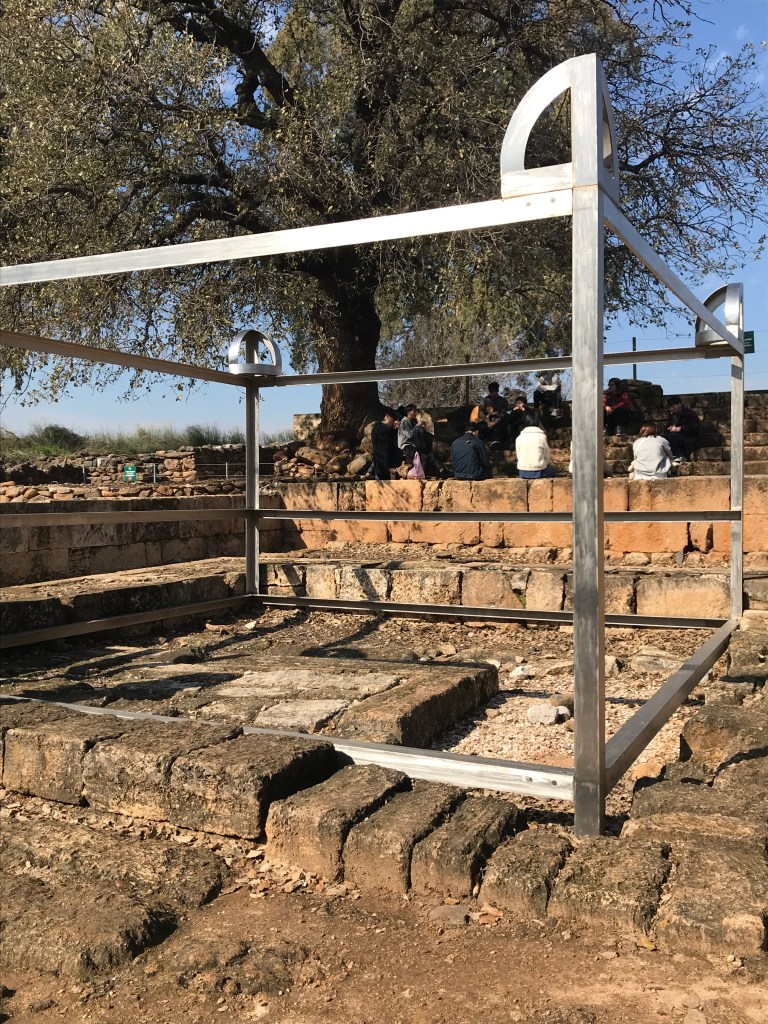
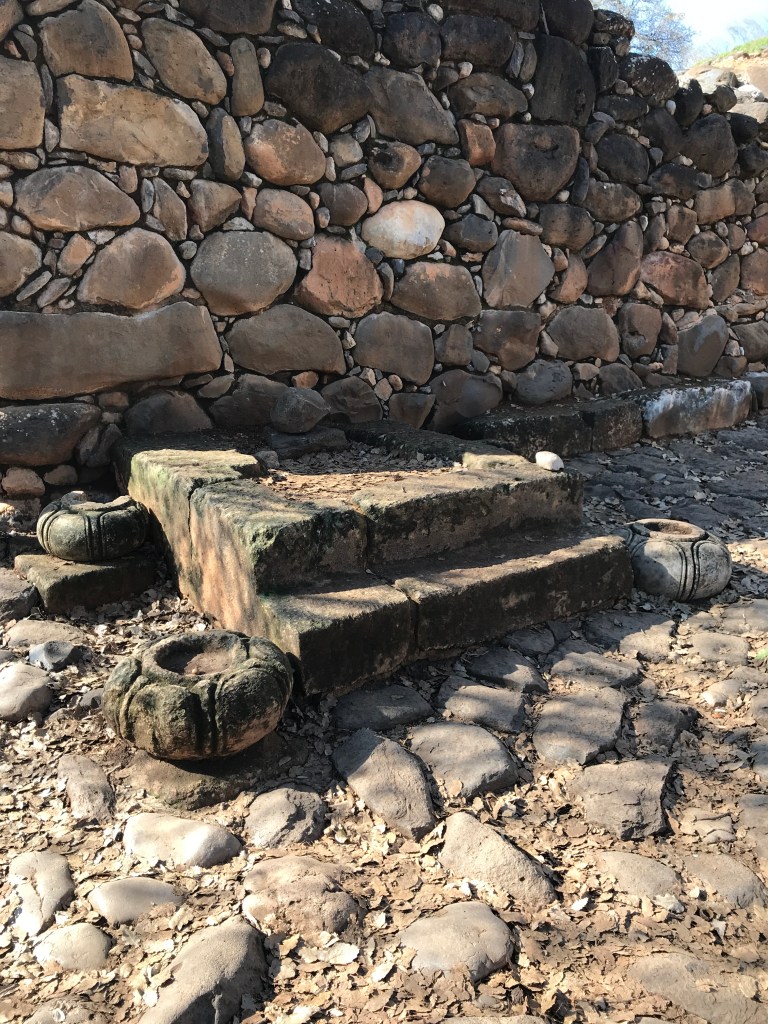
DanDanLocation of the golden calf – place of false worship. The metal frame is meant to give you an idea of how big the altar would have been.The seat of the chief elder of the town at the gate of the city. Close up of the gate – dating from approximately 1750 BC. (the time of Abraham)“Abraham’s Gate” at Tel Dan
You can visit our website or email us for more on upcoming trips to Israel. If you are looking for additional information and/or materials, please visit our website at RootedinHisWord.org and our Facebook page.
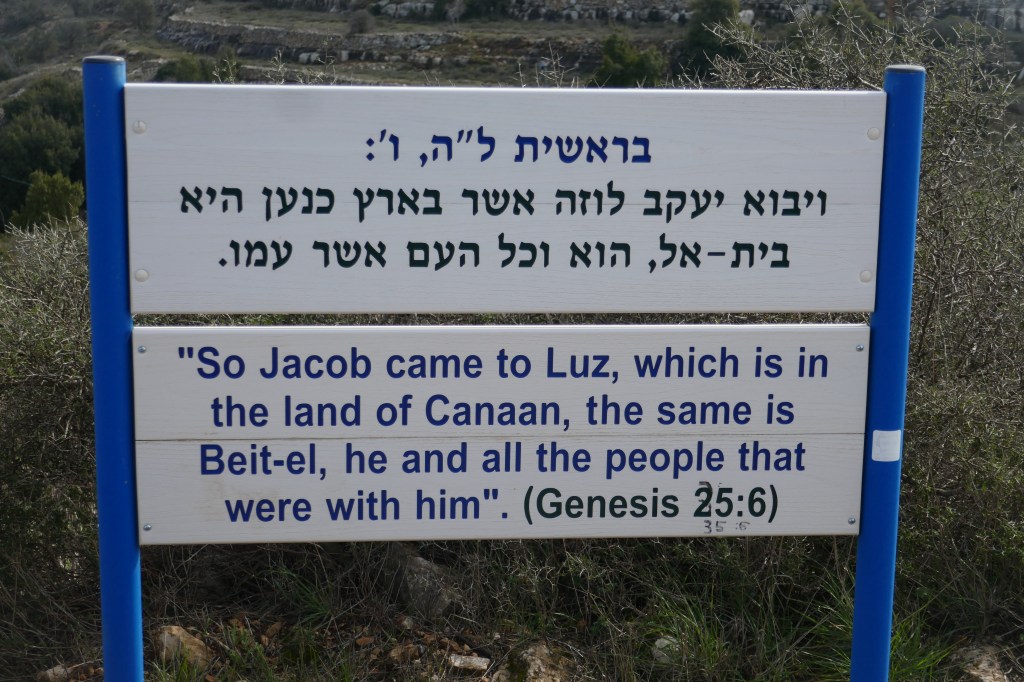
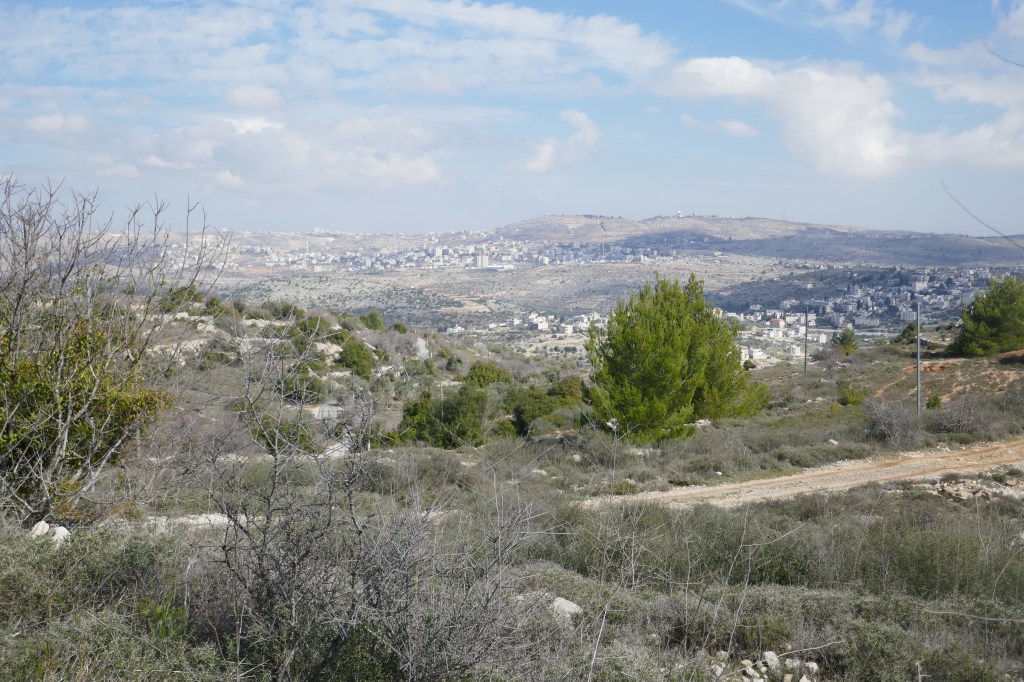
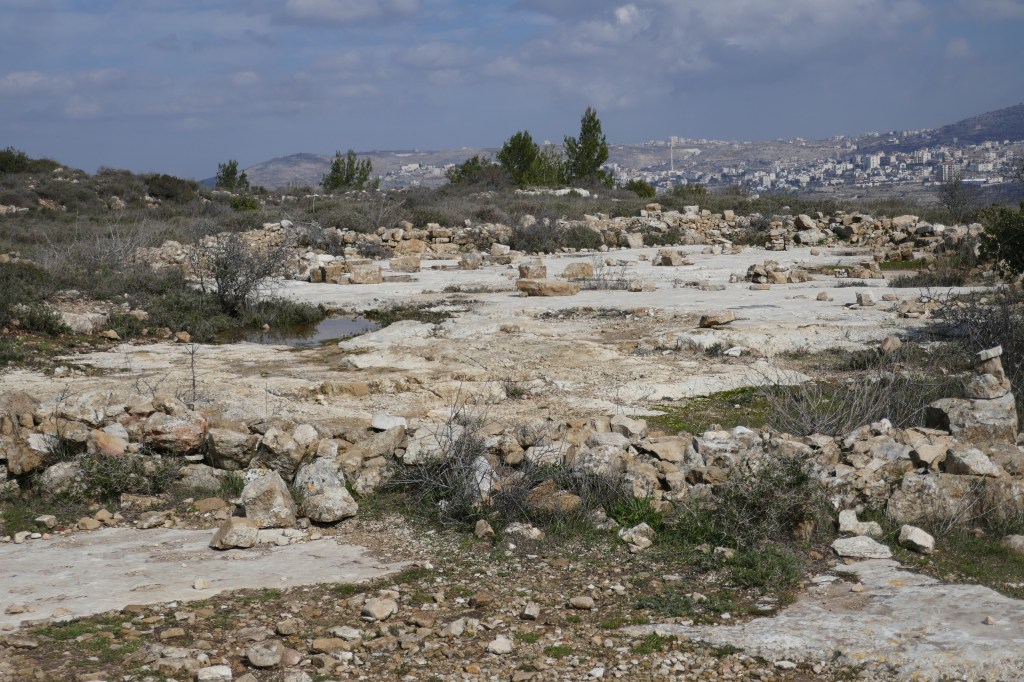
Bethel (“house of God”), formerly known as Luz, is a town located in the land of Canaan, the land given to the tribe of Benjamin. Bethel is mentioned seventy-one times in the Hebrew Bible (Old Testament). The only city mentioned more times is Jerusalem. That information alone speaks volumes about the importance of Bethel to the Bible narrative. Bethel is where Jacob saw the ladder ascending and descending from heaven and where God blessed him. We’re told in Judges 4:5, that near Bethel is where Deborah sat and heard the people when she was the Judge of Israel.
Coming upon the story of David and Goliath in our study of 1 and 2nd Samuel, I was reminded of my recent visit to Tel Azeka in Israel.
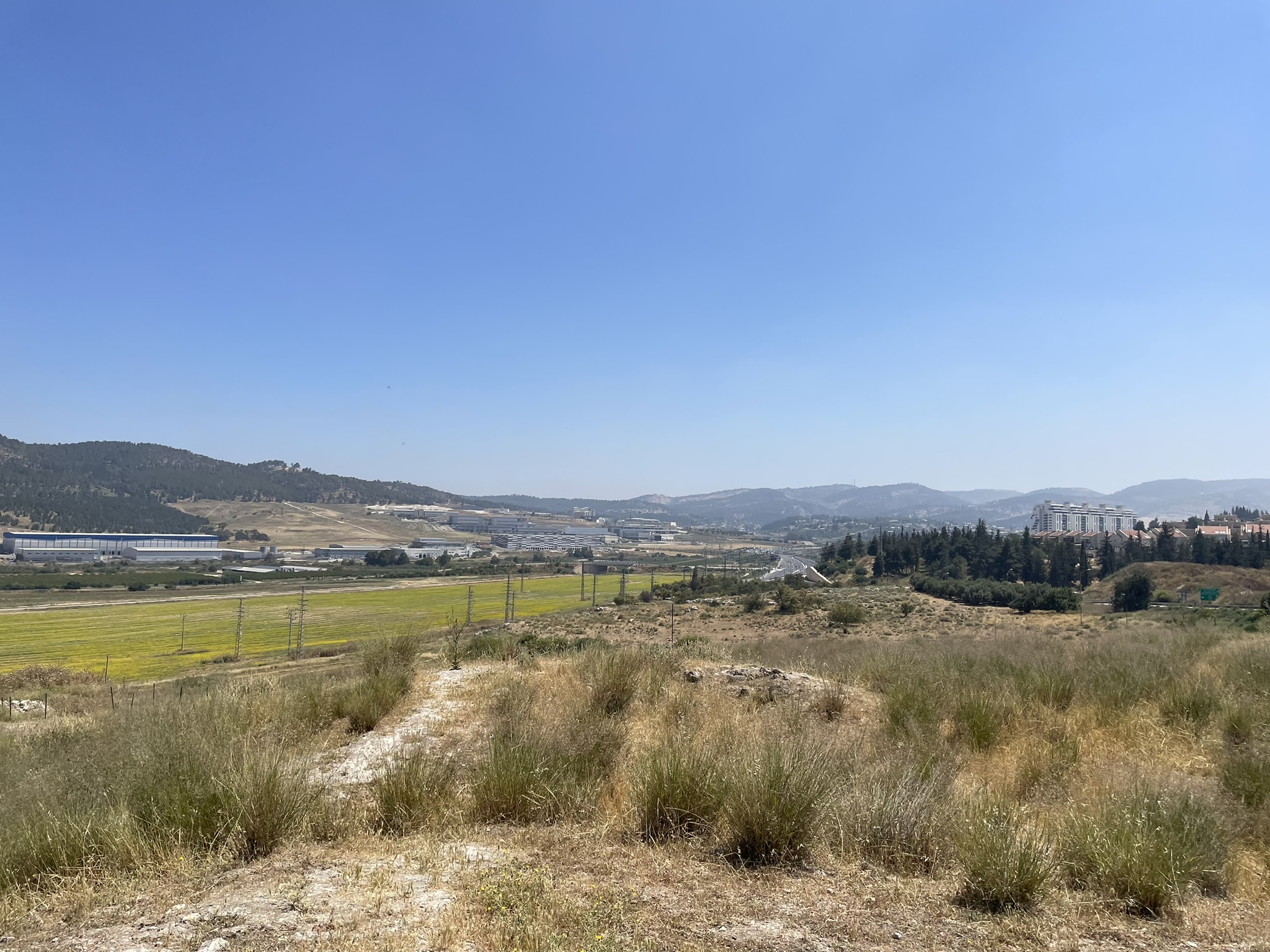
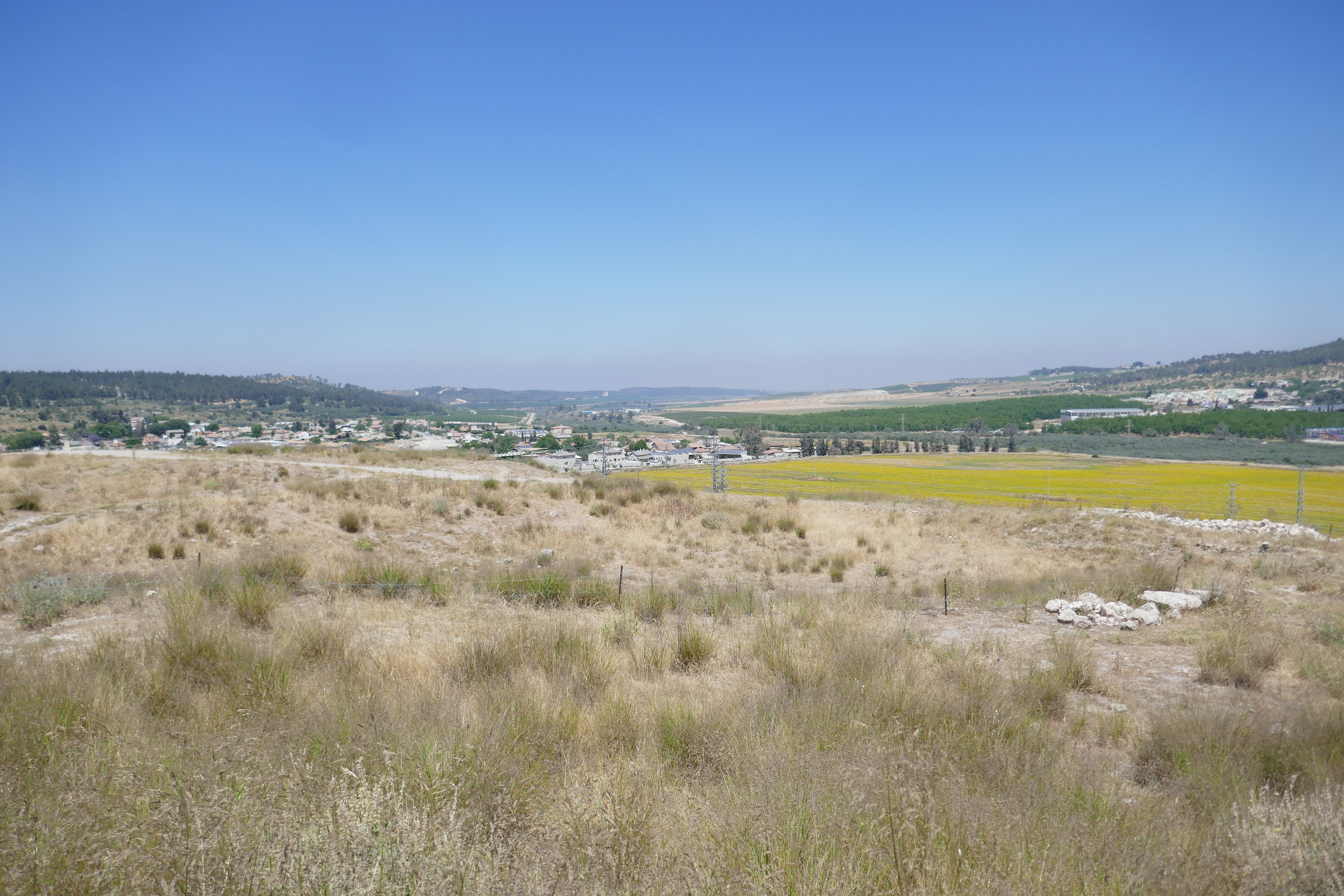
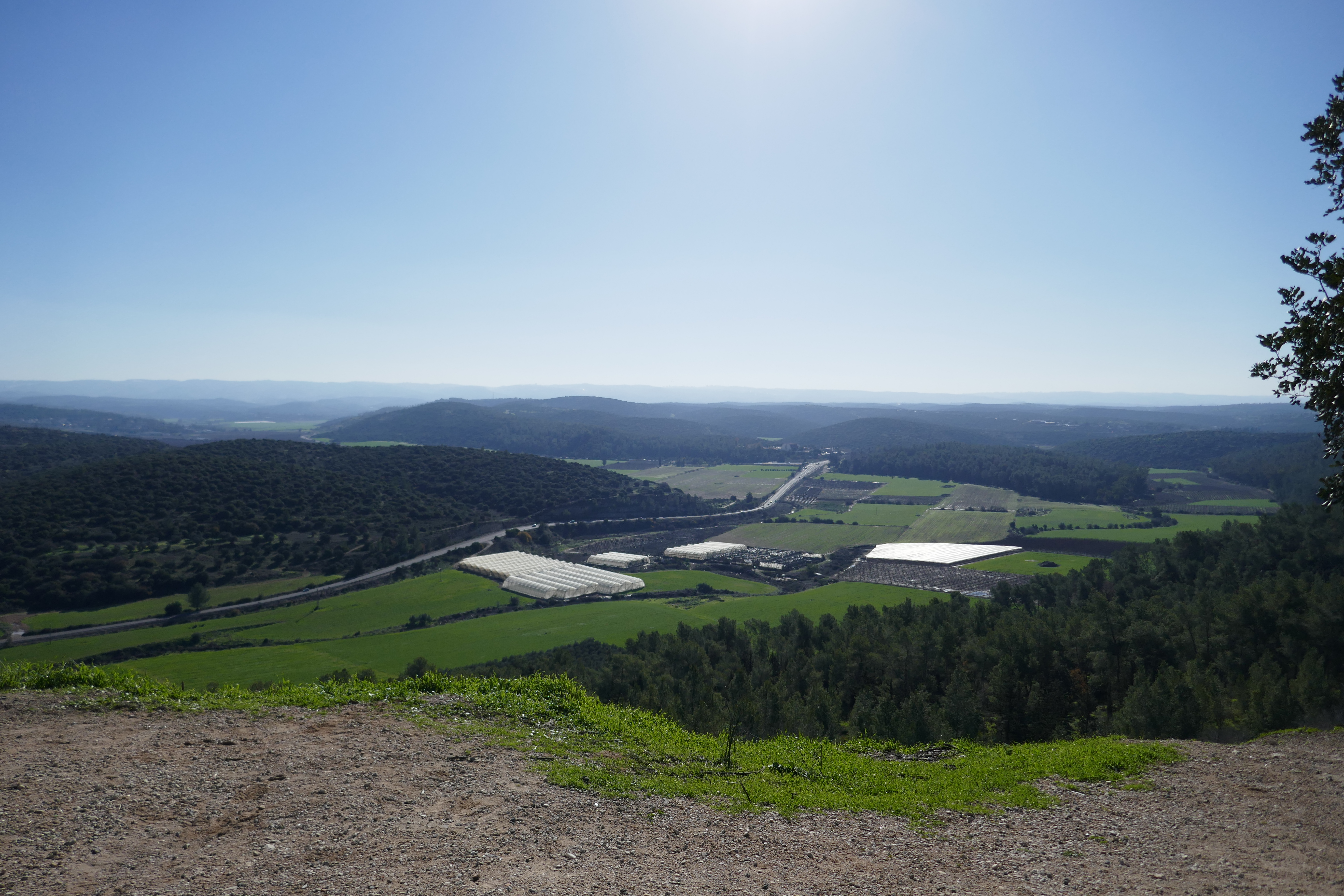
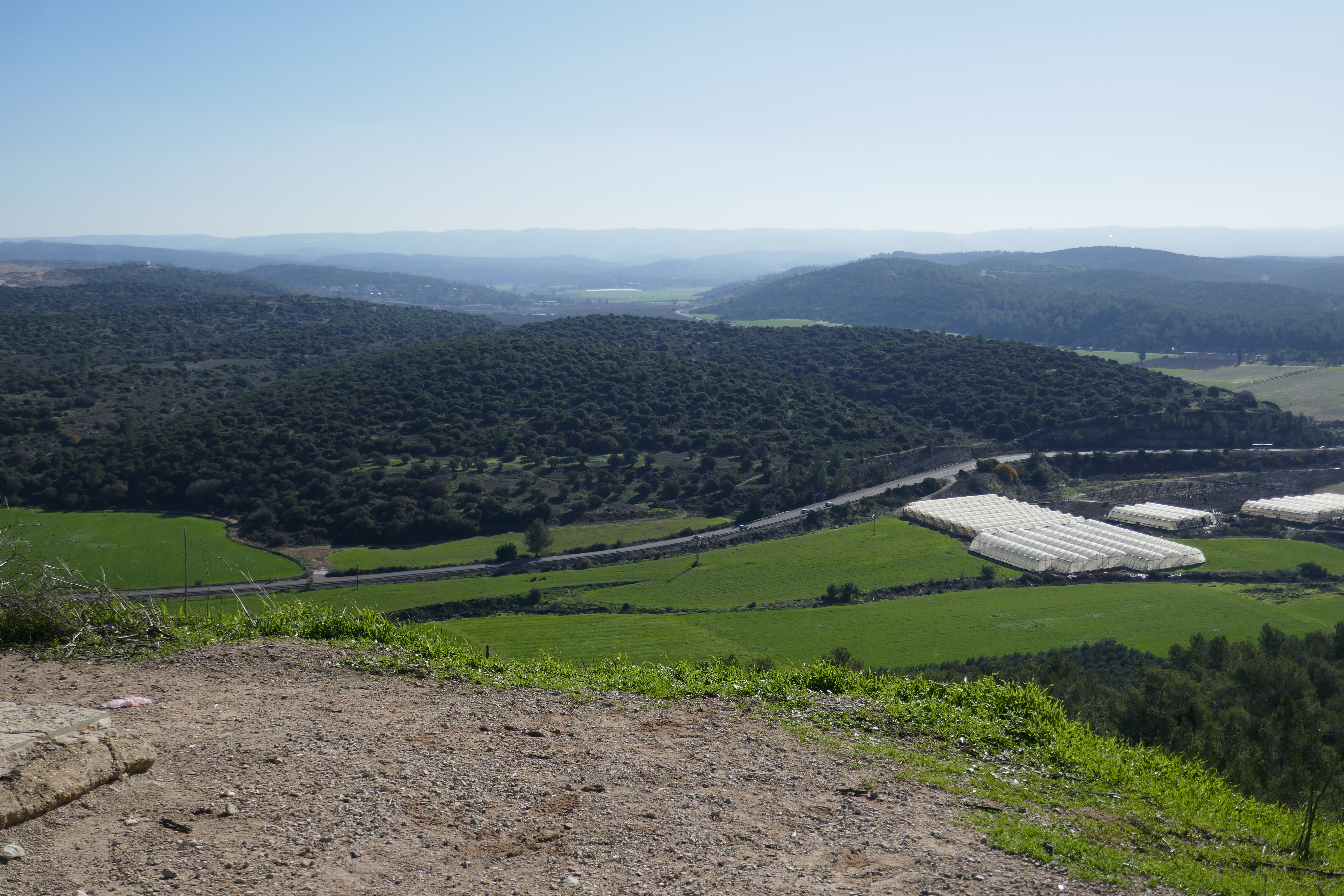
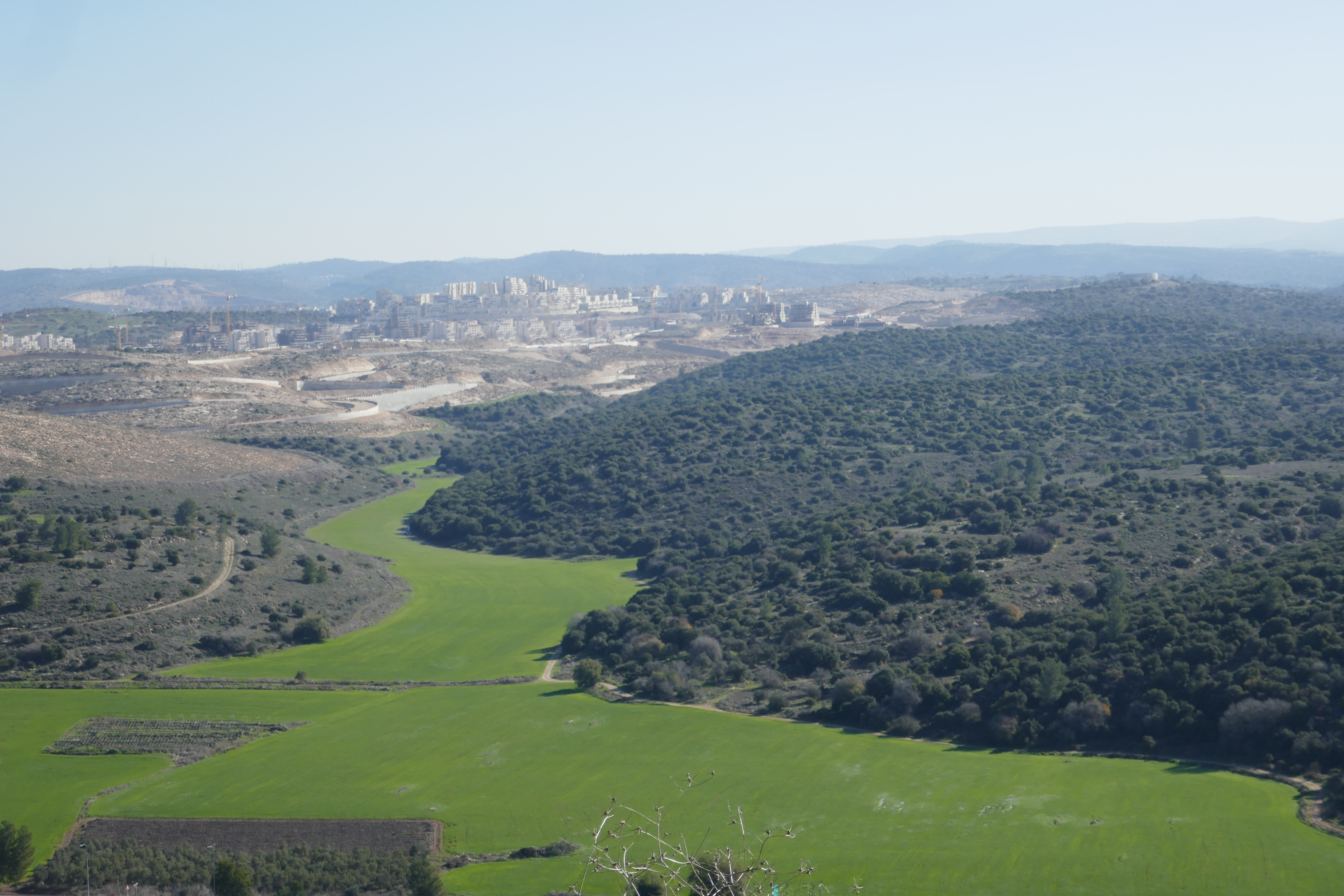
Tel Azeka gives us a vantage point over the valley of Ela (Elah), the area where the story of 1 Samuel 17 took place. Looking west from the Tel, we can see where the three coastal cities of the Philistines would have been, Ashkelon (to the Southwest), Gath (the inland Capital), and Ashdod (to the Northwest).
The Philistines wanted the mountains in the area surrounding Tel Azeka because they wanted oil–olive oil. The pictures give you a glimpse of the fertile land on the low hills in this area.
View of Valley of Ela from Tel Azeka
View of Valley of Ela from Tel Azeka
View from Tel Azeka
From the photos above, you can view the valley of Ela (Elah) where the armies of Israel met the armies of the Philistines. The open area between the hills is where the armies were faced off.
Being on that Tel, it wasn’t hard to imagine the scene that day. It was probably sunny and bright as it was the day we visited. David would have traveled down from Bethlehem to bring supplies and to get news for his father.
The story opens . . .
Now the Philistines gathered their armies for battle and were assembled at Socoh, which belongs to Judah; and they camped between Socoh and Azekah, in Ephes-dammim. Saul and the men of Israel were gathered together and they camped in the Valley of Elah, and assembled in battle formation to meet the Philistines. The Philistines were standing on the mountain on one side and Israel was standing on the mountain on the other side, with the valley between them. I Samuel 17:1-3.





















 Rooted and Grounded