Feeds:
Posts
Comments

Songs of Ascent

Read Psalm 118:26. Those with Jesus on the Palm Sunday road that day are singing part of what are called “The Hallel” (the Songs of Ascent – sung during the Ascent up to Jerusalem for the feasts which occurred 3 times per year) which consists of Psalms 113-118, which were sung during Passover season. You will recall that our story is taking place during the Passover Season (Feast of Unleavened Bread). The songs would have been on everyone’s mind. “Hosanna!” means “O Save!”

  1. What does Deuteronomy 16:16 say about the requirement of the people to come to the temple in Jerusalem?
  2. Copy the following portions of Hallel Psalms to give you an idea of what the people would have been singing and thinking about as they entered Jerusalem at this time of year. Psalm 113:2 Psalm 113:4-6 Psalm 115:9 Psalm 116:1-2 Psalm 116:12-14 Psalm 117 Psalm 118:19-21
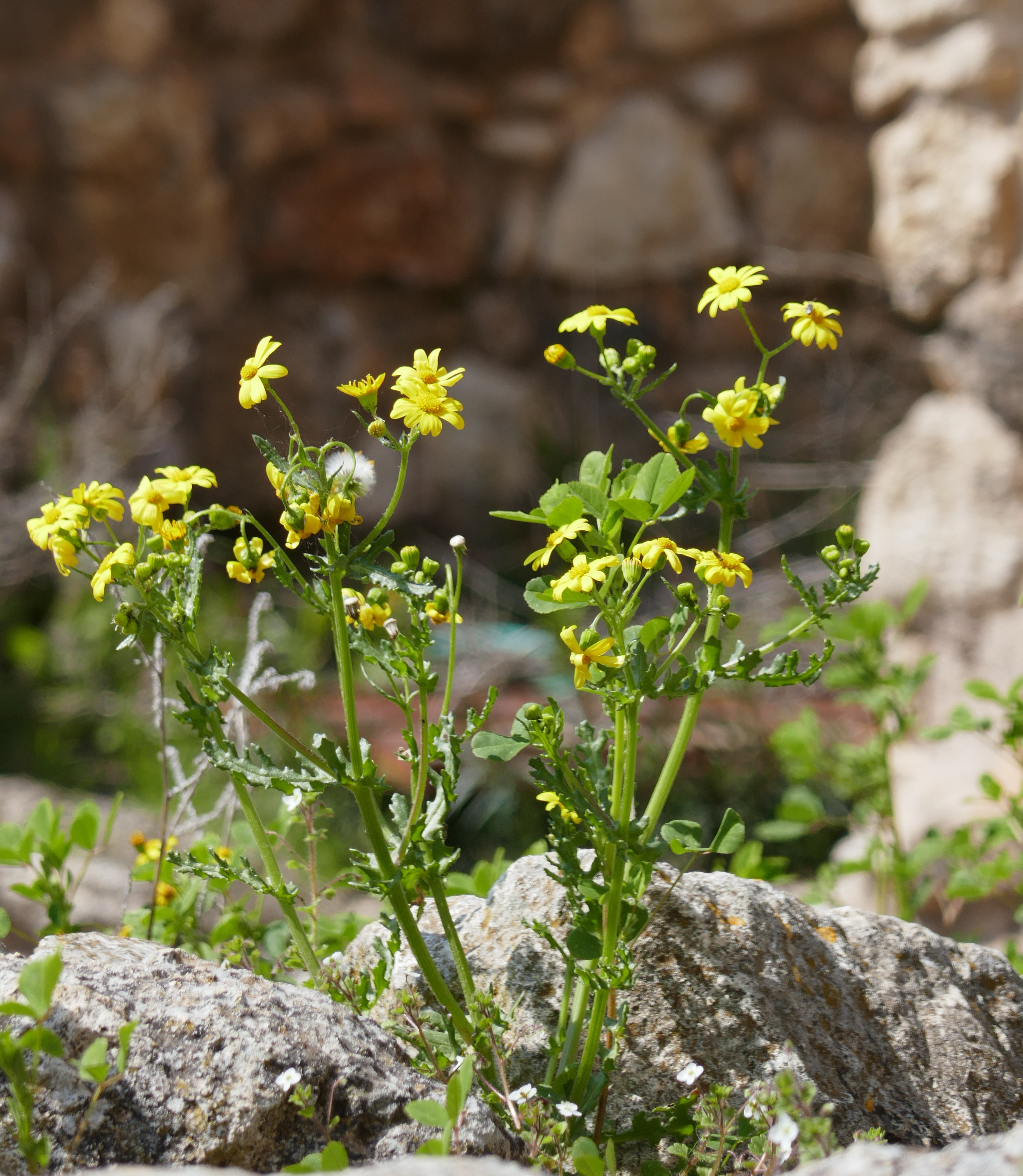
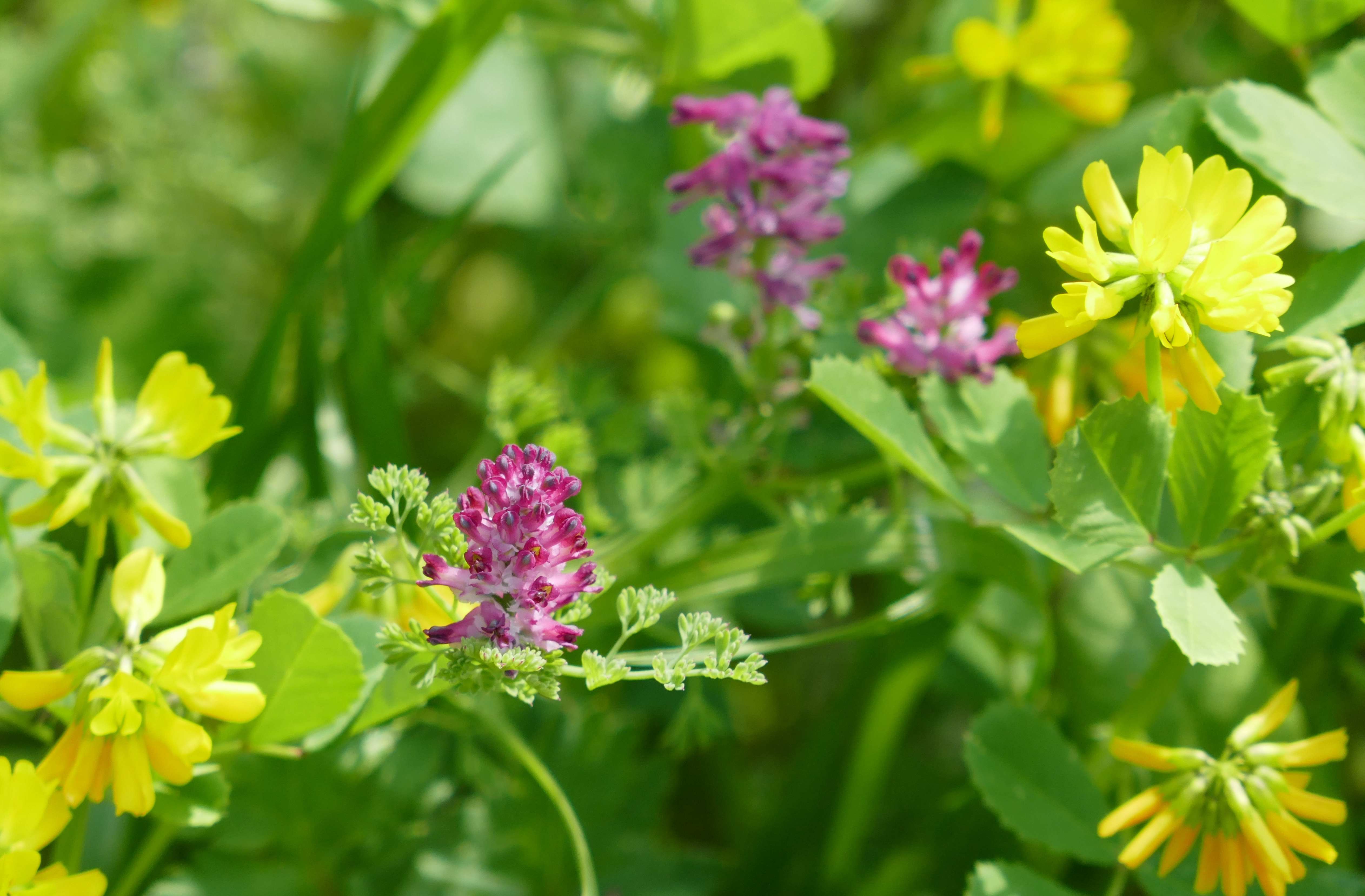
Flowers in Jerusalem
Flora – Israel
Flowers – Jerusalem

Palm Sunday

Read Matthew 21:1-11 and Luke 19:28-40.
  1. What did Jesus send two of His disciples to find?
  2. What further instructions did He give them?
  3. What did the disciples lay on the colt before Jesus sat on it?
  4. What did the multitude do as they approached the descent of the Mount of Olives?
  5. Write what Matthew 21:9 says the people were saying.
  6. What did the Pharisees tell Jesus in Luke 19:39? Why do you think they told him that?
  7. What did Jesus answer? Why?
  8. According to John’s gospel (John 12:12-16), When did the disciples understand the significance of the events?
  9. Read John 12:12-15. What additional information about the entry into Jerusalem to you learn from this passage?

Going Deeper:
Read Zechariah 9:9. Who is Zechariah writing about? Why is this important? When did Zechariah live?

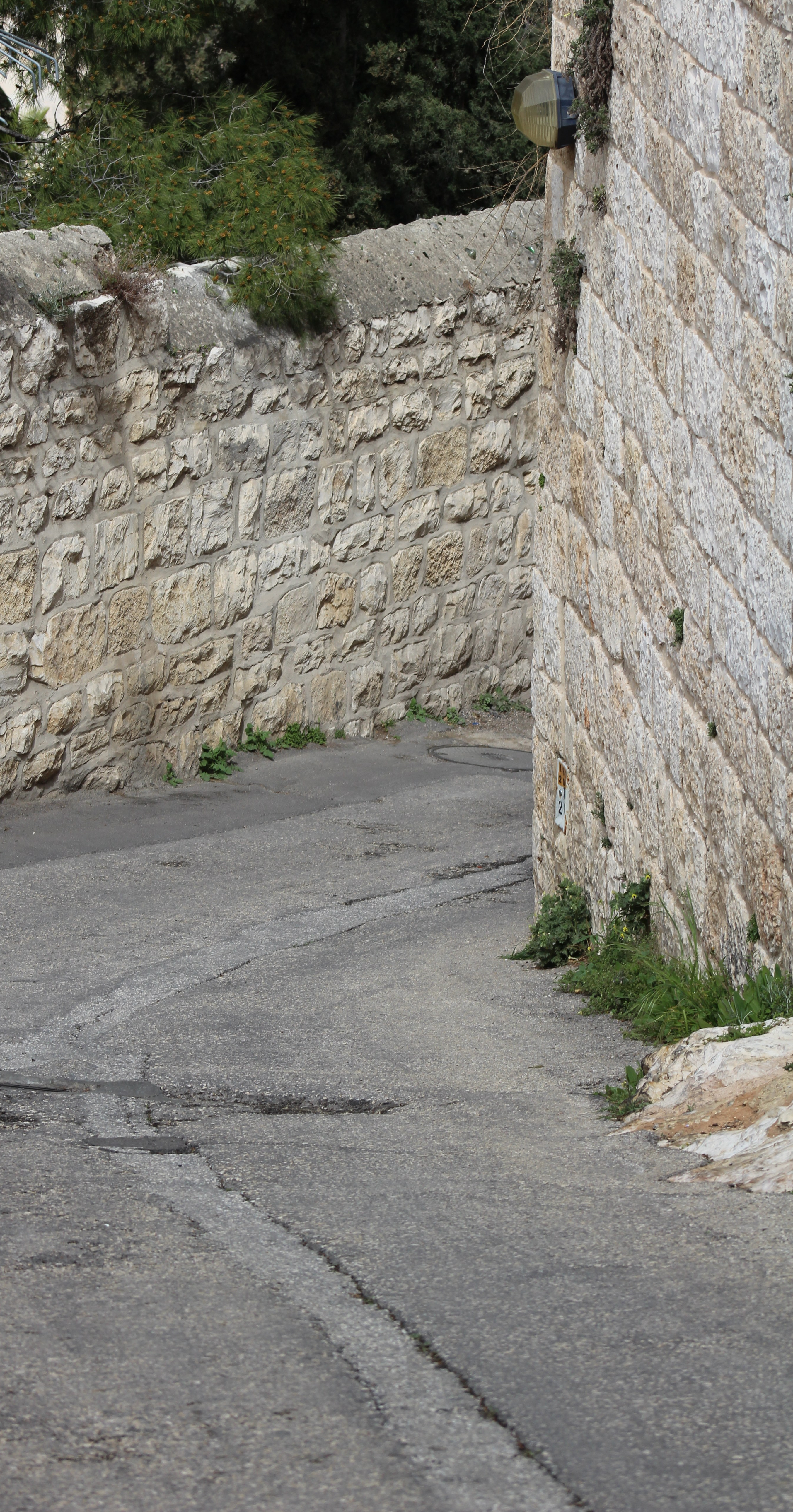
Psalm Sunday road (modern)

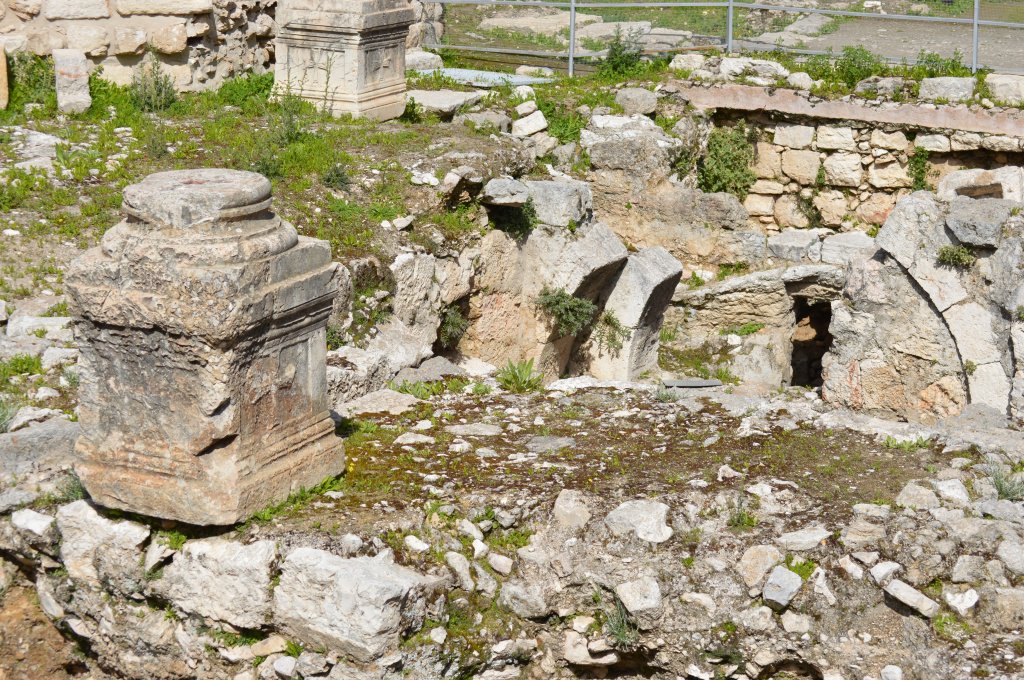
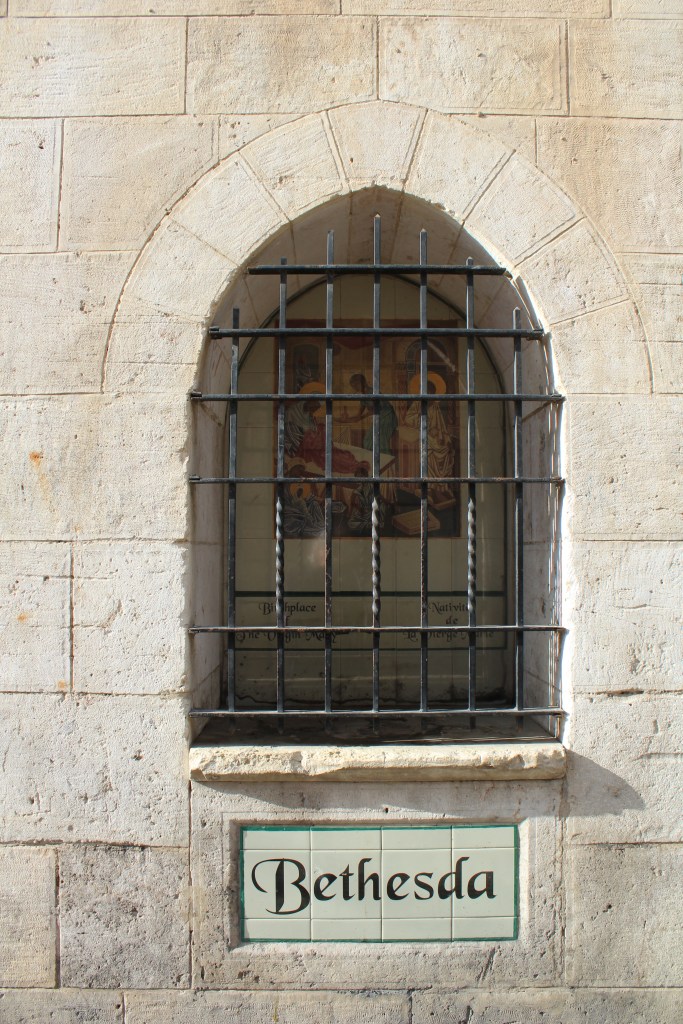
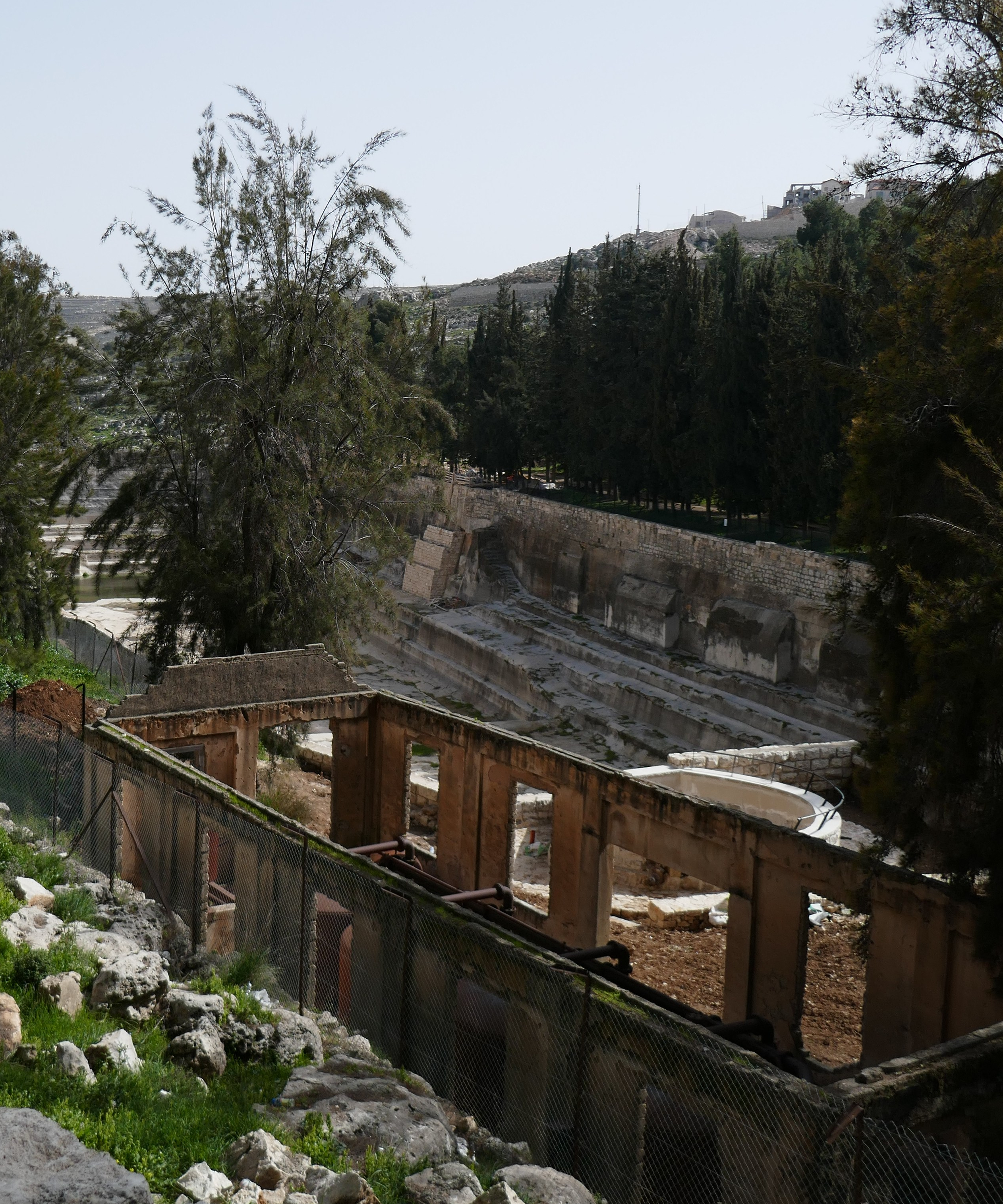
Pool of Bethesda

In John chapter 5, we find recording of a healing by Jesus where the many healed never asked to be healed.

Here’s the story:

“[T]here was a Jewish feast (festival), and Jesus went up to Jerusalem. Now in Jerusalem, near the Sheep Gate, there is a pool, which is called in Hebrew (Jewish Aramaic) Bethesda, having five porticoes (alcoves, colonnades). In these porticoes lay a great number of people who were sick, blind, lame, withered, [waiting for the stirring of the water; for an angel of the Lord went down into the pool at appointed seasons and stirred up the water; the first one to go in after the water was stirred was healed of his disease.]

There was a certain man there who had been ill for thirty-eight years.  When Jesus noticed him lying there [helpless], knowing that he had been in that condition a long time, He said to him, “Do you want to get well?” The invalid answered, “Sir, I have no one to put me in the pool when the water is stirred up, and while I am coming [to get into it myself], someone else steps down ahead of me.”  Jesus said to him, “Get up; pick up your pallet and walk.” Immediately the man was healed and recovered his strength, and picked up his pallet and walked.

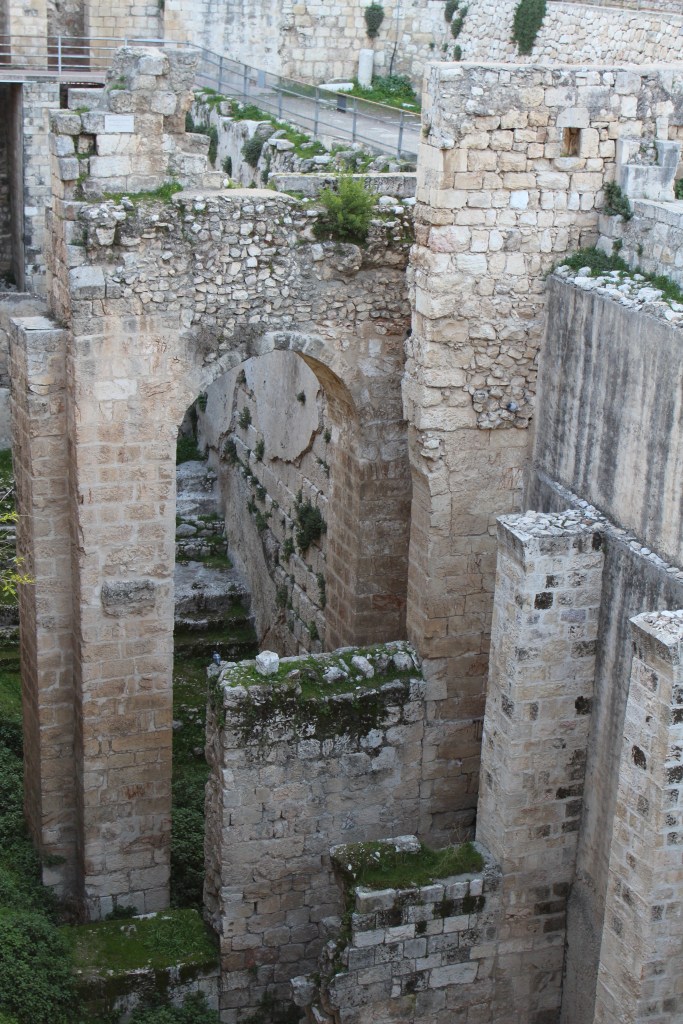
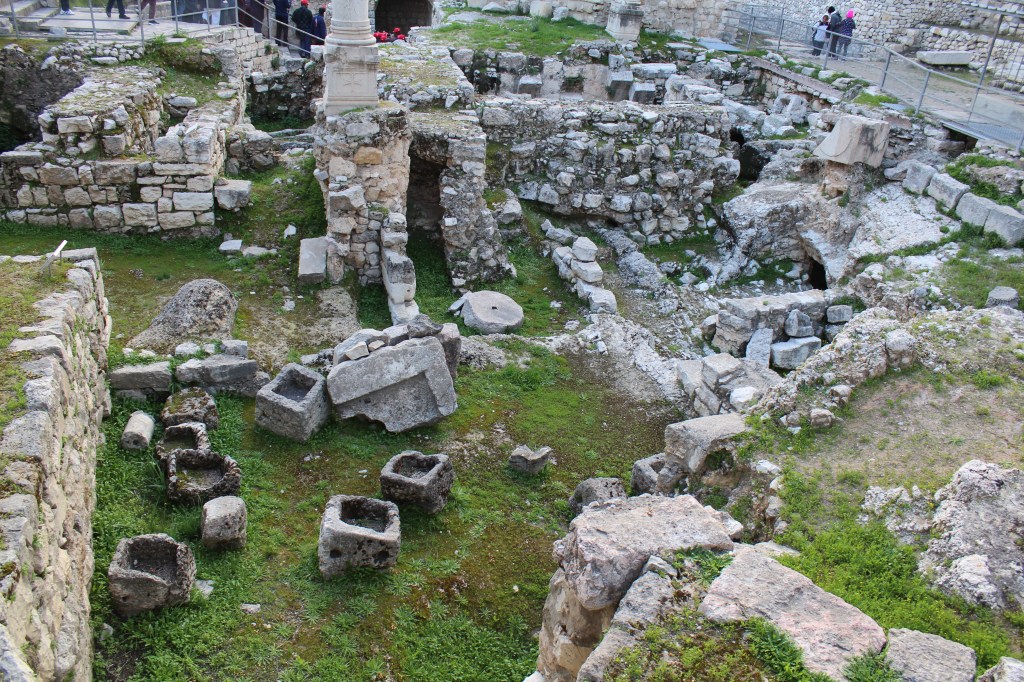
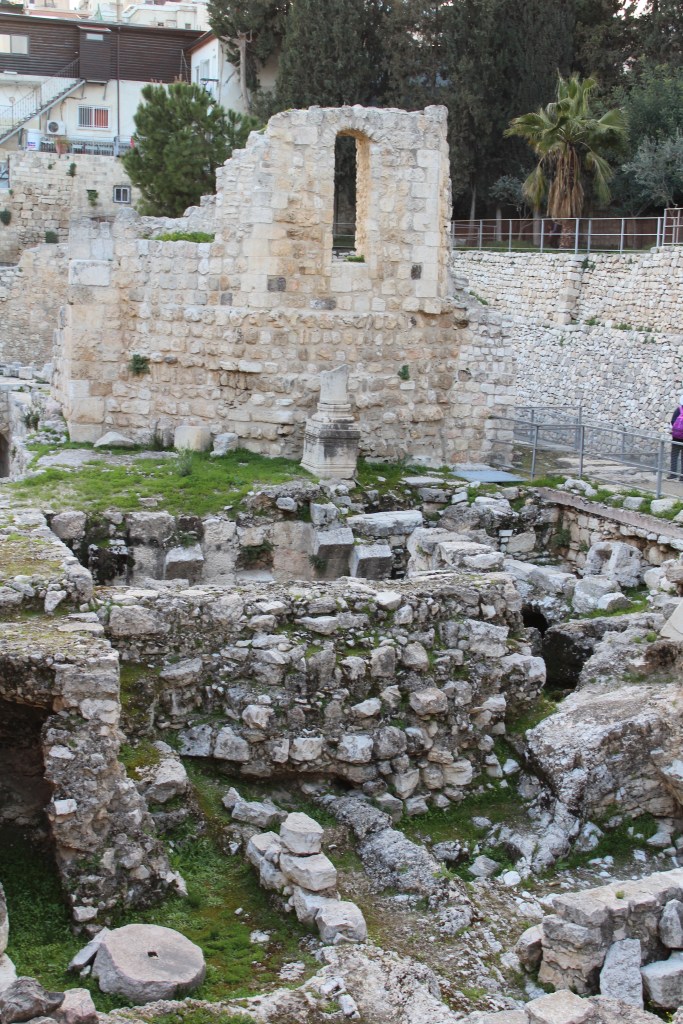
The healing took place at the Pool of Bethesda. Attached are the some photos taken on a recent trip to Jerusalem.

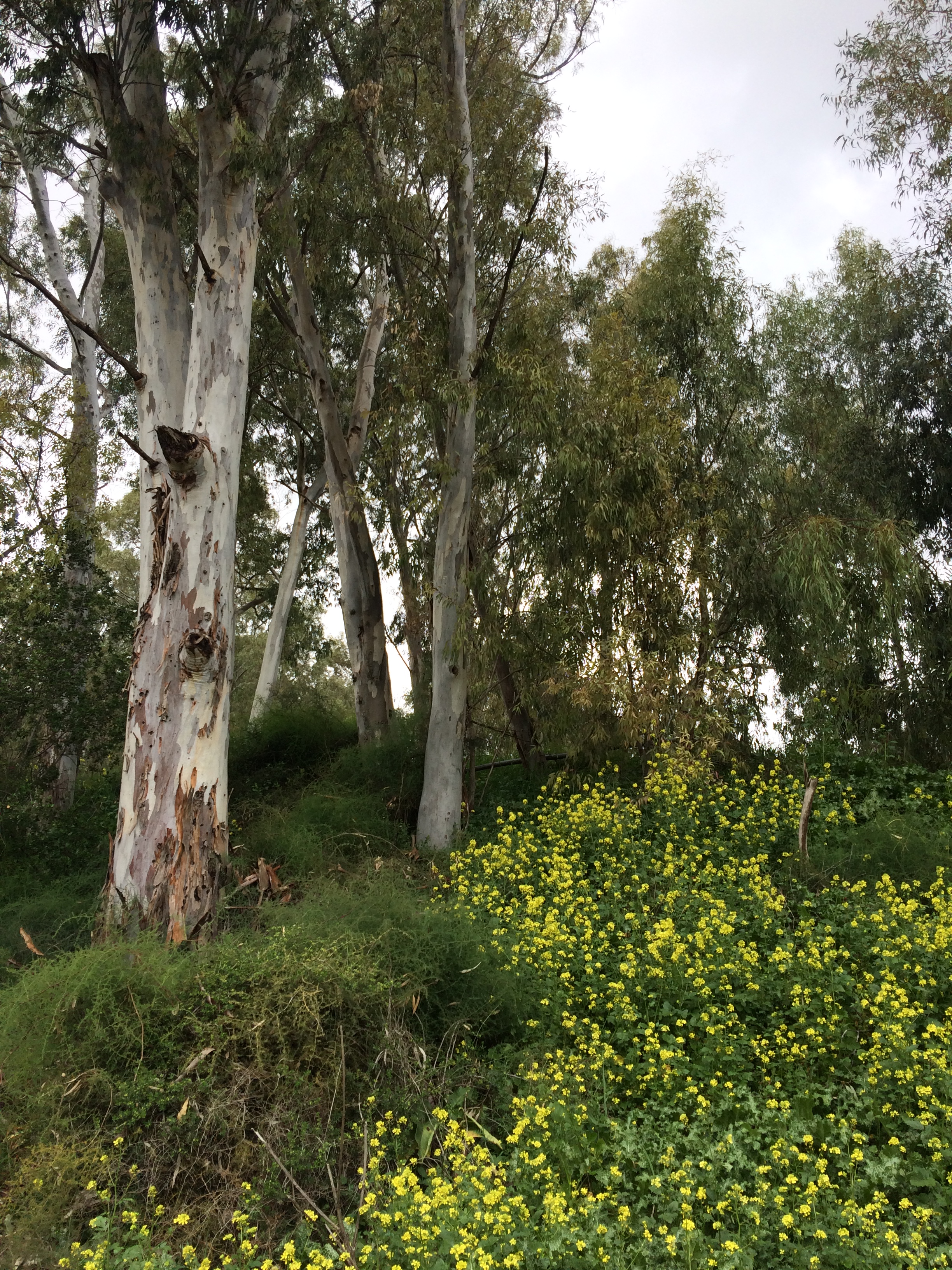
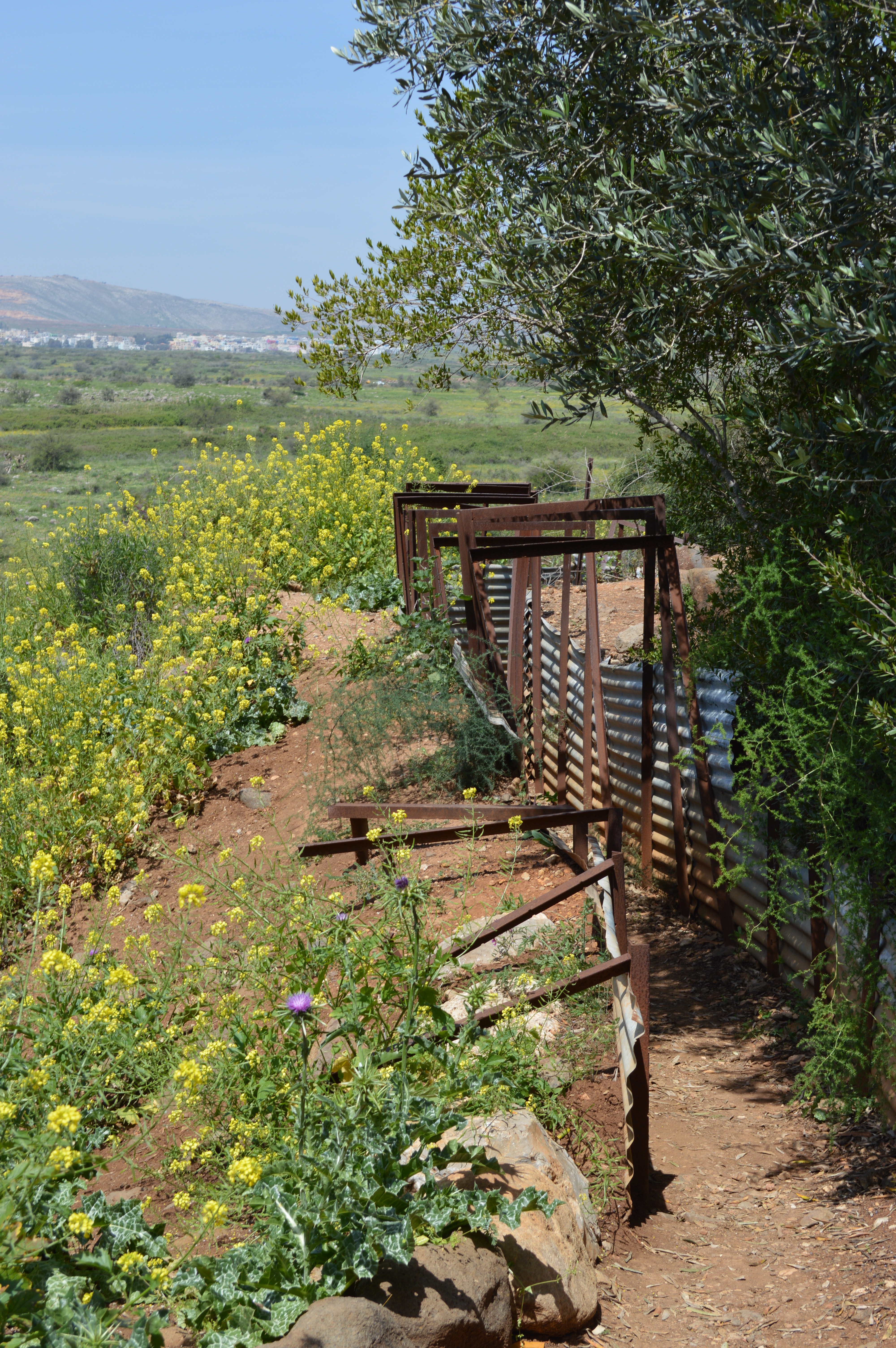
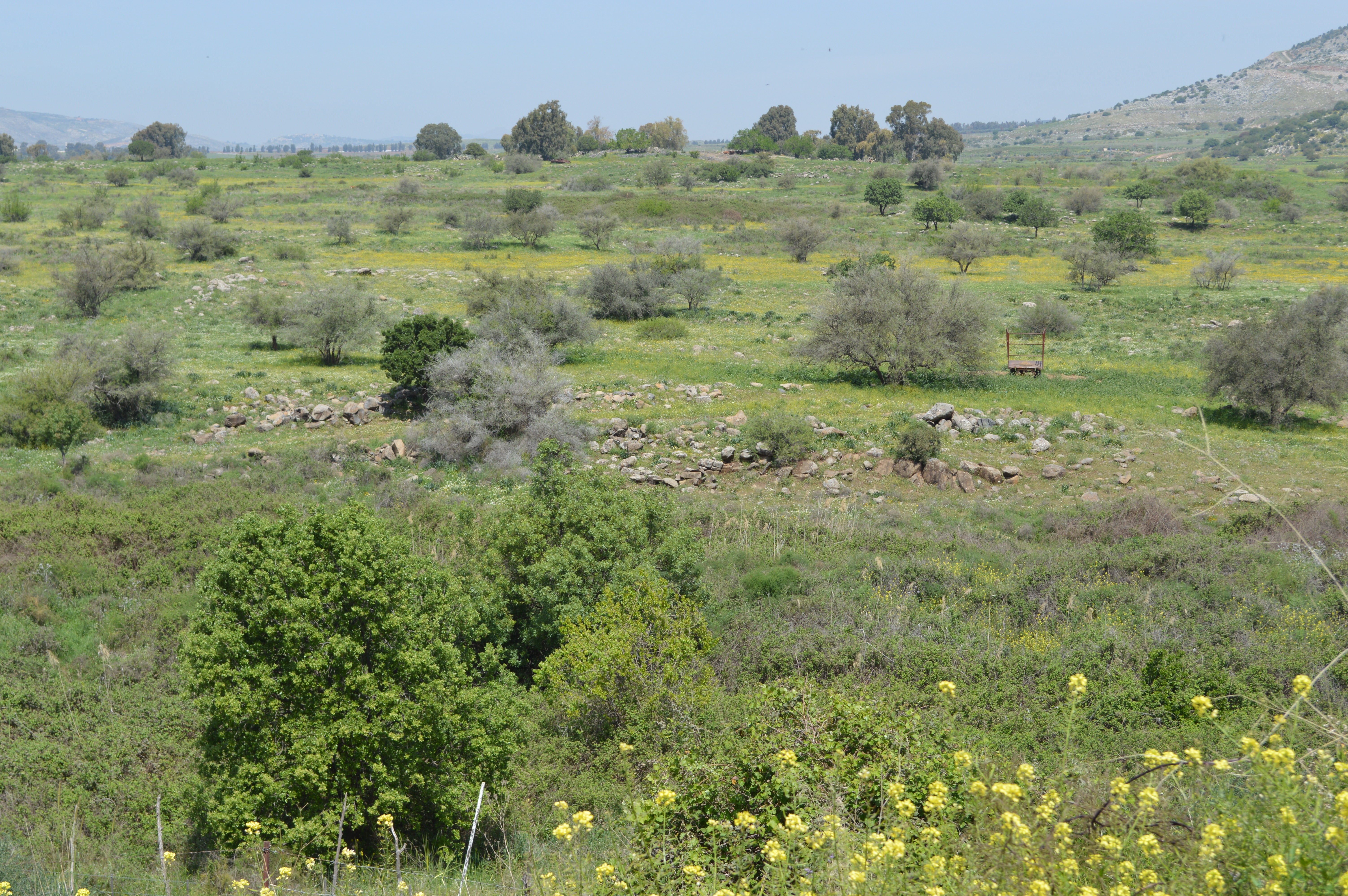
It may not be the most exciting region of Israel to the average Bible scholar, it is no Sea of Galilee or Capernaum or Jerusalem, but the North of Israel, the region of Dan, is a beautiful place to visit in the Spring when the foliage is lush and green and the mustard plant flowers are blooming, blanketing open meadows and hillsides with their bright yellow.

The area  reminds the visitor that Israel is diverse in its landscapes and geography.

IMG_5715

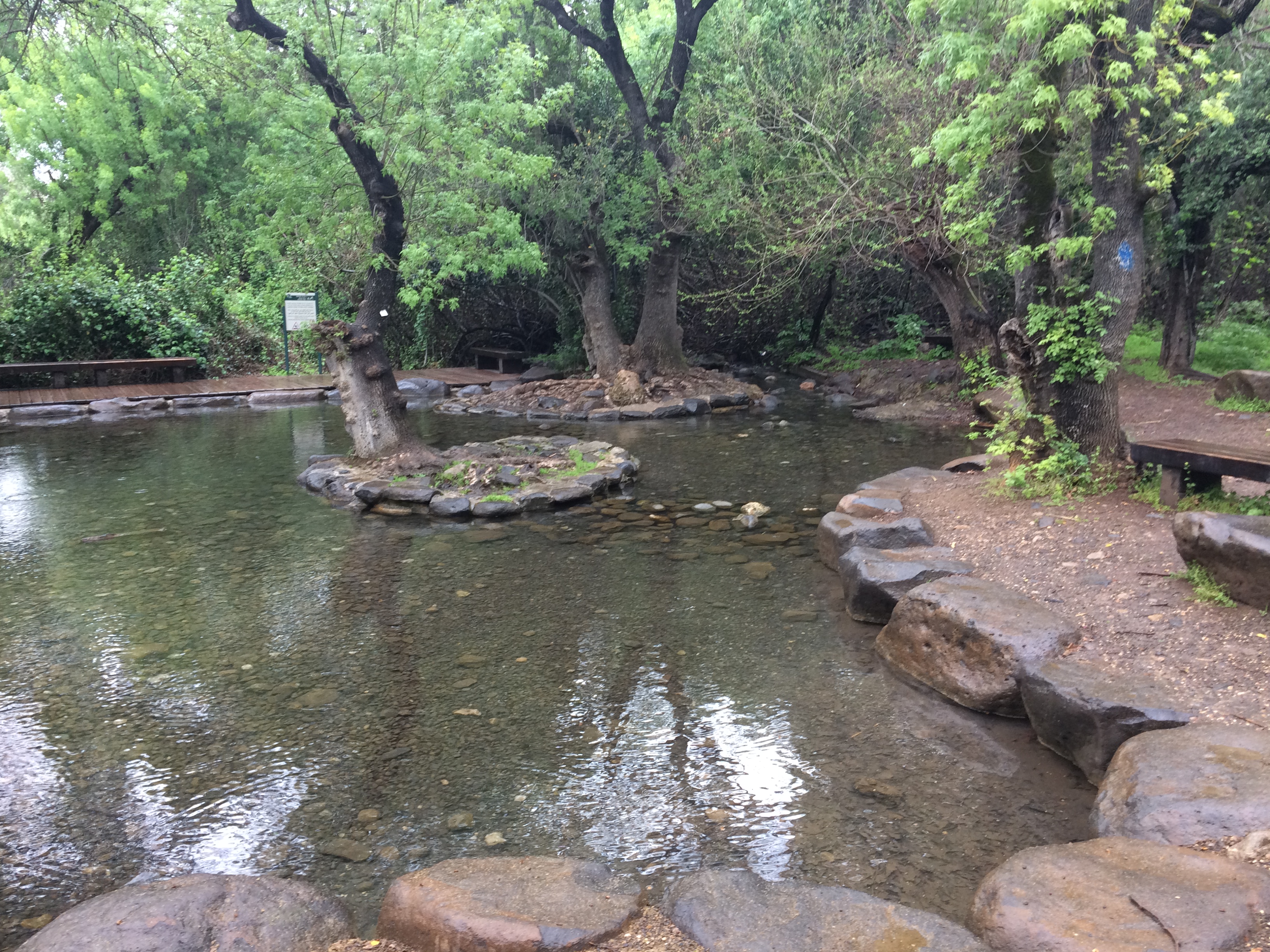
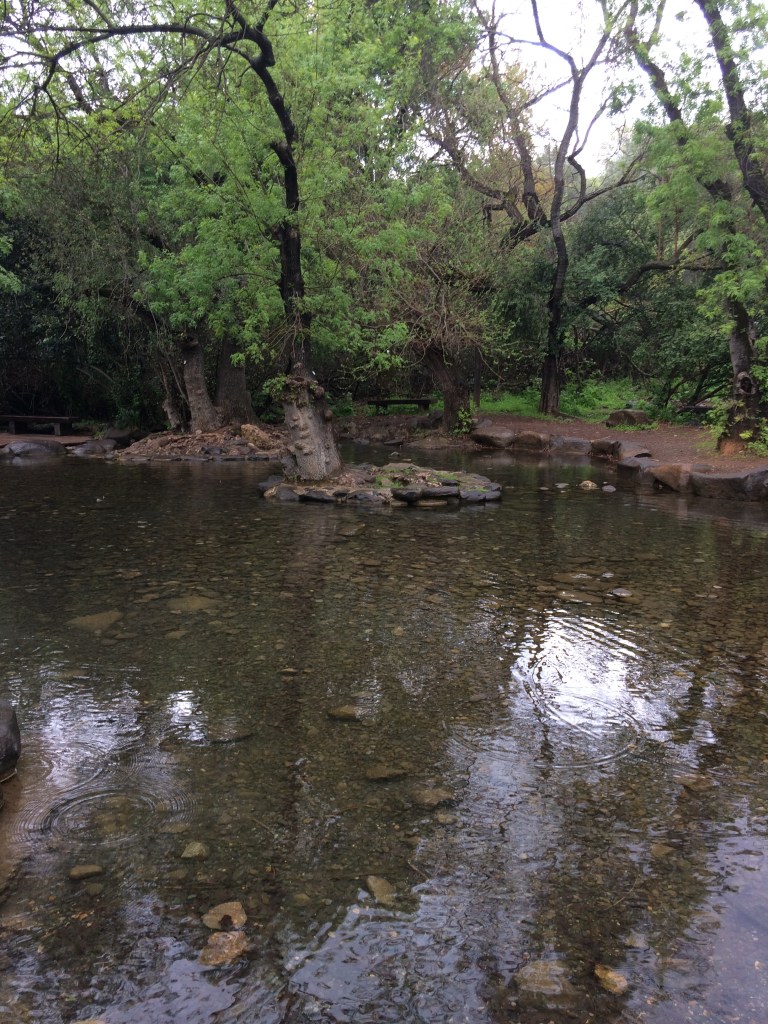
Head waters of the Jordan River, Israel

The head waters of the Jordan rush down into the land from the mountains above.

IMG_5723IMG_5733DSC_0272DSC_0274

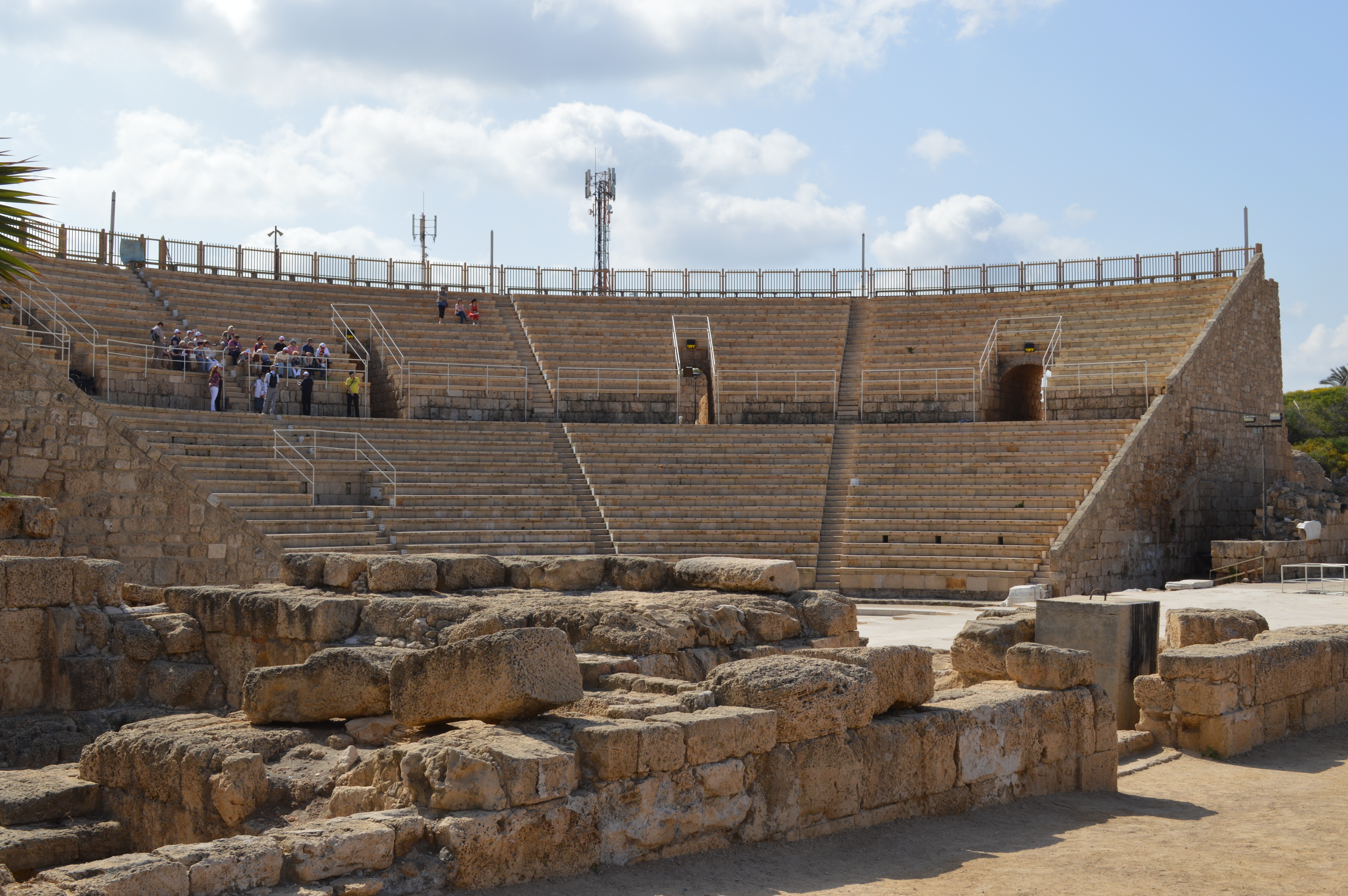
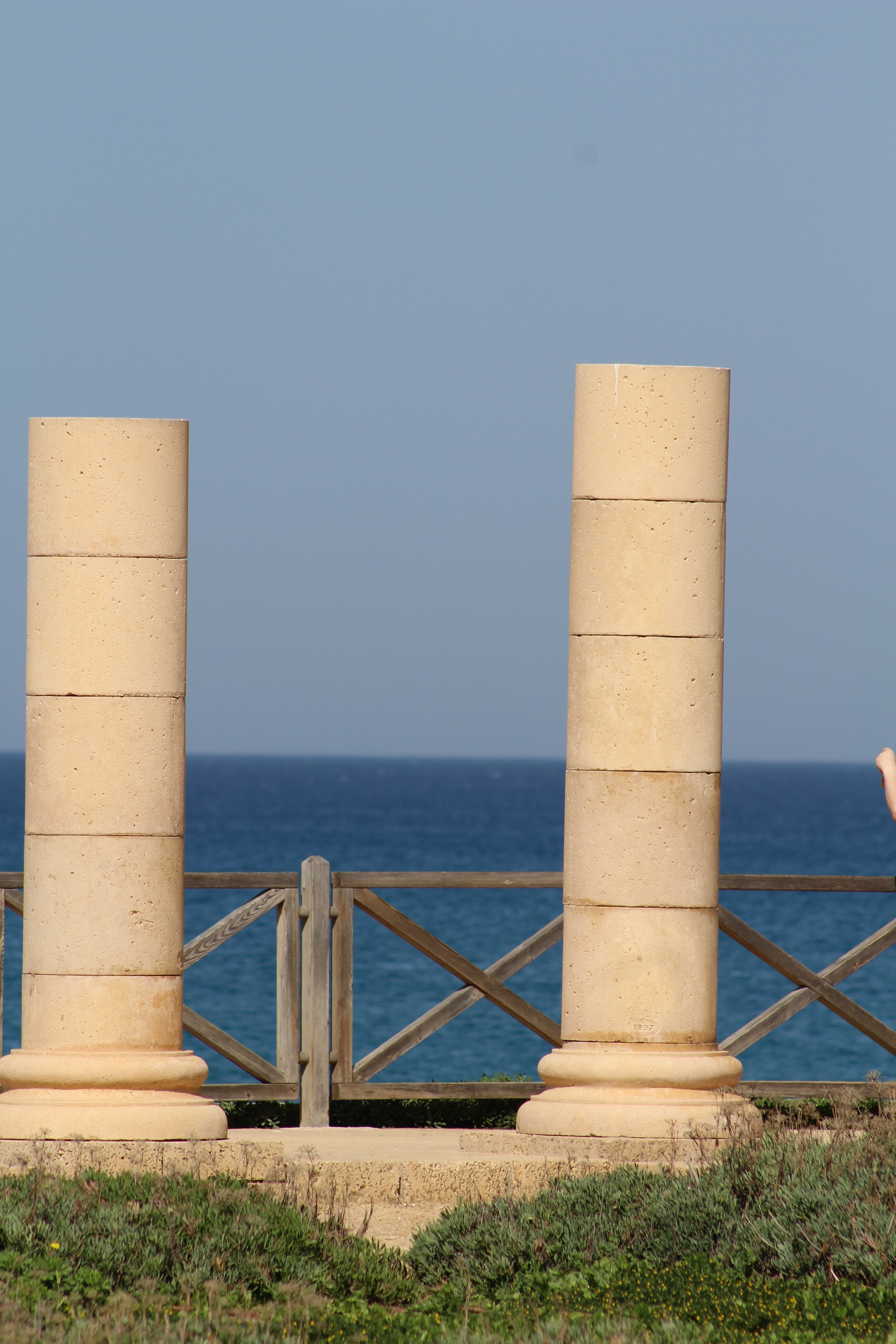
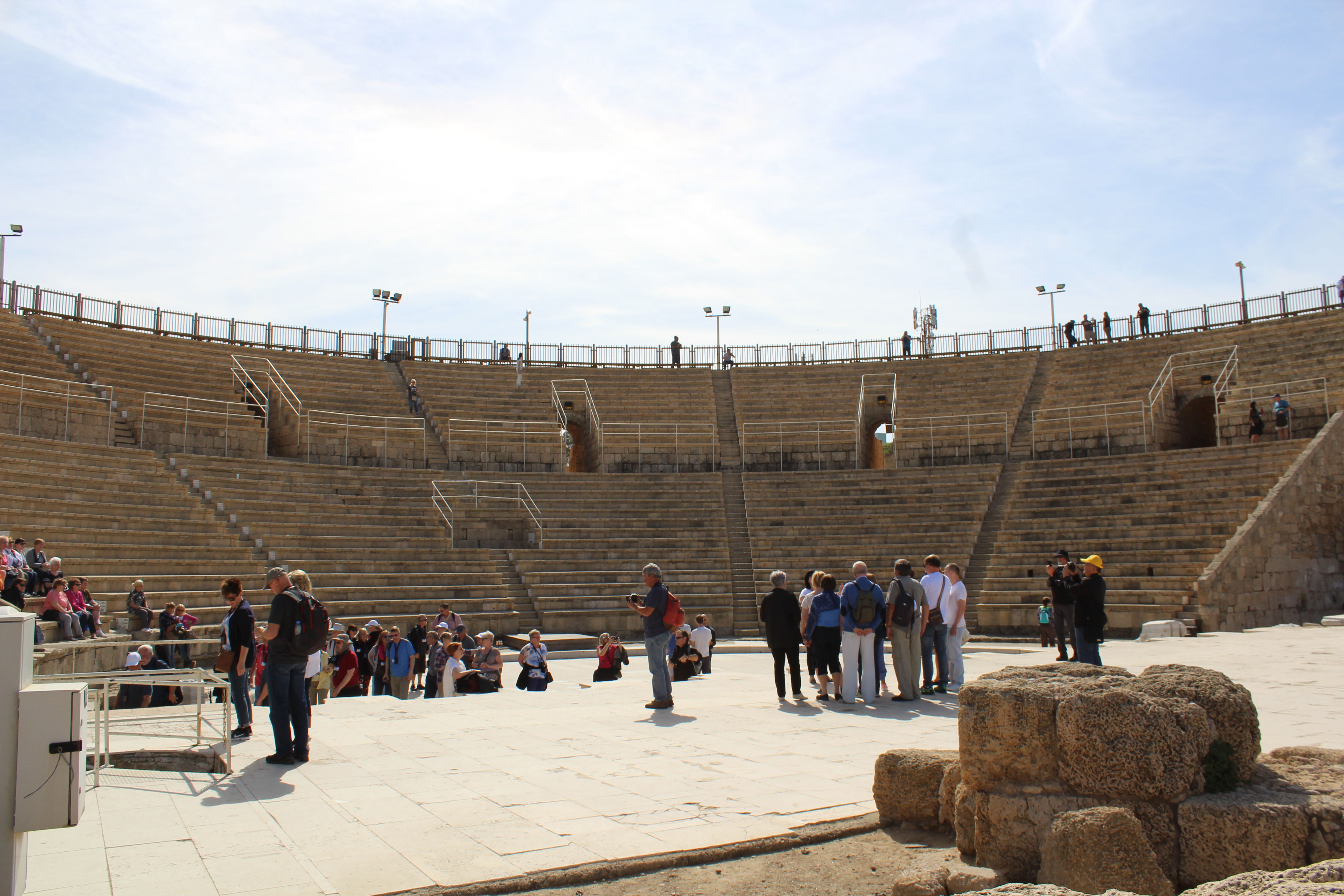
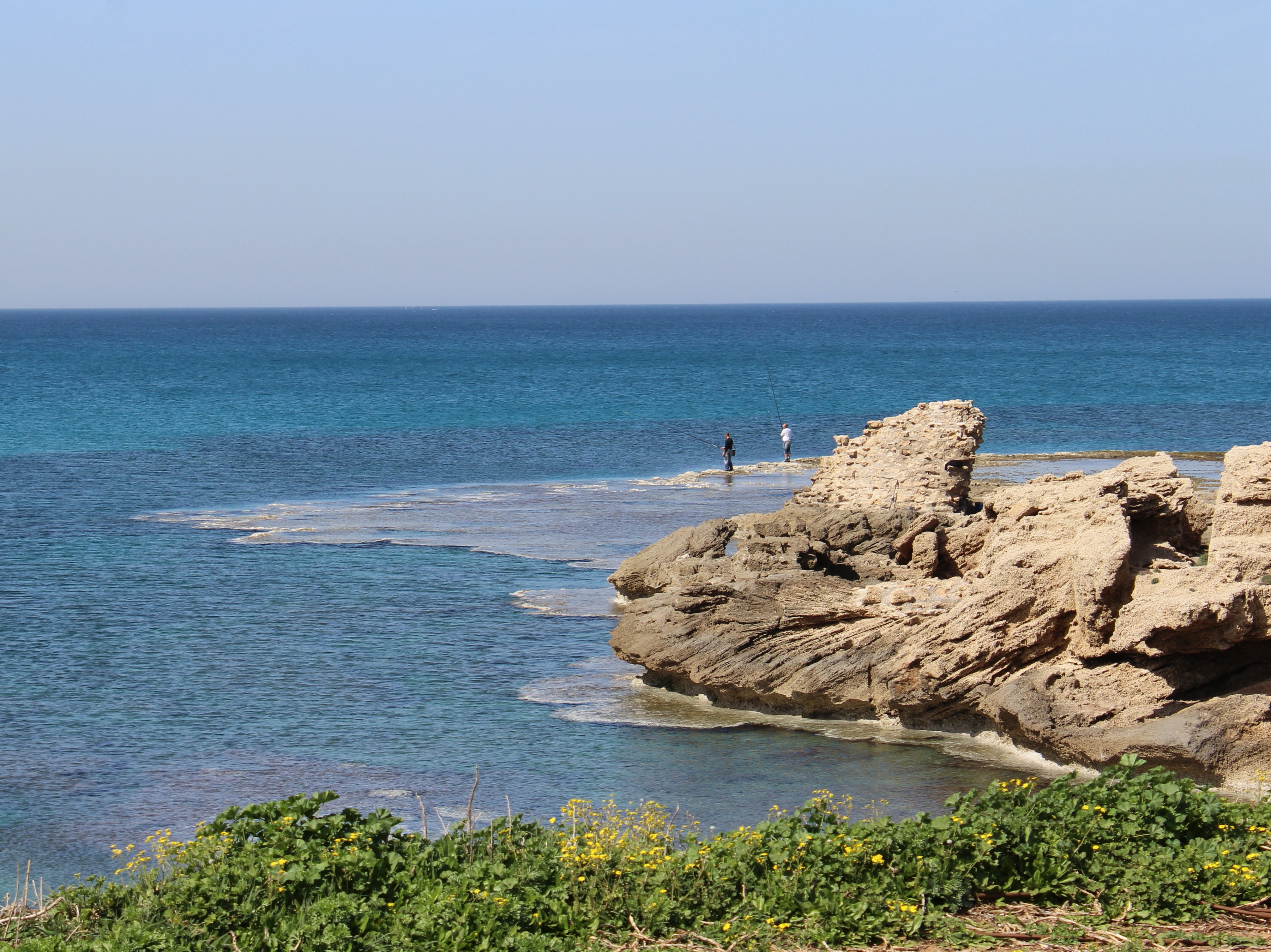
Caesarea Maritima is nothing if not visually striking, situated along the west coast of Israel between Tel Aviv and Haifa. The Mediterranean Sea provides a stark contrast with its beautiful blues and greens to the white stone ruins of long-gone civilizations.

Caesarea Maritima was the Roman Capital of Judea at the time of Jesus. It was the headquarters for Pontius Pilate, who officiated over the Roman trial of Jesus. It was also the place where Paul was imprisoned for two years before being transferred to Rome.

But for me, the greatest importance of Caesarea by the Sea is that it is where Cornelius, a Roman soldier, and his family came to be the first recorded Gentile believers to receive the gospel, be save, be filled with the Holy Spirit and be baptized.

Ruins of harbor
remains of marble statutes
Amphitheatre
Hippodrome (site of chariot races)

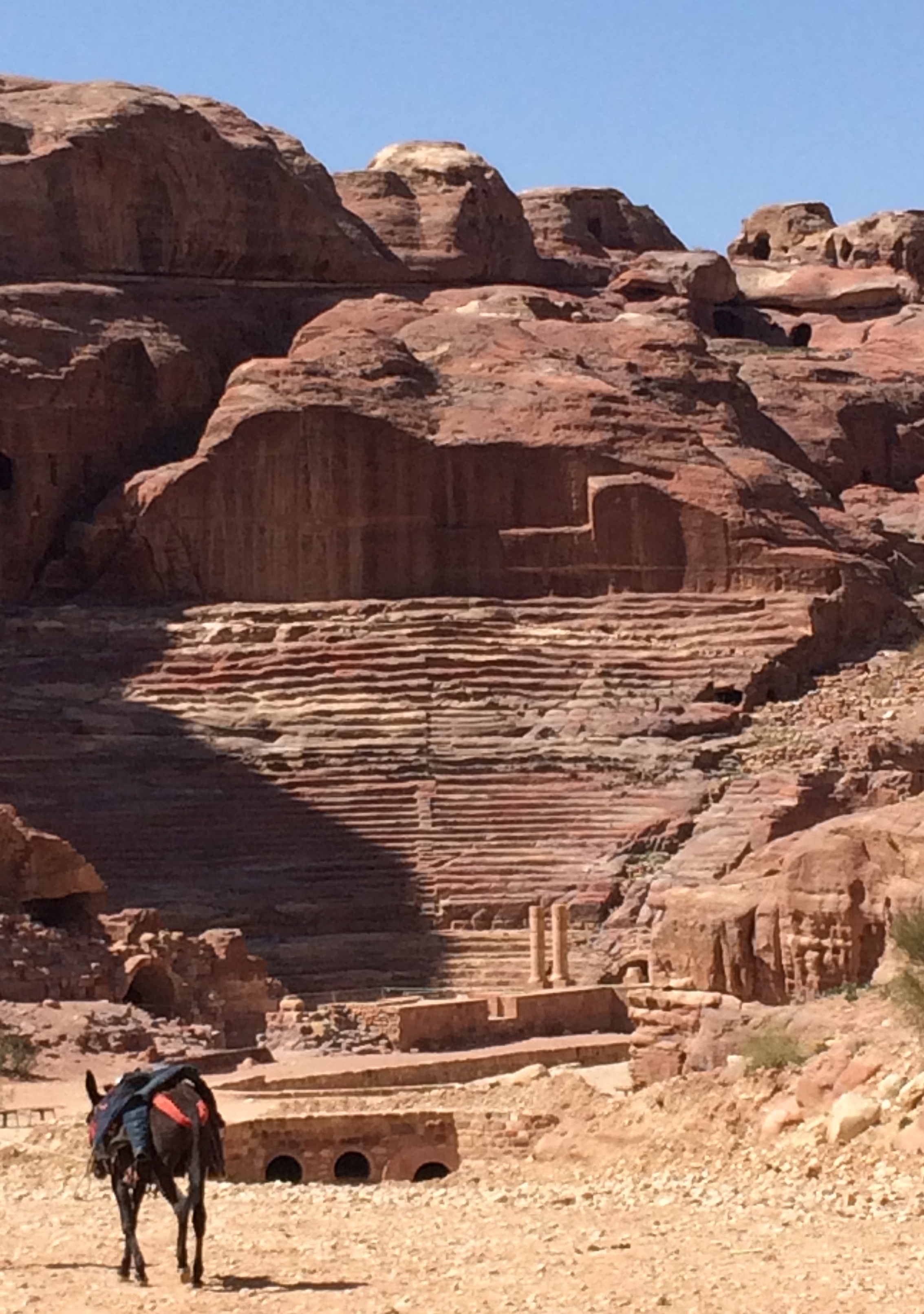
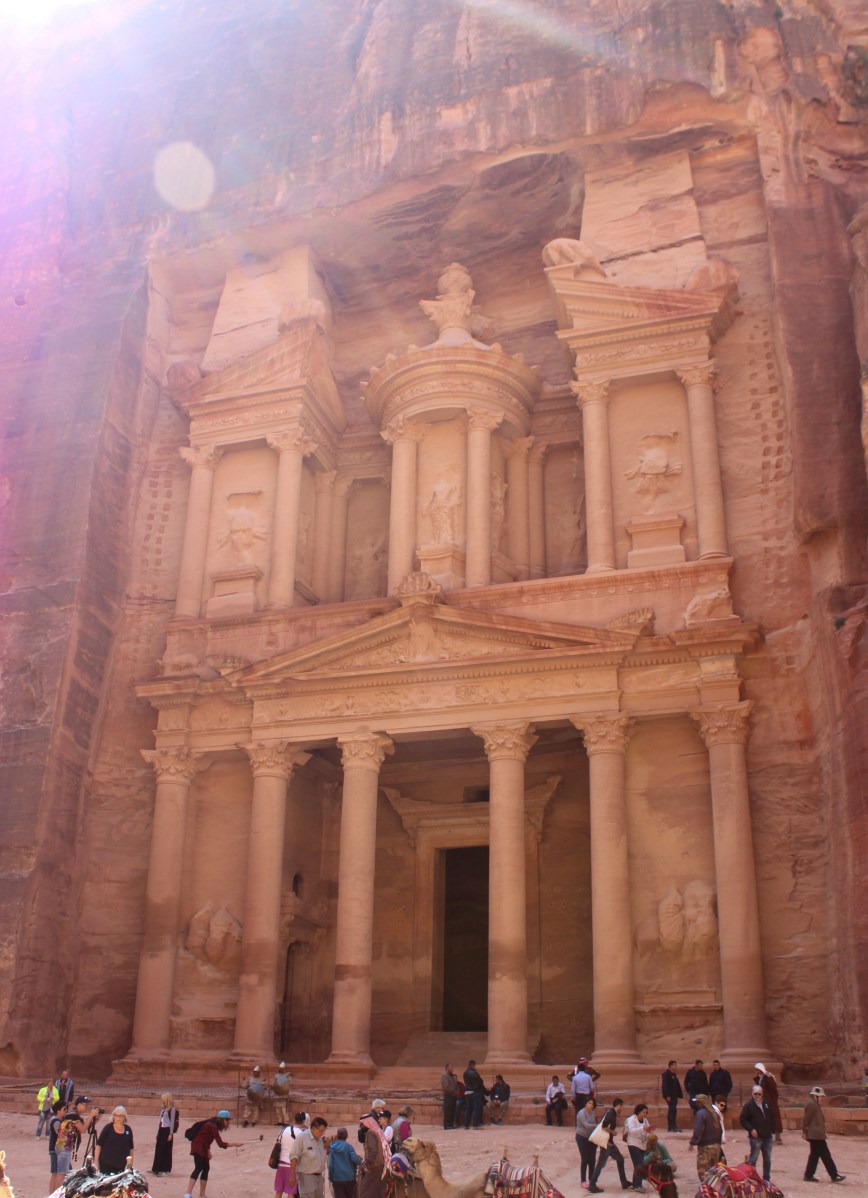
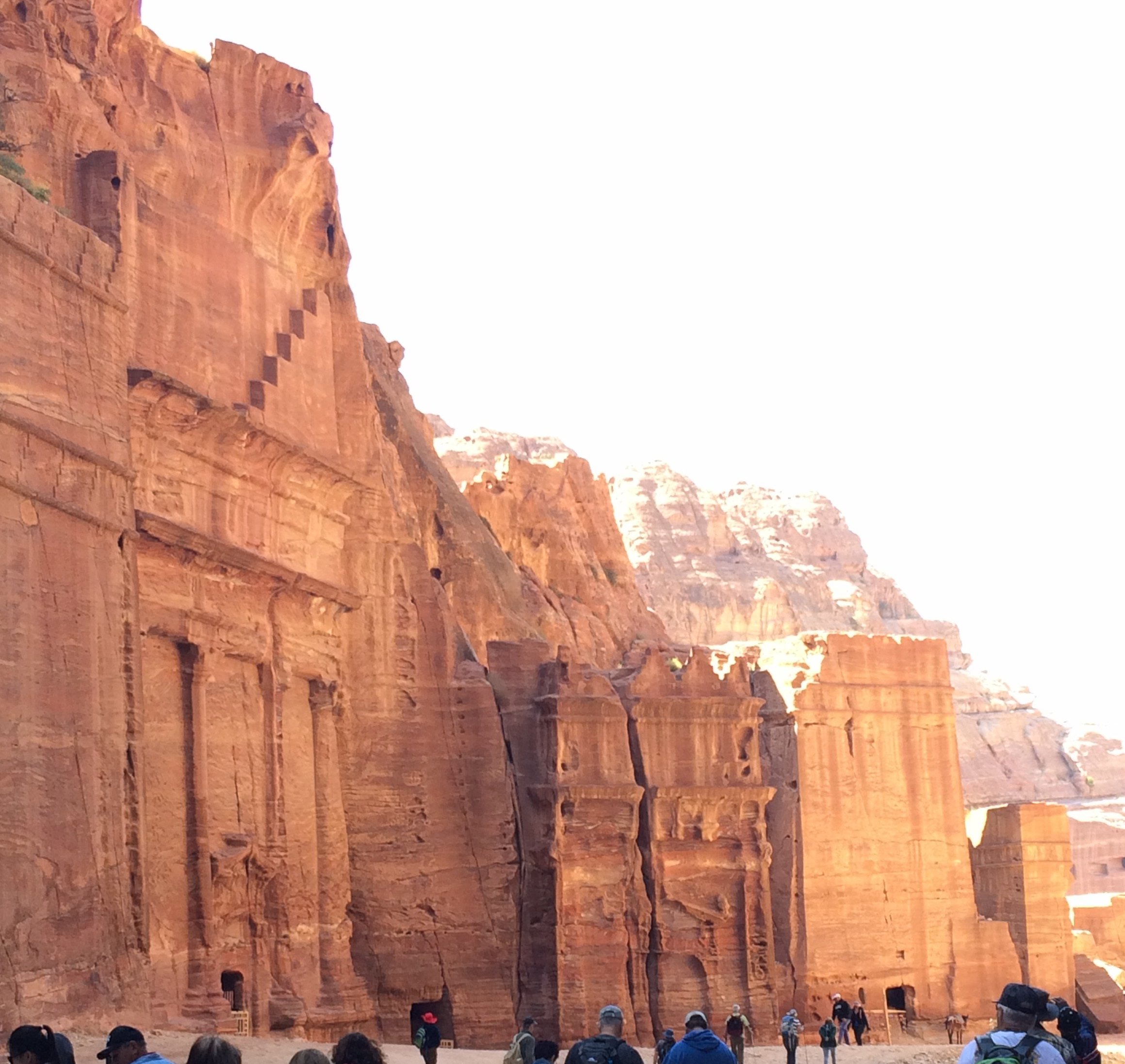
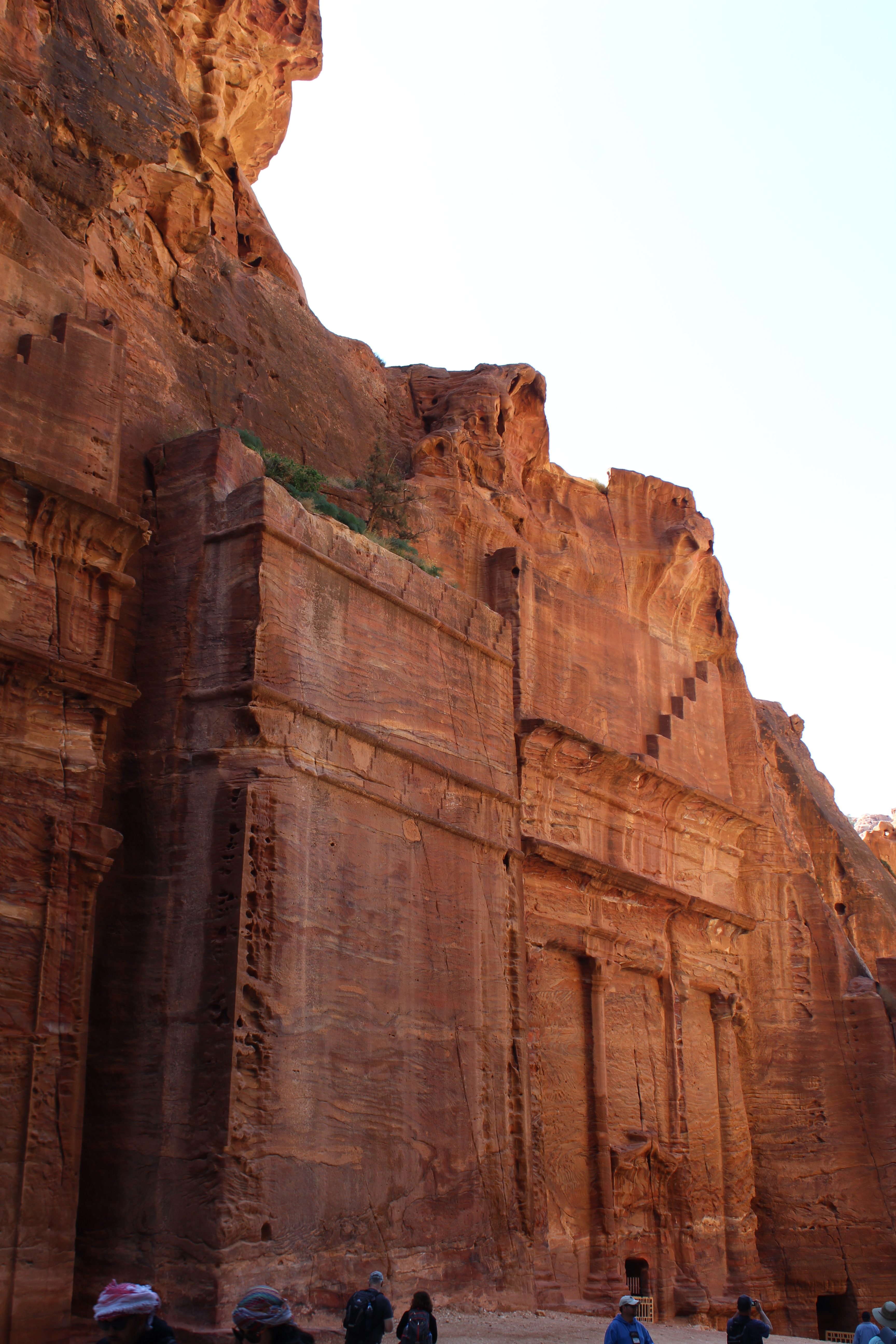
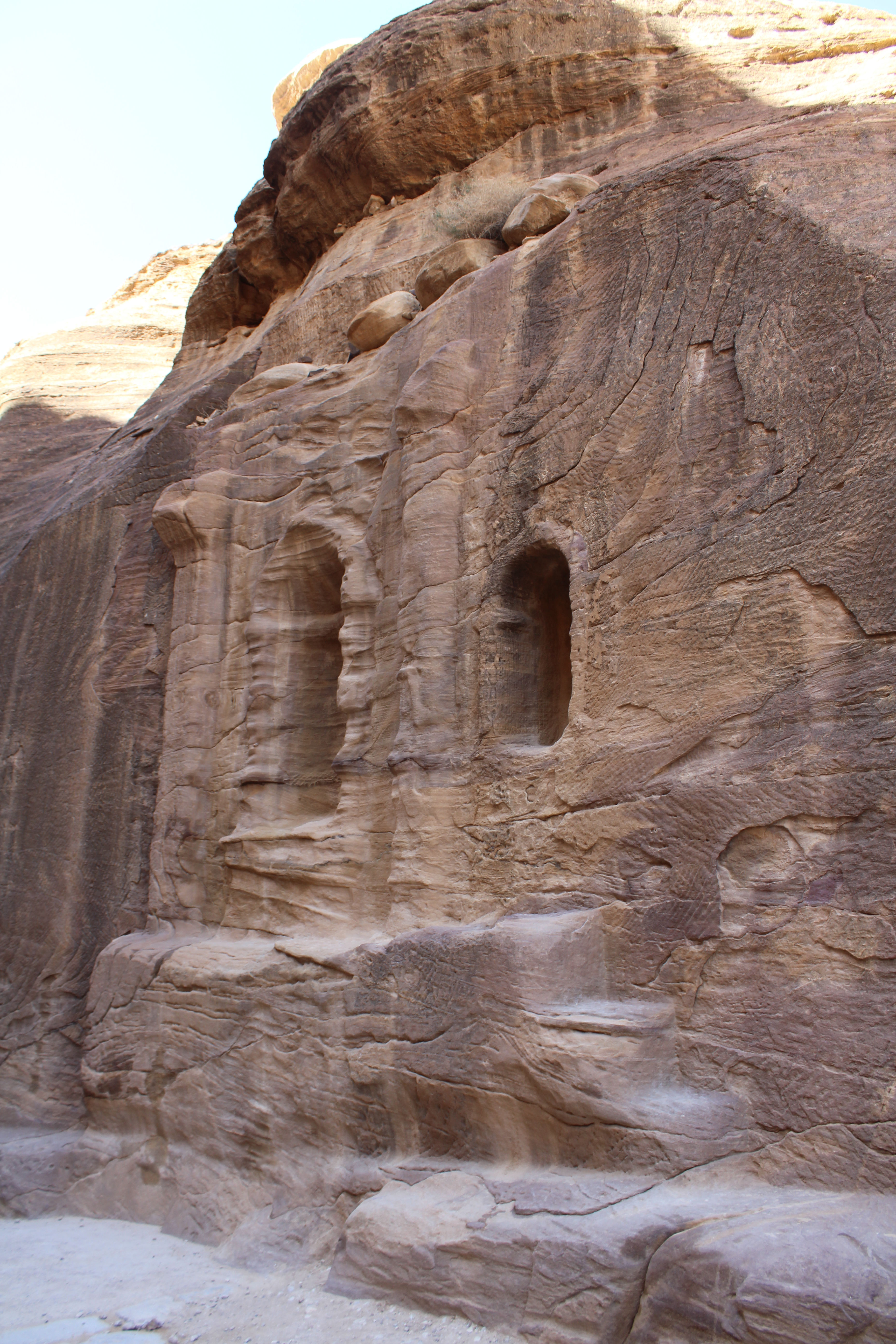
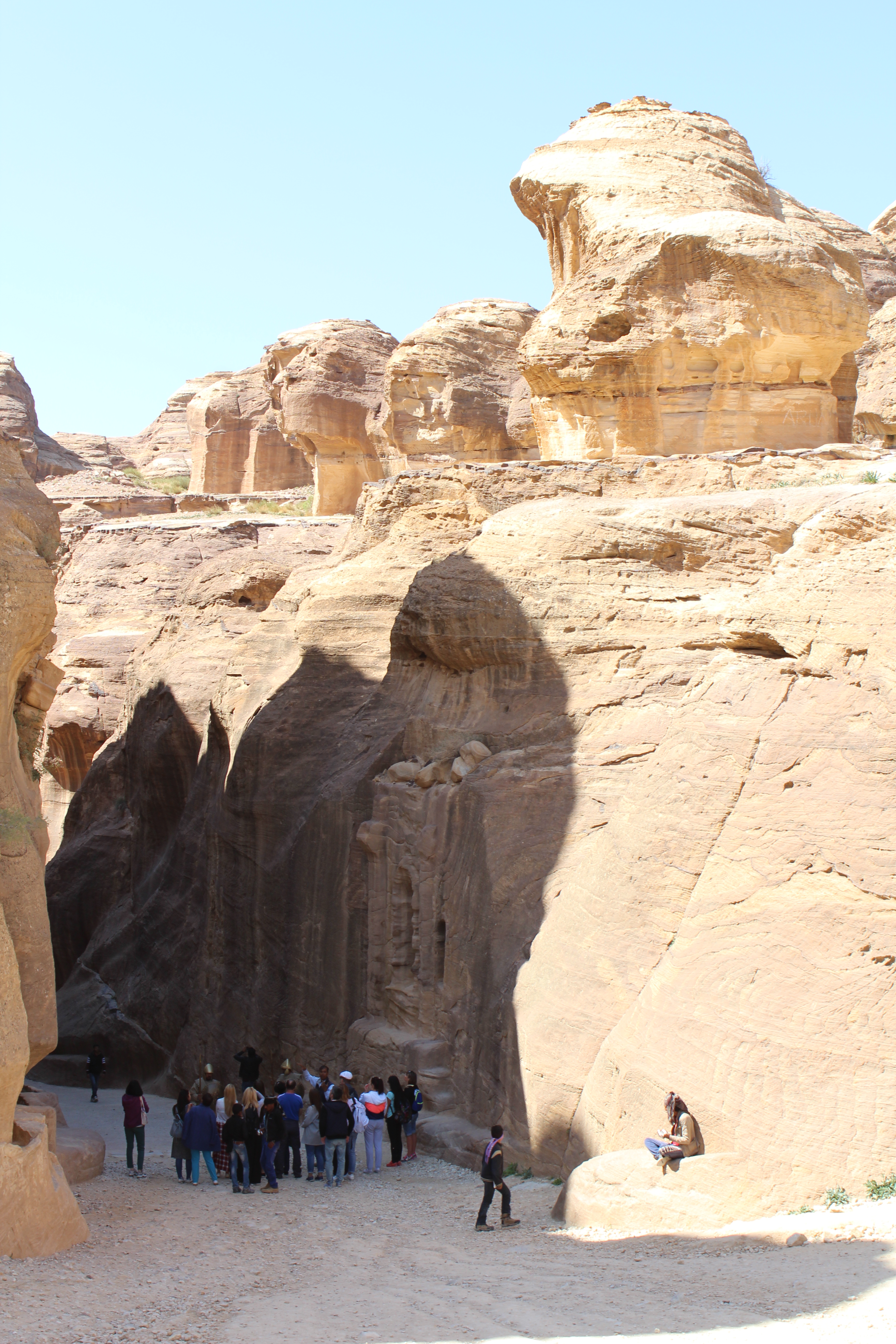
The part of Jordan that one must transverse to get to Petra is a wasteland – endless rocky and plant-less desert. According to our guide, only 10% of Jordan is green.

Petra is an ancient city, tracing its roots to a time before Christ. It was interesting to me not only because it evidences a civilization thriving in the barrenness of the Jordanian desert, but also because of the possible significance this city could have in the future, specifically the future of Israel and the Jewish people.

Petra is one of the possible locations to which the Jews may flee during the tribulation period after the abomination of desolation spoken of in the book of Daniel.

img_5351.jpgimg_3258.jpgIMG_5351img_5331.jpgIMG_3270IMG_3144IMG_3141


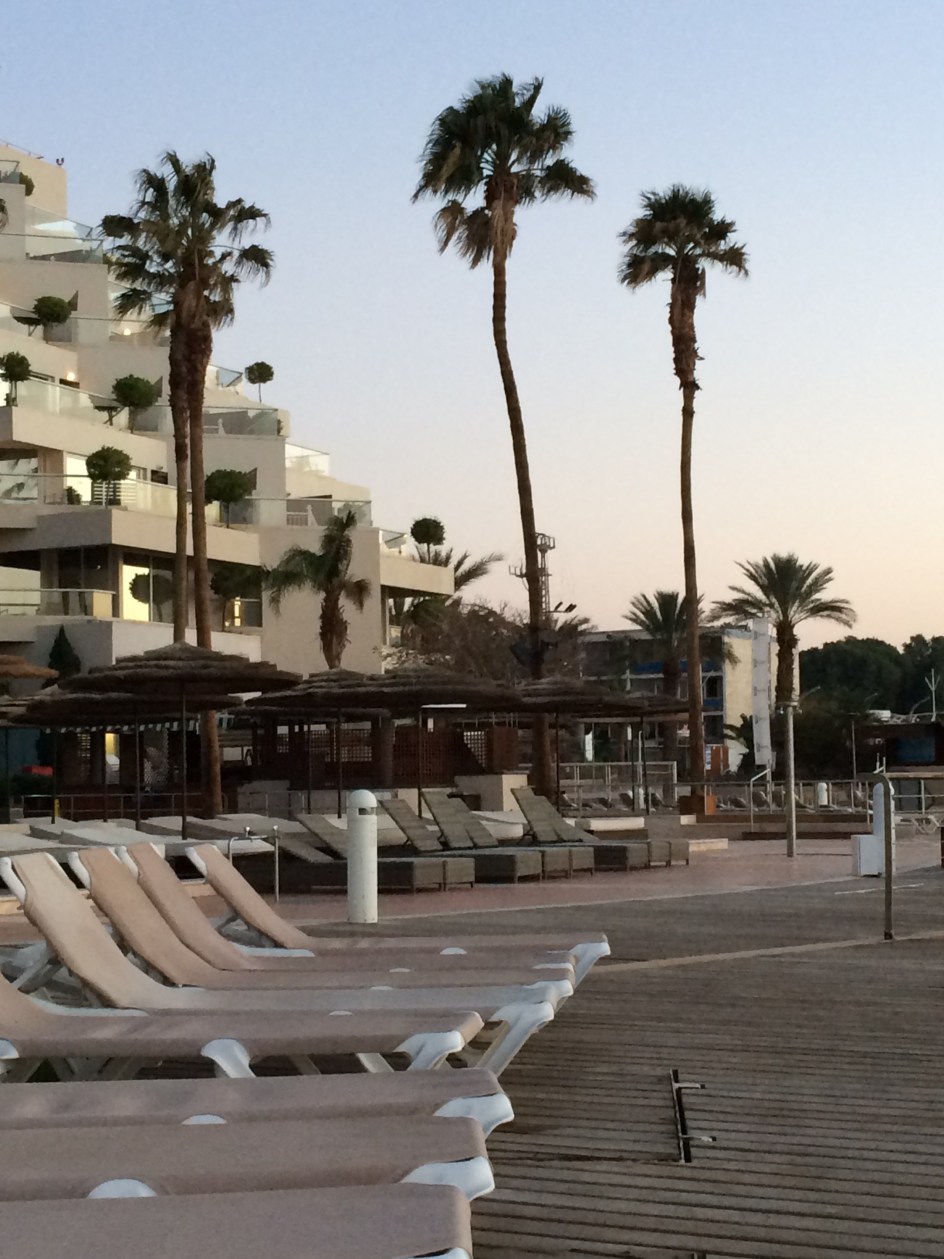
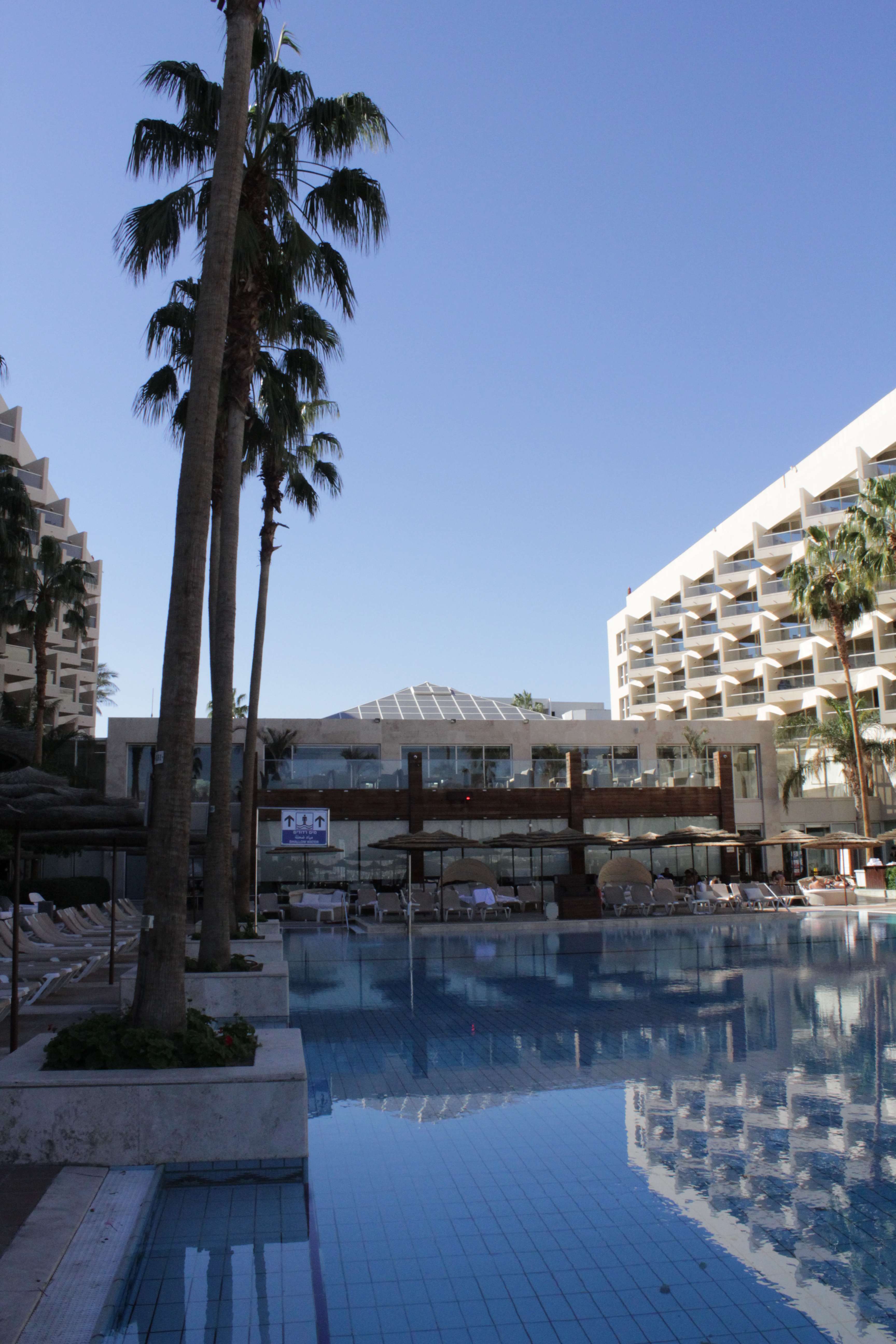
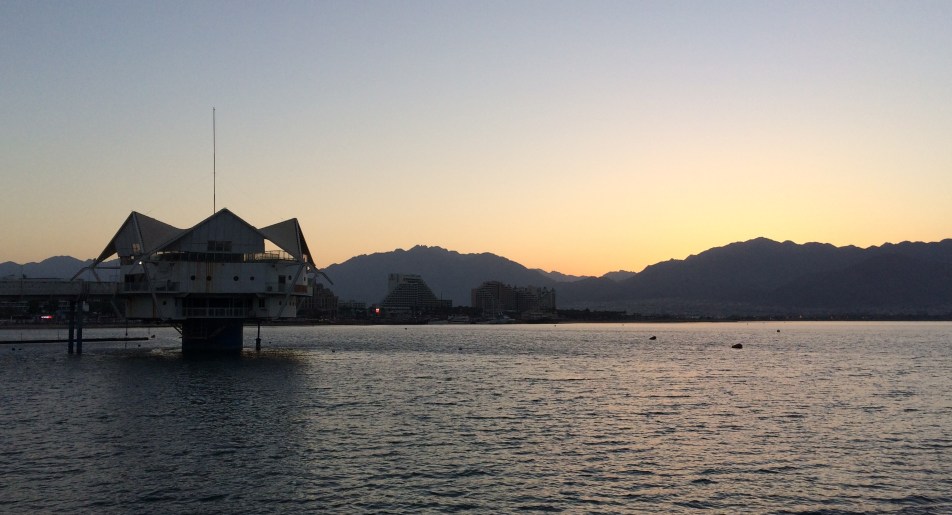
The following images will probably not be your typical idea of the Holy Land, but Eilat is in Israel, and it does offer special treasures to the traveler.

In Eilat, one can relax and enjoy the warm sun, the clear sky and the blue water. Eilat is a very short drive or boat ride to either Jordan or Egypt, and it is but a few hours drive to the Dead Sea, the Negev or even back to Jerusalem.

Eilat is a resort town at the most southern tip of Israel complete with snorkeling and other water sports, but for the student of the Bible, Eilat is the jumping off point for a journey to the rock city of Petra in Jordan. The importance of Petra to Bible prophecy will be outlined in an upcoming post.

IMG_5250
Usuites, Eilat
IMG_3002
Usuites, Eilat
IMG_5246
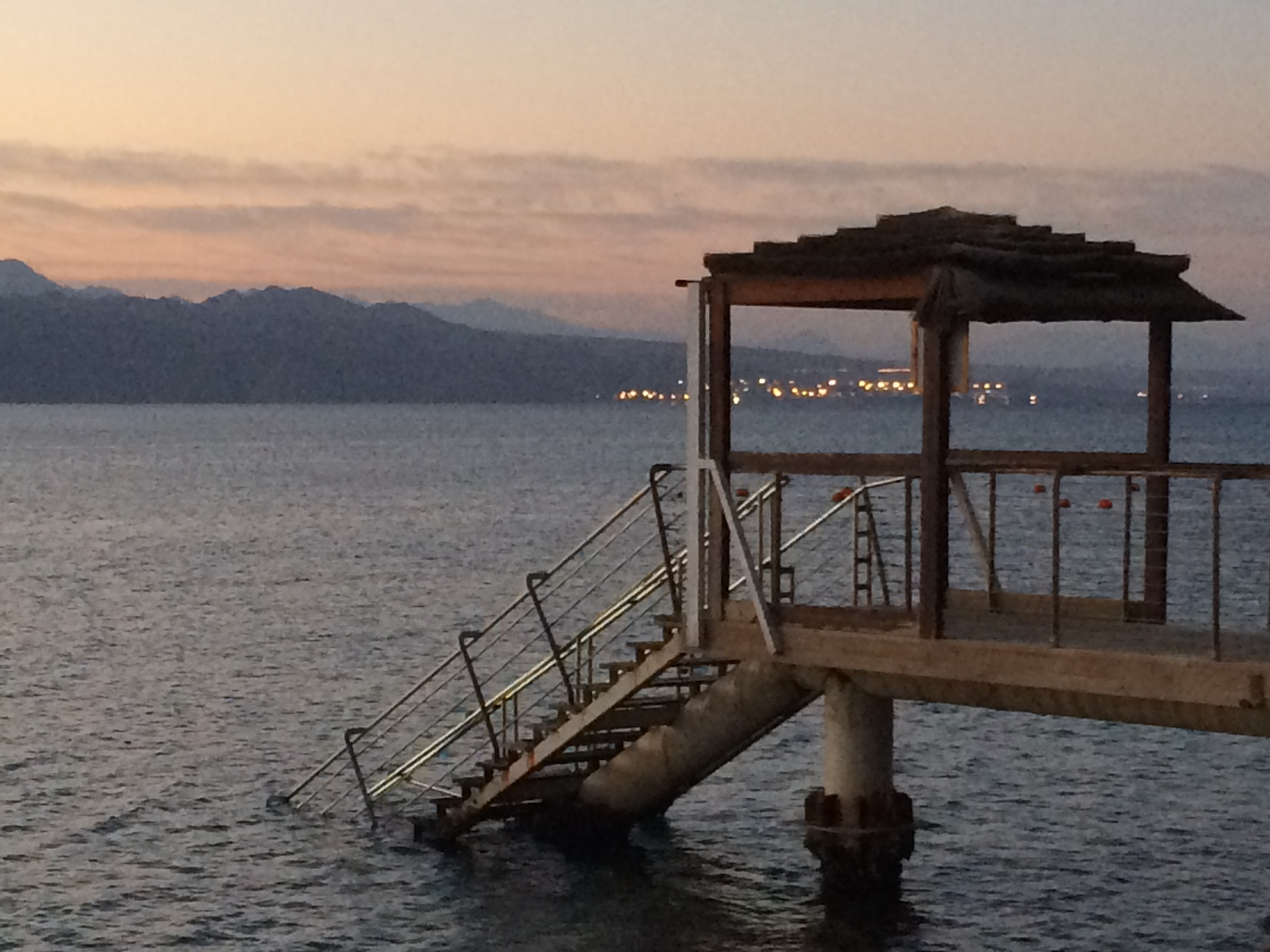
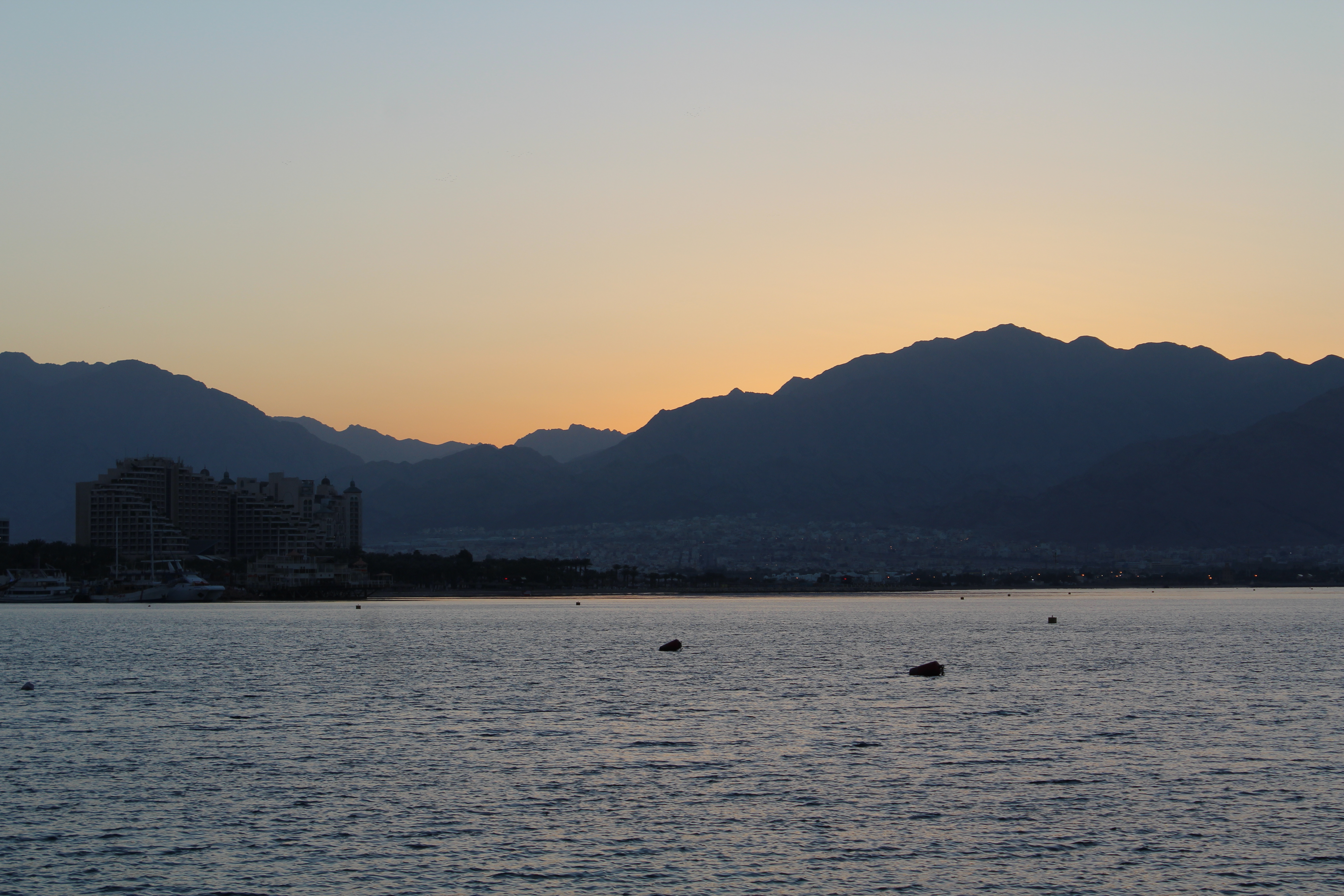
Sunrise over Gulf of Aqaba
img_5270.jpg
Sunrise over Gulf of Aqaba
IMG_3090
Sunrise over Gulf of Aqaba
IMG_5256
Sunrise over Gulf of Aqaba
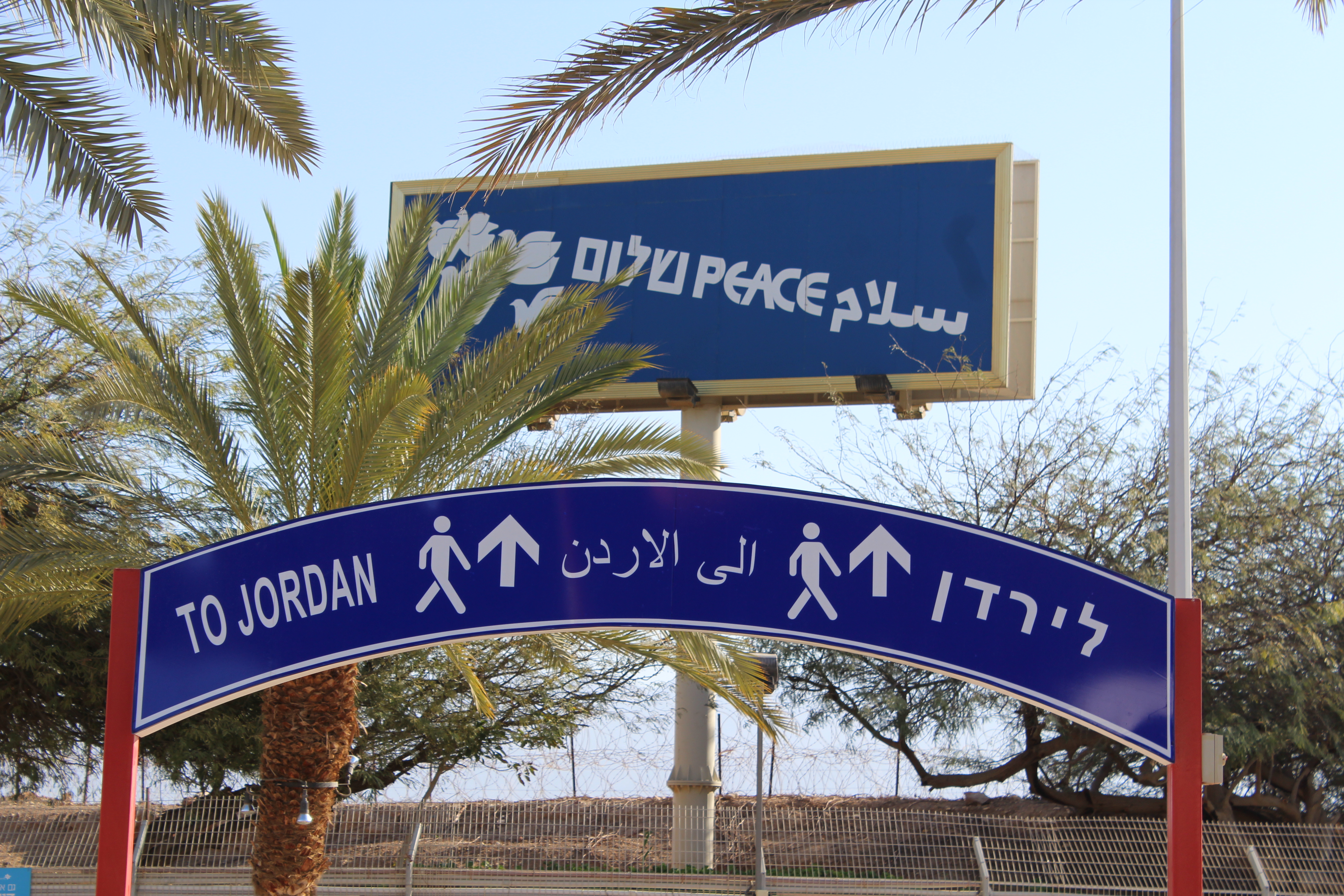
Border Crossing to Jordan from Eilat Israel

Touring the Holy Land

In addition to reading the blog on this site, you can check out the Rooted in His Word facebook page for additional photos and slide shows of the various sites we are visiting.

Shalom from Israel!

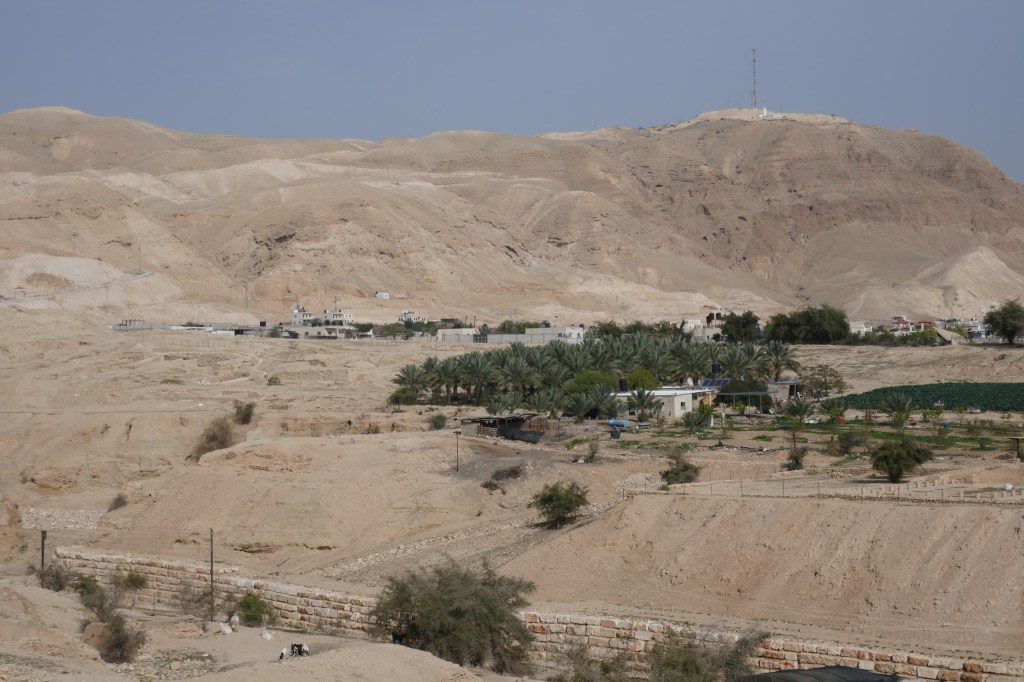
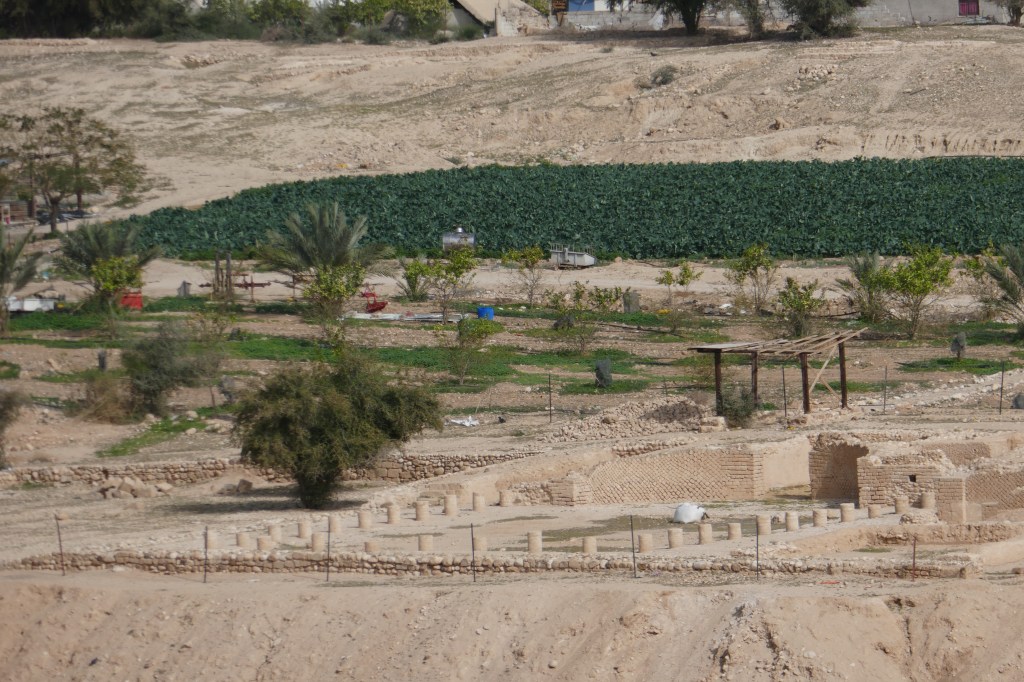
Crossing from Jerusalem to Jericho via the Ascent of Adummim, the ancient road that connected the two cities, one can almost imagine what a spectacle Herod’s Jericho Palace would have been to those coming over the last hill and looking down onto a beautiful stone structure and gardens designed and built by Herod the Great and still in use at the time of Jesus’ journey to Jericho recorded in Luke 18:35-42 (Jesus’ healing of blind Bartemeus) and Luke 19:1-10 (Zacheus)

New Testaent Jericho – ruins of Herod’s Jericho Palace

At the time of Jesus, it is unlikely that Jericho was a city. More likely, it was a Roman Estate, a customs and immigration point. This would explain the presence of both Zacheus (a Jew collecting taxes for the Romans from those wishing to go to Jerusalem from points east) and blind Bartemeus who would have been in Jericho hoping to shake loose some Shekels from the traders and political elite passing through on their way in or out of Jerusalem.

All that is left today of Herod’s Jericho palace is ruins, but with a little imagination, one can picture the great palace, gardens and pools, a lush oasis in the middle of the Judean desert.

Bethlehem is a city with well-documented Biblical history. It is not only the birthplace of Jesus Christ, but it was also the home town of King David and the hometown of Naomi, who returned with her daughter-in-love, Ruth, who later married Boaz, another Bethlehem native.

Bethlehem and the surrounding areas were also very strategically located. Given its location and proximity to Jerusalem and Jericho, Bethlehem attracted the attention of master builder, Herod the Great.

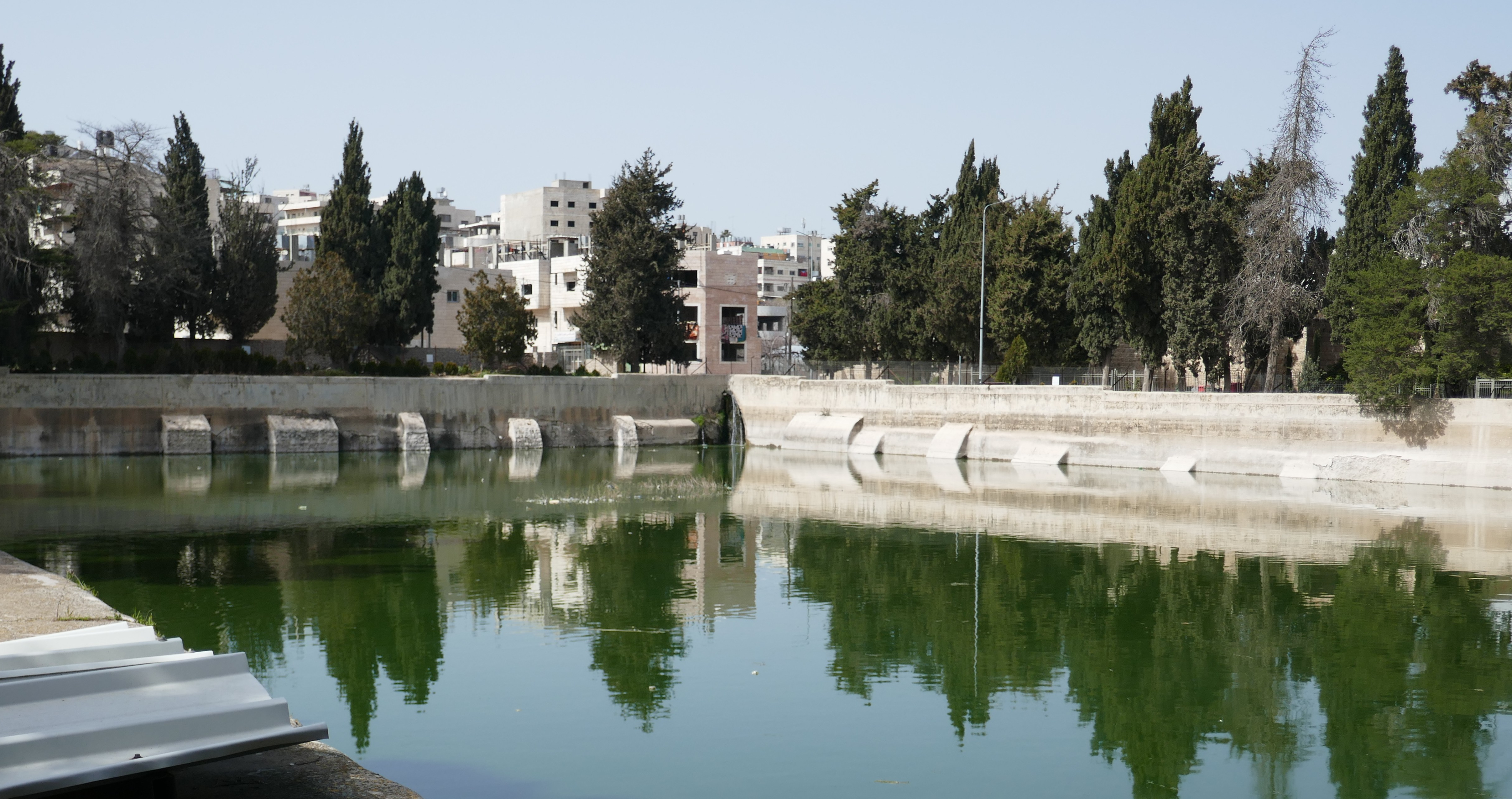
In another post we’ll take a look at the magnificent palace he built nearby and which bore his name, but for now, we will consider the Pools of Solomon, another building project likely initiated or completed by Herod the Great.

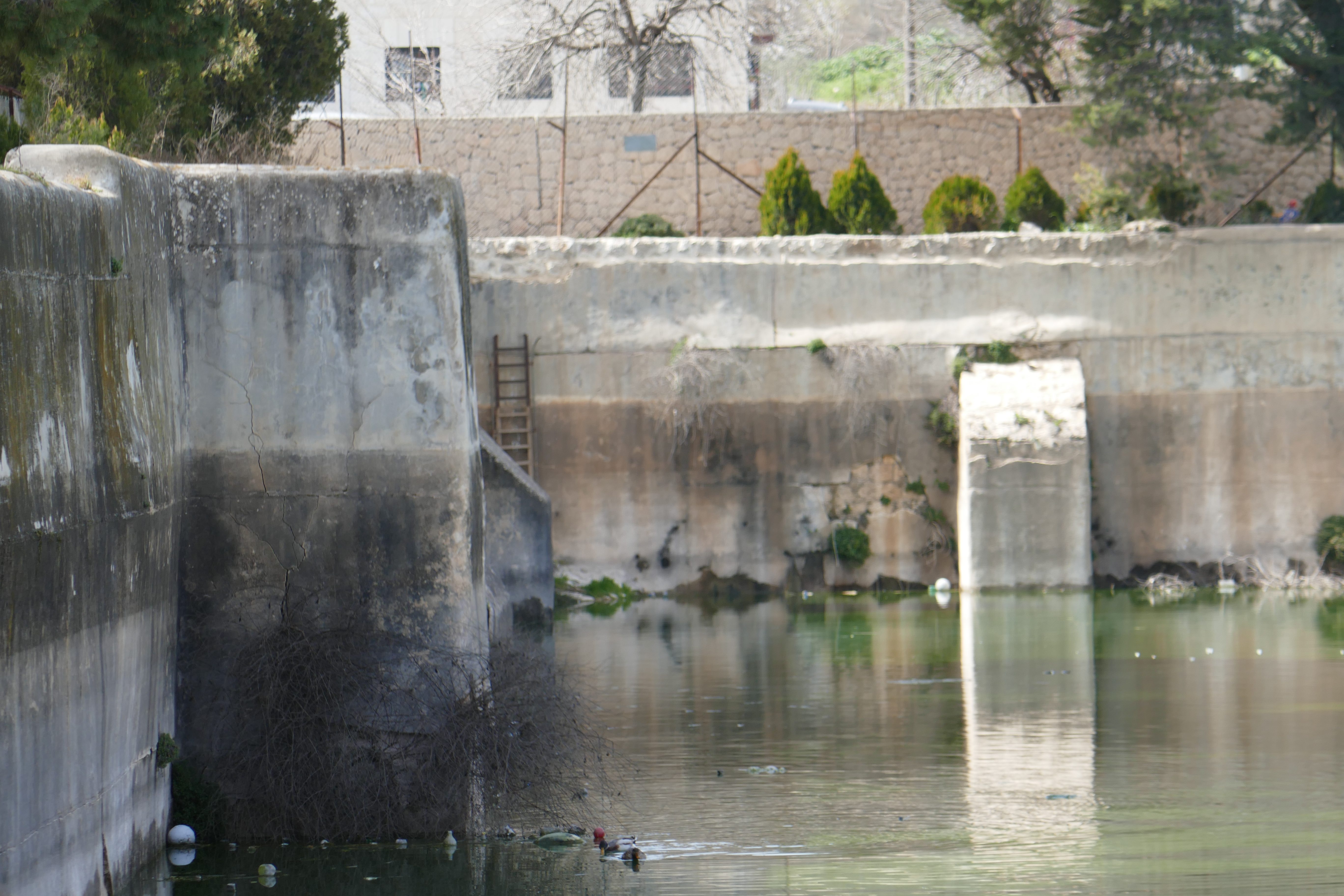
This series of 3 pools has nothing to do with King Solomon but everything to do with moving water from the generous springs of Bethlehem via aqueduct to fill the pools of Herod’s palaces around the area including the palace in Jerusalem.

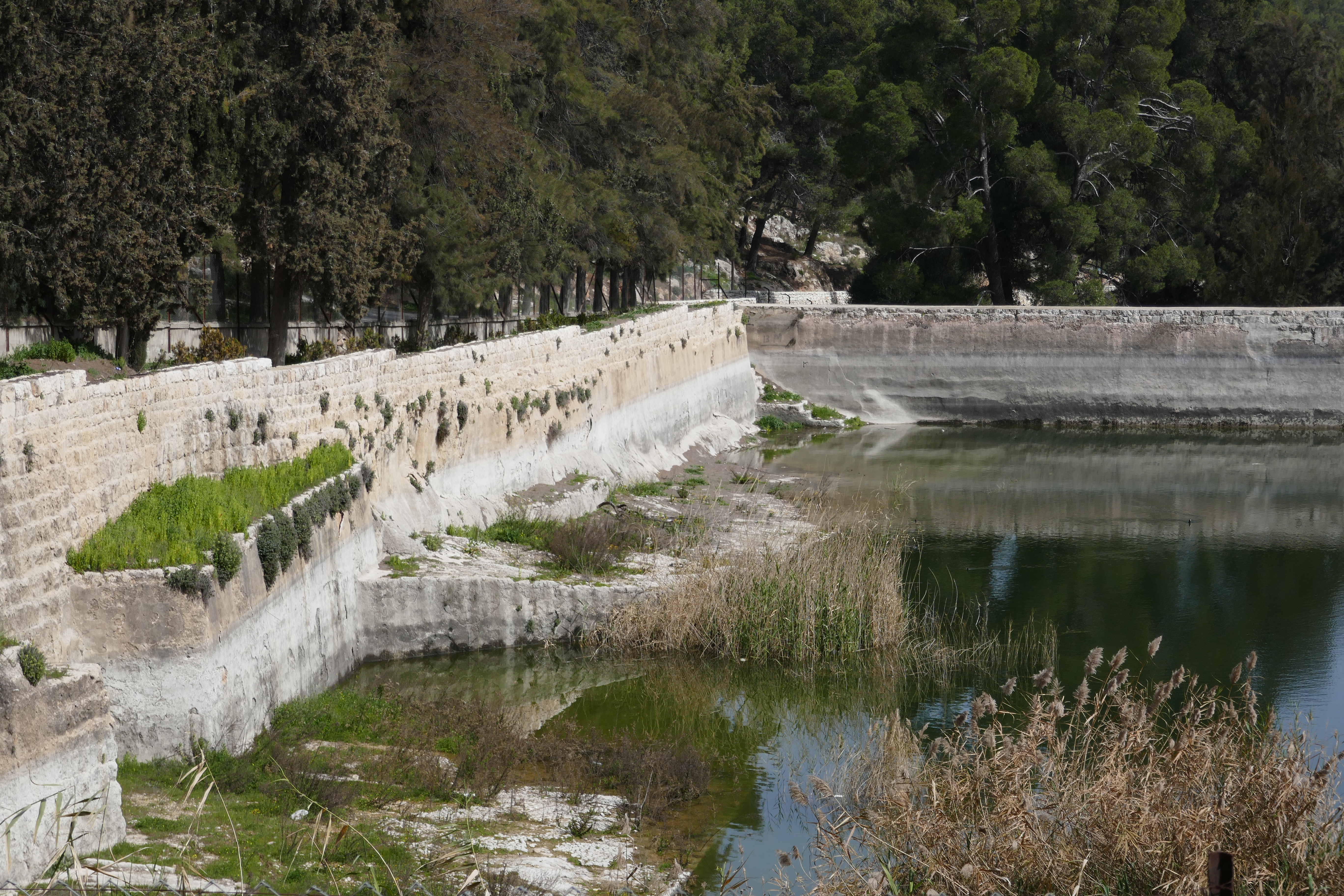
Solomon’s Pools (upper), Bethlehem
Solomon’s Pools (lower), Bethlehem

As a testament to his architectural prowess, the pools are largely intact today.