Feeds:
Posts
Comments

Ahab sent word to all the Israelites and assembled the [pagan] prophets together at Mount Carmel.  Elijah approached all the people and said, “How long will you [c]hesitate between two opinions? If the Lord is God, follow Him; but if Baal, follow him.” But the people [of Israel] did not answer him [so much as] a word. Then Elijah said to the people, “I alone remain a prophet of the Lord, while Baal’s prophets are 450 men. Now let them give us two oxen, and let them choose one ox for themselves and cut it in pieces, and lay it on the wood, but put no fire under it. I will prepare the other ox and lay it on the wood, and I will not put a fire under it Then you call on the name of your god, and I will call on the name of the Lord; and the god who answers by fire, He is God.” And all the people answered, “It is well spoken.”

Elijah approached all the people and said, “How long will you hesitate between two opinions? If the Lord is God, follow Him; but if Baal, follow him.” But the people [of Israel] did not answer him [so much as] a word. Then Elijah said to the people, “I alone remain a prophet of the Lord, while Baal’s prophets are 450 men. Now let them give us two oxen, and let them choose one ox for themselves and cut it in pieces, and lay it on the wood, but put no fire under it. I will prepare the other ox and lay it on the wood, and I will not put a fire under it Then you call on the name of your god, and I will call on the name of the Lord; and the god who answers by fire, He is God.” And all the people answered, “It is well spoken.” Elijah said to the prophets of Baal, “Choose one bull for yourselves and prepare it first, since there are many of you; and call on the name of your god, but put no fire under it.” So they took the bull that was given to them and prepared it, and called on the name of Baal from morning until noon, saying, “O Baal, hear and answer us.” But there was no voice and no one answered. And they leaped about the altar which they had made.  At noon Elijah mocked them, saying, “Cry out with a loud voice, for he is a god; either he is occupied, or he is out [at the moment], or he is on a journey. Perhaps he is asleep and must be awakened!” So they cried out with a loud voice [to get Baal’s attention] and cut themselves with swords and lances in accordance with their custom, until the blood flowed out on them. As midday passed, they played the part of prophets and raved dramatically until the time for offering the evening sacrifice; but there was no voice, no one answered, and no one paid attention.

Then Elijah said to all the people, “Come near to me.” So all the people approached him. And he repaired and rebuilt the [old] altar of the Lordthat had been torn down [by Jezebel]. Then Elijah took twelve stones in accordance with the number of the tribes of the sons of Jacob, to whom the word of the Lord had come, saying, “Israel shall be your name.” So with the stones Elijah built an altar in the name of the Lord. He made a trench around the altar large enough to hold two measures of seed. Then he laid out the wood and cut the ox in pieces and laid it on the wood. And he said, “Fill four pitchers with water and pour it on the burnt offering and the wood.” And he said, “Do it the second time.” And they did it the second time. And he said, “Do it the third time.” And they did it a third time. 3The water flowed around the altar, and he also filled the trench with water.

Elijah’s Prayer

At the time of the offering of the evening sacrifice, Elijah the prophet approached [the altar] and said, “O Lord, the God of Abraham, Isaac, and Israel (Jacob), let it be known today that You are God in Israel and that I am Your servant and that I have done all these things at Your word. Answer me, O Lord, answer me, so that this people may know that You, O Lord, are God, and that You have turned their hearts back [to You].” Then the fire of the Lord fell and consumed the burnt offering and the wood, and even the stones and the dust; it also licked up the water in the trench. When all the people saw it, they fell face downward; and they said, “The Lord, He is God! The Lord, He is God!” Then Elijah said to them, “Seize the prophets of Baal; do not let one of them escape.” They seized them; and Elijah brought them down to the brook Kishon, and [as God’s law required] killed them there. 1 Kings 18:20-40

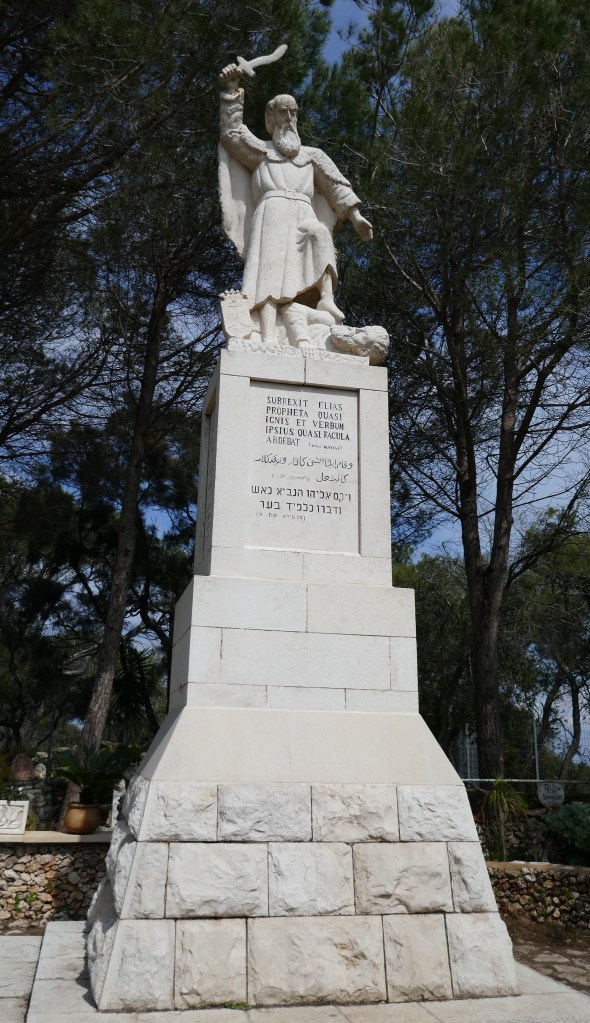
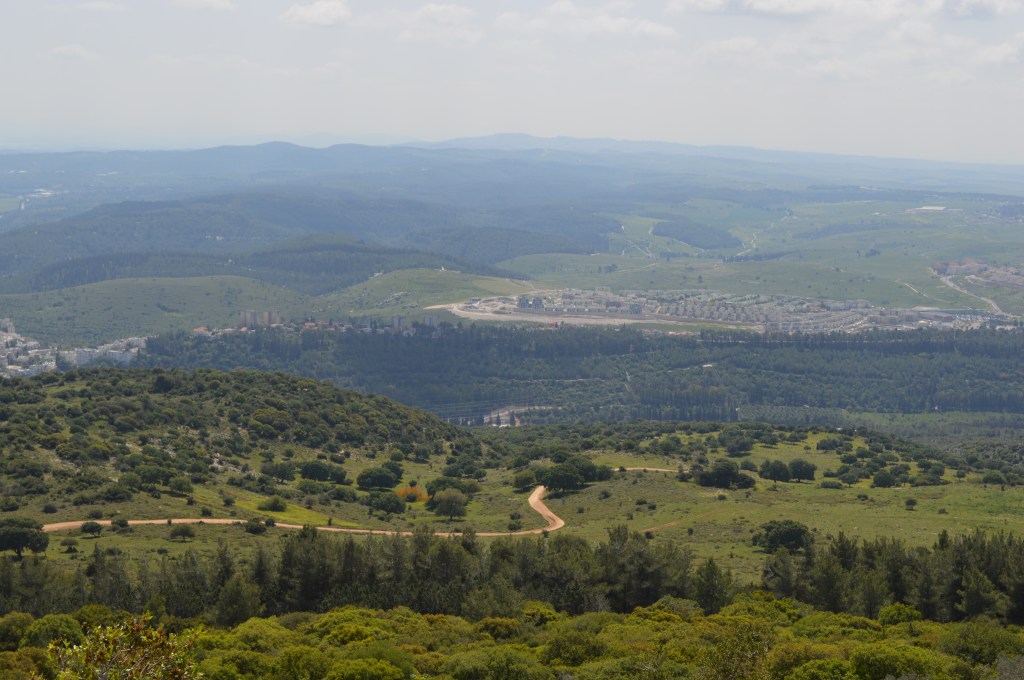
Nothing can really be added to this phenomenal story. The pictures below are from Mt Carmel, Israel.
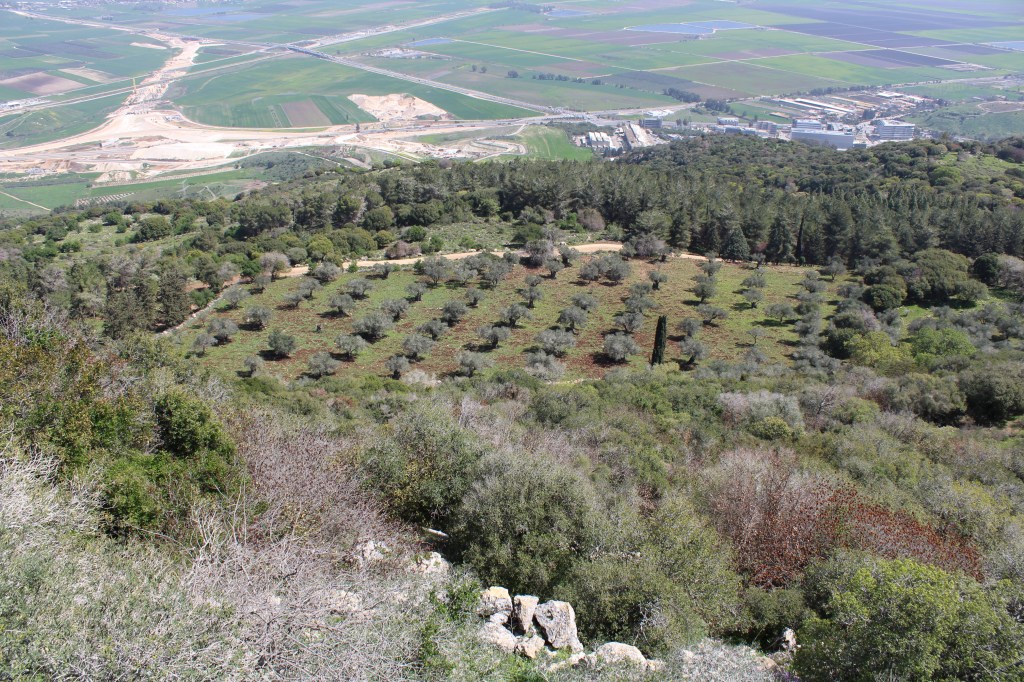
View from Mt Carmel, Israel
Mt Carmel
Statue of Elijah, the Prophet, Mt Carmel, Israel
View from Mt Carmel, Israel

Read Isaiah Chapter 22
This burden evidently refers to Jerusalem . . . The burdens began way off at a distance in Babylon, and they have continued to come nearer to Jerusalem. Now the storm breaks in all of its fury upon the Holy City.
-–Thru the Bible with J. Vernon McGee, J. Vernon McGee

  1. What is happening in the city according to Isaiah 22:1-4?
  2. What is going to happen according to Isaiah 22:5-7?
  3. What was their error according to Isaiah 22:11?
  4. What do you learn from the following verses?
    Psalm 37:3, 5; Psalm 55:22; Proverbs 3:5-6; Jeremiah 9:23-24
  5. What is Isaiah’s message for Shebna?
  6. Who is Eliakim? What is doing to happen to him?
  7. What application can you make from these 4 chapters to your own life?

En Gedi

You may recognize the name of En Gedi from 1 Samuel 24, the story of yet another attempt by King Saul to hunt down and kill David, God’s anointed King.

When Saul returned from following the Philistines, he was told, “Behold, David is in the [a]Wilderness of Engedi.”  Then Saul took three thousand chosen men out of all Israel and went to search for David and his men in front of the Rocks of the Wild Goats.  

On the way he came to the sheepfolds where there was a cave; and Saul went in to relieve himself. Now David and his men were sitting in the cave’s innermost recesses.  David’s men said to him, “Behold, this is the day of which the Lord said to you, ‘Behold, I will hand over your enemy to you, and you shall do to him as seems good to you.’” Then David arose [in the darkness] and stealthily cut off the hem (edge) of Saul’s robe. 

Afterward, David’s conscience bothered him because he had cut off the hem of Saul’s robe. He said to his men, “The Lord forbid that I should do this thing to my master, the Lord’s anointed, to put out my hand against him, since he is the anointed of the Lord.” So David strongly rebuked his men with these words and did not let them rise up against Saul. Saul got up, left the cave and went on his way. 1 Samuel 24:1-7.

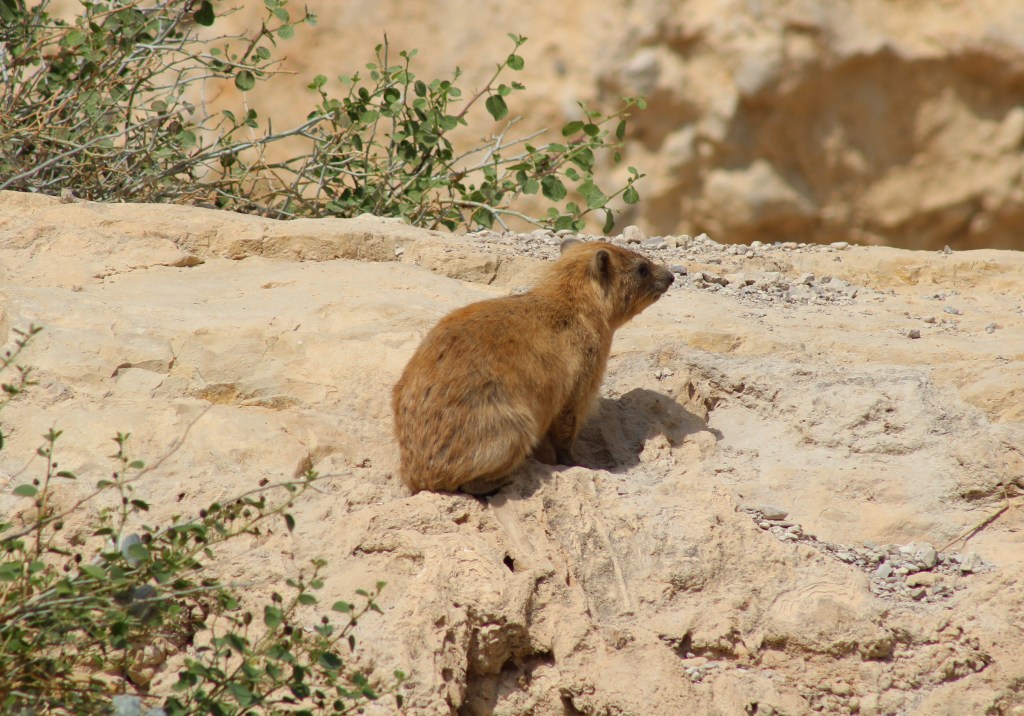
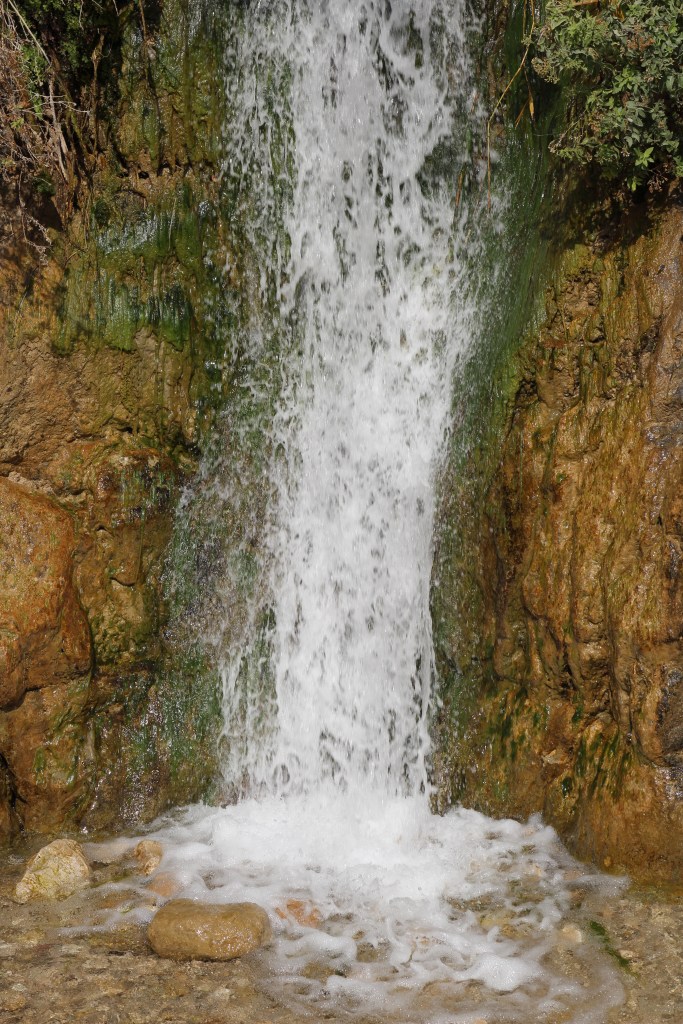
The beauty of En Gedi is in the unexpected–it is an oasis. By definition that means it appears out of nowhere in a place without water. It is an area where the wildlife is abundant as evidenced in the photos below taken on my recent trip to En Gedi.

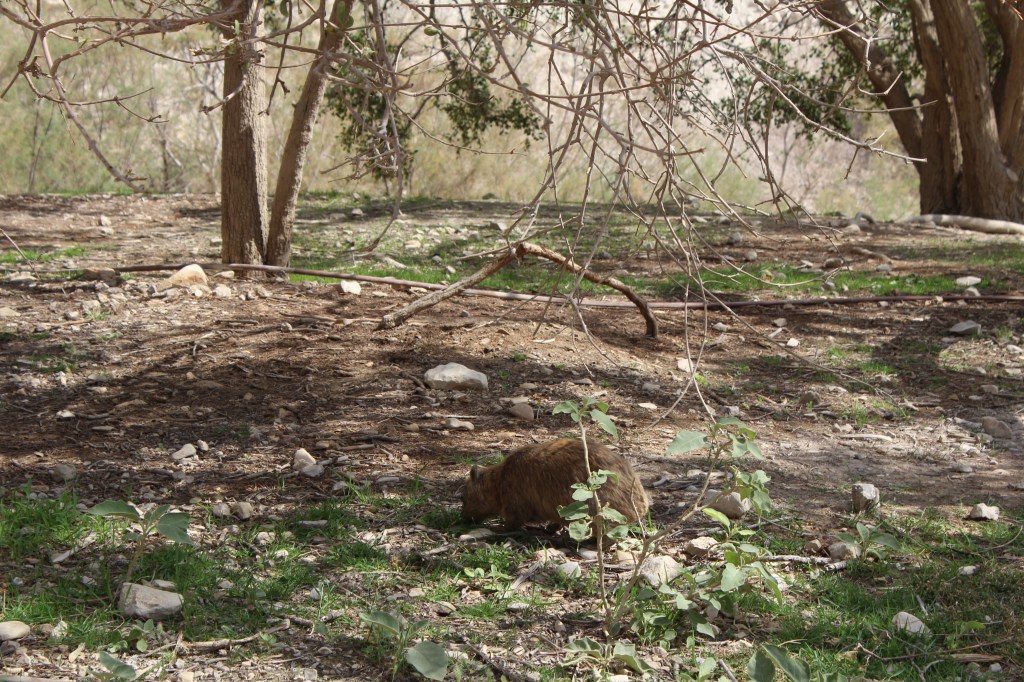
Hyrax – En Gedi, Israel
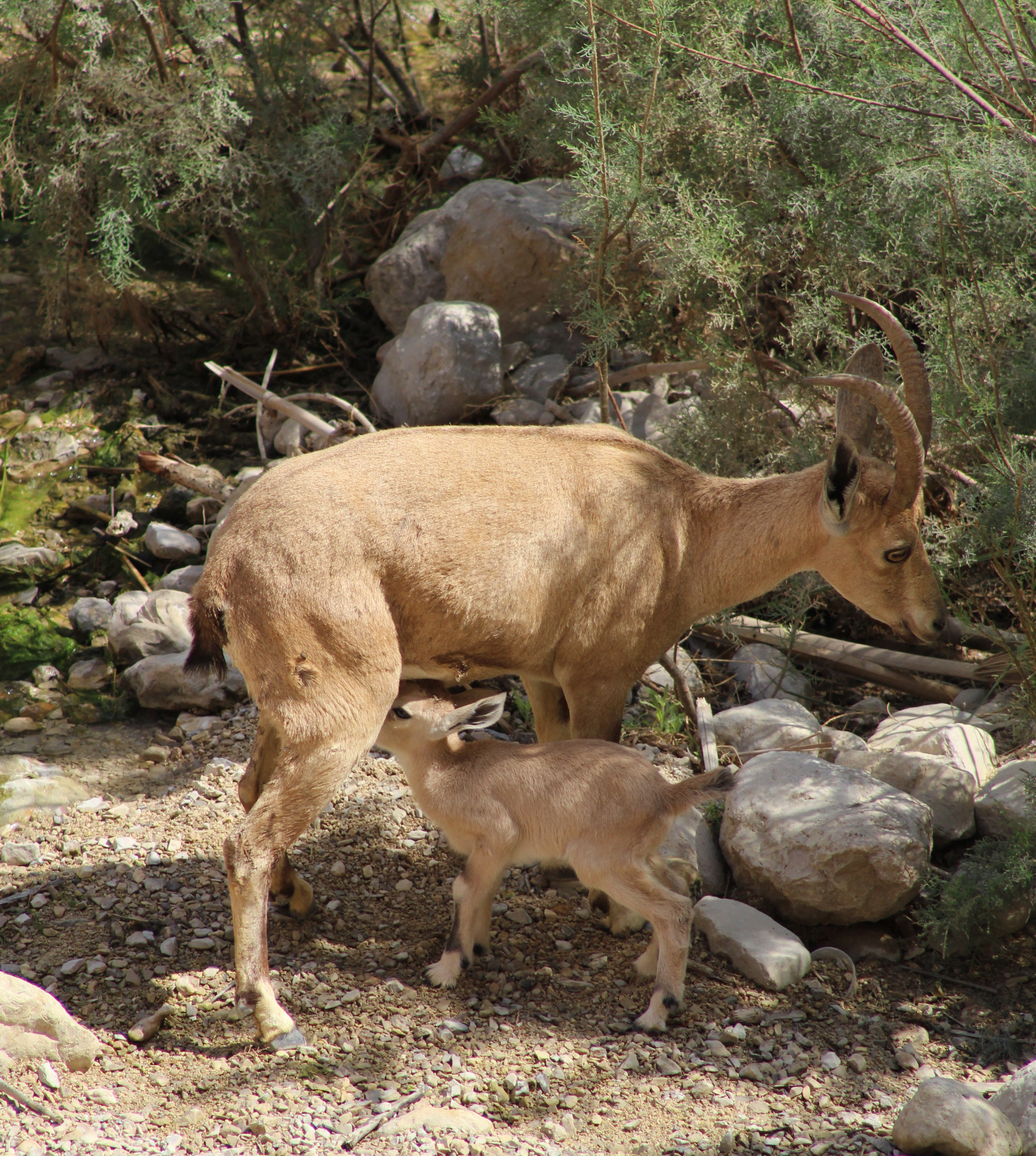
Ibex and baby – En Gedi, Israel
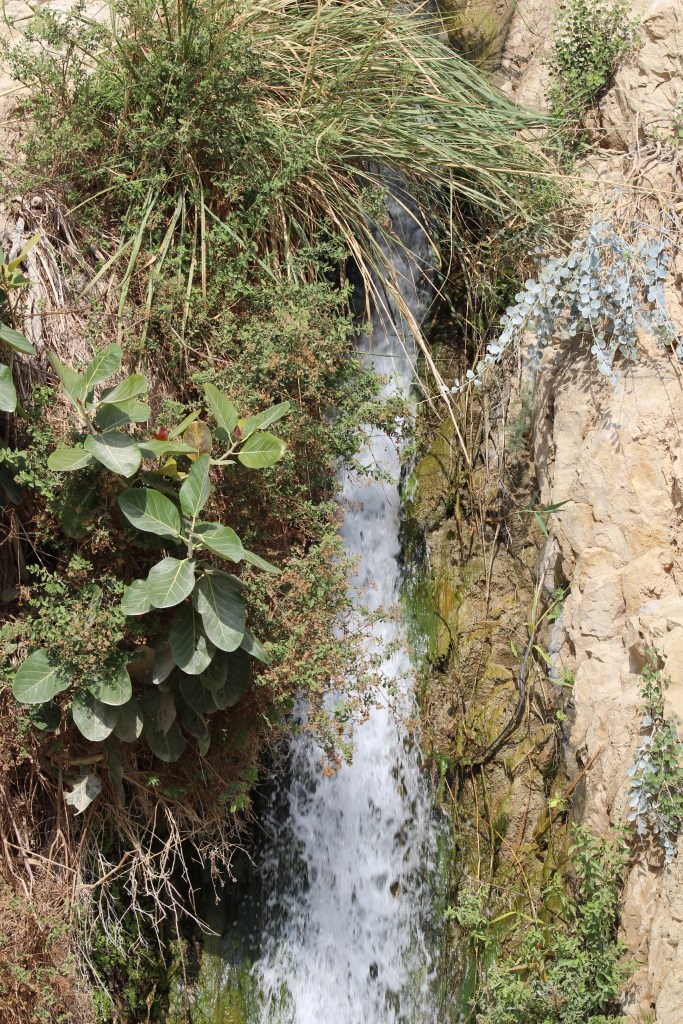
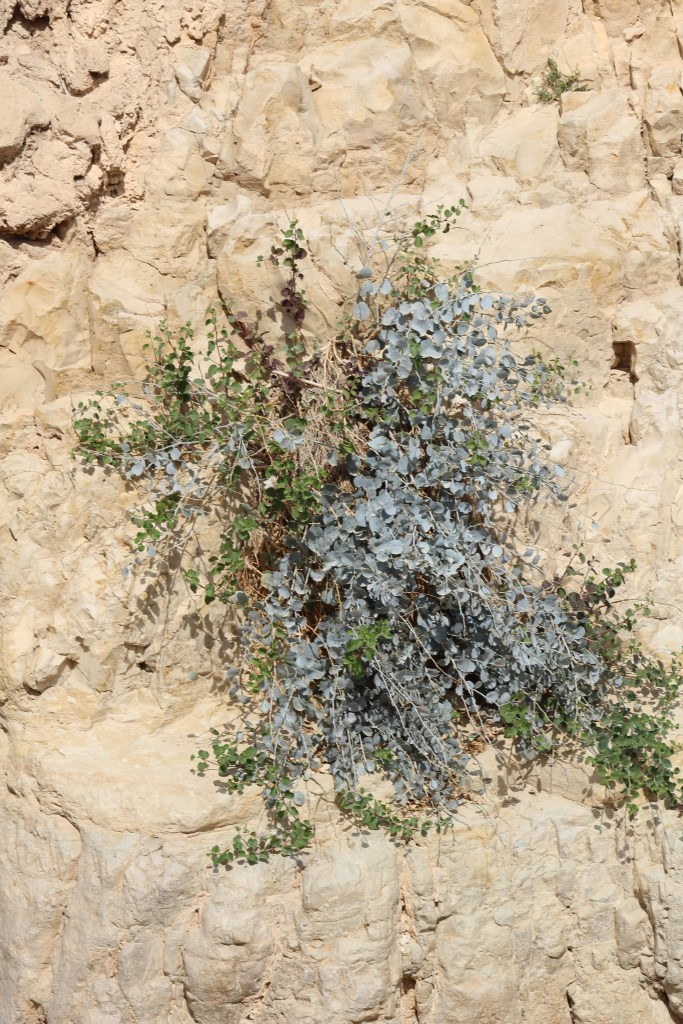
En Gedi, Israel
En Gedi, Israel
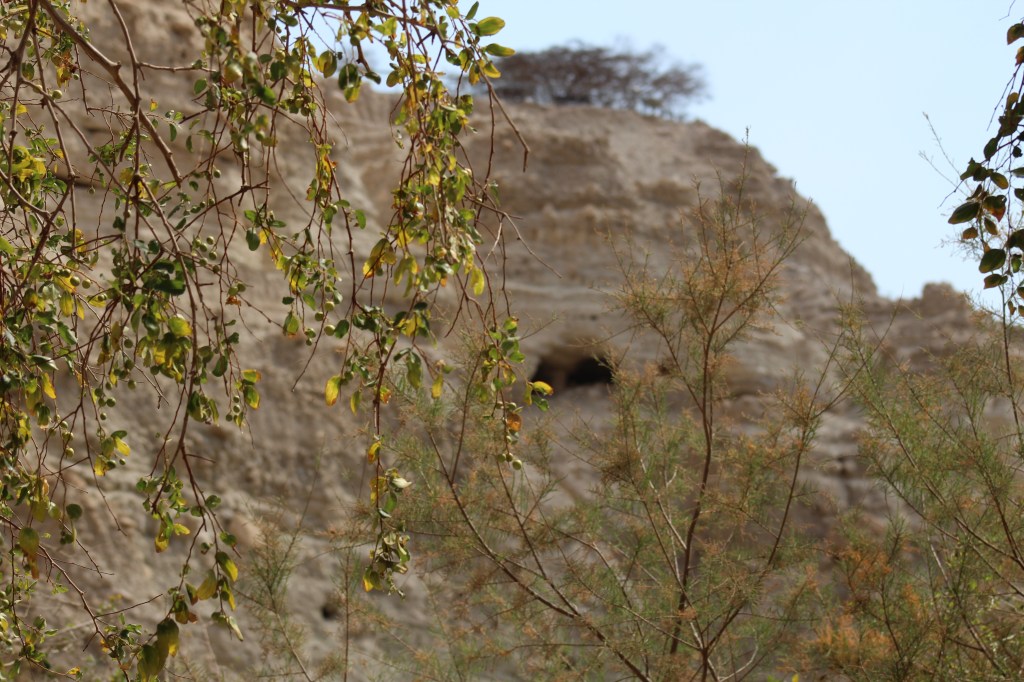
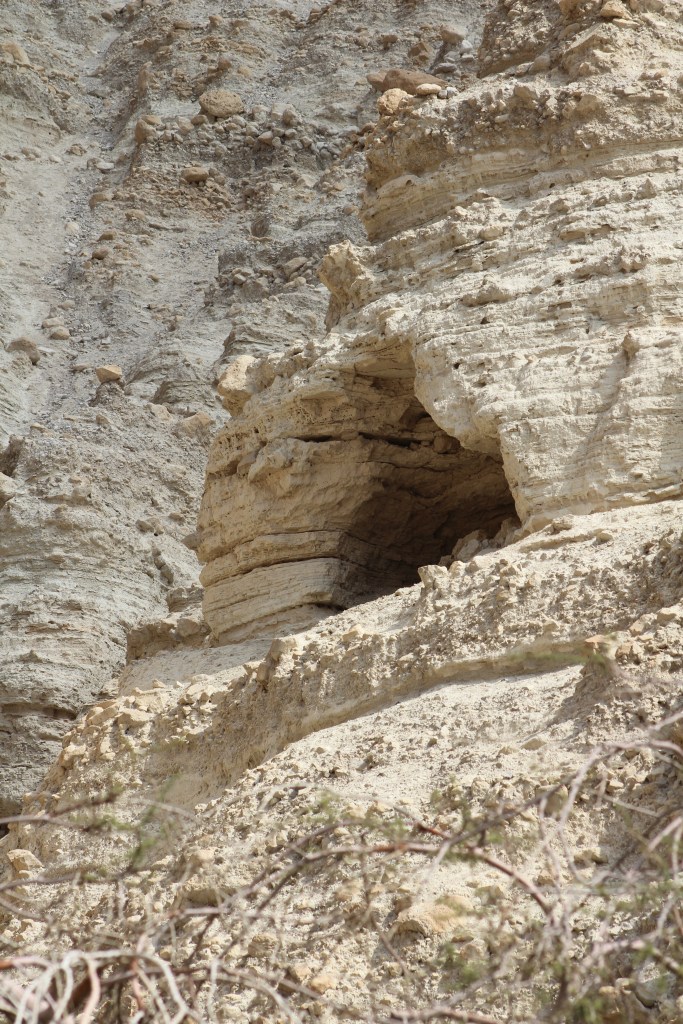
Caves at En Gedi, Israel
Hyrax – En Gedi, Israel

Read Isaiah Chapter 21

  1. What is Isaiah’s reaction to this vision that God is giving him according to Isaiah 21:3-4?
  2. What does the LORD tell Isaiah to do according to Isaiah 21:6?
  3. What does the watchman see according to Isaiah 21:7-9?
  4. Against whom does the LORD proclaim judgment in Isaiah 21:11-12? Who is “Dumah”?
  5. Against whom does the LORD proclaim judgment in Isaiah 21:13-17?
  6. What is the judgment described?

The Dead Sea

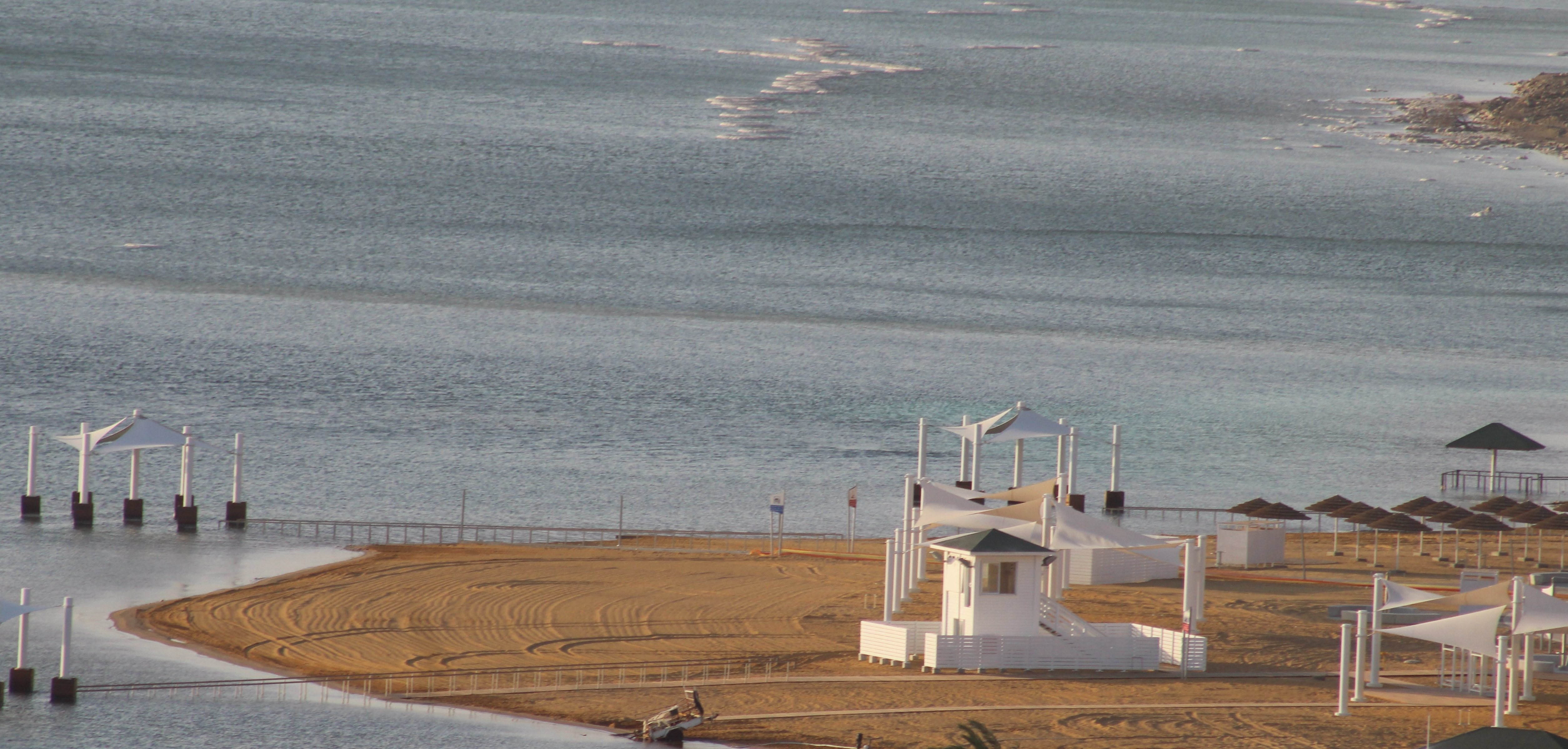
The lowest place on earth is where you’ll find the Dead Sea. It is a breathtaking place–but beware, she doesn’t offer up her secrets easily. Before letting us go swim in the Dead Sea, the tour guide gave us a 20-minute lecture on the techniques for floating and the dangers to be aware of, mostly dealing with the salt content of the water.

The Sea of Salt, as it is known in Hebrew, is not easily navigated. Because of the toll the salt content of the water takes on boats, the Israeli military no longer patrols the waters with boats.

Despite its difficulties, the Dead Sea is treasure trove of minerals and chemicals and is a magnet for tourists seeking its healing properties.

To the eye, it is yet one more beautiful sight in a land filled with beauty and history. Nearby are some important other places to visit such as En Gedi where David fled from Saul, Masada, a place of great significance to Jews, and Qumram, where the Dead Sea Scrolls were found.

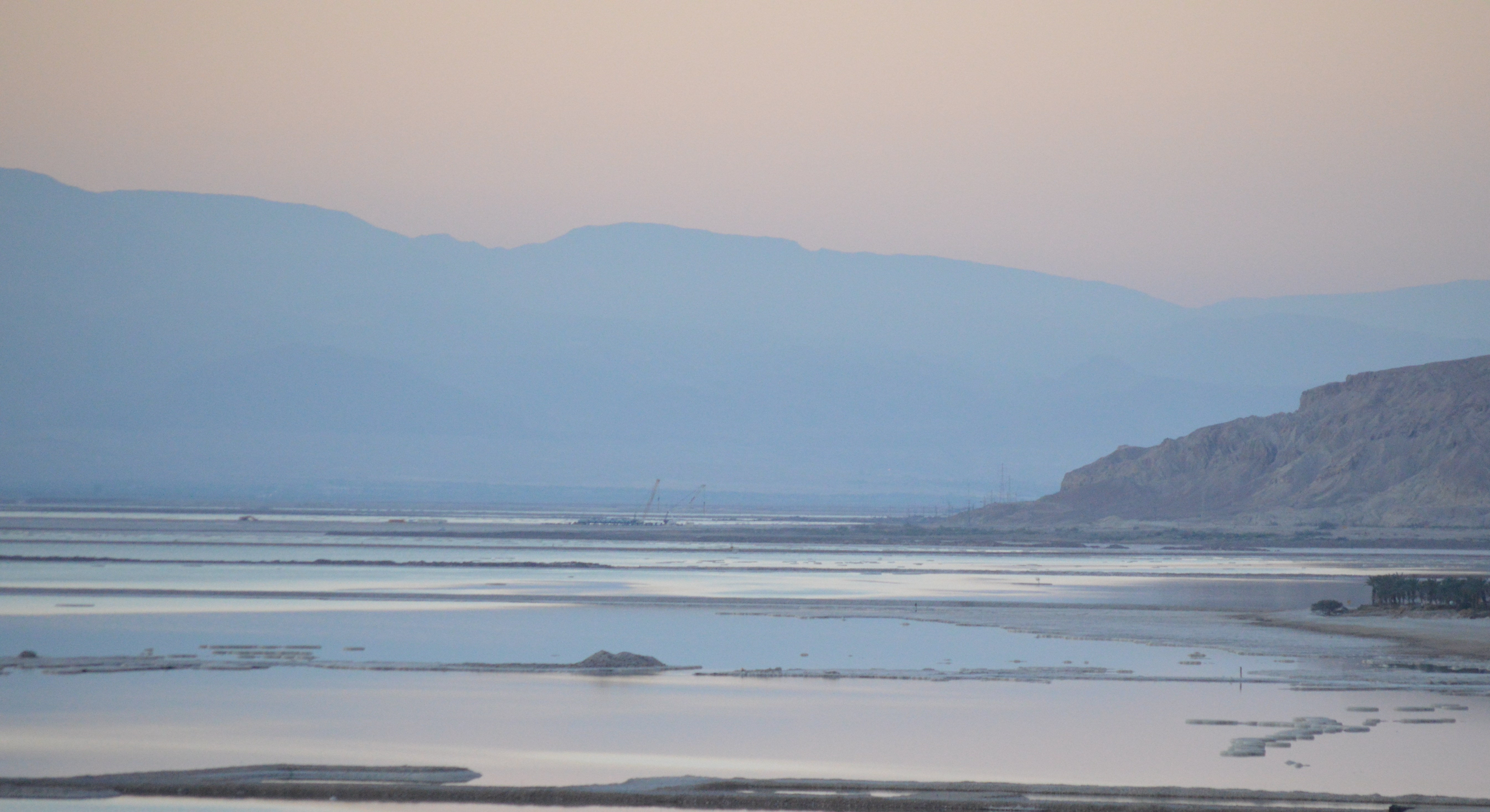
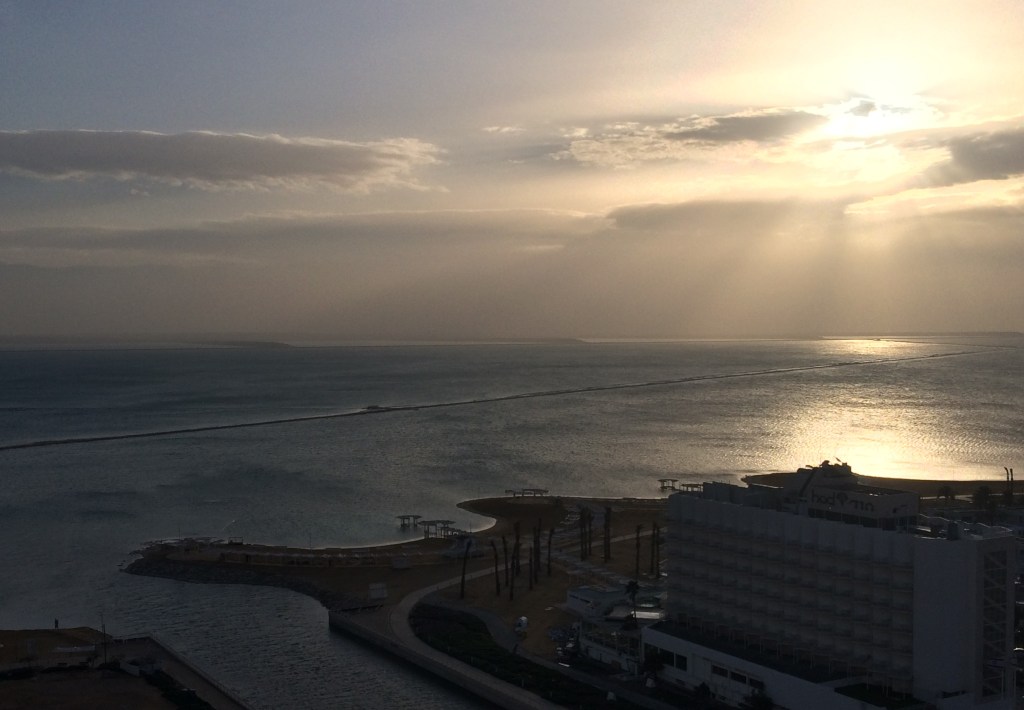
Sunrise on the Dead Sea, Israel
Resort at the Dead Sea, Israel

He is Risen!

Read Matthew 27:57-66

  1. Who went to Pilate to ask for Jesus’ body? What do you learn about this man?
  2. What was done to Jesus’ body? (See also John 19:38-42).
  3. Who else was at the tomb before the stone was rolled against the door?
  4. What additional safety measure is taken at the tomb? Why? (Matt. 27:64-66).

Read: Matthew 28:1-10; Mark 16:1-11; Luke 24:1-12; John 20:1-18

  1. According to Matthew’s gospel, who comes to the tomb on Easter morning and what do they witness?
  2. According to the Angel in Matthew 28:6, where is Jesus? What proof does he offer? What command does he give to the women?
  3. What is the reaction of the women according to Matthew’s gospel to the news that Jesus is risen?
  4. Who do the women meet on the way to tell the disciples? What is their reaction? His? (Matthew 28)
  5. What cover up story is provided to the soldiers by the Jewish elders? Why?
  6. What is the commission Jesus gives to the disciples in Matthew 28:18-20. Copy it here.
  7. How does this apply to all of us? How do we know? Provide scripture references if you can.
  8. According to Luke’s gospel, what was Peter’s response to being told the tomb was empty?
  9. Read Luke 24. Luke 24 includes the story of Jesus revealing himself to two of the disciples traveling on the road to Emmaus. What does he discuss with them? When does he finally reveal himself?
  10. How does this interaction with Jesus influence them? How do you know?
  11. In Luke 24:36 and following, Jesus appears to the disciples. What is His greeting? What proof does He offer to verify it is Him? What proof does he offer that He is resurrected and not just a spirit?
  12. What instruction does he give the disciples at the end of Chapter 24 of Luke?
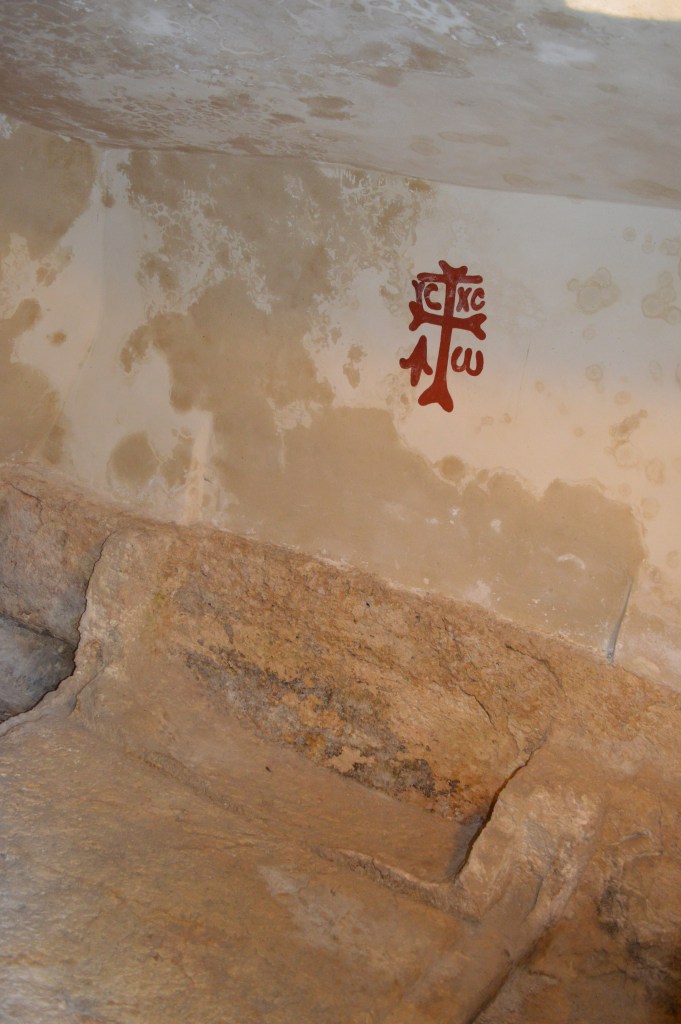
Garden Tomb, Jerusalem – the tomb is empty

More on the Cross

Read Mark 15:37-47

  1. What is the reaction of the centurion who stood watching the crucifixion after Jesus died?
  2. Who else was looking on according to Mark’s gospel?

Read Luke 23:44-56

  1. What was the reaction of the crowd to the death of Jesus according to Luke?
  2. Who was not present at the foot of the cross? Why?
  3. Read Psalm 34:20 and compare it to John 19:36. Why is this similarity significant?
  4. Read Exodus 12:46 (See also Numbers 9:12). According to John 19:36, why were none of Jesus’ bones broken?
  5. Read Zechariah 12:10. Zechariah lived in approximately 520 B.C. Why is this significant?
  6. Read Isaiah 61. Why did Jesus the Christ (the Messiah) come? List at least 4 reasons from Isaiah 61.

Note: Isaiah lived in approximately 760 B.C.

  1. At the cross, we see several different types of people. First of all we have the women who followed Jesus accompanied by John. Second, we have the Roman soldiers and the Roman Centurion (supervising soldier), Third, we have the religious leaders, watching as their threat is (apparently) eliminated. And Fourth, we have the mockers. Compare these four groups of people. Observe how they are all alike. Describe their differences. Describe how each is changed at the foot of the cross. Describe how each group leaves the cross.
  2. We, before we knew Christ, belonged to one of these groups. Which one did you identify with? Religious? Mocker? Rule keeper? Broken and hopeless? Explain.

The Cross

Read Mark 15:21-32; John 19:17-37

  1. Who was compelled to help Jesus by carrying His cross?
  2. What was written on Jesus’s cross? In what language? How did the Jewish leaders react to this? Pilate’s response?
  3. What do verse John 19:23-24 say the soldiers did with Jesus’ clothing?
  4. Copy Psalm 22:18 (A Psalm of David) here. What do you learn from this?
  5. Read Luke 23 Who was crucified at the same time as Jesus? How were their crosses arranged, i.e. Where was Jesus in relation to the others?
  6. What takes place between Jesus and one of the criminals in Luke 23:40-43? What important lessons can we learn from this encounter?
  7. What does Isaiah 53:12 say? How is this relevant?
  8. Write the 4 things Jesus said from the cross according to John 19:26-28, and 30. Why is each statement significant?

Read Matt 27:38-55.

  1. According to Matthew 27:38-44, the mocking of Jesus continued on the cross. Give some examples from this passage.
  2. What natural phenomenon occurred from the 6th through the 9th hour?
  3. Record Jesus’ cry from the cross in Matthew 27:46. What did it mean? Why do you think He cried out that way?
  4. What happened in the temple at the time of Jesus’ death according to Matthew 27:51 and Luke 23:45? What was the significance of that? What was behind the veil?
  5. Read Isaiah 53. List 5 verses that show this prophet, who lived 700 years
    before Christ, is talking about Jesus’ trial and crucifixion. Explain.
  6. Read Psalm 22. Which portions of the Psalm tell of Jesus’ death on the cross. Quote several of the sections.

Note: Psalm 22 is a Psalm of David. David lived one thousand years before Jesus Christ was born

The Passion of the Christ

Jesus’ Trials

Read Mark 14:55-65

  1. What were the Chief Priest and the counsel seeking with regard to Jesus?
  2. What was the problem with the false witnesses who spoke against Jesus?
  3. What do you learn from Deuteronomy 19:15 about the number of witnesses required under Mosaic law?
  4. In Mark 14:60, the High Priest asked Jesus a question, record the question and Jesus’ response.
  5. What was the question the High Priest asked Jesus in Mark 14:61? What was Jesus’ response?
  6. What is the significance of Jesus’ reply? How did this help His accusers? How does this relate to Exodus 3:14?
  7. What was the High Priest’s reaction to Jesus’ statement? Why did he react that way? What punishment did they want for Jesus? Why did they have to go to the Romans for that?

Note: After leaving the High Priest (Caiaphas) and the Sanhedrin, Jesus was taken to the Praetorium to be tried before Pilate, the Roman authority in Jerusalem and Judea. The Jews no longer lacked the authority to administer capital punishment (the death penalty) The Romans had taken that from them. In order to have Jesus crucified, the Roman authority would have to administer the penalty.

Going deeper: Who is Pilate? Find out what you can about him from extra-biblical sources. What do you learn?

Read John 18:28-40; 19:1-16; Mark 15:1-22;

  1. When Pilate asks the Jewish leaders what Jesus is accused of, how do they answer? What do you observe about that answer?
  2. How does Jesus describe His kingdom?
  3. In Mark 15:2, Pilate (Roman Ruler over Judea) questions Jesus as to who He is. Who does Jesus admit He is?
  4. What is the understanding that Pilate has about why the Chief Priests have turned over Jesus to him? (Hint Mark 15:10)
  5. What is Pilate’s verdict regarding Jesus in John 18:38?
  6. Who do the people call for in John 18:40?
  7. Who is Barabas? What is the debate involving him about? [Hint: See Luke 23:16-25?]
  8. Describe the suffering of Jesus outlined in John 19:1-3 and Matthew 27:27-31.

The Last Supper

Read Matthew 26:17-30.

The scene described in these scriptures is of the Last Supper (as it is known by the Church) which was a Passover meal (a Seder) which Jesus (a Jew) celebrated with his disciples (all Jews) the night He was arrested. The Seder was very ritualized.

Passover was to begin at sundown which in March or April would be at approximately 6 p.m. The meal had to be eaten within the walls of Jerusalem. For that reason, at the time of Passover, pilgrims from all over Israel would crowd into Jerusalem, and its population would swell. Passover was a very intimate meal to be shared with family and close friends. Here Jesus is with his very closest friends and disciples.

  1. What do you observe? Why are we given this part of the story?
  2. Read Luke 22:7-23
  3. According to Luke 22:15-16, what does Jesus say about this Passover?
  4. In Luke 22:19, how did Jesus describe the bread?
  5. In Luke 22:20, what did Jesus say about the cup?
  6. What does Jesus say about the fruit of the vine in Mark 14:25? What is implied by His statement?
  7. What were the Jews told to teach their children about Passover according to Exodus 12:25-27?
  8. What is the significance of the Passover for the Christian? (Hint: 1 Corinthians 5:7)
  9. What prophecy did John the Baptist speak over Jesus in John 1:29? What did he mean?