What was the purpose of the offerings described in this chapter?
Fill in the following chart regarding the offerings made.
Day
Person
Tribe
First
Second
Third
Fourth
Fifth
Sixth
Seventh
Eighth
Ninth
Tenth
Eleventh
Twelfth
What do you learn from Numbers 7:89?
It is our desire to help you grow in your knowledge of Adonai and His Word. If you are looking for additional information and/or materials, please visit our website at RootedinHisWord.org and our Facebook page.
What is the law of the Nazarite (sometimes referred to as a Nazarite vow)? Why was it taken?
Who else took the Nazarite vow according to the following passages? Judges 13:1-8? Luke 1:5-17?
Copy the blessing in Numbers 6:24-26. This is the heart of God for you. What blessing does Jesus give in John 14:27?
What blessing does Paul give in 2 Thessalonians 3:16?
Write out a blessing for someone you wish God to bless in your own words.
Kinneret – Israel
It is our desire to help you grow in your knowledge of Adonai and His Word. If you are looking for additional information and/or materials, please visit our website at RootedinHisWord.org and our Facebook page.
What is to be done to those who are ceremonially unclean (lepers, those with discharge, those defiled by corpse)? Why?
What are the rules regarding making restitution for one’s trespass/sin according to Numbers 5:5-10?’
What is the new testament say about confession in 1 John 1:9?
What does Numbers 5:11-31 say about unfaithful wives?
What is your reaction to this process? Objections? What is good about it?
Read the story in John 8:1-12. How does Jesus handle this adulterous woman? What do you notice about the situation? How is this different from the handling of the situation in Numbers 5? Why do you suppose that is?
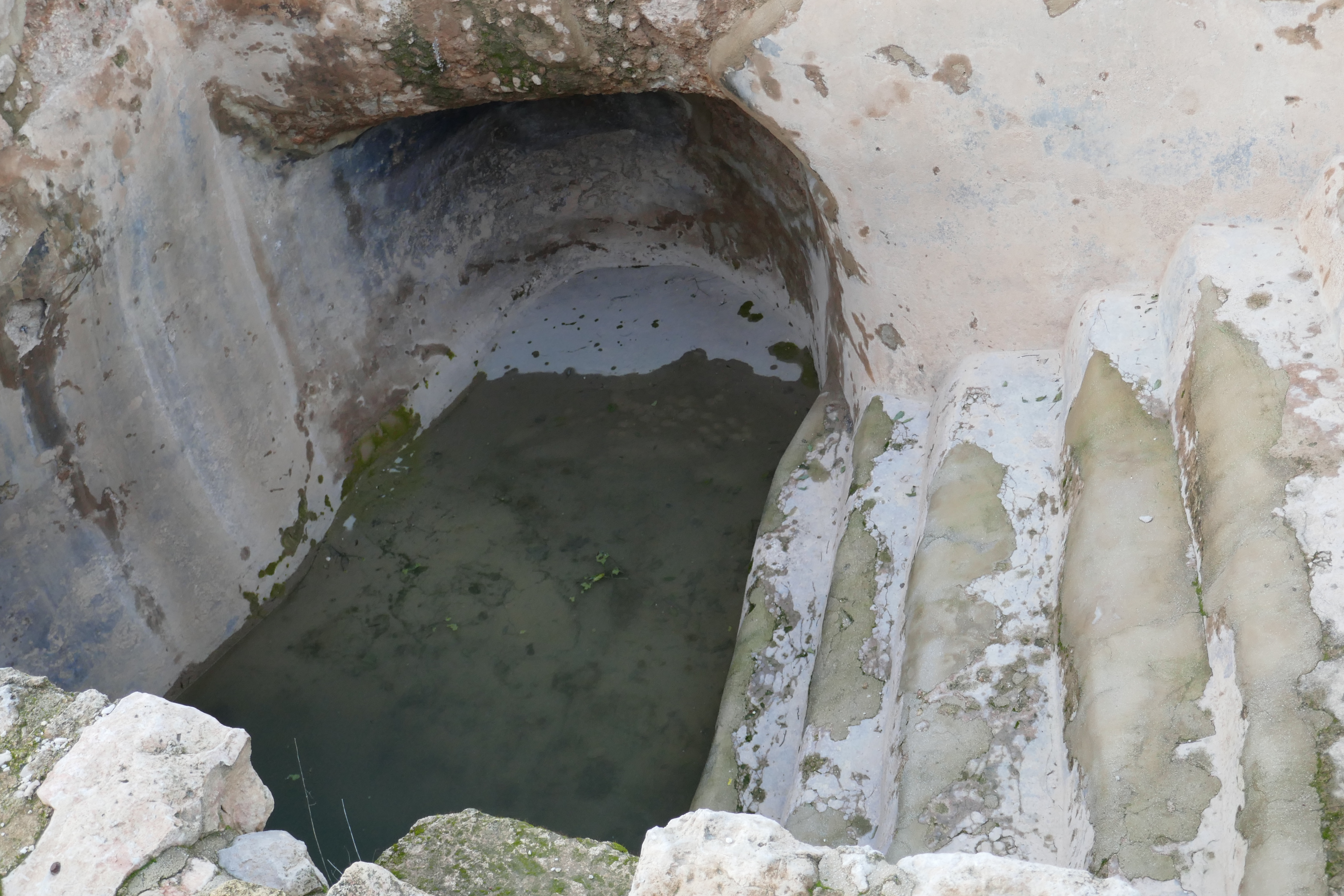
Mikveh – Tel Hebron
It is our desire to help you grow in your knowledge of Adonai and His Word. If you are looking for additional information and/or materials, please visit our website at RootedinHisWord.org and our Facebook page.
What were the responsibilities of the sons of Kohath relating to the most holy things?
What are the duties of Eleazar, the son of Aaron the priest?
What were the duties of the sons of Gershon with regard to the tabernacle of meeting?
What were the duties of the sons of Merari with regard to the tabernacle of meeting?
How many sons of Kohath were counted? Sons of Gershon? Sons of Merari? Levites?
It is our desire to help you grow in your knowledge of Adonai and His Word. If you are looking for additional information and/or materials, please visit our website at RootedinHisWord.org and our Facebook page.
1. List the sons of Aaron. What happened to Nadab and Abihu? (See Leviticus 10 to review)
2. What was the job of Aaron and his sons?
3. What were some of the things the Levites were to do?
4. Who were the sons of Levi?
5. What were the duties of the families of Merari?
6. What do you learn about the redemption of the firstborn in Numbers 3:40 to the end of the chapter?
7. What does God say about the Levites in Numbers 3:45?
8. What do you learn about God from these chapters? What do you learn about His people?
It is our desire to help you grow in your knowledge of Adonai and His Word. If you are looking for additional information and/or materials, please visit our website at RootedinHisWord.org and our Facebook page.
Read Matthew Chapter 11 1. What does Jesus do after He instructs the disciples according to Matthew 11:1?
2. What does John the Baptist do when he hears about what Jesus is doing according to Matthew 11:2-3?
Going deeper: Where was John the Baptist imprisoned?
3. How does Jesus respond in Matthew 11:4-6? What is the importance of these things they are seeing Jesus do?
Going deeper: Review the following scriptures which describe the things Messiah will do when He comes. How are the following passages relevant to what Jesus is telling John? Isaiah 35:4-6, Isaiah 29:18-19.
4. Who is Jesus talking about in Matthew 11:7-10?
5. Copy Malachi 3:1. Meditate on this record your thoughts and impressions on this and Matthew 11:10.
6. What does Jesus say about John the Baptist in Matthew 11:11-15?
7. What comparison does Jesus make in Matthew 11:16-17? What is the meaning He is trying to convey?
Going deeper: The phrase “to what shall I liken” was often used by rabbis when they were telling a parable.
8. What comparison does Jesus make in Matthew 11:18-19?
9. Where was Chorazin located in Israel at the time of Jesus?
10. Where was Bethsaida located in Israel at the time of Jesus?
11. What does Jesus say of Chorazin and Bethsaida in Matthew 11:20-24?
12. What is the significance of Jesus’ mention of Tyre and Sidon? According to Jesus, how would their reaction be different from the other cities of Chorazin, Bethsaida and Capernaum?
13. Copy Isaiah 14:11. How does this relate to Jesus’s statements regarding Capernaum in Matthew 11:23?
14. What is Jesus’ prayer in Matthew 11:25-26?
15. Restate in your own words the truths you find in Matthew 11:27.
16. Copy Matthew 11:28-30. Meditate on this. Record your thoughts and impressions.
Going deeper: What would the “yoke” mean to an observant Jew in the time of Jesus? How does that influence how we understand this passage?
It is our desire to help you grow in your knowledge of Adonai and His Word. If you are looking for additional information and/or materials, please visit our website at RootedinHisWord.org and our Facebook page.
Read Matthew Chapter 10
1. What do you learn about John from the following verses?
Matthew 4:21
Mark 5:37
Mark 9:2
Mark 9:38-39
John 13:21-29
John 18:15-17
2. What do you learn about Philip from the following verses?
John 1:43-48
John 6:5-7
John 12:20-22
John 14:8-14
Acts 1:13
3. What do you learn about Bartholomew from the following verses?
Luke 6:14
John 1:43-51
Acts 1:13
4. What do you learn about Thomas from the following verses?
John 11:-16
John 14:1-6
John 20:19-29
5. What do you learn about Matthew from the following verses?
Mark 2:14
Luke 5:29-32
Acts 1:13
6. What do you learn about James, son of Alphaeus, from Acts 1:13?
7. What do you learn about Judas Iscariot from the following verses?
Matthew 26:14-16
Matthew 27:3-4
Luke 22:3-4
John 6:66-71
John 12:1-8
John 13:1-30
John 18:1-9
Acts 1:15-26
6. What did Jesus give his disciples according to Matthew 10:1?
7. What commands did Jesus give his disciples when he sent them out according to the following verses?
Matthew 10:5-6
Matthew 10:7-8
Matthew 10:9-10
Matthew 10:11-15?
Matthew 10:16
Matthew 10:17-20
Matthew 10:21-23
Matthew 10:24-26
Matthew 10:27
Matthew 10:28
Matthew 10:29-31
8. What does Jesus say about those who acknowledge Him and those who deny Him in Matthew 10:32-33?
9. What does Jesus say about his mission on earth in Matthew 10:34-36?
10. What does Jesus say about those who are worthy of Him in Matthew 10:37-38?
11. Would you be worthy of Jesus based on His criteria in Matthew 10:37-38?
12. Copy Matthew 10:39. Meditate on this. Record your thoughts and impressions.
13. What does Jesus say about those who welcome the disciples in Matthew 10:40-42? How can this apply to our lives today?
It is our desire to help you grow in your knowledge of Adonai and His Word. If you are looking for additional information and/or materials, please visit our website at RootedinHisWord.org and our Facebook page.
Read Matthew Chapter 10
1. What does Jesus do according to Matthew 10:1?
2. Who are the twelve disciples?
3. What do you learn of Simon (Peter) from the following verses?
Matthew 4:18
Matthew 16:13-20
Mark 1:29
Mark 14:37
Luke 5:1-11
John 6:67-69
John 13:6-9
John 18:10-11
John 18:15-18; 25-26
4. What do you learn of Andrew from the following verses?
Mark 1:16
John 1:35-40
John 1:44
John 12: 20-23
Acts 1:13
5. What do you learn of James from the following verses?
Matthew 4:21
Matthew 27:55-57
Mark 1:19
Mark 3:17
Mark 10:35-45
Luke 5:10
Luke 8:51
Luke 9:28
It is our desire to help you grow in your knowledge of Adonai and His Word. If you are looking for additional information and/or materials, please visit our website at RootedinHisWord.org and our Facebook page.
Read Matthew Chapter 7
1. What is Jesus instructing them not to do in Matthew 7:1-2? Why?
2. What does God say about judging in the following verses?
Leviticus 19:15
Numbers 35:15-25
Luke 6:37:43-45
John 7:24
1 Corinthians 5:9-13
3. Consider words that are synonyms of “judge.” Make a list of some that might be applicable to Jesus’s point in Matthew 7:1-2.
4. Look up the following words in a dictionary. Record what you find as it might apply to this passage.
Discernment
Judgment
Criticism
Inspection
According to commentators, Jesus is not prohibiting all types of judgment or evaluation among believers. He is addressing the issue of criticizing those of the household of faith. His point is that we should expect to be judged according to the criteria or type of judgment we apply to others. As a result, we should always seek to judge righteously, so that any judgment applied to us would also be done righteously. It seems to be an extension of the command to love your neighbor as yourself. See Matthew 7:12.
5. What is Jesus describing in Matthew 7:3-4? (Hint: See Matthew 7:5)
6. What do you learn about hypocrites and hypocrisy from the following verses?
Proverbs 11:9
Matthew 23:13-30
Mark 7:6
James 3:17
7. What remedy does Jesus suggest in Matthew 7:5?
8. Copy Matthew 7:6. Meditate on this. What is Jesus’ point?
It is our desire to help you grow in your knowledge of Adonai and His Word. If you are looking for additional information and/or materials, please visit our website at RootedinHisWord.org and our Facebook page.
9. What is the lesson Jesus is teaching in Matthew 7:7-11?
10. How do the following verses help clarify or add meaning to Matthew 7:7-11?
Psalm 37:4
Matthew 21:21-22
John 15:7
John 16:23-24
11. Explain the meaning of Matthew 7:12 in your own words.
12. What is Jesus’ message to them in Matthew 7:13-14?
13. How is Matthew 7:13-14 similar to or different from Deuteronomy 30:15-20? Psalm 1?
14. In Matthew 7:15-20, Jesus is explaining how we are to judge people (as fruit inspectors). What does He say about false prophets? How can we know them?
15. What do the following passages add to your understanding of false prophets and how you can identify them?
Deuteronomy 13:1-5
Jeremiah 14:14
Mark 13:22
2 Peter 2:1-3
John 10:12
16. What does Jesus say about those who will enter the kingdom of heaven in Matthew 7:21-23?
17. What does Jesus say about those who hear His words and act on them in Matthew 7:24-27?
18. What was the reaction of the crowd to Jesus’ teaching according to Matthew 7:28-29?
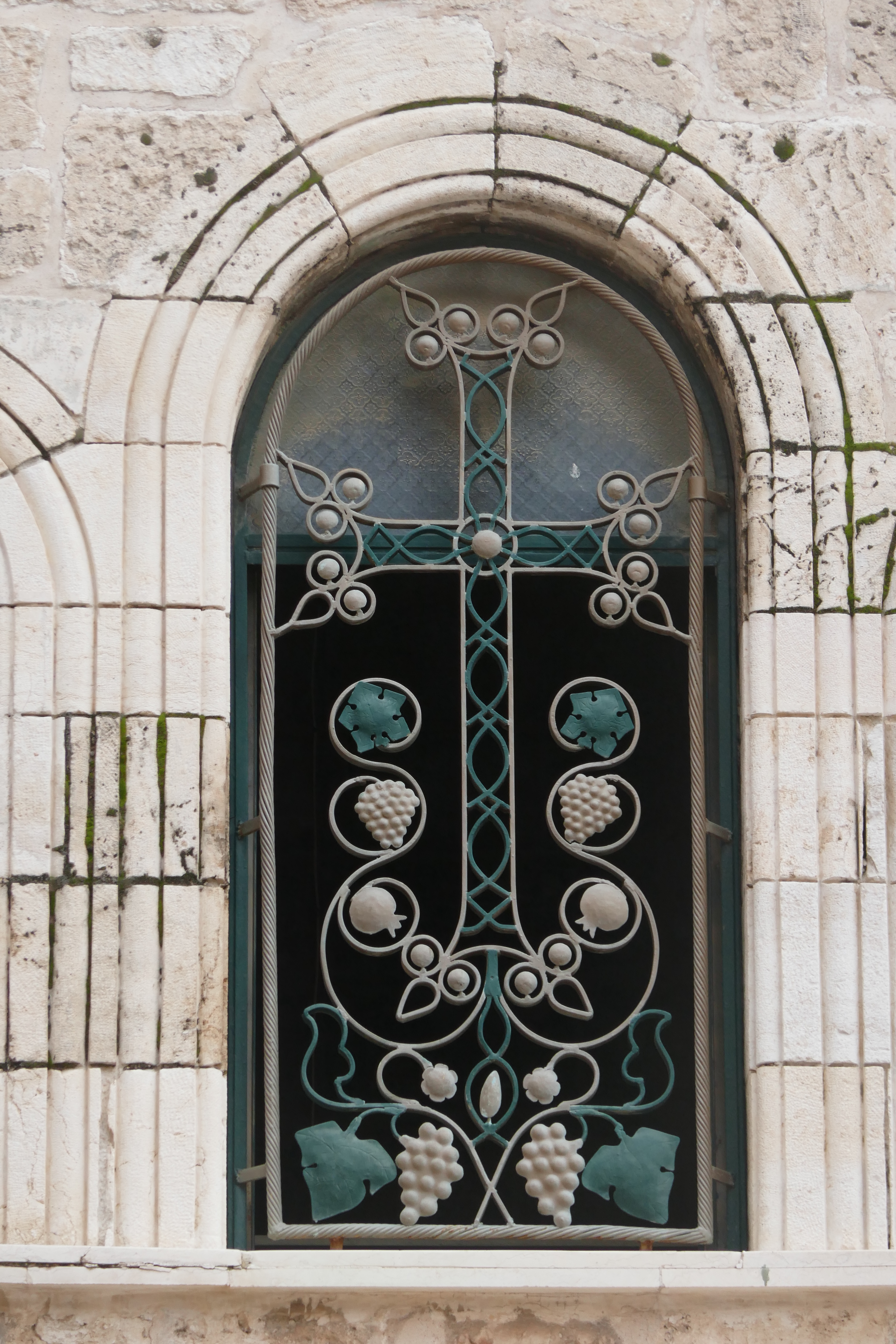
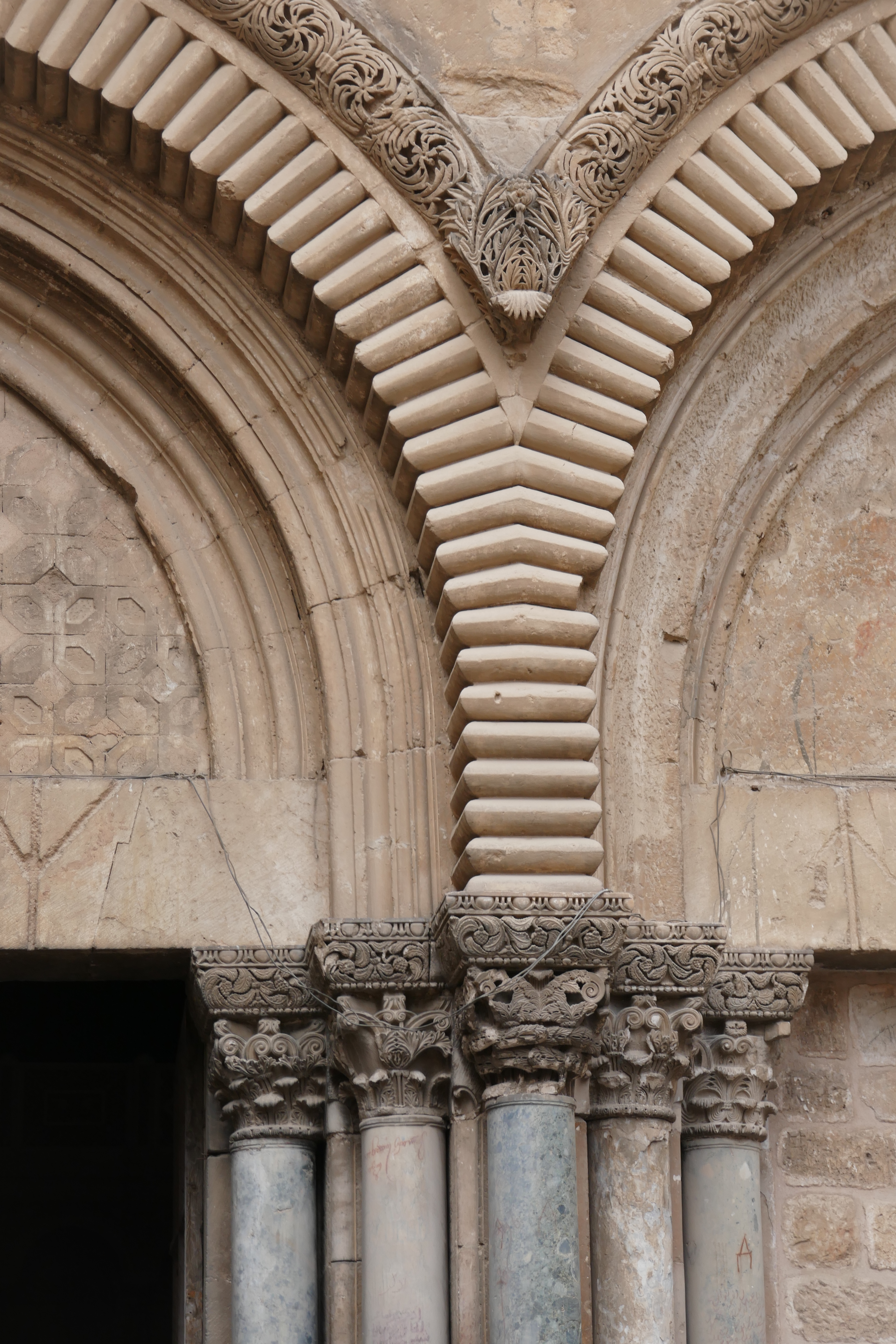
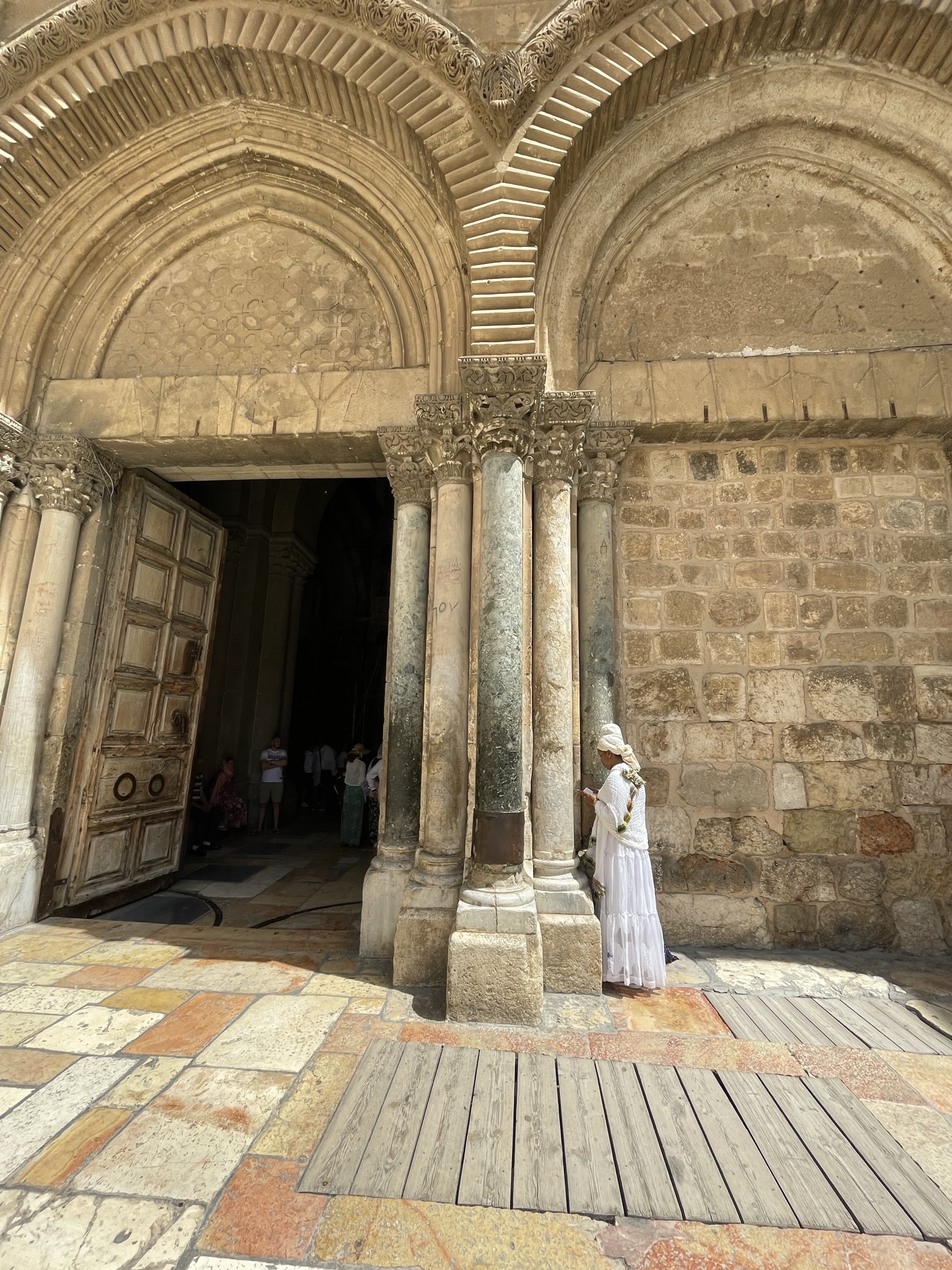
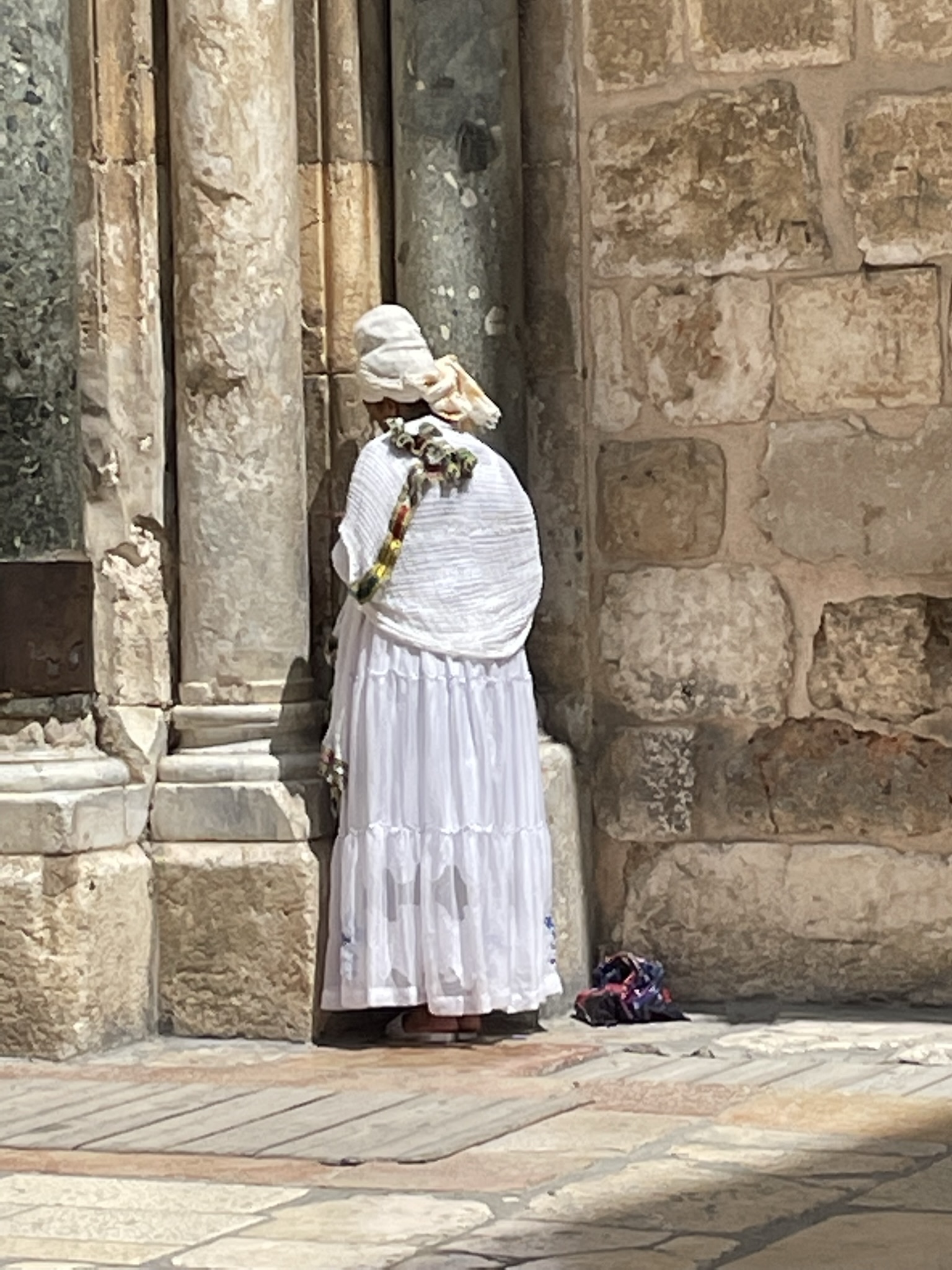
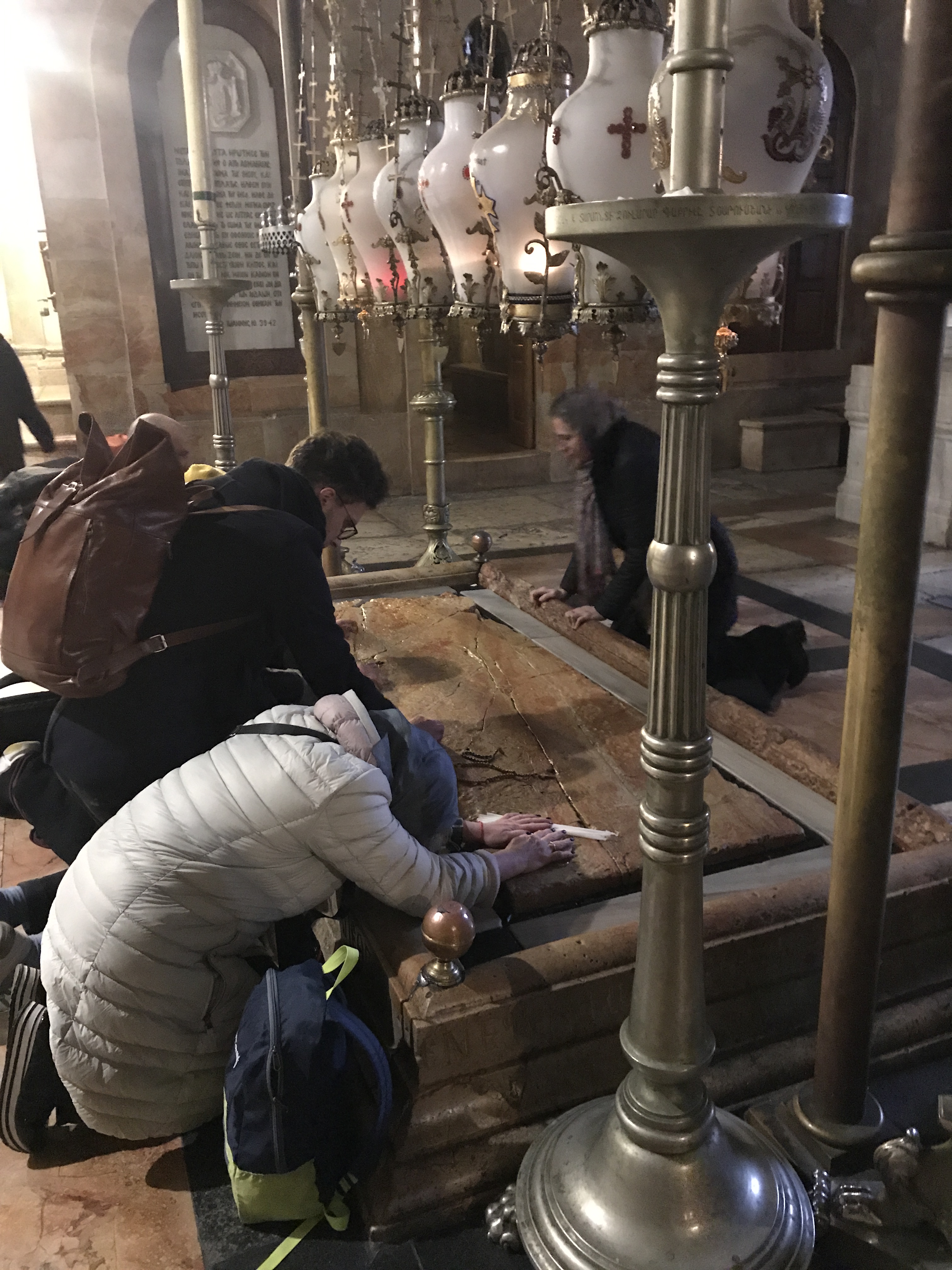
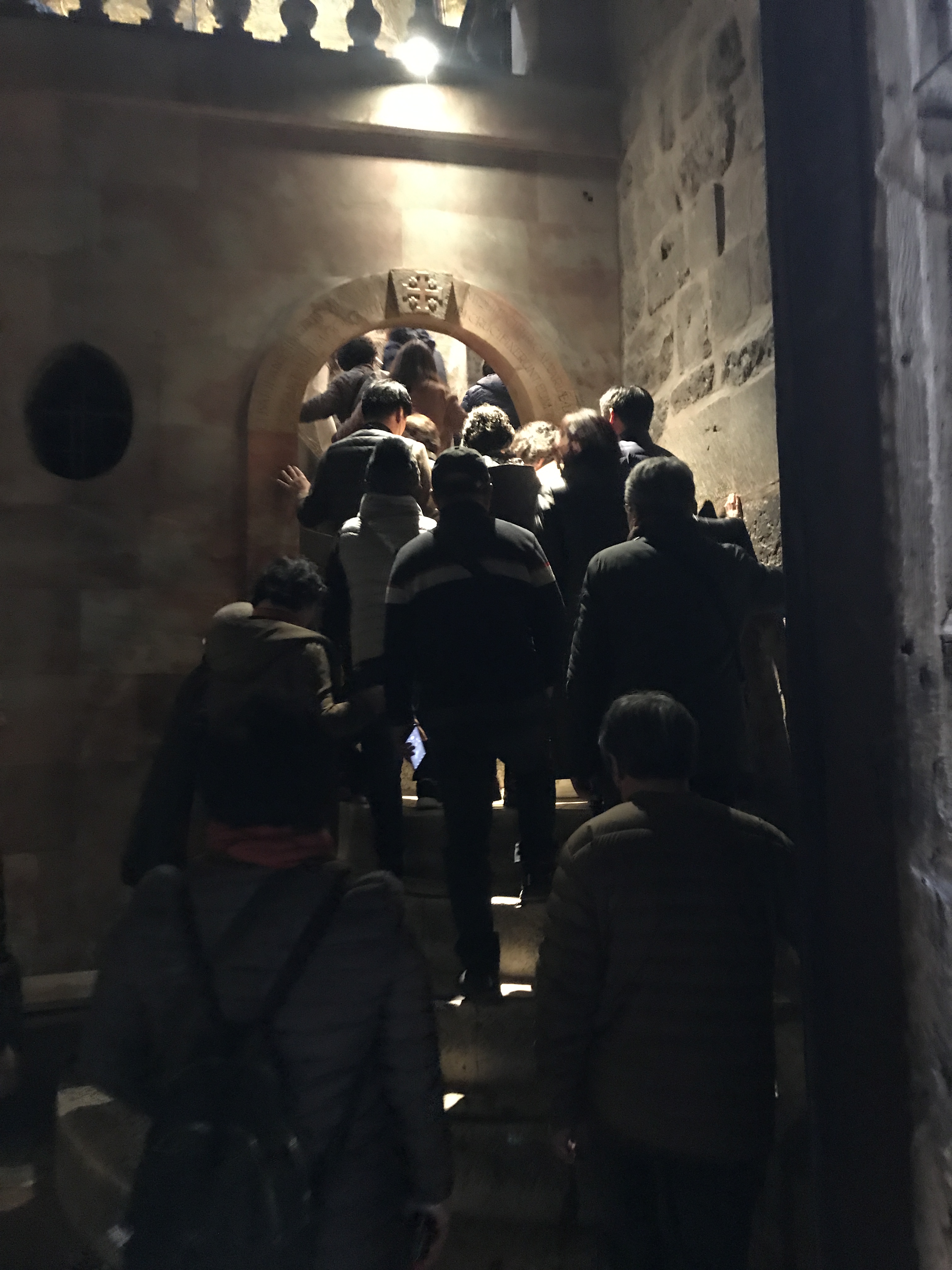
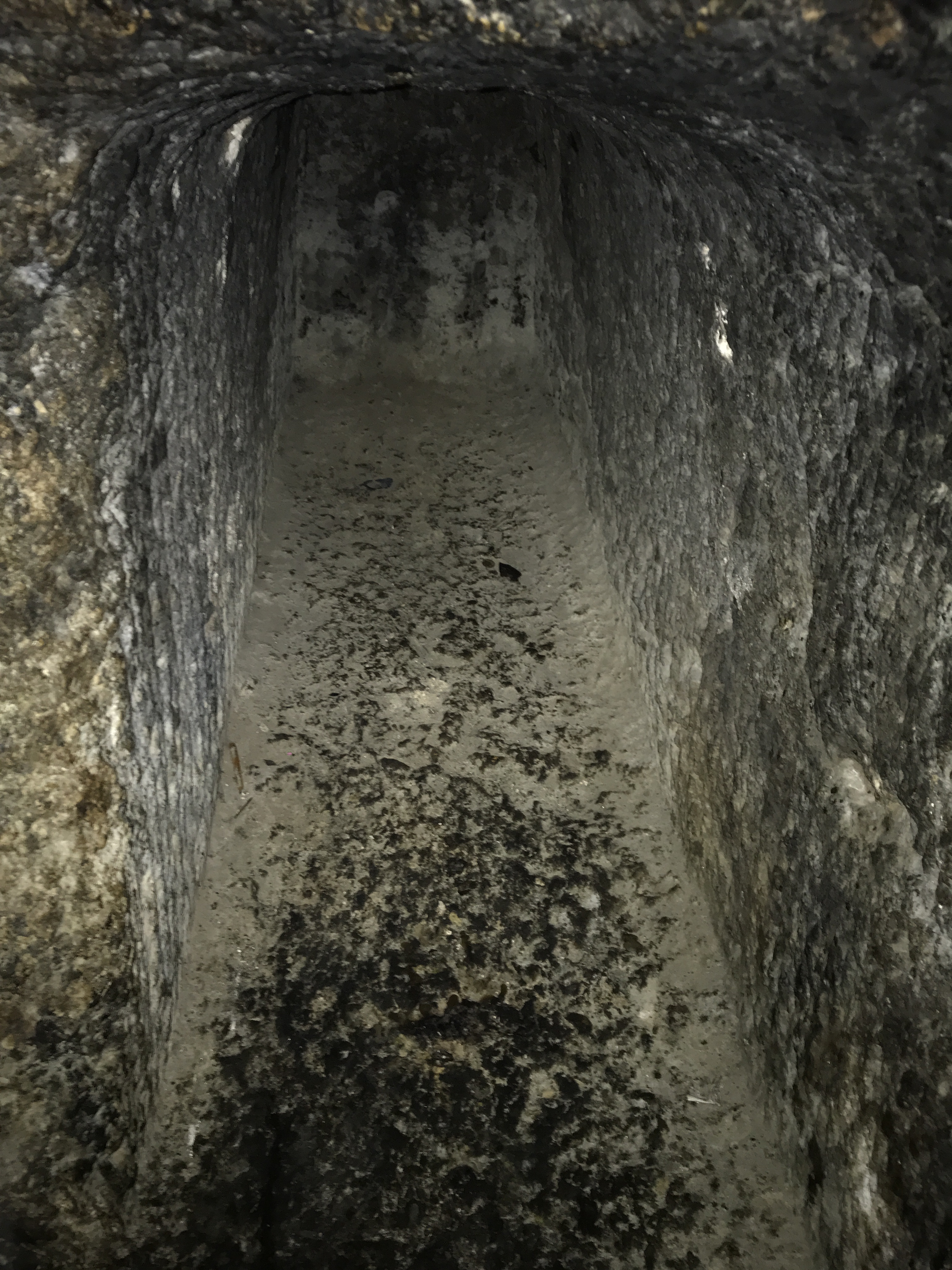
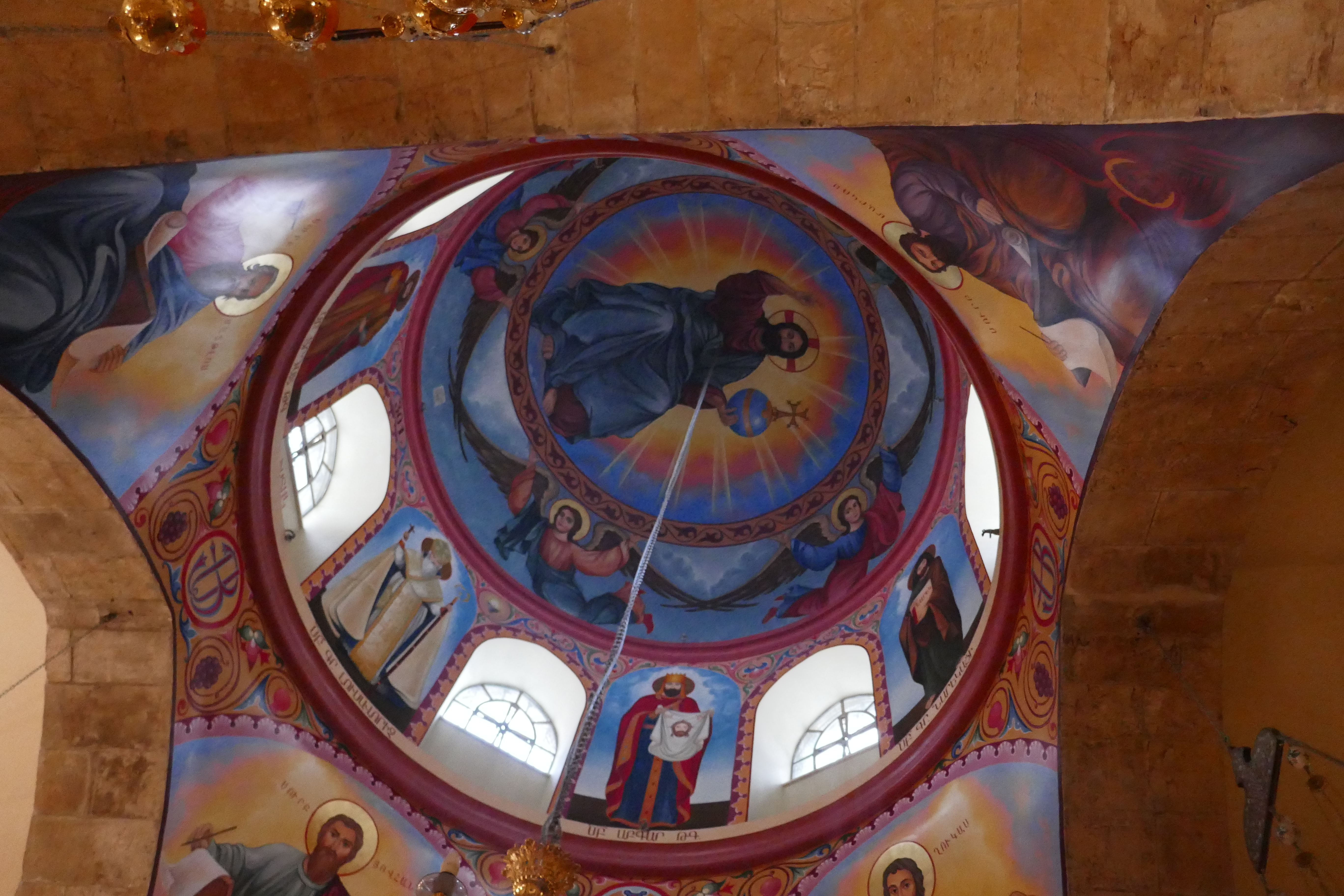
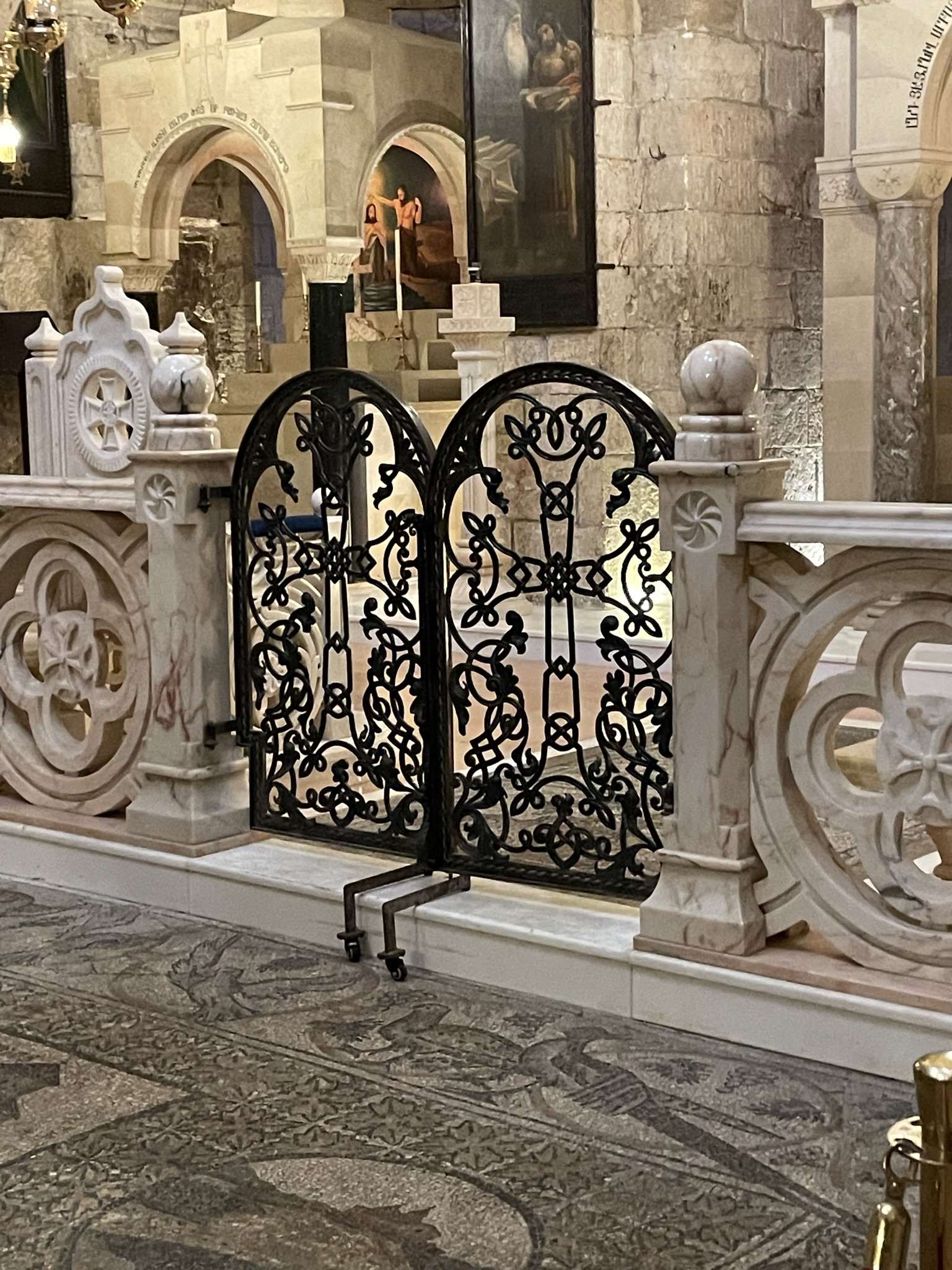
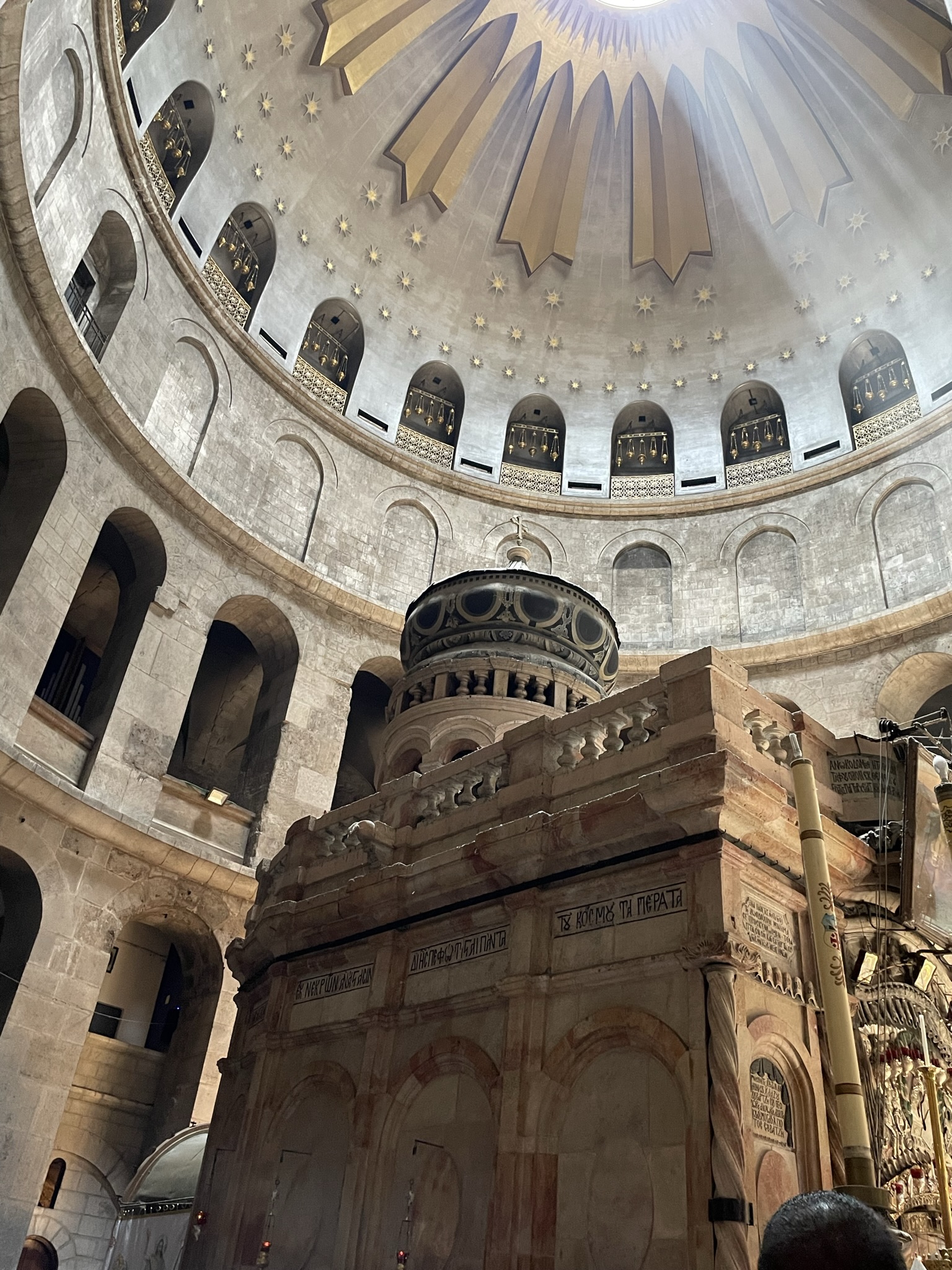
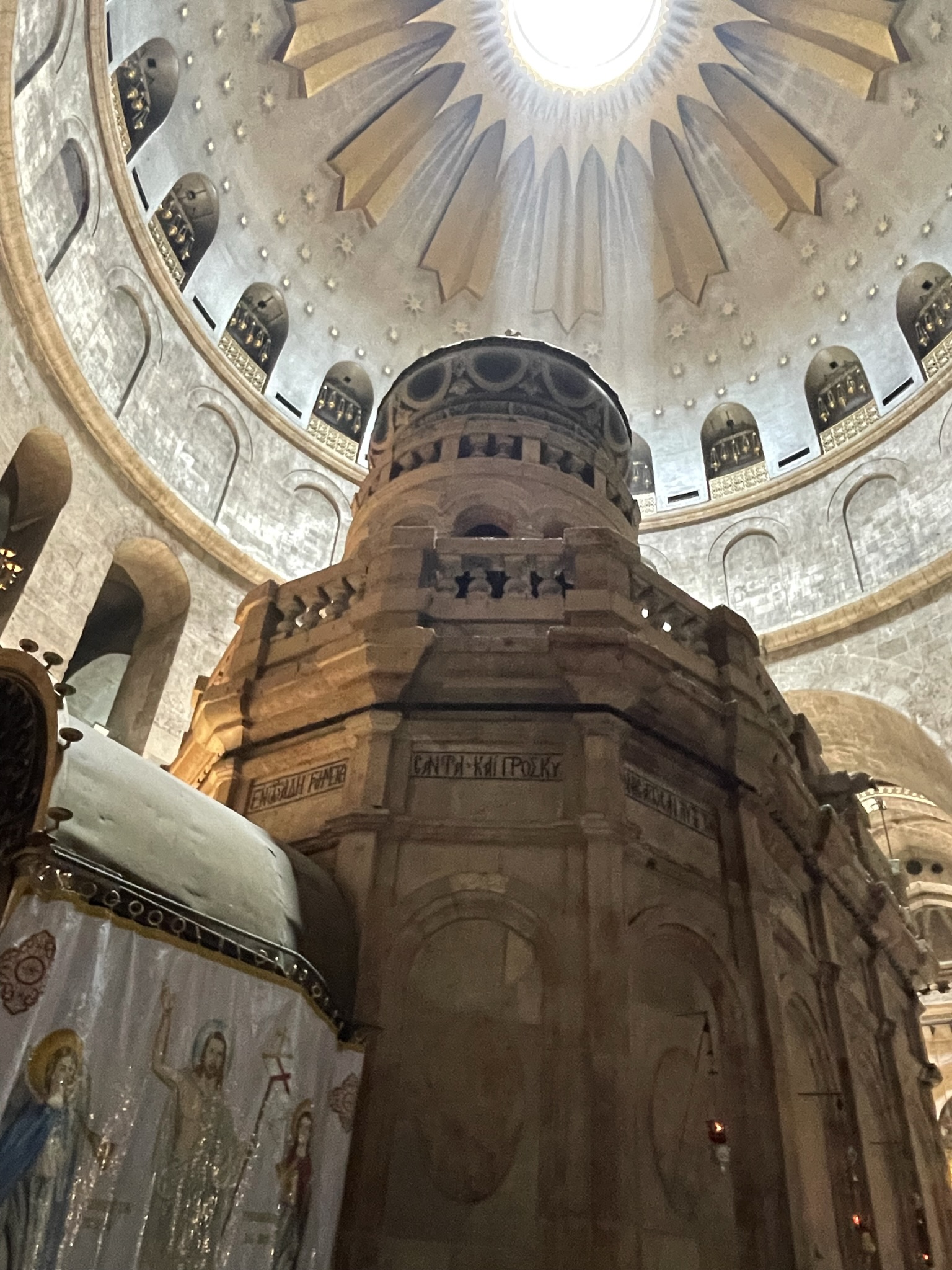
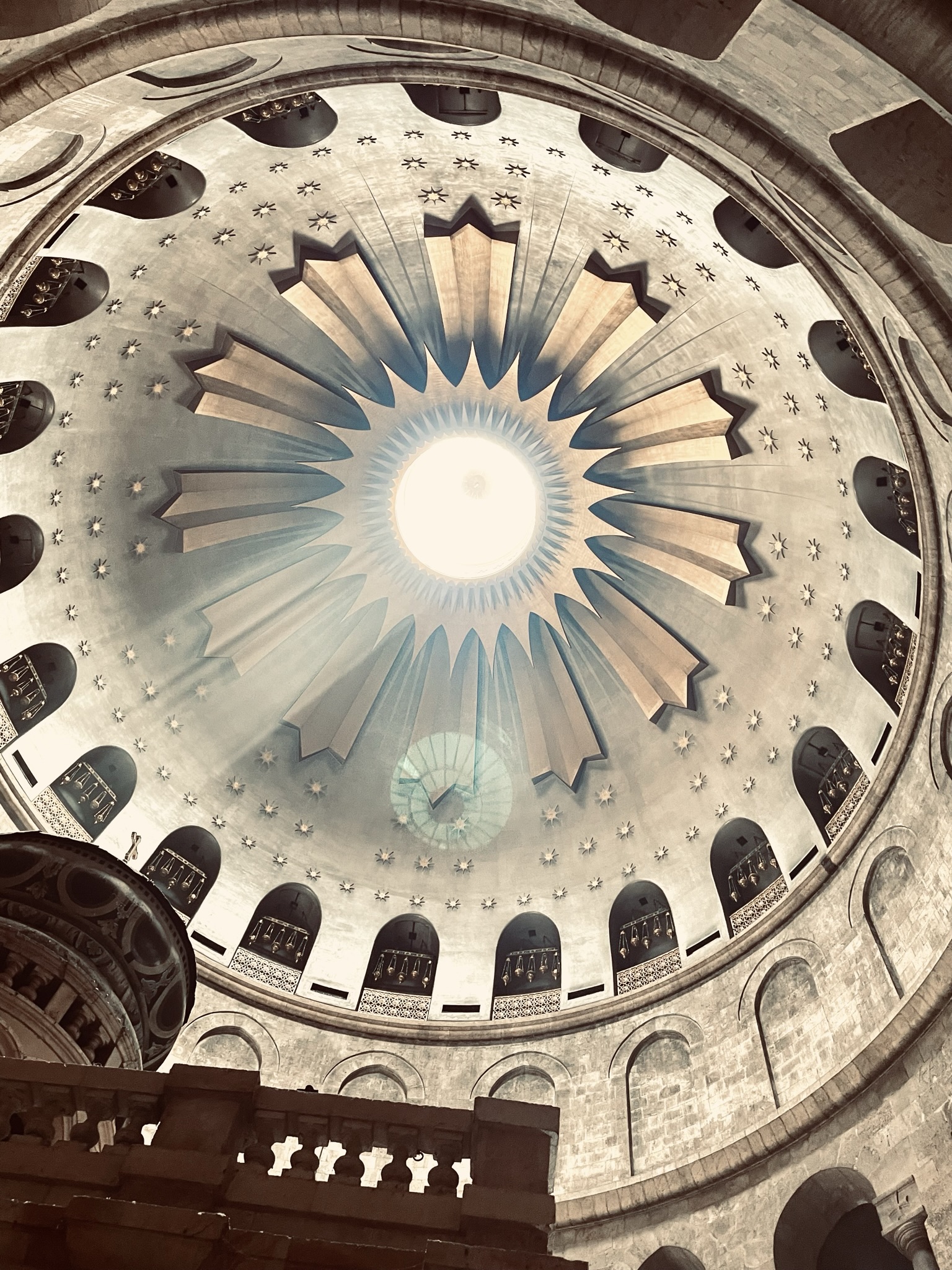
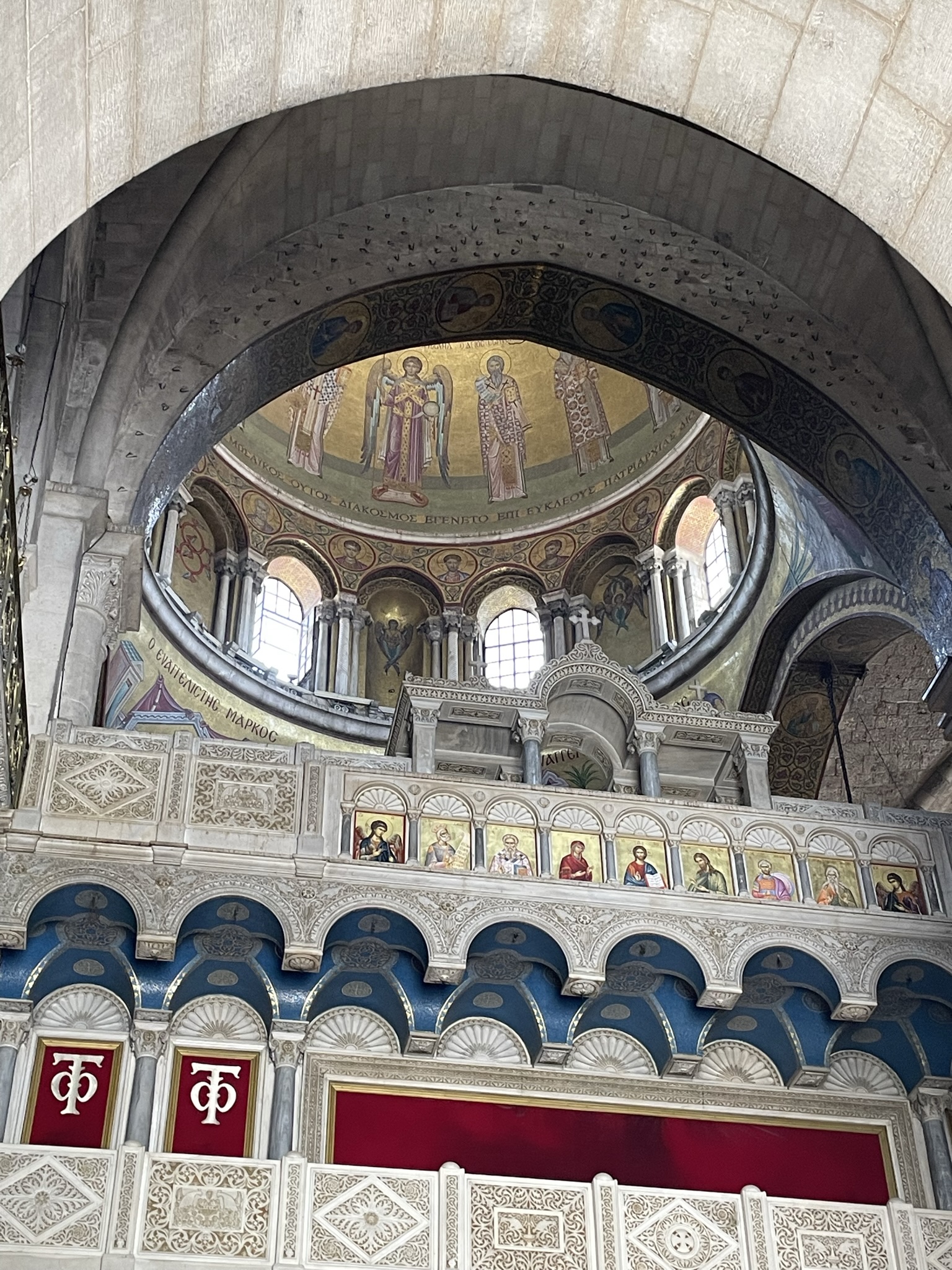
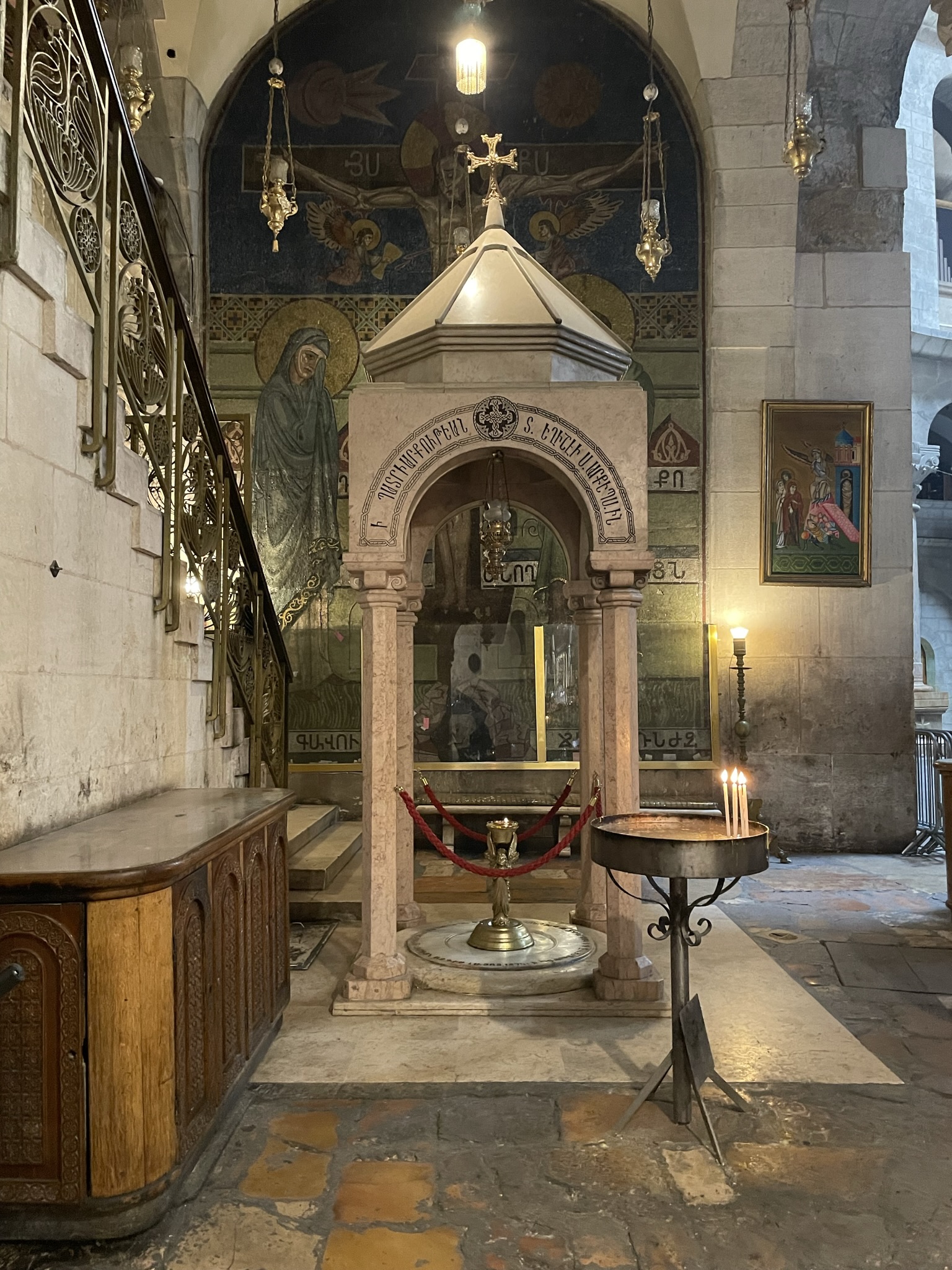
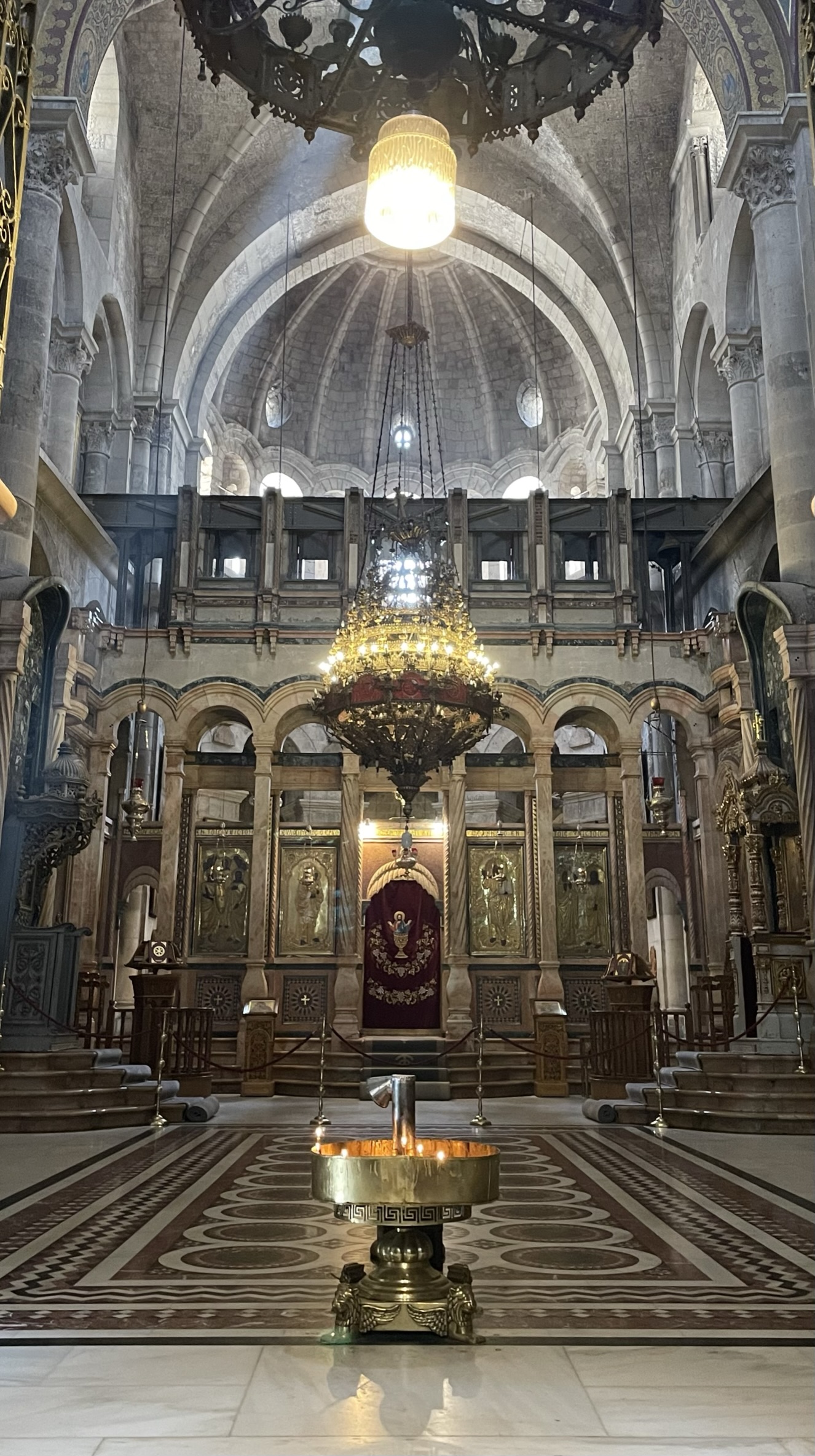
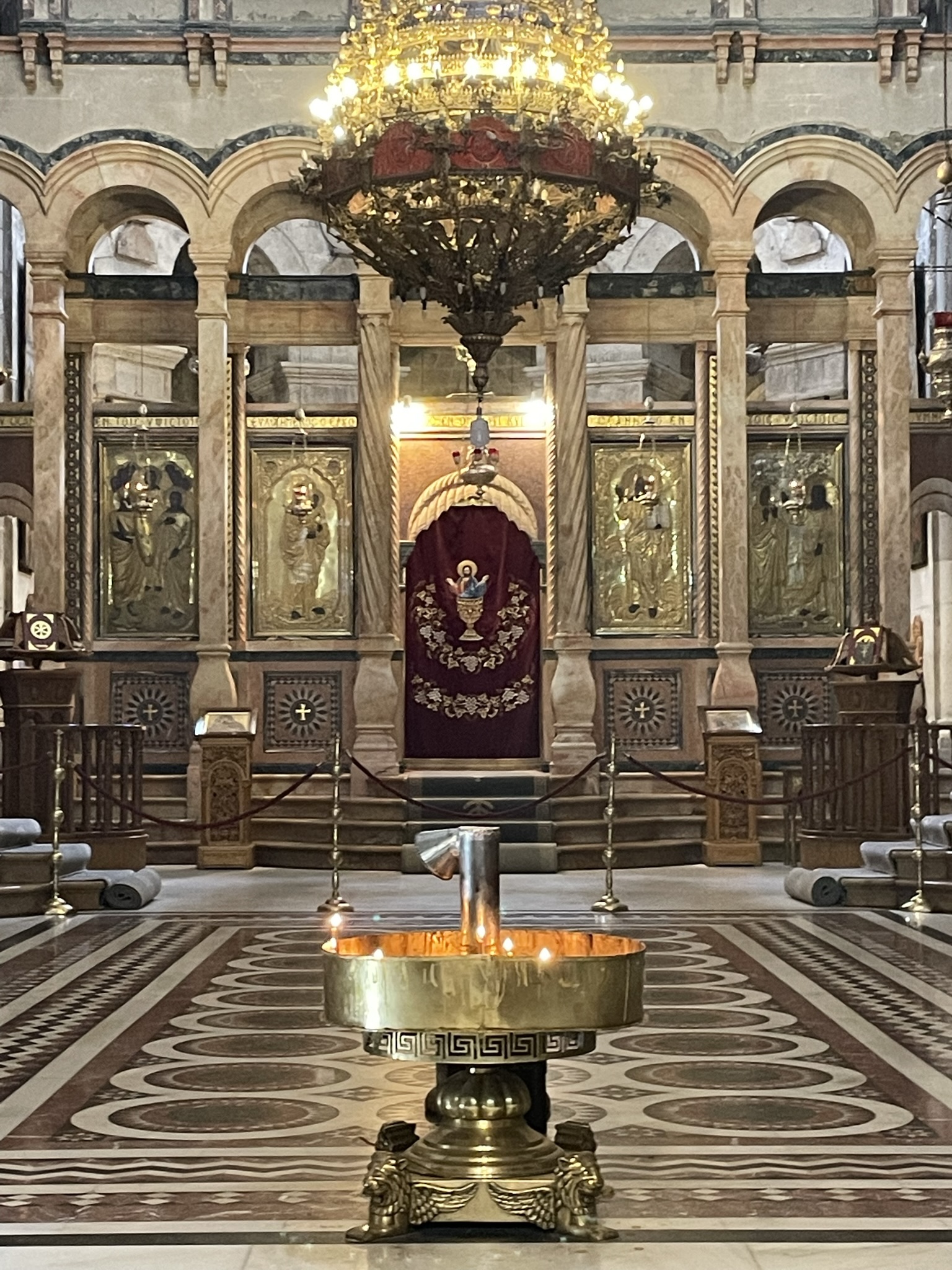
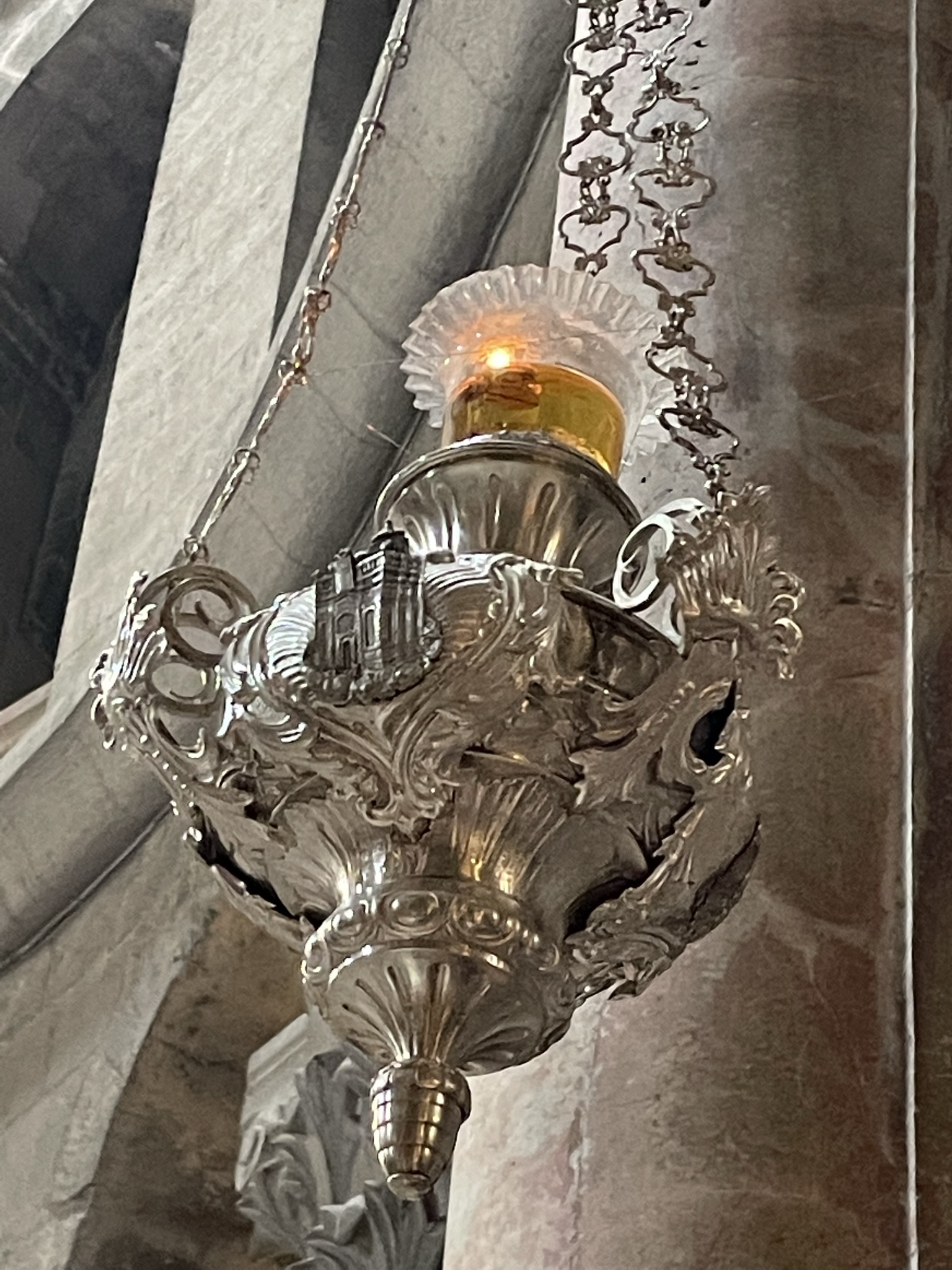
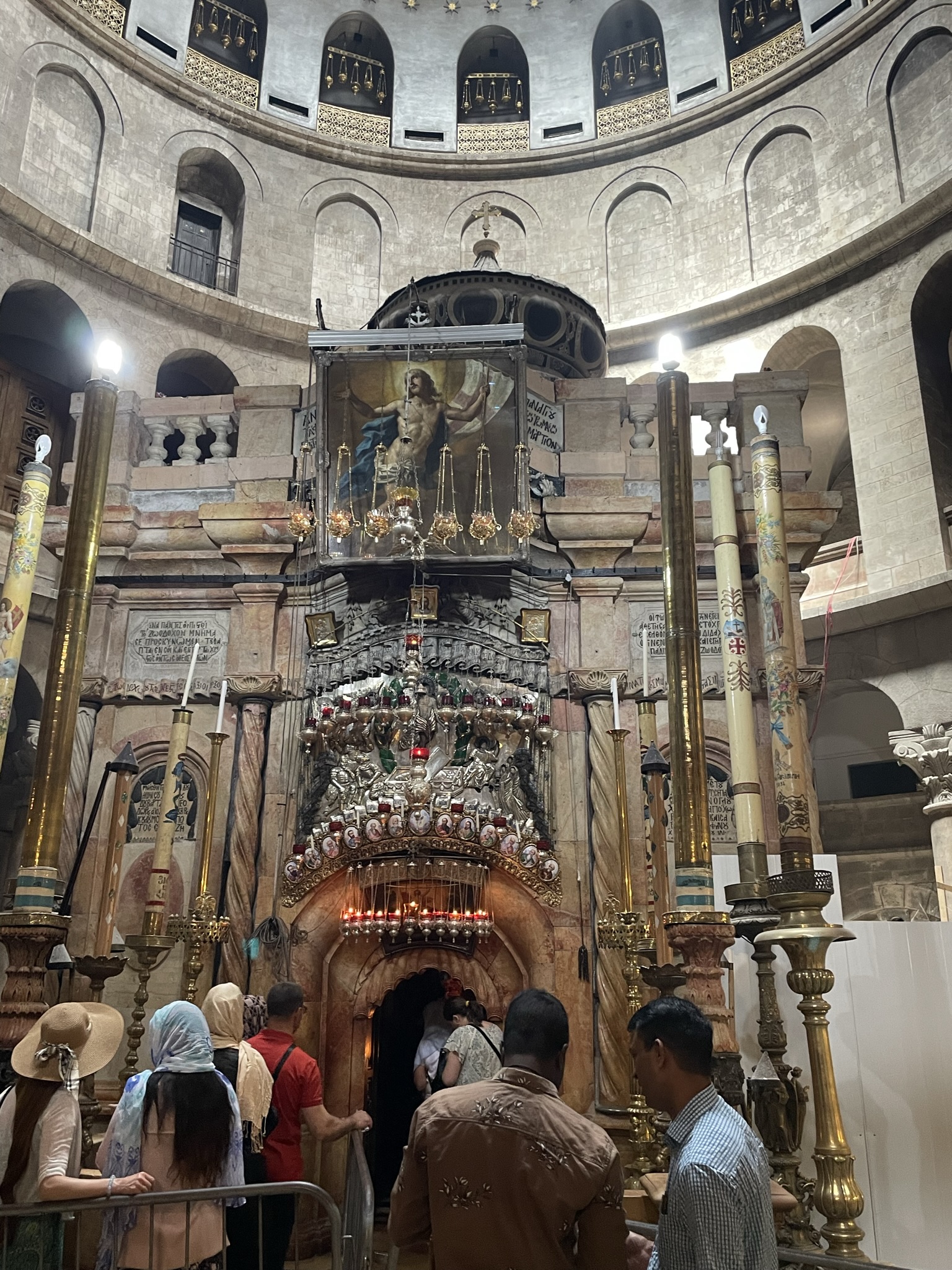
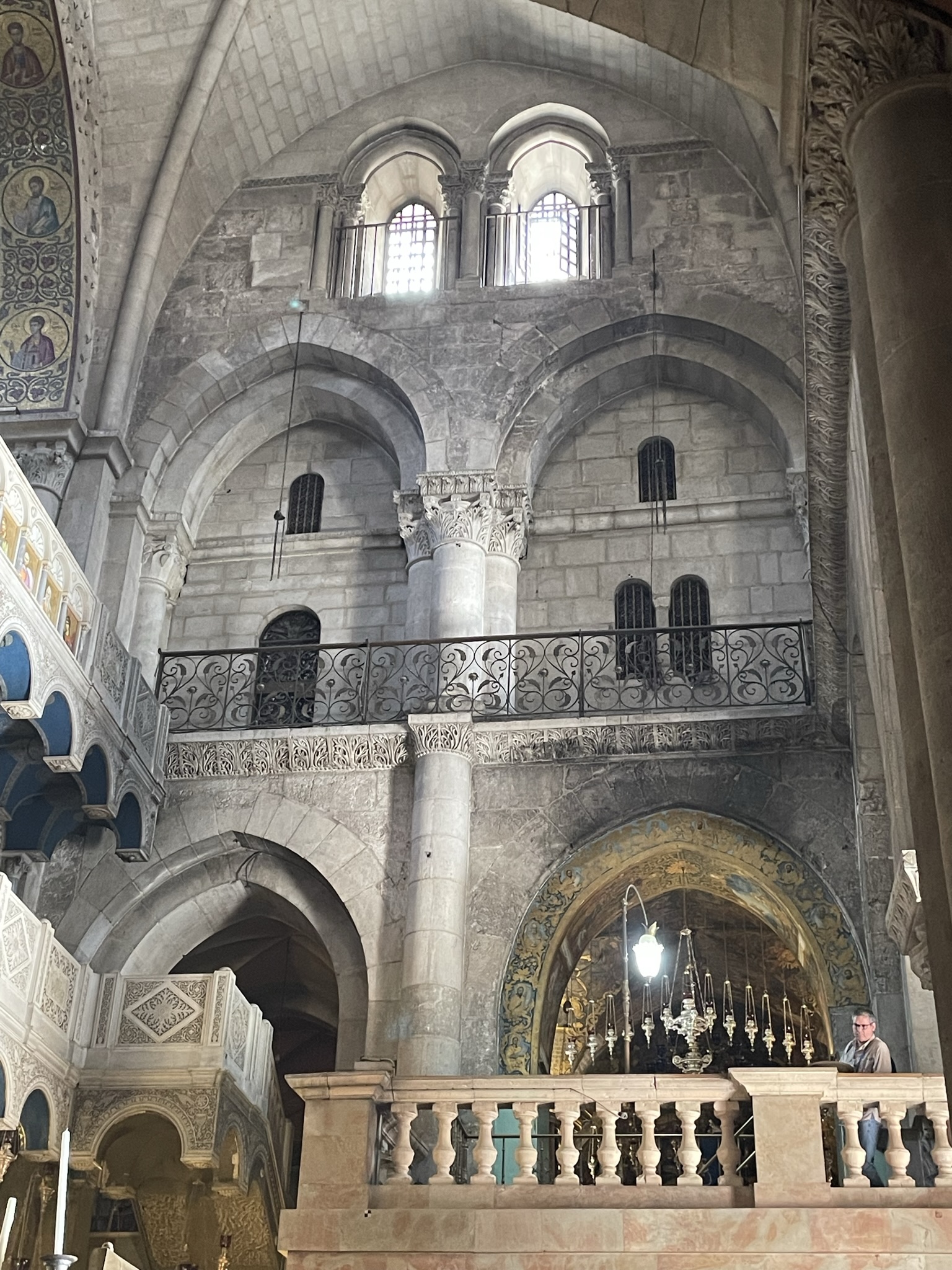
The last day I was in Israel was a Sunday, and I was staying in Jerusalem. As a final way to close the trip, my friends and I visited the Old City one last time. It was a beautiful day. In this post, I will share with you some of the splendor of the Church of the Holy Sepulchre. It is a place that can be difficult to navigate for all the apparent organized chaos and the different manifestations of faith and ritual that are all around. This time, perhaps because it was a Sunday, I was able to genuinely enjoy the beauty and serenity of the church. Whatever you may believe about where Yeshua, the Messiah (Jesus Christ) was buried, this church is a place where generations of believers have come and remembered the crucifixion and burial of Yeshua. God said that He would be found by those who seek Him with all their heart. See Jeremiah 29:13.
Church of Holy SepulchreChurch of the Holy SepulchreWorshiper at the Holy Sepulchreworshipers at Holy SepulchreHoly SepulchreFirst Century burial tomb – Holy Sepulchrestructure covering the tomb (according to Helena) of Christ
I apologize for taking a few days to get back to the tour highlights. I left off in my last post about our recent tour of Israel with our visit to Tel Arad. That is definitely a place to visit. From Tel Arad, we headed north and made our way out of the Negev basin. As we climbed, we noted places along the way such as Maon, Carmel (not the Mt Carmel on the coast), and Ziph. (See Joshua 15:55 for the reference to these cities as being part of the allotment to the Tribe of Judah).
We were not able to visit all the tels, but from a vantage point in the wilderness of Ziph, we were able to remember David’s time in the wilderness of Ziph as described in 1 Samuel 23. We were able to see the route by which David would have easily traveled to En Gedi from Ziph. These connection in the land bring the scriptures to life.
In this area, we were also able to remember the story of Abraham and the three visitors. We could look out and see the Salt Sea, and the traditional location of Zoar at the south end and remember that Lot had asked to be able to go to Zoar after leaving Sodom when it was slated for destruction. Recent excavations and other findings at Tall el-Hamman to the north east of the Salt Sea suggest that the location for Sodom may be in that area, but I leave that for another day. (See article in Nature Journal A Tunguska sized airburst destroyed Tall el-Hammam a Middle Bronze Age city in the Jordan Valley near the Dead Sea)
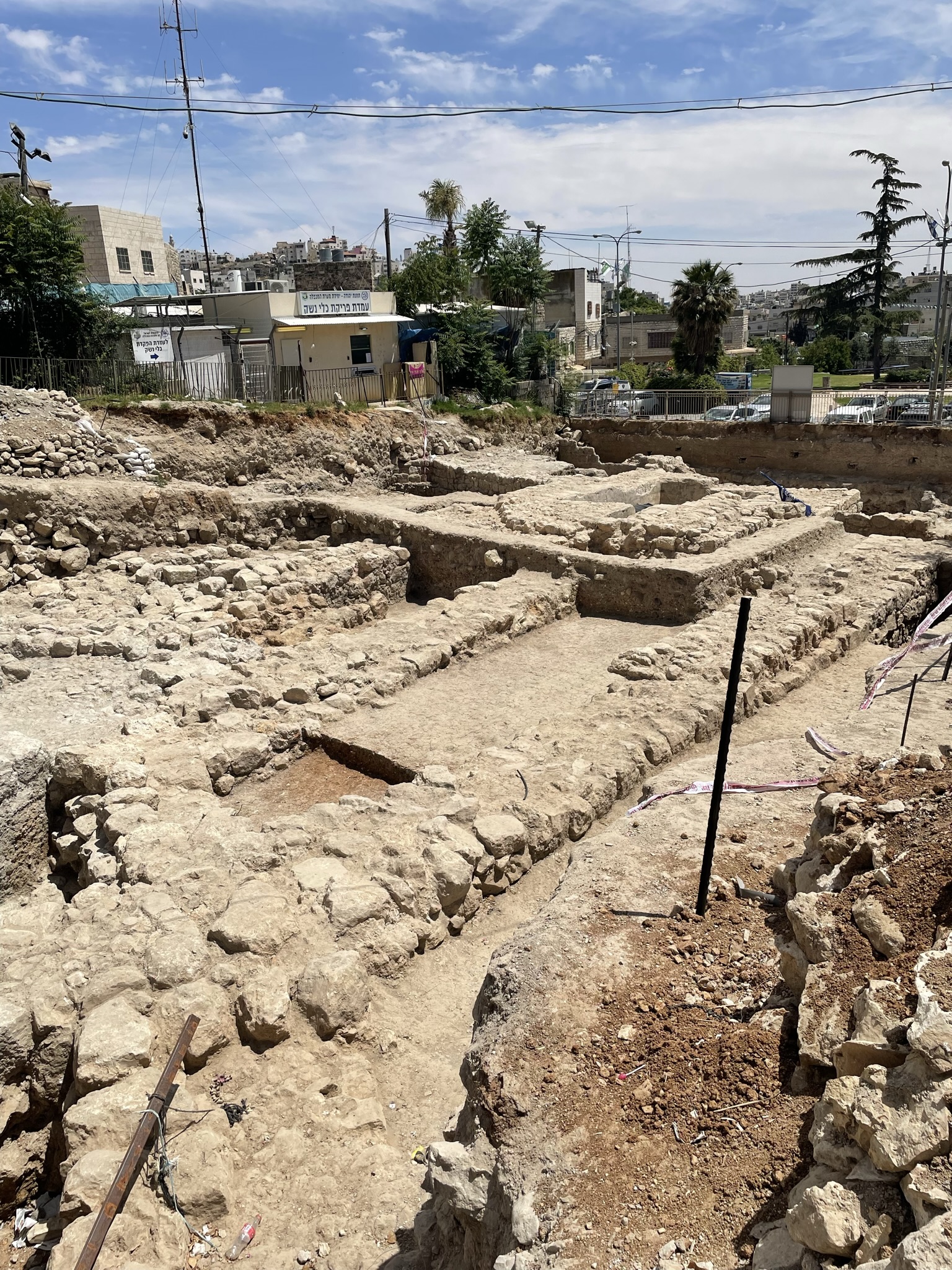
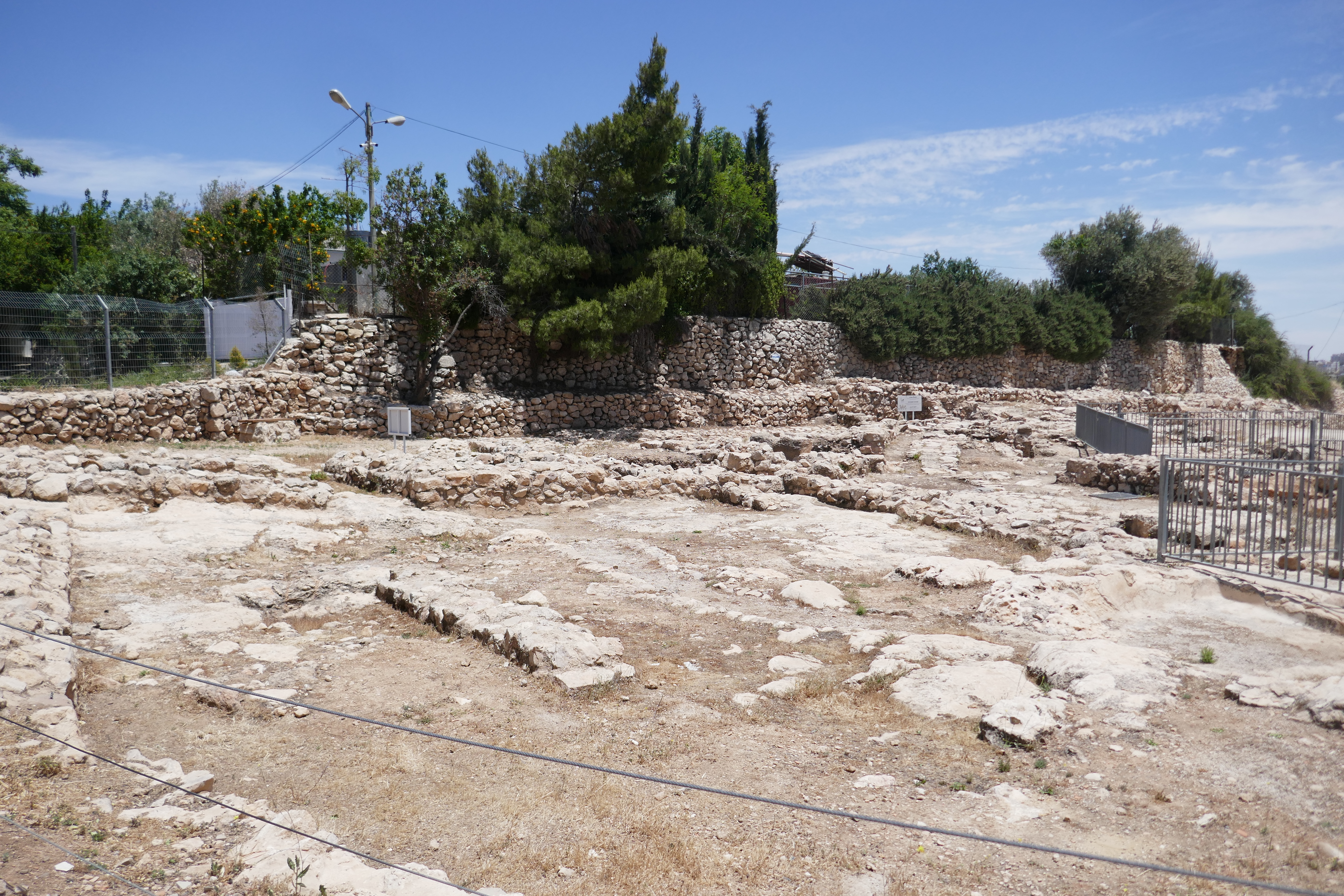
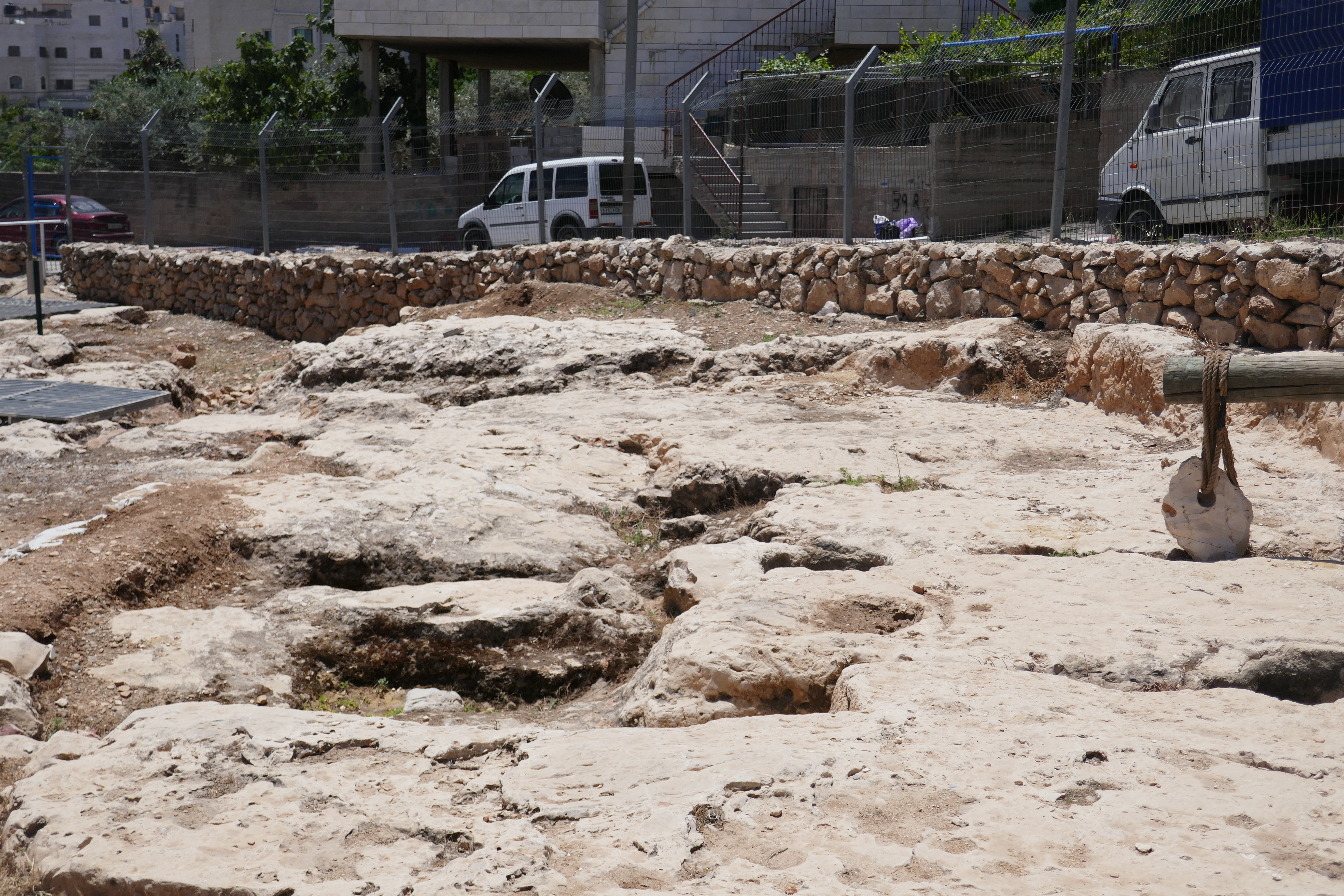
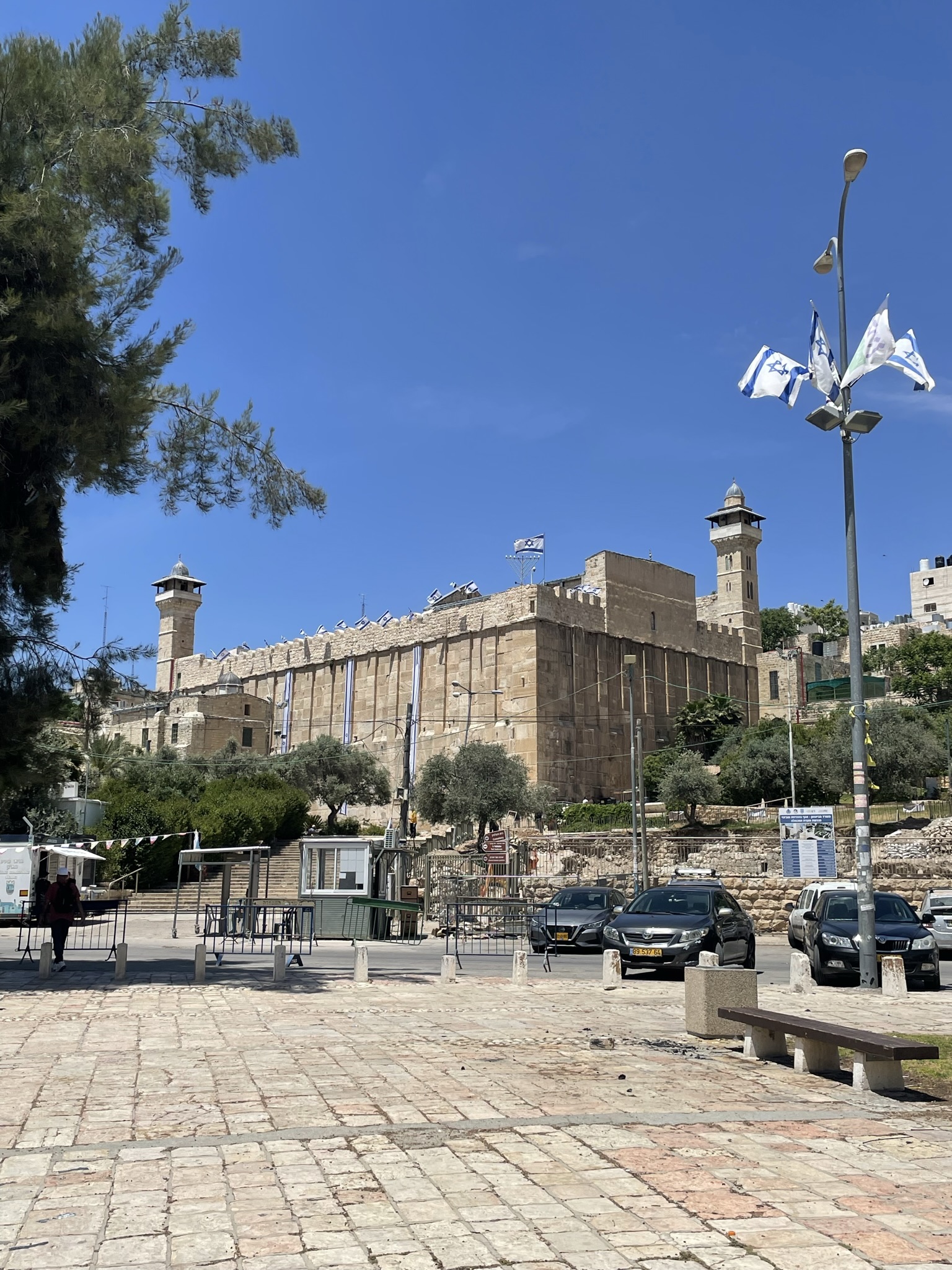
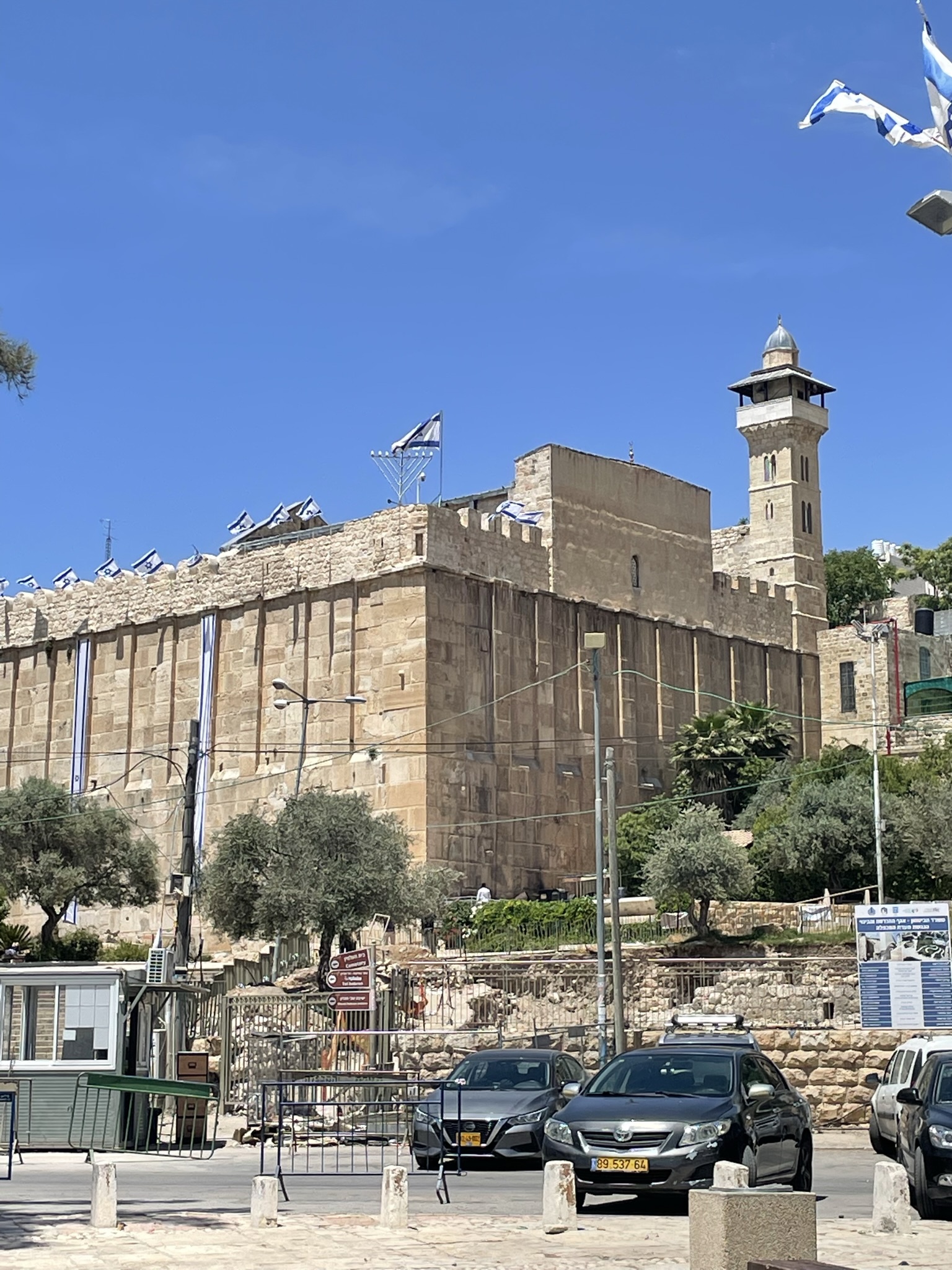
We reached our final destination, Hebron, with time to visit both the tel and the cave of the Patriarchs. This was not the first time I visited tel Hebron or the Cave of Machpelah. You can see my earlier post here.
We visited the tel first. This is definitely worth the climb. The tel has been partially excavated.
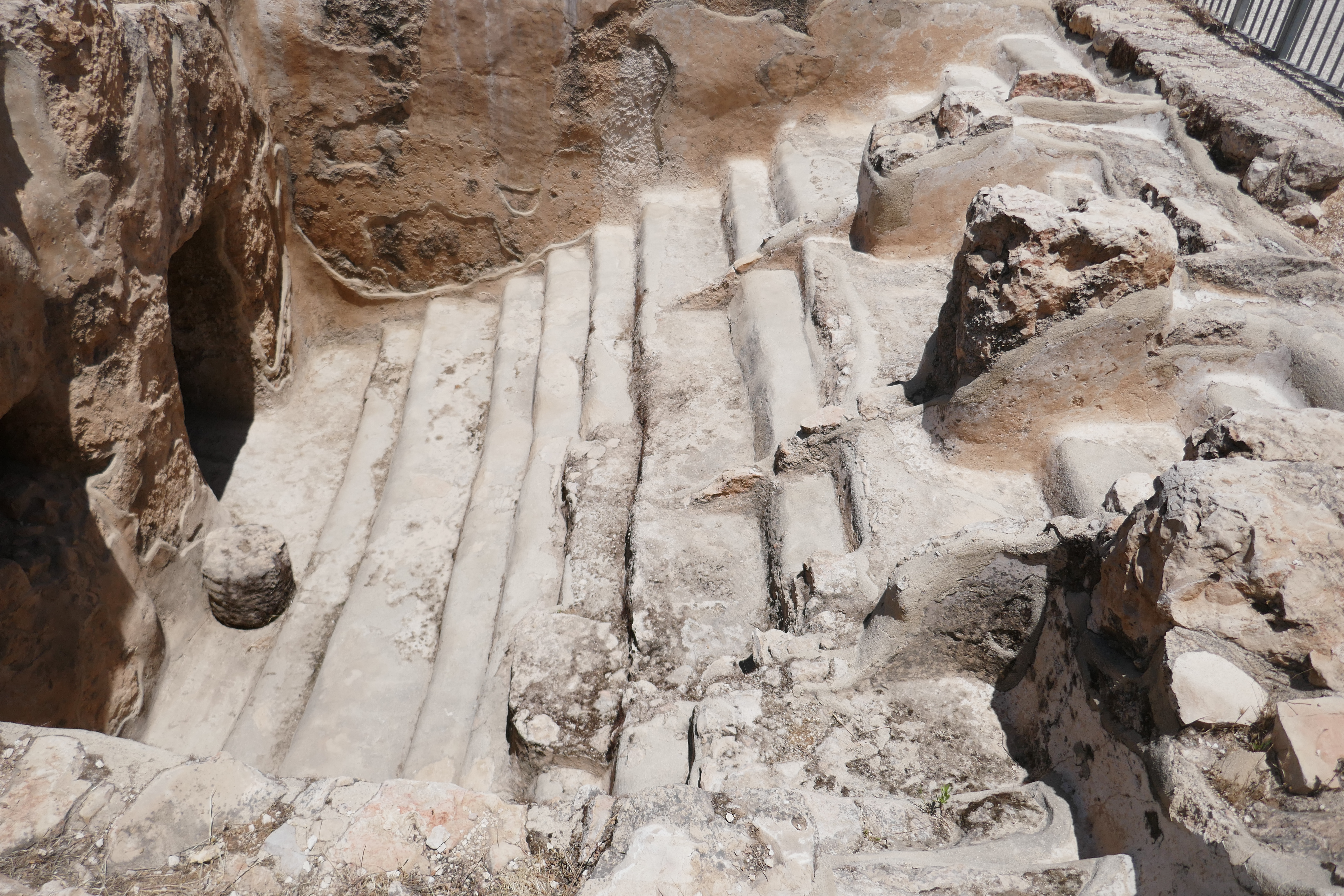
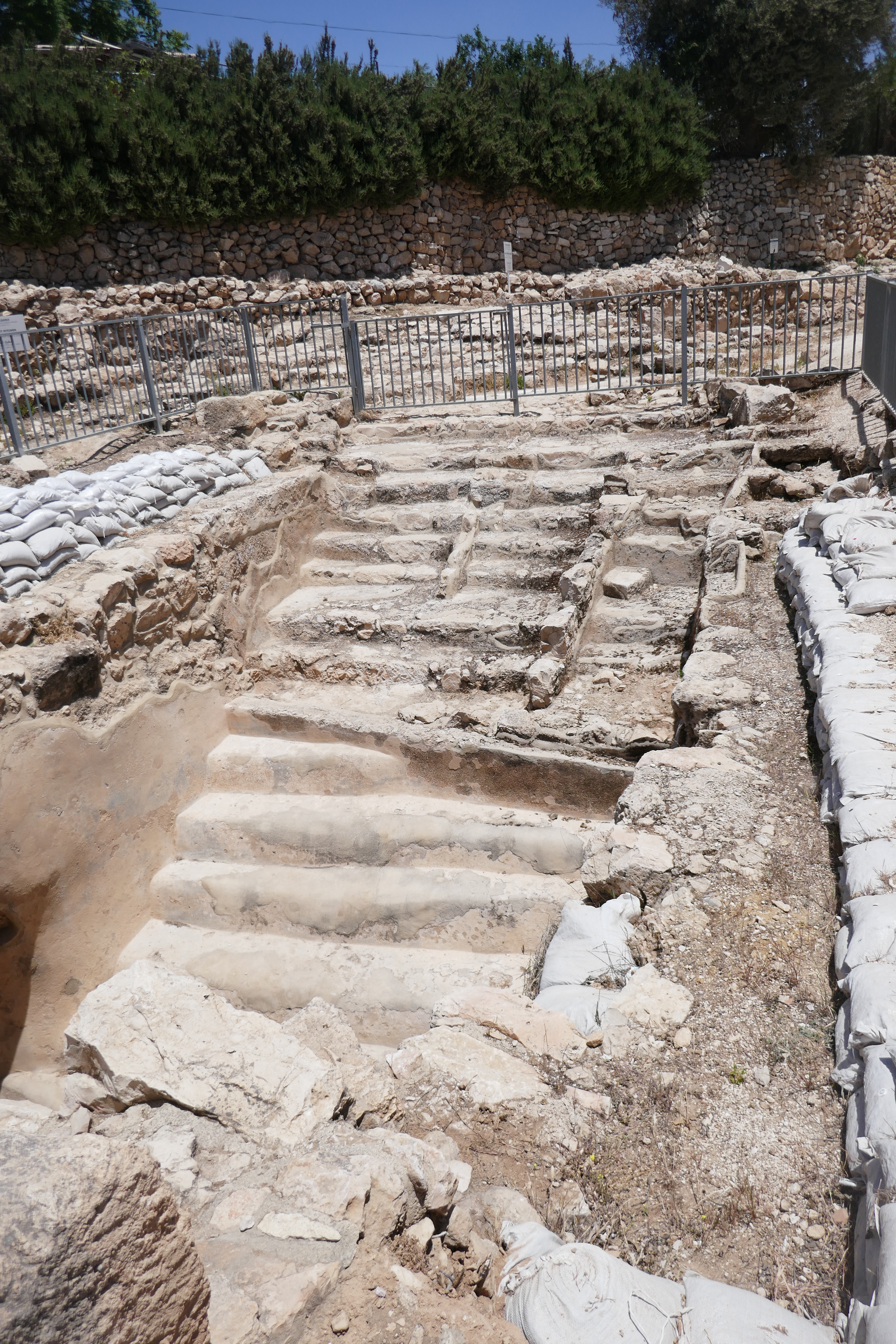
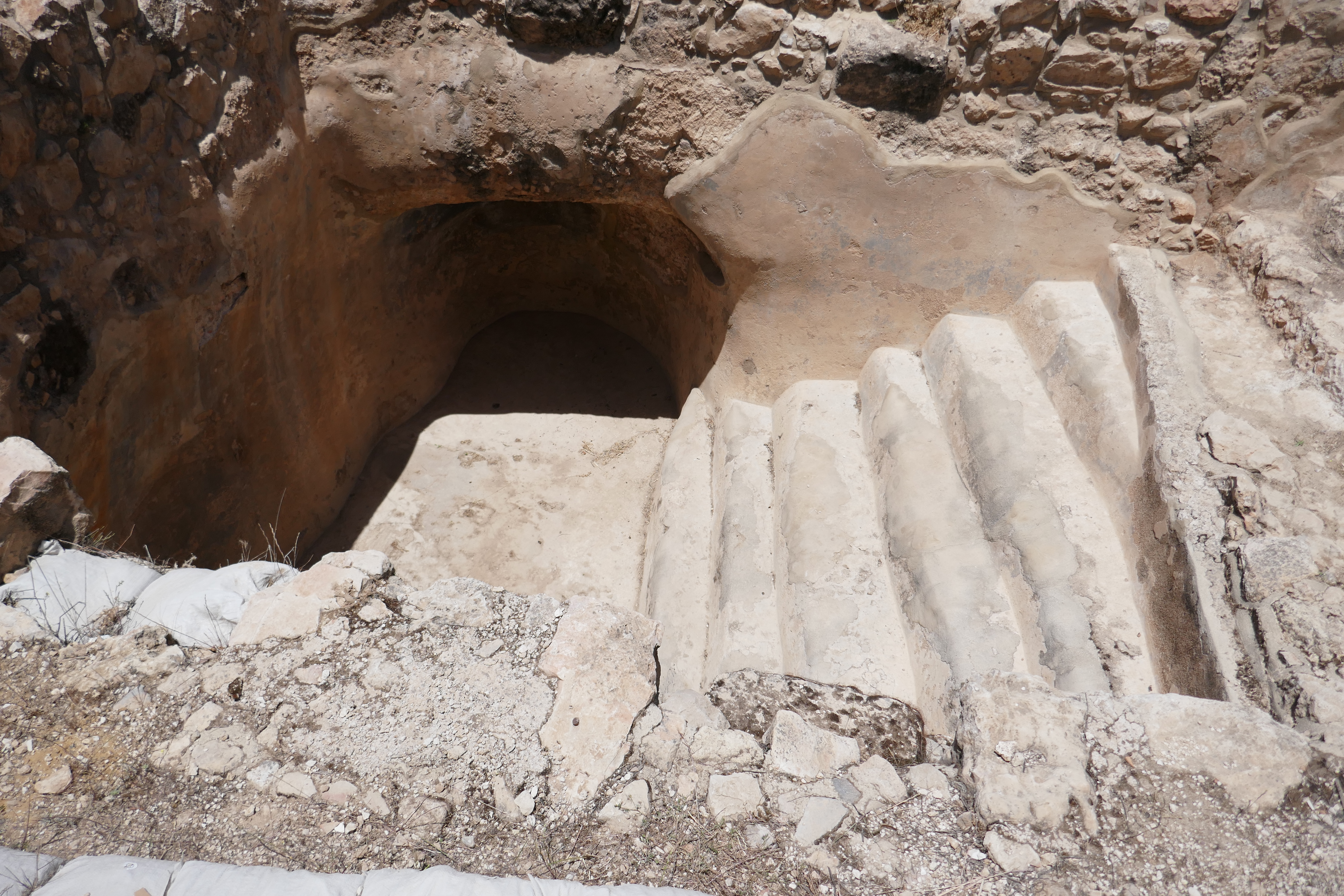
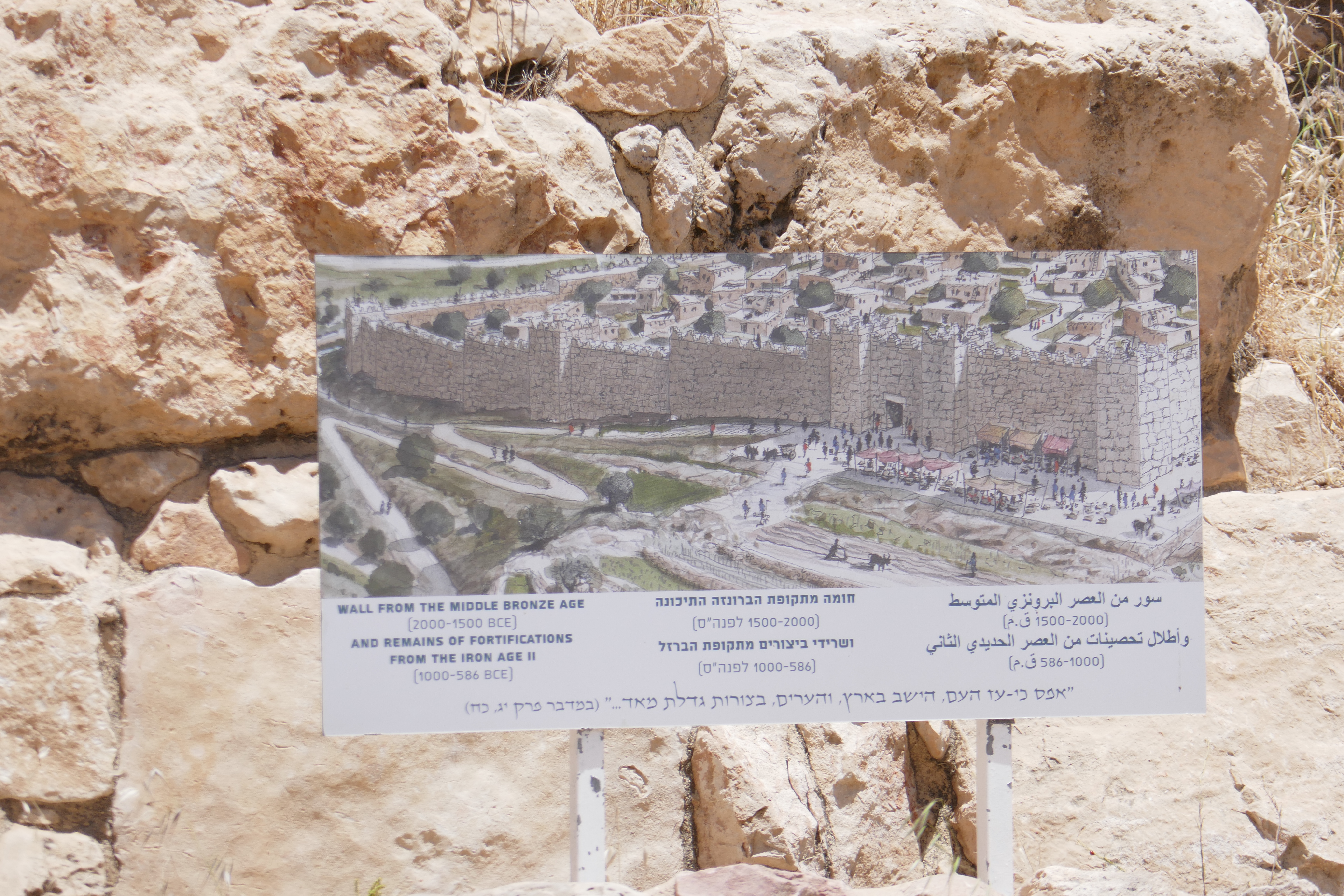
tel Hebron excavationstel Hebron excavationsexcavated area on tel HebronOlive press found at tel Hebron excavationsOlive press at tel HebronMikveh (ritual bathing pool) at tel Hebron (notice the three sets of stairs which is unusual)stepped streets found in the excavations at tel Hebronwall from the Middle Bronze Age (age of the Patriarchs)closer look at Middle Bronze Age wallcity wall – tel Hebronancient city wall – likely from the time of King David
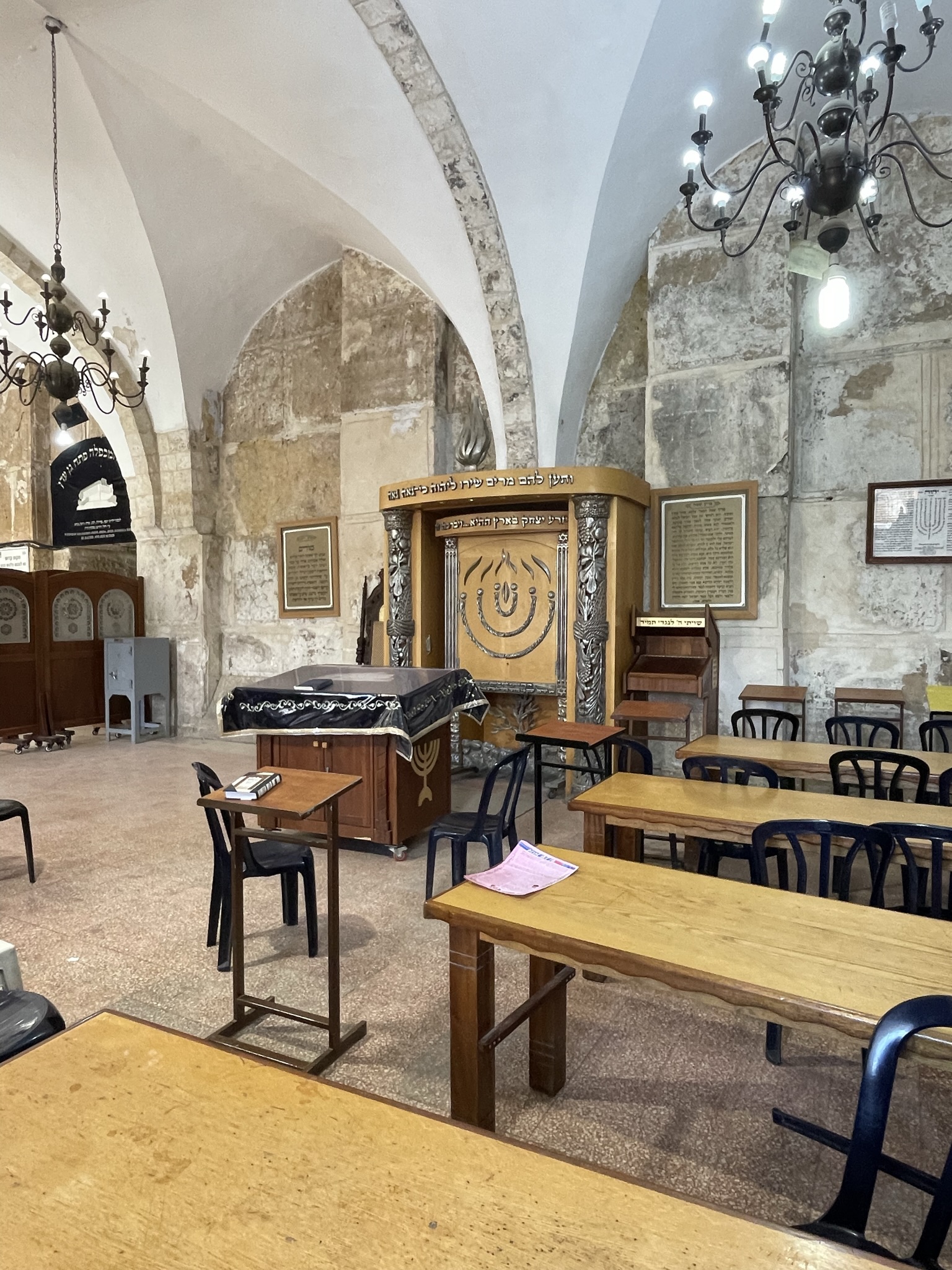
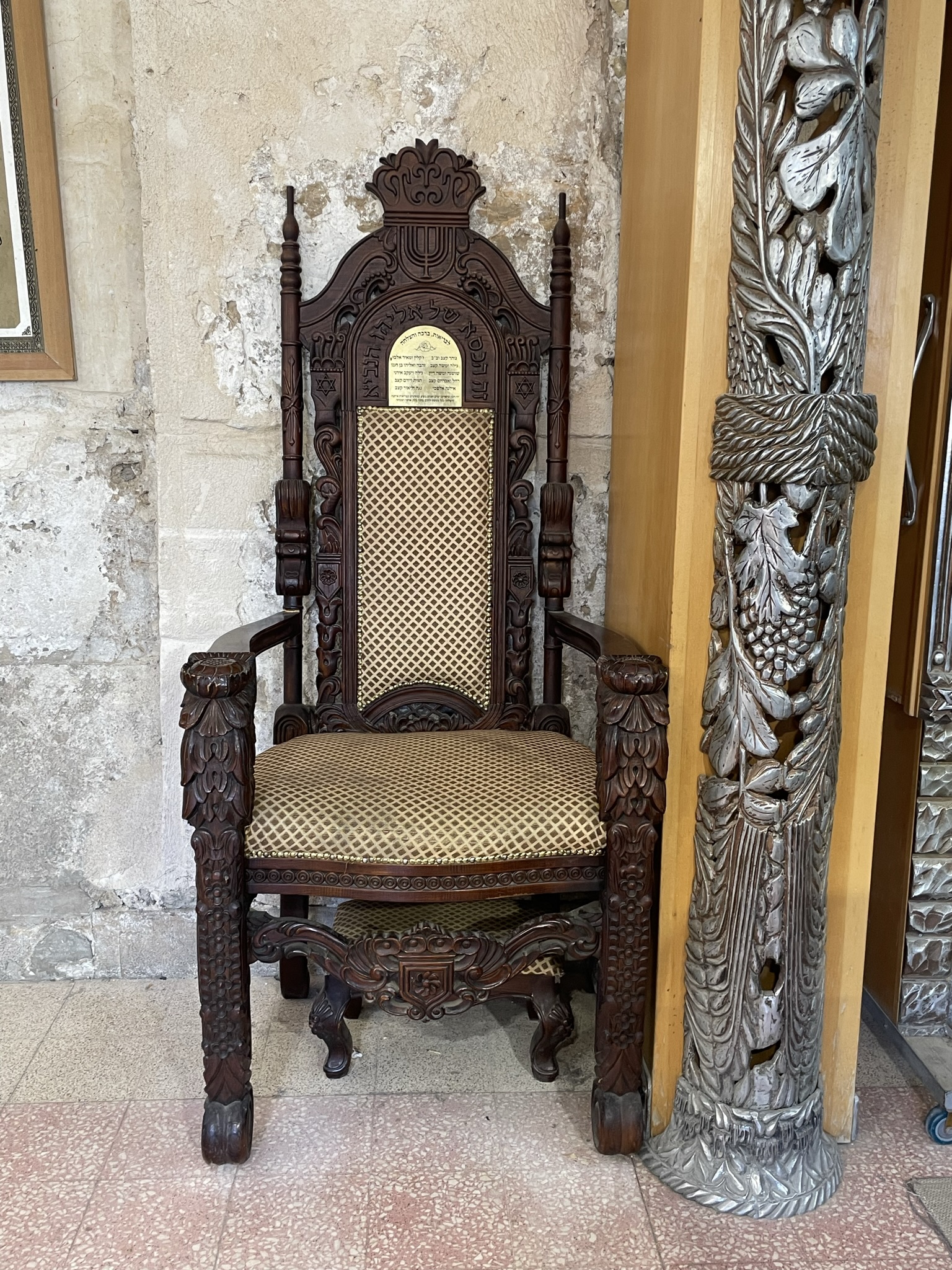
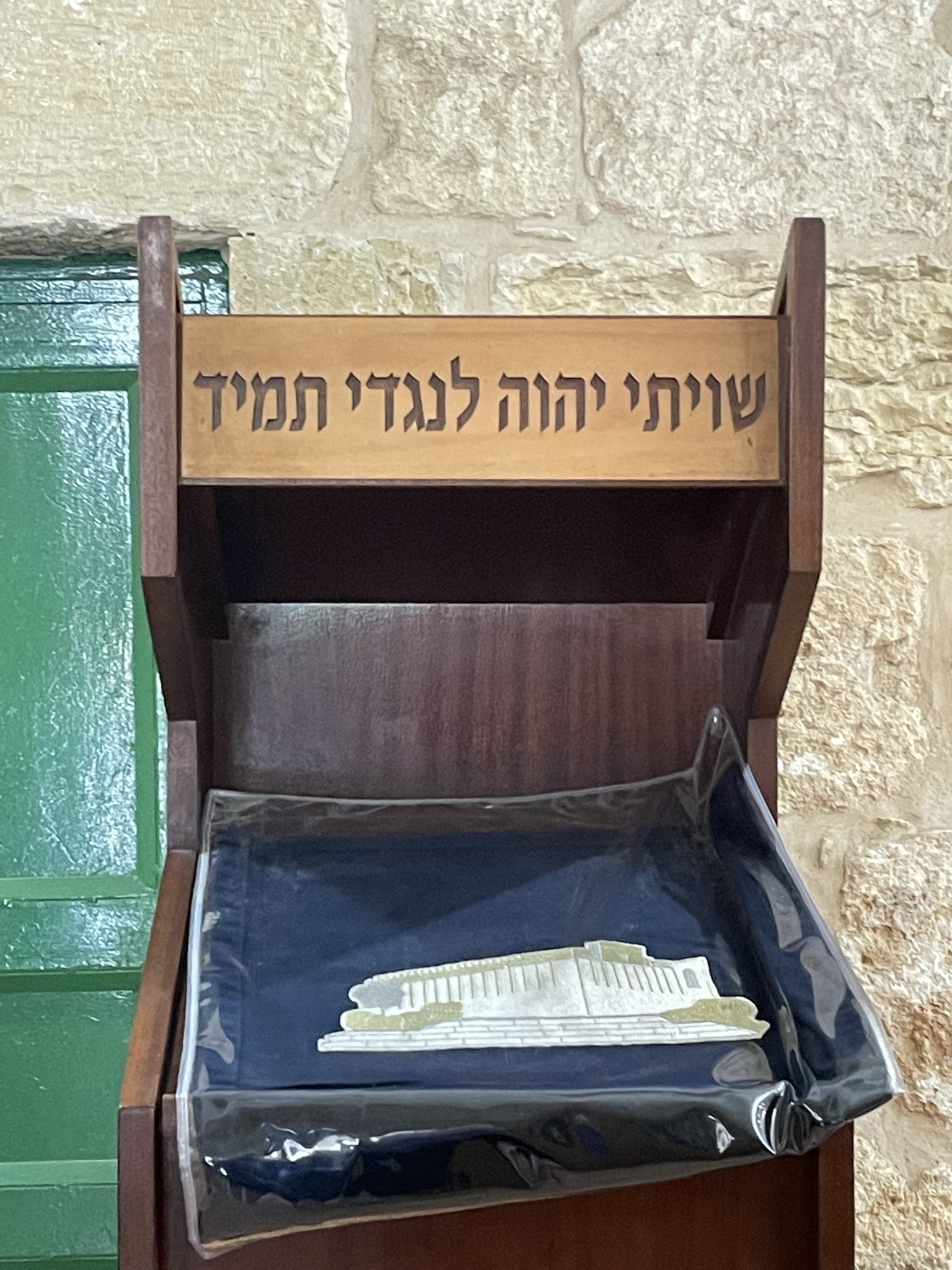
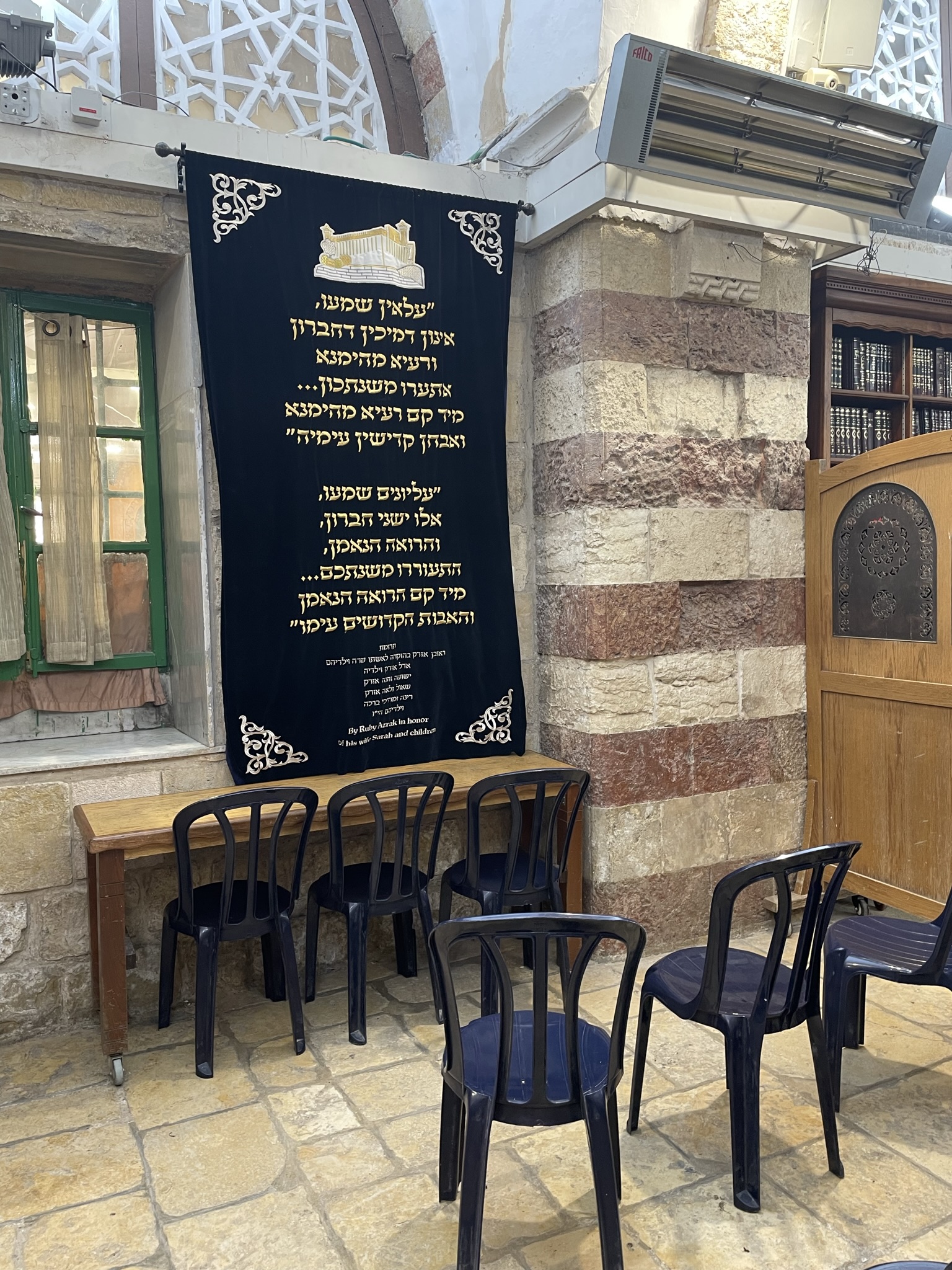
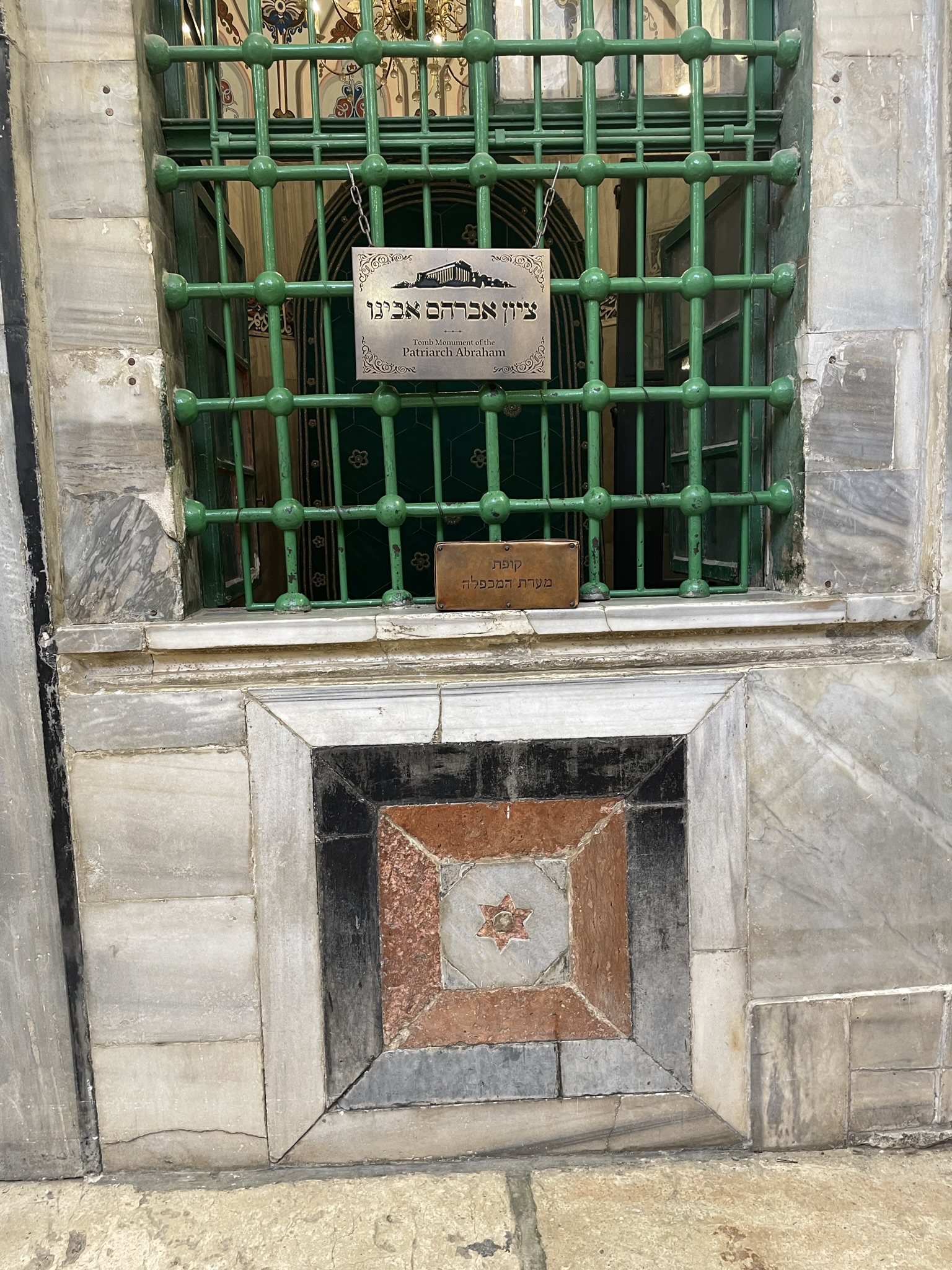
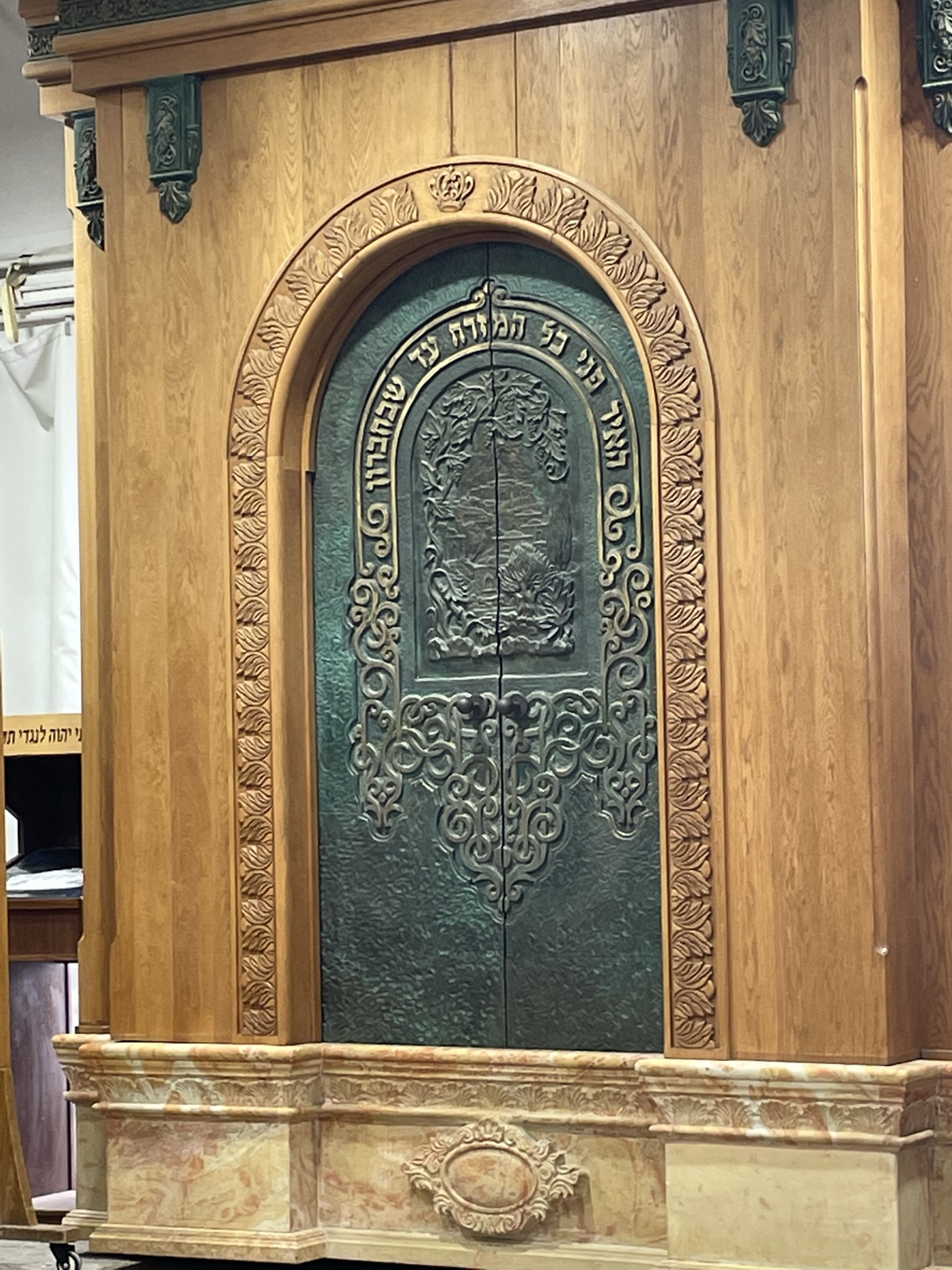
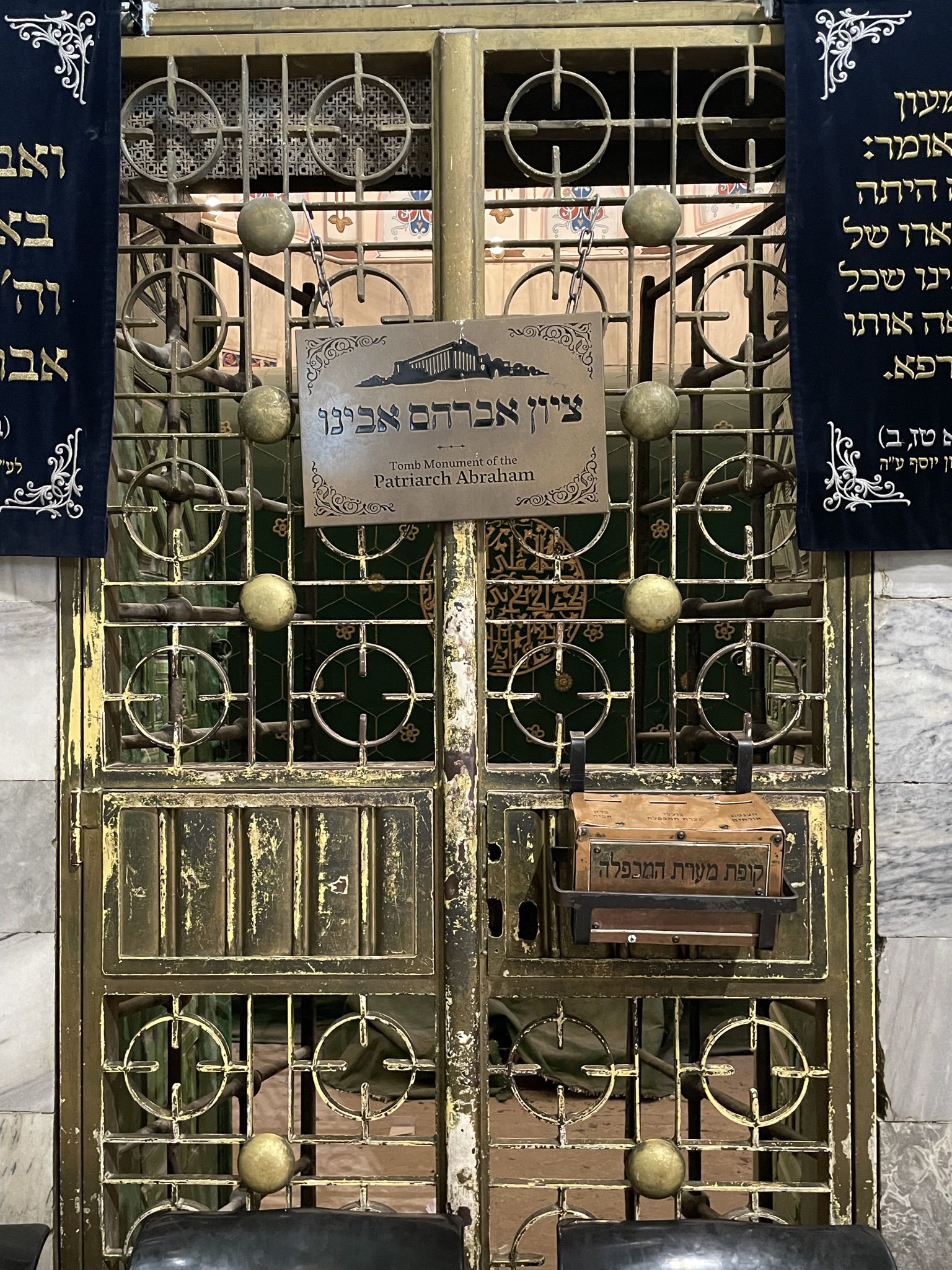
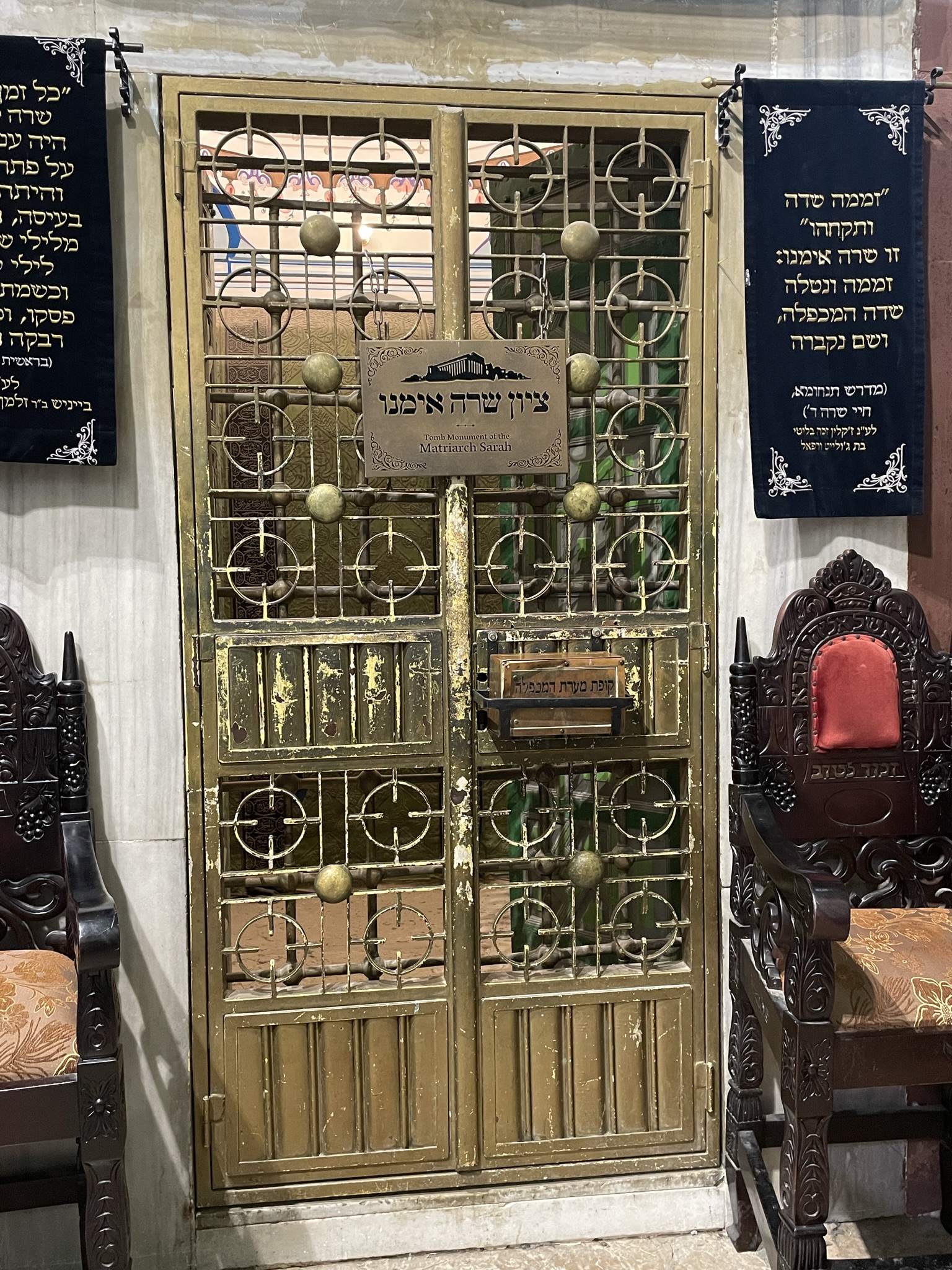
After visiting the tel, we visited the cave of Machpelah – the burial place of the patriarchs. Here are some images from our visit.
Cave of Machpelahinside the building on the Jewish sideArk for the Torah scrolls.
Read Matthew Chapter 6:16-34
1. What does Jesus teach them about fasting in Matthew 6:16–18?
2. What do you learn about fasts and fasting from the following passages?
2 Samuel 12:20-22
Ezra 8:21-22
Esther 4:16
Psalm 69:9-11
3. Read Isaiah chapter 58. This passage reveals a great deal about what God thinks about fasts, how they should be conducted, and what they should be about.
a. What does God accuse Israel of doing on their days of fast in Isaiah 58:3?
b. What motives does God accuse Israel of having in their fasts in Isaiah 58:4?
c. What does God say about the fast He has chosen in the following verses?
Isaiah 58:6
Isaiah 58:7
d. What does God promise will be the result of such fasting in Isaiah 58:8-9?
e. Record His additional conditions in the following verses:
Isaiah 58:9
Isaiah 58:10
Isaiah 58:13
f. Record His additional promises in the following verses:
Isaiah 58:11
Isaiah 58:12
Isaiah 58:14
Going Deeper: For more on Fasting, refer to Daniel 9:2-4 and Joel 2:12-32
4. What does Jesus teach them in Matthew 6:19-34?
5. What further insight into Jesus’ teaching in Matthew 6:19-34 do you gain from the following verses?
Proverbs 11:4
Proverbs 12:25
Jeremiah 17:7-8
Luke 10:40-42
Luke 12:22-34
Philippians 4:6-7
6. Copy Matthew 6:21. Meditate on this. Record your thoughts and impressions.
7. What do you learn from the following passages about loving God first?
Exodus 20:1-11
Deuteronomy 4:23-24
Deuteronomy 6:4
Going deeper: What did the idiomatic expression “eye is good” or “eye is bad” mean in first century Jewish society?
8. What do you learn about the light and darkness within from the following passages?
Isaiah 5:20
John 3:18-20
9. What application regarding prayer in your own life can you make from this chapter?
10. How can you apply Jesus’ teaching on forgiveness to your own life?
11. Have you been storing up treasures somewhere other than heaven? How does this chapter help you to reconsider that practice?
It is our desire to help you grow in your knowledge of Adonai and His Word. If you are looking for additional information and/or materials, please visit our website at RootedinHisWord.org and our Facebook page.
Categories
Select Category
1 John
2 Corinthians
A.W. Tozer
Advent
Amos
Amy Carmichael
Angels
atonement
Attributes
Bible
Bible Basics
Bible Quiz
Bible Study
Biblical Genealogy
Biblical Literacy
Biographies
Blessing
Blood
Book of Life
Books of the Bible
Born of the Spirit
C.S. Lewis
Calvary Chapel Pastors
Christmas
Church
Churches
Corinthians
Crucifixion
Crying out to God
Deceit
Deliverer
Dependence on God
Deuteronomy
Devotional
Easter
Ephesians
Esther
Exhortation
Exodus
Faith
Faithful Companion
Fear
Forgiveness
Francis A. Schaeffer
Friend
General Epistles
Genesis
George Whitefield
God
Gospels
Habakkuk
Haggai
Hebrews
Hindrances to prayer
History
Holiness
Holy
Homeschooling
Hope
Hosea
hymns
In times of difficulty
Insights
Isaac Watts
Isaiah
Israel
James
Jehovah Jireh
Jeremiah
Jerusalem
Jerusalem
Jesus
Jewish Holiday
Job
Joel
John
John 6
John Calvin
John Wesley
Jon Courson
Jonah
Joshua
Knowing God
Law
Legalism
Leviticus
Light
Love
Lover of my soul
Luke
lying
Mark
Marketing
Martyn Lloyd Jones
Matthew
Micah
Ministries
Moral Relativism
Names of God
National Day of Prayer
New Testament
Numbers
Obadiah
Old Testament
Overcomer
Palm Sunday
Parashat
Parashat Masa’Ei
Passover
Paul’s Epistles
peace
Philippians
Pilgrimage
Poem
Poetry and Wisdom
Prayer
Preaching
Prophecy
Prophets
Proverbs
Psalms
Quotes of famous people
Relationship with God
Repentance
Resurrection Sunday
Revelation
Righteousness
Roman’s Road
Romans
Ruth
Ruth
salvation
Samuel
Shabbat
Spiritual Warfare
St. Patrick’s Day
study of scripture
study of Torah
Surrender
Tabernacle
Thanksgiving
The Book Lady
The Book Lady’s Favorites
the Father
the LORD
the provider
the Word
Timothy
Tongue
Unanswered prayers
Uncategorized
Vengeance
Waiting on God
Walking with God
Wisdom
worship
Zechariah
Zechariah
Zephaniah
Zephaniah
Archives
Archives
Select Month
July 2022
June 2022
May 2022
April 2022
March 2022
February 2022
January 2022
December 2021
November 2021
October 2021
September 2021
August 2021
July 2021
June 2021
May 2021
April 2021
March 2021
February 2021
January 2021
December 2020
November 2020
October 2020
September 2020
August 2020
July 2020
June 2020
May 2020
April 2020
March 2020
February 2020
January 2020
December 2019
November 2019
October 2019
September 2019
August 2019
July 2019
June 2019
May 2019
April 2019
March 2019
February 2019
January 2019
December 2018
November 2018
October 2018
September 2018
August 2018
July 2018
June 2018
May 2018
April 2018
March 2018
February 2018
October 2017
July 2017
June 2017
May 2017
April 2017
March 2017
February 2017
January 2017
December 2016
November 2016
October 2016
September 2016
August 2016
July 2016
June 2016
May 2016
April 2016
March 2016
February 2016
January 2016
December 2015
November 2015
January 2014
July 2013
April 2013
March 2013
December 2012
November 2012
October 2012
September 2012
August 2012
May 2012
April 2012
March 2012
February 2012
January 2012
December 2011
November 2011
October 2011
September 2011
August 2011
July 2011
June 2011
May 2011
April 2011
March 2011
February 2011
January 2011
December 2010
November 2010
October 2010
September 2010
August 2010
July 2010
June 2010
May 2010
April 2010
March 2010
February 2010
January 2010
Read Matthew Chapter 9:18-38
1. Who came to see Jesus according to Matthew 9:18?
2. What was the leader of the synagogue’s name according to Mark 5:22?
3. What does Jairus say to Jesus according to Matthew 9:18? What is his posture?
4. What is Jesus’ response according to Matthew 9:19?
5. What happened on Jesus’ way to Jairus’ house according to Matthew 9:20?
6. What are we told of the woman’s thoughts in Matthew 9:21?
7. What is Jesus’ response to her reaching out to touch Him according to Matthew 9:22? What happened to the woman?
8. What does Jesus see when he came to Jairus’ house according to Matthew 9:23? What was the significance of what he saw?
9. What does Jesus tell them in Matthew 9:24? How did the crowd respond to him?
10. What does Jesus do next according to Matthew 9:25? What happened to the young girl?
11. What do you learn from Matthew 9:26?
Going deeper: You can read the account of the healing of these two women in Mark 5:21-43 and Luke 8:40-56.
12. Who does Jesus encounter next according to Matthew 9:27? What are they crying out?
13. What does Jesus ask the blind men according to Matthew 9:28? How do they respond?
14. What does Jesus do next according to Matthew 9:29? What is the result?
15. What evidence of their faith can you see in the passage?
16. What stern warning does Jesus give them in Matthew 9:30? How do they respond?
17. Who is brought to Jesus according to Matthew 9:32?
18. What happened according to Matthew 9:33?
19. What was the response of the Pharisees?
20. What does Matthew tell us that Jesus was doing in Matthew 9:35-36?
21. Copy Matthew 9:37-38. Meditate on this. Record your thoughts and impressions. How is this still true today?
It is our desire to help you grow in your knowledge of Adonai and His Word. If you are looking for additional information and/or materials, please visit our website at RootedinHisWord.org and our Facebook page.















 Rooted and Grounded