But as for me, I am like a green olive tree in the house of God; I trust [confidently] in the lovingkindness of God forever and ever. Psalm 52:8 (Amplified)
How am I like a green olive tree in the house of God?
I am well-watered by the Word of God which washes over me daily as I study the scriptures. I am planted in the fertile soil–plenty of manure has fallen all around me over the years making the soil rich. I live in the glory of the Son which shines perpetually on me. And because olive trees grow wild if not properly tended, Adonai, the gardener, regularly prunes me for better growth and production.
I don’t strive to grow or worry about my leaves being green enough or when the rain will fall or how my branches will be trimmed–I confidently trust in the lovingkindness of my God, my Abba–forever and ever. I am His and He has never forsaken the righteous.
Branches of an Olive Tree on the Mount of Olives, Jerusalem
I will give you treasures hoarded in the dark, secret riches hidden away, so that you will know that I, Adonai, calling you by your name, am the God of Isra’el. Isaiah 45:3 (Complete Jewish Bible)
This scripture is a reminder that there are times of intimacy with God that can only be understood and received in times of darkness, times of deep testing, seasons of isolation, seasons of sorrow. Times when the enemy seems to be getting the upper hand.
In such times, the believer may slip into what seems to be impenetrable darkness only to eventually discovery they are in a well-lit cave of treasures with Adonai–the King of Heaven. In these one-on-one times with the Adonai, it is possible to enjoy a closeness and intimacy with God. These can be times of great refreshing in the middle of a storm or trial when the believe is hidden in a cloak of darkness with the Light of the World.
So when the time of crushing is upon you and you feel darkness descend, consider Adonai may be leading you to a secret, hoarded treasure of His presence and the secret places of fellowship with the lover of your soul.
God is in the midst of her [His city], she will not be moved; God will help her when the morning dawns. Psalm 46:5
When someone first made me aware of this verse, I took it for myself–I substituted myself for “her.” I considered it a promise from the lips of my King just for me. He would keep me from being moved in my trial, taken off course, distracted, or destroyed. He was already meeting me in the mornings–my special time along with the King of the Universe.
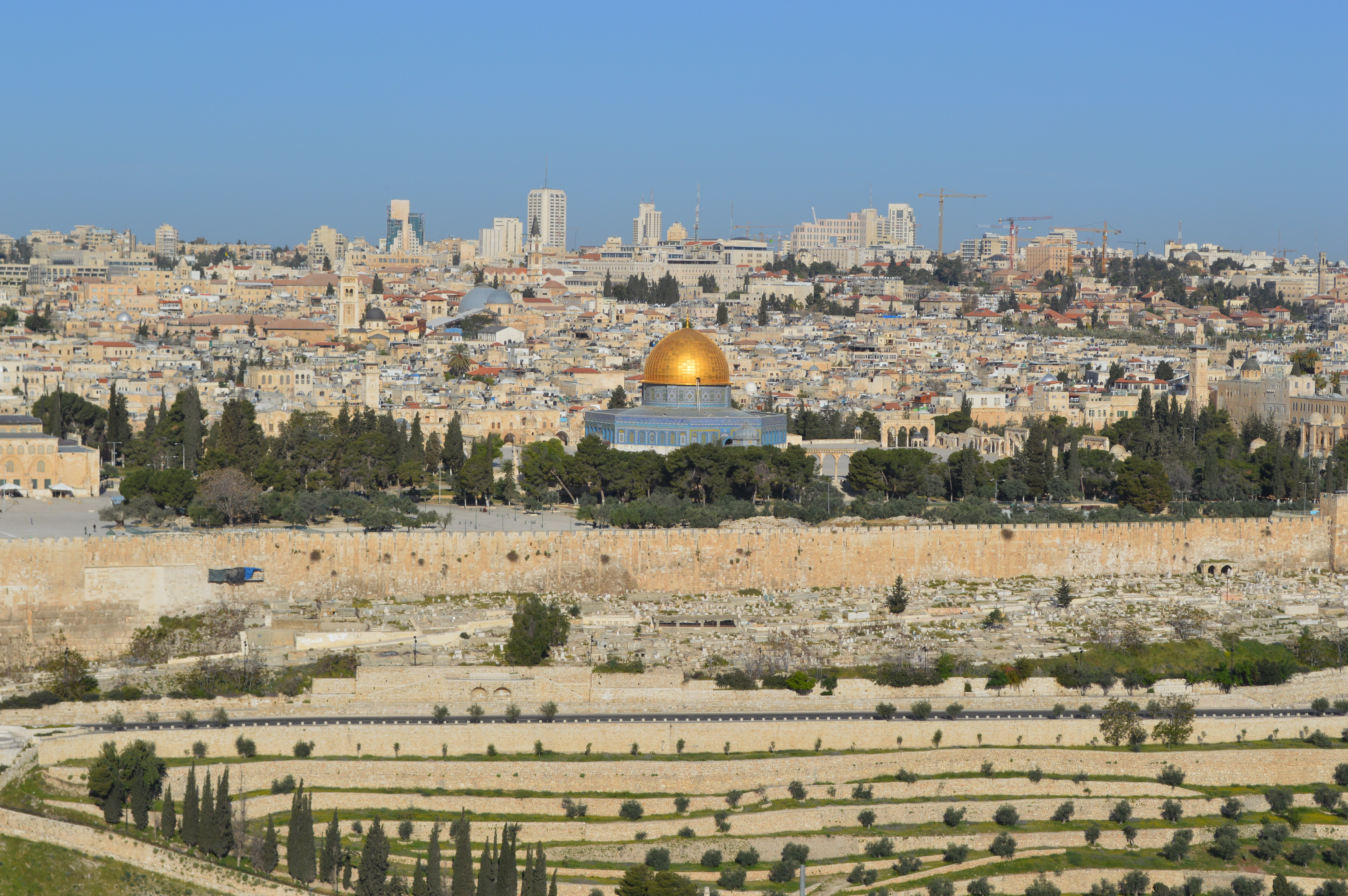
Through further study and exploration of other translations, I discovered that the “her” wasn’t referring to a person–rather it was referring to a place, to Jerusalem–the Holy City of God. I must confess that I felt just the slightest let down upon the discovery.
It is not that I don’t believe the promise that God is with me and will be with me–that He will never leave me or forsake me. That promise is clear in the scriptures. It was just a miss reading and misinterpretation of this particular scripture.
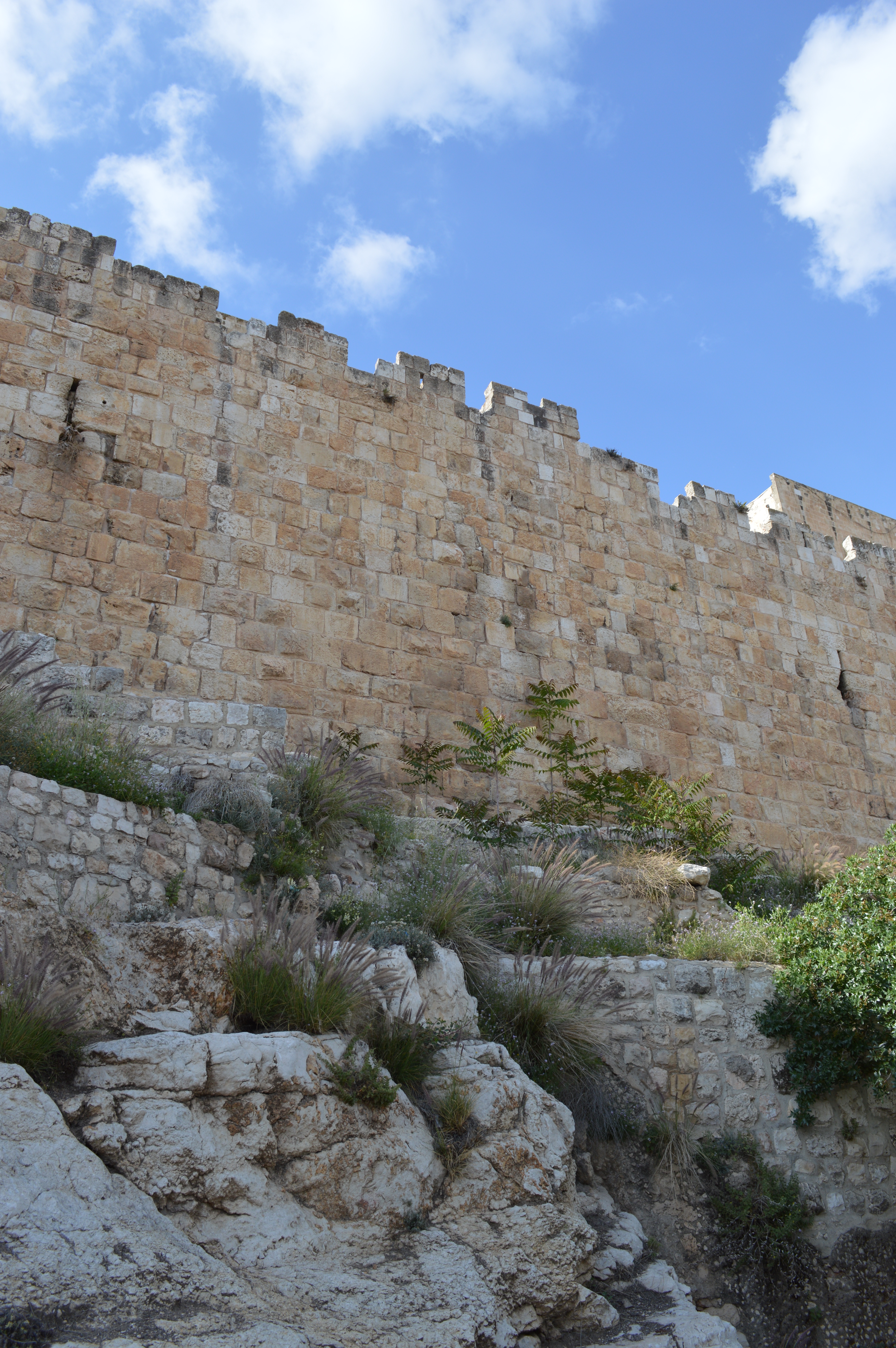
I pushed into the scripture and found that I could still find great comfort in the scripture–perhaps even greater comfort than I had first found when I considered that God’s promise to be in the midst of Jerusalem was epic. So many end-times prophecies will and are being fulfilled in Jerusalem. She (the city) must exist in order for these prophecies to be fulfilled. So God’s promise to preserve and maintain Jerusalem brings great hope, especially when Jerusalem today and in the recent past has been the seat of much unrest.
God is in the midst of her–a promise from God is an absolute “sure thing.”
What do you learn about Zephaniah’s ancestry from Zephaniah 1:1?
How is Zephaniah different (based on the information in verse 1) from all the other prophets?
What does God say He will do in Zephaniah 1:2-3?
How does the statement in Zephaniah 1:2-3 compare with what the LORD said in Genesis 6:7?
How does the statement in Zephaniah 1:2-3 compare with Jeremiah 4:23-29 and 9:9-11?
What does God say He will do in Zephaniah 1:4-6?
What do you learn from Deuteronomy 4:23-30? How does it relate to Zephaniah 1:2-6?
What do the following verses teach about seeking the Lord? 1 Chronicles 16:10-11 2 Chronicles 15:12-13 Psalm 34:10 Proverbs 28:5
Copy Zephaniah 1:7 here. Mediate on this. Record your thoughts and impressions.
What does God promise to do in Zephaniah 1:8-9?
What will be the response to the LORD’s wrath being poured out according to Zephaniah 1:10-11?
What does God promise to do in Zephaniah 1:12-13?
Copy Zephaniah 1:14 here. Mediate on this. Record your thoughts and impressions.
In each of the following passages, list the indicators or signs given for knowing the Day of the Lord. Joel 2:28-32 1 Thessalonians 5:1-11 2 Thessalonians 2:1-12 2 Peter 3:3-12
How is the day of the Lord described in Zephaniah 1:15-16?
What does God say He will do in Zephaniah 1:17? Why?
What does God say will happen to their possessions (gold/silver) in Zephaniah 1:18?
What do you learn of the LORD’s jealousy in the following verses? Exodus 20:5 Deuteronomy 29:18-20 Deuteronomy 32:21
What application can you make from this first chapter of Zephaniah?
My soul, wait silently for God alone, For my expectation is from Him.
He only is my rock and my salvation; He is my defense; I shall not be moved.
In God is my salvation and my glory; The rock of my strength, And my refuge, is in God.
Psalm 62:5-7
I love this. I see myself in the psalmist’s description of himself. I wait before God–Adonai Eloheinu–the King of the Universe. I bring everything–all of me–and I wait. The psalmist says, “my soul waits.” The soul speaks of the entire being–mind, heart, emotions. I hold nothing back–leave no thought to flutter away to other concerns. Every ounce of my being is focused on His glory and majesty–who He is and what He has done. It is a natural out-flow of the command in Deuteronomy 6:5 (the Shema) to “love the Lord your God with all your heart, with all your soul, and with all your strength.”
I wait only for God–“for God alone.” I have no other Gods before Him. He is my heart’s one desire.
In the waiting, God comes. So I wait in His presence.
I wait silently. As Solomon said, “God is in heaven, and you on earth; Therefore let your words be few.” In the silence, I am filled with expectation–hope.
The Psalmist explains the expectation in verses 6 and 7: “He only is my rock and my salvation; He is my defense . . . In God is my salvation and my glory; the rock of my strength, and my refuge, is in God.” Several truths about God are embedded in these two short verses.
God is my rock–unlike sand or soil, He doesn’t shift or move. He is reliable. He is the same yesterday, today and forever. He is my rock of strength–a place where no enemy can reach me. He is a hiding place. In Psalm 27:5, the Psalmist tells us “in the time of trouble He shall hide me in His pavilion; in the secret place of His tabernacle He shall hide me; He shall set me high upon a rock.” The imagery is similar to this section of Psalm 62.
God’s presence–His character as my rock and my strength–allows me to say with the Psalmist–“I will not be moved. I will not be shaken.”
In the coming weeks, we are going to be posting Bible studies from the book of the Minor Prophets known as Zephaniah. It is a short book, but it has a powerful message–one that might prove useful even today. I recommend that you start your study by doing answering these background questions and reading through the entire book in one setting.
Who is the author of the book of Zephaniah? When did he live?
2. When was this book written?
3. Who was the intended audience of the prophecies of Zephaniah?
4 .What does the name “Zephaniah” mean?
If you are interested in other studies in the minor prophets, we have posted studies through the following books:


 Rooted and Grounded