Feeds:
Posts
Comments

Read Jonah Chapter 4
1. What is Jonah upset in Jonah 4:1-2?

2. What does Jonah say of God in Jonah 4:2?

3. What does Jonah ask for in Jonah 4:3?

4. What is God’s response in Jonah 4:4?

5. What does Jonah do in Jonah 4:5?

6. What does God do for Jonah according to Jonah 4:6?

7. What is Jonah’s response to the plan in Jonah 4:6?

8. What does God do next according to Jonah 4:7-8?

9. How does Jonah respond?

10. What is the exchange between God and Jonah in Jonah 4:9?

11. What is God’s response in Jonah 4:10-11?

12. What do you learn of God from Jonah 4:10-11?

13. What is God’s point to Jonah?

14. What application can you make from the book of Jonah to your life?

Read Jonah Chapter 3
1. What command does God give to Jonah for the second time in Jonah 3:1-2?

2. How did Jonah respond the first time God gave this command in Jonah 1:1-2?

3. How does Jonah respond the second time according to Jonah 3:3?

4. Has this ever happened to you, e.g. that God gave you a command and the first time (maybe even several times) you ignored God and He had to bring a great storm or other consequence to your life? Explain.

5. Where was Ninevah?

6. Going deeper: What was the reputation of Ninevah at the time God sent Jonah there?

7. What do you learn of Ninevah from Jonah 3:3?

8. What does Jonah do when he enters the city according to Jonah 3:4?

9. What was the response to Jonah’s message according to Jonah 3:5-9?

10. Copy Jonah 3:10. Meditate on this. Record your thoughts and impressions.

11. What do you learn about God’s response to prayer from the following passages?
Numbers 11:1-3

Numbers 12:9-15

1 Chronicles 21:15


If you are looking for additional information and/or materials, please visit our website at RootedinHisWord.org and our Facebook page. 

34857624_201435477340473_855160484356161536_n

The ABCs of Giving Thanks

Be deliberate in your giving of thanks this year.  Here’s an exercise you can use to focus on things for which you are thankful.
 
Instructions:
For each letter of the alphabet below, list one thing you are grateful for that begins with each letter.  For example, J – Jesus, S – Salvation, M – Martha (a friend):
 
A
B
C
D
E
F
G
H
I
J
K
L
M
N
O
P
Q
R
S
T
U
V
W
X
Y
Z
 

If you are looking for additional information and/or materials, please visit our website at RootedinHisWord.org and our Facebook page. 

34857624_201435477340473_855160484356161536_n

Looking Forward with Hope

Blessed [with spiritual security] is the man who believes and trusts in and relies on the Lord and whose hope and confident expectation is the Lord. Jeremiah 17:7 (Amplified)

The key words in this passage are “believes,” “trusts in,” and “relies on.” These words set up a progression of sorts. That is to say, one must first believe in God before one can trust God, and one must learn to trust God before one can fully rely on God. This verse reminds us that walking with God is not a one-day affair. Rather it requires an ongoing, committed relationship with God, marked by daily diligence and intentionality. The verse itself encourages us how to press on–with hope and confident expectation in the Lord. He will never fail.

We shouldn’t lose sight of the author of this passage, Jeremiah the Prophet of God, who knew some pretty serious adversity in his time and preached his message of God’s impending judgment to a people hostile toward him and unwilling to turn from their sin. In times like these, looking forward in hope is what keeps us focused on God and allows us to overcome the adversity we are facing.

Read Jonah Chapter 2

1. Where is Jonah at the opening of Jonah chapter 2?

2. What does Jonah say of God in Jonah 2:2?

3. What is Sheol?

4. Who does Jonah say cast him into the sea in Jonah 2:3?

5. When did Jonah remember God according to Jonah 2:7?

6. Copy Jonah 2:8-9 here. Meditate on this. Record your thoughts and impressions.

7. How did God respond to Jonah’s prayer according to Jonah 2:10?

8. What do you learn about from the following passages?
Judges 6:11-18; 36-40

Judges 16:23-31

If you are looking for additional information and/or materials, please visit our website at RootedinHisWord.org and our Facebook page. 

34857624_201435477340473_855160484356161536_n

I beseech you therefore, brethren, by the mercies of God, that you present your bodies a living sacrifice, holy, acceptable to God, which is your reasonable service. Romans 12:1

When I read this passage from Romans chapter 12, I can almost smell the incense burning in the Sanctuary. It presents us with images that should conjure up the bronze altar of sacrifice in the court of the Holy Sanctuary (Temple) in Jerusalem.

Paul, the Apostle and author of the book of Romans was an observant Jew as well as a Pharisee (expert in the study of Torah). These are not accidental words or images he gave us. His life before meeting Jesus on the Damascus road (See Acts 9) was organized around the feasts, offerings and prayers in the Sanctuary. After watching the Priests and Levites prepare and offer up thousands of offerings of sheep, goats, rams, pigeons, and turtle doves, he couldn’t help but know that offerings were acts of worship to God.

This was not a sacrifice; however, to atone for sin. Jesus was the once-for-all sacrifice. No further offerings for sin are necessary. Rather this was a sacrifice in order to fellowship with God–a peace offering like those spoken of in Leviticus chapter 3.

The sacrifice God is requiring from us is a living sacrifice. We will offer God living sacrifices because He has given us new life by the power of the Holy Spirit. (2 Corinthians5:17) In asking for a living sacrifice, God is giving us a choice. A living sacrifice must choose to stay on the altar. The life must be given–not taken. Jesus is the model of such a sacrifice in John 10:18, “No one takes it from Me, but I lay it down of Myself. I have power to lay it down, and I have power to take it again.”

The sacrifice must also be holy. Holy means set apart for God, not profaned or contaminated. The sacrifice must also be acceptable to God. I think this is where folks sometimes get off track. They offer to God what they want to offer to God with no consideration of what God wants or what God has said about worship in His Word. This is a big mistake. God has standards of a worthy sacrifice. We must meet those standards. Consider some of the things God says about being acceptable before Him.

First of all, we must be obedient. (1 Samuel 15:22, John 14:15, 1 John 5:2-3). We must also be merciful. (Hosea 6:6, Matthew 5:7; 9:13) We must come before God with clean hands and pure hearts. (Psalm 24:3-4) We must approach God through Jesus, our Mediator. (John 14:6) These and the other requirements laid out in the Word of God are what make us acceptable to God. We must meet His standards–not the standards of men or the standards of our own minds.

Here are some other posts on Romans 12: My Reasonable ServiceRomans 12: Acceptable to GodRomans 12: Holy?Romans 12: How shall I present my body? ,Romans 12: Presenting your bodyDoes God require me to be holy?

If you are looking for additional information and/or materials, please visit our website at RootedinHisWord.org and our Facebook page. 

34857624_201435477340473_855160484356161536_n

Read Jonah Chapter 1

1. What do you learn about the storm in Jonah 1:4?

2. What is the response of the mariners on the ship according to Jonah 1:5?

3. What is the response of Jonah according to Jonah 1:5?

4. What does the captain say to Jonah in Jonah 1:6?

5. What do the men on the ship decide to do according to Jonah 1:7? What is the result?

6. What question do the men ask of Jonah in Jonah 1:8?

7. How does Jonah respond in Jonah 1:9?

8. What was the mariner’s response to Jonah’s statement according to Jonah 1:10-11?

9. What does Jonah tell them to do in Jonah 1:13?

10. What do the men do instead in Jonah 1:13? What is the result?

11. What do they do in response in Jonah 1:14-15? What is the result?

12. What is the response of the mariners to the events?

13. What do you think the mariners know of God based on what you read in this passage? Explain.

14. Copy Jonah 1:17 here. Meditate on this. Record your thoughts and impressions.

15. How does this passage in Jonah 1 related to Matthew 12:38-41? Why is that important?

16. What application can you make from this chapter of Jonah to your own relationship with God? Do you find yourself running away from God? 

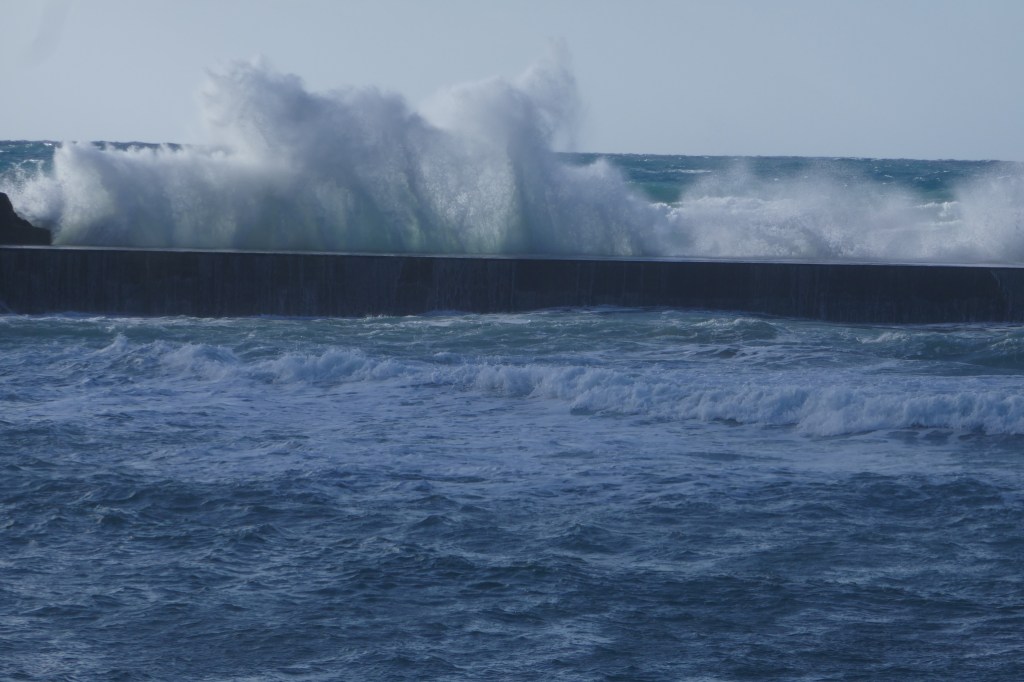
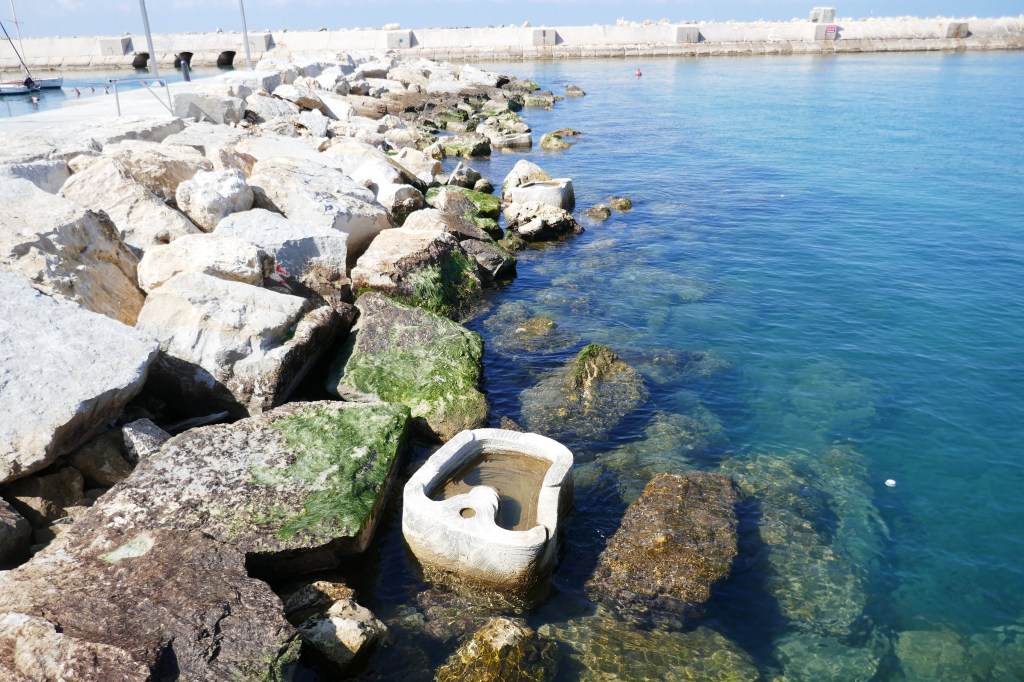
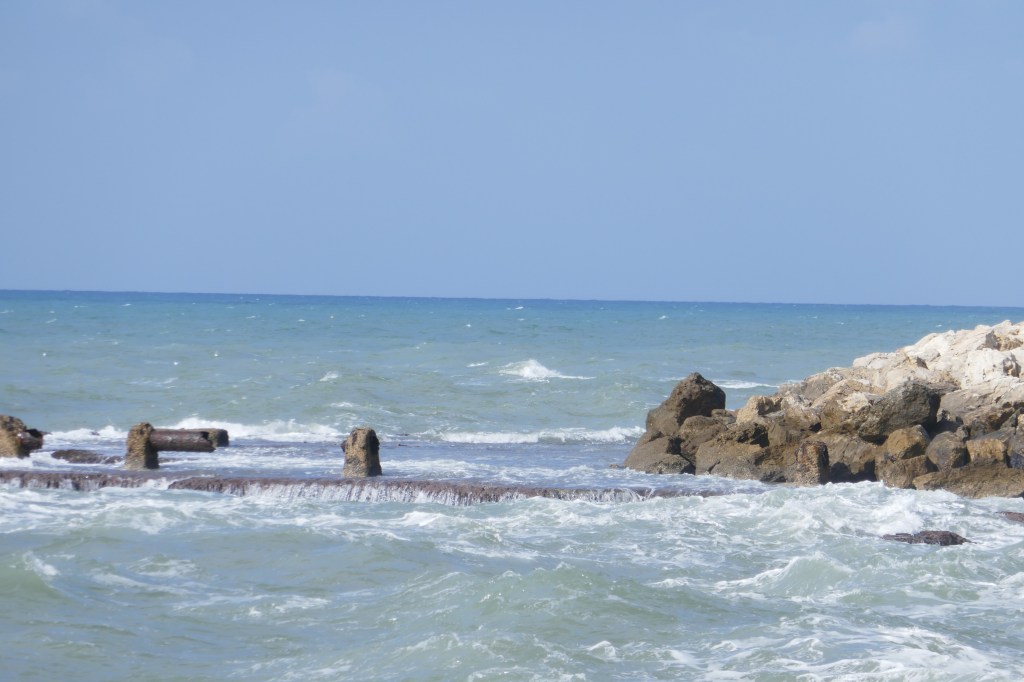
Mediterranean Sea off the coast of Israel

If you are looking for additional information and/or materials, please visit our website at RootedinHisWord.org and our Facebook page. 

34857624_201435477340473_855160484356161536_n

Read Jonah Chapter 1
1. Who was Jonah according to Jonah 1:1?

2. Who told Jonah to go to Ninevah? Why was he to go there?

3. Where was Ninevah?

4. Why was Ninevah a “great city?”

5. Where was Tarshish?

6. From Whom was Jonah fleeing according to Jonah 1:3?

7. What do you learn from the following verses?
Psalm 139:7-10

Jeremiah 23:24

Amos 9:2-4

8. Where did Jonah go to catch the ship to Tarshish?

9. Where is Joppa (Jaffa) located in Israel?


Old Jaffa – Israel
Jaffa (Joppa) – Israel
Seaport of Jaffa (Joppa) – Israel

If you are looking for additional information and/or materials, please visit our website at RootedinHisWord.org and our Facebook page. 

34857624_201435477340473_855160484356161536_n

Background
1. Who is the author of the book of Jonah?

2. When was this book written?

3. Who was the original intended audience for this book? How do you know?

4. To which Kingdom did Jonah prophesy, Northern or Southern?

5. What does the name “Jonah” mean?

If you are looking for additional information and/or materials, please visit our website at RootedinHisWord.org and our Facebook page. 

34857624_201435477340473_855160484356161536_n

Read Amos Chapter 8
1. What does Amos see in a vision in Amos 8:1-2?

2. What does the fruit represent?

3. What does God say will happen to His people Israel in Amos 8:2-3?

4. What does God say will happen to those who take advantage of the poor and needy in Amos 8:4–10?

5. What does God say will happen in Amos 8:11-14?

Read Amos Chapter 9
1. What does Amos see according to Amos 9:1?

2. What is the message God gives in Amos 9:1-4?

3.What do you learn of God from Amos 9:5-6?

4. What prophecy is given about God’s people in Amos 9:7-10?

5. Copy Amos 9:11-12 here. Meditate on this. Record your thoughts and impressions.

6. What great promises does God give His people and the land in Amos 9:13-15?

If you are looking for additional information and/or materials, please visit our website at RootedinHisWord.org and our Facebook page. 

34857624_201435477340473_855160484356161536_n