Feeds:
Posts
Comments

Choosing

Wait on the LORD;
be of good courage,
and He shall strengthen your heart;
wait, I say, on the LORD!

Psalm 27:14

Wait on the LORD . . . In the Amplified version, this reads “wait and confidently expect.” This sentiment is repeated in the last part of the verse, reinforcing the idea that waiting on God is the beginning and the end of the matter.

Be of good courage . . . In the Amplified version, this reads, “be strong and let your heart take courage.” This speaks of choice. We must choose to wait. We must choose to believe. We must choose to be courageous. We must allow the Spirit of God to reign in our lives, in our thoughts.

Once we choose, then it is all God. He will flood our hearts with courage–the type of courage we know could never be ours. Once we are strengthened, we wait. God is still and always will be in charge.


Read Isaiah Chapter 31

  1. Against whom is the “woe” spoken in Isaiah 31:1?
  2. What will become of them according to Isaiah 31:2-3?
  3. What promise is made in Isaiah 31:4-5?
  4. What exhortation does Isaiah give in Isaiah 31:6?
  5. What prophecy is given about idol worship in Isaiah 31:7
  6. What do the following verses teach about idols and idol worship?
    □ Psalm 106:36 □ Psalm 115:4-8 □ Psalm 135:15 □ Jeremiah 18:15
  7. What things can become idols to us today? How can we put those things before God?
  8. What prophecy is spoken against Assyria in Isaiah 31:8-9?
  9. What application can you make from these two chapters?

Read Isaiah Chapter 30

  1. Against whom is the “woe” spoken in Isaiah 30:1-5?
  2. What shall become of them?
  3. Against whom is judgment spoken in Isaiah 30:6-11?
  4. How is this group described?
  5. What do verses 9 to 10 say about how they respond to God’s law?
  6. What is the judgment spoken in Isaiah 30:12-14?
  7. What promise does God say to them in Isaiah 30:15?
  8. Compare Isaiah 30:15 to Jesus’ words in Matthew 23:37. What do you notice?
  9. What promises do you find in Isaiah 30:18?
  10. What do you learn from these verses about God’s justice?
    □ Psalm 89:14 □ Psalm 97:2
  11. What promise do you find in Isaiah 30:19?
  12. What do you learn of the LORD’s willingness to answer from these verses?
    □ Psalm 20:6 □ Psalm 118:5 □ Psalm 138:3 □ Jonah 2:2
  13. What will be the result of the adversity the people of God suffer according to Isaiah 30:20-22?
  14. What promises are given in Isaiah 30:23-26?
  15. What judgment is described in Isaiah 30:27-33?

Isaiah Chapter 29

Read Isaiah Chapter 29

  1. What in verse one tells us the identity of the city?
  2. What judgment does God say will be visited on the city by Him in verses 3- 6?
  3. What will happen to the foes of Ariel according to Isaiah 29:7-8?
  4. What does God say has happened to the people of God in Isaiah 29:9-10? Isaiah 29:11? Isaiah 29:12?
  5. What accusation does God make against the people in Isaiah 29:13?
  6. What do the following verses teach?
    □ Psalm 78:36-37 □ Isaiah 6:9 □ Jeremiah 5:21 □ Ezekiel 33:31 □ Matthew 13:14 □ Matthew 15:5-9 (Mark 7:6-7) □ John 12:40 □ Acts 28:23-26 □ Romans 11:8
  7. After reviewing the verses above, have you observed this type of attitude in society today? In the church? Explain.
  8. What does God say will happen as a result in Isaiah 29:14?
  9. The next woe begins in Isaiah 29:15. Against whom is the woe spoken?
  10. What do the following verses teach?
    □ Psalm 10:4-11 □ Psalm 94:3-10 □ Ezekiel 8:12
  11. What is Isaiah’s point in Isaiah 16?
  12. What do you learn from the following verses?
    □ Psalm 100:3 □ Isaiah 45:9 □ Jeremiah 18:1-6 □ Romans 9:19-21
  13. What things are foretold in Isaiah 29:17-19?
  14. What reasons are given in Isaiah 29:20-21?
  15. What prophecy is made in Isaiah 29:22-24?
  16. What application can you make to your own life from Isaiah chapter 29?

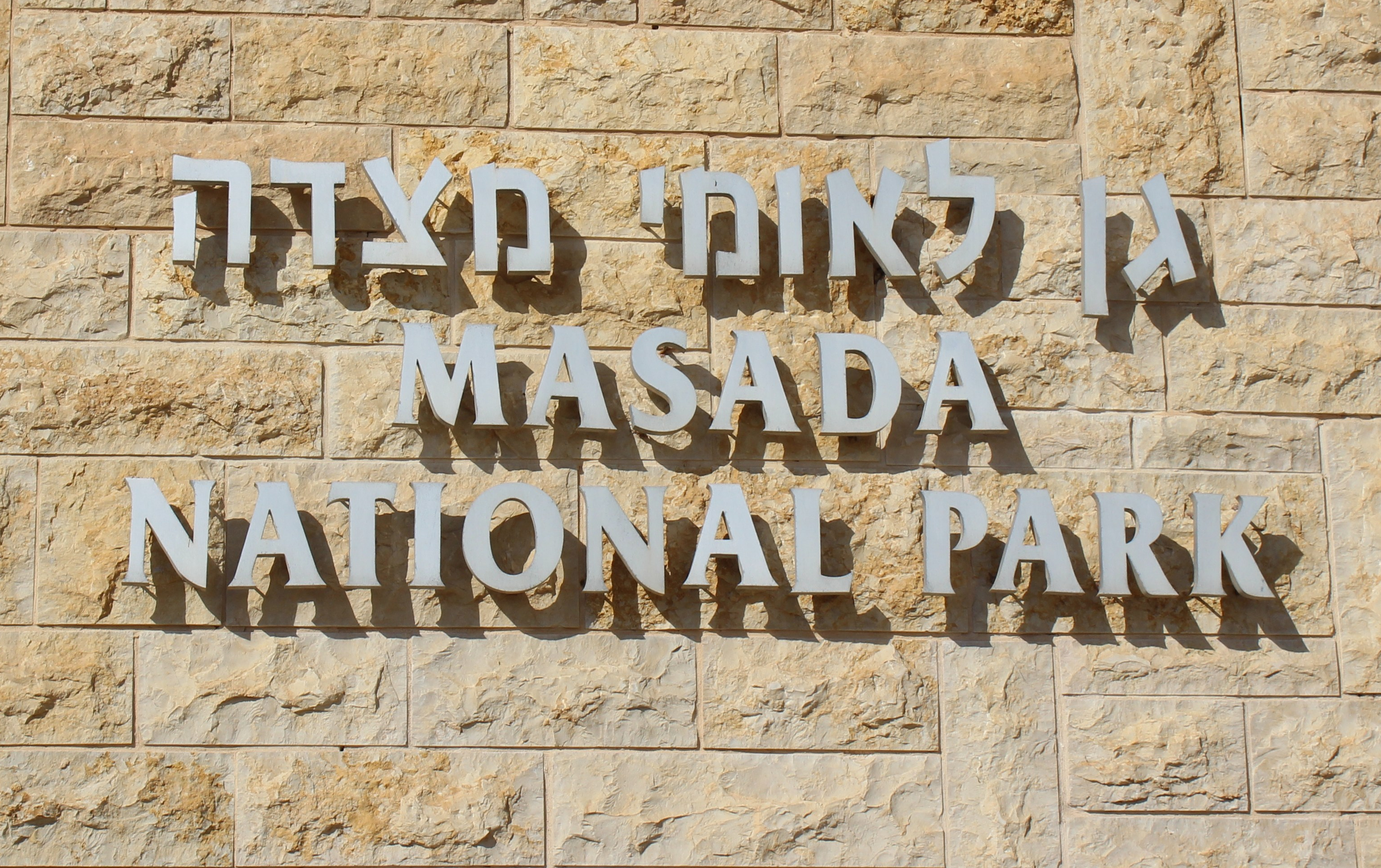
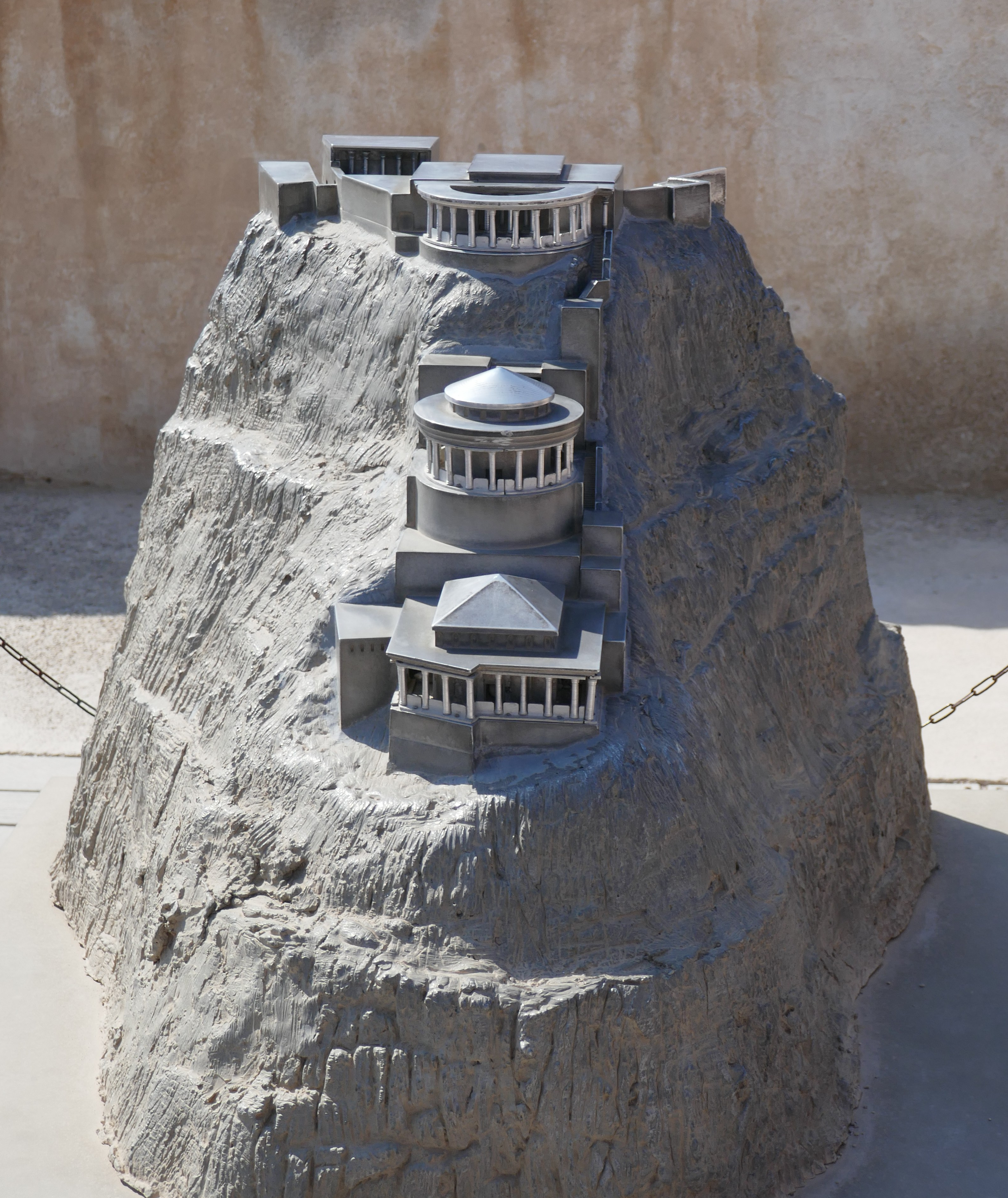
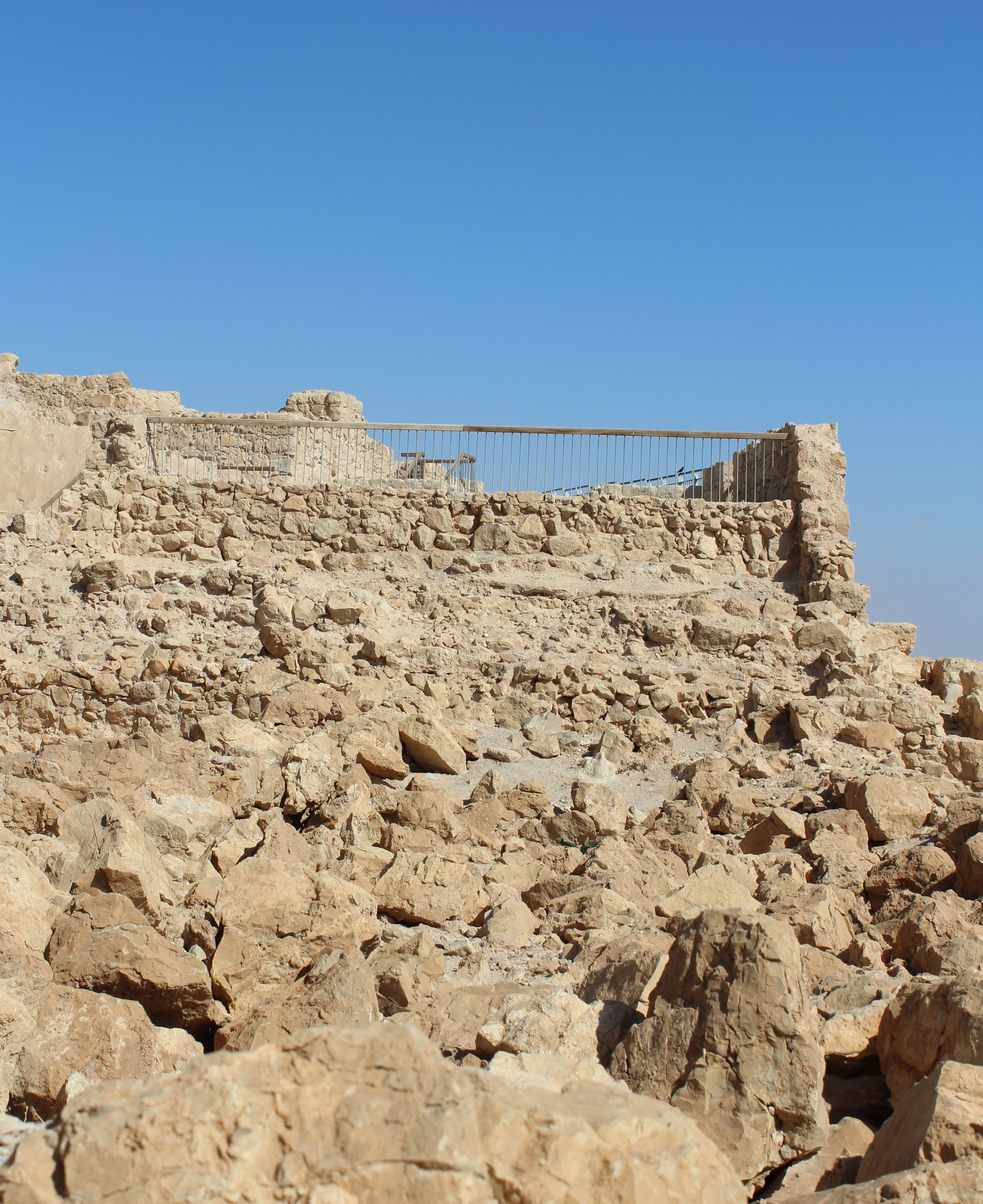
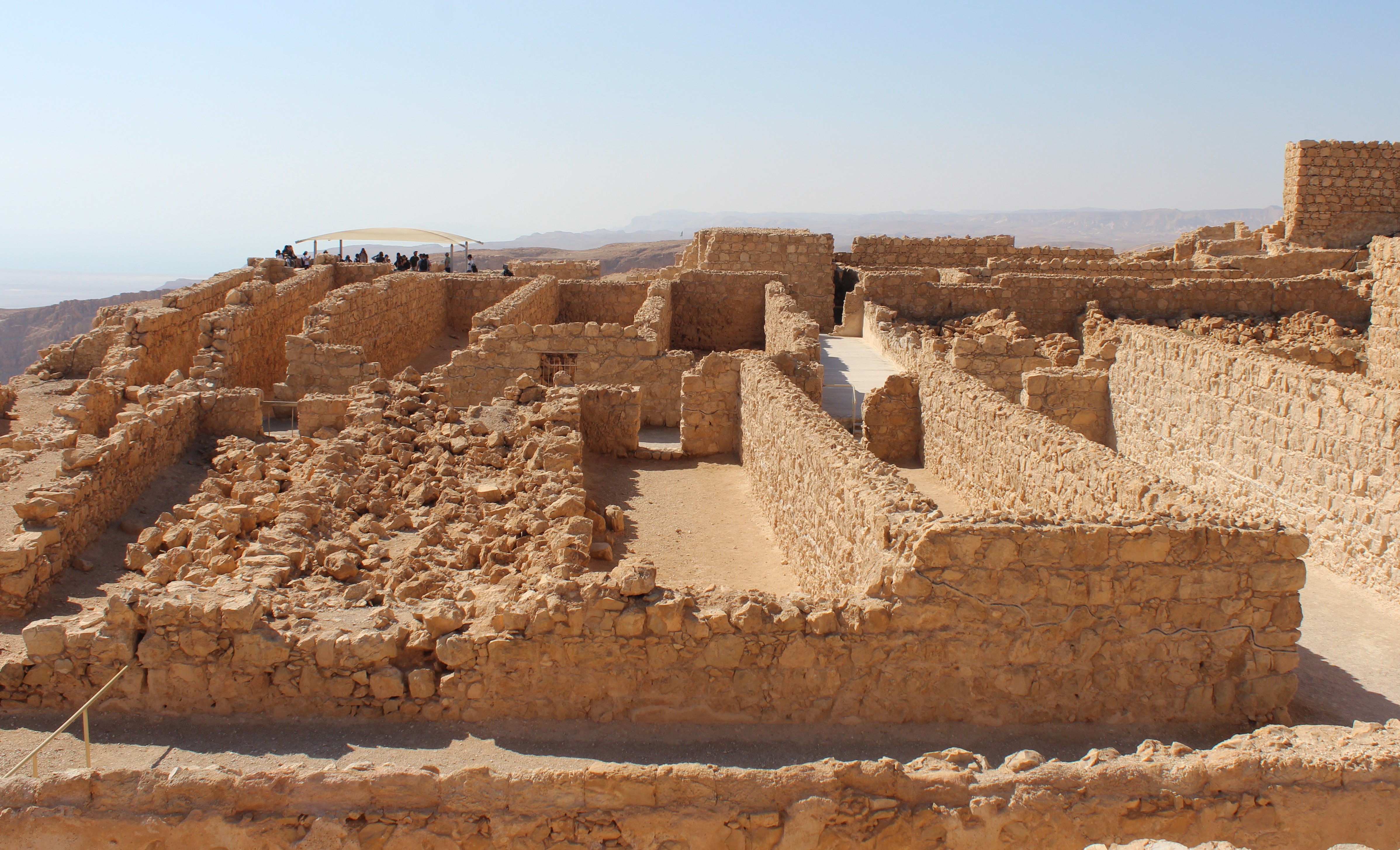
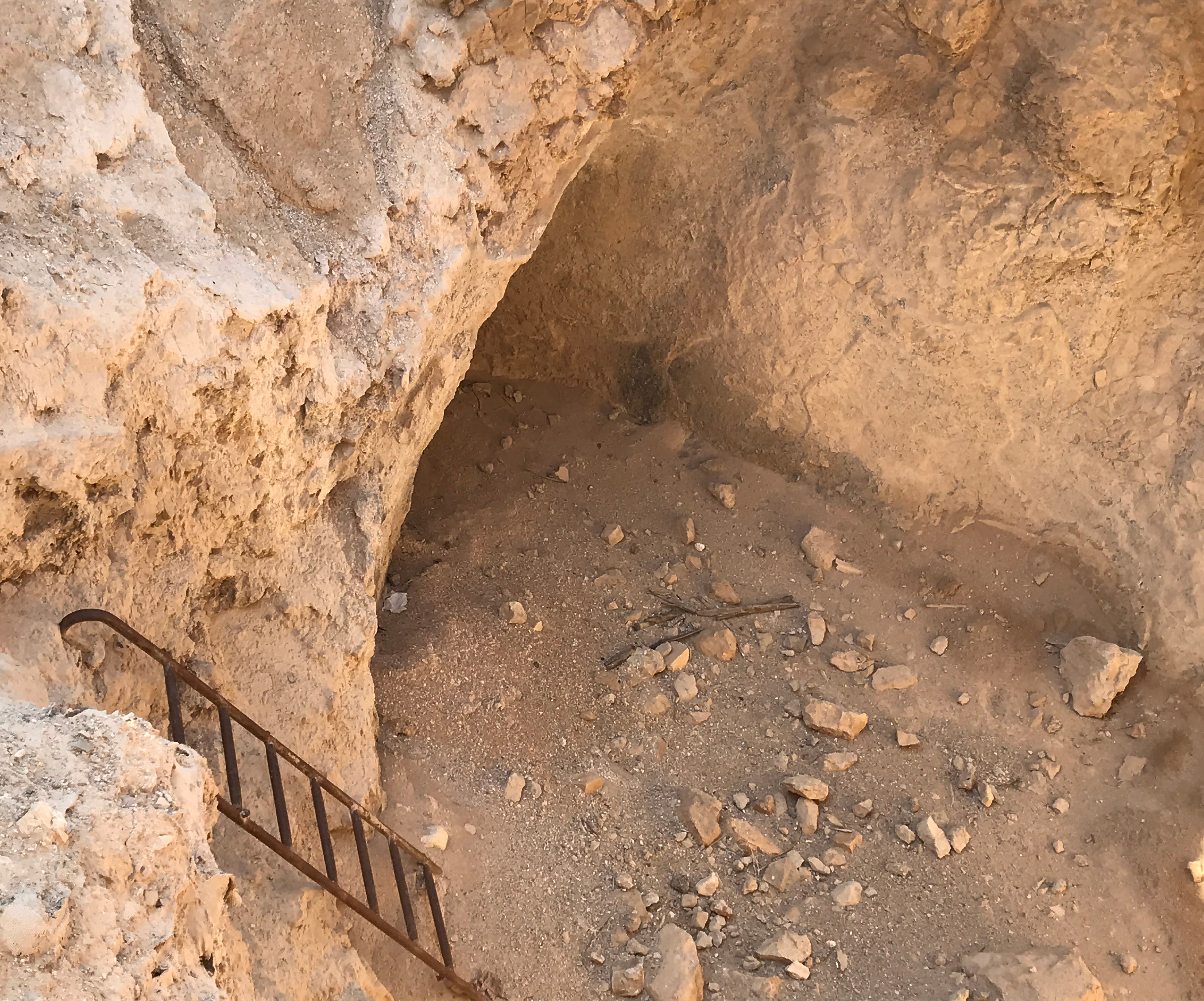
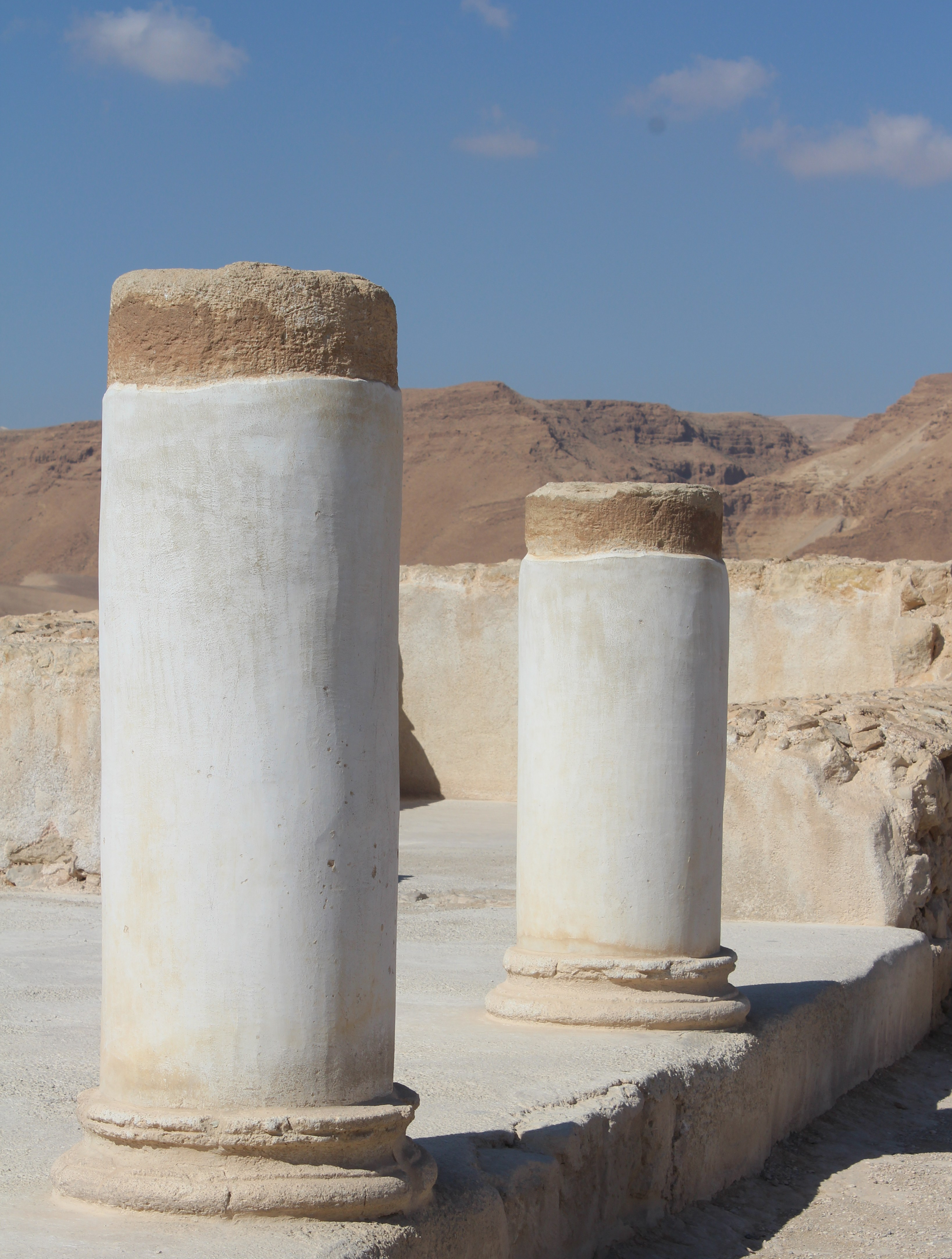
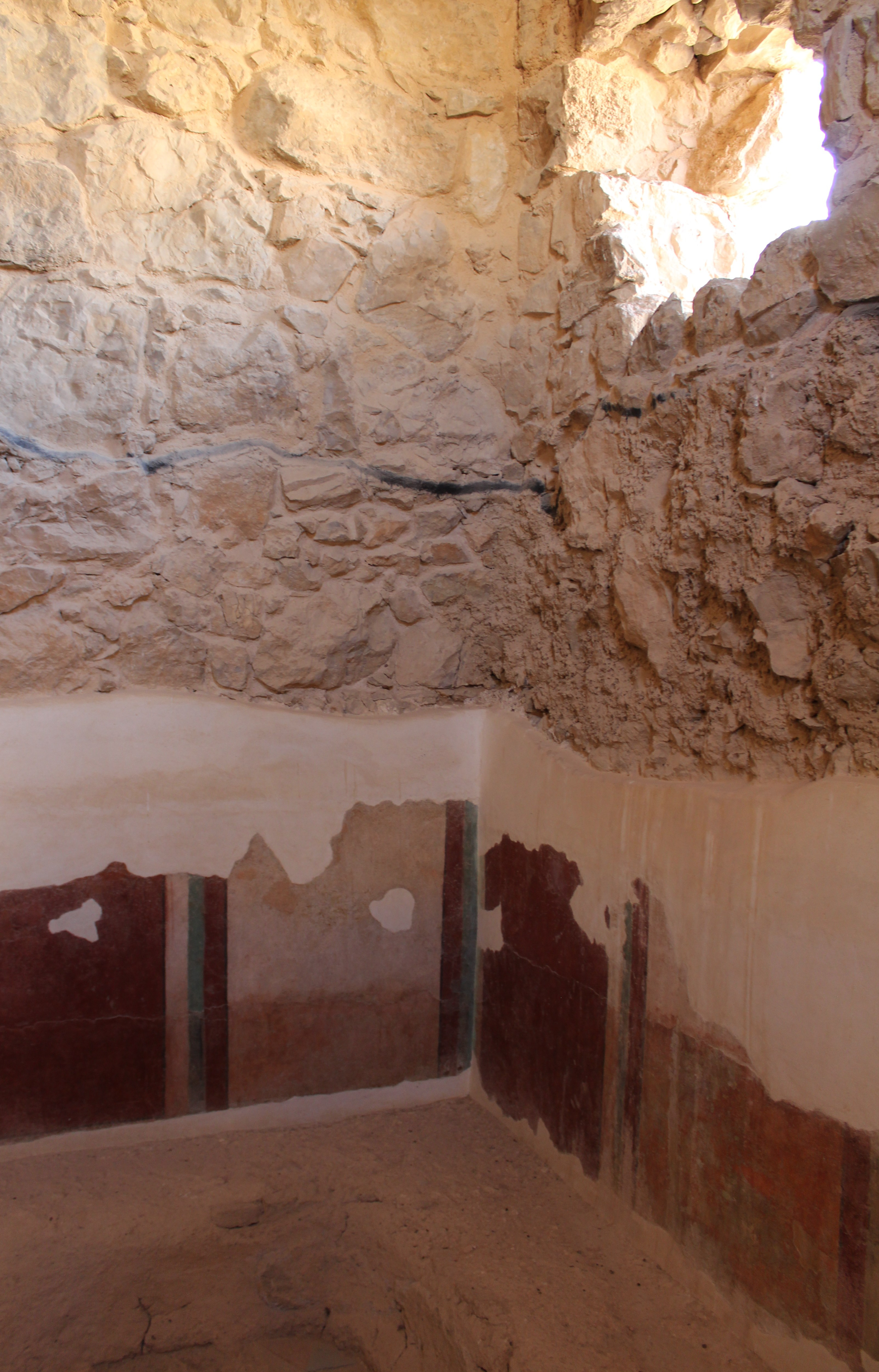
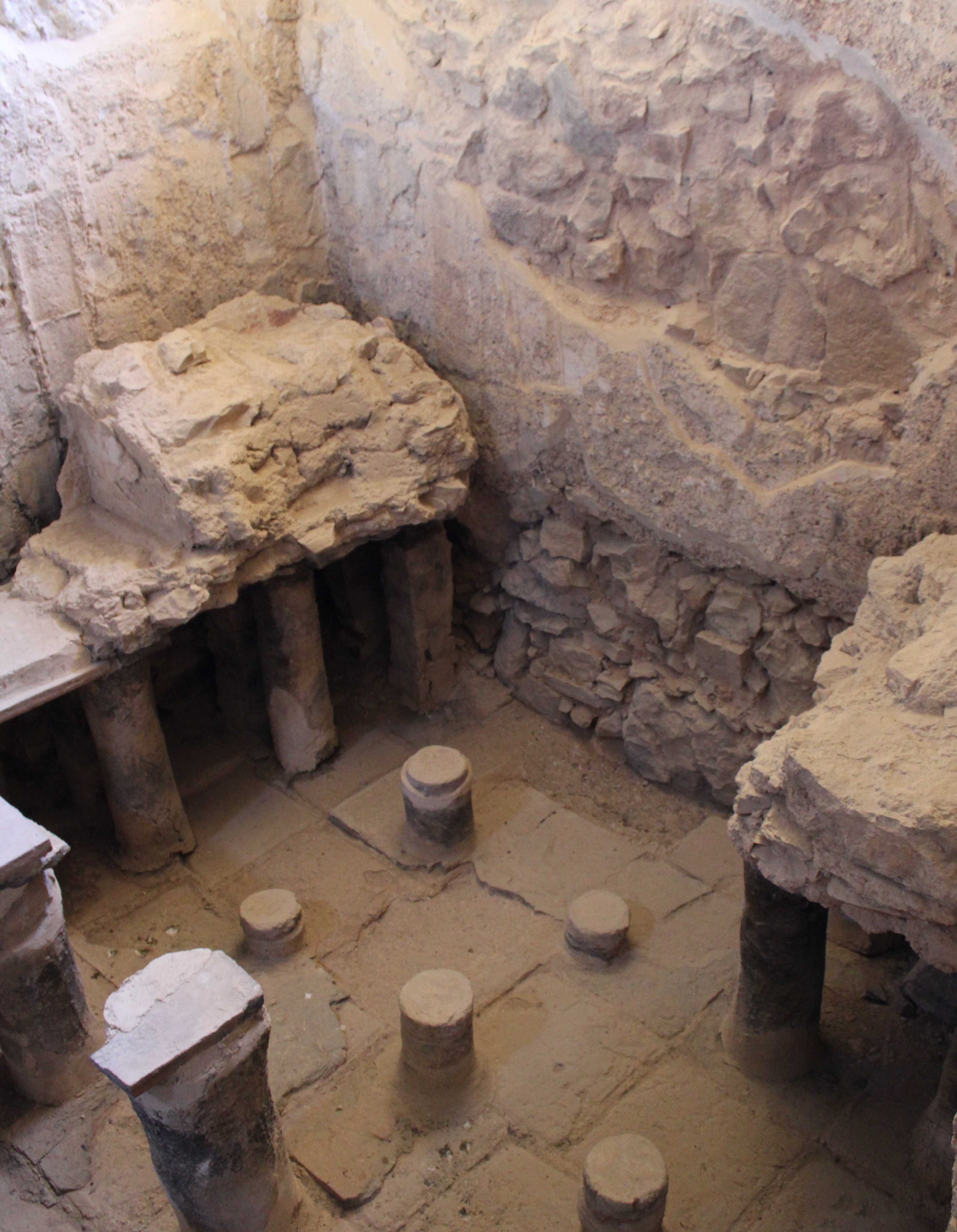
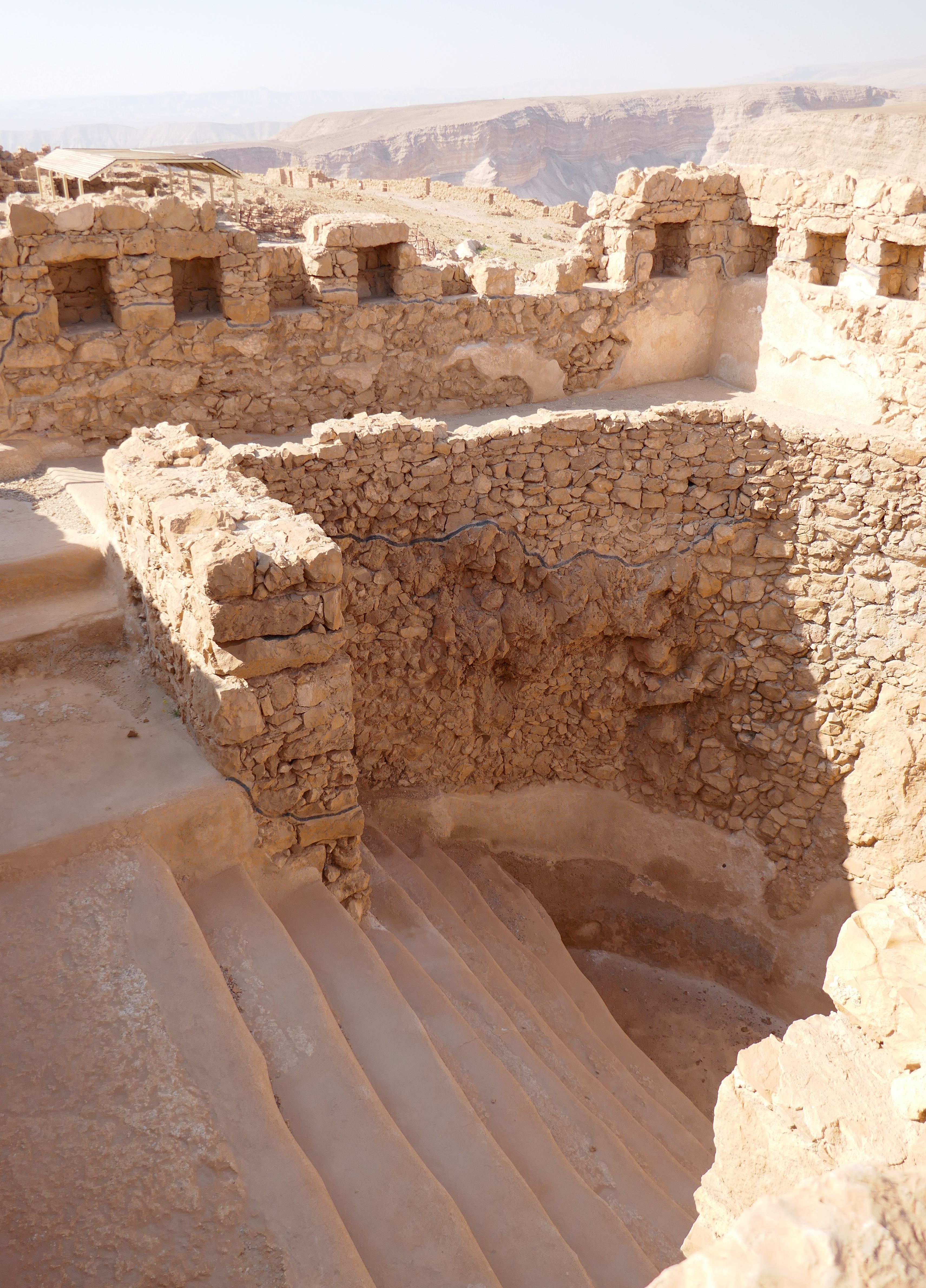
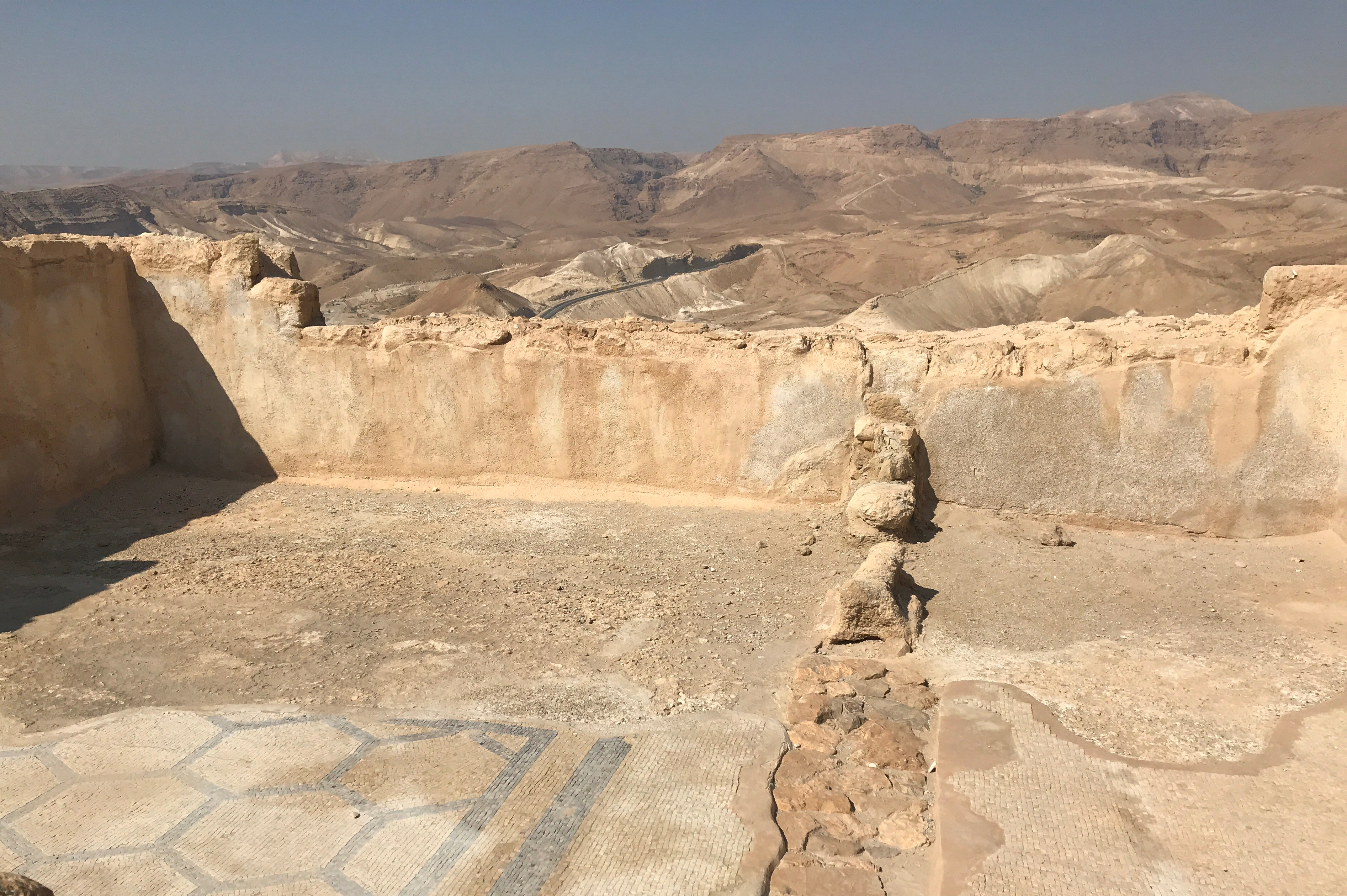
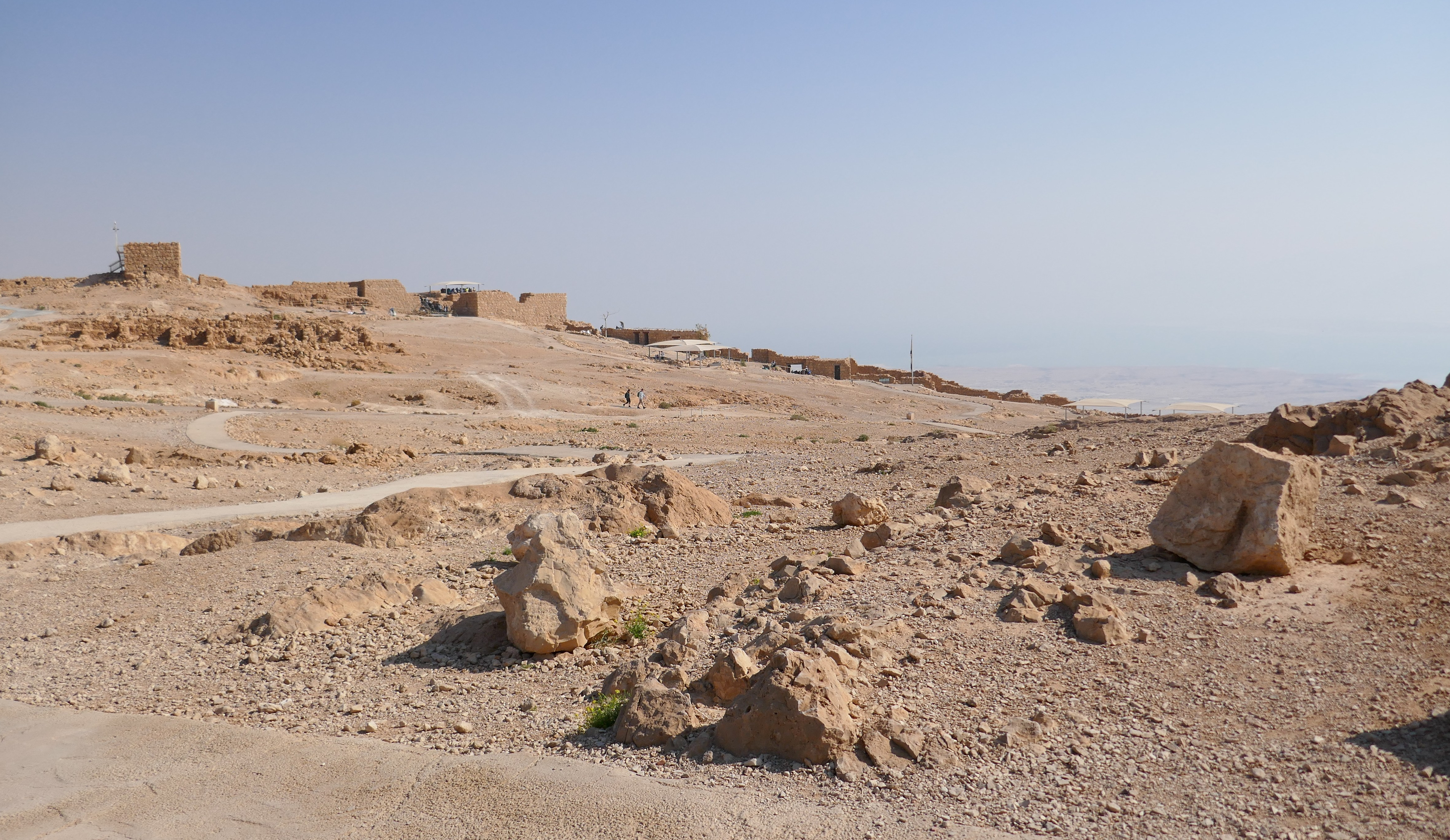
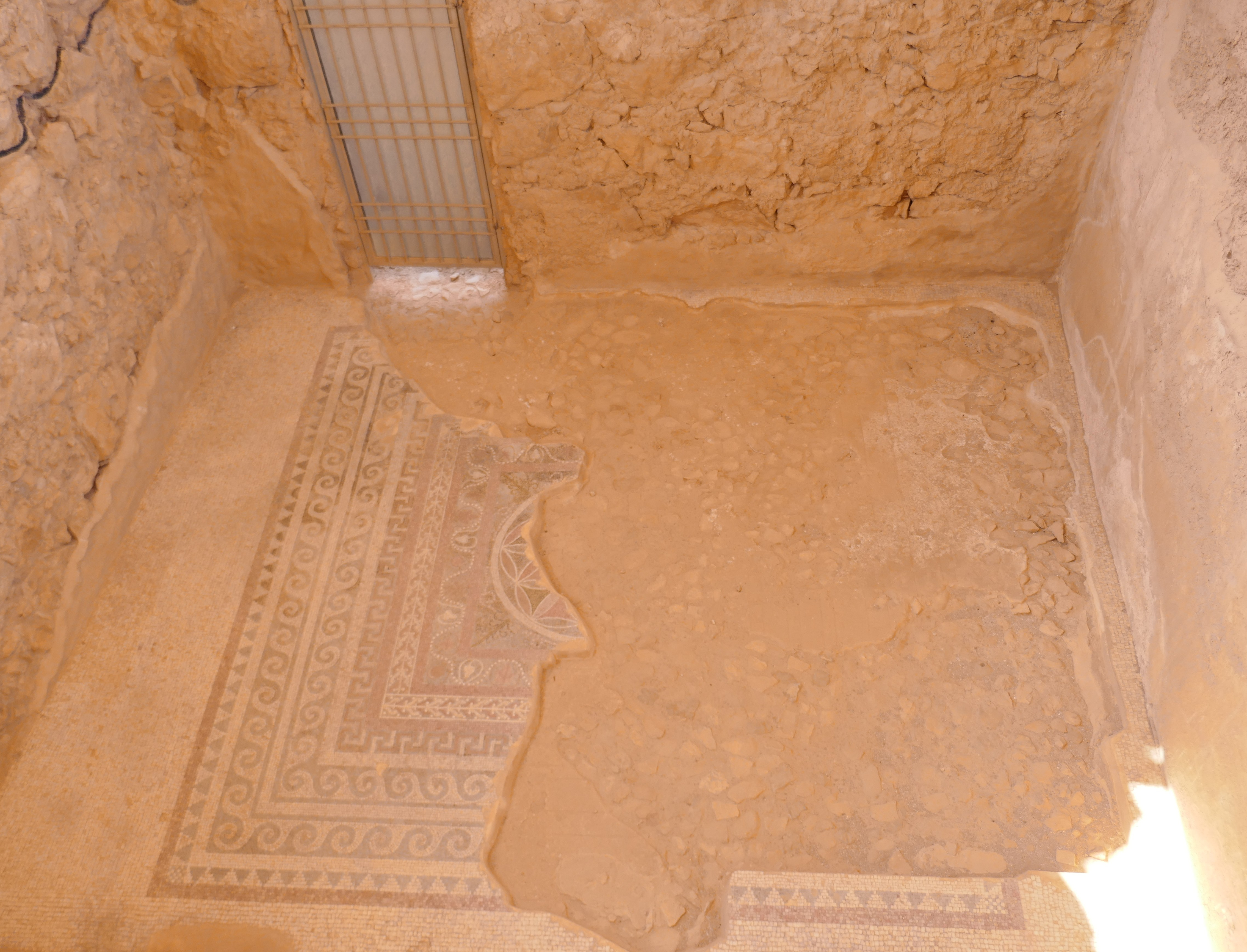
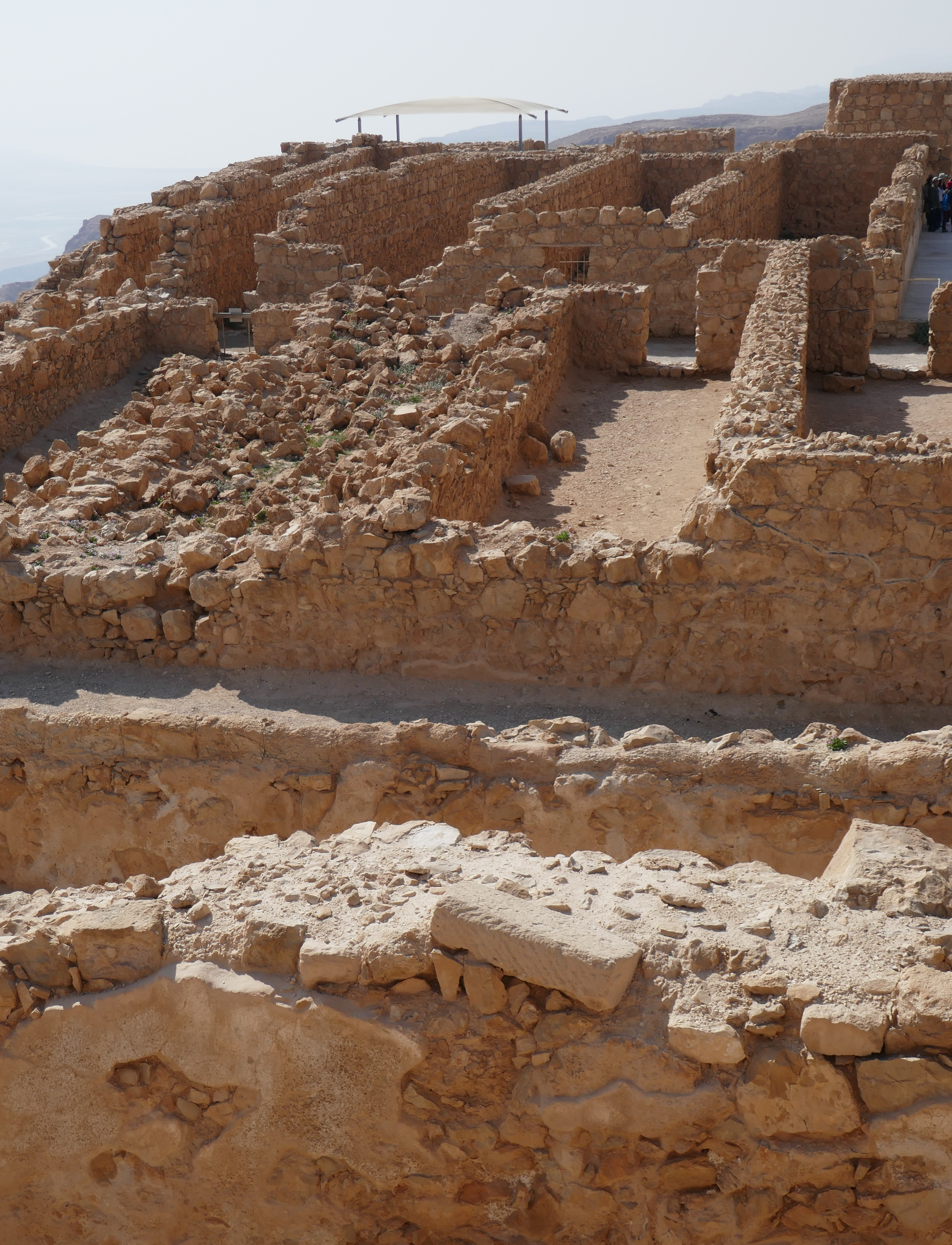
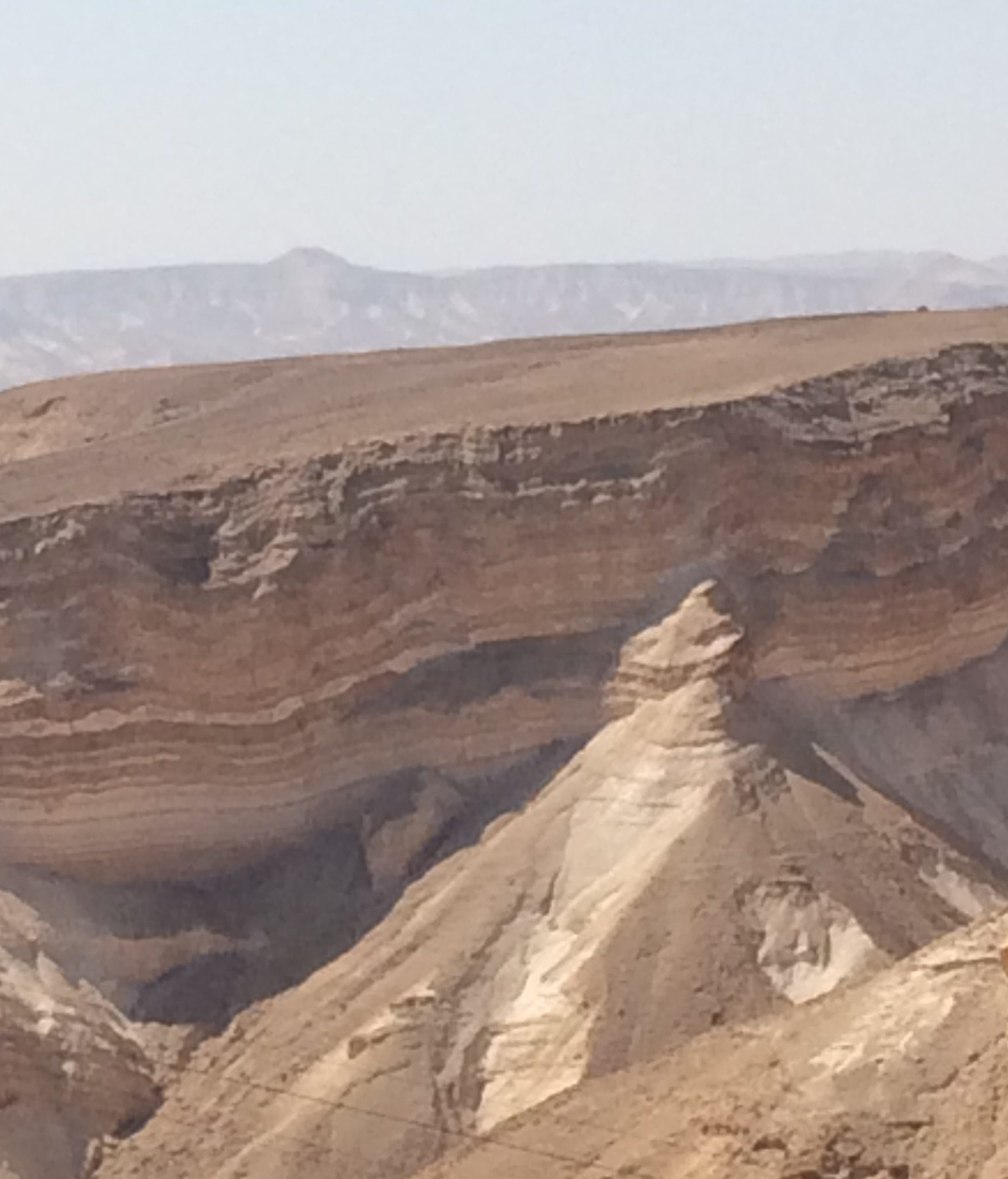
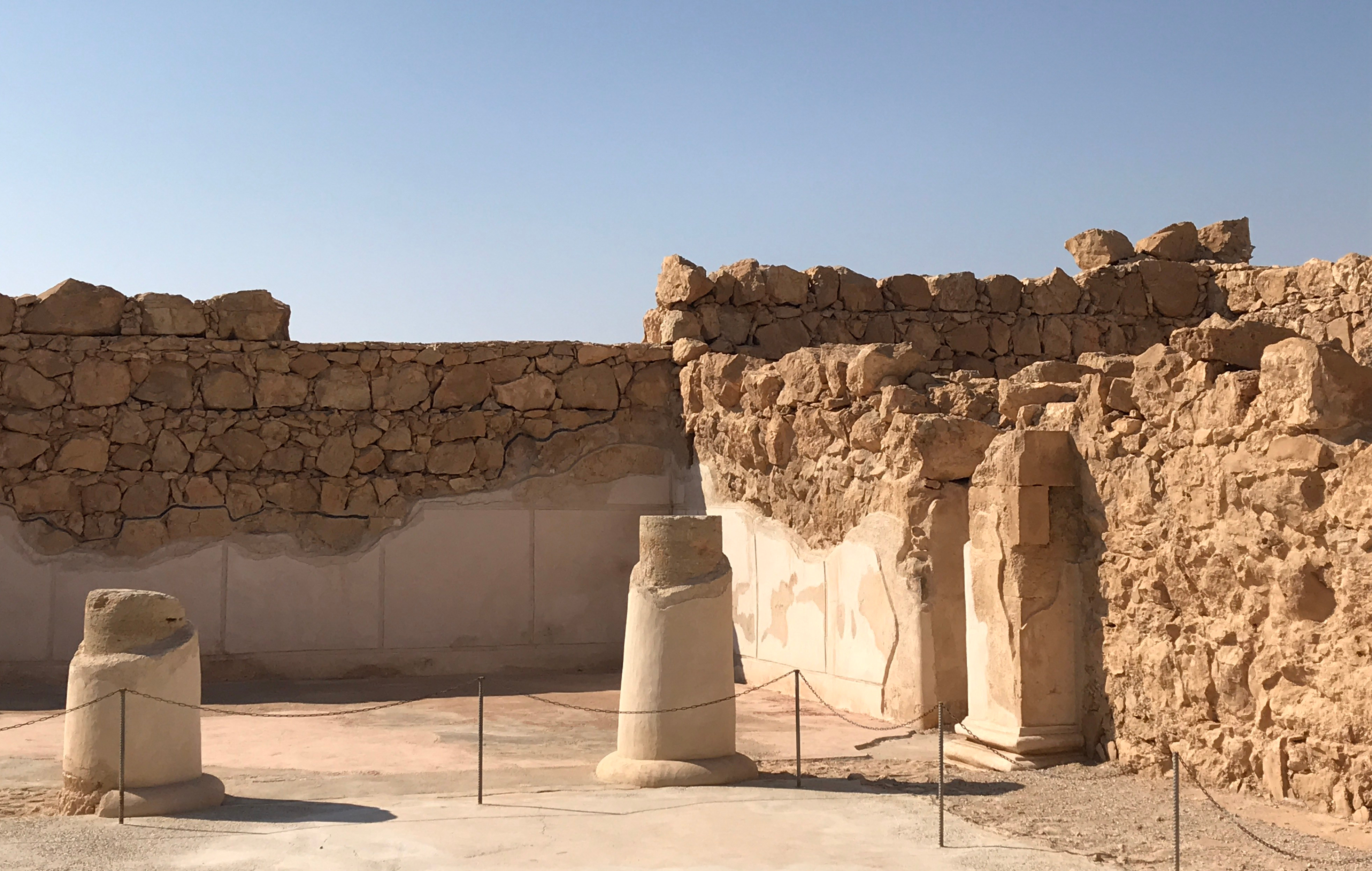
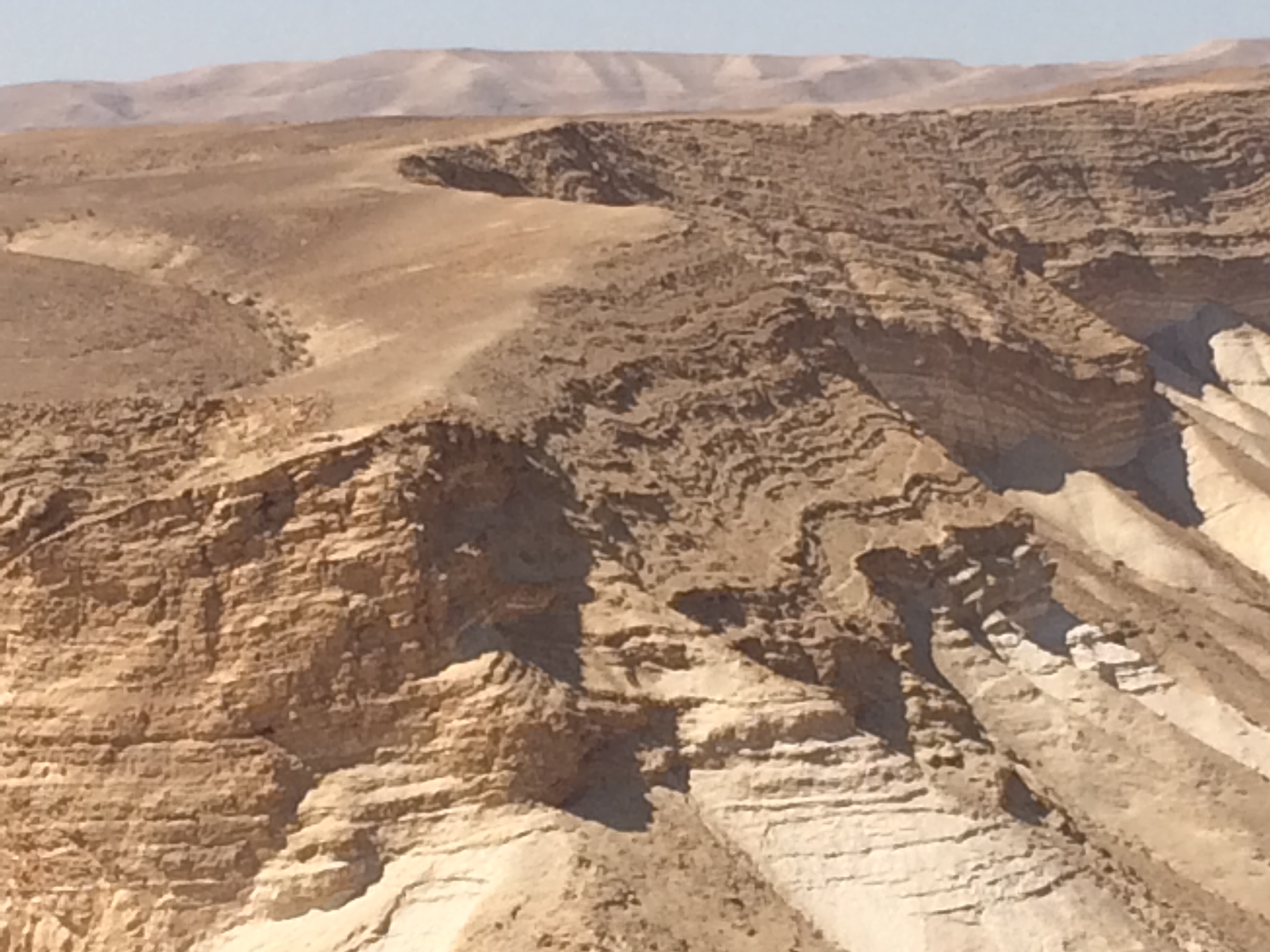
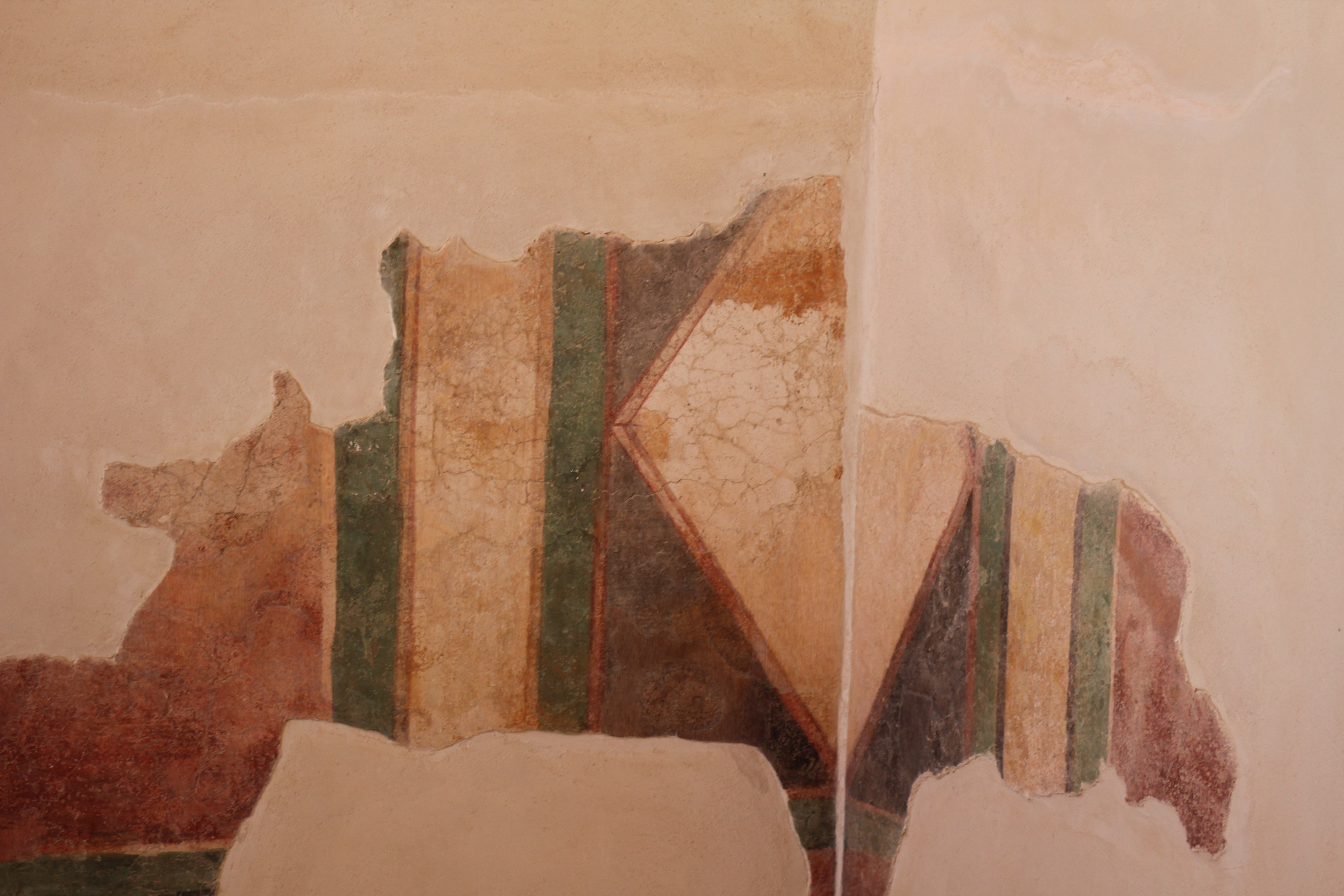
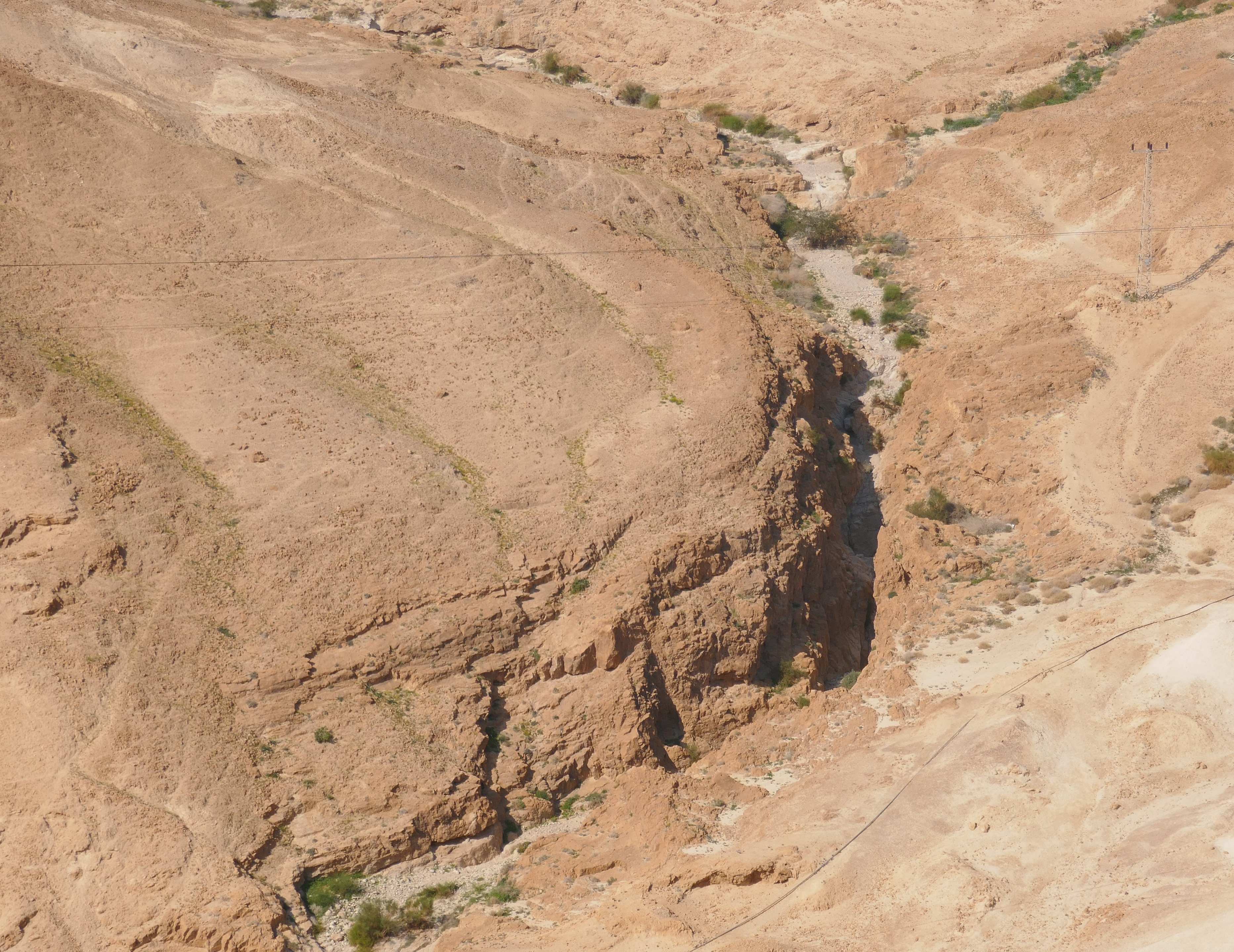
On a hill overlooking the Dead Sea, Herod the Great built a palace. It is not really a site of any religious significance for Christians, but it is an important site to Jews, especially Israeli Jews. The story of Masada as the final stand for a band of zealots became a focal point for later generations.

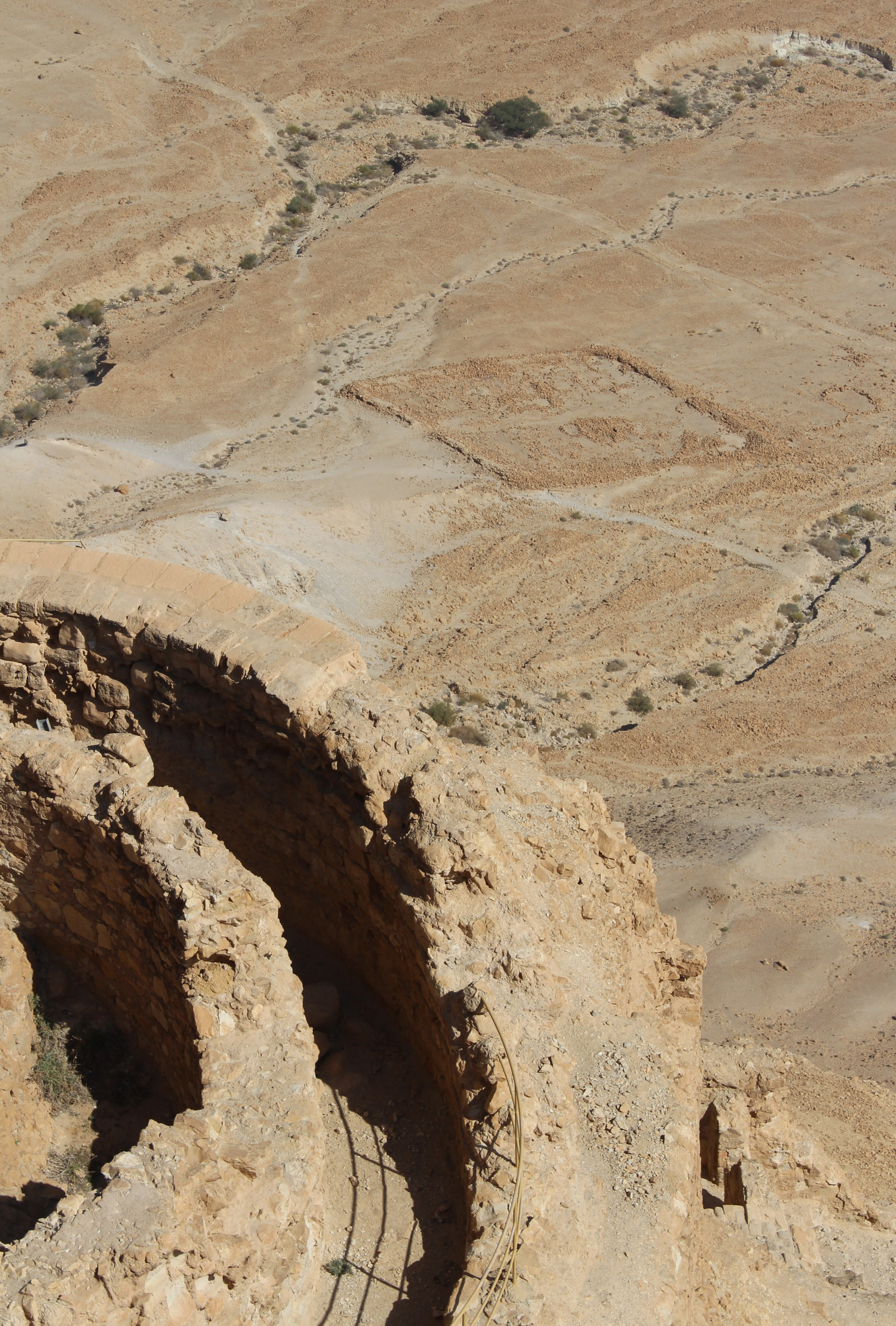
For the student of history and culture, the ruins of Masada are a wellspring of information about Herod the Great, both his engineering genius and his paranoia. He built several palaces across the Holy Land, but Masada offers some very special things such as the extensive system for catching and keeping water, as well as the 3 tiered palace structure. Masada is also a site of interest to those fascinated by battle strategies and/or the Roman war machine.

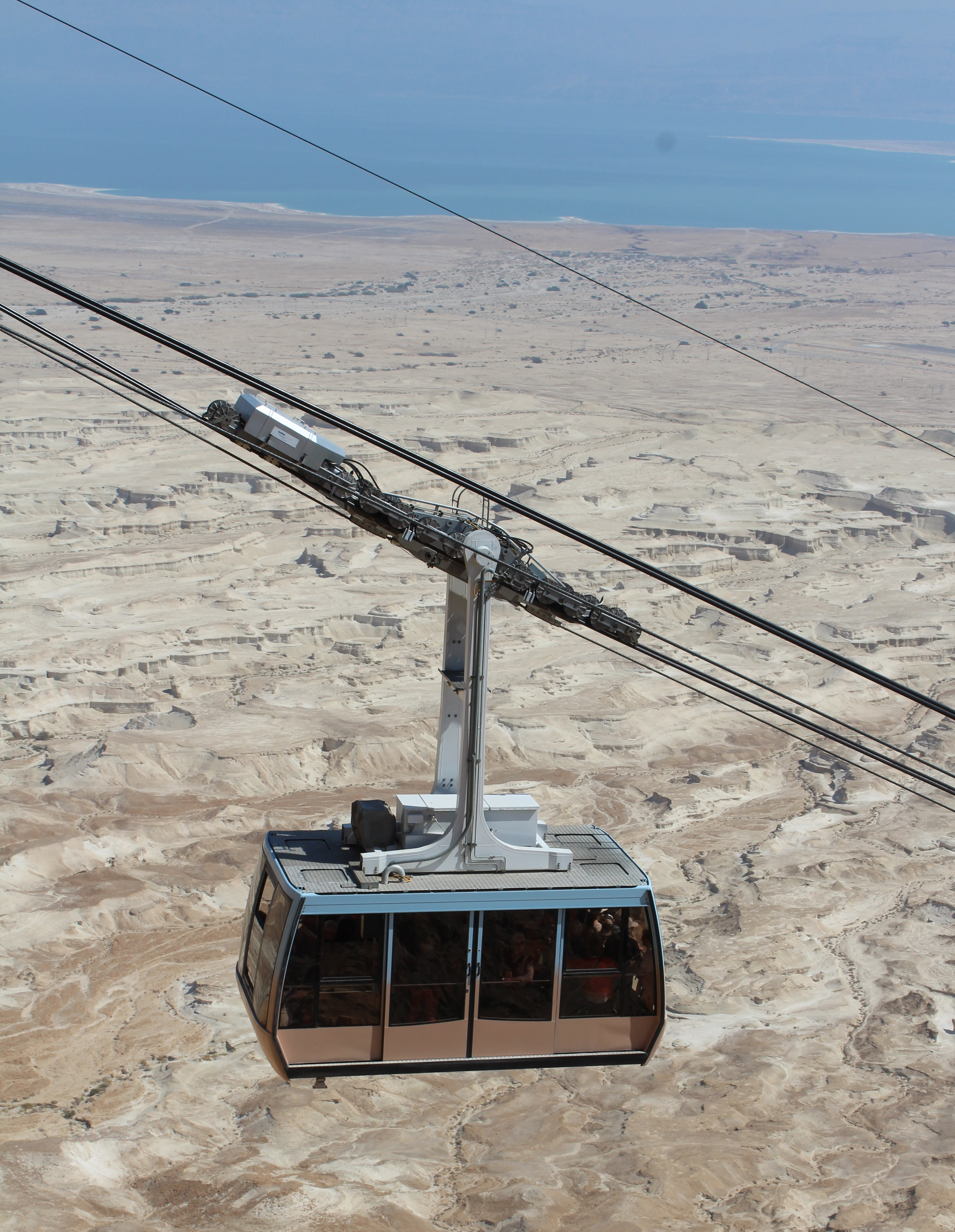
The stories of Masada make for great drama. It is definitely worth visiting the site if you are in the south of Israel. Luckily, it is no longer necessary to hike to get to the top. A tram will take you in a matter of minutes from the bottom to the summit.

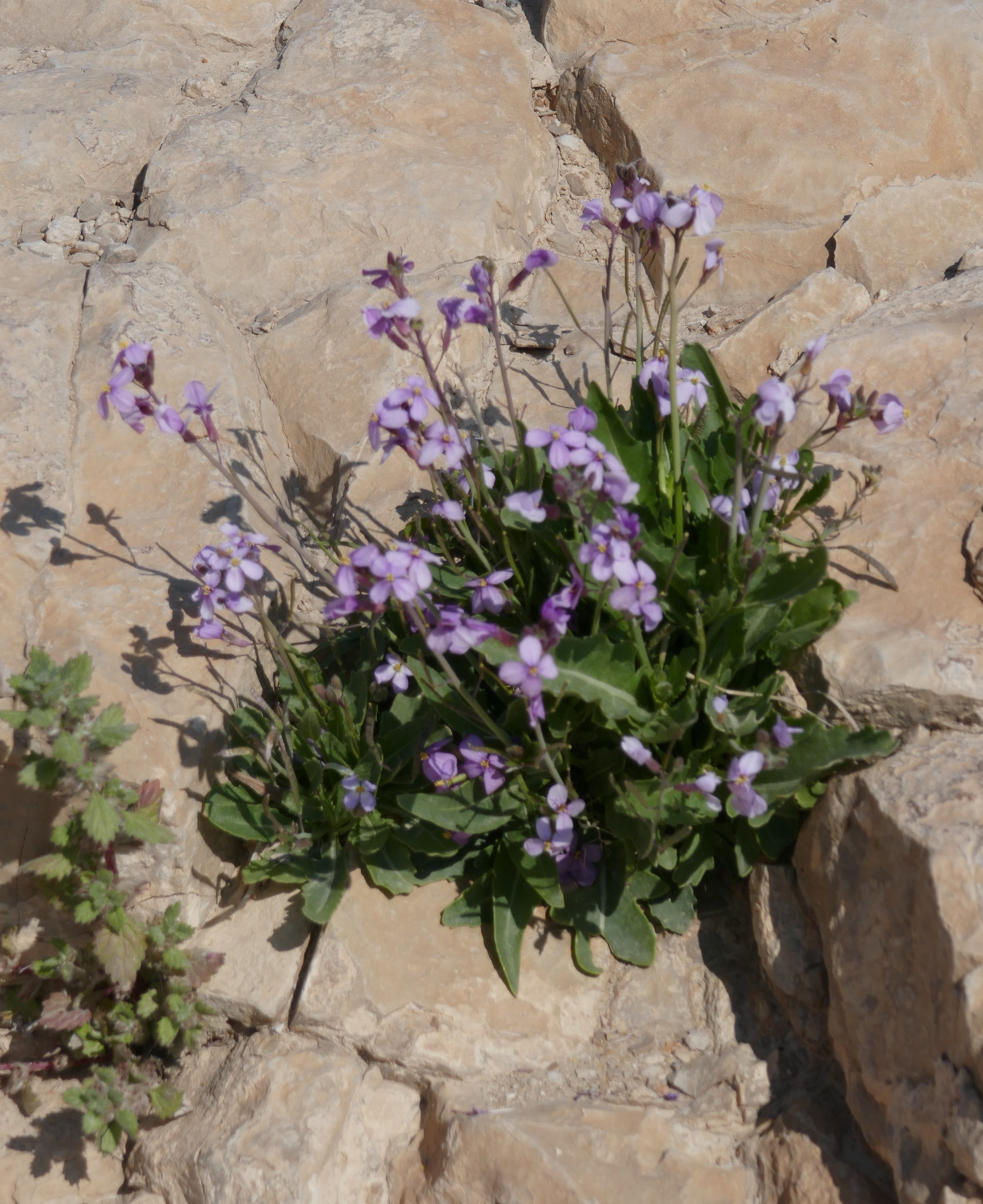
The following is a slide show from Masada:

Isaiah Chapter 28

Read Isaiah Chapter 28

  1. What sin of the people is God addressing in Isaiah 28:1, 3 and 7-8?
  2. What do the following verses teach?
    □ Proverbs 20:1 □ Proverbs 23:20-21, 29-35 □ Hosea 4:11
  3. What judgment does God promise for them in Isaiah 28:2? Isaiah 28:3-5?
  4. What do you learn from Isaiah 28:5-6?
  5. Copy Isaiah 28:9-10. Meditate on this. What are your thoughts and impressions?
  6. What do you learn from Isaiah 28:12-13?
  7. Read Psalm 119. What benefits of the word of God (His statutes, His testimony, His law, His precepts, His commandments, etc.) do you find described there?
  8. What does God pronounce in Isaiah 28:14-15?
  9. What promise does God make in Isaiah 28:16? Isaiah 28:17?
  10. What character trait is given for the one who believes in Isaiah 28:16?
  11. What do you learn from the following verses?
    □ Psalm 118:22 □ Romans 9:33 □ Ephesians 2:20 □ 1 Peter 2:6-8
  12. What do you learn about those who do “not act hastily” in the following scriptures?
    □ Psalm 27:14 □ Psalm 37:9 □ Isaiah 30:18 □ Isaiah 40:31 □ Matthew 10:22 □ James 1:12
  13. What do you learn of God’s judgment in Isaiah 28:18-29?
  14. What can you take away from this chapter of Isaiah? What application can you make to your own life/walk with God?

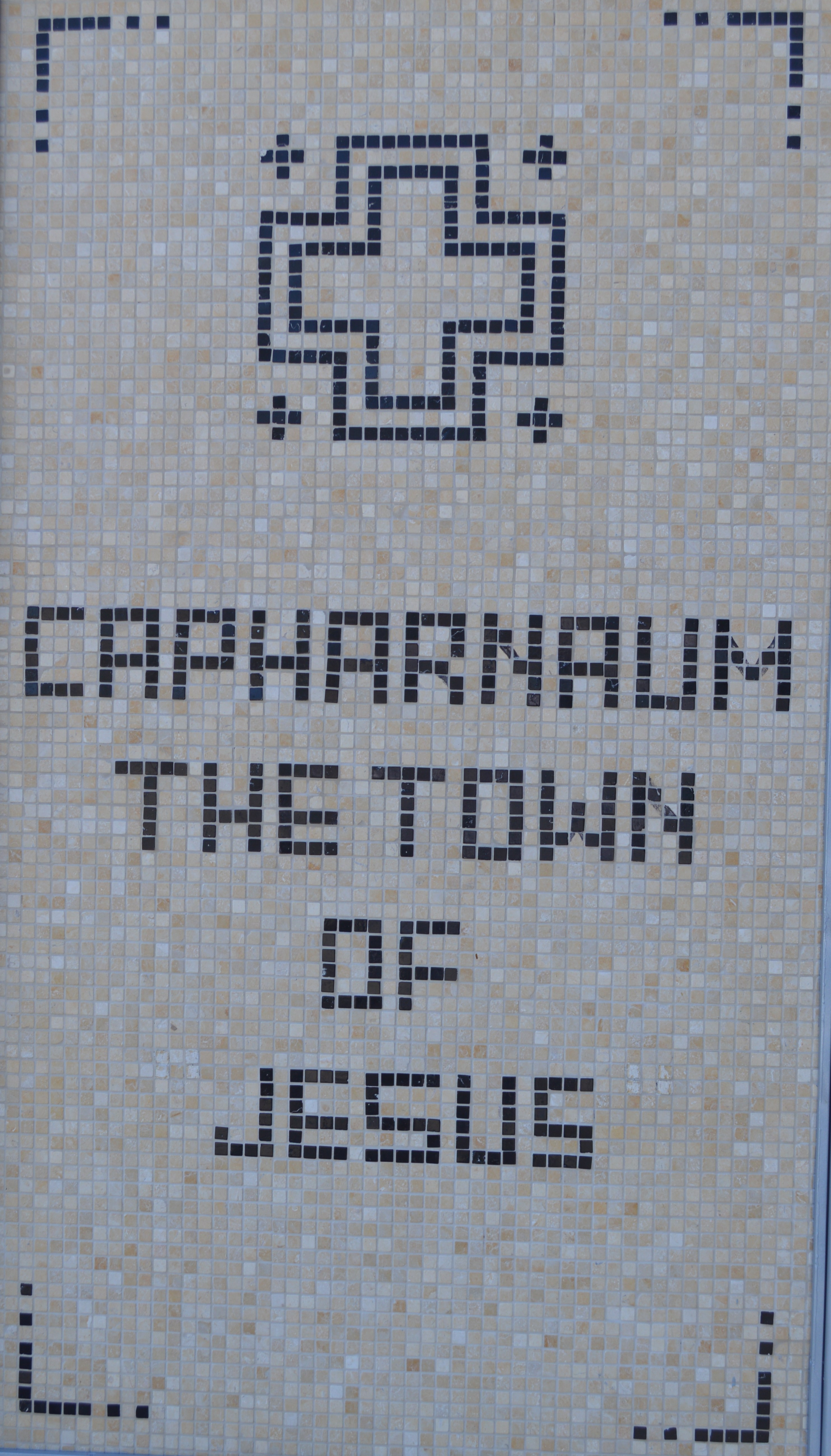
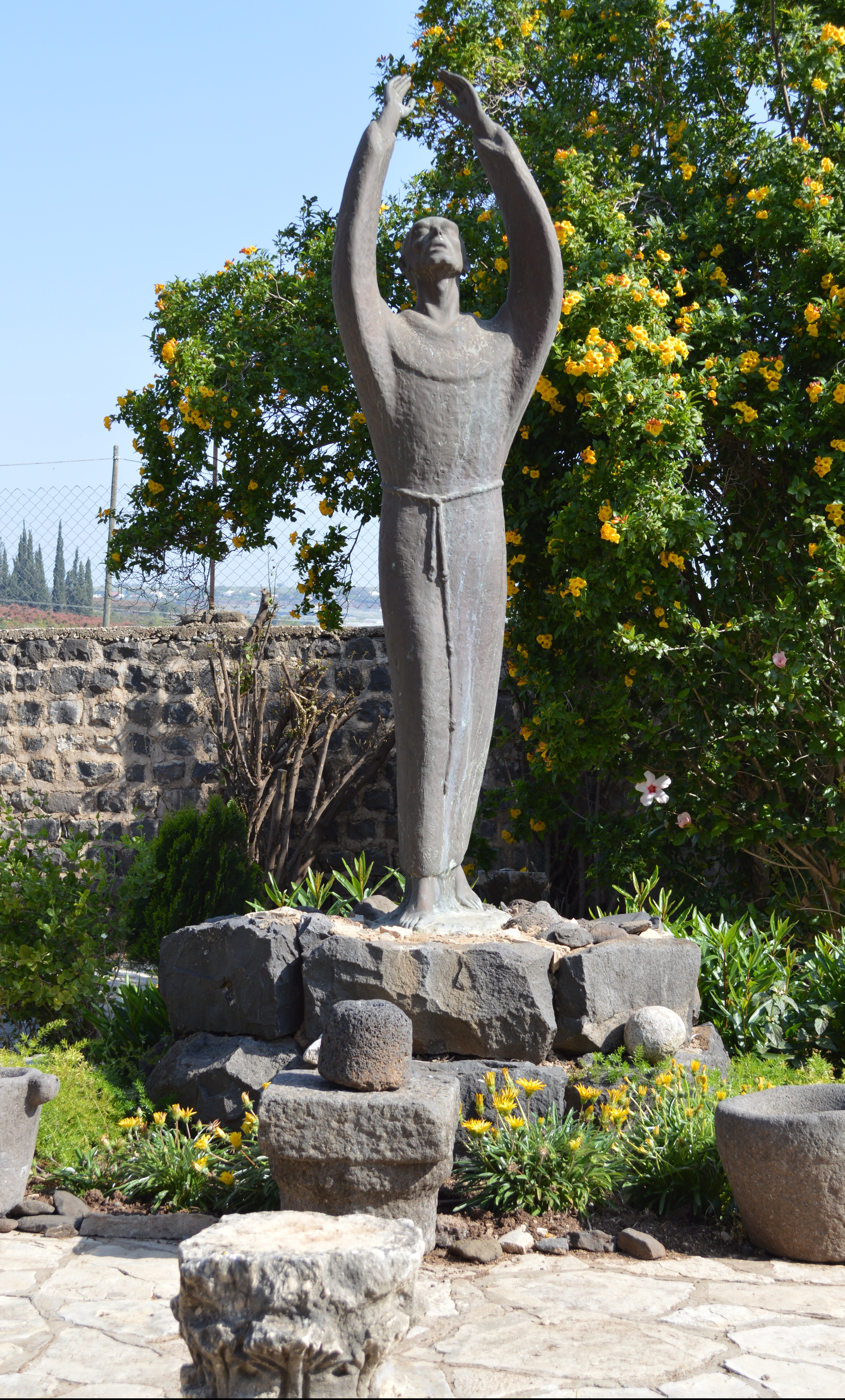
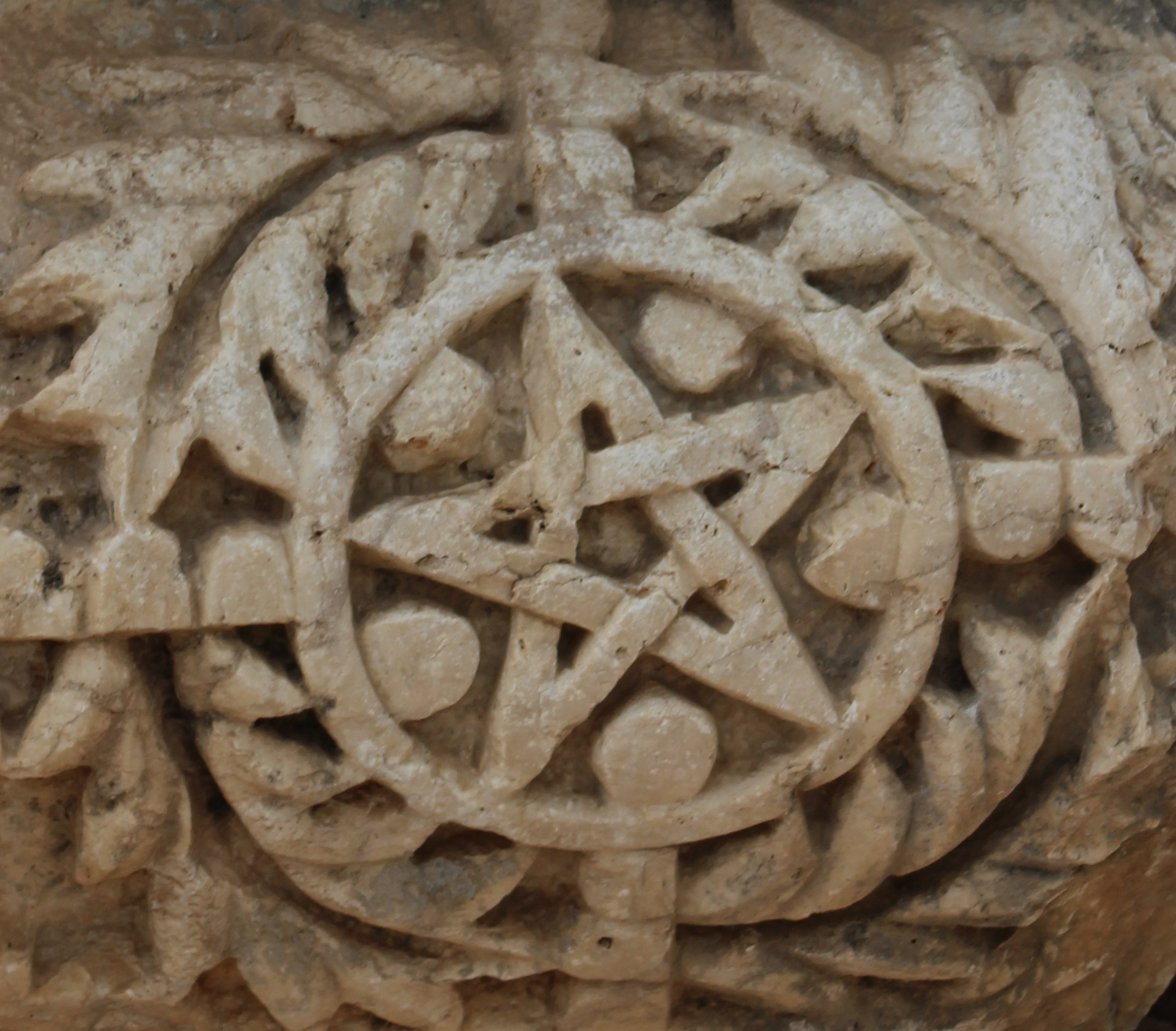
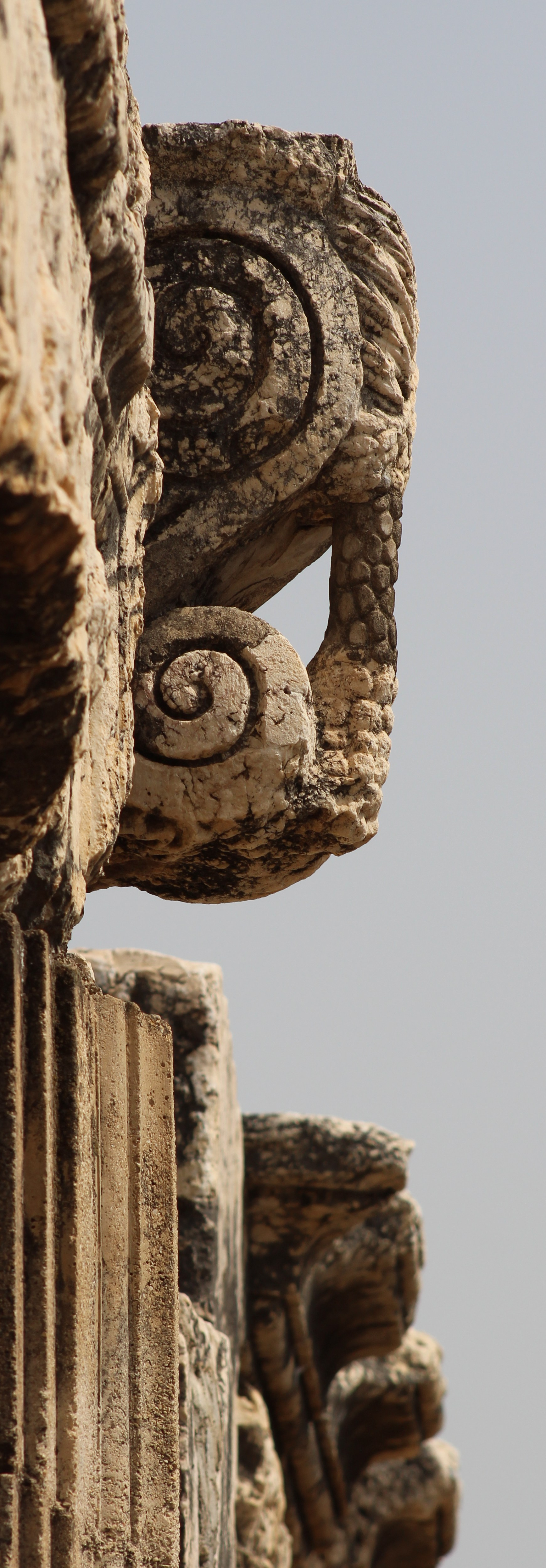
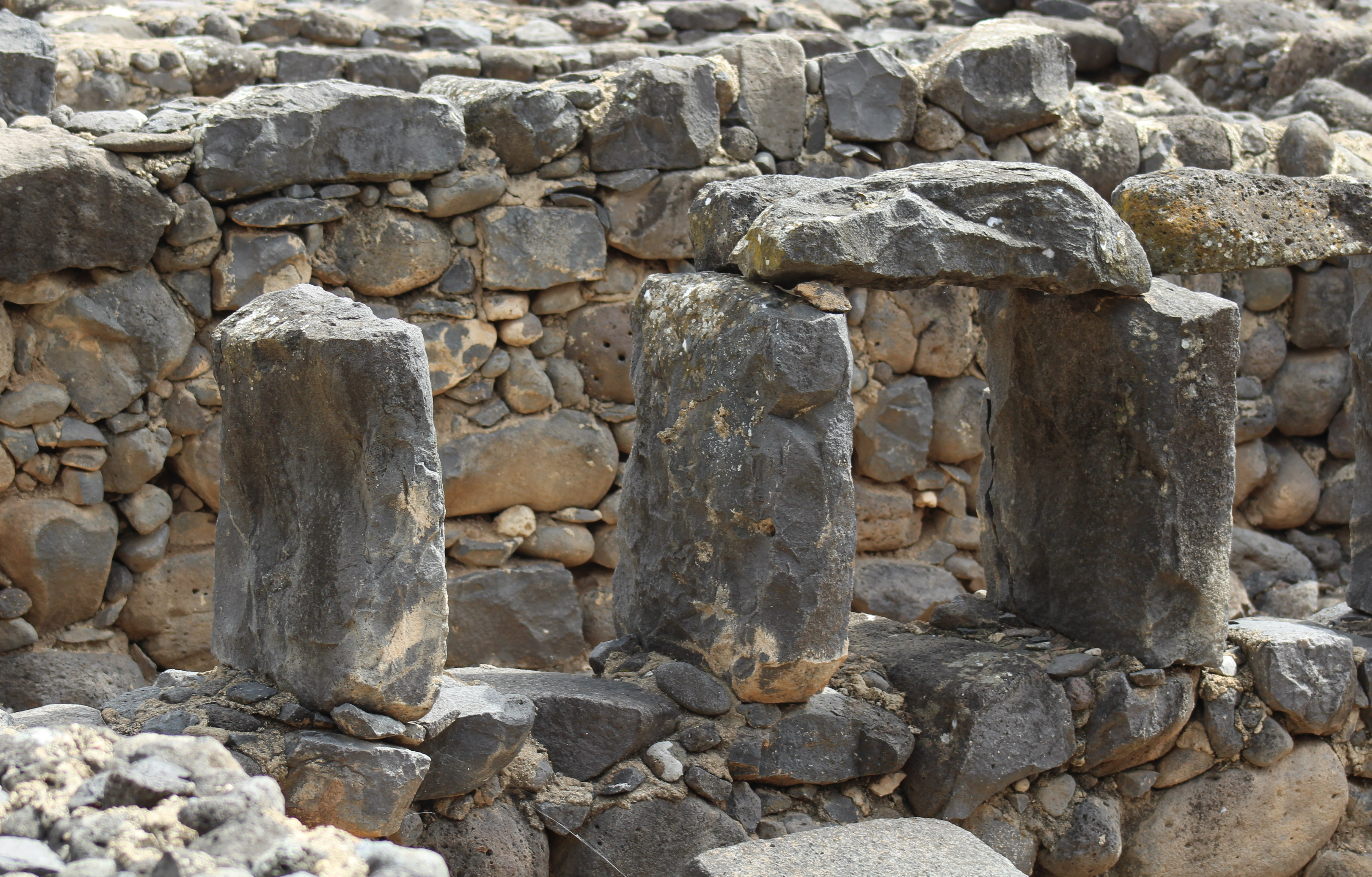
Capernaum

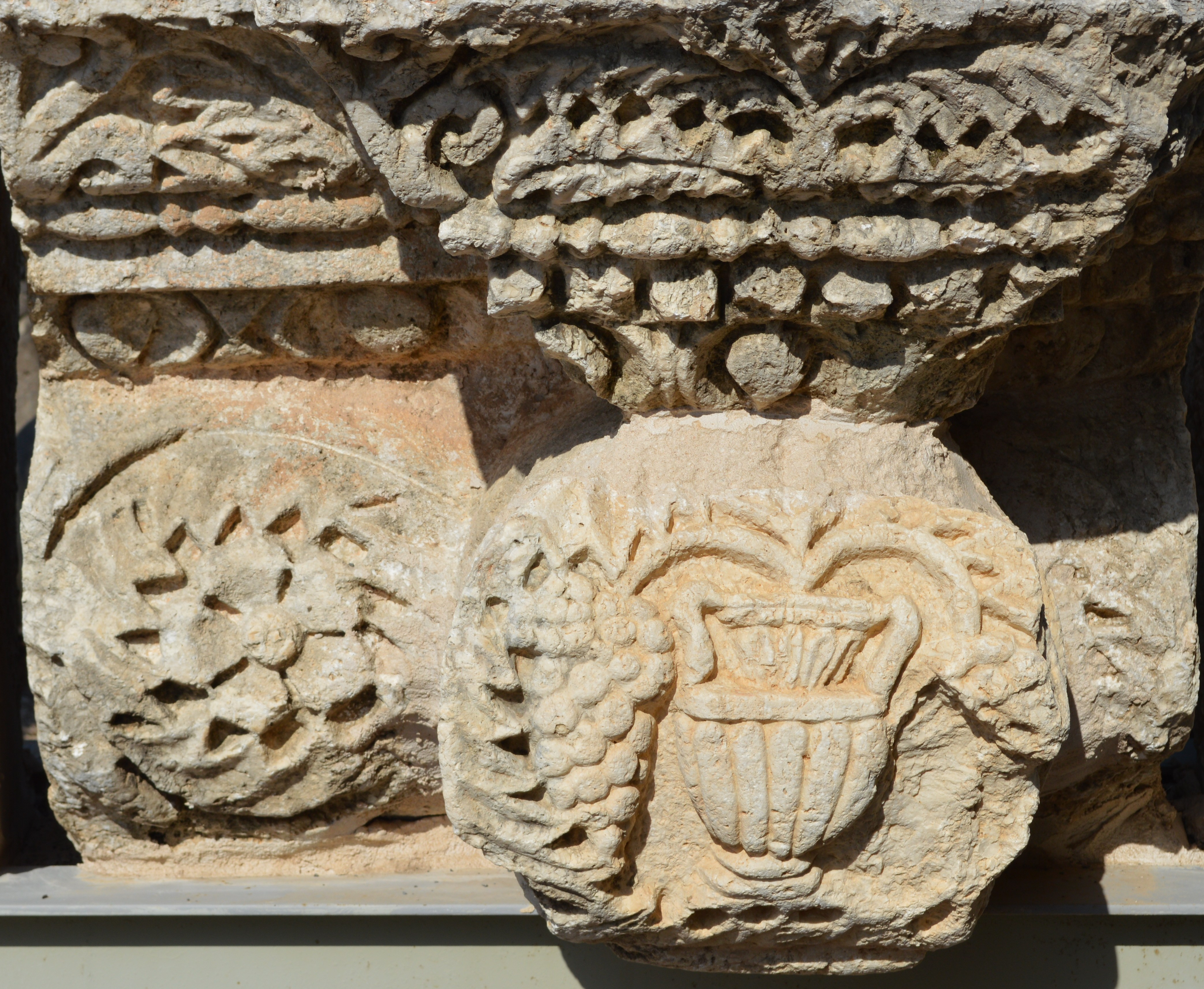
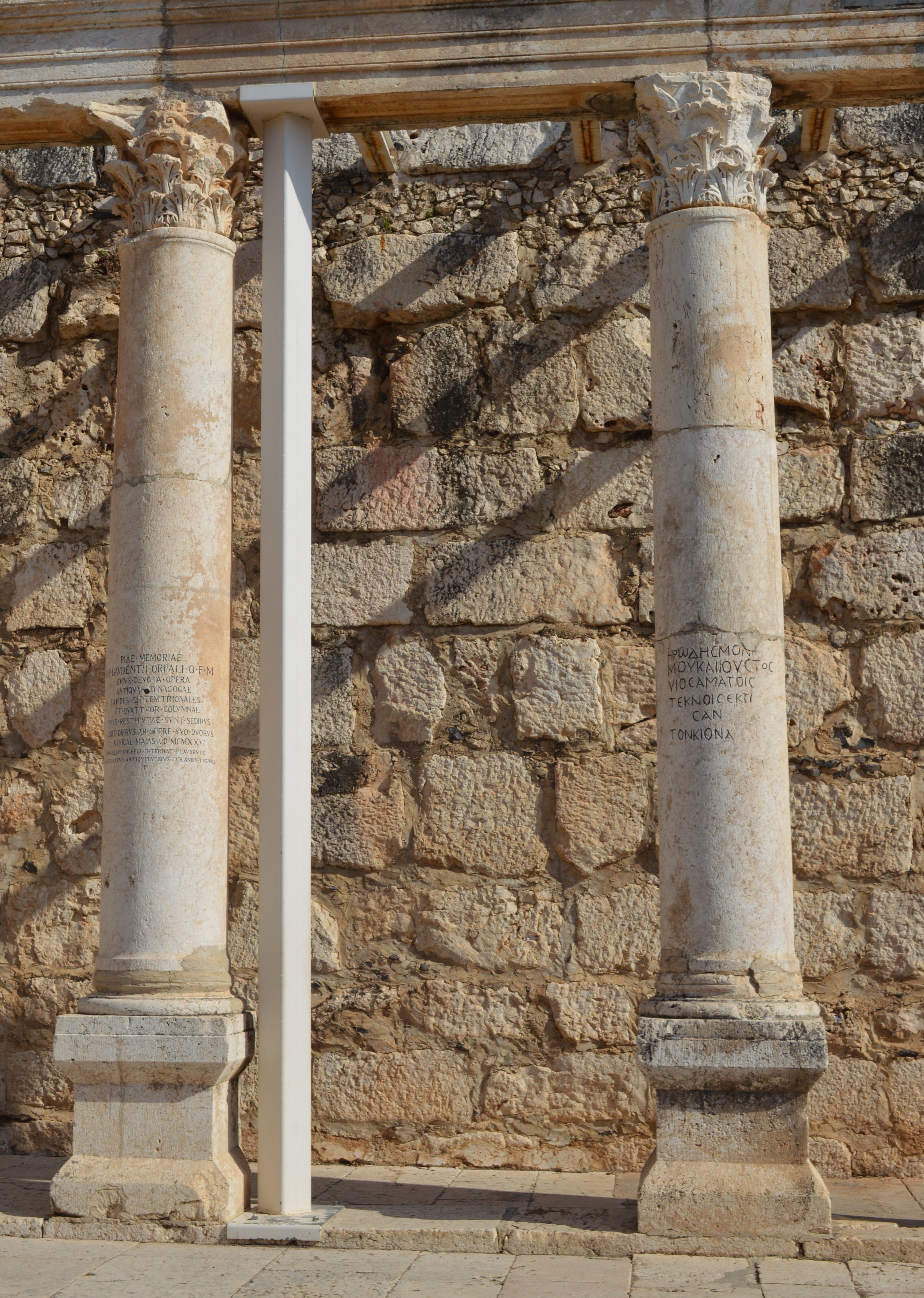
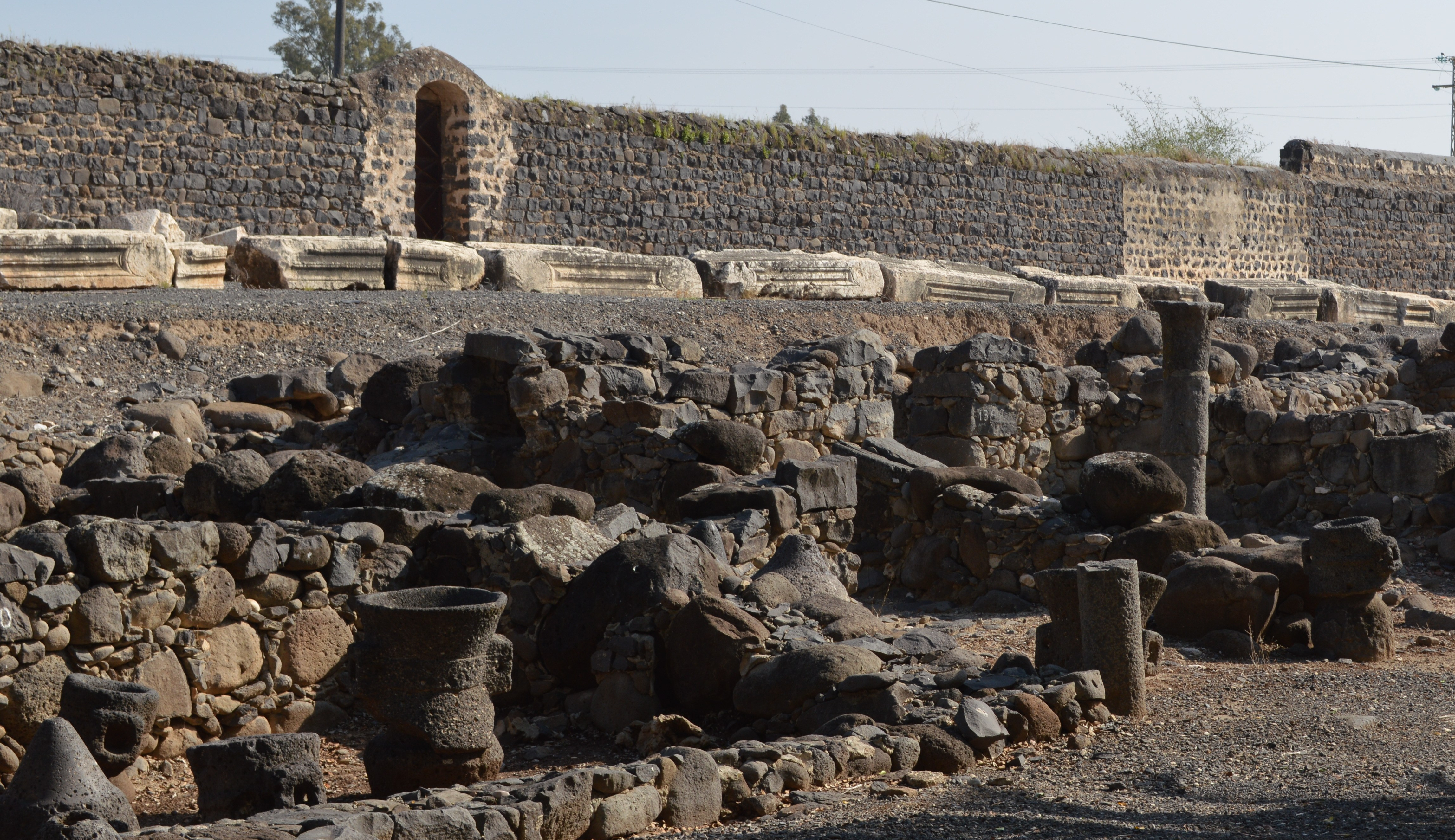
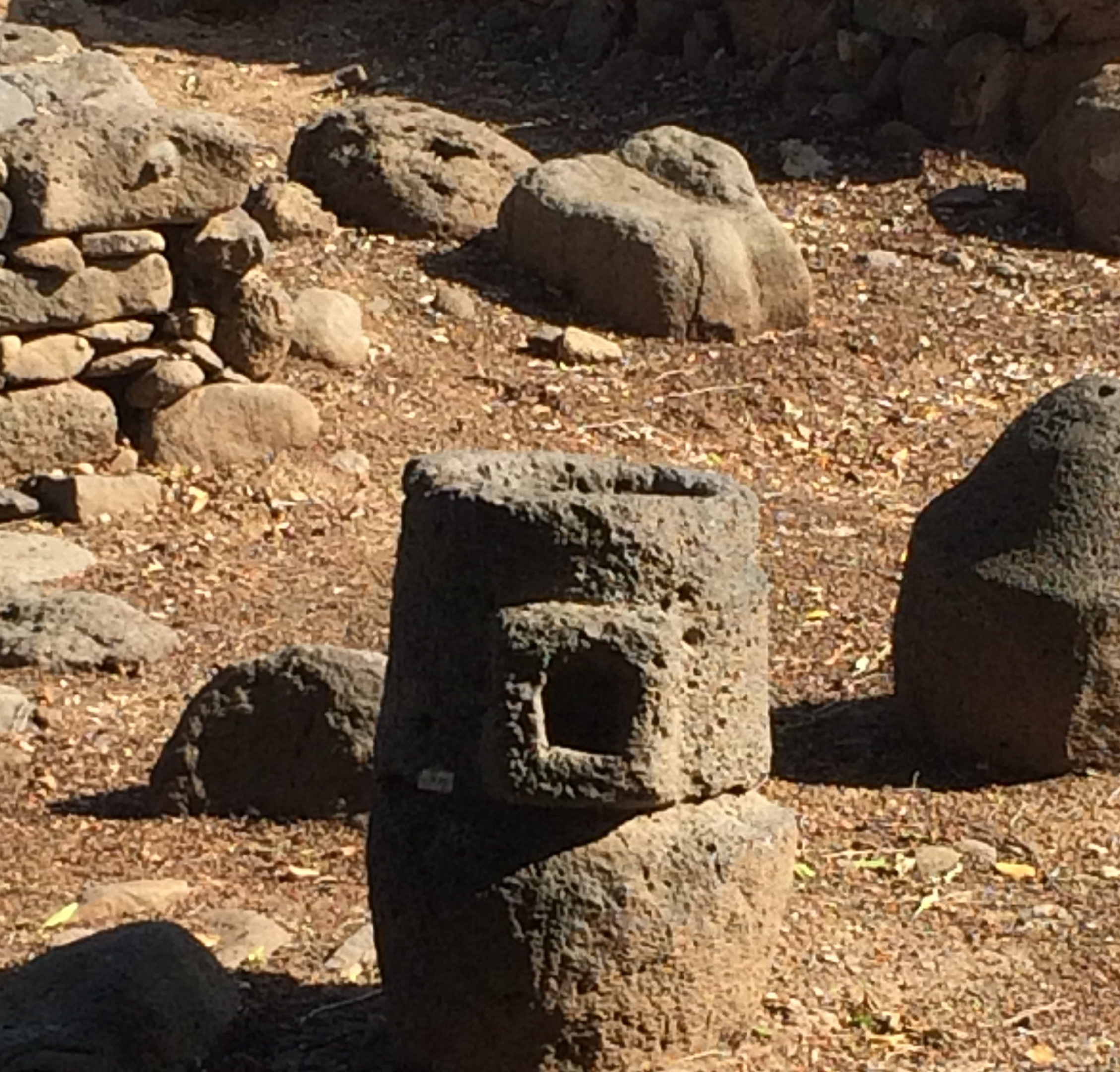
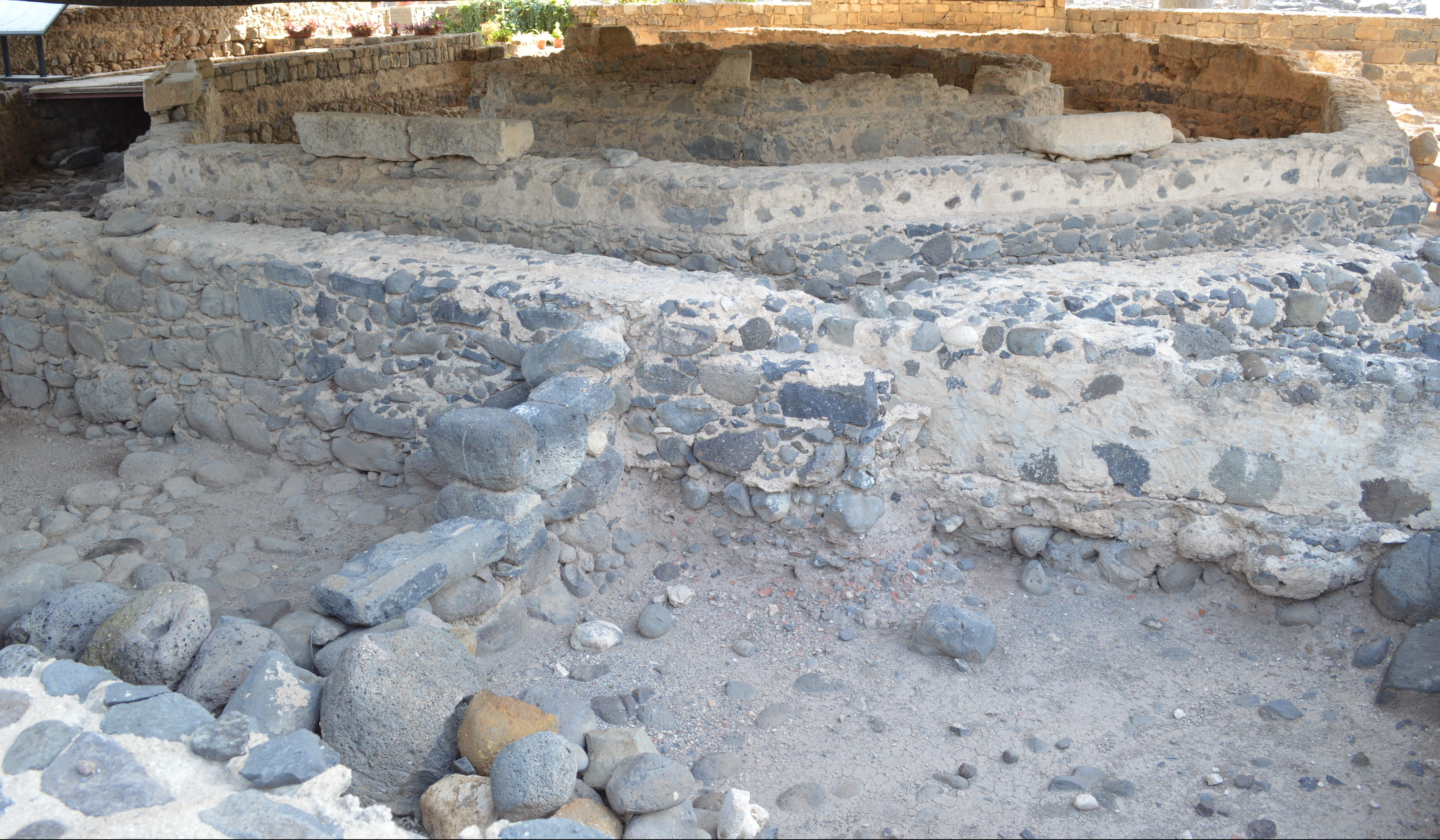
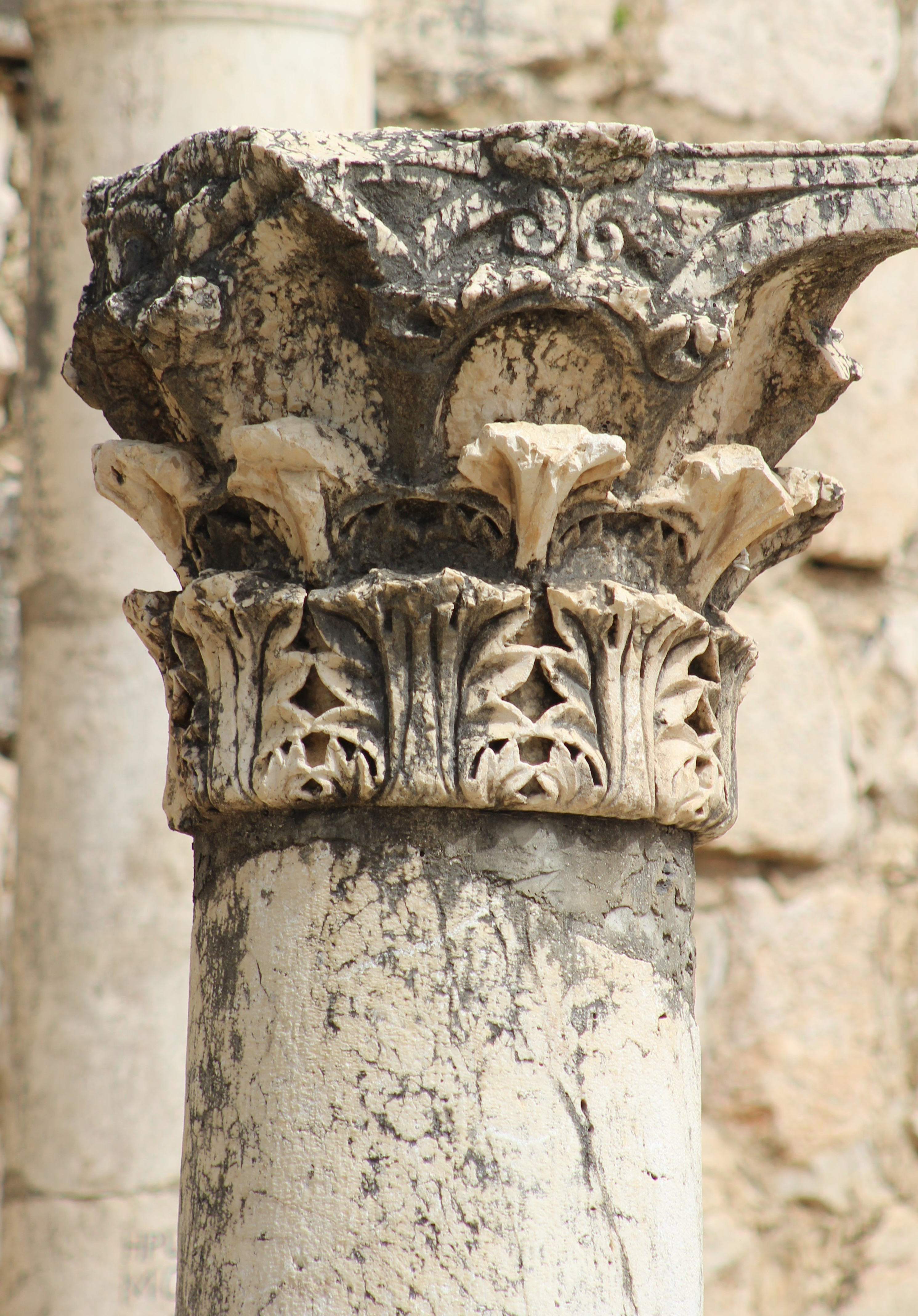
The ministry of Jesus was centered in the Galilee – the region in the north of Israel surrounding the Sea of Galilee. The town of Capernaum is thought to have been the hub of His ministry. It is believed that in the 1st Century, a synagogue was located in the town. On the sight believed to have been the site of the 1st Century synagogue, today sits a synagogue from the 4th Century.

Much of what can be seen in Capernaum today is not necessarily from the time of Jesus. Visiting Capernaum; however, one can imagine how fresh it would have been given its location close to the lake (Sea of Galilee). One can almost smell the fish cooking on the fires. Jesus most certainly walked the streets of Capernaum and the roads and paths leading to it. Below are some photos from the site.

It is our desire to help you grow in your knowledge of Adonai and His Word. If you are looking for additional information and/or materials, please visit our website at RootedinHisWord.org and our Facebook page. 
34857624_201435477340473_855160484356161536_n

Isaiah Chapter 27

Read Isaiah Chapter 27

  1. What does Isaiah say will happen in “that day” in Isaiah 27:1?
  2. What does God say about the vineyard in Isaiah 27:2-5?
  3. What does Isaiah say will happen to those who come to Israel in Isaiah 27:6?
  4. What does Isaiah foretell in Isaiah 27:9? Isaiah 27:10?
  5. What does God say of His people in Isaiah 27:11? Isaiah 27:12? Isaiah 27:13?
  6. What application to your life can you make from these two chapters of Isaiah?

Hymn

 When storms arise
And dark'ning skies
About me threat'ning lower,
To thee, O Lord, I raise mine eyes;
To thee my tortured spirit flies
For solace in that hour.

The mighty arm
Will let no harm
Come near me nor befall me;

Thy voice shall quiet my alarm,
When life's great battle waxeth warm--
No foeman shall apall me.

Upon thy breast
Secure I rest,
From sorrow and vexation;
No more my sinful cares oppressed,
But in thy presence ever blest,
O God of my salvation

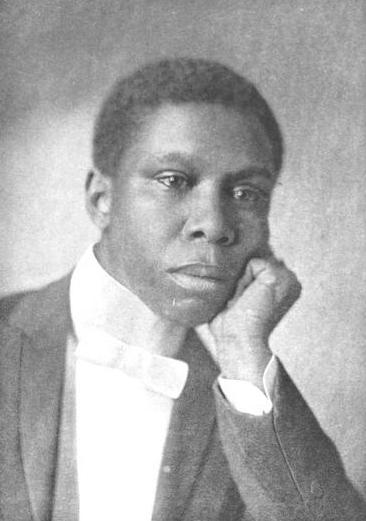
Paul Laurence Dunbar
Paul Laurence Dunbar, Poet

Paul Laurence Dunbar (June 27, 1872 – February 9, 1906) was an American poet, novelist, and playwright of the late 19th and early 20th centuries. Born in Dayton, Ohio, to parents who had been enslaved in Kentucky before the American Civil War, Dunbar began to write stories and verse when still a child; he was president of his high school’s literary society. He published his first poems at the age of 16 in a Dayton newspaper. 

Isaiah Chapter 26

Read Isaiah Chapter 26

  1. What strikes you in the song in Isaiah 26:1-6?
  2. What does it teach us about God?
  3. Copy Isaiah 26:3 here. Meditate on it. What do you see?
  4. What do you learn about peace from the following verses?
    □ Isaiah 32:17 □ John 14:27 □ John 16:33 □ Romans 5:1 □ Ephesians 2:14 □ Philippians 4:6-7 □ Colossians 1:20
  5. What does Isaiah say of the just in Isaiah 26:7-9?
  6. What does Isaiah observe about the wicked?
  7. What does Isaiah say of Israel/the Jews in Isaiah 26:12-15?
  8. What does Isaiah say to God in Isaiah 26:16-18?
  9. What transition occurs between Isaiah 26:18 & 19?
  10. What does Isaiah declare in Isaiah 26:19?
  11. What similarities to Isaiah 26:19 do you find in the following passages of scripture?
    □ Ezekiel 37:1-14 □ Daniel 12:2 □ John 5:28-29 □ 1 Corinthians 15:51-52 □ 1 Thessalonians 4:13-17
  12. What does Isaiah declare in Isaiah 26:20-21?