What do you notice about the opening of this chapter as compared to the past 11 chapters?
For what does Isaiah praise God in Isaiah 25:1?
Isaiah 25:4?
What does Isaiah say God will do in Isaiah 25:5?
Isaiah 25:6?
Read Matthew 22:1-14. What do you learn of the marriage feast in the story told by Jesus?
Read Matthew 25:1-13. What do you learn of the marriage feast in the story told by Jesus?
What does Isaiah say God will do in Isaiah 25:8?
What do you learn from the following verses about how God will deal with death?
□ Hosea 13:14
□ 1 Corinthians 15:26, 54-55
□ 2 Timothy 1:10
□ Hebrews 2:14
□ Revelation 20:14
What application can you make to your own life from these 3 chapters of Isaiah?
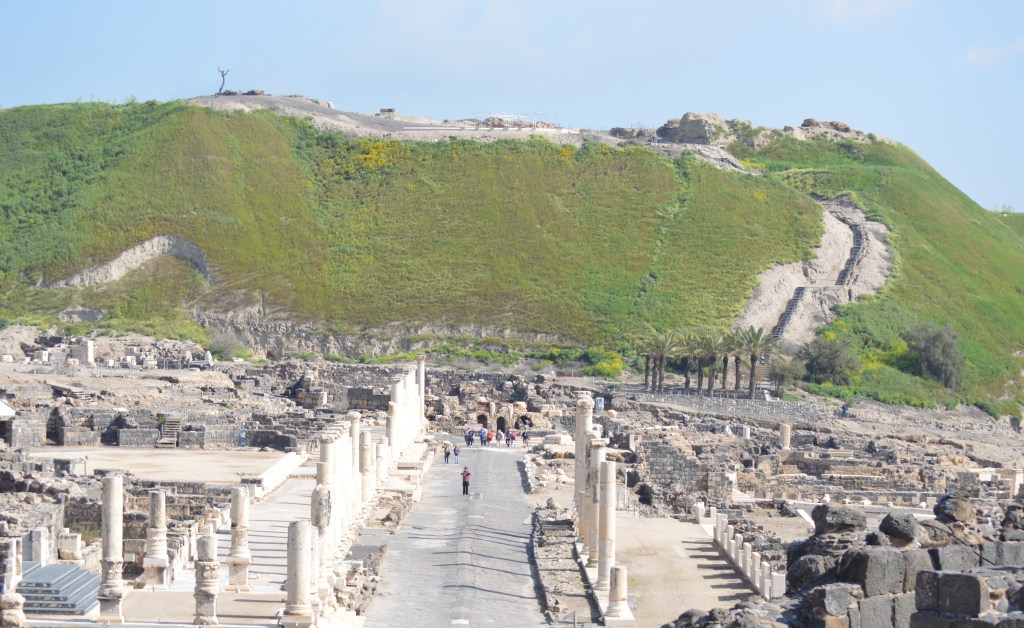
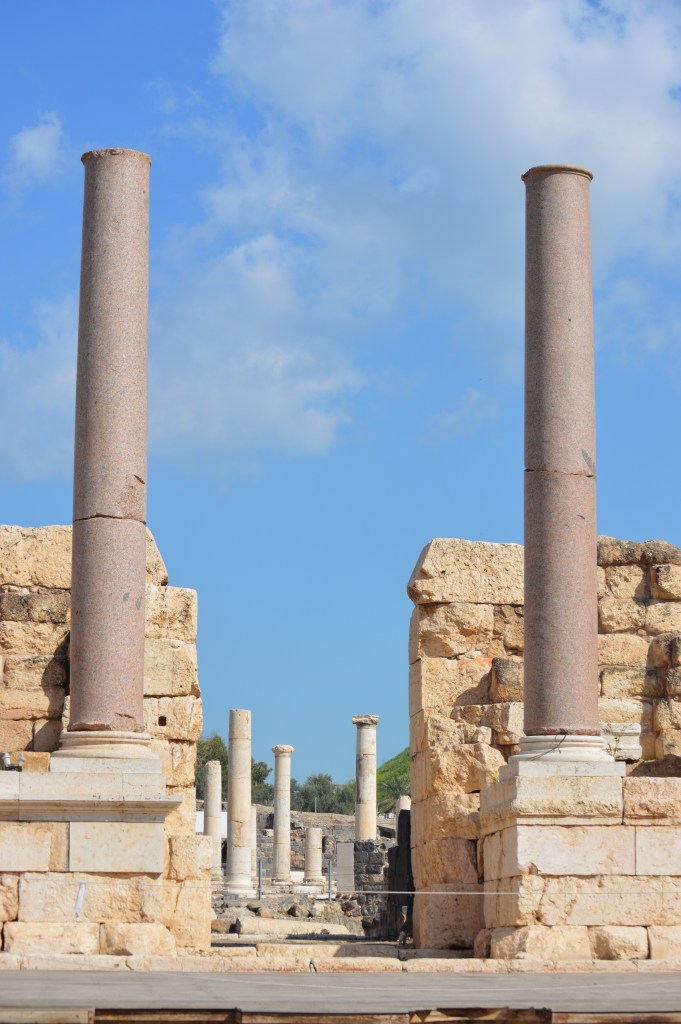
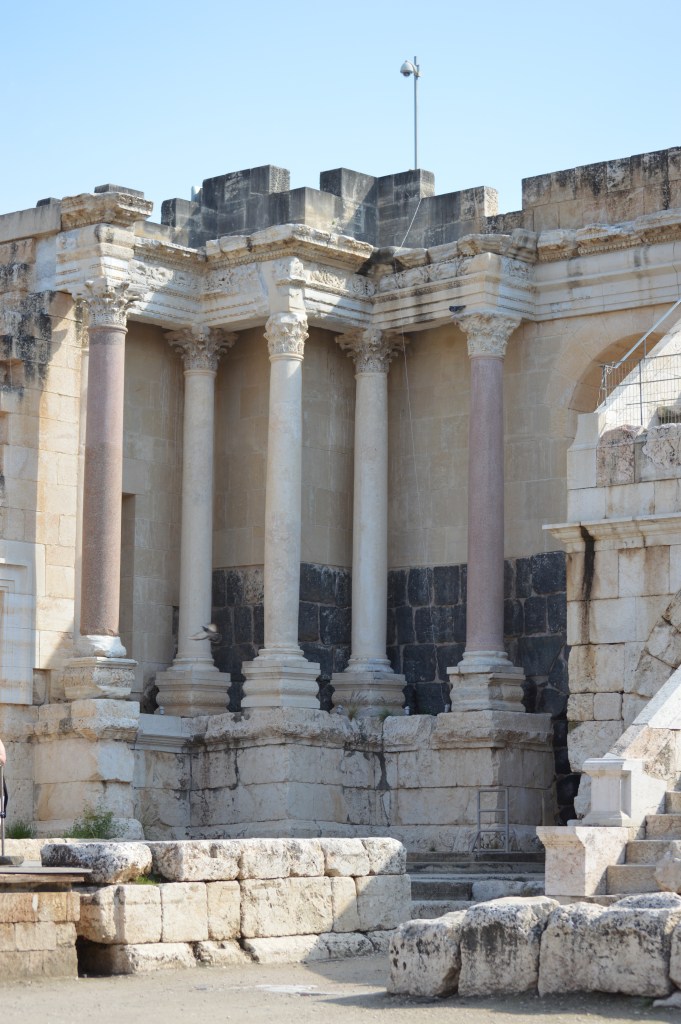
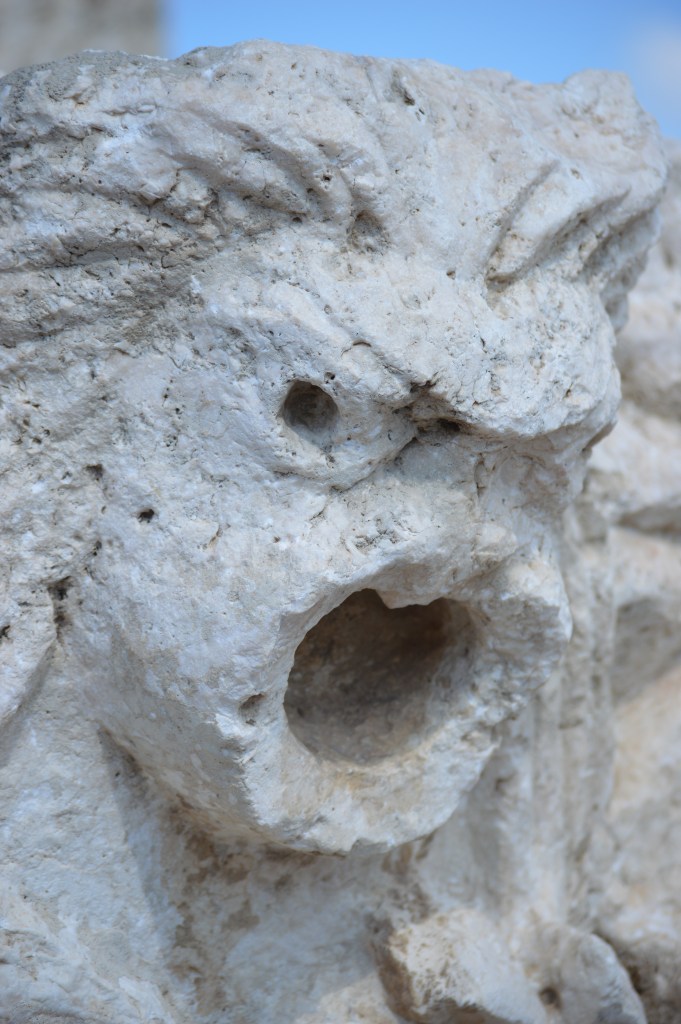
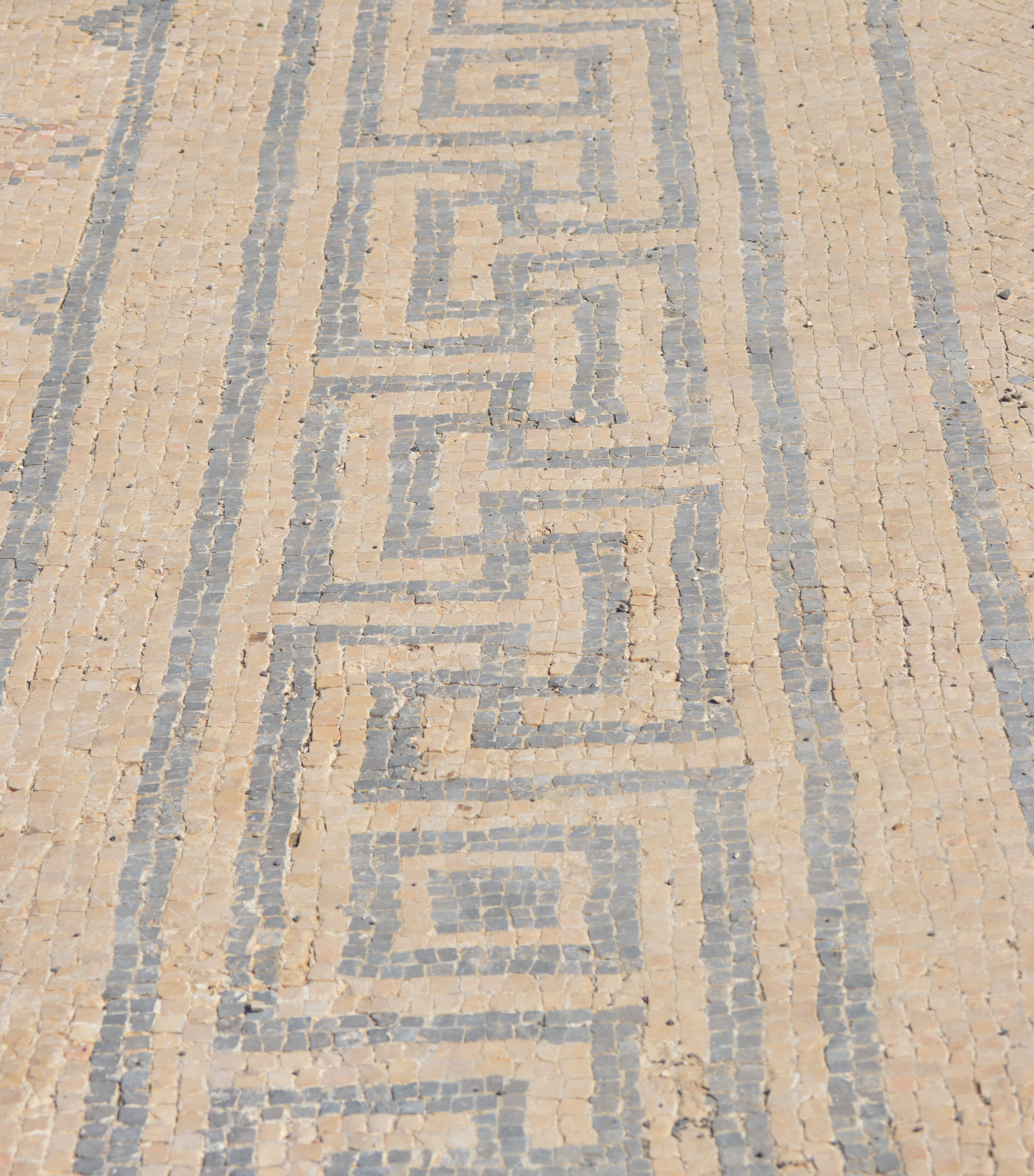
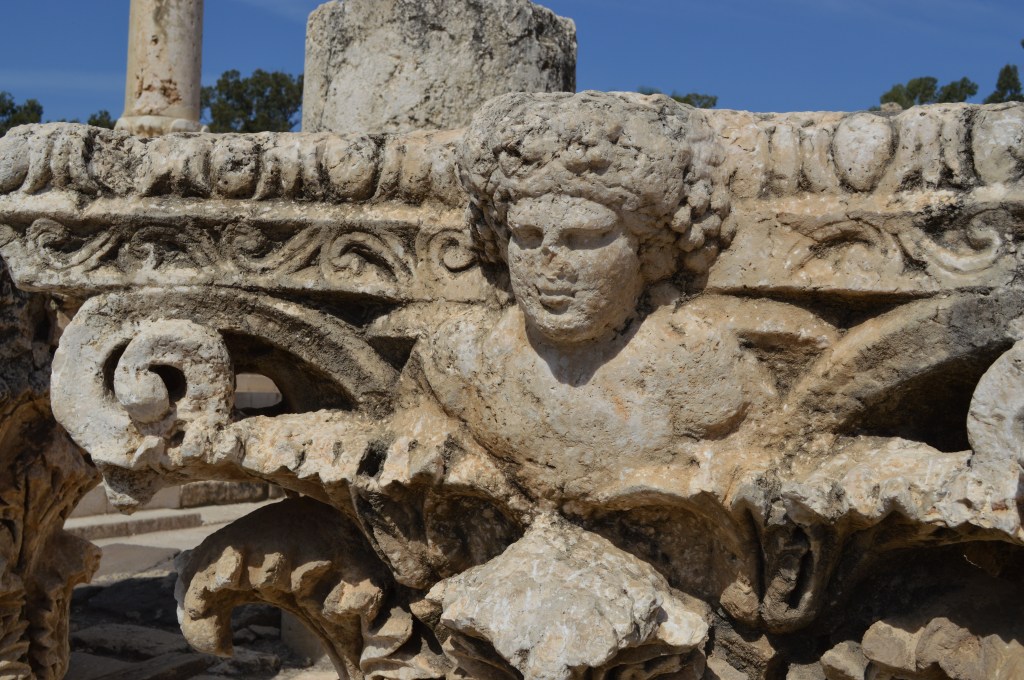
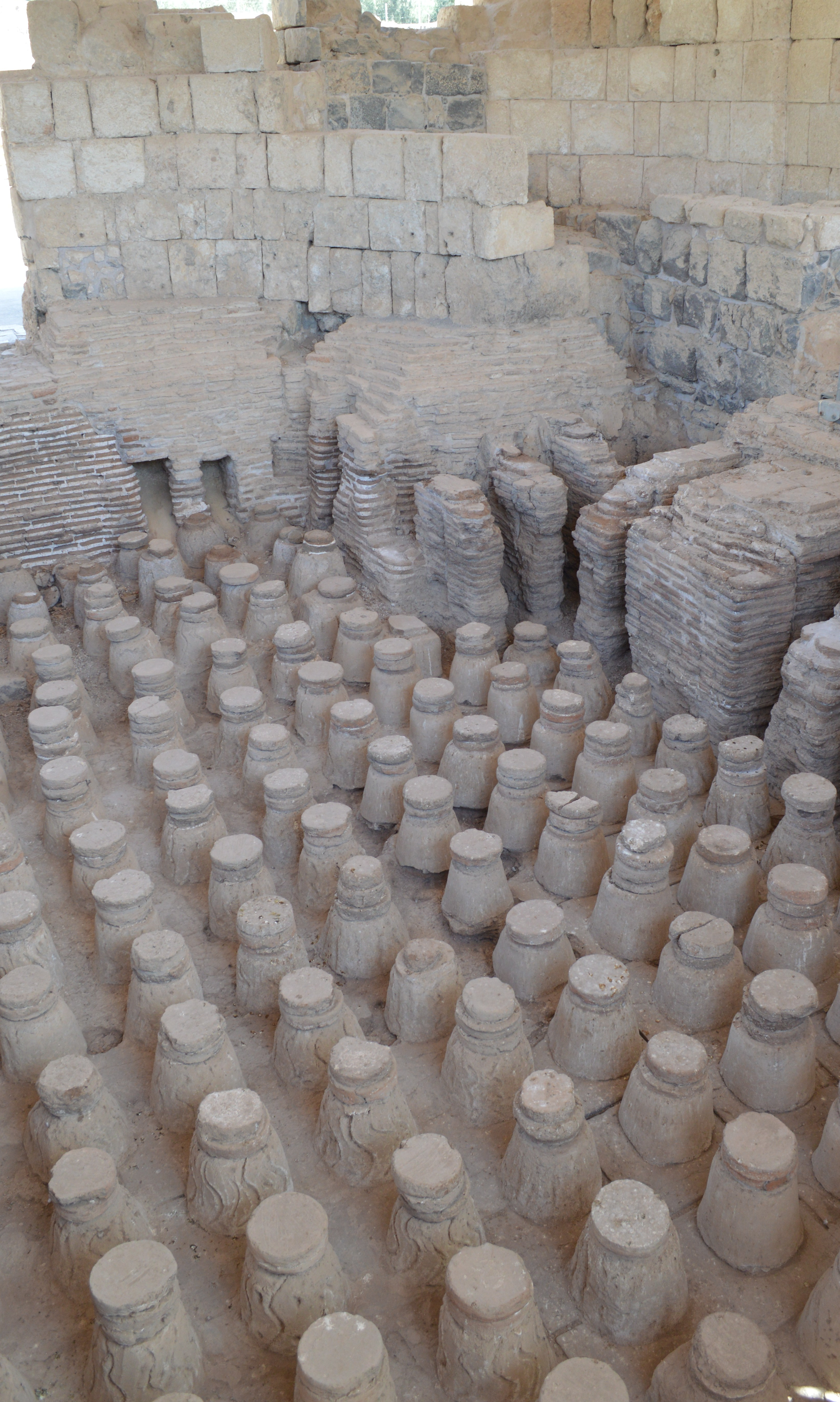
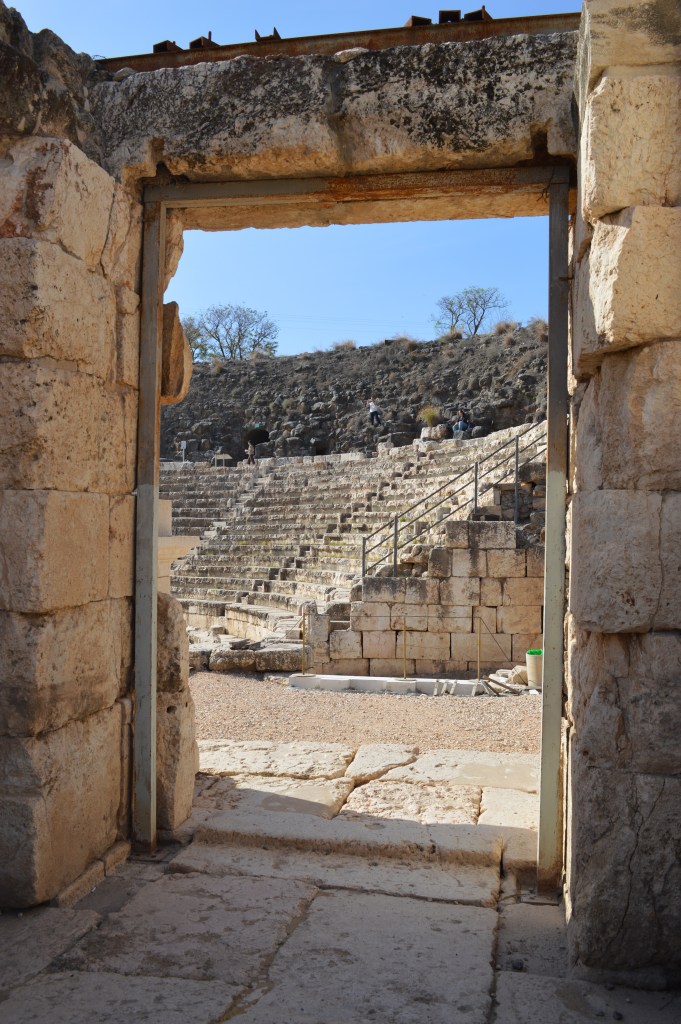
Bet She’an is a must see when you visit Israel, not so much for the Jewish history it represents but rather for the Roman architecture and history that can be found among the ruins which have been excavated. The Tel at Bet She’an is famous for being the place where Saul’s body was hung. It was done by the Philistines to humiliate the Jews.
According to 1 Samuel 31:10, “they put Saul’s weapons and armor in the temple of the Ashtaroth (female goddesses), and they fastened his body to the wall of Beth-shan.”
Bet She’an, one of the cities of the Decapolis, does preserve some interesting aspects of Roman culture and architecture.
Read Isaiah 24 Isaiah 24-27 describes a global judgment that will end with the destruction of God’s enemies and the restoration of God’s people Israel in their land. -–W.W. Weirsbe, Be Comforted: Isaiah
What is God going to do to the earth according to Isaiah 24:1? Isaiah 24:3?
Compare Isaiah 24:1 to Genesis 1:2 and Genesis 11:9. What do you observe? Be sure to consider the context of those verses when you compare them.
What reason is given for this judgment in Isaiah 24:5?
What is being described in Isaiah 24:7-12?
Who is being described in Isaiah 24:13-15? What are they doing during the judgment?
What is the fate of the inhabitants of the earth according to Isaiah 24:17-18?
What will happen to the earth according to Isaiah 24:19-20?
Honor (respect, obey, care for) . . . your mother, so that your days may be prolonged in the land the Lord your God gives you. (Exodus 20:12 Amplified)
The commands of God are often easier to read than to follow. Mother-daughter relationships can be challenging. I have had my own struggles.
The road to understanding, accepting and honoring my mother has been smoother since I became a mother. I began to see through my own experience as a parent of only one child how one might say and do the things that my mother, who had 4 children, did.
In the end, God needed to break my heart for my mother, to see her in truth, not colored by my needs, desires, disappointments. To give me a heart for her, God needed to cut mine.
As I pressed in to God to learn to be a better daughter, God reminded me of the command–honor your mother.
It isn’t a suggestion; it’s a command. It isn’t something I can do when I feel like it; it is required of me by God. I guess He knew there’d be days when we’d want to give up, when disappointments and unmet expectations would threaten to crush us like bugs.
On a day like today, when my heart is overwhelmed by love for my mother, for all that she is and all she went through in her motherhood journey, it is easy to love and to treat her well.
On the difficult days, I fall back on the command. I honor her because that is my reasonable service to God.
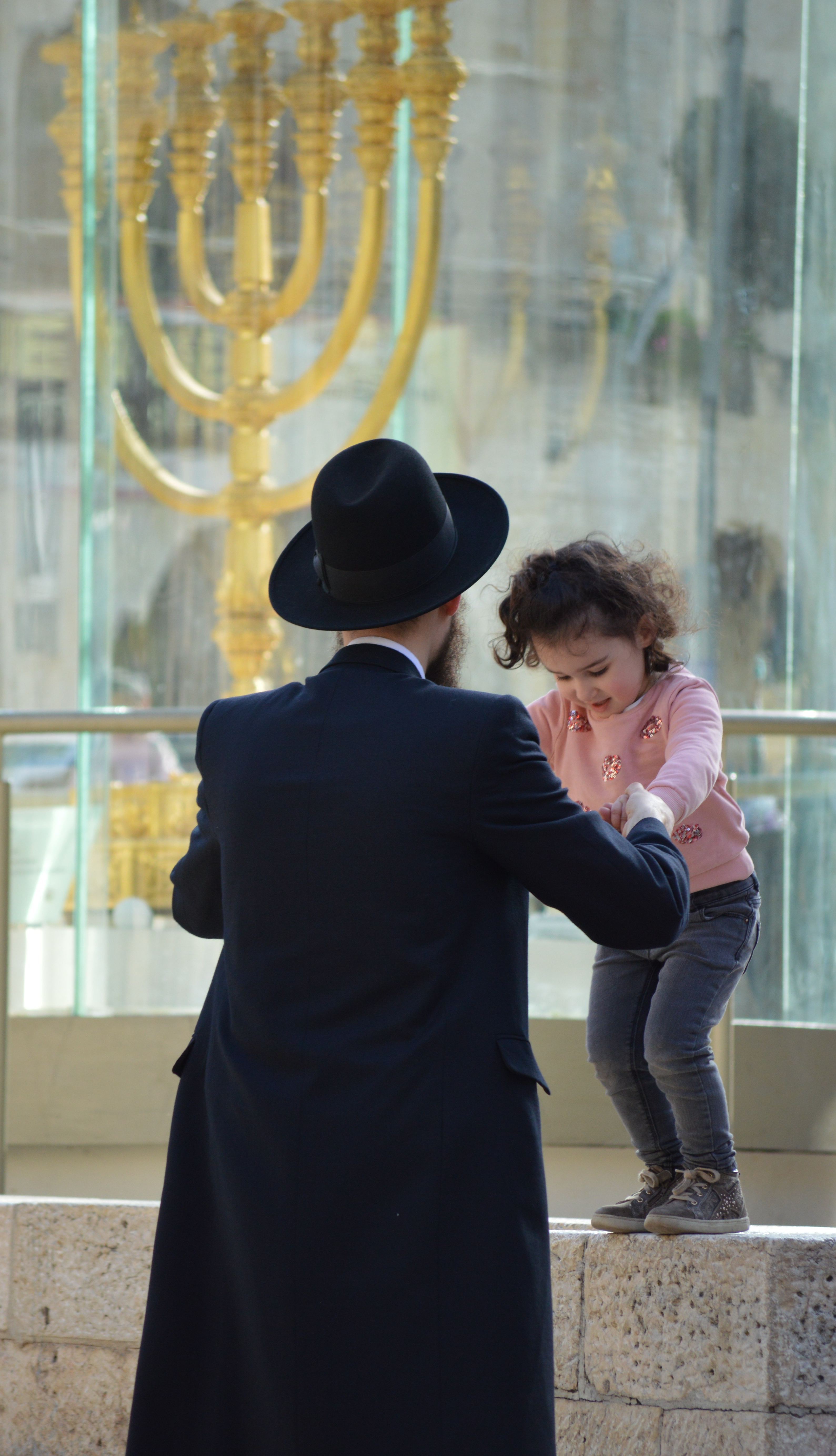
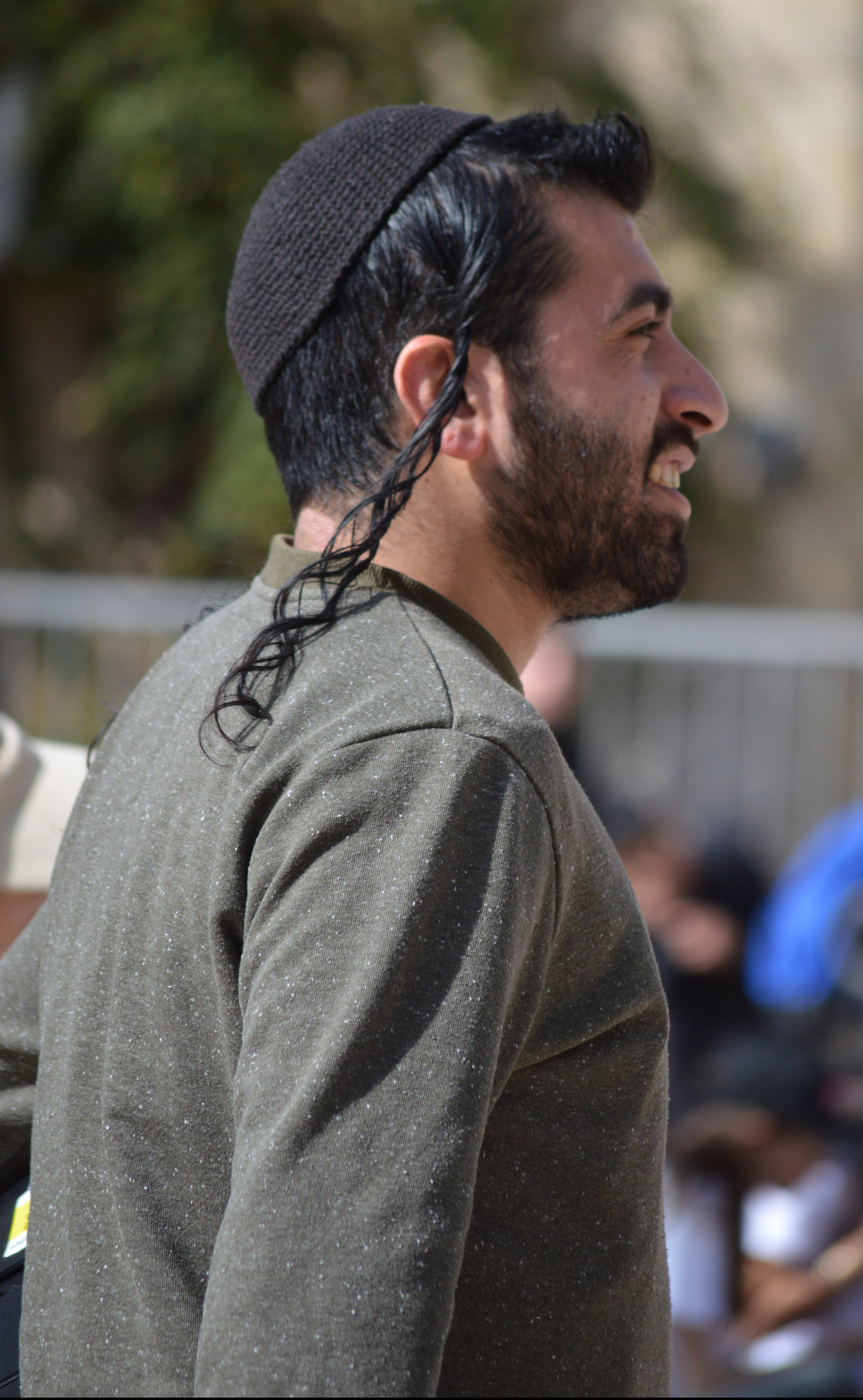
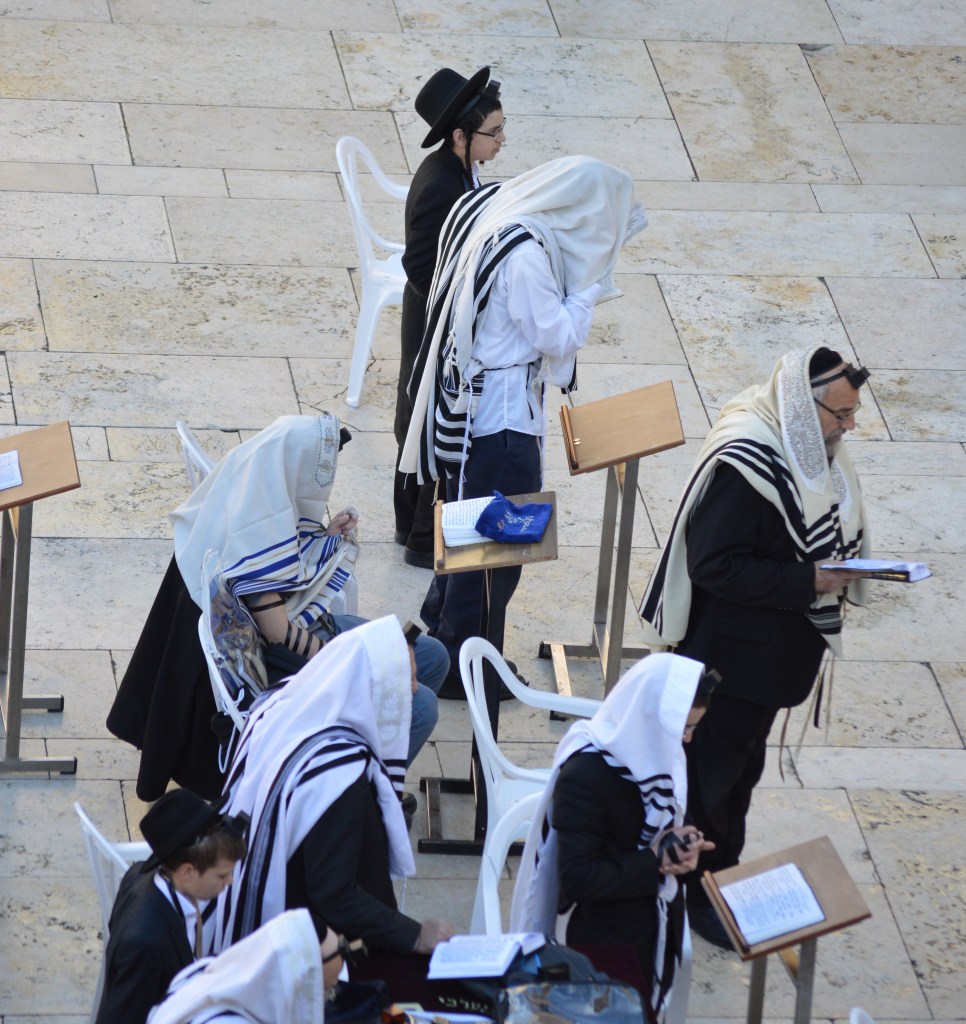
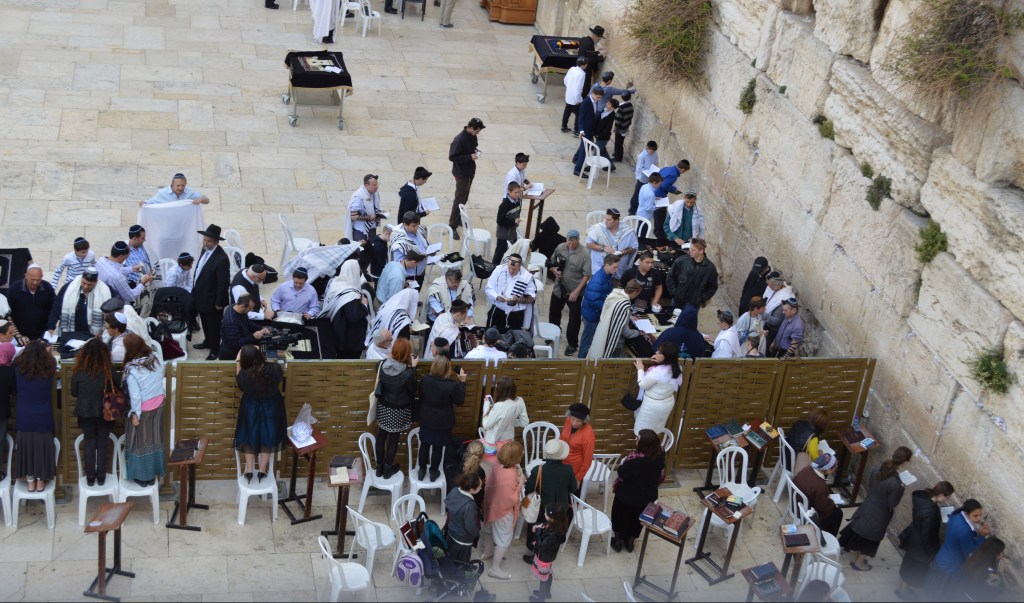
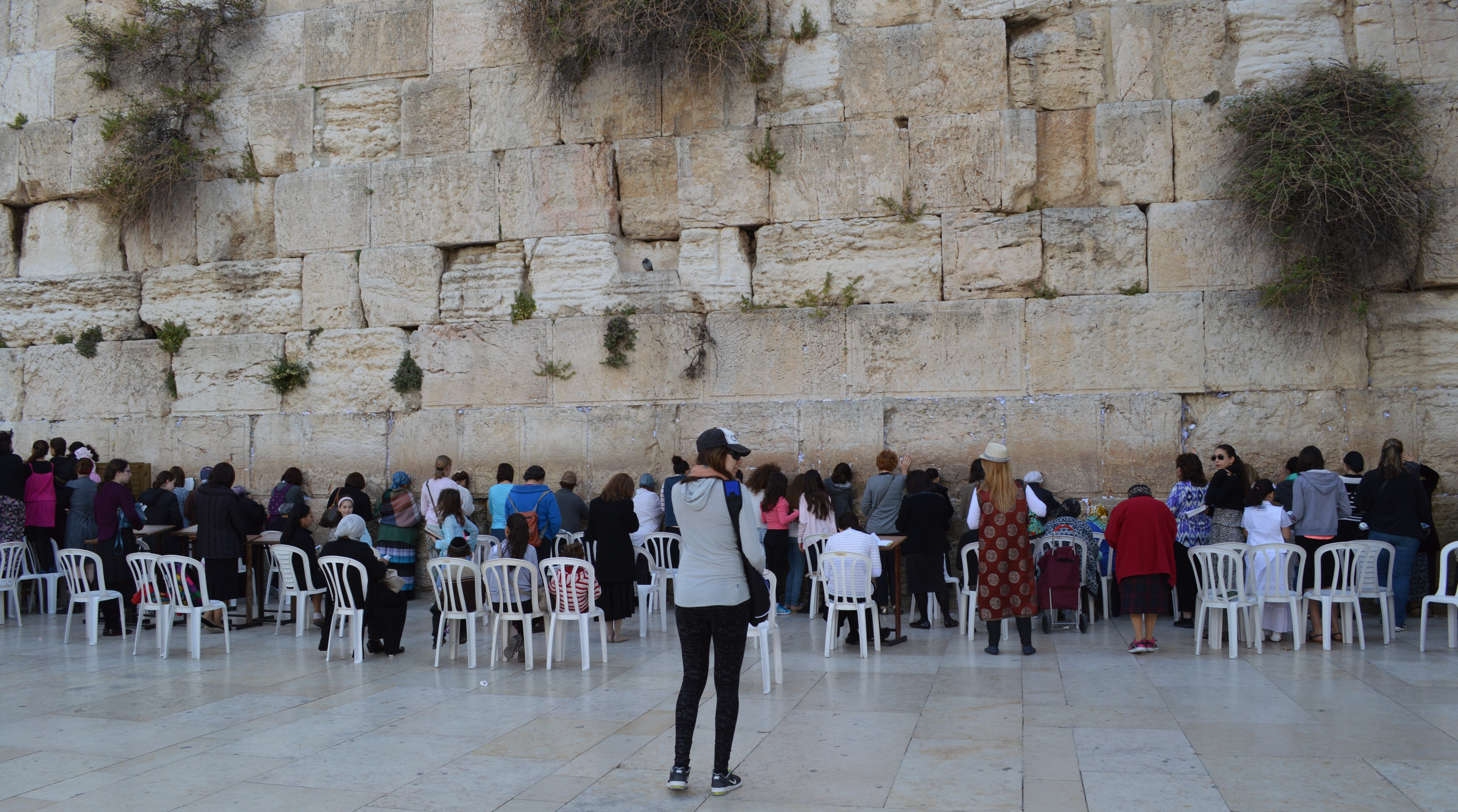
Since 70 A.D. when the Romans destroyed the 2nd Temple, the Jews have not had a sanctuary, a place where God has said they could sacrifice. The holiest place for Jews today is the Western Wall (Kotel), sometimes called the Wailing Wall by those who would mock the Jews for their zeal in worship of God.
Jews and other worshipers come to the wall to pray. Many important Jewish events are held at the wall. Many Bar Mitzvahs are held at the wall. Religious holidays are celebrated there. Recently, with Passover and the Feast of Unleavened Bread, the priestly blessing was given at the Western Wall. Sometimes national holidays can bring Jews to the Western Wall in celebration as well.
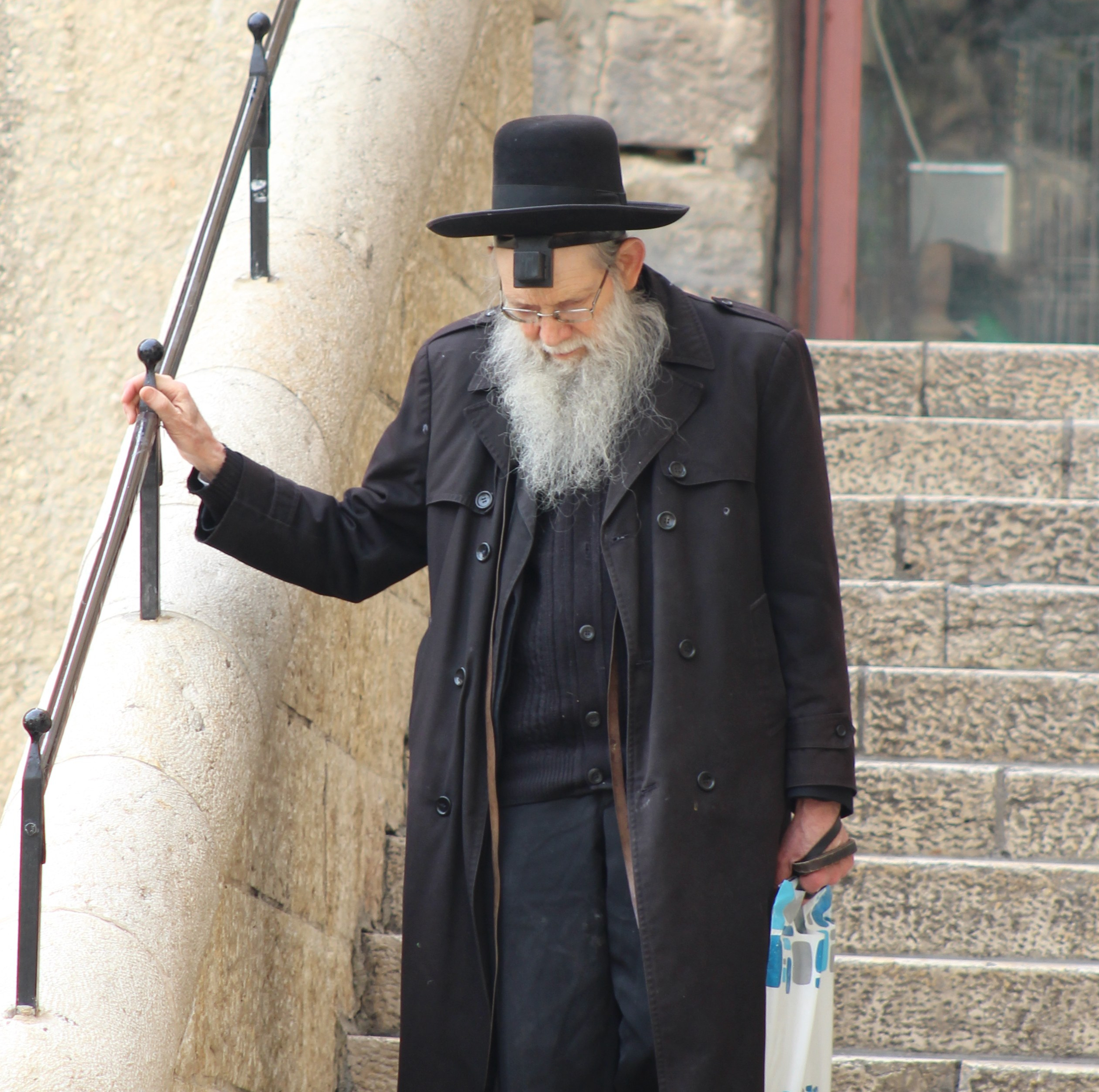
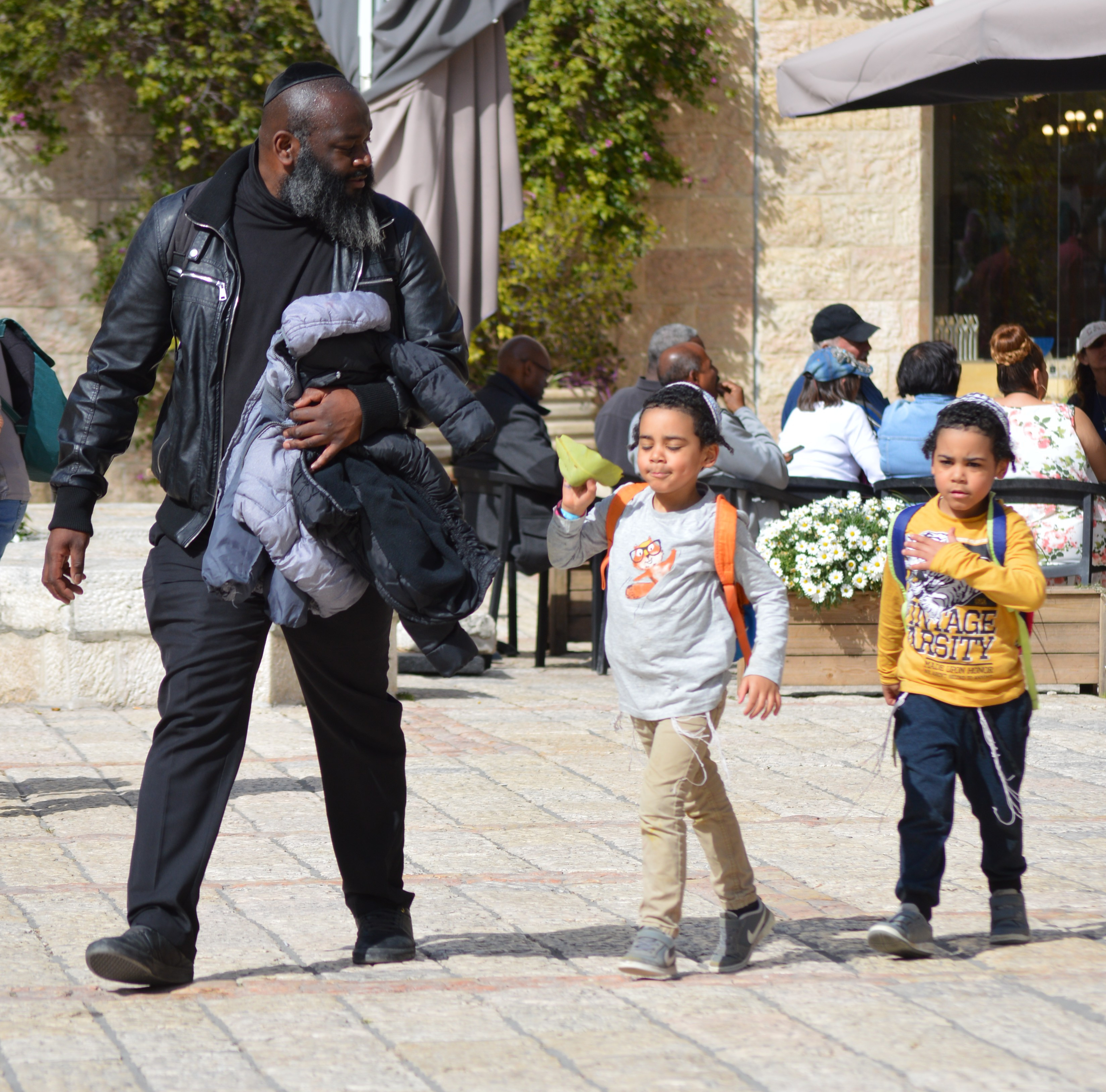
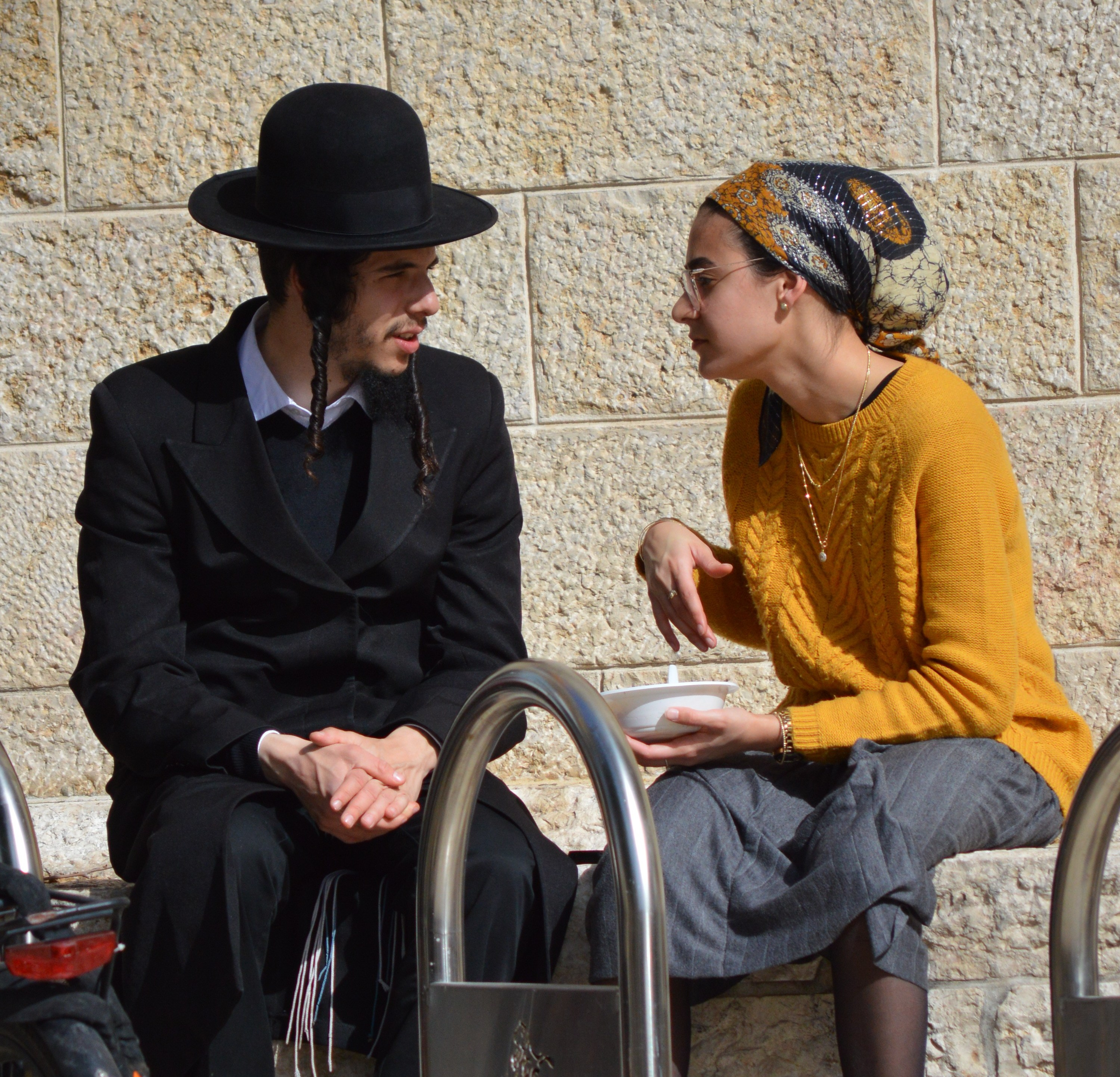
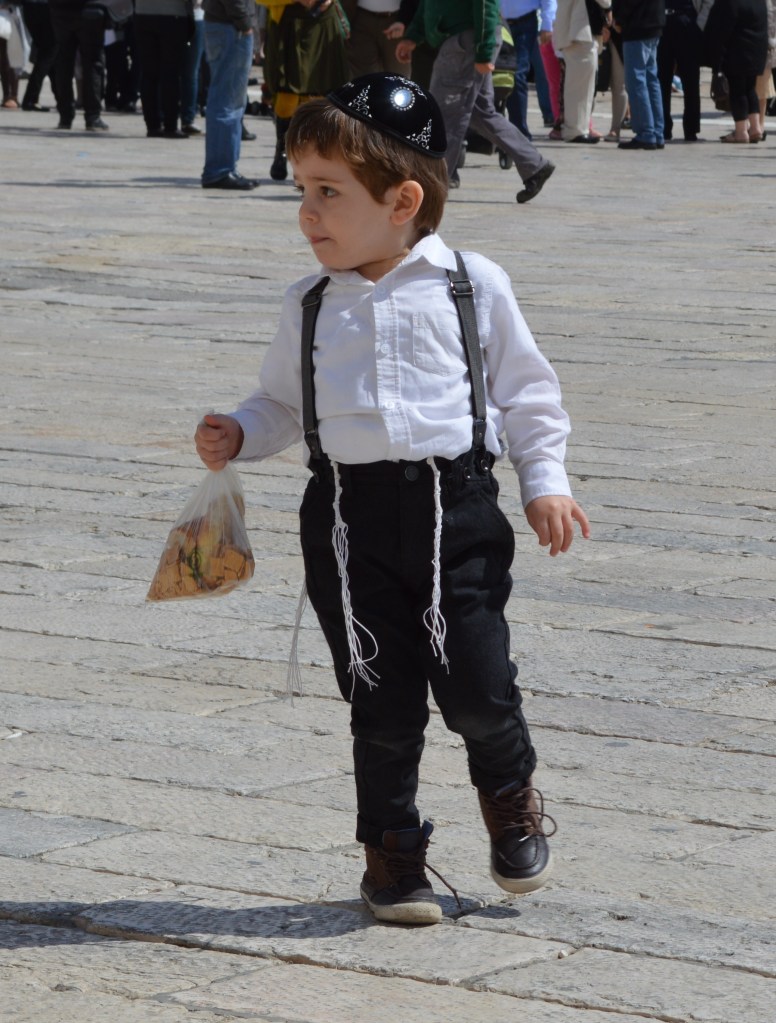
A visit to the Western Wall will not only allow you to see the zeal of the serious Jews for God, but also it will allow you to observe the variety of ways Jews express their zeal for God through their dress.
Kotel, JerusalemWomen’s side of Kotel, JerusalemKotel, divider between men and womenKotelthe future
What do you learn about Tyre and Sidon from the following verses?
□ Joshua 19:29
□ 2 Samuel 5:11
□ 1 Kings 5:1-12
□ 1 Kings 16:31
2. What are some of the things you notice about the judgment against Tyre?
3. Who is behind this judgment of Tyre according to Isaiah 23:8-9?
The Phoenicians (people of Tyre) were a merchant people whose land approximated what is today known as Lebanon. Their ships plied the Mediterranean coasts, where their many colonies assured them of an abundant supply of the world’s wealth. Tyre and Sidon were key cities. . . King Ahab married the Phoenician princess Jezebel, who promoted Baal worship in Israel. -–W.W. Weirsbe, Be Comforted: Isaiah
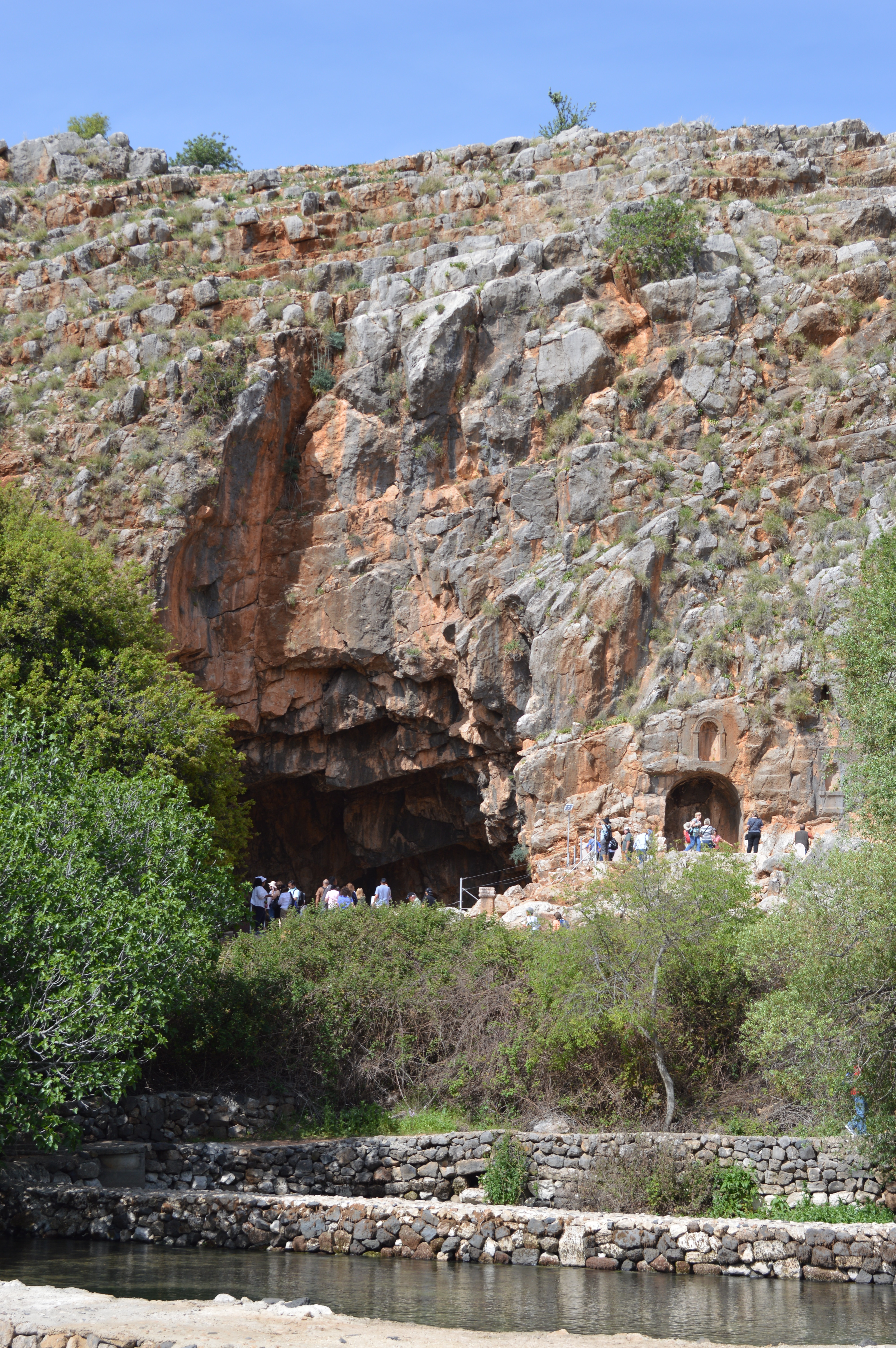
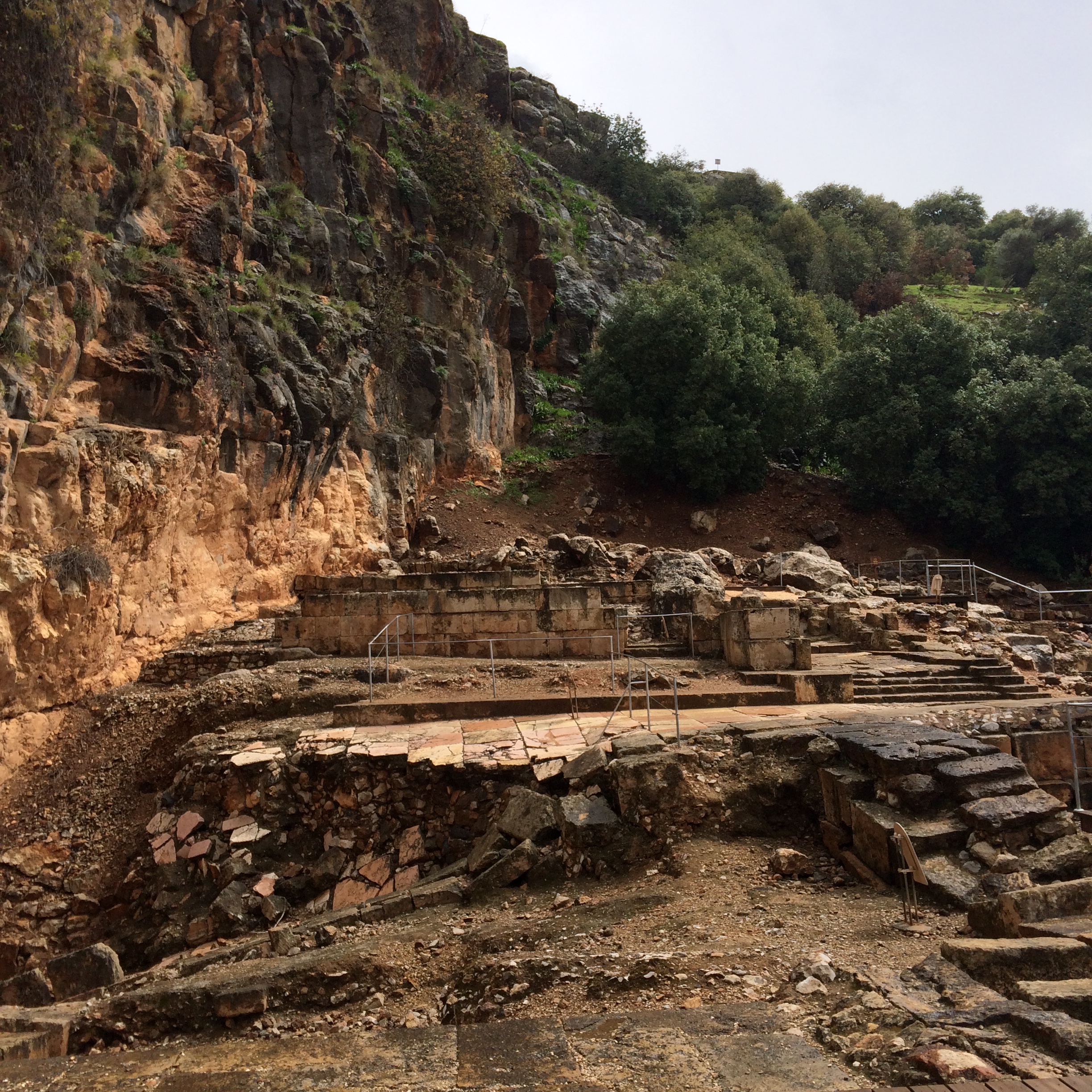
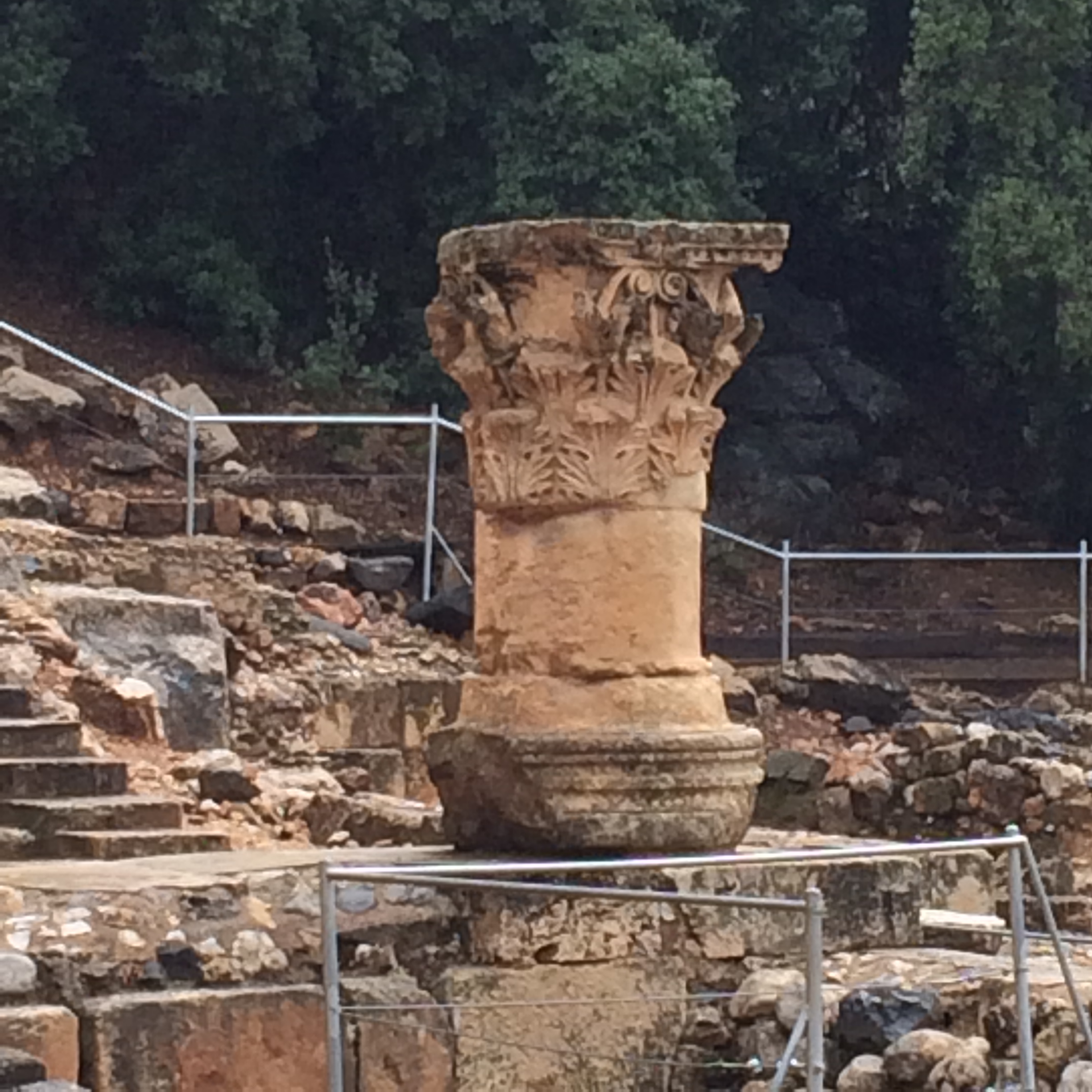
Visiting Caesarea Philippi, at the foot of Mt Hermon in the north of Israel, it is easy to see why it was a place believed to be imbued with supernatural powers and why it was said to be the home of the powerful Greek God, Pan.
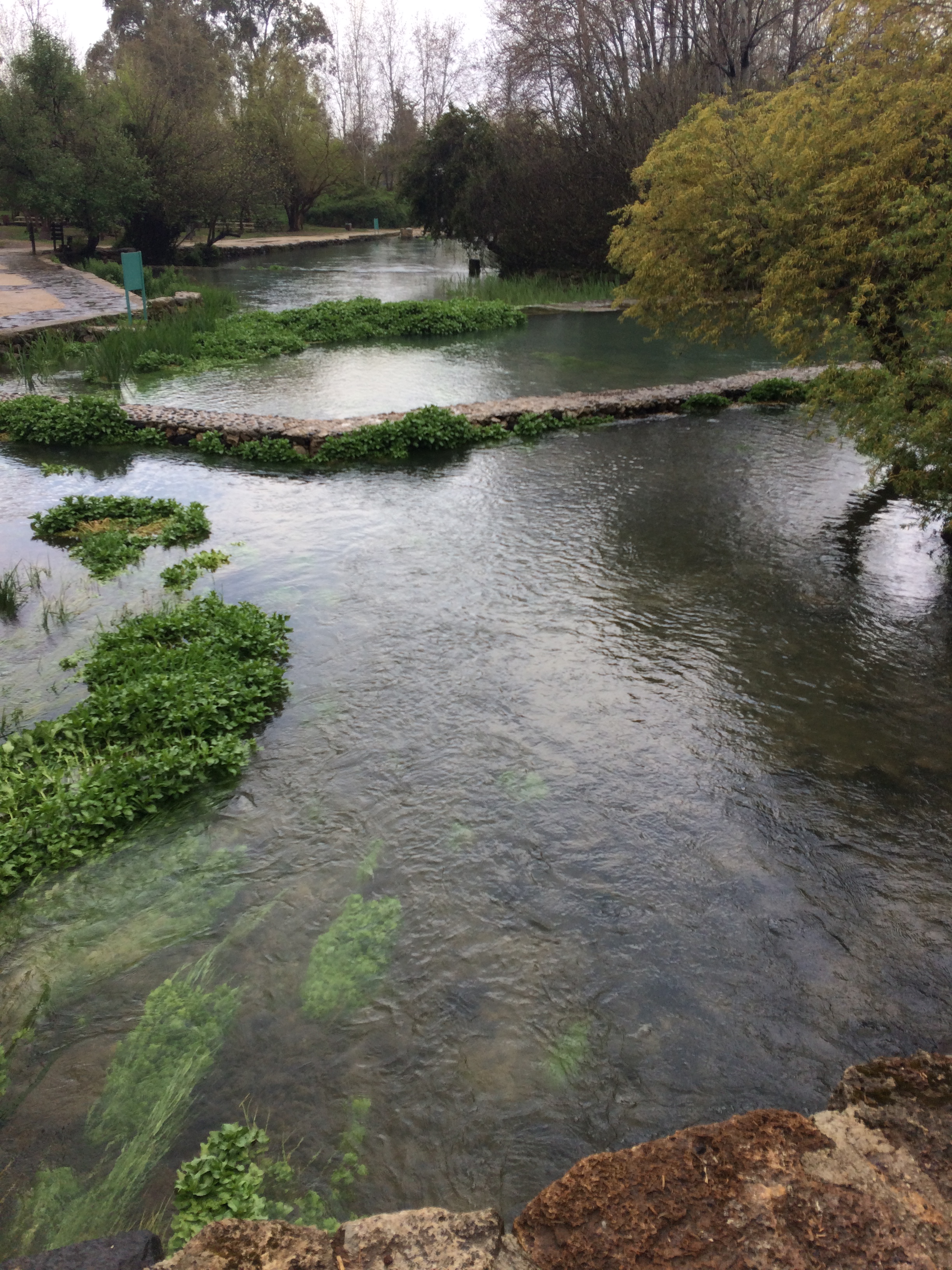
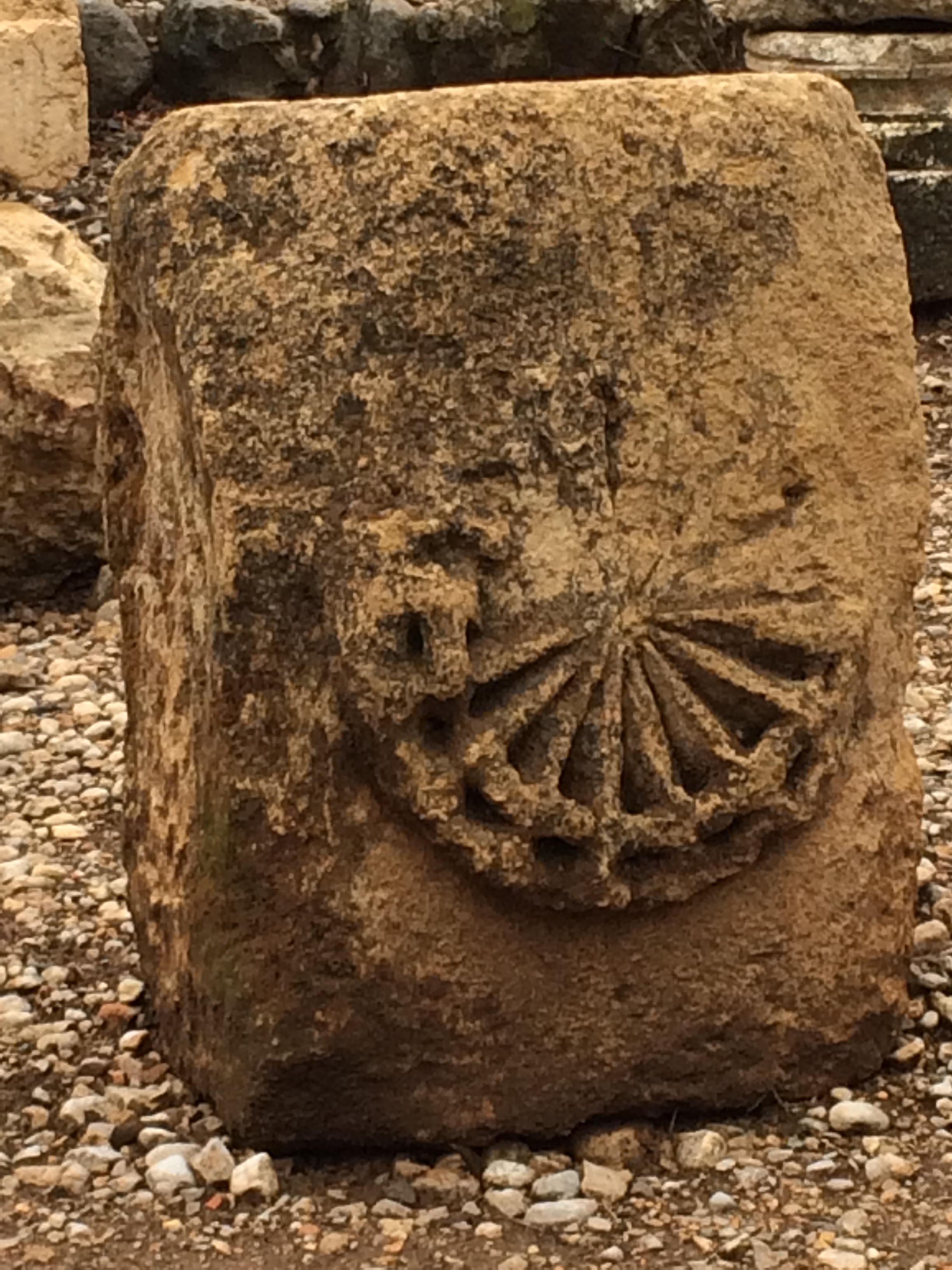
The water flows out of the rocks in Caesarea Philippi, more specifically from the Banias Springs. It must have impressed those in the ancient world. At the time of Jesus, there was a thriving Greco-Roman city on the site. There were temples to several different gods as well as the cave dedicated to the worship of Pan.
The story of Jesus’ visit there is found in Matthew 16:13-20.
When Jesus came into the region of Caesarea Philippi, He asked His disciples, saying, (“Who do men say that I, the Son of Man, am?”
So they said, “Some say John the Baptist, some Elijah, and others Jeremiah or (Lone of the prophets.”
He said to them, “But who do (you say that I am?”
Simon Peter answered and said, You are the Christ, the Son of the living God.”
Jesus answered and said to him, “Blessed are you, Simon Bar-Jonah,for flesh and blood has not revealed this to you, but My Father who is in heaven. . . Then He commanded His disciples that they should tell no one that He was Jesus the Christ.
It is interesting that Jesus took His disciples to this spot–a Gentile city, a place of pagan worship of a variety of gods. Was He trying to help them to understand the difference between Adonai and all the false gods of the pagan world and how they were worshiped by the Gentiles?
Whatever the reason for bringing them to Caesarea Philippi, Peter saw Jesus for who He was–at least for a moment.
To blame the Jews for the death of Jesus is a theological error so profound as to be only possible amongst those who suffer from severe Biblical illiteracy.
To suggest the guilt of the Jews is to ignore 6,000 years of Biblical history as well as both the Hebrew Bible and the New Testament writings. Such a view can only be held by those who lack a true understanding of who Jesus really was and what He accomplished by dying as He did.
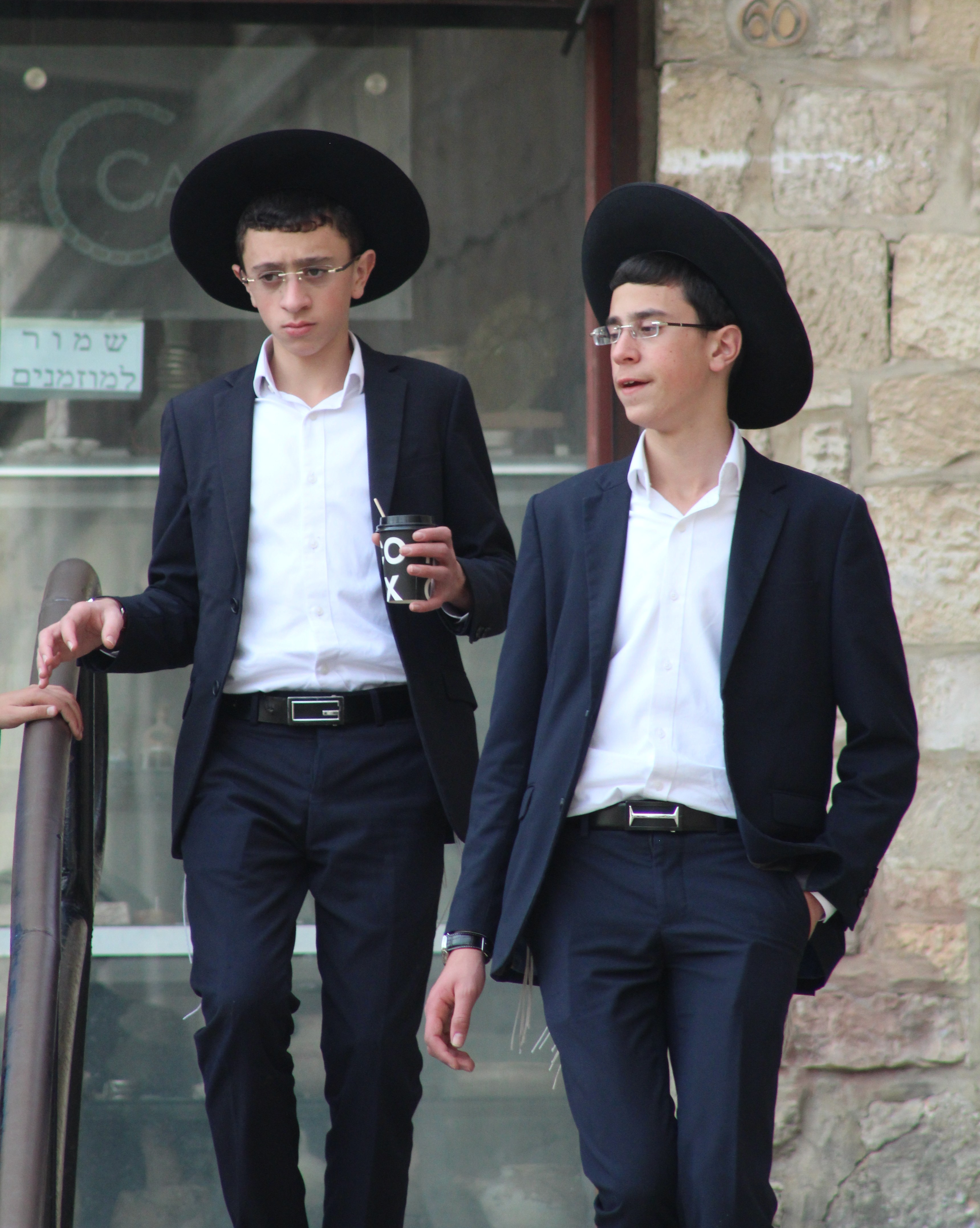
Jesus was a Jew. He was born and lived in Israel. He was circumcised. He spoke Hebrew. He wore a tallit (a prayer shawl). He learned the scriptures by rote memorization as a boy. He was in outward appearance like the other serious Jewish boys his age.
He would have called his father “Abba.” He would have attended synagogue with his family on Shabbat. He would have traveled with his family to Jerusalem for the three required feasts each year. He would have sung the songs of ascent on His way up to Jerusalem each year.
Like other Jews, Jesus had heroes–Abraham and Moses. Like other Jews, He had enemies–the Romans.
The Hebrew Bible is clear about Messiah. He would be born in Bethlehem. (Micah 5:2) He would be born of a virgin. (Isaiah 7:14) He would enter Jerusalem in triumph. (Zechariah 9:9) Messiah was to be rejected by his own people. (Isaiah 53:1, 3; Psalm 118:22) Even Jesus himself prophesied his arrest and execution by the religious authorities. (Luke 9:22) Messiah was to be betrayed by one of his followers. (Psalm 41:9) Messiah was to be tried and condemned. (Isaiah 53:8) Messiah would be silent before his accusers. (Isaiah 53:7) Messiah was to be struck and spat upon by his enemies. (Isaiah 50:6) Messiah as to be mocked and taunted. (Psalm 22:7, 8) Messiah was to die by crucifixion. (Psalm 22:14, 16-17)
The list of Hebrew Bible prophecies that foretell the details of Jesus final days on earth goes on in detail. These details were written hundreds of years before Jesus was even born. They were written by Hebrew prophets speaking the Words of Adonai–the only true and living God–the God of the Jews and the Christians.
Jesus’ fate was not determined by the Jews. His fate was set by God. To blame the Jews is to turn a blind eye to God and his plan for redemption which made clear through the Hebrew Bible. To blame the Jews is to overlook the sovereignty of God and to miss the message of His great love.
The Jews didn’t kill Jesus. Jesus gave His life–laid down His life–as a sacrifice to meet the requirements of the Torah, the law. He who knew no sin became sin for us that we might become the righteousness of God.
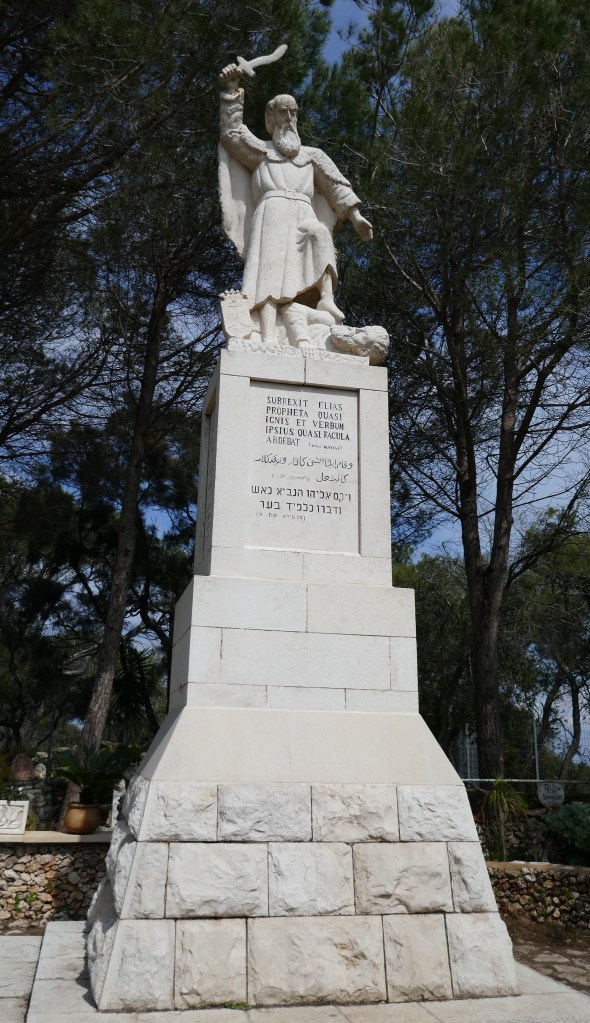
Ahab sent word to all the Israelites and assembled the [pagan] prophets together at Mount Carmel. Elijah approached all the people and said, “How long will you [c]hesitate between two opinions? If the Lord is God, follow Him; but if Baal, follow him.” But the people [of Israel] did not answer him [so much as] a word. Then Elijah said to the people, “I alone remain a prophet of the Lord, while Baal’s prophets are 450 men. Now let them give us two oxen, and let them choose one ox for themselves and cut it in pieces, and lay it on the wood, but put no fire under it. I will prepare the other ox and lay it on the wood, and I will not put a fire under it. Then you call on the name of your god, and I will call on the name of the Lord; and the god who answers by fire, He is God.” And all the people answered, “It is well spoken.”
Elijah approached all the people and said, “How long will you hesitate between two opinions? If the Lord is God, follow Him; but if Baal, follow him.” But the people [of Israel] did not answer him [so much as] a word. Then Elijah said to the people, “I alone remain a prophet of the Lord, while Baal’s prophets are 450 men. Now let them give us two oxen, and let them choose one ox for themselves and cut it in pieces, and lay it on the wood, but put no fire under it. I will prepare the other ox and lay it on the wood, and I will not put a fire under it. Then you call on the name of your god, and I will call on the name of the Lord; and the god who answers by fire, He is God.” And all the people answered, “It is well spoken.”Elijah said to the prophets of Baal, “Choose one bull for yourselves and prepare it first, since there are many of you; and call on the name of your god, but put no fire under it.” So they took the bull that was given to them and prepared it, and called on the name of Baal from morning until noon, saying, “O Baal, hear and answer us.” But there was no voice and no one answered. And they leaped about the altar which they had made. At noon Elijah mocked them, saying, “Cry out with a loud voice, for he is a god; either he is occupied, or he is out [at the moment], or he is on a journey. Perhaps he is asleep and must be awakened!” So they cried out with a loud voice [to get Baal’s attention] and cut themselves with swords and lances in accordance with their custom, until the blood flowed out on them. As midday passed, they played the part of prophets and raved dramatically until the time for offering the evening sacrifice; but there was no voice, no one answered, and no one paid attention.
Then Elijah said to all the people, “Come near to me.” So all the people approached him. And he repaired and rebuilt the [old] altar of the Lordthat had been torn down [by Jezebel].Then Elijah took twelve stones in accordance with the number of the tribes of the sons of Jacob, to whom the word of the Lord had come, saying, “Israel shall be your name.”So with the stones Elijah built an altar in the name of the Lord. He made a trench around the altar large enough to hold two measures of seed. Then he laid out the wood and cut the ox in pieces and laid it on the wood. And he said, “Fill four pitchers with water and pour it on the burnt offering and the wood.” And he said, “Do it the second time.” And they did it the second time. And he said, “Do it the third time.” And they did it a third time. 3The water flowed around the altar, and he also filled the trench with water.
Elijah’s Prayer
At the time of the offering of the evening sacrifice, Elijah the prophet approached [the altar] and said, “O Lord, the God of Abraham, Isaac, and Israel (Jacob), let it be known today that You are God in Israel and that I am Your servant and that I have done all these things at Your word. Answer me, O Lord, answer me, so that this people may know that You, O Lord, are God, and that You have turned their hearts back [to You].” Then the fire of the Lord fell and consumed the burnt offering and the wood, and even the stones and the dust; it also licked up the water in the trench. When all the people saw it, they fell face downward; and they said, “The Lord, He is God! The Lord, He is God!” Then Elijah said to them, “Seize the prophets of Baal; do not let one of them escape.” They seized them; and Elijah brought them down to the brook Kishon, and [as God’s law required] killed them there. 1 Kings 18:20-40
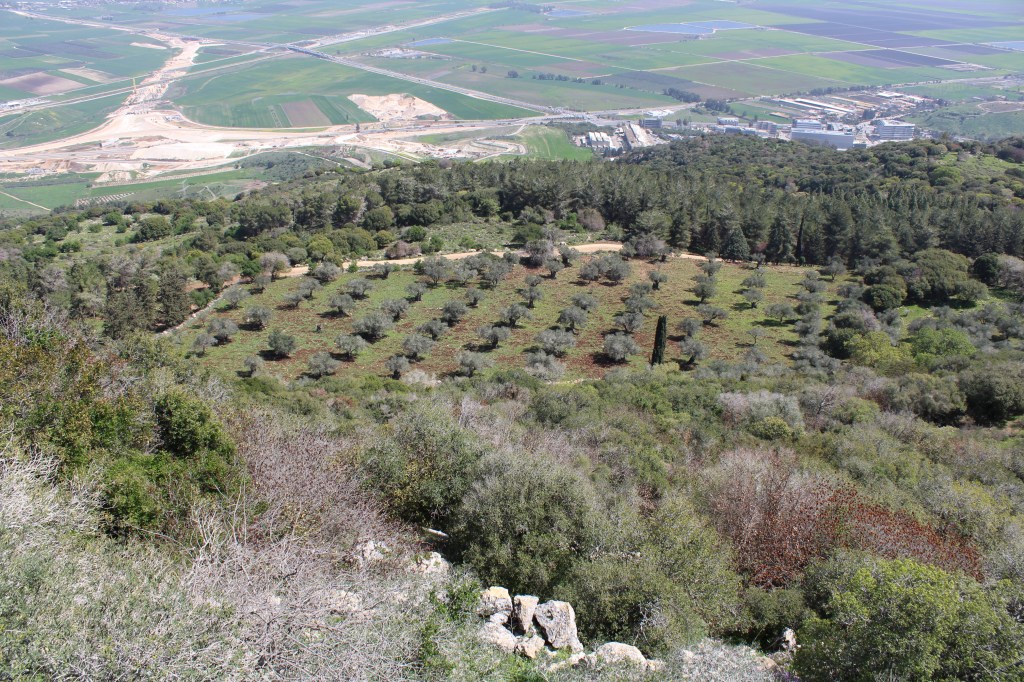
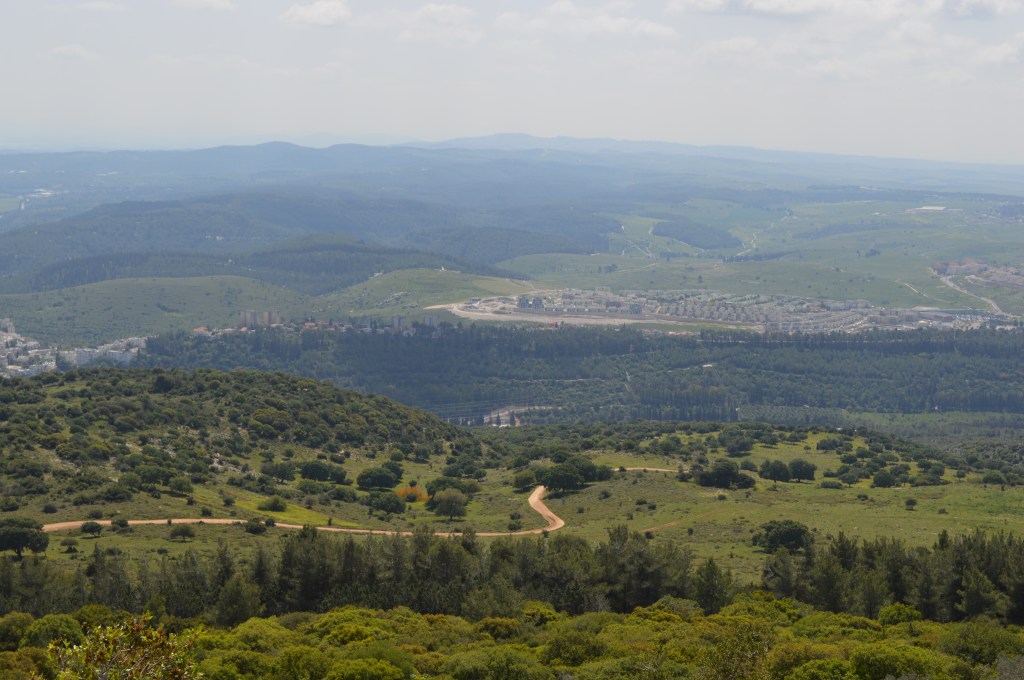
Nothing can really be added to this phenomenal story. The pictures below are from Mt Carmel, Israel.
View from Mt Carmel, IsraelMt CarmelStatue of Elijah, the Prophet, Mt Carmel, IsraelView from Mt Carmel, Israel













 Rooted and Grounded