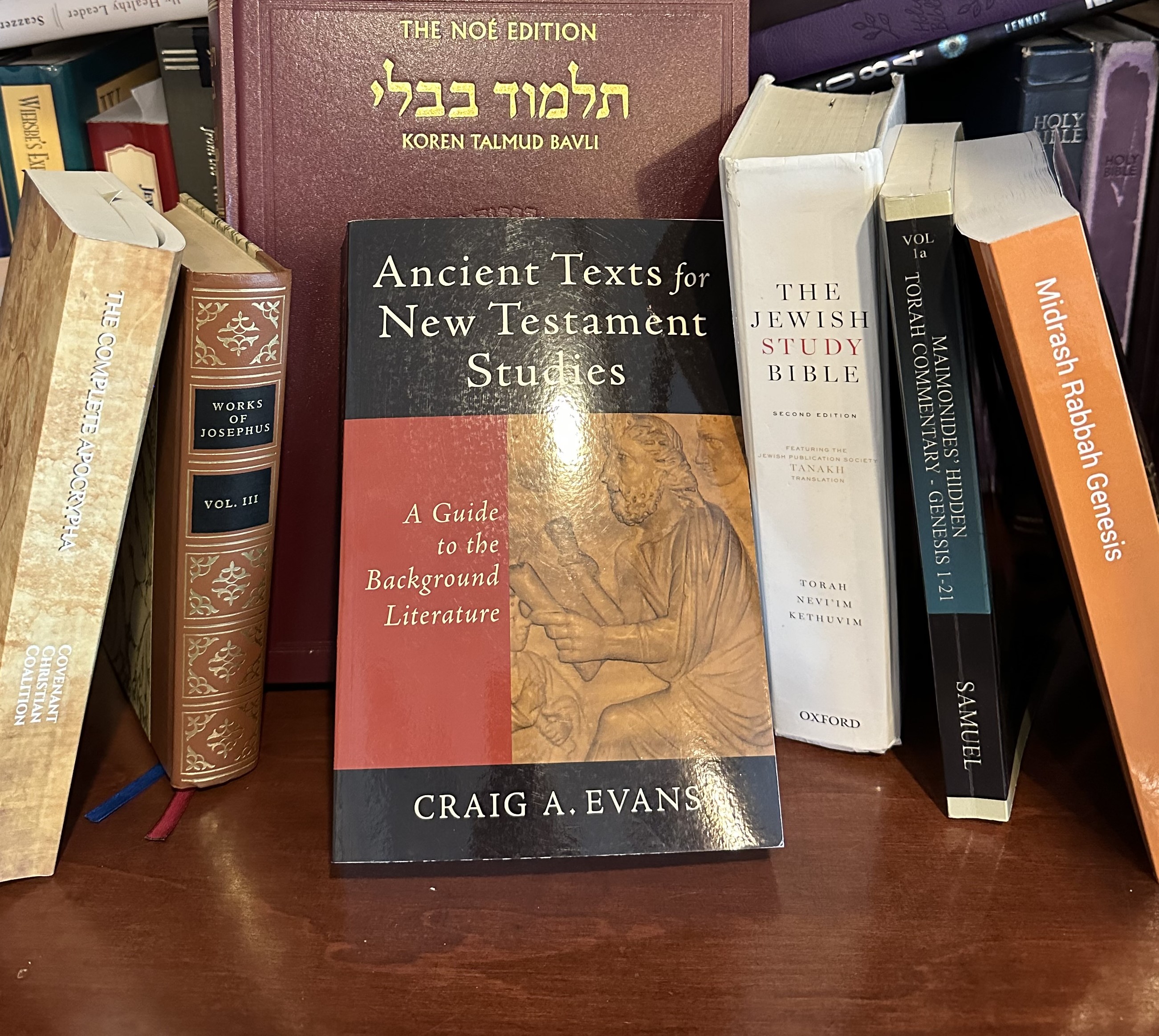
On occasion, I am asked about helpful tools in study of the scriptures. I like to recommend a combination of Jewish resources as well as traditional evangelical sources. When I receive push back on using Jewish resources, I remind students it is a mistake to be narrow in our thinking. To keep ourselves separate from the Jews in our thinking and interpretation of the scriptures is an error which fosters disunity and fracturing in the assembly of believers. To maintain an arbitrary separateness when we are discussing the same scriptures is to believe that our agenda or world view is more important than seeking the truth about God. Failing to consider thousands of years of Jewish scholarship by men who spent their lives steeped in the scriptures is tantamount to intentional ignorance. Moreover, it is a failure in the task of seeking unity as called for in scripture at a basic level. (See Psalm 133:1; Ephesians 1:4-16; 1 Peter 3:8)
One cannot come anywhere near a unity of understanding without consideration of a wide range of resources from various points of view. It is not necessary to accept every resource as “equal” in its usefulness, but it is necessary to consider that something of value to an overall understanding of God and His revelation can be found in many different places, even resources outside of our tradition.
Rejection of Jewish materials is also, it seems to me, a form of anti-Semitism that the church should not condone. Moreover, wholesale rejection of all things Jewish in terms of commentary on scripture creates an unnecessary barrier to observant Jews coming to believe in Yeshua.
The disassociation of Jewish thought and even the Hebrew scriptures themselves from the New Testament study is to unmoor the gospels and the New Testament letters from their Jewish roots and sources which creates a risk of misinterpretation and a furthering of the divide between Jews and Christians.
Without much financial commitment, one can find Jewish resources at her fingertips through https://www.sefaria.org/texts . This website is easy to use and filled with materials to aid in study and understanding of scripture.
It is our desire to help you grow in your knowledge of Adonai and His Word. If you are looking for additional information and/or materials, please visit our website at RootedinHisWord.org and our Facebook page.
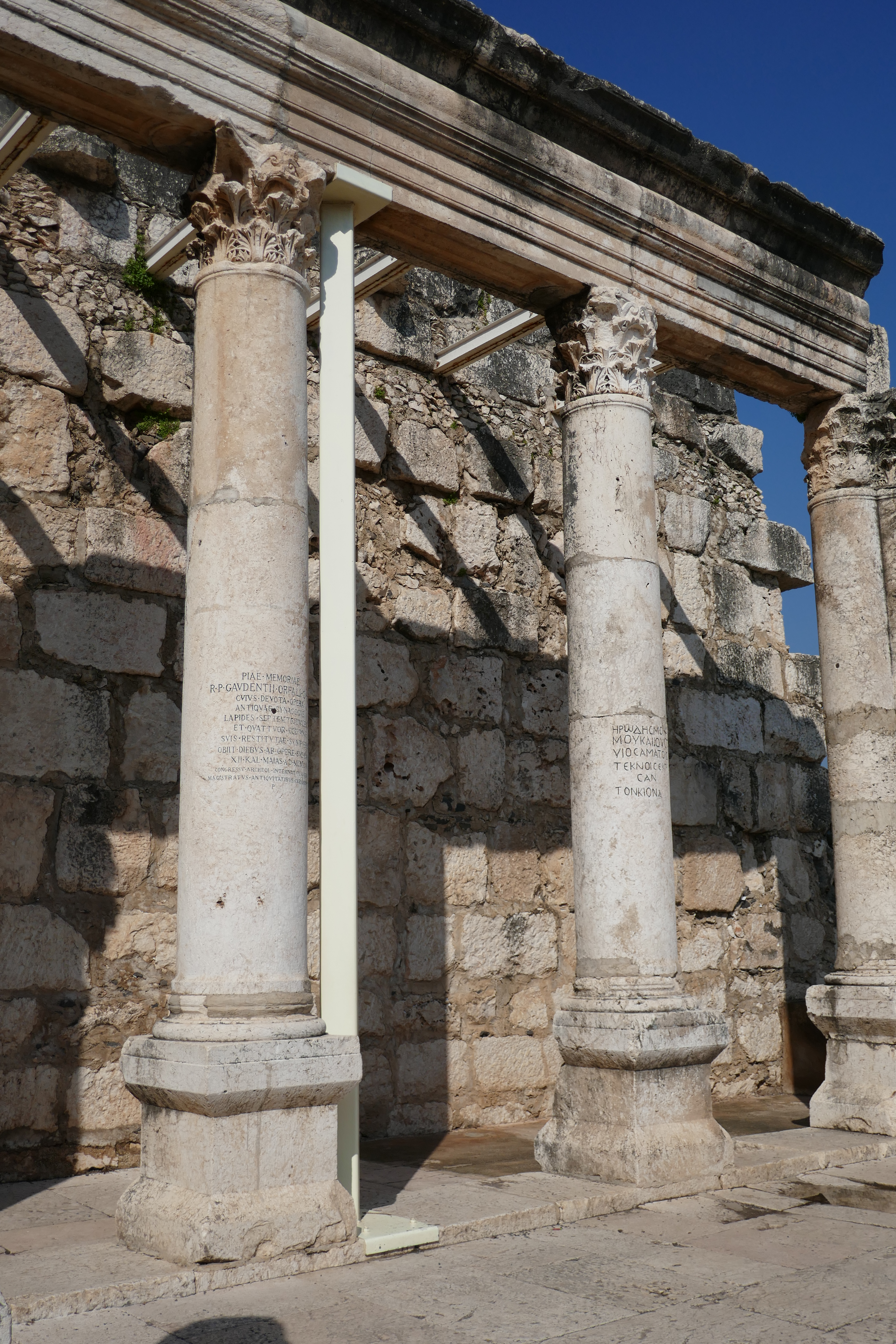
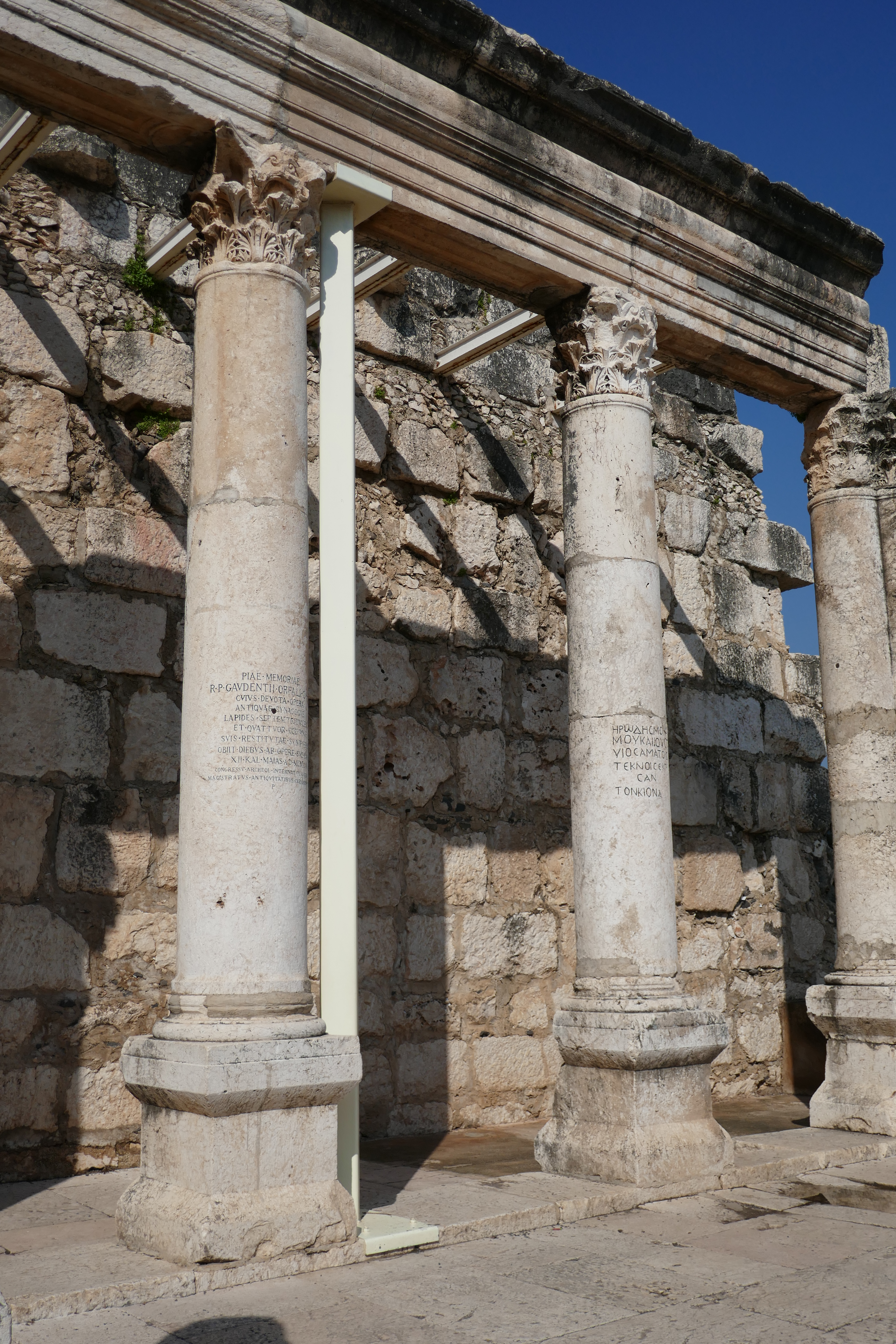
Even the novice student of the New Testament will know about the town of Capernaum, often referred to as the headquarters for Yeshua’s ministry in the Galilee. Capernaum is located on the north-western shore of the Sea of Galilee (Kinneret). In antiquity, Capernaum was an important town–large enough to have a Synagogue and a Roman cohort because it was located along ancient trade route which was still being used in the first century A.D.
Capernaum was the eastern-most city in the Galilee region. As such, it was a place where taxes were collected which explained why there was a Roman presence. In fact Capernaum was home to a Roman garrison with at least 100 soldiers indicated by the presence of a Centurion there. (See Luke 2)
In the time of Yeshua, there were more docks in Capernaum than any other town on the Sea of Galilee speaking again to its size and the nature of trade and industry there.
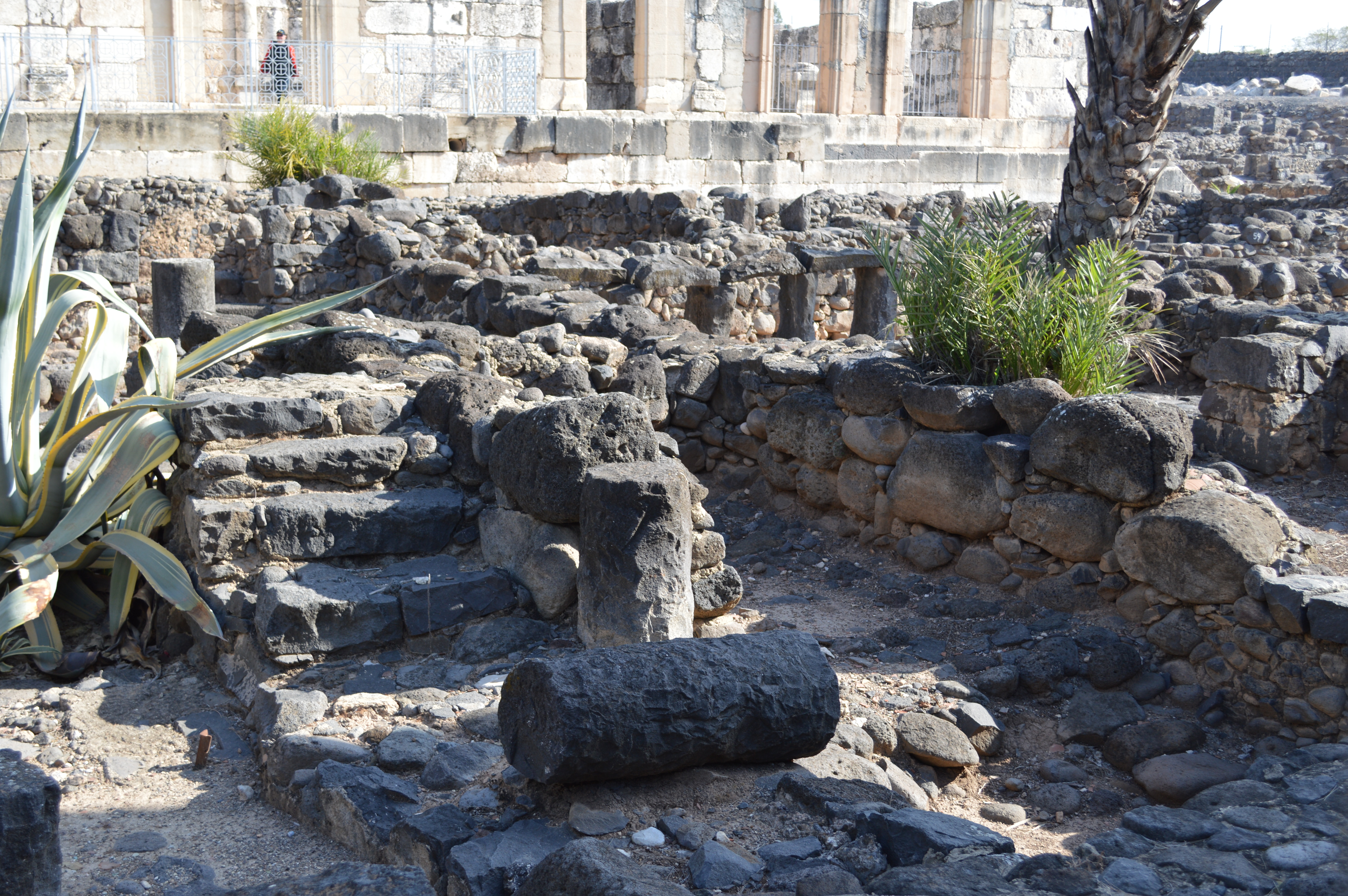
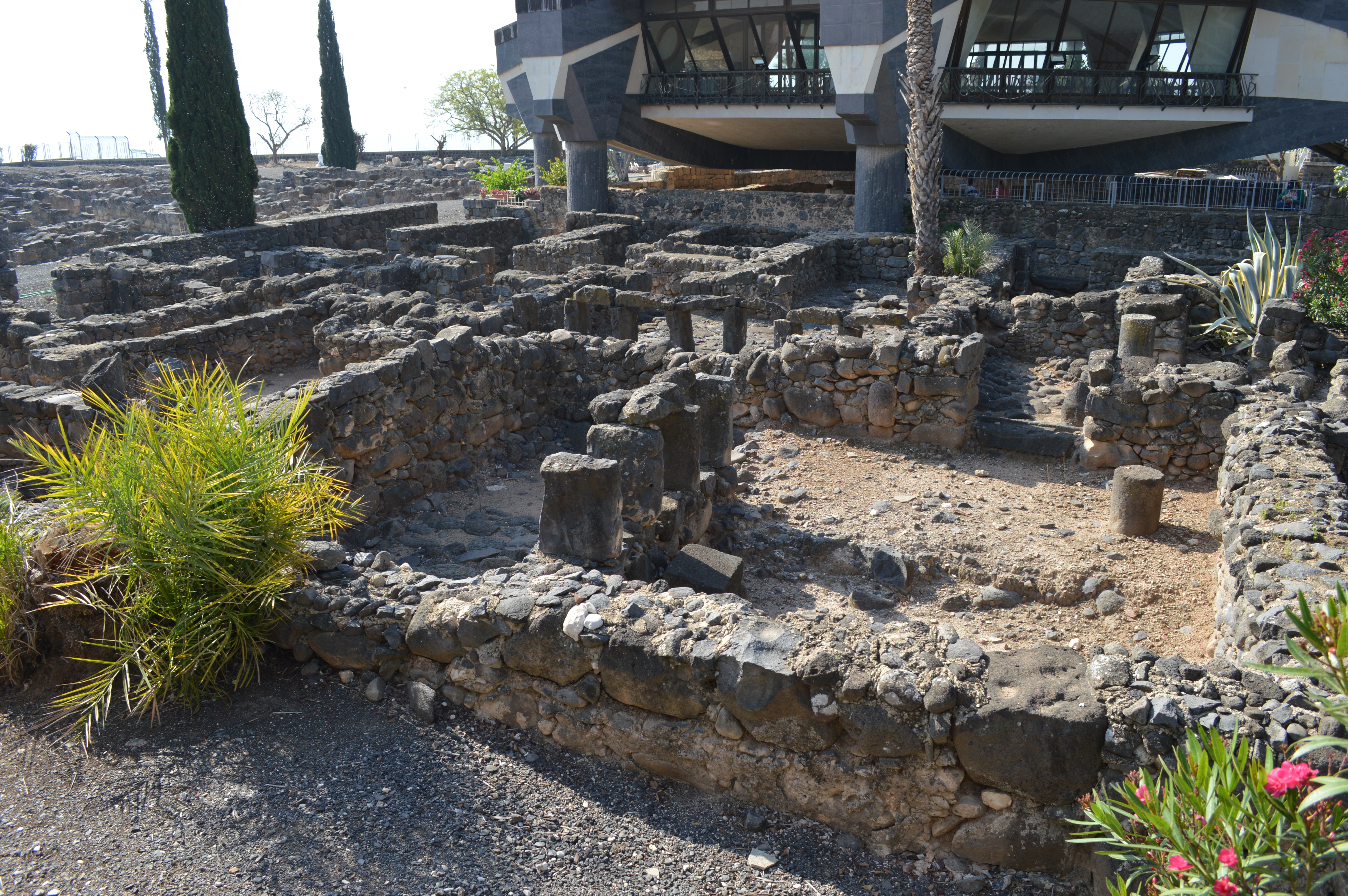
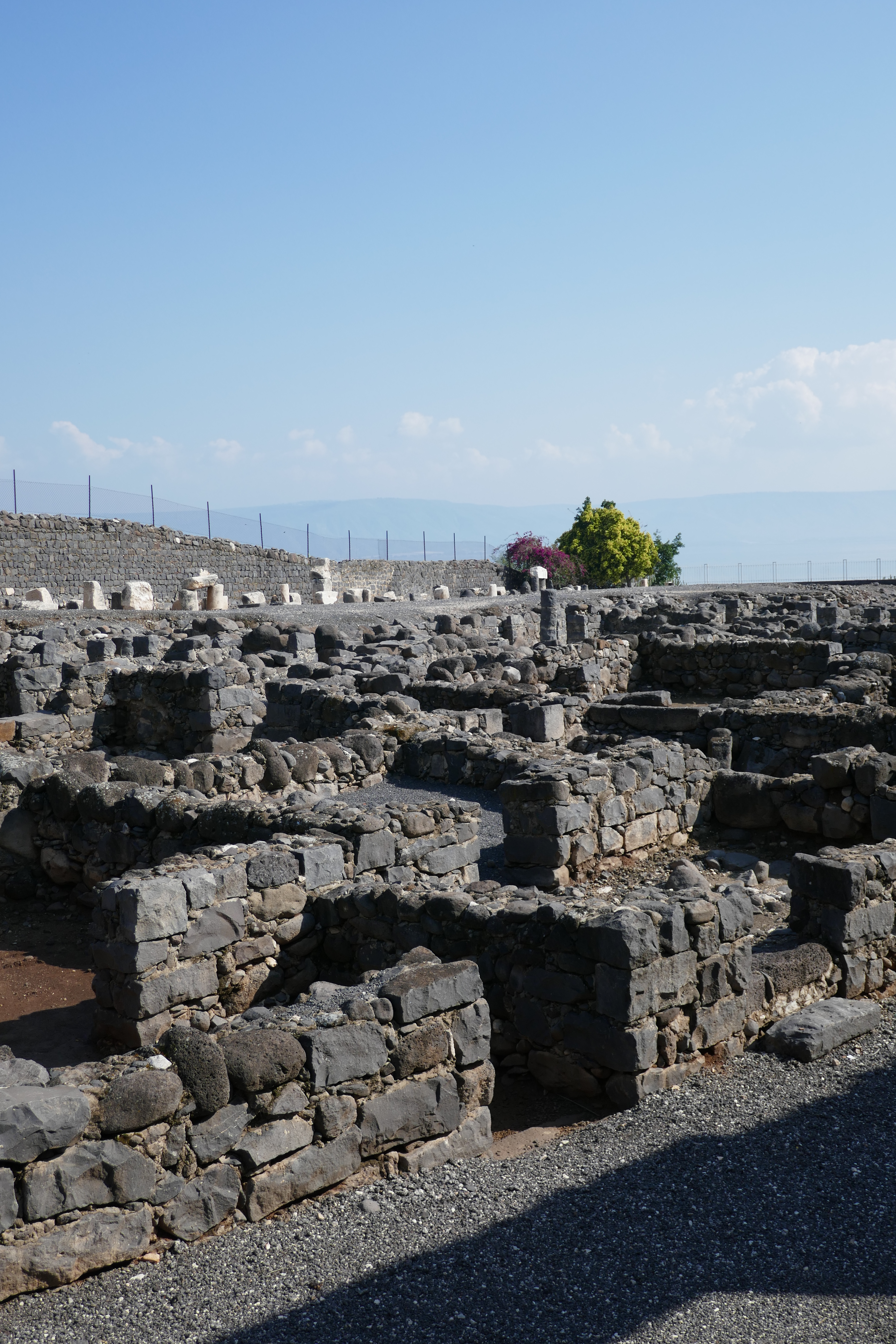
In the photos below, you will notice that much was built from the local rock–Basalt (volcanic rock). The area nearby was covered with a layer of volcanic rock, so that was the common rock used for building.
Capernaum – Basalt CapernaumCapernaum – Pillared housesCapernaumCapernaumSynagogue at Capernaum (on the site of 1st Century Synagogue)Synagogue – Capernaum
It is our desire to help you grow in your knowledge of Adonai and His Word. If you are looking for additional information and/or materials, please visit our website at RootedinHisWord.org and our Facebook page.
Read Matthew Chapter 28 1. What happened the day after the Sabbath according to Matthew 28:1-4?
2. What did the angel say to the women according to Matthew 28:5-7?
3. Who appeared to the women as they went to tell the disciples what they learned at the tomb according to Matthew 28:9-10? What did He say?
4. What happened with regard to the chief priests and elders in Matthew 28:11-15?
5. Where did the disciples go according to Matthew 28:16? Why?
6. What was their reaction when they saw Jesus according to Matthew 28:17?
7. Review the resurrection in the other gospels and note things that Matthew does not record.
8. Copy Jesus’ statement to them from Matthew 28:18-20. Meditate on this. Record your thoughts and impressions.
It is our desire to help you grow in your knowledge of Adonai and His Word. If you are looking for additional information and/or materials, please visit our website at RootedinHisWord.org and our Facebook page.
Read Matthew Chapter 27:15 to 65
1. What is Pilate’s question to the chief priests and elders in Matthew 27:22? What is their response?
2. What further question does Pilate ask in Matthew 27:23? What is the response?
3.What does Pilate do in Matthew 27:24? Why?
4. What is the response of the people?
5. What did Pilate do next according to Matthew 27:26? What happened to Jesus?
6. Where was Jesus taken according to Matthew 27:27
7. What was a praetorium? Where was the praetorium located in Jerusalem?
8. What happened to Jesus according to the following verses?
Matthew 27:28
Matthew 27:29
Matthew 27:30
Matthew 27:31
9. What happened as they led Jesus to be crucified according to Matthew 27:32?
Going deeper: What authority existed for the Romans to compel Simon the Cyrene to carry Jesus’ cross.
10. Where did they take Jesus according to Matthew 27:33?
Going deeper: Where was the site of the crucifixion located? Be sure to note the source of your information.
11. What did they give to Jesus according to Matthew 27:34? What was Jesus’ response?
12. What did they do with his clothing according to Matthew 27:35?
13. What do you learn from Psalm 22:18?
14. What were they doing according to Matthew 27:36?
15. What “accusation” was written over Jesus’ head according to Matthew 27:37?
16. In what languages was the inscription written according to John 19:20?
17. What was the reaction of the Chief priests to the inscription according to John 19:21? How does Pilate respond in John 20:22?
18. Who was crucified alongside of Jesus according to Matthew 27:38?
19. What were those who passed by doing according to Matthew 27:39-40?
20. Who else was mocking Jesus according to Matthew 27:41-44? What were they saying?
21. What happened according to Matthew 27:45?
Going deeper: What is the sixth hour? The ninth hour?
22. What does Jesus say according to Matthew 27:46? What does it mean?
23. Copy Psalm 22:1. Meditate on this. Record your thoughts and impressions in light of Matthew 27:46.
24. What did they think Jesus was saying according to Matthew 27:47?
25. What did they do according to Matthew 27:48?
26. What was the response of others in Matthew 27:49?
27. What was Jesus’ last act from the cross according to Matthew 27:50?
28. What happened after that according to Matthew 27:51-53?
29. What was the reaction of the Centurion and those with him according to Matthew 27:54?
30. What do you learn from Matthew 27:55-56?
31. Who came to Pilate in the evening to ask for the body of Jesus according to Matthew 27:57-58?
Going deeper: Who was Joseph of Arimathea?
32. What did Joseph do with Jesus’ body according to Matthew 27:59-60?
33. Who else was there according to Matthew 27:61?
34. What happened the next day according to Matthew 27:62-66?
It is our desire to help you grow in your knowledge of Adonai and His Word. If you are looking for additional information and/or materials, please visit our website at RootedinHisWord.org and our Facebook page.
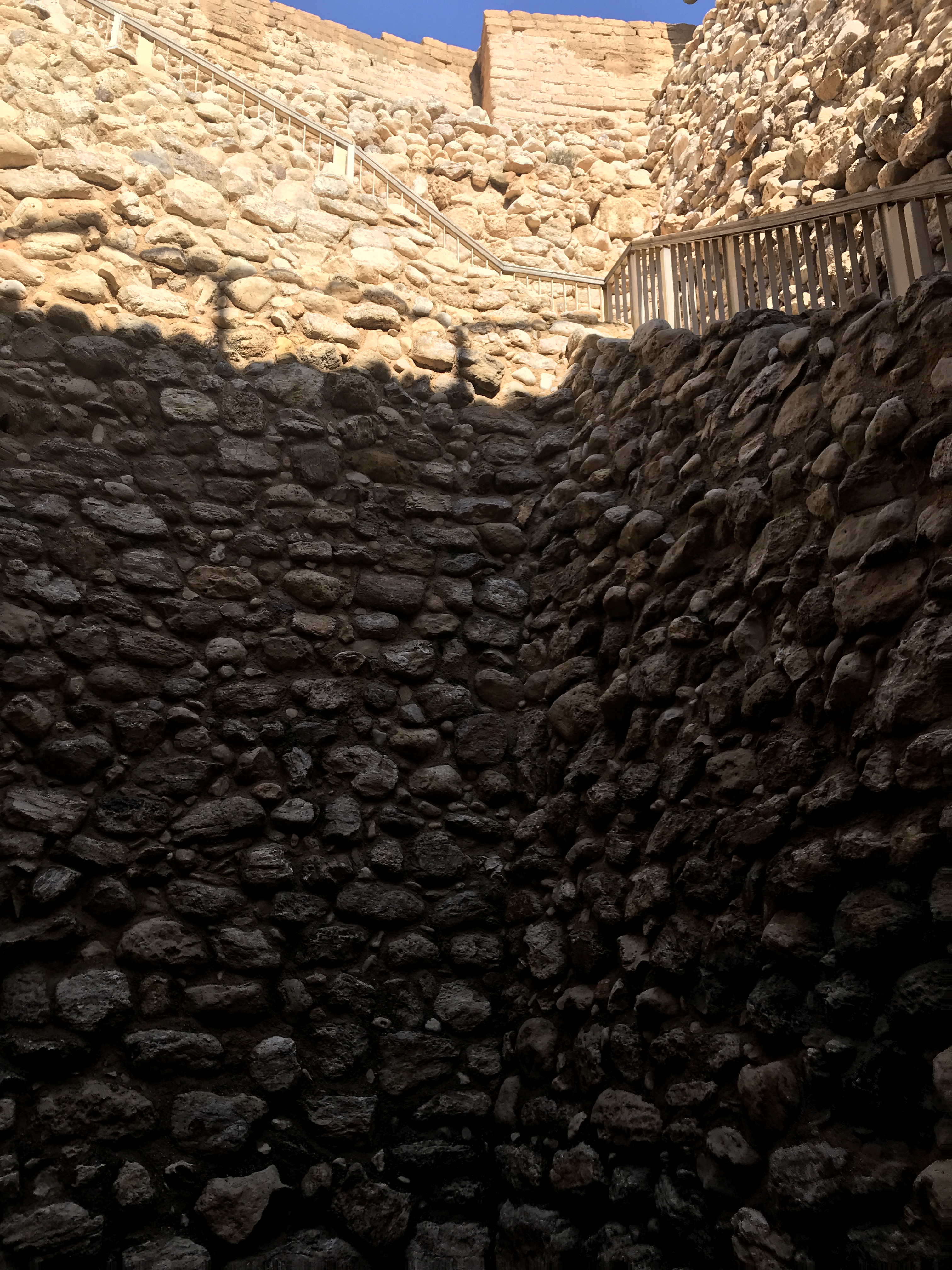
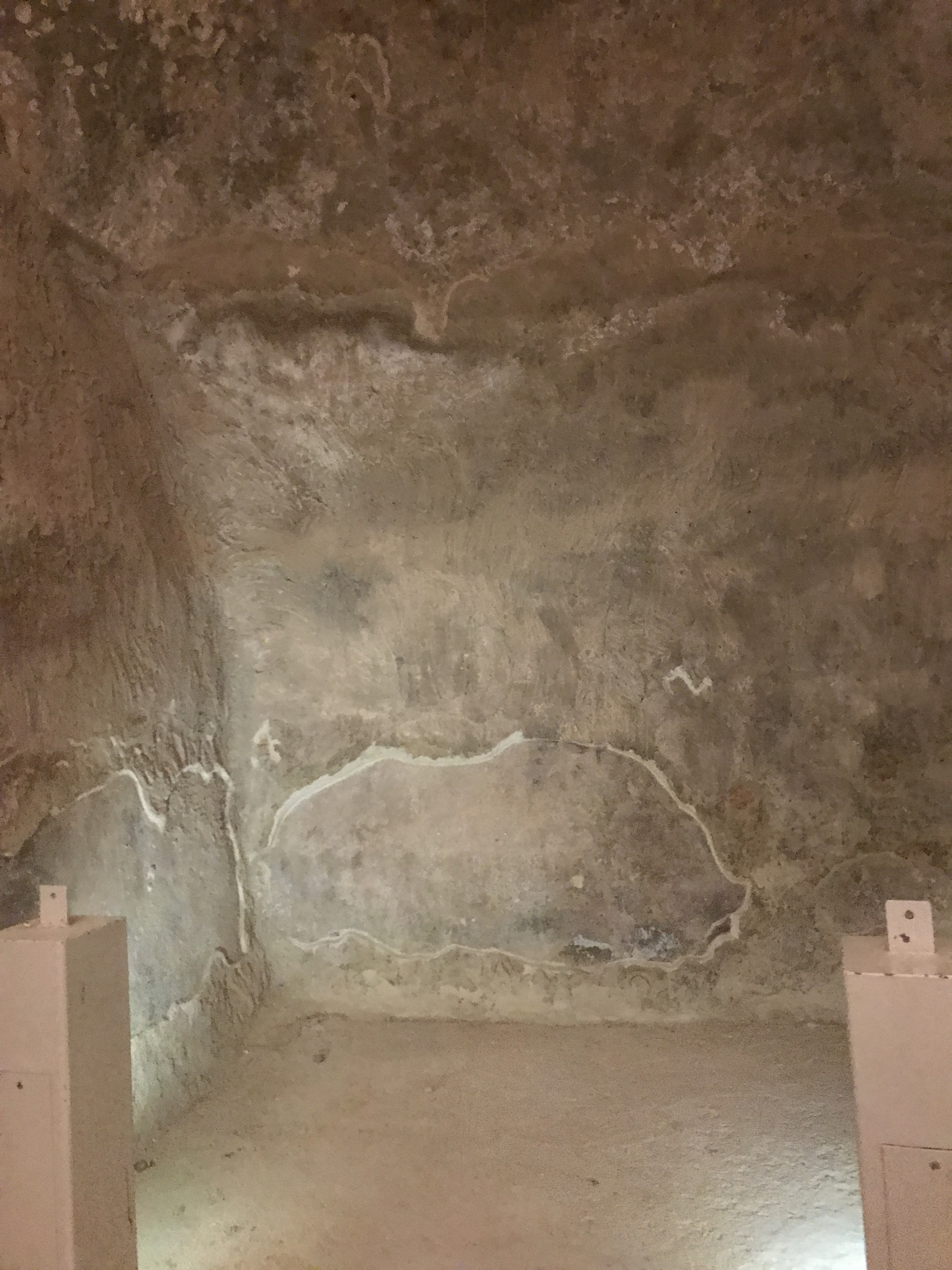
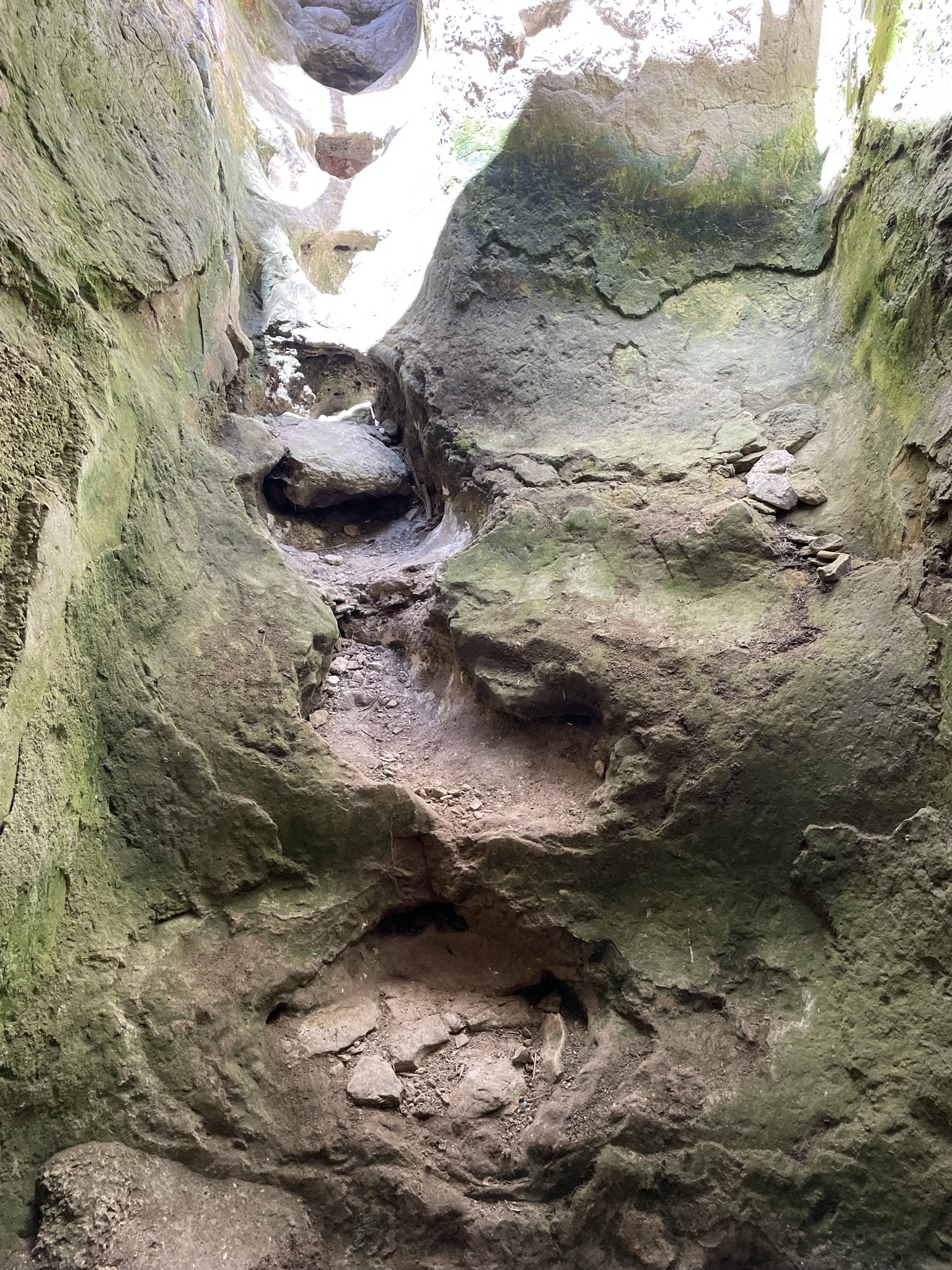
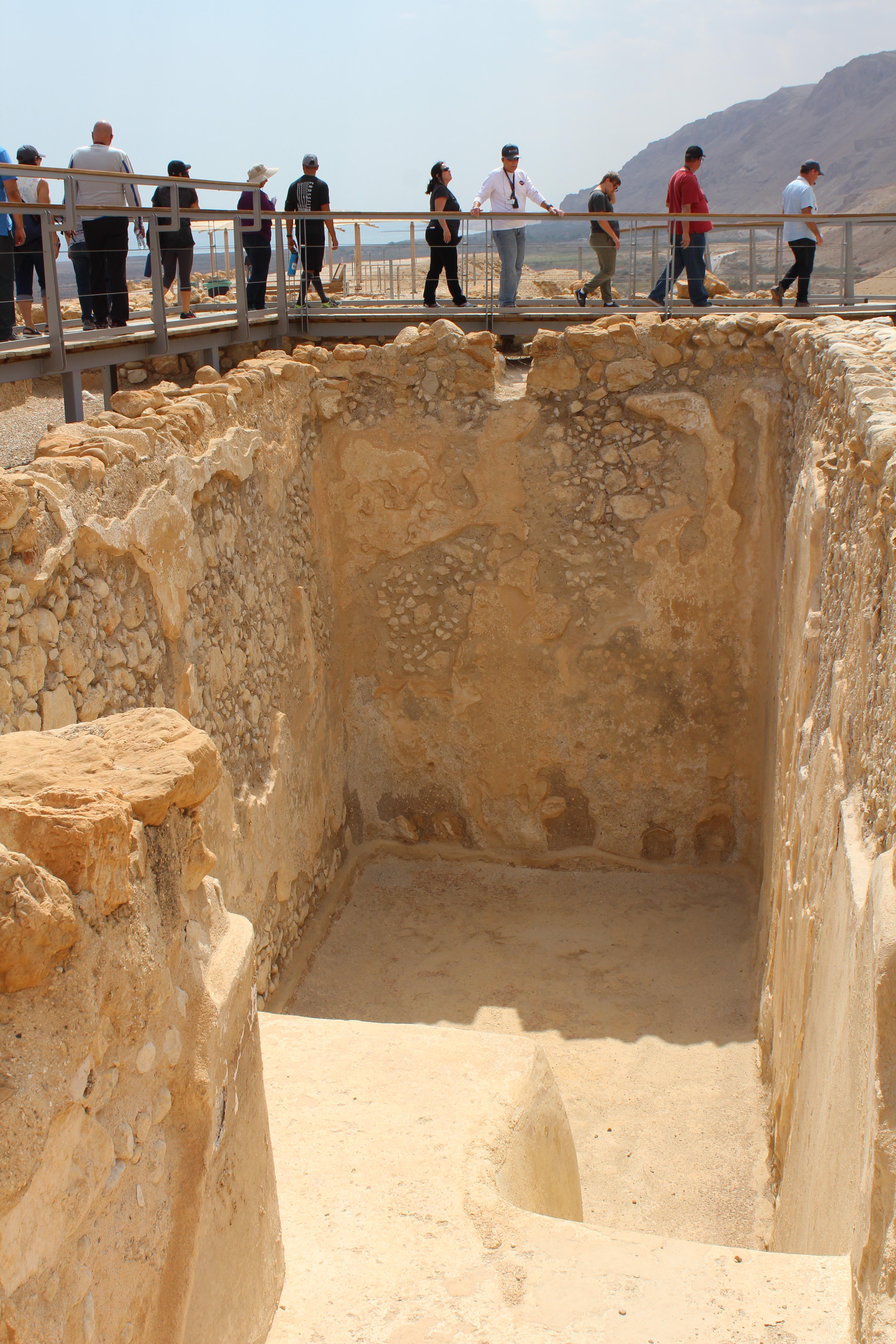
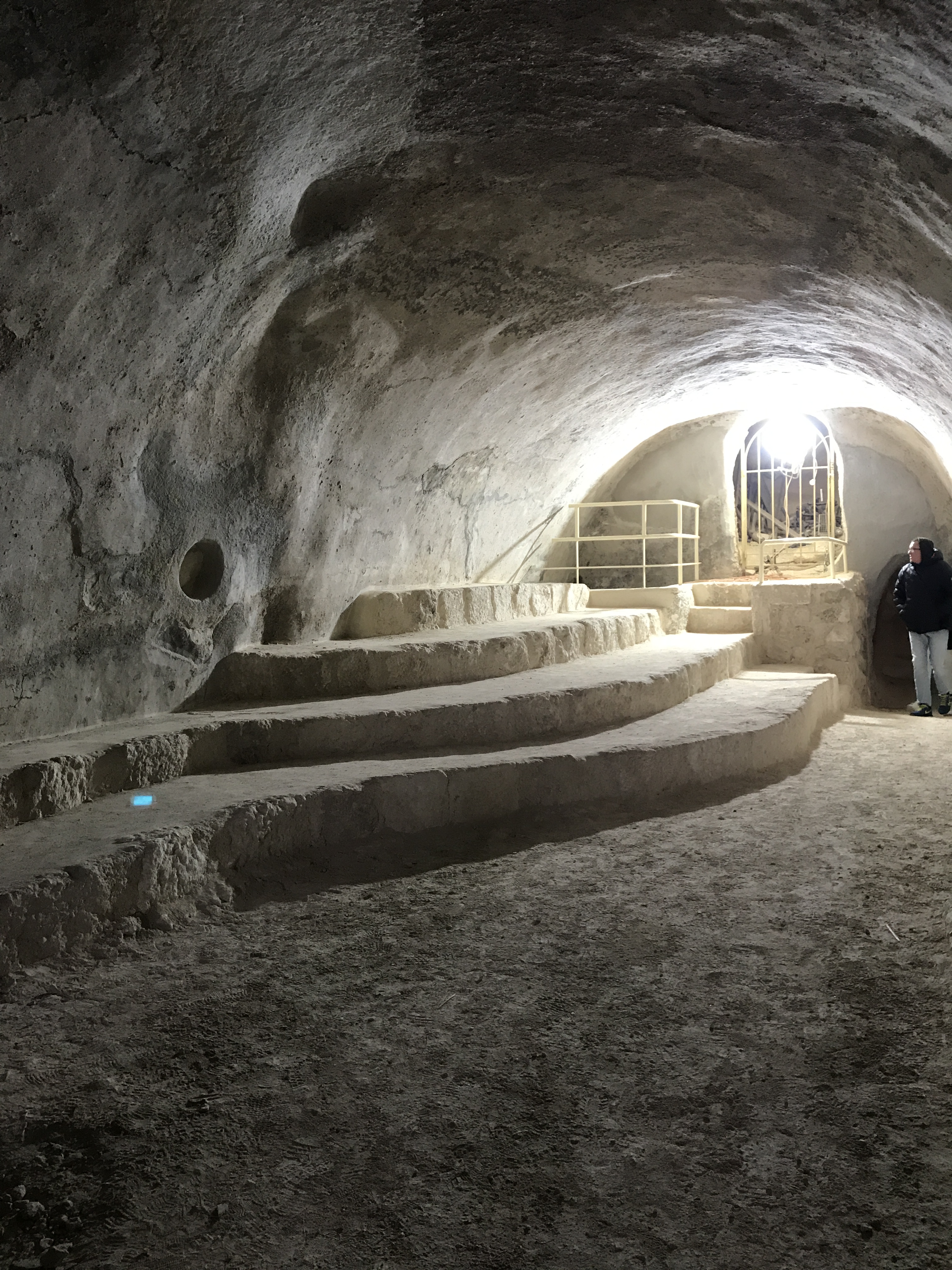
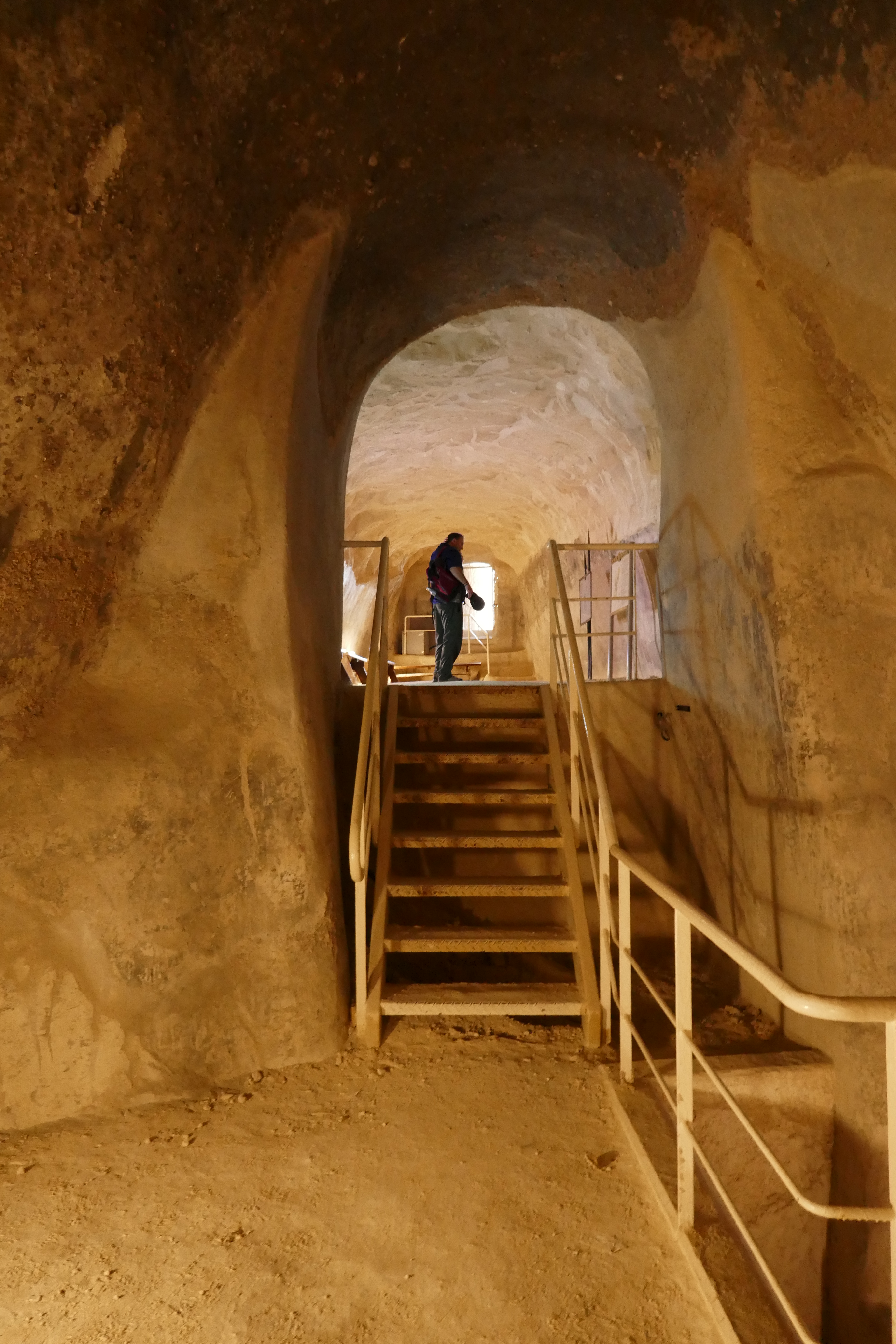
When you travel in Israel, you can’t help but notice that water is not plentiful. It is, after all, mostly desert. As a result, few rivers or lakes or other bodies of fresh water are available. How did those living in antiquity survive without water being readily available? The answer in many parts of the country was–cisterns. A cistern is not the same as a well. A cistern is a device for rain water collection, and it is typically carved out of rock. This is possible because in many parts of Israel, the rock is limestone which is relatively soft and easily carved. The problem; however, with limestone is that it is very porous, and so to keep the water in the cisterns, the walls were plastered over. The following are some of the cisterns I have visited in Israel.
Looking up out of the cistern in BeershevaThe evidence of plastering of walls of cistern in BeershevaCistern at Beit ShemeshEntrance into the cistern at Beit Shemesh (notice how water has carved the stone)Cistern Qumran (by the Dead Sea)One of several cisterns at HerodianDifferent cistern at Herodian
It is our desire to help you grow in your knowledge of Adonai and His Word. If you are looking for additional information and/or materials, please visit our website at RootedinHisWord.org and our Facebook page.
I am uncertain of the Biblical correctness of “rebuking” illness in prayer whether private or corporate. I don’t see this type of prayer in the scriptures.
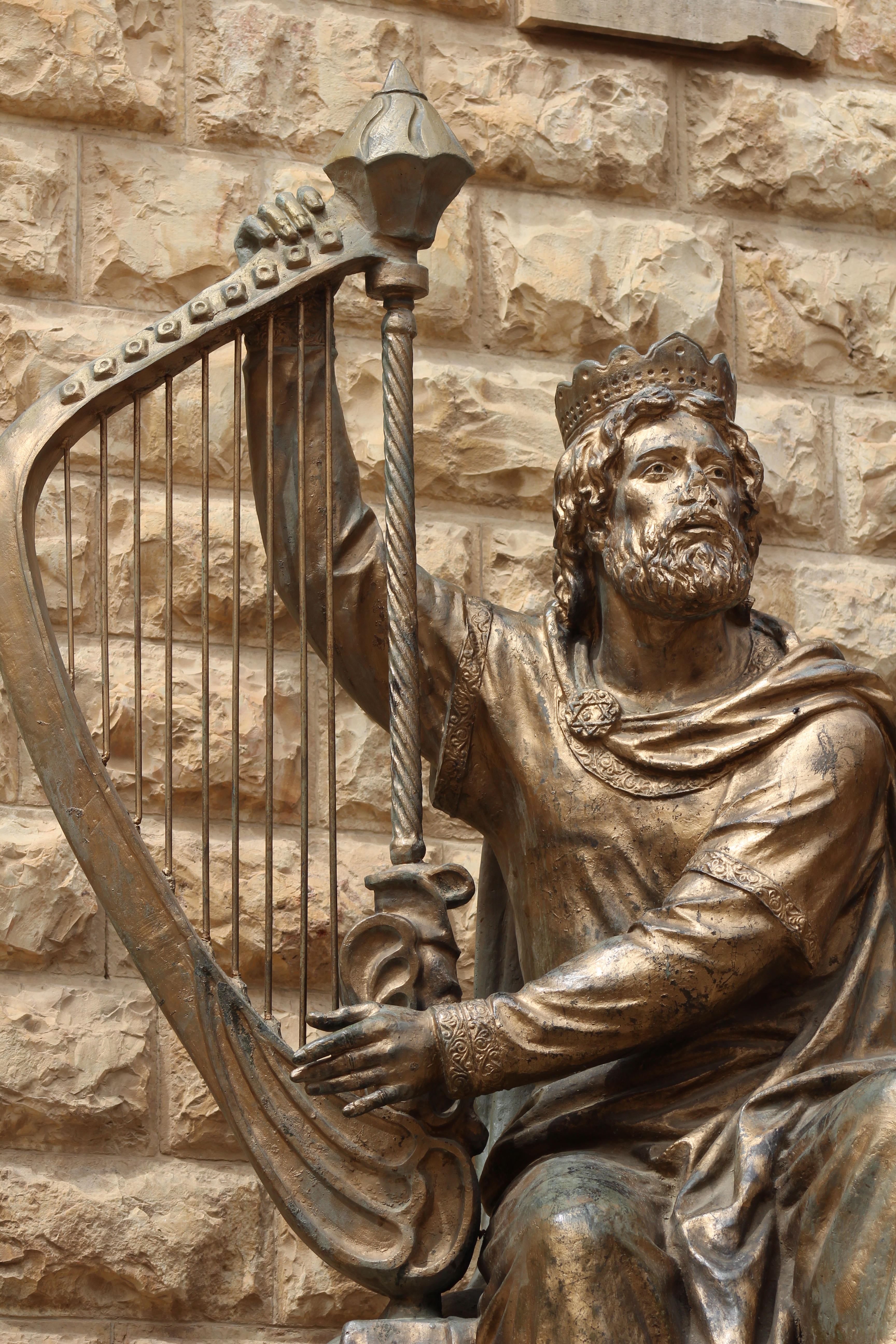
When I look to David, to the Psalmist, I find he never models this “rebuke” of illness in any of the psalms or prayers attributed to him. What he does do is consistent throughout his writings. He always cries out to God and throws himself on God’s mercy for healing and restoration.
Be gracious to me, O Lord, for I am languishing; heal me, O Lord, for my bones are troubled. Psalm 6:2
O Lord my God, I cried to you for help, and you have healed me. Psalm 30:2
The psalmist could do this because he knew two things:
God is in charge (of everything) God is merciful and compassionate
When we are seeking healing for ourselves or others, let us remember how the Bible models prayer in this respect. Let us cry out to God, believing that He is able and He is willing to heal, but all things are subject to His will–not ours.
Jewish Quarter – Jerusalem
It is our desire to help you grow in your knowledge of Adonai and His Word. If you are looking for additional information and/or materials, please visit our website at RootedinHisWord.org and our Facebook page.
Easter is easy to locate in Leviticus . . . just follow the blood. If you have read through the Bible, you may remember Leviticus as one of the more challenging books to get through.
In a chapter near the middle of the book, we find out the purpose of all the blood-letting and sacrifice outlined in Leviticus and other books of the law. Leviticus 17:11 says, ‘For the life of the flesh is in the blood, and I have given it to you upon the altar to make atonement for your souls; for it is the blood that makes atonement for the soul.’
This statement is a foundational pillar of God’s plan for salvation. Atonement is defined by dictionary.com as “satisfaction or reparation for a wrong or injury; amends.” Had we been alive when sacrifices were being offered in the Tabernacle or the Temple, we would have seen blood flowing from the altar and out of the place of worship. Blood (the sacrifice of life that it represents) and worship are intertwined and inseparable in the Bible. The offerings (Korban) were a means to draw near to Adonai. For the worshiper to be able to meet God, it took a lot of spilled blood and the loss of at least one animal’s life.
Formula for approaching God in Leviticus: Prepare for worship = spill blood
The picture of the sacrifice with the blood spilling out to atone for the sin of the one seeking to approach God was a picture of what was required when God sent His only Son to be the perfect and final sacrifice.
It is our desire to help you grow in your knowledge of Adonai and His Word. If you are looking for additional information and/or materials, please visit our website at RootedinHisWord.org and our Facebook page.
Here are the questions and answers to the Easter I.Q. Test:
1. What Jewish holiday was Jesus celebrating right before his trial and subsequent crucifixion? PASSOVER
2. What event did the Prophet Zechariah foretell in his statement “Rejoice greatly, O daughter of Zion! Shout, O daughter of Jerusalem! Behold, your King is lowly and riding on a donkey, a colt, the foal of a donkey.” (Zechariah 9:9) JESUS’ TRIUMPHAL ENTRY INTO JERUSALEM
3. What Easter-related event is predicted to the day in Daniel 9? MESSIAH’S RIDING INTO JERUSALEM ON A DONKEY (REPRESENTING HIMSELF AS A KING OF PEACE)
4. Where was Jesus taken first after his arrest? HOUSE OF ANNAS
5. Upon whose testimony was Jesus sentenced to death? HIS OWN. THEY COULD NOT FIND TWO WITNESSES WHO AGREED AND JESUS FINALLY ANSWERED THE QUESTION, “ARE YOU THE CHRIST, THE SON OF GOD?” “IT IS AS YOU SAY.”
6. To what representative of the Roman government was Jesus taken for permission to carry out the death sentence? PONTIUS PILATE, ROMAN GOVERNOR
7. What prisoner was released instead of Jesus at the request of the crowd? What crimes was he accused of? BARABAS, REBELLION, ROBBERY, MURDER
8. How many men were crucified with Jesus? THREE
9. Who are two of the people (there were more than 2) at the cross when Jesus died? JOHN, MARY, THE MOTHER OF JESUS; MARY’S SISTER; MARY THE WIFE OF CLOPAS; AND MARY MAGDALENE.
10. What is in the tomb where Jesus was laid after he died on the cross? NOTHING. THE TOMB IS EMPTY! HALLELUJAH! HE IS RISEN!
It is our desire to help you grow in your knowledge of Adonai and His Word. If you are looking for additional information and/or materials, please visit our website at RootedinHisWord.org and our Facebook page.









 Rooted and Grounded