Feeds:
Posts
Comments

Finally, we come to the last two places we visited on day one of our recent Rooted in His Word Israel tour.

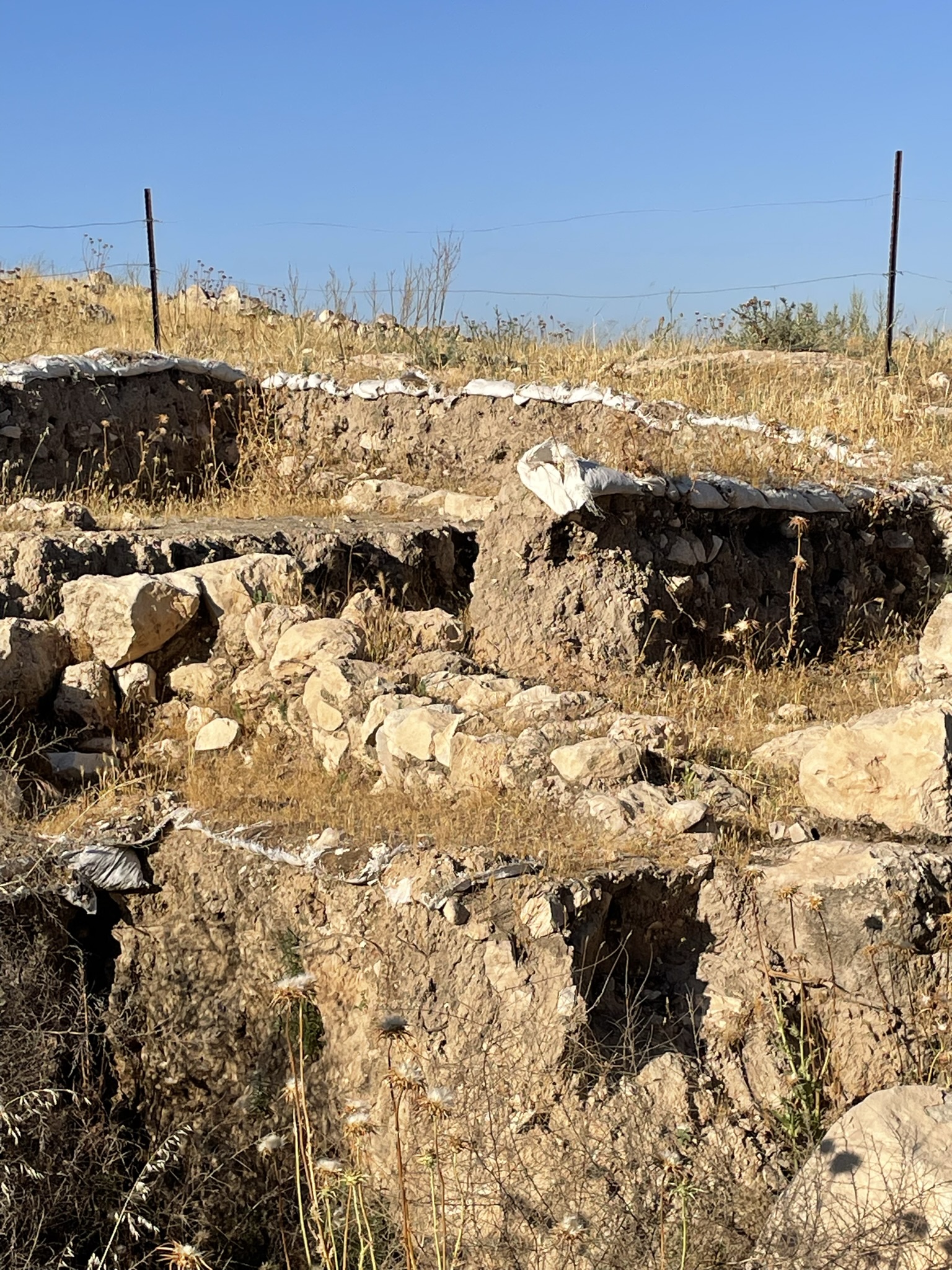
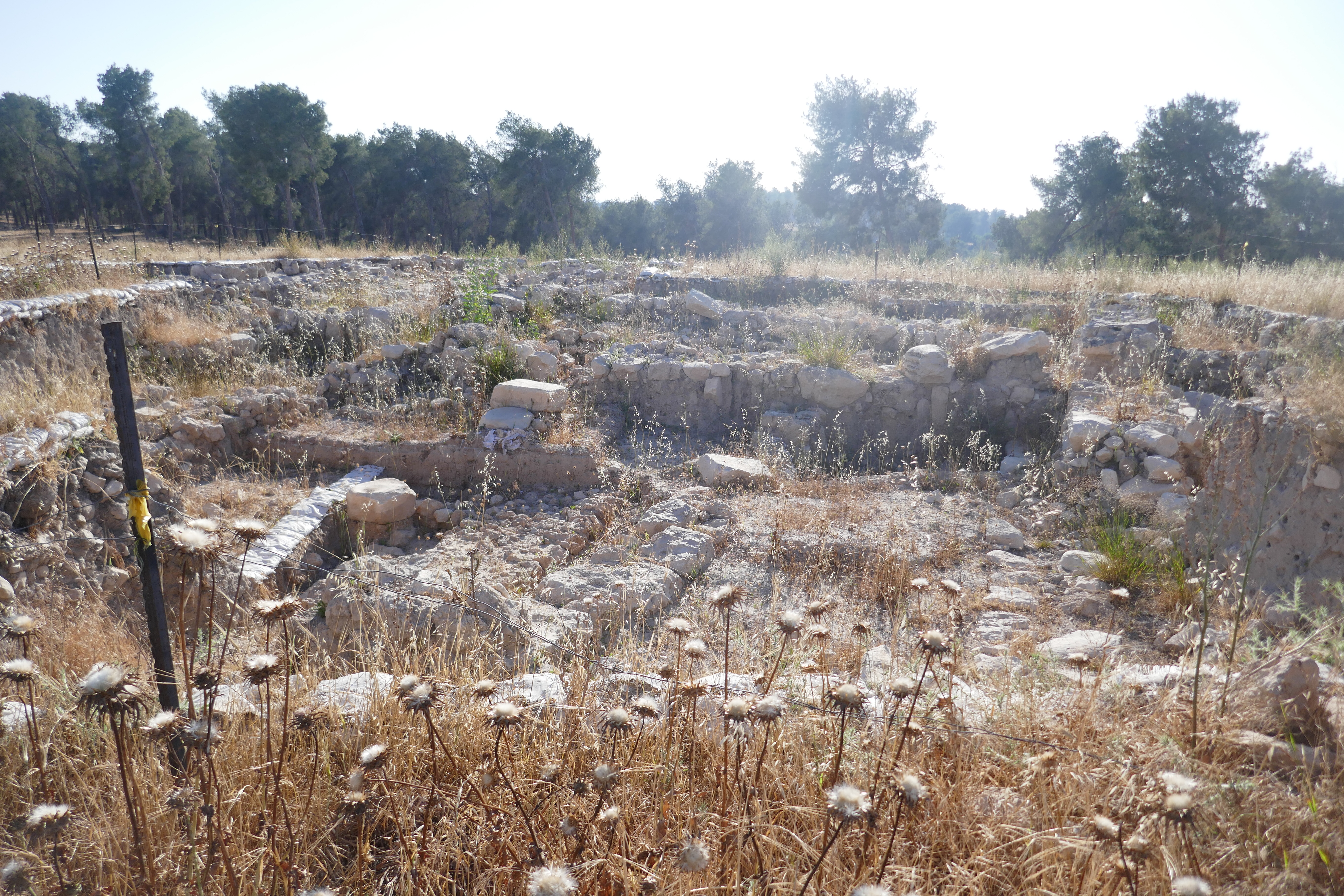
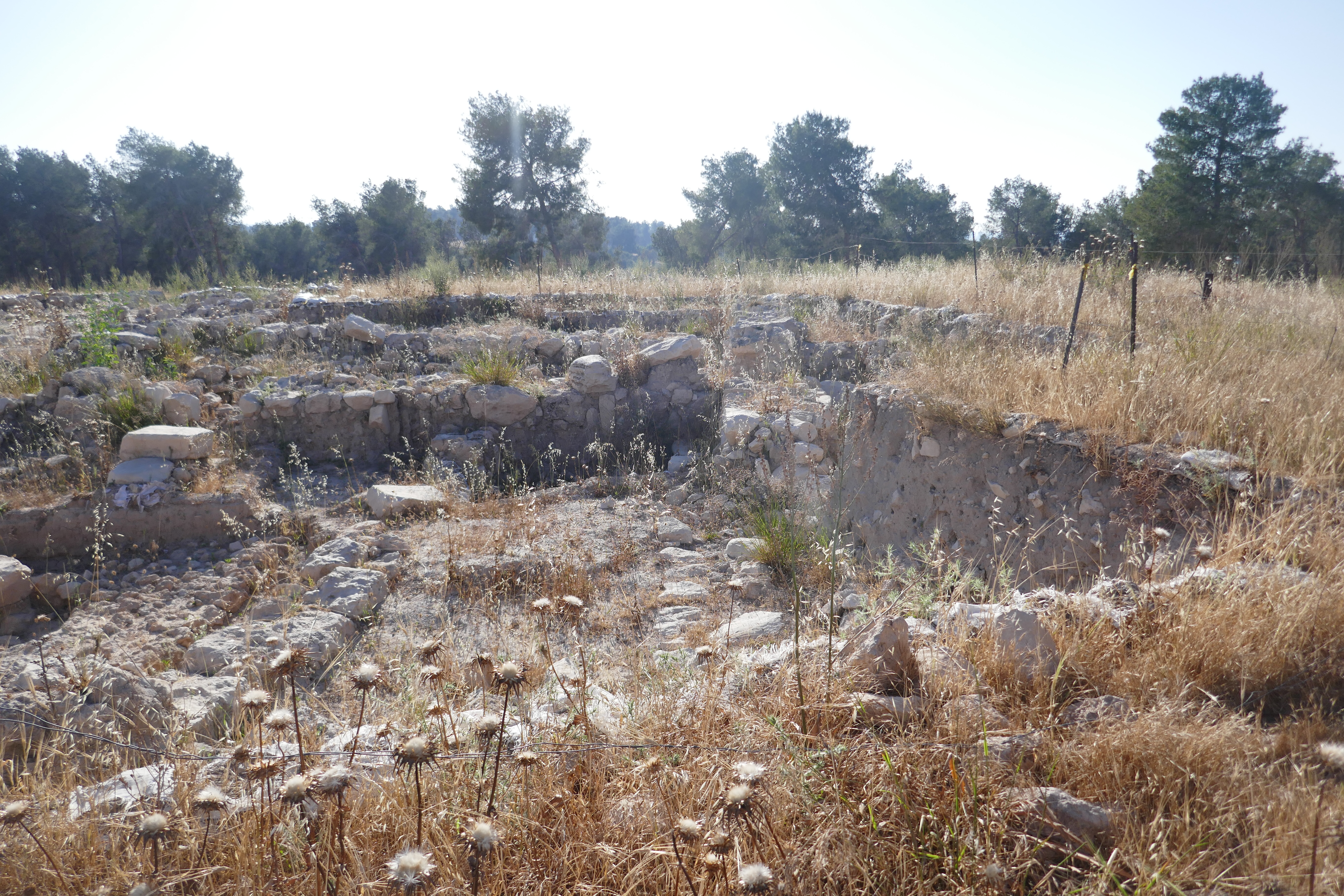
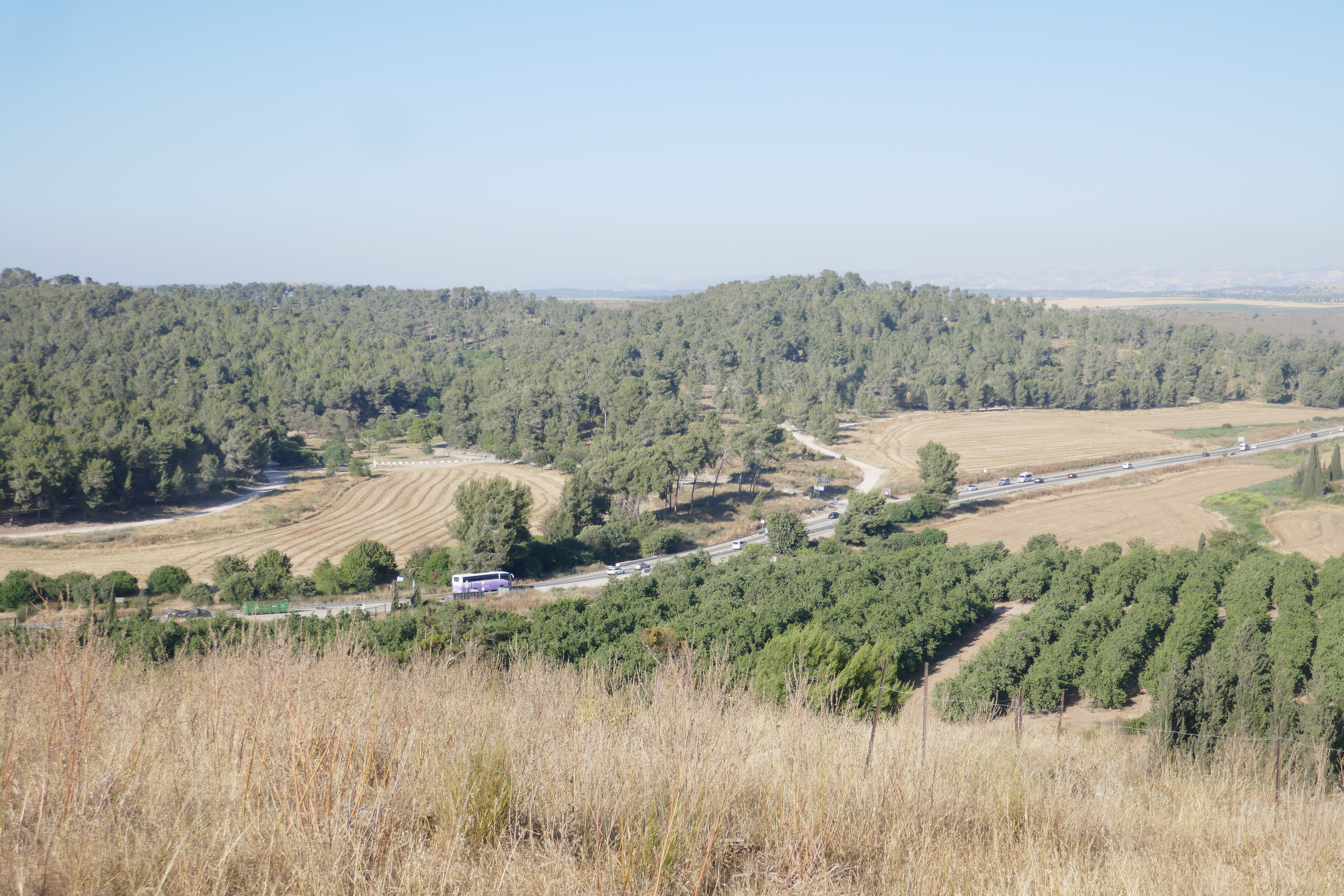
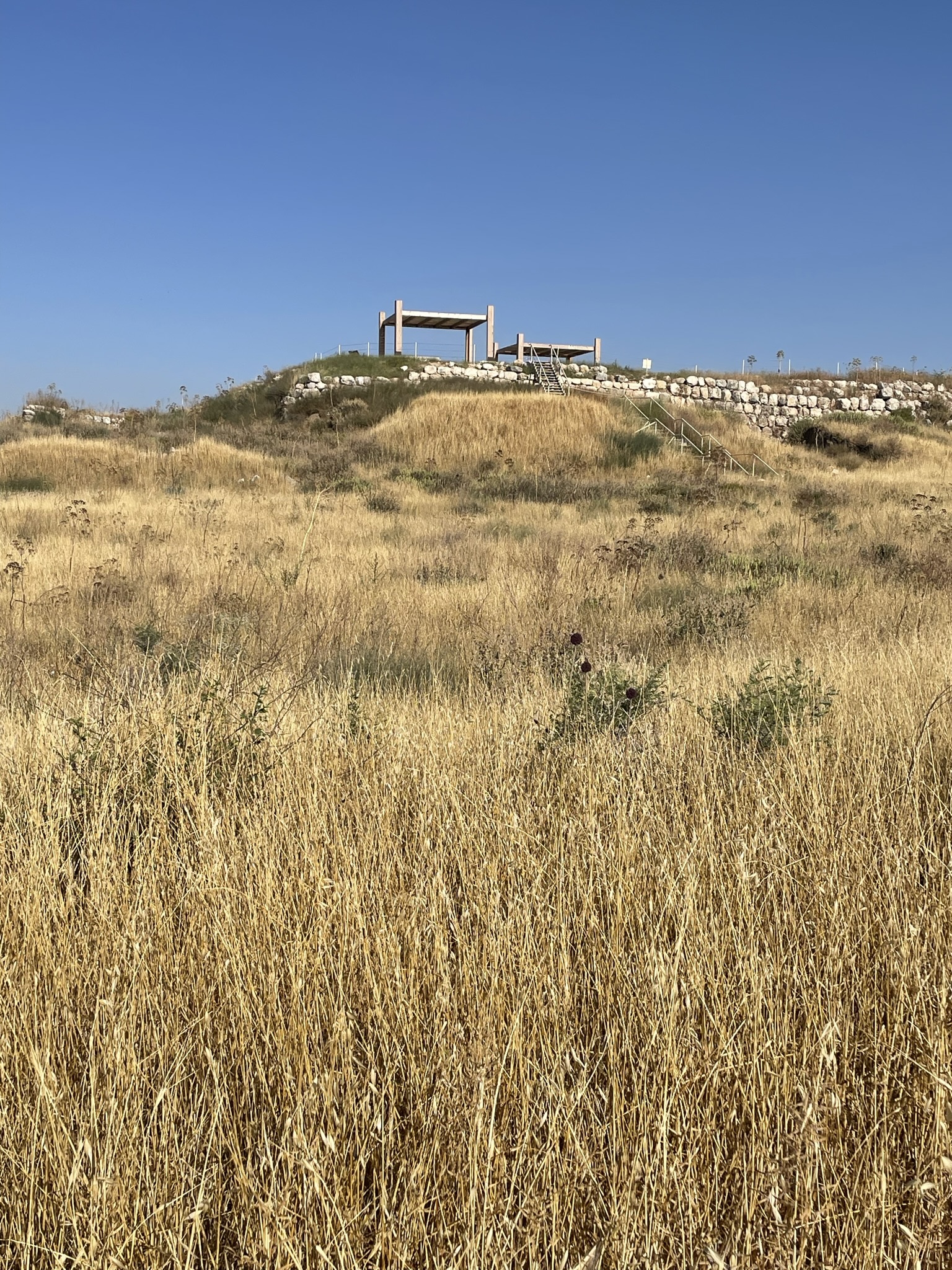
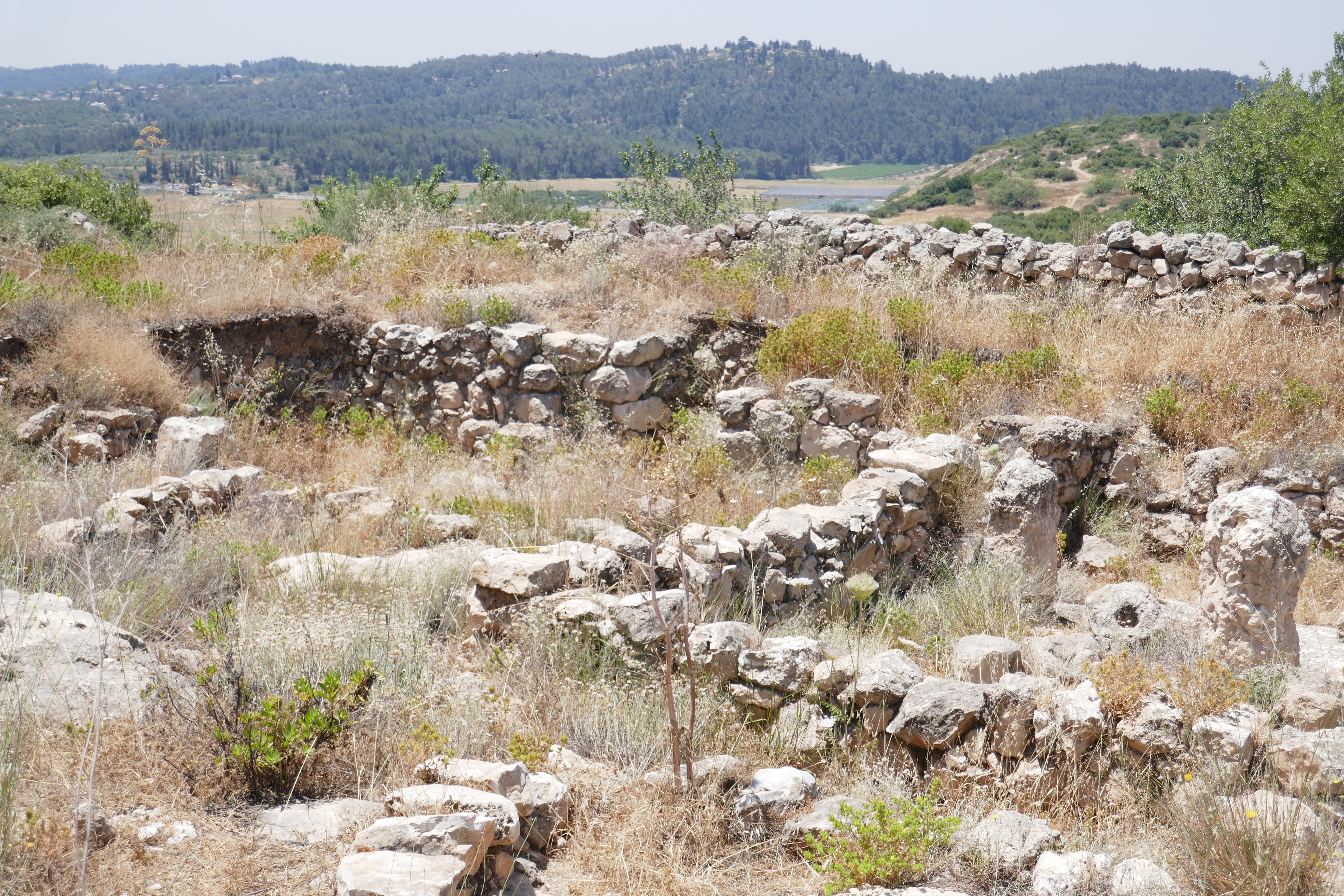
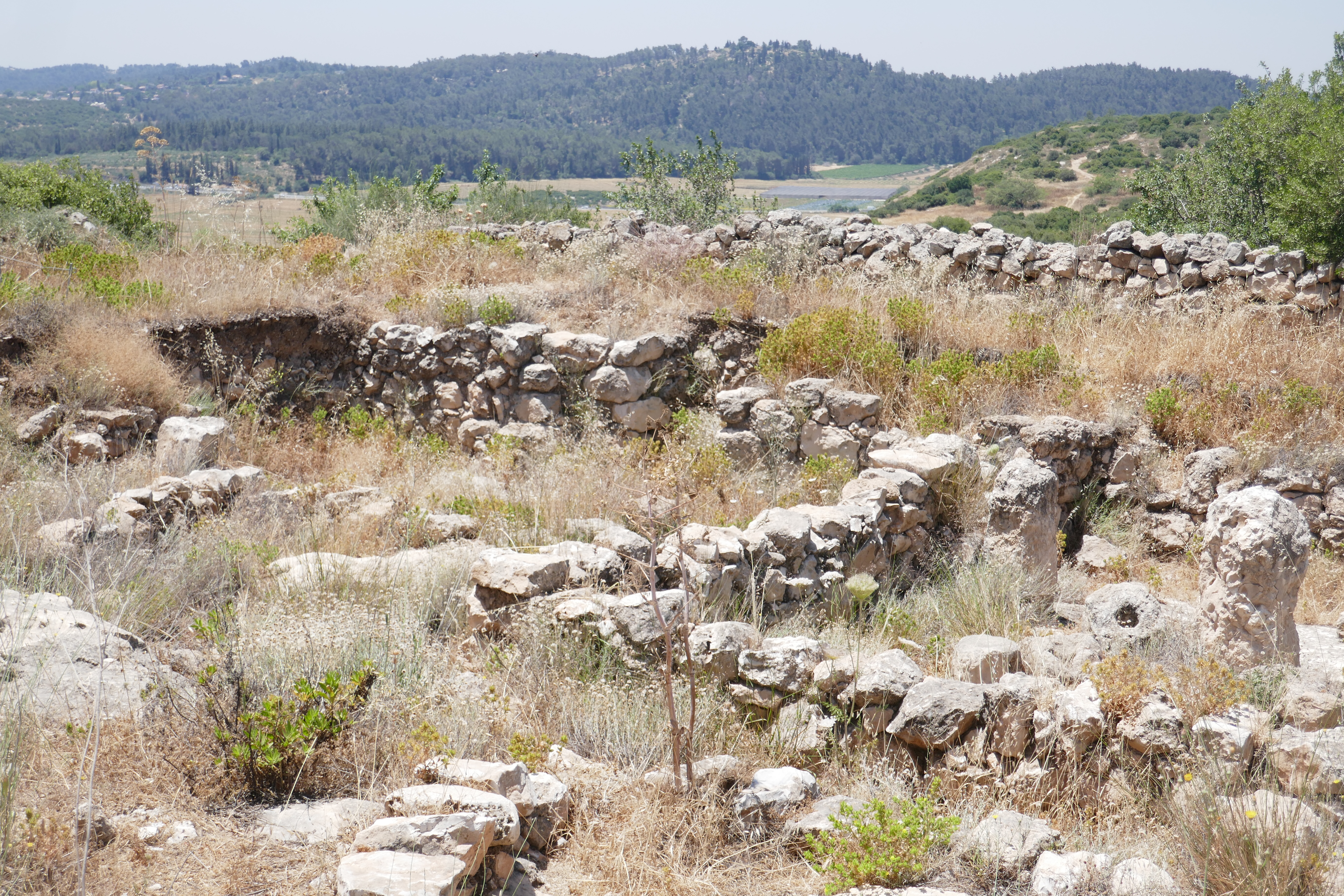
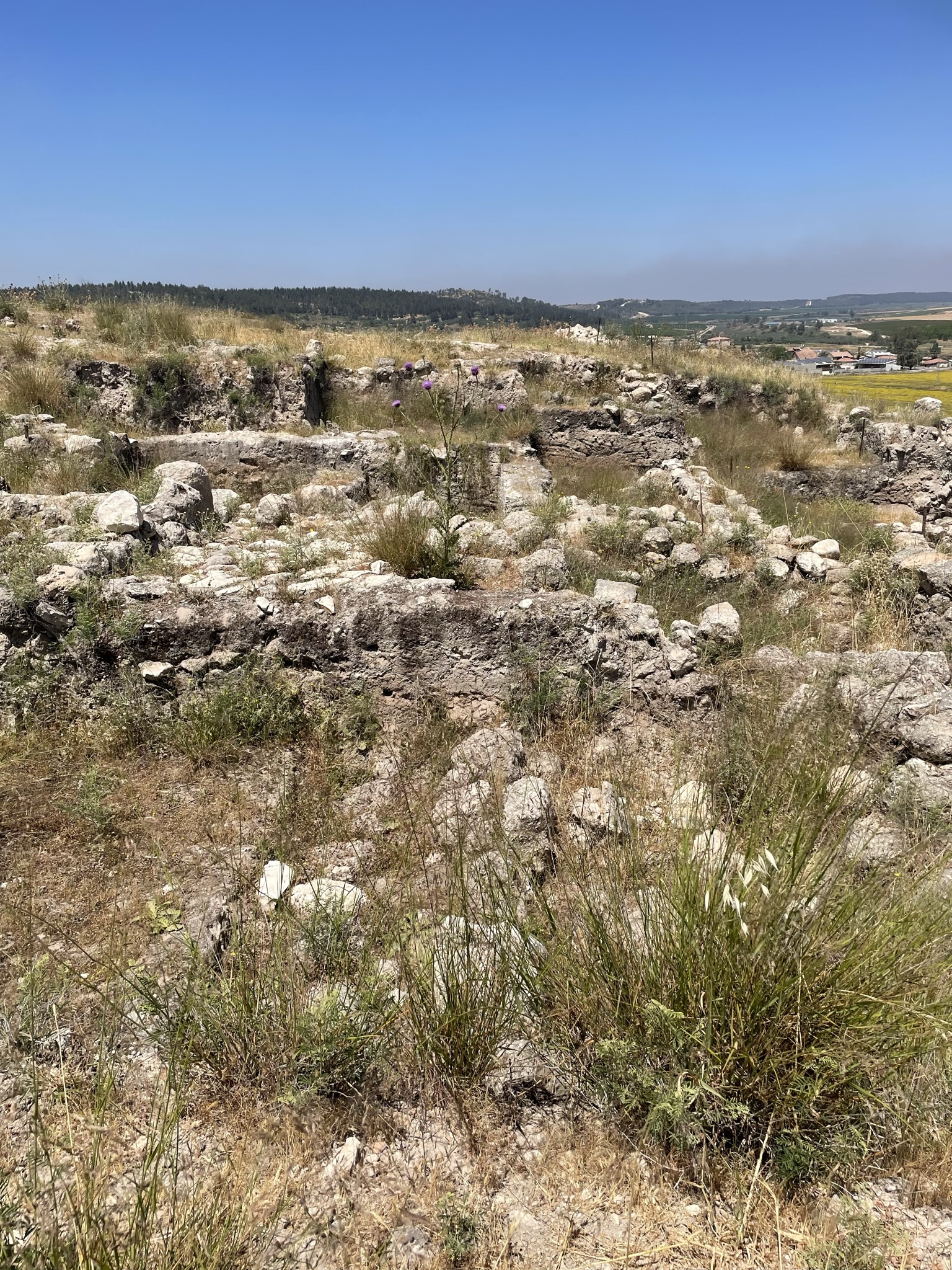
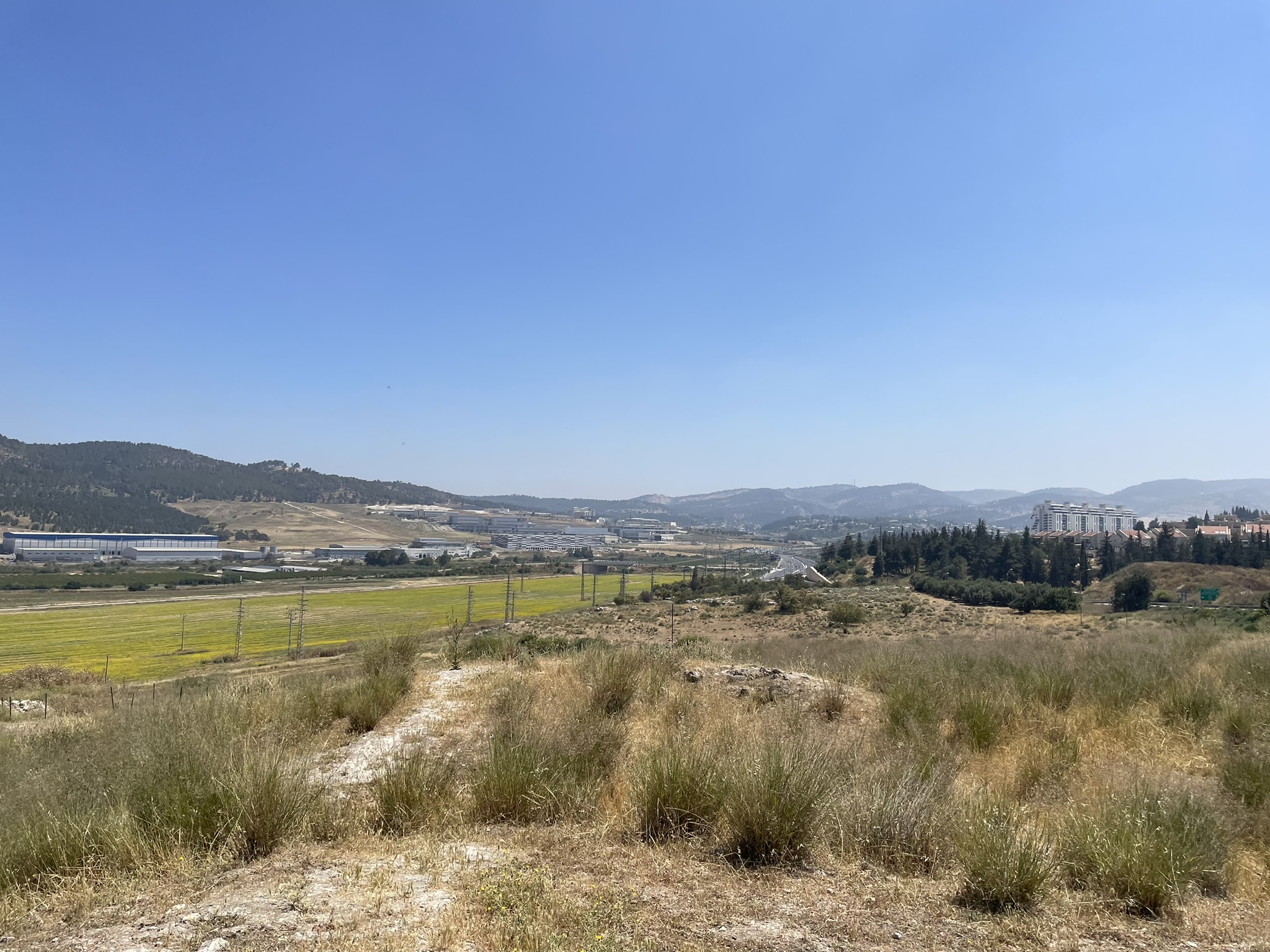
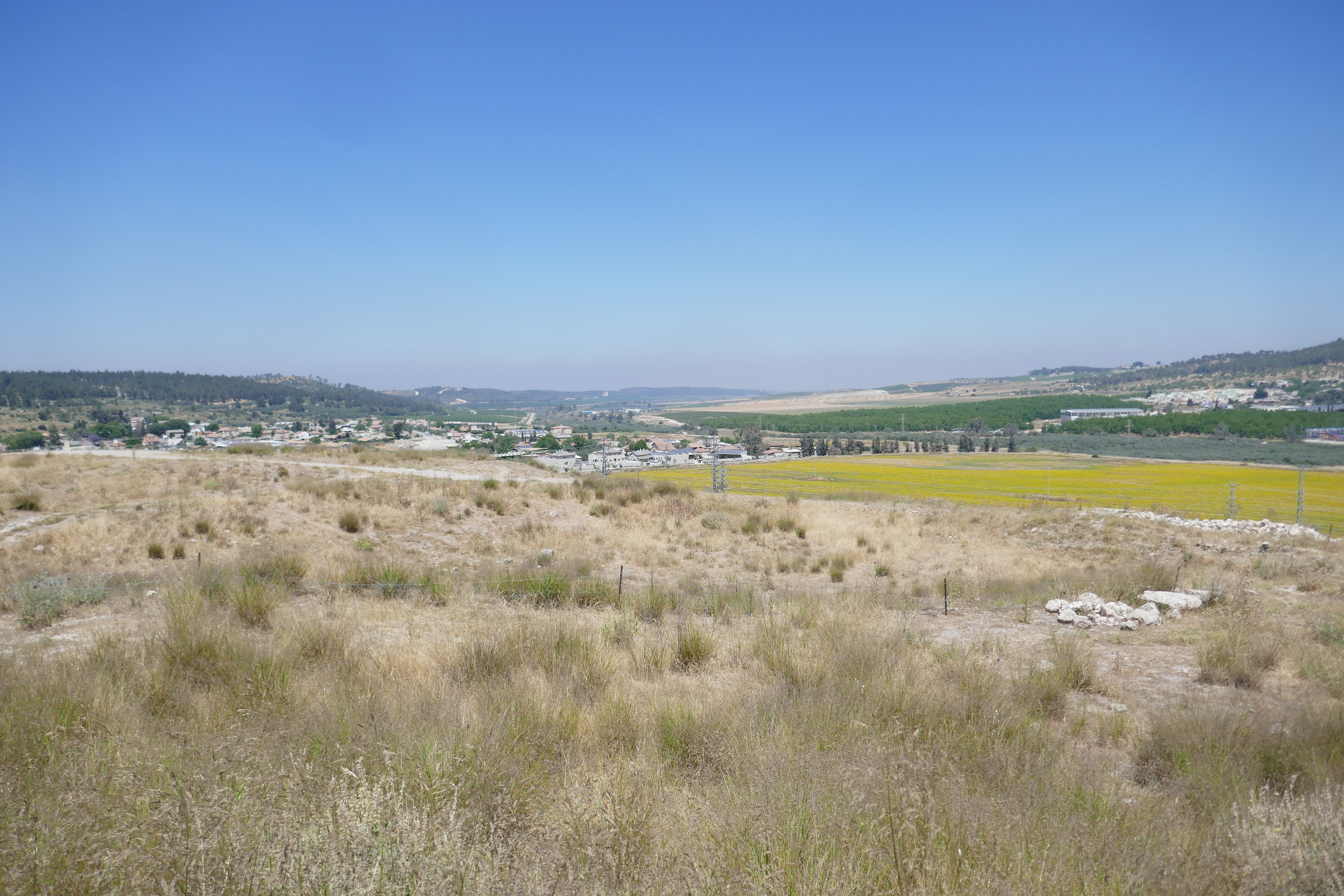
The first of the two was Ziklag. This was a little off the beaten path. Literally, we had to wait for the herd of goats to pass before we could proceed. We reached a point where the road was impassible, and from there we climbed the tel. Ziklag,  you may recall, was where David was at one point hiding out from Saul  in the region of the Philistines. Ziklag was a town given to David by Achish, a Philistine king. (See 1 Samuel 27:6) While David was out with his men on a “mission,” his wives and the wives of his men were kidnapped by the Amalekites and the city was burned. (See 1 Samuel 30)

The ruins at this site have not been fully excavated yet, but it is very helpful to put a place to a name in a Bible story. 
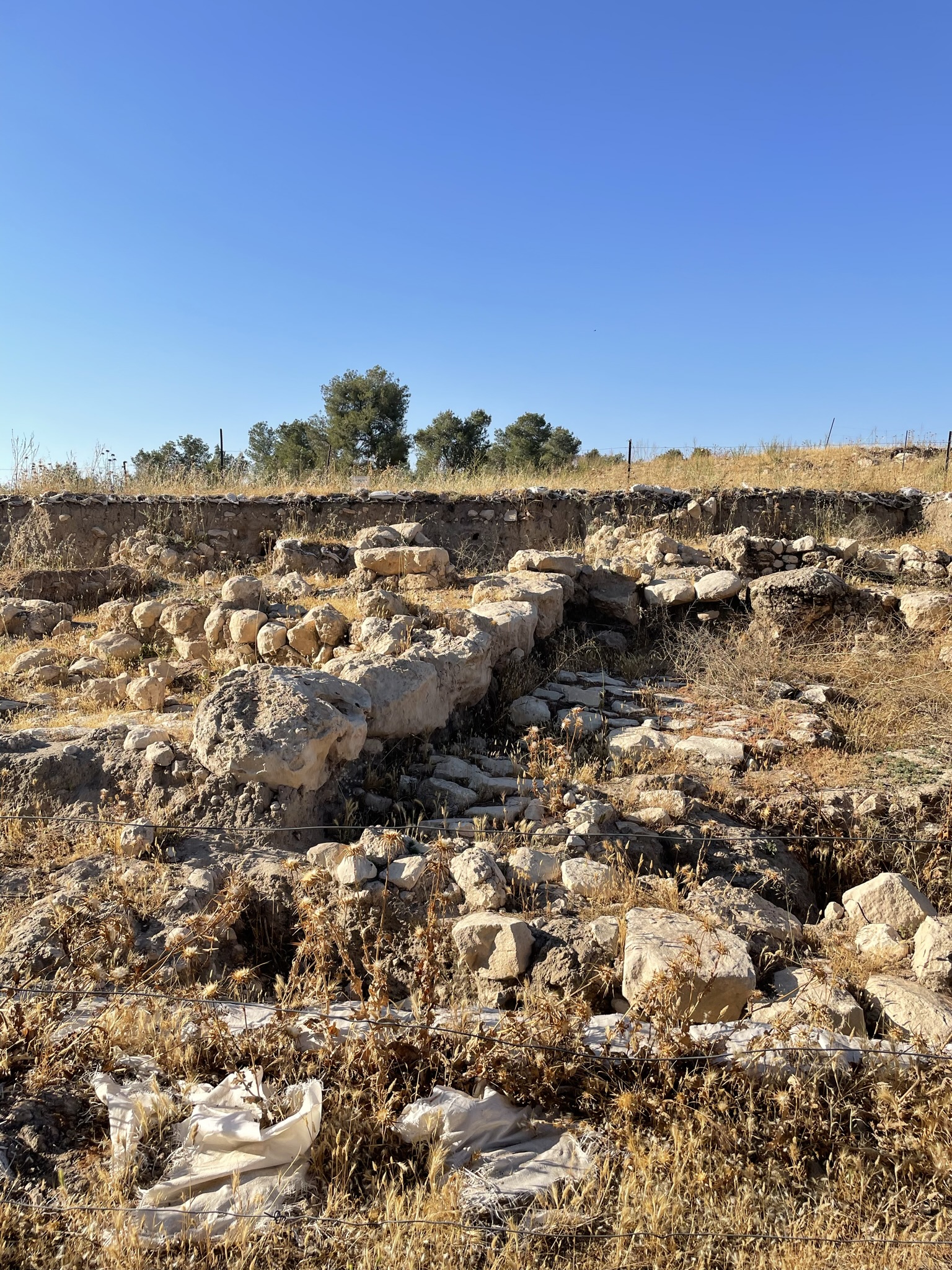
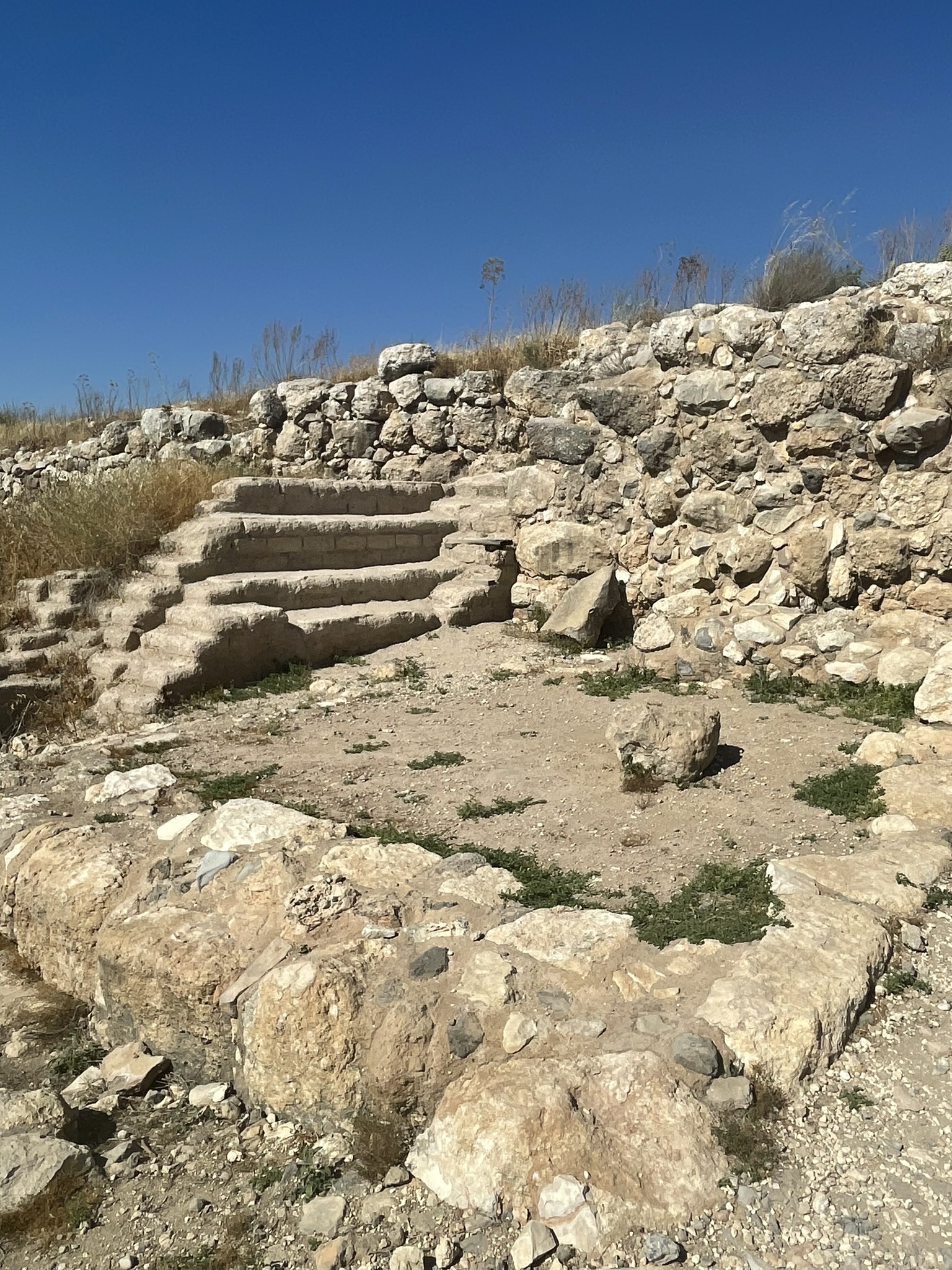
Tel Ziklag ruins

tel Ziklag Iron Age ruins
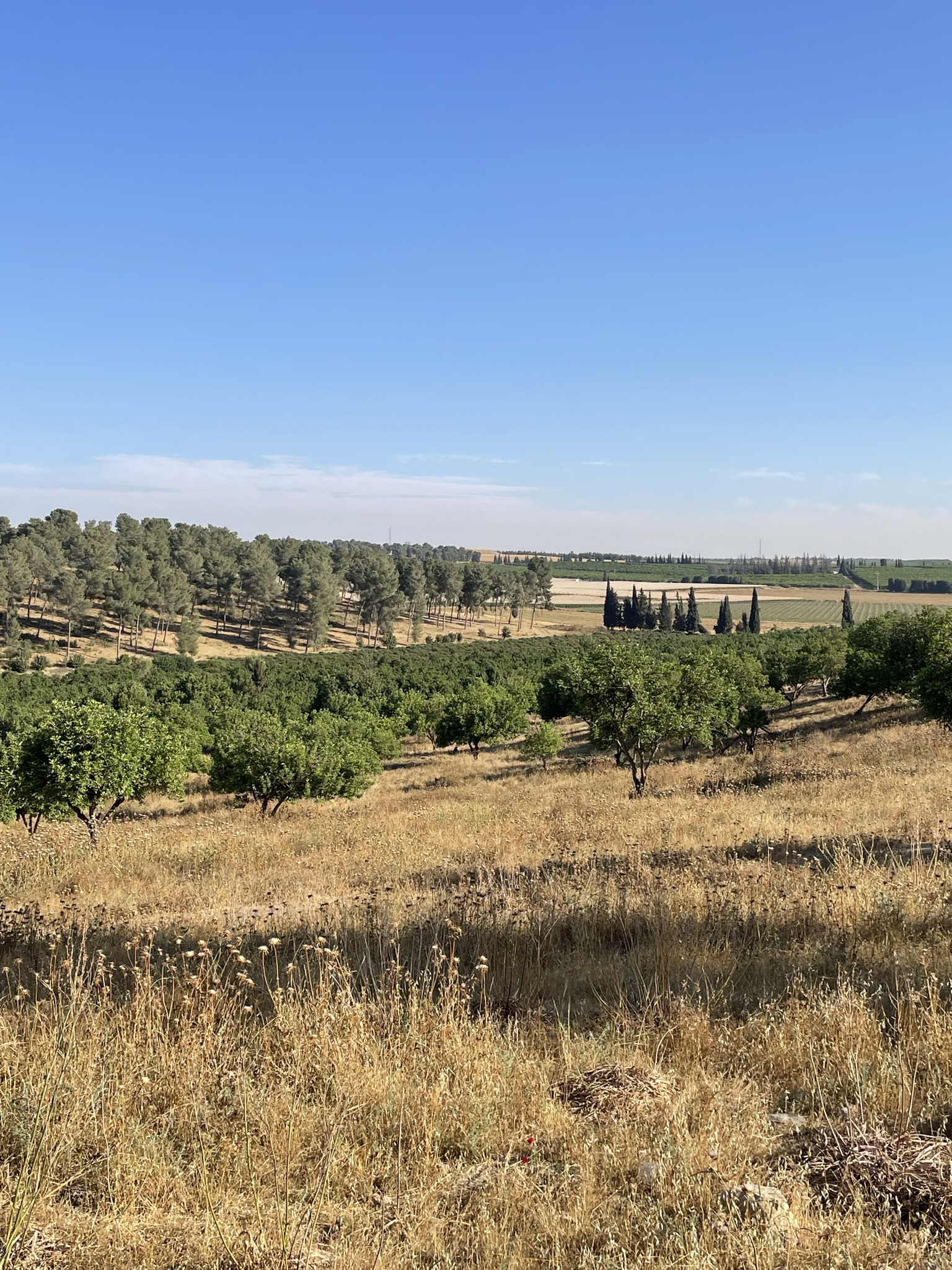
view from tel Ziklag

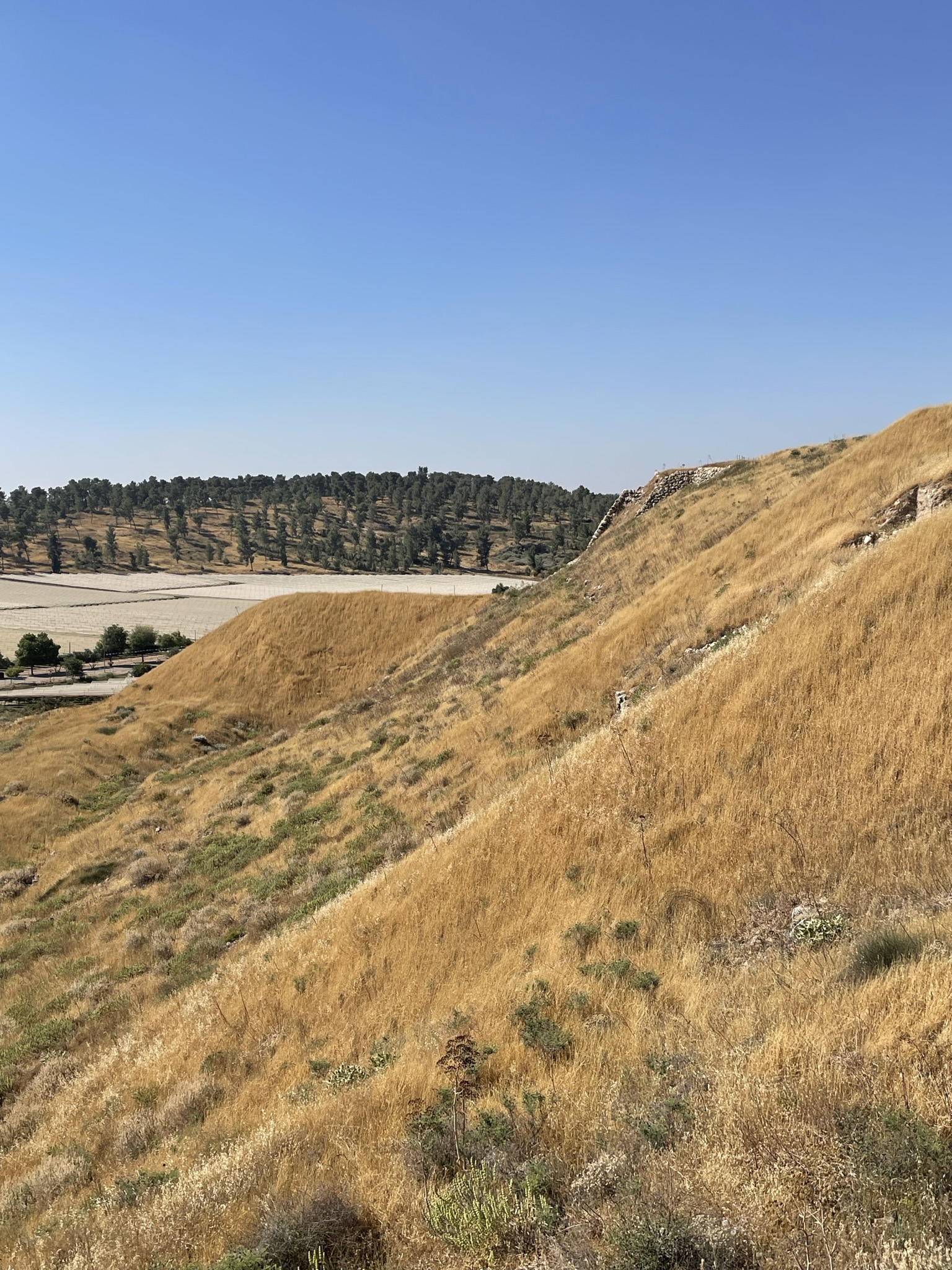
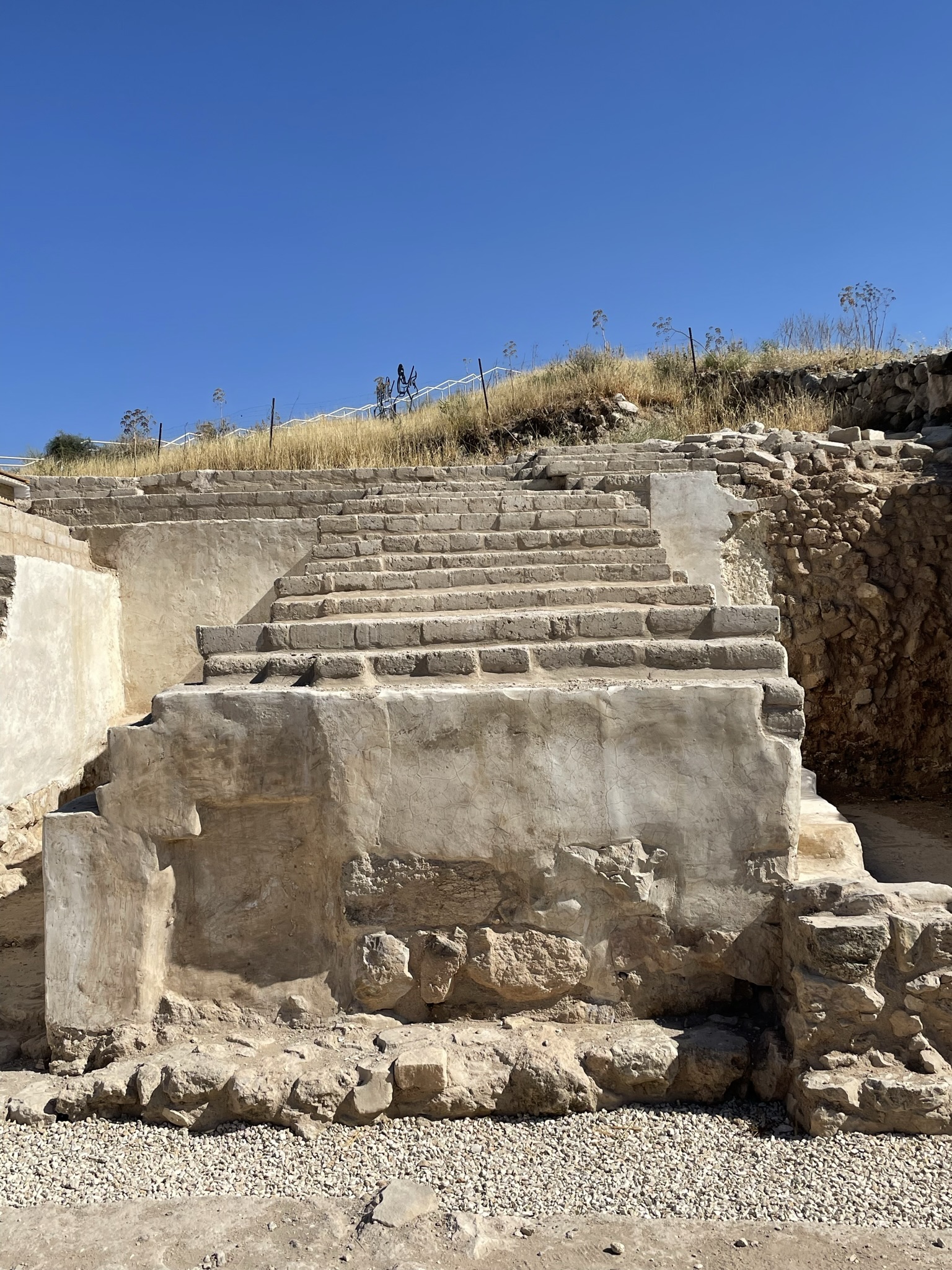
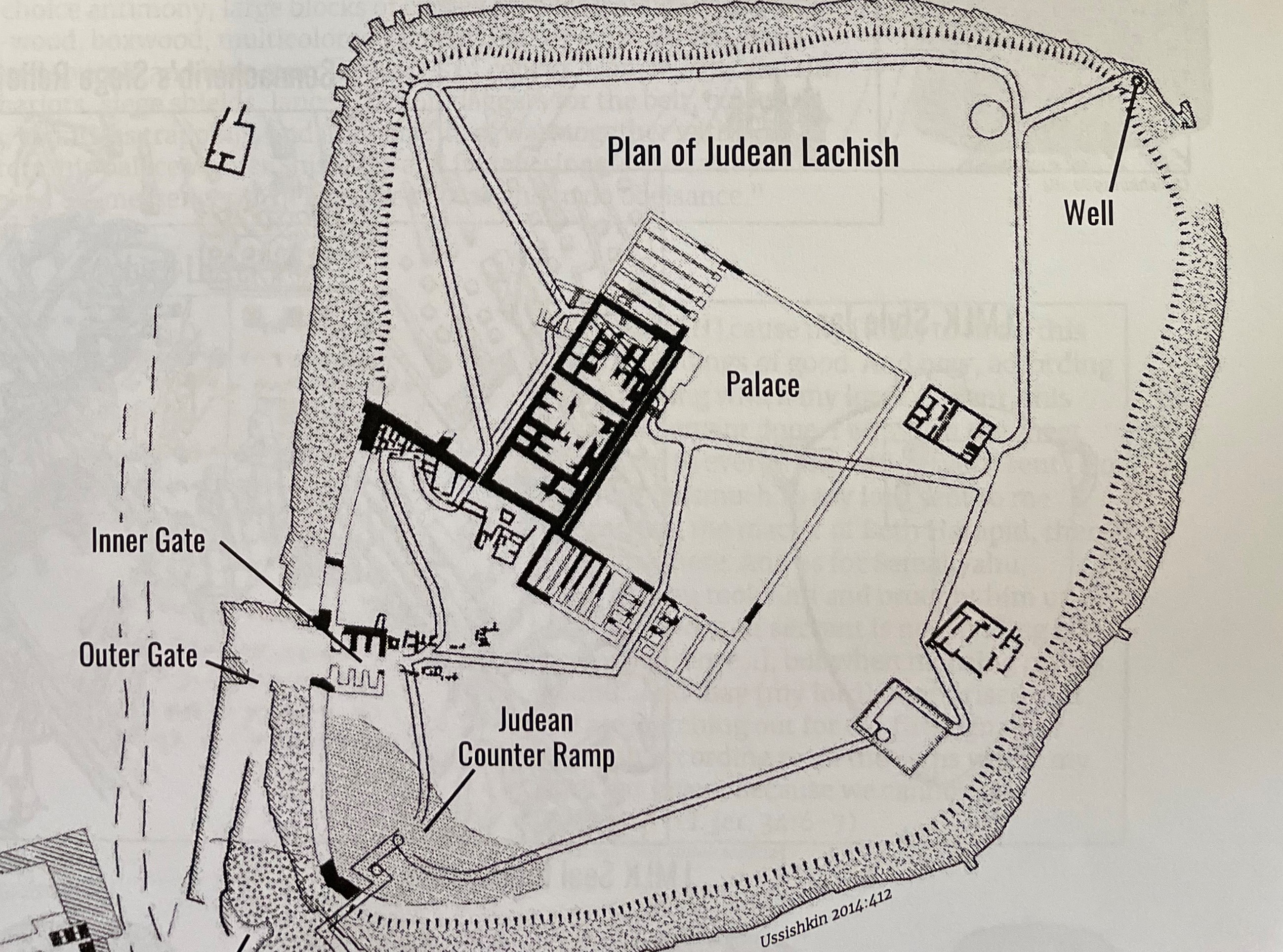
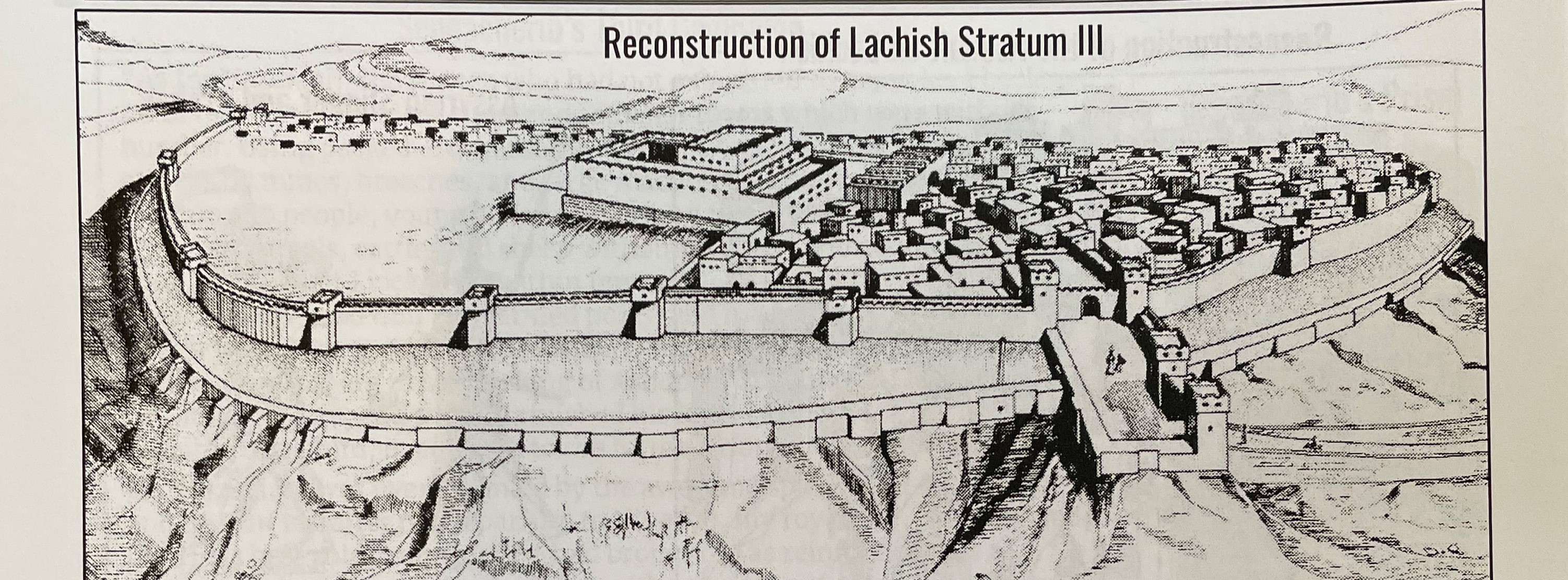
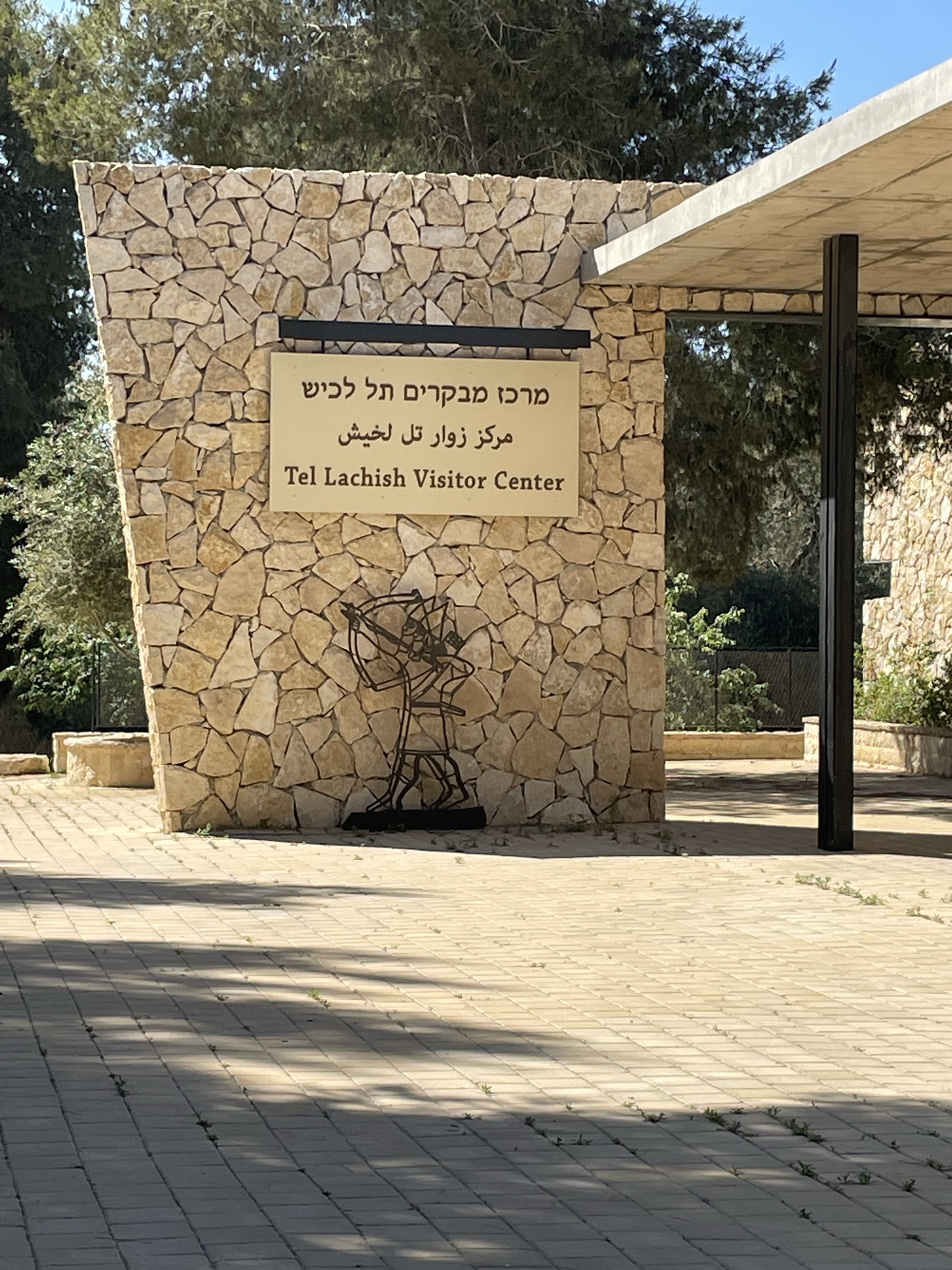
The final site of the day was another new stop on the tour. The parks service has done a wonderful job at this site. Lachish, you may recall from Bible history, was a great city of the Canaanites even before it was occupied by the Israelites. It is known as one of the fortified cities of Hezekiah, a city that was under siege by Sennacherib, king of Assyria, in 701 BC during the reign of Hezekiah, King of Judah. Lachish was, at the time, a highly fortified city, virtually impenetrable–or so it seemed. It had thick, tall walls, steep ramparts, and a well-fortified gate complex. The Assyrians were formidable foes, building a siege ramp against the ramparts of the city. Their custom was to use locals from surrounding towns and villages that they had already captured to build the ramp to discourage attacks on the builders. The residents of Lachish built their own counter-siege ramp, the remains of which can still be seen. To look up the siege ramp is to take in the amazing defenses of the city and to also know that they could see their end coming–closer and closer, day by day. The Assyrians were known to be such brutal enemies that some surrendered without opposition. This was not the way of the Israelites. They fought courageously until the end. 

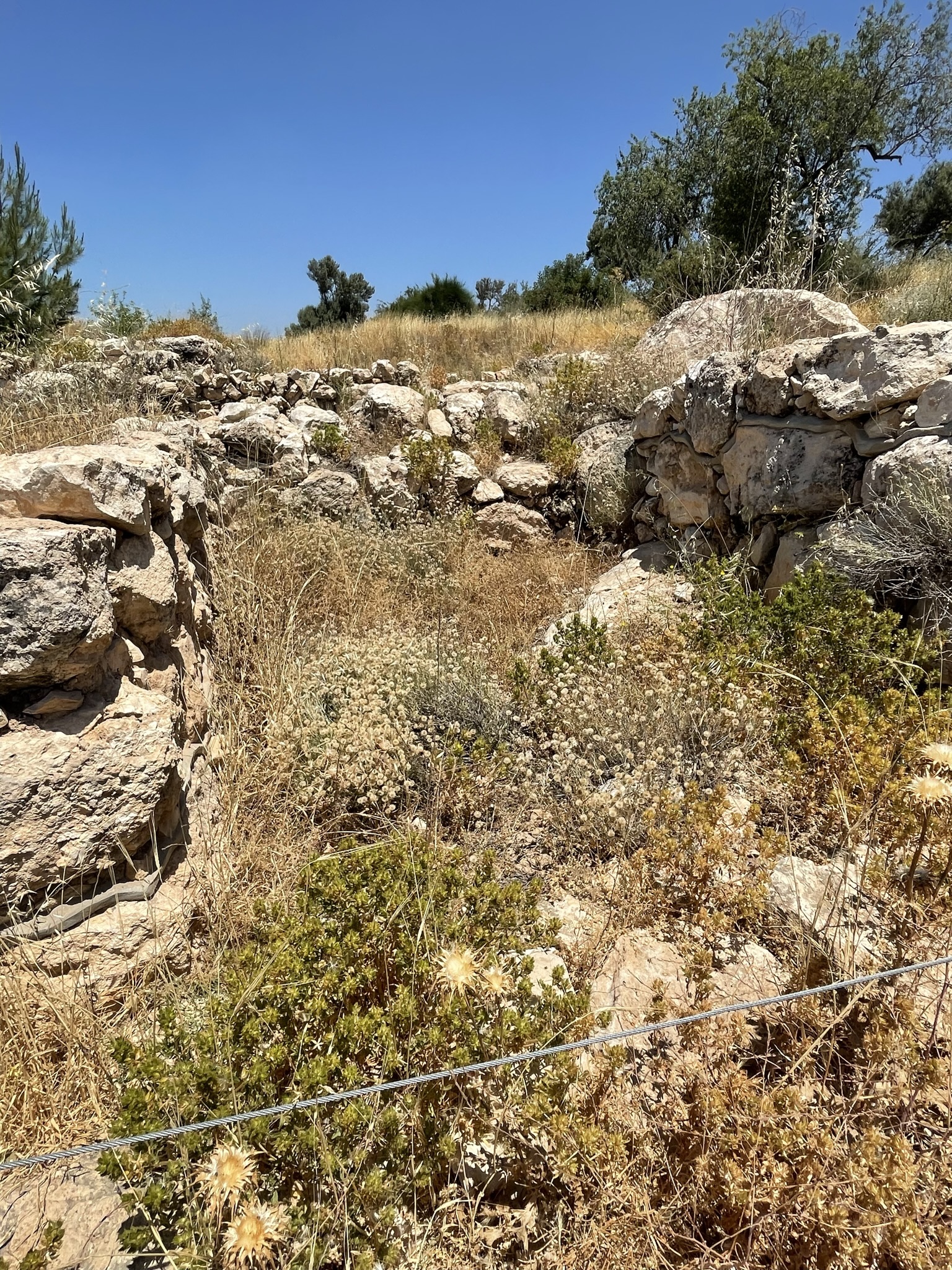
The tel at Lachish is quite extensive. The remains of the royal palace can be seen with a large open area believed to have been used for horses and chariots. 

This site is a must-see and hopefully, we can add it to our future tours.
Assyrian siege ramp at Lachish

Walls of city of ancient Lachish

Rampart of city

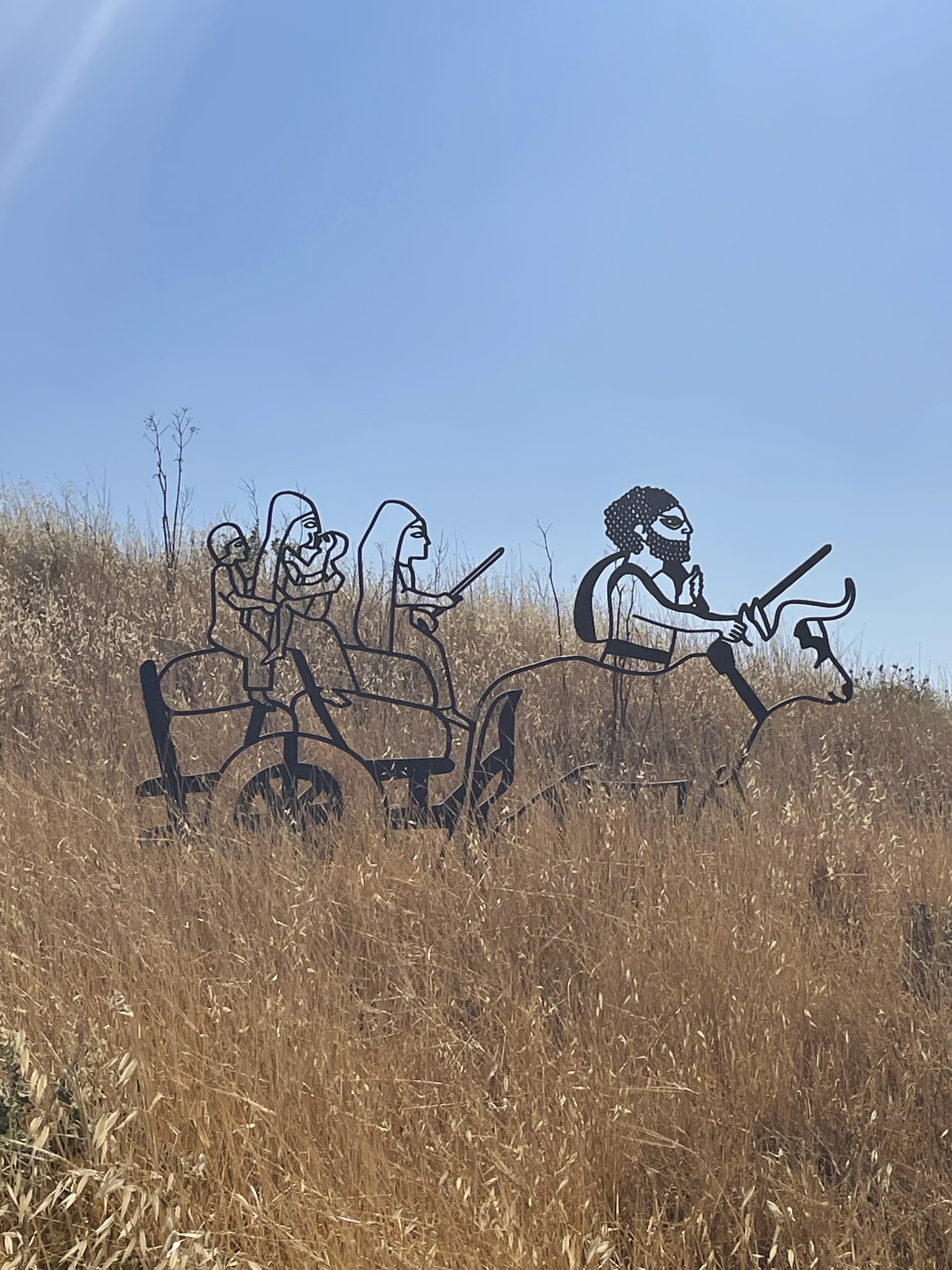
Judeans fleeing Assyrians
outer gate at Lachish

Gate structure – with niche
Gate structure – Lachish
View of the expanse of the city of Lachish (much remains to be excavated)
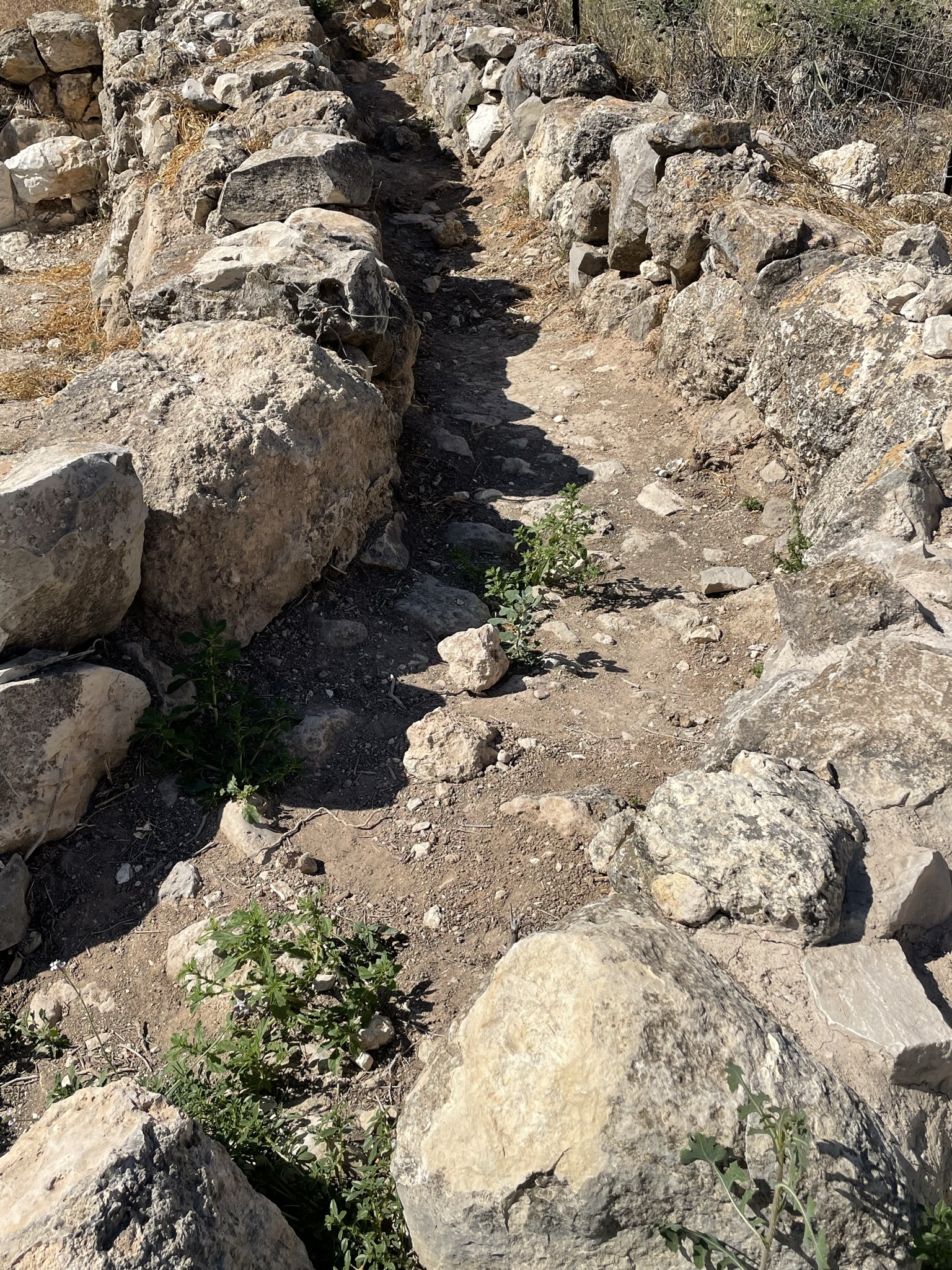
Part of water system at Lachish

Believe it or not, we are still on day one of the tour. We had action-packed days for most of the tour. Day one offered some really interesting new treats.

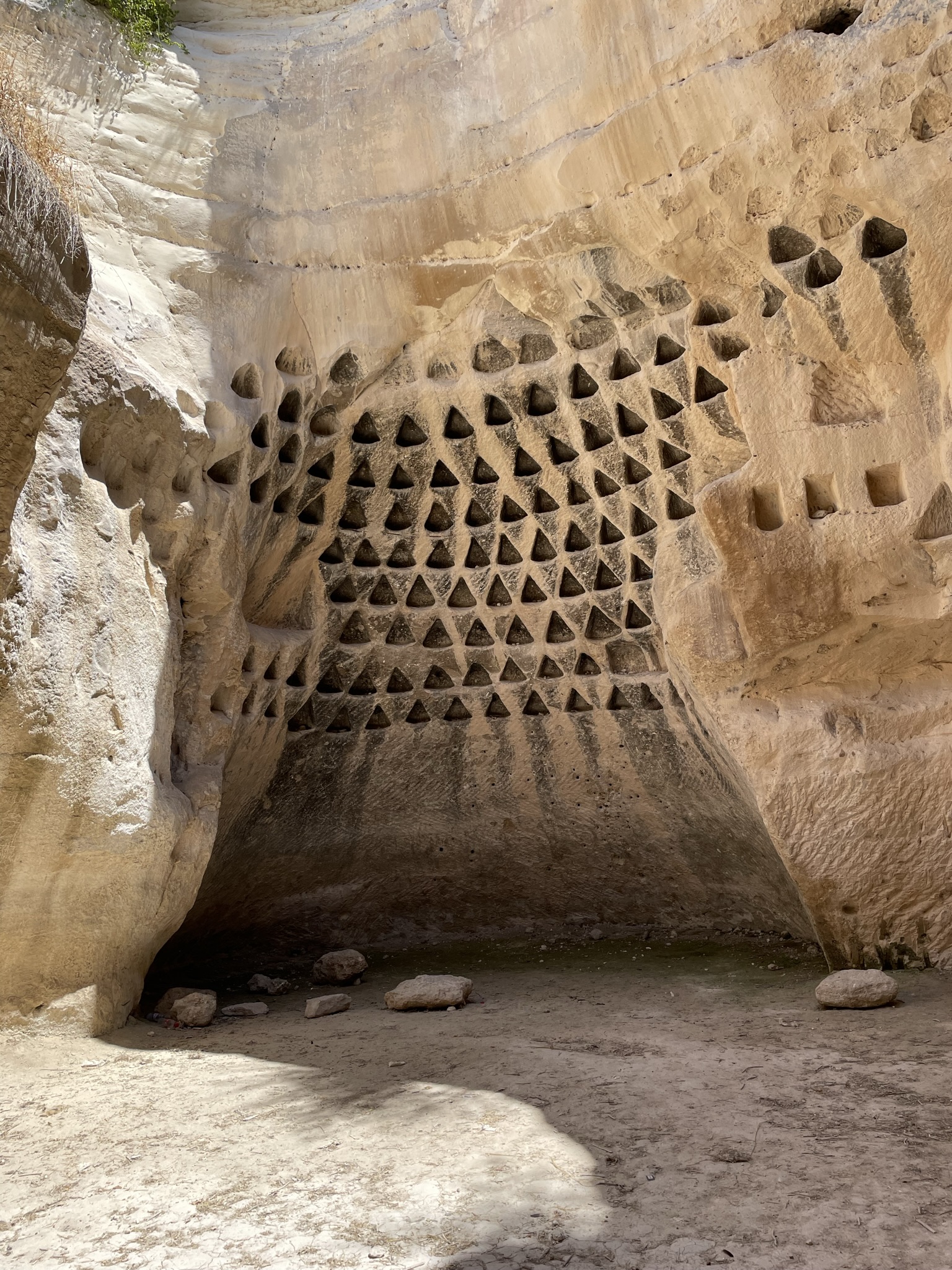
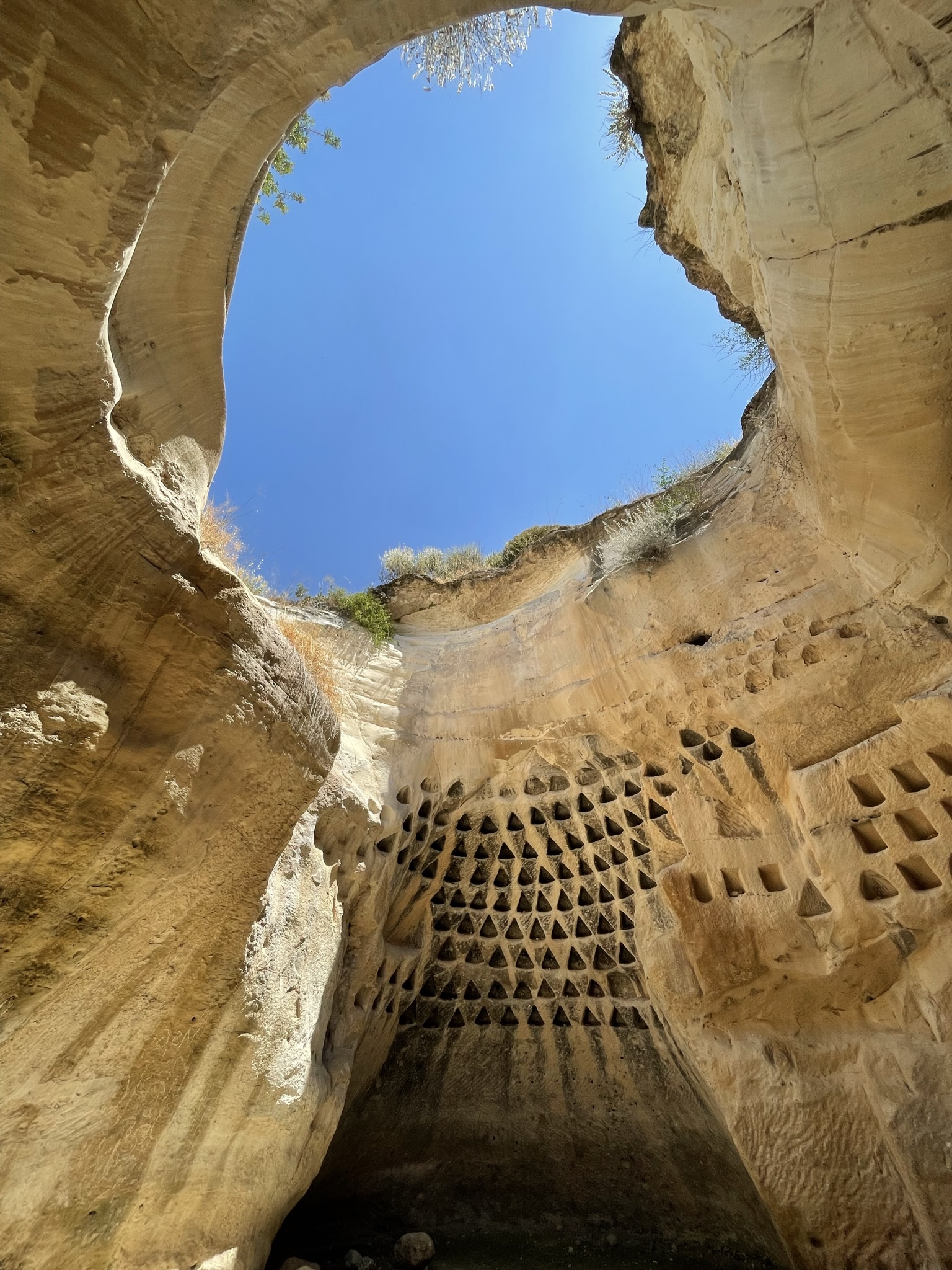
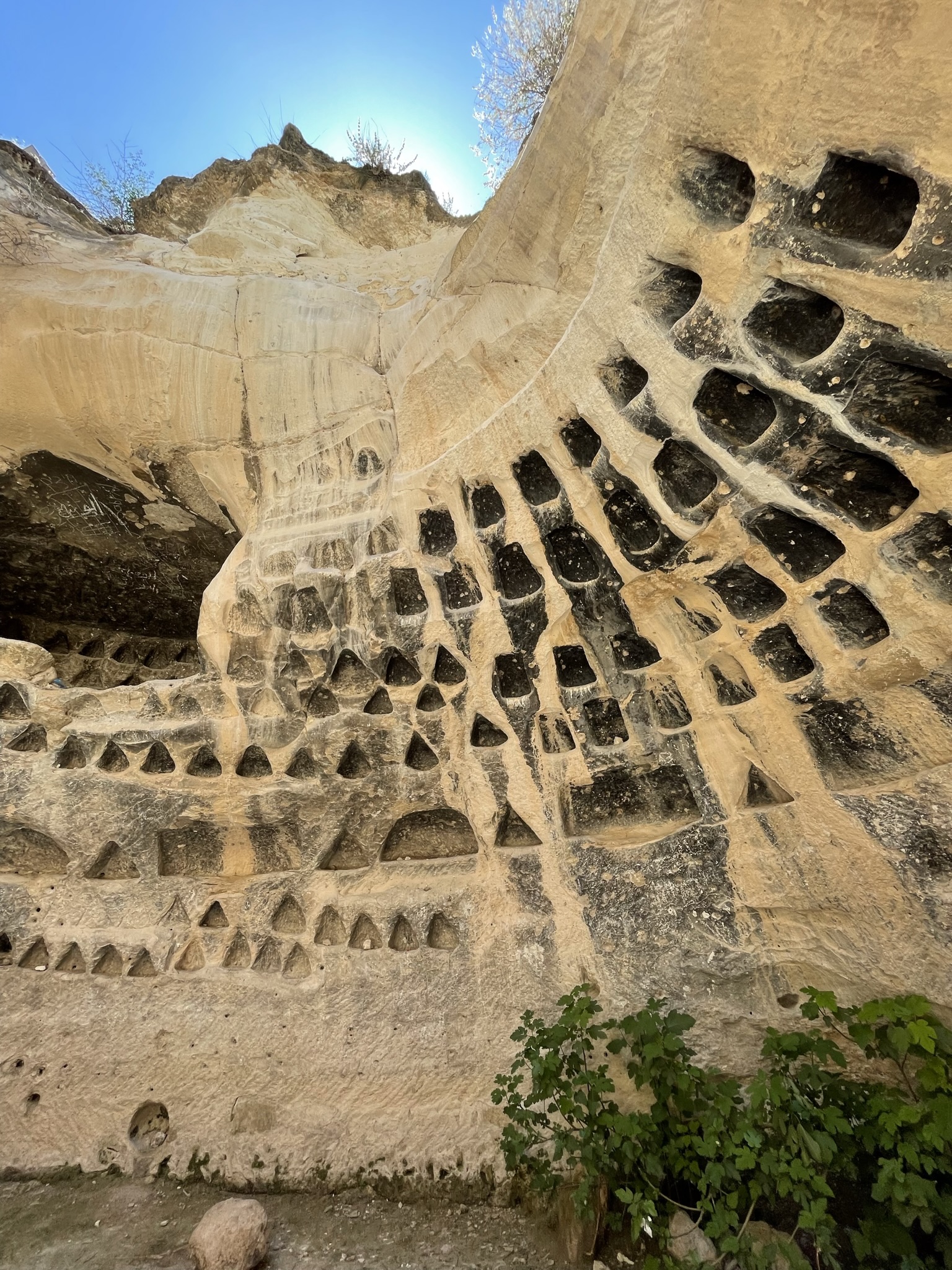
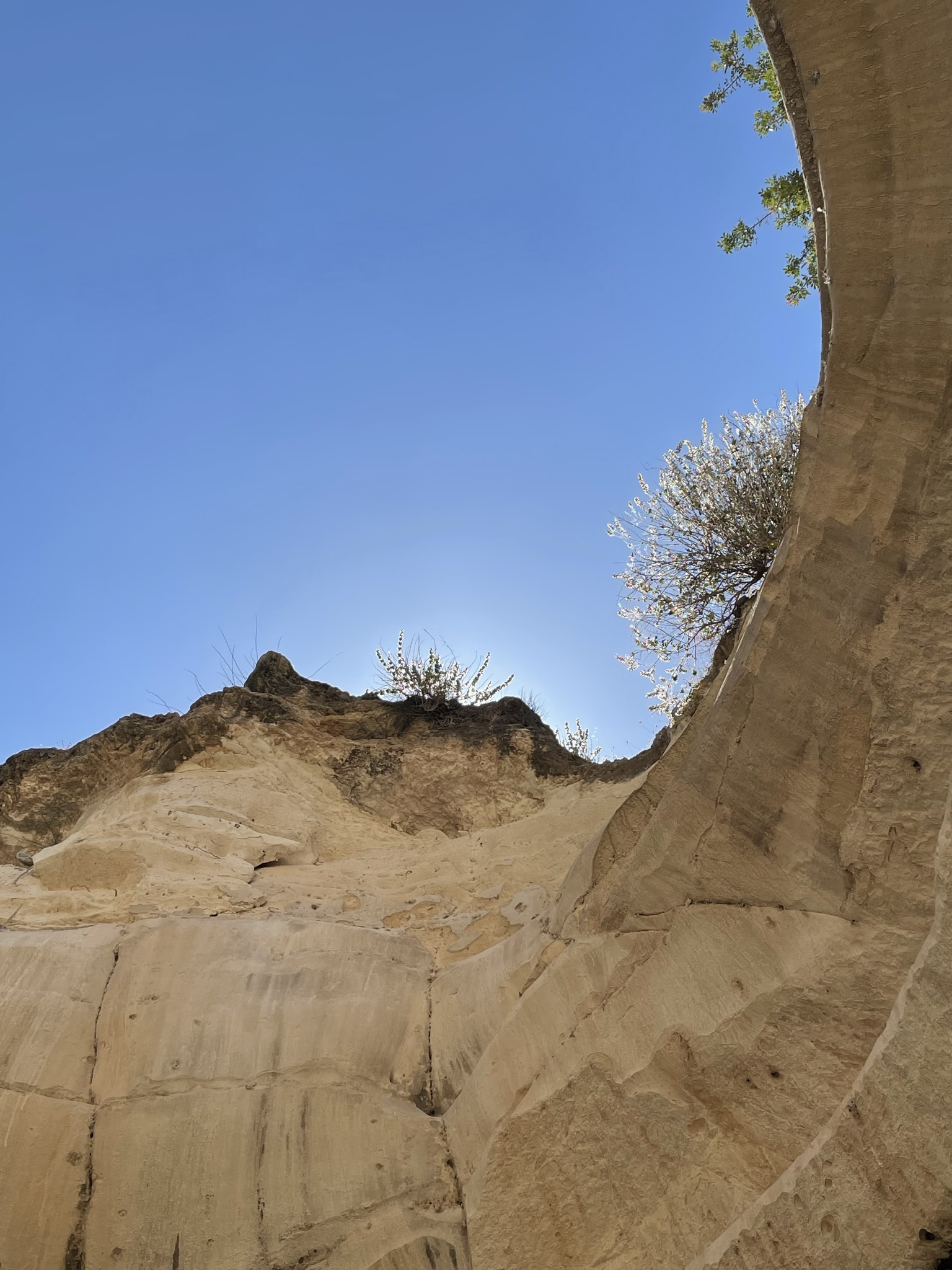
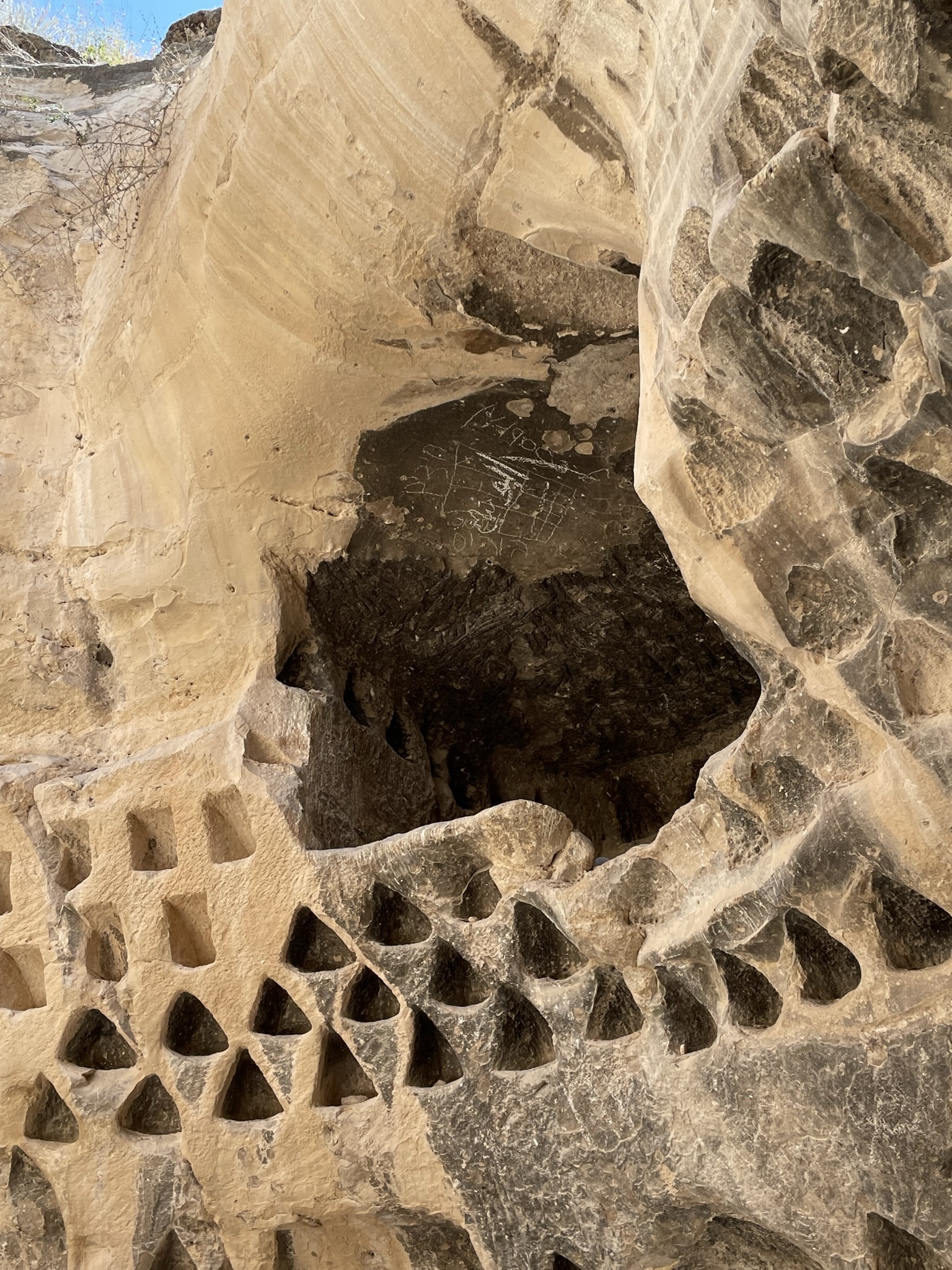
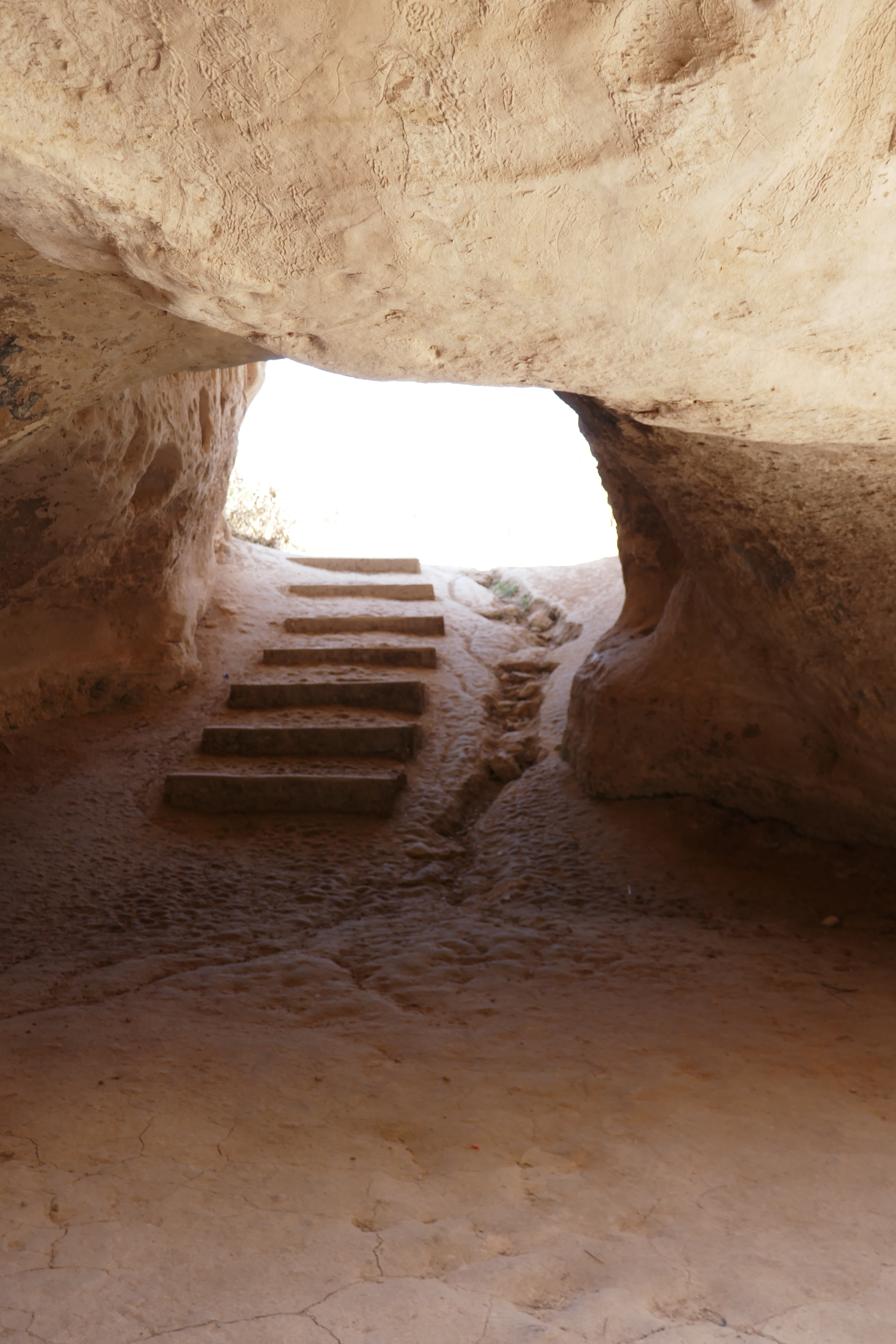
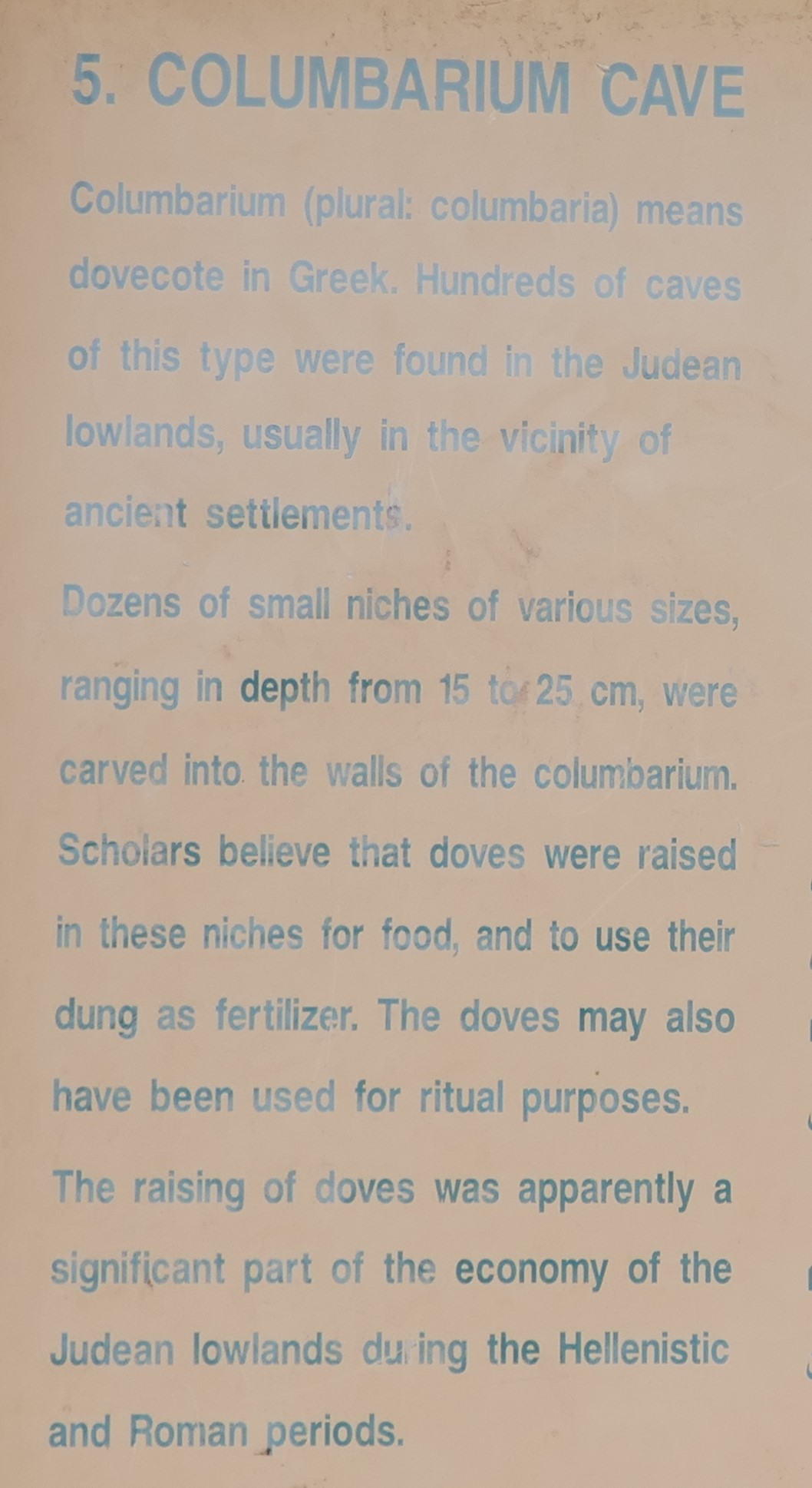
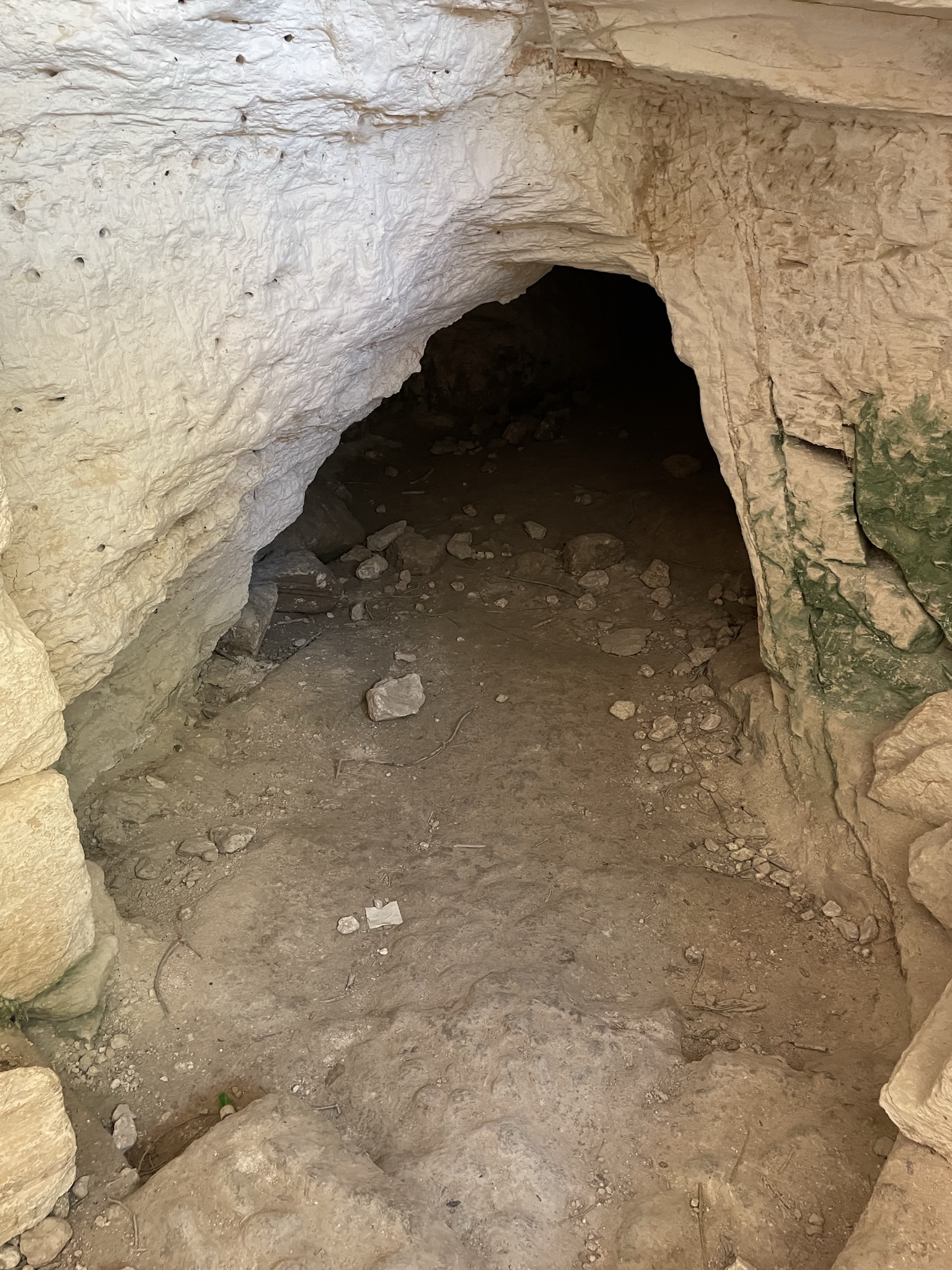
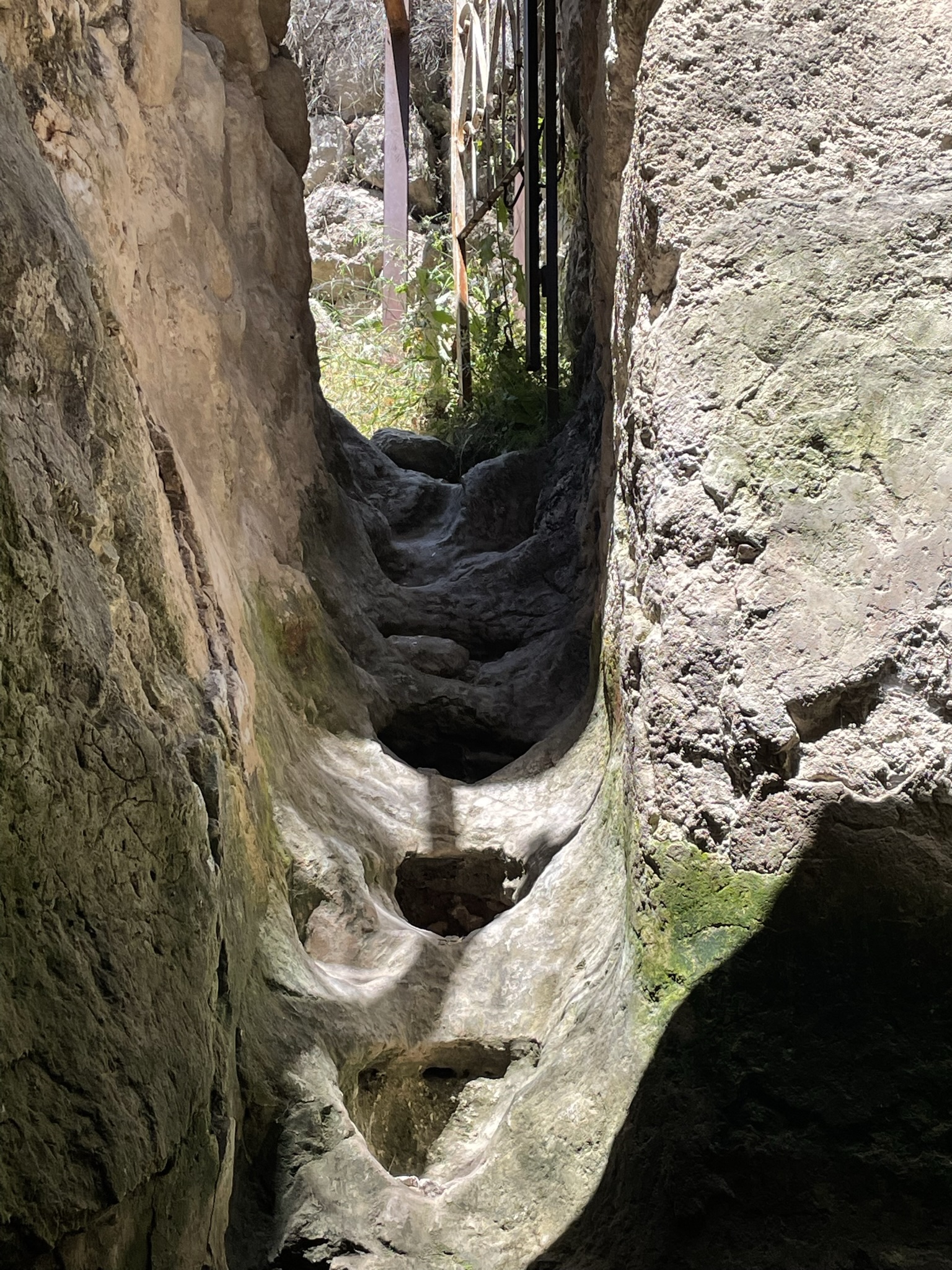
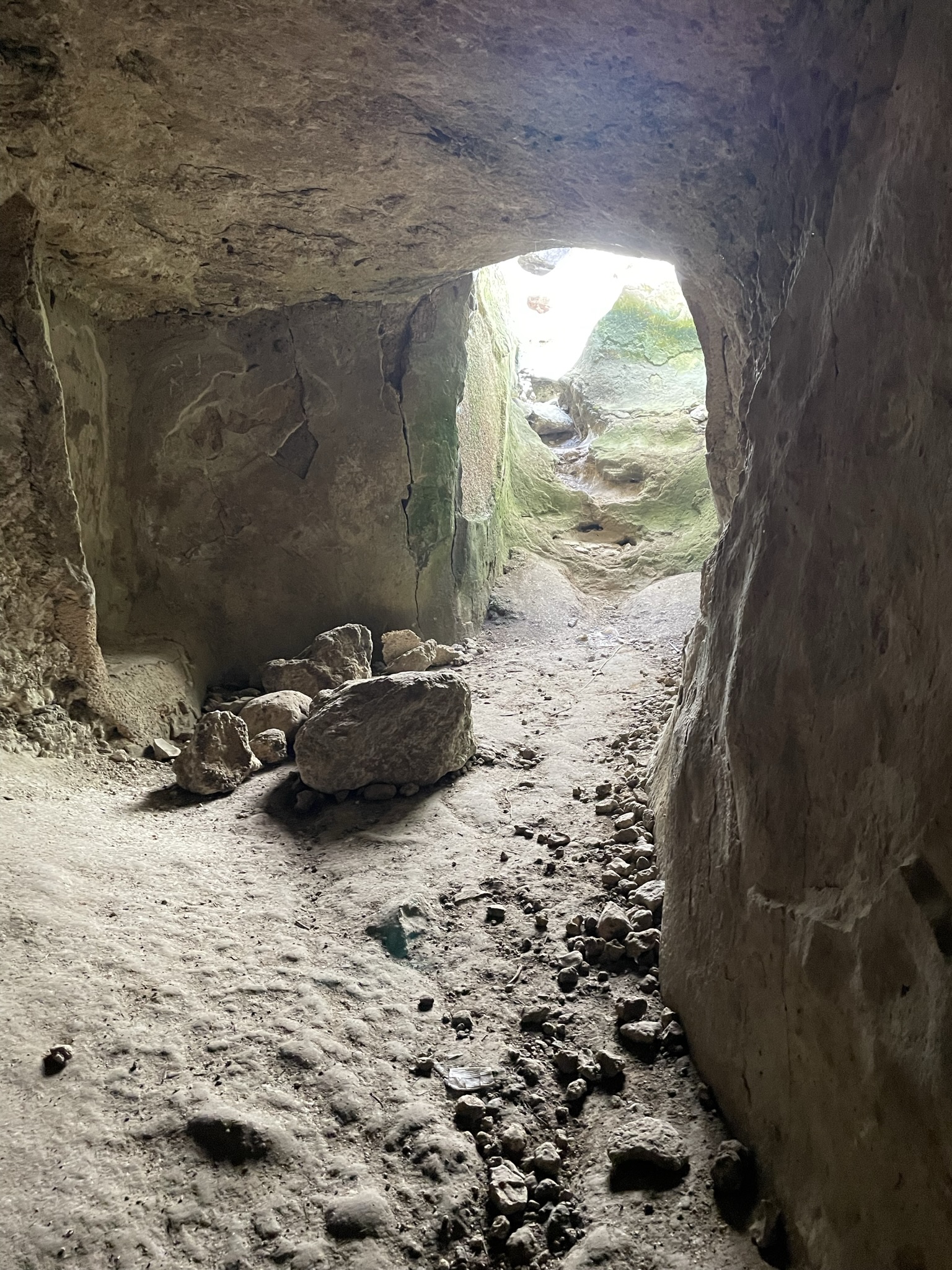
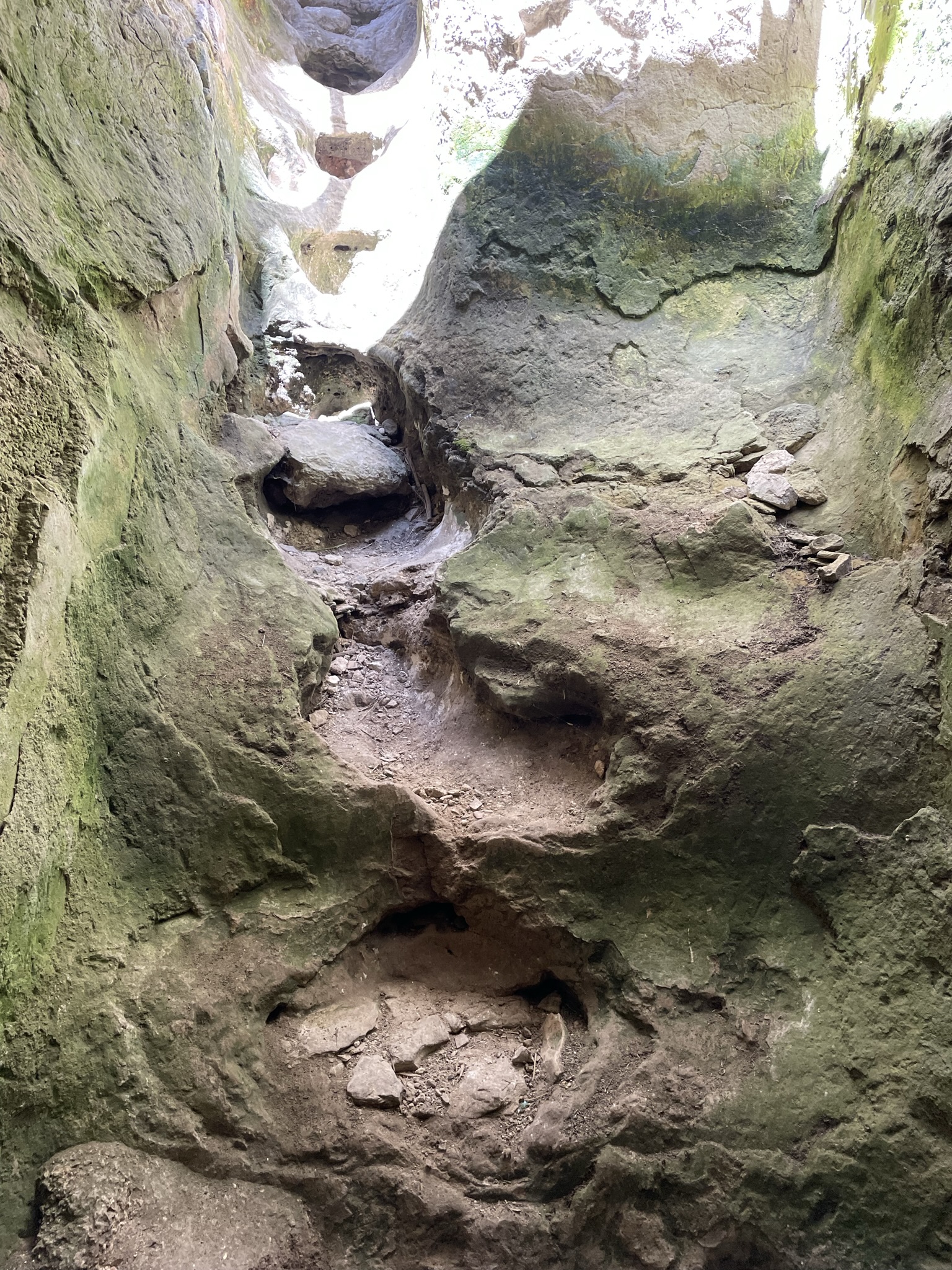
Dovecotes

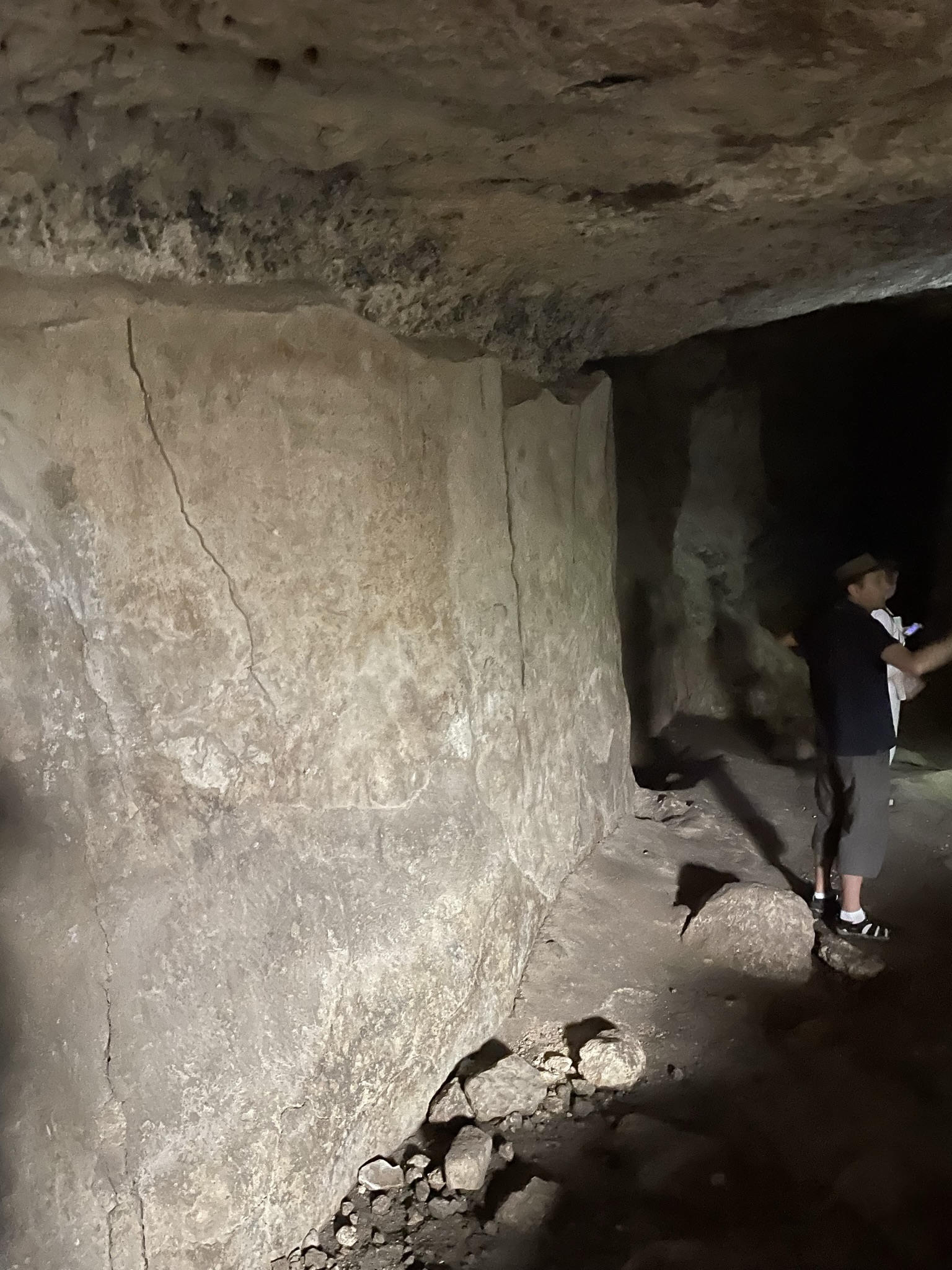
As you may be aware, at the temple in Jerusalem, if one could not afford to offer a lamb or goat, one could often offer a bird such as a turtledove or pigeon instead. The birds had to be raised in a way that would make them acceptable for offering in the temple. The place for doing so would naturally need to be within a reasonable distance from Jerusalem to allow travel there without risk of birds dying. Not far from tel Beit Shemesh and tel She’ayarim, there is a dovecote that dates to the first temple period. It was carved out of the soft limestone found in the area. It is visually quite a lovely place. Quite off the beaten path for big buses I would think, but worth a visit if you can.

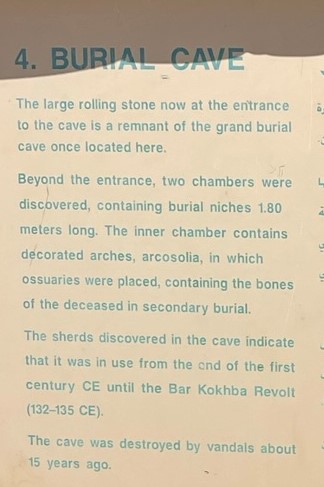
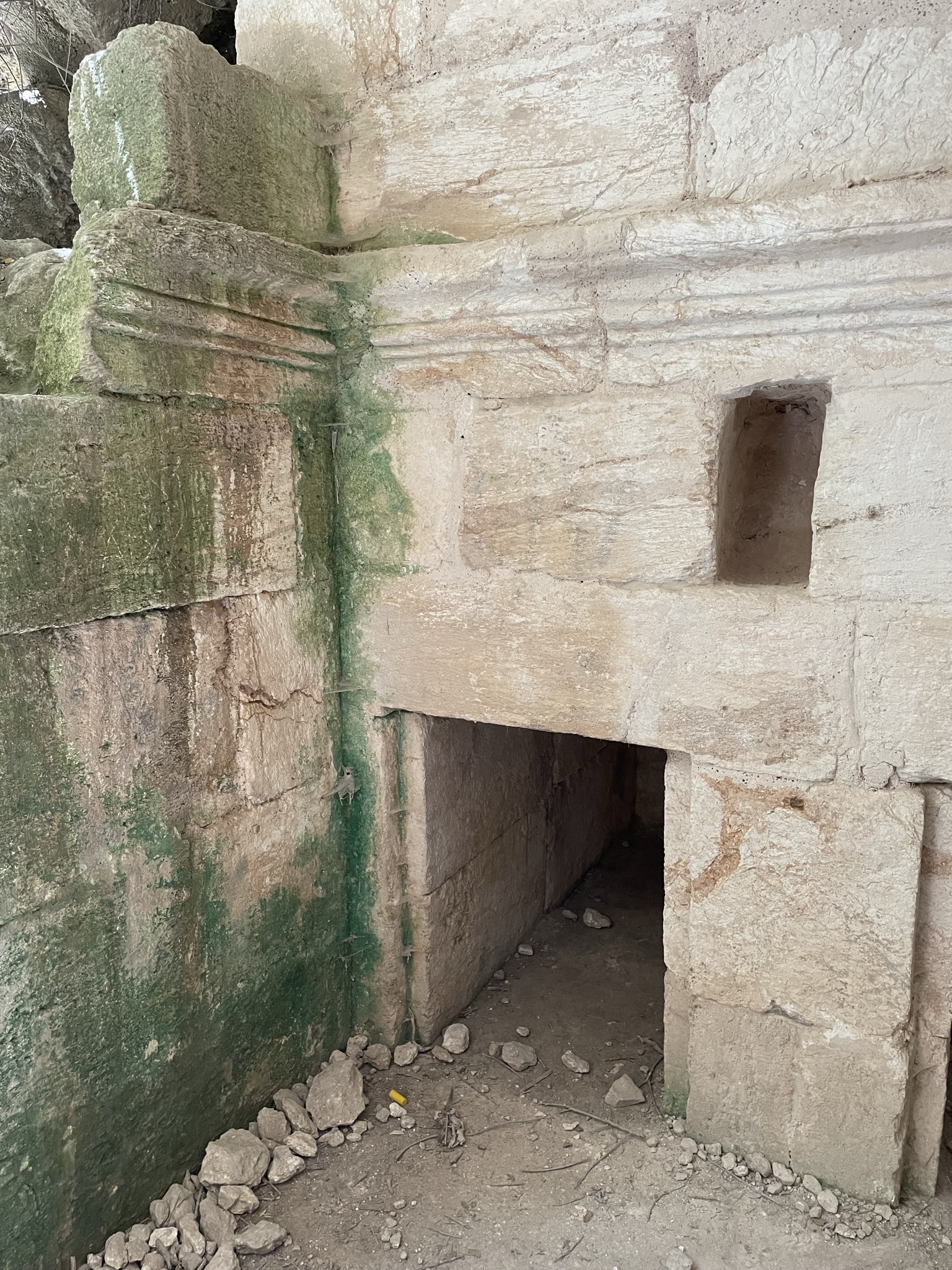
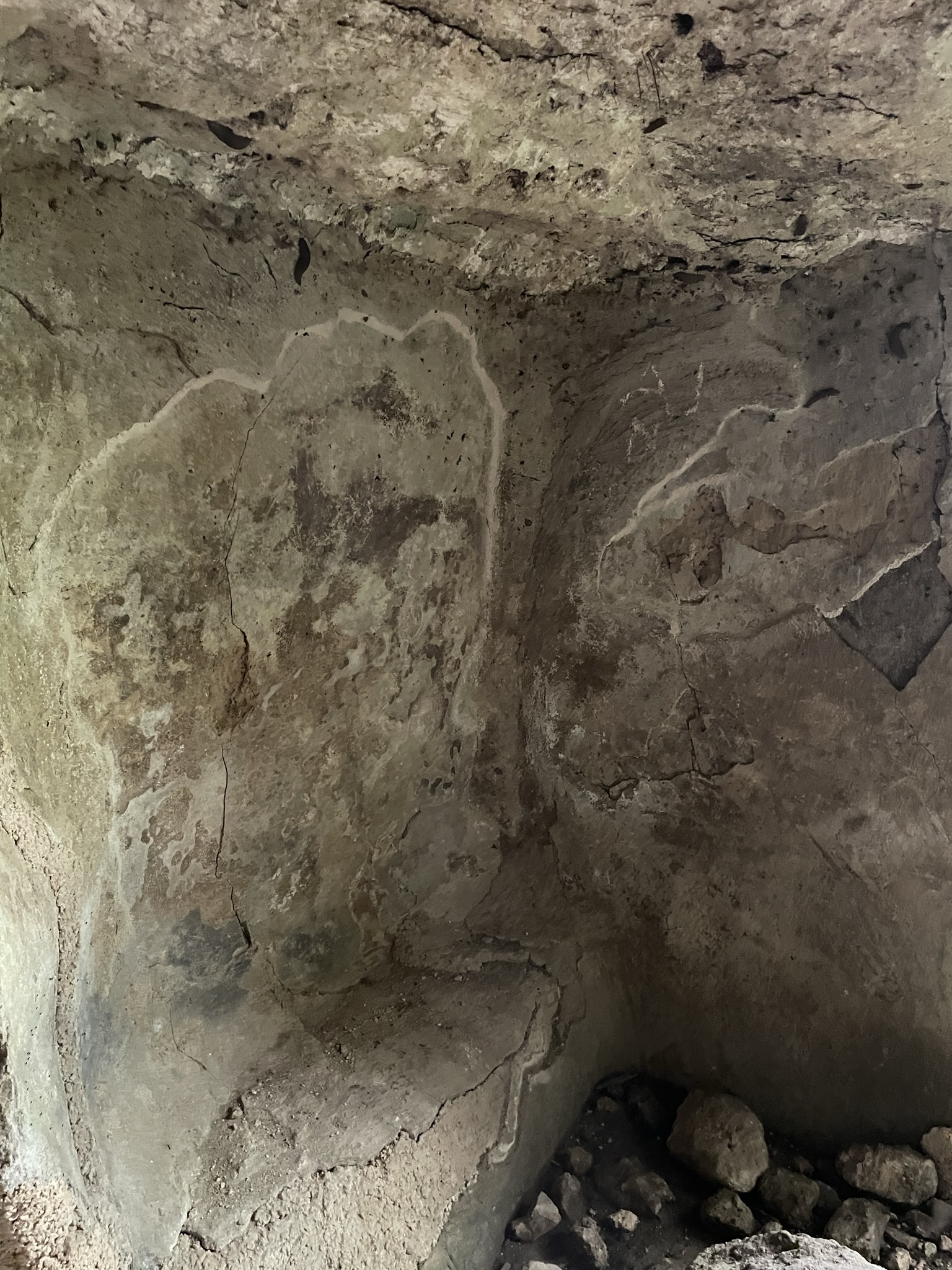
First Century Burial

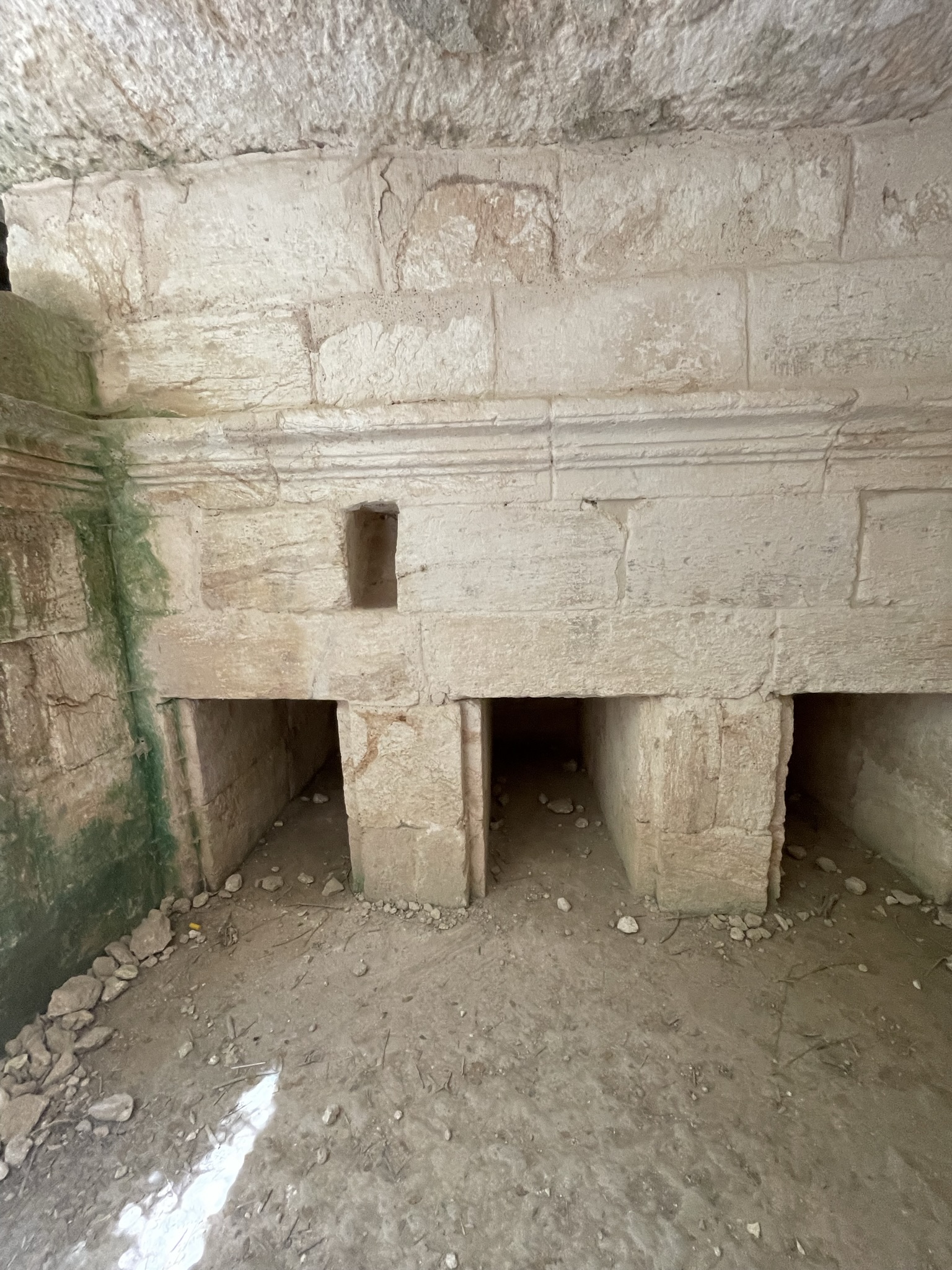
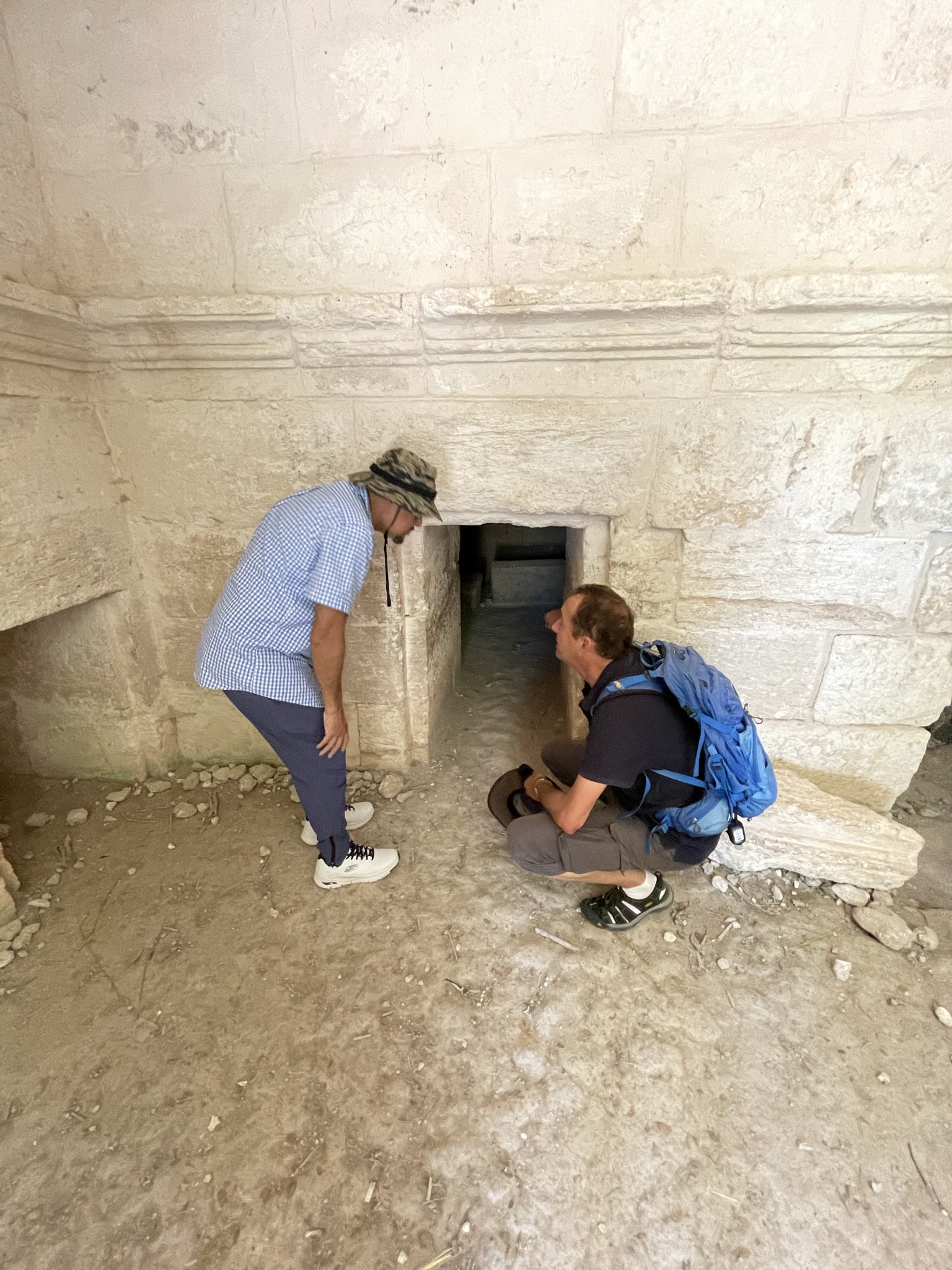
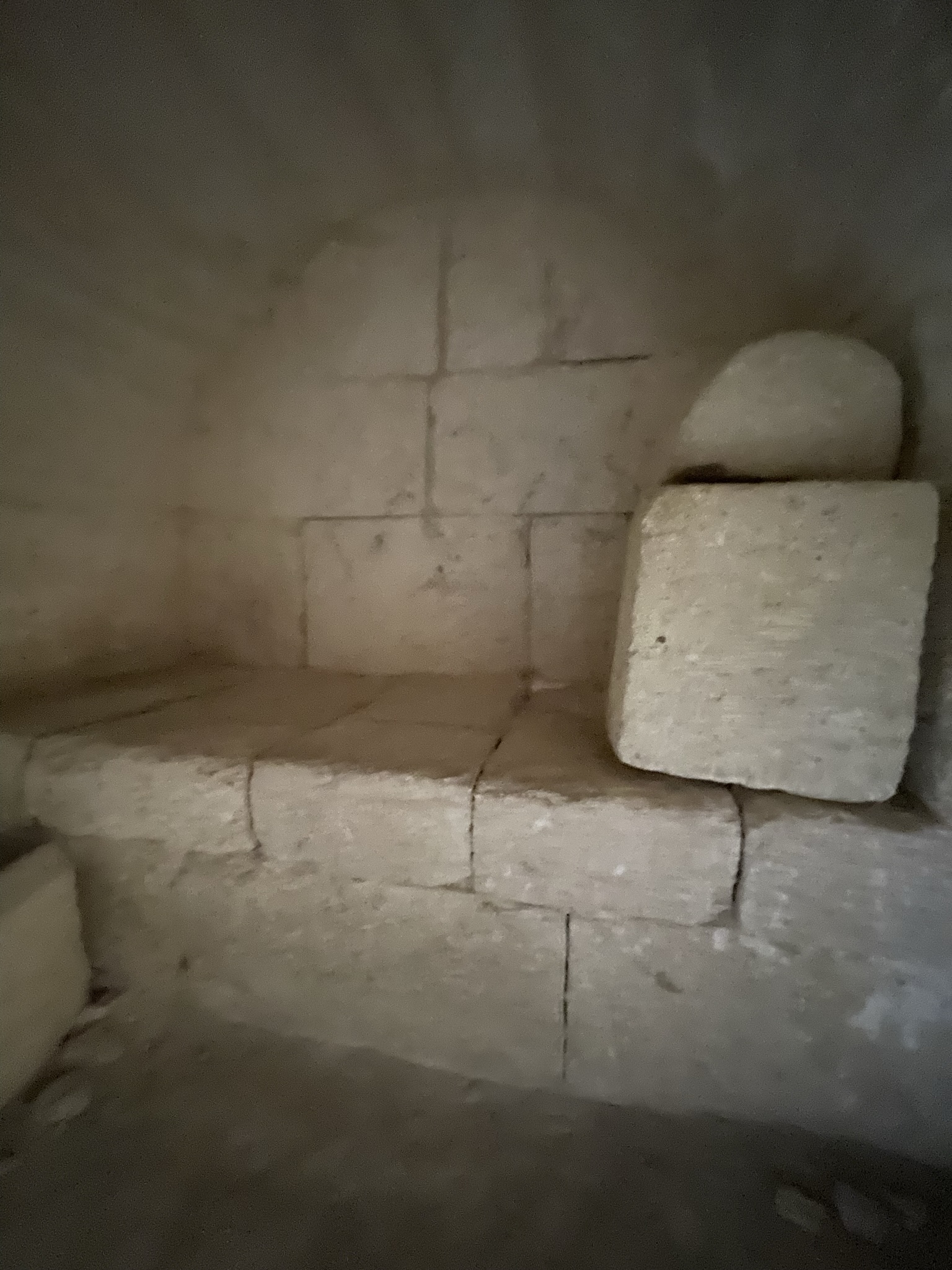
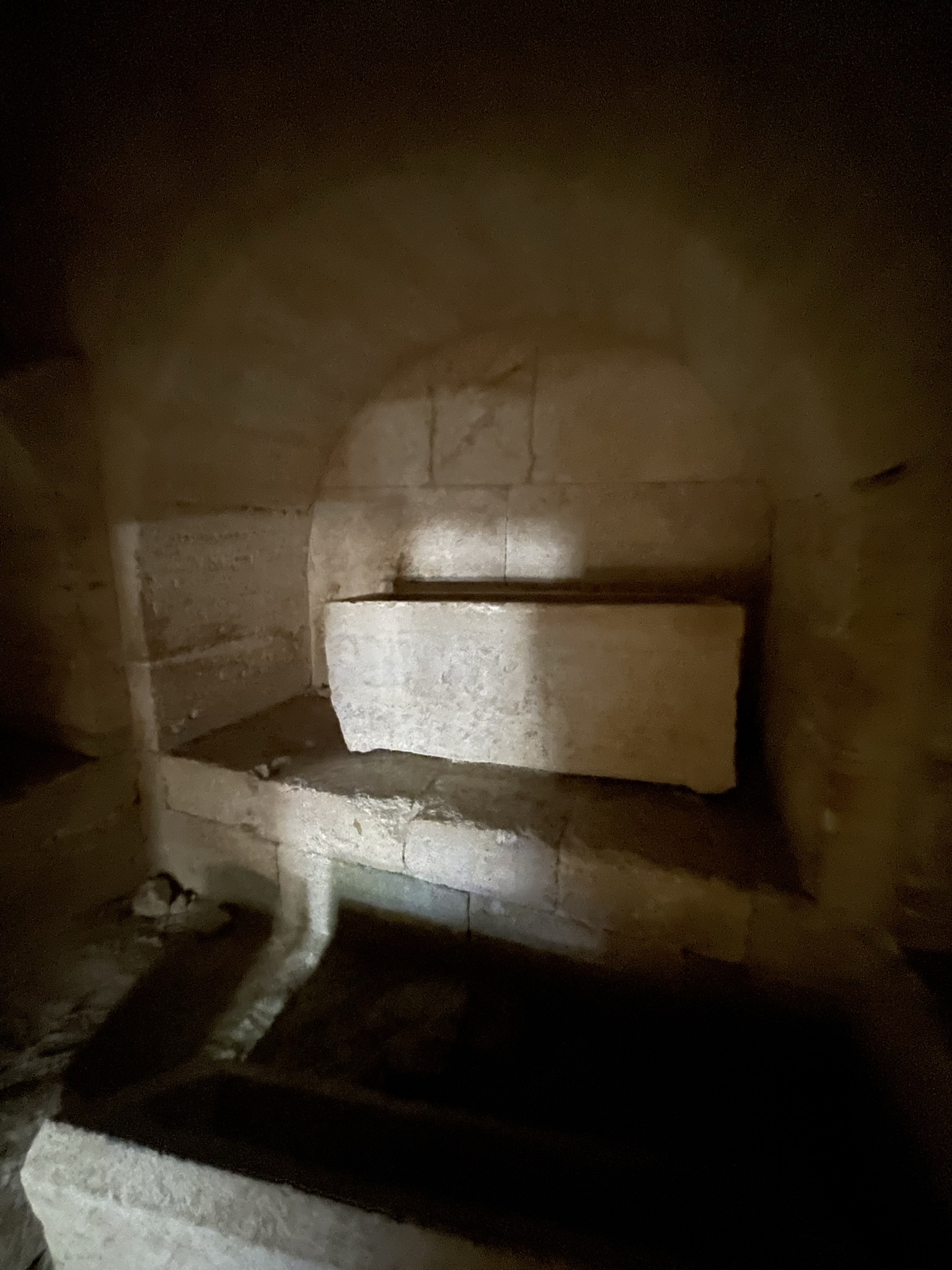
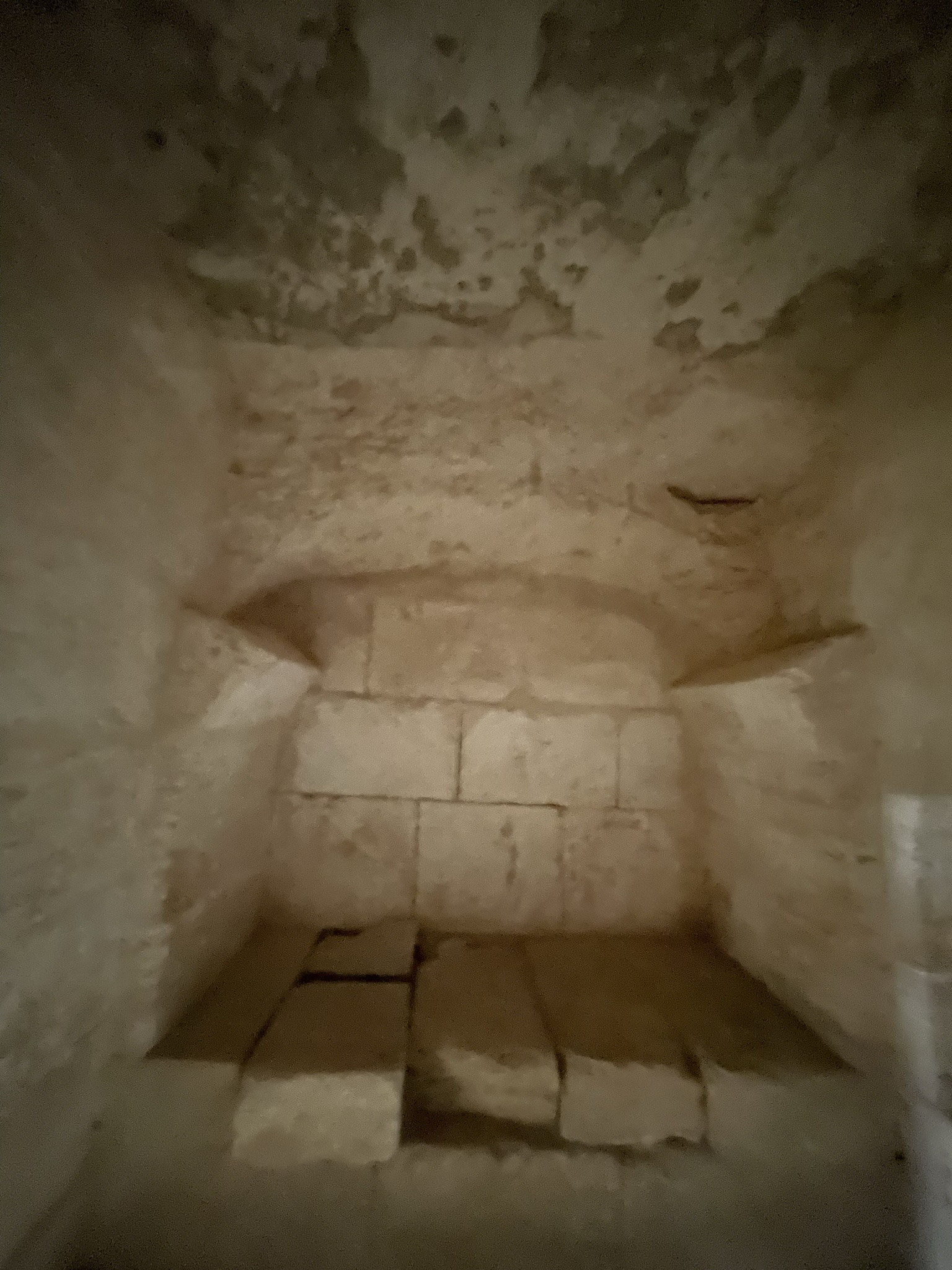
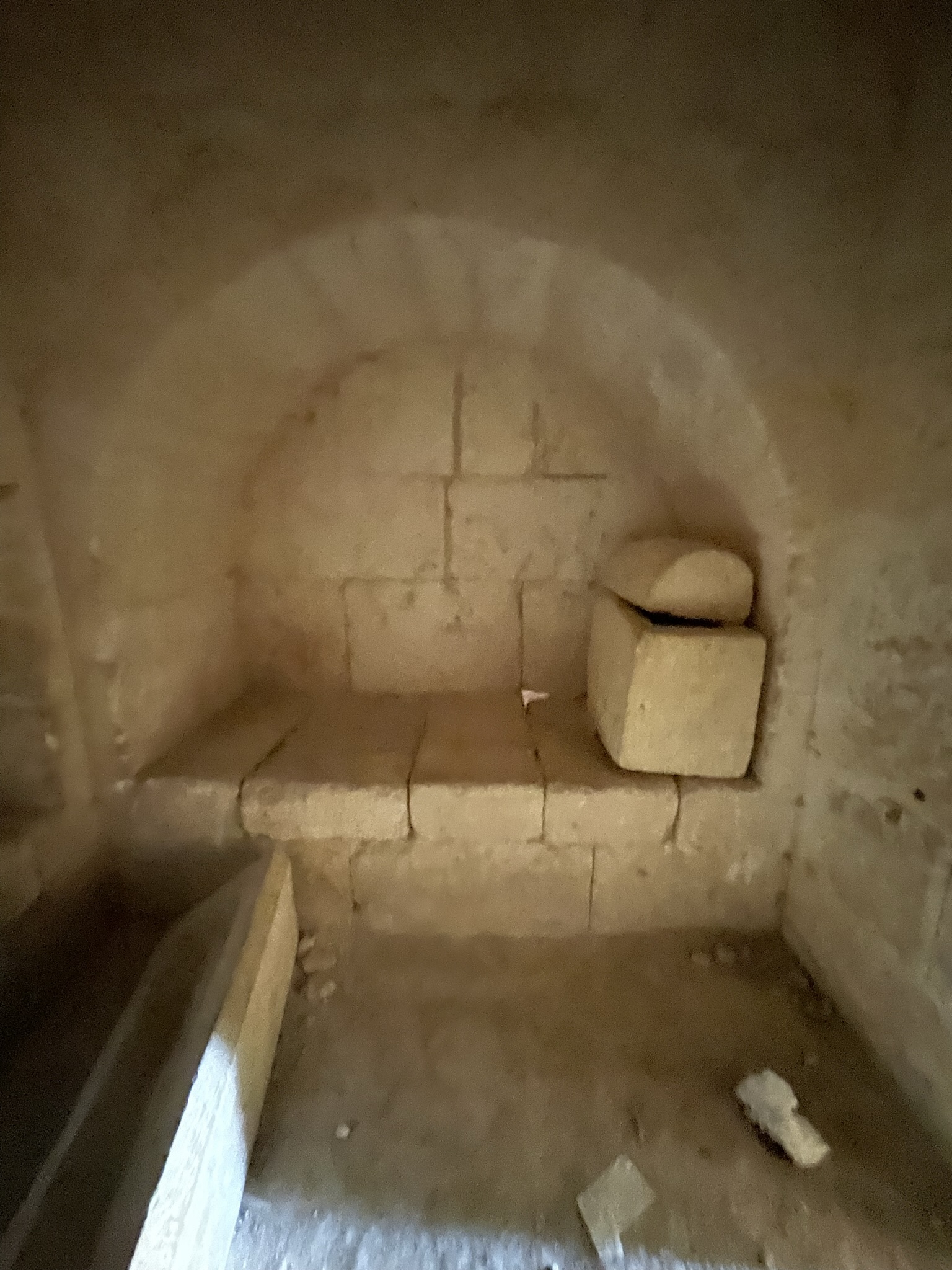
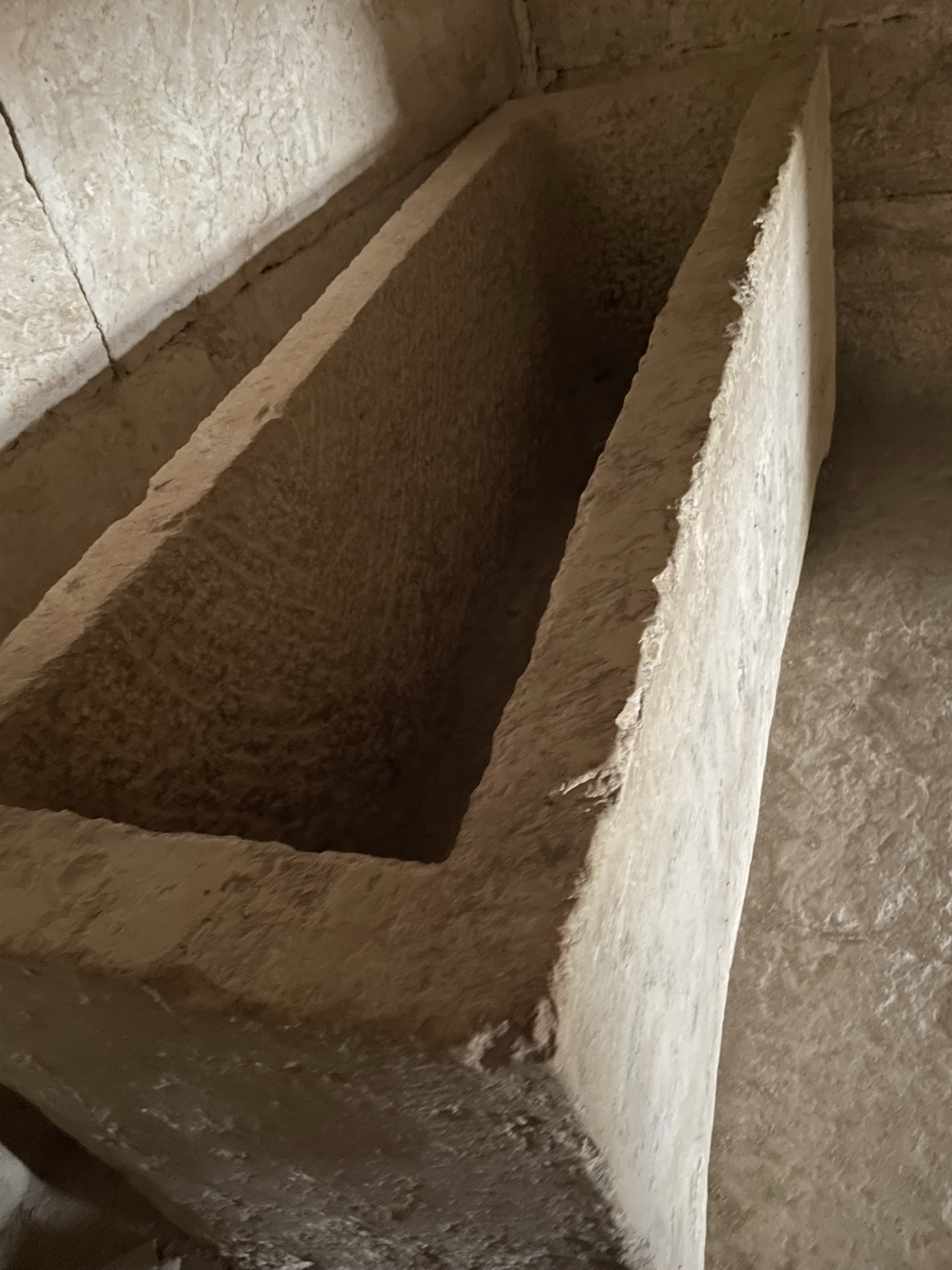
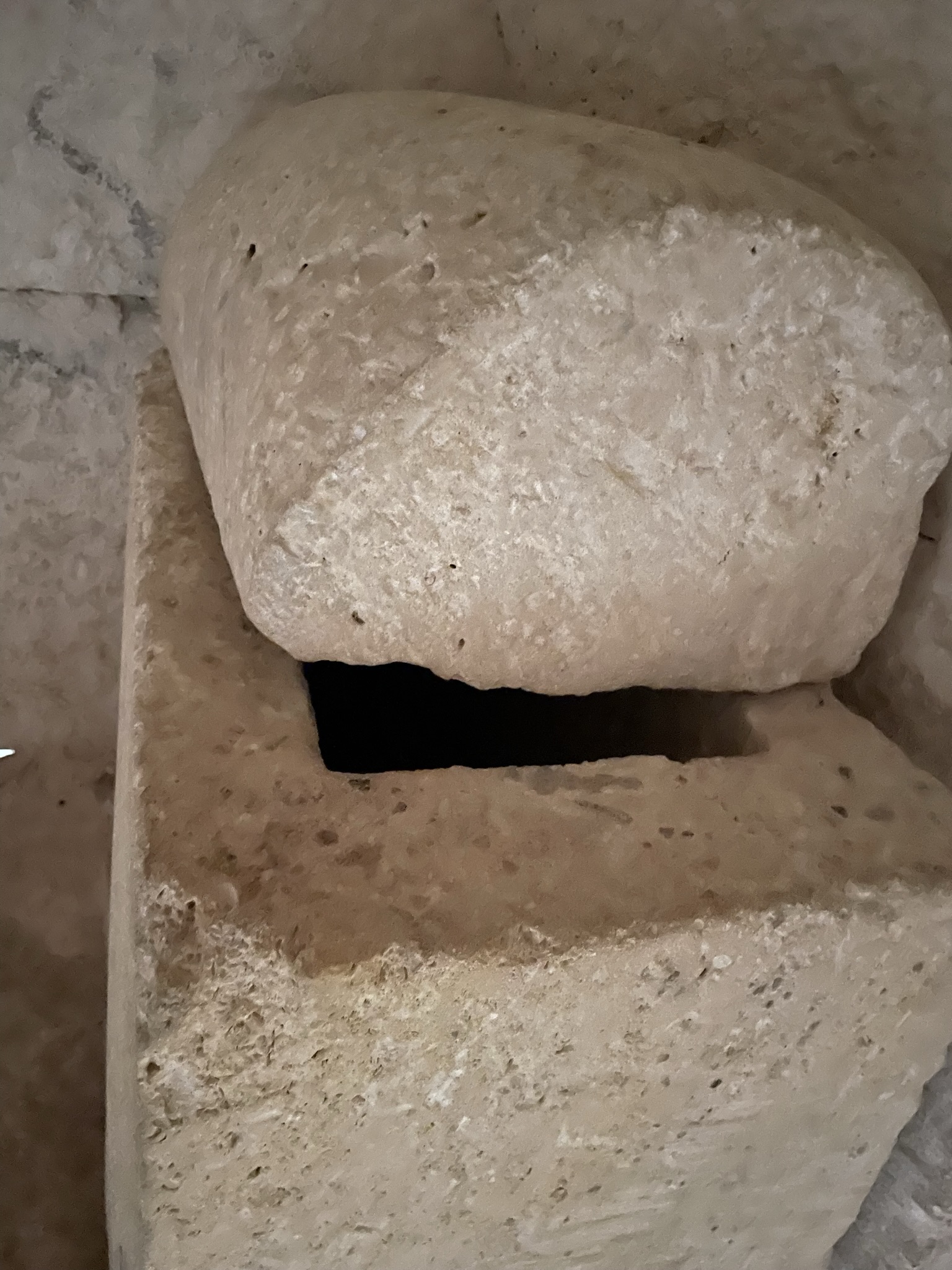
It is always helpful to find places and things intact in a way that allows a better understanding of scripture. First century burial sites can give good insight into how Yeshua (Jesus) would have been buried, i.e. the type of tomb into which his body would have been laid and how those visiting the tomb after the resurrection would have viewed the tomb area. Not far from the dovecote described above, is an example of the first century burial tomb of a wealthy person. It was carved into the rock which was common, it had slot tombs, which was also common, and it had an entrance area with bench seating for those visiting the graves.

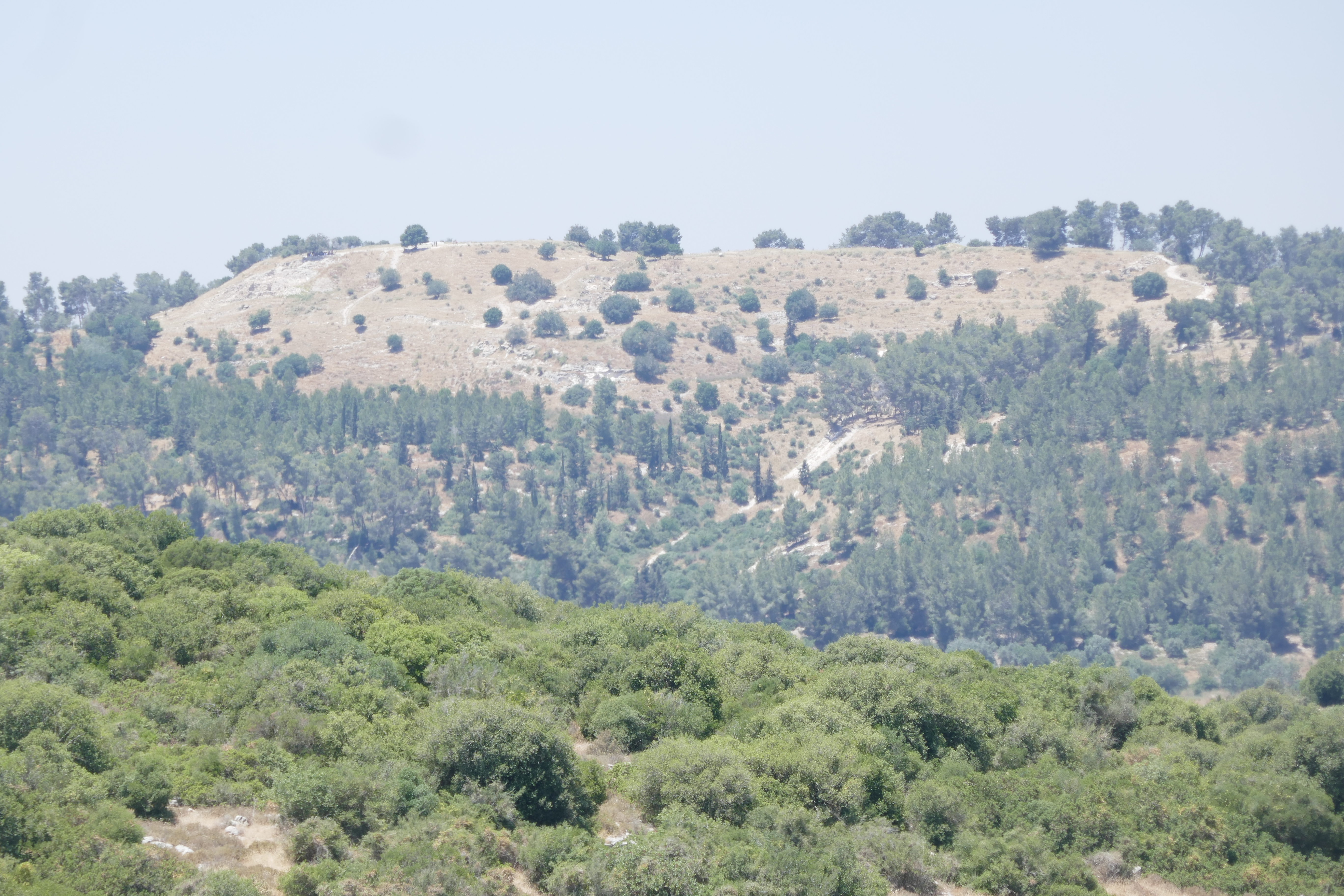
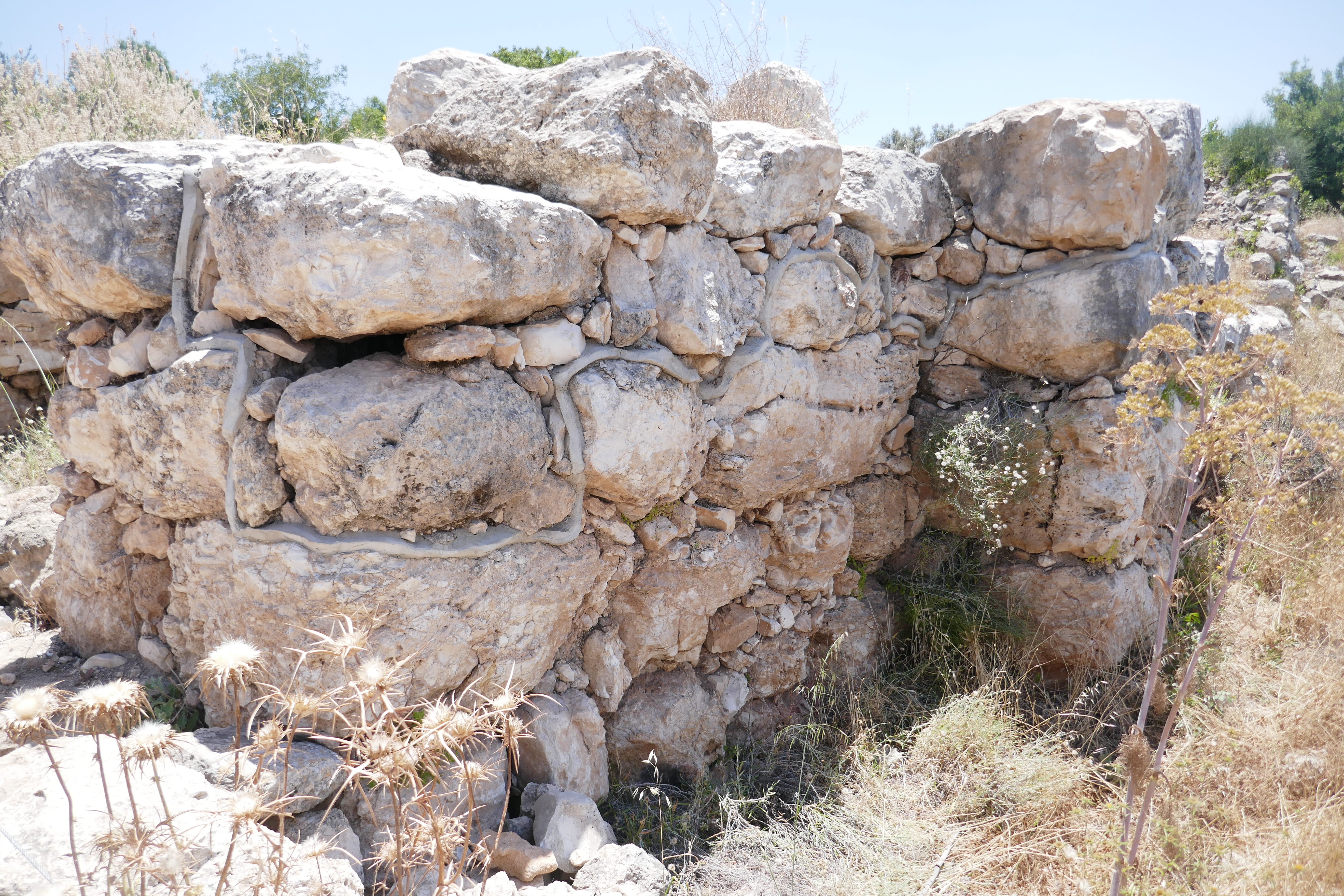
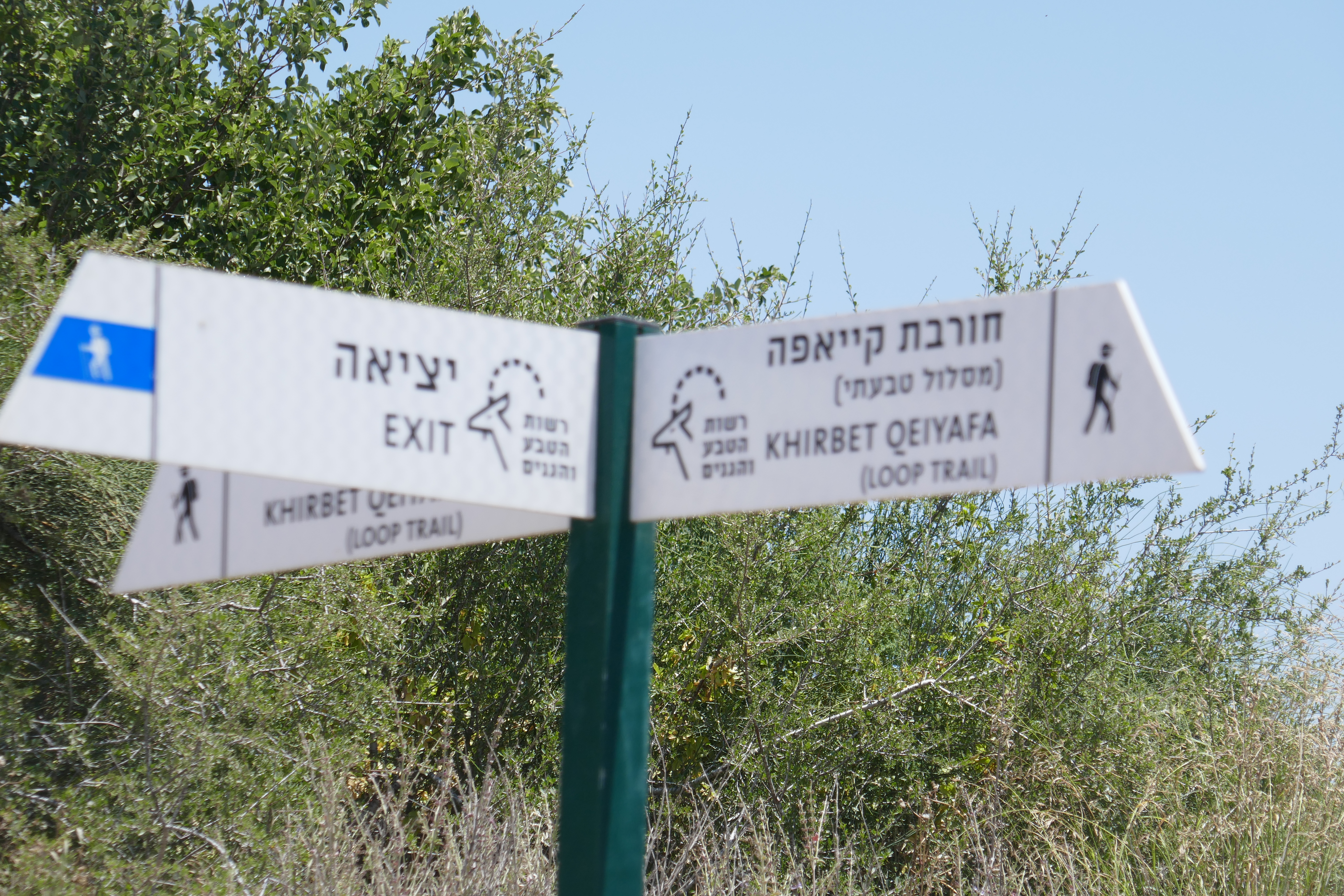
We are still on day one of the tour. After leaving Beit Shemesh, we travel to the Elah Valley to remember the battle between the Israelites and the Philistines, between David and Goliath. Last time we came, we remembered this battle from the top of tel Azeka. This time, we are actually across the valley to the east of tel Azeka, on tel She’arayim, an Israelite city known for having two gates. That is what the word she’arayim means in Hebrew – “two gates.” This is significant because at the time of David, most Israelite cities had one gate. The city would be easier to defend if it only had one gate. This city, which overlooked the valley of Ela had two. It is also identified as Khirbet Qeiyafa. This city was a likely place for staging and supplying the Israelite army when it was facing off with the Philistines as recounted in 1 Samuel 17. It sits just north of where the Israelites were probably encamped.

ruins tel She’ayarim

tel She’ayarim ruins
Flat stones cover water channel

Looking west toward tel Azeka

Looking westward to tel Azeka
ruins tel She’ayarim
view looking south west from tel She’ayarim into the plain where the battle would have likely been
thick line denotes where reconstruction starts
ruins tel She’ayarim
carved out rock to hold post for wooden gate door
ruins tel She’ayarim

Day one of the tour, we head south from Tel Aviv, to reach the south of Israel. On the way, we visit a couple of very interesting sites. These are new to the tour, so the excitement starts immediately. 

Beit Shemesh

You may recall the story of the how the Israelites have the bright idea of bringing the Ark of the Covenant to battle with them against the Philistines. Other armies bring their gods with them, so Israel thought it might give them a boost over their relentless enemy to bring the ark with them. Their idea turns into a nightmare when the ark is stolen by the Philistines.

This ends up being one of the most comical stories in the Bible to my way of thinking. The Philistines take the ark to Ashdod and put it in the temple with their god, Dagon. The next morning, they find Dagon face down before the ark of the covenant. They set Dagon back in his place, but the next day when they came to check, Dagon’s arms and head were missing and he was face down again before the ark of the Lord. This just led to more problems and the ark was sent from one Philistine town to another and at each stop, the people in the city suffered because of the ark or so they believed. Finally, they are so tired of people dying, being tormented by hemorrhoids and rats eating their crops that they decide to send the ark back to the Israelites. You can read the story in 1 Samuel chapters 5 and 6. 

When they send the ark back to the Israelites, the Philistines send it from Ekron, a Philistine city at the west end of the Sorek Valley, to Beit Shemesh, an Israelite city further east in the Israel-dominated end of the Sorek. 

The Tel of Beit Shemesh sits as it did in antiquity, overlooking the Sorek Valley, a complex system of ravines that protects Jerusalem on the west side from attack because of the difficulty of traveling through it. We stood on the tel and looked into the valley, rich with agriculture today and could almost hear the mooing of the milk cows drawing the wagon with the ark from Ekron.


Tel Beit Shemesh
Tel Beit Shemesh (ruins)
Looking east toward Jerusalem

Looking west toward Philistine territory

Cisterns

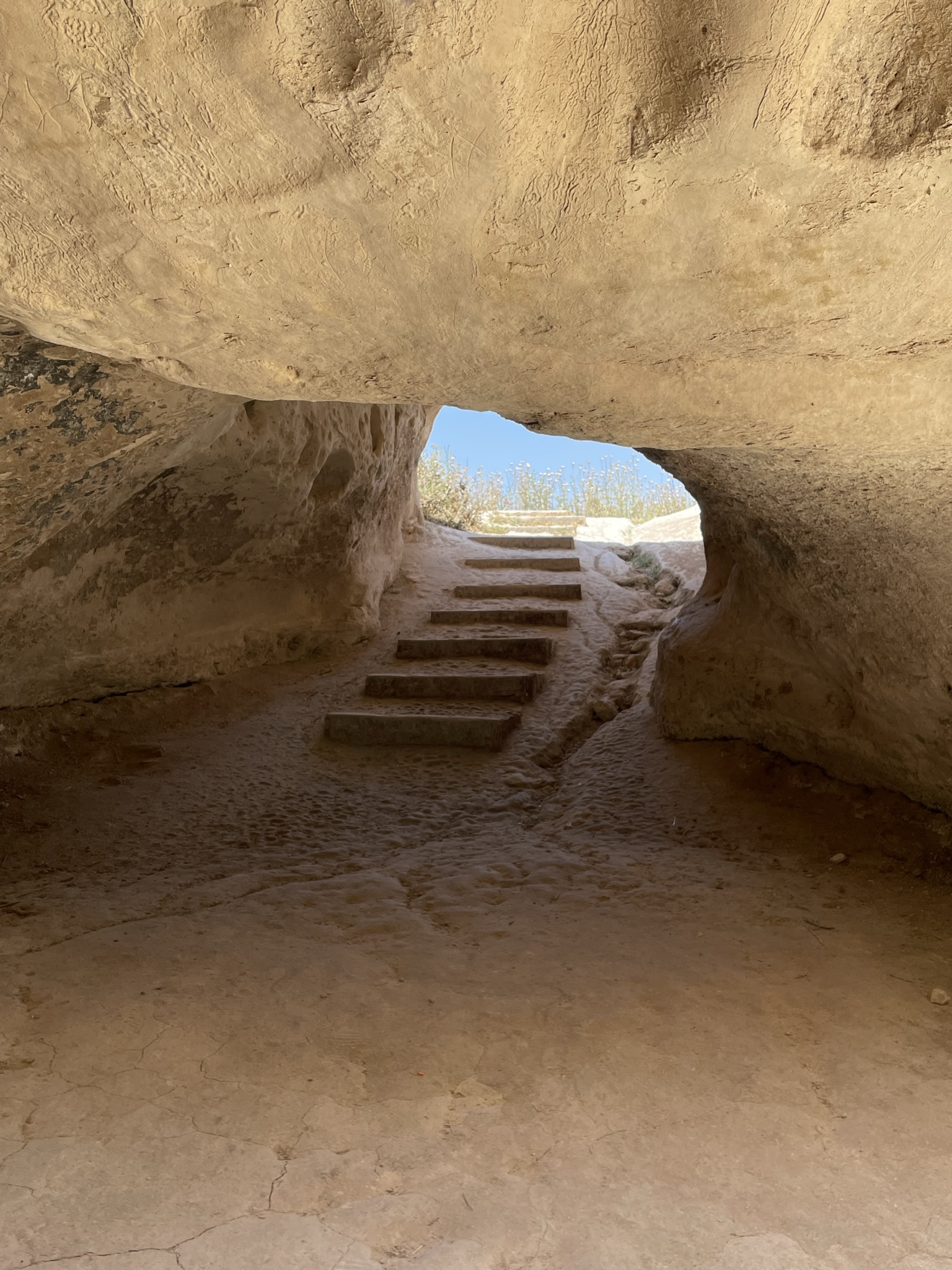
One of the things you come to look for at ancient sites in Israel are the cisterns. Because of the lack of water in the land, in order to survive the hot, dry spring and summers, occupants of the land carved cisterns out of the rock. The water would be captured and routed to these underground storage places. This is our first cistern of the trip, but it will certainly not be our last. 

Steps into the cistern – Beit Shemesh
Cistern – Beit Shemesh
Cistern
Plaster on walls of cistern to help keep water from leaching into the Limestone
Inside the cistern

Israel 2022

We just returned from our second tour to Israel with Rooted in His Word. The tour, Dan to Beersheva, was a success despite the hurdles that we had to overcome to get to Israel. First of all, there was the two-year wait. The immediate hurdles included insurance for Covid, the entry form and then the PCR test before leaving the United States and then the PCR test upon entry into Israel. I can say that I had more Covid tests in the two weeks surrounding my trip to Israel than I ever had before. But looking past all of that, I can tell  you that it was worth it. It will always be worth whatever the cost to get to the Holy Land and be inspired in your walk of faith with the one true God, the God of Abraham, Isaac and Jacob. 

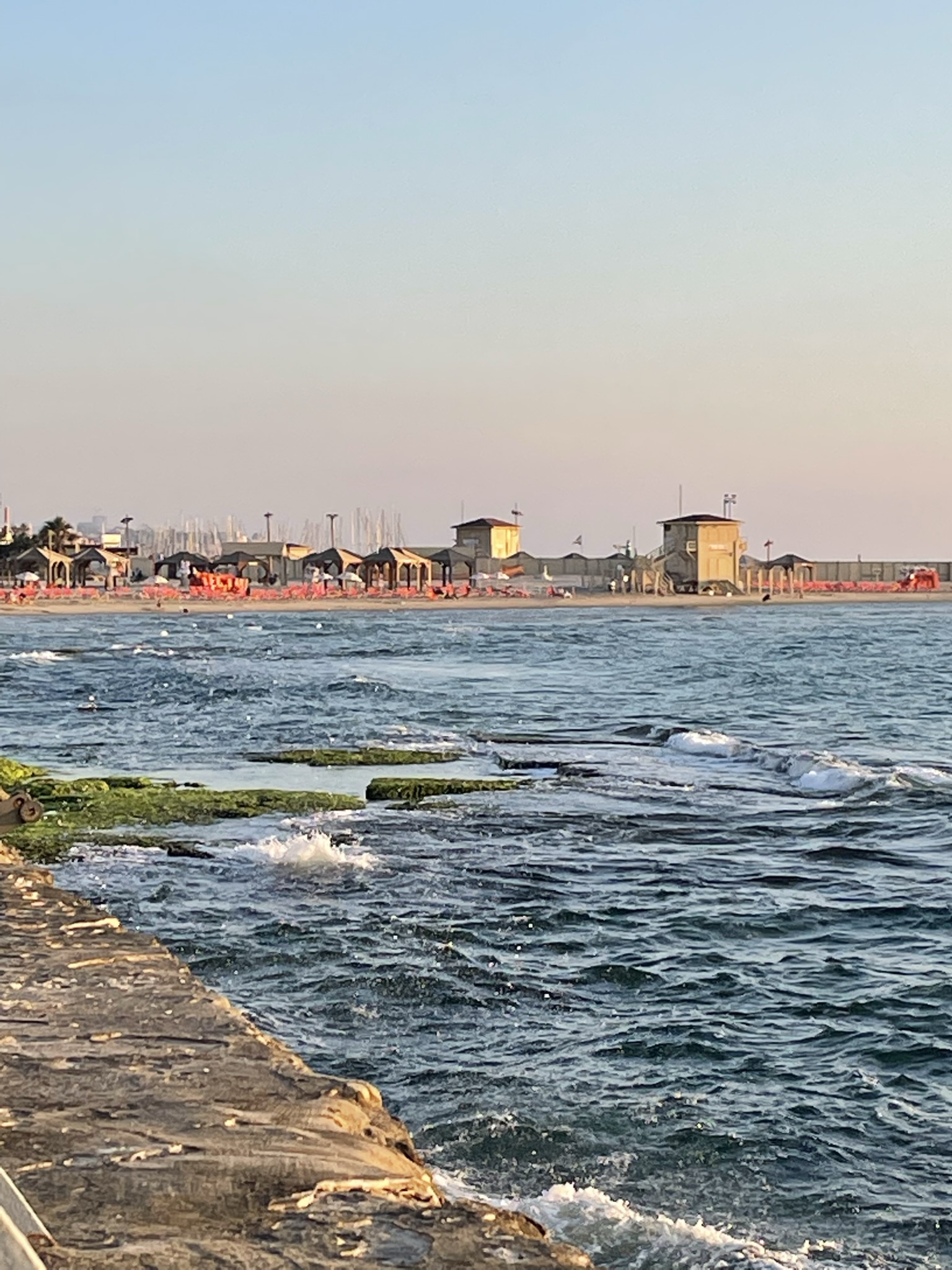
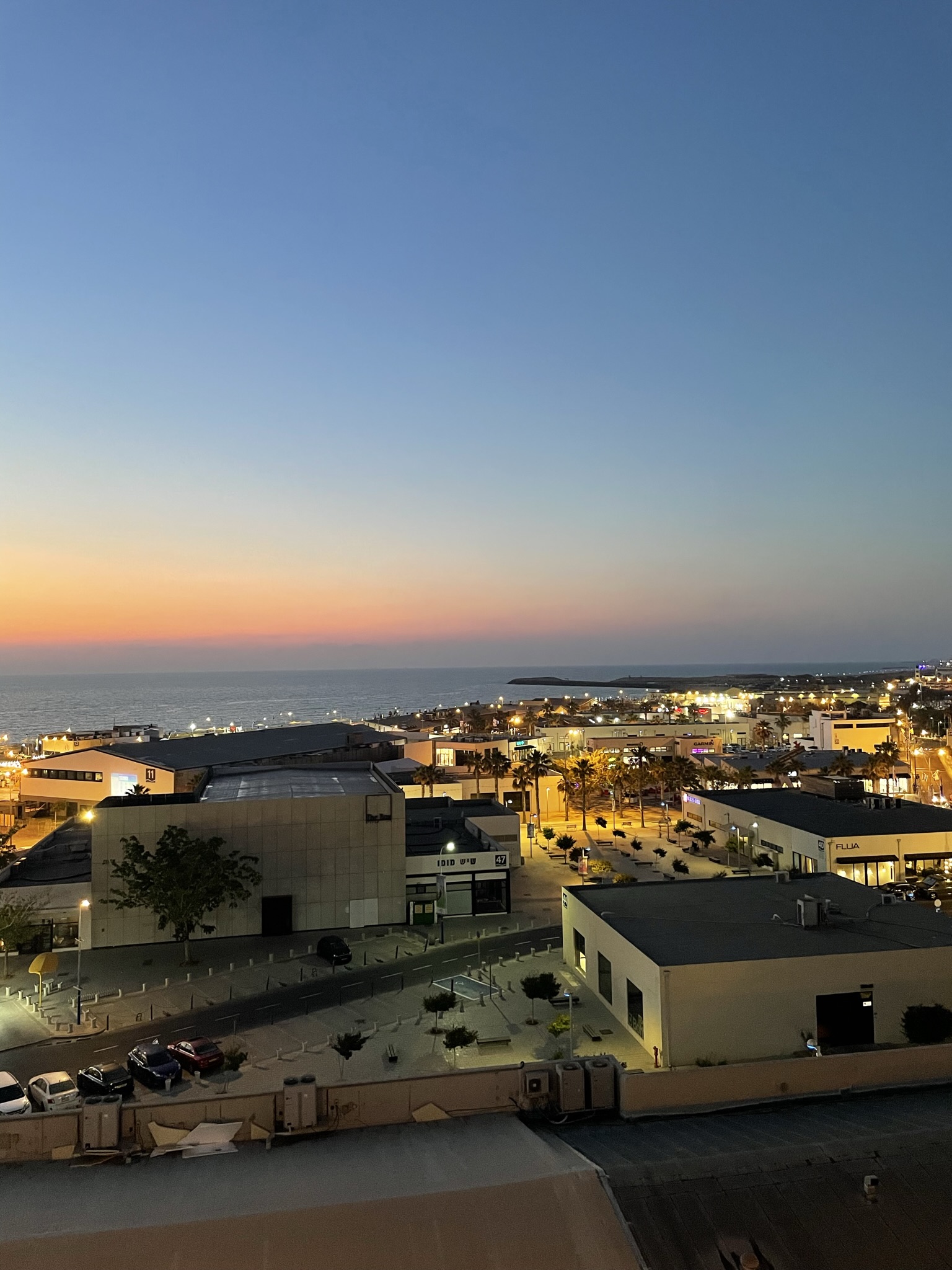
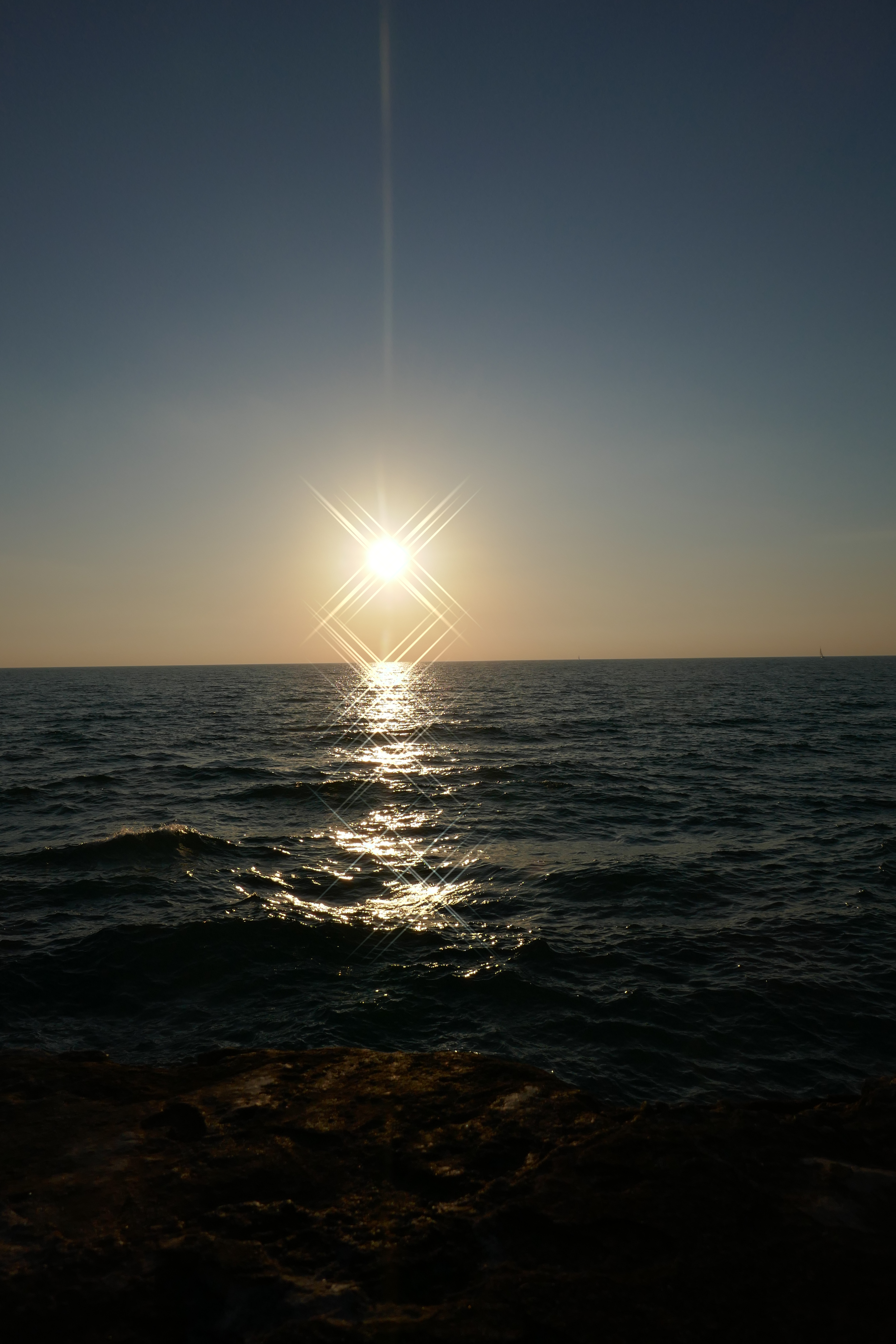
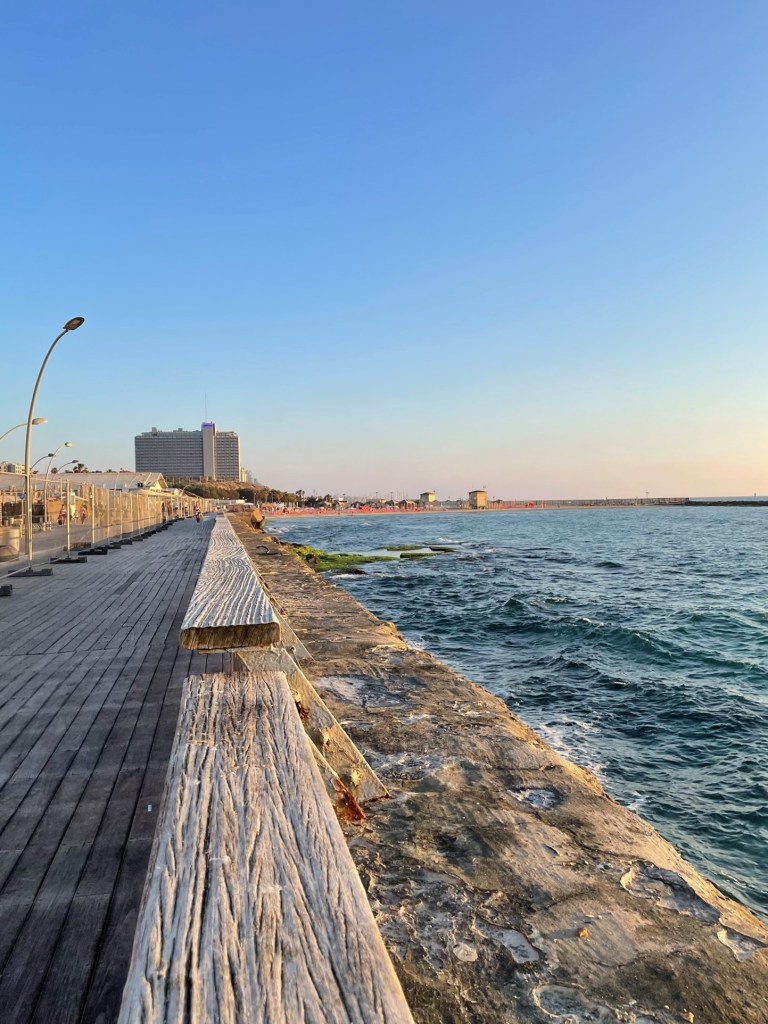
Before getting started on our journey across, through and over the land of the Bible, we spent our first night in Tel Aviv. After a fourteen-plus hour direct flight (which is the only way to fly there), the Mediterranean offers just the balm for the soul that you need. We had dinner at one of many restaurants along the water front. It happened to be a kosher restaurant, but there were other options. Overnight we stayed a cute little boutique hotel a couple blocks from the port of Tel Aviv.


Port of Tel Aviv, Israel
Fresh meal right on the water
Sunset over the Mediterranean

Sunset over Tel Aviv, Israel

Read Matthew Chapter 5:21-48

1. What does Jesus say about being sued in Matthew 5:40?

2. What do you learn from Exodus 22:26-27? How does that compare to what Jesus is saying in Matthew 5:40?

3. What is Jesus referring to when he says “if anyone forces you to go one mile?” (Hint: Roman soldiers)

4. Copy Matthew 5:47. Meditate on this. Record your thoughts and impressions.

5. What is Jesus asking his disciples to do in Matthew 5:43-47?

6. What do you learn from Leviticus 19:18? How does it compare to what Jesus is teaching in Matthew 5:43-47?

7. Copy Matthew 5:48. Meditate on this. Record you thoughts and impressions.

8. This holiness standard that Jesus is giving to his disciples is high. It requires a lot of self-examination and reflection on what dwells within us. Ultimately, it is going to take something outside of us. What do you learn from the following verses?
Psalm 26:2

Psalm 139:1-4; 23-24

1 John 3:7

9. What is required to obtain the holiness standard that Jesus is describing according to the following passages?
John 3:3

Romans 6:19

2 Corinthians 5:16-21

James 1:21-27

It is our desire to help you grow in your knowledge of Adonai and His Word. If you are looking for additional information and/or materials, please visit our website at RootedinHisWord.org and our Facebook page. 

34857624_201435477340473_855160484356161536_n

Read Matthew Chapter 5:21-48
This section, often known as the “Six Antitheses” are really intended to clarify and extend the commandments to provide a hedge–extending the limits of what was allowable, so that the believer would not come even close to violating a command of God. In addition, Jesus was highlighting the fact that sin really begins in the heart and mind.

1. Review the following scriptures that talk about the relationship between the heart, temptation and sin:
Proverbs 4:23

Romans 13:14

James 1:13-15

In the last study we covered Matthew 5:21-26 which addresses the issue of murder and those who are angry with their brothers. It also covers the situation of one who is not reconciled to his brother.
2. What does Jesus say about litigation in Matthew 5:25-26?

3. What does Jesus say about adultery in Matthew 5:27-32?

4. What do you learn about marriage and divorce from the following verses?
Deuteronomy 24:1-4

Malachi 2:16

Matthew 19:3-10

1 Corinthians 7:10-12

5. What does Jesus say about making vows and oaths in Matthew 5:33-340?

6. Why does Jesus say they should not swear by heaven?

7. Why does Jesus say they should not swear by the earth?

8. Why does Jesus say they should not swear by Jerusalem?

9. Why does Jesus say they should not swear by their own head?

10. Copy Matthew 5:37. Meditate on this. Record your thoughts and impressions.

11. What do you learn of oaths from the following passages?
Exodus 22:10-12

Numbers 30:1-15

Numbers 32:9-11

Deuteronomy 6:13

12. How would you summarize or put into one sentence the teaching of Jesus in Matthew 5:38-42?

13. What to you learn from Exodus 21:12-25 about what Jesus is teaching in Matthew 5:38-39? How is Jesus’ teaching different from that of the Torah?

It is our desire to help you grow in your knowledge of Adonai and His Word. If you are looking for additional information and/or materials, please visit our website at RootedinHisWord.org and our Facebook page. 

34857624_201435477340473_855160484356161536_n

Intimacy with God

1. What does Jesus say about the law in Matthew 5:17?

Going deeper: The word “law” in this passage is the Hebrew word “Torah.” In the Jewish mind, Torah doesn’t mean just law, but rather it is a system of rules and commands for right living–living in a way that is pleasing to God. Jesus’ statement that He did not come to “abolish”
was a first-century rabbinic idiom. The expression “abolish Torah” mean to misinterpret Torah–not get rid of it or replace it. To “fulfill” or “complete” Torah mean to teach it correctly. So we could translate the statement of Jesus, “I did not come to misinterpret Torah but rather to teach it correctly.” He was going to affirm Torah and clarify those areas of the law that had been misinterpreted or taught incorrectly.

2. What does Jesus confirm about the completeness of Torah and the prohibition against changes to it in Matthew 5:18?

3. What warning does Jesus give in Matthew 5:19 about disobedience of the law?

4. Copy Matthew 5:20. Meditate on this. What you think Jesus was saying in making this statement.. What does Jesus say about murder in Matthew 5:21-22?

Going deeper: This section, Matthew 5:21-48 includes six teachings, sometimes referred to as “antitheses” operate to intensify what is prohibited. This idea was a common technique among the sages and rabbis known as “making a fence around the Torah.” By this expanding out of the commandment to include the thought or intention behind it, the sages and rabbis were offering a means to keep people even further from the conduct that would violate the commandment against murder.

5. Review Exodus 20:13. What do the following passages add to your understanding of this prohibition?
Exodus 21:12-14

Numbers 35:16-28

6. What does Jesus say about making your offering in Matthew 5:23-24?

Going deeper: Jesus’ reference to “offering your gift” relates to the Temple and the sacrificial system established in Leviticus. This is further evidence that Jesus was a Torah-observant Jew and was likely speaking largely to other Torah-observant Jews.

7. Why would Jesus be adding this additional “hedge” to the requirements of the sacrifices and offerings made to God?

It is our desire to help you grow in your knowledge of Adonai and His Word. If you are looking for additional information and/or materials, please visit our website at RootedinHisWord.org and our Facebook page. 

34857624_201435477340473_855160484356161536_n