
Read Acts Chapter 10
1. Where does this chapter open?
2. To whom does Luke introduce us in Acts 10:1?
3. How is Cornelius described in Acts 10:1-2?
Going deeper: Where is Caesarea Maritima? Why was it an important port in the first century A.D.?
Going deeper: What was a centurian?
4. What happens to Cornelius in Acts 10:3?
Going deeper: When was the ninth hour?
5. How does Cornelius react in Acts 10:4?
6. What is the response of the angel in Acts 10:4-6?
7. What does Cornelius do after the angel leaves in Acts 10:7-8?
8. What happens around the time Cornelius’ men are approaching Joppa in Acts 10:9?
9. What was going on with Peter according to Acts 10:9-12?
10. What did the voice say to Peter in Acts 10:13?
11. How does Peter respond in Acts 10:14?
12. What did the voice respond in Acts 10:15?
13. What do you learn from Acts 10:16?
14. Describe at least two other places in the scriptures where a voice is heard from heaven. Provide the scripture references as well as a short description of what takes place and who is being spoken to from heaven and what is said.
15. What was Peter’s inner reaction according to Acts 10:17?
16. Describe the events in Acts 10:17-20?
17. What does Peter do in Acts 10:21?
18. What do Cornelius’ men tell Peter in Acts 10:22?
19. How does Peter respond to Cornelius’ men?
20. What does Peter do the next day in Acts 10:23?
21. How long does it take them to get to Caesarea?
22. Who was waiting for them in Caesarea? Who did he call?
23. How does Cornelius greet Peter in Acts 10:25?
24. What does Peter say in Acts 10:26?
25. What does Peter tell the large group of people assembled in Acts 10:27-29?
26. What does Cornelius respond when Peter ask him why he called him in Acts 10:30-33?
27. Copy Acts 10:33b. Imagine the scene in Caesarea, a Roman city. It was perhaps one of the most important Roman cities because of the harbor and the trade route connecting the harbor to the interior of Israel and points beyond in the Decapolis. The influence in this city would have been very pagan Roman with temples to the Caesar and other gods. It would have been very different from the atmosphere and focus in Jerusalem or even Judea where the population was mostly Jewish. What courage–or maybe desperation–would lead so many to gather to hear about the God who died on a Roman cross? What would the energy in the room have felt like? What does your heart feel when you think about the God of Abraham, Isaac and Jacob, choosing to meet these gentiles in a pagan city far from the religious center of Judaism.
28. What does Peter tell them in the following verses?
Acts 10:34
Acts 10:35
Acts 10:36
Acts 10:37-38
Acts 10:39
Acts 10:40-41
Acts 10:42
Acts 10:43
29. Review Peter’s message in Acts 10:34-43. What proof or evidence does he provide?
30. What happens while Peter is speaking in Acts 10:44?
31. What is the reaction of the Jews (circumcised believers) present?
32. What manifestation of the Holy Spirit was observed according to Acts 10:46?
33. What does Peter say and do in Acts 10:47-48?
It is our desire to help you grow in your knowledge of Adonai and His Word. If you are looking for additional information and/or materials, please visit our website at RootedinHisWord.org and our Facebook page.
Posted in Acts | Tagged Acts Chapter 10, Bible study Acts, Peter and Cornelius |
Posted in Isaiah | Tagged Adonai tzva'ot, God the redeemer, Isaiah 54:5 |
I Come Home Dirty
I come home dirty,
soiled by time in the world
You shower me with the cleansing waters
I’m clean
You dry my tears
there are always tears
You hold me as I shiver
something always leaves me shivering
alone
afraid
empty
the world–its not my home
the world–its sorrows well-known
But here with You
I’m home
I find rest
shalom
You wrap me again
in the chesed blanket,
Your covenant love
beneath its protection
reminded
I am loved
I am safe
I am seen
I am part
I am purchased
My life hidden, holy
My future sure
Home
MaryBeth Mullin
2023
Posted in Poem | Tagged Christian Poem, poem of faith |

My son, be attentive to my words; incline your ear to my sayings. Let them not escape from your sight; keep them within your heart. For they are life to those who find them, and healing to all their flesh. (Proverbs 4:20-27 ESV)
Pay Attention
In Proverbs 4:20, we are first called to “be attentive” which is also translated “listen” or “pay attention.” This exhortation suggests that choice, diligence and even self-control are being called for by the teacher. We must choose to listen or pay attention, and we must apply ourselves or employ diligence to continue to be attentive, and we must use self-control to not allow distractions or other desires to pull our attention from what is being taught.
Be Teachable
In the second part of the couplet, we are told “incline your ear” which could be emphasizing or repeating the idea in the first part of the verse, which is not uncommon in Hebrew poetic or wisdom literature. It is also possible, that this phrase is offering a slightly different nuance. One could argue that it might be speaking to teachability. We need to both pay attention to receive information (physically), but also we need to receive information into our thinking, to allow it to change our ideas and behaviors. This speaks of maintaining a teachable heart.
What might interfere with teachability? I generated a short list of some of the attributes often associated with the fool, who is, at best, unteachable.
Unrighteous
Self-reliant
Divided heart
Arrogant
Lazy
Any one or more of these characteristics or patterns of behavior can render us unteachable. Let us examine ourselves to see where we fall short and how we may have allowed such patterns to become ours.
In Proverbs 4:21, we are exhorted not to let the sayings of the teacher escape from our sight–to “keep them within your heart.” The word “heart” here is also translated “mind.” In the ancient world, the heart was seen as the seat of the emotions and thoughts. The idea is that we should keep the scriptures–the words of the Creator before our eyes at all times. This would suggest, daily study, meditation (and memorization), and reminders of scripture throughout the day. This is similar to the teaching in Deuteronomy 6:6-9, “these words that I command you today shall be on your heart. You shall teach them diligently to your children, and shall talk of them when you sit in your house, and when you walk by the way, and when you lie down, and when you rise. You shall bind them as a sign on your hand, and they shall be as frontlets between your eyes. You shall write them on the doorposts of your house and on your gates.” This requires strategy, diligence and effort. It is the “working out” of one’s salvation spoken of by Paul in Philippians 2:12.
But the rewards will outweigh the effort required as we are told in Proverbs 4:22. “For they are life to those who find them, and healing to all their flesh.” In these sayings (the Torah) is life and physical healing. What more could we desire?

It is our desire to help you grow in your knowledge of Adonai and His Word. If you are looking for additional information and/or materials, please visit our website at RootedinHisWord.org and our Facebook page.
Posted in Proverbs | Tagged Bible, christianity, Faith, God, Jesus, Pay Attention, Proverbs chapter 4, Teachability |
1. What was the reaction of those who heard him in Acts 9:21?
2. What happened to Saul according to Acts 9:22?
3. After considerable time had passed, what do the Jews in Damascus begin to plot? What action do they take in Acts 9:24?
4. Who found out about the plot?
5. What do the disciples do in Acts 9:25?
6. Where does Saul go in Acts 9:26?
7. What is his reception there according to Acts 9:26?
8. Who brought him to the apostles? What does he tell them of Saul in Acts 9:27?
9. Copy Acts 9:28 here. Meditate on this. How does your heart receive this picture? Is Saul an encouragement? Do you admire his zeal and focus? Or do you fear he is stirring things up? Open yourself to God and ask Him to show you how you react to such situations.
10. Who was seeking to kill Saul in Acts 9:29?
11. Who helps Saul in Acts 9:30? What do they do?
Going deeper: Who were the Hellenists?
12. Where was Caesarea located? Why would they have taken Saul to Caesarea in order to send him off to Tarsus?
13. What do you learn about the church in Acts 9:31?
14. To whose ministry does Luke move his focus in Acts 9:32? What was he doing?
Going deeper: Where was Lydda?
15. According to Acts 9:33, who does Peter visit in Lydda? What was his condition?
16. What does Peter say to him in Acts 9:34? What is the response?
17. What is the reaction among those living in the area in Acts 9:35?
Going deeper: Where was Joppa located? What was the historical significance of Joppa?
18. Who was Tabitha (Dorcas) according to Acts 9:36?
19. What happened to Tabitha in Acts 9:37?
20. What did the disciples do according to Acts 9:38?
21. What was Peter’s response in Acts 9:39? What was he shown when he arrived?
22. What did Peter do in Acts 9:40-41? What was his prayer?
23. What was the effect of the healing on the community in Acts 9:42?
24. With whom does Peter stay in Joppa?
It is our desire to help you grow in your knowledge of Adonai and His Word. If you are looking for additional information and/or materials, please visit our website at RootedinHisWord.org and our Facebook page.
Posted in Acts | Tagged Acts 9, Plots against Saul, Tabitha Dorcas |
Read Acts Chapter 9
1. Who is Saul?
2. What was Saul doing according to Acts 9:1? Why?
3. What does Saul ask of the High Priest in Acts 9:1-3? Why?
Going deeper: Where was Damascus located in the first century? Why would Saul have wanted to go there in search of followers of the Way?
4. What happens as Saul approached Damascus according to Acts 9:3-4? What does the voice ask him?
5. How does Saul respond according to Acts 9:5? Who is the voice?
6. Several things are happening in this scene with Saul which are markers or indicators of Divine appearance. See if you can identify them.
See Ezekiel 1:28 and Daniel 10:9
See Genesis 22:11, 46:2; Exodus 3:4; and 1 Samuel 3:10
See Genesis 12:1, 22:2
7. What does Yeshua tell Saul to do in Acts 9:6-7?
8. What is Saul’s response in Acts 9:8?
9. What was Saul’s physical condition according to Acts 9:8-9?
10. Who was Ananias (Chananyah) according to Acts 9:10? How does the Lord speak to him?
11. Ananias answers the Lord with the phrase “Here I am, Lord,” which echos back to the Hebrew “Hineni.” This has been the response of devout Jews for centuries before Ananias which of course, as a student of Torah, he would have known. Review the following verses and note who else is part of this group.
Genesis 22:1
Exodus 3:4
1 Samuel 3:4-10
Isaiah 6:8
Prayer project. Meditate on these men of faith. Meditate on this Hebrew word “Hineni” (translated “Here I am”) Consider your own life and your response to God. Do you (have you) answered this way? How does your heart react when it hears this? Does it bring fear? What will God ask of me? Will it be too hard? Too scary? Or does your heart embrace the opportunity to serve God with willingness? Consider as you meditate the real reaction of your heart. Ask God to show you what He has for you in this.
12. What is he told to do according to Acts 9:11-12?
13. What is Ananais’ response in Acts 9:13-14?
14. How does the Lord respond in Acts 9:15-16?
Going deeper: “Bat Kol” (voice from heaven) is a familiar phenomenon in scripture and the writing of the sages. See Genesis 1:3, 21:17; Numbers 7:89; Daniel 4:28; Matthew 3:17 and 17:5.
15. What does Ananias do according to Acts 9:17?
16. What happens in Acts 9:18-19?
17. Who was Saul with according to Acts 9:19?
18. What did Saul immediately begin doing in Acts 9:20?
Prayer project: Consider Saul’s conversion. He’s riding along the dusty road headed to Damascus, as he approaches, his life is permanently interrupted. Recall how the details, the light from heaven, flashing around him, his fall to the ground from atop the horse (ouch), the voice calling him by name, asking him, “Saul, Saul, why are you persecuting me?” He must have been confused, disoriented, embarrassed, maybe even terrified to have a voice from heaven make such an accusation. What does his experience tell us about God? About human programs worked in the flesh for God? What do we learn from the change in Saul’s life? What was the change? What remained the same? How was he different just within this chapter? How does conversion impact a believer? How did your conversion impact you as a person? Ask God to remind you of the changes He has brought about. What message of instruction, comfort, exhortation or something else does God have for you in this reading of Saul’s conversion?
It is our desire to help you grow in your knowledge of Adonai and His Word. If you are looking for additional information and/or materials, please visit our website at RootedinHisWord.org and our Facebook page.
Posted in Acts | Tagged Acts 9, Saul's conversion, Who is Saul? |
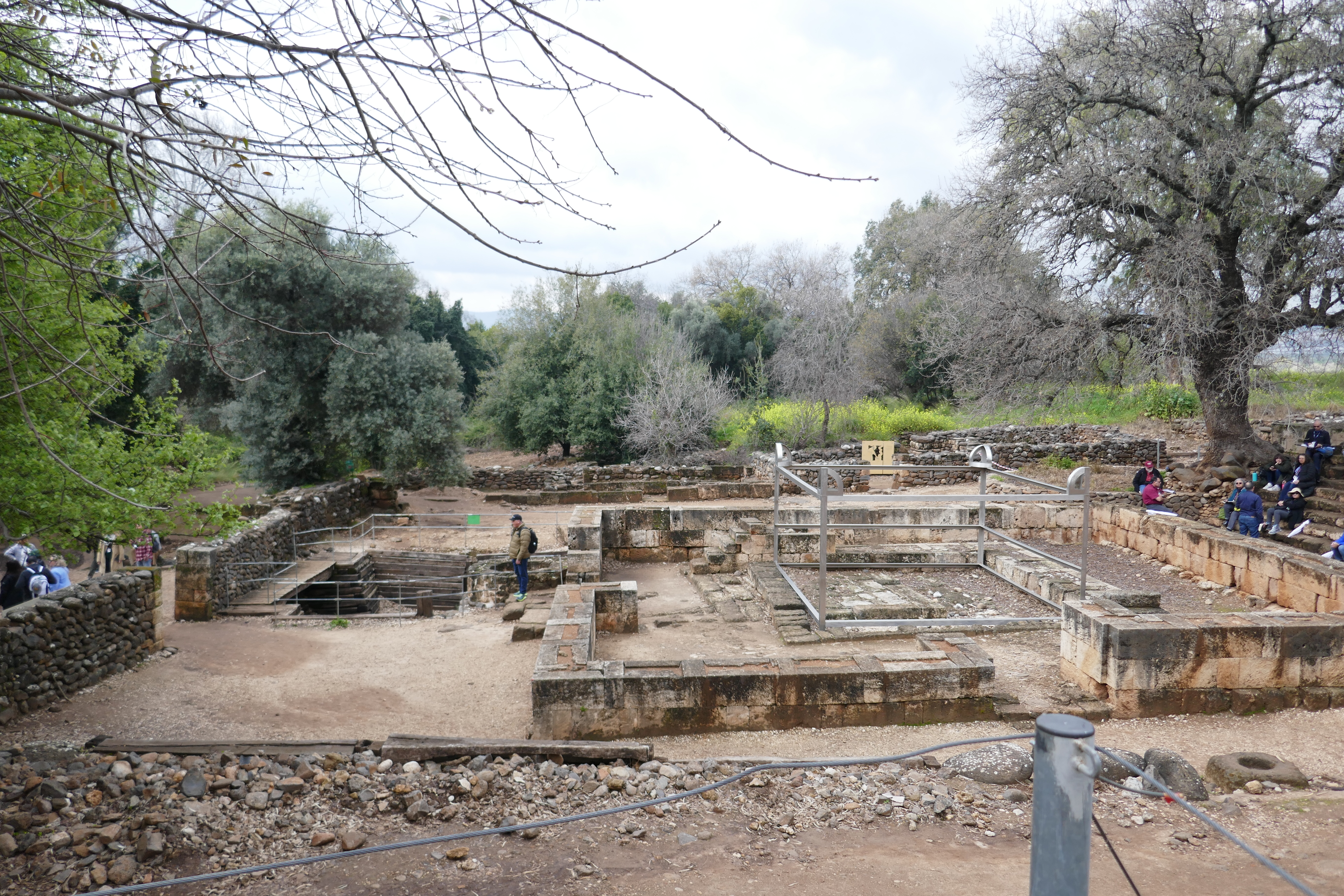
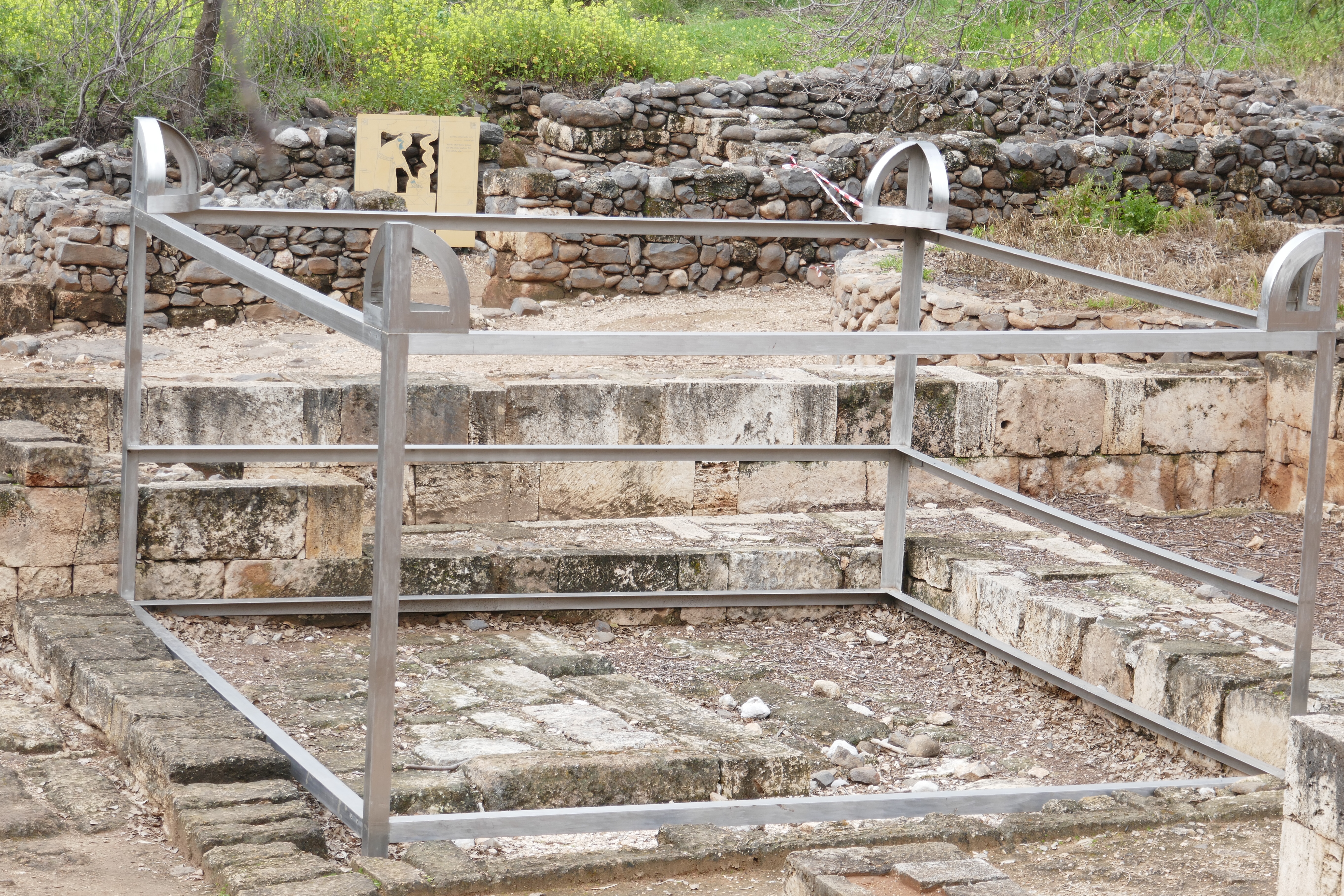
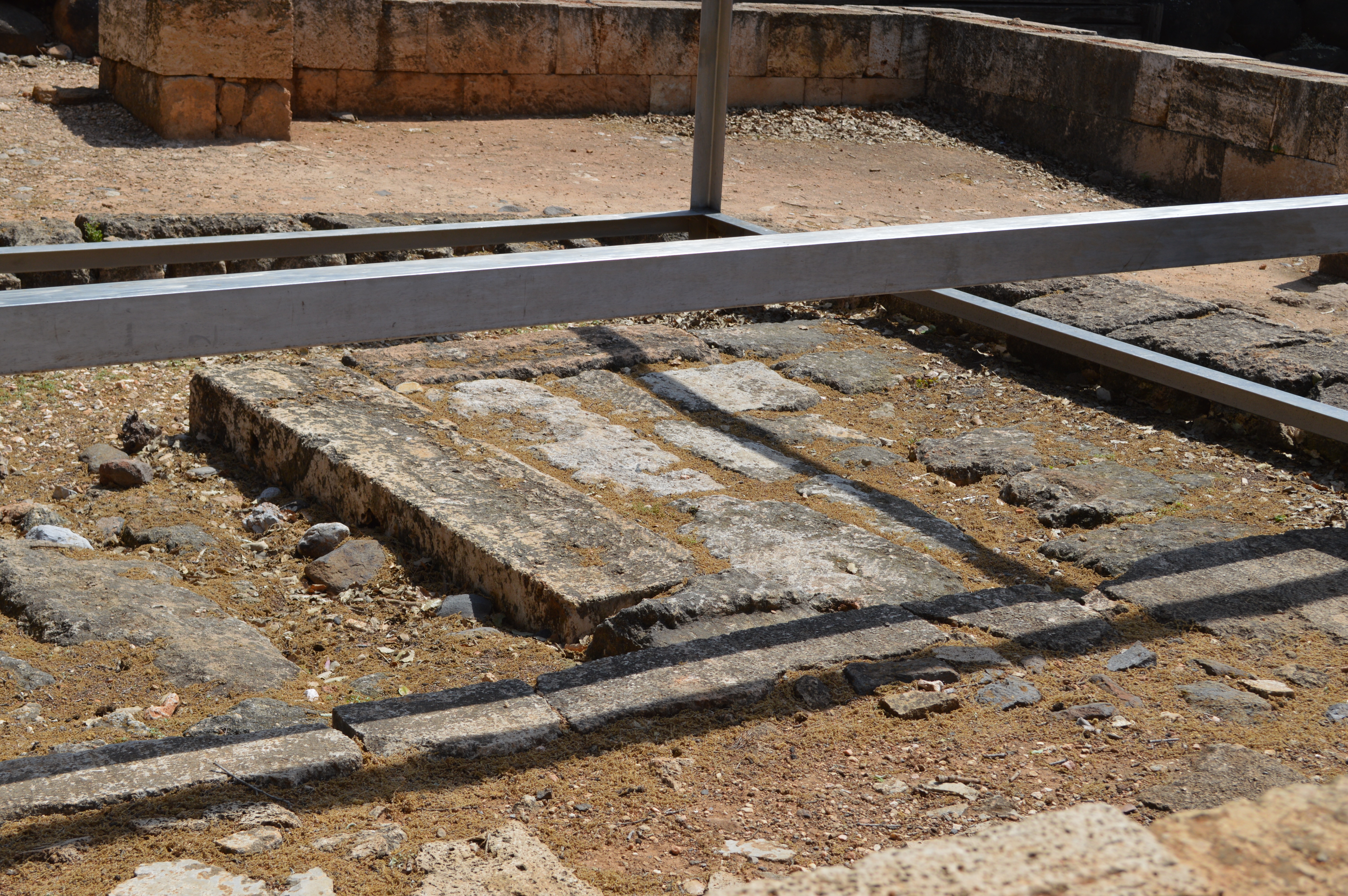
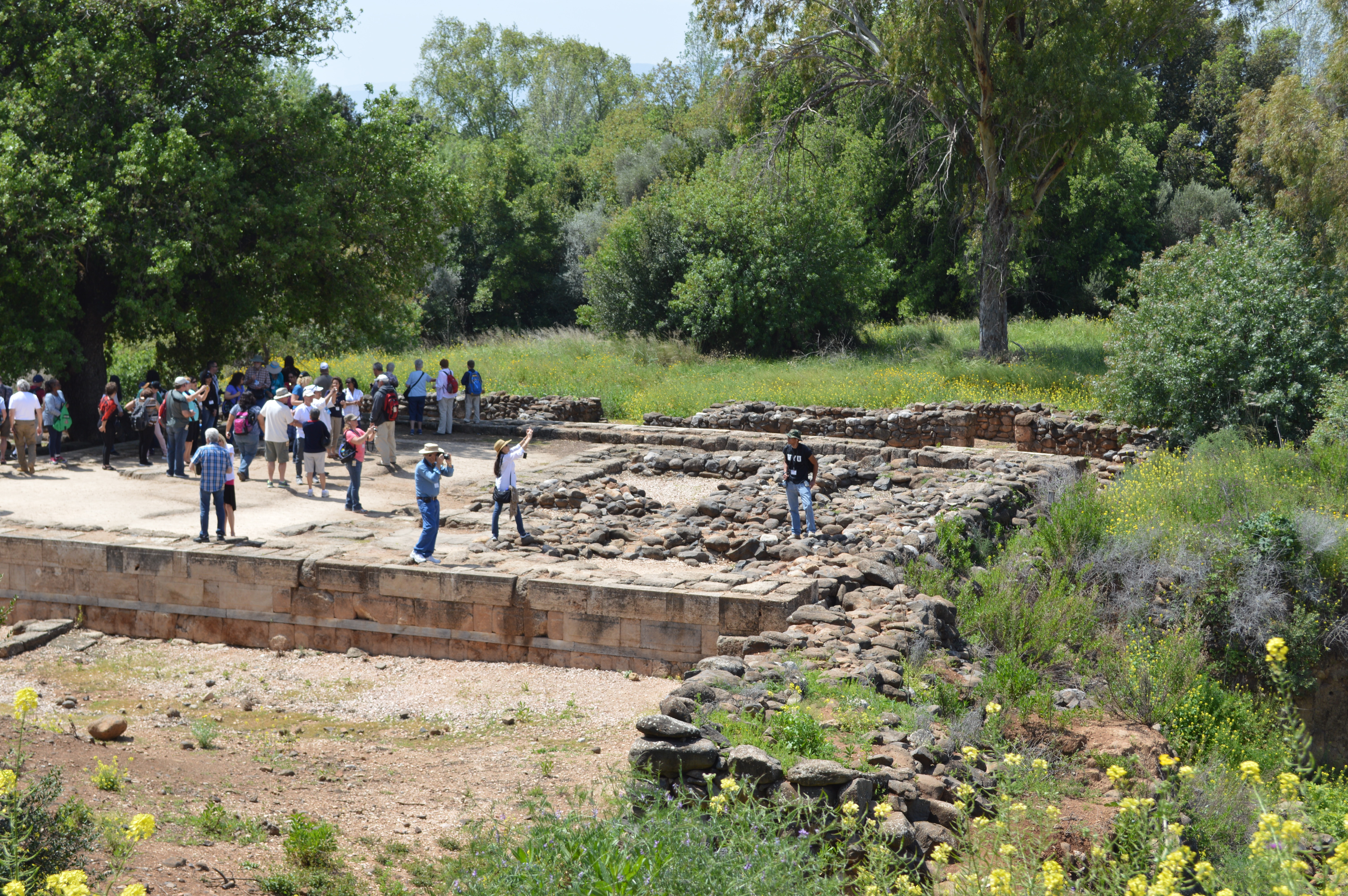
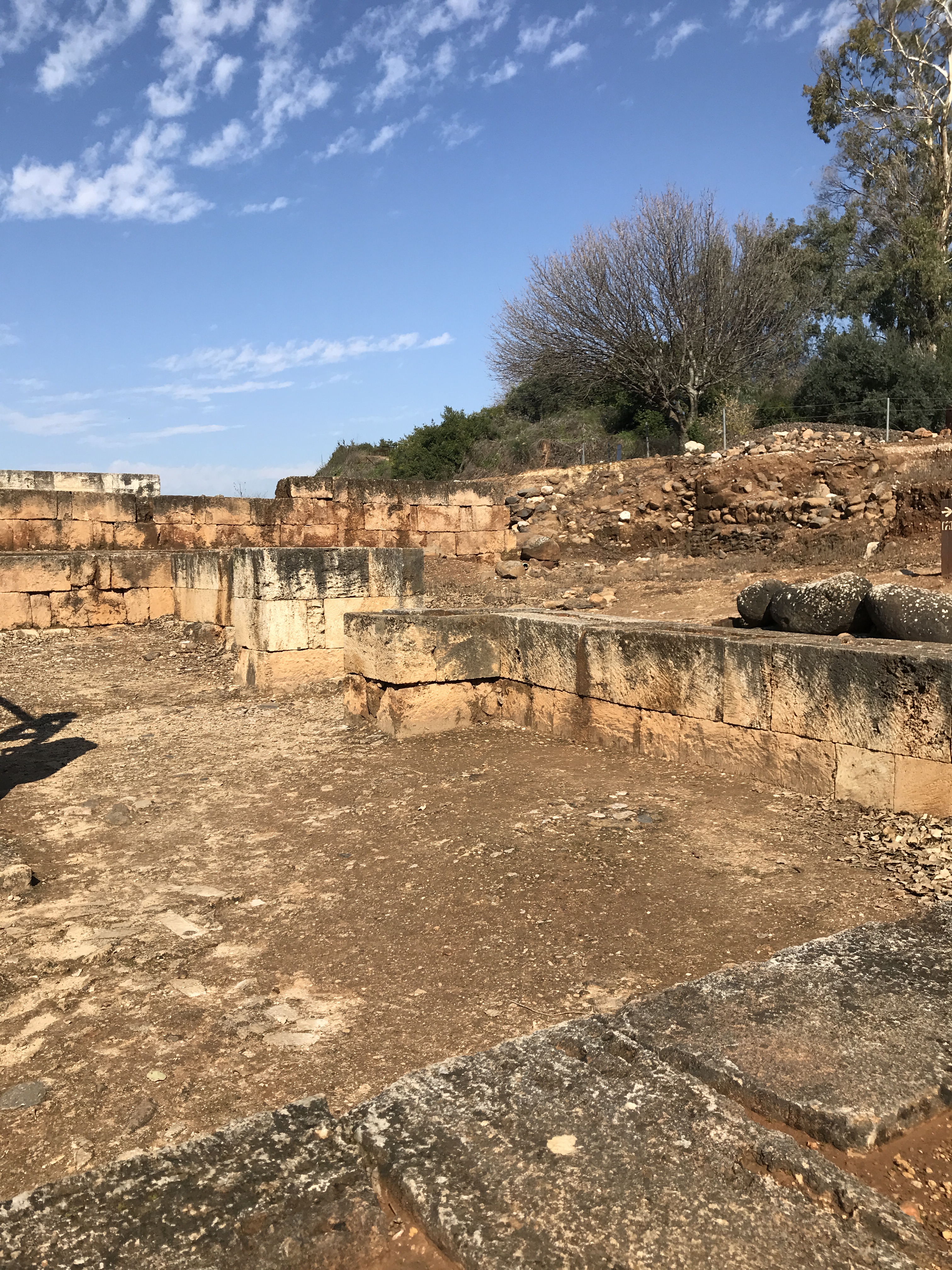
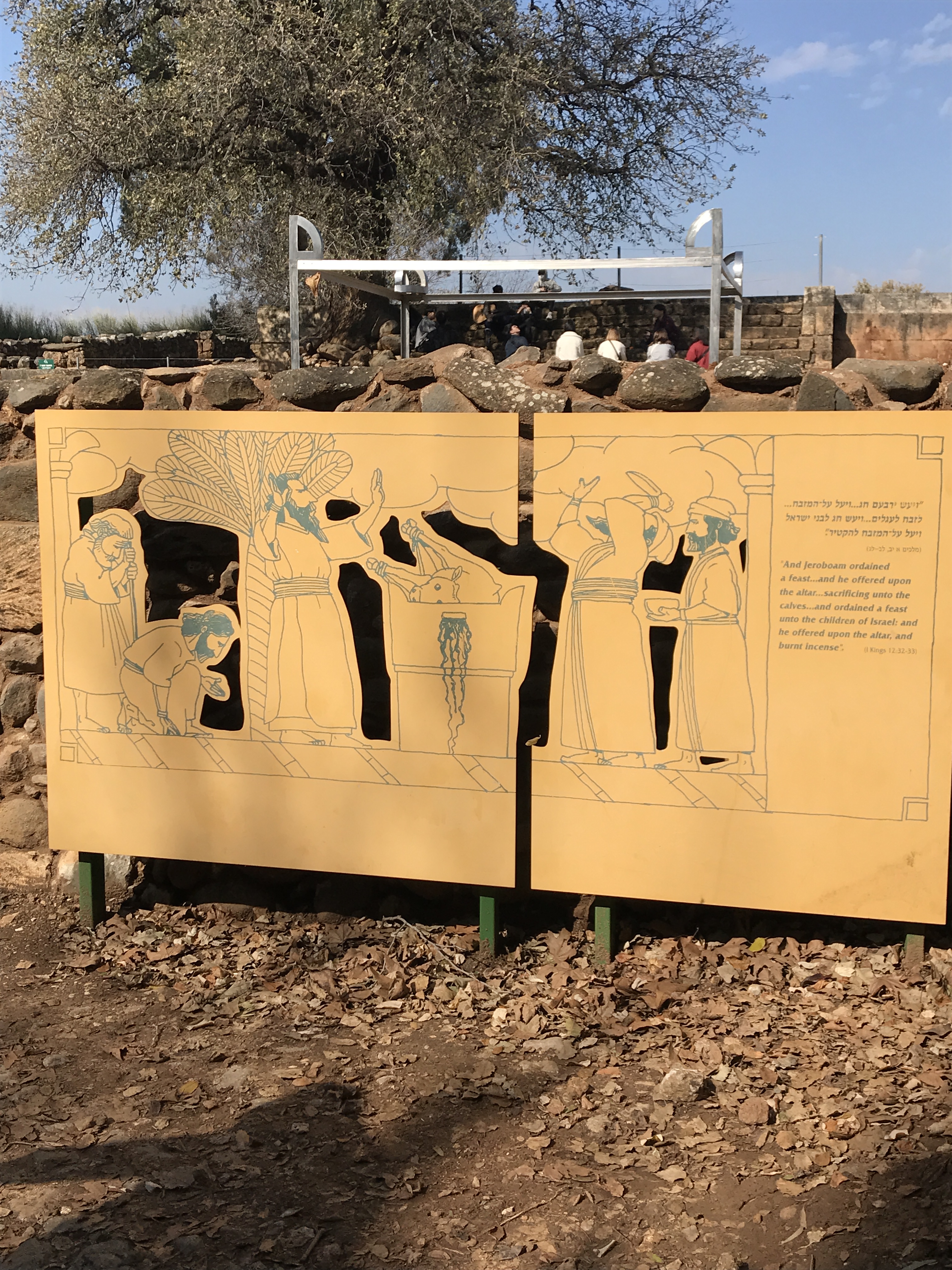
So much can be learned from the cultic site at Tel Dan. The site was not one that the YHWH authorized, but it still offers us insight into the worship practices of the Israelites (in the Northern Kingdom of Israel) during the period of the two kingdoms. This site has been excavated and the park service has done some useful curating of the site to help visitors visualize things. According to recent information, the upper raised platform is slated for excavation in the coming season. This should yield even more useful information which confirms the Biblical text.
The site at Dan is also wonderful because of all the greenery and flowing water. It is a beautiful place to hike and take in the beauty of the northern Israel, the headwaters of the Jordan and the snow melt from the stately Mount Hermon. It is no mystery why the tribe of Dan sought out this land, killing the former residents to take it. It is also no mystery why the northern kingdom was established in this fertile and verdant region.
Going Deeper: Dan and the Golden Calf
Read 1 Kings 12:25-33
1. What did Jeroboam fear would happen if the people returned to Jerusalem to worship God according to 1 Kings 12:27?
2. What did he do to avoid what he feared according to 1 Kings 12:28-29?
3. What was the result according to 1 Kings 12:30?

It is our desire to help you grow in your knowledge of Adonai and His Word. If you are looking for additional information and/or materials, please visit our website at RootedinHisWord.org and our Facebook page.

Posted in Israel | Tagged Altar at Dan, Bible Study on Dan, Tel Dan, Travel in Israel |
Read Chapter 8
1.What was Saul’s reaction to the stoning of Stephen? Why?
2. What happened right after the stoning of Stephen according to Acts 8:1?
3. What do you learn from Acts 8:2?
4. What was Saul doing according to Acts 8:3?
5. Copy Acts 8:4. How does this impact you? Can you picture them, fleeing persecution, but still being zealous to share the gospel? How does your soul react to this? Would you be afraid and silent? Would you also be preaching the gospel in the midst of your persecution?
6. What does Philip do according to Acts 8:5?
7. What is the reaction of the crowds in Acts 8:6-8?
8. To whom is the reader introduced in Acts 8:9? What is told of him?
9. What was the reaction to Simon the Magician according to Acts 8:10-11?
10. What happens when Philip comes to town according to Acts 8:12-13?
11. Why do Peter and John come to Samaria according to Acts 8:14? What do they do while they are there in Acts 8:15-17?
Going deeper: What is the significance of Samaria and the move of the Holy Spirit there?
12. How does Simon respond in Acts 8:18-19?
13. What is the response of Peter in Acts 8:20-23?
14. What do you learn from the following scriptures? How do they relate to Simon the magician?
Deuteronomy 29:18
Hebrews 12:15
Romans 6:16
Romans 8:8
14. How does Simon respond in Acts 8:24?
15. Copy Acts 8:25. Meditate on this. How does your soul respond to this life the disciples are living? What does it mean to go and preach the good news of God in places that you have historically been an enemy or hated or treated poorly? What would it do to your soul to see God turns the hearts of your enemies before your eyes?
16. Who speaks to Philip in Acts 8:26? What does he say?
Going deeper: Where is Gaza located in Israel? What historical enemy of Israel lived in this area of the land? What is the significance of Gaza to modern Israel?
17. What is Philip’s response in Acts 8:27?
18. Who does Philip meet in Acts 8:27-28? What is he doing?
Going deeper: What is a “eunuch?” What was the function of eunuchs in the ancient near east and other ancient societies?
19. What does the Spirit tell Philip to do in Acts 8:29?
20. When Philip goes over, what does he hear according to Acts 8:30?
21. What does Philip ask the man? What is his response?
22. What passage of scripture was the eunuch reading?
23. What question does he ask Philip about the passage? How does Philip respond according to Acts 8:35?
24. What occurs in Acts 8:36-38?
25. What happens when they came up out of the water according to Acts 8:39-40?
Going deeper: Where was Ashdod located? What was the historical significance of this city? Area of the country?
It is our desire to help you grow in your knowledge of Adonai and His Word. If you are looking for additional information and/or materials, please visit our website at RootedinHisWord.org and our Facebook page.
Posted in Acts | Tagged Acts chapter 8, Bible Study Acts chapter 8, Philip and the Eunuch |
 Rooted and Grounded