Feeds:
Posts
Comments

Go to Dark Gethsemene

In this hymn by James Montgomery, a prolific hymn writer having written over 400 hymns, we go on a journey. We start in the Garden of Gethsemane and Jesus teaches us to ray. Then we go to His trials and learn to bear the cross. Then we go to Calvary and learn to die as Christ did. Finally, we go to the tomb, and Jesus teaches us to rise. It is very simple, and yet profound.

My favorite stanza is, “Early hasten to the tomb where they laid his breathless clay; all is solitude and gloom. Who has taken him away? Christ is risen! He meets our eyes; Savior, teach us so to rise.”

  • Go to dark Gethsemane, ye that feel the tempter’s power; your Redeemer’s conflict see, watch with him one bitter hour. Turn not from his griefs away; learn of Jesus Christ to pray.
  • See him at the judgment hall, beaten, bound, reviled, arraigned; O the wormwood and the gall! O the pangs his soul sustained! Shun not suffering, shame, or loss; learn of Christ to bear the cross.
  • Calvary’s mournful mountain climb; there, adoring at his feet, mark that miracle of time, God’s own sacrifice complete. “It is finished!” hear him cry; learn of Jesus Christ to die.
  • Early hasten to the tomb where they laid his breathless clay; all is solitude and gloom. Who has taken him away? Christ is risen! He meets our eyes; Savior, teach us so to rise.

James Montgomery (1771-1854)

If you are looking for additional information and/or materials, please visit our website at RootedinHisWord.org and our Facebook page. We are currently offering a special on our bible study, Road to Resurrection, which helps the student to delve into the events which took place leading up to and on the Day of Resurrection.
34857624_201435477340473_855160484356161536_n

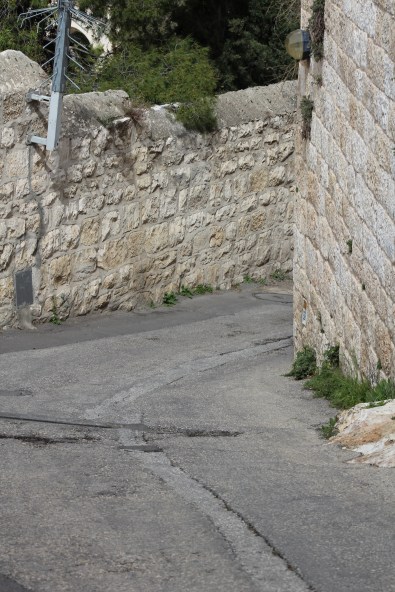
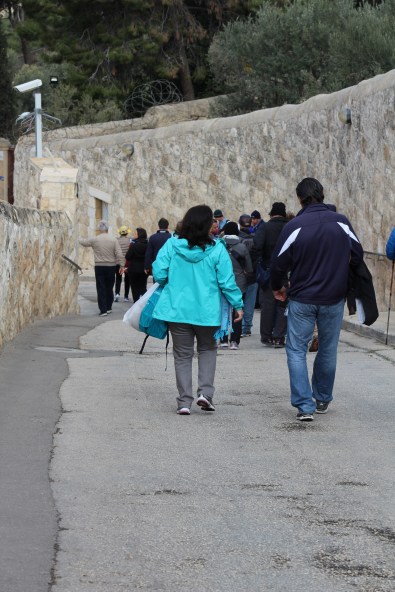
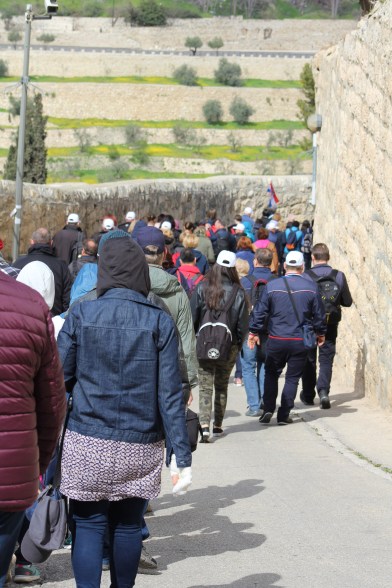
I like the imagery of this hymn by Jeannette Threlfall. It conjures up the Palm Sunday Road in Jerusalem that meanders down the Mount of Olives to the Garden of Gethsemane. It’s a great place to imagine the events this hymn celebrates, namely the crowd shouting “Hosanna in the Highest!” to Jesus as made his triumphal entry into Jerusalem on the foal of a donkey.

Hosanna, loud hosanna
the little children sang;
through pillared court and temple
the lovely anthem rang.
To Jesus, who had blessed them,
close folded to his breast,
the children sang their praises,
the simplest and the best.

From Olivet they followed
mid an exultant crowd,
the victory palm branch waving,
and chanting clear and loud.
The Lord of earth and heaven
rode on in lowly state,
nor scorned that little children
should on his bidding wait.

“Hosanna in the highest!”
That ancient song we sing,
for Christ is our Redeemer,
the Lord of heaven, our King.
O may we ever praise him
with heart and life and voice,
and in his blissful presence
eternally rejoice.

Jeannette Threlfall (1821-1880)

IMG_4669

Palm Sunday Road, Jerusalem

IMG_4625

Pilgrims walking down the Palm Sunday Road

IMG_4668

Pilgrims walking down the Palm Sunday Road

If you are looking for additional information and/or materials, please visit our website at RootedinHisWord.org and our Facebook page. We are currently offering a special on our bible study, Road to Resurrection, which helps the student to delve into the events which took place leading up to and on the Day of Resurrection.
34857624_201435477340473_855160484356161536_n

Bernard of Clairvaux, the writer to whom this hymn is attributed, lived from (1091-1153 A.D.) He was a hugely influential Christian in the Middle Ages and a devout monk. The images he uses in the hymn are reminiscent of the suffering Messiah of Isaiah 53.

I love the  the intimacy Bernard has with his Savior. “How pale thou art with anguish, with sore abuse and scorn! How does that visage language which once was bright as morn!” It seems hard to believe that he wrote these words so long ago because they pierce to my heart as I read and sing them.

O sacred Head, now wounded,
With grief and shame weighed down,
Now scornfully surrounded
With thorns, thine only crown:
How pale thou art with anguish,
With sore abuse and scorn!
How does that visage languish
Which once was bright as morn!

What thou, my Lord, has suffered
Was all for sinners’ gain;
Mine, mine was the transgression,
But thine the deadly pain.
Lo, here I fall, my Savior!
‘Tis I deserve thy place;
Look on me with thy favor,
Vouchsafe to me thy grace.

What language shall I borrow
To thank thee, dearest friend,
For this thy dying sorrow,
Thy pity without end?
O make me thine forever;
And should I fainting be,
Lord, let me never, never
Outlive my love for thee.

If you are looking for additional information and/or materials, please visit our website at RootedinHisWord.org and our Facebook page. We are currently offering a special on our bible study, Road to Resurrection, which helps the student to delve into the events which took place leading up to and on the Day of Resurrection.
34857624_201435477340473_855160484356161536_n

Hymn: And Can it Be?

As we come into the week leading up to the celebration of the death, burial and resurrection of Jesus Christ, I want to consider some of the hymns written about these events and what they mean for us.

In this hymn by the great hymn writer Charles Wesley–he was believed to have written over 6500 hymns–Wesley points out some of the incredible truths of the Resurrection. I love the line, “I woke–the dungeon flamed with light! My chains fell off, my heart was free, I rose, went forth, and followed Thee.” 

  1. And can it be that I should gain
    An int’rest in the Savior’s blood?
    Died He for me, who caused His pain—
    For me, who Him to death pursued?
    Amazing love! How can it be,
    That Thou, my God, shouldst die for me?

    • Refrain:
      Amazing love! How can it be,
      That Thou, my God, shouldst die for me?
  2. ’Tis myst’ry all: th’ Immortal dies:
    Who can explore His strange design?
    In vain the firstborn seraph tries
    To sound the depths of love divine.
    ’Tis mercy all! Let earth adore,
    Let angel minds inquire no more.
  3. He left His Father’s throne above—
    So free, so infinite His grace—
    Emptied Himself of all but love,
    And bled for Adam’s helpless race:
    ’Tis mercy all, immense and free,
    For, O my God, it found out me!
  4. Long my imprisoned spirit lay,
    Fast bound in sin and nature’s night;
    Thine eye diffused a quick’ning ray—
    I woke, the dungeon flamed with light;
    My chains fell off, my heart was free,
    I rose, went forth, and followed Thee.
  5. No condemnation now I dread;
    Jesus, and all in Him, is mine;
    Alive in Him, my living Head,
    And clothed in righteousness divine,
    Bold I approach th’ eternal throne,
    And claim the crown, through Christ my own.

Charles Wesley (1707-1788)

If you are looking for additional information and/or materials, please visit our website at RootedinHisWord.org and our Facebook page. We are currently offering a special on our bible study, Road to Resurrection, which helps the student to delve into the events which took place leading up to and on the Day of Resurrection.
34857624_201435477340473_855160484356161536_n

Read Hosea Chapter 4
1. What are the grounds of the LORD’s legal case (complaint) against the children of Israel according to Hosea 4:1?

Hosea 4:2?

Hosea 4:12-13?

2. What is the result for the land according to Hosea 4:3?

3. What has destroyed the people according to Hosea 4:6?

4. What is God’s judgment on the priests according to Hosea 4:6-10?

5. What additional judgments prophesied for the priests and the people in Hosea 4:11-19?

6. What application can you make to our country today? To your walk with God?
Indeed I tremble for my country when I reflect that God is just.
—Thomas Jefferson


Caesarea Philippi

One of the places that you may visit if you visit Northern Israel is Caesarea Philippi. It is where Jesus asked His disciples the pointed question, “Who do you say that I am? and of course, it is where Peter responded, “You are the Christ!”

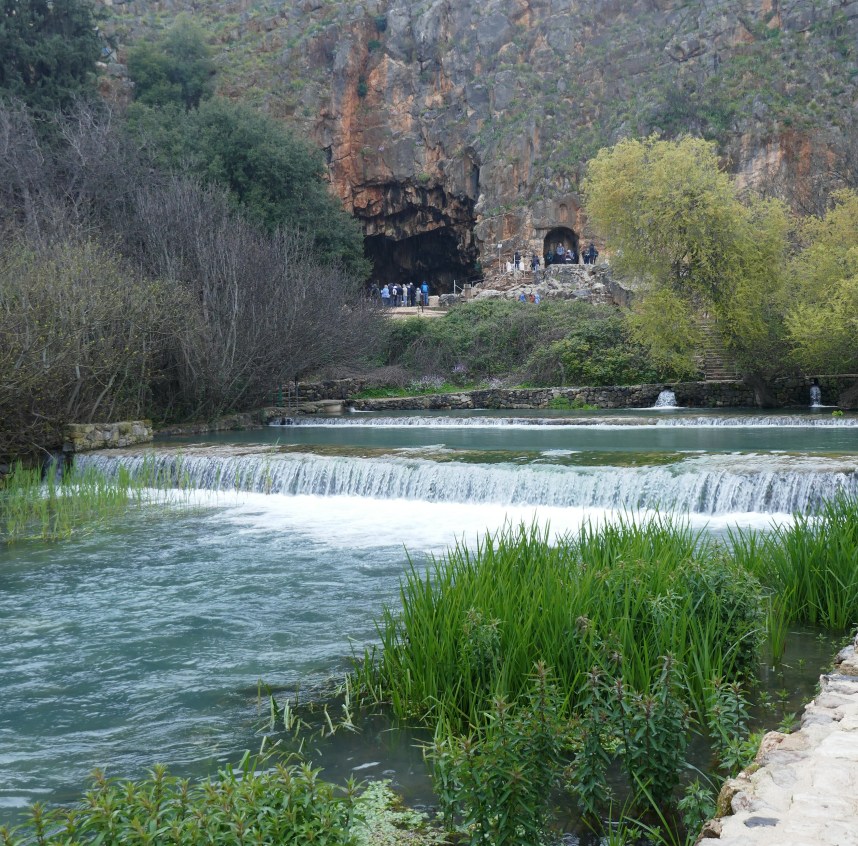
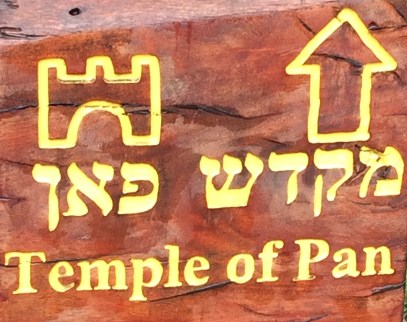
But Caesarea Philippi is largely a pagan spot. It is also known as Banias (or Panias).  It was made famous in ancient times for being where the Greek god, Pan, was said to have visited a nearby spring. During those days, Pan worship was prevalent here.

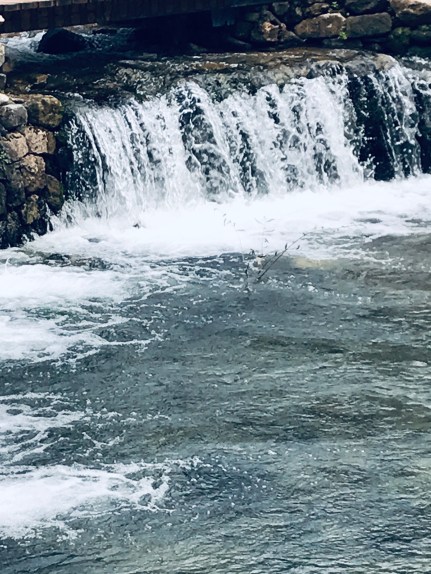
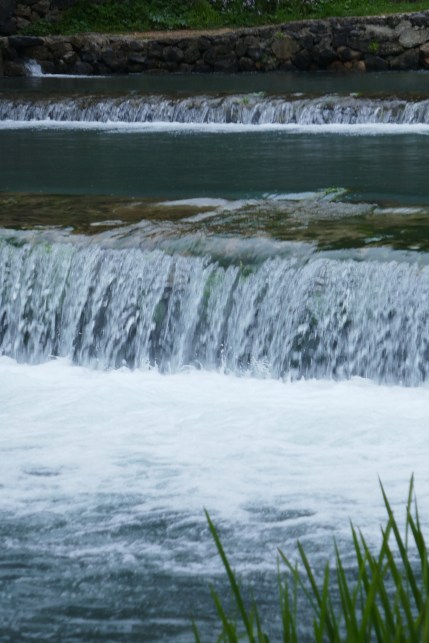
What I enjoy about Caesarea Philippi is the abundance of living water. Water literally comes out of the rocks. The pictures below give you an idea.

IMG_9025P1040716P1040719P1020094P1020095

At the time Jesus and His disciples visited Caesarea Philippi it would have been a city filled with temples to a variety of pagan gods including those of the Greeks and Romans. Only the ruins of some of those temples and others built later remain today.  See the photos below of some images of the ruins and the cave of Pan.

IMG_5633

Temple of Pan

IMG_8997

Caesarea Phillip (1)

IMG_8992

Caesarea Philippi (2)

IMG_9002

Caesarea Philippi (3)

IMG_5670

Caesarea Philippi (4)

IMG_5668

Cave of Pan (Caesarea Philippi)

Lone Tree

a lone tree
clings to the banks of the raging river
leaves tossed
boughs bent
daily tested by the elements

its roots dig deeper
holding the tree to the shore
security sought in the deep rich soil

how the barren tree during the storm
its leaves blown off

how ugly the tree
its bark patched
its branches twisted

but the clouds disperse
the sun greets the little tree
coaxing it heavenward

by the time the warmth of Spring arrives
the tree is covered in green buds
a promise of many leaves and much fruit

References:
Psalm 1:3 He shall be like a tree Planted by the rivers of water, That brings forth its fruit in its season, Whose leaf also shall not wither; And whatever he does shall prosper.

Job 23:10 But He knows the way that I take; When He has tested me, I shall come forth as gold.
Copyright MaryBeth Mullin


Read Hosea Chapter 3
1. What does God tell Hosea to do in Hosea 3:1?

2. What has Gomer done according to Hosea 3:1?

3. For what price did Hosea purchase Gomer back?

4. What did Hosea require of Gomer when he brought her back home?

5. What prophecy does Hosea speak over the sons of Israel in Hosea 3:4-5?

img_4274

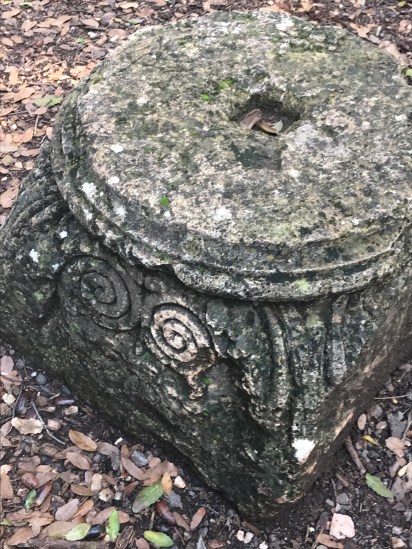
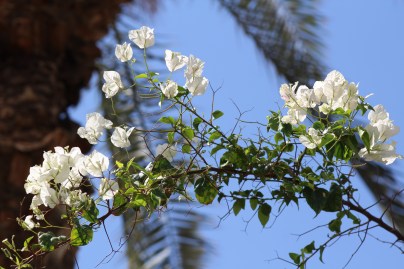
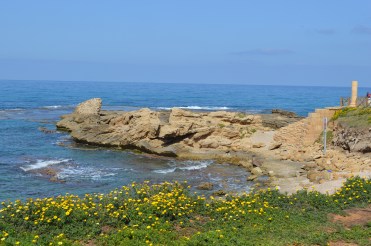
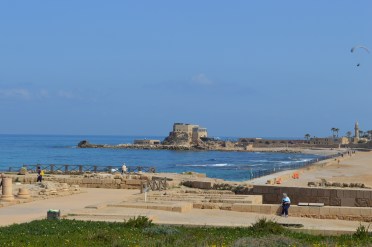
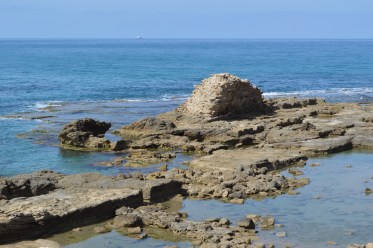
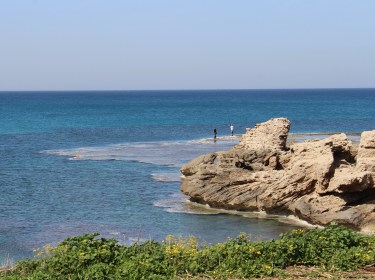
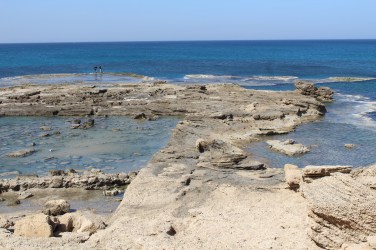
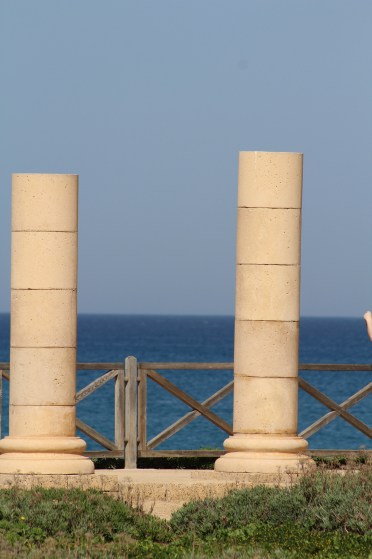
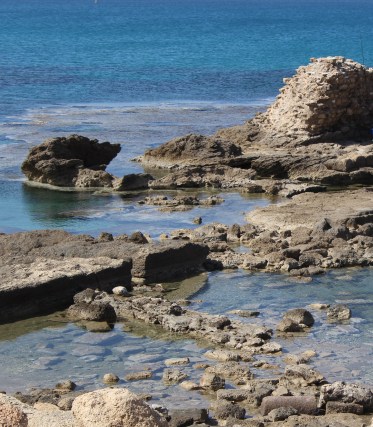
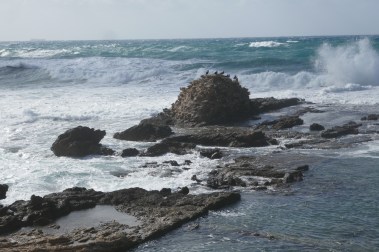
Have you ever been to the Mediterranean Sea? It is beautiful. The seaport of Caesarea is on the coast of the Mediterranean, and it is spectacular although most of what is left of the man-made harbor and the ancient city is only ruins. The varied blue hues of the sea captivate. I have been to Caesarea on several occasions and most recently when I was there, the sea was rough and tempestuous as compared to earlier visits. Below are some of the photos I have taken on my visits:


DSC_0045DSC_0042

dsc_0053

Caesarea Maritima

img_3432

Caesarea Maritima

img_3451

Ruins of Herod’s Port at Caesarea

img_3442

Caesarea Maritima

IMG_3454

Caesarea Maritima

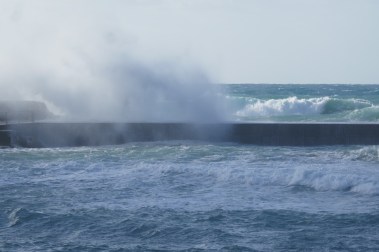
The photos below are from my visit in 2020. The sea was very different that day than I had seen it in the past.

IMG_9511P1050046P1050095

In Caesarea, no natural harbor existed. It was Herod the Great, the master builder, who built a huge man-made harbor here. It was a great feat of design and engineering. Unfortunately, Herod’s structure was no match for the forces of nature.

Caesarea has a new visitor’s center which opened last fall which features a short movie about Herod and provides lots of interesting information about Caesarea.

If you are looking for additional information and/or materials, please visit our website at RootedinHisWord.org and our Facebook page. 

34857624_201435477340473_855160484356161536_n

Hosea is preeminently the prophet of love; but unlike some teachers today, he doesn’t minimize the holiness of God. We’re told that “God is love” (1 John 4:8, 16), but we’re also reminded that “God is light, and in Him is no darkness at all” (1:5). God’s love is a holy love, not a sentimental feeling that condones sin and pampers sinners.
Be Amazed: Restoring an Attitude of Wonder and Worship, Warren W. Wiersbe

Read Hosea Chapter 2
1. What does God tell Hosea to say to his brothers in Hosea 2:1? Why?

2. What does God tell Hosea to say to his sisters? Why?

3. How does God describe His relationship with His people in Hosea 2:2?

4. What judgment does God promise if Israel does not abandon her prostitution/adultery in Hosea 2:3?
5. What does God promise to her children in Hosea 2:4? Why?
6. What does God of Israel in Hosea 2:5?

7. What do you learn from the following verses?
Romans 12:2

James 4:4

1 John 2:15-17

8. What does God say He will do to Hosea in Hosea 2:6-13? Why?

9. What does God say He will do for Israel in Hosea 14-23? Copy each “I will statement” below.

10. Review God’s “I will” statements above. What does that tell you about the heart of God?

11. Copy 1 Corinthians 13:4-8 here. Meditate on that. How can you see that love on display in this chapter? In the history of Israel?

12. How will Israel respond to God at that time according to Hosea 2:15-16?