Feeds:
Posts
Comments

Exodus – An Introduction

Having finished studies in the book of Genesis last year, we move on to the book of Exodus as the story of the people of God continues.

If you are just joining the study now, it might be helpful to review Bible Basics (Part 1) and Bible Basics (Part 2) both of which provide some introduction to the structure of the books of the Bible. As discussed in Bible Basics (Part 2), the book of Exodus is one of the 5 books of the law, sometimes known as “The Pentateuch.”

Exodus, according to Bible teacher J. Vernon McGee, means “the way out”. In the Book of Exodus, which is the second book of the Old Testament and the second book in the Pentateuch (law), we are told the story of how the Hebrews (descendants of Jacob) went out of Egypt, out of a life of slavery to Pharaoh.

It might be helpful to review the studies in Genesis Chapters 47-49 and Genesis  Chapter 50 to be reminded of where the story left off.

The opening chapter of Exodus lets us know that Joseph and his generation have passed away. A new king has arisen, and Joseph is not remembered. As a result, the descendants of Joseph are not show any favor. As a matter of fact, because they have grown so numerous and are perceived to be a threat, the new king seeks to oppress them and limit their population growth.

In the book of Exodus, the people of God (Israelites) will be delivered from Egypt, they will experience many miracles of God, they will receive the law of God (10 Commandments) and they will have several great failures as God’s people. All this will be before they enter the land God has promised them through Abraham, Isaac and Jacob.

img_0799


Psalm 9

We have been posting a series of bible studies in the book of Psalms. If you missed the introduction, you can find it at this link: Introduction to Psalms

Read Psalm 9
1. What background and/or historical knowledge do you have for this Psalm?

2. What do you learn about God from this psalm?

3. What does David say about the nations? The wicked?

4. What does David ask God for in this psalm?

See also related studies in the book of Psalms: Psalm 1, Psalm 2, Psalm 3, Psalm 4, Psalm 5, Psalm 6, Psalm 7, and Psalm 8


Psalm 8

Read Psalm 8
This is a Psalm of Praise. It is often categorized further as a creation psalm. Other creation Psalms include Psalm 19:1-6; Psalm 33 and Psalm 104.

1. What background and/or historical knowledge do you have for this Psalm?

2. What does David say about God in this psalm?

3. What does David say about man in relationship to God?

4. What does David say about man in relationship to the animals, fish, etc.?

img_1762

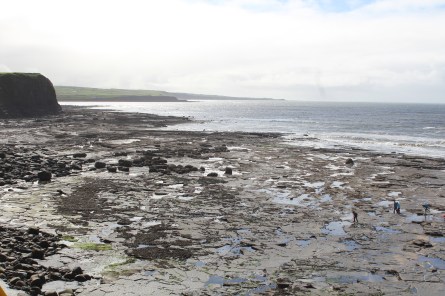
During my trip to Ireland last year, I visited a part of Ireland far from the hustle and bustle of the big cities like Galway and Dublin-the beautiful North County Clare. It is in this part of Ireland that you will find the Cliffs of Moher. Words don’t do them justice, so I’ll share some photos.

The beauty of the cliffs is only one reason for their fame. The Cliffs are also famous because in a nation plagued by suicide, the Cliffs of Moher are a spot from which many people cast their lives aside.

But God has seen fit to bring a different message from the cliffs. I became more acquainted  on my trip with John McCarthy, the founder of a ministry known as the Cliffs of Hope . The ministry also has a Facebook page Cliffs of Hope.

John McCarthy is a local business owner – he owns and operates Lahinch Surf School in Lahinch, just a short drive from the Cliffs of Moher.

John was something of a surf celebrity in Ireland. He continues to surf, but his heart is for the lost and hurting in Ireland. He shares stories and encouragement through videos. You can find a variety of them on his Facebook page and his website. I encourage you to check him out.

For some of the other ministries I visited check out North Clare County and Galway.

Psalm 7

Read Psalm 7
1. What background and/or historical knowledge do you have for this Psalm?

2. What is the significance (meaning) of the name “Yahweh?”

3. What is David asking for in this psalm?

4. What does “selah” mean or signify?

5. How does David describe the evil or wicked one?

6. What do you learn about God’s character in this psalm? (verses 9, 10, 11, 12, 13)

7. What is the change that occurs from the beginning of the psalm to the end in the mind/emotions of the psalmist?

8. What is the significance (meaning) of the name “Most High” (El Elyon) in verse 17?

img_1750

Psalm 6

Read Psalm 6

1. What background and/or historical knowledge do you have for this Psalm?

2. What is the prayer of David to God in the opening verses?

3. What do you learn about David’s situation, mental state? Give verses to support.

4. Where does the transition in tone occur in this psalm?

Going deeper: What does “sheminith” mean?

DSC_1404.JPG

Psalm 5

Read Psalm 5
Because the Psalm is short, try to read it over several times during the week. Maybe even in different translations.

Psalm 5 is considered an individual lament psalm because it is a cry for help to God in a time of distress.

1. What background and/or historical knowledge do you have for this Psalm?

2. What is the Psalmist asking of God in the opening verses?

3. What does David (Psalmist here) have to say about God’s conduct and character? (Verses 3-6)

4. How does David describe his time with God? (Verses 7-8)

5. How does David describe his adversaries?
Going Deeper: From what you know of his life, who were some of David’s adversaries?

6. What do you learn about David from this Psalm? God? Believers (those who love God/righteous)?

7. What application can you make to your own life?

img_2648

Hopefully, you were reading your Bible this year. There are many different ways to read systematically through the Bible. This is the most effective way of ensuring you are not “cherry-picking” scriptures to read – that is choosing those parts of the Bible that say the things that you like and don’t confront you in the areas where you are not lined up with God. It is important to study the whole counsel of God to know God and to be able to walk with Him consistently – in the good times and in the tough times.

The following are some links to help you find a schedule of reading that suits your desires:

Blue Letter Bible reading plans

Ligonier Bible Reading

Christianity.com

While it is not the time frame in which you finish reading the Bible through, it is the consistent, daily, verse-by-verse and chapter-by-chapter reading of the Bible that makes a huge difference. It is not that you will understand everything or apply everything, but it is the idea that you are exposing yourself to the entire revelation of God. By doing that consistently over time, you will begin to see that the word of God will change you.

I also recommend that as you read through the Bible, you write down verses or sections of scripture that minister or speak to you on any given day. This writing out of scripture helps to reinforce it in your mind. It also helps you to meditate on it as you write it out by hand.

The benefits of a journal are to numerous to go into here, but perhaps that is a topic for another post.

May the LORD richly bless your efforts to study His word consistently every day of 2017.

9cRgxypKi

Taking stock of 2016

In preparing for the coming year of building Biblical literacy, it is important to evaluate last year’s progress and to take a spiritual inventory of sorts. Consider the following questions as just some of the aspects of your spiritual life to consider:

1. What did you learn about studying the Bible this past year?

2. What books of the Bible did you read? Study?

3. Did God give you a scripture(s) this year? If He did, explain how that spoke to you throughout the year.

4. Did you share with anyone what you were learning from the Bible this year? Explain.

5. Did you share your testimony this year with anyone? Explain.

6. Did you lead anyone to Christ this year? Explain.

7. Did you disciple anyone in their walk with God this year? Explain.

8. Did anyone disciple you in your walk with God this year? Share your story.

9. What would you consider the spiritual highlights of this past year for you?

10. What, if any, spiritual goals do you have for the coming year?

As you consider these questions, feel free to post a comment sharing how God has brought you forward in your knowledge of Him and His word in 2016. I am sure this would be encouraging for everyone.

May God bless you as you close out 2016 and may He embolden you as you march forward into 2017.

Soli Deo gloria!

O Sweet Jesus!

O, sweet Jesus, baby boy
Your gentle hand will guide
Generations to the promised land
Sinners justified

By Your birth you testified
The Father’s faithfulness
By Your death upon the cross
You taught obedience

O, sweet Jesus, meek and mild
In rugged manger born
You chose the humblest entry point
not even one was scorned

Shepherds, the most lowly
You revealed Your birth to them
Wise men from afar off
Believed and worshiped then

Twas not to high and lofty ones
With knowledge, power, prestige
But to the humble, foreign men
From waiting a reprieve.

From Bethlehem to Golgatha
Wasn’t far to walk
But every step the Father’s will
You would never balk

O, sweet Jesus, born to die
So sweet your baby hands
But later they would pierce them thru And kill the precious lamb

I know the end
All is not lost
Like Jonah and the fish
Three days passed, You rose again
having paid the cost

O, sweet Jesus, hear my prayer
You died for me I know
But now I want to live for You
And make my heart Your throne

O, sweet Jesus, Lord of all
King o’er every King
Come quickly for your church to take
Your praises we will sing

But ‘til you come I pray to be
A light upon a hill
your name I want to lift up high
Bring glory, do your will

Copyright  MaryBethMullin