Feeds:
Posts
Comments

Posts Tagged ‘Biblical Literacy’

Read Genesis 17
1. This chapter opens with a very clear command from the LORD. It seems like it would be impossible, and yet God is requiring it of Abram. God is also making a promise or covenant along with the command. What is God promising Abram in verse 2?

2. What is Abram’s reaction to God’s speaking to him in Genesis 17:3?

3. What does God do for Abram in Genesis 17:5? Why? What does the new name mean?

4. According to Genesis 17:7, who is also part of the covenant between God and Abraham?

5. What kind of covenant is God making according to Genesis 17:7?

6. Review Genesis 17:5-8, and list all the promises God is making as His part of the covenant with Abraham and his descendants.

7. What is required of Abraham and his descendants under the covenant according to Genesis 17:9-14? Write out some of the specifics.

8. What does God do in Genesis 17:15? What does the new name mean?

9. What promise does God make to Sarah in Genesis 17:16? How does Abraham respond in Genesis 17:17?

10. What happens in Genesis 17:18? How does God respond?

11. What is God’s promise regarding Ishmael?

12. What does Abraham do in Genesis 17:23-27? How old is he?

13. What do the following verses tell us about circumcision?
▸ Luke 2:21

▸ Romans 2:25-29

▸ Romans 4:11-12

▸ Galatians 5:6

14. Names of God. If we go back to verse one of Chapter 17 of Genesis, we are introduced to another name of God. This time, the name “Almighty God” is in the Hebrew, “El Shaddai,” which means the All-Sufficient One. God is sufficient to meet all of our needs. As you end this lesson, consider the sufficiency of God. He created all things. He is all-powerful (omnipotent). He is all-knowing (omniscient). He is all-present (omni-present). He is all that we need. What need do you have today in your life? God is sufficient to supply that need. Believe and trust in His sufficiency.

 

Read Full Post »

Read Genesis 16
1. What does Sarai convince her husband to do?

2. What does Abram say or do about the idea?

3. What happens after Abram follows Sarai’s advice?

4. What was Abram’s solution?

5. What happened to Hagar? Who visited her in the wilderness?

6. What things does the Angel of the Lord tell Hagar?

7. What name for God is introduced in verse 13?

8. What do you learn about Abram and his son in the last verses of Chapter 16?

9. What mistake did Sarai make in giving advice to Abram?

10. What insights into the character of God have you gained from this chapter?

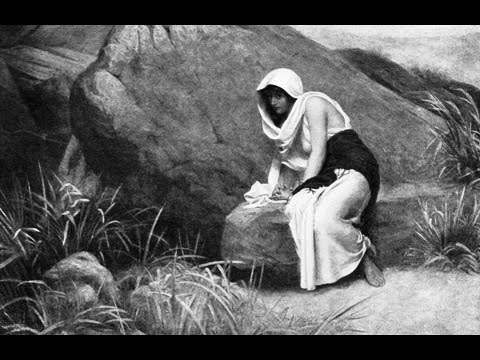
hagar

Read Full Post »

Read Genesis 15
1. In verse 1, what does “after these things” refer to?

2. What did the LORD tell Abram in the vision?

3. Why do you think He would He tell Abram that?

4. In Genesis 15:2-3, Abram brings his complaints to the LORD. What is he concerned about?

5. What is God’s response in Genesis 15:4-5?

6. Copy Genesis 15:6 here. What application do you see in this verse for your life? Your faith in Christ?

7. Read Romans 4. What additional information do you learn about Abram and his faith in the promises of God?

8. Genesis 15:8-21 show Abram’s request for confirmation of the promise, and God’s giving of that confirmation. Describe what happened after Abram asked God how he would know that he would inherit the land.

DSC_0285

Read Full Post »

Read Genesis 14
1. Whose kidnapping is described in Chapter 14? Describe briefly how it occurred.

2. What was Abram’s response to the kidnapping?

3. Genesis 14:18-20 introduces a new character, Melchizedek. What do you learn about him from these verses?

4. What additional information do you gain from the following verses?
a. Psalm 110:1-4

b. Hebrews 6:20; 7:1-3

5. What does Melchizedek bring out? From the New Testament, what does this remind you of?

6. What is Abram’s response when the king of Sodom tries to offer him a reward? What does he say to explain his position?

DSC_0281

Read Full Post »

Read Genesis 13.
1. What does Abram do after leaving Egypt according to Genesis 13:4?

2. A dispute arose between the herdsmen of Abram’s livestock and the herdsmen of Lot’s livestock. How did Abram resolve the dispute according to Genesis 13:8-12?

3. Abram seeks peace with Lot and he even allows Lot to choose the land first. Read Psalm 33:16-22 and consider how Abram trusted in the LORD. How can you apply this to your current situation?

4. What do you learn about Sodom from Genesis 13?

5. Copy the promise of God to Abram in Genesis 13:14-17 below.

DSC_0285


Read Full Post »

The story of Abram (later known as Abraham) spans more than nine chapters in the book of Genesis. In order to be able to study the life of Abram and his part in God’s plan of salvation, we must look to chapters 12 to 20.

The introduction to Abram begins at the end of Genesis chapter 11. Re-read this section.
1. Record what you learn about Abram in Genesis 11:27-32.

2. Record what you learn about his wife, Sarai (Sarah).

3. What does Hebrews 11:8 tell us about Abraham (Abram)?

Read Chapter 12 of Genesis which begins with the call of Abram by the LORD.
4. What does God tell Abram in Genesis 12:1-3? How does Abram react?

5. What additional information about these events to you find in Acts 7:2-4?

6. In Genesis 12:7, God makes a promise to Abram. Copy it here. What does Abram do in response?

7. What does Abram do in Genesis 12:10? Why?

8. What does Abram tell Sarai to do when they get to Egypt in Genesis 12:11-13? Why?

9. What did Pharaoh do with Sarai? Why? What did he do for Abram?

10. What happened to Pharaoh after Sarai came to Pharaoh’s house? Why?

11. What is Pharaoh’s reaction to Abram when he finds out about the situation?

12. What do you learn about Abram from this story? What was Abram’s solution to his situation? What should his solution have been?

13. What do we learn about Sarai from the situation? Do you agree with what she did? Why or why not? How did God protect Sarai?

14. What does 1 Peter 3:1-6 add to what we know about Sarai (Sarah)?


Read Full Post »

Read Genesis Chapter 11
1. What was the situation on the earth at the beginning of Genesis 11?

2. How did it change in the chapter?

3. What does Genesis 11:4 tell us about the heart of man at that time?

4. What does God do in genesis 11:5? What observations does He make?

5. What did God do? Why?

6. What happened as a result?

7. Who is Terah? What do you learn about him from the chapter?

8. Who is Abram? What do you learn about him from the chapter?

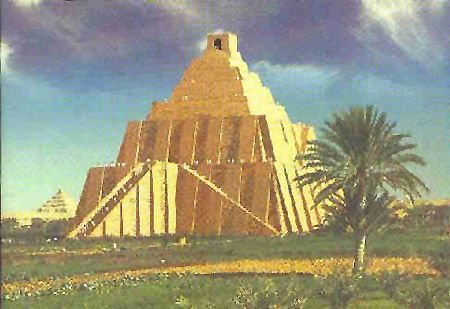
tower of babel 2

Read Full Post »

Some biblical concepts are easier to understand than others. Redemption may be one of the easier ones. To redeem something means to buy it back.

Imagine you are short on funds for your rent payment. The landlord is threatening to evict you if you don’t pay by the close of business. How do you get money quick? You might consider pawning your Fender guitar – not because you want to sell it, but because it has value and the pawn shop owner might give you enough cash to make your rent. When you get paid at the end of the week, you might head back to the pawn shop to redeem – or buy back – your guitar.

  • What does this have to do with Jesus?
  • Who is being redeemed?
  • From what?
  • How?

The Bible teaches us that Jesus is the redeemer. (See Galatians 3:13; Titus 2:14, Hebrews 9:12)

We are the redeemed – some of us. The redemption is not limited to any particular group of people. The redeemed come from every tribe and tongue and people and nation. Revelation 5:9)

The redemption Jesus Christ offers is redemption from the curse of the law (Galatians 3:13), from every lawless deed (Titus 2:14) and from  power of the grave (Psalm 49:15)

It is by Jesus’ own blood that He redeemed us, purchased us back from the ruler of this world (Satan). (See Hebrews 9:12, Revelations 5:9)

The best news is that this redemption Christ has accomplished for me – for you – is eternal (it has no end).

pieces of silver

Read Full Post »

In this series of posts on the vocabulary of the resurrection and surrounding events, today we consider redemption.

Here’s your assignment:

  1. Consider the dictionary definition of the words redeem and redemption.
  2. Consider the following verses and what they add to your understanding of redemption:
  • Psalm 49:8, 15
  • Lamentations 3:58
  • Galatians 3:13
  • Titus 2:14
  • Hebrews 9:12
  • Revelation 5:9

lamb

Read Full Post »

As promised, here’s some of what I found and thought on the issue of atonement:

Paul E. Little in Know What You Believe says “atonement means, “at-one-ment”–that is to say, a bringing together of those who are estranged.” He concedes that in the Old Testament, atonement referred more to a covering. The covering for sin provided under the sacrificial system would suffice until the death of Christ. In the New Testament, Little says that atonement encompasses several ideas, namely reconciliation (as mentioned in Romans 5:10), and appeasement or propitiation–“the removal of wrath by the offering of a gift.” (See Romans 3:25).

According to Grudem in his Systematic Theology, two aspects of the character of God are at work in the atonement: His love and His justice. The love we see explained in John 3:16 and the justice we find in verses such as Romans 3:25. Grudem says, “the love and the justice of God were the ultimate cause of the atonement. . . . without the love of God, he would never have taken any steps to redeem us, yet without the justice of God, the specific requirement that Christ should earn our salvation by dying for our sins would not have been met. Both the love and the justice of God were equally important.”

For me, atonement brings to mind imagery of the Old Testament, blood filling the Kidron Valley at Passover and other high holidays as it flowed from the Temple, from the sacrifices killed one after the other on the bronze altar in the court yard–the blood flowed out of the animal and met the sin of the offeror. God had established the blood as a means to cover the offeror’s sin. It was His law.

So it was with Jesus, with His blood on the cross. His blood met my sin–it satisfied the debt my sin represented in the economy of God. It was a permanent solution to my sin problem.


Perhaps a hymn by William Cowper can best express the idea:

There is a fountain filled with blood 
Drawn from Immanuel’s veins,
And sinners plunged beneath that flood
Lose all their guilty stains

Read Full Post »

« Newer Posts - Older Posts »